Showing posts sorted by relevance for query BAN PALM OIL PLANTATIONS. Sort by date Show all posts

Thursday, December 31, 2020

UPDATED

US bans palm oil imports from Malaysian company over abuses

The ban on Sime Darby is another blow to an industry that has faced mounting allegations of labour and human rights abuses.

DESTRUCTION OF FOREST HABITAT ENDANGERING ORANGUTANS
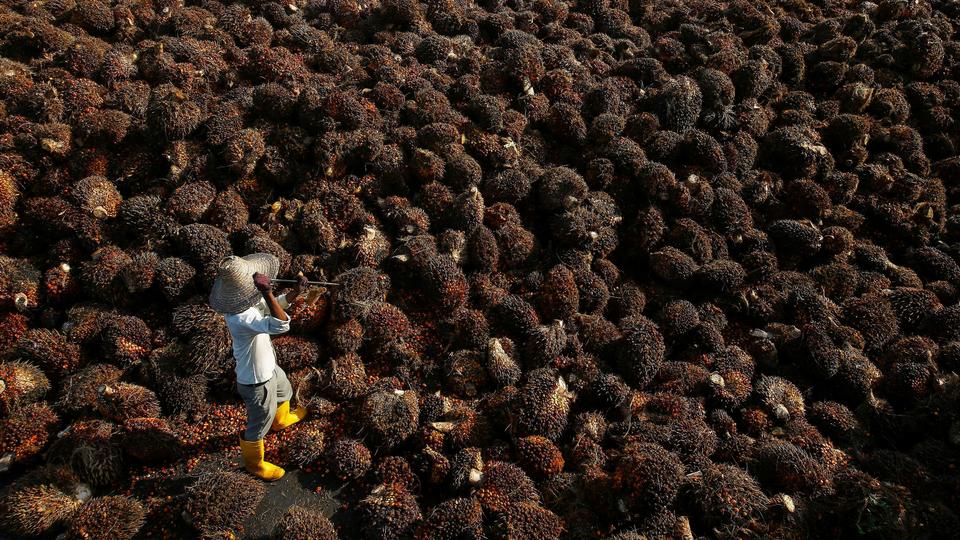
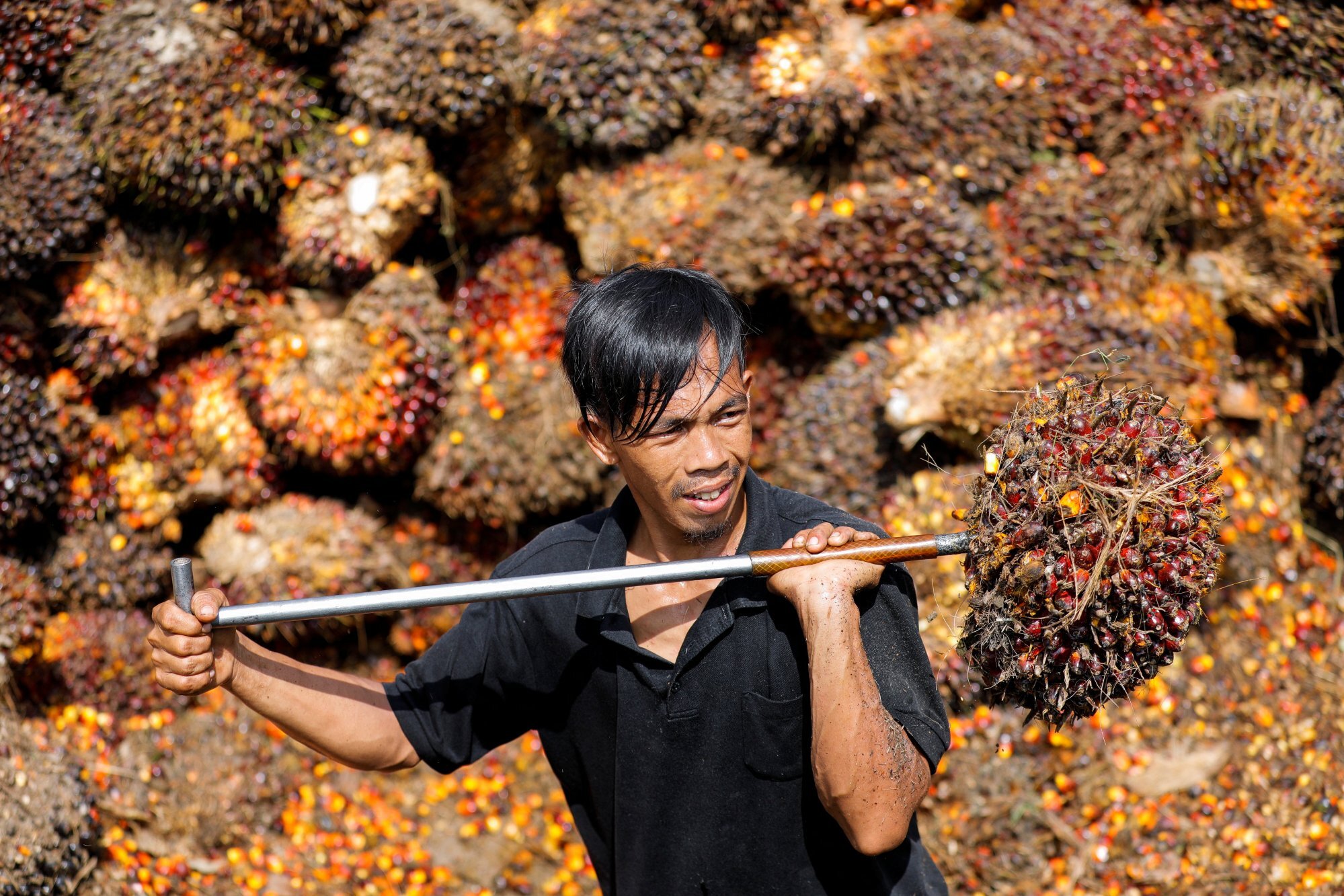
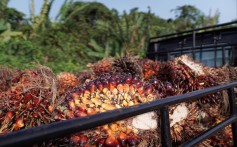
A worker collects palm oil fruit inside a palm oil factory in Sepang, outside Kuala Lumpur, Malaysia, on June 18, 2014. (Reuters)

The United States has banned imports from a Malaysian palm oil giant whose products are found in numerous household goods over concerns that its workers face a litany of abuses.

The move against Sime Darby Plantation, one of the world's biggest producers, marks the second time the US has blocked shipments from a palm oil company in the Southeast Asian nation in recent months.

Palm oil is a common ingredient in items ranging from processed foods to cosmetics, with Malaysia and neighbouring Indonesia producing 85 percent of the world's supply.

But activists have long claimed that low-paid workers on plantations face abuse, and also blame the industry for driving destruction of rainforests to make way for plantations.


Workers facing abuse

Announcing the ban late on Wednesday, US Customs and Border Protection (CBP) said there was evidence Sime Darby workers face abuses including sexual and physical violence, withholding of wages and restrictions on movement.

The CBP said it issued a 'withhold release order' on Sime Darby, which will allow it to detain shipments based on suspicion of forced labour involvement under longstanding US laws aimed at combating human trafficking, child labour and other human rights abuses.

The CBP said the order was based on a months-long investigation that reasonably indicated the presence of the International Labour Organization's forced labour indicators at Sime Darby plantations.

"We do believe that there are some issues that are systemic across all of Sime Darby's plantations," Ana Hinojosa, executive director of CBP's Trade Remedy Law Enforcement Directorate, said on a call with reporters.

READ MORE: True face of beauty brands: Women palm oil workers raped and abused


Malaysian companies on radar

Sime Darby is the third Malaysian company to be slapped with a US ban this year over forced labour allegations after FGV Holdings, another Malaysian palm oil producer, and Top Glove, the world's biggest producer of medical-grade latex gloves.

Malaysia relies on over 337,000 migrant workers from countries like Indonesia, India and Bangladesh to harvest the palm fruit.

The CBP said the United States imported about $410 million worth of crude palm oil from Malaysia in the fiscal year that ended in September 2020, accounting for just over 30 percent of the United States' total palm oil purchases.

Sime Darby says its annual exports to the United States total about $5 million.

The company, which supplies major firms like Nestle and Unilever, runs a network of sprawling plantations, and employs migrant workers from countries including Indonesia and Bangladesh.

Earlier this year, anti-trafficking group Liberty Shared had petitioned the CBP to ban imports from Sime Darby over concerns about labour abuse.

In October, the US banned imports from another Malaysian palm oil producer, FGV Holdings, following a lengthy probe that found indications its workers faced abuse.

Sime Darby did not respond to requests for comment.

It supplies to some of the biggest names in the business, from Cargill to Nestle, Unilever and L'Oreal, according to the companies’ most recently published supplier and palm oil mill lists.

The ban "demonstrates how essential it is for Americans to research the origins of the everyday products that they purchase," said CBP acting commissioner Mark A. Morgan.

READ MORE: Malaysia PM stands by Kashmir comments as India calls for palm oil boycott


US bans second Malaysian palm oil giant over forced labor

By MARGIE MASON and ROBIN McDOWELL
today
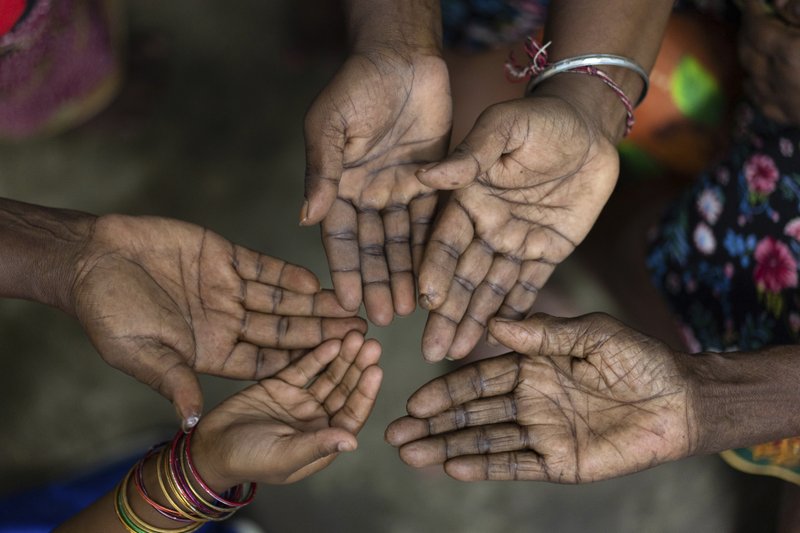
FILE - In this Nov. 11, 2020, file photo, women from age 6 to 102 in a family that has worked on a palm oil plantation for five generations hold out the palms of their hands in Malaysia. The U.S. said it will ban all shipments of palm oil from one of the world’s biggest producers after finding indicators of forced labor and other abuses on plantations that feed into the supply chains of some of America’s most famous food and cosmetic companies. (AP Photo/File)


The U.S. said it will ban all shipments of palm oil from one of the world’s biggest producers after finding indicators of forced labor and other abuses on plantations that feed into the supply chains of some of America’s most famous food and cosmetic companies.

The order against Malaysian-owned Sime Darby Plantation Berhad and its local subsidiaries, joint ventures and affiliates followed an intensive months-long investigation by the U.S. Customs and Border Protection’s Office of Trade, said Ana Hinojosa, one of the agency’s executive directors.

Hinojosa said the investigation “reasonably indicates” abuses against workers that included physical and sexual violence, restriction of movement, intimidation and threats, debt bondage, withholding of wages and excessive overtime. Some of the problems appeared to be systemic, occurring on numerous plantations, which stretch across wide swaths of the country, she said.

“Importers should know that there are reputational, financial and legal risks associated with importing goods made by forced labor into the United States,” Hinojosa said in a telephone press briefing.

The order was announced just three months after the federal government slapped the same ban on another Malaysian palm oil giant, FGV Holdings Berhad -- the first palm oil company ever targeted by Customs over concerns about forced labor. The U.S. imported $410 million of crude palm oil from Malaysia in fiscal year 2020, representing a third of the total value shipped in.

The bans, triggered by petitions filed by non-profit groups and a law firm, came in the wake of an in-depth investigation by The Associated Press into labor abuses on plantations in Malaysia and neighboring Indonesia, which together produce about 85% of the $65 billion supply of the world’s most consumed vegetable oil. Palm oil can be found in roughly half the products on supermarket shelves and in most cosmetic brands. It’s in paints, plywood, pesticides, animal feed, biofuels and even hand sanitizer.

The AP interviewed more than 130 current and former workers from two dozen palm oil companies, including Sime Darby, for its investigation. Reporters found everything from rape and child labor to trafficking and outright slavery on plantations in both countries.

Earlier this month, 25 Democratic lawmakers from the U.S. House Ways and Means Committee cited AP’s investigation in a letter calling for the government to come down harder on the palm oil industry in Malaysia and Indonesia, asking Customs and Border Protection if it had considered a blanket ban on imports from those countries.

“In our view, these odious labor practices and their pervasive impact across supply chains highlight the need for an aggressive and effective enforcement strategy,” the letter said.

Sime Darby, which did not immediately comment, has palm oil plantations covering nearly 1.5 million acres, making it one of Malaysia’s largest producers. It supplies to some of the biggest names in the business, from Cargill to Nestle, Unilever and L’Óreal, according to the companies’ most recently published supplier and palm oil mill lists.

Hinojosa said the agency’s decision to issue the ban should send an “unambiguous” message to the trade community.

“Consumers have a right to know where the palm oil is coming from and the conditions under which that palm oil is produced and what products that particular palm oil is going into,” she said.

Meanwhile, Duncan Jepson of the anti-trafficking group Liberty Shared, which submitted the petition leading to the Sime Darby ban, filed two additional complaints Wednesday — one to the UK’s Home Office, questioning the company’s disclosure about its protection of human rights under the country’s Modern Slavery Act, and the other to the Malaysian stock exchange, regarding the company’s stated commitments to sustainability. Both complaints questioned the accuracy of Sime Darby’s disclosures in light of the CPB’s findings.

Jepson said the U.S. ban also should be a red flag for Asian and Western financial institutions that have helped support the industry, saying ties to forced labor could have serious consequences for banks and lenders.

The U.S. government’s announcement about Sime Darby marked the 14th time this year Customs has issued an order to detain shipments from an array of sectors following similar investigations into forced labor. They include seafood and cotton, along with human hair pieces believed to have been made by persecuted Uighur Muslims in Chinese labor camps.

Under Wednesday’s order, palm oil products or derivatives traceable to Sime Darby will be detained at U.S. ports. Shipments can be exported if the company is unable to prove that the goods were not produced with forced labor.

Wednesday, April 27, 2022

Indonesia stuns markets as it widens palm oil export ban; Jokowi says domestic needs ‘more important’

The ban now includes crude and refined palm oil and other products, instead of only refined, bleached and deodorised palm oil

President Joko Widodo says the Indonesian people’s need for affordable food trumps revenue concerns


Reuters
 27 Apr, 2022

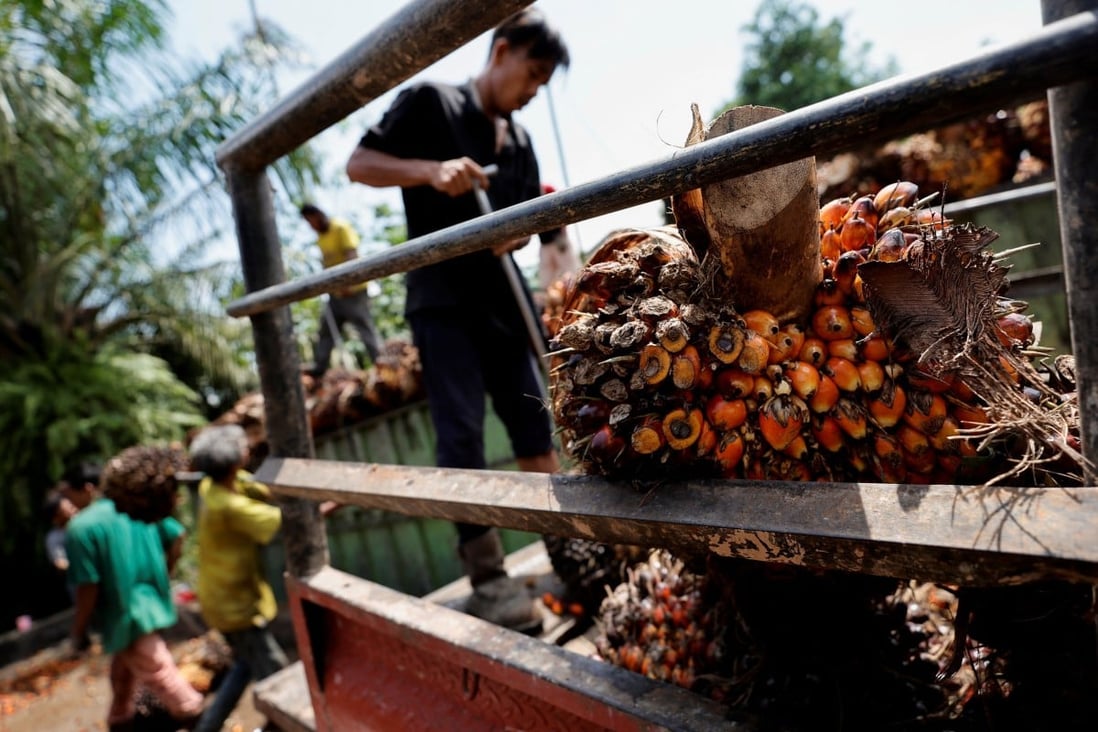
Workers load palm oil fresh fruit bunches to be transported from factories in Pekanbaru, Riau province, Indonesia. Photo: Reuters

Indonesia widened the scope of its export ban on raw materials for cooking oil to include crude and refined palm oil, among other products, its chief economic minister said on Wednesday, leaving markets in shock over the latest policy reversal.

The announcement flipped the minister’s statement a day earlier, in which he had said the export ban would cover only refined, bleached, and deodorised palm olein.

The change was “in line with the president’s decision and after taking into account the feedback and views from the people,” Airlangga Hartarto said in a short statement.

President Joko Widodo said in a separate statement that people’s need for affordable food trumped revenue concerns for now.

“Once domestic needs have been met, of course I will lift the export ban because I know the country needs taxes … foreign exchange … a trade balance surplus, but meeting the people’s basic needs is a more important priority,” he said.


Jokowi, as the president is popularly known, said Indonesia has enough capacity to meet domestic demand and it was “ironic” that the country is facing cooking oil shortages.

Palm oil markets have been jittery ahead of the ban and Indonesia deployed navy ships and personnel in an effort to thwart illegal shipments.

The new rules were due to take effect at midnight local time, and the navy and other agencies had been instructed to step up patrols of Indonesian waters to ensure compliance, said navy spokesperson Julius Widjojono.

Palm oil futures on the Malaysia exchange surged by 9.8 per cent on Wednesday, as some market participants feared exporters in Indonesia, the world’s biggest palm oil producer, could not get their products on board vessels in time before the ban starts.

US soy oil futures jumped more than 4 per cent to a record high after Indonesia extended ban to include CPO.


A worker loads fresh palm fruit bunches to be transported from the collector site to factories.
Photo: Reuters

It was unclear if palm oil companies had been informed of the latest policy change.

Industry sources and traders, who requested anonymity because of the sensitivity of the issue, said they were shocked by the latest development.

“It’s a drastic measure to rein in the prices and we hope it has the intended effect within a short period, and avoid hurting the industry,” a palm industry source said.

“This is crazy. We are paying a price for Indonesia policy flip-flops. Every vegetable oil is going through the roof. Securing supplies of any vegetable oil for May shipments is a challenge,” said a New-Delhi based dealer with a global trading firm.


Eddy Martono, secretary general of the Indonesia Palm Oil Association (GAPKI), earlier on Wednesday said the industry was trying to “operate as usual while continuing to monitor market movements”.

Eddy said that with such short notice on the ban, first announced by President Joko Widodo on Friday evening, there was no way exporters could rush their products out.

“Its impossible to get a vessel instantly, everything would’ve been chartered,” he said.

Indonesia’s restrictions have driven up global edible oil prices as supplies were already choked by factors like drought and shortages after Russia’s invasion of major crop producer Ukraine.

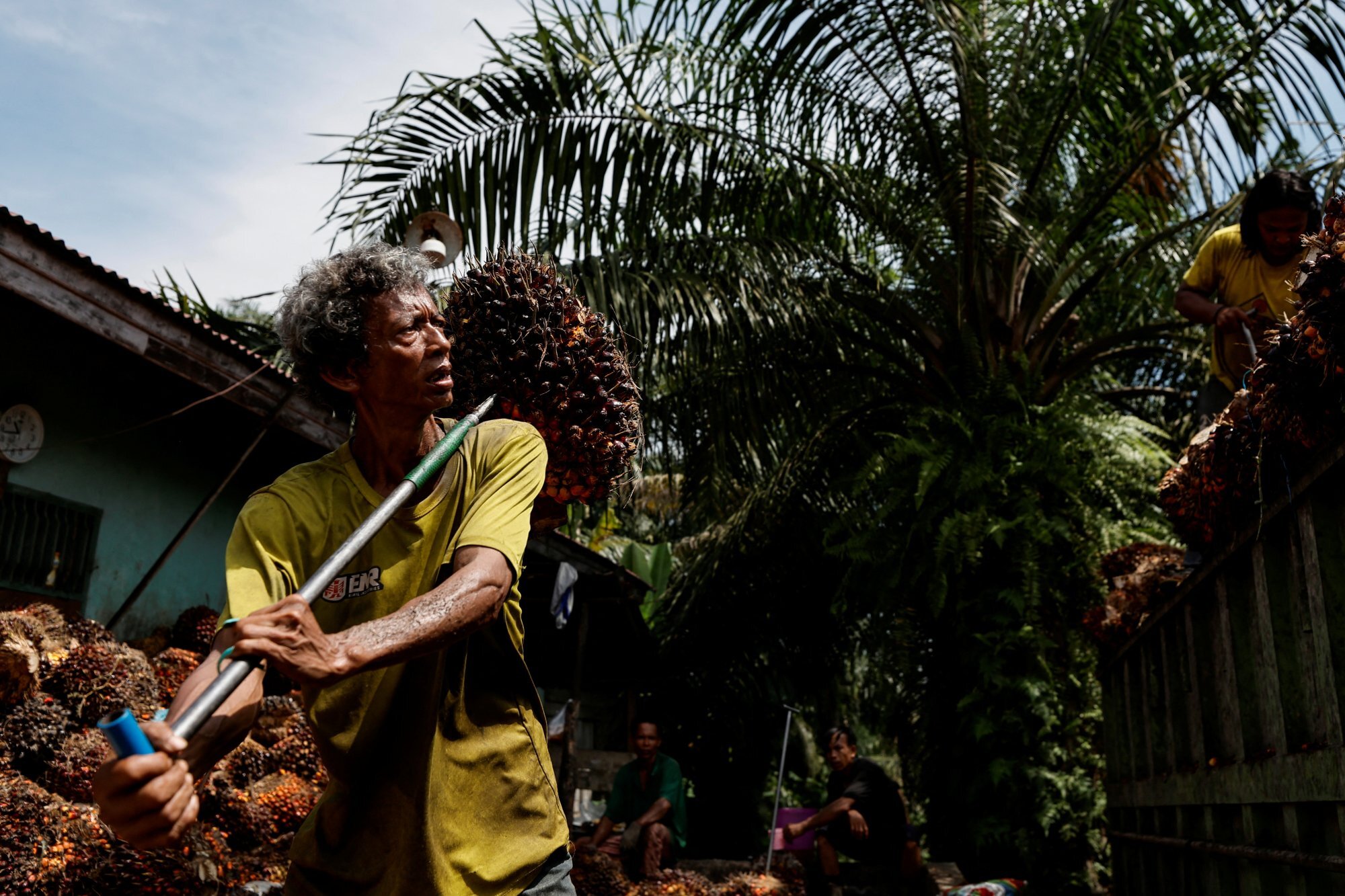
A worker loads palm oil fresh fruit bunches to be transported from the collector site to CPO factories in Pekanbaru, Riau province in Indonesia on Wednesday. 
Photo: Reuters

Indonesia’s ban on palm oil exports is unlikely to last more than a month due to limited infrastructure to store the surplus oil and because of mounting pressure from buyers to resume shipments, industry officials said.

The ban would remain in place until prices of bulk cooking oil dropped to 14,000 rupiah (US$0.9720) per litre, Airlangga said.

In Jakarta, bulk cooking oil prices were offered at around 19,000 to 20,000 rupiah on Wednesday and in other regions prices could be higher, Reynaldi Sarijowan, a senior official at the traditional market traders’ association, said.

In Riau province on Sumatra island, small farmers already saw a drastic drop in price of palm oil fruits due to the export ban, local planters said, and they fear that palm oil companies will stop buying from independent farmers.


Ukraine war benefits Malaysian palm oil, but foreign worker shortage curbs production output

Amid labour shortage and high demand, Malaysia will hire 180,000 workers to harvest palm oil as alternatives to cooking oils no longer available from Ukraine

One analyst believes the Ukraine-Russia war – now in its second month – could last 15 years which could mean an extended boost for Malaysian palm oil exports

Amy Chew in Kuala Lumpur
 14 Apr, 2022


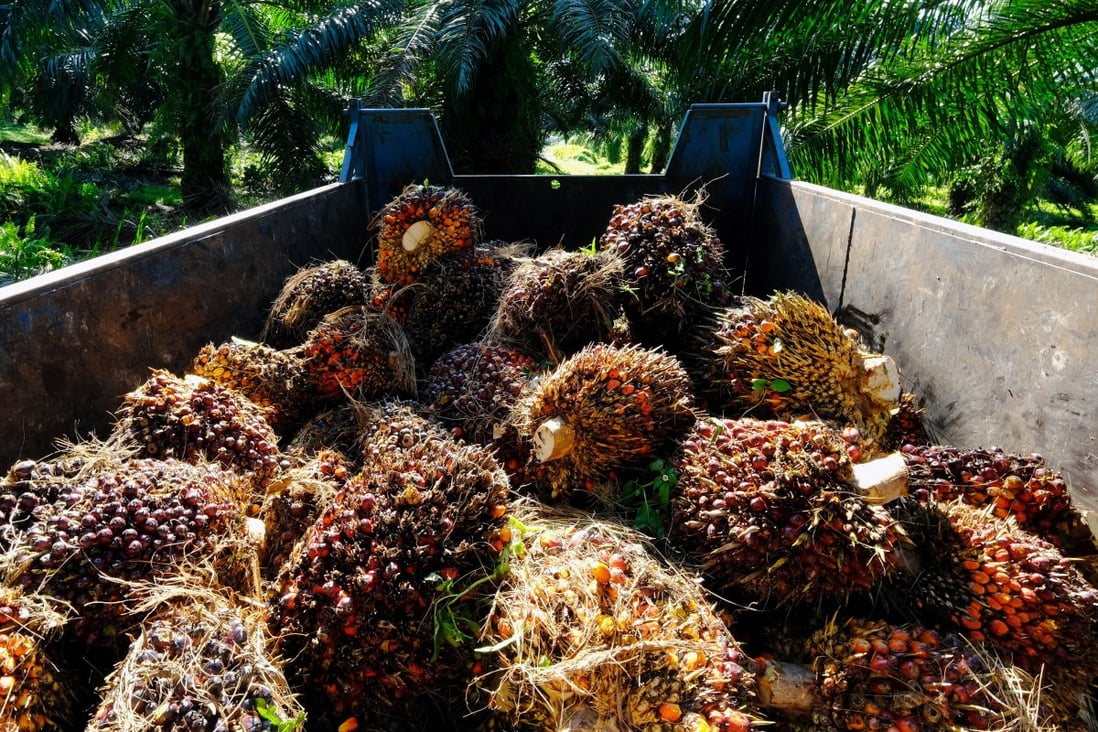
Harvested oil palm fruits are loaded into a trailer at a plantation in Kapar, Selangor, Malaysia. Exports of palm oil have increased as supplies of other cooking oils have been affected by Russia’s invasion of Ukraine. Photo: Bloomberg


Malaysian palm oil exports could see a prolonged lift as the Russia-Ukraine war drags on indefinitely, observers say, as the likes of India and the European Union secure alternatives to sunflower and rapeseed oil no longer available from Ukraine.


A prominent geopolitical risk forecaster suggested the conflict – now in its second month – could drag on for 15 years, likening it to the civil strife in Syria.


Data released this week by the Malaysian Palm Oil Board showed exports of the commodity from the Southeast Asian country to the European Union surged 48.3 per cent in March compared with February.


“One notable bright spot was the strong exports to the EU, with palm oil demand rising to fill in the shortage of sunflower and rapeseed oils from Russia and Ukraine,” said Public Investment Bank (PIVB) in a report released on Wednesday.

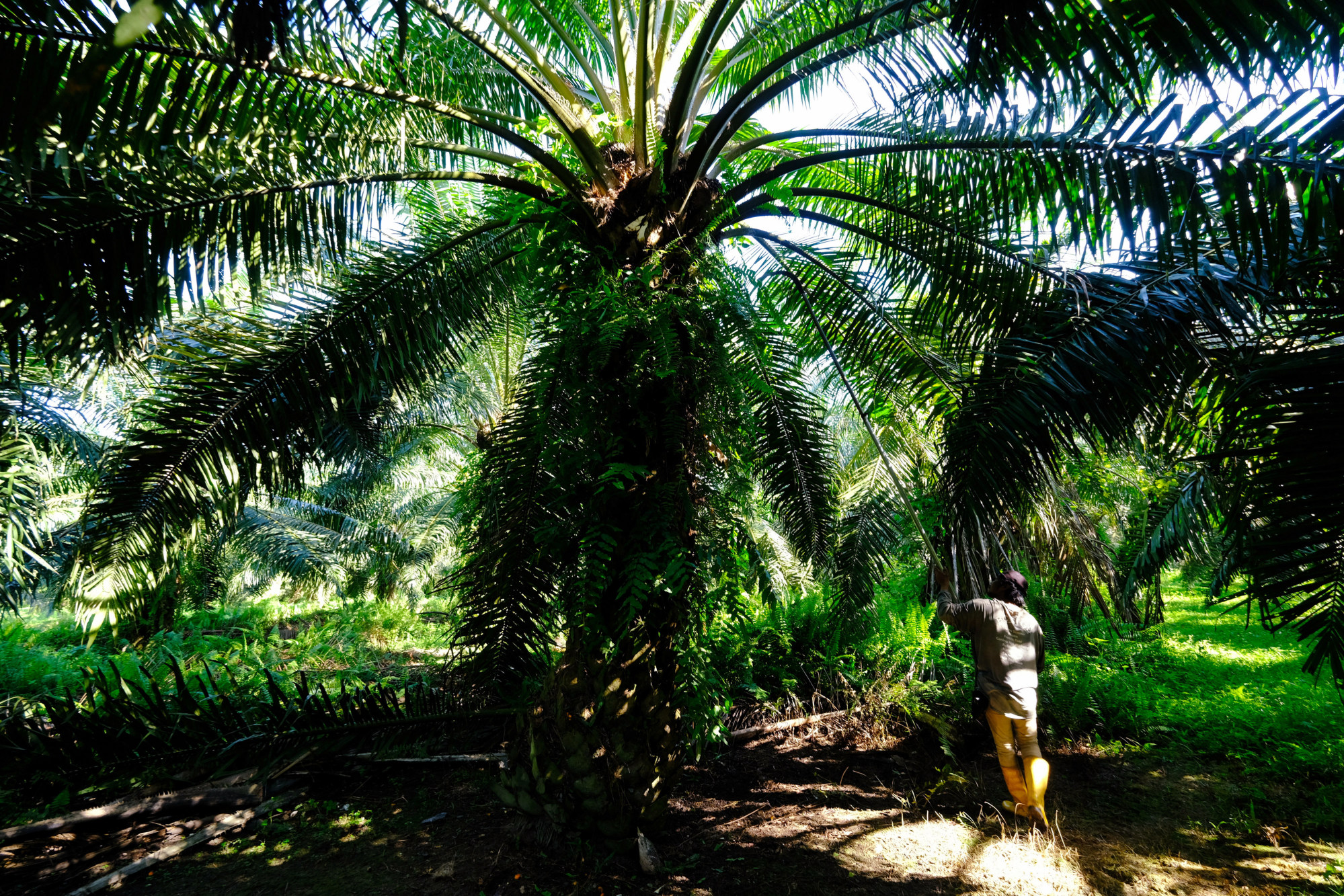
A worker uses a motorised harvesting sickle to cut a palm oil fruit bunch from a tree at a plantation in Kapar, Selangor, Malaysia.
Photo: Bloomberg

In India, the Solvent Extractors’ Association of India (SEA) said Indian palm oil exports jumped 18.7 per cent. Malaysian palm oil exports to India rose 20.8 per cent in March 2022. Experts said the shift towards palm oil by India, the world’s largest importer of edible oils, was very likely to help Malaysian exports too.

Chong Hoe Leong, a commodities analyst with PIVB, said EU members the Netherlands, Spain and Italy were expected to buy more palm oil as they were “normally the big palm oil countries”.

Brokerage firm UOB Kay Hian said in a note that alongside the EU, countries in Central Asia and the Middle East had also increased palm oil imports.

Some countries with high sunflower oil usage increased their palm oil imports by 100 per cent in March, due to supply shortages from the Black Sea tensions, the note added.

Malaysia, the second largest palm oil producer after Indonesia, has in the past locked horns with the EU for its imposition of anti-palm oil measures – including classifying the commodity as having a high risk of displacing food crops.

Last year the government filed a complaint with the World Trade Organization, charging that the EU’s actions contravened the global body’s rules of engagement.

Likewise with India, a diplomatic rift between New Delhi and the then Prime Minister Mahathir Mohamad in 2020 saw the South Asian power temporarily suspend imports of refined palm oil. Indian buyers resumed buying Malaysian palm oil last year.


Labour shortage

Despite the buoyancy in demand, expectations are that Malaysia will not be able to immediately increase its palm oil production owing to a severe shortage in manpower.

About 80 per cent of Malaysia’s plantation workers are migrants, with most coming from neighbouring Indonesia.

The broad closure of borders during the Covid-19 pandemic seriously impacted the flow of these workers.

Plantations typically harvest palm oil fruit once every 10-14 days. But with the labour shortage, many small plantations are only harvesting the fruit once a month.


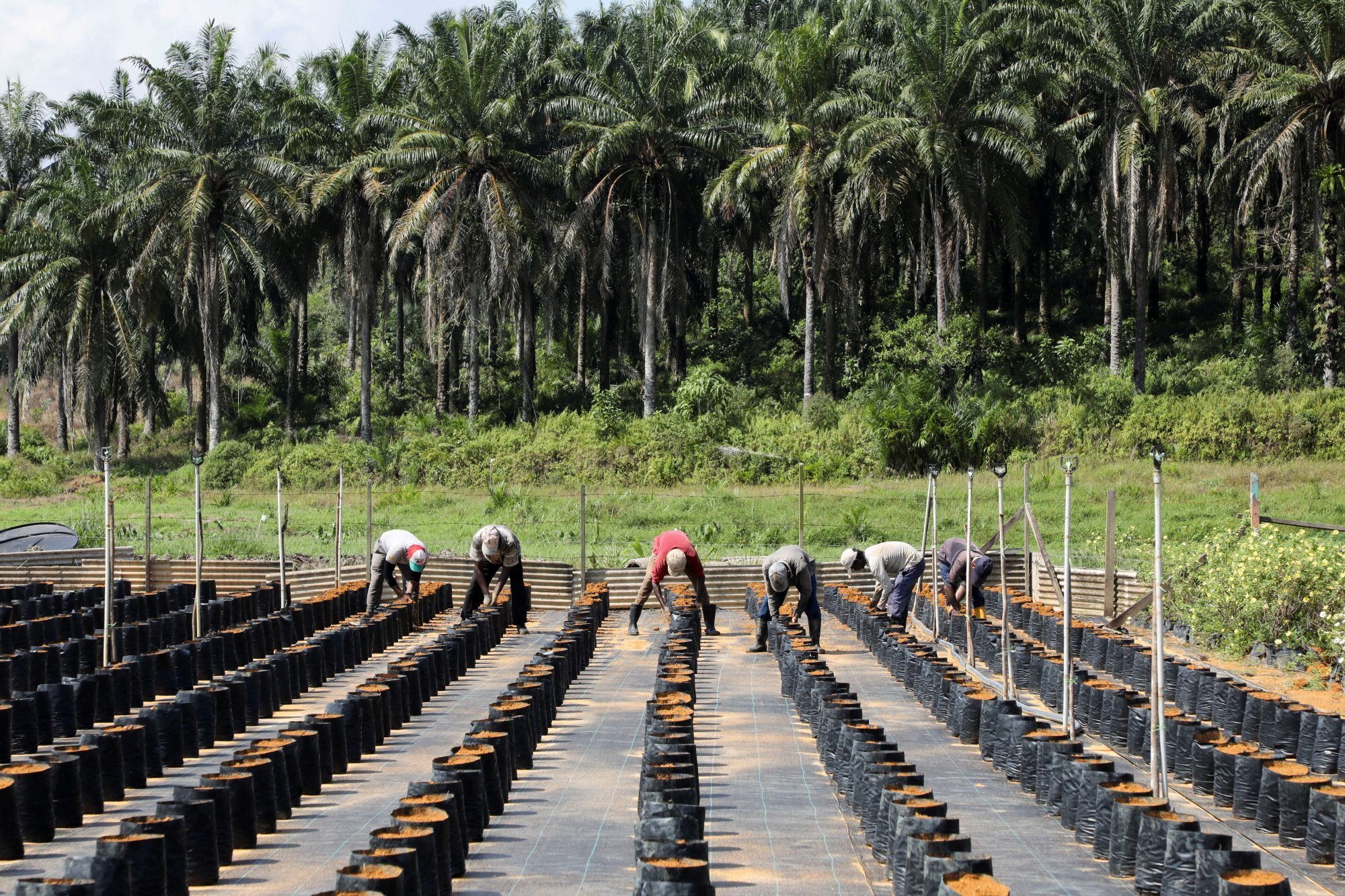
Workers plant oil palm seeds at an oil palm plantation in Slim River, Malaysia. The country is expected to hire 180,000 foreign workers to alleviate a labour shortage. Photo: Reuters

The country is expected to hire nearly 180,000 workers over the next six weeks, according to Human Resources Minister M. Saravanan. A special committee will meet daily from April 15 to speed up the approval process, state news agency Bernama reported on Wednesday, citing Plantation Industries and Commodities Minister Zuraida Kamaruddin.

Chong, the commodities analyst, said the industry had a shortage of 75,000 harvesters.

In 2021, Malaysia produced 18.1 million metric tonnes of crude palm oil down from 19.1 million in 2020.

“The labour shortage impacts on 10-15 per cent of palm oil production. I am looking at 19.5 metric tonnes production for 2022,” said PIVB’s Chong.


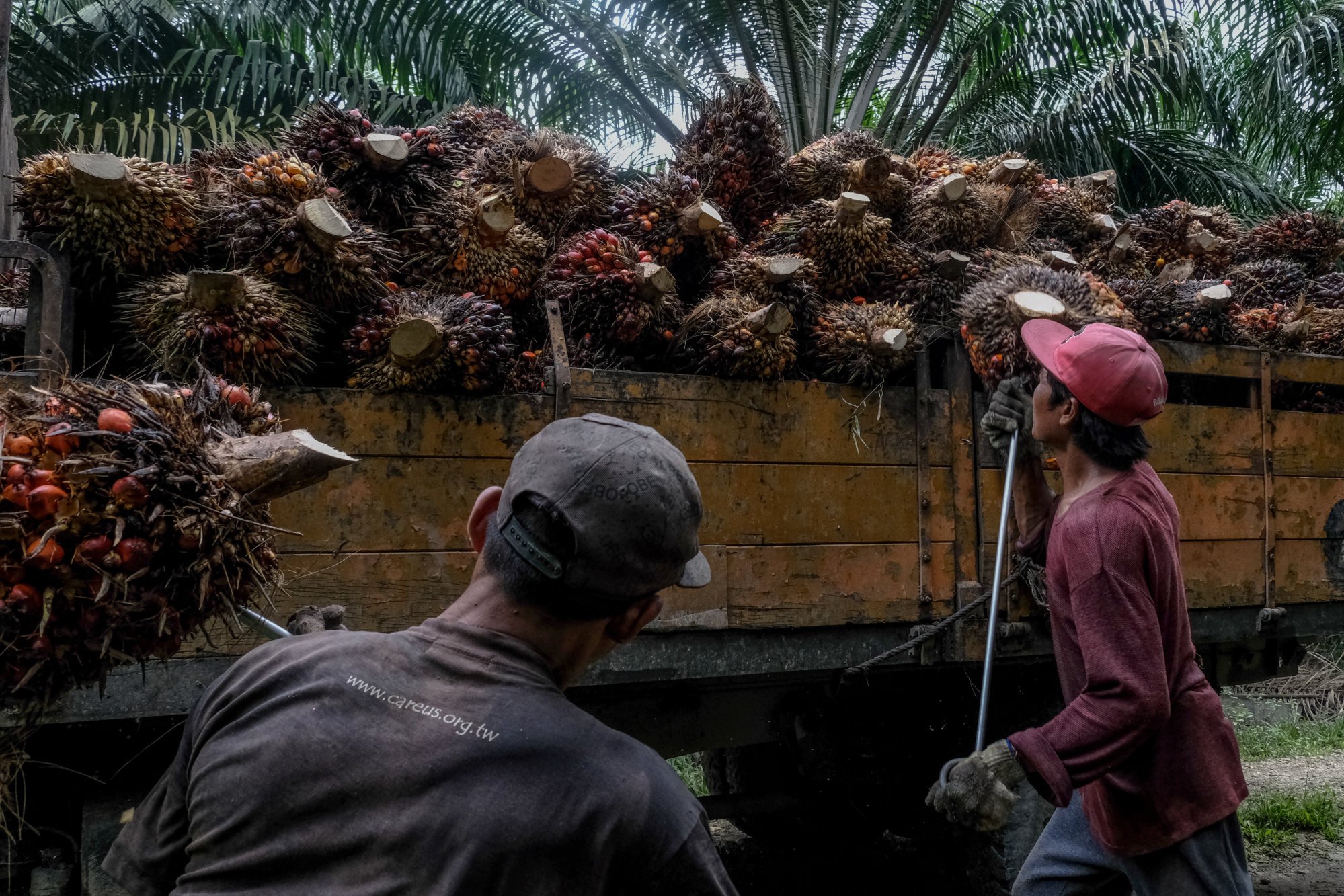
Workers load harvested palm oil fruit bunches onto a truck at a plantation in Kapar, Selangor, Malaysia. Photo: Bloomberg

Big plantation companies managed to harvest more than once a month by appointing contract workers during peak production periods, and redeploying high performance harvesters to high yield plantations, said Chong.

The owner of a small palm oil plantation told This Week In Asia his farms have a manpower shortage and only harvested the fruit “once a month most of the time” the past two years.

On Monday, crude palm oil traded at RM6,526 (US$1,543) per metric tonne.

Analysts expect the price to stabilise later in the year.

“I am looking at a price level of RM4,300 per tonne for 2022. Current price is toppish, in my view,” said Chong. UOB Kay Hian forecast 2022 crude palm oil price at RM4,200 per metric tonne.


The prospects for Malaysian palm oil could also be determined by how much edible oil EU nations buy from Russia, whose global pariah status has been increasing since it invaded Ukraine.

EU representatives in Malaysia said there were currently no private sector restrictions on purchasing commodities from Russia.

“In general, EU countries are characterised by liberal economies with little state intervention in the markets and where prices are based on the free interplay of supply and demand,” said a spokesman of the Delegation of the EU to Malaysia.

As for the concerns of the environmentalist lobby in the EU about the negative effects of palm oil, this was also unlikely to be a short term issue for Malaysia, going by the comments of experts and the EU representative.


James Fry, a commodities expert and chairman of the agribusiness consultancy LMC International, said for now the EU and British governments had given sellers of foodstuffs leeway in how they label oils in their products, without necessarily identifying palm oil as an ingredient.

The EU spokesman said the bloc’s legislation currently does not require nor regulate any description indicating that a certain ingredient is absent from certain products, such as, “no palm oil”.

Individual manufacturers can however, voluntarily indicate that a certain ingredient was not used, the spokesman said.

In the longer term, all eyes will be on how long the Ukraine war will last.

“Obviously this is an estimate but conflicts in Syria or civil wars have lasted 10 to 15 years. There is no reason why Ukraine would be any different, unfortunately,” Olivier Guitta, London-based managing director of GlobalStrat, an international security and geopolitical risk consultancy firm, told This Week In Asia.

“Even in the now unlikely case that Russia can take over the whole country, the resistance from the Ukrainians in the cities would turn the conflict into urban warfare à la Syria,” Guitta added.

Guitta believes a prolonged battle in Ukraine is inevitable, despite the growing sanctions affecting Russia’s economy, because President Vladimir Putin won’t be satisfied until he achieves his ultimate goal – to “restore the great Russia.”


Additional reporting by Reuters, Bloomberg


Amy Chew is an independent journalist based in Kuala Lumpur. She covers Southeast Asia and parts of the Middle East. She was previously based in Indonesia, Hong Kong and Singapore. A former correspondent for Channel News Asia and Reuters, she has also worked in investment banking where she was an analyst for Daiwa Capital Markets Singapore.


Saturday, May 07, 2022

BAN PALM OIL SAVE ORANGUTANS


Malaysia aims to regain palm oil market share in EU amid global shortage

KUALA LUMPUR (Reuters) - Malaysia, the world's second largest palm oil producer, on Friday said it plans to leverage the global edible oil shortage and "political tension in Europe" to regain market share after buyers shunned the commodity over environmental concerns.

Palm oil is used to make everything from lipstick to noodles, but top producers Indonesia and Malaysia have faced boycotts after being accused of clearing rainforests and exploiting migrant workers for the rapid expansion of plantations.

Some companies have introduced "palm oil-free products" in recent years, and the European Union (EU), the world's third-biggest palm buyer, has ruled to phase out palm oil-based biofuels by 2030.

But retailers like British supermarket chain Iceland, which removed palm oil from its own-brand food starting in 2018, have been forced to return to the controversial commodity in recent months due to a global edible oil shortage triggered by the Russia-Ukraine war and Indonesia's ban on palm oil exports.

Zuraida Kamaruddin, Malaysian Minister for Plantation Industries and Commodities, said in a statement the government "will not want to waste a good crisis".

"It is time we step up efforts to counter adverse propaganda to undermine palm oil's credibility and for us to showcase the numerous health benefits the golden oil has to offer," she said.

Zuraida said global edible oil prices are likely to remain high in the first half of 2022 and EU demand is expected to increase in the near term due to tight sunflower and soy oil supplies.

EU vegetable oil group FEDIOL on Tuesday said Indonesia's ban is not a concern as it has palm oil reserves for several weeks.

Uncertainty over sunflower oil supplies due to Russia's invasion of Ukraine has spurred demand for rivals palm and soy oil as importers seek alternatives, fuelling a red-hot vegetable oil market.

Zuraida said Malaysia stands to benefit from this shifting demand and will undertake "aggressive efforts and campaigns" to fill the global supply gap in the long run.

Malaysia and Indonesia, which account for 85% of global palm oil output, have maintained that EU restrictions on palm oil-based biofuels are discriminatory and have launched separate cases with the World Trade Organisation.

($1 = 4.3700 ringgit)

(Reporting by Mei Mei Chu; Editing by Kanupriya Kapoor)

Thursday, June 17, 2021

OPINION
The Time Has Come to Rein In the Global Scourge of Palm Oil

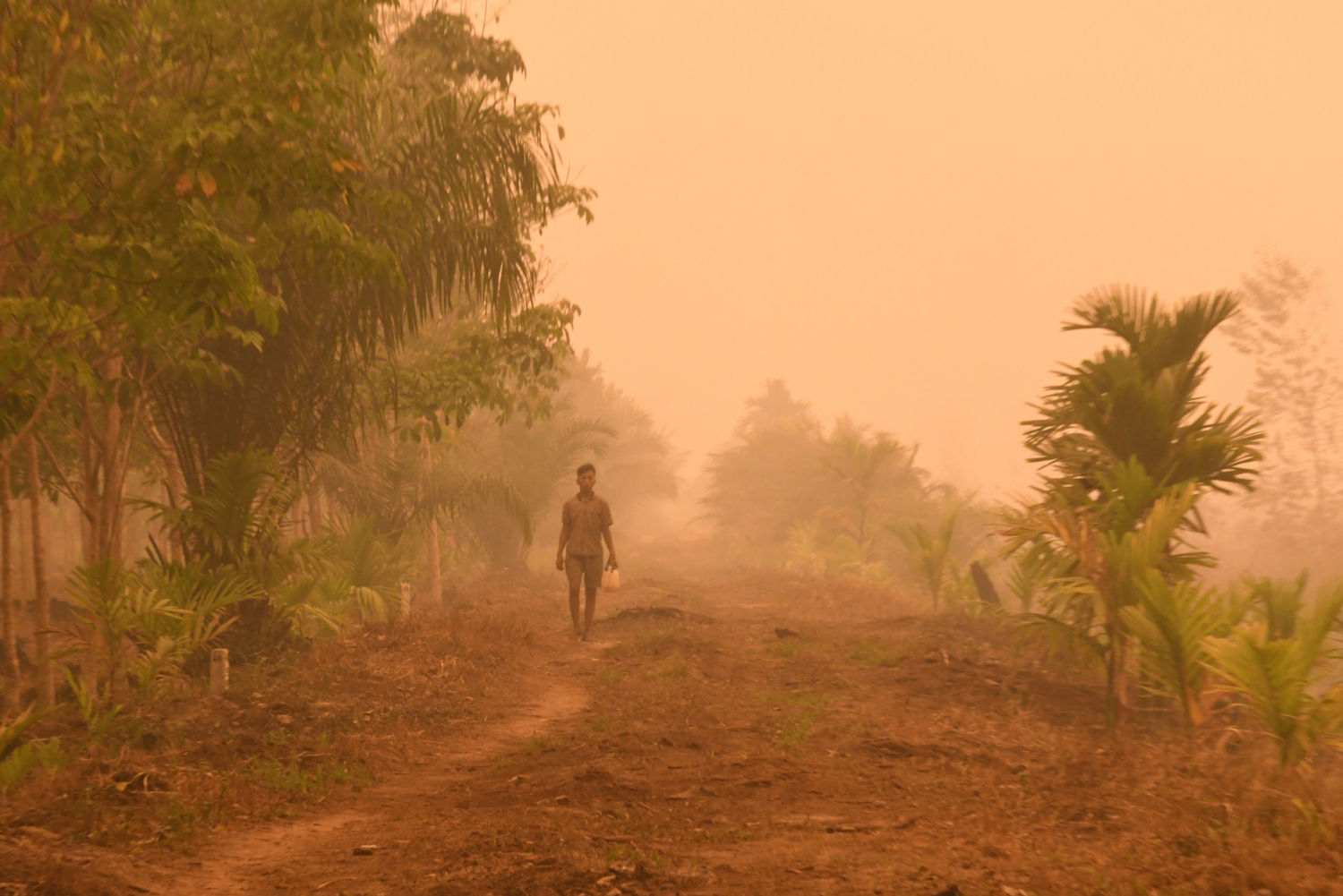
An oil palm plantation in Sumatra, Indonesia, shrouded in haze from fires on burning peatland. ULET IFANSASTI / GREENPEACE


The cultivation of palm oil, found in roughly half of U.S. grocery products, has devastated tropical ecosystems, released vast amounts of C02 into the atmosphere, and impoverished rural communities. But efforts are underway that could curb the abuses of this powerful industry.


BY JOCELYN C. ZUCKERMAN • MAY 27, 2021

A few weeks ago, the Sri Lankan president announced that his government would ban all imports of palm oil, with immediate effect, and ordered the country’s plantation companies to begin uprooting their oil-palm monocultures and replacing them with more environmentally friendly crops. Citing concerns about soil erosion, water scarcity, and threats to biodiversity and public health, President Gotabaya Rajapaksa explained that his aim was to “make the country free from oil palm plantations and palm oil consumption.”

That’s a pretty radical move, and, as someone who’s spent the past few years writing a book about the global palm oil industry, one I fully support. Worldwide, production of palm oil has skyrocketed in recent decades — oil-palm plantations now cover an area larger than New Zealand — but the boom has meant devastation for the planet. The oil palm plant, Elaeis guineensis, thrives at 10 degrees to the north and south of the equator, a swath that corresponds with our tropical rainforests. Though they cover just 10 percent of Earth’s land surface, these ecosystems support more than half of all biodiversity. In Indonesia, the world’s number-one producer of palm oil, habitat loss due largely to industrial agriculture has meant that such iconic species as the Sumatran elephant, orangutan, rhinoceros, and tiger — in addition to various species of hornbill — have been pushed to the brink of extinction. Indigenous peoples who for generations have sourced their food, building materials, and everything else from the archipelago’s forests and rivers have been reduced to eking out existences under donated plastic tarps and begging by the side of the road.

Tropical rainforests are also, of course, vital carbon sinks, and many of them sit upon great expanses of peatlands — soils formed over thousands of years through the accumulation of organic matter. Indonesia claims the planet’s largest concentration of tropical peatlands, and when its palm oil companies drain and burn that land as a precursor to planting, unimaginable quantities of carbon dioxide escape into the atmosphere. The country’s peatlands currently emit more carbon dioxide each year than does the state of California.

These days, palm oil accounts for one-third of total global vegetable oil consumption.


Native to West and Central Africa, where it has long been a pillar of local cuisine and culture, palm oil emerged as a global commodity in the 18th century, when Europeans began sourcing it as a fuel for lighting lamps. It eventually found its way into soaps, candles, and margarines, and served as a lubricant for the machines driving the Second Industrial Revolution. Around the turn of the 20th century, rubber planters in Malaya and the Dutch East Indies began introducing the crop in that part of the world, and the post-independence governments of Indonesia and Malaysia expanded oil-palm acreage in connection with poverty-alleviation schemes. Having eventually learned to refine, bleach, and deodorize the oil into something all but tasteless, odorless, and invisible, the industry proceeded to find ever-more uses for it. These days, palm oil accounts for one-third of total global vegetable oil consumption, and some derivative of the plant lurks in roughly half of all products in U.S. grocery stores, from shampoos and lipsticks to non-dairy creamers and doughnuts.

India, now the world’s number-one importer of the oil, went from buying 30,000 metric tons in 1992 to 8.4 million in 2020. China saw an increase from 800,000 metric tons to 6.8 million over the same period. Here in the United States, imports have risen steadily since the mid-2000s, in part as a result of the Food and Drug Administration’s warnings about trans fats. Semi-solid at room temperature, palm oil, which has no trans fats, proved an ideal replacement for the partially hydrogenated oils that processed-foods manufacturers had previously used to enhance the texture and extend the shelf life of their cookies and crackers. At around the same time, government biofuels mandates in the United States saw more domestic corn and soy oil being diverted to cars, leaving a vacuum increasingly filled by palm — and spurring producer countries to amp up the supply.

Trade liberalization and economic growth in middle-income countries over the last two decades have led to a surge of palm oil flowing across international borders, where it has enabled the production of ever-greater amounts of deep-fried snacks and ultra-processed foods. (Though we often look to sugar as the culprit for the world’s weight woes, refined vegetable oils have added far more calories to the global diet in the last half-century than any other food group.) Rates of obesity, diabetes, and heart disease are soaring in the poorer countries where the multinational companies that peddle such junk are focused on growing their markets.

Though many of the companies that produce, trade, and source palm oil have signed zero-deforestation commitments and otherwise pledged to protect the environment and human rights (palm oil production has been linked repeatedly to land-grabbing and labor abuses), oil palm fruit grown illegally on peatlands and other protected areas routinely makes its way into our kitchens and bathrooms. Nor has the Kuala Lumpur–based watchdog group known as the Roundtable on Sustainable Palm Oil, or RSPO, succeeded in reining in the industry.


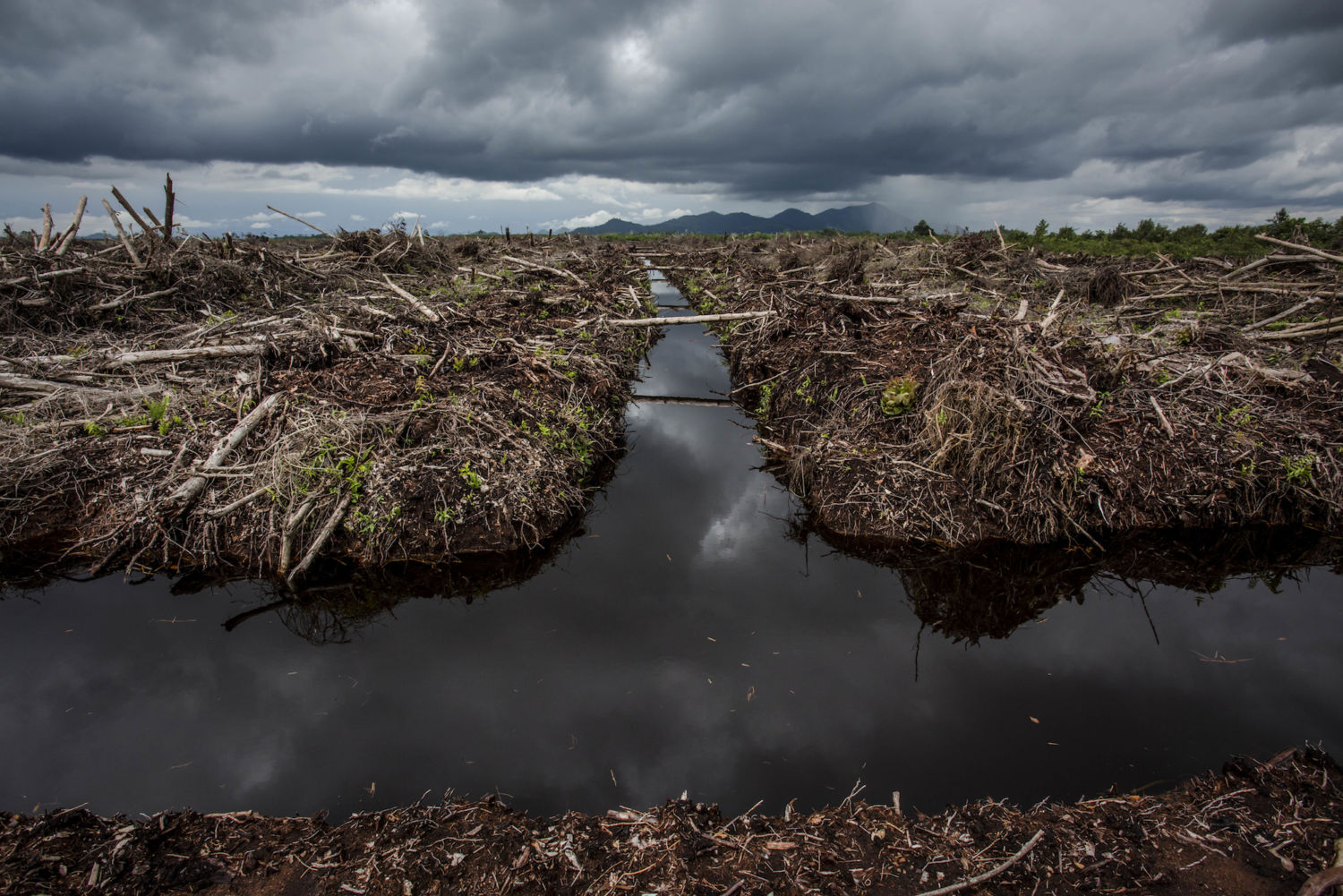
An area cleared for an oil palm plantation in West Kalimantan, Indonesia. MUHAMMAD ADIMAJA / GREENPEACE


But that doesn’t mean that Westerners are off the hook: Last week, a Washington, DC–based think tank published a report finding that international markets for commodities like palm oil are by far the most important driver of global deforestation, the majority of which happens illegally. In Indonesia, the researchers found, at least 81 percent of forested land cleared to produce palm oil was done so in violation of the law. While consumers and activists aligned with such groups as the Rainforest Action Network and Greenpeace have done their part to force concessions from the industry, without genuine buy-in from Western governments and consumer-facing corporations, activist campaigns will only get so far.

Now there may be reason for hope. A few weeks ago, during President Biden’s climate summit, a group including the U.S., Britain, and Norway — along with such companies as Amazon, Airbnb, Unilever, and Nestlé — introduced an ambitious initiative called Lowering Emissions by Accelerating Forest finance, or LEAF, aimed at creating an international marketplace in which carbon credits can be sold in exchange for avoiding deforestation. The scheme, which kicks off with a pledge of $1 billion, is meant to improve upon the program known as REDD+ (Reducing Emissions from Deforestation and forest Degradation), the United Nations initiative introduced in 2008, by working with larger units of land, thereby avoiding deforestation simply being displaced to other forest patches. Its proponents believe that by offering a consistent, long-term source of demand for developing countries that effectively protects their tropical forests, the LEAF marketplace will make forests more valuable to those countries — and their often-corrupt leaders — than if they are cut down to grow agricultural commodities like palm oil.

In other good news, Senator Brian Schatz, Democrat from Hawaii, recently announced plans to introduce legislation that would put in place import requirements for agricultural commodities associated with illegal deforestation. “I don’t think the average consumer knows that half the stuff they buy at the supermarket contains palm oil,” Schatz said, “and most of palm oil is from illegally deforested land.”

The WHO compared the tactics used by the palm oil industry to those employed by the tobacco and alcohol lobbies.

Modeled on the 1900 Lacey Act, which banned trafficking in illegal wildlife (it was amended in 2008 to include plant and plant products such as timber and paper), the bill would oblige companies bringing commodities like palm oil into the U.S. to know where the goods originated and to ensure they were produced in compliance with the laws of the country in which they were grown. The bill would also make it possible for U.S. courts to prosecute companies laundering illegally sourced products and would provide aid to countries that commit to eliminating illegal deforestation. Britain and the European Union are in the process of developing similar regulatory measures to reduce the negative impacts of their trade in agricultural commodities.

Also on Yale e360
How pressuring corporations can save the Amazon from destruction. Read more.


Big Palm Oil will undoubtedly push back — in 2019, the World Health Organization compared the tactics used by the $65 billion industry to those employed by the tobacco and alcohol lobbies — but if there were ever a time for governments to stand their ground, now is that time. Last week, the International Energy Administration reported that to have any chance of meeting the temperature target set in the Paris accord, investment in fossil fuel supply projects has to cease immediately. We also need to slam the brakes on tropical deforestation. Ripping out an entire nation’s oil-palm acreage, as Sri Lanka is doing, may not be the most practical way to solve our intertwined climate, biodiversity, and health crises, but it’s a step in the right direction.


Jocelyn C. Zuckerman is the author of Planet Palm, an account of how the soaring global use of palm oil in food and consumer products has had devastating impacts on tropical forests, biodiversity, and subsistence communities. A Brooklyn-based writer specializing in the environment, agriculture, and the Global South, Zuckerman was formerly deputy editor of Gourmet. Her work has appeared in The New York Times Magazine, Fast Company, and Audubon, among other places.

Wednesday, May 08, 2024

BOYCOTT PALM OIL
Malaysia plans ‘orangutan diplomacy’ in palm oil pitch

Commodities minister says critically endangered animals could be given to countries that buy Malaysia’s palm oil.

In the wild, orangutans survive only in Borneo and Sumatra [File: Mohd Rasfan/AFP]

Published On 8 May 2024

Malaysia has said it plans to start an “orangutan diplomacy” programme for countries that buy its palm oil.

The Southeast Asian nation is the world’s second biggest producer of the edible oil after Indonesia, but critics say the mass development of the industry has fuelled deforestation and destroyed the habitat of critically endangered orangutans and other emblematic species in one of the world’s biodiversity hotspots.

Orangutans live only on the island of Borneo and the Indonesian island of Sumatra.

The International Union for Conservation of Nature’s Red List estimates the orangutan population on Borneo, which is shared between Brunei, Indonesia and Malaysia, will decline to about 47,000 by 2025 as a result of human pressures and loss of habitat. It estimates there are about 13,500 orangutans left in Sumatra.

Minister of Plantation and Commodities Johari Abdul Ghani said the orangutan programme was inspired by China’s panda diplomacy and would target countries buying palm oil to “prove” Malaysia’s commitment to conservation and biodiversity.

He said leading importing countries, such as China, India and some European Union members, would likely receive the orangutans. He did not elaborate on how the programme would work or when it would start.

“Malaysia cannot take a defensive approach to palm oil,” he told delegates at a biodiversity forum in Genting, east of Kuala Lumpur, that he later shared on social media. “We need to show the countries of the world that Malaysia is a sustainable oil palm producer and committed to protecting forests.”

Beijing, which operates a giant panda breeding programme, generally loans pandas for 10 years providing the countries meet certain conditions for their care. Malaysia received two pandas in 2014, building them a multimillion-dollar air-conditioned enclosure at the National Zoo in Kuala Lumpur.

Malaysia does not have a breeding programme for orangutans, although there are conservation centres for them in Sarawak and Sabah on Borneo. NGOs also run conservation programmes to restore their habitat.

Johari urged large palm oil producers to collaborate with NGOs on conservation and sustainability.

Palm oil is used in a huge variety of products, from shampoo to ice cream and bread.

The industry has been trying to improve sustainability amid pressure from campaigners over its effect on the environment through groups such as the Roundtable for Sustainable Palm Oil (RSPO).

KEEP READINGl


Malaysia eyes ‘orang utan diplomacy’ with nations that import palm oil

As part of a diplomatic strategy, Malaysia will offer gifts of orangutans to trading partners. 

MAY 08, 2024, 03:57 PM

KUALA LUMPUR – Malaysia plans to introduce “orang utan diplomacy” in its relations with major palm oil-importing countries, offering the animals as trading gifts in an effort to allay concerns about the environmental effects of growing the commodity.

The plan, likened to China’s “panda diplomacy” by the commodities minister, comes after the European Union (EU) approved a ban in 2023 on imports of commodities linked to deforestation, which could hurt palm oil.

Malaysia, the world’s second-largest producer of palm oil after Indonesia, has said the law is discriminatory and aimed at protecting the EU’s oilseeds market. Palm oil is used in everything from lipstick to pizza.

As part of a diplomatic strategy, Malaysia will offer gifts of orang utans to trading partners, particularly major importers such as the EU, India and China, Plantation and Commodities Minister Johari Abdul Ghani said.

“This will prove to the global community that Malaysia is committed to biodiversity conservation,” Mr Johari said on social media platform X late on May 7.

“Malaysia cannot take a defensive approach to the issue of palm oil,” he added.

“Instead we need to show the countries of the world that Malaysia is a sustainable oil palm producer and is committed to protecting forests and environmental sustainability.”

No further details of the plan were immediately available.

On its website, conservation group WWF says the apes, distinguished by its red fur, and a name that means “man of the forest” in Malay, is critically endangered, with a population of less than 105,000 on the island of Borneo. REUTERS

Thursday, August 27, 2026

BAN PALM OIL

Indonesia’s forest-zone oil palm dilemma needs more than stricter laws, Hasanuddin study finds


Analysis shows that effective restoration must balance forest protection with smallholder livelihoods, land rights, and economic interests


Hasanuddin University

Indonesia’s Forests Face an Oil Palm Governance Dilemma 

image: 

A policy analysis by researchers from Hasanuddin University along with other institutes in Indonesia finds that neither gradual rehabilitation nor stricter state enforcement fully addresses the challenges created by oil palm cultivation in forest zones, underscoring the need for more integrated forest governance.

view more 

Credit: "Palm oil plantations" by europeanspaceagency via Flickr Image source link: https://openverse.org/image/09da85bc-774d-4d7e-a764-bc20dd0ecaa9


A policy analysis by Hasanuddin University finds that Indonesia's shift from gradual rehabilitation to stricter enforcement has not fully addressed the underlying drivers of oil palm expansion in state forest zones and has created new uncertainties for smallholder farmers. The study argues how sustainable forest restoration can only be achieved when environmental protection is pursued alongside social equity, secure livelihoods, and effective governance. These findings were made available online on June 13, 2026, and was published in Volume 189 of the journal Forest Policy and Economics on August 1, 2026.

To put these findings into context, Indonesia is the world’s largest palm oil producer, with an estimated 3.4 million hectares of oil palm cultivated within state forest zones. As international pressure for sustainable palm oil sourcing increased, the Indonesian government has introduced policies to address oil palm cultivation in these areas.

One such approach was Strategi Jangka Benah (SJB) or “Rehabilitation Period Strategy,” introduced in 2020–2021. Rather than immediately removing oil palm plantations, SJB allowed existing cultivation to continue for a transitional period while farmers gradually transformed monoculture plantations into mixed agroforestry systems. In early 2025, the government shifted toward stricter enforcement with Presidential Regulation No. 5/2025 (Perpres 5/2025), which introduced administrative penalties, potential criminal enforcement against violations, and state reclamation of forest land.

Shining light on these approaches, the research team led by Professor Muhammad Alif K. Sahide at the Forest and Society Research Group (FSRG) of Faculty of Forestry Hasanuddin University, Indonesia, examined how both approaches have struggled to reconcile forest restoration with the economic realities of smallholder farmers. They find that SJB faced implementation challenges because oil palm was deeply embedded in smallholder livelihoods, while the newer enforcement-oriented approach could create further uncertainty over land and livelihoods.

By engaging with stakeholders in Central Kalimantan and West Sulawesi, two regions where SJB was implemented, the researchers found a fundamental disconnect between the policy’s ecological objectives and the economic realities facing smallholders. SJB promoted a gradual shift from monoculture oil palm to agroforestry but offered few economic incentives for farmers to make the transition. With palm oil remaining profitable and alternative livelihoods being limited, replacing productive plantations with slower-growing timber or food crops was economically difficult.

Similarly, Perpres 5/2025 frames forest reclamation primarily through law enforcement and territorial control, while leaving the implications for smallholder livelihoods uncertain. The researchers warn that reclaimed land could potentially become concentrated among state-owned companies or other actors with greater political, bureaucratic, or financial influence, potentially marginalizing smallholders further.

The researchers argue that SJB and Perpres 5/2025 reflect a fragmented approach to forest governance. SJB prioritized gradual rehabilitation and social inclusion, while Perpres 5/2025 places greater emphasis on law enforcement and state control. Neither policy, however, addresses the underlying drivers of forest conversion.

To break this cycle, the researchers call for a more integrated approach that protects forests while also addressing farmer’s livelihoods, land rights, and economic needs. This would include clarifying who has legal rights to the land before imposing penalties, using social forestry programs to give smallholder farmers more secure land rights, involving local communities in forest restoration planning, and ensuring that they share in the benefits of restored land. The researchers also call for better coordination between the agriculture, forestry, and energy ministries so that policies on farming, palm oil, biodiesel, and forest protection work toward the same goals.

Overall, the study suggests that forest restoration cannot be separated from the livelihoods and land rights of the communities that depend on these landscapes. Without addressing land rights and economic needs, new regulations could create uncertainty without resolving the underlying challenges.

As Professor Alif puts it, “The challenge, then, is not merely to design better policies, but to build governance architectures that can navigate the inherent trade-offs between economic, social, and ecological goals in a transparent, accountable, and equitable manner.”


Reference
Title of original paper: Policy forum: Between incorporation and reappropriation – The unresolved dilemma of oil palm in Indonesia's forest zones
Journal: Forest Policy and Economics
DOI: https://doi.org/10.1016/j.forpol.2026.103835

About Hasanuddin University, Indonesia
Hasanuddin University (Universitas Hasanuddin or Unhas) is one of Indonesia’s largest autonomous universities, located in Makassar. Established on September 10, 1956, and named after Sultan Hasanuddin of the Gowa Kingdom, the university has grown into a major center for higher education with 18 faculties, including medicine, engineering, law, agriculture, and natural sciences. Its origins date back to 1947 with an economics faculty linked to the University of Indonesia. Today, Unhas focuses on advancing science, technology, arts, and culture, with a strong emphasis on the Indonesian Maritime Continent, aiming to develop innovative and globally competitive graduates.
Learn more, here: https://www.unhas.ac.id/about/

About Professor Muhammad Alif K. Sahide from Hasanuddin University, Indonesia  
Muhammad Alif K. Sahide is a Full Professor at the Faculty of Forestry, Universitas Hasanuddin, and leads the Forest and Society Research Group. His research focuses on forest and land-use governance, community forestry, institutions, international environmental regimes, and bureaucratic politics in Indonesia. He actively contributes to forest policy and education across Southeast Asia through the ASEAN Social Forestry Network and national policy committees. Prof. Alif is also a founding and chief editor of Forest and Society and regularly supports research and writing capacity-building initiatives for young researchers and local organizations across Southeast Asia.

Funding information
Hasanuddin University

Wednesday, December 15, 2021

Nestlé and Kellogg’s linked to shocking palm oil abuse in Papua New Guinea

Natural rivers and intact rainforest areas in the Bainings region of East New Britain Province, Papua New Guinea. - Copyright Global Witness

By Lottie Limb • Updated: 08/10/2021

Palm oil companies selling to European brands boasted about the use of child labour and beatings of local people.

A two-year investigation by international NGO Global Witness has revealed the shocking extent of human rights abuses and rampant deforestation in Papua New Guinea.

The South Pacific nation is home to the world’s third-largest remaining rainforest: a critical carbon sink helping to mitigate the climate crisis.

But under firms supplying household names like Nestlé, Kellogg’s and Colgate, tens of thousands of hectares of tropical forest are being destroyed.

“Papua New Guinean communities have managed and protected their forests sustainably for countless generations,” Lela Stanley, senior investigator at Global Witness said.
Land has been cleared for Oil Palm plantations in the Bainings region of East New Britain, Papua New Guinea. Global Witness

“This investigation shows they are being sold out by their own government and global financial institutions in favour of a small number of highly destructive companies, with devastating human rights and environmental consequences.”

As this tainted palm oil continues to circulate in European supply chains, the NGO is calling for strong EU action to end complicity and demand change in the industry.

What did Global Witness uncover?


Global Witness’s investigation exposed the exploitative actions of the country’s three newest palm oil plantations, including the East New Britain Resources Group (ENB).

On tape, top ENB executives were recorded bragging to undercover investigators that they had bribed a Papua New Guinean minister; paid police to brutalise villagers; used child labour; and participated in an apparent tax evasion scheme.

In the village of Watwat, men and boys as young as 16 were dragged from their beds one night in July 2019. “When the boys woke up, they were at gunpoint. They tied their hands at the back and blindfolded their faces so they could not see,” a resident said.

“When the boys woke up, they were at gunpoint. They tied their hands at the back and blindfolded their faces so they could not see”
Resident of Watwat village

Five youths were beaten and held for weeks, part of a sustained pattern of abuse directed at communities suspected of opposing the companies’ ravaging activities.

Asked by Global Witness whether anything good had come from palm oil development, another villager said “only destruction.”

A second palm oil firm, Rimbunan Hijau, ignored repeated and avoidable worker deaths and injuries on its plantations, with at least 11 workers and the child of a worker losing their lives over an eight-year period.

The NGO’s investigation also raises serious concerns that plantations such as these were operating on grabbed land - in violation of land laws in Papua New Guinea.

Filmed covertly, ENB boss Eng Kwee Tan described the firm's international tax evasion scheme.  Global Witness


Why is the Papua New Guinean rainforest so important?


Covering half of the massive island of New Guinea, Papua New Guinea (PNG) is one of the most biodiverse places in the world.

It sustains at least five per cent of all species on Earth, many found nowhere else: forest dragons, tree kangaroos, resplendent birds of paradise, and the only known night-blooming orchid.

Billions of metric tonnes of carbon are stored in its towering trees, making them a vital carbon sink and a key resource in the fight against climate change.

All of this is imperilled by the palm oil industry, Global Witness has discovered, through using satellite imagery, analysing company records and interviewing local people.

The threat is growing: by 2030, the PNG government is aiming for a tenfold expansion in oil palm cultivation to 1.5m hectares (ha), compared to about 150,000 ha in 2016.
A landowner walks across forest land destroyed in East New Britain, PNG.
Global Witness

Who is handling the tainted palm oil?


For the first time, the extensive investigation has revealed that dirty palm oil and its byproducts are being sold to household brands including Kellogg’s, Nestlé, Colgate, Danone, Hershey, and the parent companies of Imperial Leather and Strepsils.

It’s not just the names on our supermarket shelves that are complicit.

Two of the palm oil suppliers received direct and indirect backing from global financiers such as Robeco and BlackRock.

"This investigation is yet further confirmation that the global financial system is broken – the business-as-usual, voluntary approach of past years has led us into climate crisis,” says senior investigator Ms Stanley.

"Firms like BlackRock talk a big game on their commitment tackling climate change and protecting human rights, yet our revelations show its money is ultimately financing the destruction of climate-critical forests, the use of child labour, and other human rights abuses.

"It is increasingly urgent that governments legislate to prevent supply chains and global financiers bankrolling deforestation and human rights abuses."

Indonesia set to start producing more palm oil as ban comes to an end

What can European companies and citizens do?


The presence of the liquid gold foodstuff in so many of our products puts pressure on us all to push for change.

Global Witness points to the upcoming EU legislative proposal on tackling deforestation - set to be published on November 17th - as an opportune moment to do so.

The European Commission’s current approach reportedly has several loopholes which could limit its aim of addressing tainted products in EU supply chains.

To stop enabling human rights abuses and environmental degradation in PNG, the proposal must require compliance with international human rights instruments and principles, such as obtaining Free, Prior and Informed Consent (FPIC) of indigenous peoples and local communities.

Without this, EU-based businesses are relying on uneven national standards, and EU consumers cannot guarantee we are purchasing deforestation-free products.

Saturday, February 01, 2020

how global climate crisis inaction will lead to an explosion of civil unrest


Related video: Sir David Attenborough warns short governments could hinder climate action

As Asia’s youngest cabinet minister, this is how global climate crisis inaction will lead to an explosion of civil unrest

I am terrified for the future of young people. Instead of pointing fingers at each other, industrialised and developing countries need to go further


Syed Saddiq

To borrow from Greta Thunberg's powerful reminder at the World Economic Forum last week, it is our youth – those who will inherit the planet – who will be most affected by the decisions we make today.

As Malaysia’s youth minister – and Asia’s youngest cabinet minister – her stark words resonate with me deeply. I have seen first hand how young people across the region and the wider Muslim world are disillusioned with the business-as-usual approach to the planet.


Thunberg represents a new generation of young people across rich and poor countries who are demanding urgent reform. They won’t be silenced. Their anger is not just about the climate emergency, but about everything: corruption, economic inequalities, hunger.

In the Muslim world, this wave of unrest extends the same outbreak of rage we saw in 2011. The food, climate and economic drivers of that unrest are now worse than ever.

A decade ago, unemployment in Muslim nations was the highest in the world. Since then, it has grown more than anywhere else. Now nearly a third of young people across the Middle East and North Africa are unemployed – over double the international average.

Climate change: Decade's defining issue in pictures
Show all 20


Across the region, economic growth is sluggish; economies are dependent on diminished revenues from oil exports; public services are languishing and science spending is less than 0.5 per cent of GDP. Meanwhile, Muslim-majority nations are among the most corrupt in the entire world.

But the biggest threat of all is the climate crisis. The region has faced almost continuous regional drought since 1998; floods in Saudi Arabia; heat waves in Kuwait; and rising sea levels in the Egyptian coastal city of Alexandria. Within 30 years, large areas of the Middle East and north Africa could become “uninhabitable”.

As a government minister representing the issues that young people face, I am terrified of what's in store for our youth in this region.

South Asia could face extreme drought and food insecurity as early as the 2030s. Bangladesh could experience a sea-level rise on a scale that could force tens of millions from the homes. Progress on poverty alleviation by Malaysia and Indonesia could be reversed due to climate-induced economic losses being bigger than anywhere else. The impact of the climate on agriculture, tourism and fishing, for example, could shave off a tenth of the region’s GDP, and as much as 50 per cent of rice yields.

Neither the east nor west can tackle these challenges alone. Western nations are right to point out how developing nations resort to environmentally-destructive practices. But they are responsible for creating a highly unequal global system dependent on fossil fuels, the legacy of empire.

One area where we desperately need co-responsibility is global deforestation – the world’s second-largest source of carbon emissions from human activities.

Undoubtedly, oil palm plantations have been among the main drivers of deforestation in southeast Asia. But shortly after winning landslide elections overthrowing decades of corruption, my government was the first to declare a moratorium on oil palm expansion to conserve forest cover at no less than 50 per cent, while introducing mandatory standards to make oil palm production 100 per cent sustainable.

Yet within months, the European Union snubbed these efforts and declared a ban on palm oil for biodiesel. My country did not have a chance.

I’m not convinced that this was about deforestation. The EU sought a trade deal with Argentina, Brazil, Paraguay and Uruguay last year, although this would see European beef imports escalate. Yet beef consumption is the single biggest driver of climate-linked deforestation.

I don’t believe we can simply ban our way to a more sustainable and inclusive world – there’s a real risk of displacing rising demand onto to other commodities.

Numerous scientific studies by the International Union for the Conservation of Nature, Oxford University, and York University among others show that replacing palm oil with soy, rapeseed or corn would drive great levels of deforestation. They are less efficient and use more land, fertiliser and pesticides.

Similarly, killing off livestock industries would degrade soils irreparably under continuous crop production. In contrast, sustainable approaches like "mob-grazing" cattle can help reverse climate change by increasing soil’s capacity to store carbon.

Malaysia’s efforts to transition to sustainable palm oil are not perfect and there remains much work to be done. Yet instead of working with us, the EU has simply ignored our efforts while fuelling greater causes of deforestation elsewhere.
Read more

Will planting a trillion trees actually solve the climate crisis?

Instead of pointing fingers at each other, industrialised and developing countries must work together to support more sustainable production practices. In the Amazon, that means rearing cattle in ways which protect and nurture the rainforest. In Malaysia, that means cultivating sustainable palm oil in a way which allows precious species like the Orangutan to not just survive, but thrive – as we are trying to do.

Across the east and west, we must find ways to support each other. If we don’t, civil unrest will not only become a perfect storm, it will be the new normal. That means co-responsibility and collaborative approaches not just on problems like deforestation, but on the urgent task of building new kinds of societies where governments and businesses provide for citizens within planetary boundaries.

This is the only future where the next generation has a chance, not just of surviving but thriving. If we political leaders do not work towards that, we can expect to be removed from power: the next generation will make sure of it.​

Syed Saddiq is Malaysia’s minister for youth and sports, and Asia’s youngest ever cabinet minister. He is also youth chief of the Malaysian United Indigenous Party in the ruling Pakatan Harapan coalition