Sunday, September 06, 2026

Shein’s stock market debut was a major flop. Does it signal the death of ultra-fast fashion?
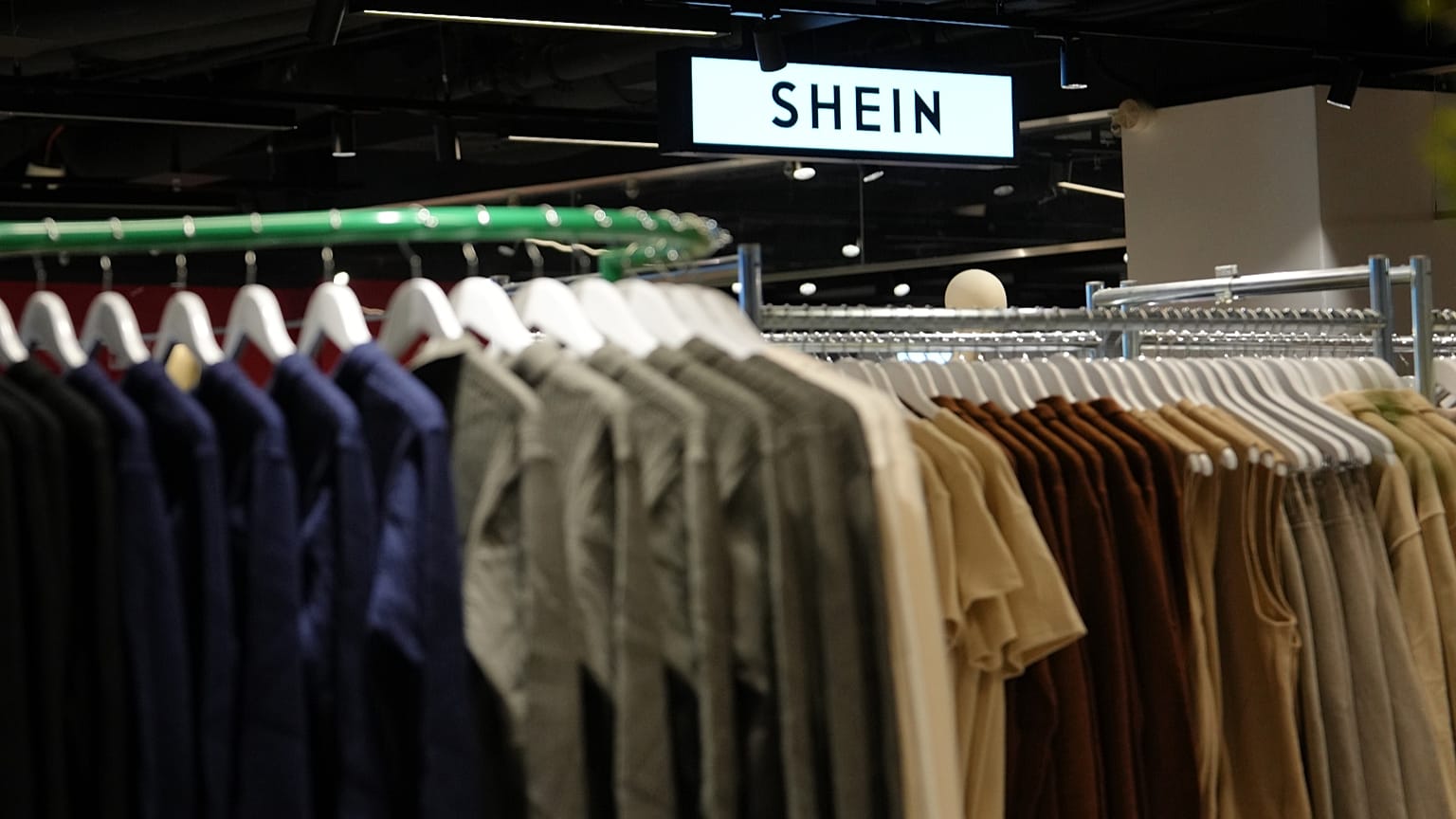
Clothes by Shein hang in the BHV (Bazar de l'Hotel de Ville) general store, ahead of the Shein stand opening, Tuesday, Nov. 4, 2025 in Paris.
Copyright Copyright 2025 The Associated Press. All rights reserved.


By Liam Gilliver
Published on

“A model that floods the market with thousands of new daily styles at single-digit price points can only exist by passing its true costs onto labour and the environment.”

Shein’s ultra-fast fashion empire has taken a dramatic fall following its post-IPO valuation collapse.

The e-commerce platform, which is headquartered in Singapore but outsources much of its manufacturing to China, failed to go public in London and New York following concerns around its supply chain and heavy criticism of its environmental impact.

Shein therefore pivoted to the Hong Kong Stock Exchange, where it was valued at around $27 billion (approximately €23.24 billion) on 1 September. It may seem like a huge financial win, but it’s 70 per cent lower than its private market peak of almost $100 billion (€86 billion) back in 2022.

Why was Shein’s IPO such a flop?

“Capital markets aren’t acting out of pure altruism: they’re reacting to material financial risk,” sustainability expert and founder of tech company E&S Solutions Ildiko Almasi Simsic tells Euronews Earth.

“Shein’s delayed public listings and severely discounted valuation prove that investors now recognise ESG issues as direct threats to terminal value.”

Simsic argues that a business model that has been exposed to multiple controversies, such as forced labour and hazardous chemicals in clothing, carries an “enormous risk profile”.

She says environmental and human rights issues have now crossed over from “ethics to equity”, signalling a watershed moment for the fast-fashion industry.

But what makes Shein so controversial in the first place, and can its super cheap garments and on-trend styles ever become sustainable?

Shein’s controversial supply chains

“For years, ultra-fast fashion grew by leveraging hyper-fragmented, outsourced supply chains that kept prices absurdly low while keeping liabilities at arm’s length,” Simsic tells Euronews Earth.

“But that model created a massive structural vulnerability. When your business relies on thousands of sub-contractors operating in grey regulatory zones, supply chain oversight isn’t just an operational headache – it becomes a central business risk.”

Shein’s supply chain has been shrouded in controversy since its conception. In 2022, an investigation by environmental NGO Greenpeace Germany found hazardous chemicals above the EU regulatory limits in seven of 47 Shein products tested.

At the time, Shein acknowledged the chemical contamination and pledged “substantial improvements” to its chemical management.

However, a 2025 investigation found that little had changed. Greenpeace purchased 56 garments from Shein across eight countries and analysed them for hazardous chemicals. They found that 18 of 56 (32 per cent) of the garments exceeded the EU limits, including children’s clothing.

Among other chemicals, the plasticizers phthalates and water- and dirt-repellent “forever chemicals” (PFAS) were detected. These are hazardous chemicals that have been linked to various health concerns, including cancer, reproductive disorders, growth disorders in children, and immunodeficiency disorders.

Workers in producing countries are often exposed without protection, while chemicals are discharged untreated into waterways and soils,
 Greenpeace 
Global campaigning network

“Consumers are also at risk as they can be exposed to these chemicals through several ways – directly through the skin, by inhaling textile fibres in the air and, in the case of small children, through mouthing contaminated clothes.”In 2023, Shein admitted to finding two cases of child labour in its supply chain during the first nine months of the year.

The firm introduced new rules so that any child labour or forced labour violations have become grounds for immediate termination of contracts.

“Both cases were resolved swiftly, with remediation steps including terminating contracts with underage employees, ensuring the payment of any outstanding wages, arranging medical checkups and facilitating repatriation to parents/ legal guardians as needed,” Shein said at the time.

“Following appropriate remediation, the contract manufacturers were permitted to resume business.”

Despite Shein’s clampdown on labour violations, concerns of poor working conditions remain rife. A 2025 investigation by the BBC found that workers were sitting behind sewing machines for around 75 hours a week in contravention of Chinese labour laws.

Many employers told the publication that they only have one day off each month and have to endure 12-hour shifts, which didn’t include breaks for lunch and dinner, often working until past 10pm.

A 2024 report by Swiss advocacy group Public Eye also found that excessive overtime was still common for many workers – despite Shein promising to improve conditions following previous probes.

Can Shein ever be sustainable?

As Shein geared up for going public, scrutiny on its fast-fashion model grew stronger.

The company’s draft prospectus included the slogan “We believe in doing well by doing good”. However, according to Public Eye, this was removed from the final document.

Shein insists that “commitment to sustainable and responsible growth is woven into the fabric” of its business model. However, the expected IPO proceeds allocate just 10 per cent to sustainability and corporate responsibility.

An investigation by global nonprofit Rest of World found that between July and December of 2021, Shein added anywhere between 2,000 and 10,000 SKUs (stock keeping units, or individual styles) to its app each day.

This is because Shein orders small batches of each garment, sometimes as low as a few dozen pieces, then waits to see how consumers respond. If a particular item seems to be selling well, Shein orders more.

“A model that floods the market with thousands of new daily styles at single-digit price points can only exist by passing its true costs onto labour and the environment,” Simsic says.

“Cheap prices are an illusion created by systemic outsourcing. When garments are produced at a fraction of a cent per stitch, it almost guarantees non-compliance with fair wages, excessive overtime, and cheap, fossil-fuel-derived synthetic fabrics.”

The expert acknowledges that while efficiency and tech-driven demand forecasting can reduce excess inventory, it cannot bypass the “physical limits of planetary resources or basic human rights”.

“Ultra-low cost and sustainability are fundamentally incompatible concepts,” she adds. “One inherently undermines the other.”

Can fast fashion survive the scrutiny?

Shein’s scrutiny has gone far beyond complaints from environmentalists and individuals. Earlier this week, France passed a law targeting companies known for selling large volumes of low-quality clothing at rock-bottom prices.

“The harmful effects of ultra-fast fashion on our environment and our economy are well known and documented,” says Mathieu Lefevre, the minister for ecological transition.

Under the bill, firms like Shein are assessed under two criteria: the volume of clothing placed on the market and the cost of repairing garments relative to their purchase price.

The per-item fee will vary on a set scale according to how each product scores on both of these standards.This year, companies will pay fines such as a 50-cent levy on underwear falling into the ultra-fast fashion category, rising to €2 for T-shirts, €9 for jeans and €12 for a jacket.

The levy could reach up to €19.50 per item by 2030, though the cap remains at 50 per cent of the product’s pre-tax price.

Beijing has bitten back, urging France to abandon the law and describing it as “clearly discriminatory” due to Shein – and sites like Temu – being located in Asia.

“Should France persist in this course of action, China will take necessary measures to safeguard the legitimate rights and interests of Chinese enterprises,” says commerce ministry spokeswoman Huang Ling. “France will bear full responsibility for all consequences arising from this.”

Simsic argues that while fast-fashion giants will still be able to survive new laws like this, it’s likely they won’t reach their historical growth model.

We’re witnessing a decisive shift from voluntary corporate sustainability to hard, enforceable law.
 Ildiko Almasi Simsic 
Sustainability expert

“Historically, labour issues or toxic chemical findings were managed by public relations or board-level sustainability committees. Today, with legislation like the EU’s Corporate Sustainability Due Diligence Directive and Extended Producer Responsibility, these are strict legal compliance matters carrying fines of up to five per cent of global turnover.”

Simsic adds that if non-compliance directly threatens a company’s bottom line through hefty regulatory penalties and import bans, growth will inevitably slow. It means sites like Shein will have no choice but to internalise these costs, by investing heavily in supply chain traceability and safer materials.

Euronews Earth has contacted Shein for comment.


'Anti-fast-fashion' law: France rejects China's discrimination claims
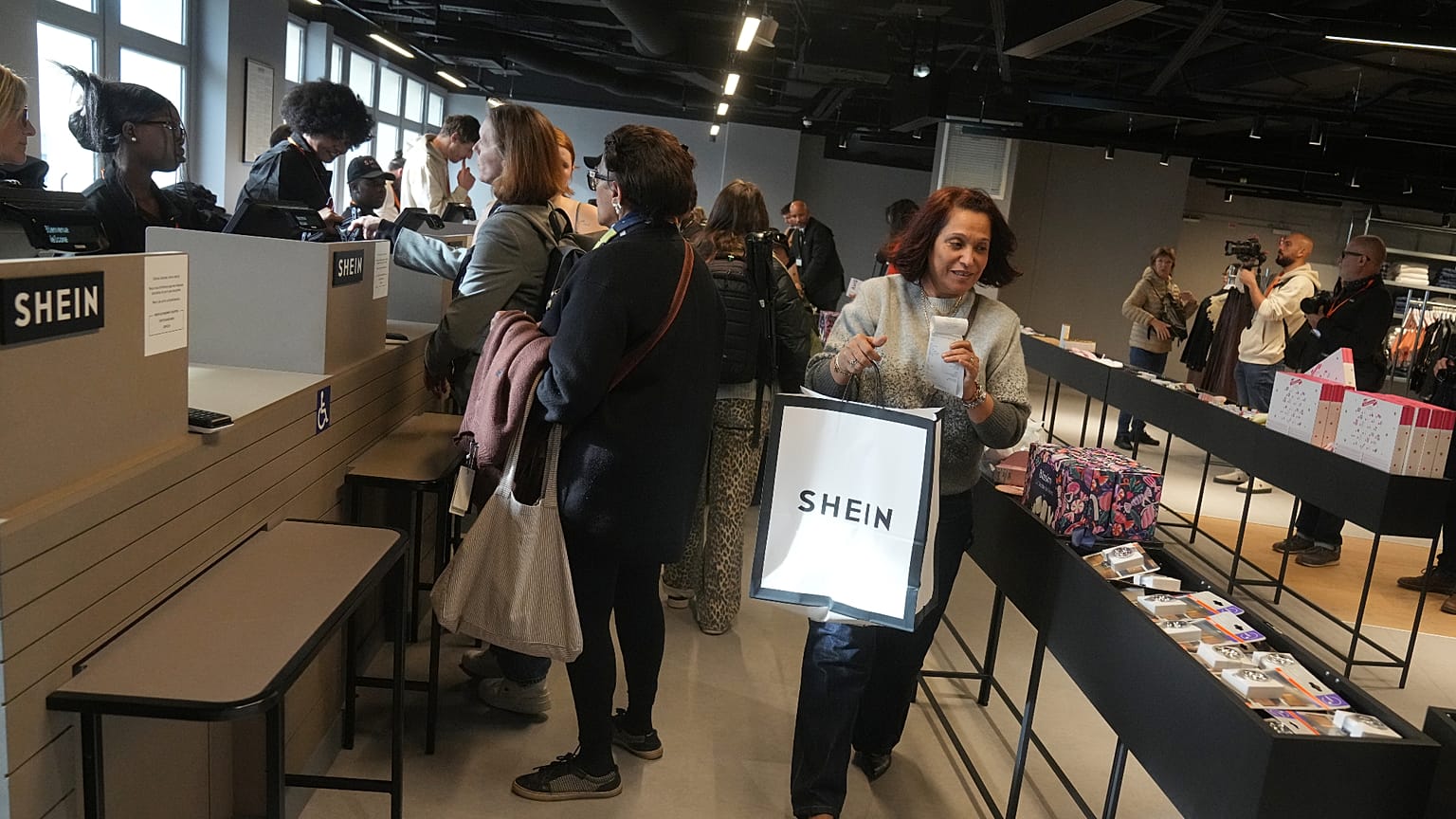
A customer leaves the BHV department store after buying a fast-fashion item from Shein, as it opens its first physical shop, Paris, 5 November 2025.
Copyright AP Photo

By Estelle Nilsson-Julien
Published on


China has claimed that the new "anti-fast-fashion" law which came into force in France on Tuesday amounts to "discrimination." Responding to these accusations, a source from the Ministry of Foreign Affairs told Euronews that such claims were false.

On Thursday, China claimed that France's new fast-fashion law, targeting major Asian e-commerce platforms including Shein and Temu was "clearly discriminatory." Responding to these accusations, a source from a department linked to France's Ministry of Foreign Minister Affairs told Euronews that these claims were false.

A source from the French Foreign Trade and Attractiveness office said that the new law was "not discriminatory" and that it was introduced to "protect the environment and consumers."

"It is in everyone's interest, including China's, to have a peaceful relationship with France, with the European Union, and a civil trade relationship", the source said.

Speaking at a press conference on Thursday, Chinese commerce ministry spokesperson Huang Ling called for the suspension of the new law, which came into force on Tuesday, after it was voted in July.

The law imposes fees on certain items — which will eventually reach almost 20 euros per garment — as part of a push to curb the industry's environmental and local economic impacts.

"China urges France to immediately halt the implementation of the anti-ultra-fast fashion law," said Huang, adding that China stands in "firm opposition to France's insistence on pushing forward this trade-restrictive measure, which is clearly discriminatory".

"Should France persist in this course of action, China will take necessary measures to safeguard the legitimate rights and interests of Chinese enterprises," she stated, while warning that "France will bear full responsibility for all consequences arising from this."

"No discrimination"

According to the source at France's Foreign Trade and Attractiveness Office, while there is "no discrimination", China is within its rights to raise issues around the law with the WTO.

"The fact that China feels targeted is indeed something we have heard. We are of course ready to talk to them to understand to what extent they feel targeted [...] If China has technical issues with the law, it is perfectly entitled to submit them to the WTO."

"Our Parliament is sovereign and has had its say. It has passed this law and we will fully respect its decision. This kind of threat, this challenge to a state's sovereign position, is coercion, economic retaliation. But for now, it remains a threat."

The European Commission has expressed reservations about whether France's "anti-fast-fashion" law is compatible with EU law, particularly relating to its advertising ban, which prohibits promotional campaigns and influencer marketing for fast-fashion brands.

However, according to the source, the law has undergone revisions and is robust. "We have taken the time to respond to the European Commission's concerns, to questions about compatibility with various directives. Questions remain, but we are confident",

"From our point of view, there are no outstanding issues".

For now, China has not said what retaliatory measures it could take, but Beijing has already targeted French interests in the past, imposing anti-dumping measures on European brandy in 2024, after the European Union decided to impose duties on Chinese electric vehicles.

French cognac producers were among the business actors who found themselves at the heart of a customs stand-off between the European Union and China.

What does the law say?

Under France's new legislation, what counts as "ultra-fast fashion" is determined on the basis of two sets of criteria: the volume of clothing placed on the market and the cost of repairing garments relative to their purchase price.

The per-item fee is set to vary on a set scale, according to how each product scores on both these standards.

Shein, known for its ultra-low prices and rapidly produced clothes, made a tepid Hong Kong Stock Exchange debut on Tuesday, after previous plans for initial public offerings in New York and London were derailed.

The online retailer moved its headquarters to Singapore between 2021 and 2022, which analysts say was intended to avoid increasing global scrutiny of Chinese firms.

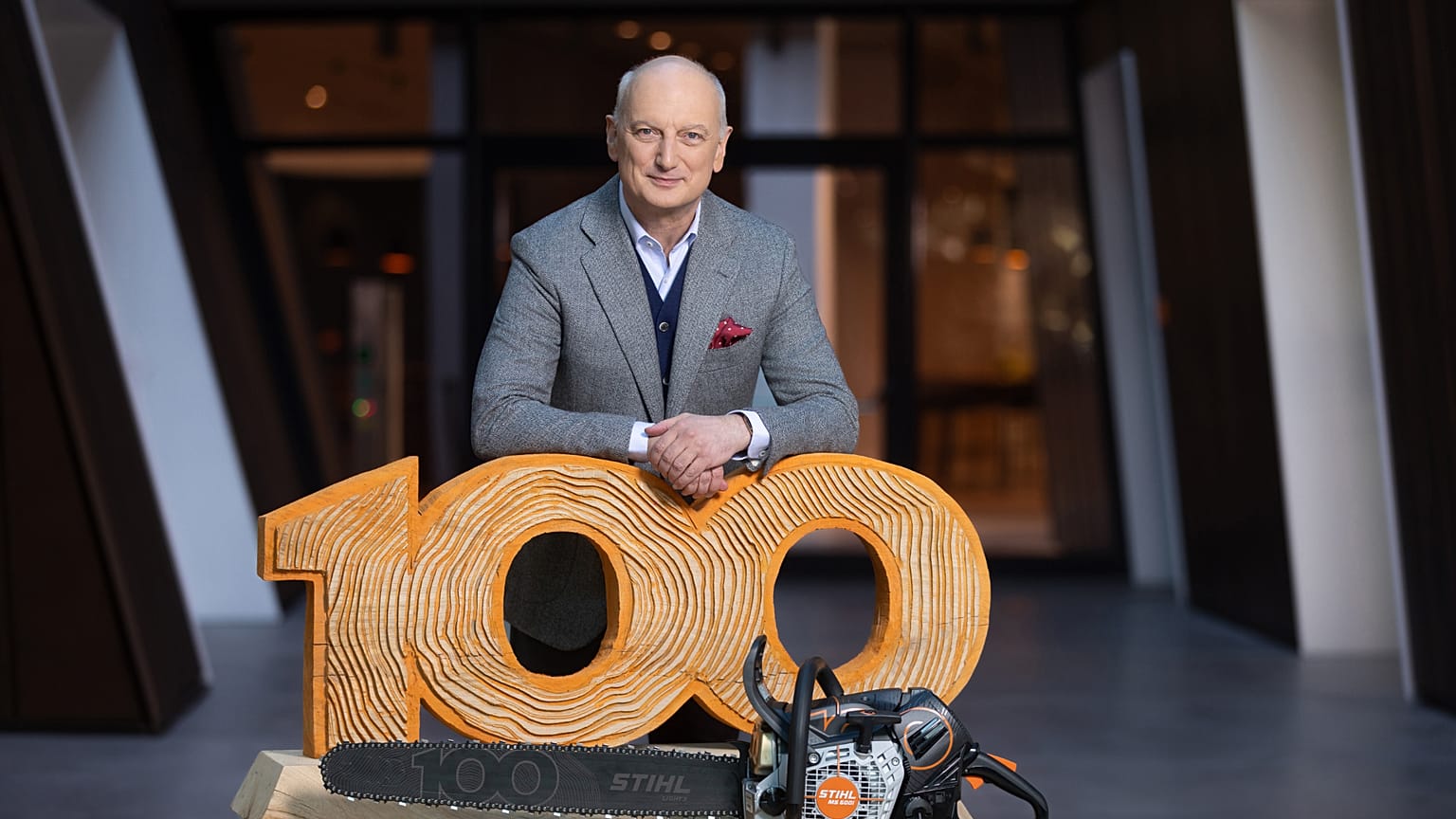
 

Chainsaw maker STIHL chief calls for longer hours without extra pay

Dr Nikolas Stihl, grandson of the company's founder, is celebrating the 100th anniversary of the global group, which is still family-owned
Copyright (c) Stihl

By Eduard Wolter
Published on

In an opinion piece for Euronews, Dr Nikolas Stihl, chairman of world-leading chainsaw maker STIHL, calls for reforms including a 40-hour working week without extra pay to safeguard Germany's prosperity and welfare state.

The family entrepreneur from Waiblingen in southern Germany does not mince his words: "The German economy has been stuck in crisis mode for years. The prerequisite for overcoming the persistent weakness in growth is better framework conditions," Stihl said.

STIHL: €5.48bn in revenue and more than 20,000 employees

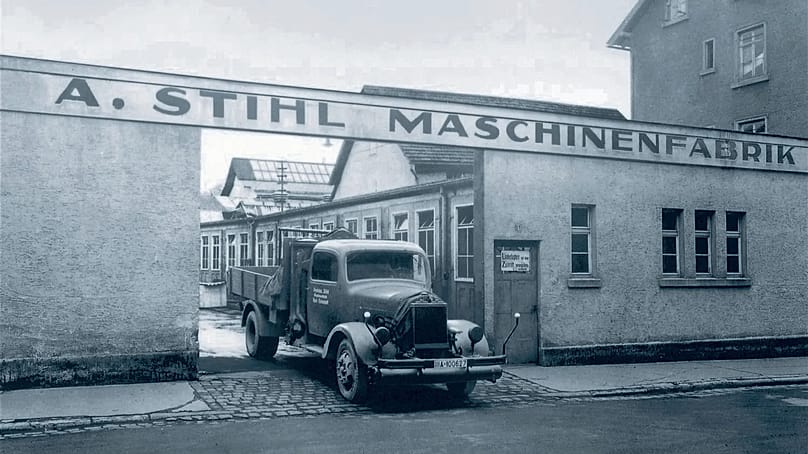
In 2025, STIHL generated €5.48 billion in revenue and employed 20,246 people worldwide. Founded by Andreas Stihl in 1926, the company is celebrating its 100th anniversary. Nikolas Stihl is the founder's grandson.

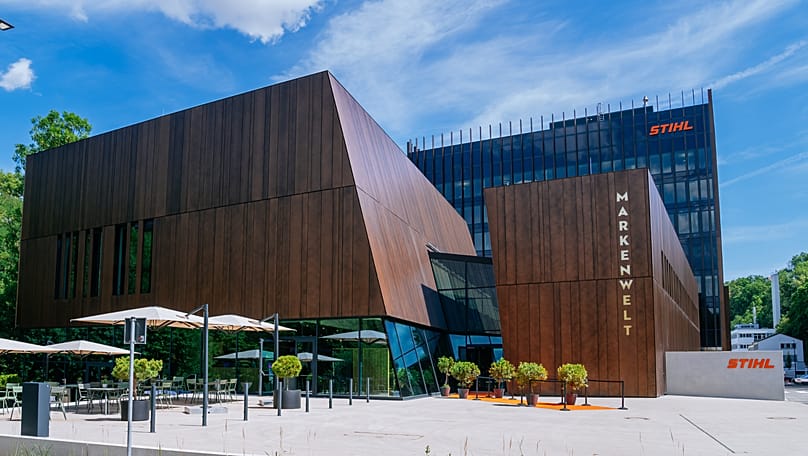
Head office in Waiblingen ANDREAS STIHL AG & Co. KG, Waiblingen

Family businessman Stihl takes a long-term view, and for him one thing is clear: "The situation of the German economy is serious, very serious. In the past eight years we have lost around 15 percent of our industrial output. Month after month Germany is losing around 15,000 industrial jobs."

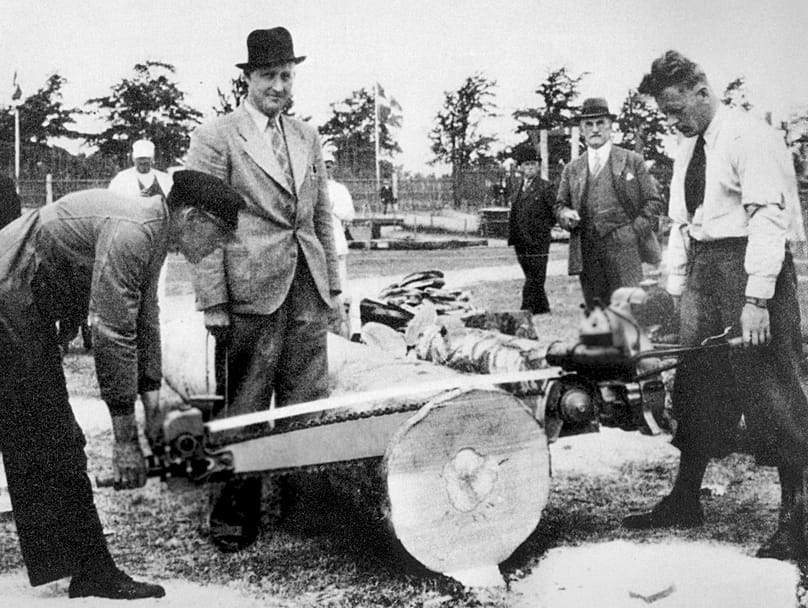
The industrial base, he warns, is at risk of eroding – and with it prosperity and the welfare state. According to the company, STIHL has been the world's best-selling chainsaw brand since 1971. Nikolas Stihl acknowledges that "the US tariffs, China's aggressive industrial policy and geopolitical tensions" are also weighing on companies like his. But he argues that it is mainly home-grown problems holding firms back: "an overregulated economy, high energy costs, high labour costs, high taxes and a declining level of education and qualifications."

The Government's planned reforms fall short

The federal government’s planned reforms – covering statutory health insurance, pensions, taxes and the labour market – are good compromises, but they do not go far enough to pull Germany out of its structural crisis. If these compromises were now to be "unpicked", it would have devastating consequences for business confidence in politics, the entrepreneur warns.

Stihl says: "Now we need to muster all our strength for further reforms that will then generate tangible investment and growth impulses. For that, the governing coalition and the social partners must overcome their own reservations in order to live up to their responsibility towards Germany."

The next steps, he argues, should include cutting red tape, increasing the overall volume of work in the economy, reducing labour costs and creating additional incentives for research and development.

Germans need to work more to preserve prosperity

Stihl is calling for "high-quality public administration" with clear rules, streamlined and swift procedures, reasonable reporting requirements, and processes that are digital and supported by AI. "Accordingly, statutory reporting requirements should generally be abolished and retained only where their necessity is explicitly justified. If public authorities act much more as service providers for citizens and companies, that increases trust in Germany as a business location and in politics."

For Stihl, the key issue is increasing the volume of work – in other words, Germans need to work more again: "If we want to maintain our prosperity and keep social benefits at a high level, the total volume of work in the economy has to increase. A higher volume of work boosts economic output. In that sense, the debate about more work is a debate about preserving our prosperity, and by no means a debate about employees being lazy."

40-hour week without pay rises

Germany must use every available option to increase the volume of work: by incentivising overtime, extending working lives with fair exceptions for physically demanding jobs, making better use of the existing labour pool – including unemployed and part-time workers – and attracting skilled workers from abroad.

Stihl also calls for sick pay to be paid only from the second day of sickness and for phone-in sick notes to be abolished. Productivity gains from digitalisation and the growing use of AI will not offset the negative effects of demographic change.

From October 206, collective bargaining talks in the metalworking and electrical industries are due to begin between trade unions and employers. Stihl warns: "We no longer have the productivity advantage over key competitors that used to justify our high labour costs. That is why I advocate increasing weekly working hours to 40, without any pay compensation.

Promoting AI, robotics, biotech, space and quantum technology

He acknowledges that he is asking a great deal of employees, but says he does not want to take anything away from anyone.

The aim, he insists, is to remain competitive, keep production in Germany and safeguard jobs. STIHL has production companies in eight countries, as well as 40 of its own sales and marketing subsidiaries and more than 50,000 specialist dealers worldwide.

When it comes to non-wage labour costs – including contributions to pension, health, long-term care and unemployment insurance – he says a ceiling of 40% of gross wages is the maximum that can be accepted.

Stihl is also calling for more attractive conditions for innovative companies, including regulatory breathing space, greater tax incentives and wider access to venture capital. "Overall, innovation and the granting of approvals must be given an even higher priority than at present and must not be held back by bureaucracy."

Future-focused fields such as the industrial use of artificial intelligence, robotics, biotechnology, medical technology, space travel and quantum technologies should receive more targeted support.

'Germany has proved many times that it can reinvent itself'

The conclusion reached by the head of the world's leading chainsaw brand and a global technology company is clear: "We must not waste any more time, because only a high-performance and competitive business location can secure prosperity and a strong welfare state. Germany has proved many times that it can reinvent itself."

For the public to embrace the challenges ahead, "a ruthless stocktake of the current situation" is needed, followed by an overall plan setting out the changes people can expect. "The time has come to act with determination," says Nikolas Stihl.


Euroviews. Boss of STIHL: Time for reforms – this is how we will safe prosperity and welfare state

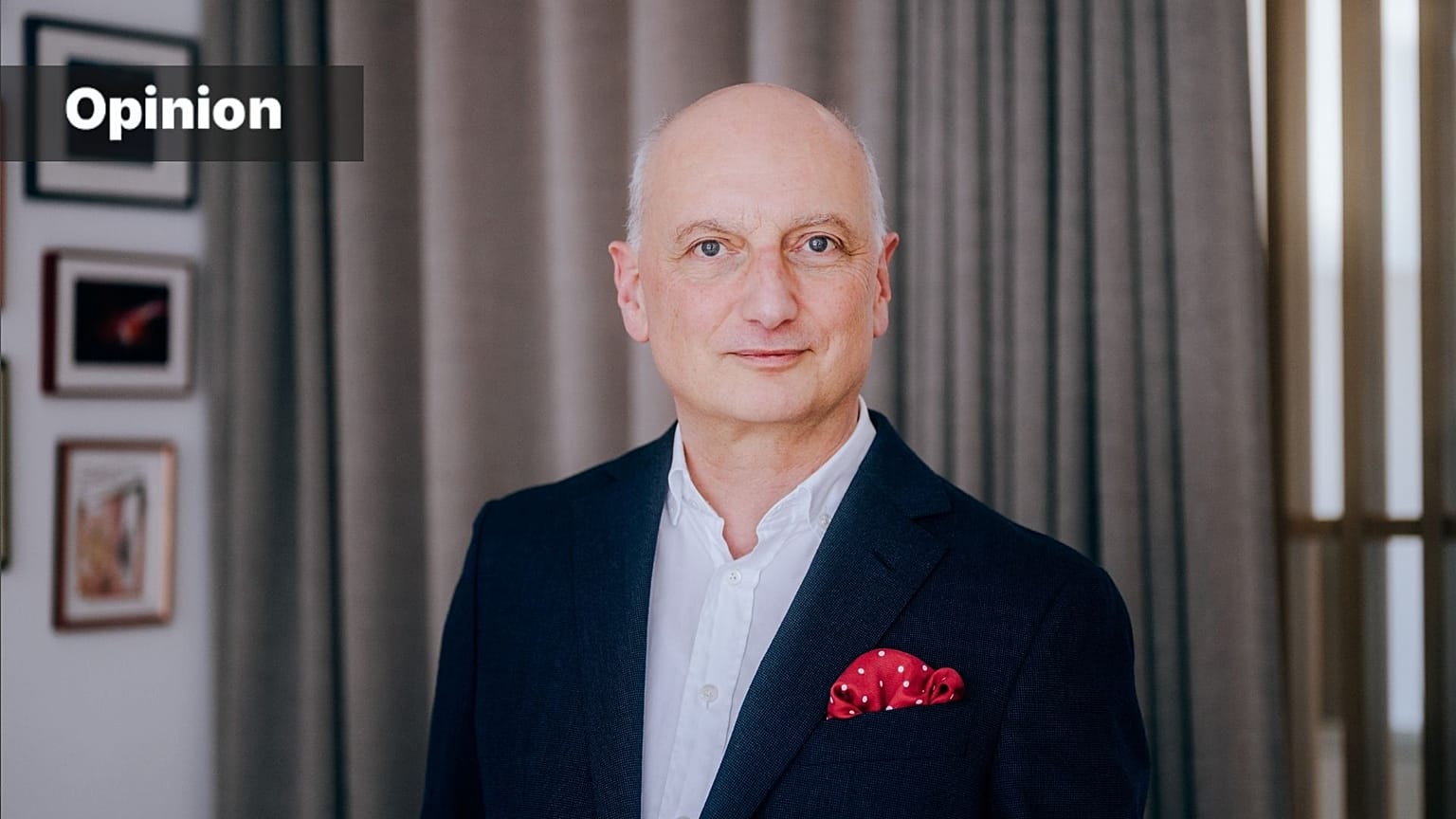
Dr. Nikolas Stihl
Copyright (c) Stihl


By Dr. Nikolas Stihl, Chairman of the STIHL Advisory Board and Supervisory Board
Published on
The opinions expressed in this article are those of the author and do not represent in any way the editorial position of Euronews.

The German economy has been in crisis for years. Writes Nikolas Stihl in an OpEd für Euronews. Better business conditions are the key to breaking out of this stagnation. What’s at stake is nothing less than securing prosperity and welfare state. STIHL is the world’s best-selling chainsaw brand.

The state of the German economy is serious, very serious. Over the past eight years, we’ve lost approximately 15 percent of our industrial production. Month after month, Germany loses around 15,000 industrial jobs. And the industrial base that underpins our prosperity is starting to erode. Private net investment has fallen to almost zero. On balance, companies are doing nothing more than replacing what wears out. High costs are paralyzing companies’ willingness to invest. Even the special depreciation package (the “Investitionsbooster”) that the German government introduced in mid-2025 has done nothing to change that

And the industrial base that underpins our prosperity is starting to erode.
 Dr. Nikolas Stihl, Chairman of the STIHL Advisory Board and Supervisory Board 

Of course, US tariffs, China’s aggressive industrial policy, and geopolitical tensions weigh on investment too. But the real problems are of our own making: an overregulated economy, high energy costs, high labor costs, high taxes, and falling levels of education and skills.

Planned reforms are not enough to reverse the economic trend

At the beginning of the year, many entrepreneurs had almost lost faith in Germany’s ability to reform. In July, the German government surprised everyone with a reform of statutory health insurance, along with reform plans for pensions, taxes, and the labor market. This package isn’t enough to pull Germany out of its structural crisis. But the current coalition showed it can compromise to help move the country forward. If those compromises were now unpicked and watered down, the damage to business confidence in politics would be devastating. The planned reforms are still not the breakthrough we were hoping for, the one that would actually turn the economy around.

XXXX
XXXX (c) Stihl

Right now, we need to put everything into the next round of reforms, the ones that deliver real momentum for investment and growth. And that means the governing coalition, employers, and unions all stepping outside their comfort zones to live up to their responsibility for Germany. The special funds for defense and infrastructure will hardly lead to a self-sustaining upswing in the economy unless conditions for doing business here improve noticeably. The next reform steps have to keep cutting bureaucracy, raise the total hours worked, bring labor costs down, and give companies real reasons to invest in research and development.

The next reform steps have to keep cutting bureaucracy, raise the total hours worked, bring labor costs down, and give companies real reasons to invest in research and development.
 Dr. Nikolas Stihl, Chairman of the STIHL Advisory Board and Supervisory Board 

Public authorities should enable, not obstruct

What we should expect from public authorities is nothing less than high-quality administration: rules people can understand, procedures that are lean and fast, reporting requirements that are reasonable. Digital, and supported by artificial intelligence. Clear rules and fast, straightforward decisions should make investment possible, not hold it back.

The draft law presented by the new Baden-Württemberg state government on reducing reporting and documentation requirements could send an important signal. The principle is simple: statutory reporting obligations should be dropped across the board and only retained where their necessity is explicitly justified. If public authorities acted far more as service providers for people and businesses, it would strengthen confidence in Germany as a place to do business – and in politics too.

Increase hours worked

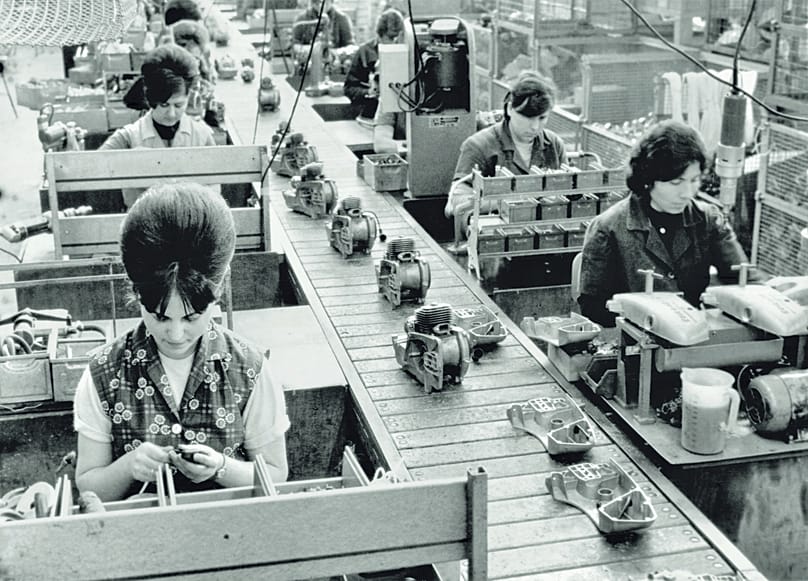
People working in industry are hugely dedicated, responsible, and highly professional. Without that commitment, German companies would not be succeeding the way they do around the world. STIHL is just one example among countless others.

XXX
XXX (c) Stihl

But demographics are slowing the whole economy down and putting massive pressure on the welfare state. To protect our prosperity and to ensure high levels of social benefits, the total number of hours worked has to rise. More hours worked means more economic output. So the debate about working more is really a debate about holding on to what we have – and it is in no way a debate about employees being lazy.

XXX
XXX (c) Stihl
Germany has to use every lever it has to get those hours up.
 Dr. Nikolas Stihl, Chairman of the STIHL Advisory Board and Supervisory Board 

Germany has to use every lever it has to get those hours up. Incentives to work more hours. A longer working life, with fair exceptions for physically demanding jobs. Better use of the labor we already have, meaning people out of work and people in part-time roles. Skilled immigration. No sick pay for the first day of illness. An end to doctor’s notes issued over the phone. Productivity gains from digitalization and AI won’t offset what demographics are doing to us.

Reduce labor costs

The collective bargaining round in the metal and electrical industry, which will begin in fall 2026, will be a key factor in determining whether Germany remains an industrial nation or falls further behind. The reason is simple: we no longer have the productivity edge over our main competitors that justifies those high labor costs. That’s why I’m calling for a 40-hour workweek – with no increase in pay. I know I’m asking a great deal of unions and employees. But I’m not trying to take anything away from anyone. Quite the opposite. I want industrial companies to be able to compete, production to stay in Germany, and jobs to be safe.

That’s why I’m calling for a 40-hour workweek – with no increase in pay.
 Dr. Nikolas Stihl, Chairman of the STIHL Advisory Board and Supervisory Board 

And the current debate pays far too little attention to non-wage labor costs. Contributions to pension, health, long-term care, and unemployment insurance should not go above 40 percent of gross wages. That is the economic limit. Getting there means overhauling the social security system from the ground up. The German government’s latest reform measures do at least address the stabilization of contribution rates for pension and statutory health insurance. However, the 40 percent limit has already been far exceeded.

Priority for research

The close links between world-class research institutions, universities, innovation clusters, and innovative companies rank among Germany’s greatest strengths as a business location. Give innovative companies better conditions and you speed up the whole chain: knowledge moves faster, and so does the production and marketing of what comes out of it, new business models included. Regulatory leeway would do that. So would higher tax incentives and more venture capital. Overall, innovations and the approvals they need must be given far greater priority than before, and they must not be held back by bureaucracy.

XXX
XXX (c) Stihl
Future-oriented fields deserve far more targeted support: the industrial use of AI, robotics, biotechnology, medical technology, space technology, and quantum technologies.
 Dr. Nikolas Stihl, Chairman of the STIHL Advisory Board and Supervisory Board 
XXX
XXX (c) Stihl

Future-oriented fields deserve far more targeted support: the industrial use of AI, robotics, biotechnology, medical technology, space technology, and quantum technologies. The Germany Fund, launched at the end of 2025, is only a start, measured against other countries with strong research bases.

Act decisively

We have no more time to lose. Because only a strong, competitive place to do business can secure prosperity and a strong welfare state.

Germany has shown many times that it can reinvent itself.
 Dr. Nikolas Stihl, Chairman of the STIHL Advisory Board and Supervisory Board 

Germany has shown many times that it can reinvent itself. But if people are going to understand what’s coming, we have to start with an unflinching look at where we actually stand. And then set out a plan they can follow, one that spells out what will change for them. With a plan like that, the government can give direction, bring people with it, and win back trust. It’s time to act.

Dr Nikolas Stihl is the grandson of the company’s founder, Andreas Stihl, and represents the third generation at the helm of the world’s leading chainsaw brand and a global technology company. Under his leadership, STIHL has further expanded its international presence and, in 2025, achieved a turnover of 5.48 billion euros with 20,246 employees worldwide. STIHL has been the world’s best-selling chainsaw brand since 1971.


Indonesia on fire as four volcanoes erupt in 24 hours

Indonesia on fire as four volcanoes erupt in 24 hours
/ Kementerian ESDMFacebook

By IntelliNews - Surabaya Bureau September 6, 2026

Heightened tectonic and volcanic activity have spread out across the Indonesian archipelago with four major volcanoes erupting within a single 24-hour window, CNN Indonesia reports. According to official bulletins issued by the Geological Agency of the Ministry of Energy and Mineral Resources (ESDM), PVMBG, and BMKG, as of September 6, at 9am local time, Mount Anak Krakatau, Mount Ibu, Mount Ili Lewotolok, and Mount Semeru have all experienced active eruptive pulses.

The eruptions span multiple island chains across the Pacific Ring of Fire, from the Sunda Strait and East Java to East Nusa Tenggara and North Maluku.

Among the active sites, Mount Anak Krakatau generated the broadest environmental impact. Based on Darwin Volcanic Ash Advisory Centre (VAAC) data and Himawari-9 satellite RGB imagery, its volcanic ash split into two main plumes: one drifting northeast-south across the country’s capital city of Jakarta, Banten, and West Java, and another moving southwest-northwest across Lampung, Bengkulu, and the Indian Ocean.

In East Java, Mount Semeru produced the highest eruption plume at 1,000 metres above its peak, prompting the Geological Agency to enforce a strict 13-kilometre exclusion zone along the Besuk Kobokan river corridor to protect against pyroclastic density currents and cold lava flows. In East Nusa Tenggara, Mount Ili Lewotolok registered a 600-metre ash column following four eruptive pulses over 48 hours, while Mount Ibu in North Maluku recorded a 400-meter plume.

To protect civil aviation and regional populations, geological monitoring agencies are routing real-time satellite imagery directly into flight advisories and localised evacuations.

The simultaneous eruptions across four provinces is also pushing Indonesia's disaster management system to prioritise the management of cross-province aviation safety via VAAC tracking. Monitoring volcanic ash dispersion via Darwin VAAC and BMKG Himawari-9 satellite imagery is helping to protect air corridors and coordinate necessary airport closures across Java, Sumatra, and Eastern Indonesia.

Restricting access along the 13-kilometer Besuk Kobokan sector is also aimed at protecting local residents from potential hot ash clouds and cold lava flows during rain events.

Flights suspended at Indonesia's main airport due to volcanic eruption

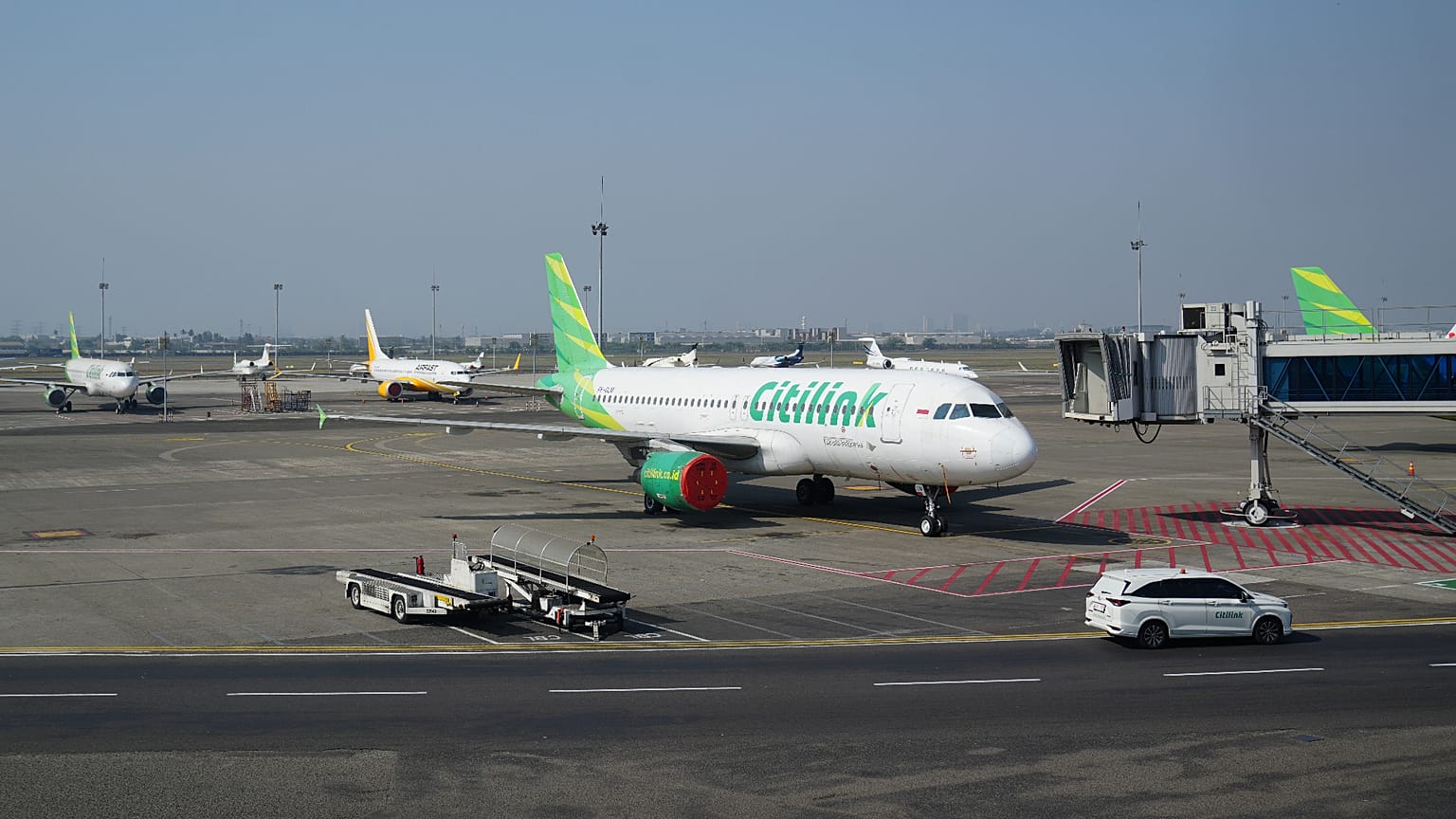
Airplanes are parked at Soekarno-Hatta International Airport in Tangerang, Indonesia, Sunday, Sept. 6, 2026.
Copyright Copyright 2026 The Associated Press. All rights reserved.

By Nathan Rennolds
Published on

Mount Anak Krakatoa is an active volcano that sits in the Sunda Strait, between the islands of Java and Sumatra.

Indonesia's Soekarno–Hatta International Airport suspended flight operations on Sunday after an eruption of the Anak Krakatoa volcano.

Mount Anak Krakatoa began erupting on Saturday, producing a lava fountain and "booming sounds and tremors" that were reported by residents in several parts of the country, according to Indonesia's geology agency.

Authorities suspended operations at the airport from 1:30 am local time on Sunday morning after ash from the volcano was detected in the airspace surrounding the airport.

"The latest paper test…showed positive results indicating the spread of volcanic ash in the Soekarno-Hatta International Airport area, consequently the airport closure was extended until Sunday at 09:30 am (0230 GMT)," Indonesia's transport ministry said in a statement.

More than 22,000 passengers have been affected by the suspension, the ministry said, with 209 flights impacted, in particular to and from Singapore.

Routes to destinations including Doha, Sydney, and Kuala Lumpur have also been affected. At least 16 domestic flights to Bali were also cancelled, per local airport authorities.

Anak Krakatoa is an active volcano that sits in the Sunda Strait, between the islands of Java and Sumatra.