The Northern Miner Treasure Hunt: Cobalt – the silver rush that transformed the Ontario bush
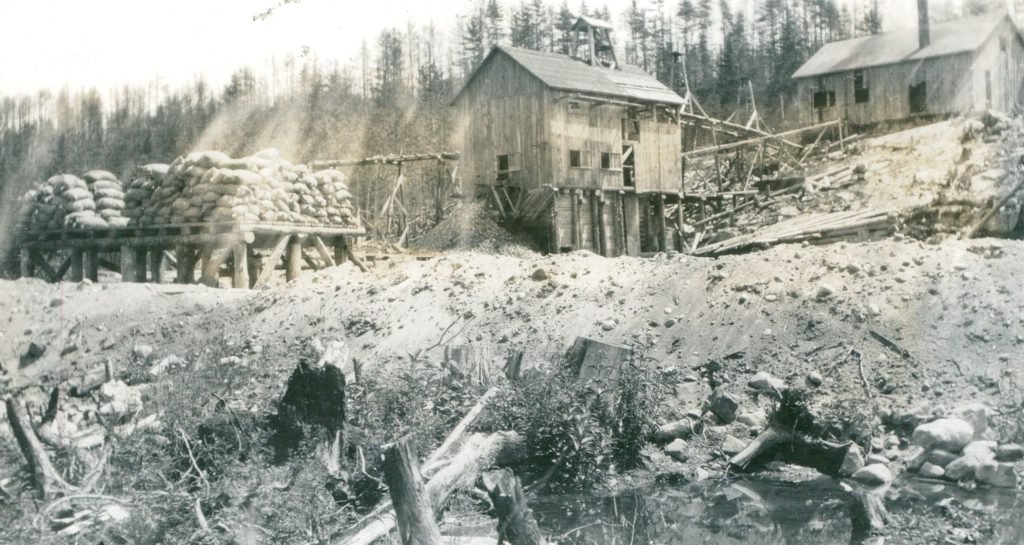 Bags of silver ore awaiting shipment at the Cobalt camp’s LaRose property, July 15, 1905. Credit: The Northern Miner
 Watch the video: [English] | [French]

Standing atop Nipissing Hill Lookout, the history of the surrounding town of Cobalt, Ont. is in full view. There’s the town itself, Cobalt Lake and the decades-old remains of legacy mine infrastructure such as headframes and wooden mills. Look further out and squint, and on a sunny day a set of distant squares of solar panels reflect back bright white light.
The tranquil streets and dusty old mining buildings of Cobalt might make it hard to believe that this community – where less than 1,000 people live – once hosted one of the three great silver rushes of the Americas.
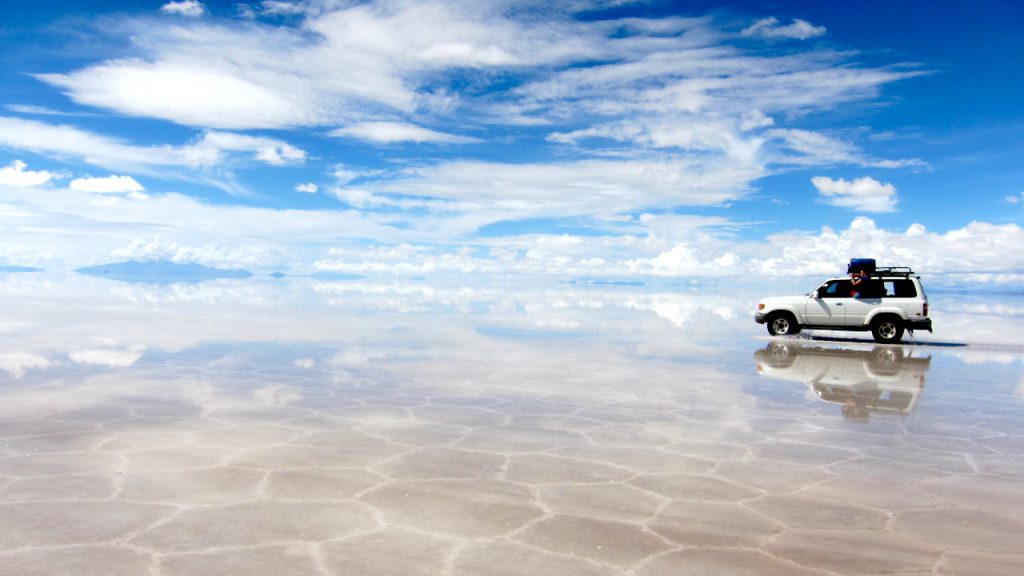
In 1545, a group of Spanish conquistadors in what is now Bolivia founded the silver mining town of Potosi, located more than 4,000 metres high in the Andes mountains. Within 30 years, Potosi became one of the most important sources of silver in the world, producing billions of ounces for the Spanish Empire. But the vast wealth from Potosi was built on the backs of millions of Indigenous and African slaves, many of whom died mining silver in grim conditions.
Fast forward to roughly 1859 in western Nevada, where a group of gold prospectors had set up their canvas tents on the rocky and sagebrush-dotted slope of Mount Davidson. Though they found some gold, they found more silver, and within a few years thousands of people converged on the area in what became the Comstock Rush. Over the next three decades, almost 200 million oz. of silver would be mined, and the initial settlement grew into Virginia City, with a population of 25,000. It also became a city of stark contrasts where a few “Silver Kings” could flaunt their newfound wealth while hundreds of others toiled and died in underground mine accidents, or perished from disease and violence.
Fast forward again to the year 1903, much further north of Nevada to the dense boreal forests of northern Ontario and a small, clear lake with rocky shores. Almost 500 km north of Toronto – then a city of only 210,000 people – there was barely any modern infrastructure in the area. The exception was the Temiskaming & Northern Ontario Railway (TNO), whose work crews were slowly extending the line northwards from North Bay to Haileybury and New Liskeard in a bid to access a clay belt for farming.
Cobalt’s approaching silver rush came at a far lower human cost than other rushes in the Americas, and like other booms, it birthed a new town that rapidly grew from a mining camp in the bush and later slowly faded. But it was no less significant for its contribution to Canada’s mining heritage, a contribution likely to live on as Canada enters the green energy transition.
Watch the video: [English] | [French]
Standing atop Nipissing Hill Lookout, the history of the surrounding town of Cobalt, Ont. is in full view. There’s the town itself, Cobalt Lake and the decades-old remains of legacy mine infrastructure such as headframes and wooden mills. Look further out and squint, and on a sunny day a set of distant squares of solar panels reflect back bright white light.
The tranquil streets and dusty old mining buildings of Cobalt might make it hard to believe that this community – where less than 1,000 people live – once hosted one of the three great silver rushes of the Americas.
In 1545, a group of Spanish conquistadors in what is now Bolivia founded the silver mining town of Potosi, located more than 4,000 metres high in the Andes mountains. Within 30 years, Potosi became one of the most important sources of silver in the world, producing billions of ounces for the Spanish Empire. But the vast wealth from Potosi was built on the backs of millions of Indigenous and African slaves, many of whom died mining silver in grim conditions.
Fast forward to roughly 1859 in western Nevada, where a group of gold prospectors had set up their canvas tents on the rocky and sagebrush-dotted slope of Mount Davidson. Though they found some gold, they found more silver, and within a few years thousands of people converged on the area in what became the Comstock Rush. Over the next three decades, almost 200 million oz. of silver would be mined, and the initial settlement grew into Virginia City, with a population of 25,000. It also became a city of stark contrasts where a few “Silver Kings” could flaunt their newfound wealth while hundreds of others toiled and died in underground mine accidents, or perished from disease and violence.
Fast forward again to the year 1903, much further north of Nevada to the dense boreal forests of northern Ontario and a small, clear lake with rocky shores. Almost 500 km north of Toronto – then a city of only 210,000 people – there was barely any modern infrastructure in the area. The exception was the Temiskaming & Northern Ontario Railway (TNO), whose work crews were slowly extending the line northwards from North Bay to Haileybury and New Liskeard in a bid to access a clay belt for farming.
Cobalt’s approaching silver rush came at a far lower human cost than other rushes in the Americas, and like other booms, it birthed a new town that rapidly grew from a mining camp in the bush and later slowly faded. But it was no less significant for its contribution to Canada’s mining heritage, a contribution likely to live on as Canada enters the green energy transition.
Pink stains on rocks
One August day in 1903, some two members of a crew looking for lumber for the rail ties near – Long Lake James McKinley and Ernest Darragh – saw pink stains on a rock.
They chipped off some samples and used the tried-and-true trick they had learned from prospecting in California: they bit the shiny metal on the rock chips and found some of it was soft, native silver. Later, they sent the samples to an assay laboratory at McGill University in Montreal. The results showed 4,000 oz. silver per ton.
That same summer, Willett Green Miller, Ontario’s first historic provincial geologist visited the area to investigate the stories about metal discoveries. Thinking that “Long Lake” was too generic a name for the camp, he also knew that the metal cobalt – used at the time as blue pigment in paint – co-occurred in the local silver veins. He made a rough sign with the name “Cobalt” for the local TNO stop, and the name stuck.
McKinley and Darragh followed up on their samples by entering a mineral claim with the Bureau of Mines in Toronto. The next spring they returned to the area and headed back into the bush with the mining gear of the day: wheelbarrow, picks, shovels, and an axe, and began trenching for silver veins.
One August day in 1903, some two members of a crew looking for lumber for the rail ties near – Long Lake James McKinley and Ernest Darragh – saw pink stains on a rock.
They chipped off some samples and used the tried-and-true trick they had learned from prospecting in California: they bit the shiny metal on the rock chips and found some of it was soft, native silver. Later, they sent the samples to an assay laboratory at McGill University in Montreal. The results showed 4,000 oz. silver per ton.
That same summer, Willett Green Miller, Ontario’s first historic provincial geologist visited the area to investigate the stories about metal discoveries. Thinking that “Long Lake” was too generic a name for the camp, he also knew that the metal cobalt – used at the time as blue pigment in paint – co-occurred in the local silver veins. He made a rough sign with the name “Cobalt” for the local TNO stop, and the name stuck.
McKinley and Darragh followed up on their samples by entering a mineral claim with the Bureau of Mines in Toronto. The next spring they returned to the area and headed back into the bush with the mining gear of the day: wheelbarrow, picks, shovels, and an axe, and began trenching for silver veins.
From stir to rush
The pair found even more incredibly high-grade silver and began their McKinley-Darragh mine. By 1906, American interests had bought the mine, and they returned to farming in eastern Ontario.
In 1907 the mine expanded into a mill – Cobalt’s first – as output grew from 15 tons per day to 225 by 1913. It helped that much of the silver deposits were close to the surface.
The Cobalt silver rush was on, and the town changed very quickly, truly transforming.
Until it ceased operations in 1927, the mill produced more than 13 million troy ounces of silver.
As Cobalt’s first mill expanded, the number of mines also grew rapidly, vastly increasing operations around the camp. There was LaRose, Trethewey, Buffalo, Coniagas, Drummond, Nipissing, and many others.
The amount of ore milled in gravity concentrators – large wooden tables that shook ore-containing mixture – soared 12-fold from 1908 to 591,400 tons by 1914.
The pair found even more incredibly high-grade silver and began their McKinley-Darragh mine. By 1906, American interests had bought the mine, and they returned to farming in eastern Ontario.
In 1907 the mine expanded into a mill – Cobalt’s first – as output grew from 15 tons per day to 225 by 1913. It helped that much of the silver deposits were close to the surface.
The Cobalt silver rush was on, and the town changed very quickly, truly transforming.
Until it ceased operations in 1927, the mill produced more than 13 million troy ounces of silver.
As Cobalt’s first mill expanded, the number of mines also grew rapidly, vastly increasing operations around the camp. There was LaRose, Trethewey, Buffalo, Coniagas, Drummond, Nipissing, and many others.
The amount of ore milled in gravity concentrators – large wooden tables that shook ore-containing mixture – soared 12-fold from 1908 to 591,400 tons by 1914.
Seekers and winners
As the silver ounces were pumped out, the money flowed in. In return, a huge influx of capital was deployed to Northern Ontario.
By 1906, investors were buying mineral properties in Cobalt without having seen them and before they knew financial propositions.
Also that year, the mining-rich Guggenheim family from the U.S. sent mineral expert John Hays Hammond to survey a property in the Cobalt camp. He reportedly arrived in a private Pullman car with a valet, a chef and a wine steward and decided the asset was worthy. The Guggenheims then invested US$2.5 million (worth about US$90 million today) in the company that controlled the property.
That triggered a stock run in New York City. Police had to intervene to control crowds of feverish investors trying to buy Cobalt shares from curbside vendors. When the Guggenheims learned the ore wasn’t minable, they withdrew from the deal and chaos resulted on Wall Street. Some $24 million in stocks was allegedly lost almost overnight.
April 1909, Cobalt’s Daily Nugget newspaper claimed that the town had produced 38 millionaires, including the mine investor brothers Henry and Noah Timmins, whom the northern city was named after.
As the silver ounces were pumped out, the money flowed in. In return, a huge influx of capital was deployed to Northern Ontario.
By 1906, investors were buying mineral properties in Cobalt without having seen them and before they knew financial propositions.
Also that year, the mining-rich Guggenheim family from the U.S. sent mineral expert John Hays Hammond to survey a property in the Cobalt camp. He reportedly arrived in a private Pullman car with a valet, a chef and a wine steward and decided the asset was worthy. The Guggenheims then invested US$2.5 million (worth about US$90 million today) in the company that controlled the property.
That triggered a stock run in New York City. Police had to intervene to control crowds of feverish investors trying to buy Cobalt shares from curbside vendors. When the Guggenheims learned the ore wasn’t minable, they withdrew from the deal and chaos resulted on Wall Street. Some $24 million in stocks was allegedly lost almost overnight.
April 1909, Cobalt’s Daily Nugget newspaper claimed that the town had produced 38 millionaires, including the mine investor brothers Henry and Noah Timmins, whom the northern city was named after.
Rushing in, building up
Cobalt grew, with the population reaching 10,000 in 1909 – and even 12,000 by some accounts – swelled by silver hunters from an impressively far reach including Russia, China, Greece and Finland.
The first streetcar system in Ontario was built in Cobalt, the first Northern Ontario hockey team was formed there, aptly named the regal title of the Silver Kings, and the Bijoux vaudeville and movie theatre was built on Lang Street, the main commercial road.
In 1910, the three-storey Royal Exchange Building was constructed. It housed the Canadian Explosives Office, the General Electric Office, Ontario Surveyor’s Office, Stock Exchange, the Bank of Toronto, and a bar. It also hosted The Northern Miner newspaper, which began covering mining stories from the building in 1915.
Cobalt grew, with the population reaching 10,000 in 1909 – and even 12,000 by some accounts – swelled by silver hunters from an impressively far reach including Russia, China, Greece and Finland.
The first streetcar system in Ontario was built in Cobalt, the first Northern Ontario hockey team was formed there, aptly named the regal title of the Silver Kings, and the Bijoux vaudeville and movie theatre was built on Lang Street, the main commercial road.
In 1910, the three-storey Royal Exchange Building was constructed. It housed the Canadian Explosives Office, the General Electric Office, Ontario Surveyor’s Office, Stock Exchange, the Bank of Toronto, and a bar. It also hosted The Northern Miner newspaper, which began covering mining stories from the building in 1915.
Not all roses
The boom also brought burdens.
A horrible explosion in 1906 on Lang Street destroyed several homes and poor sanitary conditions caused a deadly typhoid epidemic in 1909.
The safety ethos of underground mining during the rush was characteristic of the time. Candles used for illumination sometimes started gas explosions and by the end of 1912 more than 100 men had died underground.
Careless dumping of sulfide-rich mine tailings during an era when the environment wasn’t a major concern has today left lakes around Cobalt with arsenic readings exceeding healthy levels. Lake sediments have also become contaminated with overly high amounts of arsenic.
The boom also brought burdens.
A horrible explosion in 1906 on Lang Street destroyed several homes and poor sanitary conditions caused a deadly typhoid epidemic in 1909.
The safety ethos of underground mining during the rush was characteristic of the time. Candles used for illumination sometimes started gas explosions and by the end of 1912 more than 100 men had died underground.
Careless dumping of sulfide-rich mine tailings during an era when the environment wasn’t a major concern has today left lakes around Cobalt with arsenic readings exceeding healthy levels. Lake sediments have also become contaminated with overly high amounts of arsenic.
The boom fades
In 1911, the peak intensity of the Cobalt rush, 34 mines produced around 30 million oz. of silver. That year also saw the population start to decline and by the 1920s the rush was slowing down. The silver veins petered out about 100 metres below the surface. The rush faded even faster with the 1929 stock market and silver price crash.
In total, the Cobalt rush generated 460 million ounces of silver.
Cobalt’s population kept declining throughout the notorious 1930s and 1940s, when just over 2,000 people lived in the town.
Some would end Cobalt’s story there, concluding when it had a good few decades but then the mining world moved on somewhere else to the next round of development.
But Cobalt’s significance goes much deeper than that, influencing mining communities across the region.
In 1911, the peak intensity of the Cobalt rush, 34 mines produced around 30 million oz. of silver. That year also saw the population start to decline and by the 1920s the rush was slowing down. The silver veins petered out about 100 metres below the surface. The rush faded even faster with the 1929 stock market and silver price crash.
In total, the Cobalt rush generated 460 million ounces of silver.
Cobalt’s population kept declining throughout the notorious 1930s and 1940s, when just over 2,000 people lived in the town.
Some would end Cobalt’s story there, concluding when it had a good few decades but then the mining world moved on somewhere else to the next round of development.
But Cobalt’s significance goes much deeper than that, influencing mining communities across the region.
Cobalt’s innovation spur
The rush accelerated technology development and professionalization in the local industry.
The first several years of the rush can be roughly labeled as a split between 19th and 20th century mining methods. Just as McKinley and Darragh headed into the bush using wheelbarrows, picks and shovels, so did the first wave of prospectors and miners, many of whom came from the western U.S.
A second wave took shape by 1909 improving use of technology, brought more engineers, geologists, and trained crews.
One example is the “Ragged Chutes” compressed air system, devised by mining engineer Charles Havelock Taylor. It was named after roaring rapids on the Montreal River, south of Cobalt.
Around 1905, while walking along the Ottawa River near Montreal in the winter, young Taylor observed air bubbles forming under ice and how, when a mixture of air and water is compressed, the air rises and escapes.
Applying all those principles to mining, he built a system where a large amount of water fell down a deep shaft, picking up speed as it fell. When the water rushed to the bottom it created a lot of bubbles, which were diverted to a special underground chamber. At that depth, the pressure compressed the bubbles and the air was sent through pipes while the water could escape.
In 1910, the Ragged Chutes compressed air plant – the first of its kind – was built upon the Montreal River to power drills, hoists and ventilation shafts, without the use of coal or electricity.
It was one of the first hydraulic compressed air systems at mines in North America and revered for decades in Cobalt. While other mines didn’t necessarily replicate Ragged Chutes because they instead relied on electricity or steam, they did follow its concept of an efficient, centralized air and power system.
The rush accelerated technology development and professionalization in the local industry.
The first several years of the rush can be roughly labeled as a split between 19th and 20th century mining methods. Just as McKinley and Darragh headed into the bush using wheelbarrows, picks and shovels, so did the first wave of prospectors and miners, many of whom came from the western U.S.
A second wave took shape by 1909 improving use of technology, brought more engineers, geologists, and trained crews.
One example is the “Ragged Chutes” compressed air system, devised by mining engineer Charles Havelock Taylor. It was named after roaring rapids on the Montreal River, south of Cobalt.
Around 1905, while walking along the Ottawa River near Montreal in the winter, young Taylor observed air bubbles forming under ice and how, when a mixture of air and water is compressed, the air rises and escapes.
Applying all those principles to mining, he built a system where a large amount of water fell down a deep shaft, picking up speed as it fell. When the water rushed to the bottom it created a lot of bubbles, which were diverted to a special underground chamber. At that depth, the pressure compressed the bubbles and the air was sent through pipes while the water could escape.
In 1910, the Ragged Chutes compressed air plant – the first of its kind – was built upon the Montreal River to power drills, hoists and ventilation shafts, without the use of coal or electricity.
It was one of the first hydraulic compressed air systems at mines in North America and revered for decades in Cobalt. While other mines didn’t necessarily replicate Ragged Chutes because they instead relied on electricity or steam, they did follow its concept of an efficient, centralized air and power system.
Education, training, Agnico
The rush also spurred the establishment of the Haileybury School of Mines (HSM). The demand was continually growing for mining expertise so the school was founded in 1912. Its first graduates were quickly hired by the growing number of mines in Cobalt. HSM is today part of Northern College.
As well, Cobalt was a training ground for aspiring miners who moved to other camps across the Abitibi: ultimately, Porcupine, Larder Lake and Kirkland Lake became major gold producers thanks to the talent born from the silver rush in Cobalt.
After the rush, some silver and cobalt was mined in the town well into the 20th century. It had intermittent population growth in the 1950s when the Cobalt Lode Mine extracted the namesake metal for the U.S. government. That site was owned by Agnico Mines which formed in 1957, the predecessor to what would later become Canada’s top gold producer Agnico Eagle Mines.
The rush also spurred the establishment of the Haileybury School of Mines (HSM). The demand was continually growing for mining expertise so the school was founded in 1912. Its first graduates were quickly hired by the growing number of mines in Cobalt. HSM is today part of Northern College.
As well, Cobalt was a training ground for aspiring miners who moved to other camps across the Abitibi: ultimately, Porcupine, Larder Lake and Kirkland Lake became major gold producers thanks to the talent born from the silver rush in Cobalt.
After the rush, some silver and cobalt was mined in the town well into the 20th century. It had intermittent population growth in the 1950s when the Cobalt Lode Mine extracted the namesake metal for the U.S. government. That site was owned by Agnico Mines which formed in 1957, the predecessor to what would later become Canada’s top gold producer Agnico Eagle Mines.
Cobalt’s green future?
Cobalt’s story is far from over. With silver playing a key role in solar panel technology and junior explorers actively discovering new sources of critical minerals, the town’s legacy is evolving into a bright, green future built on innovation and sustainability.
Electra Battery Materials’ cobalt refinery, located just 5 km from the town in Temiskaming Shores, could become North America’s first facility enabling large-scale processing of this critical mineral, essential for electric vehicle batteries and aerospace applications.
While the facility would mostly process cobalt sourced from the Democratic Republic of Congo, modern exploration may lead to these critical minerals surfacing right where this all began, with a set of shiny discoveries in the bush 122 years ago.
Cobalt’s story is far from over. With silver playing a key role in solar panel technology and junior explorers actively discovering new sources of critical minerals, the town’s legacy is evolving into a bright, green future built on innovation and sustainability.
Electra Battery Materials’ cobalt refinery, located just 5 km from the town in Temiskaming Shores, could become North America’s first facility enabling large-scale processing of this critical mineral, essential for electric vehicle batteries and aerospace applications.
While the facility would mostly process cobalt sourced from the Democratic Republic of Congo, modern exploration may lead to these critical minerals surfacing right where this all began, with a set of shiny discoveries in the bush 122 years ago.