It’s possible that I shall make an ass of myself. But in that case one can always get out of it with a little dialectic. I have, of course, so worded my proposition as to be right either way (K.Marx, Letter to F.Engels on the Indian Mutiny)
Tuesday, July 22, 2025
POSTMODERN MERCANTILISM
Copper-laden ships race to reach US ahead of Trump’s 50% tariffs
At least four ships carrying copper are trying to reach US ports before August to get ahead of planned import tariffs on the metal.
The shipments represent the final scramble by merchants to cash in on a lucrative arbitrage trade that has upended the global copper market since US President Donald Trump first floated the idea of copper tariffs. The urgency to secure imports increased in the past two weeks after Trump announced the levy would be 50% starting Aug. 1.
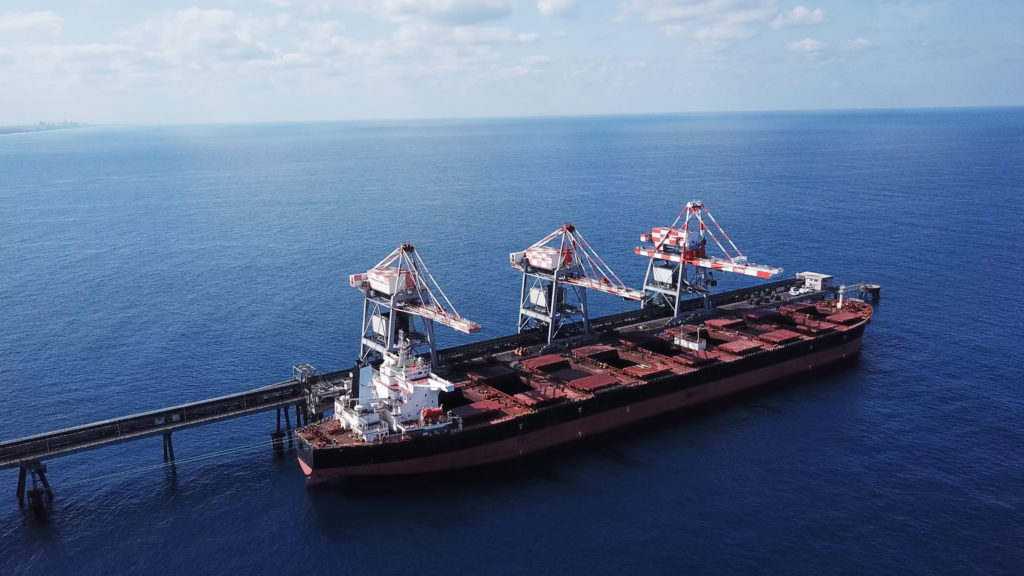
Bulk carrier Kiating left Australia’s Townsville port last Wednesday carrying 8,000 metric tons of refined cargo and is destined to reach Hawaii by July 30, according to shipping data provider Kpler. The firm can’t identify who owns the cargo, but it said two other recent US-bound shipments from the port contained copper from Glencore Plc’s Mount Isa Mines.
Port data show that the Kiating was originally scheduled to land in New Orleans, but changed its destination to Hawaii after Trump’s announcement — cutting its likely voyage time by almost 20 days. Even so, the cargo owner will be in a race against time to register the metal with the local customs office once the vessel arrives.
“It’s hard to say how efficient clearance will be in Hawaii, given that it’s such an atypical destination for this cargo,” said Ben Ayre, lead dry-bulk shipping analyst at Kpler.
In Latin America, three vessels brimming with Chilean copper are also rushing to get to US ports. Cargo ship Louise Auerbach is near Colombia’s Buenaventura port and en route for a July 28 arrival at Tampa, Florida, according to data compiled by Bloomberg and people with knowledge of the voyage. The BBC Norway is in Panama and the BBC Campana is anchored off northern Chile’s coast, according to the latest shipping data.
The vessels are among the last batch of copper cargoes whose owners are betting they can clear US customs just before the tariff bites. For reference, the difference between arriving ahead of the levy and having to pay it would be more than $70 million on a typical bulk carrier cargo of 15,000 tons. The voyage from northern Chile to southern US takes 10 to 15 days.
To boost the chances of landing before the tariffs, shippers can attempt to clear customs for the entire cargo at their first US port of call. They can also pay for preferential spots in the lineups, turning what can be days of waiting into just hours.
With copper prices surging in the US, traders including Glencore, Mercuria Energy Group, Trafigura Group, Hartree Partners LP and IXM SA have shipped huge volumes to US ports since Trump ordered the Commerce Secretary in February to consider tariffs as part of an probe into the impact of foreign copper on the US.
The tariff trade allowed those firms to capture profits that industry veterans say are the biggest they’ve ever seen. A 50% copper tariff is double what many analysts and traders expected, and prices in New York surged even more after Trump’s July 8 tariff announcement, creating even bigger potential profits for traders who can get vessels to America in time.
With copper trading at about $9,900 a ton on the London Metal Exchange, a 50% levy would mean US buyers need to pay a further $4,950 to customs authorities to import copper into the country. Nominally, traders stand to make nearly as much in profit if they can import the metal before the tariffs land in less than two weeks.
Traders are still awaiting key details about the tariffs, particularly whether there will be a grace period for cargoes that are already on the water — as there have been when similar levies were imposed on aluminum and steel.
(By Yvonne Yue Li, Julian Luk, James Attwood and Archie Hunter)
Aclara Resources Inc. is in talks with US government agencies for possible financing toward its $1.5 billion plan to mine rare earths in Latin America and develop processing facilities in the US.
The company is looking to leverage efforts by Western governments to reduce reliance on China, which currently makes about 90% of the world’s rare earth permanent magnets.
Aclara has filed funding submissions with US agencies and is preparing to present its case in Washington, chief executive officer Ramon Barua said in an interview. The firm sees an opportunity after the Pentagon’s recent arrangement to take a stake in the only US producer, MP Materials Corp.
“Those conversations right now are private, but a project like ours definitely catches the attention of the administration,” he said. “So we’re trying to explore together with them if there’s an opportunity to join forces.”
Aclara is 57% owned by the Hochschild Group and trades in Toronto, where it as a market value of about $245 million. The firm, which doesn’t generate revenue, has two development-stage projects — one in Chile and one in Brazil.
Barua declined to say which agencies Aclara is dealing with or what form financing could take. He did make note of grants and loans offered by the Department of Defense as well as the Energy Department and the US International Development Finance Corporation, as well as the Pentagon’s $400 million equity investment in MP Materials earlier this month to fund a major new magnets plant.
That deal implies prices that are double those in China, and the new US facility would need the kind of elements that Aclara plans to mine in Brazil and Chile.
“We have something that is perfectly complementary to their MP Materials deal,” he said.
Aclara wants to begin tapping ionic clay deposits in Chile and Brazil by 2028, supplying elements used in applications such as electric vehicles and wind turbines. “If we want to meet that goal, we need to have significant funding between now and the end of the year.”
Besides the extraction projects in Chile and Brazil, Aclara is considering locations for a processing plant in the US, with Louisiana, Texas, South Carolina and Virginia all candidates. It also has an accord with German magnet maker Vacuumschmelze GmbH, which is set to build a facility in South Carolina.
To be sure, it’s not the first time rare earths have captured global attention. In the early 2010s, companies including Molycorp Inc. rode a wave of investor interest, until the market crashed as more supply came on and consumers switched to cheaper alternatives.
The industry still faces plenty of hurdles beyond pulling elements out of the ground such as competing with China in processing and creating a price benchmark outside China’s opaque market.
But a recent uptick in geopolitical tensions — after China imposed restrictions on exports and the US announced the MP Materials deal — is changing the tone of conversations with prospectives investors, Barua said. Previously talks focused on prices. Now, investors are more concerned about how soon projects can get started, he said.
“For projects like ours that require funding and offtake agreements, recognizing that the price of these elements is significantly higher than what the Chinese suggest, is very important,” he said.
(By James Attwood and Mariana Durao)
Infographic: Rare earth magnets demand for clean energy tech
Rare earth magnets are vital for electric vehicles (EVs), wind turbines, and advanced technologies—and demand is rising fast.
Currently, EVs and wind account for just 17% of global magnet use. But by 2030, that share could jump to 42% to stay on track for Net Zero by 2050.
EVs alone are expected to drive 22% of this demand, overtaking wind. This infographic by MINING.COM and The Northern Miner highlights the key rare earth metals for magnets—neodymium, praseodymium, dysprosium, and terbium—and the growing need to secure their supply.
Watch: In this 18-minute presentation at the CentralMinEX conference in Newfoundland, The Northern Miner Group President Anthony Vaccaro examines how the world is fracturing into competing spheres of control.
(By Anthony Vaccaro; Files from: Ali Ravaghi; Creative: James Alafriz)
Mali judge rejects Barrick appeal to free detained employees
A court in Mali has rejected Barrick Mining’s (TSX: ABX)(NYSE: B) appeal to release four employees arrested in November, deepening a high-stakes standoff between the Canadian mining giant and the country’s military-led government.
Judge Samba Sarr ruled the appeal “unfounded” according to Barrick, which has repeatedly dismissed the charges as politically motivated and legally baseless. The employees, local staff working at Barrick’s Loulo-Gounkoto gold mine, remain in pre-trial detention in Bamako. They face allegations including money laundering and regulatory violations, Alifa Habib Kone, a lawyer for Barrick, told Reuters on Tuesday.
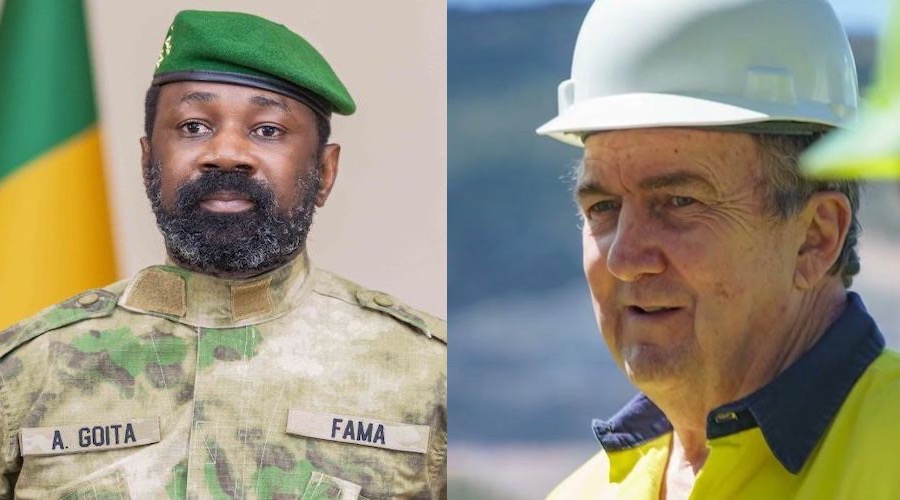
Chief executive officer Mark Bristow is also facing an arrest warrant issued by Malian authorities in December. He is accused of similar offences.
Bristow and the company have rejected all allegations, calling them without merit.
The court’s decision marks the latest escalation in a standoff between Barrick and Mali’s military-led government, which seized power in a 2021 coup — Colonel Assimi Goïta’s second in under a year.
Relations have deteriorated sharply over disputes involving taxes, gold export rights, and the ownership structure of the Loulo-Gounkoto complex. Barrick holds an 80% stake in the operation, while the Malian state owns the remaining 20%.
Operations at the site have been suspended since January after the government blocked gold export permits and seized more than three tonnes of the metal. On July 10, Malian helicopters reportedly landed at Loulo-Gounkoto without notice and removed an additional tonne of gold, worth $117 million at current prices.
Mali accounts for roughly 14% of Barrick’s global gold production. In the first nine months of last year, the company generated $949 million in revenue from its operations in the country.
MINING.COM reached out to Barrick for comment on the court ruling, but the company had not responded by the time this story was published.
2021 A military junta led by Général d’Armée Assimi Goïta seized power in Mali.
August 2022 Mali’s Minister of Economy and Finance ordered an audit of the mining sector. The audit, conducted by Inventus Mining, run by former Barrick staff, and Mazars Senegal, took place through 2022 and 2023.
March 2023 Preliminary audit findings aired on national TV criticized the mining sector but omitted industry responses. Observers claimed the report was biased and flawed.
August 2023 Mali adopted a new mining code without consulting the industry, despite repeated calls for inclusive dialogue.
October 2023 The government launched a review of existing mining contracts, led by the same audit group—raising conflict-of-interest concerns. The 2023 code didn’t legally apply to pre-existing contracts, including Barrick’s. Barrick offered to transition to the new framework, if exemptions could preserve project viability. It submitted several proposals, but the Renegotiation Committee refused to engage with data-driven terms.
Late 2023–2024 Barrick made successive concessions during MoA talks, while Mali increased demands. In parallel, authorities launched unfounded investigations and detained local Barrick staff.
October 2024 Barrick paid $83 million and outlined a path to resolve disputes. Authorities released the detained employees.
November 2024 Four more employees were arrested on unproven charges and remain in detention. Authorities also issued an arrest warrant for Barrick’s CEO.
Since November 14, 2024 Mali has blocked gold export authorizations, halting Barrick’s exports.
January Authorities seized over three tonnes of gold, forcing Barrick to suspend Loulo-Gounkoto operations. Negotiations briefly resumed later in the month, but the Renegotiation Committee backtracked. It then submitted a Memorandum of Agreement (MoA).
February 17 To secure its employees’ release, Barrick signed the MoA. The government never countersigned and escalated tensions by asking a local court to place the mine under provisional administration.
June 16 The Bamako Tribunal of Commerce appointed Soumana Makadji as provisional administrator. He has indicated plans to resume gold exports and restart operations.
July Arbitration proceedings advanced. A hearing on provisional measures is scheduled for late July. On July 7, local lawyers finally got an appeal heard regarding the employees’ detention—months late. A ruling is expected July 22.
Government helicopters landed unannounced at Loulo-Gounkoto on July 10, seizing over a tonne of gold, likely for sale by the provisional administrator. The situation remains fluid.
A Malian judge rejected on July 22 Barrick’s appeal to release the four employees arrested in November, calling the motion “unfounded.” The company has said the arrests are baseless and part of the broader dispute over taxes and operations ownership.
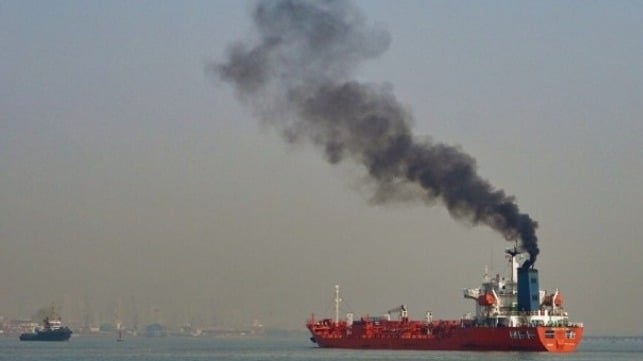
The latest emissions data confirms what many of us feared: container shipping has just recorded its worst environmental performance to date.
Carbon emissions from the sector have surged dramatically, with figures showing a 14 percent rise globally and an even more shocking 45 percent spike in the EU. That’s not a long-term projection. That is what is happening right now.
This surge is largely the result of widespread rerouting caused by the ongoing conflict in the Red Sea. As ships continue to avoid the Suez Canal and travel thousands of miles further around the Cape of Good Hope, emissions have climbed steeply.
But blaming geopolitics could be seen as a convenient scapegoat. The issue is the industry’s lack of foresight and falling back on familiar routes when faced with adversity, with little thought to agility, innovation, or urgency. In a marketplace that is saturated with talk of sustainability, cleaner shipping and green fuels, it is crucial owners and operators keep this in the forefront of their minds when faced with external disruption factors.
We continue to talk about decarbonization as though it's something we are working towards. The truth is, when tested, we are not ready. Not operationally. Not technologically. Not mentally.
The emissions spike we’re seeing today is the result of years of underinvestment in meaningful, near-term solutions. There is no shortage of reporting tools, green fuel pilots or glossy ESG statements. But when it comes to actual day-to-day operational change, we are years behind where we should be.
Fuel efficiency is too often misunderstood, conflated with vessel performance rather than the true efficiency of the fuel itself. This confusion stems from decades-old habits in which fuel consumption was treated as a closed topic, held back by inconsistent reporting and outdated systems. That mindset has no place in a modern boardroom. The next phase of fuel innovation must be built on collaboration, science, transparency and verifiable results.
The frustrating part is that better options already exist. Fuel can be made to work harder, cleaner and more efficiently - right now. At Fuelre4m, we’ve developed a fuel treatment technology that restructures fossil fuels at a molecular level. It helps ships extract more energy from every kilogram or tonne of HFO, LSFO, VLSFO or biodiesel, cutting waste and reducing emissions.
Initial results show up to 20 percent better fuel performance, and marked reductions in greenhouse gases, sulfur oxides and nitrogen oxides. It’s not a future fuel. It’s a practical improvement to the ones the industry already relies on.
So why are we not seeing widespread adoption? Because shipping is still stuck in the false belief that unless a solution is total, it’s not worth doing. That’s why we keep chasing unproven alternatives while ignoring effective tools already in front of us.
We say we want to decarbonize. But too often, we mean we’ll do it later - when it’s easier, cheaper or someone else has gone first. In the meantime, emissions rise. Costs rise. Public and regulatory scrutiny intensify. And the industry keeps hoping it will all somehow work out.
This is not a call to abandon long-term ambition. It is a call to act with purpose and meaning. Burning less fuel, reducing our exposure to carbon pricing, and cutting avoidable waste should not be controversial. It should be standard.
The latest data should be the final warning. What will it take for shipping to wake up? Another war? A price shock? A regulatory crackdown?
The tools exist. The technology exists. The urgency exists. What’s missing is the will. And that is entirely on us.
Rob Mortimer is CEO of Fuelre4m, a Dubai-based firm that uses fuel technology to cut emissions.
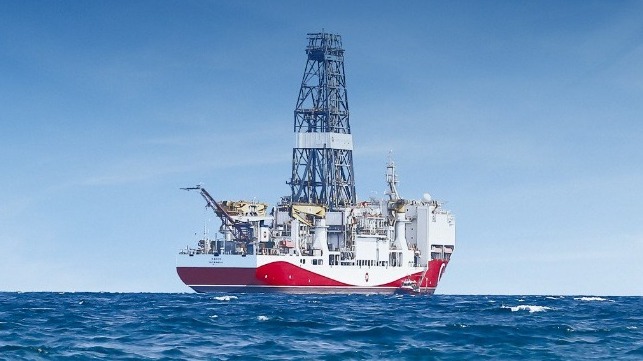
Turkey has confirmed the purchase of two seventh generation drillships as the country moves to boost its capacity in offshore exploration. The Turkish Petroleum Corporation (TPAO) says that it has acquired the two vessels West Dorado and West Draco from the Norwegian rig owner Eldorado Drilling. The price was estimated at $490 million for both.
Seadrill ordered these two drillships for $1.1 billion back in 2013, just before the offshore downturn. However, there was no market for them at the time of their completion, and after several deferrals, Seadrill ultimately canceled the order in 2018.
Eldorado – a Norwegian venture created to buy disused drillships for charter or resale – swooped in to buy them at a steep discount in 2023-24, with marketing support from Diamond Offshore. However, the two rigs did not find charterers, and after bearing the cost of layup for a year, Eldorado decided to sell them at a loss to TPAO. It is estimated that in addition to the purchase price, TPAO will spend in excess of $75 million to reactivate each rig, given how long they have been idle.
Last week, the Turkish Minister of Energy Alparslan Bayraktar said that the first vessel would arrive in the country within the next two months. After accreditation and certification, both vessels are expected to be operational by February next year.
“With these additions, Turkey rises to the fourth position in the world in ownership of deep-sea oil and gas explorer fleet,” added Bayraktar. The new vessels will compliment Turkey’s existing fleet of four drillships, which include Fatih, Yavuz, Kanuni and Abdülhamid Han - all operating in the Black Sea. In addition, Turkey has a fleet of two seismic research vessels, Oruc Reis and Barbaros Hayreddin Pasa.
The new rigs share design features, each with a length of 228 meters and 42 meters wide. Both can drill up to 12,000 meters in the deep-sea and have capacity to accommodate 200 personnel.
Turkish maritime media reports that the two new drillships will be deployed in the Mediterranean, north of Cyprus, and in the Black Sea. Turkey has just discovered its latest substantial Black Sea gas find, the Goktepe field.
Unfortunately, drilling in the Eastern Mediterranean may exacerbate longstanding maritime disputes with Greece and Cyprus. For decades, Greece and Turkey have been in a dispute over the delimitation of their exclusive economic zones (EEZs) in the Aegean Sea and the Eastern Mediterranean. This overlap presents a complication for the development of hydrocarbons, particularly around Greek-aligned Cyprus, where prolific gas deposits have recently been discovered. Turkey has demanded a share of this wealth for the Turkish-aligned government of Northern Cyprus, which is not internationally recognized.
Turkey has also recently strengthened its cooperation with Libya, and TPAO has secured Libyan seismic exploration rights for four areas totaling about 10,000 square kilometers. Libya’s waters have known gas reserves, including fields under production in a Libyan-Italian joint venture with oil major Eni.
Report: COSCO Seeks “Powerful Role” in Talks for Hutchison Terminal Sale
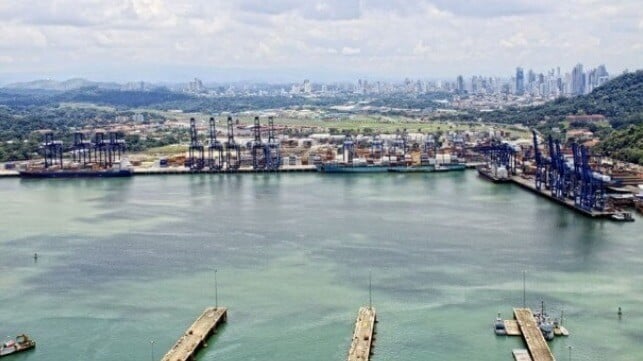
Talks continue around the deal for Hutchison to sell its terminal operations in Panama and globally (CK Hutichson)
Chinese officials are reportedly seeking a key role for COSCO as part of the talks to resolve the concerns over the proposed sale of CK Hutchison’s terminal operations in Panama and 41 global ports. Bloomberg reports China has set a new condition to give COSCO the ability to block unfavorable decisions as part of the talks designed to gain Chinese support for the deal, which was first announced in March and is still pending approval.
According to unnamed sources, Bloomberg reports COSCO “is asking to have veto rights or equivalent powers in the entity,” that would be formed by BlackRock and MSC’s Terminal Investments Ltd. The sources told Bloomberg, “COSCO has argued such rights are necessary to block any decisions that are potentially harmful to China’s interests.”
Chinese officials have repeatedly accused the United States of orchestrating the deal as part of Donald Trump’s assertions that China controls the Panama Canal. They have frequently linked the deal to efforts by the U.S. to interfere with China’s international trade.
These latest developments come just days before the exclusive negotiation period between CK Hutchison and the group formed by BlackRock and TiL is due to expire. The lockup was for 145 days and, as such, should be over, unless extended, on July 27.
Bloomberg has previously reported that the end of the lockup would clear the way for resetting the terms of the two deals. It is now reporting that while the talks are continuing, BlackRock and TiL agreed that COSCO “should have full information access to the operation.” Bloomberg speculates the terms of a new three-way deal could be settled by the end of September.
The original deal announced in March called for BlackRock to lead the acquisition of the two terminals in Panama, located at each end of the Panama Canal. It was seen as a face-saving move for Trump, who has said the U.S. would regain dominance over the Panama Canal. The companies would acquire Hutchison’s 90 percent interest in the Panamanian company, with the country continuing to hold its 10 percent ownership stake.
MSC’s TiL would be the lead investor along with BlackRock in the other global terminal operations. CK Hutchison would retain its terminals in China and Hong Kong.
Chinese officials have said the deal is under review while publicly asserting it would harm Chinese interests. They accused Hong Kong billionaire Li Ka-shing of being disloyal and acting against the state in the proposed sale. Bloomberg has reported that China told state-owned firms to hold off on any new business deals with the Li family until the ports sale is resolved.
News that China was seeking a role for the state-owned COSCO in the deal was first reported in June as a possible face-saving step. COSCO is a logical company to lead the Chinese portion, as its COSCO Shipping Ports as of December 31, 2024, operated and managed 375 berths at 39 ports globally, of which 226 were for containers, with an annual handling capacity of approximately 124 million TEU.
Israel Launches Drone Attack on Hodeidah Port in Yemen
Israel has repeatedly struck the Houthi's ports including this December 2024 effort targeting the port's tugs (Houthi media)
Israel Defense Forces confirmed a new attack on the Houthi-controlled port of Hodeidah, two weeks after its previous assault on the port’s facilities. The Israelis said they will continue to target the port, which is being used to offload arms shipments from Iran, in an effort to prevent any rebuilding of the facilities.
The Times of Israel is reporting for the first time that Israel used long-range drones for the assault, which it says is the thirteenth time Israel has attacked Houthi positions. Previous attacks were staged using fighter jets supported by spy planes and refueling air tankers.
According to the IDF statement, the targets of the latest strikes included engineering vehicles, fuel containers, naval vessels, and Iranian smuggled weapons. The Israelis contended that the vessels and other assets had been used to launch attacks against Eilat and other areas of the country.
The Times of Israel reports that since March 2025, the Houthis have launched 62 ballistic missiles and at least 15 drones targeting Israel. Some have fallen short, while Israel reports it has been able to intercept most of the attacks. In the past two weeks, Israel confirmed at least six missile attacks and two drones launched by the Houthis. It was investigating a new intercept on Friday night, which it suspected also came from the Houthis.
Unconfirmed reports in the Israeli media said the government had asked the United States to resume its assaults on Houthi positions. Prime Minister Benjamin Netanyahu is reported to have told Donald Trump that the Houthis are more than just a problem for Israel, and a broader effort should be launched by the United States and European countries to stop the militants.
Israel’s Defense Minister, Israel Katz, issued a statement today saying that the IDF would continue “forcefully enforcing any attempt to restore the previously attacked infrastructure.” He reportedly said the “fate of Yemen will be the same as Tehran,” a reference to Israel’s assault on Iran.
The Houthis did not acknowledge today’s Israeli attacks but issued a statement shortly afterward claiming a fresh assault on Israel. They claimed to have targeted five locations in Israel, including the port of Eilat, Ben Gurion Airport, and military targets near Tel Aviv.
U.S. Treasury Sanctions UAE-Based Fuel Traders Who Supply Houthi Ports
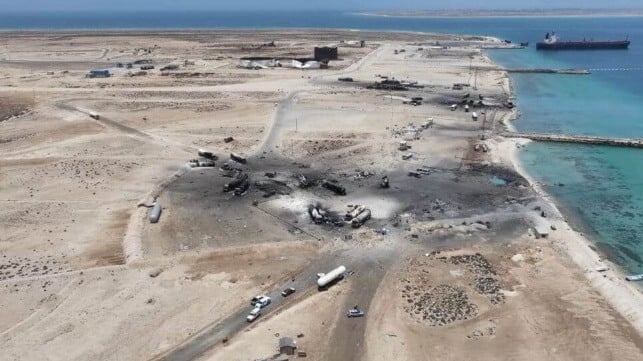
Ras Isa seaport, the largest Houthi-controlled petroleum terminal, after a U.S. strike earlier this year (Al Masirah)
The U.S. Treasury is continuing its crackdown on the petroleum-shipping networks that support Yemen's Houthi rebels. The group has long profited from its oil-marketing agreements with Iran's Islamic Revolutionary Guard Corps, but it also earns hundreds of millions of dollars a year in taxes on imported gas and diesel. Treasury's latest action aims to cut off that flow of revenue by targeting a business network with links to the Houthis in both Yemen and the UAE.
In a statement, the Treasury said that it has sanctioned Yemeni fuel importer Muhammad Al-Sunaydar, manager of UAE-based Arkan Mars Petroleum Company DMCC and Arkan Mars Petroleum FZE. This corporate group has an arrangement with the Houthis to allow importation of oil and gas into northwestern Yemen - including at least $12 million worth of fuel from Iran, Treasury alleged. The department said that Iranian-linked companies have moved payments between Arkan Mars and the Iranian government, an act prohibited by U.S. sanctions on the Iranian nuclear program.
Arkan Mars and other importers have primarily moved their fuel shipments through the ports of Ras Isa and Hodeidah. Petroleum terminals at both of these ports were badly damaged in U.S. and Israeli attacks earlier this year.
“These networks of shady businesses underpin the Houthis’ terrorist machine, and Treasury will use all tools at its disposal to disrupt these schemes," said Deputy Treasury Secretary Michael Faulkender in a statement. “The Houthis collaborate with opportunistic businessmen to reap enormous profits from the importation of petroleum products."
The sanctions announcement is the latest in several days affecting trading houses in the UAE.
On Monday, the government of the UK sanctioned Dubai-based Litasco Middle East DMCC (known as LME Trading DMCC), a company linked to number-two Russian oil exporter Lukoil. Litasco Middle East was by far the biggest buyer of Russian oil priced above the G7 price cap last year, according to investigative reporting outlet The Insider. LME Trading DMCC is listed as an anchor tenant in one of Dubai's most glamorous luxury office tower developments, Uptown Dubai.
According to the Treasury, Arkan Mars is located in another luxury tower just 400 yards away from Uptown Dubai, the Dome Tower in the Jumeirah Lakes development. Both are within a growing free trade zone that is home to 25,000 international companies.
Israeli Cruise Ship Forced to Skip Greek Port Call Due to Protestors
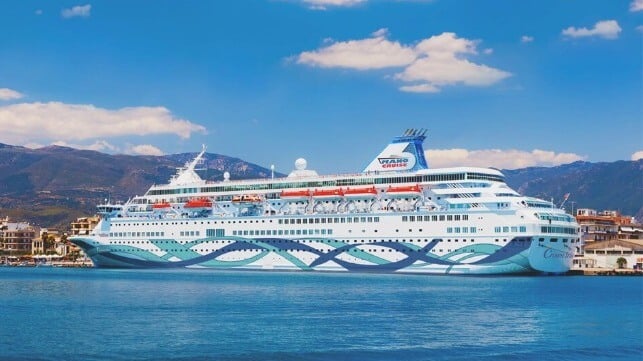
Crown Iris operates cruises from Haifa (Mano Cruises)
The Israeli-owned cruise ship Crown Iris was met by protestors during its midday port call on the Greek island of Syros. The ship is on a cruise from Israel with reports of 1,600 passengers aboard, including 300 to 400 children, prompting the cruise line to first delay and then cancel the port call, and protests from Israeli officials.
The cruise ship Crown Iris (40,876 gross tons) is registered in Panama and operates cruises from Haifa. Built in 1992 and lengthened in 1999 when she was owned by Norwegian Cruise Line, the ship was acquired by the Israeli company Mano Maritime in 2018 from Louis Group and its Celestyal Cruises.
According to the media reports from Israel and Greece, the ship arrived at Syros for a six-hour port call on Tuesday, July 22, and it was quickly met by a small group of protestors. The videos show a small group, although media reports say they numbered 200 to 300 people. They were blocking one of the main roads and could be seen displaying a Palestinian flag. Some reports said they also placed flyers along the walkway from the ship.
Some passengers went ashore but were reported to have water thrown at them. Mano Cruises brought everyone back aboard, and its onboard security was monitoring the situation. They were suggesting passengers remain indoors, but some can be seen on deck waving the Israeli flag.
Mano reported it was in touch with the local authorities, but passengers said it took a least two hours for the police to arrive. The cruise line initially said it thought the protestors would dissipate and that it would extend the port call. As a precaution, it decided to keep all the passengers onboard and later directed the cruise ship to depart and proceed to its next stop at Limassol, Cyprus.
Israeli Foreign Minister Gideon Sa’ar said he had spoken with his Greek counterpart to request intervention. The Israeli Embassy in Greece also said it was monitoring the situation while highlighting it would likely be detrimental to future Israeli tourism in Greece. Reports said over 600,000 Israeli tourists visited Greece in 2024.
It is the latest in a series of antisemitic incidents in Greece, according to the media reports. There are also reports that last week, dockworkers in Piraeus refused to service a cargo ship bound for Israel.
Bibby Marine Lays Keel for World's First Zero Emissions CSOV
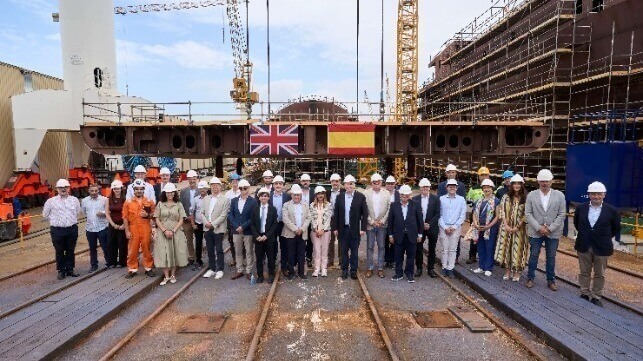
Bibby Marine laid the keel for its 6,700GT e-CSOV at the Armon Shipyard in Vigo, Spain. The first of its kind hybrid-powered vessel will operate on zero-emissions.
Bibby Marine has laid the keel for its first e-CSOV, a hybrid methanol battery-powered commissioning service operation vessel for the offshore wind industry at the Armon Shipyard in Vigo, Spain. During the ceremony, Bibby Line Group CEO, Jonathan Lewis, welded a coin from 1807, the year of Bibby’s founding, into the keel plates, marking the start of the vessel construction.
When commissioned in 2027, the vessel will provide significant reductions in emissions and fuel consumption for the offshore wind industry, providing accommodation for up to 120 personnel and able to provide zero-emission commissioning and O&M support to offshore windfarms for up to 30 days.
Speaking at the keel laying event, Jonathan Lewis said, “This vessel is more than a feat of engineering – it’s a symbol of our values as a business, in action. At Bibby Marine, we believe in doing the right thing, even when it’s difficult.
“We began work on zero-emissions vessels back in 2019, long before it was mainstream. As we lay the keel for our electric-first vessel, we are proud to be proving that clean, sustainable maritime solutions are not only possible, but essential.”
Key partners in the project include Kongsberg, provider of the dynamic positioning and main propulsion package, battery provider, Corvus Energy and Wartsila, which provide engine and propulsion.
The products and services herein described in this press release are not endorsed by The Maritime Executive
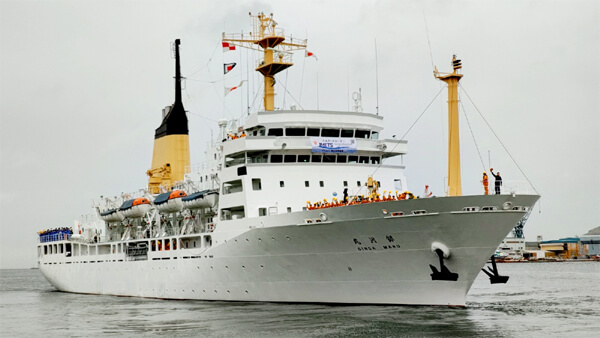
Japanese Shipping Industry Plans Donation of New Training Vessel
Japan's shipping industry is exploring a new training ship in recognition o the importance of training new seafarers (JMETS)
Three of Japan’s leading shipping companies report they have begun discussions to explore building and donating a new training vessel to the country maritime training program operated by the Japan Agency of Maritime Education and Training for Seafarers (JMETS). Mitsui O.S.K. Lines (MOL), Nippon Yusen Kabushiki Kaisha (NYK Line), and Kawasaki Kisen Kaisha ("K" LINE) are exploring the project with The Japanese Shipowners' Association.
Japan faces a growing list of challenges to maintain its maritime industry. The current population of mariners is again, and the industry reports challenges in recruiting a new generation of seafarers. The country is looking at the use of new technologies and automation, but to maintain its industry, it must also train new seafarers.
Recognizing the critical importance of training and securing highly skilled Japanese seafarers to maintain and further develop maritime transport, the major Japanese ocean-going shipping companies have initiated discussions regarding the donation of a large-sized training vessel to JMETS.
The 1984-built Nippon Maru is one of two sail training vessels (JMETS)
Today, operating as an independent administrative institution, the program reports it has trained more than 10,000 seafarers in the past 25 years. The program was started by the government in 1939 as a training program for seafarers. It continued to operate during the Second World War but closed and was later reconstituted in the 1950s. It was transferred in 2001 to become an independent organization.
Today, the school maintains two sail training vessels, the most famous being the modern Nippon Maru, commissioned in 1984 and able to carry 120 cadets. In 1989, it added a second modern sailing ship, Kaiwo Maru, which can carry 100 cadets.
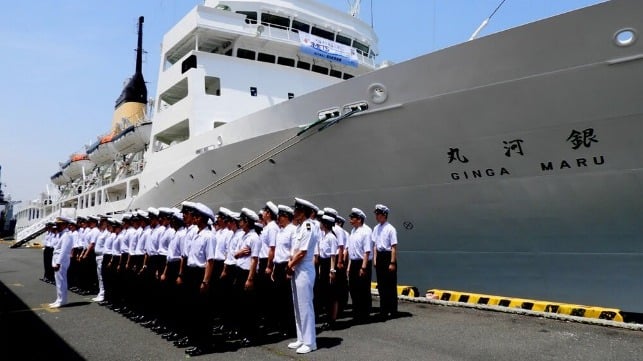
Its oldest powered training ship, Seiun Maru (5,890 tons), was commissioned in 1997 and is a steamship with the capacity for 180 cadets. The second vessel is the Galaxy Maru (6,185 tons), also a steamship commissioned in 2004 with a capacity for 180 cadets. The most modern training vessel, the diesel-powered Taisei Maru IV (3,990 tons), was commissioned in 2014 and has space for 120 cadets. JMETS is facing challenges due to its aging training vessels and school buildings.
JMETS operates an aging fleet of training vessels including Gina (Galaxy) Maru (JMETS photo)
Japan’s Ministry of Land, Infrastructure, Transport and Tourism conducted a study on JMETS's medium-term strategy, reporting it has been facing various challenges such as an unstable financial foundation, fewer actual on-board training days due to escalating fuel costs, shortages of instructors and crew, and the issue of accommodating students with varying proficiency levels and qualification goals on the same training vessel. According to the shipping companies, these factors make it challenging for JMETS to provide sufficient on-board training.
“Considering these circumstances affecting JMETS, our industry has decided to begin exploring the donation of a large-sized training vessel to actively support the steady progress of JMETS's medium-term reforms based on MLIT's study group report,” said the three shipping companies.
The first step will be to examine the specifications for the training vessel. They are planning to engage in discussions with shipyards, aiming for completion of the new training vessel around 2030.
LNG Carrier to be Jointly Built by Hanwha Geoje and Hanwha Philly
[Correction: Initial reports of this order suggested that the vessel would be built at Hanwha Philly. This is incorrect: It will be ordered from the Hanwha Phillly legal entity, then substantially built in Korea by Hanwha Geoje, then sailed to Hanwha Philly for "joint build" production.]
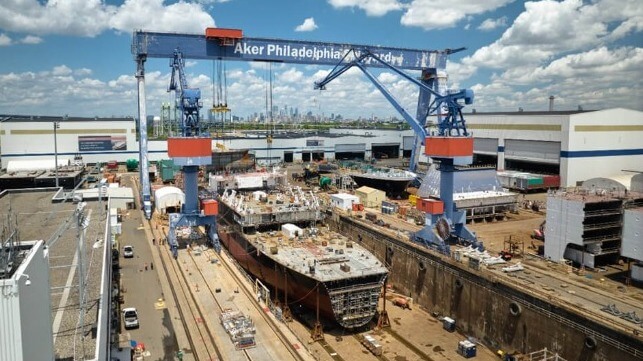
A Hanwha Group subsidiary has purchased a LNG carrier from Hanwha's shipbuilding subsidiaries, and the U.S. Coast Guard certification work will be performed at the conglomerate's American shipyard, the recently-acquired Hanwha Philly. The exact scope of work for Hanwha Philly is still under discussion, a spokesperson for the yard said.
"This project aligns with the U.S. government's strategy to revitalize its shipbuilding and shipping industries while strengthening energy security," Hanwha Ocean told Yonhap.
Ryan Lynch, the CEO of Hanwha Shipping, told Bloomberg that the price would be about $250 million - in line with the typical purchase price for a 174,000cbm LNG carrier at a Korean shipyard.
Korea's Big Three shipbuilders - including Hanwha - are world leaders in LNG carrier construction. Hanwha said that a significant part of the vessel will be built at the Hanwha Geoje plant in Korea, and that "Hanwha Philly Shipyard plans to support certification work to meet U.S. laws and maritime safety standards of the United States Coast Guard (USCG)."
The news follows last month's reports that Hanwha is planning to reflag Korean-made LNG carriers into the U.S.-flag fleet, making use of the Alternative Compliance Program (ACP), the Coast Guard's inspection and certification agreement with certain class societies.
Reflagged Korean vessels would not be Jones Act-compatible, as they would not be U.S. built. There is a narrow exemption for LNG carriers trading to Puerto Rico, but very few hulls qualify. According to Business Korea, Hanwha is simultaneously watching the U.S. domestic debate over Jones Act reform, which - if acted upon - could allow broader use of less-expensive Korean hulls in U.S. domestic trade.
Hanwha has been moving fast to expand its position in American shipbuilding with the acquisition and upgrading of Hanwha Philly. It has hired hundreds of new people and has a training pipeline of 170 apprentices; with "smart yard technology," like advanced welding robots, Hanwha thinks it can increase production to 10 ships a year - up from the current rate of 1.5.
In addition to its commercial shipbuilding ambitions, Hanwha wants to win U.S. Navy contracts, including newbuild auxiliaries. Some of those orders could also go abroad, Hanwha acknowledges.
"U.S. support shipbuilding capability has weakened and fallen behind schedule, so the U.S. is considering placing orders with foreign shipyards if support ships [naval auxiliaries] can be built quickly," Hanwha Philly Shipyard chief Lee Jong-Moo told The Korea Times.
In the 2010s, Hanwha's predecessor company DSME won a bid to sell four oilers to the UK Royal Fleet Auxiliary for a favorable price; the Korean builder partnered with a British yard to complete the fitting-out process to ensure UK domestic content.
MARAD Announces $8.75 Million in Grants to Revitalize U.S. Shipyards
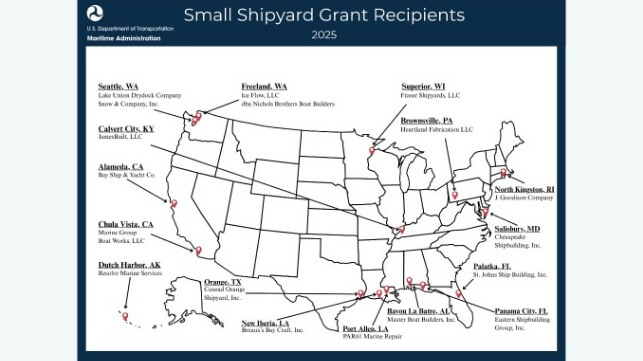
The Small Shipyard Grant Program selected 17 recipients across 12 states to modernize infrastructure, enhance training, & expand apprenticeship programs
U.S. Transportation Secretary Sean P. Duffy today announced the Maritime Administration (MARAD) awarded $8.75 million in grants to revitalize U.S. shipyards and advance America’s maritime dominance. The funding is part of the Small Shipyard Grant program, which supports advanced training, workforce development, and new technologies that strengthen U.S. shipbuilding and repair capabilities.
“President Trump’s plan to reclaim maritime dominance starts with rebuilding America’s shipyards,” said U.S. Transportation Secretary Sean P. Duffy. “This program will help America to build big, beautiful ships again to counter Chinese competition and maintain freedom on the seas.”
“Unleashing the full power of America's shipyards will boost our economic strength and national security,” said Acting Maritime Administrator Sang Yi. “The Small Shipyard Grant program is revitalizing America’s maritime industry by investing in businesses that spur innovation, improve productivity, and fuel job creation in communities around the country.”
Since its inception in 2008, the Small Shipyard Grant program has awarded 382 grants totaling $320.5 million to qualified small shipyard facilities. 17 recipients in 12 states were awarded funds as part of this announcement.
Additional Information:
America’s small shipyards are a strategic asset and are critical to national security and economic vitality. Employing more than 100,000 Americans, these shipyards are fundamental engines of local job growth and have unique capabilities, from custom vessel development to specialized repair services. Through President Trump’s Executive Order on restoring America’s maritime dominance, shipyards are positioned to enhance defense, grow manufacturing, and expand innovation and the maritime workforce.
Below is a complete list of shipyard grant recipients in Fiscal Year 2025:
Alabama
Master Boat Builders of Bayou La Bâtre, AL, will receive $427,596.38 to support the procurement and integration of training equipment and technologies.
Alaska
Resolve Marine, Inc., of Dutch Harbor, AK, will receive $447,341.00 to support the purchase of a Caterpillar 980 Wheel Loader.
California
Marine Group Boat Works, LLC of Chula Vista, CA, will receive $248,402.50 to support the purchase of a Flow Mach 500 Waterjet Metal Cutting Table.
Bay Ship & Yacht Co. of Alameda, CA, will receive $388,777.00 to support the purchase of a CNC plasma arc and gas cutting equipment.
Florida
Eastern Shipbuilding Group, Inc., of Panama City, FL, will receive $93,537.75 to support the purchase of a 10-foot plate shear.
St. Johns Ship Building, Inc., of Palatka, FL, will receive $617,040.00 to support the purchase of a Grove GRT8100 110-ton Rough Terrain Crane.
Kentucky
JamesBuilt, LLC of Calvert City, KY, will receive $599,130.00 to support the purchase of a 65-ton rough terrain crane.
Louisiana
Breaux’s Bay Craft, Inc., of New Iberia, LA, will receive $817,150.00 to support the purchase of a 200-ton Marine Travelift.
PAR61 Marine Repair of Port Allen, LA, will receive $723,242.00 to support Travelift infrastructure improvements, three new power distribution panels, a Telehandler, and a Crane Apron.
Maryland
Chesapeake Shipbuilding Corp., of Salisbury MD, will receive $817,150.00 to support the purchase of a 160-ton rough terrain mobile crane.
Pennsylvania
Heartland Fabrication, LLC of Brownsville, PA, will receive $588,092.00 to support the purchase of a Koike Aronson PlatePro XHD Model 3700 Plasma cutting machine.
Rhode Island
J. Goodison Company of North Kingston, RI, will receive $274,596.00 to support the purchase of welding equipment and a press brake.
Texas
Conrad Orange Shipyard, Inc., of Orange, TX, will receive $418,200.50 to support the purchase of a CNC plasma cutting system.
Washington
Ice Floe, LLC dba Nichols Brothers Boat Builders of Freeland, WA, will receive $357,317.00 to support the purchase of a CNC Router Table, CNC Laser Table, Dust Collector, Dehumidifier, and 15 multi-process welders with wire feeds.
Snow & Company, Inc. of Seattle, WA, will receive $817,150.00 to support the purchase of a CNC Press Brake with segmented dies and Deburring Machine.
Lake Union Drydock Company of Seattle, WA, will receive $298,131.64 to support the purchase of a 9-ton Mobile Crane, 4-pack of weld machines, plate cutter, and drydock LED lighting.
Wisconsin
Fraser Shipyards, LLC of Superior, WI, will receive $817,146.23 to support the purchase of Link Belt 130-ton Telescopic Boom Rough Terrain Crane