Monday, July 14, 2025


Riyadh’s $8 Billion Solar Surge Leaves Oil Strategy Untouched

  • Saudi Arabia is accelerating its renewables push with $8.3 billion worth of new solar and wind projects totaling 15 GW, led by ACWA Power, Aramco Power, and state entities.

  • The Kingdom aims to displace 1 million barrels per day of crude oil used in power generation, freeing up more oil for exports.

  • Despite the energy transition, Saudi leaders stress oil’s continued role in a volatile global market, framing renewables not as a replacement but a complement to their dominant oil production strategy.

Saudi Arabia seeks to raise its solar and wind power capacity with multi-billion-dollar deals.

The Kingdom, the world’s top crude oil exporter, wants to develop all forms of energy, diversify its economy from oil, and replace oil in power generation with renewables and natural gas.

The Saudis are not abandoning their primary role in global oil production and supply. But the more renewables they install, the more fuel for direct crude burn for power generation could be displaced, to free up more barrels of oil for exports.

In one of the latest examples of Saudi Arabia’s advance in renewables, utilities giant ACWA Power and the power unit of state oil giant Aramco signed this weekend agreements for seven new solar photovoltaic (PV) and wind projects with a total capacity of 15 gigawatts (GW) and investments of about $8.3 billion (31 billion Saudi riyals), the official Saudi Press Agency reports.

The agreements were signed with a consortium led by ACWA Power as the main developer, in partnership with the Water and Electricity Holding Company (Badeel), owned by the Public Investment Fund, the sovereign wealth fund of Saudi Arabia, and Aramco Power, owned by Saudi Aramco.

“The signing of these agreements represents the largest capacity globally signed for renewable energy projects in a single phase,” the Saudi state news agency said.

“It confirms the Kingdom’s continued leadership in developing renewable energy infrastructure and achieving globally competitive costs of electricity production per kilowatt-hour, due to efficient financing and development models, as well as growing investor confidence in the Saudi investment environment.”

Last year, Saudi Arabia launched a massive geographical survey to study the best locations for solar and wind power projects, as part of its goal to boost the share of renewable energy in its electricity mix.

The Kingdom aims to have about 50% of power generation coming from renewables by 2030, as well as have total installed renewable energy capacity of 130 GW.

As of October 2024, Saudi Arabia had 44 GW installed and another 20 GW expected to be installed within months.

Saudi Arabia is also implementing a Liquid Fuel Displacement Program, which aims to displace 1 million barrels per day (bpd) of liquid fuels in power generation.

The Kingdom currently relies heavily on direct crude burn for electricity generation. Replacing part of that domestic crude demand will leave more barrels for exports and stockpiles, with which Saudi Arabia – as leader of OPEC and the OPEC+ alliance – can influence supply to the global oil markets.

The transition to renewables in domestic electricity generation doesn’t mean the world’s largest crude oil exporter is abandoning its oil production capacity goals.

As Saudi Arabia prepares to tender 44 GW of renewable energy projects, it will maintain its oil-producing potential to ensure global energy security, officials from the Kingdom said at the annual investment forum in Riyadh in October.

Saudi Arabia will keep its maximum sustainable capacity of 12.3 million barrels per day (bpd) going forward. By 2027, the Kingdom will have more than 1.1 million bpd of production of oilfields currently under development, which are expected to offset the natural decline of legacy fields.

Even with the ambitious program to boost renewables and power grids, Saudi Arabia is not abandoning its preeminence in the global oil markets.

While the world is moving towards an energy transition, all forms of energy will be absolutely needed to ensure global energy security, said Saudi Arabia’s Energy Minister, Prince Abdulaziz Bin Salman.

“We are committed to maintaining 12.3 million of crude capacity and we are proud of that,” the minister said.

Saudi Aramco’s President and CEO, Amin Nasser, last month said that “Reality has revealed a transition plan that’s been oversold and under-delivered for large parts of the world, especially Asia.” 

Each country must have a flexible, tailored energy strategy they can deliver based on what they can afford, Nasser said, adding that the world needs to accept that “transition will not be smooth sailing or pain-free, especially in an increasingly volatile and uncertain world.”

By Tsvetana Paraskova for Oilprice.com

The Next Petro State? Suriname's Path to Oil Prosperity

  • Suriname is poised to become a significant offshore oil producer, with the Gran Morgu project in Block 58 leading the way and production expected by 2028.

  • Despite promising geology, Suriname faces challenges with deepwater exploration risks, as evidenced by the relinquishment of Block 59 by major operators due to technical uncertainties and costs.

  • Suriname's success in the oil sector will depend on its ability to develop robust regulatory institutions, build local capacity, and establish a long-term fiscal framework to manage oil revenues effectively.


As Guyana consolidates its position as a global offshore heavyweight, attention is shifting across the maritime border to Suriname. The geology is familiar, the operators are credible, and the development timelines are beginning to crystallize. What remains unclear is how far and how fast Suriname can go, and whether it intends to follow Guyana's high-volume path or chart a more calibrated trajectory.

Guyana’s offshore story began in earnest with ExxonMobil’s Liza-1 discovery in 2015, followed by first oil in 2019. Today, production from the Stabroek Block exceeds 660,000 barrels per day (b/d), with output forecast to surpass 1.3 million b/d by 2027. Reserves are estimated at 11 to 13 billion barrels. ExxonMobil, alongside partners Hess and CNOOC, has rapidly deployed a fleet of floating production, storage, and offloading (FPSO) units, transforming Guyana into a top-tier producer in just a few years.

The economic impact has been profound. Oil revenues have funded infrastructure, raised public sector wages, and launched diversification efforts. Nonetheless, regulatory institutions are still maturing, and the development of domestic technical capacity remains a work in progress.

Then, we have Suriname. 

Geologically, Suriname shares the same hydrocarbon-rich basin as Guyana. Offshore exploration began later, but since 2020, attention has concentrated on Block 58, operated by TotalEnergies and APA Corporation. Their Gran Morgu project is now Suriname’s most advanced development, with a final investment decision confirmed in late 2024 and production expected in 202

Gran Morgu is projected to produce between 200,000 and 220,000 b/d at peak, with reserves around 700 million barrels. Staatsolie, the state oil company, holds a 20% stake. Other prospects have proven more challenging. In July 2025, Hess exited Block 59 following earlier withdrawals by ExxonMobil and Equinor, citing exploration risks and technical uncertainty.

Block 59 has consistently tested the risk appetite of major operators. With water depths ranging from 2,700 to over 3,500 meters, this is among the deepest frontier zones explored anywhere in the Atlantic Margin. Despite early enthusiasm and large-scale seismic surveys, partners like ExxonMobil, Equinor, and finally Hess all withdrew, citing both technical uncertainty and the disproportionate cost of drilling relative to commercial expectations. The block has since been returned to Staatsolie, underscoring how far below the confidence threshold this acreage currently sits.

While Suriname shares the broader Guyana-Suriname Basin, not all acreage benefits equally from the basin’s underlying petroleum system. Gran Morgu, in Block 58, lies within the central corridor where trap structures, source rock maturity, and charge timing align favorably. In contrast, areas like Block 59 appear to straddle a geologic margin, where the risk of incomplete charge, failed migration, or leaky traps increases. This edge-of-sweet-spot position makes the petroleum system less predictable, despite surface similarities to Stabroek.

Shell’s re-entry into the Araku Deep?1 prospect in Block 65, for instance, delivered a useful, if sobering, outcome for Suriname’s deepwater ambitions. Drilled in water depths of approximately 960 meters, the well failed to encounter commercial reservoir-quality rocks and was ultimately plugged and abandoned. While the result was a setback, analysts noted its strategic value as a calibration point for future drilling. Rystad Energy characterized Araku as a “data-gathering opportunity” that would help refine subsurface models across the deeper, less-defined portions of the basin. Rather than a clear endorsement or rejection of deeper plays, the well has reinforced the need for tighter seismic interpretation and more cautious step-outs beyond the proven corridor of Block 58.

Despite the risk and uncertainty, industry analysts maintain a cautiously optimistic view. Rystad Energy forecasts up to 10 wells drilled in Suriname’s offshore sector by the end of 2026, and basin-wide potential remains significant.

Suriname is attracting substantial capital. TotalEnergies and APA expect to invest approximately $9-10 billion in the Gran Morgu development. For a country with modest historical oil production, the implications are considerable.

Staatsolie has taken early steps to expand local capacity through training programs and academic partnerships. TotalEnergies has also committed to supporting domestic supplier development. However, the scale-up required in engineering, logistics, and regulatory capability isn’t exactly trivial.

And there is plenty of politics to wade through. 

During his presidency, Chan Santokhi introduced the "Royalties for Everyone" initiative, proposing to distribute $750 savings bonds to citizens from future oil revenue. While the move signaled a populist intent to share benefits broadly, Suriname has yet to establish a formal sovereign wealth fund or long-term fiscal framework.

In contrast, Guyana has implemented the Natural Resource Fund Act and Local Content Act, providing more structured mechanisms to manage its oil windfall. Suriname will need to follow suit if it hopes to avoid the pitfalls of boom-and-bust resource cycles.

Suriname’s May 2025 elections resulted in a narrow victory for the National Democratic Party (NDP), leading to the appointment of Jennifer Geerlings-Simons as Suriname’s first female president. Her administration has signaled continuity in energy policy and emphasized social investment priorities. Thus far, the operating environment remains stable. 

Suriname's exploration outlook is still evolving. The relinquishment of Block 59 underscores the challenges of deepwater drilling in frontier conditions. While Block 58 has produced commercial results, not every lead has translated into viable reserves. The geological risk profile remains a factor in capital allocation decisions.

Nevertheless, the underlying resource potential is drawing continued attention. With a focused drilling program over the next two years, additional discoveries could shift the trajectory of Suriname’s upstream sector.

While Suriname is unlikely to match Guyana in production scale or reserve size in the near term, it is on track to position itself as a competitive regional producer. The years leading up to first oil in 2028 will be decisive. Institutional readiness, infrastructure planning, and public engagement will all play critical roles in determining whether Suriname's oil ambitions are realized in full. The geology is only one part of the equation; the rest will depend on choices made in Paramaribo.

By Alex Kimani for Oilprice.com

CMOC boosts cobalt production despite Congo export ban


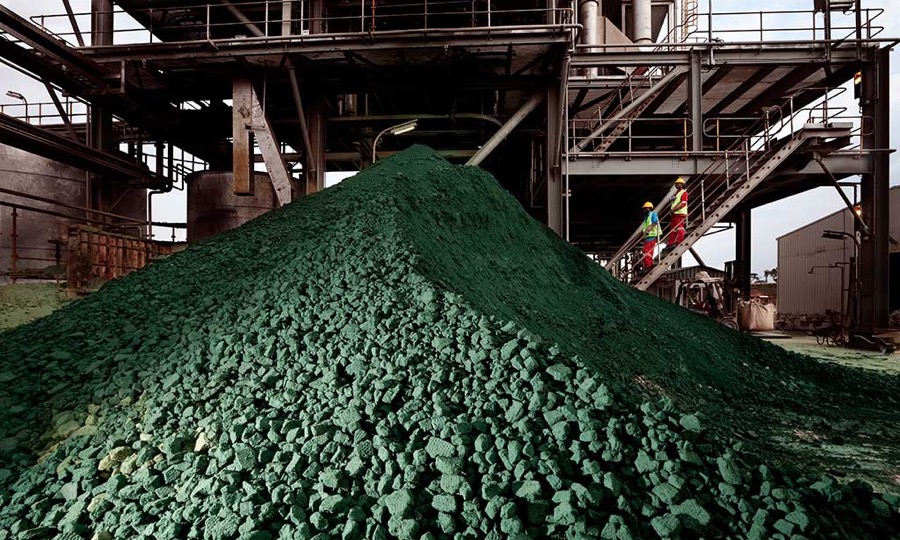
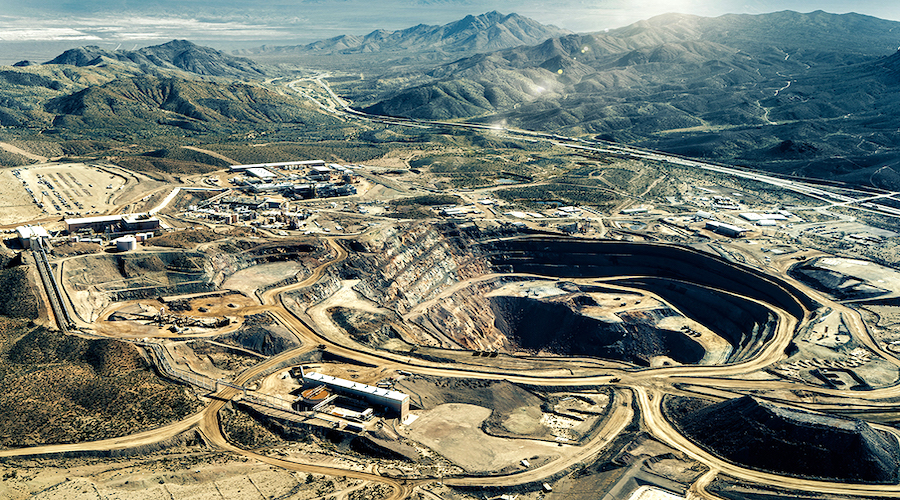
Processing facilities at Tenke Fungurume mine in 2016 before the CMOC acquisition. (Image courtesy of Lundin Mining.)

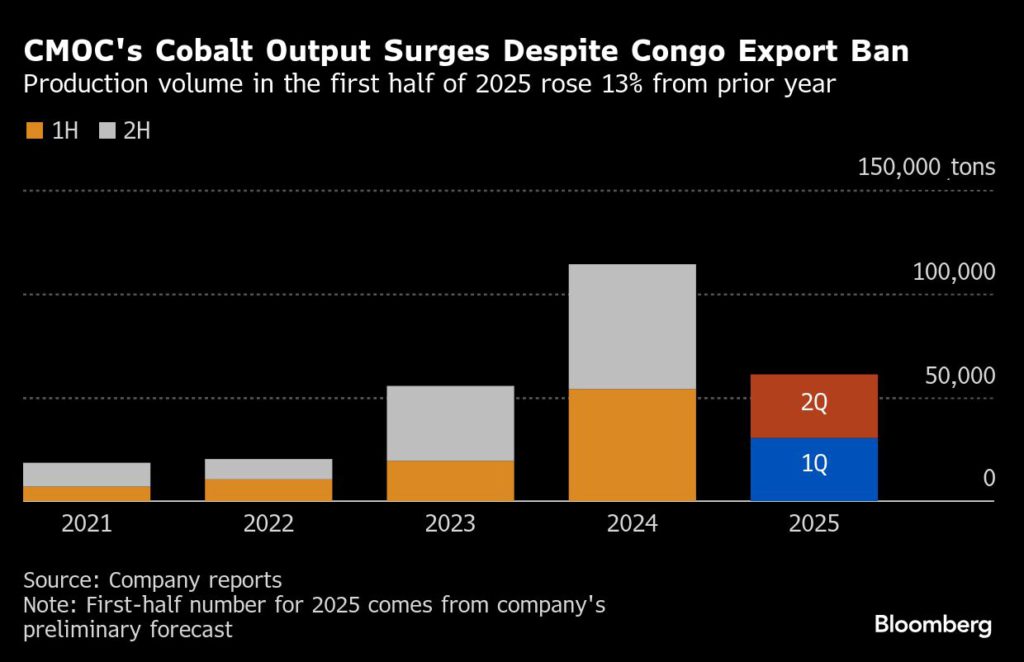
China’s CMOC Group Ltd. produced more cobalt at its two mines in the Democratic Republic of Congo in the first half of this year, despite the African nation’s ban on exports.

The world’s largest cobalt miner reported a 13% year-on-year rise in production of the material, also used in batteries and alloys, to 61,073 tons during the January-June period, according to a preliminary earnings statement released on Monday.

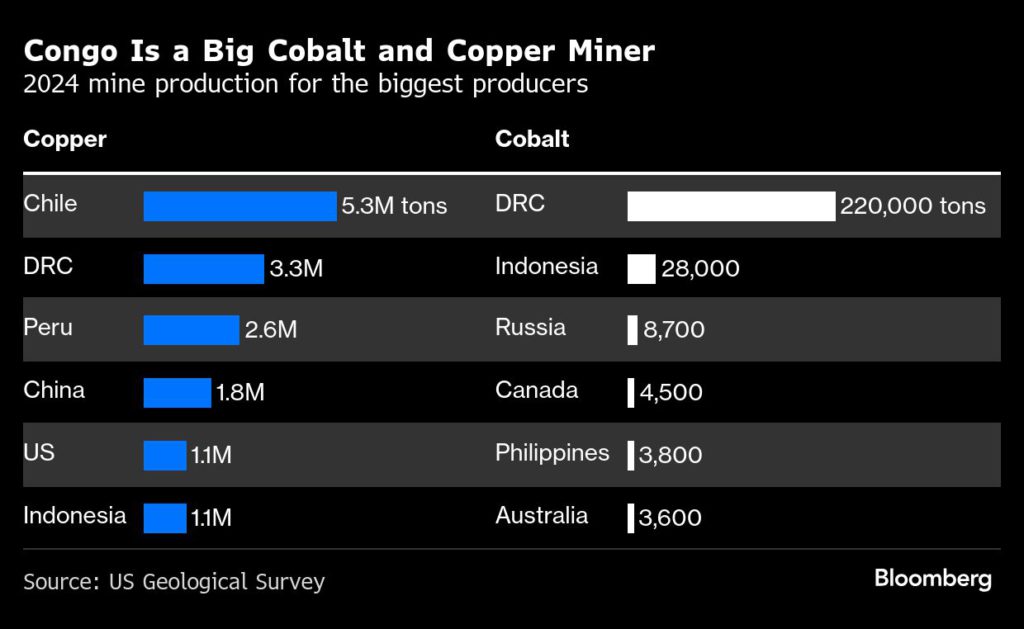
The increase comes even as Congo – which accounts for about 70% of global cobalt output – recently extended an export ban first announced in February for another three months to September. The country cited “a continued high level of stock on the market,” as it attempts to rein in a global cobalt glut deepened by CMOC’s breakneck expansion in recent years.

That signals the Chinese company still produced slightly more cobalt in the second quarter, when the Congo shipment suspension was in force for the entire period. Output in the April-June period totaled 30,659 tons, against 30,414 tons in the prior quarter.

Spot prices of cobalt hydroxide have more than doubled since the export suspension. CMOC’s trading unit IXM has recently declared force majeure on such deliveries.

The Chinese miner said that its net income is likely to be between 8.2 billion yuan ($1.1 billion) and 9.1 billion yuan during the first half of the year, a jump of as much as 68% from a year earlier, due to higher prices and increased sales of cobalt and copper.

The firm’s output of copper – the two metals are extracted together in Congo – also rose 13% in the first half to 353,570 tons.

CMOC’s production of products, including cobalt, molybdenum and tungsten, has exceeded the company’s initial expectations, it said in a post on its website.

Shares of CMOC have surged more than 50% so far this year in Hong Kong.

(By Annie Lee)

Gertler, a ‘king’ in Congo, describes mine payments in arbitration testimony


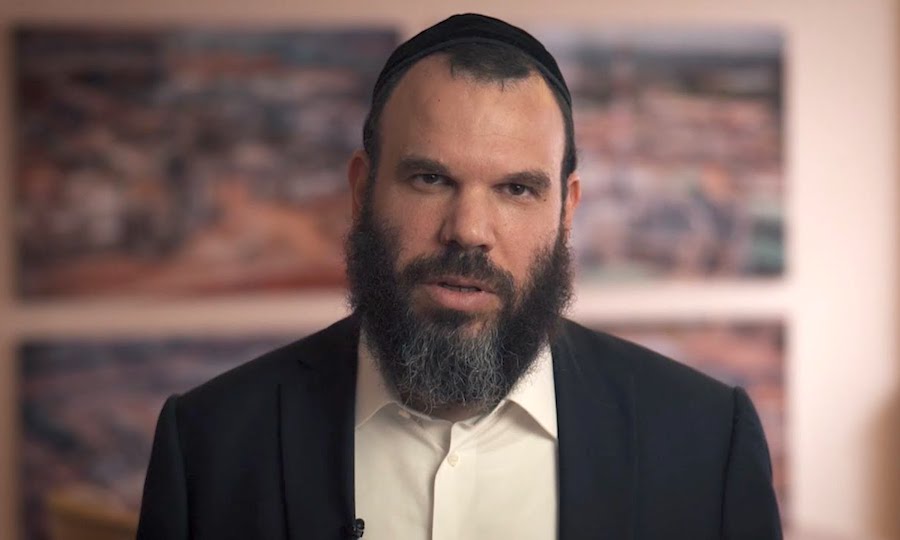
Gertler, originally a diamond trader, amassed his fortune mostly by buying mining assets from the DRC at greatly discounted prices, and selling them at great profit. (Image: Screenshot from Bosolo Na Politik Officielle | YouTube.)

An arbitration decision seen by Bloomberg describes Israeli billionaire Dan Gertler’s testimony about how he won rights to lucrative Congolese natural resources, made previously undisclosed payments to one of the former president’s associates, and held and sold stakes in ventures on behalf of him and local partners.

The non-public decision revolves around a dispute between Gertler and two former investors. But the document also details for the first time, in his own words, how he paid an associate of the Democratic Republic of Congo’s former president to distribute money in local communities, making Gertler “a king in Congo,” at the same time as he amassed a vast portfolio of mining and oil assets.

Gertler’s testimony cited in the arbitrator’s decision also describes how he made loans to the country and held assets worth hundreds of millions of dollars on behalf of Congolese partners.

The April 2024 arbitration decision — which revolved around claims by brothers Moises and Mendi Gertner that Gertler owed them money for investing in his businesses — was obtained by the Platform to Protect Whistleblowers in Africa, known as PPLAAF, and shared with Bloomberg. The arbitrator in the 14-year civil dispute held in Israel said in the decision that the case wasn’t meant to establish the legality of any dealings, and that no convincing evidence was presented to him of bribes or unfair or improper payments.

Gertler has consistently denied any wrongdoing.

The decision came at a time when Gertler was in talks to lift US sanctions put on him in 2017 for allegedly amassing a “fortune through hundreds of millions of dollars’ worth of opaque and corrupt mining and oil deals” in Congo, a key producer of energy transition metals copper and cobalt. His ongoing interests in mining projects there — where many mines are owned by Chinese companies — have hindered US efforts to get Western firms to invest in the country to tackle Beijing’s dominance in critical metals, according to US officials.

Gertler’s arbitration statements were part of his defense against claims by the Gertners, who began investing in his businesses about two decades ago. His testimony described how he acquired assets, and also leveraged connections to Augustin Katumba Mwanke, who previously was an official adviser to Joseph Kabila — Congo’s president from 2001 to 2019.

Gertler’s lawyers told Bloomberg that Katumba didn’t hold “any official or advisory position” for Kabila during the period covered by the arbitration, and that Gertler chose to work with Katumba once he stepped down from his official role. The arbitrator said in the case that no compelling proof was presented of payments to anyone holding an official position in Congo’s government when payments were received.

Katumba’s partnership with Gertler resulted in investments in community projects such as schools and hospitals, according to a letter to Bloomberg from Gertler’s lawyers. They said “his knowledge and understanding of the needs of the local community were essential.”

Holding assets

In defense statements cited by the arbitrator, Gertler described how in one instance in 2006, he sold shares in gold, iron and copper mining permits that he held on behalf of Katumba and local partners for $120 million, according to the arbitration decision that exceeds 1,200 pages.

“The way in which I held the rights for Katumba was not uniform. In some of the ventures I held the rights for Katumba through separate companies from the companies through which I held my rights,” Gertler testified in the arbitration, according to the decision. For example, “one company for myself and one company for Katumba,” he said, according to the decision.

In some ventures, the same company held the rights intended for both Katumba and Gertler, he testified, according to the decision.

“Either way, the rights intended for Katumba had to be retained by me in order for me to transfer them to Katumba at his request, or make any other use of them as Katumba directs,” the arbitration document quoted Gertler as saying.

Gertler testified that he didn’t know who Katumba’s local partners were.

The arbitrator decided on a monetary award in favor of the Gertner brothers, though far less than they had sought. The decision — most of which is in Hebrew — indicates it was based on more than 10,000 pages of testimony and other documents including payment records.

Bloomberg and PPLAAF haven’t seen the full affidavits, or complete correspondence including emails and text messages, cited in the decision. Gertler, who has applied to cancel the decision, declined to share additional documents while the process is ongoing, and a spokesman for the Gertner brothers told Bloomberg that they can’t disclose details about the confidential arbitration.

According to testimony quoted in the case, Gertler in 2014 said his relationship with Katumba was “based on trust, on large payments,” and that Katumba worked with other parties and “didn’t bring such assets for free.”

“Payments made to Mr. Katumba were based on the necessary community and other local investments connected to each commercial opportunity,” Gertler’s lawyers told Bloomberg in response to questions about the proceeding.

Gertler also said that “a lot of money” was paid to Katumba, according to excerpts of his testimony in the arbitration document. He also described Katumba as “necessary” and someone who dealt with local communities and government and tax officials, in testimony referring to diamond activities in Congo.

“The joint projects of Mr. Gertler and Mr. Katumba that resulted from their partnership are numerous,” Gertler’s lawyers told Bloomberg. “There is absolutely no proper basis on which to paint the payments to Mr. Katumba as improper.”

Loans

Gertler also testified that he gave the country loans. In the arbitration, he said that he “gave in cash to the government. To the central bank of Congo in cash.”

Gertler’s lawyers told Bloomberg he had been referring to a loan to state diamond company Miba. They said such payments were “in no way improper or unusual” at the time and were used to ease cash-flow challenges in the country. Cash payments were also common for business purposes due to a limited banking system at the time, they said.

Summarizing some of Gertler’s defense in the case, arbitrator Eitan Orenstein said that as part of their business partnership, “Katumba had leveraged his connections with local entities in Congo, to ensure that business opportunities for the mining assets in Congo would be referred first and foremost to Gertler.”

Gertler and the Gertners “were literally dependent on the services of Mr. Katumba,” which is why they agreed to pay him “such substantial payments, percentages from transactions of many hundreds of millions of dollars,” Orenstein wrote in the decision.

“The Gertner brothers were not involved in managing any aspects of any business in the DRC, which were run exclusively by Gertler, causing the Gertner brothers significant financial damage,” a spokesman for the Gertner brothers said in an email sent to Bloomberg.

The brothers, who made their fortune in real estate, say they lost hundreds of millions of dollars as a result of their dealings with Gertler, but are “prevented from disclosing any details about the arbitration,” which is “subject to strict confidentiality,” the Gertners’ spokesman said in the email.

Arbitrator’s decision

Orenstein decided in April 2024 that Gertler owed the Gertners about $85 million plus interest and some assets, for payments and shares that Gertler allegedly promised them, rejecting most of the brothers’ claim for more than $1.6 billion. Gertler’s lawyers told Bloomberg that a hearing was held on Feb. 2 after he applied to cancel the award, though it’s unclear when exactly a judgment may come.

Israeli judges and arbitrators are prohibited from referring to their own rulings, Orenstein told Bloomberg through his lawyer, adding that the decision took two years to write and that both parties were allowed to present arguments in full.

Still, the case provides a glimpse into the extent of Gertler’s relationship with Katumba.


“All I had, half of it was his,” Gertler was quoted as saying during the arbitration in reference to Katumba, who died in a plane crash in 2012. Gertler’s lawyers told Bloomberg that he was speaking colloquially in that statement, and that while in some deals the share may have reached 50%,the majority were at about 15%.

A spokesman for Congo’s current government didn’t provide comment when contacted by Bloomberg.

Former President Kabila cannot be associated with the various deals that Gertler made with his partners, including Katumba, Kabila’s longtime adviser Barnabe Kikaya Bin Karubi told Bloomberg. It’s “unfortunate” that Katumba’s death more than a decade ago means that he couldn’t give his version of the facts in the arbitration, he said.

Since first coming to Congo in 1997, Gertler secured permits to huge copper and cobalt resources now owned by Glencore Plc and Eurasian Resources Group. He also won oil, iron ore and gold permits, as well as lucrative deals with diamond company Miba.

While he agreed in 2022 to relinquish some of his holdings in Congo, he still holds rights to royalties in three major copper and cobalt projects. In the arbitration, he highlighted how his investments helped local communities and bolstered his standing and reputation for keeping his word there.

“I am a king in Miba to this day. I am a king in Congo to this day,” he said in testimony from 2014 that was quoted in the case.

(By Michael J. Kavanagh)


US rare earth pricing system is poised to challenge China’s dominance


Mountain Pass mine and processing facility, California. The only rare earths mine in the US. (Image courtesy of MP Materials.)

US efforts to break China’s dominance of the rare earths market and to drive investment in its own industry have moved up a gear with a Washington-backed plan to create a separate, higher pricing system.

The West has struggled to weaken China’s grip on 90% of the supply of rare earths, in part because low prices set in China have removed the incentive for investment elsewhere.

Miners in the West have long called for a separate pricing system to help them compete in supplying the rare earths group of 17 metals needed to make super-strong magnets of strategic importance. They are used in military applications such as drone and fighter jets, as well as to power motors in EVs and wind turbines.

Under a deal made public last week, the US Department of Defense will guarantee a minimum price for its sole domestic rare earth miner MP Materials, at nearly twice the current market level.

Las Vegas-based MP already produces mined and processed rare earths and said it expects to start commercial magnet production at its Texas facility around the end of this year.

Analysts say the pricing deal, which takes effect immediately, should have global implications – positive for producers, but may increase costs for consumers, such as automakers and in turn their customers.

“This benchmark is now a new centre of gravity in the industry that will pull prices up,” said Ryan Castilloux, managing director of consultancy Adamas Intelligence.

The DoD will pay MP the difference between $110 per kilogram for the two most-popular rare earths and the market price, currently set by China, but if the price rises above $110, the DoD will get 30% of additional profits.

Castilloux said other indirect beneficiaries of the pricing system may include companies, such as Belgian chemicals group Solvay, which launched an expansion in April.

“It will give Solvay and others the impetus to command a similar price level. It will give them a floor to stand on, you could say,” Castilloux added.

While Solvay declined to comment, other rare earth miners, developers and their shareholders welcomed the news.

Aclara Resources is developing rare earths mines in Chile and Brazil, as well as planning a separation plant in the United States. Alvaro Castellon, the company’s strategy and development manager, told Reuters the deal added “new strategic paths” for the company.

MP’s gradual output increase

MP Materials, which suffered a net loss of $65.4 million last year largely because of China’s low pricing, will build up magnet production at its Texas plant initially to 1,000 metric tons a year, later expanding to 3,000 tons a year.

Under last Thursday’s deal, the DoD will become its largest shareholder with a 15% stake and MP will construct a second rare earth magnet manufacturing facility in the US, eventually adding 7,000 tons per year. In total, production would be 10,000 tons a year – equalling US consumption of magnets in 2024.

That does not include, however, the 30,000 tons imported by the United States already installed in assembled products, Adamas consultancy said.

It predicts global demand for rare earth permanent magnets will more than double over the next decade to about 607,000 tons, with the US seeing the strongest percentage annual growth rate in coming years at 17%.

Global demand is due to more than double by 2035 for super-strong rare earth permanent magnets
The U.S. is set to have the strongest percentage growth rate in coming years in demand for rare earth permanent magnets
The US is set to have the strongest percentage growth rate in coming years in demand for rare earth permanent magnets

The world’s reliance upon China for much of this demand was brought into focus by China’s curbs on its exports as trade negotiations continue between the United States and China.

So far Western governments have had little success in trying to help their own industries to compete.

Attempts to agree stronger pricing have been confined to piecemeal deals that set premiums for magnets.

Dominic Raab, a former deputy prime minister and former foreign secretary for the United Kingdom, said he was not surprised the Trump administration had concluded that tax breaks alone would not create the level of investment required.

“The next step is, can they scale it up?” asked Raab, now head of global affairs at Appian Capital Advisory, a private equity firm that invests in mining projects.

The $110 level for neodymium and praseodymium, or NdPr, guaranteed by the DoD is slightly above a $75-to-$105 per kg range that consultancy Project Blue reckons would be needed to support enough production to meet demand in coming years. It compares to a current level of about $63.

Many rare earth prices have been weak in recent years, burdened by heavy supply from top producer China.

David Merriman of Project Blue said it was unclear how commercial industrial consumers would respond to higher prices and whether it would make them invest in rare earths as they have more diverse supply sources.

“Major non-government backed consumers are less likely to follow this same investment pattern, however, as they are not so clearly aligned to a particular regional supply route,” he said.

A spokesperson for German auto giant Volkswagen declined to comment on pricing when asked about the DoD floor level but said: “We welcome all efforts to strengthen long-term stability and diversification in global supply chains for critical materials.”

(By Eric Onstad, Daina Beth Solomon and Ernest Scheyder; Editing by Veronica Brown and Barbara Lewis)