WWIII
Poland briefly deploys planes in airspace due to threat of drone strikes in nearby parts of Ukraine
 Copyright Copyright 2025 The Associated Press. All rights reserved
Published on
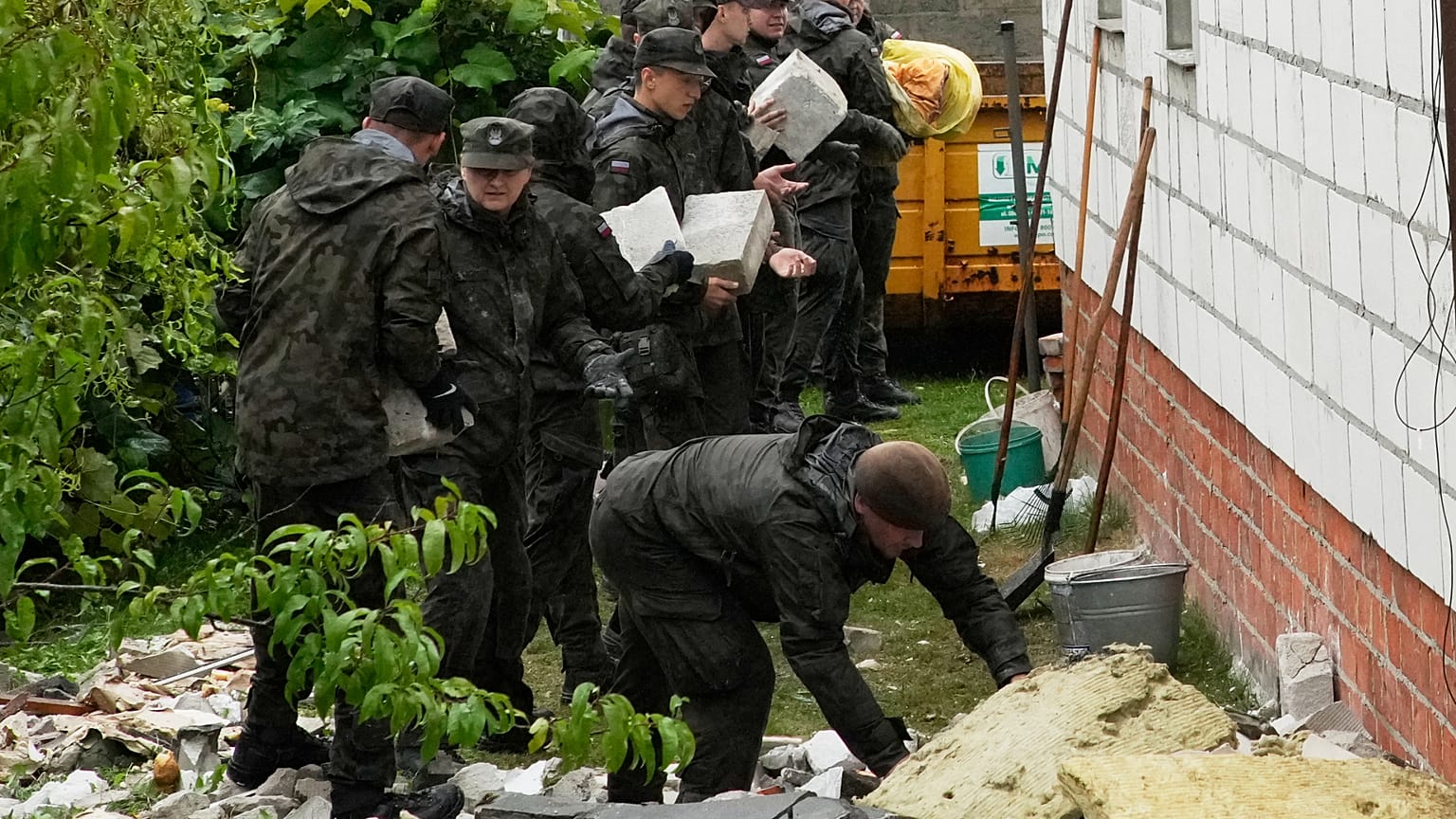
Polish and alied aircraft were deployed in a “preventive” operation in Poland's airspace Saturday because of a threat of drone strikes in neighbouring areas of Ukraine. An alert was issued, which lasted around two hours before being cancelled.
Polish and allied aircraft were briefly deployed in a “preventive” operation in Poland's airspace on Saturday afternoon due to a threat of drone strikes in neighbouring parts of Ukraine, authorities have said. An alert was issued, which lasted around two hours before being cancelled.
The airport in the eastern city of Lublin was closed at the time of the alert.
The incident came after Russian drones crossed into Polish airspace on Wednesday, which NATO fighter jets then shot down as concerns mount over Russia's ongoing invasion of Ukraine, which began in February 2022.
Warnings were issued warnings for five counties in the Lublin Voivodeship. The warnings, which were published in a post on X, read: "Threat of attack from the air. Use extreme caution. Follow the instructions of services. Expect further announcements."
"Due to the threat from Russian drones operating over Ukraine near the border with Poland, preventive air operations - Polish and allied - have begun in our airspace. Ground-based air defence systems have reached a state of highest readiness," wrote Prime Minister Donald Tusk in a post of his own.
Tusk later followed up with a post saying "Threat level canceled. Thank you to all involved in the operation in the air and on the ground. We remain vigilant."
Romania says a drone breached its airspace during Russian strikes on Ukraine
Romania scrambled two F-16 fighter jets on Saturday after detecting a drone that had breached its airspace during a Russian attack on neighbouring Ukraine, the country's defence ministry said. The statement stressed that the drone had not flown over populated areas and had not posed a risk to the population's safety.
Issued on: 13/09/2025 -
By: FRANCE 24
Video by: Camille KNIGHT
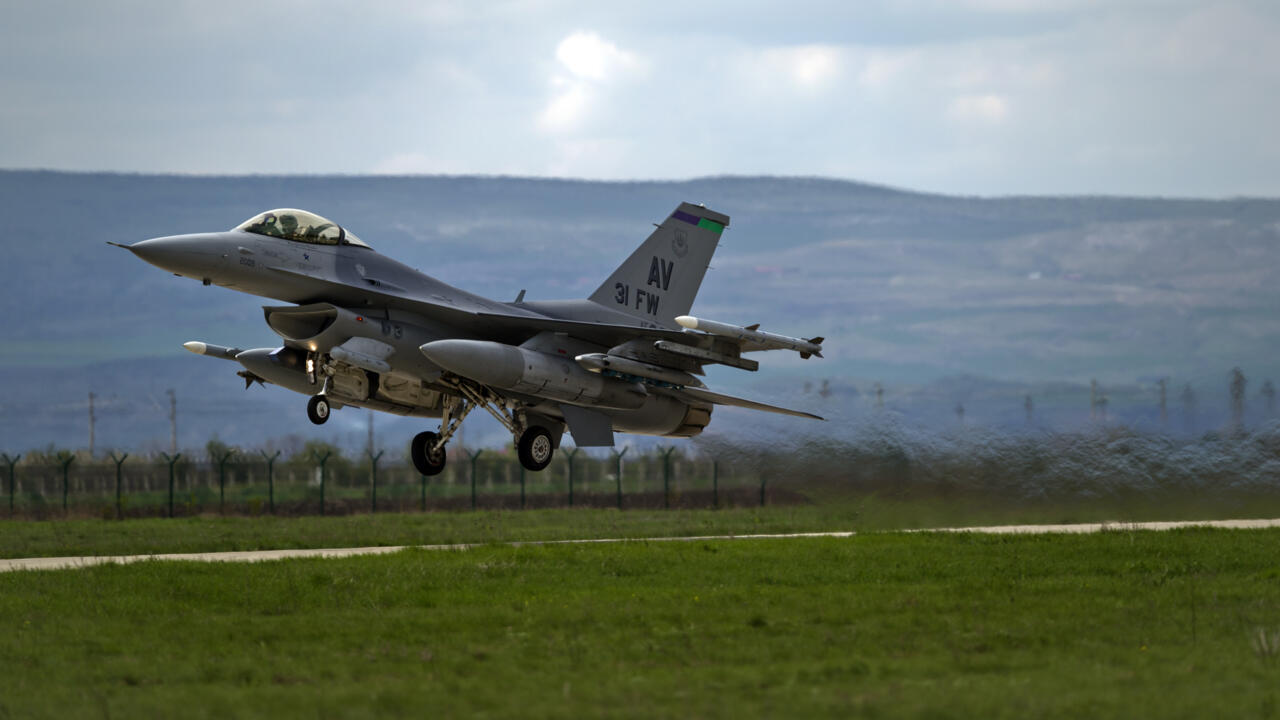 Romania scrambled two F-16 fighter jets late on Saturday to monitor the situation following strikes on Ukraine, a defence ministry statement said. © Vadim Ghirda, AP
01:30
Romania's defence ministry said Saturday that the country's airspace had been breached by a drone during a Russian attack on infrastructure in neighbouring Ukraine.
The incident came after Poland denounced the intrusion of Russian drones into its airspace this week, calling on Moscow to avoid further "provocations".
NATO member Romania has had several drone fragments crash on its soil since Moscow invaded Ukraine, especially as Russia has stepped up attacks on Ukrainian ports.
The country scrambled two F-16 fighter jets late on Saturday to monitor the situation following strikes on Ukraine, said a defence ministry statement.
The jets "detected a drone in national airspace" and tracked it until "it disappeared from the radar" near the village of Chilia Veche, it added.
The drone "did not fly over populated areas and did not pose an imminent threat to the safety of the population", said the statement.
Teams were ready to be deployed "to begin searching for possible debris from the aerial vehicle".
Ukrainian President Volodymyr Zelensky warned that Russia was deliberately expanding its drone operations and that the West needed to respond with tougher sanctions and closer defence cooperation.
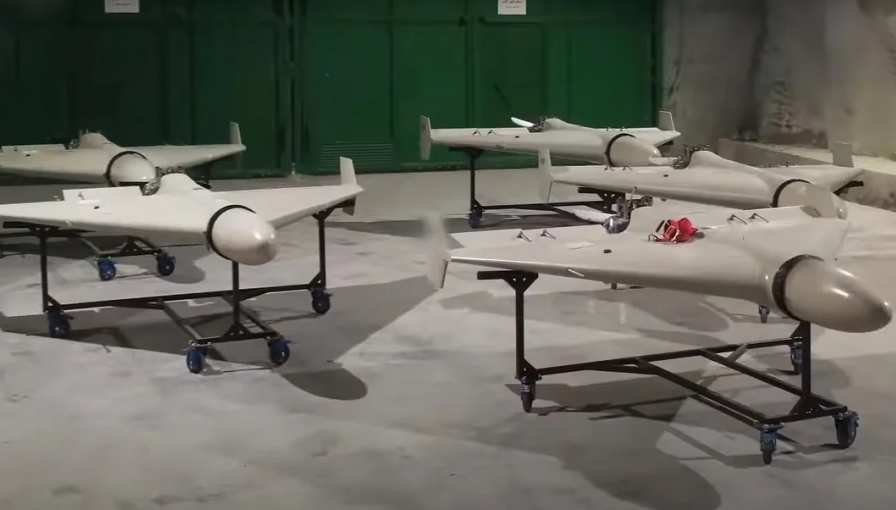
“Do not wait for dozens of ‘shaheds’ and ballistic missiles before finally making decisions,” he warned, referring to the Iranian-designed Shahed drones Russia is using.
In Washington, US President Donald Trump said he was ready to impose major sanctions on Russia—just as soon as all NATO nations did the same thing and stopped buying Russian oil.
In February, Romania's upper house of parliament adopted a law that makes it possible for the country to shoot down drones breaching its airspace.
NATO announced plans to beef up the defence of Europe's eastern flank on Friday, after Poland shot down drones that had violated its airspace, the first known shots fired by a member of the Western alliance during Russia's war in Ukraine.
(FRANCE 24 with AFP and Reuters)
COMMENT: What were Russian drones doing in Poland?
With no clear explanation from Moscow, theories have proliferated over how and why more than a dozen Russian drones crossed into Poland on September 10—and what this means for European security.
“There is no satisfactory answer to this right now,” The Bell reported, but there are three primary theories currently under discussion.
The Russian Ministry of Defence, via state-controlled media, denied any intention to strike targets in Poland, stating that “no targets were planned for destruction on Polish territory.”
The ministry also offered to consult with Poland’s military leadership and insisted that the range of the drones used did not exceed 700 km—implying that some of the devices would not have reached their crash sites if launched from Russian territory.
“The Kremlin has essentially not commented on the incident,” The Bell noted, underscoring the lack of official narrative beyond the defence ministry’s remarks.
An alternative theory, circulated by Russian pro-war military bloggers (milbloggers), suggest that the incursion could have been a Ukrainian false-flag operation. As bne IntelliNews reported, more than one-in-three Poles believe the drones originated in Ukraine, not Russia.
“In theory, it is possible that Ukrainian special services could have assembled airworthy Gerberas from the thousands that fell on its territory,” The Bell said, though it added that this scenario was unlikely.
“The Ukrainian leadership is unlikely to anger its allies by repeating the plot of the sabotage on the Nord Stream explosions.”
A third version follows from statements from Minsk. Belarusian officials argue that the drones entered its airspace due to interference from one side’s electronic warfare systems and were subsequently shot down by Belarusian air defences.
“Some Western experts do not rule out the possibility of successful electronic warfare against relatively simple drones,” The Bell wrote.
Yet the interpretation gaining traction among Nato members is that Moscow is testing the alliance’s eastern flank. Polish Foreign Minister Radoslaw Sikorski has accused Russia of deliberate aggression, claiming the drones were “deliberately aimed” at Polish territory. “Russian aggression has gone beyond Ukraine,” Sikorski said.
This reading is echoed by Russian milbloggers, some of whom suggest the drone incident may have been a “stress test” of Nato air defences. “This version is given weight by the fact that all the drones discovered in Poland turned out to be pure air defence decoys without combat capabilities or self-destructors,” The Bell reported.
Tensions may escalate further as Belarus and Russia prepares to launch their annual Zapad large scale military exercises on September 12, their first joint strategic military exercises with Russia since the start of the war.
“[Ukrainian President Volodymyr] Zelenskiy did not rule out that the attack was part of a "training mission".
If it was a test, then Poland failed, the FT admits. The slow-moving drones flew over half the country before they were challenged. F-35 fighters from the Netherlands had to be scrambled as well to intercept them. The Polish air force failed to bring all the drones down on its own.
Polish and allied aircraft were briefly deployed in a “preventive” operation in Poland's airspace on Saturday afternoon due to a threat of drone strikes in neighbouring parts of Ukraine, authorities have said. An alert was issued, which lasted around two hours before being cancelled.
The airport in the eastern city of Lublin was closed at the time of the alert.
The incident came after Russian drones crossed into Polish airspace on Wednesday, which NATO fighter jets then shot down as concerns mount over Russia's ongoing invasion of Ukraine, which began in February 2022.
Warnings were issued warnings for five counties in the Lublin Voivodeship. The warnings, which were published in a post on X, read: "Threat of attack from the air. Use extreme caution. Follow the instructions of services. Expect further announcements."
"Due to the threat from Russian drones operating over Ukraine near the border with Poland, preventive air operations - Polish and allied - have begun in our airspace. Ground-based air defence systems have reached a state of highest readiness," wrote Prime Minister Donald Tusk in a post of his own.
Tusk later followed up with a post saying "Threat level canceled. Thank you to all involved in the operation in the air and on the ground. We remain vigilant."
Romania says a drone breached its airspace during Russian strikes on Ukraine
Romania scrambled two F-16 fighter jets on Saturday after detecting a drone that had breached its airspace during a Russian attack on neighbouring Ukraine, the country's defence ministry said. The statement stressed that the drone had not flown over populated areas and had not posed a risk to the population's safety.
Issued on: 13/09/2025 -
By: FRANCE 24
Video by: Camille KNIGHT
01:30
Romania's defence ministry said Saturday that the country's airspace had been breached by a drone during a Russian attack on infrastructure in neighbouring Ukraine.
The incident came after Poland denounced the intrusion of Russian drones into its airspace this week, calling on Moscow to avoid further "provocations".
NATO member Romania has had several drone fragments crash on its soil since Moscow invaded Ukraine, especially as Russia has stepped up attacks on Ukrainian ports.
The country scrambled two F-16 fighter jets late on Saturday to monitor the situation following strikes on Ukraine, said a defence ministry statement.
The jets "detected a drone in national airspace" and tracked it until "it disappeared from the radar" near the village of Chilia Veche, it added.
The drone "did not fly over populated areas and did not pose an imminent threat to the safety of the population", said the statement.
Teams were ready to be deployed "to begin searching for possible debris from the aerial vehicle".
Ukrainian President Volodymyr Zelensky warned that Russia was deliberately expanding its drone operations and that the West needed to respond with tougher sanctions and closer defence cooperation.
“Do not wait for dozens of ‘shaheds’ and ballistic missiles before finally making decisions,” he warned, referring to the Iranian-designed Shahed drones Russia is using.
In Washington, US President Donald Trump said he was ready to impose major sanctions on Russia—just as soon as all NATO nations did the same thing and stopped buying Russian oil.
In February, Romania's upper house of parliament adopted a law that makes it possible for the country to shoot down drones breaching its airspace.
NATO announced plans to beef up the defence of Europe's eastern flank on Friday, after Poland shot down drones that had violated its airspace, the first known shots fired by a member of the Western alliance during Russia's war in Ukraine.
(FRANCE 24 with AFP and Reuters)
With no clear explanation from Moscow, theories have proliferated over how and why more than a dozen Russian drones crossed into Poland on September 10—and what this means for European security.
“There is no satisfactory answer to this right now,” The Bell reported, but there are three primary theories currently under discussion.
The Russian Ministry of Defence, via state-controlled media, denied any intention to strike targets in Poland, stating that “no targets were planned for destruction on Polish territory.”
The ministry also offered to consult with Poland’s military leadership and insisted that the range of the drones used did not exceed 700 km—implying that some of the devices would not have reached their crash sites if launched from Russian territory.
“The Kremlin has essentially not commented on the incident,” The Bell noted, underscoring the lack of official narrative beyond the defence ministry’s remarks.
An alternative theory, circulated by Russian pro-war military bloggers (milbloggers), suggest that the incursion could have been a Ukrainian false-flag operation. As bne IntelliNews reported, more than one-in-three Poles believe the drones originated in Ukraine, not Russia.
“In theory, it is possible that Ukrainian special services could have assembled airworthy Gerberas from the thousands that fell on its territory,” The Bell said, though it added that this scenario was unlikely.
“The Ukrainian leadership is unlikely to anger its allies by repeating the plot of the sabotage on the Nord Stream explosions.”
A third version follows from statements from Minsk. Belarusian officials argue that the drones entered its airspace due to interference from one side’s electronic warfare systems and were subsequently shot down by Belarusian air defences.
“Some Western experts do not rule out the possibility of successful electronic warfare against relatively simple drones,” The Bell wrote.
Yet the interpretation gaining traction among Nato members is that Moscow is testing the alliance’s eastern flank. Polish Foreign Minister Radoslaw Sikorski has accused Russia of deliberate aggression, claiming the drones were “deliberately aimed” at Polish territory. “Russian aggression has gone beyond Ukraine,” Sikorski said.
This reading is echoed by Russian milbloggers, some of whom suggest the drone incident may have been a “stress test” of Nato air defences. “This version is given weight by the fact that all the drones discovered in Poland turned out to be pure air defence decoys without combat capabilities or self-destructors,” The Bell reported.
Tensions may escalate further as Belarus and Russia prepares to launch their annual Zapad large scale military exercises on September 12, their first joint strategic military exercises with Russia since the start of the war.
“[Ukrainian President Volodymyr] Zelenskiy did not rule out that the attack was part of a "training mission".
If it was a test, then Poland failed, the FT admits. The slow-moving drones flew over half the country before they were challenged. F-35 fighters from the Netherlands had to be scrambled as well to intercept them. The Polish air force failed to bring all the drones down on its own.
Lukewarm support for Polish UN vote condemning Russian drone incursion
Only 46 out of 193 UN member states signed a joint UN declaration on September 12, denouncing Russia’s alleged involvement in a drone incursion into Polish airspace two days earlier, as the Global South support for Western-backed Ukraine in its war with Russia wanes.
In addition to Poland, which called for a vote in the UN for the first time ever, those that signed the declaration included almost exclusively Global North countries: Austria, Belgium, Hungary, the UK, Germany, Greece, Georgia, Italy, Spain, Norway, the US, Ukraine, and France. Amongst the non-Western supporters were South Korea and Japan, both close US allies. These countries insist that Russia violated Poland’s airspace 19 times and escalated the conflict.
Polish Secretary of State Marcin Bosacki presented a joint statement ahead of a Security Council meeting requested by Warsaw. “For the first time in its history, Poland has decided to request the convening of an emergency meeting of the UN Security Council,” he said.
The drone incursion was “yet another flagrant violation of international law and the Charter of the United Nations committed by the Russian Federation while attacking the territory of Ukraine.” In response to the incursion, Polish Prime Minister Donald Tusk triggered Article 4 of the Nato treaty, which calls for consultations amongst members when a country feels their national security is under threat.
However, most of the Global South countries, who are becoming increasingly allied with the Russo-China axis, either abstained or voted against the motion.
In a joint statement, the 46 nations including the US called on September 10 for stronger international action at the UN after Russian drones violated Polish airspace, in what they described as a “destabilizing escalation” threatening regional stability.
Shifting geopolitical sands
The low number of votes stands in stark contrast to earlier UN votes to condemn Russia’s invasion of Ukraine over three years ago, when the overwhelming majority supported the motion. In a series of UN votes to condemn Russia’s invasion, typically around 140 nations supported the motion, with a mere handful voting against.
In the meantime, Russian President Vladimir Putin and Chinese President Xi Jinping have worked hard to rally the Global South to their flag and the election of US President Donald Trump, who has introduced aggressive trade policies, has only catalysed the process.
The growing Global South unity and its increasingly active opposition to the Western alliance was on show at the recent SCO summit where in addition to the Putin-Xi bromance, Prime Minister Narendra Modi surprised by attending the event, his first visit to China in seven years, and gladhanded with the other leaders, including with Xi.
India and China are attempting to reset their prickly relations after years of military tension on their mutual border in response to Indian anger after the Trump administration doubled tariffs to 50% in August as punishment for continuing to import Russian crude.
The success of the SCO summit in China comes on the heels of a slew of Global South summits, including the G20, BRICS, ASEAN and Eurasian Economic Union, which are becoming increasingly geopolitical in nature and largely exclude Western leaders. The only EU leader that made it to Tianjin in China for the SCO summit was Slovak Prime Minister Robert Fico, who has been calling for the end of the war in Ukraine and lifting of sanctions on Russia.
Incursion, not attack
Although the drone attack on Poland was intentional, it did not cross the required threshold to invoke the famous Article 5 that could trigger a collective military response and start WWIII, Ukrainska Pravda reports.
There have been several Russian missile and drone incursions into Poland’s airspace since the war started, including two missiles that came down in a Polish village in November 2022 killing two people. However, this was the first time Poland scrambled its jets and shot down Russian ordnance over its own land. Previously the governments of the affected states insisted that these incursions were accidental, "unintentional" violations of Nato's airspace and therefore could not be considered attacks against the Alliance that would trigger Article 5.
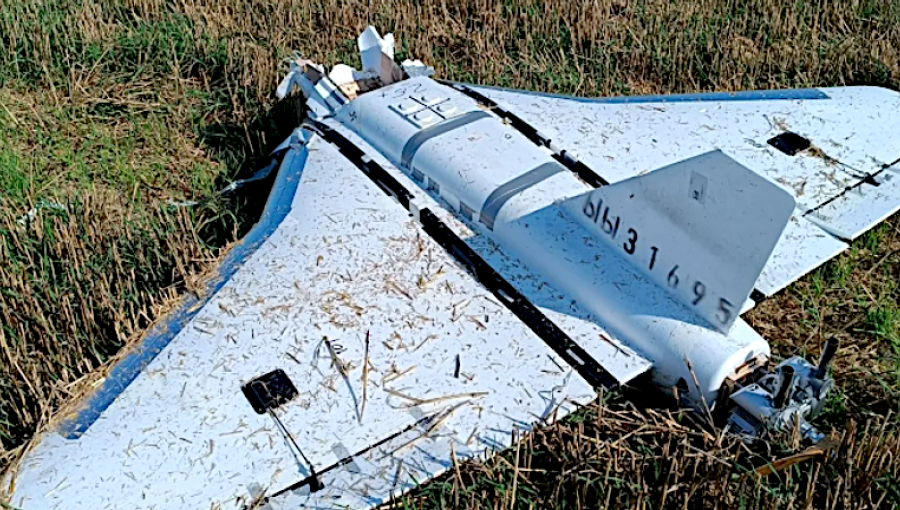
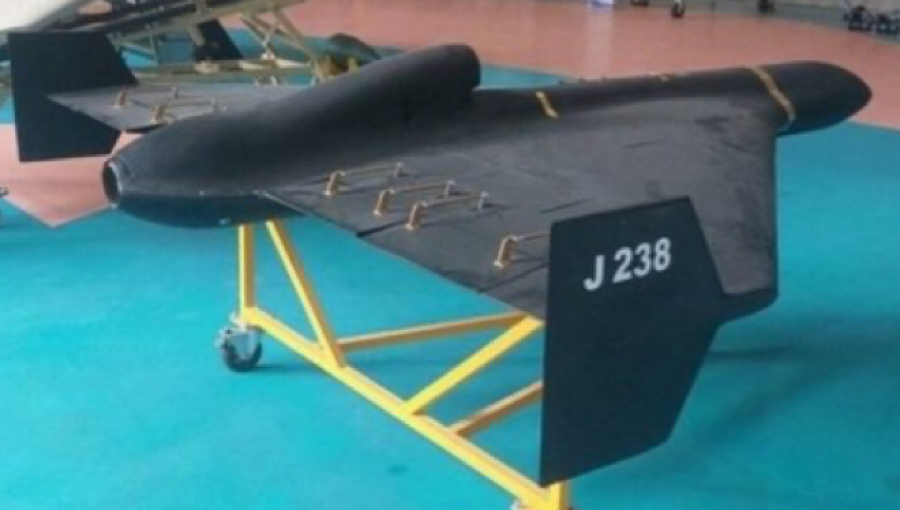
Poland is collecting the drone debris, and they appear to be, based on reports so far, the cheap plywood and polystyrene foam Gerbera drones largely used for reconnaissance that did not carry an explosive payload, not the tougher Geran-2 drone, an Iranian-designed Shahed-136 loitering munition, that usually carries an explosive payload and is widely used in Ukraine.
"The drones were not carrying explosives," said government spokesperson Adam Szlapka on September 10, Deutsche Welle reports.
“When 19-20 drones cross the border simultaneously, that cannot be a coincidence. This was the deliberate targeting of military assets towards Poland,” Ukrainska Pravda said. “The barrier here was that the drone attack on Poland did not reach the threshold required for collective defence. For this to happen, all Nato members must agree that an "armed attack" has indeed taken place.”
However, the Russian drones might have been targeting the airport in Rzeszów, which is vital for the West’s military supplies to Ukraine, German media claimed on September 11.
Ukrainska Pravda speculates that the incursion had several purposes: to test Nato’s defences just as the Russo-Belarusian quadrennial Zapad-2025 military exercises get underway; underscore Russian President Vladimir Putin’s propaganda message of “helpless Nato” to his own population; and sow confusion and distrust amongst both Nato allies and Poland’s population. The incursion was accompanied by a convincing disinformation campaign that led one in three Poles to believe the drones originated in Ukraine and was a false flag operation by Kyiv to garner more support.
The use of reconnaissance drones without a deadly payload should ensure that Nato Article 5 would not be triggered, but as Ukrainian President Volodymyr Zelenskiy pointed out, the incursion is another incremental escalation by the Kremlin. It also had the additional benefit of dealing a severe blow to confidence in Nato’s air defences as Nato had to scramble additional jets from neighbouring countries to meet the threat as Warsaw was unable to stop the attack on its own.
Nato General Secretary Mark Rutte said in a statement: “Last night, numerous drones from Russia violated Polish airspace. Our air defences were activated and successfully ensured the defence of NATO territory, as they are designed to do. Several Allies were involved alongside Poland. This included Polish F16s, Dutch F35s, Italian AWACS, NATO Multi Role Tanker Transport, and German Patriots. I commend the pilots and all who contributed to this quick and skillful response.”
Organisations monitoring public discourse in Poland report that they are seeing a visible boost to Russia-friendly narratives in Polish social media such as "Nato won’t protect you" and "This is Ukraine's fault," Ukrainska Pravda reports.
One of the positive side effects of the attack has been to unite Polish Prime Minister Donald Tusk and the new Polish president Karol Nawrocki, who have been at each other’s throats, paralysing Polish politics.
"We — the president, myself and my ministers — are absolutely determined to act like one fist, without differences of opinion," Tusk told the Sejm, the parliament of Poland. "We must pass this test in unity. There can be no gap into which the enemy, our eastern neighbour, can put its paws," he stressed.
US backs Poland, but Trump quibbles
The US said at the United Nations Security Council meeting that it would defend "every inch of Nato territory" following a Russian drone incursion into Poland—marking the first known instance of a Nato country shooting down Russian drones during the full-scale invasion of Ukraine.
"The United States stands by our Nato allies in the face of these alarming airspace violations," said acting US Ambassador to the UN Dorothy Shea, addressing the 15-member Security Council.
Her remarks clashed with Trump’s own comment that he believed the incursion could have been a “mistake” – a remark that earned him a sharp rebuke from Warsaw, which claims to have evidence of Russian ill intent.
"We know, and I repeat, we know that it was not a mistake," said Bosacki during the UN session, displaying photos of the wreckage and pointing to Russian markings on the drone. "Poland will not be intimidated."
Russian Ambassador to the UN Vassily Nebenzia rejected the accusations and said Russian forces had been targeting Ukraine at the time with no intention of striking Polish territory. “There were no targets marked on Polish territory,” he said. “The maximum range of the drones used in this strike did not exceed 700 kilometers, which makes it physically impossible for them to have reached Polish territory,” apparently ignoring the documented Russian drone wreckage that is scattered all across the country, presented by Poland at the session.
Only 46 out of 193 UN member states signed a joint UN declaration on September 12, denouncing Russia’s alleged involvement in a drone incursion into Polish airspace two days earlier, as the Global South support for Western-backed Ukraine in its war with Russia wanes.
In addition to Poland, which called for a vote in the UN for the first time ever, those that signed the declaration included almost exclusively Global North countries: Austria, Belgium, Hungary, the UK, Germany, Greece, Georgia, Italy, Spain, Norway, the US, Ukraine, and France. Amongst the non-Western supporters were South Korea and Japan, both close US allies. These countries insist that Russia violated Poland’s airspace 19 times and escalated the conflict.
Polish Secretary of State Marcin Bosacki presented a joint statement ahead of a Security Council meeting requested by Warsaw. “For the first time in its history, Poland has decided to request the convening of an emergency meeting of the UN Security Council,” he said.
The drone incursion was “yet another flagrant violation of international law and the Charter of the United Nations committed by the Russian Federation while attacking the territory of Ukraine.” In response to the incursion, Polish Prime Minister Donald Tusk triggered Article 4 of the Nato treaty, which calls for consultations amongst members when a country feels their national security is under threat.
However, most of the Global South countries, who are becoming increasingly allied with the Russo-China axis, either abstained or voted against the motion.
In a joint statement, the 46 nations including the US called on September 10 for stronger international action at the UN after Russian drones violated Polish airspace, in what they described as a “destabilizing escalation” threatening regional stability.
Shifting geopolitical sands
The low number of votes stands in stark contrast to earlier UN votes to condemn Russia’s invasion of Ukraine over three years ago, when the overwhelming majority supported the motion. In a series of UN votes to condemn Russia’s invasion, typically around 140 nations supported the motion, with a mere handful voting against.
In the meantime, Russian President Vladimir Putin and Chinese President Xi Jinping have worked hard to rally the Global South to their flag and the election of US President Donald Trump, who has introduced aggressive trade policies, has only catalysed the process.
The growing Global South unity and its increasingly active opposition to the Western alliance was on show at the recent SCO summit where in addition to the Putin-Xi bromance, Prime Minister Narendra Modi surprised by attending the event, his first visit to China in seven years, and gladhanded with the other leaders, including with Xi.
India and China are attempting to reset their prickly relations after years of military tension on their mutual border in response to Indian anger after the Trump administration doubled tariffs to 50% in August as punishment for continuing to import Russian crude.
The success of the SCO summit in China comes on the heels of a slew of Global South summits, including the G20, BRICS, ASEAN and Eurasian Economic Union, which are becoming increasingly geopolitical in nature and largely exclude Western leaders. The only EU leader that made it to Tianjin in China for the SCO summit was Slovak Prime Minister Robert Fico, who has been calling for the end of the war in Ukraine and lifting of sanctions on Russia.
Incursion, not attack
Although the drone attack on Poland was intentional, it did not cross the required threshold to invoke the famous Article 5 that could trigger a collective military response and start WWIII, Ukrainska Pravda reports.
There have been several Russian missile and drone incursions into Poland’s airspace since the war started, including two missiles that came down in a Polish village in November 2022 killing two people. However, this was the first time Poland scrambled its jets and shot down Russian ordnance over its own land. Previously the governments of the affected states insisted that these incursions were accidental, "unintentional" violations of Nato's airspace and therefore could not be considered attacks against the Alliance that would trigger Article 5.
Poland is collecting the drone debris, and they appear to be, based on reports so far, the cheap plywood and polystyrene foam Gerbera drones largely used for reconnaissance that did not carry an explosive payload, not the tougher Geran-2 drone, an Iranian-designed Shahed-136 loitering munition, that usually carries an explosive payload and is widely used in Ukraine.
"The drones were not carrying explosives," said government spokesperson Adam Szlapka on September 10, Deutsche Welle reports.
“When 19-20 drones cross the border simultaneously, that cannot be a coincidence. This was the deliberate targeting of military assets towards Poland,” Ukrainska Pravda said. “The barrier here was that the drone attack on Poland did not reach the threshold required for collective defence. For this to happen, all Nato members must agree that an "armed attack" has indeed taken place.”
However, the Russian drones might have been targeting the airport in Rzeszów, which is vital for the West’s military supplies to Ukraine, German media claimed on September 11.
Ukrainska Pravda speculates that the incursion had several purposes: to test Nato’s defences just as the Russo-Belarusian quadrennial Zapad-2025 military exercises get underway; underscore Russian President Vladimir Putin’s propaganda message of “helpless Nato” to his own population; and sow confusion and distrust amongst both Nato allies and Poland’s population. The incursion was accompanied by a convincing disinformation campaign that led one in three Poles to believe the drones originated in Ukraine and was a false flag operation by Kyiv to garner more support.
The use of reconnaissance drones without a deadly payload should ensure that Nato Article 5 would not be triggered, but as Ukrainian President Volodymyr Zelenskiy pointed out, the incursion is another incremental escalation by the Kremlin. It also had the additional benefit of dealing a severe blow to confidence in Nato’s air defences as Nato had to scramble additional jets from neighbouring countries to meet the threat as Warsaw was unable to stop the attack on its own.
Nato General Secretary Mark Rutte said in a statement: “Last night, numerous drones from Russia violated Polish airspace. Our air defences were activated and successfully ensured the defence of NATO territory, as they are designed to do. Several Allies were involved alongside Poland. This included Polish F16s, Dutch F35s, Italian AWACS, NATO Multi Role Tanker Transport, and German Patriots. I commend the pilots and all who contributed to this quick and skillful response.”
Organisations monitoring public discourse in Poland report that they are seeing a visible boost to Russia-friendly narratives in Polish social media such as "Nato won’t protect you" and "This is Ukraine's fault," Ukrainska Pravda reports.
One of the positive side effects of the attack has been to unite Polish Prime Minister Donald Tusk and the new Polish president Karol Nawrocki, who have been at each other’s throats, paralysing Polish politics.
"We — the president, myself and my ministers — are absolutely determined to act like one fist, without differences of opinion," Tusk told the Sejm, the parliament of Poland. "We must pass this test in unity. There can be no gap into which the enemy, our eastern neighbour, can put its paws," he stressed.
US backs Poland, but Trump quibbles
The US said at the United Nations Security Council meeting that it would defend "every inch of Nato territory" following a Russian drone incursion into Poland—marking the first known instance of a Nato country shooting down Russian drones during the full-scale invasion of Ukraine.
"The United States stands by our Nato allies in the face of these alarming airspace violations," said acting US Ambassador to the UN Dorothy Shea, addressing the 15-member Security Council.
Her remarks clashed with Trump’s own comment that he believed the incursion could have been a “mistake” – a remark that earned him a sharp rebuke from Warsaw, which claims to have evidence of Russian ill intent.
"We know, and I repeat, we know that it was not a mistake," said Bosacki during the UN session, displaying photos of the wreckage and pointing to Russian markings on the drone. "Poland will not be intimidated."
Russian Ambassador to the UN Vassily Nebenzia rejected the accusations and said Russian forces had been targeting Ukraine at the time with no intention of striking Polish territory. “There were no targets marked on Polish territory,” he said. “The maximum range of the drones used in this strike did not exceed 700 kilometers, which makes it physically impossible for them to have reached Polish territory,” apparently ignoring the documented Russian drone wreckage that is scattered all across the country, presented by Poland at the session.
Russia’s $0.5bn anti-drone defence market second only to US
Russia ranked second globally in the anti-drone systems market in 2024, according to RBC business portal citing estimates of SK Capital, part of the state development bank VEB.RF.
As followed by bne IntelliNews, drone warfare plays a central role in Russia's full-scale military invasion of Ukraine. Russian oil refineries and other key industrial infrastructure have been a frequent target of Ukrainian drone attacks.
Previous reports suggested that up to 80% of Russia’s civilian industrial enterprises have installed anti-drone protection systems as of spring 2025, with the market projected to reach RUB30bn-RUB90bn ($318mn-$953mn) in 2025.
SK Capital estimates that Russia's anti-drone systems market revenue reached RUB42bn ($460mn) in 2024, placing the country second worldwide with a 23% market share. The US was the leader with 35% share ($700mn), followed by China at 8% ($160mn).
The estimates are based on interviews, available reports, and industry expert sources. The study cited by RBC is presented as Russia's first comprehensive report on this sector. Anti-drone systems encompass devices, technologies, and processes designed to counter unmanned aerial vehicles (UAVs).
The authors of the study stressed that this is largely a classified market, valued at $2bn globally in 2024 using a consensus of available international reports.
Key global players include defence contractors (L3Harris Technologies, RTX Corporation, Thales), electronics and sensor firms (Rohde & Schwarz, Robin Radar, QinetiQ), and defence tech start-ups (Dedrone, Anduril, Blue Halo, Epirus, DroneShield).
The study does not list Russian market players due to confidentiality risks. Most Russian players specialise in radio jamming and GPS spoofing, combining domestic innovation with imported Chinese components.
Top 10 Russian anti-drone solution suppliers account for 45–50% of the domestic market, comprising roughly 130 companies. Participants range from defence enterprises to private security, IT integrators, and civilian drone manufacturers, with half being new entrants, according to RBC.
This month reports suggested that Russian businesses seeks tax breaks for drone attack-related costs, as the drone defences in the ongoing full-scale military invasion of Ukraine become a daily preoccupation in the real sector. In the meantime Russian insurers have reported over RUB10bn ($110mn) in claims related to drone attacks in 2024, with leading firms like SOGAZ and AlfaStrakhovanie experiencing significant increases in both the number and value of claims.
The study by SK Capital sees frequent Ukrainian drone attacks as creating a reactive, rather than strategically planned, demand for drone defence solutions, with buyers often lacking expertise to assess threats or select appropriate solutions.
Additional challenges include outdated regulations, lack of civilian deployment standards, absence of insurance frameworks, and uneven regional procurement capabilities.
SK Capital forecasts average annual growth of 23% for Russia’s anti-drone market, reaching RUB146bn ($1.58bn) by 2030. In 2025 alone, the market could double or triple due to state mandates requiring critical infrastructure operators to procure UAV defences.
Until now, 90% of the market relied on EW solutions, but demand is shifting toward multisensor and standardised platforms due to rising threats from FPV and loitering drones, according to the study.
Notably, SK Capital believes Russia can not only strengthen its domestic market but also become a global exporter of “unconventional solutions” for drone defence due to operational insights gained during mass drone attacks on military and civilian targets.
However, MarketsandMarkets forecasts the highest growth in the market from 2025–2030 in Asia (China, India, Japan, South Korea) driven by border defence and commercial drone applications. MarketsandMarkets valued the global anti-drone market at $3.75bn (RUB346.7bn) in 2024 and is expected to grow by 26.5% annually, reaching $14.51bn by 2031.