Russia, Belarus start ‘Zapad 2025’ drills, putting NATO on edge after Poland drone raid
Russia and Belarus on Friday began their "Zapad 2025" joint military exercises amid escalating tensions following Russian drone incursions into Polish airspace during an attack on Ukraine earlier this week. "Zapad" (or West in Russian) drills occur every two years and are perceived as intimidation exercises on NATO's eastern flank.
Issued on: 12/09/2025
By: FRANCE 24
Russia and Belarus on Friday began their "Zapad 2025" joint military exercises amid escalating tensions following Russian drone incursions into Polish airspace during an attack on Ukraine earlier this week. "Zapad" (or West in Russian) drills occur every two years and are perceived as intimidation exercises on NATO's eastern flank.
Issued on: 12/09/2025
By: FRANCE 24
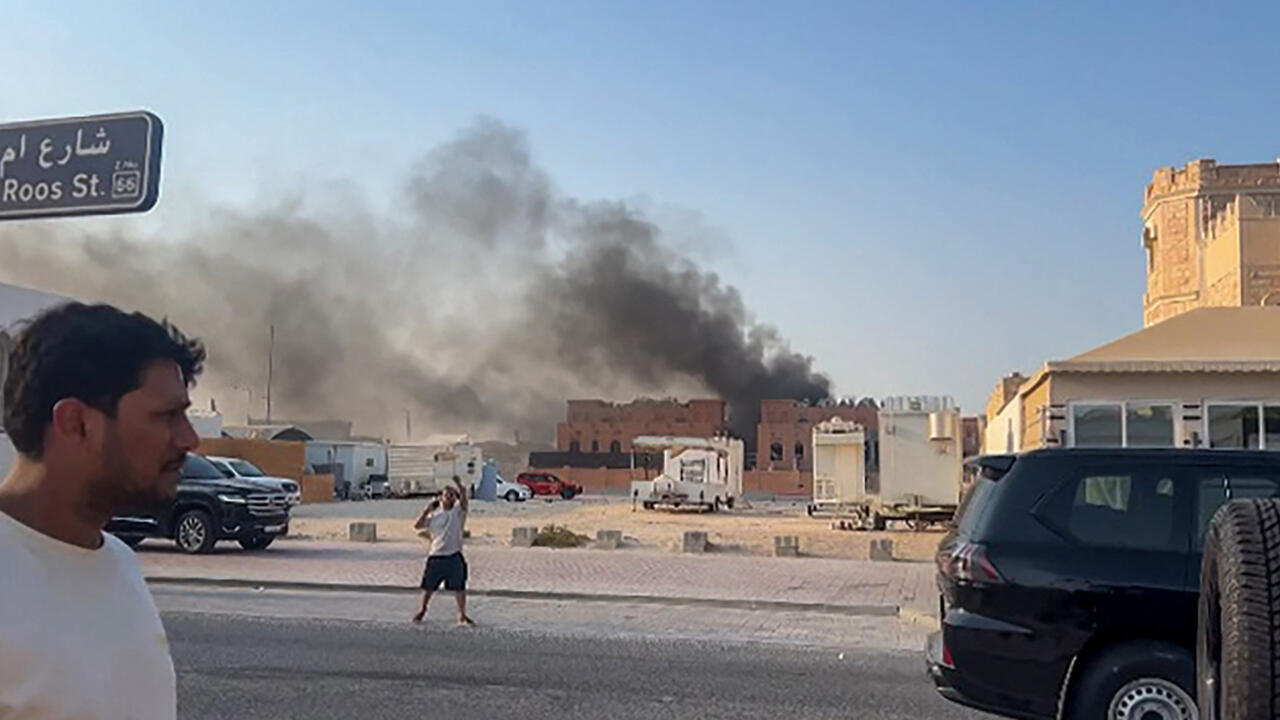
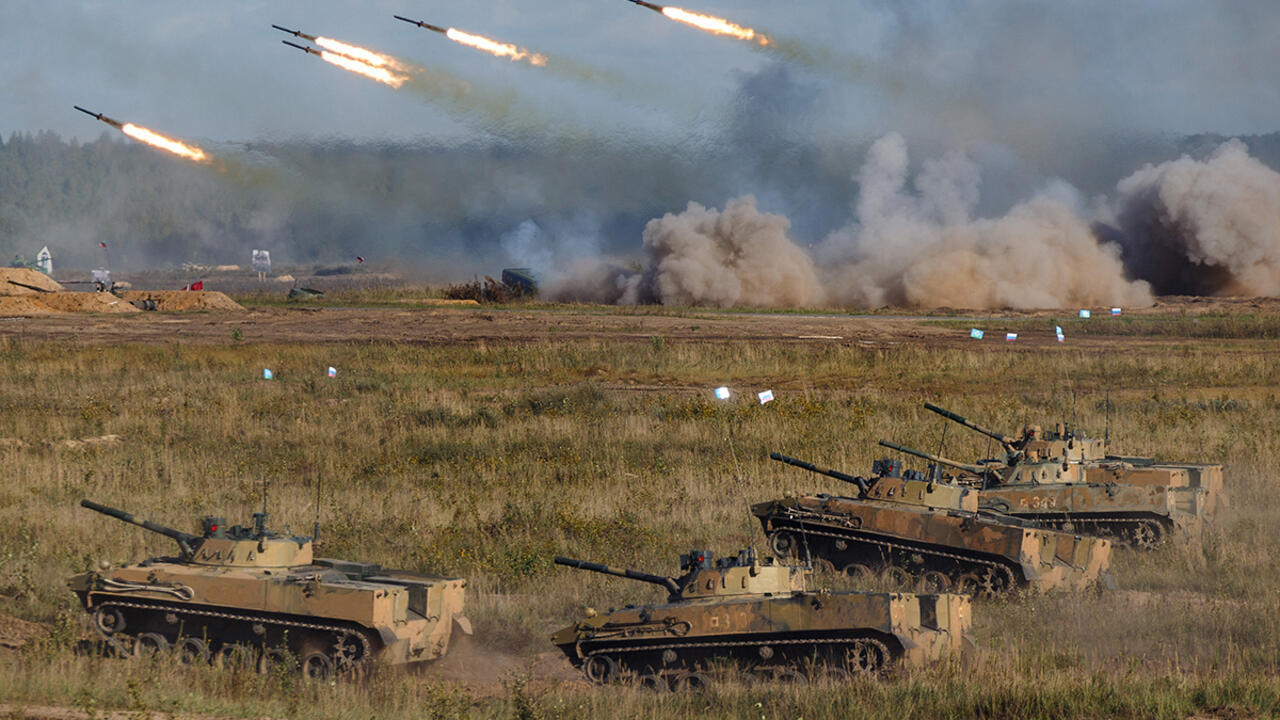
File photo handout by the Russian Defence Ministry on September 13, 2021 shows the "Zapad-2021" joint Russia-Belarus military drills in Russia's Nizhny Novgorod region. © AFP (File Handout)
Russia and its key ally Belarus started major joint military drills on Friday, putting NATO on edge days after Poland accused Moscow of escalating tensions by firing attack drones through its airspace.
Read morePoland holds talks with NATO allies after Russian drone downing
The exercise was scheduled well before the drone incident took place.
"The objectives of the drills are to improve the skills of commanders and staffs, the level of co-operation and field training of regional and coalition groupings of troops," the Russian defence ministry said on Telegram.
Kremlin spokesman Dmitry Peskov said on Thursday that the drills, including near the Polish border, were not aimed against any other country.
The "Zapad" exercises also come as Russian forces are grinding across the sprawling front line in Ukraine and escalating aerial attacks on Ukrainian cities.
Russia on Friday said it downed 221 Ukrainian drones, one of the highest tallies in the war.
Moscow's defence ministry said its alert systems had "intercepted and destroyed" the drones overnight, over half of which flew over the regions of Bryansk and Smolensk.
'Critical days' for Poland
NATO's eastern flank members that border Belarus – Poland, Lithuania and Latvia – are on high alert over the drills, which Belarus says will be held near Borisov, a town east of the capital Minsk.
All three countries have ramped up security ahead of the exercises, with Poland ordering the complete closure of its border with Belarus for their duration.
Polish Prime Minister Donald Tusk warned of "critical days" for his country.
He said Poland was closer to "open conflict" than at any point since World War II, after Poland and its NATO allies scrambled jets to down Russian drones flying across its airspace early Wednesday.
Moscow has downplayed the concerns.
"These are planned exercises, they are not aimed against anyone," Kremlin spokesman Dmitry Peskov told reporters Thursday, rejecting Poland's claim that the drills were an "aggressive" show of force.
But Ukraine's President Volodymyr Zelensky also issued a warning over Moscow's intentions.
"The meaning of such actions by Russia is definitely not defensive and is directed precisely against not only Ukraine," he said in Kyiv on Thursday.
Just a show?
Usually held every four years, the 2025 iteration of Zapad is the first during the conflict in Ukraine, and is to run until September 16.
Moscow sent around 200,000 troops to similar drills in 2021, just months before it launched its Ukraine offensive.
But this year's Zapad is expected to be much smaller, since hundreds of thousands of Russian troops are deployed in Ukraine.
Belarus had said in January that 13,000 troops would be involved in the drills, but in May it said the number was to be reduced by around half.
According to Tusk, the exercises are designed to simulate the occupation of the Suwalki corridor, a geographical gap that stretches along the border between Poland and Lithuania, flanked by Belarus and the Russian exclave of Kaliningrad.
The corridor is considered a vulnerability for NATO and could potentially be the first target of any Russian attack.
Belarusian President Alexander Lukashenko has dismissed that fear as "utter nonsense".
Earlier this year, state media quoted Belarus's defence minister as saying the drills had been moved away from the borders with Poland and Ukraine to "reduce tensions".
But Poland has nonetheless shut its few remaining border crossings with Belarus – drawing criticism from Moscow – and restricted air traffic along its eastern border.
Lithuania and Latvia have also announced partial airspace closures.
Russia's stationing of tactical nuclear weapons in Belarus has given the drills a new dimension.
Minsk said in August the exercises would involve Russia's new experimental nuclear-capable missile, dubbed Oreshnik, as well as nuclear strike training.
Moscow-based military analyst Alexander Khramchikhin told AFP the importance of the drills was being overblown, calling them "just a show" with little "special significance".
He said that similar exercises were held at this time every year, rotating between different parts of Russia and previously including nuclear simulations.
But Vassily Kashin, a military analyst and member of the Kremlin-linked Russian International Affairs Council, said the exercises were "both a demonstration and real combat training".
"We must be ready to defend Belarus, if necessary," he told AFP, noting that Poland and its allies planned to hold their own counter-drills through September.
Kashin added that the practice of rival drills by Russia and NATO's eastern members at the same time was probably here to stay, "just as it was during the Cold War".
(FRANCE 24 with AFP, AP and Reuters)
Russia and its key ally Belarus started major joint military drills on Friday, putting NATO on edge days after Poland accused Moscow of escalating tensions by firing attack drones through its airspace.
Read morePoland holds talks with NATO allies after Russian drone downing
The exercise was scheduled well before the drone incident took place.
"The objectives of the drills are to improve the skills of commanders and staffs, the level of co-operation and field training of regional and coalition groupings of troops," the Russian defence ministry said on Telegram.
Kremlin spokesman Dmitry Peskov said on Thursday that the drills, including near the Polish border, were not aimed against any other country.
The "Zapad" exercises also come as Russian forces are grinding across the sprawling front line in Ukraine and escalating aerial attacks on Ukrainian cities.
Russia on Friday said it downed 221 Ukrainian drones, one of the highest tallies in the war.
Moscow's defence ministry said its alert systems had "intercepted and destroyed" the drones overnight, over half of which flew over the regions of Bryansk and Smolensk.
'Critical days' for Poland
NATO's eastern flank members that border Belarus – Poland, Lithuania and Latvia – are on high alert over the drills, which Belarus says will be held near Borisov, a town east of the capital Minsk.
All three countries have ramped up security ahead of the exercises, with Poland ordering the complete closure of its border with Belarus for their duration.
Polish Prime Minister Donald Tusk warned of "critical days" for his country.
He said Poland was closer to "open conflict" than at any point since World War II, after Poland and its NATO allies scrambled jets to down Russian drones flying across its airspace early Wednesday.
Moscow has downplayed the concerns.
"These are planned exercises, they are not aimed against anyone," Kremlin spokesman Dmitry Peskov told reporters Thursday, rejecting Poland's claim that the drills were an "aggressive" show of force.
But Ukraine's President Volodymyr Zelensky also issued a warning over Moscow's intentions.
"The meaning of such actions by Russia is definitely not defensive and is directed precisely against not only Ukraine," he said in Kyiv on Thursday.
Just a show?
Usually held every four years, the 2025 iteration of Zapad is the first during the conflict in Ukraine, and is to run until September 16.
Moscow sent around 200,000 troops to similar drills in 2021, just months before it launched its Ukraine offensive.
But this year's Zapad is expected to be much smaller, since hundreds of thousands of Russian troops are deployed in Ukraine.
Belarus had said in January that 13,000 troops would be involved in the drills, but in May it said the number was to be reduced by around half.
According to Tusk, the exercises are designed to simulate the occupation of the Suwalki corridor, a geographical gap that stretches along the border between Poland and Lithuania, flanked by Belarus and the Russian exclave of Kaliningrad.
The corridor is considered a vulnerability for NATO and could potentially be the first target of any Russian attack.
Belarusian President Alexander Lukashenko has dismissed that fear as "utter nonsense".
Earlier this year, state media quoted Belarus's defence minister as saying the drills had been moved away from the borders with Poland and Ukraine to "reduce tensions".
But Poland has nonetheless shut its few remaining border crossings with Belarus – drawing criticism from Moscow – and restricted air traffic along its eastern border.
Lithuania and Latvia have also announced partial airspace closures.
Russia's stationing of tactical nuclear weapons in Belarus has given the drills a new dimension.
Minsk said in August the exercises would involve Russia's new experimental nuclear-capable missile, dubbed Oreshnik, as well as nuclear strike training.
Moscow-based military analyst Alexander Khramchikhin told AFP the importance of the drills was being overblown, calling them "just a show" with little "special significance".
He said that similar exercises were held at this time every year, rotating between different parts of Russia and previously including nuclear simulations.
But Vassily Kashin, a military analyst and member of the Kremlin-linked Russian International Affairs Council, said the exercises were "both a demonstration and real combat training".
"We must be ready to defend Belarus, if necessary," he told AFP, noting that Poland and its allies planned to hold their own counter-drills through September.
Kashin added that the practice of rival drills by Russia and NATO's eastern members at the same time was probably here to stay, "just as it was during the Cold War".
(FRANCE 24 with AFP, AP and Reuters)
France deploys three jets to shield Poland after Russian drone incursion
French President Emmanuel Macron said Thursday France will send three Rafale fighter jets to help protect Polish airspace after Warsaw accused Russia of launching a drone raid. Macron said the deployment aimed to defend “Europe’s eastern flank” alongside NATO allies following the Russian drone incursions.
Issued on: 11/09/2025 - By: FRANCE 24

No other details were immediately provided.
On Wednesday, Poland gathered its NATO allies for urgent talks after it said Russian drones flew into Polish airspace during an attack on Ukraine.
Poland's airspace was violated 19 times, Prime Minister Donald Tusk said, and at least three drones were shot down after Warsaw and its allies scrambled jets.
The drone intrusion took place three and a half years into Russia's invasion of Ukraine, with Poland branding the incident an "unprecedented" attack on the country, NATO and the European Union.
Moscow has denied targeting Poland.
British Prime Minister Keir Starmer earlier Thursday discussed the drone incident with Macron and German Chancellor Friedrich Merz, his office said.
"In both calls, the leaders condemned the shocking Russian violation of NATO and Poland's airspace," a Downing Street spokesperson said.
"Discussing how the UK and France could bolster Poland's defences, the prime minister said the UK stood ready to support any further NATO deployments to the region."
The UN Security Council is set to discuss the drone raid in an emergency meeting on Friday, after Slovenia, Denmark, Greece, France and Britain asked the 15-member body to meet over the incident.
(FRANCE 24 with AFP)
Flight test: Downing Russian drones is new ground for NATO
Teri Schultz
But, over 24 hours later, there is no such response from US President Donald Trump.
Where's Washington?
While his ambassador to NATO, Matthew Whitaker, wrote on X that the United States stands with its allies against "airspace violations and will defend every inch of NATO territory," Trump's only public comment on the incident is a cryptic Truth Social post: "What's with Russia violating Poland's airspace with drones? Here we go!"
The assassination just hours later of one of Trump's political allies, Charlie Kirk, will understandably preoccupy the president now, but the lack of any criticism of Moscow or positive message for Poland has left allies wondering whether any is forthcoming.
Among those most eagerly awaiting is surely Polish President Karel Nawrocki, who said he'd spoken by phone with Trump about the attack (and after the social media post). "Today's talks confirmed allied unity," Nawrocki wrote on X. But there has been nothing more from Trump.
Drones' real target: Allied division
Which actually says a lot, concludes Jan Techau, Europe editor for the Eurasia Group. "This silence is what tells the Europeans the chilling story that they kind of knew before: that the US is no longer naturally and unconditionally there," he told DW. "It feeds into the existing doubts about the US commitment to Article 5," NATO's fundamental commitment to collectively defend any ally that comes under attack.
"This is precisely what Putin had in mind when he ordered the drone incursion into Poland," Techau said: to "feed those doubts, increase fear levels, driving the wedge deeper between the US and Europe." Techau doubts that almost 20 unmanned aerial vehicles could have accidentally strayed into Polish airspace.
Meanwhile, NATO's supreme allied commander Europe, Alexus Grynkewich, reassured eastern members that they wouldn't need to worry even if Moscow were to scale up this type of threat to what could amount to an armed attack. "There's absolutely more to be done. There are enhancements to weaponry that allow us to get to a lower cost per engagement that nations have been experimenting with,” Grynkewich said Thursday on a visit to Lithuania. But, he underscored, "when you're an operational commander and you have a capability, and there's an attack or an incursion into your airspace, the cost of the weapon doesn't matter at that moment in time: You're going to use it to defend our population.”
DW Brussels correspondent Jack Parrock contributed to this report from Strasbourg.
Edited by: M Gagnon
French President Emmanuel Macron said Thursday France will send three Rafale fighter jets to help protect Polish airspace after Warsaw accused Russia of launching a drone raid. Macron said the deployment aimed to defend “Europe’s eastern flank” alongside NATO allies following the Russian drone incursions.
Issued on: 11/09/2025 - By: FRANCE 24
Rafale fighter jets taken during celebrations of the 107th anniversary of the Republic of Estonia, in Tallinn February 24, 2025. © Sergei Grits, AP
President Emmanuel Macron said on Thursday that France would deploy three fighter jets to "help protect Polish airspace" after Warsaw accused Russia of launching a drone raid on its territory.
"Following Russian drone incursions into Poland, I have decided to deploy three Rafale fighter jets to help protect Polish airspace and Europe's eastern flank alongside our NATO allies," Macron said on X.
"I made this commitment yesterday to the Polish prime minister," Macron said. "I also discussed this matter with the NATO secretary general and the British prime minister, who is also involved in protecting the eastern flank.
"We will not give in to Russia's increasing intimidation," added Macron, who has been leading diplomatic efforts internationally to end Russia's war on Ukraine.
President Emmanuel Macron said on Thursday that France would deploy three fighter jets to "help protect Polish airspace" after Warsaw accused Russia of launching a drone raid on its territory.
"Following Russian drone incursions into Poland, I have decided to deploy three Rafale fighter jets to help protect Polish airspace and Europe's eastern flank alongside our NATO allies," Macron said on X.
"I made this commitment yesterday to the Polish prime minister," Macron said. "I also discussed this matter with the NATO secretary general and the British prime minister, who is also involved in protecting the eastern flank.
"We will not give in to Russia's increasing intimidation," added Macron, who has been leading diplomatic efforts internationally to end Russia's war on Ukraine.
© France 24
06:28
06:28
No other details were immediately provided.
On Wednesday, Poland gathered its NATO allies for urgent talks after it said Russian drones flew into Polish airspace during an attack on Ukraine.
Poland's airspace was violated 19 times, Prime Minister Donald Tusk said, and at least three drones were shot down after Warsaw and its allies scrambled jets.
The drone intrusion took place three and a half years into Russia's invasion of Ukraine, with Poland branding the incident an "unprecedented" attack on the country, NATO and the European Union.
© FRANCE 24
04:08
04:08
Moscow has denied targeting Poland.
British Prime Minister Keir Starmer earlier Thursday discussed the drone incident with Macron and German Chancellor Friedrich Merz, his office said.
"In both calls, the leaders condemned the shocking Russian violation of NATO and Poland's airspace," a Downing Street spokesperson said.
"Discussing how the UK and France could bolster Poland's defences, the prime minister said the UK stood ready to support any further NATO deployments to the region."
The UN Security Council is set to discuss the drone raid in an emergency meeting on Friday, after Slovenia, Denmark, Greece, France and Britain asked the 15-member body to meet over the incident.
(FRANCE 24 with AFP)
Flight test: Downing Russian drones is new ground for NATO
Teri Schultz
DW
11/09/2025
Will Russia's aerial incursion into Poland drive NATO closer together or expose gaps in unity? Once again, the United States is making its European allies wonder.
After Polish and Dutch fighter jets shot down armed Russian drones over Poland — the first time ever that "NATO aircraft have engaged potential threats in allied airspace," as the alliance's military headquarters ambiguously notes — there was broad condemnation of the Kremlin and support for Poland from NATO leaders.
"Unacceptable," fumed Dutch Prime Minister Dick Schoof, whose F-35s had just downed some of the intruders.
"Intolerable," insisted French President Emmanuel Macron.
"Reckless," added German Chancellor Friedrich Merz.
Will Russia's aerial incursion into Poland drive NATO closer together or expose gaps in unity? Once again, the United States is making its European allies wonder.
After Polish and Dutch fighter jets shot down armed Russian drones over Poland — the first time ever that "NATO aircraft have engaged potential threats in allied airspace," as the alliance's military headquarters ambiguously notes — there was broad condemnation of the Kremlin and support for Poland from NATO leaders.
"Unacceptable," fumed Dutch Prime Minister Dick Schoof, whose F-35s had just downed some of the intruders.
"Intolerable," insisted French President Emmanuel Macron.
"Reckless," added German Chancellor Friedrich Merz.
But, over 24 hours later, there is no such response from US President Donald Trump.
Where's Washington?
While his ambassador to NATO, Matthew Whitaker, wrote on X that the United States stands with its allies against "airspace violations and will defend every inch of NATO territory," Trump's only public comment on the incident is a cryptic Truth Social post: "What's with Russia violating Poland's airspace with drones? Here we go!"
The assassination just hours later of one of Trump's political allies, Charlie Kirk, will understandably preoccupy the president now, but the lack of any criticism of Moscow or positive message for Poland has left allies wondering whether any is forthcoming.
Among those most eagerly awaiting is surely Polish President Karel Nawrocki, who said he'd spoken by phone with Trump about the attack (and after the social media post). "Today's talks confirmed allied unity," Nawrocki wrote on X. But there has been nothing more from Trump.
Drones' real target: Allied division
Which actually says a lot, concludes Jan Techau, Europe editor for the Eurasia Group. "This silence is what tells the Europeans the chilling story that they kind of knew before: that the US is no longer naturally and unconditionally there," he told DW. "It feeds into the existing doubts about the US commitment to Article 5," NATO's fundamental commitment to collectively defend any ally that comes under attack.
"This is precisely what Putin had in mind when he ordered the drone incursion into Poland," Techau said: to "feed those doubts, increase fear levels, driving the wedge deeper between the US and Europe." Techau doubts that almost 20 unmanned aerial vehicles could have accidentally strayed into Polish airspace.
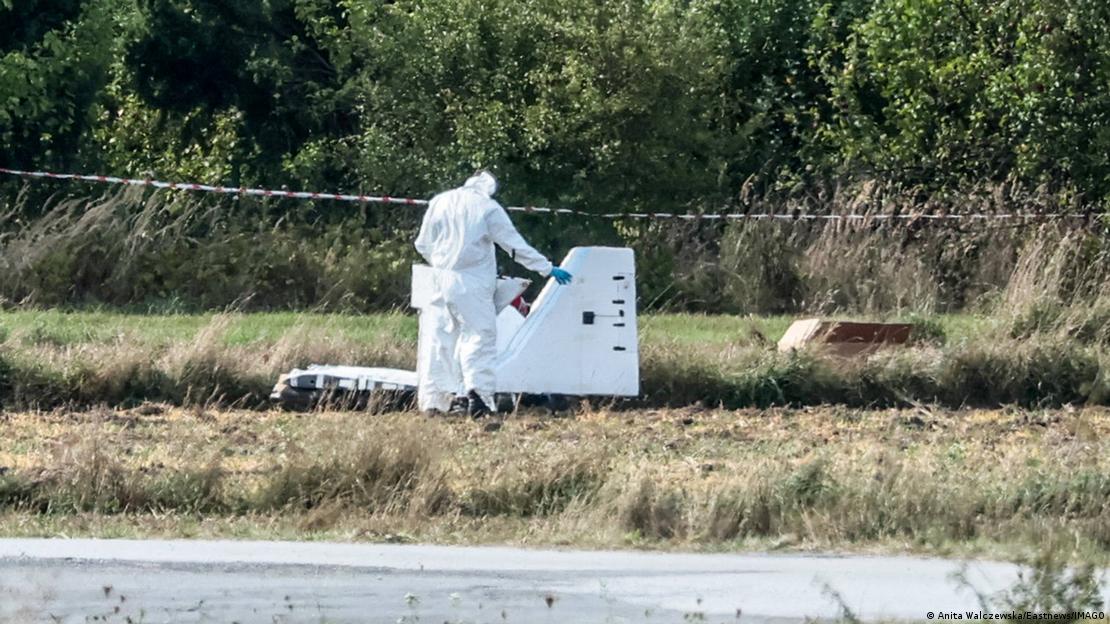
Polish military and emergency services pick up parts of a Russian drone that was shot down by NATO planes over central PolandImage: Anita Walczewska/Eastnews/IMAGO
Michał Kobosko, a Polish member of the European Parliament, said the incursion was a probe by the Kremlin, not just of Europe but of the US response, as well. "Day by day, they are testing our ability to defend ourselves," he told DW at the European Parliament session in Strasbourg. “So this is like a red alert sent to all of us in Europe, not only the eastern flank, not only Poland, Baltic States, Romania or Finland: The whole of Europe is under direct attack. And we must face it, we must understand it, and we must adapt by doing much more to prepare us to be able to defend ourselves, with or without Americans."
Poland very much hopes that will be "with Americans." Though US Defense Secretary Pete Hegseth has described the country as a "model ally," with the biggest defense budget in NATO as a percentage of GDP, "there's a mix of frustration and a bit of nervousness" in Poland about what to expect, said Philip Bednarczyk, director of the Warsaw Office of the German Marshall Fund of the United States. He said Poland's government had invested in its own defense and in its role in NATO "very much as an ally, hoping and believing that the alliance will have their backs. But they're still nervous about that, and they need to hear it fairly regularly."
What’s next for NATO?
It's not as if the threat from the sky comes as a surprise. NATO Secretary General Mark Rutte said in early June that the alliance needs a "quantum leap" of 400% more investment in air and missile defense. "We see in Ukraine how Russia delivers terror from above, so we will strengthen the shield that protects our skies," he said in a speech at the Chatham House think tank in London.
Despite the success of the Polish F-16s and Dutch F-35s in downing the handful of drones this time, it's not the most efficient nor cost-effective way to handle that particular threat. "F-35s can't shoot down a swarm of these drones," Bednarczyk said, "so it's going to be a different sort of web of defenses that Poland has to build up."
Michał Kobosko, a Polish member of the European Parliament, said the incursion was a probe by the Kremlin, not just of Europe but of the US response, as well. "Day by day, they are testing our ability to defend ourselves," he told DW at the European Parliament session in Strasbourg. “So this is like a red alert sent to all of us in Europe, not only the eastern flank, not only Poland, Baltic States, Romania or Finland: The whole of Europe is under direct attack. And we must face it, we must understand it, and we must adapt by doing much more to prepare us to be able to defend ourselves, with or without Americans."
Poland very much hopes that will be "with Americans." Though US Defense Secretary Pete Hegseth has described the country as a "model ally," with the biggest defense budget in NATO as a percentage of GDP, "there's a mix of frustration and a bit of nervousness" in Poland about what to expect, said Philip Bednarczyk, director of the Warsaw Office of the German Marshall Fund of the United States. He said Poland's government had invested in its own defense and in its role in NATO "very much as an ally, hoping and believing that the alliance will have their backs. But they're still nervous about that, and they need to hear it fairly regularly."
What’s next for NATO?
It's not as if the threat from the sky comes as a surprise. NATO Secretary General Mark Rutte said in early June that the alliance needs a "quantum leap" of 400% more investment in air and missile defense. "We see in Ukraine how Russia delivers terror from above, so we will strengthen the shield that protects our skies," he said in a speech at the Chatham House think tank in London.
Despite the success of the Polish F-16s and Dutch F-35s in downing the handful of drones this time, it's not the most efficient nor cost-effective way to handle that particular threat. "F-35s can't shoot down a swarm of these drones," Bednarczyk said, "so it's going to be a different sort of web of defenses that Poland has to build up."
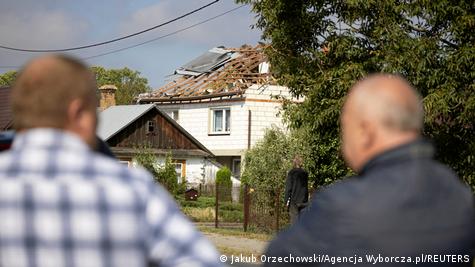
A house in Wyryki municipality, Poland was damaged by a Russian droneImage: Jakub Orzechowski/Agencja Wyborcza.pl/REUTERS
European Commission chief Ursula von der Leyen picked up a longtime request from Baltic governments in her State of the Union speech on Wednesday, a theme that would have been drafted in even before the drones entered Poland's airspace. "We must heed the call of our Baltic friends and build a drone wall," she said, also announcing a €6 billion ($7 billion) joint project with Ukraine for the production of drones.
And, though NATO itself doesn't make such purchases, Foreign Policy columnist Christian Caryl told DW that it is absolutely imperative for allies to "react decisively" to the incursion. "The first thing they can do is demonstratively dispatch a large shipment of long-range strike weapons to Ukraine, including Taurus and Storm Shadow cruise missiles," Caryl said. "The US should approve long-range attacks [for Ukraine] with its ATACMS. There's a lot more that NATO and the West can do in the medium to long term — sanctions, asset seizures, beefing up air defense and general readiness and so on. But that would be a good start.”
European Commission chief Ursula von der Leyen picked up a longtime request from Baltic governments in her State of the Union speech on Wednesday, a theme that would have been drafted in even before the drones entered Poland's airspace. "We must heed the call of our Baltic friends and build a drone wall," she said, also announcing a €6 billion ($7 billion) joint project with Ukraine for the production of drones.
And, though NATO itself doesn't make such purchases, Foreign Policy columnist Christian Caryl told DW that it is absolutely imperative for allies to "react decisively" to the incursion. "The first thing they can do is demonstratively dispatch a large shipment of long-range strike weapons to Ukraine, including Taurus and Storm Shadow cruise missiles," Caryl said. "The US should approve long-range attacks [for Ukraine] with its ATACMS. There's a lot more that NATO and the West can do in the medium to long term — sanctions, asset seizures, beefing up air defense and general readiness and so on. But that would be a good start.”
Poland calls UN meeting over Russian drone incident 06:10
Meanwhile, NATO's supreme allied commander Europe, Alexus Grynkewich, reassured eastern members that they wouldn't need to worry even if Moscow were to scale up this type of threat to what could amount to an armed attack. "There's absolutely more to be done. There are enhancements to weaponry that allow us to get to a lower cost per engagement that nations have been experimenting with,” Grynkewich said Thursday on a visit to Lithuania. But, he underscored, "when you're an operational commander and you have a capability, and there's an attack or an incursion into your airspace, the cost of the weapon doesn't matter at that moment in time: You're going to use it to defend our population.”
DW Brussels correspondent Jack Parrock contributed to this report from Strasbourg.
Edited by: M Gagnon
Fact check: Fake news after Russian drones downed in Poland

Does this really show a drone attack?
So the footage does not show the real incident. Apart from that, the TikTok user also published a clip on their account showing a video game controller. Footage from the video game "Arma 3" has repeatedly been misused in other cases such as the India-Pakistan conflict and the war in Ukraine.
Is this a Russian drone in Polish airspace?
DW
11/09/2025

Disinformation has been circulating since Poland shot down Russian drones. DW fact check debunks false viral claims.
Image: Anita Walczewska/Eastnews/IMAGO
Poland's armed forces shot down Russian drones after they violated national airspace during an attack on Ukraine overnight into Wednesday. Shortly after the incident, videos and images that purport to depict the incident have circulated online, as well as propaganda and disinformation from Russia, Polish politicians say. Prime Minister Donald Tusk wrote on the social media platform X that Russian propaganda directly targets the security of Poland.
The Russian Foreign Ministry claims that Poland itself has been spreading "myths" about the drone incursion to "aggravate the Ukrainian crisis." At the same time, pro-Kremlin media outlets and military bloggers are actively spreading disinformation about the drones, falsely asserting that there is no evidence that Russian drones were shot down. Some Russian news outlets are even talking about a "provocation by Ukraine" or "unidentifiable objects."
European Commission President Ursula von der Leyen, said the drones entering Polish airspace were Shahed drones, an Iranian design that Russia commonly uses for attacking Ukraine. This is not the first time that a Russian Shahed drone was found in Poland. It was only in August that Polish authorities found debris of what appears to be a Russian drone that had crashed into a field.
DW Fact Check looks at three examples of the numerous videos and claims about the drones that are being shared on social media.
Poland's armed forces shot down Russian drones after they violated national airspace during an attack on Ukraine overnight into Wednesday. Shortly after the incident, videos and images that purport to depict the incident have circulated online, as well as propaganda and disinformation from Russia, Polish politicians say. Prime Minister Donald Tusk wrote on the social media platform X that Russian propaganda directly targets the security of Poland.
The Russian Foreign Ministry claims that Poland itself has been spreading "myths" about the drone incursion to "aggravate the Ukrainian crisis." At the same time, pro-Kremlin media outlets and military bloggers are actively spreading disinformation about the drones, falsely asserting that there is no evidence that Russian drones were shot down. Some Russian news outlets are even talking about a "provocation by Ukraine" or "unidentifiable objects."
European Commission President Ursula von der Leyen, said the drones entering Polish airspace were Shahed drones, an Iranian design that Russia commonly uses for attacking Ukraine. This is not the first time that a Russian Shahed drone was found in Poland. It was only in August that Polish authorities found debris of what appears to be a Russian drone that had crashed into a field.
DW Fact Check looks at three examples of the numerous videos and claims about the drones that are being shared on social media.
Does this really show a drone attack?
Footage from the video game Arma 3 is often used to recreate real combat situationsImage: tiktok
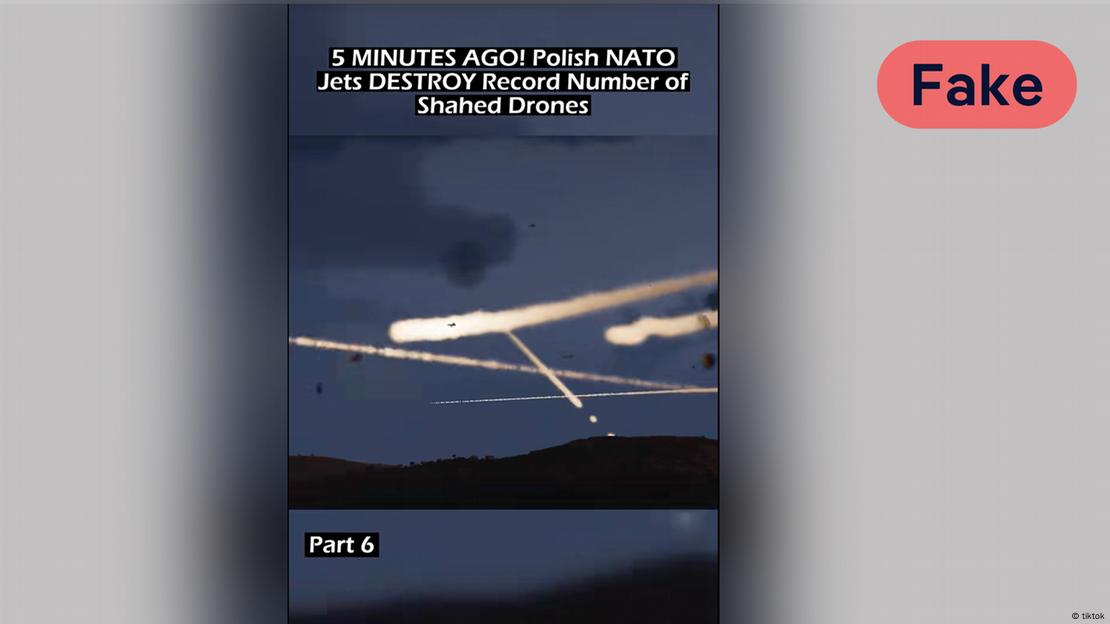
Claim: A user on TikTok shares several videos allegedly showing Russian drone attacks on Poland. The description of one of the video reads "5 Minutes ago! Polish NATO Jets destroy record number of Shahed drones." The videos all have the same look and some have hundreds of thousands of views.
Verdict: Fake
The video scenes do not show the recent drones that entered Polish airspace, but are from the video game "Arma 3." Several users mentioned this suspicion in the comment section and referred to the video game. Through a reverse image search, it is possible to track it back to a YouTube account sharing the exact same scenes as the TikTok user. The description says: "Arma 3 footage! Not real news!" The account regularly shares videos of combat operations in the form of video game simulations, which are often linked to the war in Ukraine.
Claim: A user on TikTok shares several videos allegedly showing Russian drone attacks on Poland. The description of one of the video reads "5 Minutes ago! Polish NATO Jets destroy record number of Shahed drones." The videos all have the same look and some have hundreds of thousands of views.
Verdict: Fake
The video scenes do not show the recent drones that entered Polish airspace, but are from the video game "Arma 3." Several users mentioned this suspicion in the comment section and referred to the video game. Through a reverse image search, it is possible to track it back to a YouTube account sharing the exact same scenes as the TikTok user. The description says: "Arma 3 footage! Not real news!" The account regularly shares videos of combat operations in the form of video game simulations, which are often linked to the war in Ukraine.
So the footage does not show the real incident. Apart from that, the TikTok user also published a clip on their account showing a video game controller. Footage from the video game "Arma 3" has repeatedly been misused in other cases such as the India-Pakistan conflict and the war in Ukraine.
Is this a Russian drone in Polish airspace?
This is allegedly a Russian drone in Poland, but the video is old
Image: tiktok
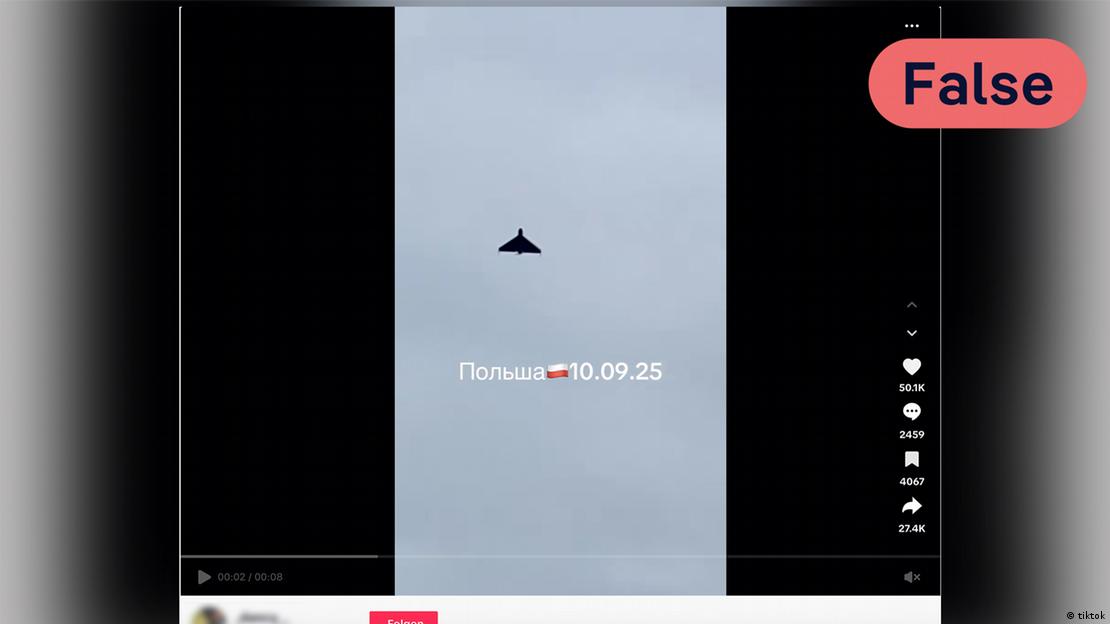
Claim: A TikTok user has shared a video of a drone flying. The date mentioned in the video is "Poland, 10 September 2025," linking it to the current incident of Russian drones entering Polish airspace. The video was viewed more than 2.4 million times.
DW Fact check: False
The video does not show a Russian drone in Poland, and that's quite easy to detect: An important first detail is the daylight in the video. The video shows a drone during the day, but the drones appeared overnight. The first airspace breach occurred at about 11:30 p.m. local time (2130 GMT/UTC) and continued until about 6:30 a.m. It was dark at that time.
A reverse image search provides further information: The video has already appeared several times in the past, such as in February, when a Ukrainian website reported on Russian drone attacks, and again in July. So the video is not linked to the current situation. Still, we were not able to find the exact origin of the video.
Where did the drones crash?
Claim: A TikTok user has shared a video of a drone flying. The date mentioned in the video is "Poland, 10 September 2025," linking it to the current incident of Russian drones entering Polish airspace. The video was viewed more than 2.4 million times.
DW Fact check: False
The video does not show a Russian drone in Poland, and that's quite easy to detect: An important first detail is the daylight in the video. The video shows a drone during the day, but the drones appeared overnight. The first airspace breach occurred at about 11:30 p.m. local time (2130 GMT/UTC) and continued until about 6:30 a.m. It was dark at that time.
A reverse image search provides further information: The video has already appeared several times in the past, such as in February, when a Ukrainian website reported on Russian drone attacks, and again in July. So the video is not linked to the current situation. Still, we were not able to find the exact origin of the video.
Where did the drones crash?
Some X users wondered if information about the crash site in western Poland was true
Image: X
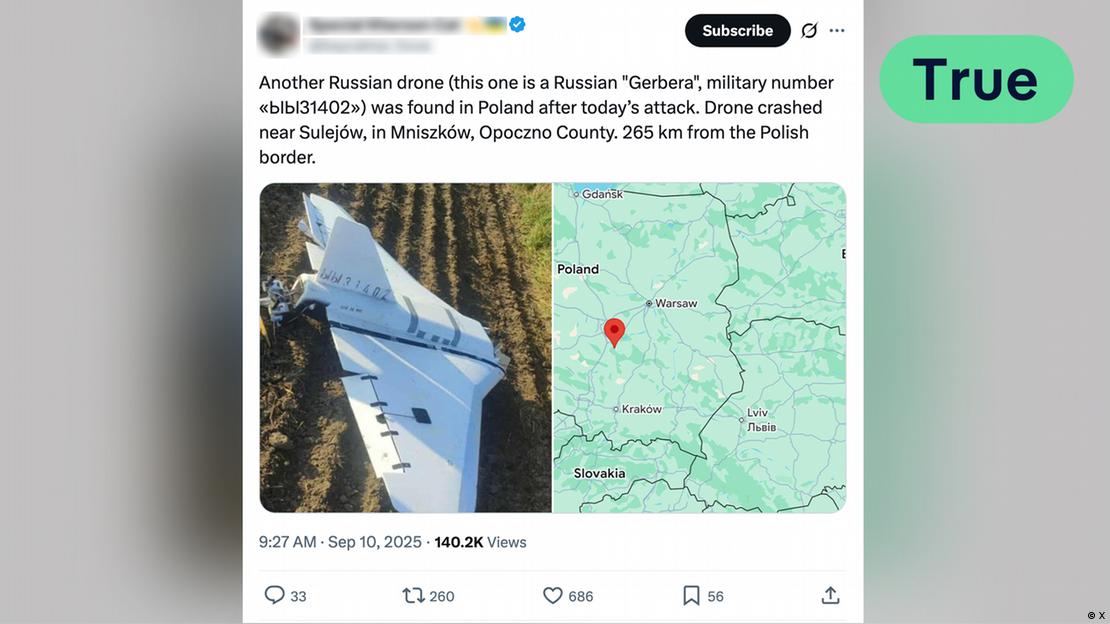
Claim: A user on the social media platform X shared a picture of a map with a drone crash site in Mniszkow. The post said it was one of the Russian drones that entered the Polish airspace in the early morning of September 10. That is almost 300 kilometers (180 miles) from the eastern Polish border, where the other drones were found. In the comments section, some users were wondering if this information was true.
DW Fact check: True
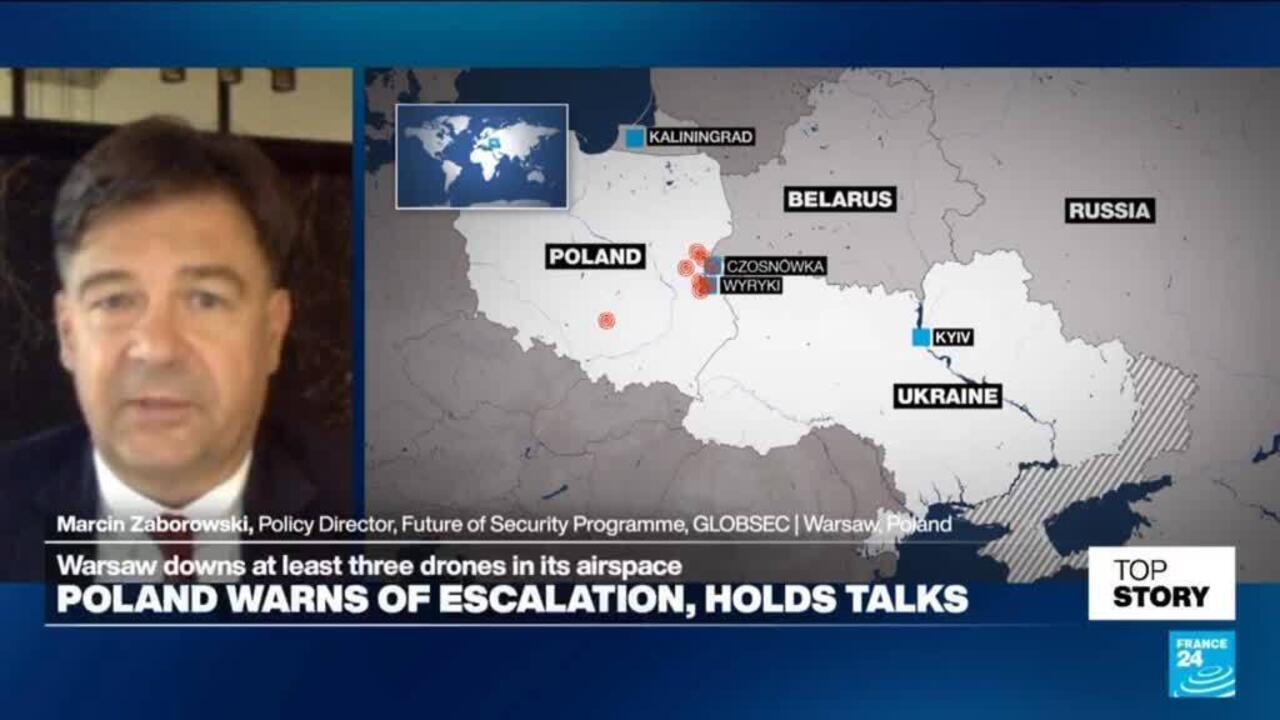
According to Poland's Interior Ministry Polish authorities are on duty in Podlasie, Mazovia, Lublin and Subcarpathia. At least three crash sites of 19 drones in total were confirmed in eastern Poland. However, another drone was also found in Mniszkow, a town located hundreds of kilometers away from the other crash sites.
According to local authorities from Opoczno County, an object suspected of being a foreign military drone was discovered early in the morning of September 10 in a field in Mniszkow. It is true that a drone was found at this place, which matches the map attached in the social media post.
Claim: A user on the social media platform X shared a picture of a map with a drone crash site in Mniszkow. The post said it was one of the Russian drones that entered the Polish airspace in the early morning of September 10. That is almost 300 kilometers (180 miles) from the eastern Polish border, where the other drones were found. In the comments section, some users were wondering if this information was true.
DW Fact check: True
According to Poland's Interior Ministry Polish authorities are on duty in Podlasie, Mazovia, Lublin and Subcarpathia. At least three crash sites of 19 drones in total were confirmed in eastern Poland. However, another drone was also found in Mniszkow, a town located hundreds of kilometers away from the other crash sites.
According to local authorities from Opoczno County, an object suspected of being a foreign military drone was discovered early in the morning of September 10 in a field in Mniszkow. It is true that a drone was found at this place, which matches the map attached in the social media post.
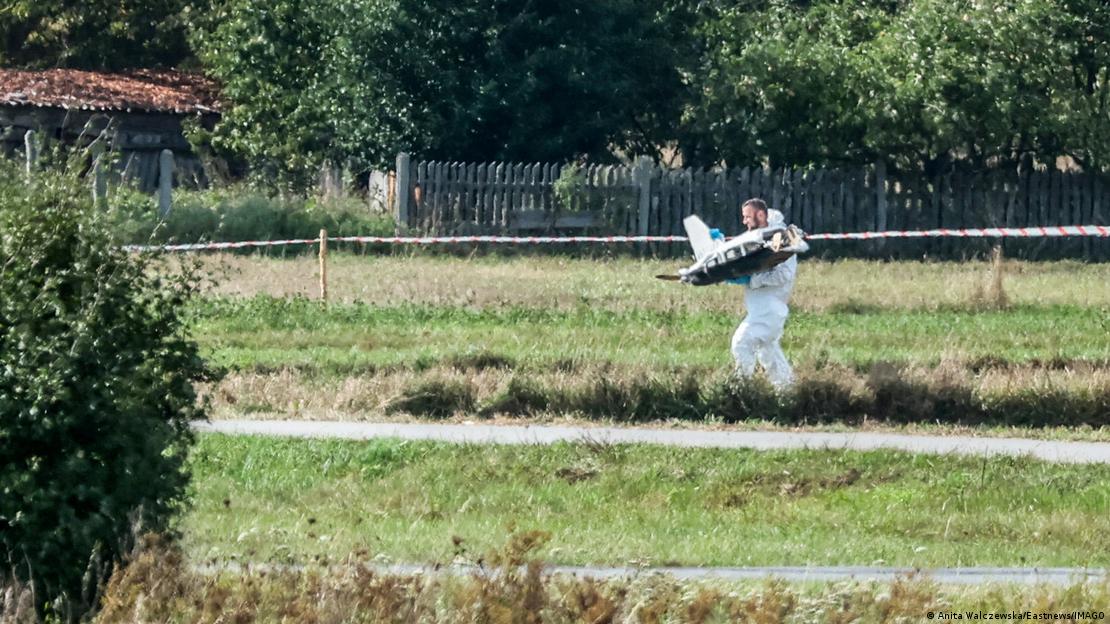
A suspected Russian drone was found in Mniszkow, in central Poland
Image: Anita Walczewska/Eastnews/IMAGO
The photo from the X post can be found through the picture agency imago. It's exactly the same photo showing the drone with the military number "ЫЫ31402" and it was found by the authorities in Mniszkow, according to imago. Several media outlets published the photo.
Dario Berrio Gil contributed to this report.

Silja Thoms Senior Editor and Reporter
The photo from the X post can be found through the picture agency imago. It's exactly the same photo showing the drone with the military number "ЫЫ31402" and it was found by the authorities in Mniszkow, according to imago. Several media outlets published the photo.
Dario Berrio Gil contributed to this report.
Silja Thoms Senior Editor and Reporter
War in Ukraine: Russia denies targeting Poland during overnight drone attack
Poland gathered its NATO allies for urgent talks Wednesday after it shot down Russian drones that had flown into Polish airspace during an attack on Ukraine, Prime Minister Donald Tusk said, warning that the situation was inching closer to "open conflict". The downing marks the first time that a NATO country has shot down missiles and drones during Russia's three-and-a-half year war.
Issued on: 10/09/2025 -
By: FRANCE 24
Video by: Gulliver CRAGG
Poland warned on Wednesday that Russia and Europe are inching towards an "open conflict" after Warsaw shot down what it said were Russian drones in Polish airspace, drawing vows of support from the United States and other NATO members.
Russia denied targeting Poland, while US President Donald Trump called out the Kremlin for "violating" the NATO ally's territory as Moscow unleashed its latest attack on Ukraine.
Footage posted by local media showed the army in Wyryki-Wola, a village in eastern Poland, inspecting a house with its roof ripped open and debris littered nearby.
"We were just sitting there, and this plane flew over... I said to my husband: 'Why is this plane so loud today?' And suddenly, a bang, and that was it," Alicja Wesolowska, 64, whose house was destroyed, told AFP in Wyryki-Wola.
Authorities said nobody was harmed after Poland's airspace was violated 19 times. Prime Minister Donald Tusk said at least three drones were shot down after Warsaw and its allies scrambled jets.
Tusk also warned the situation – three-and-a-half years into Russia's invasion of Ukraine, which has killed tens of thousands of people – risked boiling over and called urgent talks with NATO.
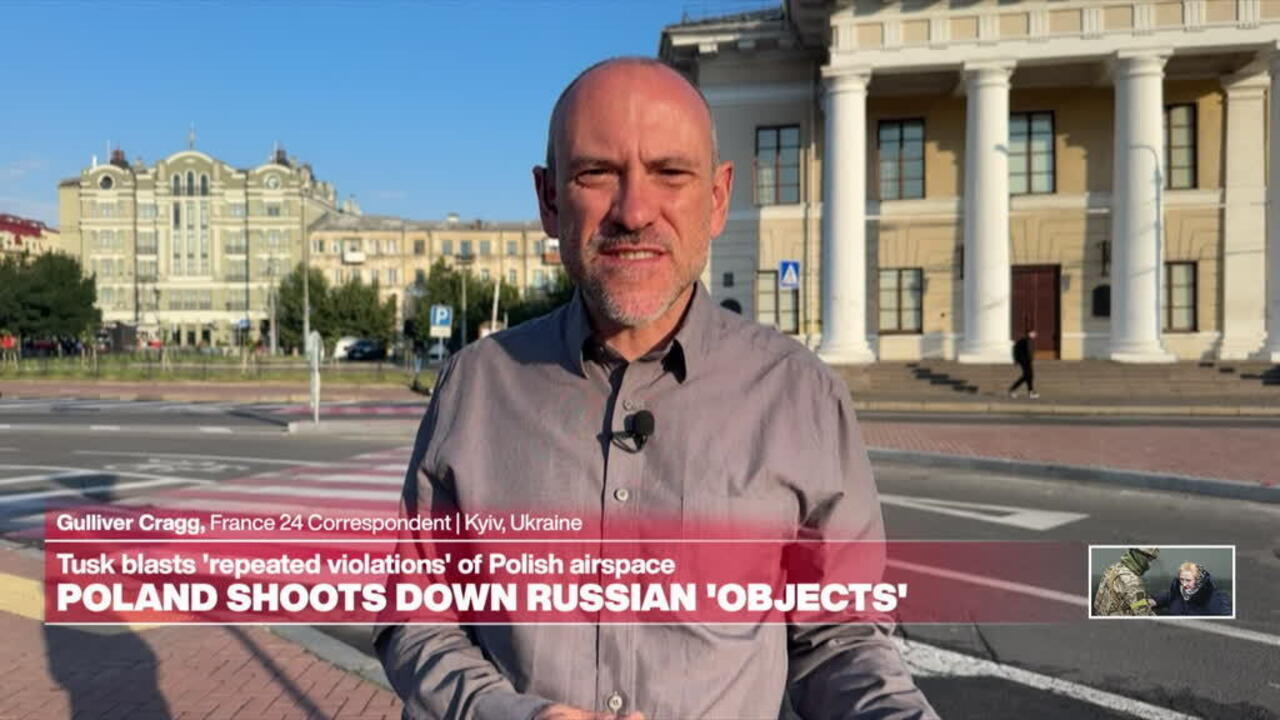
Trump, who warned at the weekend that he was ready to impose more sanctions on Moscow, wrote on his Truth Social platform: "What's with Russia violating Poland's airspace with drones? Here we go!" without elaborating.
Poland's Foreign Minister Radoslaw Sikorski said the intrusion was not accidental and branded it "an unprecedented case of an attack" on Poland, NATO and the European Union.
But Russia's defence ministry denied targeting Poland, while Moscow's foreign ministry accused Warsaw of spreading "myths" to escalate the war in Ukraine.
The Russian embassy in Warsaw separately told AFP that "Poland has failed to provide evidence" that "the objects that entered Polish airspace" were Russian.
Russian drones and missiles have entered the airspace of NATO members, including Poland's, several times, but a NATO country has never attempted to shoot them down.
'Reckless behaviour'
Tusk said he had invoked NATO's Article 4, under which a member can call urgent talks when it feels its "territorial integrity, political independence or security" are at risk – only the eighth time the measure has been used.
"This situation... brings us closer than ever to open conflict since World War II," Tusk told parliament.
He however said that there is "no reason today to claim that we are in a state of war".
The incident came as Russia unleashed a barrage of strikes across Ukraine.
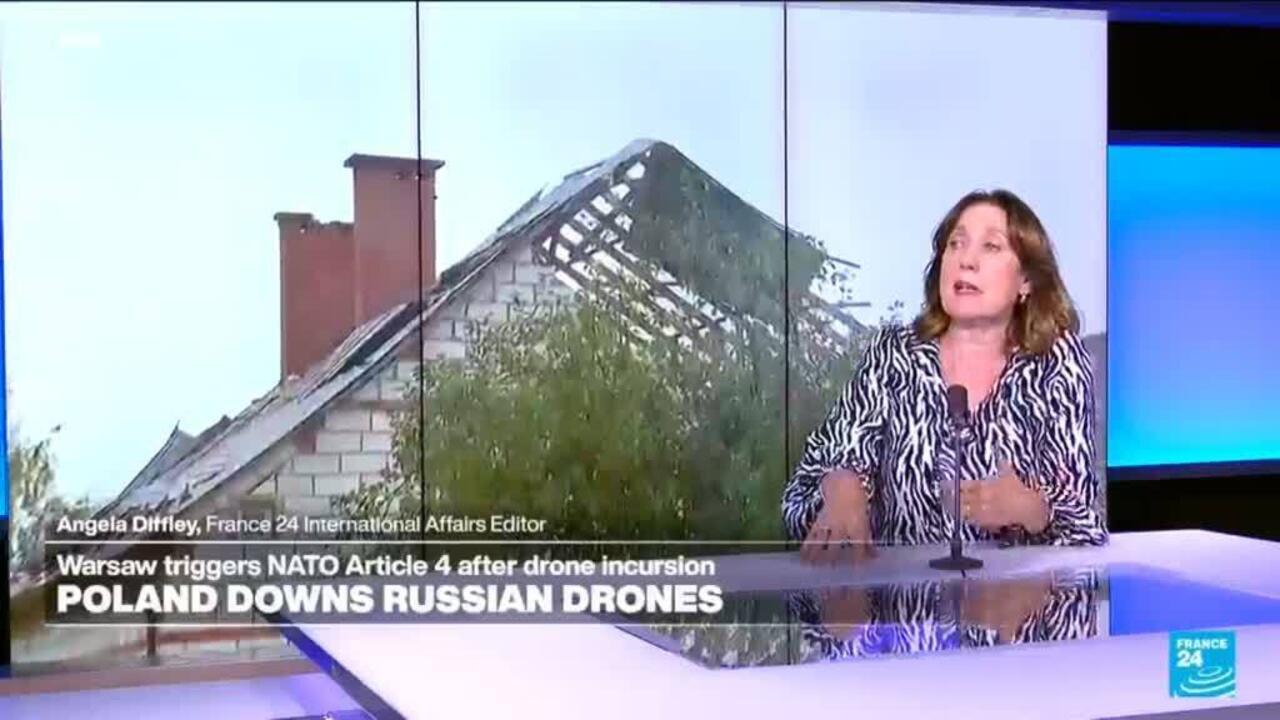
Ukrainian President Volodymyr Zelensky said the airspace violation was a "dangerous precedent" and urged a strong response from Kyiv's allies.
Poland's interior ministry said 15 drones and debris from an unknown projectile had been located so far and that a house had been damaged by the impact.
A cornerstone of NATO is the principle that an attack on any member is deemed an attack on all.
NATO chief Mark Rutte denounced Moscow's "reckless behaviour" and hailed his organisation's "very successful reaction", telling journalists the alliance's air defences had done their job.
'Act of aggression'
European capitals rushed out condemnations, slamming Russian President Vladimir Putin over the incident.
"What he wants to do is to test us," said the EU's top diplomat Kaja Kallas. "And every time he's bolder, because he's able to be bolder because our response hasn't been strong enough."
German Chancellor Friedrich Merz also condemned Russia, saying it had "endangered human lives" while United Nations Secretary-General Antonio Guterres warned of a "real risk" of the war spreading beyond Ukraine's borders.
A senior NATO diplomat, speaking to AFP on condition of anonymity, said the response from NATO would probably be "shifting a few extra assets" to Poland or elsewhere in the east.
The intrusion came just two days before the Zapad-2025 military drills in Russia and Belarus, starting on Friday.
Tusk said "critical days" were ahead for Poland, after earlier announcing the closures of its few remaining border crossings with Belarus over the drills.
Poland, a major supporter of Ukraine, hosts more than a million Ukrainian refugees and is a key transit point for Western humanitarian and military aid to the country.
(FRANCE 24 with AFP)
Poland gathered its NATO allies for urgent talks Wednesday after it shot down Russian drones that had flown into Polish airspace during an attack on Ukraine, Prime Minister Donald Tusk said, warning that the situation was inching closer to "open conflict". The downing marks the first time that a NATO country has shot down missiles and drones during Russia's three-and-a-half year war.
Issued on: 10/09/2025 -
By: FRANCE 24
Video by: Gulliver CRAGG
Poland warned on Wednesday that Russia and Europe are inching towards an "open conflict" after Warsaw shot down what it said were Russian drones in Polish airspace, drawing vows of support from the United States and other NATO members.
Russia denied targeting Poland, while US President Donald Trump called out the Kremlin for "violating" the NATO ally's territory as Moscow unleashed its latest attack on Ukraine.
Footage posted by local media showed the army in Wyryki-Wola, a village in eastern Poland, inspecting a house with its roof ripped open and debris littered nearby.
"We were just sitting there, and this plane flew over... I said to my husband: 'Why is this plane so loud today?' And suddenly, a bang, and that was it," Alicja Wesolowska, 64, whose house was destroyed, told AFP in Wyryki-Wola.
Authorities said nobody was harmed after Poland's airspace was violated 19 times. Prime Minister Donald Tusk said at least three drones were shot down after Warsaw and its allies scrambled jets.
Tusk also warned the situation – three-and-a-half years into Russia's invasion of Ukraine, which has killed tens of thousands of people – risked boiling over and called urgent talks with NATO.
© France 24
01:17
01:17
Trump, who warned at the weekend that he was ready to impose more sanctions on Moscow, wrote on his Truth Social platform: "What's with Russia violating Poland's airspace with drones? Here we go!" without elaborating.
Poland's Foreign Minister Radoslaw Sikorski said the intrusion was not accidental and branded it "an unprecedented case of an attack" on Poland, NATO and the European Union.
But Russia's defence ministry denied targeting Poland, while Moscow's foreign ministry accused Warsaw of spreading "myths" to escalate the war in Ukraine.
The Russian embassy in Warsaw separately told AFP that "Poland has failed to provide evidence" that "the objects that entered Polish airspace" were Russian.
Russian drones and missiles have entered the airspace of NATO members, including Poland's, several times, but a NATO country has never attempted to shoot them down.
'Reckless behaviour'
Tusk said he had invoked NATO's Article 4, under which a member can call urgent talks when it feels its "territorial integrity, political independence or security" are at risk – only the eighth time the measure has been used.
"This situation... brings us closer than ever to open conflict since World War II," Tusk told parliament.
He however said that there is "no reason today to claim that we are in a state of war".
The incident came as Russia unleashed a barrage of strikes across Ukraine.
© France 24
04:02
04:02
Ukrainian President Volodymyr Zelensky said the airspace violation was a "dangerous precedent" and urged a strong response from Kyiv's allies.
Poland's interior ministry said 15 drones and debris from an unknown projectile had been located so far and that a house had been damaged by the impact.
A cornerstone of NATO is the principle that an attack on any member is deemed an attack on all.
NATO chief Mark Rutte denounced Moscow's "reckless behaviour" and hailed his organisation's "very successful reaction", telling journalists the alliance's air defences had done their job.
'Act of aggression'
European capitals rushed out condemnations, slamming Russian President Vladimir Putin over the incident.
"What he wants to do is to test us," said the EU's top diplomat Kaja Kallas. "And every time he's bolder, because he's able to be bolder because our response hasn't been strong enough."
German Chancellor Friedrich Merz also condemned Russia, saying it had "endangered human lives" while United Nations Secretary-General Antonio Guterres warned of a "real risk" of the war spreading beyond Ukraine's borders.
A senior NATO diplomat, speaking to AFP on condition of anonymity, said the response from NATO would probably be "shifting a few extra assets" to Poland or elsewhere in the east.
The intrusion came just two days before the Zapad-2025 military drills in Russia and Belarus, starting on Friday.
Tusk said "critical days" were ahead for Poland, after earlier announcing the closures of its few remaining border crossings with Belarus over the drills.
Poland, a major supporter of Ukraine, hosts more than a million Ukrainian refugees and is a key transit point for Western humanitarian and military aid to the country.
(FRANCE 24 with AFP)
Russian spy drones over Germany: Why the Bundeswehr cannot shoot them down
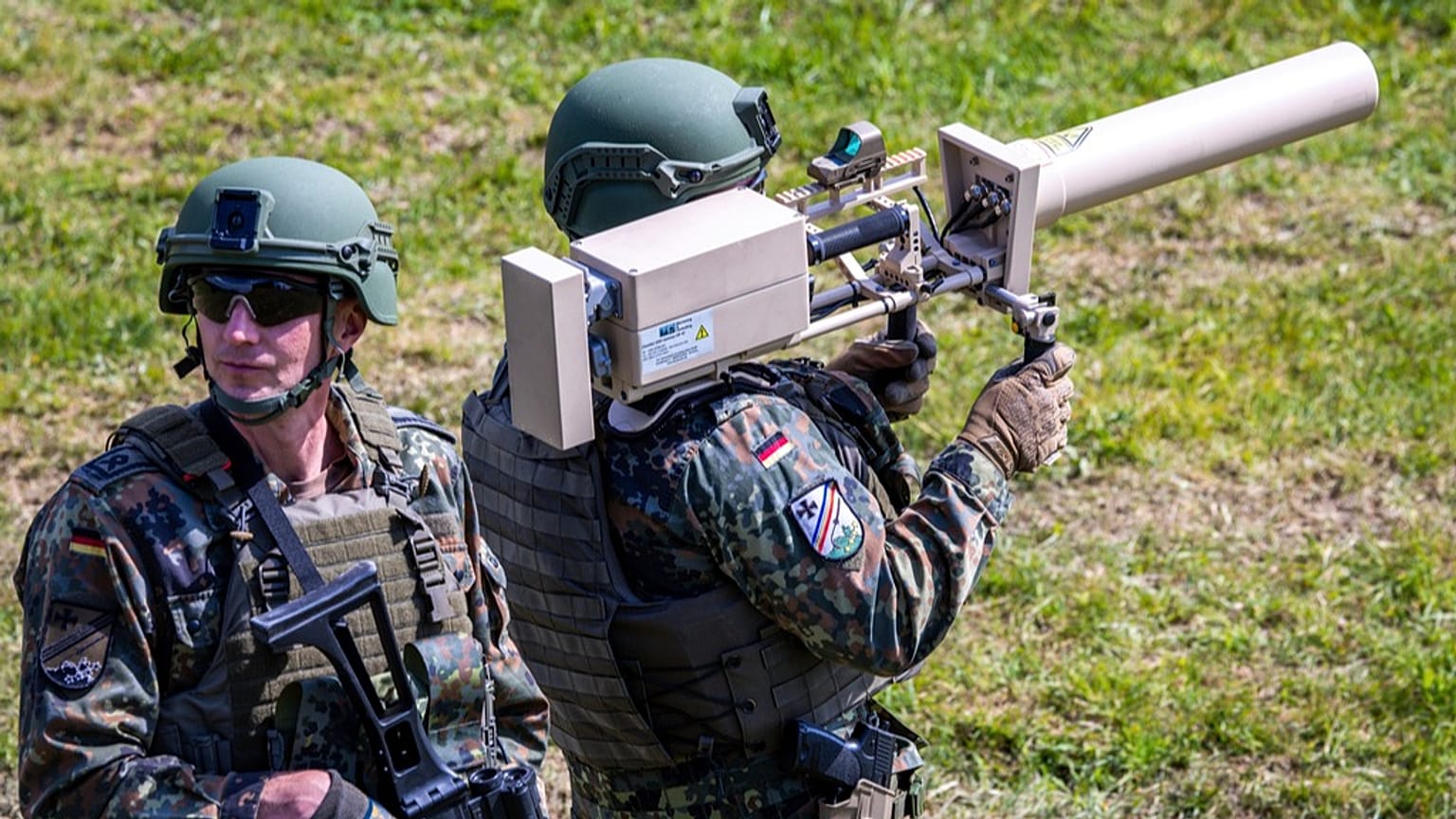
Copyright Jens Buettner/(c) Copyright 2023, dpa (www.dpa.de). Alle Rechte vorbehalten
Russia uses surveillance drones over eastern Germany to monitor Western arms deliveries to Ukraine. German authorities are struggling to counter these espionage activities.
Russian surveillance drones are conducting reconnaissance flights over eastern Germany to track arms shipments to Ukraine, with over 530 drone sightings recorded in the first three months of this year alone, according to Western intelligence services.
They track the ever-changing routes of European military transports to identify which weapons will soon reach Ukraine, where new war equipment will be delivered, and when new ammunition will arrive at the front.
"Russian actors regularly send their reconnaissance aircraft," three Western intelligence services reported to German magazine WirtschaftsWoche.
A spokesperson for the German Ministry of Defence confirmed to Euronews that the Bundeswehr is only responsible for its own sites.
Otherwise, the German Ministry of the Interior (BMI) and the civilian operators of the respective infrastructure — for example, train tracks or LNG terminals — are responsible for security.
When it comes to defence at its own sites, the principle of proportionality is decisive for the troops: risks or damage to bystanders must be avoided at all costs, especially if there is uncertainty whether a drone may be loaded with explosives.
Russia's eyes in the German sky
Since the beginning of the full-scale Russian invasion of Ukraine in early 2022, Moscow has been suspected of conducting hybrid warfare on Western soil. From January to April of this year alone, more than half a thousand sightings were recorded over Germany.
According to the report, drones appeared particularly frequently over Bundeswehr bases such as the Wilhelmshaven naval base, as well as over LNG terminals and railway lines. This was reported by the Bild newspaper, citing an internal report by the Federal Criminal Police Office (BKA).
Just between 9 and 29 January, a total of six drones were spotted over the Schwesing airbase near Husum in Schleswig-Holstein. The unmanned aerial vehicles behaved conspicuously, hovering almost motionless over the site for several minutes. Despite the use of jammers, the drones could not be fended off.
Due to the training of Ukrainian soldiers on Patriot air defence systems at this location, this incident is therefore suspected of being targeted espionage.
The investigation has been handed over to the State Criminal Police Office of Schleswig-Holstein. Confirming to Euronews, they admit that they also assume that German critical infrastructure, in particular, can be a potential target for espionage and sabotage.
"The Schleswig-Holstein state police are prepared for possible scenarios and are also in close dialogue with other federal and state security authorities. Among other things, a new specialised unit for espionage and sabotage has been set up in the State Security Department of the State Office of Criminal Investigation," the statement says.
However, due to the "particularly sensitive area of investigation", no further information will be provided "now or in the future".
Legal loophole slows down defence
The former coalition government under Chancellor Olaf Scholz planned to amend the aviation security law to allow the German Armed Forces to shoot down illegally flying, dangerous drones.
Permission was to be granted if the police were technically unable to fend off the drones and therefore requested assistance.
However, the amendment to the Aviation Security Act (LuftSiG) was not passed during the last legislative period.
Konstantin von Notz, a member of the Green Party and chairman of the Parliamentary Control Committee, criticised the CDU/CSU for not supporting the earlier proposal of the "traffic light" government due to "party tactical considerations".
"This has led to a months-long standstill, a delay that we cannot afford in view of the sharp rise in threats and the increasingly aggressive behaviour of several authoritarian states, above all Russia and China," said von Notz.
Related Russia's second front: How Europe can prepare against hybrid warfare
Constitutional limits, particularly with regard to the deployment of the German Armed Forces inside the country, must also be strictly adhered to. "In view of the months of inactivity on the part of Minister Dobrindt, the states have long since run out of patience," said von Notz.
According to von Notz, it is just as essential to have a clear legal basis to build up the corresponding technical capabilities.
"Overall, this draft also shows that the German government is still not in a position to adequately counter the extreme threats posed by hybrid attacks to our democracy, our economy and our citizens," he concluded.
Copyright Jens Buettner/(c) Copyright 2023, dpa (www.dpa.de). Alle Rechte vorbehalten
Published on 05/09/2025 -
Russia uses surveillance drones over eastern Germany to monitor Western arms deliveries to Ukraine. German authorities are struggling to counter these espionage activities.
Russian surveillance drones are conducting reconnaissance flights over eastern Germany to track arms shipments to Ukraine, with over 530 drone sightings recorded in the first three months of this year alone, according to Western intelligence services.
They track the ever-changing routes of European military transports to identify which weapons will soon reach Ukraine, where new war equipment will be delivered, and when new ammunition will arrive at the front.
"Russian actors regularly send their reconnaissance aircraft," three Western intelligence services reported to German magazine WirtschaftsWoche.
A spokesperson for the German Ministry of Defence confirmed to Euronews that the Bundeswehr is only responsible for its own sites.
Otherwise, the German Ministry of the Interior (BMI) and the civilian operators of the respective infrastructure — for example, train tracks or LNG terminals — are responsible for security.
When it comes to defence at its own sites, the principle of proportionality is decisive for the troops: risks or damage to bystanders must be avoided at all costs, especially if there is uncertainty whether a drone may be loaded with explosives.
Russia's eyes in the German sky
Since the beginning of the full-scale Russian invasion of Ukraine in early 2022, Moscow has been suspected of conducting hybrid warfare on Western soil. From January to April of this year alone, more than half a thousand sightings were recorded over Germany.
According to the report, drones appeared particularly frequently over Bundeswehr bases such as the Wilhelmshaven naval base, as well as over LNG terminals and railway lines. This was reported by the Bild newspaper, citing an internal report by the Federal Criminal Police Office (BKA).
Just between 9 and 29 January, a total of six drones were spotted over the Schwesing airbase near Husum in Schleswig-Holstein. The unmanned aerial vehicles behaved conspicuously, hovering almost motionless over the site for several minutes. Despite the use of jammers, the drones could not be fended off.
Due to the training of Ukrainian soldiers on Patriot air defence systems at this location, this incident is therefore suspected of being targeted espionage.
The investigation has been handed over to the State Criminal Police Office of Schleswig-Holstein. Confirming to Euronews, they admit that they also assume that German critical infrastructure, in particular, can be a potential target for espionage and sabotage.
"The Schleswig-Holstein state police are prepared for possible scenarios and are also in close dialogue with other federal and state security authorities. Among other things, a new specialised unit for espionage and sabotage has been set up in the State Security Department of the State Office of Criminal Investigation," the statement says.
However, due to the "particularly sensitive area of investigation", no further information will be provided "now or in the future".
Legal loophole slows down defence
The former coalition government under Chancellor Olaf Scholz planned to amend the aviation security law to allow the German Armed Forces to shoot down illegally flying, dangerous drones.
Permission was to be granted if the police were technically unable to fend off the drones and therefore requested assistance.
However, the amendment to the Aviation Security Act (LuftSiG) was not passed during the last legislative period.
Konstantin von Notz, a member of the Green Party and chairman of the Parliamentary Control Committee, criticised the CDU/CSU for not supporting the earlier proposal of the "traffic light" government due to "party tactical considerations".
"This has led to a months-long standstill, a delay that we cannot afford in view of the sharp rise in threats and the increasingly aggressive behaviour of several authoritarian states, above all Russia and China," said von Notz.
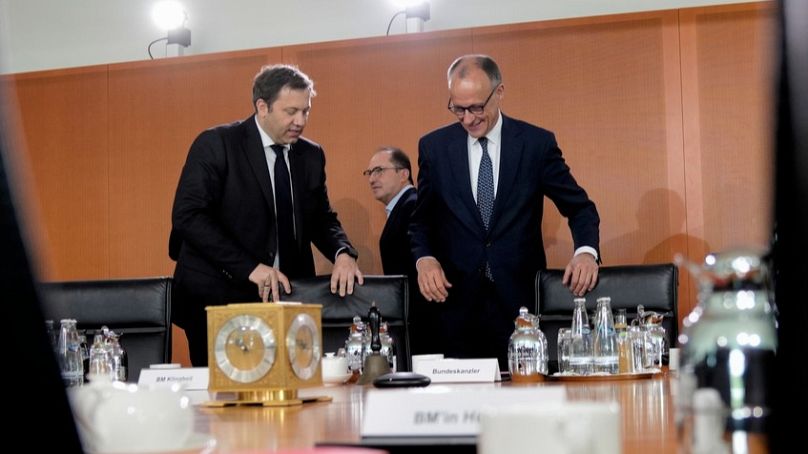
Merz, Klingbeil and Dobrindt arrive for the cabinet meeting at the Chancellery in Berlin, 14 May 2025 Markus Schreiber/Copyright 2025 The AP. All rights reserved
Sebastian Fiedler, domestic policy spokesperson for the SPD parliamentary group in the Bundestag, emphasises that the Conference of Interior Ministers has already made it clear that responsibility for drone defence must always lie with the civilian security authorities.
According to him, the Bundeswehr could only be involved in exceptional cases and therefore "the federal government is being asked to build up additional competences in the interior ministry".
It is therefore logical that the draft bill for the new federal police legislation gives the Federal Police additional powers to use technical means against drones, he said.
Military security with restrictions
However, Green politician von Notz is disappointed with the current federal government's new draft bill on "military security", which was presented at the end of August.
"The draft that has now been presented does not do any of this. However, that is our clear expectation," von Notz said.
In his view, the planned new regulations, such as extended powers for the Bundeswehr's military police, do not go far enough.
"A fundamental regulation is needed that comprehensively and clearly structures the responsibilities for drone defence in both the military and civilian sectors," demanded von Notz.
Sebastian Fiedler, domestic policy spokesperson for the SPD parliamentary group in the Bundestag, emphasises that the Conference of Interior Ministers has already made it clear that responsibility for drone defence must always lie with the civilian security authorities.
According to him, the Bundeswehr could only be involved in exceptional cases and therefore "the federal government is being asked to build up additional competences in the interior ministry".
It is therefore logical that the draft bill for the new federal police legislation gives the Federal Police additional powers to use technical means against drones, he said.
Military security with restrictions
However, Green politician von Notz is disappointed with the current federal government's new draft bill on "military security", which was presented at the end of August.
"The draft that has now been presented does not do any of this. However, that is our clear expectation," von Notz said.
In his view, the planned new regulations, such as extended powers for the Bundeswehr's military police, do not go far enough.
"A fundamental regulation is needed that comprehensively and clearly structures the responsibilities for drone defence in both the military and civilian sectors," demanded von Notz.
Related Russia's second front: How Europe can prepare against hybrid warfare
Constitutional limits, particularly with regard to the deployment of the German Armed Forces inside the country, must also be strictly adhered to. "In view of the months of inactivity on the part of Minister Dobrindt, the states have long since run out of patience," said von Notz.
According to von Notz, it is just as essential to have a clear legal basis to build up the corresponding technical capabilities.
"Overall, this draft also shows that the German government is still not in a position to adequately counter the extreme threats posed by hybrid attacks to our democracy, our economy and our citizens," he concluded.
What can Europe do to better defend against GPS interference from Russia?
Copyright AP Photo
By Amandine Hess
Published on 02/09/2025 -
On 6 June, 13 EU member states asked the Commission to take measures to counter the increase in GPS interference in Europe.
In particular, they proposed developing alternative systems to the global satellite navigation system and speeding up the deployment of interference-resistant GNSS
NATO to strike back against Russian jamming after von der Leyen's plane loses GPS in Bulgaria
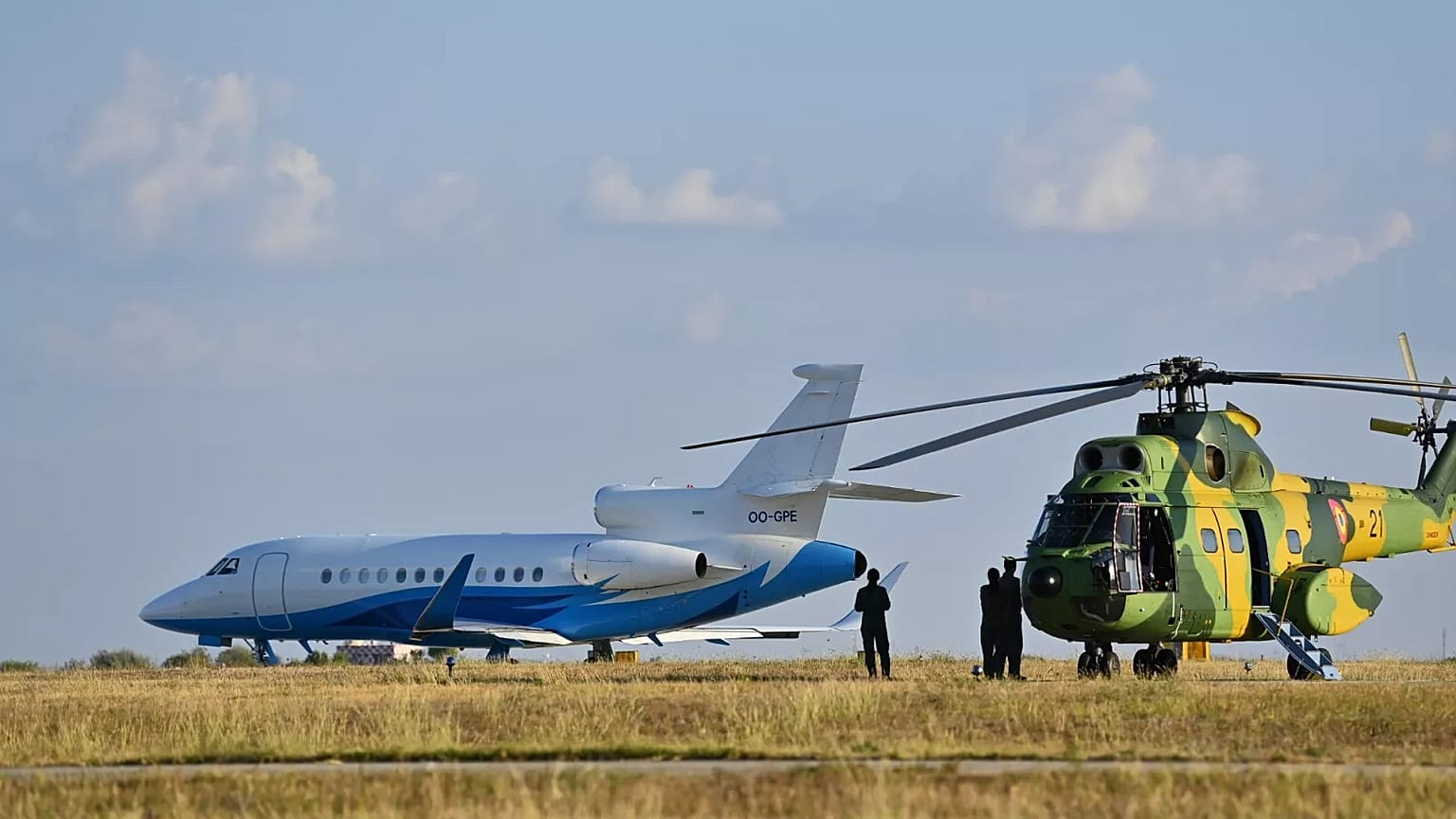
Copyright AP Photo
By Gavin Blackburn
Published on 02/09/2025 -

Copyright AP Photo
By Amandine Hess
Published on 02/09/2025 -
In a letter dated May 2025, European ministers reported that GPS jamming and spoofing had been observed since 2022 in the Baltic Sea region, mainly from Russia and Belarus.
Europe is experiencing an upsurge in GPS interference in areas such as the Baltic and Black Seas, particularly near airports and critical infrastructure.
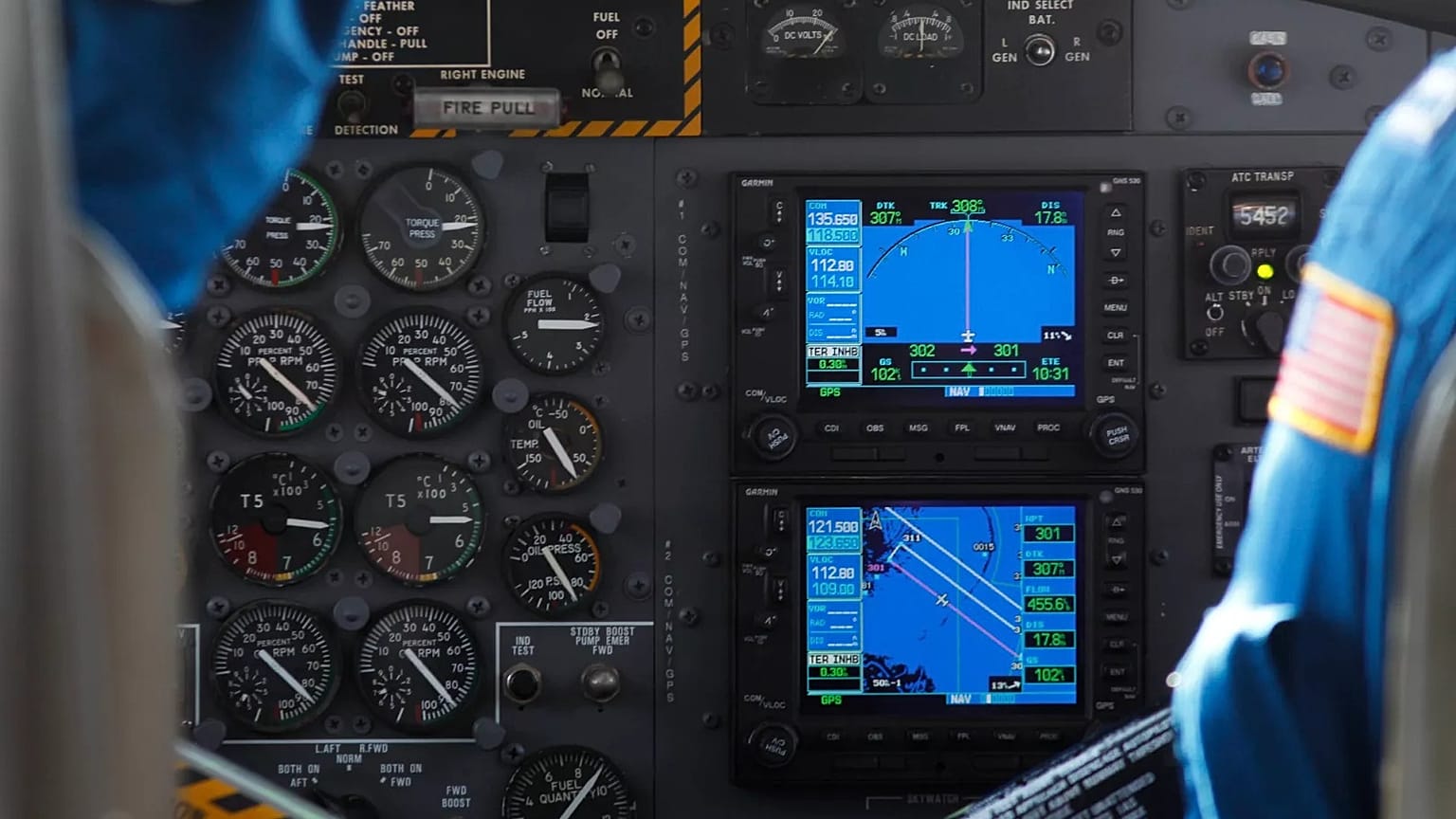
The plane carrying European Commission President Ursula von der Leyen was hit by GPS interference on Sunday in Bulgarian airspace on an official tour of seven Member States bordering or located near Russia and Belarus.
The Bulgarian authorities suspect Russian interference.
"Since the start of the war and Russia's invasion of Ukraine, since February 2022, there has been a considerable and very noticeable increase in GNSS (Global Navigation Satellite System) jamming, and recently there have been incidents of this in Bulgaria and on the eastern flank, from Finland to Cyprus, affecting EU aircraft and ships," Paula Pinho, the European Commission's chief spokesperson, said on Tuesday.
Last year, the plane carrying then British Defence Secretary Grant Shapps suffered GPS interference on the outskirts of the Kaliningrad exclave.
Europe is experiencing an upsurge in GPS interference in areas such as the Baltic and Black Seas, particularly near airports and critical infrastructure.
The plane carrying European Commission President Ursula von der Leyen was hit by GPS interference on Sunday in Bulgarian airspace on an official tour of seven Member States bordering or located near Russia and Belarus.
The Bulgarian authorities suspect Russian interference.
"Since the start of the war and Russia's invasion of Ukraine, since February 2022, there has been a considerable and very noticeable increase in GNSS (Global Navigation Satellite System) jamming, and recently there have been incidents of this in Bulgaria and on the eastern flank, from Finland to Cyprus, affecting EU aircraft and ships," Paula Pinho, the European Commission's chief spokesperson, said on Tuesday.
Last year, the plane carrying then British Defence Secretary Grant Shapps suffered GPS interference on the outskirts of the Kaliningrad exclave.
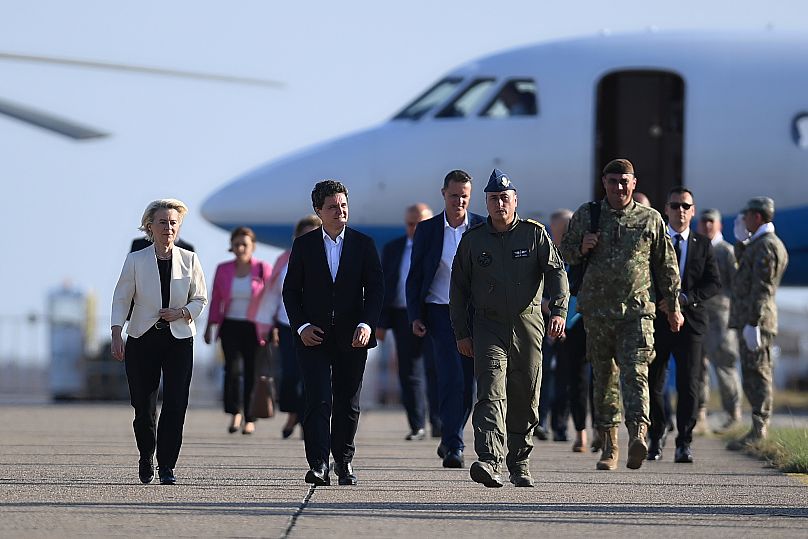
President of European Commission Ursula von der Leyen arrives at the Mihail Kogalniceanu Air Base, 1 September, 2025 AP Photo
Russia "has jamming bases in Kaliningrad, along Russia's borders with the Baltic states, and obviously also along its borders with Ukraine," David Stupples, Professor of Electronic and Radio Engineering at City St George's, University of London, told Euronews.
The incident is far from isolated. In a letter dated May 2025, European ministers reported that GPS jamming and spoofing had been observed since 2022 in the Baltic Sea region, mainly from Russia and Belarus, and that GPS interference from aircraft had increased dramatically since August 2024.
Lithuania recorded more than 1,000 cases of GPS interference in June, 22 times higher than in June 2024, according to the country's communications regulator.
In Estonia, 85% of flights were affected by GPS interference, according to authorities. Poland recorded 2,732 cases of GPS jamming and spoofing in January 2025.
Hybrid warfare
There are two main types of GPS interference: jamming and spoofing.
"GPS jamming essentially creates radio noise to prevent the receiver from receiving information from a satellite signal," Tegg Westbrook, Associate Professor at the University of Stavanger, told Euronews.
"GPS spoofing is more manipulative. It involves injecting false signals to give the receiver misleading information, whether navigation information or position information," he adds.
These are hybrid warfare or electronic warfare techniques used by Russia "to harass and intimidate neighbouring countries," according to the expert.
"In the north of Norway, in Finnmark, there has been a lot of GPS jamming of ambulances, aircraft and forestry operations, all the way to Latvia, Lithuania and Finland, where it has also had a real effect on shipping," adds the professor.
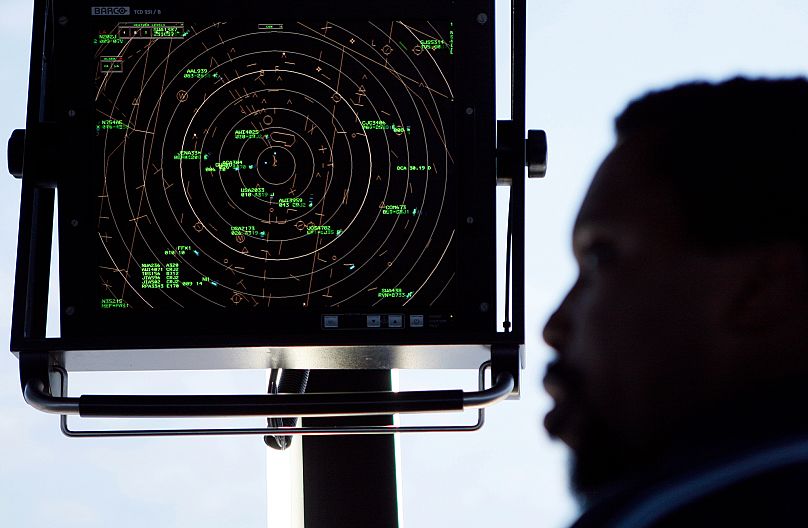
Russia "has jamming bases in Kaliningrad, along Russia's borders with the Baltic states, and obviously also along its borders with Ukraine," David Stupples, Professor of Electronic and Radio Engineering at City St George's, University of London, told Euronews.
The incident is far from isolated. In a letter dated May 2025, European ministers reported that GPS jamming and spoofing had been observed since 2022 in the Baltic Sea region, mainly from Russia and Belarus, and that GPS interference from aircraft had increased dramatically since August 2024.
Lithuania recorded more than 1,000 cases of GPS interference in June, 22 times higher than in June 2024, according to the country's communications regulator.
In Estonia, 85% of flights were affected by GPS interference, according to authorities. Poland recorded 2,732 cases of GPS jamming and spoofing in January 2025.
Hybrid warfare
There are two main types of GPS interference: jamming and spoofing.
"GPS jamming essentially creates radio noise to prevent the receiver from receiving information from a satellite signal," Tegg Westbrook, Associate Professor at the University of Stavanger, told Euronews.
"GPS spoofing is more manipulative. It involves injecting false signals to give the receiver misleading information, whether navigation information or position information," he adds.
These are hybrid warfare or electronic warfare techniques used by Russia "to harass and intimidate neighbouring countries," according to the expert.
"In the north of Norway, in Finnmark, there has been a lot of GPS jamming of ambulances, aircraft and forestry operations, all the way to Latvia, Lithuania and Finland, where it has also had a real effect on shipping," adds the professor.
An air traffic controller stands beneath a radar screen in the control tower at Washington's Reagan National Airport, 18 September, 2008 AP Photo
But despite the concerns, pilots are trained to deal with these scenarios and are familiar with alternative navigation methods.
"Back-up systems work very well and they are not as accurate as GPS, but they are reasonably accurate. And with ground radar, which is operated by Eurocontrol across Europe, aircraft are perfectly safe," explains David Stupples.
"The most serious situations where GPS jamming will have the greatest effect or impact are in very bad weather conditions, so when there's a thunderstorm, when it's also dark, and especially where there's a lot of air traffic," adds Tegg Westbrook, while specifying that this scenario applies to less than 1% of cases.
Defence Commissioner Andrius Kubilius said on X that the EU would increase the number of satellites in low earth orbit to better detect interference.
NATO is also working to counter Russian jamming of civilian flights, Mark Rutte, the alliance's secretary general, said on Tuesday.
But despite the concerns, pilots are trained to deal with these scenarios and are familiar with alternative navigation methods.
"Back-up systems work very well and they are not as accurate as GPS, but they are reasonably accurate. And with ground radar, which is operated by Eurocontrol across Europe, aircraft are perfectly safe," explains David Stupples.
"The most serious situations where GPS jamming will have the greatest effect or impact are in very bad weather conditions, so when there's a thunderstorm, when it's also dark, and especially where there's a lot of air traffic," adds Tegg Westbrook, while specifying that this scenario applies to less than 1% of cases.
Defence Commissioner Andrius Kubilius said on X that the EU would increase the number of satellites in low earth orbit to better detect interference.
NATO is also working to counter Russian jamming of civilian flights, Mark Rutte, the alliance's secretary general, said on Tuesday.
On 6 June, 13 EU member states asked the Commission to take measures to counter the increase in GPS interference in Europe.
In particular, they proposed developing alternative systems to the global satellite navigation system and speeding up the deployment of interference-resistant GNSS
NATO to strike back against Russian jamming after von der Leyen's plane loses GPS in Bulgaria
Bulgaria will not investigate the jamming of von der Leyen's plane because "such things happen every day,"
Copyright AP Photo
By Gavin Blackburn
Published on 02/09/2025 -
"We are all on the eastern flank now, whether you live in London or Tallinn," NATO Secretary General Mark Rutte said on Tuesday, commenting in the aftermath of the incident the day before.
NATO is working to counter Russia's jamming of civilian flights, the alliance's chief said on Tuesday, two days after a plane carrying European Commission President Ursula von der Leyen lost its ability to use GPS navigation mid-air in Bulgarian airspace.
The plane landed safely on Sunday, but Bulgarian authorities said they suspected Russia was behind the interference.
The whole continent was under "direct threat from the Russians," Secretary General Mark Rutte said during a news conference in Luxembourg with the duchy's prime minister and defence minister.
"We are all on the eastern flank now, whether you live in London or Tallinn."
"It is taken very seriously," Rutte added, "I can assure you that we are working day and night to counter this, to prevent it, and to make sure that they will not do it again."
NATO is working to counter Russia's jamming of civilian flights, the alliance's chief said on Tuesday, two days after a plane carrying European Commission President Ursula von der Leyen lost its ability to use GPS navigation mid-air in Bulgarian airspace.
The plane landed safely on Sunday, but Bulgarian authorities said they suspected Russia was behind the interference.
The whole continent was under "direct threat from the Russians," Secretary General Mark Rutte said during a news conference in Luxembourg with the duchy's prime minister and defence minister.
"We are all on the eastern flank now, whether you live in London or Tallinn."
"It is taken very seriously," Rutte added, "I can assure you that we are working day and night to counter this, to prevent it, and to make sure that they will not do it again."
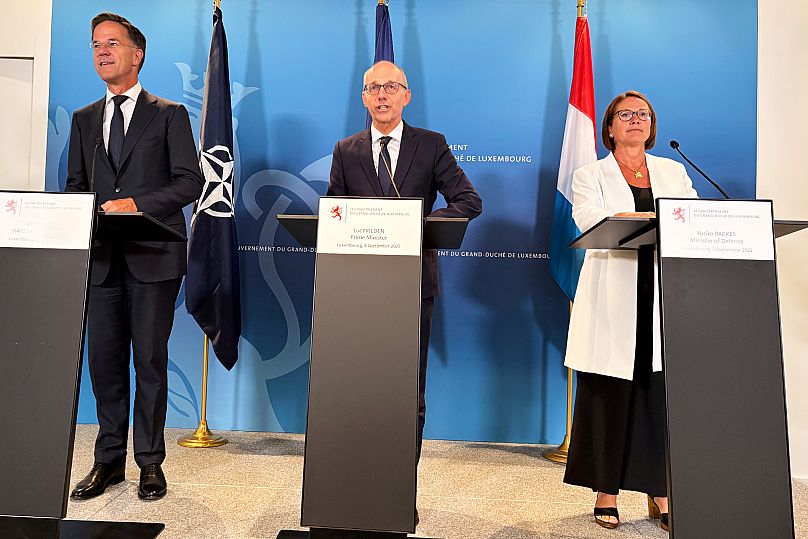
NATO chief Mark Rutte, Luxembourg's Prime Minister Luc Frieden and Luxembourg's Defence Minister Yuriko Backes at a media conference in Luxembourg, 2 September, 2025 AP Photo
Rutte said the jamming was part of a complex campaign by Russia of hybrid threats like cutting undersea power and communications cables in the Baltic Sea and a cyberattack on the UK's health service.
"I have always hated the words hybrid because it sounds so cuddly, but hybrid is exactly this jamming of commercial airplanes, with potentially disastrous effects," Rutte said.
Tracking alleged Russian attacks
The GPS jamming attack on von der Leyen is the latest in a campaign of disruption across Europe blamed on Russia, which the head of Britain's foreign intelligence service has described as "staggeringly reckless".
Since Moscow’s full-scale invasion of Ukraine in 2022, Western officials have accused Russia and its proxies of staging dozens of hybrid warfare attacks, ranging from vandalism to arson and attempted assassination.
The radio interference from Russia includes jamming — when a strong radio signal overwhelms communications — and spoofing, or misleading a receiver into thinking it is in a different location or time.
Rutte said the jamming was part of a complex campaign by Russia of hybrid threats like cutting undersea power and communications cables in the Baltic Sea and a cyberattack on the UK's health service.
"I have always hated the words hybrid because it sounds so cuddly, but hybrid is exactly this jamming of commercial airplanes, with potentially disastrous effects," Rutte said.
Tracking alleged Russian attacks
The GPS jamming attack on von der Leyen is the latest in a campaign of disruption across Europe blamed on Russia, which the head of Britain's foreign intelligence service has described as "staggeringly reckless".
Since Moscow’s full-scale invasion of Ukraine in 2022, Western officials have accused Russia and its proxies of staging dozens of hybrid warfare attacks, ranging from vandalism to arson and attempted assassination.
The radio interference from Russia includes jamming — when a strong radio signal overwhelms communications — and spoofing, or misleading a receiver into thinking it is in a different location or time.
People rest in a metro station being used as a bomb shelter during a Russian attack in Kyiv, 2 September, 2025 AP Photo
"The threat from the Russians is increasing every day. Let's not be naïve about it: this might also involve one day Luxembourg, it might come to the Netherlands," Rutte said.
"With the latest Russian missile technology for example, the difference now between Lithuania on the front line and Luxembourg, The Hague or Madrid is five to 10 minutes. That's the time it takes this missile to reach these parts of Europe."
Bulgaria will not investigate the jamming of von der Leyen's plane because "such things happen every day," Prime Minister Rosen Zhelyazkov said on Tuesday.
He said it was one of the side effects of Russia's war in Ukraine and had occurred across Europe.
Neither the Kremlin nor von der Leyen have commented publicly on the incident.
Additional sources
"The threat from the Russians is increasing every day. Let's not be naïve about it: this might also involve one day Luxembourg, it might come to the Netherlands," Rutte said.
"With the latest Russian missile technology for example, the difference now between Lithuania on the front line and Luxembourg, The Hague or Madrid is five to 10 minutes. That's the time it takes this missile to reach these parts of Europe."
Bulgaria will not investigate the jamming of von der Leyen's plane because "such things happen every day," Prime Minister Rosen Zhelyazkov said on Tuesday.
He said it was one of the side effects of Russia's war in Ukraine and had occurred across Europe.
Neither the Kremlin nor von der Leyen have commented publicly on the incident.
Additional sources