Saturday, July 12, 2025

EXPLAINER

Why is India forcing 80 million people to justify their r
ight to vote?

Amid raids targeting Muslims, an electoral roll revision in India’s poorest state has turned into a political flashpoint.

JDU leaders and workers carry out a cycle rally to raise voters' awareness ahead of the Bihar Assembly election, on July 8, 2025 in Patna, India [Santosh Kumar/Hindustan Times via Getty Images

LONG READ


By Kunal Purohit
Published On 10 Jul 2025

Mumbai, India – A move by India’s top election body, the Election Commission of India (ECI), to re-scrutinise nearly 80 million voters’ documents in a bid to weed out “foreign illegal immigrants” has prompted widespread fears of mass disenfranchisement and deportations in the world’s largest democracy.

On June 24, the ECI announced that each of the nearly 80 million voters – equivalent to the entire population of the United Kingdom – in the eastern Indian state of Bihar will need to re-register as voters by July 26.

Those unable to do so will lose their right to vote and will be reported as “suspected foreign nationals”, as per the ECI directive and could even face jail or deportation. The state’s legislative elections are expected to be held in October or November.

Critics say the move is a backdoor route to implement the controversial National Register of Citizens (NRC) that Prime Minister Narendra Modi’s government has proposed in the past as a way to identify “illegal immigrants” and deport them.

The move comes at a time when thousands of largely Bengali-speaking Muslims have been rounded up, and many of them have been deported from India as alleged Bangladeshi immigrants in the last few weeks.

Al Jazeera sent questions to the ECI about the move, but the commission has not responded, despite reminder emails.

Patna District Magistrate Thiyagarajan S M talks to voters holding the forms they are required to submit to the Electoral Commission to confirm their right to vote, in Patna, Bihar, on June 29, 2025 [Santosh Kumar/Hindustan Times via Getty Images]


What is the controversy about?

Bihar is India’s poorest state in terms of per capita income (PDF), and more than one-third of its population falls under the Indian government’s threshold of poverty.

But as the country’s third-most populous state, it is also one of India’s most politically important battlegrounds. Since 2005, Modi’s Hindu majoritarian Bharatiya Janata Party (BJP) has been in power in Bihar in alliance with a regional party, the Janata Dal (United) (JDU), for the most part, apart from short periods of rule by opposition-led alliances.

Coming ahead of state elections, the election monitor’s move has led to confusion, panic and a scramble for documents among some of the country’s poorest communities in rural Bihar, say critics.

Opposition politicians as well as civil society groups have argued that wide portions of Bihar’s population will not be able to provide citizenship documents within the short window they have to justify their right to vote, and would be left disenfranchised.

India’s principal opposition party, the Indian National Congress, along with its Bihar alliance partner, the Rashtriya Janata Dal (RJD), called for a shutdown of Bihar on Wednesday, with Leader of Opposition Rahul Gandhi leading the protests in Bihar’s capital, Patna.

A clutch of petitioners, including opposition leaders and civil society groups, have approached India’s Supreme Court asking for the exercise to be scrapped. The court is expected to hear these petitions on Thursday.

The ruling BJP has been alleging a massive influx of Muslim immigrants from neighbouring Bangladesh and Myanmar and has backed the ECI’s move. In fact, it has demanded that the move be replicated across the country. Al Jazeera reached out to BJP’s chief spokesperson and media in-charge, Anil Baluni, through text and email for the party’s comments. He has not responded yet.

But political observers and election transparency experts caution that the move carries deep implications for the future of Indian democracy and the rights of voters.

Bihar Congress President Rajesh Ram, AICC Media and Publicity Chairman Pawan Khera and AICC Bihar Incharge Krishna Allavaru address the media during a briefing on the issue of the Bihar voter list revision at Indira Bhawan on July 3, 2025 in New Delhi, India [Sonu Mehta/Hindustan Times via Getty Images]


What is the Election Commission’s justification for the move?

The ECI’s June 24 announcement said that the exercise was meant to ensure that “no ineligible voter is included in the roll”, and cited reasons like rapid urbanisation, frequent migration, new voters, dead voters and “the inclusion of foreign illegal immigrants” in the list as reasons.

The last such full revision was carried out in 2003, but since then, electoral rolls have been regularly updated and cleaned, including last year before the national elections.

According to the ECI, those voters who were on the 2003 voter list have to only re-submit voter registration forms, while those who were added later, depending on when they were added, would have to submit proof of their date of birth as well as place of birth as well, along with proofs of one or both their parents.

Of the 79.6 million-odd voters in Bihar, the ECI has estimated that only 29 million voters would have to verify their credentials. But independent estimates suggest this number could be upwards of 47 million.

The exercise involves ECI officials first going door-to-door and distributing enumeration forms to each registered voter. The voters are then expected to produce documents, attach these documents and submit them along with the forms to election officials, all this by July 26. The draft new electoral roll will be published on August 1, and those who have been left out will get a month more to object.

Jagdeep Chhokar, from the Association of Democratic Reforms (ADR), a 25-year-old nonprofit that has been working towards electoral reforms, said the ECI’s choice to scrutinise all new voters added since 2003 casts a shadow on all the elections that the state has seen since then.

“Is the ECI saying that there has been a huge scam in Bihar’s voter list since 2003? Is it saying that everyone who got elected from Bihar in these 22 years is not valid, then?” asked Chhokar.

What is the criticism of this exercise?


First, the timeline: to reach out to nearly 80 million at least twice, within a month, is a herculean task in itself. The ECI has appointed nearly 100,000 officers and roped in nearly 400,000 volunteers for the task.

Second, despite the mammoth nature of the exercise and its implications, the ECI did not hold any public consultations on the subject before announcing the move in a written order on June 24, a move decried by experts.

“That such a big decision was taken and brought out in such a secretive way, without consultation, raises questions around the ECI’s partiality,” said Pushpendra, a former professor and dean at the Tata Institute of Social Sciences, who is based in Bihar and who did not wish to give his full name.

Third, experts warn that millions of legitimate voters in Bihar will struggle to provide the documents that the ECI has asked them to furnish.

The election authority has ruled that it will not accept the Aadhar card, a unique identity document issued by the Indian government, nor the voter identity card issued by the ECI itself, which has historically sufficed as the document people need to show to vote.

Instead, it has asked voters to submit from a range of 11 listed documents – from birth certificates to passports, to forest rights certificates or education certificates issued by the state.

But Bihar has the lowest literacy rate (PDF) in the country, at just 62 percent against the national average of 73 percent. A 2023 survey by the Bihar government showed that just 14.71 percent of Bihar’s population had cleared grade 10 in school, thus rendering education certificates – one of the documents voters could show – out of the reach for most of the population.
Similarly, government data shows that Bihar also has one of the lowest birth registration rates in the country, with 25 percent of births not being registered. That means birth certificates are out of reach for a quarter of the population.

Pushpendra, the academic, said that it was the state’s failure to ensure that people have the documentation it seeks of legitimate citizens. “You cannot punish people if the state lacks capacity to distribute these documents,” he said.

Fourth, the ECI’s timing has also been criticised by many: The state sees its annual monsoon season between June and October, and routinely sees devastating floods as a result of the rains. State government data show two-thirds of Bihar is flood-prone, and the annual damage due to Bihar’s floods accounts for 30-40 percent of the total flood damage in India. Last year, more than 4.5 million people were affected by the worst floods that Bihar experienced in decades.

“It’s these flood-prone areas that are the most deficient in proper documentation because they routinely suffer from devastating floods that wash away entire villages,” said Pushpendra.

Finally, the ECI’s exercise signals a fundamental shift in the way it seeks to enrol voters, said ADR’s Chhokar.

“At no point in the country’s 70 years has the voting eligibility criterion changed – voters were always supposed to provide their date of birth,” Chhokar said. “This exercise changes this criterion to say that voters now have to also provide their location of birth.”

Patna District Magistrate Thiyagarajan S M talks to local people during the distribution of ‘enumeration forms’, which voters must submit to the Electoral Commission to confirm their right to vote, in Patna, Bihar on June 29, 2025 
[Santosh Kumar/Hindustan Times via Getty Images]


What’s the political significance of this move?

Even though the ECI is an autonomous body, its targeting of undocumented immigrants mirrors the BJP’s rhetoric on the issue, experts have pointed out.

Ever since it lost its parliamentary majority last year and was forced to enter a coalition, Prime Minister Modi’s BJP has alleged that a large-scale influx of Rohingya refugees and Bangladeshi immigrants into India has altered India’s demographics. India’s Border Security Force (BSF), responsible for guarding India’s borders against such undocumented immigration, falls under the Modi government’s Ministry of Home Affairs, led by close Modi aide, Amit Shah.

Party leaders led by Modi himself have made such claims of a massive flood of Rohingya and Bangladeshi immigrants in nearly every regional election since then, be it in Maharashtra, Jharkhand or Delhi.

Last year in December, the party’s leaders met the ECI to submit alleged evidence that Rohingya refugees and Bangladeshi citizens had been illegally enrolled as voters. Indian laws permit only Indian citizens to vote.

For the ECI to now accept this contention, without disclosing any evidence it has about noncitizens being enrolled as voters, is driving many suspicious.

“The ECI has not been able to provide any reason for why it thought this revision was needed. They have no data to demonstrate its claims [of undocumented immigrants in voter lists],” said Apoorvanand, a professor at the University of Delhi and political commentator who hails from Bihar and also did not wish to be identified by his full name. “Which is why this has no longer remained a bureaucratic, neutral exercise of a constitutional body. Its politics is very suspicious,” he added.

For its part, the BJP has come out in support of this exercise and has even demanded that it be rolled out in other parts of the country.

Pushpendra, the former TISS dean, said traditionally marginalised communities and religious minorities would be the worst-hit in this voter revision drive, because they are the least likely to hold documents like a passport, educational certificate or birth certificate.

“These communities have, traditionally, always supported the [opposition] RJD and the Congress,” he said.

Simply put, if they can’t vote, it’s an advantage for BJP.

Police officers stand next to men they believe to be undocumented Bangladeshi nationals after they were detained during raids in Ahmedabad, India, on April 26, 2025 [File: Amit Dave/Reuters]


Is this just about the election?

Over the last few months, the Modi government, as well as BJP governments in various states, have intensified efforts to identify undocumented migrants in the country and deport them. In at least eight Indian states, hundreds have been rounded up, detained on charges of being undocumented immigrants.

This drive has focused largely on Bengali-speaking Muslim migrants. Thousands of alleged Bangladeshis have been pushed into Bangladesh at gunpoint by Indian authorities. Authorities have been accused of not following procedure and hurriedly deporting them. Often, even Indian Muslim citizens have been deported in the drive.

For many, this is reminiscent of the Modi government’s plans to create a National Register of Citizens (NRC), which would identify and then deport those found staying without any documents. In December 2019, Home Minister Amit Shah had set 2024 as the deadline for the NRC exercise and insisted that “each and every illegal immigrant will be thrown out” by 2024.

Such a move affects Muslims disproportionately, thanks to India’s amended citizenship laws, which fast-track citizenship for Hindus, Sikhs, Jains, Buddhists, Parsis and Christians, while leaving Muslims out of it. The laws, approved in 2019 by the Indian Parliament, were operationalised last year in March by the Modi government, and will help non-Muslims avoid deportation and jail if found to be staying without documents.

In Bihar, Muslims make up 17 percent of the state’s population, and number about 17.6 million across the state.

Apoorvanand, the academic, said the Bihar electoral roll revision was NRC, in effect.

“Ultimately, the ECI is asking citizens to prove their citizenship by furnishing documents,” he said.

Chhokar from ADR, which was the first organisation to petition the Supreme Court asking it to scrap the exercise, said the consequences of the revision would be grim. “You might have an electoral roll in which half the state’s population would be left without a right to vote,” he said.


Source: Al Jazeera


Haiti gang violence spurs concerns for regional destabilization


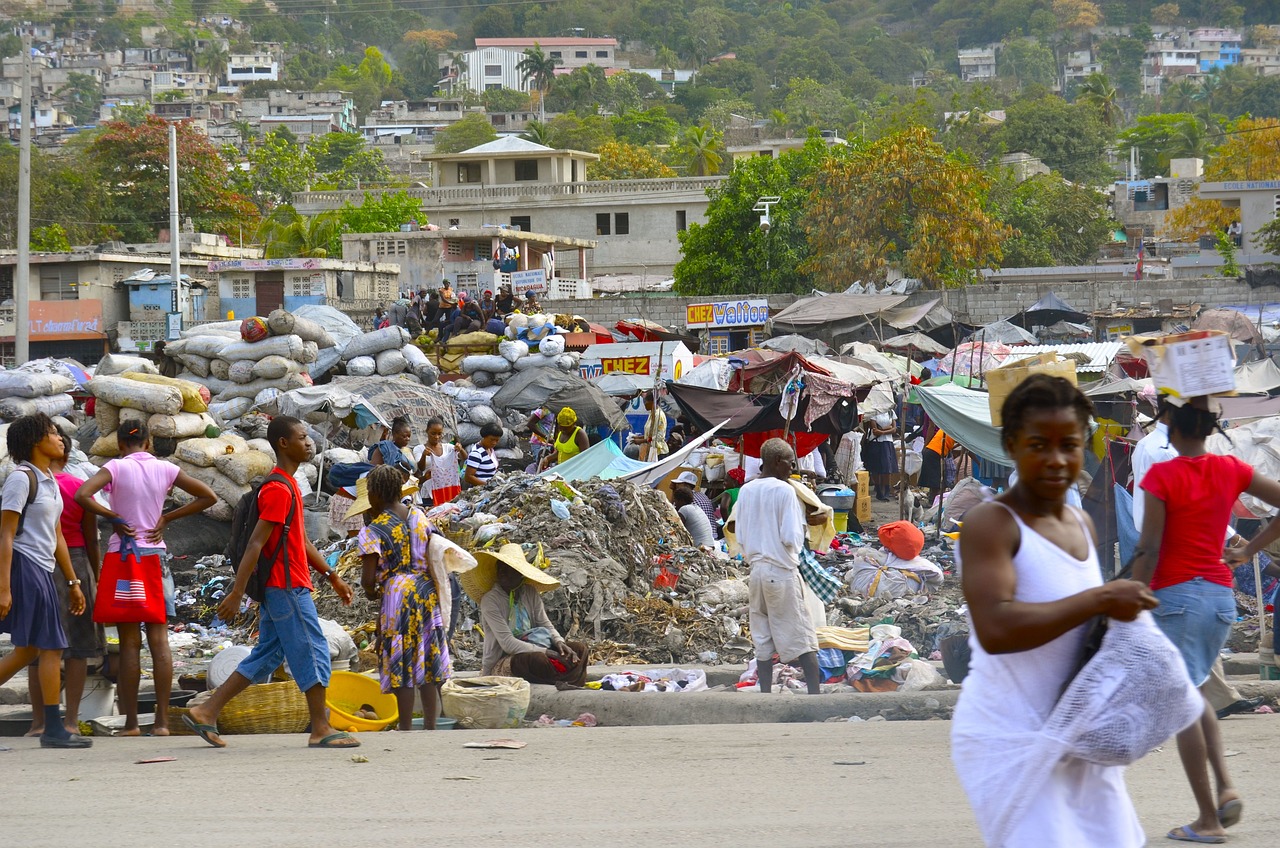
The United Nations warned on Friday that intensifying gang violence in Haiti threatens not only national stability but could also destabilize the wider Caribbean region, following a devastating surge in killings, abductions, and forced displacement across the country.

In the new report published Friday, the UN Integrated Office in Haiti (BINUH) and the UN Human Rights Office painted a grim picture of violence expanding far beyond Port-au-Prince. Between October 2024 and June 2025, at least 1,018 people were killed, 213 injured, and 620 abducted in the Artibonite and Centre departments, as well as Ganthier and Fonds Parisien. Across Haiti, the death toll during this period reached 4,864.

Ulrika Richardson, the ad interim Head of BINUH and UN Resident Coordinator, stated, “Human rights abuses outside Port-au-Prince are intensifying in areas of the country where the presence of the State is extremely limited. The international community must strengthen its support to the authorities, who bear the primary responsibility for protecting the Haitian population.”

Mass killings have become more frequent, with the October 2024 massacre in Pont Sondé, which left over 100 dead, marking a turning point in the conflict between armed gangs and so-called “self-defense” groups. The violence has since triggered waves of mass displacement, including in Mirebalais, Centre department, where all 100,000 residents fled earlier this year. The crisis in Haiti was already under scrutiny weeks earlier, when Human Rights Watch (HRW) recently urged international stakeholders to address the spiraling violence.

Security responses, including efforts by the Haitian National Police and specialized police units backed by the Multinational Security Support (MSS) mission, have proven insufficient. The UN noted that the gangs continue to extend territorial control, particularly along routes leading toward the Dominican Republic, posing heightened regional risks of transnational arms and human trafficking. MSS efforts have been hampered by “critical shortfalls in personnel, funding, and equipment. These limitations, combined with political ambiguity in key donor countries such as the US, have placed the mission’s sustainability at risk. The US, which initially pledged $380 million under former President Biden, signaled under President Donald Trump that it would pause foreign assistance efforts.

The latest UN report urged the Haitian government to bolster policing and judicial capacities in compliance with international human rights standards and called for the full implementation of the arms embargo. The UN also urged the international community to maintain BINUH’s operational capacity and strengthen the MSS mission.


UN experts condemn Thailand for using lèse-majesté laws against pro-democracy activists

UN experts on Friday voiced concern over ongoing judicial proceedings against Thai human rights defender Pimsiri Petchnamrob, urging the Thai government to drop all charges against her and other human rights defenders involved in pro-democracy protests. The experts also urged authorities to revise and repeal lèse-majesté laws, as they restrict freedom of expression and peaceful assembly.

The experts reiterated their previous call to amend and abolish the laws for creating an atmosphere of fear and self-censorship. They stated, “Public figures, including the highest political authorities, are legitimately subject to criticism,” emphasizing that the state must protect civil society and human rights without criminalizing their work.

Pimsiri Petchnamrob is a prominent Thai human rights activist and equality advocate. She was charged on 10 counts, including insulting the monarch, inciting insurrection, and illegal assemblies, in 2021, stemming from a speech she delivered during a peaceful pro-democracy demonstration in Bangkok in November 2020. During her address, she referenced a 2017 statement by a UN special rapporteur criticizing Thailand’s lèse-majesté law. In the past, courts have rejected Petnamrob’s requests to travel abroad, while the charges have led to restrictions such as bail and a ban on traveling abroad without court permission.

The lèse-majesté law is found in Section 112 of the Thai Criminal Code. It specifically states, “Whoever defames, insults or threatens the King, the Queen, the Heir-apparent or the Regent, shall be punished with imprisonment of three to fifteen years.” The law does not clearly define what amounts to an insult to the monarchy, creating space for significant discretion in how it is applied—a point often raised by critics.

Proceedings against Pimsiri Petchnamrob have also drawn a response from international human rights organizations. The World Organisation Against Torture noted that Pimsiri’s case reflects a “worrying trend of silencing peaceful dissent,” while the International Federation for Human Rights (FIDH) emphasized that the prosecution appears to be solely linked to her legitimate human rights work. Both organizations called for the charges to be dropped, describing the proceedings as an abuse of judicial processes aimed at suppressing freedom of expression and peaceful assembly.

From November 2020 to mid-June 2025, at least 280 people were charged under lèse-majesté law, some of them are currently in custody awaiting trial or appeal, while 14 are already serving prison sentences. Some of the activists have been convicted under Article 112 several times and therefore have to serve longer prison terms. While Thailand is a state party to the International Covenant on Civil and Political Rights (ICCPR) and is obliged to uphold international standards on freedom of expression, this legal provision raises concerns over its compatibility with those obligations.


Mexico authorities urged to investigate threats toward journalists

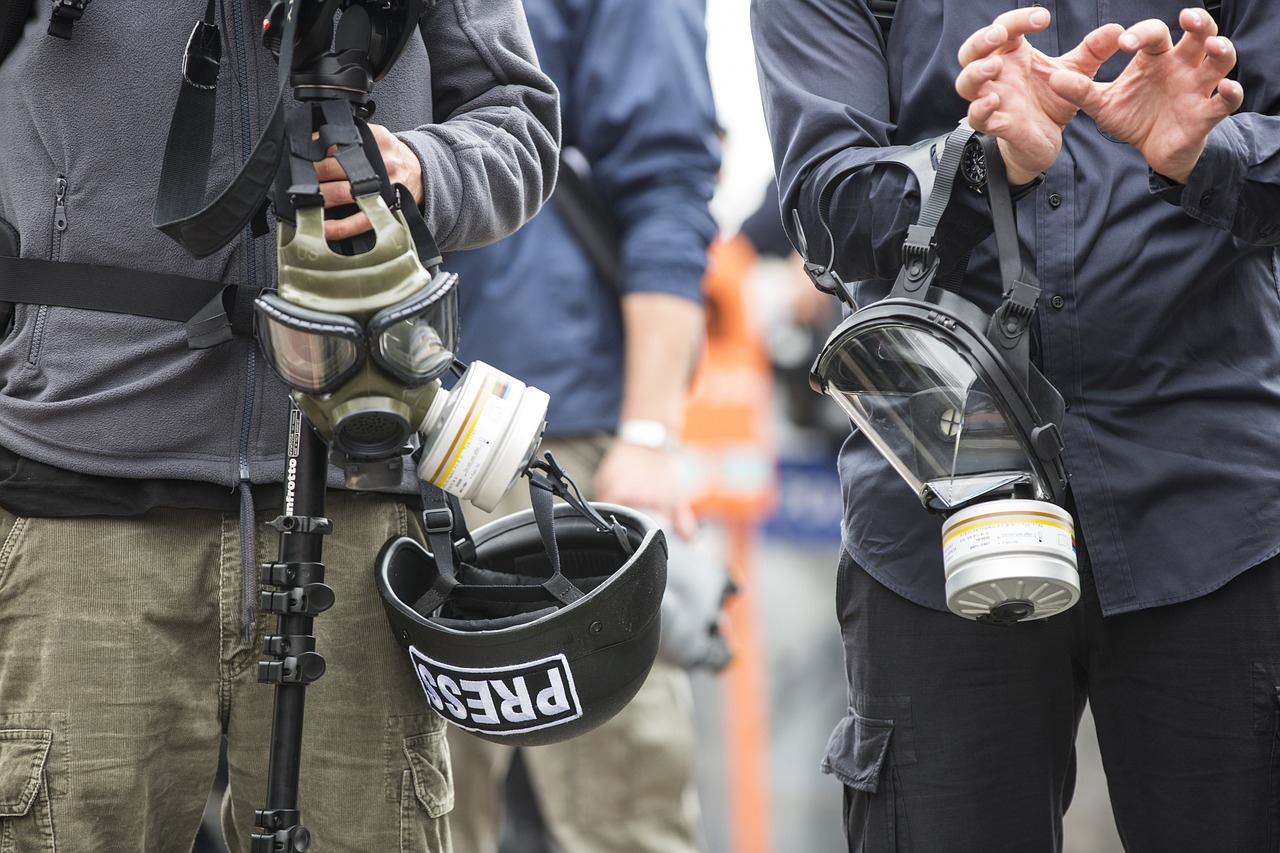
The Committee to Protect Journalists (CPJ) on Thursday urged Mexican authorities to investigate death threats against two reporters, Óscar Balderas and Luis Chaparro.

CPJ’s Mexico representative, Jan-Albert Hoosten, condemned the Mexican government for its inaction, stating,

The brazen threats against Óscar Balderas and Luis Chaparro are part of an ongoing campaign to terrorize any journalist who provides in-depth reporting on organized crime in Mexico… These threats can only happen in a context of festering impunity for the country’s press, something Mexican authorities continue to fail address [sic].

On July 4, Balderas posted on X that he received three calls from an unknown number stating that they were going to kill him. Balderas said he also received a WhatsApp message stating that he should “keep quiet.” While Chaparro was not directly threatened, he was mentioned in the message to Balderas. Balderas notified Chaparro of the message and the calls.

Balderas is a well-known journalist who reports primarily on crimes like sex trafficking, cartel violence, and crimes against journalists. Similarly, Chaparro covers topics such as organized crime and immigration between Mexico and Texas. The threats came after another Mexican journalist, José Carlos González, was shot dead in Acapulco. González was injured in June 2023 in a series of attacks. He was killed just under two months ago while leaving a studio interview. 

Reporters Without Borders (RSF) places Mexico at 124 out of 180 countries on the global index for press freedom. RSF emphasized that year after year, “Mexico remains one of the world’s most dangerous and deadly countries for journalists,” and three journalists have been killed since January 1, 2025. According to the Ethical Journalism Work, national television in Mexico “exists in a duopoly system in the hands of a couple of wealthy businessmen.” Moreover, journalists are paid grossly low wages compared to other professions and must often rely on other sources of income, even through unethical practices.

Balderas told the CPJ that he has contacted the Federal Mechanism for the Protection of Human Rights Defenders and Journalists, but neither journalist has filed a report with the police yet. The incident is among numerous other crackdowns on the freedom of the press and on journalists.

First bubonic plague death confirmed in the US since 2007

Jessica Kwong
Published July 11, 2025 
METRO UK

The victim showed up at Arizona Flagstaff Medical Center and died the same day
 (Picture: Google Maps)

A bubonic plague death has been confirmed in the US for the first time in eight years.

The victim, of Coconino County, showed up at the Flagstaff Medical Center and died on the same day, said Northern Arizona Healthcare. Despite ‘attempts to provide life-saving resuscitation’, the patient did not recover.

It is the first recorded Black Death fatality in the county since 2007.

The victim interacted with a dead animal infected with the pneumonic plague, which causes severe lung infection, according to Coconino County Health and Human Services.

The human death was not related to a recent prairie dog die-off 
(Picture: Getty Images)

‘Our hearts go out to the family and friends of the deceased,’ stated county Board of Supervisors chair Patrice Hortsman.

‘We are keeping them in our thoughts during thoughts during this difficult time.’

No more information on the death will be released to respect the family.

The agency did say that the death is not linked to a recent report of a prairie dog die-off in Townsend Winona, which is northeast of Flagstaff, just days earlier.

Flagstaff Medical Center staff performed ‘life-saving resuscitation’ but the patient died (Picture: Google Maps)

Also known as Yersinia pestis, the plague is a medieval disease that can be transmitted from animals to humans through infected flea bites.

Bubonic plague cases in humans are rare. An average of seven cases are reported annually in the US and the risk of exposure to the disease is low, according to the Centers for Disease Control and Prevention.

There is an especially low risk of human-to-human transmission through respiratory droplets, with the last such incident recorded in 1921, according to the National Institutes of Health.

The disease was responsible for up to 50million deaths from 1346 to 1353.

Health officials advise that people stay away from rodents to avoid contracting the bubonic plague (Picture: Getty Images)

County health officials are advising that people protect themselves from exposure to the disease by avoiding contact with wild animals and fleas and by reporting prairie dog die-offs. They should also remove trash and brush that could attract rodents, and avoid camping near rodent burrows.

Humans infected with the bubonic plague can feel symptoms one to eight days after being exposed. They include swollen lymph nodes in the armpits, limbs and groin.

A human bubonic plague case was confirmed in Colorado a year ago, and the patient recovered.

UN 

Lifesaver: Study shows vaccine campaigns cut deaths by nearly 60 per cent

11 July 2025


© UNICEF/Zhang Yuwei
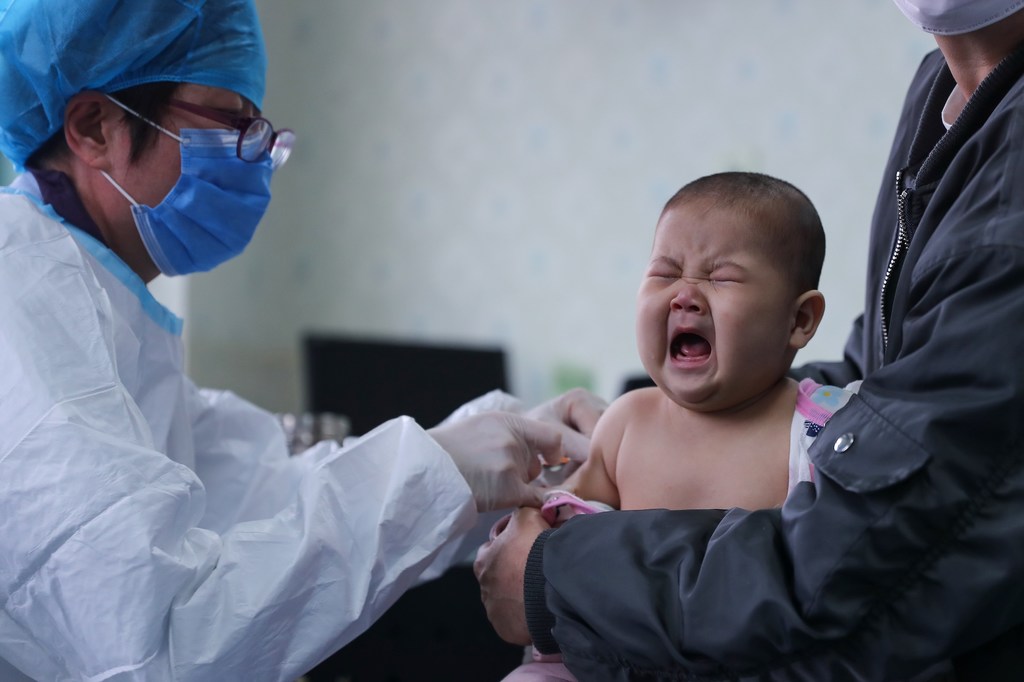
A six-month-old baby receives a vaccine at a health centre. Vaccines remain one of the most effective tools in global health by preventing the spread of deadly infectious diseases.

Emergency vaccination campaigns have slashed deaths from major infectious disease outbreaks by nearly 60 per cent since 2000, according to a new study published this week.

The study, conducted by Gavi, the Vaccine Alliance, in collaboration with Australia’s Burnet Institute, and published in the authoritative British Medical Journal (BMJ) Global Health, analyzed 210 outbreaks across 49 low-income countries over a 23-year period.

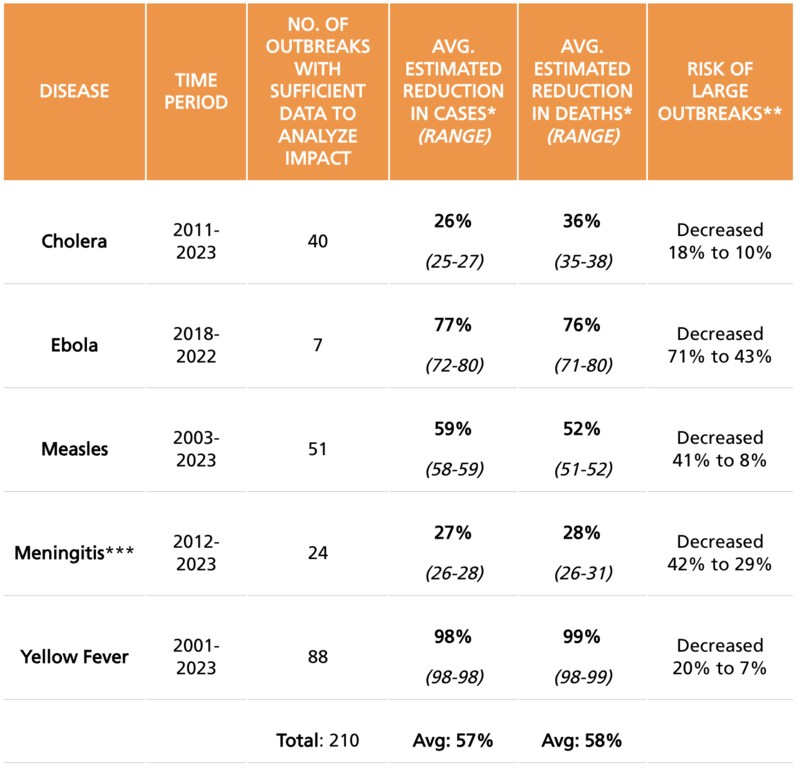
It found that rapid vaccine deployment during outbreaks of cholera, Ebola, measles, meningitis and yellow fever, had led to estimated reductions in illnesses and deaths of nearly 60 per cent on average.

For diseases like yellow fever and Ebola, the impact was even more dramatic: yellow fever deaths dropped by 99 per cent, while Ebola fatalities fell by 76 per cent.

The results highlight not only the effectiveness of emergency vaccination, but also the critical role of preparedness and speed in response to emerging threats.

“For the first time, we are able to comprehensively quantify the benefit, in human and economic terms, of deploying vaccines against outbreaks of some of the deadliest infectious diseases,” said Sania Nishtar, CEO of Gavi.

“This study demonstrates clearly the power of vaccines as a cost-effective countermeasure to the increasing risk the world faces from outbreaks.”
Gavi: A lifesaving partnership

Gavi, the Vaccine Alliance, is a unique global partnership that helps vaccinate nearly half the world’s children against deadly and debilitating diseases.

It brings together developing country and donor governments, the World Health Organization (WHO), UN Children’s Fund (UNICEF), the World Bank, the Bill & Melinda Gates Foundation and other key partners to expand access to immunisation.

Gavi also maintains global vaccine stockpiles for major diseases, managed in coordination with WHO, UNICEF, Médecins Sans Frontières (MSF), and the International Federation of Red Cross and Red Crescent Societies (IFRC).

© WHO/Neil Nuia
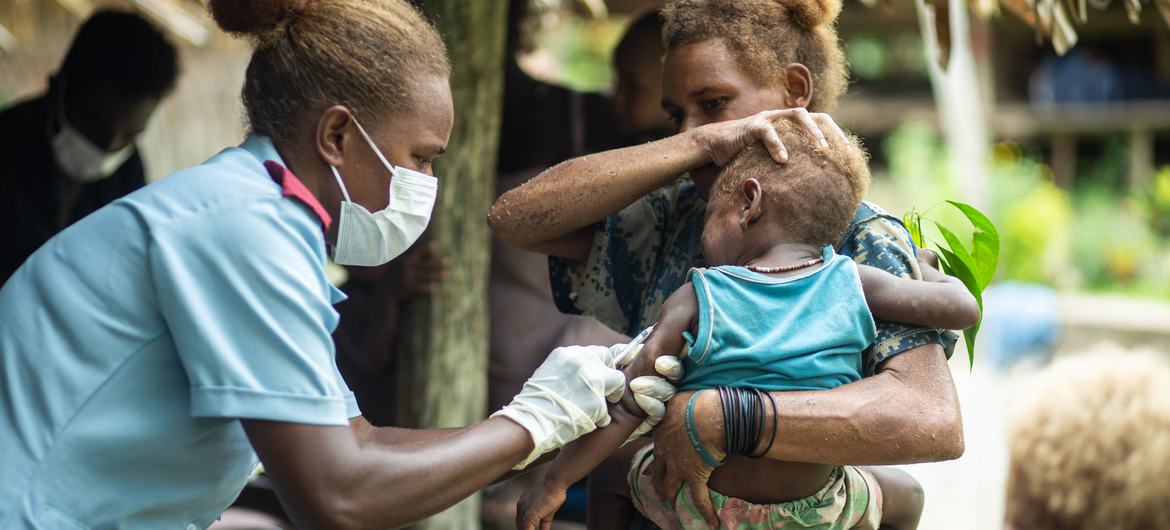
Working in partnership with Gavi, governments and health authorities, UN agencies support vaccination campaigns in some of the most remote regions of the wrote. Pictured here, a child receives a vaccine in Solomon Islands in the Pacific.
Quantifying lives and costs saved

In addition to reducing deaths and disability-adjusted life years, emergency vaccination during the 210 outbreaks studied generated nearly $32 billion in economic benefits – from averting premature deaths and years of life lost to disability.

The study’s authors say this figure is likely a conservative estimate, as it does not include the broader social and macroeconomic impacts of major outbreaks.

For example, the 2014 Ebola outbreak in West Africa, which occurred before an approved vaccine was available, cost the region an estimated $53 billion. In contrast, later outbreaks responded to with emergency vaccines saw deaths reduced by three-quarters and the threat of regional spread dramatically lowered.


Source: Gavi/Burnet Institute study
Results by disease


Disease-by-disease gains

The study provides a breakdown of vaccine effectiveness by disease.

Measles, one of the most infectious viruses known, saw cases drop by 59 per cent and deaths by 52 per cent thanks to outbreak response campaigns.

Yellow fever saw the biggest gains, with emergency vaccination nearly eliminating deaths – a 99 per cent drop.

Cholera and meningitis, which often strike communities with limited healthcare access and infrastructure, saw more modest but still meaningful reductions in cases and deaths.

Vaccinations helped reduce cholera cases and deaths by 28 per cent and 36 per cent, respectively, across 40 cholera outbreaks between 2011 and 2023. For meningitis, cases and deaths fell by 27 per cent and 28 per cent respectively, over 10 years.
Vaccines, COVID-19, and future threats

The coronavirus">COVID-19 pandemic was a stark reminder of the value of vaccines, which saved an estimated 20 million lives globally in the first year of rollout alone, according to the respected and influential Lancet medical journal.

Yet the pandemic also disrupted routine immunisation, leading to dangerous backsliding in coverage rates for diseases like measles and polio. The Gavi study emphasizes that emergency vaccination must be paired with strong routine immunisation systems to prevent future outbreaks.

Looking ahead, Gavi’s 2026-2030 strategy includes expanding stockpiles, accelerating vaccine access for diseases like mpox and hepatitis E, and supporting preventive campaigns in high-risk regions.

Look back: COVID-19 pandemic disrupts vaccinations for children globally.


UN projects up to three million Afghan refugees return in 2025


three million Afghan refugees

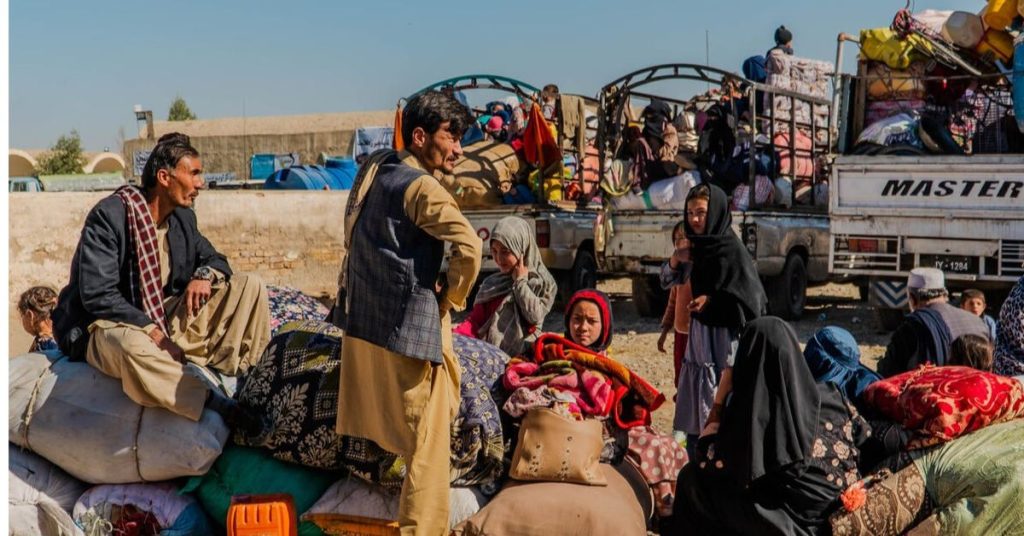
ISLAMABAD: Some three million Afghans could return to their country this year, a UN refugee official said on Friday, warning that the repatriation flow is placing intense pressure on an already major humanitarian crisis.

Iran and Pakistan have introduced new policies affecting displaced Afghans, with Tehran already having given 4 million “illegal” Afghans until July 6 to leave Iranian territory.

“What we are seeing is the undignified, disorganised and massive exodus of Afghans from both countries, which is generating enormous pressures on the homeland that is willing to receive them and yet utterly unprepared to do so,” United Nations High Commissioner for Refugees (UNHCR) representative in Afghanistan Arafat Jamal said during a video press conference from Kabul.

“Of concern to us is this scale, the intensity and the manner in which returns are occurring.”

Over 1.6m Afghans have already returned from Pakistan and Iran this year, the large majority from Iran, Jamal added. The figure already exceeds the UNHCR’s initial forecasts of 1.4m for 2025.

The office of the High Commissioner now estimates 3m coming into Afghanistan this year, Jamal said.

The UN agency said over 30,000 people per day have streamed across the Islam Qala border into Afghanistan, with 50,000 crossing on July 4 alone.

“Many of these returnees are arriving having been abruptly uprooted and having undergone an arduous, exhausting and degrading journey. They arrive tired, disoriented, brutalised and often in despair,” Jamal said.

The United Nations has taken emergency measures to reinforce water and sanitation systems intended to serve 7,000 to 10,000 people per day, as well as vaccinations and nutrition services.

Many who have crossed the border have reported pressure from Iranian authorities, including arrests and expulsions

A Tale Of Two Nations: The North Aral Sea Rebounds While The South Aral Sea Dries Up

– Analysis


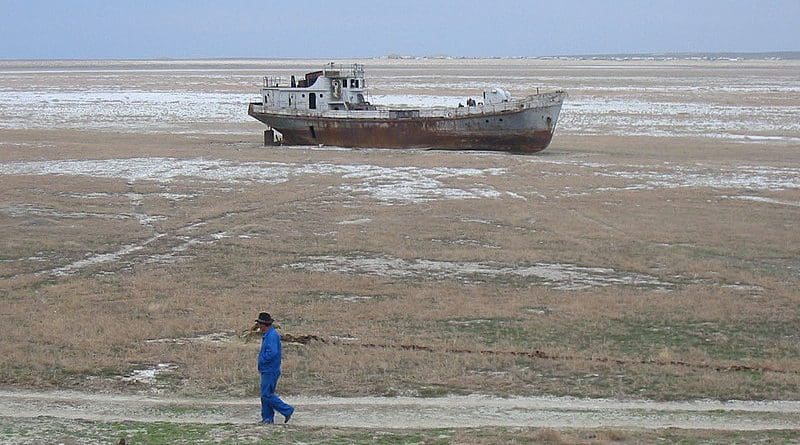
Abandoned ship near Aral, Kazakhstan. Photo Credit: Staecker, Wikipedia Commons

July 12, 2025 

By John Divinagracia


Once a thriving inland sea, the Aral has become a cautionary tale of ecological collapse, political neglect, and uneven recovery, as efforts in Kazakhstan are bringing about a slow revival in the north, while Uzbekistan’s extractivist priorities leave the south gasping for life.

Give a man a fish, and you feed him for a day. Teach a man to fish, and you feed him for a lifetime. But what happens when the learned fisherman finds no fish at all?

This has been one of numerous problems plaguing the fisherfolk around the Aral Sea, a shallow basin of salt water straddling the boundary between Kazakhstan to the north and Uzbekistan to the south. Once the world’s fourth-largest body of inland water east of the Caspian Sea, the Aral Sea has suffered ongoing calamities wrought by the fall of the Soviet Union and exacerbated by the negligence of modern societies. Both the ecosystems and the locals relying on the Aral Sea have undergone drastic changes due to the scarcity of resources like water.

This pointlessly wasted, pristine land on Earth is the epicenter of an ecological and economic tragedy that continues to affect the surrounding nations and communities. From the fisherfolk and farmers in Uzbekistan’s and Kazakhstan’s rural countryside to the worsening climate of Central Asia, the Aral Sea’s demise is tied to the fates of those dependent on the basin’s bounties. In the end, what use is a man’s knowledge in fishing when there are no more fish to catch?

The Shrinking of the Aral Sea


In an era before the industrialization of humanity, the Aral Sea was a vast oasis in the desert landscapes of Kazakhstan and Uzbekistan. Formed toward the end of the Neogene Period (lasting from about 23 to 2.6 million years ago), the Aral Sea has relied on two rivers—the Syr Darya and Amu Darya—to regulate and maintain its high water level and temperature. Although technically classified as a lake due to its lack of a direct outlet to the ocean, its sheer size of 26,000 square miles imprinted upon its residents a desire to call this large basin of salt water a sea.

Yet this sea-like lake endured a terrible castration at the red hands of the USSR. In the 1960s, the Soviet Union undertook a major water diversion project on the arid plains of Kazakhstan, Uzbekistan, and Turkmenistan. The Syr Darya and Amu Darya—carrying snowmelt and precipitation from faraway mountains, across the Kyzylkum Desert, and toward the Aral Sea—were diverted from their original course to feed vast hectares of Soviet-owned cotton farms. By 1980, Central Asia’s production quotas reached 9 million metric tons, making it the world’s fourth-largest producer of cotton.


However, the cost of taking fourth place meant that the Aral Sea lost its position as the fourth-largest body of inland water. Once the Aral Sea began drying up, tears flowed from fisheries and communities that depended on the lake. Fertilizer and pesticides from cotton production, paired with toxic chemicals from a derelict Soviet weapons testing facility, polluted the salty water, killing off fish and damaging the nearby soil. Strong winds would blow down upon the exposed lake bed, and literal salt storms would swallow towns with hazardous particles that cause respiratory diseases and cancer. The loss of the moderating influence of such a large body of water also made summers hotter and winters colder.

Fortunately, the Aral Sea is gradually recovering. With efforts ranging from planting black saxaul trees to slow the encroaching dunes to building multimillion-dollar dams such as the Kok-Aral dam, the various conservation and preservation programs from the UN and other organizations have revitalized an oasis from the brink of doom. Still, terraformation is a long and arduous process, and the countries and communities still reliant on the Aral Sea’s dwindling resources continue to suffer the loss of their precious sea.

A Tale of Two Countries

The good news is that water is gradually returning to the Aral Sea. The bad news is that it remains a desiccated and salted wasteland. To understand the paradox, a tale of two countries must be told. Uzbekistan to the south and Kazakhstan to the north are the two Central Asian nations that rely heavily on the Aral Sea. In this way, the sea is divided into two sections: the North Aral Sea in Kazakhstan and the South Aral Sea in Uzbekistan. Long after the Soviet Union’s sickle reaped cotton while its hammer pulverized the people reliant on the Aral Sea, both nations have struggled to ameliorate their side of the sea with varying degrees of success. Only Kazakhstan has managed to remedy its side of the Aral.

With a $87 million rescue fund from the World Bank, the nation constructed a 7.5-mile-long dyke across the narrow channel connecting the North Aral Sea to the South Aral Sea. The project aimed to reduce the amount of water spilling out into the southernmost side of the Aral Sea in addition to improving existing channels of the Syr Darya (which snakes northwards from Kazakhstan’s Tian Shan Mountains) to boost the flow of water into the North Aral Sea. In the summer of 2005, the Kok-Aral dam resulted in a 3.3-meter (10.8-foot) increase in water levels after seven months. The fishing industry in the city of Aralsk and others has prospered since then.

Uzbekistan tells a different story. Rather than constructing a dam, the Uzbek government planted black saxaul trees and other drought-resistant species to curb erosion and slow down dust storms. And while they have adapted to thrive in sandy soil environments like coastal dunes and desert regions, these psammophytes are not enough to prevent the Aral Sea from drying up, especially when Uzbek politics is draining it dry.

Following the same course as the Soviet Union, Uzbekistan has allocated its agricultural abilities to becoming a major exporter of water-intensive cotton, a main staple of the economy. Millions of people have worked—many for years—in forced labor campaigns from former Soviet or current Uzbek governments, further depleting water resources from the Aral Sea. The discovery of natural gas and oil in the Aral Sea’s dried seabed also encouraged the Uzbek government to pursue more white and black gold rather than restore the lake to its aquamarine glory. As of 2023, Uzbekistan was the tenth-largest cotton exporter in the world (China, the United States, India, and Brazil were the top four).

Due to Uzbekistan’s persistent focus on cotton and oil, there is a lack of attention to reviving the Aral Sea. The fish and fisherfolk who suffer the most from the troubles that have afflicted them since the Soviet Union are in dire straits. Compressing bleeding wounds matters little when the daggers are still stabbing, and the Aral Sea will continue to leak and dry up if steps are not taken to mend the issues that started the sea’s shrinking.

Teach a Person to Fish

While the North Aral Sea has recovered, the South Aral Sea has become a desolate and desecrated wasteland, characterized by high salinity and a low chance of recovery. In spite of these grim tidings, some in Uzbekistan, Kazakhstan, and everywhere else have not surrendered the hope that the southern side of the Aral Sea—and the whole sea-like lake in general—will regain its 26,000 square miles of unpolluted and fish-flourishing water. Even now, there are continued efforts to rejuvenate the salinated and polluted soil and restore healthy water to the Aral Sea.

Aside from the continued operations of the Kok-Aral dam, phalanxes of black saxaul trees are still planted all over the Aral Sea and the terrain in need of these hardy shrubs. The United States Agency for International Development (USAID) has been using an innovative project called the Environmental Restoration of the Aral Sea (ERAS) to monitor the impact of the black saxaul on the surrounding ecosystems. Using a combination of EOS Data Analytics’ satellite imagery and cooperation with government bodies, the project has seen a partial yet positive growth in vegetation.

ERAS-I prioritized Kazakhstan’s afforestation in 2021. The following year, ERAS-II shifted to the Uzbek side of the Aral Sea. The “Oasis” Project, as it has been called, is a slow but tremendous step toward the resuscitation of the Aral Sea. Nations like China are actively participating in the “Green Silk Road” program, while the International Fund for Saving the Aral Sea—comprising Kazakhstan, Tajikistan, Turkmenistan, and Uzbekistan—ensures the collaboration of various interstate, environmental, scientific, and practical entities to educate everyone on the need to preserve the Aral Sea.

Fish have returned. Fishermen, too. And like the emblematic paradigms of Lake Chad in Africa or Lake Urmia in Iran, the Aral Sea is a poignant reminder of man’s misbegotten activities on the environment. Things may not be as pristine as they used to be on Earth, but we can teach the current generation and the next not to pointlessly waste resources or land.About the author: John Divinagracia is a writer and novelist. He is the author of It’s Always Snowing in Iberia (2021) and was a fellow at the 19th Ateneo National Writers Workshop in 2022. He is a writer at WorldAtlas and a contributing editor at the Observatory. He holds a cum laude degree in creative writing from Ateneo de Manila University in the Philippines.


Source: This article was produced by Earth | Food | Life, a project of the Independent Media Institute.

John Divinagracia is a writer and novelist. He is the author of It's Always Snowing in Iberia (2021) and was a fellow at the 19th Ateneo National Writers Workshop in 2022. He is a writer at WorldAtlas and a contributing editor at the Observatory. He holds a cum laude degree in creative writing from Ateneo de Manila University in the Philippines.