Sunday, November 23, 2025


EU-Mercosur trade pact faces dual threat from Paris and internal rifts

EU-Mercosur trade pact faces dual threat from Paris and internal rifts
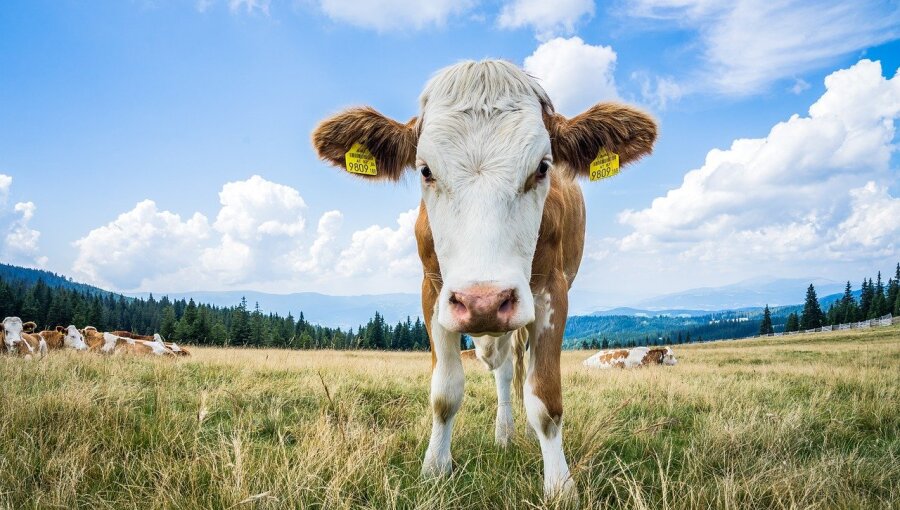
"I think there is a lot of misperception, a lot of disinformation, a lot of fake news, about the quality [of food], like we're going to poison the citizens of the EU. Which, of course, makes no sense,” said Brazil's ambassador to the EU, Pedro Miguel da Costa e Silva. / pixabay
By bnl Sao Paulo bureau November 21, 2025

The long-negotiated EU-Mercosur agreement, which would establish a free-trade area encompassing nearly 800mn people, is set to enter a decisive phase amid French opposition and broader tensions within the South American bloc.

Paris, along with Poland, continues to oppose the agreement, worried that its strong agricultural sector will be hit by unfair competition and concerned about the enforcement of strict environmental standards. 

But the Latin American group also suffers from internal rifts. Brazil's government wants to cut funds for Focem, a development body, angering Uruguay and Paraguay, the main beneficiaries, adding to Argentina’s President Javier Milei’s preference for the US and scepticism about the trading bloc as another potential destabilising element.

"Fake news about food quality"

Brazil's ambassador to the EU has pushed back hard against criticism of the EU-Mercosur trade deal, calling concerns over its impact on Europe's farm sector "disinformation,” Euractiv reported.

"I think there is a lot of misperception, a lot of disinformation, a lot of fake news, about the quality [of food], like we're going to poison the citizens of the EU. Which, of course, makes no sense,” said Pedro Miguel da Costa e Silva.

His comments come amid continued pressure from EU farmers and politicians who warn that cheaper Mercosur products, produced under what they claim are lower standards, would undercut European producers, the outlet reported.

Silva stressed that both the EU and Mercosur — comprising Argentina, Brazil, Uruguay, and Paraguay — are "agricultural superpowers”, adding the blocs are "trading on equal terms" and that Mercosur countries already comply with EU rules as major suppliers of agri-food products.

"If we didn't comply, we wouldn't be in the market,” he added.

The ambassador dismissed allegations of an uneven playing field, arguing that Mercosur farmers receive far fewer subsidies than their European counterparts.

"There is an issue of level playing field here, but it's against us, not in our favour," he said.

Addressing concerns that the agreement could limit the EU's ability to introduce new environmental legislation — an argument some MEPs are planning to use to challenge the deal before the EU Court of Justice — he said it "will not change the possibility of the countries to regulate and protect human, animal or plant health."

Silva noted that Brazil mainly exports coffee and soy, products the EU barely produces, while sensitive sectors are protected through quotas and reinforced safeguards unveiled by the Commission in September.

"There will be a lot of opportunities for EU farmers on the other side. We made a lot of concessions in sensitive sectors, for us … wine, dairy, but a lot of other products," said Silva.

France maintains opposition

Despite Brazilian reassurances, France continues to resist the agreement. "A trade agreement negotiated between the EU and Mercosur is not yet acceptable to France in its current form," a government spokesperson stated this week.

France expects the European Commission to present measures on clauses for agricultural imports "as soon as possible," the spokesman said after a weekly meeting of ministers led by President Emmanuel Macron.

Yet Macron has limited room for manoeuvre, as he faces growing domestic opposition amid a long-running domestic political crisis. A resolution opposing the Mercosur trade agreement signed by 103 French MPs calls on the French government to refer the matter to the EU Court of Justice, arguing the trade deal violates EU treaties.

According to the MPs, the European Commission's decision not to submit the trade part of the agreement to national parliaments for approval is illegal.

However, if France were to oppose the agreement, it would need to form a blocking minority in the Council requiring at least four member states representing 35% of the population, and it is not clear Macron has the numbers.

So far, Hungary and Poland have said they oppose the deal, while Ireland, Austria, and the Netherlands say they await the fully translated text before making a decision. The key country is Italy, and a change of heart in Rome, whose support for the deal is only lukewarm, could become a game-changer.

December deadline looms

EU member states approved the safeguard package this week without changes to the Commission proposal, while MEPs will vote on it in December, Euractiv reported.

The second week of December will be decisive: EU governments are expected to give their green light before Commission President Ursula von der Leyen travels to Brazil on December 20 to seal the agreement with Mercosur leaders.

Supporters of the agreement, led by Germany and Spain, argue it is necessary in the face of Chinese competition in the region and fresh tariffs imposed by the Trump administration on EU exports to the US.

Mercosur internal tensions

Beyond EU negotiations, Mercosur faces internal strains. Brazil's government has proposed a drastic cut to Focem, the Mercosur fund created in 2004 to finance integration and infrastructure projects, triggering conflict with Uruguay and Paraguay, the main beneficiaries, Folha de S. Paulo reported.

The Brazilian proposal seeks to reduce the annual contribution from $100mn to approximately $30mn while changing contribution and distribution rules among member countries.

Montevideo and Asunción reacted sharply, saying the plan "sends a negative signal for regional integration" and "weakens both politically and economically Mercosur's main cohesion mechanism.”

Paraguay's delegation to Mercosur also informed Brazil, which holds the bloc's pro-tempore presidency, that the country "is not available on the proposed dates” for the planned summit on December 20, a date changed by the host country – initially the summit was due on December 2 – in the hope the EU-Mercosur deal could also be signed on that day.

More worringly, the trade and investment agreement announced by Argentina with the US clearly signals Argentina's lack of commitment to Mercosur, a position floated by President Milei in public remarks, according to the industrial trade group in the state of Santa Catarina (Fiesc).

"The agreement shows that Argentina would be willing to withdraw from the bloc at a delicate moment. It remains to be seen what measures Brazil and the other countries in the bloc will take regarding continued participation and whether there will be consequences for negotiations with the EU," said Fiesp.

Shehbaz orders acceleration of Pakistan International Airlines privatisation process

Shehbaz orders acceleration of Pakistan International Airlines privatisation process
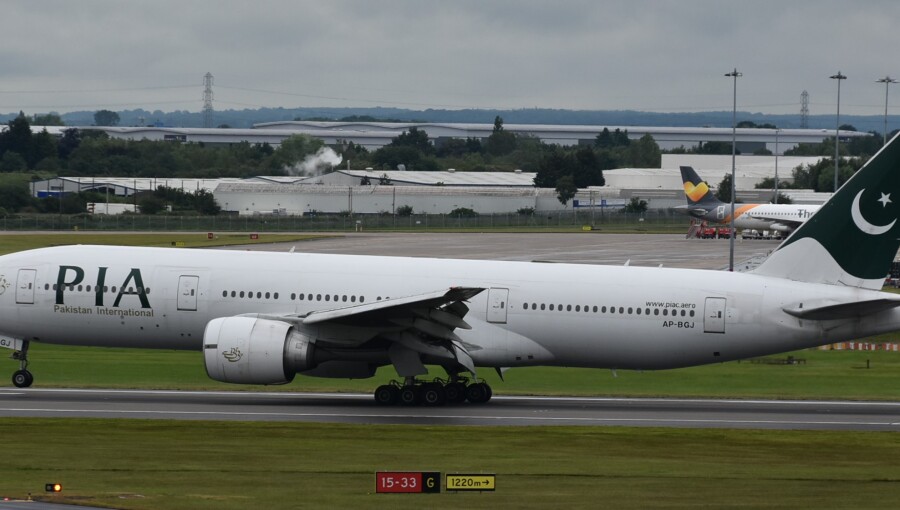
/ Alec Wilson from Hampton-in-Arden, United Kingdom
By bne IntelliNews November 22, 2025

Pakistan’s prime minister has instructed officials to fast-track the privatisation of Pakistan International Airlines, signalling renewed urgency in efforts to restructure the loss-making national carrier the Dawn newspaper reports. During a review meeting in Islamabad, Shehbaz Sharif called for all stages of the transaction to be completed swiftly and with full transparency, while pushing for improvements in the airline’s operational performance.

Authorities outlined the latest status of the process, confirming that the Privatisation Commission has shortlisted four groups to compete for a 75% stake in the airline, together with management control. The business plan for the transaction requires that PIA’s name and branding remain intact once the sale is finalised. Preparations for the bidding phase are under way, following several months of due diligence actions the report adds.

According to Dawn, the prequalified bidders include Fauji Fertiliser Company, Air Blue, and two large consortia made up of leading Pakistani industrial and investment groups. One of the consortia, initially spearheaded by Arif Habib Corporation, has recently been expanded to include AKD Group Holdings after a request from the participating firms. The selection reflects the government’s preference for domestic entities with the financial capacity to stabilise and modernise the airline.

Officials also presented fleet-expansion plans, indicating that the number of serviceable aircraft is expected to rise from 18 to 38 by 2029. The carrier, which currently operates to more than 30 destinations, aims to extend its network to over 40 cities within the same period as part of its medium-term recovery strategy.


China’s Emissions Flatline Amid Record Clean-Energy Growth

  • China’s CO? emissions held steady for the third quarter of 2025 even as electricity use grew more than 6%, thanks to rapid solar, wind, hydro, and nuclear expansions.

  • Transportation and heavy-industry emissions declined, while EV sales surpassed 50% of new cars, though chemical-sector emissions rose sharply.

  • The plateau comes as Beijing sharpens its climate strategy ahead of COP30, raising the possibility that China is nearing a structural emissions peak.


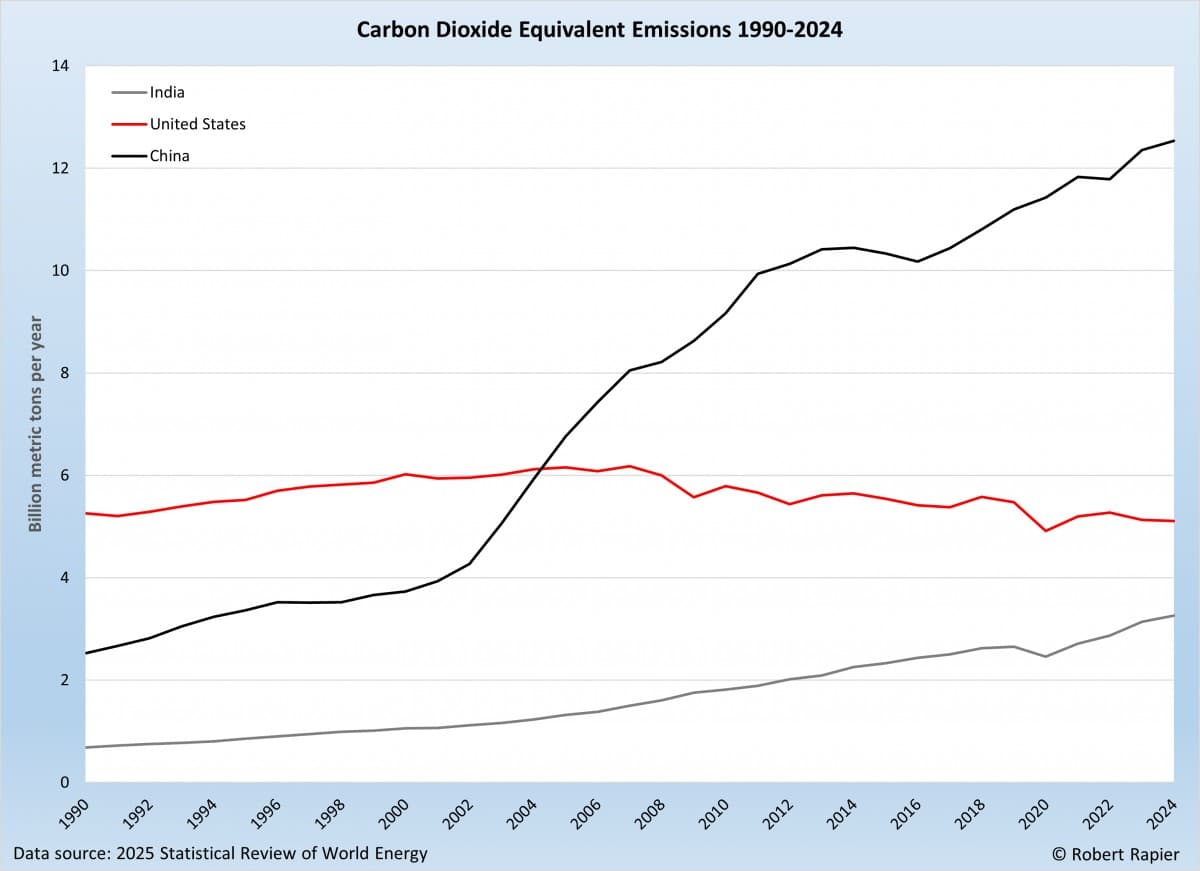
For a quarter century, China has been the dominant driver of rising global carbon emissions. Its rapid industrialization, swelling electricity demand, and unprecedented construction boom have shaped the world’s carbon trajectory more than any other country.

CO2

But the latest data show something atypical on China’s relentless climb higher: a pause.

New analysis from the Centre for Research on Energy and Clean Air (CREA) shows that China’s CO? emissions were essentially flat in the third quarter of 2025 compared to the year before. That marks roughly a year and a half of either flat or declining emissions, a trend that began in March 2024. For the world’s largest emitter, stability is newsworthy. 

The real question is whether this moment represents a structural shift, since twice in the past 15 years China’s emissions paused for a breather only to once again turn higher.

A Plateau with Deeper Drivers

What makes this development notable is what didn’t happen. China’s power consumption did not stagnate. Quite the opposite: electricity demand rose 6.1% in Q3, accelerating from 3.7% growth in the first half of the year. Historically, that kind of increase would have triggered a corresponding rise in coal use and emissions.

This time, it didn’t.

A surge in low-carbon generation—solar, wind, hydro, and nuclear—absorbed almost all of the additional demand. China’s record-setting pace of renewable deployment has quietly transformed its grid. Gigawatt-scale solar farms are coming online at a clip unmatched anywhere else in the world. Wind installations, particularly offshore, have expanded quickly. Hydropower output rebounded after two difficult years of drought, and nuclear capacity continues to grow with a steady pipeline of new reactors.

Transportation emissions also moved in a different direction, falling 5% from a year earlier. The shift is largely driven by electric vehicles, where China dominates global sales. With more than 50% of new cars in China now electric, the country’s roads are becoming an important piece of its emissions equation. Heavy industry—especially steel and cement—also posted declines, helped by efficiency gains and a gradual pivot away from the most carbon-intensive construction activity.

Taken together, these changes may give the plateau real substance. They are not simply the result of a soft economy or temporary disruptions.

A Global Story in the Making

The timing of China’s emissions freeze stands in contrast with broader global trends. The latest Global Carbon Budget projects a 1.1% rise in fossil-fuel emissions worldwide in 2025, fueled by aviation, shipping, and growing energy demand in developing economies. Against that backdrop, China’s leveling off may offer a counterweight—and potentially the beginnings of a long-anticipated global peak.

But as with most climate milestones, the picture is mixed.

Emissions from China’s chemical sector jumped sharply in Q3, offsetting progress in other areas. And while the headline numbers are encouraging, they remain vulnerable to economic and policy swings. China has never hesitated to lean on heavy industry and coal generation during periods of stimulus or supply-chain stress, and it could do so again.

Policy Signals Behind the Numbers

The plateau also comes as Beijing recalibrates its climate strategy. In November, Chinese officials reaffirmed two major national targets: peaking carbon emissions before 2030 and reaching carbon neutrality by 2060. What stood out this time was the explicit inclusion of methane and nitrous oxide—non-CO? gases that had received less policy attention in previous plans. Addressing those emissions suggests China is ready to embrace a more comprehensive approach to climate governance.

This policy shift arrives at a strategically important moment. The emissions data emerged just as COP30 convened in BelĆ©m, Brazil, where global negotiators are wrestling with the realities of decarbonization. China’s ability to show progress—without sacrificing economic momentum—strengthens its diplomatic hand during climate negotiations.

What to Watch in the Months Ahead

Whether this plateau hardens into a true peak depends on several moving pieces:

  • Renewable buildout and grid integration. China’s renewable pipeline is enormous, but transmission bottlenecks and curtailment remain challenges.
  • Industrial enforcement. Steel, cement, and chemicals will determine whether efficiency gains can be sustained.
  • EV adoption and infrastructure. EV momentum has carried transportation emissions lower, but charging capacity and consumer incentives will shape the next phase.
  • Commodity cycles and export demand. If construction or manufacturing rebounds sharply, emissions could easily follow.

For investors, policymakers, and anyone modeling long-term climate risk, China’s emissions sit at the center of the global carbon outlook. The coming quarters will reveal whether this is a fleeting plateau—or the start of a critical pivot in the world’s emissions trajectory.

By Robert Rapier

Column: China burns more coal even as output slips, driving prices up

China’s electricity generation from thermal fuels such as coal jumped in October while coal output declined, leading to higher prices for both domestic fuel supplies and imports.

Signs point to further price rises as the world’s second-largest economy enters the peak season for energy demand, and with Chinese mines hobbled by nationwide output restrictions amid ongoing safety checks, more of that coal will need to come for overseas.

Fossil fuel power generation rose to 513.8 billion kilowatt hours (kWh) in October, up 7.3% from the same month a year earlier and the highest for an October in records going back to 1998. China’s thermal power output is mostly from coal with a small amount from natural gas.

Overall electricity generation in October also rose to the highest for three decades for the same month, reaching 800.2 billion kWh, up 7.9% from a year earlier, according to official data released on November 14.

In addition to stronger thermal generation, hydropower output jumped 28.2% from a year earlier, while wind generation rose slightly and solar power dropped on weaker irradiance in the northeast and northwest.

With hydropower generation unlikely to rise further in November and solar and wind entering seasonal downturns, it is likely that coal-fired generation will have to increase for the upcoming winter demand peak.

This may put some pressure on domestic coal mines, which have reported lower production amid Beijing’s “anti-involution” campaign aimed at combating overcapacity in several key strategic industries.

China’s output of all grades of coal was 406.75 million metric tons in October, down 2.3% from the same month in 2024 and also down from 411.51 million tons in September, according to official data released on November 14.

Robust coal production in the first half of the year means that overall output for the first 10 months of the year is still up 1.5% from the year-earlier period.

However, the restrictions on output in recent months have sparked higher domestic prices, with consultants SteelHome assessing thermal coal at Qinhuangdao port at 835 yuan ($117.44) a ton on Wednesday.

The price has jumped 37% to a one-year high from the four-year low of 610 yuan a ton hit in June.


Seaborne gains

Higher domestic prices are dragging up seaborne thermal coal prices from China’s major suppliers, Indonesia and Australia.

Indonesian coal with an energy content of 4,200 kilocalories per kilogram (kcal/kg) rose to a six-month high of $48.52 a ton in the week to November 14, according to an assessment by commodity price reporting agency Argus.

Australian 5,500 kcal/kg coal jumped to $86.53 a ton in the week to November 14, an 11-month high and up 32% from the four-year low of $65.72 hit in early June.

The rising prices are likely to prove a boon for coal exporters as China’s import volumes are holding up despite the increased cost of cargoes.

China’s seaborne thermal coal imports are forecast to reach 28.63 million tons in November, down a touch from October’s 29.2 million, according to data compiled by analysts DBX Commodities.

Imports of seaborne thermal coal have recovered since hitting a three-year low of 20.02 million tons in June, according to DBX data, with the four months from August to November all coming in just either side of 29 million tons.

China’s stockpiles of coal at coastal ports are estimated by DBX to drop to 63 million tons in November, down from 64.4 million in October and also around 16 million below the level from November last year.

This suggests that demand for seaborne coal will likely be resilient over the winter period, especially if domestic output remains constrained.

(The views expressed here are those of the author, Clyde Russell, a columnist for Reuters.)

China’s coal miners hope spot price rally lifts annual contracts

Stock image.

Chinese miners are hoping a recent rally in spot prices for thermal coal will translate into a boost for their annual contracts with power plants next year.

Miners are required to sell 75% of their coal on annual contracts, and the next few weeks will be a pivotal period on those negotiations. The National Development and Reform Commission is pushing miners and utilities to settle such deals by Dec. 13, the China Coal Transportation and Distribution Association said in a Wednesday note, citing an unpublished notice from the regulator.

That makes the recent rally a godsend for miners. Spot prices have surged 36% since June as increased safety inspections reduced output and an October heat wave led to a surge in coal power generation to run air conditioners. Qinhuangdao 5,500-kilocalorie coal is trading at 827 yuan ($116.20) a ton, according to China Coal Resource, the highest level in a year and well above the 675 yuan benchmark for 2025 annual contracts.

Inventory levels across the supply chain are below seasonal levels, which could exert more upward price pressure through mid-December, with a potential peak at 850 to 900 yuan a ton, said Feng Dongbin, vice president at consultant SXCoal, according to a Tuesday research note from Morgan Stanley analysts.

Feng expects total coal imports to fall to 480 million tons in 2026, from a projected 493 million tons this year. Mongolia, one of China’s major suppliers, proposed lifting its exports to 100 million tons next year. Prime Minister Zandanshatar Gombojav made the proposal at a Tuesday meeting in Moscow with Chinese premier Li Qiang.


UK Energy Bills Set to Rise in Early 2026

UK households will pay slightly higher energy bills in the first quarter of 2026 after energy market regulator Ofgem on Friday raised the Energy Price Cap by 0.2%, against expectations of a 1% drop.  

The UK has a so-called Energy Price Cap in place, which protects households from excessively high bills by capping the price that energy utility providers can pass on to them.

Energy bills in Britain have declined from the record highs in 2022 and 2023, but they are still about 35% higher compared to before the Russian invasion of Ukraine and the energy crisis that followed. 

On Friday, Ofgem announced a 0.2% rise of the energy price cap for the period January to March 2026. This change would mean a slight increase in bills for a typical UK household, and year on year when adjusted for inflation the new cap is 2%, or $48 (£37), lower than the same period in 2025, the regulator said. 

The slight increase of the price cap is driven by government policy costs and operating costs. This includes funding government’s Sizewell C nuclear project which will bring more clean power, Ofgem noted. 

The cap was expected to drop by 1%, according to Cornwall Insight’s prediction from earlier this week. 

“While wholesale energy costs are stabilising, they still make up the largest portion of our bills which leaves us open to volatile prices,” said Tim Jarvis, Director General, Markets, at Ofgem. 

“That’s why we’re working with government and industry to boost clean energy and reduce our reliance on international sources we can’t control.” 

According to Ofgem, wholesale prices – which make up the largest portion of the bill - are currently stable and have fallen by 4% over the past three months. 

“However, unpredictable global events leave us open to volatility and prices could change,” the regulator said. 

The Labor government wants to build infrastructure to accommodate more renewable energy and remove the volatility of fossil fuels from the bills, Energy Minister Michael Shanks told Sky News

“We obviously hope that that will happen as quickly as possible, but there's no shortcut to this, and there's not an easy solution to building the clean power system that brings down bills,” Shanks added.  

By Tsvetana Paraskova for Oilprice.com


Abu Dhabi Conglomerate Enters Bidding War for Lukoil Assets

International Holding Company (IHC) of Abu Dhabi has expressed interest to the U.S. Treasury to potentially acquire the international assets of Russia’s Lukoil, the UAE conglomerate told Reuters on Friday, joining a growing number of suitors for the foreign assets of the now sanctioned second-largest oil company in Russia. 

IHC told Reuters in response to a query whether it had expressed interest in Lukoil’s international assets to the U.S. Treasury Department, “Yes, we have expressed interest in Lukoil's foreign assets.”  

IHC did not elaborate further on the subject. 

The Abu Dhabi firm joins private equity giant Carlyle and U.S. oil and gas supermajors Chevron and ExxonMobil, who are also believed to have already expressed interest in the foreign assets of Lukoil.

As of Friday, Lukoil is under U.S. sanctions, alongside Russia’s top oil producer Rosneft. The Trump Administration designated last month the two biggest Russian oil producers and exporters to force Moscow to genuine negotiations about ending the war in Ukraine. 

This was the first sanctions move by the Trump Administration against Russia, but it became the most disruptive, stranding millions of barrels of crude at sea as buyers retreat and forcing a fire sale of Lukoil’s international assets. 

The U.S. Treasury rejected the first suitor, Switzerland-based commodity trading giant Gunvor, with which Lukoil had even reached a preliminary agreement to sell its international assets. Describing Gunvor as “the Kremlin’s puppet,” the U.S. declined to approve the deal, but extended through December 13 a license for Lukoil to negotiate a sale of its international businesses.  

Lukoil is the most active Russian energy company internationally, with upstream operations in the Middle East, Central Asia, and Latin America, and retail fuel businesses in many parts of the world, including the United States.

The potential suitors for Lukoil’s international assets now include Carlyle, Chevron, and Exxon, according to various media reports of the past week.  

By Charles Kennedy for Oilprice.com