DR Congo and M23 fighters agree to roadmap for peace talks, Switzerland says
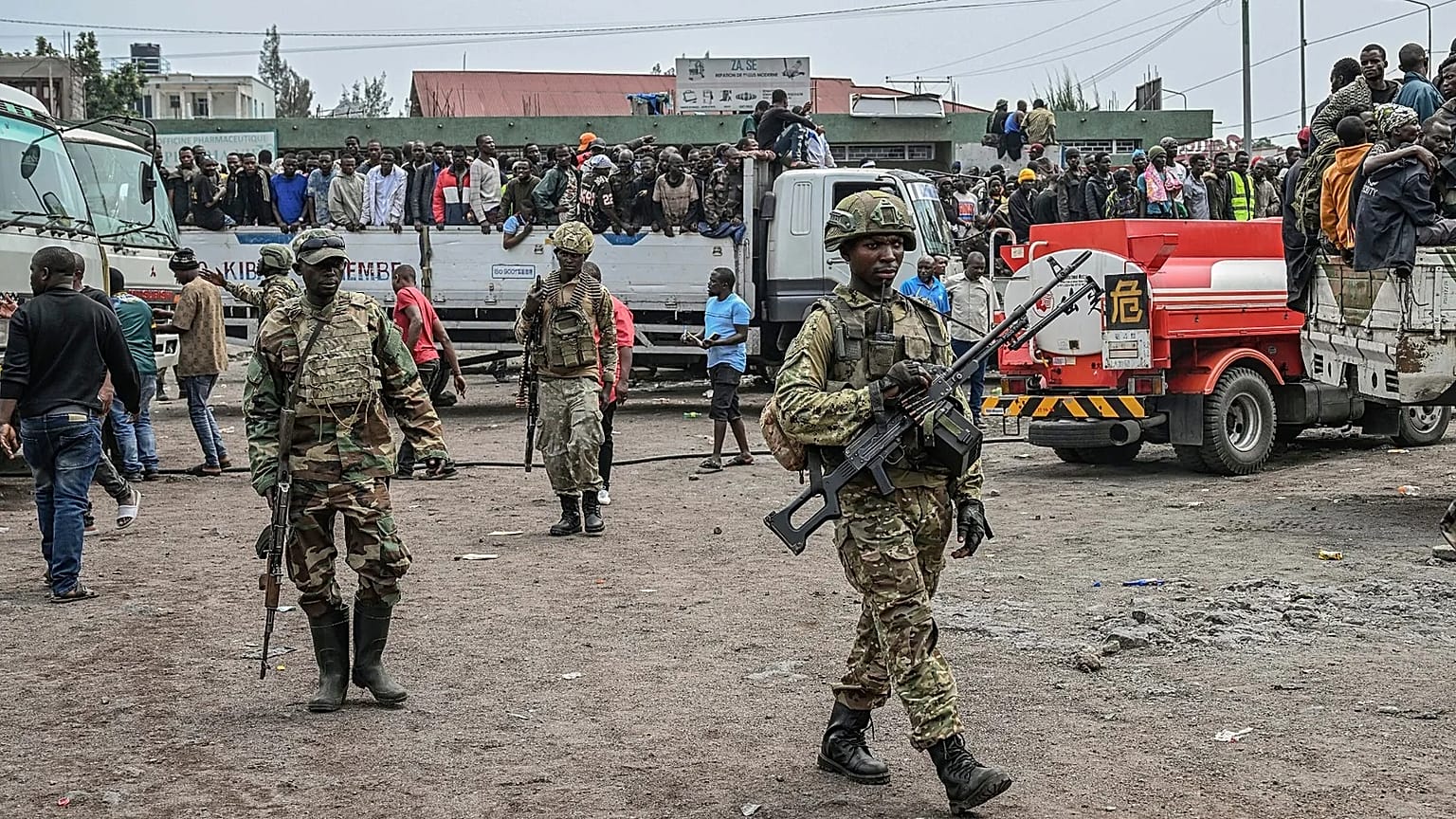
Both sides had previously signed an agreement in Doha last year, but fighting has continued in mineral-rich eastern DRC, a region that has endured years of conflict.
The Democratic Republic of Congo and the Rwanda-backed M23 armed group have agreed to a roadmap for peace talks, according to a joint statement published on Sunday.
"The Parties developed a roadmap setting out sequenced steps and timelines for negotiations under the Doha Framework Agreement and committed to flexibility and creativity within the existing structure," the statement published by Switzerland, which had hosted the negotations, said.
"They reaffirmed their commitment to pursue negotiations towards comprehensive peace and conflict resolution through the implementation of the Framework Agreement," it added.
The two sides signed a US-brokered framework agreement last year in the Qatari capital Doha, but fighting has continued since, prompting both to gather in Switzerland last week for a new round of talks.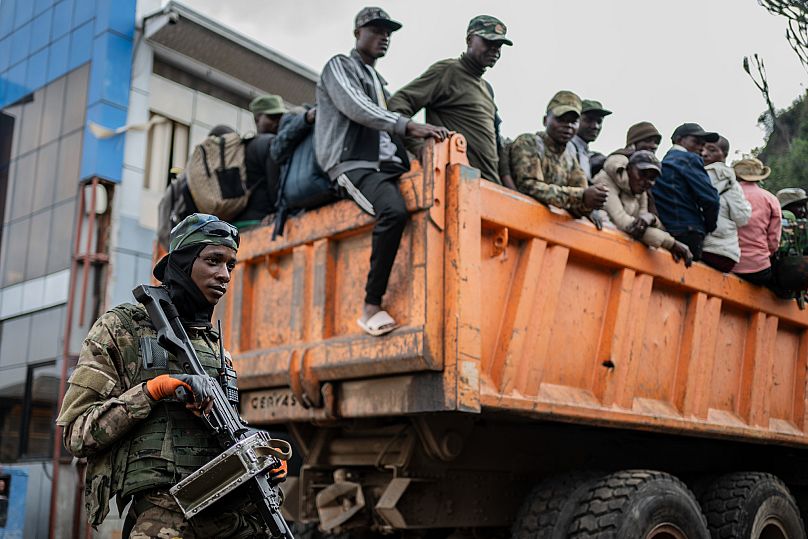
Former members of the Armed Forces of the Democratic Republic of Congo (FARDC) and police officers who allegedly surrendered to M23 rebels arrive in Goma, 23 February, 2025 AP Photo
The closed-door talks took place from 17-21 August, bringing together representatives from the United States, Qatar, Switzerland, the African Union Commission and Togo, which served as African Union mediator.
The two sides said they had "agreed on the importance of a standardised method for reporting allegations of ceasefire violations," with a first ceasefire verification mission due in Minembwa in DRC's South Kivu Provnce on Monday.
Both also agreed to create a "mechanism tasked with reviewing progress and addressing challenges in implementation of obligations and commitments under the Doha Framework Agreement."
Multiple armed groups have fought over territories in Eastern DRC, which are rich in minerals critical to much of the world’s technology, including the Rwandan-backed M23, which seized large swathes of the region last year.
The Democratic Republic of Congo government and the M23 rebel group have agreed on a roadmap for peace talks aimed at resolving the protracted conflict in eastern DRC. It marks the latest step in an internationally brokered peace process that has seen the parties make cautious concessions, without ending the fighting.
Issued on: 23/08/2026 - RFI

Following talks in Switzerland earlier this week, the parties have committed to "pursue negotiations towards comprehensive peace", mediators said in a joint statement released on Saturday night.
They staked out a roadmap "setting out sequenced steps and timelines for negotiations" and agreed to establish a mechanism to address problems implementing the peace deal they signed late last year in Qatar, the statement said.
They also affirmed "the importance of a standardised method for reporting allegations of ceasefire violations".
A ceasefire verification mission is due to arrive in Minembwe, in South Kivu province in eastern DRC, on Monday. The highland region has seen fierce fighting in recent months as militias allied with M23 and the DRC government battle for control.
It will be the first formal inspection since the peace deal was signed in November 2025, and the first deployment of the shared body meant to oversee it.
Slow peace process
The latest negotiations took place in Switzerland from 17-21 August, mediated by the United States, Qatar, Togo, Switzerland and the African Union Commission.
The agreement the two sides signed in Doha last year aimed to lay the foundations for a comprehensive peace deal, setting out commitments on prisoner exchanges, humanitarian access and restoring state authority.
But fighting has continued and disagreements remain over issues including territorial control and the transfer of detainees.
In one of the first concrete steps in implementing the agreement, earlier this month Democratic Republic of Congo authorities released 15 prisoners and handed them over to M23 and its political wing, the AFC.
For decades, armed groups have battled for control of eastern DRC and its valuable natural resources, which include minerals critical to the world's electronics industry.
The conflict has intensified in the past five years as M23 launched a new offensive. The rebels succeeded in seizing swathes of territory last year, including Goma, the capital of North Kivu province.
The fighting has killed thousands of people and displaced millions.
The DRC, the United Nations and several Western governments have accused Rwanda of backing M23 with troops and weapons, but Kigali denies the allegation.
In turn, Rwanda says an armed group active in the eastern DRC, the Democratic Forces for the Liberation of Rwanda (FDLR) – which is linked to the 1994 genocide against the Tutsi people – constitutes a major security threat, and accuses the Congolese government of failing to dismantle it.
The US brokered a separate peace deal between the DRC and Rwanda last year. The DRC agreed to disband the FDLR, while Rwanda promised to withdraw its forces and end its alleged support for M23.
Yet Washington accuses Rwanda of maintaining troops in eastern DRC and has imposed sanctions on the Rwandan army, as well as companies accused of trafficking minerals from areas controlled by M23 rebels.

No comments:
Post a Comment