Enduring Legacy Of Museum Society Of Mumbai – Analysis
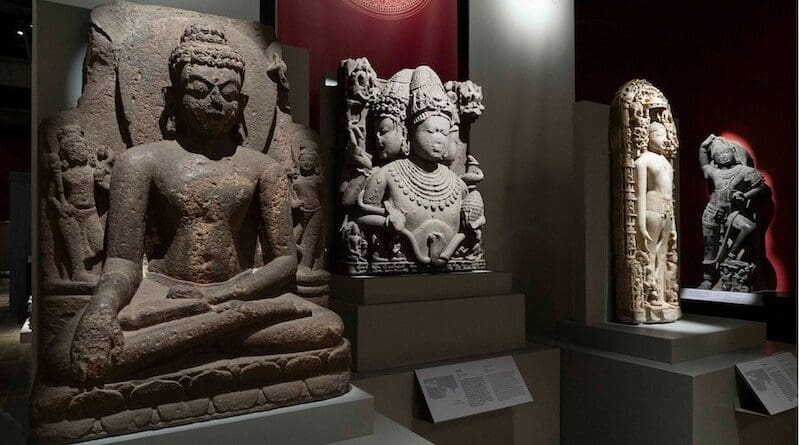
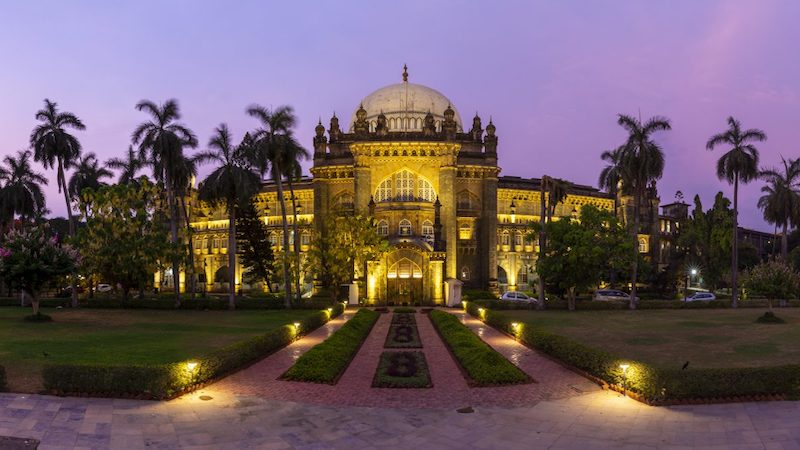
Sculpture gallery. Credit: CSMVS
Celebrating 60 years of promoting knowledge, culture and education with the Chhatrapati Shivaji Maharaj Vastu Sangrahalaya
On 29 May 2025 it was a celebration of sixty years of the founding of Museum Society of Mumbai; 60 eventful years which have witnessed a vibrant growth of the 76-year-old Republic of India and, at the same time, it was six decades of being a part of the 101-year-old Prince of Wales Museum now Chhatrapati Shivaji Maharaj Vastu Sangrahalaya in Mumbai. Said Dr Pheroza J Godrej, chairperson of the Museum Society of Mumbai (earlier the Museum Society of Bombay), “our partnership with the Museum has been central to our mission of promoting informal education, reaching generations of learners and enthusiasts. Our programmes have always aimed to inspire curiosity, provide educational opportunities and foster a sense of community.”
The Premchand Roychand Gallery of Chhatrapati Shivaji Maharaj Vastu Sangrahalaya (CSMVS) was packed with trustees, committee members, academicians, volunteers and dignitaries as the celebratory evening began. A meticulously compiled publication titled ‘Celebrating a Diamond: The Museum Society of Mumbai 60 Years of Legacy and Learning’ was released by director general of the Museum, Dr Sabyaschi Mukherjee and Mr Cyrus Guzder, chairman of board of trustees of CSMVS. Meher Marfatia, a senior journalist and independent publisher is its author, with Dr Shefali Balsari-Shah as its editor.
What made the evening special was the release of the ‘Special Cover’ by Amitabh Singh, chief post master general and Suchita Joshi, post master general of the Mumbai Region. Readers may not be aware that ‘special covers’ are released by the Department of Posts in India to commemorate historic events, people and places with stamps designed for the occasion; in the pre-Internet days, ‘special covers’ were much sought after by collectors and enthusiasts alike
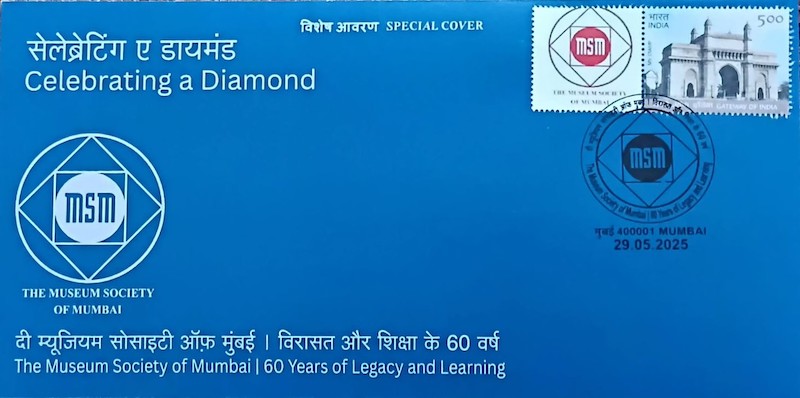
‘Celebrating a Diamond’ commemorates the rich history of the Museum Society of Mumbai and the legacy cultivated over the years. Dr Godrej’s message states, “The Society’s dedication to promoting knowledge, culture, and education through the Museum has made a lasting impact on countless individuals and communities. It is this enduring legacy that we honour today. We also recognize and honour the unwavering commitment of our volunteers, members and volunteers who have shaped the Society into what it is today. Their passion and vision have laid the groundwork for our continued growth, allowing us to expand our reach and engage with new generations of learners. Most importantly, we reflect on the values that have guided the Museum Society of Mumbai since its inception, by those who came before us. We have always believed in the power of collaboration – between individuals, communities and institutions – to bring culture, history and education to life in meaningful ways, and aspire to continue the tradition.”
In the fast-paced life of mega-cities, like Mumbai, it is a continuing challenge to keep alive the interest in history and heritage in museums. “Looking ahead we are committed to expanding our offerings to reach an even wider and more diverse audience,” said Dr Godrej, adding, “we envision integrating new technologies and modern approaches to create dynamic programs that cater to all ages and sections of society, ensuring that the Museum remains a space of learning, engagement and enrichment. Our goal is to continue serving as a bridge between the past and the present, while also addressing contemporary issues, inviting dialogue and nurturing a deeper appreciation of our shared heritage. It is my hope that this record of our history will also inspire future generations to continue and build upon the mission and spirit of the Museum Society of Mumbai. Together we will continue to be a beacon of learning, collaboration and community for years to come.”
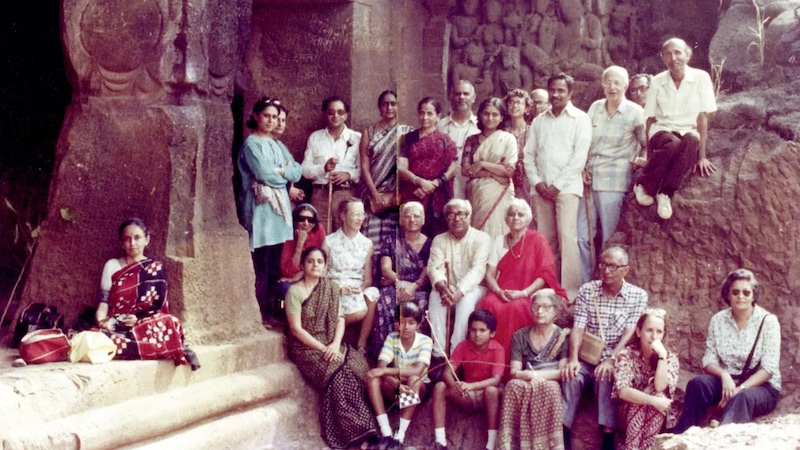
Shared commitment
Dr Sabhyasachi Mukherjee, director general of CSMVS said, “I am reminded of the words of JP Brander ICS, chairman of the board of trustees of Prince of Wales Museum who was present during the inauguration on January 10, 1922 – ‘the Museum should large be an institution or foundation for promoting research on all branches of science and technology and not only a museum of curiosities for the sightseer’. I am proud that the Museum Society of Mumbai has done exactly this and beyond, throughout its enduring and fruitful association of 61 years with the CSMVS Museum.”
The partnership between the Museum and the Society, highlighted Dr Mukherjee, is more than just an operational alliance: “it is a shared commitment of making culture accessible to all. Together, we have created a space where art, history and knowledge converge, encouraging visitors to engage with the past while thinking critically about the present. The Society’s volunteer driven efforts have enriched our offerings, introducing innovative programs that cater to the interests of both our long-standing patrons and newer, more varied audiences.”
‘Celebrating a Diamond’ presenting the history of the Museum Society of Mumbai is a fitting tribute to the legacy of this shared association. “The stories, events, and milestones chronicled here showcase the passion and commitment that have driven the Society’s work over the decades. As you turn these pages, I hope you will appreciate not only the remarkable history we share but also the promise of a great future ahead. I thank Dr Pheroza J Godrej for taking the initiative and documenting this journey,” said the director general.
Dr Mukherjee is conscious of how the world around us is changing as are “the needs of our communities, and it is more important than ever to work together to remain relevant, inclusive and impactful. Through digital initiatives, community-focused events, and educational collaborations, supported by our shared resources and expertise, we can ensure that both the Museum and Society continue to serve as vibrant hubs for learning and cultural exchange. I am confident that this collaboration will only grow stronger in the years to come. Together we will continue to inspire curiosity, foster learning and nurture a deeper connection to our cultural heritage, ensuring that both institutions remain vital resources for future generations.”
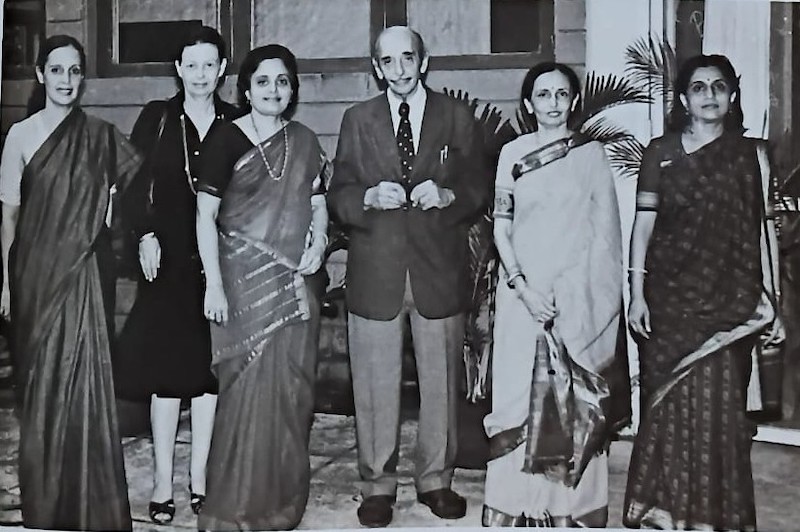
Ambitious vision
Museum Society of Mumbai was established over sixty years ago with a wonderfully ambitious vision: to be a cultural conduit between the citizens of Bombay and the Prince of Wales Museum, the premier cultural institution and museum in India. It was rechristened the Museum Society of Mumbai (MSM) after 1995-95 when the city name changed from Bombay to Mumbai, and the Prince of Wales Museum became the Chhatrapati Shivaji Maharaj Vastu Sangrahalaya (CSMVS).
The history of the Museum is fascinating: The Prince of Wales Museum was established in the early years of the 20th century when wars, battles and political struggles across the world were occurring. In those tumultuous times, the Museum came into being. Its initial role and function was envisaged in accordance with the prevalent philosophy defining a museum as a non-profit, permanent institution in service of society and its development, open to the public, which acquires, conserves, researches, communicates and exhibits the tangible and intangible heritage of humanity and its environment for the purpose of education, study and enjoyment. (The International Council of Museums codified this definition in 2007.)
The Museum Society of Mumbai was founded and registered under the Societies Registration Act, 1960 on 13 September 1963, by a group of culturally-conscious like-minded citizens, under the guidance of the Trustees of the Museum and its then director Dr Moti Chandra. Dr Chandra felt that much more needed to be done to connect with the citizens of Bombay, even though the Museum was well-established by then having a record of over five decades. It was his daughter-in-law Helen who mooted the idea of establishing the Museum Society. She drew her inspiration from the movement of the Friends of the Museum and Museum Societies which had become widespread in Europe and North America in the late 1940s after the end of the Second World War.
Her laudable intention of reaching out and establishing a personal connection with visitors was immediately manifested in the very first communication: When did you last visit the Prince of Wales Museum? Has your child been there? Did you realize how unique and valuable our Museum is? In her first circular to members of the Bombay public, as a means for the Society to announce its arrival and create an engagement model. Bombay led other cities in having established and conducted the first Museum Society in India which is, to date, still the only one of its kind in the country.
The Museum Society of Mumbai has been internationally recognized for its activities in the Bulletins of the World Federation of Friends of Museum in England, UNESCO quarterly Museum. It continues after 60 eventful years, to arrange a staggering number and range of notable lectures, film shows and events, and with many of its activities designed especially for children. The Society’s major aim was always to make the Museum an interactive cultural institution instead of a dull storehouse of collected antiquities and relics of the past on display.
Prior to its formal registration status, the Society functioned for a year as the ‘Ladies Committee – Prince of Wales Museum’. Meeting in the afternoons, the non-profit body of voluntary workers was initially helmed by the ‘Ladies only’ Executive Committee of 13 members: this art-loving group included such illustrious committee members as Haviland Thompson, Surovi Bhattacharjee, Nalini Swali, Saryu Doshi, Asha Sheth, Tina Khote and Primula Pandit.
In a media interaction, Dr Godrej recalled, “Museum Society of Mumbai MSM’s early programming featured a who’s who of luminaries – from Dr Salim Ali and Dr Sonal Mansingh to Nissim Ezekiel, Pandit Ravi Shankar and Pandit Bhimsen Joshi.” She referred to the time in Mumbai when there was no National Centre for the Performing Arts; Shanmukhananda Hall was in central Mumbai. The artistes and performers came on board because of their love for the city and the museum, she said. “The Bhulabhai Desai Memorial Institute (BDMI) in Breach Candy was the nucleus for the arts; CJ Hall would host Kal ke Kalakar. I’d attend shows there, and if I liked a performance, I would invite the artiste to perform for us. They didn’t need much convincing.”
Back then, membership fees were nominal, as it is today. Dr Godrej is constantly nudged to increase membership fees. But she is firm. “We are completely different from the rest; our agenda is different. We are not a corporate-run platform. We give to culture because we believe in the cause of culture”: what simple, powerful and determined words from the Chairperson herself. More power to the Museum Society of Mumbai as it moves to reach more milestones along its journey!
Raju Mansukhani
Raju Mansukhani, based in New Delhi, is a researcher-writer on history and heritage issues; a media consultant with leading museums, non-profits, universities and corporates in India and overseas. Contributing regular columns, book reviews and features in the media he has drawn attention of the new generations to critical issues and personalities of Indian and Asian history. Over the last three decades he has authored books on diverse subjects including the media, palace architecture, sports and contemporary history. Through in-depth documentaries, he has profiled leading Asian public figures highlighting their research and publications.

No comments:
Post a Comment