.jpg)
South African iron ore mine faces closure as ArcelorMittal crisis weighs
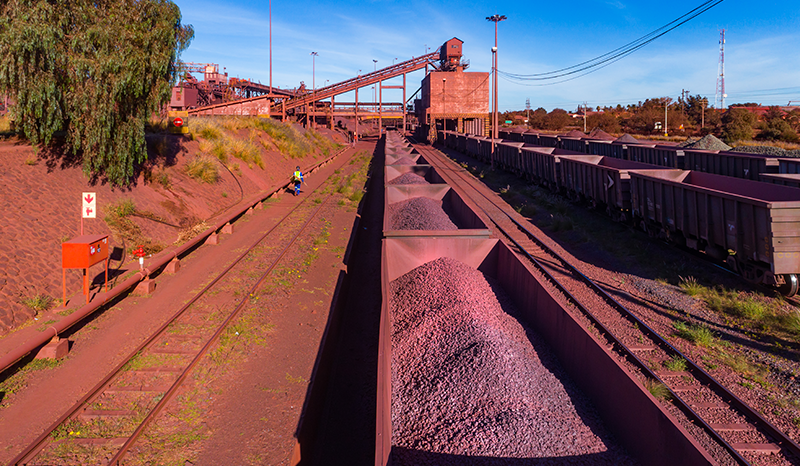
South Africa’s Assmang is weighing the closure of its Beeshoek iron ore mine after failing to secure a contract to supply its sole customer, the ailing steel producer ArcelorMittal South Africa.

The closure of the mine could result in the loss of 688 jobs, Assmang – a joint venture between African Rainbow Minerals and international miner Assore – said in a notice to unions seen by Reuters on Tuesday.
ArcelorMittal South Africa had, in what Assmang called “an unexpected turn of events”, confirmed in June that it would not sign a three-year contract with Beeshoek despite earlier indications that it would do so, the miner said.
“Moving forward, Beeshoek proposes to discuss with the unions the potential closure of Beeshoek,” Assmang said in the notice.
“The mine has only one significant customer, ArcelorMittal South Africa. The customer is not willing and has declined concluding any long-term contract with Beeshoek mine,” it said, adding that several alternatives, including exports, had been considered but ultimately deemed unviable.
ArcelorMittal South Africa declined to comment on the matter.
“Given the complexity of the matters under discussion and our cautionary announcements, we are limited in what can be discussed in the public domain at this stage,” a company spokesperson told Reuters in an emailed response.
The steelmaker reported a 1 billion rand ($56.75 million) loss in the six months to June 30. It is facing weak local demand, high electricity tariffs, and poor freight logistics as well as competition from Chinese imports and local scrap metal recycling mini-mills.
ArcelorMittal South Africa plans to close its loss-making long steel plants in Newcastle, which is now under care and maintenance, and Vereeniging. It has deferred the closures for two years as it engages with the government, labour representatives and utilities companies but has said those talks have, so far, not produced a solution.
Trade union Solidarity, one of the three recognized unions at Beeshoek, said Assmang had initiated the process to lay off the entire staff at the mine.
“Due to the fact that they do not export, and since their only client can no longer buy from them, the worst possible option is now being considered,” Adele Rossouw, Solidarity’s organizer for the mining sector, said in a statement.
($1 = 17.6209 rand)
(By Nelson Banya; Editing by Joe Bavier and Tomasz Janowski)
South Africa mining lobby gives draft law feedback with concerns
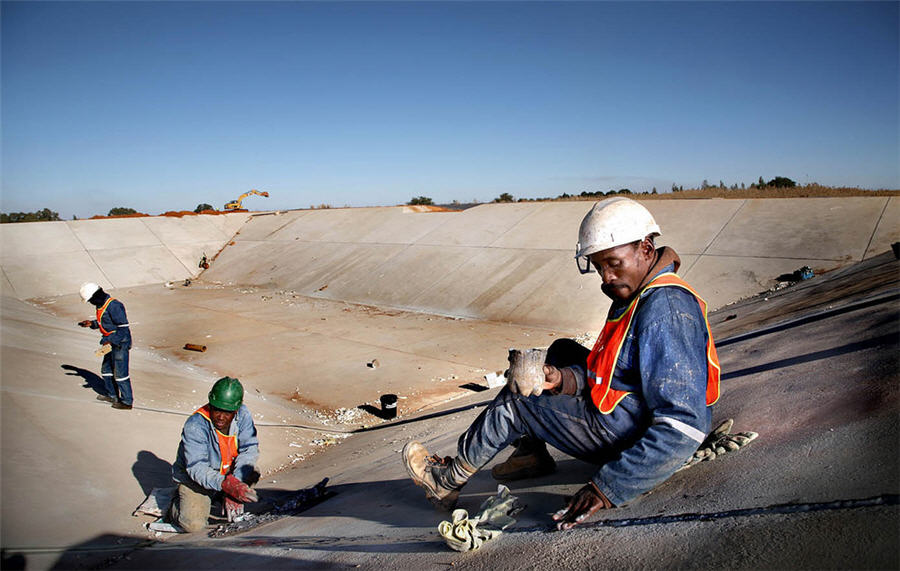
South Africa’s mining lobby group said it submitted proposed changes to draft legislation for the sector, but is concerned about the impact of additional regulation that’s yet to be published.
Minerals Council South Africa reacted angrily to the draft bill when it first appeared in May, complaining that its recommendations had been ignored. The government then partially backtracked when it clarified exploration activities would be exempt from having to meet minimum Black-ownership rules.
The council sent detailed feedback to the Department of Mineral and Petroleum Resources, or DMPR, ahead of an Aug 13. deadline, chief executive officer Mzila Mthenjane told reporters on Monday. The body’s members include large miners like Sibanye Stillwater Ltd., Kumba Iron Ore Ltd. and Thungela Resources Ltd.
South Africa is a major producer of gold, iron ore, coal and platinum-group metals, and is the continent’s top exporter of mineral products. The government introduced a mining charter in 2004 to distribute the benefits from mining more widely among citizens to help repair the economic impact of racial discrimination during apartheid.
The nation’s gold output – which for decades was the world’s largest — has shrunk by more than 70% in the past 20 years. PGM production is also expected to decline in the coming years, though more modestly. A collapse in exploration investment, which is the “lifeblood of future mining activity,” is one reason behind the drop-off, according to Mthenjane.
Area of concern
Key sections of the draft bill concerning requirements for local processing and Black economic empowerment depend on ministerial regulations that the council hasn’t yet seen and wasn’t able to comment on, according to the organization’s head of legal, Ursula Brown.
“The uncertainty that emanates from that because of the lack of clarity is obviously of concern,” she said.
The mining sector accounted for about 6% of South Africa’s gross domestic product and 45% of its exports by value last year, and currently employs 465,000 people, according to the Minerals Council.
The Minerals Council said it has “no objection” to the legislation’s plan to formalize so-called artisanal mining “provided it can be done in an environmentally responsible, safe and healthy manner, with clear identifiable obligations and responsibilities.”
South African farm lobby AgriSA has opposed provisions it said would allow small-scale mining operations to access private agricultural land and called for the withdrawal of the bill.
The DMPR is now expected to prepare a revised draft which will require parliamentary approval.
(By William Clowes)

No comments:
Post a Comment