EXPLAINER: What's happening at bankrupt crypto exchange FTX?
Sun, November 13, 2022
The imploding cryptocurrency trading firm FTX is now short billions of dollars after experiencing the crypto equivalent of a bank run.
The exchange, formerly one of the world's largest, sought bankruptcy protection last week, and its CEO and founder resigned. Hours later, the trading firm said there had been “unauthorized access” and that funds had disappeared. Analysts say hundreds of millions of dollars may have vanished.
The unraveling of the once-giant exchange is sending shockwaves through the industry. Here's a look at the company's collapse so far:
WHY DID FTX GO BANKRUPT?
Customers fled the exchange over fears about whether FTX had sufficient capital, and it agreed to sell itself to rival crypto exchange Binance. But the deal fell through pending Binance’s due diligence on FTX’s balance sheet.
FTX had valued its assets between $10 billion to $50 billion, and listed more than 130 affiliated companies around the world, according to its bankruptcy filing.
FTX and dozens of affiliated companies — including CEO Sam Bankman-Fried's hedge fund, Alameda Research — filed the bankruptcy petition in Delaware on Friday.
This week’s developments marked a shocking turn of events for Bankman-Fried, who was hailed as somewhat of a savior earlier this year when he helped shore up a number of cryptocurrency companies that ran into financial trouble. He was recently estimated to be worth $23 billion and has been a prominent political donor to Democrats.
WAS IT HACKED, TOO?
FTX confirmed Saturday there had been unauthorized access to its accounts, hours after the company filed for Chapter 11 bankruptcy protection.
A debate formed on social media about whether the exchange was hacked or a company insider had stolen funds — a possibility that cryptocurrency analysts couldn’t rule out.
Exactly how much money is involved is unclear, but analytics firm Elliptic estimated Saturday that $477 million was missing from the exchange. FTX's new CEO John Ray III said it was switching off the ability to trade or withdraw funds and taking steps to secure customers’ assets.
IS FTX UNDER INVESTIGATION?
The Royal Bahamas Police Force said Sunday it is investigating FTX, adding to the company’s woes. The police force said in a statement Sunday it was working with Bahamas securities regulators to “investigate if any criminal misconduct occurred” involving the exchange, which had moved its headquarters to the Caribbean country last year.
IS ANYONE ELSE INVESTIGATING?
Even before the bankruptcy filing and missing funds, the U.S. Department of Justice and the Securities and Exchange Commission began examining FTX to determine whether any criminal activity or securities offenses were committed, according to a person familiar with matter who spoke to The Associated Press last week on condition of anonymity because they could not discuss details of the investigations publicly.
WHAT ARE THE REPERCUSSIONS?
Companies that backed FTX are writing down investments, and the prices of bitcoin and other digital currencies have been falling. Politicians and regulators are calling for stricter oversight of the unwieldy industry. FTX said Saturday that it was moving as many digital assets as can be identified to a new “cold wallet custodian,” which is essentially a way of storing assets offline without allowing remote control.
The Associated Press
FTX saga unravels more after the crypto exchange's bankruptcy filing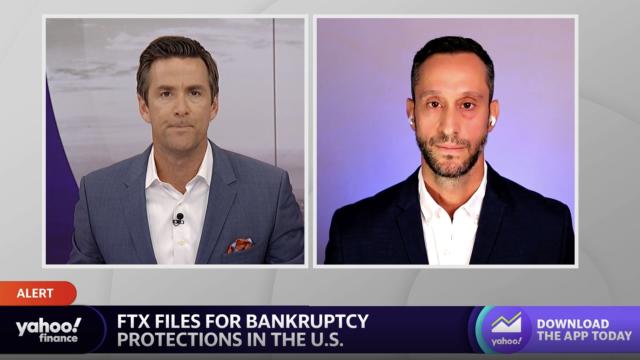
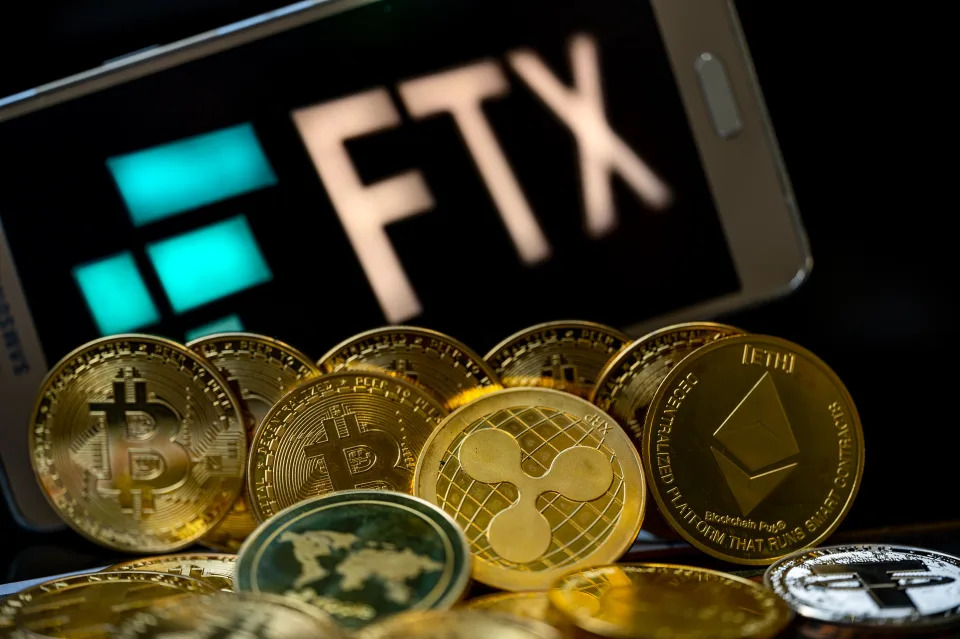
FTX logo with crypto coins with 100 Dollar bill are displayed for illustration. FTX has filed for bankruptcy in the US, seeking court protection as it looks for a way to return money to users.
Friday’s FTX heist
On Friday night, approximately $663 million in crypto mysteriously flowed out of wallets linked to the now bankrupt exchange.
John Jay Ray III, the new chief restructuring officer and CEO who was appointed less than 24 hours before, said in a statement Saturday morning: “Unauthorized access to certain assets has occurred.”
Of the total outflow, about $477 million is estimated to have been stolen, while the remaining has been moved to cold storage by FTX for safeguarding, according to blockchain analytics firm, Elliptic.
“Process was expedited this evening - to mitigate damage upon observing unauthorized transactions,” FTX US's general counsel, Ryne Miller, said on Twitter.
FTX declined to comment further on the matter.
Meanwhile, the thief has been identified trying to transfer and sell funds through U.S.-based crypto exchange Kraken, the company’s chief security officer said Saturday.
“We are committed to working with law enforcement to ensure they have everything they need to sufficiently investigate this matter,” Kraken said.
How much of those stolen funds will be returned matter. The Financial Times reported that FTX held approximately $900 million in liquid crypto and $5.4 in illiquid venture capital investments against $9 billion in liabilities the day before it filed for bankruptcy.
FTX in the Bahamas
The Bahamas security regulator froze assets of FTX Digital Markets Thursday. On Saturday, the regulator announced FTX had begun processing withdrawals of Bahamian funds for which had not been authorized.
On Sunday, the Bahamian police have also gave a statement declaring they are working with the country's securities regulator to probe FTX for criminal misconduct.
A person familiar with the matter confirmed with Yahoo Finance that Bahamian law enforcement "are forcing [Sam Bankman-Fried] to stay in the Bahamas" as of Saturday night. This followed speculation that Bankman-Fried and the company's other top executives — chief technology officer Gary Wang and head of engineering Nishad Singh — were attempting to flee.
Under Chapter 11
FTX will deal with the same “big legal question” as crypto lenders Celsius Network and Voyager, Greg Plotko, a legal partner with Crowell & Moring, told Yahoo Finance. That's whether crypto held in customer accounts belongs to the customers themselves or the bankruptcy estate.
Unlike Celsius and Voyager, where the line of ownership was less clear, the terms of service on FTX.com states to customers that “none of the Digital Assets in your Account are the property of, or shall or may be loaned to, FTX Trading.”
“There’s also almost certainly massive amounts of criminal fraud that led to this scenario and as a result, we can expect this will be a very messy public trial that will lead to bad publicity and regulatory backlash for the [crypto] industry,” Haseeb Quershi, a managing partner with venture firm, DragonFly Capital, told Yahoo Finance.
Like Quershi's firm Dragonfly, several larger name crypto hedge funds and market makers have assets trapped on FTX, including Galaxy Digital, Multicoin Capital, Jump Trading, Wintermute, and Galois Capital.
"When you have these situations, there are a lot of institutions that want to exit their positions. They don't want to be stuck in a bankruptcy for two years, waiting for payouts," Plotko said. There's already a lot of holes as to where all the money went. Institutions and individuals may want to sell out."
FTX's bid for Voyager Digital's assets is over
In September, bankrupt crypto lender Voyager announced that FTX through its U.S. subsidiary (FTX US) had made the winning bid for its assets. But that "$1.4 billion offer to buy customer accounts of Voyager Digital is now in serious jeopardy," Jason DiBattista, head of legal analysis with LevFin Insights, told Yahoo Finance.
Voyager Digital has reopened the bidding process for its assets, according to a press release Friday from its unsecured creditors committee.
At the time of FTX’s bankruptcy filing, Voyager held approximately $3 million worth of crypto tokens it is unable to withdraw.
BlockFi?
Crypto lender BlockFi has also gone silent since officially announcing a freeze on customer withdrawals Thursday night. Since then, a number of customers have noted their BlockFi credit cards no longer work.
While BlockFi isn't included in the FTX Chapter 11 filing, the firm is expected to be a major creditor after it took an emergency $400 million line of credit from FTX in late June.
As recently as Monday, BlockFi attempted to relaunch its yield product. On Tuesday, COO Flori Marquez announced the firm was "fully operational." BlockFi did not respond to comments on its status through the weekend.
FTX collapse is ‘slow-motion train wreck running into a dumpster fire full of black swans’: Analyst
David Hollerith
·Senior Reporter
Sun, November 13, 2022
The bankruptcy filing of crypto exchange FTX on Friday did not stop the chaos surrounding the once prominent and trusted crypto trading venue.
Since the filing that included 135 affiliated companies, millions of dollars in crypto have been stolen from the company, which is facing a shortfall between $6 billion and $10 billion. Bahamian officials are also probing the matter.
“I don’t think it's an understatement to predict that the FTX bankruptcy will be the most complex in U.S. history," Caitlin Long, founder and CEO of Custodia Bank, told Yahoo Finance Live. "These were leveraged players who were just rolling the dice. This was a casino. Good riddance to them."
From Friday to Sunday, the global market capitalization for crypto assets is down 3% from $856 billion to $831 billion. Since November 1, it has fallen by 18% from a little over $1 trillion, according to Coinmarketcap.
Here's what's unfolded over the weekend.
·Senior Reporter
Sun, November 13, 2022
The bankruptcy filing of crypto exchange FTX on Friday did not stop the chaos surrounding the once prominent and trusted crypto trading venue.
Since the filing that included 135 affiliated companies, millions of dollars in crypto have been stolen from the company, which is facing a shortfall between $6 billion and $10 billion. Bahamian officials are also probing the matter.
“I don’t think it's an understatement to predict that the FTX bankruptcy will be the most complex in U.S. history," Caitlin Long, founder and CEO of Custodia Bank, told Yahoo Finance Live. "These were leveraged players who were just rolling the dice. This was a casino. Good riddance to them."
From Friday to Sunday, the global market capitalization for crypto assets is down 3% from $856 billion to $831 billion. Since November 1, it has fallen by 18% from a little over $1 trillion, according to Coinmarketcap.
Here's what's unfolded over the weekend.
FTX logo with crypto coins with 100 Dollar bill are displayed for illustration. FTX has filed for bankruptcy in the US, seeking court protection as it looks for a way to return money to users.
(Photo illustration by Jonathan Raa/NurPhoto via Getty Images)
Friday’s FTX heist
On Friday night, approximately $663 million in crypto mysteriously flowed out of wallets linked to the now bankrupt exchange.
John Jay Ray III, the new chief restructuring officer and CEO who was appointed less than 24 hours before, said in a statement Saturday morning: “Unauthorized access to certain assets has occurred.”
Of the total outflow, about $477 million is estimated to have been stolen, while the remaining has been moved to cold storage by FTX for safeguarding, according to blockchain analytics firm, Elliptic.
“Process was expedited this evening - to mitigate damage upon observing unauthorized transactions,” FTX US's general counsel, Ryne Miller, said on Twitter.
FTX declined to comment further on the matter.
Meanwhile, the thief has been identified trying to transfer and sell funds through U.S.-based crypto exchange Kraken, the company’s chief security officer said Saturday.
“We are committed to working with law enforcement to ensure they have everything they need to sufficiently investigate this matter,” Kraken said.
How much of those stolen funds will be returned matter. The Financial Times reported that FTX held approximately $900 million in liquid crypto and $5.4 in illiquid venture capital investments against $9 billion in liabilities the day before it filed for bankruptcy.
FTX in the Bahamas
The Bahamas security regulator froze assets of FTX Digital Markets Thursday. On Saturday, the regulator announced FTX had begun processing withdrawals of Bahamian funds for which had not been authorized.
On Sunday, the Bahamian police have also gave a statement declaring they are working with the country's securities regulator to probe FTX for criminal misconduct.
A person familiar with the matter confirmed with Yahoo Finance that Bahamian law enforcement "are forcing [Sam Bankman-Fried] to stay in the Bahamas" as of Saturday night. This followed speculation that Bankman-Fried and the company's other top executives — chief technology officer Gary Wang and head of engineering Nishad Singh — were attempting to flee.
Under Chapter 11
FTX will deal with the same “big legal question” as crypto lenders Celsius Network and Voyager, Greg Plotko, a legal partner with Crowell & Moring, told Yahoo Finance. That's whether crypto held in customer accounts belongs to the customers themselves or the bankruptcy estate.
Unlike Celsius and Voyager, where the line of ownership was less clear, the terms of service on FTX.com states to customers that “none of the Digital Assets in your Account are the property of, or shall or may be loaned to, FTX Trading.”
“There’s also almost certainly massive amounts of criminal fraud that led to this scenario and as a result, we can expect this will be a very messy public trial that will lead to bad publicity and regulatory backlash for the [crypto] industry,” Haseeb Quershi, a managing partner with venture firm, DragonFly Capital, told Yahoo Finance.
Like Quershi's firm Dragonfly, several larger name crypto hedge funds and market makers have assets trapped on FTX, including Galaxy Digital, Multicoin Capital, Jump Trading, Wintermute, and Galois Capital.
"When you have these situations, there are a lot of institutions that want to exit their positions. They don't want to be stuck in a bankruptcy for two years, waiting for payouts," Plotko said. There's already a lot of holes as to where all the money went. Institutions and individuals may want to sell out."
FTX's bid for Voyager Digital's assets is over
In September, bankrupt crypto lender Voyager announced that FTX through its U.S. subsidiary (FTX US) had made the winning bid for its assets. But that "$1.4 billion offer to buy customer accounts of Voyager Digital is now in serious jeopardy," Jason DiBattista, head of legal analysis with LevFin Insights, told Yahoo Finance.
Voyager Digital has reopened the bidding process for its assets, according to a press release Friday from its unsecured creditors committee.
At the time of FTX’s bankruptcy filing, Voyager held approximately $3 million worth of crypto tokens it is unable to withdraw.
BlockFi?
Crypto lender BlockFi has also gone silent since officially announcing a freeze on customer withdrawals Thursday night. Since then, a number of customers have noted their BlockFi credit cards no longer work.
While BlockFi isn't included in the FTX Chapter 11 filing, the firm is expected to be a major creditor after it took an emergency $400 million line of credit from FTX in late June.
As recently as Monday, BlockFi attempted to relaunch its yield product. On Tuesday, COO Flori Marquez announced the firm was "fully operational." BlockFi did not respond to comments on its status through the weekend.
FTX Faces Criminal Misconduct Probe by Bahamas Authorities
Katanga Johnson
Sun, November 13, 2022

(Bloomberg) -- The Bahamian police said they’re working with the Bahamas Securities Commission to investigate whether there was any criminal misconduct in the collapse of the crypto exchange FTX.
“In light of the collapse of FTX globally and the provisional liquidation of FTX Digital Markets Ltd., a team of financial investigators from the Financial Crimes Investigation Branch are working closely with the Bahamas Securities Commission to investigate if any criminal misconduct occurred,” a police spokesperson said in a statement Sunday. FTX is registered in the Bahamas.
FTX co-founder Sam Bankman-Fried was interviewed by Bahamian police and regulators on Saturday, according to a person familiar with the matter. In the Bahamas, law-enforcement inquiries don’t necessarily mean someone will be arrested or charged with a crime.
On Friday, more than 130 entities tied to FTX.com, FTX US and trading firm Alameda Research Ltd. were listed in bankruptcy filings at federal court in Delaware. Bankman-Fried resigned as chief executive officer of FTX Group as part of the filing.
The US Securities and Exchange Commission is investigating Bankman-Fried for potential violations of securities rules as the regulator deepens its probe into his crumbling FTX crypto empire, a person familiar with the matter said last week. The Justice Department is also looking into the situation.
Katanga Johnson
Sun, November 13, 2022
(Bloomberg) -- The Bahamian police said they’re working with the Bahamas Securities Commission to investigate whether there was any criminal misconduct in the collapse of the crypto exchange FTX.
“In light of the collapse of FTX globally and the provisional liquidation of FTX Digital Markets Ltd., a team of financial investigators from the Financial Crimes Investigation Branch are working closely with the Bahamas Securities Commission to investigate if any criminal misconduct occurred,” a police spokesperson said in a statement Sunday. FTX is registered in the Bahamas.
FTX co-founder Sam Bankman-Fried was interviewed by Bahamian police and regulators on Saturday, according to a person familiar with the matter. In the Bahamas, law-enforcement inquiries don’t necessarily mean someone will be arrested or charged with a crime.
On Friday, more than 130 entities tied to FTX.com, FTX US and trading firm Alameda Research Ltd. were listed in bankruptcy filings at federal court in Delaware. Bankman-Fried resigned as chief executive officer of FTX Group as part of the filing.
The US Securities and Exchange Commission is investigating Bankman-Fried for potential violations of securities rules as the regulator deepens its probe into his crumbling FTX crypto empire, a person familiar with the matter said last week. The Justice Department is also looking into the situation.
Funds vanish at bankrupt crypto exchange FTX; probe underway
Sat, November 12, 2022

NEW YORK (AP) — Collapsed cryptocurrency trading firm FTX confirmed there was “unauthorized access” to its accounts, hours after the company filed for Chapter 11 bankruptcy protection Friday.
The embattled company’s new CEO John Ray III said Saturday that FTX is switching off the ability to trade or withdraw funds and taking steps to secure customers’ assets, according to a tweet by FTX’s general counsel Ryne Miller. FTX is also coordinating with law enforcement and regulators, the company said.
Exactly how much money is involved is unclear, but analytics firm Elliptic estimated Saturday that $477 million was missing from the exchange. Another $186 million was moved out of FTX’s accounts, but that may have been FTX moving assets to storage, said Elliptic’s co-founder and chief scientist Tom Robinson.
A debate formed on social media about whether the exchange was hacked or a company insider had stolen funds, a possibility that cryptocurrency analysts couldn’t rule out.
Until recently, FTX was one of the world’s largest cryptocurrency exchanges. It was already short billions of dollars when it sought bankruptcy protection Friday and its former CEO and founder, Sam Bankman-Fried, resigned.
The company had valued its assets between $10 billion to $50 billion, and listed more than 130 affiliated companies around the world, according to its bankruptcy filing.
The unraveling of the once-giant exchange is sending shockwaves through the industry, with companies that backed FTX writing down investments and the prices of bitcoin and other digital currencies falling. Politicians and regulators are calling for stricter oversight of the unwieldy industry. Experts say the saga is still unfolding.
“We’ll have to wait and see what the fallout is, but I think we are going to see more dominoes falling and an awful lot of people stand to lose their money and their savings,” said Frances Coppola, an independent financial and economic commentator. “And that is just tragic, really.”
The timing and the extent of access that the assumed hacker appeared to achieve, siphoning money from multiple parts of the company, led Coppola and other analysts to theorize that it could have been an inside job.
FTX said Saturday that it’s moving as many digital assets as can be identified to a new “cold wallet custodian,” which is essentially a way of storing assets offline without allowing remote control.
“It does look as if the liquidators didn’t act fast enough to stop some kind of siphoning off of funds from FTX after it filed for bankruptcy, and that’s bad, but it just shows how complex this thing is,” Coppola said.
Initially, some people were hoping that perhaps all the missing funds were liquidators or bankruptcy administrators trying to move assets to a more secure spot. But it would be unusual for that to happen on a Friday night, said Molly White, cryptocurrency researcher and fellow with the Library Innovation Lab at Harvard University.
“It looked very different from what a liquidator might do if they were trying to secure the funds,” she said.
White also said there are signs of possible insider involvement. “It seems unlikely that someone who is not an insider could have pulled off such a massive hack with so much access to FTX systems.”
The collapse of FTX highlights the need for cryptocurrency to be regulated more like traditional finance, Coppola said.
“Cyrpto isn’t in the very early stages anymore,” she said. “We’ve got ordinary people putting their life savings into it.”
Cathy Bussewitz, The Associated Press
Sat, November 12, 2022
NEW YORK (AP) — Collapsed cryptocurrency trading firm FTX confirmed there was “unauthorized access” to its accounts, hours after the company filed for Chapter 11 bankruptcy protection Friday.
The embattled company’s new CEO John Ray III said Saturday that FTX is switching off the ability to trade or withdraw funds and taking steps to secure customers’ assets, according to a tweet by FTX’s general counsel Ryne Miller. FTX is also coordinating with law enforcement and regulators, the company said.
Exactly how much money is involved is unclear, but analytics firm Elliptic estimated Saturday that $477 million was missing from the exchange. Another $186 million was moved out of FTX’s accounts, but that may have been FTX moving assets to storage, said Elliptic’s co-founder and chief scientist Tom Robinson.
A debate formed on social media about whether the exchange was hacked or a company insider had stolen funds, a possibility that cryptocurrency analysts couldn’t rule out.
Until recently, FTX was one of the world’s largest cryptocurrency exchanges. It was already short billions of dollars when it sought bankruptcy protection Friday and its former CEO and founder, Sam Bankman-Fried, resigned.
The company had valued its assets between $10 billion to $50 billion, and listed more than 130 affiliated companies around the world, according to its bankruptcy filing.
The unraveling of the once-giant exchange is sending shockwaves through the industry, with companies that backed FTX writing down investments and the prices of bitcoin and other digital currencies falling. Politicians and regulators are calling for stricter oversight of the unwieldy industry. Experts say the saga is still unfolding.
“We’ll have to wait and see what the fallout is, but I think we are going to see more dominoes falling and an awful lot of people stand to lose their money and their savings,” said Frances Coppola, an independent financial and economic commentator. “And that is just tragic, really.”
The timing and the extent of access that the assumed hacker appeared to achieve, siphoning money from multiple parts of the company, led Coppola and other analysts to theorize that it could have been an inside job.
FTX said Saturday that it’s moving as many digital assets as can be identified to a new “cold wallet custodian,” which is essentially a way of storing assets offline without allowing remote control.
“It does look as if the liquidators didn’t act fast enough to stop some kind of siphoning off of funds from FTX after it filed for bankruptcy, and that’s bad, but it just shows how complex this thing is,” Coppola said.
Initially, some people were hoping that perhaps all the missing funds were liquidators or bankruptcy administrators trying to move assets to a more secure spot. But it would be unusual for that to happen on a Friday night, said Molly White, cryptocurrency researcher and fellow with the Library Innovation Lab at Harvard University.
“It looked very different from what a liquidator might do if they were trying to secure the funds,” she said.
White also said there are signs of possible insider involvement. “It seems unlikely that someone who is not an insider could have pulled off such a massive hack with so much access to FTX systems.”
The collapse of FTX highlights the need for cryptocurrency to be regulated more like traditional finance, Coppola said.
“Cyrpto isn’t in the very early stages anymore,” she said. “We’ve got ordinary people putting their life savings into it.”
Cathy Bussewitz, The Associated Press
Bankman-Fried: From Crypto King to King of Tech Bubble’s Losers
Emily Nicolle and Katie Greifeld
Sat, November 12, 2022


(Bloomberg) -- Few could have anticipated the sudden collapse of Sam Bankman-Fried’s multibillion-dollar crypto empire.
Yet for all the twists, revelations and anguished Twitter threads, it’s a fall from grace with an unmistakable ring of familiarity.
A week that began with two crypto CEOs tweeting barbs ended with the bankruptcy of FTX, one of the largest and most prominent crypto exchanges, along with around 130 other companies that it owned. The business had been trying to cover a shortfall of as much as $8 billion, with the specifics of its failure -- now subject to multiple investigations -- yet to be revealed.
This much is clear: an intoxicating brew of easy money, wishful thinking and hyped innovation contributed to an implosion that while spectacular was also nothing new when considered next to scandals like Enron, WorldCom and Lehman Brothers before it. The particulars differ, but common to each were hubris, regulatory weakness and the realities of an economic cycle with plenty of precedent.
“We’ve had an industry that was really built primarily on FOMO and easy money, and now that governments around the world are raising interest rates and that restricts easy money, you’re just surviving on FOMO,” said Hilary Allen, a law professor at American University in Washington. “It’s not as appealing anymore.”
While blame is in no short supply, the arc of the FTX’s fortunes can also be seen as a garden-variety consequence of Federal Reserve policy. FTX, along with crypto itself and a host of other market gimmicks, from meme stocks to stay-at-home tech fads and special purpose acquisition companies, flourished as the Covid-19 pandemic spurred the Federal Reserve to cut interest rates to zero and leave them there for two years.
Now, up against the Fed’s most aggressive tightening cycle in four decades, shaky empires are evaporating as fast as the liquidity that propped them up. FTX’s demise is a calamity, to be sure, unique in many respects, in which billions of dollars in paper wealth and trading profits are likely to be torched. But the failure of FTX is far less extraordinary when considered next to 11 months of wreckage in technology stocks and centuries of asset-bubble history.
FTX’s scandal has notable parallels with what befell Enron. Both were led by messianic figures in Bankman-Fried and Jeff Skilling who dazzled faithful with feats of technical wizardry. Both bathed in near-universal adoration from the press and the financial establishment. Both also seem to have made basic financial mistakes in trying to keep the party going. The crypto empire reportedly allowed its balance sheet to rest precariously on a token tied to its own fortunes, hearkening to Enron’s use of its own stock to prop up its financing structures.
In the end, a doomed hope that rising markets would hide mismanagement or outright fraud became the epitaph of a once-flourishing enterprise. When Bankman-Fried stepped down from his position as CEO of FTX.com Friday, his replacement was John J. Ray III -- the former chairman and president of Enron left to pick up the pieces of its bust in the early 2000s.
The boom-overbuild-bust cycle looks familiar to Bokeh Capital Partners Chief Investment Officer Kim Forrest. It’s happening in the whole economy at the moment, but the tech industry is the posterchild, she said. Where is crypto in that metaphor? “Ground zero.”
“I was a software engineer in the late 90s, I saw the excesses, ‘wow they’re hiring way too many people,’” Forrest said. “These companies had not been productive in hiring too much, not getting enough output and not showing the return of capital.”
For its own part, FTX had raised around $4 billion in funding across its network of affiliated companies, which included Alameda Research, a trading house co-founded by Bankman-Fried, FTX Ventures and a separate exchange for American investors.
While more spectacular, FTX’s collapse shares storylines with much that has gone amiss in markets and the technology space in the pandemic era. Besides its obvious resemblance to fellow crypto casualties Three Arrows Capital, the Terra ecosystem and Celsius Network, its demise was fueled by complacency and belief in its own genius that bears hallmarks of the crises afflicting Meta Inc. and Twitter Inc. at present.
As far as bubbles go, few were as enthusiastically foretold as this one. Along with meme stocks, the crypto craze has been ridiculed by securities industry veterans almost since the moment it began, with the pitch of the critique growing along with the price of Bitcoin in 2020. Charlie Munger once said he admired the Chinese for banning it, while Black Swan author Nassim Nicholas Taleb likened Bitcoin to a “tumor.”
They came off as cranks then. Now those predictions are coming true as the Fed tightens the screws. Meme stocks are little more than a sideshow, save for the occasional pop in the likes of AMC Entertainment Holdings and GameStop Corp. Highly speculative growth shares have crumbled, dragging Cathie Wood’s Ark Innovation exchange-traded fund -- one of the highest-fliers of the pandemic era -- to its lowest level since 2020.
A bull market masks a lot of sins, only to be laid bare by a turn of the cycle. History is littered with such examples, perhaps none more famous than the demise of Bernard Madoff’s massive Ponzi scheme, which hummed along for at least 15 years before plunging equity markets in 2008 led clients to seek more withdrawals than he could accommodate.
“You need to have a degree of volatility in financial markets because that will prevent overlevering and taking advantage of the system,” said Michael O’Rourke, chief market strategist at Jonestrading. “Madoff was only exposed because of the global financial crisis.”
Even with regulation seemingly on the horizon for the crypto industry, the off-shore location of many crypto firms (FTX included) has left authorities like the Securities and Exchange Commission with their hands tied. Hester M. Peirce, an SEC Commissioner, said that questions around lack of jurisdictional clarity are “partly our fault” given investors and businesses had asked the watchdog “time and time again to provide more clarity about where our jurisdiction lies and we’ve not done so.”
As a result, the financial playground that is crypto has been allowed to flourish with limited oversight. “There isn’t a holistic digital asset regime that is accepted globally, and that that creates massive opportunities,” said Jay Wilson, investment director at London-based venture capital firm AlbionVC.
The cost is clear to Bokeh’s Forrest: this will happen again. The players and details will be different, she said, but human psychology will be the same.
“People don’t change. People just don’t change,” Forrest said. “As much as we’d like to think we learn from the past -- we may learn not to invest in WorldCom, but we don’t know to not look for another one.”
Emily Nicolle and Katie Greifeld
Sat, November 12, 2022
(Bloomberg) -- Few could have anticipated the sudden collapse of Sam Bankman-Fried’s multibillion-dollar crypto empire.
Yet for all the twists, revelations and anguished Twitter threads, it’s a fall from grace with an unmistakable ring of familiarity.
A week that began with two crypto CEOs tweeting barbs ended with the bankruptcy of FTX, one of the largest and most prominent crypto exchanges, along with around 130 other companies that it owned. The business had been trying to cover a shortfall of as much as $8 billion, with the specifics of its failure -- now subject to multiple investigations -- yet to be revealed.
This much is clear: an intoxicating brew of easy money, wishful thinking and hyped innovation contributed to an implosion that while spectacular was also nothing new when considered next to scandals like Enron, WorldCom and Lehman Brothers before it. The particulars differ, but common to each were hubris, regulatory weakness and the realities of an economic cycle with plenty of precedent.
“We’ve had an industry that was really built primarily on FOMO and easy money, and now that governments around the world are raising interest rates and that restricts easy money, you’re just surviving on FOMO,” said Hilary Allen, a law professor at American University in Washington. “It’s not as appealing anymore.”
While blame is in no short supply, the arc of the FTX’s fortunes can also be seen as a garden-variety consequence of Federal Reserve policy. FTX, along with crypto itself and a host of other market gimmicks, from meme stocks to stay-at-home tech fads and special purpose acquisition companies, flourished as the Covid-19 pandemic spurred the Federal Reserve to cut interest rates to zero and leave them there for two years.
Now, up against the Fed’s most aggressive tightening cycle in four decades, shaky empires are evaporating as fast as the liquidity that propped them up. FTX’s demise is a calamity, to be sure, unique in many respects, in which billions of dollars in paper wealth and trading profits are likely to be torched. But the failure of FTX is far less extraordinary when considered next to 11 months of wreckage in technology stocks and centuries of asset-bubble history.
FTX’s scandal has notable parallels with what befell Enron. Both were led by messianic figures in Bankman-Fried and Jeff Skilling who dazzled faithful with feats of technical wizardry. Both bathed in near-universal adoration from the press and the financial establishment. Both also seem to have made basic financial mistakes in trying to keep the party going. The crypto empire reportedly allowed its balance sheet to rest precariously on a token tied to its own fortunes, hearkening to Enron’s use of its own stock to prop up its financing structures.
In the end, a doomed hope that rising markets would hide mismanagement or outright fraud became the epitaph of a once-flourishing enterprise. When Bankman-Fried stepped down from his position as CEO of FTX.com Friday, his replacement was John J. Ray III -- the former chairman and president of Enron left to pick up the pieces of its bust in the early 2000s.
The boom-overbuild-bust cycle looks familiar to Bokeh Capital Partners Chief Investment Officer Kim Forrest. It’s happening in the whole economy at the moment, but the tech industry is the posterchild, she said. Where is crypto in that metaphor? “Ground zero.”
“I was a software engineer in the late 90s, I saw the excesses, ‘wow they’re hiring way too many people,’” Forrest said. “These companies had not been productive in hiring too much, not getting enough output and not showing the return of capital.”
For its own part, FTX had raised around $4 billion in funding across its network of affiliated companies, which included Alameda Research, a trading house co-founded by Bankman-Fried, FTX Ventures and a separate exchange for American investors.
While more spectacular, FTX’s collapse shares storylines with much that has gone amiss in markets and the technology space in the pandemic era. Besides its obvious resemblance to fellow crypto casualties Three Arrows Capital, the Terra ecosystem and Celsius Network, its demise was fueled by complacency and belief in its own genius that bears hallmarks of the crises afflicting Meta Inc. and Twitter Inc. at present.
As far as bubbles go, few were as enthusiastically foretold as this one. Along with meme stocks, the crypto craze has been ridiculed by securities industry veterans almost since the moment it began, with the pitch of the critique growing along with the price of Bitcoin in 2020. Charlie Munger once said he admired the Chinese for banning it, while Black Swan author Nassim Nicholas Taleb likened Bitcoin to a “tumor.”
They came off as cranks then. Now those predictions are coming true as the Fed tightens the screws. Meme stocks are little more than a sideshow, save for the occasional pop in the likes of AMC Entertainment Holdings and GameStop Corp. Highly speculative growth shares have crumbled, dragging Cathie Wood’s Ark Innovation exchange-traded fund -- one of the highest-fliers of the pandemic era -- to its lowest level since 2020.
A bull market masks a lot of sins, only to be laid bare by a turn of the cycle. History is littered with such examples, perhaps none more famous than the demise of Bernard Madoff’s massive Ponzi scheme, which hummed along for at least 15 years before plunging equity markets in 2008 led clients to seek more withdrawals than he could accommodate.
“You need to have a degree of volatility in financial markets because that will prevent overlevering and taking advantage of the system,” said Michael O’Rourke, chief market strategist at Jonestrading. “Madoff was only exposed because of the global financial crisis.”
Even with regulation seemingly on the horizon for the crypto industry, the off-shore location of many crypto firms (FTX included) has left authorities like the Securities and Exchange Commission with their hands tied. Hester M. Peirce, an SEC Commissioner, said that questions around lack of jurisdictional clarity are “partly our fault” given investors and businesses had asked the watchdog “time and time again to provide more clarity about where our jurisdiction lies and we’ve not done so.”
As a result, the financial playground that is crypto has been allowed to flourish with limited oversight. “There isn’t a holistic digital asset regime that is accepted globally, and that that creates massive opportunities,” said Jay Wilson, investment director at London-based venture capital firm AlbionVC.
The cost is clear to Bokeh’s Forrest: this will happen again. The players and details will be different, she said, but human psychology will be the same.
“People don’t change. People just don’t change,” Forrest said. “As much as we’d like to think we learn from the past -- we may learn not to invest in WorldCom, but we don’t know to not look for another one.”
Crypto Markets Take a Breather as FTX Heist Unfurls
Emily Nicolle
Sat, November 12, 2022


(Bloomberg) -- Prices across cryptoassets were broadly flat on Saturday, as traders weighed their next move following a market selloff in the wake of failed crypto exchange FTX.com’s plunge into bankruptcy.
The two largest tokens by value, Bitcoin and Ether, were largely unchanged at 5 p.m. New York time at around $16,800 and $1,260, respectively, after steep declines during the week. One standout on the upside was Dogecoin, which jumped more than 10% after Tesla boss Elon Musk touted the coin on a Twitter Spaces conversation.
Among losers, Solana and Serum -- two coins tied to the Solana blockchain, which was backed by Bankman-Fried -- sagged 5% and 9%, respectively, according to data compiled by Bloomberg and CoinMarketCap. The Financial Times reported Saturday that the biggest asset on FTX’s balance sheet just before it filed for bankruptcy was $2.2 billion worth of Serum, a token used on the decentralized derivatives exchange of the same name, which was co-founded by Bankman-Fried and runs on Solana.
Notably, the crypto market’s convulsions have largely been contained within the digital-asset realm. Even Bitcoin has managed to hold up better than some analysts might have expected given the circumstances.
“Bitcoin’s price has been illogically stable in recent weeks given volatility in other markets,” said analysts at Morgan Stanley in a note on Friday. “We are in the midst of another deleveraging event in the crypto ecosystem and it is so far having limited spillover to broader equity markets beyond sentiment, as crypto institutions lent to each other.”
FTX, one of the industry’s largest crypto trading platforms, filed for bankruptcy on Friday after a week of rescue talks, token turmoil and the launch of several US investigations. The exchange appeared to suffer a heist in the early hours of Saturday, in which $473 million in tokens were stolen and others moved for safekeeping.
Altcoin Solana, an ecosystem partly backed by FTX’s Sam Bankman-Fried, was down almost 3%, continuing its steady decline following his empire’s collapse. The token made up a significant amount of holdings by Bankman-Fried’s Alameda Research, according to Riyad Carey, a research analyst at Kaiko.
Analysts at Morgan Stanley pointed to $12,500 as the next support level for Bitcoin, marking it as the token’s high in the third quarter of 2020.
Stablecoins maintained their 1-to-1 values with the US dollar, despite a brief de-peg for Tether’s USDT on Thursday. Trading was halted for GeminiUSD, a stablecoin issued by crypto exchange Gemini, on Coinbase on Saturday morning following an outsize move that pushed its price as high as $1.68 on that exchange alone. A statement by Coinbase on its status page said teams were investigating the issue.
Emily Nicolle
Sat, November 12, 2022
(Bloomberg) -- Prices across cryptoassets were broadly flat on Saturday, as traders weighed their next move following a market selloff in the wake of failed crypto exchange FTX.com’s plunge into bankruptcy.
The two largest tokens by value, Bitcoin and Ether, were largely unchanged at 5 p.m. New York time at around $16,800 and $1,260, respectively, after steep declines during the week. One standout on the upside was Dogecoin, which jumped more than 10% after Tesla boss Elon Musk touted the coin on a Twitter Spaces conversation.
Among losers, Solana and Serum -- two coins tied to the Solana blockchain, which was backed by Bankman-Fried -- sagged 5% and 9%, respectively, according to data compiled by Bloomberg and CoinMarketCap. The Financial Times reported Saturday that the biggest asset on FTX’s balance sheet just before it filed for bankruptcy was $2.2 billion worth of Serum, a token used on the decentralized derivatives exchange of the same name, which was co-founded by Bankman-Fried and runs on Solana.
Notably, the crypto market’s convulsions have largely been contained within the digital-asset realm. Even Bitcoin has managed to hold up better than some analysts might have expected given the circumstances.
“Bitcoin’s price has been illogically stable in recent weeks given volatility in other markets,” said analysts at Morgan Stanley in a note on Friday. “We are in the midst of another deleveraging event in the crypto ecosystem and it is so far having limited spillover to broader equity markets beyond sentiment, as crypto institutions lent to each other.”
FTX, one of the industry’s largest crypto trading platforms, filed for bankruptcy on Friday after a week of rescue talks, token turmoil and the launch of several US investigations. The exchange appeared to suffer a heist in the early hours of Saturday, in which $473 million in tokens were stolen and others moved for safekeeping.
Altcoin Solana, an ecosystem partly backed by FTX’s Sam Bankman-Fried, was down almost 3%, continuing its steady decline following his empire’s collapse. The token made up a significant amount of holdings by Bankman-Fried’s Alameda Research, according to Riyad Carey, a research analyst at Kaiko.
Analysts at Morgan Stanley pointed to $12,500 as the next support level for Bitcoin, marking it as the token’s high in the third quarter of 2020.
Stablecoins maintained their 1-to-1 values with the US dollar, despite a brief de-peg for Tether’s USDT on Thursday. Trading was halted for GeminiUSD, a stablecoin issued by crypto exchange Gemini, on Coinbase on Saturday morning following an outsize move that pushed its price as high as $1.68 on that exchange alone. A statement by Coinbase on its status page said teams were investigating the issue.
FTX Latest: Dim Picture for Customers; Criminal Probe Possible
Sunil Jagtiani and Joanna Ossinger
Sun, November 13, 2022

FTX Latest: Dim Picture for Customers; Criminal Probe Possible
(Bloomberg) -- For customers of FTX, there appears to be little chance of recovering much of their deposits from the collapsed crypto exchange.
The value of FTX’s key crypto assets has plummeted since Sam Bankman-Fried’s exchange filed for bankruptcy, while an estimated $477 million vanished in unauthorized withdrawals, according to blockchain analytics firm Elliptic.
FTX Trading International held just $900 million in liquid assets on Thursday -- the day before it filed for Chapter 11 bankruptcy -- against $9 billion of liabilities, according to sources familiar with the matter who viewed a limited version of a balance sheet. The sheet also referenced a negative $8 billion of a “hidden, poorly internally labeled” fiat currency account and noted $5 billion of withdrawals by users last week.
The Bahamian police are working with the Bahamas Securities Commission to investigate whether there was any criminal misconduct in FTX’s collapse. Bankman-Fried was questioned by Bahamian police and regulators Saturday, according to a person familiar with the matter.
(All time references are New York)
FTX’s Serum Project Is in Distress (1:05 p.m.)
Tokens issued by Serum, a liquidity infrastructure hub built by FTX and used by market makers and lending protocols on Solana, tumbled more than 23% on Sunday alone, pricing data from CoinGecko showed. FTX owned more than $2.2 billion worth of the token as of Thursday, the Financial Times reported, citing investor materials.
Developers attached to Serum split off the project’s code in a so-called fork amid concern that an upgrade key controlling the program could be compromised, a Solana spokesperson said.
Galois Confirms $40 Million Exposure (12:26 p.m.)
Crypto hedge fund Galois Capital is the latest company to confirm its exposure to the collapsed FTX cryptocurrency exchange. In a direct message to Bloomberg News, Galois said its exposure was between $40 million to $45 million. On Friday, Galois said on Twitter that it had “significant” funds in FTX. Galois was an early critic of the now failed Terra blockchain and its TerraUSD algorithmic stablecoin.
Bahamian Police Look Into Criminal Probe (11:53 a.m.)
A team from the Financial Crimes Investigation Branch is working with the Bahamas Securities Commission to investigate if any criminal misconduct occurred in the collapse of FTX.
Solana Slide Deepens; Bitcoin and Ether Stable (8:30 a.m.)
A three-day decline for crypto altcoin Solana deepened on Sunday, as developers considered spinning off one of the blockchain network’s most prominent and FTX-affiliated project. Solana fell as much as 14% to $12.86 as of 1:30 p.m. in London. Crypto bellwethers Bitcoin and Ether have lost a little over 1% each in the last 24 hours.
Other altcoins including Polkadot, Avalanche and Tron, typically more volatile than larger cryptocurrencies due to lower liquidity levels, lost between 1.7% and 5.4%.
Binance Stops Deposits of FTX’s Token FTT (3:30 a.m. Sunday)
Binance halted deposits of FTT, FTX’s token, “to prevent potential of questionable additional supplies affecting the market,” Binance CEO Changpeng “CZ” Zhao said on Twitter. Zhao said that he would encourage other exchanges to do the same thing. Justin Sun said Huobi Global would echo Zhao’s advice.
Zhao added that FTT contract deployers moved all remaining FTT supplies worth $400 million, “which should be unlocked in batches.” Binance followed up to say it had noticed a “suspicious movement” of a large amount of FTT by the token’s contract deployers.
Matrixport Says 79 Clients Affected by FTX, ‘No Risk of Insolvency’ (11:38 p.m. Saturday)
Crypto financial-services platform Matrixport “continues to operate normally and the company has no risk of insolvency with respect to the developments at FTX and Alameda,” according to Ross Gan, head of public relations.
Matrixport had 79 clients that incurred losses via exposure to three products on its platform that were linked to FTX, Gan said.
Kraken Freezes Accounts Possibly Related to FTX (11:33 p.m.)
Crypto exchange Kraken said it has frozen Kraken account access to certain funds it suspects to be associated with “fraud, negligence or misconduct” related to FTX. Kraken said in a tweet it’s in contact with law enforcement and plans to resolve each account on a case-by-case basis.
Bankman-Fried Interviewed by Police in Bahamas (9:42 p.m.)
Former crypto mogul Sam Bankman-Fried was interviewed by Bahamian police and regulators on Saturday, according to a person familiar with the matter. Bankman-Fried didn’t immediately respond to a request for comment.
The inquiries from Bahamian authorities add to the mounting legal pressure that Bankman-Fried is facing since his FTX empire crumbled over the past week. In the US, he is facing scrutiny from the Securities and Exchange Commission over whether he broke securities rules.
Bahamas Says it Didn’t Authorize Local Withdrawals by FTX Exchange (9 p.m.)
Bankrupt crypto exchange FTX’s move to allow withdrawals in the Bahamas was questioned by the nation’s securities regulator.
The Securities Commission of the Bahamas in a statement Saturday said that it hadn’t “directed, authorized or suggested” the prioritization of local withdrawals to FTX Digital Markets Ltd.
It added that such withdrawals could be clawed back.
Jump Crypto Says It Remains Well Capitalized After FTX Exposure (5:59 p.m.)
Jump Crypto, a cryptocurrency trading firm, told customers on Saturday it remains “well capitalized” after exposure to FTX. In a series of tweets, Jump said its exposure was “managed in accordance with our risk framework.” The company did not specify the exact nature of its exposure.
FTX to Seek Enforcement Aid on Unauthorized Withdrawals (1:46 p.m.)
FTX is launching an investigation with law enforcement into unauthorized withdrawals from some of its crypto wallets, a company executive said. The company, which filed for bankruptcy this week, said it is cooperating and coordinating with “law enforcement and relevant regulators.”
Liabilities Dwarfed Liquid Assets: FT (1:13 p.m.)
FTX Trading held $900 million in liquid assets against $9 billion of liabilities the day before the bankruptcy filing, the Financial Times reported, citing investment materials and a spreadsheet the newspaper had seen. Most of the recorded assets are either illiquid venture capital investments or crypto tokens that are not widely traded. The biggest asset as of Thursday was listed as $2.2 billion worth of a cryptocurrency called Serum.
(Recasts top with balance sheet)
Sunil Jagtiani and Joanna Ossinger
Sun, November 13, 2022
FTX Latest: Dim Picture for Customers; Criminal Probe Possible
(Bloomberg) -- For customers of FTX, there appears to be little chance of recovering much of their deposits from the collapsed crypto exchange.
The value of FTX’s key crypto assets has plummeted since Sam Bankman-Fried’s exchange filed for bankruptcy, while an estimated $477 million vanished in unauthorized withdrawals, according to blockchain analytics firm Elliptic.
FTX Trading International held just $900 million in liquid assets on Thursday -- the day before it filed for Chapter 11 bankruptcy -- against $9 billion of liabilities, according to sources familiar with the matter who viewed a limited version of a balance sheet. The sheet also referenced a negative $8 billion of a “hidden, poorly internally labeled” fiat currency account and noted $5 billion of withdrawals by users last week.
The Bahamian police are working with the Bahamas Securities Commission to investigate whether there was any criminal misconduct in FTX’s collapse. Bankman-Fried was questioned by Bahamian police and regulators Saturday, according to a person familiar with the matter.
(All time references are New York)
FTX’s Serum Project Is in Distress (1:05 p.m.)
Tokens issued by Serum, a liquidity infrastructure hub built by FTX and used by market makers and lending protocols on Solana, tumbled more than 23% on Sunday alone, pricing data from CoinGecko showed. FTX owned more than $2.2 billion worth of the token as of Thursday, the Financial Times reported, citing investor materials.
Developers attached to Serum split off the project’s code in a so-called fork amid concern that an upgrade key controlling the program could be compromised, a Solana spokesperson said.
Galois Confirms $40 Million Exposure (12:26 p.m.)
Crypto hedge fund Galois Capital is the latest company to confirm its exposure to the collapsed FTX cryptocurrency exchange. In a direct message to Bloomberg News, Galois said its exposure was between $40 million to $45 million. On Friday, Galois said on Twitter that it had “significant” funds in FTX. Galois was an early critic of the now failed Terra blockchain and its TerraUSD algorithmic stablecoin.
Bahamian Police Look Into Criminal Probe (11:53 a.m.)
A team from the Financial Crimes Investigation Branch is working with the Bahamas Securities Commission to investigate if any criminal misconduct occurred in the collapse of FTX.
Solana Slide Deepens; Bitcoin and Ether Stable (8:30 a.m.)
A three-day decline for crypto altcoin Solana deepened on Sunday, as developers considered spinning off one of the blockchain network’s most prominent and FTX-affiliated project. Solana fell as much as 14% to $12.86 as of 1:30 p.m. in London. Crypto bellwethers Bitcoin and Ether have lost a little over 1% each in the last 24 hours.
Other altcoins including Polkadot, Avalanche and Tron, typically more volatile than larger cryptocurrencies due to lower liquidity levels, lost between 1.7% and 5.4%.
Binance Stops Deposits of FTX’s Token FTT (3:30 a.m. Sunday)
Binance halted deposits of FTT, FTX’s token, “to prevent potential of questionable additional supplies affecting the market,” Binance CEO Changpeng “CZ” Zhao said on Twitter. Zhao said that he would encourage other exchanges to do the same thing. Justin Sun said Huobi Global would echo Zhao’s advice.
Zhao added that FTT contract deployers moved all remaining FTT supplies worth $400 million, “which should be unlocked in batches.” Binance followed up to say it had noticed a “suspicious movement” of a large amount of FTT by the token’s contract deployers.
Matrixport Says 79 Clients Affected by FTX, ‘No Risk of Insolvency’ (11:38 p.m. Saturday)
Crypto financial-services platform Matrixport “continues to operate normally and the company has no risk of insolvency with respect to the developments at FTX and Alameda,” according to Ross Gan, head of public relations.
Matrixport had 79 clients that incurred losses via exposure to three products on its platform that were linked to FTX, Gan said.
Kraken Freezes Accounts Possibly Related to FTX (11:33 p.m.)
Crypto exchange Kraken said it has frozen Kraken account access to certain funds it suspects to be associated with “fraud, negligence or misconduct” related to FTX. Kraken said in a tweet it’s in contact with law enforcement and plans to resolve each account on a case-by-case basis.
Bankman-Fried Interviewed by Police in Bahamas (9:42 p.m.)
Former crypto mogul Sam Bankman-Fried was interviewed by Bahamian police and regulators on Saturday, according to a person familiar with the matter. Bankman-Fried didn’t immediately respond to a request for comment.
The inquiries from Bahamian authorities add to the mounting legal pressure that Bankman-Fried is facing since his FTX empire crumbled over the past week. In the US, he is facing scrutiny from the Securities and Exchange Commission over whether he broke securities rules.
Bahamas Says it Didn’t Authorize Local Withdrawals by FTX Exchange (9 p.m.)
Bankrupt crypto exchange FTX’s move to allow withdrawals in the Bahamas was questioned by the nation’s securities regulator.
The Securities Commission of the Bahamas in a statement Saturday said that it hadn’t “directed, authorized or suggested” the prioritization of local withdrawals to FTX Digital Markets Ltd.
It added that such withdrawals could be clawed back.
Jump Crypto Says It Remains Well Capitalized After FTX Exposure (5:59 p.m.)
Jump Crypto, a cryptocurrency trading firm, told customers on Saturday it remains “well capitalized” after exposure to FTX. In a series of tweets, Jump said its exposure was “managed in accordance with our risk framework.” The company did not specify the exact nature of its exposure.
FTX to Seek Enforcement Aid on Unauthorized Withdrawals (1:46 p.m.)
FTX is launching an investigation with law enforcement into unauthorized withdrawals from some of its crypto wallets, a company executive said. The company, which filed for bankruptcy this week, said it is cooperating and coordinating with “law enforcement and relevant regulators.”
Liabilities Dwarfed Liquid Assets: FT (1:13 p.m.)
FTX Trading held $900 million in liquid assets against $9 billion of liabilities the day before the bankruptcy filing, the Financial Times reported, citing investment materials and a spreadsheet the newspaper had seen. Most of the recorded assets are either illiquid venture capital investments or crypto tokens that are not widely traded. The biggest asset as of Thursday was listed as $2.2 billion worth of a cryptocurrency called Serum.
(Recasts top with balance sheet)