Tuesday, July 25, 2023


Discovery of new ornithopod solves mystery of unidentified large dinosaur tracks
Discovery of new ornithopod solves mystery of unidentified large dinosaur tracks
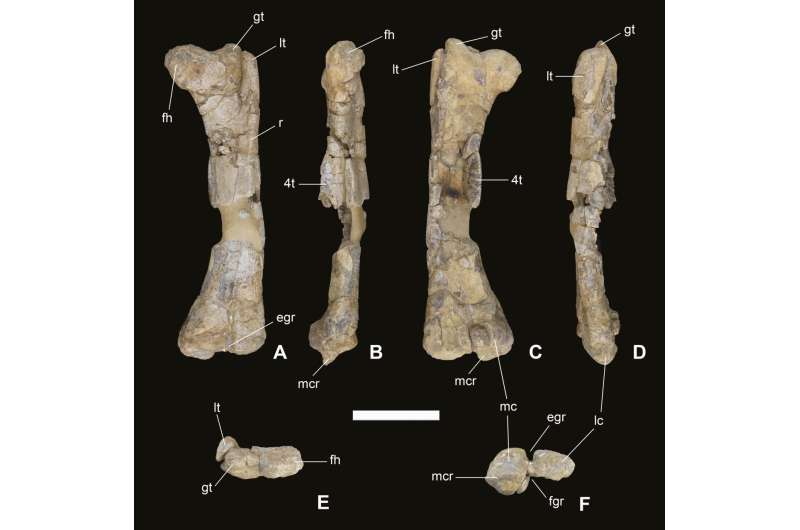
Femur [thigh bone] of Oblitosaurus bunnueli [scale bar = 20 cm]. 
Credit: Sánchez-Fenollosa et al, 2023

Researchers at the Fundación Conjunto Paleontológico de Teruel-Dinópolis/ Museo Aragonés de Paleontología, Spain, have released the description of a new upper Jurassic dinosaur based on fossil remains found in Spain.

In their paper, "The largest ornithopod (Dinosauria: Ornithischia) from the Upper Jurassic of Europe sheds light on the evolutionary history of basal ankylopollexians," published in Zoological Journal of the Linnean Society, the researchers detail the identification of a giant ornithopod Ankylopollexia they named Oblitosaurus bunnueli.

Ankylopollexia is a diverse group of ornithopod dinosaurs from the Late Jurassic to the Late Cretaceous (161.5 million to 66 million years ago) found in North America, Europe, Africa, and Asia. The relationships between these diverse finds and the shared origins of the species are poorly understood.

The new ornithopod genus and species, named Oblitosaurus bunnueli, has been described based on fossil remains from Spain's Upper Jurassic (161.5 million to 145 million years ago). The age of the find makes it a likely early form of Ankylopollexia.

Based on several comparable criteria, Oblitosaurus bunnueli likely measured around 6–7 m in length, making it the largest ornithopod described in the Upper Jurassic of Europe and one of the largest worldwide.

The size estimates may solve a mystery around footprints found In the same South Iberian basin of a large ornithopod with tracks up to 30 cm in size. Ornithopod tracks between 25 and 33 cm have been uncovered at other Upper Jurassic locations in Spain and Portugal but would require a larger ornithopod than previously described in the regions. Estimated footprints produced by Oblitosaurus bunnueli are between 29 and 31 cm long, making it an excellent candidate to solve the mystery of several sites.

Extremely large tracks assigned to ornithopods have been found in the Upper Jurassic of Portugal at around 70 cm and in Yemen at over 50 cm, suggesting some enormous ornithopods have yet to be discovered.

The geological setting of the fossil discovery is in the Villar del Arzobispo Formation, which is part of the Upper Jurassic of the South-Iberian Basin. Large herbivorous and , including giant sauropods, stegosaurus, and theropods, dominated the region's terrestrial ecosystems during the Late Jurassic. The Barrihonda-El Humero  site within the Villar del Arzobispo Formation, where the current discovery was made, also yielded remains of sauropods, stegosaurs, theropods, fishes, and turtles.

The Oblitosaurus bunnueli fossils include a tooth, a digit, and an almost complete left hindlimb. The tooth and digit were collected in 2005, while the semi-articulated hindlimb was found 12 m away and excavated in 2009. These fossils are considered to belong to the same individual because of the relative proximity of the remains at the site, and the size and features of the pieces are consistent. The studied fossils currently reside in the Museo Aragonés de Paleontología in Teruel, Spain.

Fun fact

The new dinosaur genus, Oblitosaurus bunnueli, was named after the famous Spanish film director Luis Buñuel, known for his surreal and groundbreaking films. The name reflects the uniqueness and importance of this discovery to the province of Teruel, where the filmmaker was born and where the fossils were found and currently reside.

Oblitosaurus means "forgotten lizard," an apt name for any new dinosaur discovery and an homage to one of Buñuel's best-known films, "Los Olvidados," Spanish for "The Forgotten Ones." American film connoisseurs may be more familiar with the English title "The Young and the Damned," which would also make for an excellent dinosaur name, though maybe for one that lived closer to the K-T extinction event.

More information: Sergio Sánchez-Fenollosa et al, The largest ornithopod (Dinosauria: Ornithischia) from the Upper Jurassic of Europe sheds light on the evolutionary history of basal ankylopollexians, Zoological Journal of the Linnean Society (2023). DOI: 10.1093/zoolinnean/zlad076


How to give AI-based robots empathy so they won't want to kill us

How to give AI-based robots empathy so they won't want to kill us
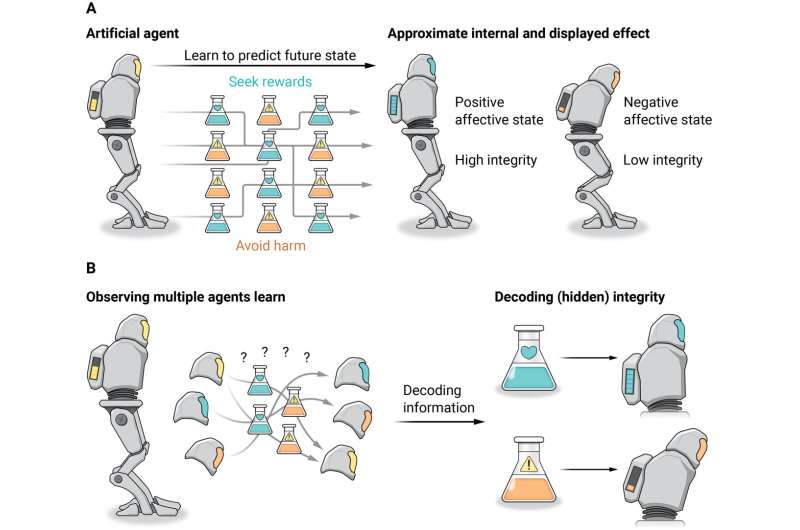
Developing artificial proxies for homeostasis, feeling and empathy. 
(A) The agent maintains its integrity within an environment by seeking rewards
 and avoiding harmful obstacles via predictive models of future states, and an 
approximation of internal and displayed affect. (B) The agent must then leverage
 these models to decode and predict other agents’ behavioral outcomes and
 internal affective states. 
Credit: Leonardo Christov-Moore and Nicco Reggente


A team of social scientists, neurologists and psychiatrists at the University of Southern California's Brain and Creativity Institute, working with colleagues from the Institute for Advanced Consciousness Studies, the University of Central Florida and the David Geffen School of Medicine at UCLA have published a Viewpoint piece in the journal Science Robotics outlining a new approach to giving robots empathy. In their paper, they suggest that traditional approaches may not work.

By nearly any measure, the introduction of ChatGPT and other AI apps like it has impacted . They are being used for a broad range of purposes, but have instigated talk of curbing their development for fear that they may pose a threat to humans. To counter such arguments, some in the AI field have suggested that the means for preventing the development of such a scenario is simple—give the apps empathy. In this new paper, the authors agree with such an approach, but differ on how to mimic such an enigmatic human quality in a machine.

The current approach to conferring empathy to AI models centers on teaching them to see how humans behave under morally debatable scenarios and then to follow such behavior accordingly—and by hard-coding some rules into their machinery. But this approach, the authors argue, overlooks the role that self-preservation plays in human empathy. If a robot views video of a person experiencing a painful reaction to falling down, for example, it can be taught to mimic such a reaction as a way to connect with the person harmed, but it will be play-acting because it will not be feeling any .

For that to happen, the  would have to experience the kind of pain that can result from a fall. And that, the researchers suggest, is what must be done to get robots to understand why harming someone is bad, not coding a rule into their logic circuits. They are not suggesting that robots be programmed to feel real pain, though that might one day be an option, but instead to get them to see that their actions could have negative repercussions. They could have to face life without their  companion, for example, if they were to kill them. Or to be "killed" themselves because of what they have done. Doing so, they suggest, would involve giving robots the ability to suffer—an effective means of self-discipline if ever there was one.

More information: Leonardo Christov-Moore et al, Preventing antisocial robots: A pathway to artificial empathy, Science Robotics (2023). DOI: 10.1126/scirobotics.abq3658


Journal information: Science Robotics 


© 2023 Science X Network

When AI seems to disclose personal information, users may empathize more


Using GPS as a possible earthquake predictor

Using GPS as a possible earthquake predictor
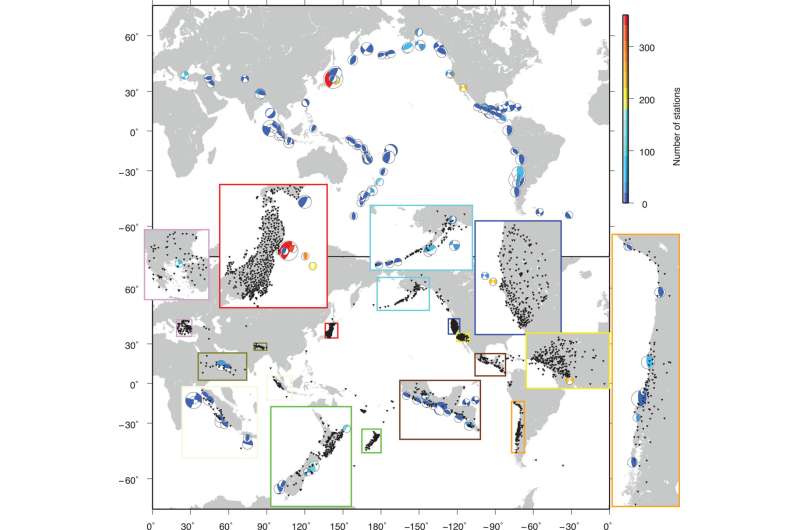
Earthquakes and GPS stations used in the study.(Top) Distribution and focal mechanisms
 (beachball plots) of the 90 Mw ≥ 7 earthquakes with 2 days of 5-min GPS records (with no
 gap and no noticeable foreshock) available within a 500-km radius of the epicenters. 
Mechanism sizes are indicative of event magnitudes. Colors indicate the number of time 
series available for each event. (Bottom) Distribution of the 3026 GPS stations with 
complete records in the 2 days preceding the 90 earthquakes shown above (the earthquake
 list is given in table S1). (Insets) Enlarged subpanels show areas of high station
 concentration. Credit: Science (2023). DOI: 10.1126/science.adg2565

A pair of seismologists at Côte d'Azur University has found what might turn out to be an accurate way to predict earthquakes. In their study, reported in the journal Science, Quentin Bletery and Jean-Mathieu Nocquet looked at high-rate GPS time series data that was gathered in the time leading up to the moment earthquakes of magnitude 7 or above occurred. Roland Bürgmann with the University of California, Berkeley, has published a Perspectives piece in the same journal issue outlining the work done by the team on this new effort.

Seismologists have long sought to predict earthquakes so that people could react. In many cases, several minutes warning would be helpful—it would allow people to exit buildings that might collapse. Finding a  is difficult due to the lack of information regarding what was happening in the vicinity of an epicenter before a quake. In this new effort, Bletery and Nocquet have found a way to go back in time to learn more about land shifting before a big quake.

In looking for an earthquake precursor, the researchers obtained and studied precise GPS data for geographical areas surrounding the epicenters of 90 quakes over magnitude 7 over the past several years. They found a pattern—a slip between  that caused the land above them to move in a measurable, horizontal direction.

They also found that such slips could be observed and measured using GPS, that they occurred up to two hours before the earthquake struck and were too small to show up on standard seismographs. Most important, they saw the same slip in all the earthquakes they studied.

The work suggests that a reliable  system could be designed based on a precise GPS listening system. On the downside, Bürgmann notes that more work is required to prove that such a precursor exists for all, or at least most, . Also, he adds, some upgrades to GPS technology are required to allow for measuring individual events around the clock.

More information: Quentin Bletery et al, The precursory phase of large earthquakes, Science (2023). DOI: 10.1126/science.adg2565

Roland Bürgmann, Reliable earthquake precursors?, Science (2023). DOI: 10.1126/science.adi8032


Journal information: Science 


© 2023 Science X Network

Understanding earthquakes triggered by wastewater injection


The invisible plant technology of the prehistoric Philippines

The invisible plant technology of the prehistoric Philippines
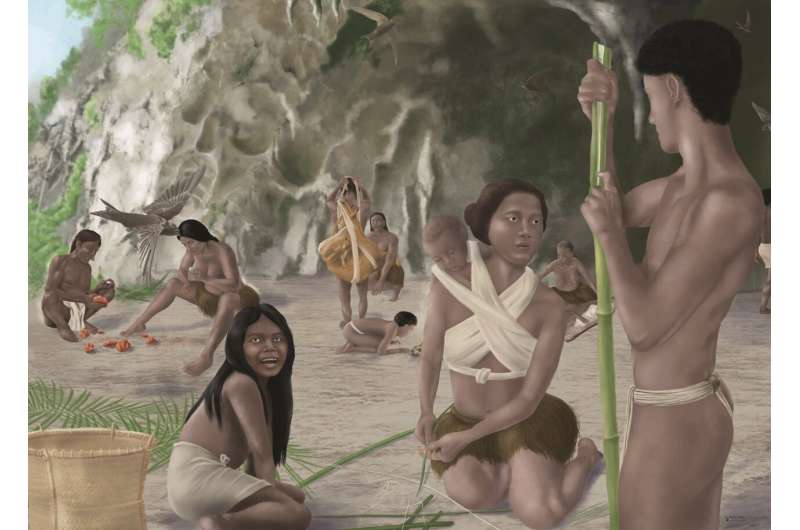
Fiber technology at Tabon Cave, 39-33 000 years ago. An artistic view based on the latest 
archaeological data. Drawing by Carole Cheval-Art'chéograph. Made for the exhibition 
"Trajectories and Movements of the Philippine Identity" curated by Hermine Xhauflair and
 Eunice Averion. Scientific advising: Hermine Xhauflair. Credit: Carole Cheval - 
Art'chéograph, Xhauflair & Averion, CC-BY 4.0 (creativecommons.org/licenses/by/4.0/)

Stone tools bear microscopic evidence of ancient plant technology, according to a study published June 30, 2023 in the open-access journal PLOS ONE by Hermine Xhauflair of the University of the Philippines Diliman and colleagues.

Prehistoric communities likely made extensive use of plant materials for textiles and cordages, taking advantage of the flexibility and resistance of plant fibers just like modern communities do. However, plant-based materials like baskets and ropes are rarely preserved in the , especially in the tropics, so prehistoric plant technology is often rendered invisible to modern science. In Southeast Asia, the oldest artifacts made of plant fibers are around 8,000 years old. In this study, Xhauflair and colleagues identify indirect evidence of much older plant technology.

This evidence comes from stone tools in Tabon Cave, Palawan Philippines dating as far back as 39,000 years old. These tools exhibit microscopic damage accrued during use. Indigenous communities in this region today use tools to strip plants like bamboo and palm, turning rigid stems into supple fibers for tying or weaving. Researchers experimentally followed these plant processing techniques and found that this activity leaves a characteristic pattern of microscopic damage on . This same pattern was identified on three stone artifacts from Tabon Cave.

Plant fiber processing by members of the Pala’wan community from Brooke’s Point, Philippines. Credit: Xhauflair et al., PLOS ONE, 2023, (creativecommons.org/licenses/by/4.0/)

This is among the oldest evidence of fiber technology in Southeast Asia, highlighting the technological skill of prehistoric communities going back 39,000 years. This research also demonstrates a method for revealing otherwise hidden signs of prehistoric plant technology. Further study will shed light on how ancient these techniques are, how widespread they were in the past, and whether modern practices in this region are the result of an uninterrupted tradition.

The authors add, "This study pushes back in time the antiquity of fiber technology in Southeast Asia. It means that the Prehistoric groups who lived at Tabon Cave had the possibility to make baskets and traps, but also ropes that can be used to build houses, sail boats, hunt with bows and make composite objects."

More information: The invisible plant technology of Prehistoric Southeast Asia: Indirect evidence for basket and rope making at Tabon Cave, Philippines, 39–33,000 years ago, PLoS ONE (2023). DOI: 10.1371/journal.pone.0281415journals.plos.org/plosone/arti … journal.pone.0281415


Journal information: PLoS ONE 


Provided by Public Library of Science 

Newly discovered stone tools drag dawn of Greek archaeology back by a quarter-million years


Scientists find evidence of oldest curry outside of India in Vietnam


Carl Samson
Mon, July 24, 2023 

[Source]

Researchers have found evidence of the oldest known preparation of curry outside India in Vietnam.

The findings: The scientists made the discovery at the Óc Eo archeological complex in southern Vietnam. Through starch grain analysis of 40 grinding and pounding tools, they found eight unique spices that were likely used for making curry: cinnamon, clove, fingerroot, galangal, ginger, nutmeg, sand singer and turmeric.

To determine how old the tools were, the researchers obtained 29 separate dates from charcoal and wood samples. Results showed that the complex was occupied between 1 and 8 CE, or about 2,000 years ago.

What they are saying: The scientists said they were originally trying to understand the function of a set of stone grinding tools called “pesani,” which was likely used to powder spices in the ancient kingdom of Funan. Instead, what they discovered was the first tangible confirmation that curry spices had been valuable global trading commodities for millennia.

They knew that the trade was global because not all the spices were naturally available in Óc Eo, which once served as a major port of the Funan kingdom. So far, archeological evidence has pointed to curry originating in India some 4,000 years ago.

“Someone at some point would have transported them there via the Indian or Pacific Ocean,” the researchers wrote in a release. “This proves curry has a fascinating history beyond India, and that curry spices were coveted far and wide.”

The study was published in the journal Science Advances.


Researchers find evidence of a 2,000-year-old curry, the oldest ever found in Southeast Asia

Researchers find evidence of a 2,000-year-old curry, the oldest ever found in Southeast Asia
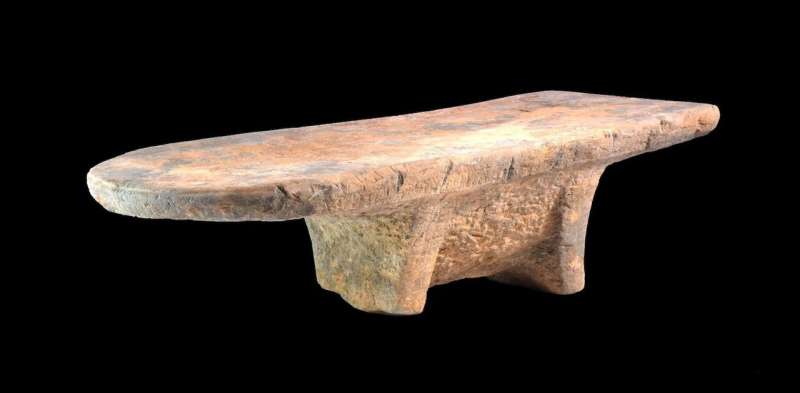
Ancient starch grains of ginger (Zingiber officinale), cinnamon (Cinnamomum sp.) and 
nutmeg (Myristica fragrans) were identified on the surface of this footed sandstone grinding
 slab. Credit: Khanh Trung Kien Nguyen, Author provided

It's hard to imagine a world without spice today. Fast global trade has allowed the import and export of all manner of delicious ingredients that help bring Indian, Chinese, Vietnamese, Malaysian, Sri Lankan (and so many more) cuisines to our dinner tables.

Now, new research shows the trading of spices for culinary use goes way back—some 2,000 years, to be precise.

In a paper published July 21 in Science Advances, we and our colleagues detail our findings of what seems to be evidence of Southeast Asia's oldest known curry. It's also the oldest evidence of curry ever found outside India.

We made the intriguing discovery at the Oc Eo archaeological complex in southern Vietnam. We found eight unique spices, originally from different sources, which were likely used for making curry. What's even more fascinating is that some of these would have been transported over several thousand kilometers by sea.

Grinding into the evidence

Our team's research wasn't initially focused on curry. Rather, we were curious to learn about the function of a set of stone grinding tools known as "pesani," which the people of the ancient Funan kingdom likely used to powder their spices. We also wanted to gain a deeper understanding of the ancient spice trade.

Using a technique called starch grain analysis, we analyzed microscopic remains recovered from a range of grinding and pounding tools excavated from the Oc Eo site. Most of these tools were excavated by our team from 2017 to 2019, while some had been previously collected by the local museum.

Starch grains are tiny structures found within plant cells that can be preserved over long periods. Studying them can provide valuable insights into past plant use, diet, cultivation practices and even environmental conditions.

Of the 40 tools we analyzed, 12 produced a range of spices including turmeric, ginger, fingerroot, sand ginger, galangal, clove, nutmeg and cinnamon. This means the occupants of the site had indeed used the tools for , including to powder the rhizomes, seeds and stems of spice plants to release flavor.

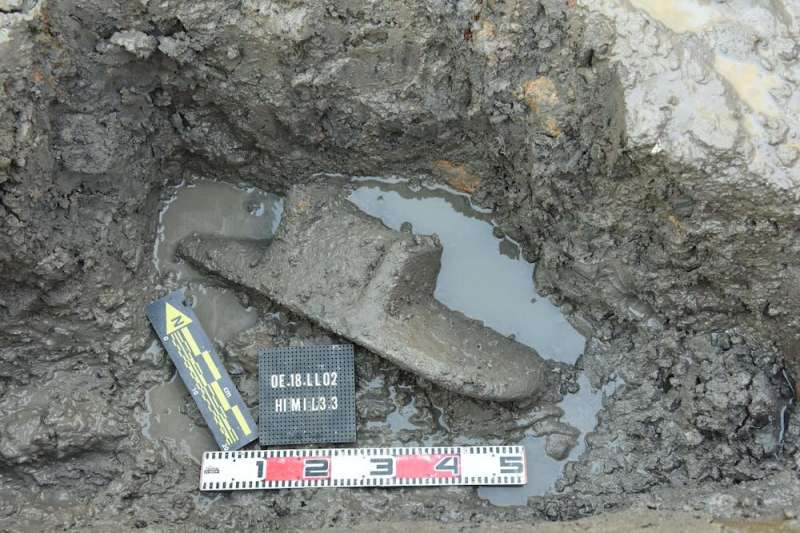
To figure out how old the site and tools were, our team obtained 29 separate dates from charcoal and wood samples. This included a date of 207-326 CE produced by a charcoal sample taken from just below the largest grinding slab, which measures 76cm by 31cm (pictured below and at the top of this article).

Another team working at the same site applied a technique called thermoluminescence dating to bricks used in the site's architecture. Collectively, the results show the Oc Eo complex was occupied between the 1st and 8th centuries CE.

Researchers find evidence of a 2,000-year-old curry, the oldest ever found in Southeast Asia
We excavated this footed sandstone grinding slab in 2018. On its surface we found ancient 
starch grains of ginger (Zingiber officinale), cinnamon (Cinnamomum sp.) and nutmeg 
(Myristica fragrans). Credit: Khanh Trung Kien Nguyen, Author provided

A spicy history

We know the global spice trade has linked cultures and economies in Asia, Africa and Europe since classical times.

However, before this study we had limited evidence of ancient curry at archaeological sites—and the little evidence we did have mainly came from India. Most of our knowledge of the early spice trade has therefore come from clues in ancient documents from India, China and Rome.

Our research is the first to confirm, in a very tangible way, that spices were valuable commodities exchanged on the global trading network nearly 2,000 years ago.

The spices found at Oc Eo wouldn't have all been available in the region naturally; someone at some point would have transported them there via the Indian or Pacific Ocean. This proves curry has a fascinating history beyond India, and that curry spices were coveted far and wide.

If you've ever prepared curry from scratch, you'll know it's not simple. It involves considerable time and effort, as well as a range of unique spices, and the use of grinding tools.

So it's interesting to note that nearly 2,000 years ago, individuals living outside India had a strong desire to savor the flavors of curry—as evidenced by their diligent preparations.

Another fascinating finding is that the curry recipe used in Vietnam today has not deviated significantly from the ancient Oc Eo period. Key components such as turmeric, cloves, cinnamon and coconut milk have remained consistent in the recipe. It goes to show a good recipe will stand the test of time!

What's next?

In this study, we primarily focused on microscopic plant remains. And we have yet to compare these findings with other larger plant remains unearthed from the site.

During an excavation conducted from 2017 to 2020, our team also collected a significant number of well-preserved seeds. In the future we hope to analyze these, too. We may identify many more spices, or may even discover unique plant species—adding to our understanding of the region's history.

By completing more dating on the site, we might also be able to understand when and how each type of  or plant started to be traded globally.

More information: Weiwei Wang et al, Earliest curry in Southeast Asia and the global spice trade 2000 years ago, Science Advances (2023). DOI: 10.1126/sciadv.adh5517


Journal information: Science Advances 


Provided by The Conversation 


This article is republished from The Conversation under a Creative Commons license. Read the original article.The Conversation


Diversity plays a key role in Black Americans trust of videos about prostate cancer


Peer-Reviewed Publication

NYU LANGONE HEALTH / NYU GROSSMAN SCHOOL OF MEDICINE


Black Americans are 1.6 times more likely to believe medical information presented by a Black physician or patient compared with information presented by a White speaker, a new study shows. This finding, the authors say, highlights the importance of increasing racial diversity among healthcare providers in order to improve discussions about healthcare among minority populations. 

Led by researchers at NYU Grossman School of Medicine, the new investigation involved more than 2,900 men and women. It showed that while Black participants were more trusting of videos about prostate cancer that featured a Black presenter, race made no difference for their White counterparts.

“Our findings demonstrate the need to increase diversity in the healthcare workforce,” said study lead author and urologist Stacy Loeb, MD. Loeb is a professor in the Departments of Urology and Population Health at NYU Langone Health.

The investigation also revealed that regardless of their race, the surveyed participants were more trusting of a physician discussing prostate cancer than of a patient explaining the same information.

According to the U.S. Centers for Disease Control and Prevention, aside from skin cancer, prostate cancer is the most prevalent cancer among American men, killing over 30,000 each year. Black men are more than twice as likely to die from the disease compared with other racial groups, experts note.

“Our study emphasizes the responsibility of healthcare providers to play an active role in public communication, particularly in an environment flooded with misinformation and confusion,” said study co-investigator Joseph Ravenell, MD. “Clearly, people really do trust what doctors have to say,” adds Ravenell, an associate professor in the Departments of Population Health and Medicine at NYU Langone. 

An earlier study by the same research team revealed that only a small percentage of online content about prostate cancer features Black or Hispanic men. The new investigation, publishing online July 19 in JAMA Network Open, was designed to demonstrate the direct impact of this underrepresentation on audiences, says Ravenell, who also serves as the associate dean for Diversity Affairs and Inclusion at NYU Langone Health.

For the investigation, researchers randomly assigned U.S. adults ages 40 and older to watch one of eight videos about prostate cancer, with half of them about cancer screening and the other half about clinical trials. Notably, clips from each category shared the same script. The presenter of each video was either a White or Black doctor, or a White or Black patient.

After watching the clips, the participants were asked to rate how strongly they trusted the information presented in the video using the following scale: “no trust at all,” “a little,” “somewhat,” or “very much.” They also answered questions about their age, race, and other information about their background. 

Among the study’s other findings, the responses revealed that participants were more trusting of videos about prostate cancer screening than about clinical trials. According to the researchers, this result could reflect the deep-seated distrust of clinical research that in part stems from a history of unethical practices before the onset of strict protections for human research participants since the 1950s. It may also reflect the fact that many Americans generally have low understanding about clinical trials compared with other health topics.

"These results underline the need to ensure that all patients, regardless of their racial or ethnic background, have knowledge of clinical trials and can participate if they are eligible,” said study senior author Aisha Langford, MPH, PhD, an assistant professor in the Department of Population Health at NYU Langone. 

Langford cautions that since their investigation only focused on videos about prostate cancer, it remains unclear whether the findings about public trust in medical information extend to other health topics, such as misinformation about vaccines.

She adds that the study team next plans to lead focus groups with Black patients with prostate cancer to discuss their experiences with online sources of medical information and their suggestions for improving the quality, accessibility, and impact of those resources.

Funding for the study was provided by a U.S. Department of Defense Health Disparity Research Award.

In addition to Loeb, Ravenell, and Langford, other NYU study investigators involved in the study were Katherine Siu, MS; Tatiana Sanchez Nolasco, MPH; and Nataliya Byrne, BA. Other study investigators included Scarlett Gomez, MPH, PhD, Hala Borno, MD, and Samuel L. Washington III, MD, MAS; at the University of California, San Francisco; Godfrey Wilson, Rob Crocker, and Robert Sherman, as members of the study stakeholder advisory board in New York, NY; and Derek Griffith, PhD, at Georgetown University in Washington, D.C.


Media Inquiries:

Shira Polan

Phone: 212-404-4279

shira.polan@nyulangone.org

RACIST MEDICINE U$A

Diagnosis of cystic fibrosis often missed or delayed, especially in non-White infants


Lurie Children’s Hospital leads awareness campaign to improve detection of cystic fibrosis after newborn screening


Grant and Award Announcement

ANN & ROBERT H. LURIE CHILDREN'S HOSPITAL OF CHICAGO


Ann & Robert H. Lurie Children’s Hospital of Chicago is leading an awareness campaign that aims to reduce missed or delayed diagnosis of cystic fibrosis after newborn screening, especially in non-White infants. In its first phase, the campaign targets primary care providers and public health officials, so that treatment can start earlier, which is linked to better outcomes for people with cystic fibrosis. The general public phase is expected to follow within the year.

Funded by the Centers for Disease Control and Prevention (CDC) Chronic Disease Prevention Program, the project is called AChieving Equity for Disease prevention in Cystic Fibrosis (ACED-CF). It aims to overcome current delays in initiating treatment for cystic fibrosis by disseminating study findings and distributing state-specific Cystic Fibrosis Foundation Patient Registry data on care processes and patient outcomes.

Cystic fibrosis is a progressive genetic disease that damages multiple organs, including the lungs and pancreas. The disease is caused by variants in the Cystic Fibrosis Transmembrane Conductance Regulator (CFTR) gene that lead to insufficient flow of salt and water in and out of cells. In the lungs, this creates thick, sticky mucus buildup that can result in chronic lung infections and severe lung disease. Early nutritional deficits are associated with increased respiratory signs and symptoms, lower pulmonary function and childhood mortality.

Advances in cystic fibrosis diagnosis and treatment have transformed its prognosis from rapid progression and childhood mortality to a chronic multisystem disease of adults with rapidly increasing life expectancy and health span. Newborn screening for cystic fibrosis improves nutrition and survival and has been available throughout the United States since 2010. Pre-symptomatic treatment of cystic fibrosis is the overarching goal of newborn screening. Detection of at least one variant in the CFTR gene defines a positive test and requires immediate follow-up.

It is recommended that infants who screen positive for cystic fibrosis receive their diagnostic evaluation by 28 days of age or earlier. However, one of every eight infants with cystic fibrosis born between 2010 and 2018 were evaluated after 2 months of life.

“Delays in diagnosis of cystic fibrosis increase the risk for severe illness,” said Principal Investigator Susanna McColley, MD, pulmonologist at Lurie Children’s and Professor of Pediatrics at Northwestern University Feinberg School of Medicine. “Newborn screening tests also can yield false-negative results, particularly in non-White infants, which is important for physicians to recognize. Even when the screening test is negative, babies with symptoms of cystic fibrosis within the first month of life, such as meconium ileus (a type of bowel obstruction) or poor growth, must be referred for evaluation immediately.”  

Among non-White populations, Black and Asian children experience the highest rate of false-negative newborn screening results or delayed diagnosis of cystic fibrosis.

“While race is a social construct, CFTR gene variant distribution differs by race and ethnicity, and people with cystic fibrosis from minoritized groups have more rare variants that are not tested on most state newborn screening panels. This can delay diagnostic evaluation,” said Dr. McColley. “Also, medical literature often describes cystic fibrosis as mainly affecting White people, specifically those of northern European ancestry, which may result in bias when interpreting newborn screening results for infants of other racial and ethnic backgrounds. Delays in evaluation and initiation of treatment are associated with more lung disease during the first year of life and poorer growth that persists through early childhood. Primary care providers need to be more aware that infants of all racial and ethnic backgrounds can have cystic fibrosis. Children’s lives depend on it.”

Funded by a grant from the Cystic Fibrosis Foundation, Dr. McColley and a team of pediatric cystic fibrosis experts and public health professionals evaluated newborn screening processes and outcomes using quantitative and qualitative methods, which led to six publications to date. This data prompted the development of infographic reports to highlight the key takeaways for primary care providers more concisely and engagingly (see luriechildrens.org/CFnewbornscreening). Ongoing research and additional education and engagement efforts are being funded by a grant from The Legacy of Angels Foundation.

“We provide actionable data to improve timeliness and equity in the diagnosis and treatment of cystic fibrosis through newborn screening,” said Dr. McColley.

Research at Ann & Robert H. Lurie Children’s Hospital of Chicago is conducted through Stanley Manne Children’s Research Institute. The Manne Research Institute is focused on improving child health, transforming pediatric medicine, and ensuring healthier futures through the relentless pursuit of knowledge. Lurie Children’s is a nonprofit organization committed to providing access to exceptional care for every child. It is ranked as one of the nation’s top children’s hospitals by U.S. News & World Report. Lurie Children’s is the pediatric training ground for Northwestern University Feinberg School of Medicine.

WHITE SUPREMACIST MEDICINE

All US racial and ethnic minority groups are underrepresented in Alzheimer's neuroimaging research, study shows

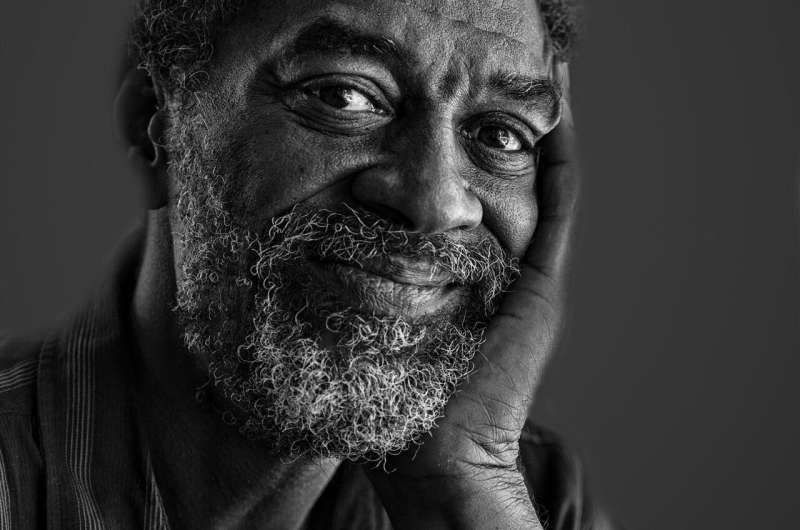
old black man
Credit: Pixabay/CC0 Public Domain

Alzheimer's disease (AD), which affects an estimated 6.5 million adults in the United States, hits some groups harder than others. Compared to non-Hispanic whites, Hispanic Americans are 1.5 times as likely to develop AD, and African Americans are twice as likely.

But scientists know little about the reasons behind these disparities, because the vast majority of AD research has been done with non-Hispanic white people.

A new study that reviewed 11,871  on AD brain imaging, led by researchers at the Keck School of Medicine of USC, has now revealed the extent of the gap in representation. Overall, approximately 84% to 87% of study participants are non-Hispanic white. (Non-Hispanic white people make up less than 60% of the U.S. population.)

According to the new research, all racial and ethnic minority groups, including Black/African Americans, Hispanic/Latinos, Asian Americans and American Indian/Alaska Natives are underrepresented. The results were just published in Communications Medicine.

"As far as we know, this is the most comprehensive review of representation in the Alzheimer's disease neuroimaging literature," said senior author Duke Han, Ph.D., director of neuropsychology in the Department of Family Medicine and a professor of family medicine, neurology, psychology and gerontology at the Keck School of Medicine. "It gives us a good sense of the current state of the literature and what needs to be addressed moving forward."

A gap in representation

From the pool of nearly 12,000 studies on AD and neuroimaging, the research team identified a subset of papers that recruited samples in the U.S. and met other experimental criteria. In their final analysis, they calculated representation for 719 studies that reported participant race or ethnicity directly ("direct studies") and 1,745 studies that drew from external databases where race or ethnicity was reported ("indirect studies").

The researchers reported the median diversity statistics from the studies they analyzed, meaning those that fell in the middle of the range, to avoid results being skewed by extreme outliers. Among direct studies, 87.4% of median study participants were non-Hispanic white, 7.3% of participants were Black/African American, 3.4% were Hispanic/Latino and 0% were Asian American, Native Hawaiian/Pacific Islander, and American Indian/Alaska Native, multiracial or another race.

Indirect studies derived from larger databases were slightly more diverse, with median representation of 83.7% non-Hispanic white, 11.6% Black/African American, 4.7% Hispanic/Latino, and 1.75% Asian American participants. In all cases, minority groups were underrepresented relative to their share of the U.S. population.

"This is a pretty big deal, especially as we look toward the future, where an increasing proportion of the U.S. will be ethnic minority groups," said Aaron Lim, Ph.D., a postdoctoral fellow in Han's research lab and first author of the study. "If their representation isn't adequately captured, then this disparity in research will grow and grow."

The researchers also found that 94% of indirect studies drew from just 10 shared databases, suggesting that these large, multi-site studies—which collect data from thousands of participants over many years—are driving a sizable chunk of AD research.

"If that's the case, it's incumbent upon those research groups to adequately represent the communities they are recruiting from," Lim said.

A two-pronged approach

Improving representation in the AD neuroimaging literature will require a two-pronged approach, said Han. First of all, large, multi-site studies need to recruit more diverse samples.

Fortunately, that is already starting to happen, thanks in part to grants from funding agencies (such as the National Institute on Aging) specifically geared toward improving diversity. In 2020, the Alzheimer's Disease Neuroimaging Initiative, one of the largest studies of AD, launched a new effort to recruit underrepresented minority groups. Those changes are even starting to be reflected in the literature: Han, Lim and their colleagues found that representation of Black/African American participants increased from 3.39% between 1994 and 2017 to 8.29% between 2018 and 2022.

Smaller AD studies focused specifically on collecting brain scans of people from ethnic and racial minority groups will also be key. Those can help capture details of participants' lived experience, Lim said, including how systemic inequities such as health care access or socio-economic status may affect AD risk.

"In the past, some researchers were so focused on recruiting large groups of participants, that it took priority over the importance of representation," said Han. "Now, there's an increasing focus on balancing numbers with representation. This increased emphasis on diversity in neuroimaging is a welcome sight."

More information: Quantification of Race/Ethnicity Representation in Alzheimer's Disease Neuroimaging Research in the USA: A Systematic Review, Communications Medicine (2023). DOI: 10.1038/s43856-023-00333-6 , www.nature.com/articles/s43856-023-00333-6

Journal information: Communications Medicine