It’s possible that I shall make an ass of myself. But in that case one can always get out of it with a little dialectic. I have, of course, so worded my proposition as to be right either way (K.Marx, Letter to F.Engels on the Indian Mutiny)
Tuesday, August 08, 2023
Photos: Suez Canal Recovers Tug After Collision
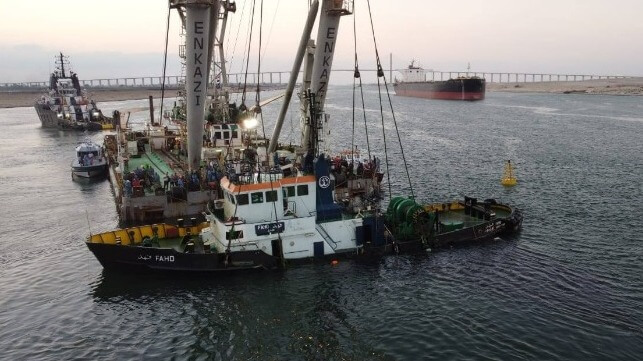
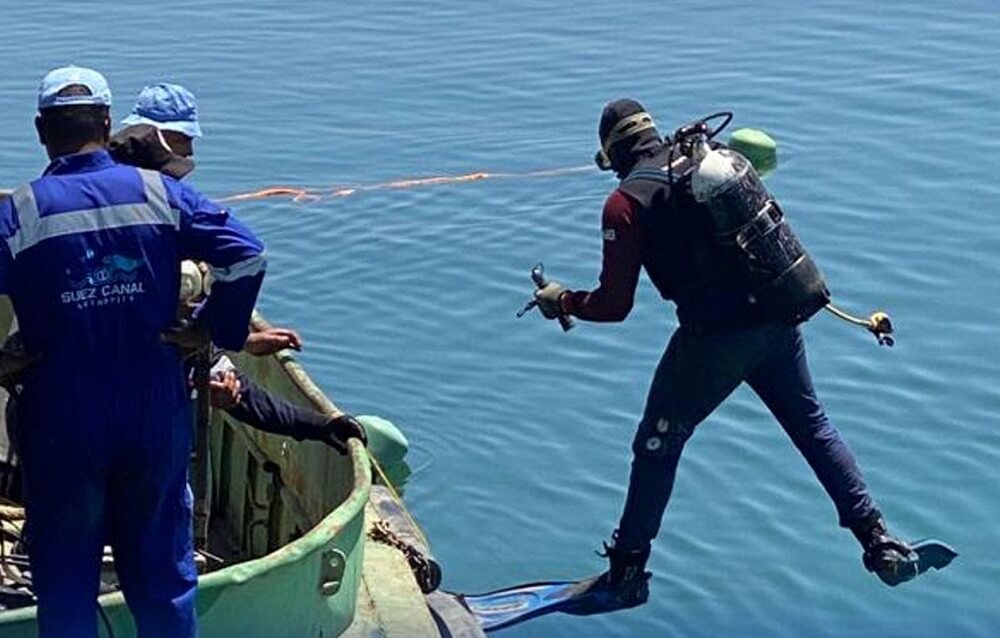
Lifting operation was completed while navigation continued in the Suez Canal (SCA photos)
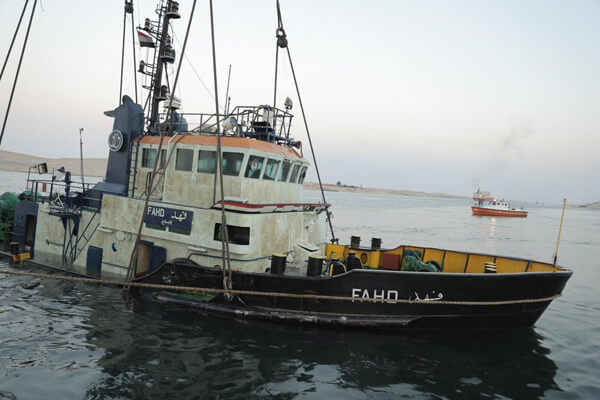
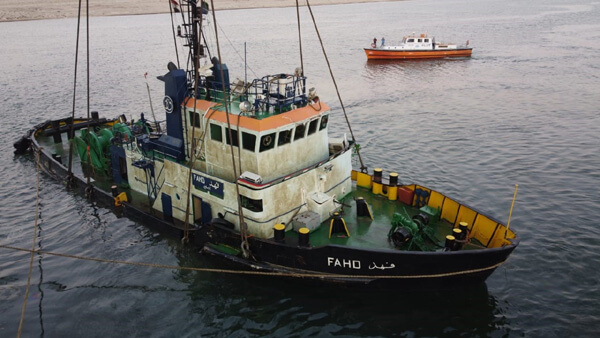
The Suez Canal Authority reported that the salvage operation for the tug that sunk in an accident on Saturday was completed after three days of recovery work. The operation was a success lifting the vessel from a depth of up to 88 feet while also maintaining navigation in the Suez Canal.
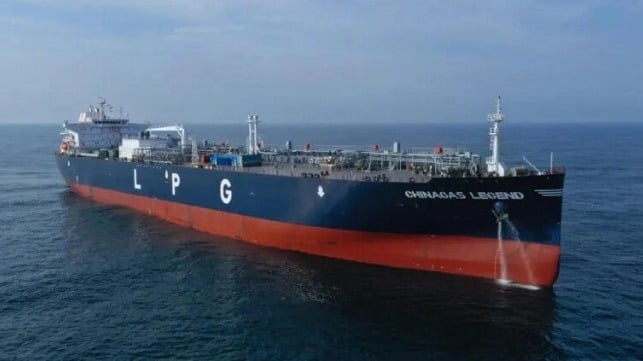
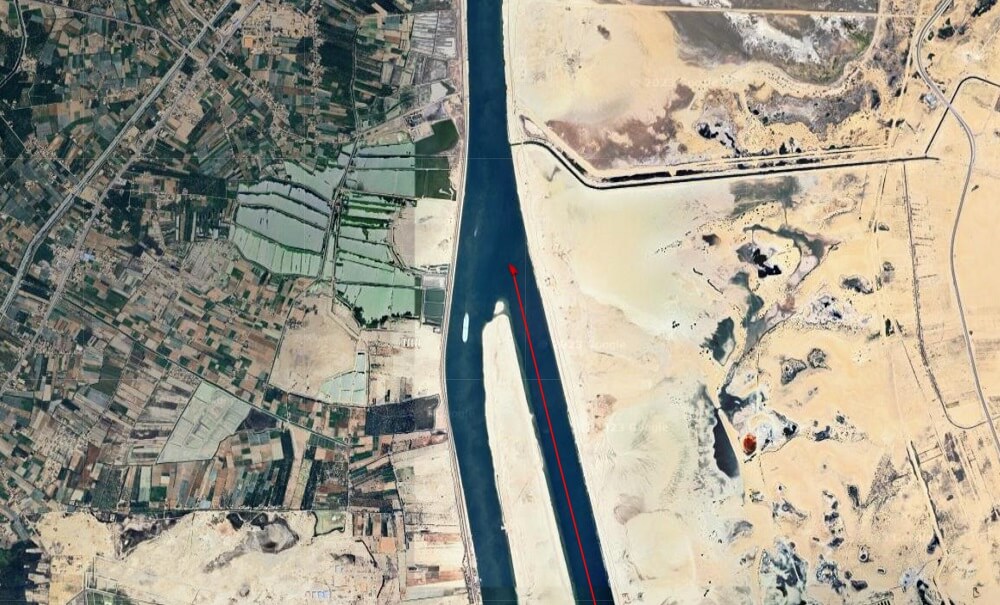
The tug Fahd was in collision with the LPG carrier Chinagas Legend at kilometer 51.3 on August 5. The tug's hull was breached and it sank following the collision trapping the chief engineer below deck. His body was recovered on Sunday by the divers while the five other crewmembers were taken to a local hospital for treatment. All but one of the crewmembers were reported released from the hospital.
Adm. Ossama Rabiee, Chairman and Managing Director of the Suez Canal Authority, announced that divers had been quickly able to locate the tug and marked it for the safety of navigation in the Suez Canal. He however reported that they had faced several challenges including working at depths between 79 and 88.6 feet, which required pressure re-adjustment rooms and limited the divers’ time working at the wreck site. He said they also encountered intense water currents and a lack of visibility.
A heavy lift crane with a capacity of 500 tons was brought in to recover the tug which was 508 feet in length. The vessel was built in 1976 and normally operated out of Port Said.
The head of the authority praised the efforts of the marine rescue team and all the workers participating in the rescue operation from the various departments. He said thanks to their combined efforts they were able to complete the marine rescue work efficiently and within record time without affecting the navigation movement in the canal.
The operation included placing buoys to mark the location and navigation hazard. It took the divers an hour to string each of the recovery wires from the crane and attach it to the tug and another 30 minutes to winch each wire tight. A total of eight wires were attached for the lifting operation.
Navigation in the canal resumed on Sunday using a bypass for the northbound convoys. Southbound traffic was not affected. On Sunday, they reported that 38 northbound ships were able to make the transit while the salvage operation was underway. A total of 146 ships transited on Monday and Tuesday in both directions and as of Tuesday evening, the navigational restrictions have been fully removed.
The LNG carrier Chinagas Legend was not damaged but its AIS signal shows that it remains in the anchorage at Port Said. The investigation into the circumstances of the collision is ongoing.
Tug Sinks After Collision With LPG Carrier on Suez Canal
On Saturday, a tug sank after colliding with an LPG carrier in the Suez Canal. One of the tug's crewmembers was trapped in a cabin within the vessel and killed, and the other six were rescued, according to the Suez Canal Authority.
The tug Fahd was in collision with the LPG carrier Chinagas Legend at kilometer 51.3, near the north end of the al-Balah Bypass, according to SCA Chairman Osama Rabie. The tug's hull was breached and it sank following the collision. The tanker was unharmed.
The body of the deceased crewmember was recovered by divers after an extended search effort, according to the SCA, and was brought to al-Balah Island to be returned to the family. The victim has been identified as chief engineer El-Sayed Ali Mohamed Mousa.
The details of the accident were not released. Chinagas Legend was northbound at the time, based on AIS data provided by Pole Star. The vessel passed al-Balah at about 1130 GMT, making about 10 knots, and did not appear to stop or change speed until reaching exiting the canal at Port Said.
Chinagas Legend passes the al-Balah Bypass, August 5 (AIS data courtesy Pole Star)
The last received position of the tug Fahd was in a harbor at the north end of the canal, as of the early hours of August 4. Its broadcasts were not received by commercial AIS services on the day of the collision.
As of Sunday, five survivors have been discharged from the hospital and one remains under medical observation, according to the Suez Canal Authority.
Salvage divers search the wreck site, August 6 (SCA)
Operations to raise the tug are already under way, and will begin in earnest after the end of the northbound convoy on Sunday, the SCA said in a social media message. A 500-tonne floating crane has been dispatched to the scene, and divers are rigging cables for hoisting the sunken vessel off the bottom.
Chinagas Legend remains at anchor off Port Said as investigations into the circumstances of the collision continue, according to the SCA.
China Asks Philippines to Abandon Second Thomas Shoal
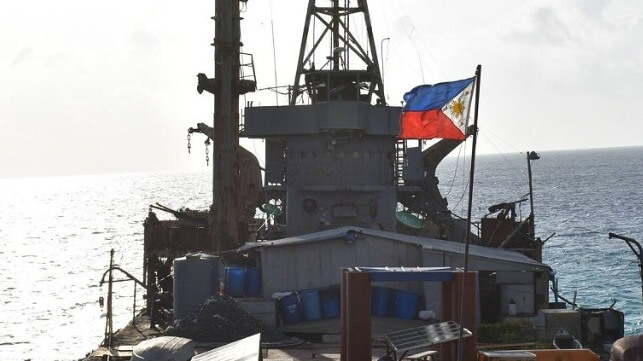
The Philippine military outpost aboard a grounded World War II LST at Second Thomas Shoal (Armed Forces of the Philippines)
After the confrontation at Second Thomas Shoal last Friday, the government of China has urged the Philippines to remove its small garrison from the land feature and abandon the outpost that symbolizes Manila's claim to sovereignty over the region.
China claims ownership of the Spratly Islands and surrounding waters, including areas within the Philippine exclusive economic zone. Second Thomas Shoal is the scene of frequent standoffs between the China Coast Guard and the Philippine Coast Guard, and the PCG often has to carry out its mission in the face of interdiction by larger and more numerous Chinese vessels.
In Friday's encounter, two PCG patrol ships and two chartered supply boats attempted to reach the Philippine outpost on Second Thomas Shoal, but were intercepted by a Chinese task force. A China Coast Guard cutter maneuvered in front of a PCG vessel and used its water cannon to deter its progress. Meanwhile, Chinese maritime militia trawlers blocked one of the supply boats and prevented it from completing its mission, according to the PCG. One supply boat still made it through to make a delivery.
Videos taken by the Philippine Coast Guard and released Monday suggest that the Chinese force was more substantial than first reported, involving three CCG cutters and two maritime militia trawlers - all larger than the Philippine vessels.
After the run-in, the Chinese Foreign Ministry said in a statement that the PCG's convoy "violated China’s sovereignty" and that the China Coast Guard drove them off in a "professional, restrained" manner. These "appropriate law enforcement measures" were taken "in accordance with law," the ministry stated.
The Chinese Foreign Ministry also blamed the United States for "inciting and supporting the Philippines attempts to overhaul and reinforce" the garrison at Second Thomas Shoal. "The US has been brazenly bolstering Philippines as it infringes upon China’s sovereignty, but those moves will not succeed," the ministry warned.
China objects to the presence of the garrison and has ordered the Philippine government to remove the BRP Sierra Madre, a wrecked landing ship that serves as a makeshift Philippine base. After its removal, Beijing requested that Manila restore the reef to its natural state. (The practice of turning low-tide elevations into bases is common in the Spratly Islands, and the Chinese military has covered seven coral atolls to create airbases, naval stations and other strategic infrastructure.)
On Monday, a Philippine government spokesman said that retreat from Second Thomas Shoal is unlikely. "We will continue to resupply troops in the grounded vessel as long as it takes," said Philippine National Security Council official Jonathan Malaya at a press conference. "We will never abandon Ayungin Shoal [Second Thomas Shoal]."
Fuel Contamination Incident Spreads to 32 Vessels in Houston and Singapore
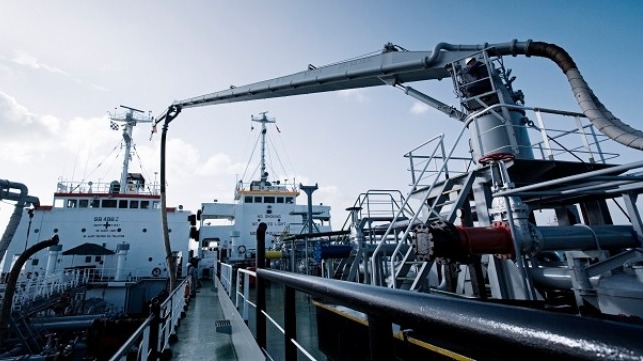
Fuel contamination issue is now involving at least 34 vessels in both Houston and Singapore (fille photo)
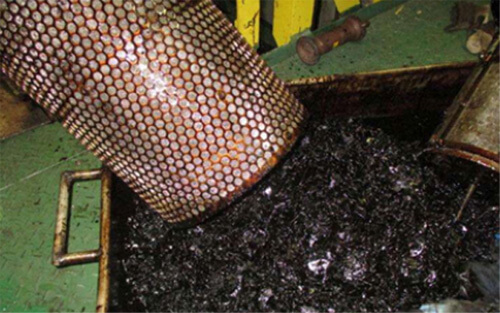
An incident of fuel contamination initially reported a month ago limited to a single bunker supplier in Houston, Texas has spread to involve more ships and has also reached Singapore, the world’s largest bunker market. VPS, a fuel testing service is cautioning vessels to continue to monitor for the problem which can cause failures in equipment such as fuel pumps and injectors as the fuel becomes sticker and more viscous. While this incident continues to be limited to a small number of ships, it is however also indicative of a broader problem in the industry.
Initially, VPS highlighted in early July that 11 vessels had suffered operational issues, such as loss of power and propulsion while at sea. These effects resulted from fuel leakage in the ICU (Injection Control Unit) units and fuel pumps not being able to develop the required fuel pressure. According to reports, VPS said it is impacting only auxiliary engines and not main engines.
The incident was reported as originating with a single bunker supplier in Houston and due to significantly high levels of contaminants in very low sulfur fuel oil (VLSFO) bunker fuel deliveries. VPS detected unsaturated chemical compounds which it said can polymerize and oxidize under certain conditions. Should the compounds start polymerizing, they warned that the fuel begins to exhibit a level of stickiness and become more viscous, making it difficult for moving components, such as fuel pump plungers and the fuel injector spindles to move freely.
Fuel sludge can build up in the systems (VPS)
“Over a period of time excessive sludge formation is likely to be experienced,” said VPS. “These effects cause damage to the fuel injection system.”
VPS believes the incident has now risen to 32 vessels that received a total of 61,494 metric tonnes of contaminated fuel. The incident they believe now also involves four bunker suppliers with 12 of the vessels reporting damage received their fuel in Houston, while two other vessels reporting problems received their fuel in Singapore.
A total of fourteen vessels have now suffered some form of damage to their auxiliary engines and fuel delivery systems. In addition, a further 18 vessels which received the contaminated fuel from thirteen additional suppliers, either witnessed no adverse reactions or did not provide any feedback regarding damages.
Three vessels de-bunkered the contaminated fuel after receiving the warning before burning the fuel, while three others de-bunkered after suffering initial engine damage from burning the fuel. Another two vessels burnt the fuel in their main engines without issue after switching it from their auxiliary engines, where it had caused operational damage.
According to the reports, this incident remains narrower in scope than some of the other recent fuel contamination reports. Last year, more than 200 vessels were impacted due to a fuel contamination situation with two suppliers in Singapore.
A Houston, Texas, based start-up, FuelTrust, recently issued a report highlighting what it believes is the broader extent of the overall problem and its impact on shipping. While so far only a dozen ships reported problems in the Houston incident, FuelTrust estimated that at least 100 ships had received the contaminated fuel. They contended from their research that over the past year more than 600 vessels were disabled by fuel problems, despite the fuel delivered being “on-spec.” They estimated that it contributed to losses in excess of $5 billion to the global supply chain.
South Africa’s Investigation of Visit of Russia’s Lady R Sent to Ramaphosa
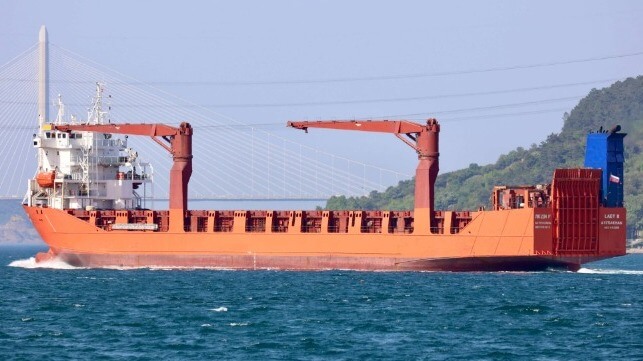
Lady R has made frequent trips through the Bosphorus raising belief it is supporting the war effort in Ukraine (Twitter)
The independent report commission by the South African government to investigate the December 2022 visit of a Russian supply ship to the country’s Simon’s Town naval base was due to be delivered today, August 4, to the country’s President Cyril Ramaphosa. Pressure had been placed on the government by the opposition party and the United States to investigate the allegations the vessel covertly during the middle of the night loaded armaments or possibly munitions for Russia in violation of the international sanctions imposed after the invasion of Ukraine.
Presidential spokesperson Vincent Magwenya confirmed the three-member panel that was headed by a retired judge has completed its investigations and is ready to present its report to Ramaphosa, who has said he will review it and decide whether to make the report public. The panel was originally given a six-week deadline to uncover the facts about the Russian vessel’s presence in the country’s waters which would have meant the report was due on July 18. They received a brief extension, which critics highlight meant it was not presented until after the president attended a Russia-Africa Summit in late July where he held bilateral talks with Russian President Vladimir Putin.
Pressure was placed on Ramaphosa in May when U.S. Ambassador Reuben Brigety emphatically stated that the U.S. believed the sanctioned vessel had been involved in an illicit transfer of arms. “We are confident that weapons were loaded on that vessel, and I would bet my life on the accuracy of that assertion,” Ambassador Brigety said during an interview in which he called for the investigation.
The panel to investigate the docking of Lady R was given a mandate that included establishing the circumstances that led to the docking of the ship and the alleged loading of cargo and its subsequent departure from Simon’s Town in the Western Cape. The panel was also to establish the persons who were aware of the ship’s arrival, and, if any, the contents to be off-loaded or loaded, the departure and destination of the cargo. In its report, the panel was also required to include recommendations on actions to be taken against those responsible, if it establishes that breaches occurred.
The presidential spokesperson said that Ramaphosa planned to review the document as soon as his schedule permits now that he is back from the summit. Following the president’s review, he will decide on the actions to be followed and on the aspects of the report that will be made public said Magwenya.
Revelations that the South African government intends to filter the report and only make public part of its findings are likely to ignite further accusations of a cover-up. The U.S. has called for action while the opposition party, the Democratic Alliance has also been pushing for transparency and accountability in the investigation process.
“What we want from this is what we have always believed,” said Kobus Marais, a spokesperson for the opposition. “If nothing was wrong, as they've claimed, then why not make it public? If you've got nothing to fear, why not be honest and transparent to the public,” he said last month, adding that the opposition party had made an application to access the findings of the investigation. They have also said that they are prepared to take legal action if the government refuses to make the report public.
Construction Starts on Canadian Coast Guard’s Arctic Patrol Ships
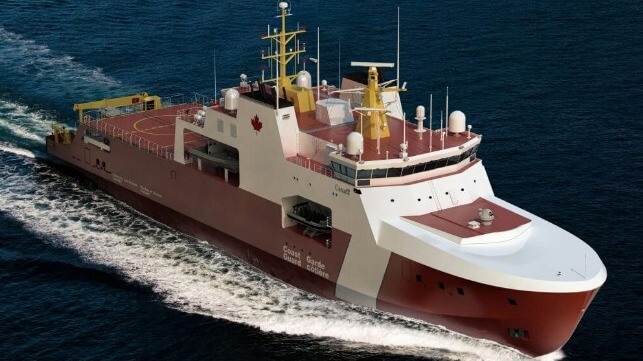
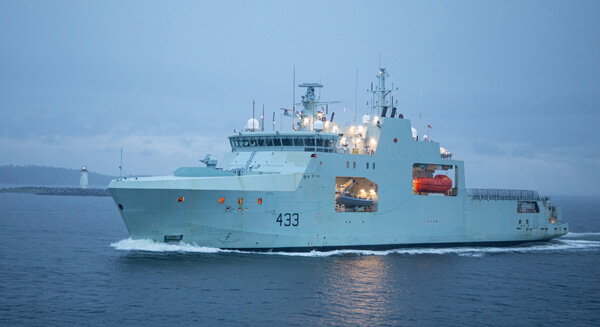
Arctic and Offshore Patrol Ship adapted to the Canadian Coast Guard (Irving SHipbuilding)
Work is getting underway at Canada’s Irving Shipbuilding in Halifax on the first of two new Arctic and Offshore Patrol Ships (AOPS) for the Canadian Coast Guard’s fleet. By sharing an adapted platform with the Royal Canadian Navy, they are highlighting that the vessels will allow for better cooperation between the two services while also promoting learning and skill-sharing between the crews and expanding the Coast Guard’s capabilities.
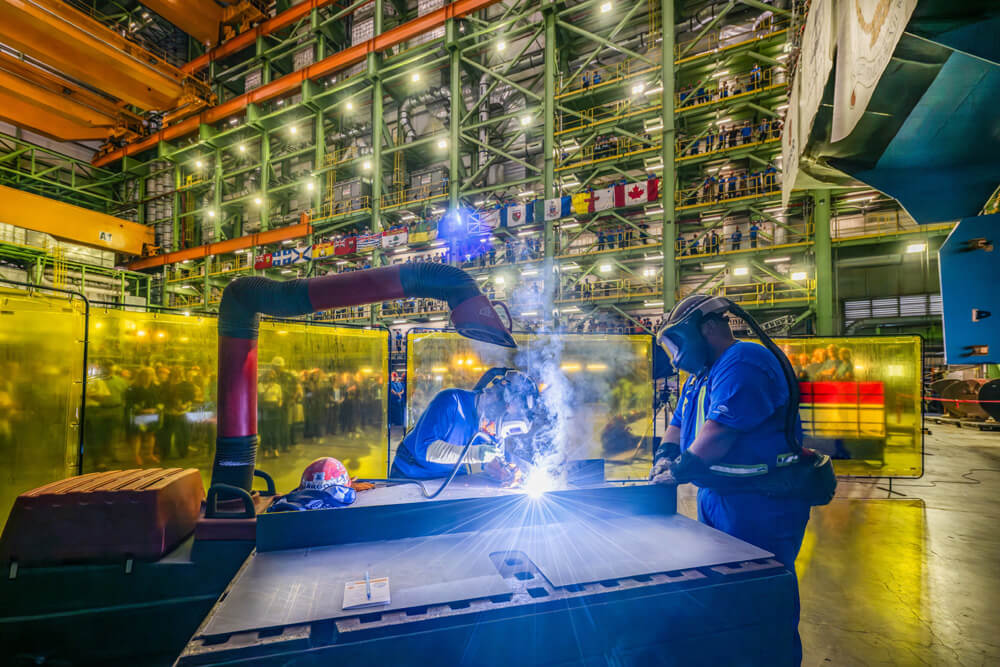
The milestone in the project was marked with a ceremonial first steel cut at the shipyard in Nova Scotia. Announced in 2022 as an extension of the contract to build six APOS vessels for use by the Royal Canadian Navy, the first of the two Canadian Coast Guard vessels is expected to be delivered in 2026. Her sistership is due in 2027 and they will replace two of the Coast Guard’s existing five Offshore Patrol Vessels. The new ships are being built under Canadian’s National Shipbuilding Strategy which is also designed to bolster the country’s shipbuilding industry.
Irving has already delivered the first three AOPS to the Royal Canadian Navy with the fourth vessel undertaking sea trials last month and expected to deliver later this summer. The mega blocks for the fifth vessel will be joined this month and the keel laying for the sixth vessel is also scheduled for this month. The fifth vessel is on schedule for delivery in 2024 followed by the sixth to the navy in 2025.
All the ships share the same dimensions with an overall length of approximately 338 feet and 6,677 metric tons displacement. The hull is designed to support icebreaking in the low Arctic during the summer and on the Canadian East Coast during the winter. They are capable of breaking one-meter first-year ice at a speed of 3 knots. The main components of the vessels, such as the hull, engines, and propulsive systems, are consistent across the class.
First steel was cut for the new ship at the shipyard in Halifax, Nova Scotia (Irving Shipbuilding)
“Our Coast Guard members are essential in keeping our waterways clean, safe, and accessible,” said Canada’s Minister of Fisheries, Oceans, and the Canadian Coast Guard, Diane Lebouthillier, during the ceremonies. “Today, as we celebrate the start of the construction of the Arctic and Offshore Patrol Ships, we are proud to invest in the Canadian Coast Guard’s fleet of the future and provide state-of-the-art equipment to our personnel.”
The Canadian Coast Guard's new Arctic and Offshore Patrol Ships will operate as a primary platform to support fisheries enforcement missions on Canada's east coast, including Northwest Atlantic Fisheries Organization patrols. They will also support search and rescue and icebreaking operations on the east coast and will be able to support environmental response and aids to navigation.
While using the same overall design, the last two vessels of the class were modified to comply with the requirements for civilian vessels and meet Canadian Coast Guard’s mission. This includes removing weapons, as well as changes to the bridge layout, the accommodations, mission spaces, the working deck, and tailoring of selected spaces for science missions including the addition of various hull-mounted sensors.
Fourth ship of the class, future HMCS William Hall, on sea trials in July 2023 (Irving Shipbuilding)
The AOPS are highly capable and versatile ships in comparison to the existing offshore patrol vessels. The new ships will be able to operate beyond 120 nautical miles including outside the Exclusive Economic Zone. They will have a top speed of 17 knots and can stay at sea for up to 48 days. They will be able to accommodate a crew of 31 and will have a total of 57 berths.
They will also be outfitted with science equipment and a medical facility to conduct scientific research and support humanitarian assistance missions. A crane and A-frame on the stern will add to the capability to support aid to navigation operations and science research. They will also have a helicopter pad and hangar that will allow the ships to accommodate both the Canadian Coast Guard’s light- and medium-lift helicopters, as well as National Defence's Cyclone helicopters. They will also be capable of loading a shipping container for resupply missions.
During the ceremonies, officials highlighted that the new vessels will be highly versatile. This will allow greater flexibility and adaptability for the Canadian Coast Guard's operations.
Opinion: Time to Increase Arctic Maritime Domain Awareness
For too long, the Canadian Arctic has not been benefitting from the attention it deserves. Yet recent events and long-term trends call for an increased security focus to the region. The geopolitical shift caused by the invasion of Ukraine by Russia and the realisation that China, which calls itself a near-arctic nation, has ambitious aspirations in the Arctic and has been conducting illegal activities in Canada for decades, call for action.
When I commanded Canadian Forces Northern Area in the late 1990s, I was appalled to learn that ships entering our internal waters were not required to report their presence to the Canadian Coast Guard (CCG). In July 2010, following years of lobbying, the Canadian Government made it compulsory for vessels of 300 tons and above entering Canadian waters to report to the Northern Canada Vessel Traffic Services Zone Regulations, better known as NORDREG. This measure significantly improved Canada’s awareness of who and what was entering our Arctic.
Unfortunately, Report Number 6 of the Auditor General of Canada (AGC) on the surveillance of Canadian Arctic Waters, published in November 2022, states that “Overall, the federal government has not taken the required action to address long-standing gaps affecting its surveillance of Canada’s Arctic waters”. Of specific concern, it also states at paragraph 6.23 that:
“The inability to reliably track, monitor, and identify non-emitting vessels, notably small vessels and those not complying with requirements on identification and tracking equipment.”
Large vessels, when operating responsibly, would normally emit information on their presence through the Automatic Identification System (AIS). This international system is designed to avoid collisions between ships. Fortunately, the AIS signals can be monitored from space and contribute significantly to maritime domain awareness. When vessels do not emit with their AIS – either due to lack of proper equipment or because they want to hide their presence - it is difficult, if not impossible, for Canada to maintain good domain awareness of maritime activity in its vast arctic internal waters and Exclusive Economic Zone.
If Canada is serious about improving its arctic maritime domain awareness, one of the simple and inexpensive ways to do it is to increase the number of ships that are obligated to report to NORDREG, and to require them to continuously emit on AIS while in Canadian waters. As I suggested at the Canadian Maritime Advisory Council Prairie and Northern Region meeting in Québec City, on 11 May 2023:
“Amend the Northern Canada Vessel Traffic Services Zone Regulations as follows:
• That vessels of 15 tons and above be prescribed as classes of vessels for the purposes of subsections 126(1) and (3) of the Act in respect of the NORDREG Zone
• That vessels over 15 tons maintain an Automatic Identification System active while operating in the NORDREG Zone”
These requirements would result in significant benefits. All federal ministries with responsibilities in the Arctic would benefit from a more complete domain awareness. The vessels themselves would benefit from increased safety: in the case of an emergency, the Canadian Coast Guard (CCG), which manages NORDREG, would immediately know which vessels would be the closest to provide assistance. The incidence of search-and-rescue (SAR) operations could be reduced, as well as the impact on annual community resupply. Indeed, among the tasks performed by the CCG, the SAR function has a higher priority than annual community resupply. Therefore, the annual resupply of an Inuit community risks being delayed or even cancelled whenever CCG icebreakers must attend a SAR situation caused by an unprepared vessel. Any delay on the delivery increases the cost of the annual sealift resupply of arctic communities.
The Nunavut Association of Municipalities is fully supportive of the recommendation to increase the NORDREG reporting and transmitting on AIS. They are increasingly concerned with the growing number of super yachts arriving unannounced on their doorstep, entering marine protected areas, or worse: fouling their traditional harvesting area and threatening their food security.
Since the proposed changes are to the regulations, rather than to the Act, the Minister could simply direct these changes under its own authority. Those changes could not be challenged given that, under the United Nations Convention on the Law of the Sea, countries are allowed to impose restrictions to manage their marine environments provided that they are not discriminatory.
To create maritime domain awareness, there is a need for multiple sources of information, which can be cross-referenced to identify the bad players. In the case of the Arctic, this means surveillance from space and inputs from a variety of actors including our Arctic Offshore Patrol Ships (AOPS), CCG icebreakers, the Aurora long-range maritime patrol aircraft, the Canadian Rangers, Transport Canada’s National Aerial Surveillance Program, the Long-Range Identification and Tracking System, the Inuit Maritime Monitoring Program, and even concerned citizens. The multiplicity of systems provides redundancy to ensure resilience: for example, if satellites are disabled by a solar storm, Canada will not become suddenly blind.
The challenge in the vast Canadian Arctic is that surveillance is presently episodic in nature. The AOPS and CCG vessels only operate there in the summer and cover a small radius around them. The AGC report indicates that the RADARSAT Constellation, which provides space surveillance, does not have sufficient capacity, and that there will be a gap before its replacement becomes operational. It also states that similar gaps will happen in other systems over the years.
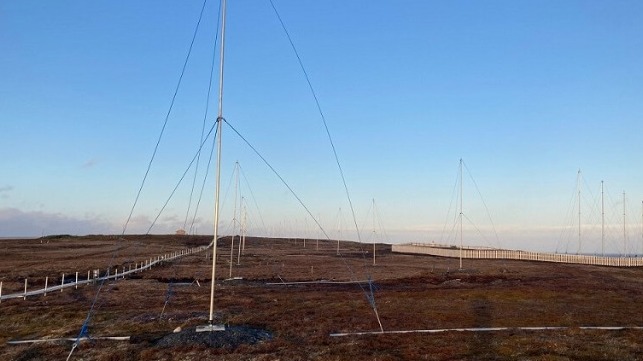
One of the ways to improve our arctic maritime domain awareness is to monitor the approaches to the Arctic Archipelago using Canadian developed high frequency surface wave radar (HFSWR). This is not a new idea. High-frequency surface-wave radars can detect vessels on the surface up to a range of 200 nautical miles. One of my clients, Maerospace, a Canadian company based in Waterloo, Ontario, is proposing the installation of three systems to provide persistent 24/7 coverage of the present main approaches to the Arctic Archipelago. The disappearance of the ice may call for a fourth system in time.
The ability to detect vessels approaching the Archipelago using these radars would allow the authorities to deny entry, confirm whether a vessel has reported to NORDREG, and corroborate whether or not it is transmitting the required AIS signal. It is said that what you cannot measure, you cannot manage.
In addition, the report of the Senate Standing Committee on National Defence identified another serious surveillance gap on page 38: “For witnesses, the main surveillance gap in the Arctic concerns the detection of threats and underwater activities. They underscored that Canada currently has no capability to detect submarines, underwater UAVs or other types of submersible systems operating in the Arctic Ocean.”
Since our submarines cannot operate safely under the ice, one economical way to perform “the detection of threats and underwater activities” could be through the use of unmanned underwater vehicle (UUV). Since the UUVs operate underwater, they could be deployed year-round, regardless of the ice cover. They would not have some of the disadvantages of sonar arrays on the seabed such as their vulnerability to damage from iceberg.
A combination of short- and long-range UUVs could be used to monitor the underwater approaches to the Canadian Arctic Archipelago. The International Submarine Engineering Explorers UUV, with a range of 300 plus kilometers, could be deployed to monitor specific choke points. The long-range UUVs, such as the HUGIN Endurance from Kongsberg, with a range of 2,200 kilometers, could be deployed from Resolute Bay or Cambridge Bay to patrol the key vulnerable passages of the Northwest Passage. The UUVs may have the ability to lie down at the bottom of those passages and silently monitor activity. They could dock into unmanned underwater facilities to recharge their batteries, upload information and download instructions. By moving from one underwater docking station to another, the UUVs could monitor all the approaches to the Arctic Archipelago. When needed, the UUVs would be commanded back to a maintenance facility for servicing.
The knowledge that UUVs are patrolling the waters of the Archipelago would be a great deterrent. In addition, while the UUVs collect national defence data, they could simultaneously be collecting scientific data, such as water temperatures, salinity, ocean currents and marine life (e.g., communications between whales).
The changes to NORDREG regulations, as well as the deployment of HFSWRs and UUVs, could quickly and significantly improve our arctic maritime domain awareness and deterrence. It is unfortunate that the lack of federal leadership on national defence, the reluctance to meet NATO minimum investment in defence, combined with the present government’s apparent disinterest in protecting Canadians, will make the implementation of those recommendations a challenge.
This article appears courtesy of Vanguard Canada and is reproduced here in an abbreviated form. It may be found in its original form here.
The opinions expressed herein are the author's and not necessarily those of The Maritime Executive.
World's Strangest Research Vessel Heads for Scrapyard After 51 Years
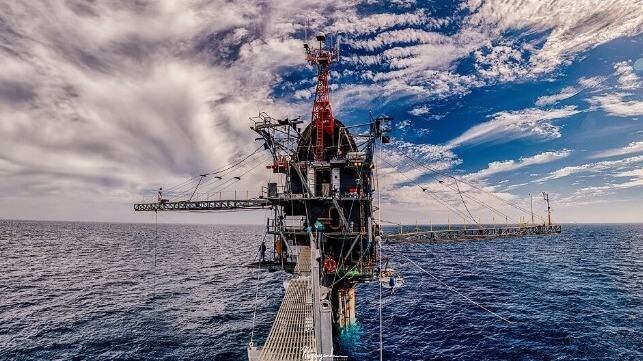
The Scripps Instition of Oceanography's innovative Floating Instrument Platform (FLIP) has been towed off into the sunset for the last time. It may well have been the strangest, most recognizable research vessel ever built - and its users remember that it was exceptionally effective.
For more than 50 years, FLIP provided a stable research station at sea for Scripps' scientists. The one-of-a-kind vessel (technically a platform) could be partially flooded to sink the stern and change the axis of its floatation. In less than an hour, it could transition seamlessly from a horizontal barge orientation for transit to a vertical spar orientation for stationary operation. To refloat from vertical to horizontal mode, the crew would pump out the ballast tanks with compressed air, much like a submarine, and the vessel's stern would rise back up to the surface.
As a spar platform, FLIP was minimally affected by ocean swells, and it provided scientists an extra-stable, extra-quiet platform for sensitive experiments. Physical oceanographic research conducted aboard FLIP produced "exquisite" data, according to ONR Ocean Sensing Battlespace Department director Dr. Tom Drake, and established a "gold standard" for modeling to support U.S. Navy research objectives.
“It was like being on land except in the middle of the ocean. It was just glorious,” remembered Scripps oceanographer John Hildebrand, who used the platform's stability and relative silence to study marine mammal sounds. “There were things you could do with it that you couldn’t do any other way.”
Planning for FLIP's creation began at tje National Research Council Committee on Oceanography in the late 1950s, according to Scripps scientist and longtime FLIP researcher Rob Pinkel. The committee's list of top priorities included a deep-diving submersible - the famous Alvin - and FLIP.
The unique spar platform was designed and built by Scripps, and it launched in 1962. Most of its core mission systems were designed to rotate through 90 degrees, from the air compressors to the galley cabinets. The diesel generators were mounted on gimbals and connected to their fuel and exhaust piping using flexible hoses.
“FLIP set the stage for thinking big about what could be done with technology to enable new scientific discoveries,” said Scripps’ Marine Physical Laboratory (MPL) Director Eric Terrill. “It was built in an era of risk-taking; a spirit that we try to embrace to this day and encourage in the next generation of seagoing scientists.”
The venerable spar vessel has been towed off for the last time, but a piece of it remains at Scripps. The institution has arranged for one of FLIP's booms to be removed and mounted onto a pier, where it will continue to be used to deploy instruments into the water.
AZERBAIJAN/ARMENIAN BORDER DISPUTE
Blockade in Nagorno-Karabakh: When Bread
and Sanitary Pads Become Luxury Items
By Anush Ghavalyan and Siranush SargsyanTatev Azizyan, a local journalist in an empty supermarket in Stepanakert, Nagorno-Karabakh's capital. Residents have struggled with deepening shortages of food and medicine since the only road in and out of the region has been closed by Azerbaijan since December 12, 2022. Credit: Edgar Kamalyan / IPS
STEPANAKERT, Nagorno-Karabakh, Aug 8 2023 (IPS) - Tatev Azizyan, a 28-year-old journalist from Nagorno-Karabakh, says she has explained to her child that they both have to switch to “energy save mode” to survive.
“Some bread and slices of tomato and cucumber, that’s all I can give my seven-year-old daughter for breakfast. Dairy products like sugar or eggs are long gone from our table,” Azizyan told IPS from her residence in Stepanakert, the provincial capital of Nagorno Karabakh.
Saving energy is far from easy when public transport hasn’t been working for weeks, because of fuel. Queues under the scorching sun also pose dangers.
“We often see the elderly and people with disabilities faint after spending hours in line just to get a kilogram of potatoes, or when mothers take their kids to a hospital on their arms,” stressed Azizyan.
Azerbaijan is trying to oppress us by forcing us to subjugate or leave our homeland, by depriving our people of humanitarian supplies and deliberately disrupting vital infrastructures.” Gegham Stepanyan, Nagorno Karabakh ombudsman
She is among 120,000 Armenians currently under blockade in Nagorno-Karabakh. Also called Artsakh by its Armenian population, it’s a self-proclaimed republic within Azerbaijan which seeks international recognition and independence.
On December 12, 2022, a group of government-backed protesters identifying themselves as ‘eco-activists’ closed the Lachin corridor, the only road connecting the enclave with Armenia and the outside world with a demand to stop gold mining in the region.
In a statement released on July 25, the International Committee of the Red Cross -the only international humanitarian organisation operating in Nagorno-Karabakh- denounced civilians in Nagorno Karabakh population are facing “a lack of life-saving medication and essentials like hygiene products and baby formula.”
“Despite persistent efforts, the International Committee of the Red Cross (ICRC) is not currently able to bring humanitarian assistance to the civilian population,” claimed the report.
The ongoing blockade has forced thousands of citizens to stand in line for hours
to get some minimal amount of food or basic necessities.
Over the last three decades, the conflict between Armenia and Azerbaijan has resulted in nearly complete ethnic separation of the population. Hundreds of thousands of people from both sides have become refugees.
Russian peacekeepers were deployed in the region after a Moscow-brokered ceasefire ended a six-week war in the fall of 2020. The Azerbaijani side has prevented peacekeepers from passing through the corridor since June 15.
The U.S., the EU, Russia, the UK, and several European countries have called on Azerbaijan to open the Lachin Corridor for humanitarian and civilian traffic.
In December 2022, Armenia brought Azerbaijan to the International Court of Justice and the European Court of Human Rights. Although both courts ordered Baku to end the roadblock and ensure unimpeded traffic along the corridor, the lifeline remains closed.
Baku had proposed an alternative route across Azerbaijani territory, an offer declined by Nagorno-Karabakh Armenians, who said it was too dangerous.
On July 26, the EU’s High Representative of the Union for Foreign Affairs and Security Policy Josep Borrell said supplies through Azerbaijan should not be seen as an alternative to the reopening of the Lachin corridor. This approach was stressed by the US Secretary of State, Anthony Blinken, during his last call with Azerbaijan’s President Ilham Aliyev.
Meanwhile, the situation inside the enclave worsens by the day.
“The number of miscarriages has increased due to a lack of medicines, stress and an unbalanced diet. Both mothers and babies are at increased risk,” Vardges Osipov, the executive director of the Maternity and Child Health Care Center in Stepanakert told IPS.
“In July alone, the number of miscarriages has increased almost three times,” the doctor warned.
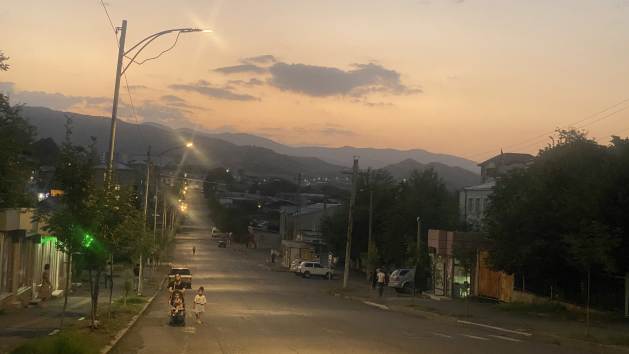
As of July 25, public transportation across all of Nagorno-Karabakh was suspended
because of fuel shortages. People have to walk on foot to reach destinations including
their workplaces and hospitals. Ambulances are out of gas and no longer operate.
Credit: Siranush Sargsyan / IPS
Alyona Grigoryan a mother of two and pregnant with her third child is fully aware of the dangers. After facing problems with pregnancy, she was monitored by doctors at Stepanakert´s hospital for a month and a half.
She says the fetus is safe, but she needs a balanced diet, vitamins and medicines which are impossible to find.
“My 3-year-old child had a fever days ago and since we couldn’t find medicines, ee had to resort to traditional means to bring down the fever with cold soaks,” the Armenian told IPS.
Grigoryan points to “additional challenges” when it comes to pregnancy, but she is also concerned about the mental health of her two kids.
“At just three and six years of age, they already know what war and a blockade are,” she lamented.
The acute shortage of individual hygiene products also poses a new danger to women in the besieged enclave.
International health organisations such as the United Nations Population Fund warn that restricting safe and affordable sanitary materials has contributed to health problems including depression, infections and other health risks.
However, in a traditional society like Nagorno-Karabakh, issues related to women’s reproductive and sexual health are not discussed in public, because they are deemed shameful.
Only a few of the women interviewed by IPS mentioned their right to manage their periods with dignity. None of them mentioned the lack of birth control pills or other items used to prevent sexually transmitted diseases.
Nagorno-Karabakh also faces water outages, power and gas cuts. The region’s vital
infrastructure is fed by Armenia but all lines to this enclave pass through
Azerbaijani-controlled territories. It’s up to Baku to open and close the valve on these
vital supplies. Credit: Siranush Sargsyan / IPS
No end in sight
On July 26, the Armenian government sent 400 tons of aid to Armenians in Nagorno-Karabakh. Armenian officials expressed hope that Russian peacekeepers would escort the relief supplies.
But the convoy was blocked after Azerbaijan’s Foreign Ministry labelled the aid convoy a “provocation” and “an attack on Azerbaijan’s territorial integrity”
“Azerbaijan is trying to oppress us by forcing us to subjugate or leave our homeland, by depriving our people of humanitarian supplies and deliberately disrupting vital infrastructures. These are crimes that should be punished by the international community,” Gegham Stepanyan, Nagorno Karabakh ombudsman, told IPS from his office in Stepanakert.
Water outages, power and gas cuts are also a common currency in the enclave. The region’s vital infrastructure is fed by Armenia but all lines to the enclave pass through Azerbaijani-controlled territories. It’s up to Baku to open and down the valve of these vital supplies.
“My life is adjusted to a rolling blackouts schedule,” Luiza Sargsyan, 16, told IPS. The teenager has to look after her 10-year-old brother Levon after both were left alone in Stepanakert.
Luiza’s mother had to get surgery in Yerevan (Armenia´s capital) before the road was closed, and her father had to accompany her to provide care. Both parents are still in Goris -an Armenian town near the blocked road to Nagorno Karabakh- until they can finally go back home.
When that will be possible is still impossible to predict.
“I don´t even dare to say if classes will resume in September…,” admits this Armenian teenager. She´s blunt about the future.
“Coping with the blockade sucks all our energy now. It’s a daily challenge.”