Thursday, September 21, 2023


New Si-based photocatalyst enables efficient solar-driven hydrogen production and biomass refinery

The study findings have been published in the July 2023 version of Advanced Materials

Peer-Reviewed Publication

ULSAN NATIONAL INSTITUTE OF SCIENCE AND TECHNOLOGY(UNIST)

Professor Jungki Ryu and his researcher 

IMAGE: PROFESSOR JUNGKI RYU AND HIS RESEARCHER YURI CHOI FROM THE SCHOOL OF ENERGY AND CHEMICAL ENGINEERING AT UNIST view more 

CREDIT: UNIST

A team of researchers, led by Professor Jungki Ryu in the School of Energy and Chemical Engineering at UNIST and Professor Soojin Park from Pohang University of Science and Technology (POSTECH), have achieved a significant breakthrough in the development of a hybrid silicon photocatalyst. This innovative catalyst utilizes solar power to produce hydrogen and high-value compounds efficiently, marking a major step forward in green hydrogen production technology.

The newly developed photocatalyst is both non-toxic and eco-friendly, addressing the limitations associated with previous catalysts that were not sunlight-responsive or posed toxicity concerns. Silicon-based photocatalysts demonstrate excellent light absorption properties, making them highly efficient in utilizing solar energy. Moreover, these non-toxic materials do not emit harmful chemicals during their production process.

Previous research faced challenges in achieving continuous production of hydrogen alongside high-value compounds due to a lack of suitable catalysts. Toxic catalysts used under strong base conditions often led to environmental pollution issues. Additionally, as oxide layers formed on traditional silicon photocatalysts during reactions, it negatively impacted hydrogen production efficiency over time.

To overcome these obstacles, the research team developed a hybrid silicon photocatalyst by uniformly coating nickel-doped graphene quantum dots onto the surface of 2 to 3 nm thick silicon flakes. The modified surface enabled significantly higher hydrogen production efficiency compared to conventional silicon photocatalysts—achieving an impressive rate of 14.2 mmol gcat−1 h−1—a substantial improvement equating to approximately 28 times higher performance.

Furthermore, through oxidation reactions using biomass instead of water—an organic substance derived from biological sources—the hybrid silicon photocatalyst demonstrated its capability for producing high-value compounds alongside hydrogen production. The catalyst also maintained 98% of its original form, ensuring long-term stability.

Professor Ryu stated, “Previous research on hydrogen production has been limited to photocatalysts that absorb ultraviolet rays or involve toxic catalysts. Our non-toxic and cost-effective silicon photocatalyst is a significant advancement as it enables high-efficiency hydrogen production through superior solar absorption.”

Professor Park added, “The surface modification technique utilizing nickel-doped graphene quantum dots can be applied not only to silicon photocatalysts but also to various other types of photocatalysts, opening up new possibilities in energy applications.”

The study has been jointly participated by Yuri Choi (Research Assistant Professor, School of Energy and Chemical Engineering, UNIST) and Sungho Choi (Combined MS/Ph.D. Program of Advanced Materials Science, POSTECH). The findings of this study were published in Advanced Materials on July 27, 2023. This study has been supported by the grants through the National Research Foundation of Korea (NRF) funded by the Ministry of Science and ICT of Korea, as well as the Basic Science Research Program through the NRF funded by the Ministry of Education of Korea.

Journal Reference
Yuri Choi, Sungho Choi, Inhui Lee, Trang Vu Thien Nguyen, et al., “Solar Biomass Reforming and Hydrogen Production with Earth-Abundant Si-Based Photocatalysts,” Advanced Materials, (2023).

KMOU researchers propose a novel liquid filter for enhanced solar energy utilization


The innovative emulsion filter improves the energy harvesting capabilities of de-coupled photovoltaic-thermal systems


Peer-Reviewed Publication

NATIONAL KOREA MARITIME AND OCEAN UNIVERSITY

A novel emulsion liquid filter for de-coupled photovoltaic-thermal systems 

IMAGE: THE PROPOSED FILTER BASED ON A MIXTURE OF WATER AND FISH OIL FACILITATES THE CONVERSION OF SUNLIGHT INTO ELECTRICITY AND THERMAL ENERGY AT A REMARKABLE 84.4% EFFICIENCY. view more 

CREDIT: DR. JAE WON LEE FROM KOREA MARITIME & OCEAN UNIVERSITY (KMOU).


Photovoltaic (PV) modules are devices that convert sunlight into electrical energy. However, they suffer from a low conversion efficiency of around 20% because they can only convert near-infrared wavelengths into electricity, while other wavelengths simply heat up the PV module, reducing its efficiency. To counter this, scientists have developed photovoltaic-thermal (PVT) systems, in which the generated heat is carried away by a heat exchanger containing a coolant fluid (air or liquid). This, in turn, cools down the PV module, increasing its efficiency. Moreover, the captured heat can be utilized in the form of thermal energy.

To further enhance the cooling effect of PV modules and harvest thermal energy, de-coupled PVT systems equipped with liquid filters have been devised. These filters, placed over PV modules, capture specific wavelengths of sunlight that contribute minimally to electricity generation, including ultraviolet (UV), visible light, and near-infrared, facilitating their conversion into thermal energy for various applications. However, water, a popular liquid filter, cannot absorb UV rays.

Now, a team of researchers, led by Assistant Professor Jae Won Lee from Korea Maritime & Ocean University, has introduced an innovative emulsion (mixture) of fish oil and water as a liquid filter. It efficiently absorbs both infrared and UV light, increasing the energy harvesting potential of de-coupled PVT systems. Their work was made available online on April 28, 2023, and published in Volume 287 of the journal Energy Conversion and Management on July 1, 2023.

“Most liquid filters use either water or a mixture of water and solid nanoparticles to absorb the unused wavelengths of solar irradiance. However, water only absorbs the infrared portion of sunlight with wavelengths exceeding 1250 nm. Solid nanoparticles, on the other hand, tend to settle over time, which diminishes their efficiency,” points out Dr. Lee. In contrast, the proposed emulsion remains stable at high temperatures of up to 70 °C. Furthermore, the oil droplets within the emulsion are effective at absorbing UV light with wavelengths below 500 nm.

The presence of the emulsion filter significantly improved the conversion efficiency and lowered the operating temperature compared to systems with heat exchangers alone. The efficiency increased from 70.9% to 84.4%, while the temperature decreased from 46.7 °C to 33.1 °C. The researchers found that, under a standard solar irradiance of 1000 W/m², the de-coupled PVT system with emulsion filter produced electrical and thermal energies amounting to 72.2 Wh and 1176.7 Wh per day, respectively. This proved to be economically beneficial, with a lower cost payback time than both PVT systems and de-coupled PVT systems with water filter.

The proposed system can even be operated under specific requirements and environmental conditions. For example, during summer, the fluid in the liquid filter could be bypassed to maximize electricity production, while in winter, the liquid filter could capture thermal energy for heating applications. Its implementation is also expected to be straightforward. “Emulsion technology is already well established and finds applications in various industries, such as cosmetics and food,” explains Dr. Lee. “Therefore, emulsion filters can be easily applied to existing systems. Additionally, they hold immense potential for new applications, including selective separation of the solar wavelength spectrum.”

Let us hope that this technology will take us one step closer to realizing a carbon-neutral society!


***


Reference

DOI: https://doi.org/10.1016/j.enconman.2023.117087


About National Korea Maritime & Ocean University 
South Korea’s most prestigious university for maritime studies, transportation science and engineering, the National Korea Maritime & Ocean University is located on an island in Busan. The university was established in 1945 and since then has merged with other universities to currently being the only post-secondary institution that specializes in maritime sciences and engineering. It has four colleges that offer both undergraduate and graduate courses.

Website: http://www.kmou.ac.kr/english/main.do


About the author
Dr. Jae Won Lee is an Assistant Professor in the Division of Mechanical Engineering at Korea Maritime & Ocean University (KMOU). He received his PhD in Thermal Engineering from Korea University in 2017. His group conducts experimental and theoretical, fundamental, and applied research to improve the performance of a wide range of thermal engineering systems. Before coming to KMOU, he was a Research Professor at the Energy and Materials Circulation Laboratory and contributed to building energy reduction research.


New method for purifying drinking water could be used in disaster zones


Peer-Reviewed Publication

UNIVERSITY OF BATH


Scientists have developed a new method that converts seawater into drinking water that could be useful in disaster zones where there is limited electrical power.

The most popular method for removing salt (sodium chloride) from sea water is reverse osmosis, which uses a porous membrane that allows water molecules through but not salt.

However, this method requires a high pressure and substantial amounts of electricity. The membrane often clogs up, reducing the efficiency of the process.

The new technique, developed by a team of scientists from the Universities of Bath, Swansea and Edinburgh, doesn’t use any external pressure but instead uses a small amount of electrical energy to pull chloride ions through the membrane towards a positively charged electrode.

This causes water molecules to be pushed through at the same time as the chloride, a bit like a piston.

Meanwhile, sodium ions remain on the other side of the membrane, attracted to the negatively charged electrode.

The chloride ions are then recycled back into the chamber containing the salt water and the process is repeated, gradually drawing more and more water molecules through.

Professor Frank Marken, from the University of Bath’s Water Innovation Research Centre and Institute for Sustainability led the study, and predicts this could be used on a small scale where drinking water is needed but there is not the infrastructure available, such as in remote areas or disaster zones.

He said: “Currently reverse osmosis uses so much electricity, it requires a dedicated power plant to desalinate water, meaning it is difficult to achieve on a smaller scale.

“Our method could provide an alternative solution on a smaller scale, and because water can be extracted without any side products, this will save energyand won’t involve an industrial scale processing plant.

“It could also potentially be miniaturised to use in medical applications such as dosing systems for drugs like insulin.”

So far, the technology is at the proof-of-concept stage, converting only a few millilitres, however the team is now looking for partners for potential collaboration and investment to scale up the process to a litre which will enable them to calculate energy consumption more accurately.

 The team would also like to explore other potential applications such as drying processes or recovering water from different sources.

Professor Jan Hoffman, Co-Director of the Water Innovation Research Centre (WIRC) at Bath said: "Zhongkai Li and Frank Marken have developed polymeric materials that can act as a new type of molecular electrical pump for water.

“I think the discovery can potentially have a revolutionary impact on desalination of seawater and also processes for drying materials and recovering water.

“Of course, there is still a long way to go to create full scale technology based on the recent discovery, but it definitely looks promising and very innovative compared to existing pumping and desalination technologies."

Dr Mariolino Carta from Swansea University commented: "Microporous materials have enormous potential especially in separation and water purification, but also in catalysis.

“In the future even better materials and processes will be available."

The research is published in ACS Applied Materials & Interfaces. Any individuals or organisations wishing to find out more or collaborate should contact Dr Frank Marken: fm202@bath.ac.uk.


Curiosity about religion is viewed as morally virtuous, new research finds


Peer-Reviewed Publication

SOCIETY FOR PERSONALITY AND SOCIAL PSYCHOLOGY


People from diverse religious backgrounds in the United States view curiosity about religion as morally virtuous, according to new research published in Social Psychological and Personality Science. Atheists also view this curiosity as moral, although less moral than a lack of religious curiosity.

Previous research has examined what makes people curious and how curiosity helps people learn new information, but psychologists know less about how displaying curiosity is viewed by other people. The current research finds that people look favorably on those who show curiosity about religion and science.

“People who display curiosity – about religion or science – are viewed as possessing other moral character traits,” says lead author Cindel White, of York University. “We found that observers perceive curious people as willing to put in effort to succeed in life, and observers perceive putting in effort to learn as morally virtuous.”

Dr. White and her co-authors asked 1,891 participants to make moral judgments about people who exhibited curiosity, possessed relevant knowledge, or lacked both curiosity and knowledge about religion and science. Participants attributed greater moral goodness to those who displayed curiosity, a trend which was consistent across Jewish, Protestant, Catholic, and other Christian participants.

“Religious people in the United States can be perceived as, or associated with movements that are, anti-science and dogmatically unquestioning of religious doctrines,” Dr. White says. “However, religious participants that we surveyed typically approved of asking question about science, one’s own religious, and other people’s religions, indicating general approval of people who desire to learn more about religious and scientific questions.”

Dr. White notes that the researchers measured observers’ perceptions of people who are curious, not what predicts curiosity or how people’s levels of curiosity are associated with their actual levels of effort or moral character. The current research also focuses on participants in the United States – White would like to see future studies involve people in a wider array of countries.

In other studies, Dr. White and her colleagues are testing how children between five and eight years old evaluate curiosity about religion and science. The team is finding that young children also positively evaluate and reward curiosity, but more research in this area is needed in order to understand the factors at play in this phenomenon.

 “There are likely to be certain questions of inquiry, cultural contexts, or settings of intergroup conflict where curiosity signals negative traits, such as disloyalty to one’s ingroup,” Dr. White explains.


Inauguration ceremony of carbon future


Business Announcement

TSINGHUA UNIVERSITY PRESS

Inauguration Ceremony of Carbon Future 

IMAGE: EIGHT GLOBALLY RENOWNED SCIENTISTS IN CARBON-RELATED AREAS JOINTLY LAUNCHED THE NEW JOURNAL. view more 

CREDIT: CARBON FUTURE, TSINGHUA UNIVERSITY PRESS


On September 17th, 2023, Carbon Future, an international interdisciplinary journal sponsored by Tsinghua University, has been officially inaugurated.


Carbon Future is an open access, peer-reviewed and international interdisciplinary journal that reports carbon-related materials and processes, including carbon materials, catalysis, energy conversion and storage, as well as low carbon emission process and engineering. The journal is published quarterly by Tsinghua University Press, and publicly released on SciOpen, an internationally digital publishing platform for science and technology journals developed by Tsinghua University Press.


Prof. Fei Wei, the Editor-in-Chief of the journal of Carbon Future, delivered a speech on the aim, significance and scope of the journal in the inauguration ceremony, following the official release of the journal. Eight globally renowned scientists in carbon-related areas, including one academician of Chinese Academy of Sciences Prof. Chunming Xu, Prof. Fei Wei, Prof. Qingshan Zhu, Prof. Jinping Li, Prof. Jieshan Qiu, Prof. Baojun Wang, Prof. Feng Peng, Prof. Hongwei Sun, and one editor Dr. Li Zhang, jointly launched the new journal.


Prof. Fei Wei, specifically pointed out that carbon has been the most important carrier for decades. The earth and the biosphere embrace the worlds of carbon cycle, thus carbon plays a unique role in our life, and it will play a more significant role in in future to achieve a sustainable society. Carbon Future focuses on the basic and applied research, related to carbon materials, carbon catalysis, low-carbon energy, low-carbon chemicals, etc., and is committed to publishing cutting-edge progress in carbon field, promoting scientific and technological innovation, and creating a multidisciplinary academic exchange platform.


Carbon Future has established an international editorial board with many world leading scientists in the carbon field. The first editorial board meeting of Carbon Future was held concurrently on 17th September 2023. Twenty-eight scientists participated in the meeting offline and virtually. The Editor-in-Chief of Carbon Future Prof. Wei Fei, and Associate Editors Prof. Junwang (John) Tang and Prof. Martin Oschatz delivered the opening remarks, respectively. The Editor Dr. Li Zhao introduced the progress of the journal. Subsequently, all scientists had an in-depth and enthusiastic discussion, and put forward valuable opinions and recommendations. Those famous scientists will actively promote and strongly support the journal of Carbon Future globally.


Journal home:

https://www.sciopen.com/journal/2960-0561

Manuscript submission:

https://mc03.manuscriptcentral.com/cf


About Carbon Future

Carbon Future is an open access, peer-reviewed and international interdisciplinary journal that reports carbon-related materials and processes, including catalysis, energy conversion and storage, as well as low carbon emission process and engineering. Carbon Future will publish Research Articles, Reviews, Minireviews, Highlights, Perspectives, and News and Views from all aspects concerned with carbon. Carbon Future will publish articles that focus on, but not limited to, the following areas: carbon-related or -derived materials, carbon-related catalysis and fundamentals, low carbon-related energy conversion and storage, low carbon emission chemical processes.


About SciOpen 

SciOpen is a professional open access resource for discovery of scientific and technical content published by the Tsinghua University Press and its publishing partners, providing the scholarly publishing community with innovative technology and market-leading capabilities. SciOpen provides end-to-end services across manuscript submission, peer review, content hosting, analytics, and identity management and expert advice to ensure each journal’s development by offering a range of options across all functions as Journal Layout, Production Services, Editorial Services, Marketing and Promotions, Online Functionality, etc. By digitalizing the publishing process, SciOpen widens the reach, deepens the impact, and accelerates the exchange of ideas.


Scientists design fresh tomatoes suitable for mechanical harvesting


Peer-Reviewed Publication

CHINESE ACADEMY OF SCIENCES HEADQUARTERS

Application of fs8.1 has facilitated mechanical harvesting of processing tomatoes 

IMAGE: APPLICATION OF FS8.1 HAS FACILITATED MECHANICAL HARVESTING OF PROCESSING TOMATOES view more 

CREDIT: SCOTT


According to a study published in Nature Plants on Sept. 18, Chinese scientists have elucidated the mechanism of fruit shape formation in tomatoes and have developed fresh tomatoes for mechanical harvesting.

In the early 1960s, the fs8.1 mutation caused a shape change in tomato fruit from round to blocky, which greatly improved the stress tolerance of tomato fruit and brought about a major change in tomato processing from traditional manual harvesting to mechanized production. Since fs8.1 is located in a heterochromatic region, the underlying gene had not previously been identified.

In this study, researchers led by Prof. LI Chuanyou from the Institute of Genetics and Developmental Biology (IGDB) of the Chinese Academy of Sciences reported the cloning, functional characterization, and breeding application of fs8.1.

They demonstrated that the fs8.1 mutation has a stronger promoting effect on cell proliferation in the ovary wall than in the columella, resulting in an elongated fruit shape. They then identified the FS8.1 gene and found that it encodes a non-canonical GT-2 factor that lacks the characteristic trihelix DNA-binding domain.

Further studies showed that FS8.1 activates the cell cycle inhibitor gene SlKRP2 by forming a transcriptional module with the canonical GT-2 factor SlGT-16. In wild-type (WT) ovaries, the expression levels of both FS8.1 and SlGT-16 are higher in the ovary walls than in the columella.

As a result, SlKRP2 expression is higher in the ovary walls than in the columella, resulting in round fruit. In fs8.1 mutant ovaries, however, FS8.1 is not functional. Thus, SlKRP2 expression is lower in the ovary walls than in the columella, resulting in elongated fruit.

Strikingly, fs8.1 was absent in fresh market varieties. Compared to the fruit of processing tomato, the fruit of fresh market tomato is of higher quality in terms of nutrition and flavor. However, fresh market tomato fruit may experience severe soft-fruit-related deterioration during harvest, transportation and storage. Natural ripening-related mutations have been used to improve fruit firmness. However, they often adversely affect color, flavor and nutritional quality. fs8.1 does not affect fruit ripening. Thus, cloning of FS8.1 offers a potential way to redesign fresh market tomatoes for mechanized production without compromising quality.

Indeed, knockout of FS8.1 in the fresh-market cultivar resulted in enhanced compression resistance. Importantly, this strategy does not affect key quality indexes of ripe fruit, including total soluble solid content and levels of sugars, acids and lycopene.

In addition, simultaneous mutation of FS8.1 and SP, which controls indeterminate growth of tomatoes, converted indeterminate fresh market tomato plants that produce round fruit into determinate plants that produce square fruit suitable for mechanical harvesting.

This study was funded by the National Key R&D Program of China and the National Natural Science Foundation of China.

Cloning, functional analysis and breeding application of fs8.1

CREDIT

IGDB


Hundreds of weeds found illegally advertised online in Australia


Peer-Reviewed Publication

PENSOFT PUBLISHERS


Hundreds of weeds have been found advertised on a public online marketplace in Australia. Cacti and pond plants were among the most frequently advertised illegal weed species. These weeds are prohibited in Australia due to their harmful impact on the country’s environment and agriculture. Despite this, a research team led by Jacob Maher discovered thousands of online advertisements for these weeds. Their study is published in the open access journal NeoBiota.

Trade of ornamental plants, the kind grown in homes and gardens, is the major way weeds are introduced to new places. Some ornamental plants can make their way into the environment and become invasive, negatively impacting native species and agriculture. Increasingly, plants are traded on the internet, allowing a wide variety of plants to be introduced to more distant places. A lack of surveillance and regulation of this trade has resulted in the wide trade of invasive species.

In response, scientists from the University of Adelaide have utilised specialised software called ‘web scrapers’ to monitor trade on public classifieds websites. These web scrapers automate the collection of online advertisements. This allowed the researchers to detect thousands of advertisements for weeds over a 12-month period. 

Despite Australia’s laws banning the trade of harmful weeds, advertisements were observed across the country. Some of the weeds advertised were associated with uses by traders, including food and medicine. The most popular uses were associated with pond and aquarium plants such as filtering water and providing fish habitat.

The researchers recommend that governments adopt web scraping technology to assist in regulating online trade of plants. They also highlight increasing public awareness and seeking cooperation from online marketplaces as solutions to this growing problem.

“Currently, these online marketplaces allow people to advertise and purchase invasive species, whether they are aware of it or not,” says Maher. “Regulation is needed, but we also need to cultivate awareness of amongst plant growers of this issues and we need help from marketplaces to regulate trade on their end.”

The technology developed in this study is now being utilised by biosecurity agencies in Australia to monitor and regulate the illegal trade of plants and animals online.


Original source:

Maher J, Stringham OC, Moncayo S, Wood L, Lassaline CR, Virtue J, Cassey P (2023) Weed wide web: characterising illegal online trade of invasive plants in Australia. NeoBiota 87: 45-72. https://doi.org/10.3897/neobiota.87.104472


Global experts in epidemiology warn that rising inequality multiplies cancer incidence


Meeting Announcement

CENTRO NACIONAL DE INVESTIGACIONES ONCOLÓGICAS (CNIO)

Global experts in epidemiology warn that rising inequality multiplies cancer incidence 

IMAGE: FROM LEFT TO RIGHT: MARIA A. BLASCO, DIRECTOR OF CNIO, MARINA POLLÁN, DIRECTOR OF THE NATIONAL CENTRE FOR EPIDEMIOLOGY, ELISABETE WEIDERPASS, DIRECTOR OF IARC, CRISTINA VILLANUEVA, JOURNALIST AND EMCEE OF THE EVENT, AND CÉSAR LÓPEZ-PALOP, PRESIDENT OF THE FUNDACIÓN DOMINGO MARTÍNEZ. view more 

CREDIT: LAURA M. LOMBARDÍA / CNIO.


  • Elisabete Weiderpass, director of the International Agency for Research on Cancer (IARC), pointed out that half of cancer cases are due to preventable causes, such as smoking, alcohol and a poor diet, among other factors


  • Marina Pollán, director of the Epidemiology and Public Health Networking Biomedical Research Centre, stressed that in Spain 20% of adults smoke, and two thirds of men and half of women are overweight. The problem is greater in more disadvantaged areas.


  • In Spain, the abandonment of the Mediterranean diet is already translating into an increase in the incidence of colon cancer


  • How to reduce the risk of cancer? Prevention through research was the title of a congress held at CaixaForum Madrid on World Cancer Research Day, organised by CNIO


“Cancer is now the leading cause of death in 57 countries, including Spain and the whole of Europe” and by the end of this century it will be “the leading cause of death before the age of 70 in all countries throughout the world,” said Elisabete Weiderpass, director of the International Agency for Research on Cancer (IARC), during the conference How to reduce the risk of cancer? Prevention through research, organised by the National Cancer Research Centre (CNIO) on the occasion of World Cancer Research Day.

The event, which was open to the public and held at the CaixaForum Madrid Auditorium, was dedicated to cancer prevention. It is an especially important area because, according to data from the IARC, the specialised cancer agency within the World Health Organization (WHO), about half of all cancer cases are due to preventable causes and are therefore avoidable by changing habits and eliminating carcinogens.

The incidence of cancer is increasing. Over the next two decades, an increase of 47% is expected, which means “increasing pressure on public finances and health budgets,” Weiderpass warned.

The situation in Spain is entirely in line with the global scenario, explained Marina Pollán, director of the Epidemiology and Public Health Networking Biomedical Research Centre (CIBERESP): “We are one of the countries with the longest life expectancy, but this ageing population is exposing our public health system, which has been very good and universal, to a tsunami of cancer cases, because population ageing translates into an increase in chronic diseases.”

Cancer costs 1.2 billion dollars per year worldwide

The annual cost of cancer is estimated to be at least 1.2 billion (millions of millions) dollars worldwide, Weiderpass said. This figure, which includes both specific spending on health care and medicines, and indirect costs – for example, productivity lost due to premature deaths – is growing in all countries.

But the increase is not evenly spread. It will be especially acute in poor countries: “nations with fewer resources, without the technology to diagnose and treat cancers and without an adequate political climate to ensure effective prevention, will be the most affected,” Weiderpass warned, adding that “promoting equitable access to treatments will be crucial to address this great challenge over the next 20 years”.

Poverty is also a risk factor in Spain

The impact of poverty on the risk of developing cancer is also seen in rich countries, taking into account the incidence in different social groups. Weiderpass showed data on cervical cancer, preventable with periodic testing and with the human papillomavirus (HPV) vaccine.

“In Europe, there is a huge disparity in mortality figures from cervical cancer between better off and better educated women, and the poorest and least educated,” said the director of IARC. To avoid this, “screening campaigns should be aimed primarily at women of low socioeconomic status.”

Tobacco is ‘public enemy number one’ even in ‘vaping’ format

As for the main habits and carcinogenic substances, Weiderpass stressed above all tobacco: “It’s public enemy number one. The most important measure we should take today is to eliminate tobacco worldwide,” she said emphatically, “and I am very concerned about new ways of using it, such as vaping, because they are an open door for new generations to become dependent on this substance that kills many people.”

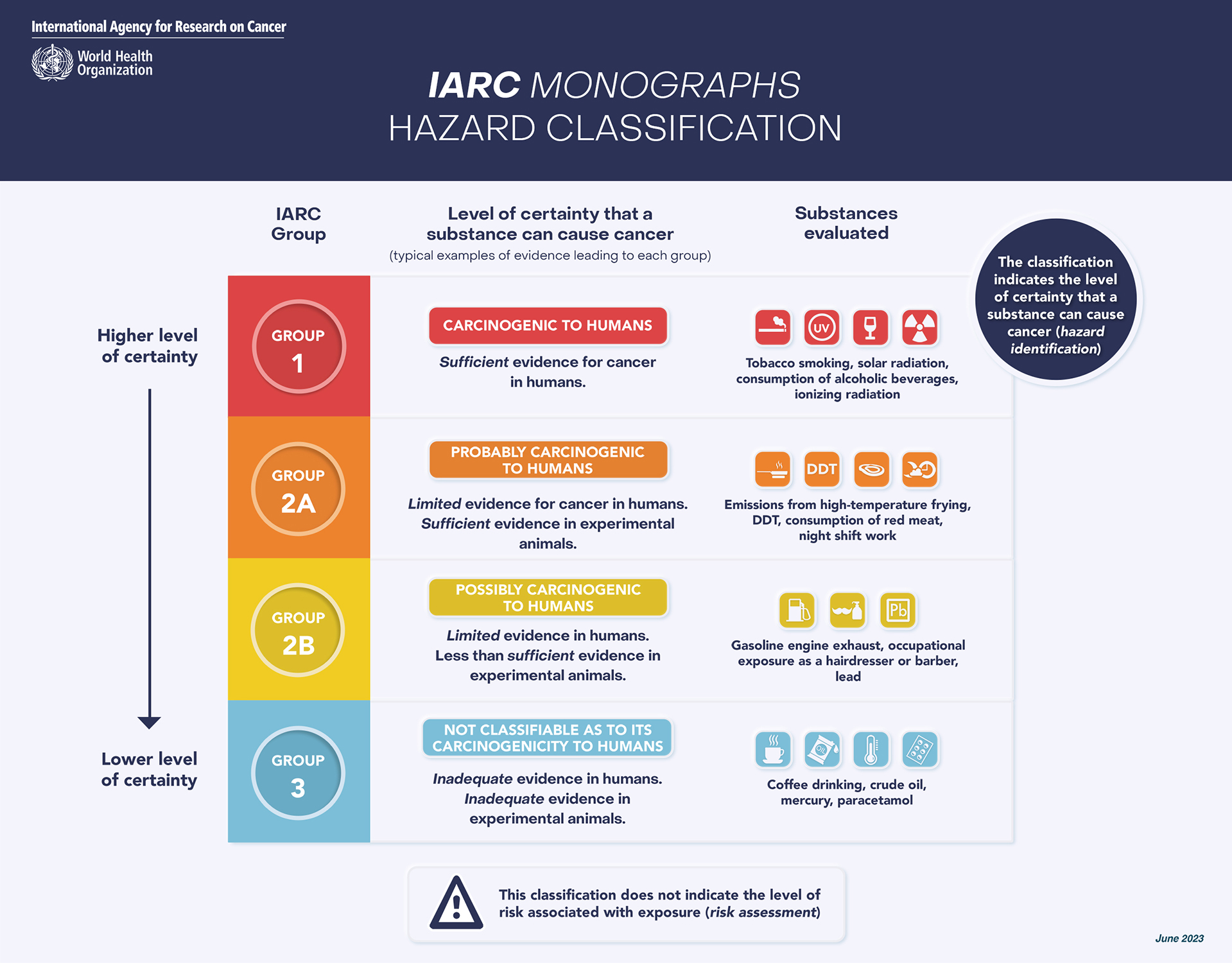
The WHO relies on the evaluations of Weiderpass’s Agency to identify and classify carcinogens. There is currently enough evidence to classify as carcinogenic to humans not only tobacco but also alcohol, sausages (processed meats), ionising radiationair pollution and more than a hundred other substances.

Glyphosate, night work and red meat

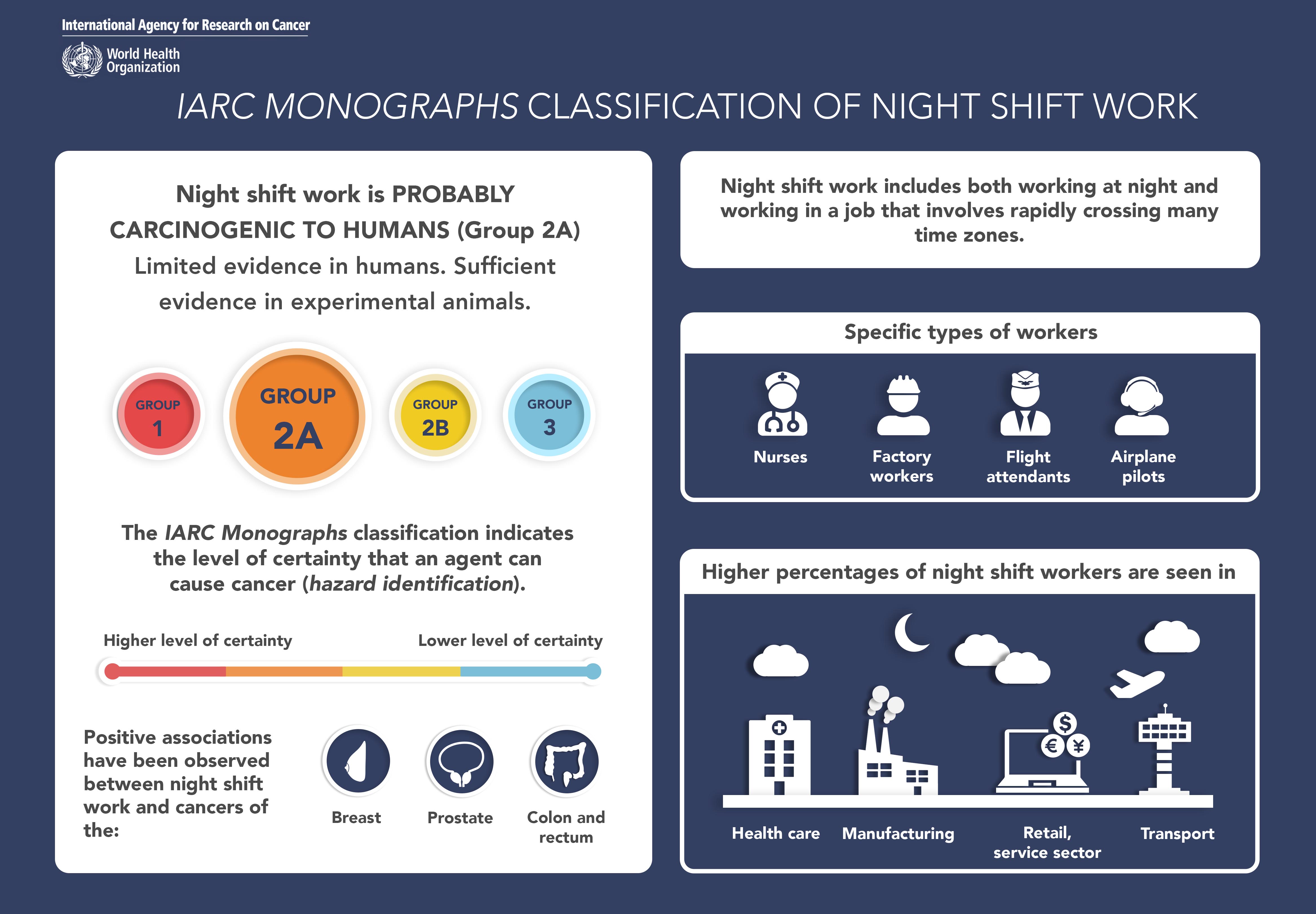
The herbicide glyphosate, widely used in European agriculture, is “probably carcinogenic”, because the WHO has strong evidence that it causes cancer in animal and cell models, but not enough data in humans. In this same category are red meat, night shift work , high temperature frying and the pesticide DDT, among others.

Aspartame, a sweetener whose consumption, Weiderpass noted, does not prevent obesity, is considered “possibly carcinogenic.” It is in a subgroup of the classification in which evidence in humans is lower, and which includes risks such as that of occupational exposure of hairdressers and barbers.

Alcohol, obesity and preventable infections with “very effective” vaccines

The experts also pointed to obesity as a factor of increasing importancewhich increases the risk of developing 12 different types of cancer. Weiderpass recalled the importance of limiting the intake of high-calorie and ultra-processed products; eating more fruit, vegetables, legumes, whole grains and nuts; and physical activity on a daily basis.

When it comes to alcohol, “it’s linked to up to seven different types of cancer. Just two glasses of alcohol a day is enough to cause very considerable damage,” Weiderpass said.

Another risk factor is infections. The most important pathogens are Helicobacter pylori, human papillomavirus (HPV) and hepatitis B and C. “Fortunately, we have at least two very effective vaccines: against HPV and against hepatitis B,” Weiderpass added. “Investing in vaccination is one of the most effective measures a government can take.”

Spain has one of the highest rates in overweight among children and cancer due to its abandonment of the Mediterranean diet

Marina Pollán provided up-to-date figures on smoking and obesity in Spain: 20% of adults smoke, and two thirds of men and half of women are overweight. As in other countries, this problem affects more disadvantaged areas to a greater extent.

The abandonment of the Mediterranean diet (vegetables, legumes, fruit, olive oil, nuts, little meat) is already noticeable in clinical practice: “We are switching over to an Anglo-Saxon diet”, and the consequences are already being seen in the incidence “especially of colon cancer, which is currently one of the main types of tumour in our country”.  

The Mediterranean countries, Italy, Greece and Spain, “currently have the highest rate of overweight and obese children”.

Binge drinking among young Spaniards is also a concern: “They drink a lot of alcohol in a very short space of time. We do not yet have an epidemiological measure of how that translates into cancer incidence, but it’s not going to be good,” predicts the director of the National Centre for Epidemiology.

Recent research, says Pollán, shows that “the greatest association between alcohol and breast cancer occurs with consumption in adolescence”; also, that “those who start drinking as teenagers, maintain or increase their consumption later on.”

Policies that make it “easy to be healthy and difficult to be unhealthy”

Weiderpass, Pollán and the director of CNIO Maria A. Blasco – who explained how CNIO conducts its research – insisted during a roundtable discussion on the importance of public prevention policies. We have to make it “easy to be healthy and difficult to be unhealthy”. For example, through taxes. Evidence suggests that increasing the price of tobacco, for example, decreases consumption.

Regulations are necessary especially for factors where we cannot choose whether we expose ourselves to them or not, such as air pollution or the consumption of pesticides banned in Europe, but not in other regions from which fruit and vegetables are imported.

European Code Against Cancer

Weiderpass noted that scientific evidence on prevention has been compiled in a European Code Against Cancer, which includes lesser-known habits, such as:

  • The recommendation of breastfeeding
  • Moderating hormone replacement therapy treatments
  • Vaccinating newborns against hepatitis B and girls against HPV
  • Finding out if we are exposed to radon at home
  • Finding out if we are exposed to carcinogenic substances at work.

Work is currently underway to adapt this code to other regions of the planet and “it is very important to establish a global cancer code”, which also serves to prevent relapses in cancer survivors.

The roundtable discussion also included César López-Palop, president of the Fundación Domingo Martínez (FDM), a member institution of the philanthropic initiative CNIO Friends. López-Palop stressed the importance of the whole of society understanding the need for cancer research.

The conference was moderated and emceed by the journalist Cristina Villanueva, author of the book Desplegando Velas. The event, sponsored by Fundación la Caixa, ended with a reception.