Wednesday, October 18, 2023


UN envoy: Colombian president's commitments to rural reforms and peace efforts highlight first year


UNITED NATIONS (AP) — Colombian President Gustavo Petro’s commitment to transform long-marginalized rural and conflict areas and new peace efforts were the highlights of his first year in office, the U.N. special envoy for the South American country said.

But Carlos Ruiz Massieu condemned the killing of nearly 400 former combatants who signed a 2016 peace agreement and called for “urgent and concrete measures from the authorities for their protection, as well as that of social leaders and human rights defenders.”

He told the U.N. Security Council on Wednesday that lagging progress in implementing rural reforms has limited the transformation in rural and conflict areas that the 2016 peace accord between the government and Colombia’s then-largest rebel group, the Revolutionary Armed Forces of Colombia, or FARC, was expected to bring.

“While a great distance still remains to attain the ambitious goals of the agreement in this respect,” he acknowledged “the increasing government efforts under way to bring about these reforms.”

The 2016 peace agreement ended more than 50 years of war in which over 220,000 people died and nearly 6 million people were displaced. More than 14,000 FARC fighters gave up their weapons under that agreement, but violence between some rebel groups has grown in parts of Colombia.

Colombia’s Foreign Minister Alvaro Leyva told the council that various forms of violence persist and “our efforts and renewed commitment to peace must be maintained and must be our highest task.”


Related video: Former Colombian president Ivan Duque calls for US to take more proactive role in Latin America (FOX News)  Duration 10:30  View on Watch


He said it hasn’t been easy and requires perseverance to implement the 2016 agreement, but it must be “inviolable.” He added that Colombia's decision to ask the Security Council to establish a political mission to verify implementation of the 2016 agreement — which it did in a resolution endorsing the peace deal — “attested to the desire at that time to achieve irreversible reconciliation.”

As the seventh anniversary of the agreement approaches, he said President Petro will in the next few days assume direct responsibility in a unilateral state declaration for fulfilling the commitments in the Security Council resolution.

“I wish to underscore the fact that the dialogues which are currently underway with the various groups and armed actors are a fundamental tool to achieve peace throughout the country, and to alleviate the humanitarian impact of the armed and criminal violence,” Leyva said.

He said the government recognizes that this must go hand in hand with implementing its National Development Plan.

Leyva said the council resolution states that the justice component should apply to all who participated directly or indirectly in the conflict. But the government believes “it should apply to those being investigated or sentenced for the crime of rebellion or other crimes related to the conflict, even if they did not belong to rebellious armed organizations,” he said.

In early August, the Security Council unanimously authorized the U.N. political mission to help verify implementation of a cease-fire agreement between the government and the country’s largest remaining guerrilla group, the National Liberation Army, known as the ELN.

The council also expressed willingness to do the same if a cease-fire is reached with another armed group, the FARC-EMC, which is led by former FARC commanders who refused to join the 2016 peace deal.

U.S. deputy ambassador Robert Wood expressed concern at the ELN central command’s ability to maintain the cease-fire “at a time when various fronts under its command continue to express discontent.”

He cited a recent media report indicating that 40% of ELN members would reject a peace deal with the government “because they continue to see lucrative earnings from drug trafficking and illegal mining.”

Wood called the FARC-EMC's recent announcement that it would cease offensive operations against the Colombian military and police and begin a 10-month cease-fire “a positive development.”

“But we need to see more progress in this effort before the council considers further expanding the mandate,” he said.

Wood reiterated the U.S. commitment to working with Colombia to implement the 2016 peace agreement.

Achieving its commitments will help bring security and stability, strengthen the protection of human rights, help bring truth and justice to victims of decades of conflict, and enhance economic development and equality in rural and urban areas, the U.S. envoy said.

Britain’s U.N. Ambassador Barbara Woodward also welcomed the government’s recent progress on rural reform and restitution of land to Indigenous communities.

She stressed that full implementation of the 2016 agreement “remains central to peace and reform in Colombia” and echoed U.N. envoy Ruiz’ strong condemnation of violence against ex-FARC fighters, human rights defenders, women leaders and members of the Afro-Colombian communities.

Edith M. Lederer, The Associated Press

‘The Devil on Trial’: Creepy true story behind Netflix’s demonic documentary

Story by Michelle Butterfield 


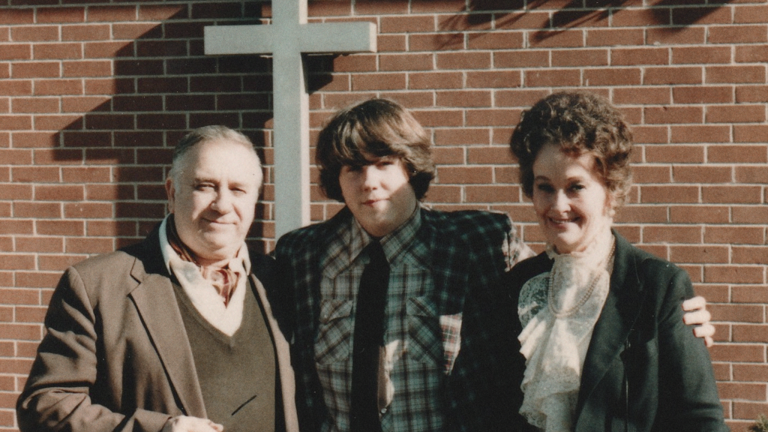
(L to R) Ed Warren, David Glatzel and Lorraine Warren.
© Courtesy / Netflix


In its latest foray into true crime, Netflix documentary The Devil on Trial explores the only time "demonic possession" has been used as a defence in a U.S. murder trial.

The case, often referred to as the "Devil Made Me Do It" trial, surrounded the 1981 murder of Brookfield, Conn., landlord Alan Bono at the hands of his 19-year-old tenant Arne Cheyenne Johnson.

The Devil on Trial investigates how Johnson pleaded not guilty to the gruesome slaying; he claimed he was under the influence of Satan when he stabbed the 40-year-old more than 20 times with a five-inch pocket knife after they got into an argument.

The trial ended up being a media circus, as friends and family of Johnson backed up his shocking assertion, paranormal investigators came to his defence, and his lawyer pitched to the jury that the horrific crime was actually the work of the devil.

The backstory

Prior to the murder, Johnson was engaged to a young woman by the name of Debbie Glatzel. Glatzel's family was struggling with a series of unexplained and ominous events that had happened over the past year to her younger brother, 11-year-old David Glatzel.

The first of the troubling events happened in July 1980, when David and Johnson were working together to clean up a rental property the Glatzel family was preparing to move into. David claimed that as he was helping, he encountered a "burnt"-looking old man who pushed him onto a waterbed and told him that if anyone moved in, he would harm them.

According to archived stories from People, David claimed for months that he continued to see the menacing old man, who would speak to him in Latin, threaten to harm his family and vow to take his soul. He also claimed the old man visited him in a dream and told him: "Beware."

In the following days, the family reported that David would randomly recite Bible passages or lines from Paradise Lost, his body shaking from head to toe as if he was being attacked by an invisible force.

Bruises and scratches that couldn't be explained began showing up on his body.

Increasingly concerned, David's family began taking shifts watching over the boy at night. During the middle of the night, they said, he would sit up suddenly and rapidly perform sit-ups for half an hour at a time.

"He would kick, bite, spit, swear — terrible words," his mother, Judy, told The New York Times in 1981.

The Glatzel family, devout Catholics, also reached out to their church, hoping a member of the clergy might be able to help.

They alleged that St. Joseph's Catholic Church sent priests to examine David, but were unable to get to the bottom of David's problems.

Running out of options, they turned to demonic investigators Lorraine and Ed Warren — known for their probe into the infamous haunting in Amityville, Long Island, several years prior. The Warrens are also the paranormal-investigating couple featured in each movie of The Conjuring film series.

Speaking to People magazine, Lorraine said it was clear to them right off the bat that David was possessed.

"While Ed interviewed the boy, I saw a black, misty form next to him, which told me we were dealing with something of a negative nature," she said of the first time they met David.

"Soon the child was complaining that invisible hands were choking him — and there were red marks on him. He said that he had the feeling of being hit."

The Warrens told his family that they recorded "43 demons" in the boy, and according to People, performed three "lesser" exorcisms on David in October 1980. Lorraine claimed that priests oversaw the exorcisms and that David levitated during one of them.

Taunting the demon

During one of the so-called exorcisms, Johnson, growing desperate, tried to help matters by taunting David's "demons" to enter him instead.

And, according to the family, it worked.

They said that soon after Johnson intervened, he began showing signs of being possessed. They pointed to the night that Johnson drove his car into a tree as proof — he told the family that a demon took control of his car that day and made it crash.

After the accident, unhurt from the crash, Johnson visited the well where the demon supposedly lived, and he recalled that this was the last "lucid" moment he had before the murder.

The Warrens claimed it was around this time that they called police to report the situation surrounding Johnson and the Glatzels, warning police that the situation was quickly becoming unsafe.

The devil made him do it

On Feb. 16, 1981, Johnson called in sick to work, but instead of staying home, he went to join his girlfriend at work — by this time she was employed at Bono's kennel and the couple were living in one of Bono's rental apartments.

Later that day, the trial heard, Bono took Johnson, Debbie and a couple of other workers out for lunch at a local pub. One of the co-workers told the Washington Post that Bono drank a lot of red wine with his meal.

"Next Saturday," she recalled, "he was going to give up drinking next Saturday."

When they all returned to Bono's apartment later that day, Debbie went to buy Bono some pizza in an effort to sober him up. The court heard at the time that when Debbie returned, there was a palpable tension between Johnson and Bono, as the two fought over a broken television set.

Debbie convinced everyone to leave, but Johnson turned back to the apartment. Debbie put herself between Bono and Johnson at that point and the witness told the Washington Post it was at that point that "it just broke."

"I can't explain it," she continued. "It just broke, that's all."

A flurry of activity followed, she said, and she recalled Johnson growling like an animal while something shiny flashed in the air. All of a sudden "it just stopped," she said, and Johnson walked into some nearby woods, staring straight ahead.

Bono, at that point, collapsed to the ground, face-first.

Not far from him was the knife with the five-inch blade that Johnson always carried. There were "four or five tremendous wounds," according to Johnson's lawyer, including one that extended from the stomach to the base of the heart. He died a few hours later.

Johnson was found two miles down the road, taken to prison, and held under US$125,000 bail.

Bono’s murder would be the first homicide in Brookfield in 193 years.

The trial and aftermath

Johnson was charged with the murder and went to trial on Oct. 28, 1981. Media latched onto the case, spurred by the Warrens' frequent lectures, book deals and media appearances.

Local hotels were sold out and the small courtroom was filled with observers every day.

Johnson’s lawyer, Martin Minnella, chose the tactic of pleading "not guilty by virtue of possession.’"

The judge, Robert Callahan, rejected Minnella’s plea and said that virtue of possession could never exist in a court of law. Instead, Minnella chose to tell the jury that Arne acted in self-defence against Alan Bono.

On Nov. 24, after 15 hours of deliberation, the jury returned a conviction of first-degree manslaughter. Johnson was sentenced to 10 to 20 years in prison. (Johnson was behind bars for just five years before being released.)

"He was an exemplary inmate," chief of parole Hans Fjelman said at the time, according to The Associated Press. "His mental condition was carefully examined. They found no negative factors.″

While in prison, Johnson married Debbie, received a high-school degree, earned several other educational certificates and took a number of college courses. Johnson and Debbie stayed together and had two children, although they lived life largely under the radar. Debbie, it's reported by Esquire, passed away recently.

The Warrens stuck to their story that the devil was involved in Bono's murder.

"Possession doesn’t last 24 hours a day," Ed told the Washington Post at the time. "It comes quickly and leaves quickly. Arne understands what happened to him. He now knows if something happens how to ward it off and he won’t be stupid enough to take on the devil again."

Why this story sounds so familiar

The story of what supposedly unfolded for David, Johnson, Bono and the rest of the Glatzel family has inspired several fictionalized tales in film and television.

The case inspired the 2021 feature film The Conjuring: The Devil Made Me Do It — the third film in the Conjuring franchise.

Debbie was involved in the marketing of the Conjuring movie and her interview recounting the exorcism and murder was featured in the film's featurette.

The Devil on Trial is the first time many of the subjects directly involved in the events tell their stories — including Johnson himself — and Netflix promises the documentary will "(spark) a new conversation about what happens when assumptions about reality are in direct conflict with strongly held beliefs."

'The Devil on Trial' premieres on Netflix on Oct. 17.

Christian nationalist GOP lawmaker cites the Book of Genesis to explain her vote

Story by David Badash, The New Civil Rights Movement • ALTERNET
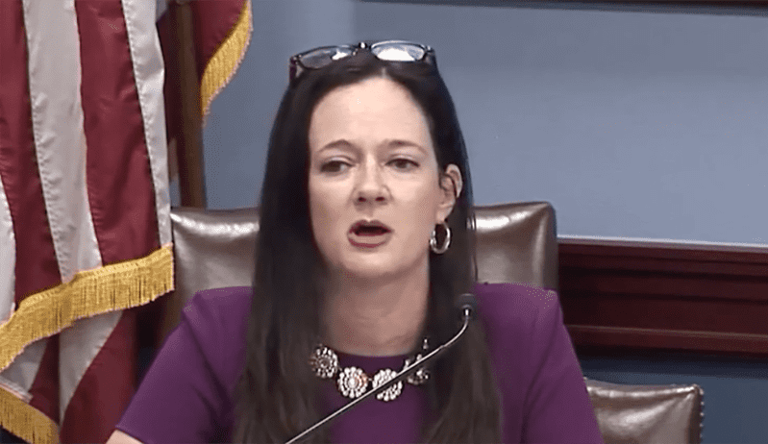
Pennsylvania State Rep. Stephanie Borowicz© provided by AlterNet


Afar-right Christian nationalist Republican state lawmaker in Pennsylvania is citing the Bible to explain her vote against legislation.

“When Democrats are pushing bills like banning gas-powered mowers and gas-powered stoves in New York City, all under the name of a climate control agenda, we can all see what is really going on here,” said state Rep. Stephanie Borowicz, in a video posted by Heartland Signal. “The truth is, is in Genesis 8:22, it says, ‘as long as the Earth endures, seedtime and harvest, cold and heat, summer and winter, day and night will never cease.’ I’ll say that again, ‘will never cease.’ Of course, we are to be good stewards of God’s creation, but not through a forceful climate control global agenda.”

Borowicz figured prominently in last year’s report by Mother Jones, “Christian Nationalists Are Closer Than You Think to Running America.”

In 2019, on the day the first Muslim woman was to be sworn into office in the Pennsylvania state legislature, Rep. Borowicz delivered the morning prayer, and used the name of Jesus Christ thirteen times, while asking God to “forgive us.”

Last year, Rep. Borowicz introduced a “Don’t Say Gay” bill while bragging it goes even further than Florida GOP Governor Ron DeSantis’ bill did. She also called for the Pennsylvania Secretary of Education to resign, “because LGBTQ-inclusive curricula and other resources were featured on the Pennsylvania Department of Education site,” according to WITF.

And just last month Rep. Borowicz made several false claims about COVID-19 in another speech explaining her opposition, this time to what appears to be a resolution directing a state commission to “conduct a study on the Commonwealth’s preparedness to respond to public health emergencies.”

“We do not need a study by the same government that did this to its people,” Borowicz said in video (below) she posted to her social media account. “You guys were the ones who messed everything up. Now you want to study it. I will tell you what you did wrong. People died because basic medicines were withheld from them, like ivermectin and hydroxychloroquine and steroids.”

Studies, like this one, have shown “neither ivermectin nor hydroxychloroquine decreases the number of in-hospital days, respiratory deterioration, or deaths.”

“You shut businesses down and you shuttered them and told them who was and wasn’t essential by a government. Even though Governor Wolf’s small business stayed open. It was tyrannical,” she claimed. The business, according to WHYY, was no longer owned by the Democratic governor at the time.

“Dr. [Rachel] Levine took his own mom out of a nursing home and saved her but left others in a nursing home unable to see their family only through windows,” said Borowicz, appearing to refer to Admiral Rachel Levine, the U.S. Assistant Secretary for Health who the GOP lawmaker misgendered. “And some of them passed away that way. It’s horrifying. You masked our kids, and we had to file a lawsuit just so they could go to school and breathe when the virus didn’t even affect them.”

1642 children in the U.S. died of COVID-19 between January 2020 and June 2023, according to Statista.

Watch videos of Rep. Borowicz above and below, or at this link.

Family says Christian Brothers abuse led to death of loved one in Vancouver's Downtown Eastside

Story by Ryan Cooke •1d

It's been one year since Paddy Munro held her son as he shivered, emaciated, in a hospital waiting room. A full year since he slipped out of the observation room and back to a dilapidated hotel on Vancouver's Downtown Eastside. One year since the worst day of her life — when she got a phone call saying her son was dead.

Sean Munro fought to vanquish his intrusive thoughts for more than 20 years, his family says. He struggled with obsessive-compulsive disorder, body dysmorphia, alcoholism and more. At the root of it all, his mother says, was what happened in a small office at a Vancouver private school in the 1980s — with a teacher who they believe never should have been there.

"I want to go back and I want to do more," Paddy says. "I wish I could have done more."

Sean Munro went to Vancouver College in Grade 8. It was a long bus ride, about an hour each way, but he passed the time with his twin brother, Aaron. The men in their family were Vancouver College alumni, Irish Catholic to the core, and their parents felt it was the best move for their education.

Sean and Aaron had been inseparable up to that point, indistinguishable even to their own aunts. Grade 8 was the first time they'd been split apart and put in different homeroom classes. Their mother was happy about the chance for them to grow individually, to meet new people and have new experiences.

About a month into the school year, however, Sean stopped coming home on time.

"We found out that Sean had detentions," Paddy says. "He was with Joe Burke."
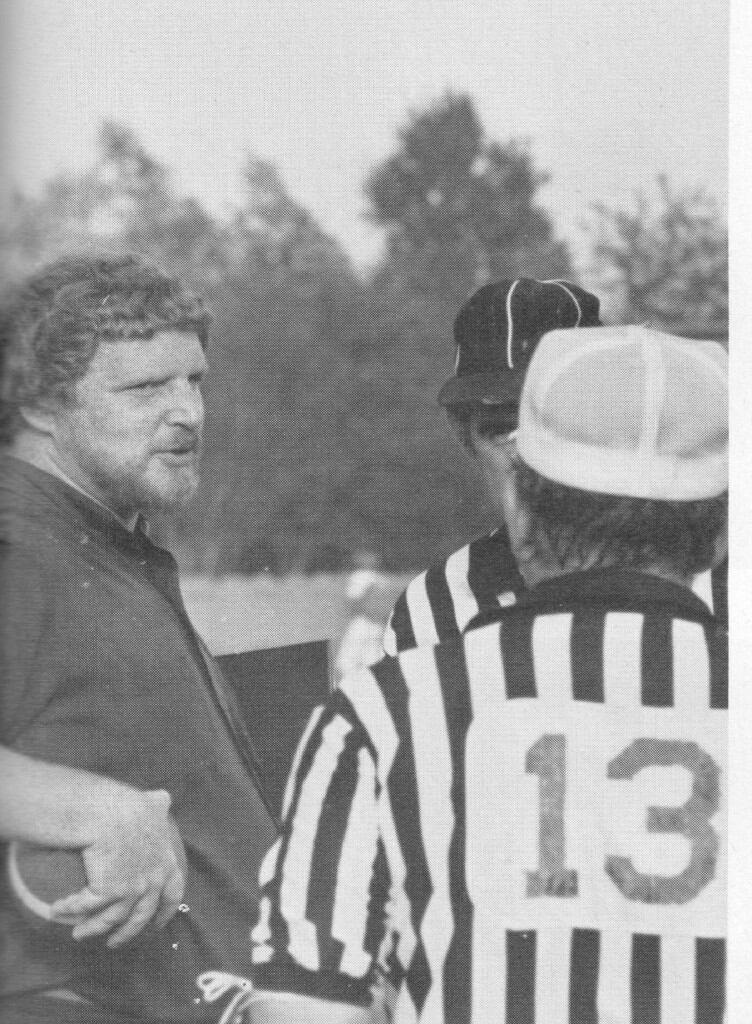

Joseph Burke, pictured here on a football field at St. Thomas More Collegiate in Burnaby, B.C., was a former Christian Brother stationed at Mount Cashel Orphanage in St. John's. (TheInquiry.ca)© Provided by cbc.ca


Burke was, by all accounts, a towering figure at Vancouver College. A burly man with red, curly hair, he was a former star of the school football team. He joined the ranks of the Christian Brothers after graduation and returned as a teacher in the early 1980s. 

The Christian Brothers weren't ordained as priests, but they wore collars and robes, and took an oath of celibacy. They ran schools and orphanages around the world, and often left a trail of broken boys, wounded faith and court cases in their wake

Vancouver was no different. More than 60 men are now part of a class-action lawsuit alleging they were abused at Vancouver College and nearby St. Thomas More Collegiate by six Christian Brothers between 1975 and 2009.

All six men were transferred to Vancouver from the Mount Cashel Orphanage in St. John's — a place that later became synonymous with institutional child abuse. 

Burke is one of those six. CBC News has tried to contact Burke by email and letter. He has not responded. The schools have not denied abuse happened, and have said they want the allegations to be "investigated and resolved."

Family helped in Burke's defence

The Munro family had no inclination anything was going on. Their first clue came two years after the boys graduated, when Vancouver College sent letters to alumni letting them know Burke was facing criminal charges in Newfoundland related to his time at Mount Cashel. The school was asking former students and parents to support Burke in his defence. 

Paddy and her husband, John, separately questioned Sean about his detentions with Burke. 

"Sean denied and denied," she says. "[He said] nothing ever happened to him."

After their inquiries came up empty, the Munro family made a decision that still bothers them to this day. They chose to support Burke, Paddy says, donating air travel points to help him fly back and forth to Newfoundland for his trial. 

"Looking back on it, it's just awful," Paddy says with a sigh. 

In 1991, Burke was convicted on three counts of indecent assault and one count of assault causing bodily harm for his conduct at the Mount Cashel Orphanage in St. John's. His convictions were upheld by the Newfoundland and Labrador Court of Appeals, before most of the charges were overturned by the Supreme Court of Canada. In the end, he was given a conditional discharge for one count of assault causing bodily harm.

"It would obviously be in the public interest for a person of his calibre to return to the teaching profession," wrote James Gushue, Newfoundland and Labrador's former chief justice, in his sentencing decision.

Burke returned to Vancouver with no criminal record and continued teaching.

"There was a lot of support because Vancouver College was pushing it," Paddy says. "It didn't dawn on us, this coming home late, because Sean said everything was fine. There was nothing. It was no big issue."
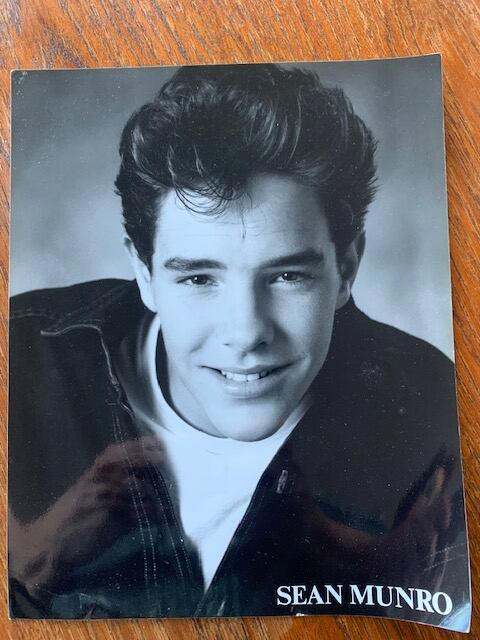

Munro's medical file shows he began to develop obsessive-compulsive disorder in Grade 8 and displayed symptoms of body dysmorphia by Grade 10. 
(Submitted by Paddy Munro)© Provided by cbc.ca

Around the same time, Sean's life took a sharp turn. He was drinking heavily, and it was interfering with his ability to hold down a job. His behaviour went from concerning to shocking in short order.

"One morning we woke up and we looked in the backyard and there was a noose there," Paddy says. "That was Sean's cry for help."

Aaron Munro remembers feeling a divide growing between him and his brother after they finished high school.

"Up until that point, Sean and I were extremely close, but always very similar with ambitions, goals and things. But that all went away," Aaron says. "It's all a product of what happened in Grade 8."

Aaron went on to become a real estate agent, while Sean delved deeper into addiction. His drinking was complicated by diabetes, and his body dysmorphia took over. At one point he stood six feet tall and weighed 130 pounds.

Over his last 23 years, Sean Munro went to treatment facilities 20 times. CBC News has reviewed his medical records — thousands of pages of written notes from psychiatrists and psychologists outlining each of his attempts to get better. While the notes show he tackled his substance abuse head on, there are several references to childhood trauma, about which Sean refused to go into detail. 

"He reports that he has been ingesting alcohol to assist with underlying mental health struggles," one note reads. "Particularly ongoing ruminative thoughts of previous tried experiences dating back to his childhood. He reports that he was raised in a 'Roman Catholic school' and did not go into further detail but reports that he was exposed to traumatic events."

"His OCD started in Grade 8," another note reads. "He has had anorexia and bulimia due to his body dysmorphia. He estimates he has been hospitalized psychiatrically under 10 times for suicidal threats."

"Patient states he is now ready to address his trauma which he was not in the past," reads one of the latest reports, from July 5, 2021. 

A shocking admission

Paddy Munro says her son carried his secret until about four years ago. She was driving him to rehab when he asked her to pull over, she says.

"He said, 'Mom, when I was in school, Joe pulled my pants down and he was spanking me bare.' And then he stopped. And I said, 'Sean, you can tell me. I'm your mom, I can hear this.' And he said, 'No, that's all.'"

He also opened up to his sister, Terri, while he was detoxing at her house last year, she said. According to her, he told her Burke stripped him from the waist down and beat him with his bare hands. 

CBC News has interviewed two other men — one a former Mount Cashel resident, the other a former Vancouver College student — who both told similar accounts of being bare-bottom spanked by Burke. The Vancouver College student, Colin Wilson, said he was kept after school for detentions and repeatedly spanked while naked over the course of his Grade 9 year. Both men said the alleged abuse left a lifelong impact.

Burke's lone conviction from Mount Cashel was for beating a child on the bare buttocks so hard he couldn't sit for days.

Sean Munro's family says his suffering was unending but he had a Herculean will to get better. He'd get out of a treatment centre with goals and promises, before relapsing within a few weeks. His alcoholism and mental health issues often brought him to the homeless hotels and streets of Vancouver, where his family would find him and convince him to go back to treatment again.

"He resolved to drinking hand sanitizer and poison because he couldn't be with his thoughts," Terri says. "This whole journey here, 20 years of chasing my brother around Vancouver to try and bring him back to life… it's him trying to escape this pattern of not being good enough."

His last day

It came to a head last October. Sean was out of contact for two weeks, staying at a single-room occupancy hotel on the Downtown Eastside. He'd spent nine months waiting for a room in a treatment centre, with his addiction and diabetes worsening by the day. On Oct. 16, 2022, his twin brother found him on the street. 

Aaron barely recognized his identical twin looking back at him. He bought him a sandwich and bought his mother some time to get there and intervene. She came to his room to find blood smeared on the dirty walls and a shell of her son sitting on the bed.

"I had to lean down and put my hands on his shoulders and say, 'Sean, it's your mom. It's your mom here.' He was just looking through me. He wasn't recognizing me."

Paddy convinced her son to go to the hospital. Sitting in the front seat of the car, Sean turned to her partner in the back seat and thanked him for being there for his mother.

"He always had the grace and the love to say something like that," Paddy sobs.
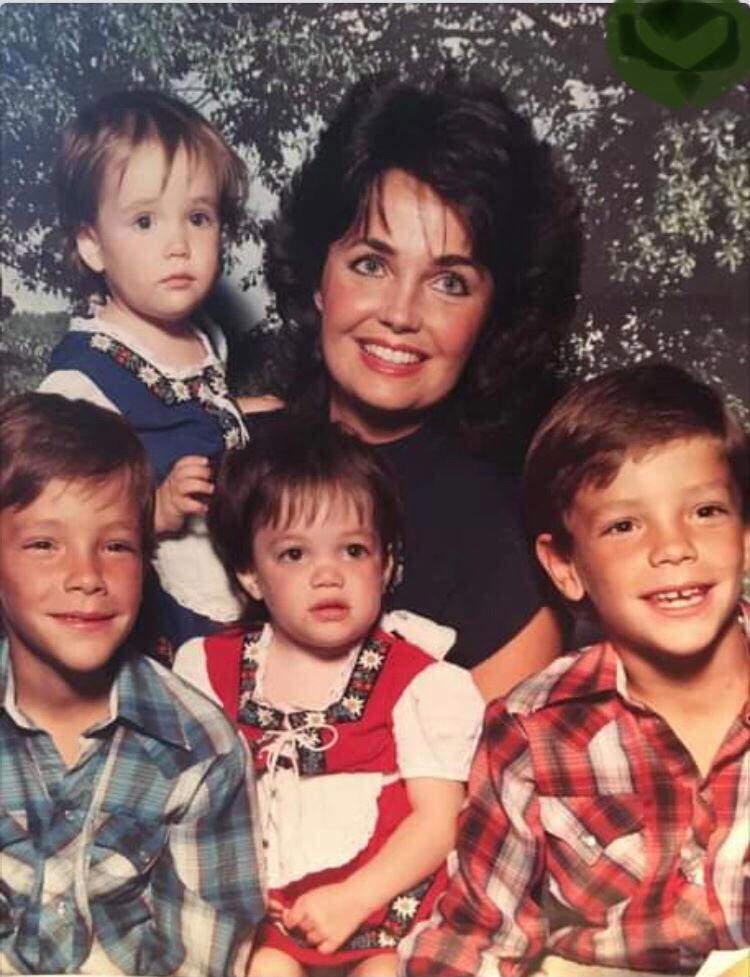
Paddy Munro had two sets of twins, with Sean and Aaron being the oldest. 
(Submitted by Paddy Munro)© Provided by cbc.ca


She sat with her son in the waiting room. He told the triage nurse he was suicidal and planned to jump off a bridge if they didn't keep him there. Paddy still regrets leaving when she thought he was being admitted to the hospital. Within 30 minutes, she got a call from the hotel where Sean was staying, letting her know he'd come back. 

Paddy spent the night calling every agency she knew that could intervene and help Sean get immediate treatment. Nobody came through, she says.

Sean was found dead in the morning, a month shy of his 47th birthday. His family says he died of complications from alcohol consumption and diabetes.

"He always wanted help," Paddy says. "He never wanted to leave us. He wanted to be with us."

Family doesn't get to join lawsuit

Sean Munro didn't leave a will. He didn't have an estate. That means he doesn't get to partake in the class-action lawsuit against Vancouver College, which has been winding its way through British Columbia's Supreme Court since 2021. His family, however, fully support the men who have stepped forward with claims against their alma mater and former teachers. 

Vancouver College declined an interview request but has indicated it would like to settle the case through mediation, rather than endure a trial that would likely take years to reach a resolution.

Joe Fiorante, a lawyer for the students, says that process would have to involve the school telling the truth about what it knew of the alleged abuse. Did the administrators know those six teachers had abused boys at Mount Cashel before coming to Vancouver? Did they welcome them anyway?

"All it's done is take me further away from my church," Paddy says. "I believe in God but I feel hate every time the Catholic church comes up."

The Munro family wants to see accountability in whatever form it may take. One year later, their grief is still as present as their love for Sean. His siblings say the anger is, too.

"Every time I think of him, it's there," Aaron says.

"He's lost. He's just lost," Terri adds. "And wanting to get better, and struggling and losing, and not knowing how [to change], and saying, 'Sorry I can't get better.'"

His mother does her best to see past the anger and guilt, and to remember her son for his shining qualities. 

"When I look at Sean, I don't think of Joe Burke," she says. "I just see a soul, and a beautiful young son who wanted help and always wanted to do better."

Support is available for anyone who has been sexually assaulted. You can access crisis lines and local support services through this Government of Canada website or the Ending Violence Association of Canada database. If you're in immediate danger or fear for your safety or that of others around you, please call 911. 

A rise in N.S. opioid overdoses has expert worried about drug poisoning

Story by Alex Cooke •15h

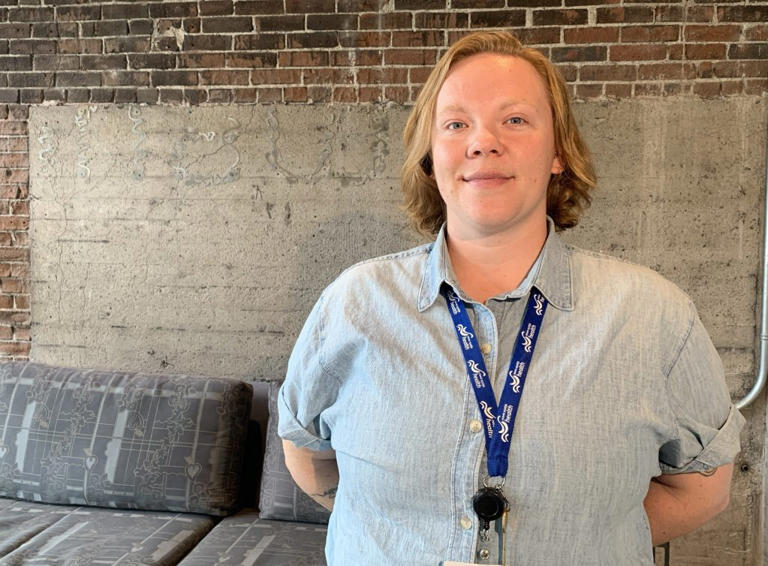
Emily Percival-Paterson is a harm reduction consultant for public health at Nova Scotia Health.© Zack Power/Global News


ANova Scotia harm reduction expert is concerned about the rising number of overdoses after a youth died and three other people were hospitalized due to drug poisoning over the weekend.

On Sunday, a teenager died from a suspected overdose and two youths were taken to hospital. In a separate incident later that evening, a 34-year-old was also taken to hospital due to a suspected overdose.

Nova Scotia Health has issued a drug alert following "a cluster of suspected opioid poisonings" in the Cole Harbour area.

Emily Percival-Paterson, harm reduction consultant for public health at Nova Scotia Health, said they are seeing an increase of drug poisonings.

"That's really to do with how unregulated and unpredictable the drug supply is," she said, noting that fentanyl is "increasingly present in our province."

"We don't have routine drug checking services for people who use drugs, so it's hard to completely quantify ... but we do know that fentanyl is the substance that's driving the drug poisoning crisis in Canada."

According to Nova Scotia health, there have been 35 confirmed or probable opioid toxicity deaths reported so far in 2023.

Percival-Paterson said anyone is at risk of an overdose, but young people could be particularly vulnerable because they may be experimenting with drugs for the first time and don't have a tolerance, and they may also be less knowledgeable about how to keep themselves safe.

They could also be more susceptible due to their size.

"Their bodies may be smaller, their tolerances may be very different," she explained. "And so amounts that a full grown adult might use can affect them differently."

Cpl. Guillaume Tremblay, public information officer for the Halifax RCMP, said police are investigating what was in the drugs that were involved in the incidents over the weekend.


"Those pills or powder will be sent to a lab, and we'll know exactly what was in those drugs," he said, adding the teen's death is under investigation.

"Our hearts and thoughts are with the family at this time ... it's a really difficult situation. I really feel for them."

Anyone who suspects an overdose or sees someone in medical distress should call 911, Tremblay said.

Common signs of a drug overdose could include:

Slow or absent breathing

Blue or grey lips and fingers

Dizziness and confusion

Severe drowsiness or inability to wake a person up

Snoring, choking or gurgling noises

Naloxone kits, which are used for opioid overdoses, are available free of charge through the Nova Scotia Take Home Naloxone Program.

Percival-Paterson said the illicit drug market is getting “increasingly unpredictable and unregulated," and said safe supply programs can help reduce the risk of people overdosing.

Research indicates that such programs increase safety and do not contribute to drug poisoning deaths.

"When we are able to support people with regulated substances that are what they're expecting, that creates a lot more safety," she said.

She added: “It’s really important that we all educate ourselves around why people use drugs as well, so we can reduce the stigma, because that’s one of the big reasons why people don’t access help."

-- with files from Zack Power