Saturday, April 27, 2024

Local bookstores provide an experience the competition can't match, says retailer

I GREW UP IN LOCAL BOOKSTORES

CBC
Sat, April 27, 2024 

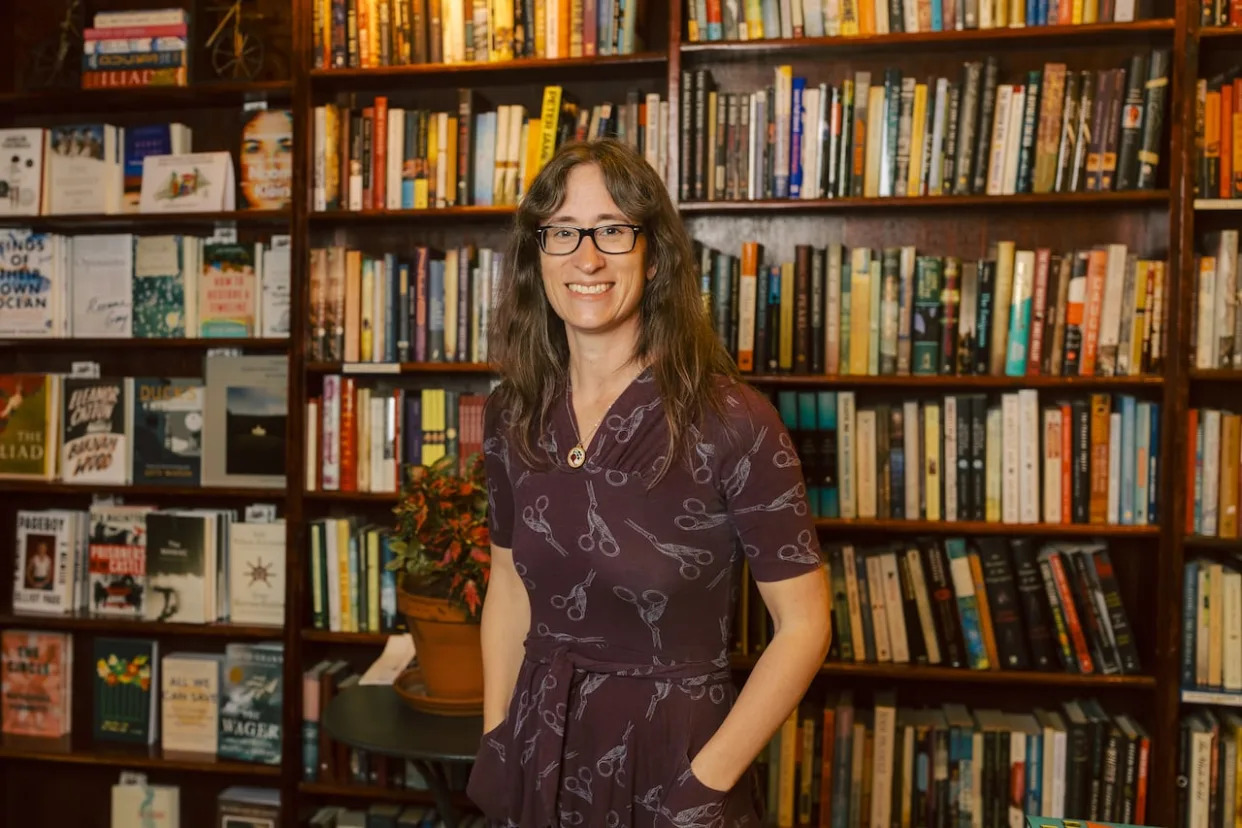
Charlotte Ashley owns Trident Booksellers and Café in downtown Halifax. (Mel Hattie - image credit)


Independent booksellers in Nova Scotia say community support has allowed them to thrive in the face of competition from online retailers.

Many independent bookstores in the province and around the country will mark Canadian Independent Bookstore Day on Saturday.

Charlotte Ashley of Trident Booksellers and Café in downtown Halifax has been in the business for 20 years.


She said many bookstores when out of business when Amazon came on the scene. But she said the public is now realizing that local bookstores offer an experience that the online giant can't match.

"Coming to a bookstore and looking at what's on the shelf and engaging with other people who are in the space gives you a much better … ability to kind of find interesting things," Ashley said.


Mike Hamm is manager and buyer for Bookmark on Spring Garden Road in Halifax

Mike Hamm is manager and buyer for Bookmark on Spring Garden Road in Halifax. (Caitlin Pilsworth)

She said she is able to provide people with recommendations and match them with a book that fits their needs. Local bookstores also allow people to explore ideas and interact with others to talk about them, she said.

Michael Hamm, the manager of Bookmark in downtown Halifax, said independent bookstore day is becoming more popular every year.

Hamm said Bookmark has built many relationships with readers over the years and is something like a neighbourhood bar.

He said people sometimes pop in just to say hello and ask what staff are reading.

"That's why people keep supporting independent bookstores," Hamm said. "They become cultural hubs in communities."


Global measles cases almost double in a year


Provisional global total of 321,582 cases for 2023 is almost double (88% higher) than 2022 figure of 171,153


\

EUROPEAN SOCIETY OF CLINICAL MICROBIOLOGY AND INFECTIOUS DISEASES


Measles outbreaks are still occurring and in some cases increasing, among a wide variety of countries, raising concerns of an acceleration similar to just before the COVID pandemic. Dr Patrick O’Connor, of WHO Headquarters, Geneva, Switzerland will give an overview of the global measles situation at this year’s ESCMID Global Congress (formerly ECCMID – Barcelona, 27-30 April), while Professor Hanna Nohynek of the Health Security Section, Finnish Institute for Health and Welfare, Helsinki, Finland will look at the path to elimination, including successful elimination in WHO’s America’s region.

Dr O’Connor will discuss how the total cases for 2024 so far look to be on track to at least match the 321,582 cases provisionally reported for 2023 (in 2024, some 94,481 have been reported up to early April, but reporting delays mean the true figure is probably much higher) (see slides 6 and extra years link). Of these 2024 cases, almost half (42,767 / 45%) have been in the WHO European Region. Yemen, Azerbaijan and Kyrgyzstan are the countries with the highest reported measles incidence in the world.

Dr O’Connor explains: “Over the last decade there has been significant progress towards measles and rubella elimination – the Regional Verification Commissions for Measles and Rubella Elimination (RVCs) from all of the WHO Regions will review all national measles and rubella 2023 reports in 2024.  The European Regional Verification Commission will review the elimination status from 10-12 September 2024 – and provide an assessment of the 53 Member States in the European Region – large outbreak and continuous transmissions of measles are always a concern and can making achieving and maintaining elimination challenging.”

While this coverage in the European Region for the first and second dose of measles and rubella containing vaccine has been relatively high as the national level, Dr O’Connor explains: “The measles virus is extremely infectious and any gaps in immunisation coverage are potential risk for outbreak. So, coverage needs to high but also uniform and equitable.”

Worryingly, the number of countries suffering large or disruptive measles outbreaks (defined as 20 cases/million population continuously over a 12 month period) has tripled from 17 to 51 - see slide 8, with the latest rolling 12 month period available as of April 2024 covering the months December 2022-November 2023.

And in absolute numbers the % of global measles cases is dominated by low and lower-middle income countries, that have seen their proportion of all global cases increase from 80% in 2017 to 94% in 2022, while high-income countries fell from 5% to 1% in the same period.  Total cases globally have fluctuated wildly in recent years: 2016: 180,015; 2017: 168,190; 2018: 276,157; 2019: 541,401; 2020: 93,840; 2021: 59,619; 2022: 171,153. The provisional figure for 2023, 321 582, although yet to be finalised, is an 88% increase on the 2022 numbers.  (see slide 6 and extra years link)

Prof Nohynek says: "Measles cases were high in 2019, with the majority seen in Africa, where measles vaccine coverage has been lowest in the world allowing for unprotected population and as consequence periodic outbreaks. During the COVID-19 pandemic with closure of the society and limiting the number of human contacts, the transmission of all airborne viruses was reduced, including measles. During the pandemic, many children remained unvaccinated, and catchup vaccinations have not reached them. Therefore we now see cases increasing again in various regions of the world."

Dr O’Connor will also look at the huge amount achieved globally by measles vaccination: an estimated 57 million deaths have been avoided globally with measles vaccination from 2000 to 2022, with 1.5 million of these in the European region where there has been a 98% reduction in annual measles deaths from 3,584 in 2000 to 70 in 2022.

He concludes: “Over the last 20 years, there has been significant progress toward achieving measles and rubella elimination – in order to solidify and maintain those gains, we need to ensure high, uniform and equitable routine immunization coverage; and robust outreach and rapid outbreak response.”

Professor Nohynek will discuss the success of WHO’s Americas region, where in 2016 measles was the 5th vaccine-preventable disease to be eliminated from the Americas, after the regional eradication of smallpox in 1971, elimination of poliomyelitis in 1994, and rubella and congenital rubella syndrome in 2015.

This successful strategy involved a one-time national campaign to bring children between 1 and 14 years of age up to date with measles vaccination; strengthening routine vaccination to reach a minimum of 95% of children every year; and undertaking massive follow-up campaigns every four years, to reach a minimum of 95% of children aged 1 to 4 with a second dose of vaccine. Good technical support, laboratory capacity, social and political will all played their part.

She will raise the alarm regarding lower-than needed vaccination rates, explaining that, by 2022, global measles first dose (MCV1) coverage was 3% below the pre-pandemic peak of 86%– she will explain that even then 86% was itself too low to prevent the epidemics of 2019. In 2022, 33 million children that should have received a routine MCV dose did not (22 million first dose and 11 million second dose children).

Prof Nohynek says: “Countries should use measles cases and outbreaks as a tracer to identify weaknesses in immunisation programs, and to guide programmatic planning in identifying and addressing these weaknesses.”

She adds: “Vaccine hesitancy is only one component that can contribute to lower coverage – misinformation about vaccines, access to immunisation services, and on-time vaccination cause immunisation gaps.”

The Immunization Agenda 2030* (the Global strategy endorsed by the World Health Assembly to maximise the lifesaving impact of vaccines) has the goal of preventing 50 million deaths from 2021-2030 using vaccination. Prof Nohynek explains this will not be possible without measles vaccines, saying that measles vaccination will account for 37% of deaths to be averted by childhood vaccination against 14 different pathogens from 2021-2030; and will deliver 75% of the economic benefits of vaccines for 25% of costs.

She concludes: “Innovations are needed to increase coverage, enable campaign integration, improve emergency response, reduce waste, and prevent errors. One such innovation is Measles Rubella MAPS (MR MAPS) – measles and rubella vaccine microarray patches that do not require a needle and syringe.”


Canada Surgeon general urges measles vaccine among military amid rise in cases, positive member

CBC
Sat, April 27, 2024

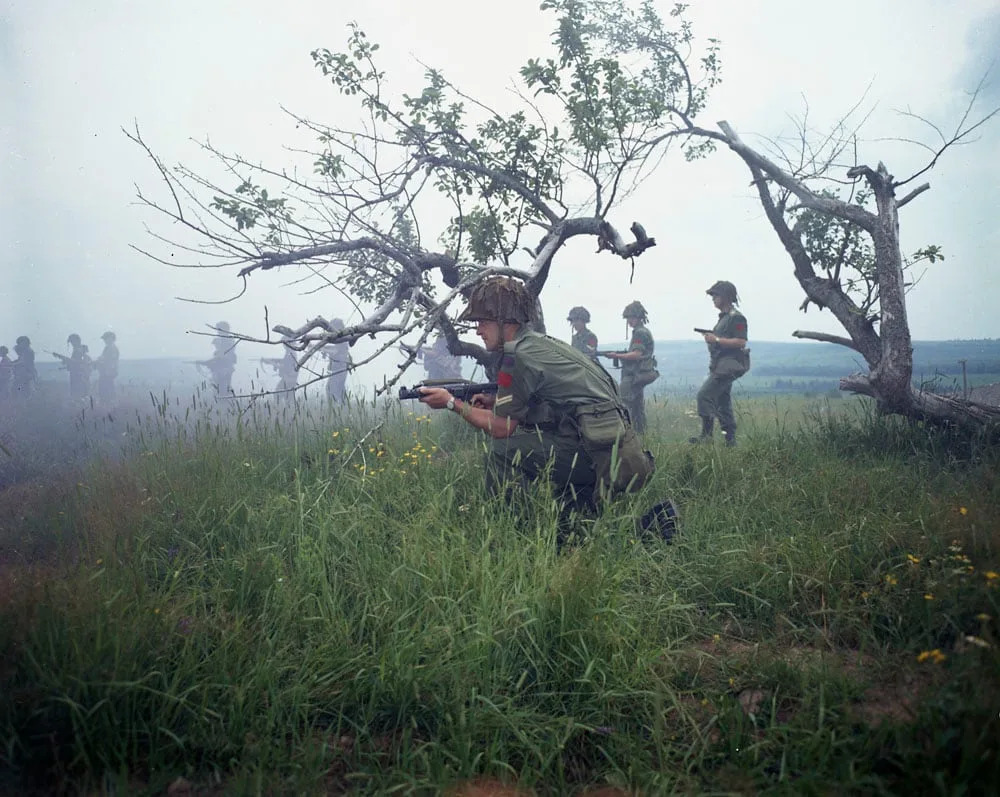
5th Canadian Division Support Base Gagetown in Oromocto, N.B. is the second largest military base in Canada and the largest military facility in Eastern Canada. All members of the Canadian Armed Forces have been advised to be sure they are up to date on their measles vaccines. (Library and Archives Canada - image credit)

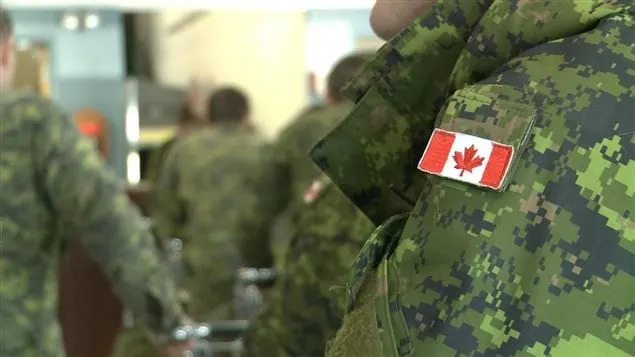
Soldiers at Base Gagetown in New Brunswick and other members of the military across the country are being urged to ensure they and their families are up to date on their measles vaccinations.

Maj.-Gen. Scott Malcolm, the surgeon general for the Canadian Armed Forces, issued a notice earlier this month to raise awareness of the risks and the importance of being vigilant.

"Measles is highly contagious – on average, one case leads to 18 more, if unvaccinated," he said in the memo, obtained by CBC News.


"This means that entire units and work teams could become sick or excluded from the workplace very quickly."

The warning comes amid a recent rise in cases in Canada and around the world, related in part to a decline in routine vaccinations during the COVID-19 pandemic and vaccine hesitance.

It also comes as the military faces an estimated shortfall of some 30,000 members.

Positive case at Quebec training school

A member of the Canadian Armed Forces is among the positive cases, CBC News has confirmed.

The member, who contracted measles on March 11, was at the Canadian Forces Leadership and Recruit School at the Saint-Jean Garrison, in Saint-Jean-sur-Richelieu, Quebec, at the time, said Department of National Defence spokesperson Kened Sadiku.

Councillor Jon Dziadyk submitted the idea in honour of the relationship between the city, CFB Edmonton and the former CFB Griesbach. More than 600 people work at the training school in Saint-Jean, Quebec, and more than 5,000 train there each year. (Frédéric Pepin/Radio-Canada)

He did not provide any details about the circumstances or the member's condition, citing privacy, but did say the member was "fully vaccinated" and "completed routine isolation to avoid potential spread to others."

"Those CAF members who would've been in contact with this individual during their infectious period were contacted, specifically to confirm their immune status," Sadiku said in an emailed statement.

Those who were considered immune would have been advised to simply self-monitor, he said, while those who were not would have been instructed to quarantine for 21 days after contact, or until they receive a measles vaccine.

No other known cases among members

"There have been no other known cases of measles amongst CAF members," said Sadiku.

Asked whether any family members or other members of the public became infected, he replied, "Canadian Forces Health Services does not track, nor comment on, the medical history or information of CAF members' families."

As of Thursday, 49 confirmed cases of measles have been reported across Quebec since the beginning of the year, according to the province's website.

Sixty cases have been reported in Canada, as of April 13, the most recent data available from the Public Health Agency of Canada. Of those, 50 are considered still active, the website says.

Up to 30% of some groups undervaccinated

"The two-dose measles vaccine is part of routine immunization recommendations for all Canadians, and is part of the Core Health Protection Recommendations for all Canadian Armed Forces (CAF) members," the memo to military members said.

Canadian Armed Forces surgeon general, Maj.-Gen. Scott Malcolm
'Every member of the Defence Team should be up to date on their measles vaccine,' Maj.-Gen. Scott Malcolm, the surgeon general for the Canadian Armed Forces, wrote in bold font in a recent memo to members. (Department of National Defence)

"Despite this, we know that in some CAF groups, almost 30 per cent of members are missing one or both doses," said Malcolm.

Asked for more information about those groups and their locations, Sadiku told CBC it was "a broad, non-specific reference to select Canadian Armed Forces (CAF) member groups of no particular size other than a convenience sample where vaccination records were reviewed," such as by base or by smaller groups of members that work together.

"This comes with the understanding that electronic records are not always updated with all immunization information, especially if a member's vaccination occurred prior to joining the military," he noted.

In addition, the 30 per cent could include members who were born before 1970 and are considered immune under Public Health Agency of Canada recommendations for the general adult population, said Sadiku.

Military at high risk

Military personnel are at higher risk of exposure to measles, however, along with people who travel outside Canada, health-care workers and students in post-secondary educational settings.

"Military personnel may be called upon to work in difficult conditions around the world where living conditions and health care remain a difficulty," said Sadiku.

"As such, all military members are advised to have two doses of measles vaccine, regardless of age or previous infection with measles."

Sadiku did not say if or how the military is affected by the national shortage of measles vaccines, which is expected to last until at least May 15.

FILE PHOTO: FILE PHOTO: FILE PHOTO: A vial of the measles, mumps, and rubella virus (MMR) vaccine is pictured at the International Community Health Services clinic in Seattle, Washington, U.S., March 20, 2019.  The Public Health Agency of Canada recommends people born before 1970 get one dose of the measles vaccine before international travel, while people born after 1970 should get two doses. (Lindsey Wasson/Reuters)

Sadiku could not immediately provide a regional breakdown of vaccination rates among military members, but said "no meaningful difference" is anticipated because military members are all offered the measles vaccine during basic training at the beginning of their careers, and then routinely move from base to base across Canada.

He did say the rates improved in at least one of the reviewed groups, following the surgeon general's memo. The percentage of those born after 1970 with no vaccine declined from 3.84 per cent to 3.2 per cent.

Incubation of up to 21 days

Measles is transmitted through the air when an infected person breathes, coughs, sneezes or talks, or by direct contact with infected nasal or throat secretions.

It can cause serious illness and severe complications, including deafness, brain damage and even death.

More than 90 per cent of people who come into contact with the virus and aren't immune will become infected, according to the Public Health Agency of Canada.

 Bizarre alien 'spiders' spotted in 'Inca City' formation on Mars


Scott Sutherland
Sat, April 27, 2024

Bizarre alien 'spiders' spotted in 'Inca City' formation on Mars


Flying over the Martian south pole, two European satellites have spotted hundreds of 'spiders' sprouting up across a mysterious formation known as Inca City.

In the south polar region of Mars lies a complex series of roughly square and rectangular ridges and valleys whose origin still remains a mystery. Officially named Angustus Labyrinthus upon its discovery by NASA's Mariner 9 probe in the 1970s, its vague resemblance to ancient ruins on Earth prompted scientists give it the nickname Inca City.

Mars-Inca-City-Mars-Express-ESA

So-called "Inca City" on Mars is shown in this satellite image from Mars Express, taken on February 27, 2024. (ESA/DLR/FU Berlin (CC BY-SA 3.0 IGO))


Another odd feature of Mars is also visible in the above image: the valleys of Inca City are littered with hundreds of 'fuzzy' dark spots.

These are known as Martian spiders. However, they don't represent proof of life on the Red Planet.

"Rather than being actual spiders, these small, dark features form when spring sunshine falls on layers of carbon dioxide deposited over the dark winter months," says the European Space Agency (ESA).

Spiders on Mars as seen by ESA's ExoMars Trace Gas Orbiter

A close up look at one region of the Martian south pole from October 4, 2020, reveals 'spider' formations in greater detail. The overlapping images were taken by the CaSSIS (Colour and Stereo Surface Imaging System) instrument on the ESA's ExoMars Trace Gas Orbiter. (ESA/TGO/CaSSIS (CC BY-SA 3.0 IGO))

Carbon dioxide ice (aka dry ice) is mostly transparent. So, much of the sunlight that shines on this ice passes through to the ground below. The dark ground absorbs the sunlight, grows warmer, and causes the CO2 at the bottom of the ice layer to sublimate from solid into gaseous form.

"The sunlight causes carbon dioxide ice at the bottom of the layer to turn into gas, which subsequently builds up and breaks through slabs of overlying ice. The gas bursts free in Martian springtime, dragging dark material up to the surface as it goes and shattering layers of ice up to a metre thick," the ESA explained.

"The emerging gas, laden with dark dust, shoots up through cracks in the ice in the form of tall fountains or geysers, before falling back down and settling on the surface. This creates dark spots of between 45 m and 1 km across. This same process creates characteristic 'spider-shaped' patterns etched beneath the ice — and so these dark spots are a telltale sign that spiders may be lurking below."

Spiders on Mars closer ExoMars Trace Gas Orbiter

A zoomed in section of the previous CaSSIS image shows off the details of these Martian 'spiders'. (ESA/TGO/CaSSIS (CC BY-SA 3.0 IGO))

Although these 'spiders' have been seen in imagery from Mars for decades now, scientists didn't discover how they were made until 2006.

"The key to figuring out the spiders and the spots was thinking through a physical model for what was happening," planetary geologist Phil Christensen, a professor at Arizona State University who has worked with NASA mission for years, said at the time of the discovery.

The key was the transparency of the CO2 ice.

As Christensen described it, if you were there, at the Martian south pole, you'd be standing on a thick slab of dry ice with the ground visible about a metre below your feet. The entire slab would actually be levitating ever so slightly above the surface, though, due to the pressure of the gas sublimating beneath it. You'd probably feel it vibrating through your boots.

"All around you, roaring jets of CO2 gas are throwing sand and dust a couple hundred feet into the air," Christensen explained.

It's that sand and dust that go on to produce the dark spot that forms the 'body' of the spider. As for the legs, those appear as the CO2 gas rushing to escape in the geyser carves grooves into the ground under the ice slab.

A Simple Renovation Project Unearthed a Grave Filled With Flabbergasting Treasures

Tim Newcomb
Fri, April 26, 2024 

Excavation Shows Skeleton Bathed in Medieval CoinsChinnachart Martmoh - Getty Images


A Swedish church construction project revealed a grave full of medieval coins.


Archaeologists discovered roughly 170 silver coins scattered within the grave and on the skeletal remains.


Few coins from the 1150 to 1180 AD time period have been found in the region, making the find especially exciting.

The running of wire in an old Swedish church in Brahekyrkan on the island of Visingsö led to a medieval coin discovery that archaeologists were simply flabbergasted to see.

The discovery started with a church remodel project, and morphed into an archaeological excavation when two skeletons were found in the shaft where wires were to be laid for a geothermal heating project. The first day archaeologists arrived to clean the bones and inspect the graves, they were met with a shock.

“All of a sudden, three silver coins appeared,” Anna Ödéen, project manager and archaeologist from the Jönköping County Museum, said in a translated statement. “We soon realized that many more were lying close to the buried person’s left foot.”

And by many more, they meant 170 silver coins strewn in the grave. Known as silver bracteates—which are often thin and circular like coins, but used as jewelry—the metal discovery has been dated to around 1150 to 1180 AD.

“The find is very special,” Ödéen said, “partly because there are few similar finds from the time period, partly because some of the coins are completely unknown from before.”

Eeva Jonsson of the Royal Coin Cabinet was plenty enthused with the 12th century haul. “It is a completely sensational find that will change the early medieval coin history in Götaland and shed light on a period that is largely completely unknown,” Jonsson said in a statement.

The skeletal remains appear to have belonged to a man aged 20 to 25 years old. But what makes the find even more surprising is that the coins were found in a Christian grave, not one customarily taken to being filled with valuables. That is a custom that died out following prehistoric times.

The coins were seen on the first day after Ödéen and colleague Kristina Jansson started cleaning out the bones to gain a better picture of the graves.

The archaeologists will have the coins preserved while they continue to search for clues as to why 170 silver bracteates were buried with the young man. Ödéen said the team is “looking forward to putting together a puzzle around the bracteates from Brahekyrkan.”

Pensioner who worked at Clarks for 68 years given boot with two days' notice


Jill Cornick, 82, is out of work for the first time in her life after being told the Clarks shop she worked in since 1956 in Dorset was closing.

Ellen Manning
Updated Fri, April 26, 2024 

Jill Cornick was given just two days' notice when the Clarks store she has worked in her whole life was announced as closing. (BNPS/Solent)


A pensioner who has worked at the same Clarks shoe shop for 68 years lost her job with just two days' notice when the store suddenly closed.

Jill Cornick, 82, first started working at the store in Blandford, Dorset, in 1956 when she was just 14 and has worked continuously for the British retailer since then.

She even postponed her 1969 honeymoon to attend a training course, and had a playpen in the shop in the 70s for her son Jason so she could carry on working.

Cornick had recently reduced her working week to three days but had no plans to retire until she was suddenly told last Thursday that the shop was closing the following Monday.

The decision means she is out of work for the first time in her life.

She said: "We were all told last Thursday that we were closing on the Monday. It gave us all a bit of a shock.

"I started in 1956 and have been in the same shop since. I felt well in myself and I was hoping I was going to do another few years before I retired. It is a real shame."

Cornick said she is reluctant to "start again" with a new job, so now will turn to charity work, and having a well-earned rest.

Cornick's roles have included manager and master fitter. (Solent/BNPS)

The 82-year-old has been left overwhelmed by the response from longstanding customers, many of whom brought her flowers and chocolates.

"I've helped so many customers over the years and some people were nearly in tears," she added. "In some instances I have helped four generations in the same family to size their shoes.

"I loved the job, it was my life. I lived there above the shop for years and brought my son up there. I will miss it but I don't want to start again now."

Click below to see the latest South West headlines


Cornick's first job at Clarks was cleaning hob nail studded boots in 1956 but her roles have included manager and master shoe fitter.

The widow, whose husband David died in 2016, said she has only taken a handful of sick days in her decades of work and was furloughed for three months in 2020 during the Covid national lockdown.

She added: "I lived in a flat above the shop when my son Jason was born and he would be in his playpen next to me while I was fitting shoes. You can count on one hand the number of sick days I've taken in all my years at Clarks.

"In 1969 I got married on a Saturday and I was doing the training course two days later on the Monday. My honeymoon had to wait."

Cornick now plans to take some time for herself and maybe do some charity work. (BNPS/Solent)
Unprecedented service and dedication

A spokesperson for Clarks said: "We'd like to thank our loyal customers who have shopped with us at our Blandford store, and we'll be delighted to continue to serve them with our full range of products online and at our nearby Clarks stores in Wimborne, Poole and Bournemouth.

"We sincerely thank all members of the store team for their contributions and commitment to providing outstanding customer service.

"We would specifically like to thank Jill Cornick, whose unprecedented 68 years of service and dedication to our customers is hugely valued by all at Clarks."
She worked at a neighbourhood bakery into her 80s, and is remembered with love'
OBIT FOR A WORKING CLASS HERO
CBC
Sat, April 27, 2024 

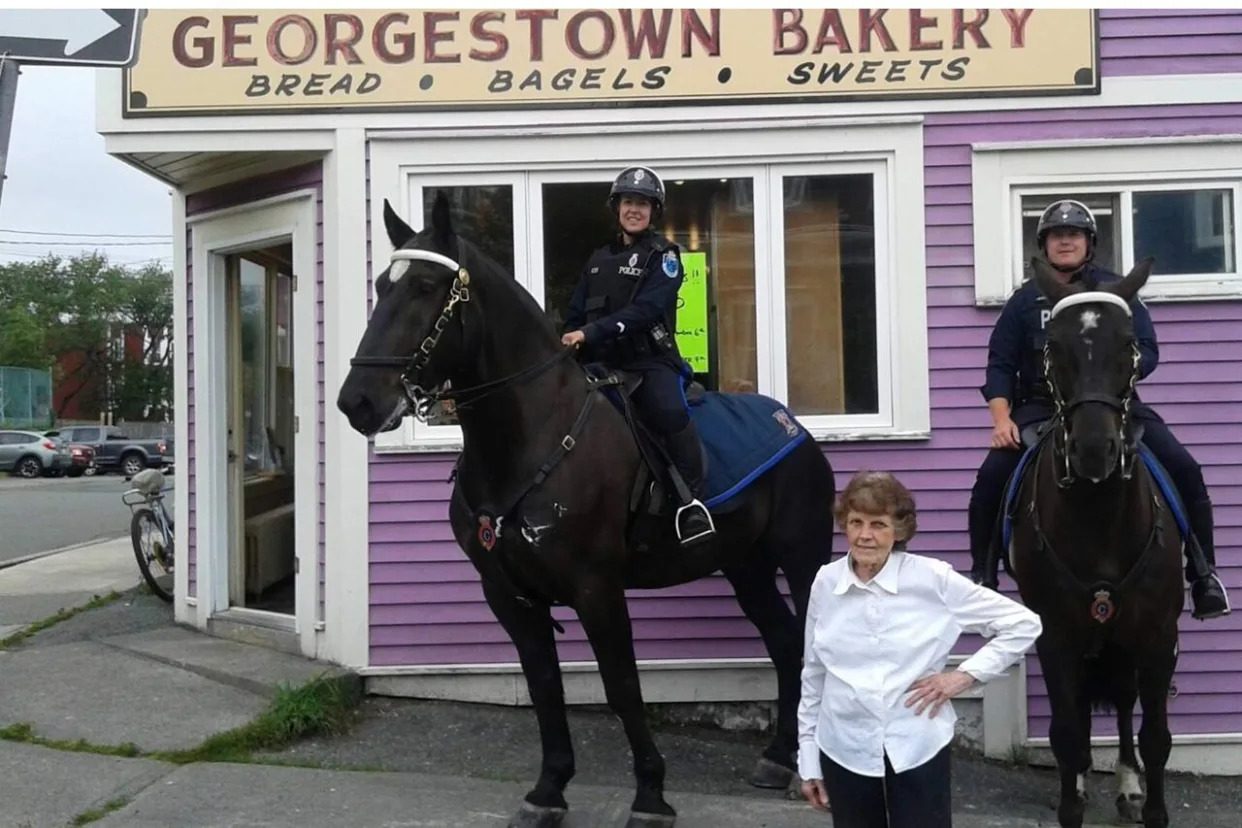
Irene Keating stands outside Georgestown Bakery with two mounted units of the Royal Newfoundland Constabulary. (Gary Cogswell/ Submitted by Stephen Lewis - image credit)

For more than 20 years, Irene Keating was a familiar face in the St. John's neighbourhood of Georgestown — especially people who lined up faithfully at a popular barkery for a fresh loaf of bread, a croissant or a bagel.

Keating, 84, was a counter worker at Georgestown Bakery, and often the main point of contact the company had with customers.

"She absolutely loved her work," Georgestown Bakery owner Stephen Lewis told CBC News.

Keating died peacefully at St. Clare's Mercy Hospital surrounded by family members.

Keating had lived a difficult life, dedicating herself completely to her three sons.

When she was 41 years old, her husband, an electrician, died on the job. According to the family's obituary, she then moved from Long Harbour to St. John's to build a life for her children — who at the time were all younger than seven years old.

'Hustled a lot of day-old bread'

Keating not fond of retirement when she tried it at 63.

One month in, she started working at Georgestown Bakery.

Keating enjoyed counter work, balancing three jobs at once throughout her career. She worked hard to buy a home and raise her family, and as a mother, she always put her children's needs ahead of her own, according to the obituary.

Irene Keating was a familiar face at the Georgestown Bakery for many years

Keating was a familiar face at the Georgestown Bakery for many years. (Jamie MacKay/Submitted by Stephen Lewis)

She was also known for her sense of humour. According to Lewis, Keating once joked, "I know someone who retired once, and now she's six feet under."

She worked at the bakery's counter selling bread.

"She was good — she hustled a lot of the day-old bread," said Lewis.

However, Keating never ate the iconic Georgestown bread herself, preferring grocery store bread instead.

Keating stopped working a year before her death due to her declining health.

Missed by many

While many customers loved Keating, and knew her on a first-name basis, she also had a few enemies, said Lewis.

"She was tough," he said. "If she didn't like someone then there was trouble."

Owner of Georgestown Bakery, Stephen Lewis, says Keating was 'unflinchingly loyal.'

Georgestown Bakery owner Stephen Lewis says Keating was 'unflinchingly loyal.' (Heather Barrett/CBC)

However, Lewis also remembers her maternal qualities. Keating would often bring in sandwiches and leave meals for him.

"Irene was a complex soul. She was unflinchingly loyal to me," he said, adding he was "deeply honoured" by her.

"I never told her to do anything," he added. "It was a trouble-free 20 years."
Alberta wants more hydrogen vehicles. Experts say fuel infrastructure needs to come with them

CBC
Sat, April 27, 2024

A hydrogen-fuelled truck sits on the exhibition floor at the Canadian Hydrogen Convention this week. (Madeline Smith/CBC - image credit)


Businesses are touting the potential for hydrogen to dramatically reduce greenhouse gas emissions from commercial transportation.

But when it comes to getting more vehicles rolling on Alberta streets and highways, industry officials say they haven't closed the distance yet.

Hydrogen-fuelled buses and trucks were on display at the exhibition floor during this week's Canadian Hydrogen Convention, as more than 8,000 people descended on downtown Edmonton.

Edmonton and Strathcona County each have one hydrogen bus running as part of a pilot project. And in January, a hydrogen fuel cell electric truck towing an empty trailer made a round trip between Edmonton and Calgary — a test run that's part of an Alberta Motor Transport Association (AMTA) pilot to see how hydrogen-powered trucks perform on long-haul trips.

Terri Johnson, the AMTA manager of industry advancement, told a convention crowd that the trip took less than two-thirds of the hydrogen tank. The next step is another test, with the weight of a loaded trailer.

But Johnson told CBC News that there's still work ahead to get more big companies using hydrogen for their Alberta fleets.

"They're really vetting us as much as we're vetting them," she said.

"They want to make sure that we have mechanics, that we have the bays, that we have fuel supply that's available for their specific vehicle — and that when they deploy a truck here in our region, we actually can support the truck."

New hydrogen fuelling network planned for QEII

Regional investment group Edmonton Global is promoting an initiative, launched last year, to get 5,000 hydrogen or dual fuel vehicles operating in western Canada by 2028.

But getting there means working through a big question: Which comes first, the hydrogen vehicles, or the fuelling stations?

The province unveiled Alberta's first commercial hydrogen fuelling station last month, just south of Edmonton, in Leduc County.

And on Tuesday, U.S.-based company Air Products announced plans to build a network of hydrogen fuelling stations between Edmonton and Calgary.

Air Products Canada vice-president Rachel Smith said multiple sites have been identified for new stations along the QEII Highway corridor. The company didn't specify how much the project will cost or when it will be completed, but Smith said the plan is to start moving toward construction as soon as possible.

Smith said each station will be capable of fuelling as many as 200 heavy-duty trucks, or 2,000 cars, every day. The company is currently building a massive hydrogen plant in northeast Edmonton.

Alec Cervenka, manager of zero-emissions sales at truck manufacturer Kenworth, said hydrogen investments have to be worth it for both the companies making the vehicles and building the infrastructure.


Madeline Smith/CBC

"You have to have the right amount of vehicles to make sure the [fuelling] station can actually be useful and stay in operation," he said.

"The catch is in trying to get the vehicles out there. There's a lot of interest. But compared to a diesel vehicle, it's about four times the cost of a similar diesel tractor."

There are federal incentives for medium- and heavy-duty zero-emission vehicles, and Cervenka said setting a provincial program in Alberta would help more companies make the numbers work.

A spokesperson for Edmonton Global said they expect to see the number of hydrogen vehicles accelerate in the coming two years, with more progress on building fuelling infrastructure.

The Alberta government also rolled out more funding for hydrogen transportation projects this week, with money to test new fuelling systems, build infrastructure to support hydrogen-fuelled public transit and help the City of Calgary pilot hydrogen vehicles and equipment.

Metro Vancouver tree canopy in decline amid push for new housing

CANOPY IS AN ECOLOGY OF BIRDS AND MAMMALS

CBC
Sat, April 27, 2024 

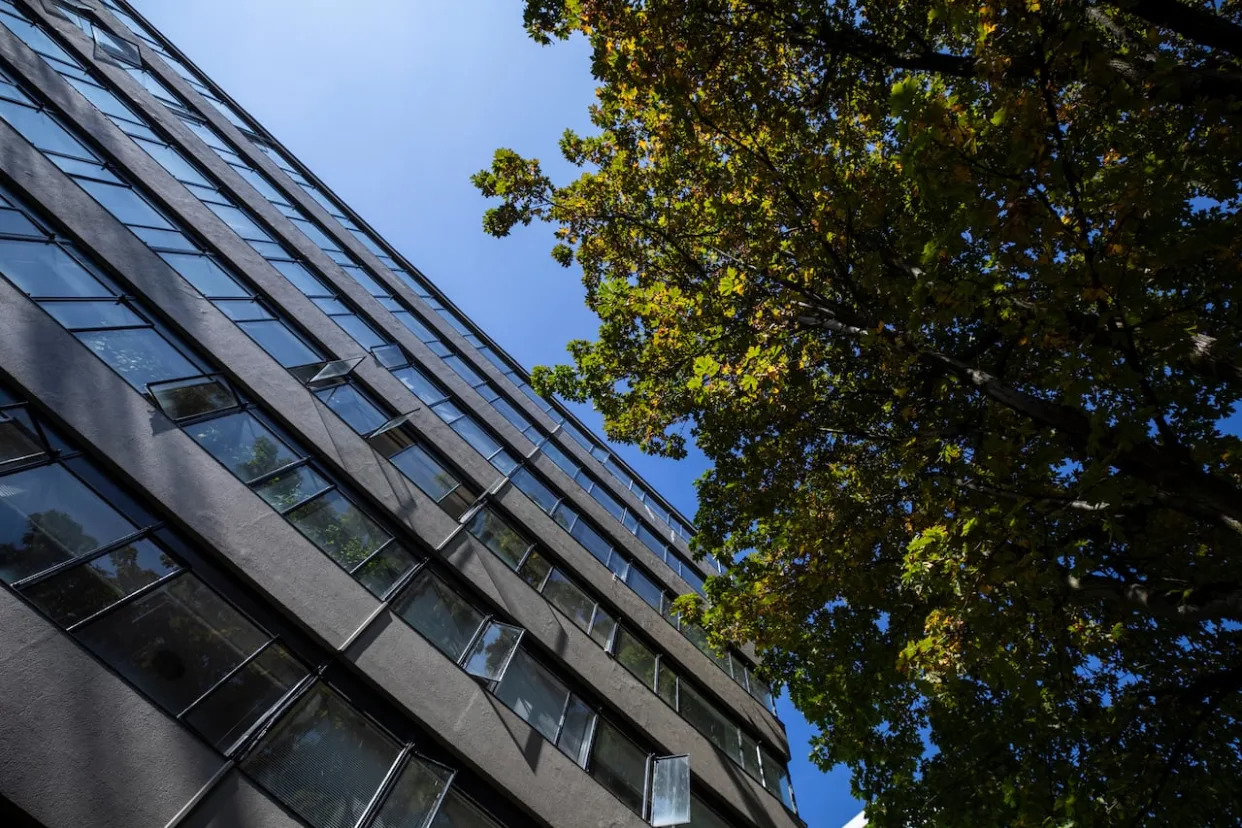
A new report from Metro Vancouver says the pace of development across the region will most likely shrink its tree canopy cover, despite a goal to increase it to 40 per cent by 2050. (Ben Nelms/CBC - image credit)


A report presented to the Lower Mainland's regional government on Friday says leafy, tree-lined neighbourhoods are under threat from increased growth and intensification as cities face pressure — including requirements from the provincial government — to build vast amounts of new housing.

Tree canopy in cities — the amount of ground covered by leaves and branches as seen from above — is one measurement of the overall livability in municipalities. They can keep an area cool, sequester carbon and suck up storm water, meaning they're a tool to help guard against climate change and keep residents healthy.

A new report from Metro Vancouver, which uses data from 2014 to 2020, says in 2020 Metro Vancouver's tree canopy across its 21 municipalities, one electoral area and one treaty First Nation was 31 per cent, a one per cent decrease from 2014.


In contrast, impervious surfaces in the region, such as roads, increased from 50 per cent in 2014 to 54 per cent in 2020. Impervious surfaces are associated with higher temperatures, increased flood risk and poor water quality.

The report illustrates how municipalities are grappling with ways to stay green and protected from climate change, while at the same time developing land for housing, especially now that the province has introduced legislation to speed it up.

Further losses expected

Some cities have increased their canopies, through tree planting and other programs or policies. But most experienced loss between 2014 and 2020, according to the report.

"Yes this is an issue that is obviously concerning all of us," said Vancouver city Coun. Adriane Carr at Friday's Metro Vancouver board meeting.

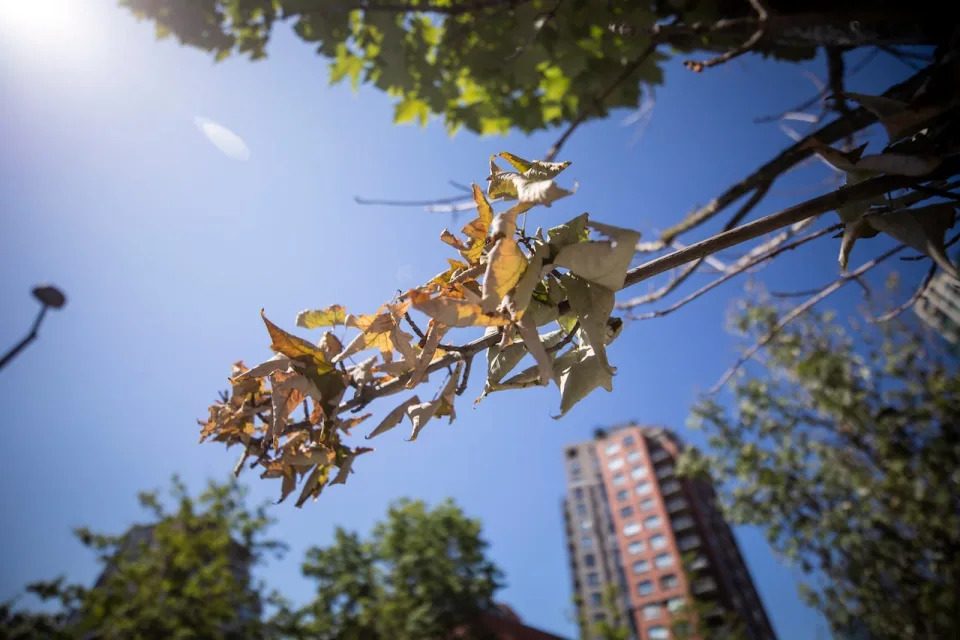
Trees along Pacific St. are pictured losing their leaves in the hot weather in Vancouver, British Columbia on Monday, July 5, 2021.

Trees along Pacific St. are pictured losing their leaves in the hot weather in Vancouver, British Columbia on Monday, July 5, 2021. (Ben Nelms/CBC)

Metro Vancouver said its members have shared concerns about limited space for trees in cities and young trees dying during droughts.

"Even if there is replanting through redevelopment, the maintaining of those trees, once planted, is not necessarily a requirement — and they often fail and then they're not replanted," said District of North Vancouver Coun. Lisa Muri at the meeting Friday.

Over the past year, the provincial government has pushed legislative changes that take aim at single-family zoning and sets minimum requirements for building heights and densities that municipalities must allow.

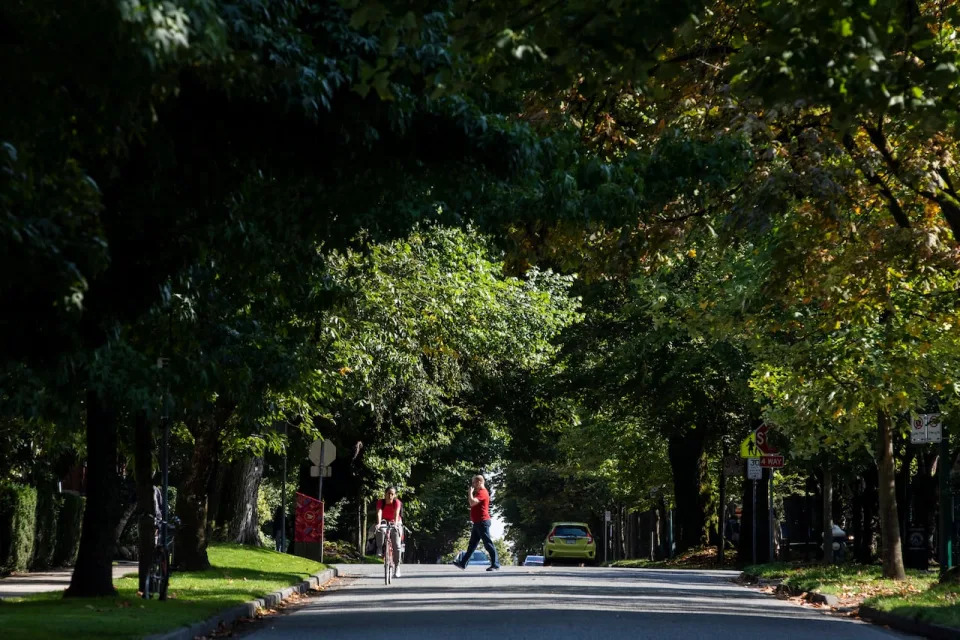
Metro Vancouver planners say Vancouver's West End is an example of a healthy tree canopy in a high density neighbourhood.

Metro Vancouver planners say Vancouver's West End is an example of a healthy tree canopy in a high density neighbourhood. (Ben Nelms/CBC)

The report says development, such as that in single-family-home neighbourhoods with a significant amount of trees, is expected to affect long-term canopy goals.

Without accounting for the new provincial legislation, the report said that over the next 20 to 30 years, as housing is built on undeveloped land and single-detached housing stock is redeveloped, the tree canopy cover across Metro Vancouver is projected to decrease from 31 to 29 per cent.

The regional government hopes to reverse this trend by helping communities understand the importance of trees and offering tools to come up with policies and strategies to retain and add them.

"With the implementation of progressive tree retention and urban forest expansion strategies, it is possible to offset these losses," said the Friday update to the board.

The tree canopy in Metro Vancouver is assessed once every six years, meaning the next round of data is expected to be collected in 2026, with reporting in 2028, two years quicker than the most recent report, said staff.
Transit trips up among seniors since Montreal introduced free fare program, city says

The Canadian Press
Sat, April 27, 2024 


MONTREAL — A costly program offering free public transportation fares to Montreal seniors is paying off, the city said in a recent report as it documented a spike in transit use among people age 65 and older.

In the six months since the program launched on July 1, 2023, the city said the number of trips taken by those in the target age group surged between 15 and 20 per cent. The findings were contained in a 2025 budget planning document the city published Tuesday.

Forty-seven per cent of eligible Montreal-area residents had signed up for the program by the end of 2023, the city said.

"The measure has therefore resulted in both savings and increased mobility for seniors," the document reads.

First announced in late 2022, the program allows residents of the Montreal agglomeration — comprised of the city of Montreal and suburbs on Montreal island — who are 65 or older to use the metro, buses, commuter and light-rail trains for free within the jurisdiction. Paratransit, or specialized rides for people with disabilities, is also free for program beneficiaries.

Montreal dedicated $24 million to the initiative in its 2023 budget and earmarked another $34.3 million to continue it in 2024. Over the same period, the city's financially beleaguered public transit agency, the Société de transport de Montréal, has cut nearly $140 million from its own budget.

But several metro riders said Saturday that the program has myriad benefits for older adults.

"I think that for low-income people its a way to break isolation, to get out," Huguette Bergeron, 74, said outside of the Place-d'Armes metro station downtown.

Anne Chenot, 70, said she sees the program as "little compensation" for high local taxes.

Both women said they're taking advantage of the offer even though they would have been able to afford the regular $97 monthly fare. They hope to see similar programs targeting residents who might benefit from the financial relief, such as students.

Robert Martin said the program's broad eligibility criteria are likely boosting participation. A program that limits eligibility by income, he said, might create barriers for prospective participants who would have to prove their financial situation.

Martin plans to register for the free fare when he turns 65 next March. As someone who has never owned a car, he expects the program will increase his mobility.

"Does everyone need it? I'm not sure," he said. "But it's easier for (the city) than just asking for proof that you're, let's say, poor or middle class."

This report by The Canadian Press was first published April 27, 2024.

Thomas MacDonald, The Canadian Press