Tuesday, April 22, 2025


As Trump eyes coal revival, his job cuts hobble black lung protections for miners
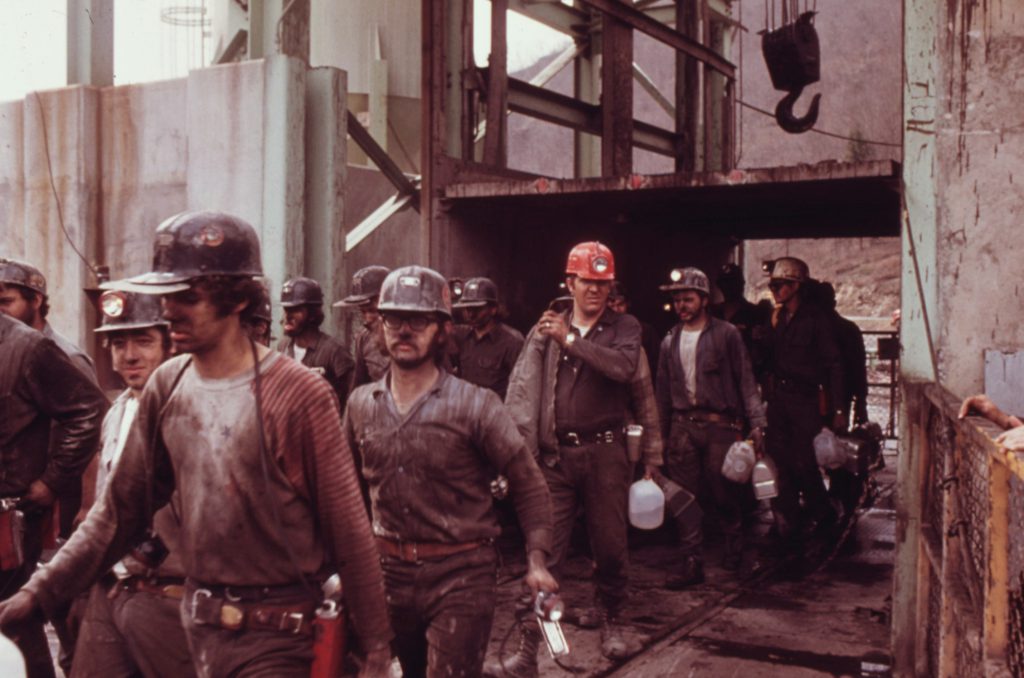


Coal miners leaving an American mine. Credit: Wikipedia, under public domain license

Josh Cochran worked deep in the coal mines of West Virginia since he was 22 years old, pulling a six-figure salary that allowed him to buy a home with his wife Stephanie and hunt and fish in his spare time.

That ended two years ago when, at the age of 43, he was diagnosed with advanced black lung disease. He’s now waiting for a lung transplant, breathes with the help of an oxygen tank, and needs help from his wife to do basic tasks around the house.

His saving grace, he says, is that he can still earn a living. A federal program run by the Mine Safety and Health Administration and the National Institute for Occupational Safety and Health called Part 90 meant he was relocated from underground when he got his diagnosis to a desk job dispatching coal trucks to the same company, retaining his pay.

“Part 90 – that’s only the thing you got,” he told Reuters while signing a stack of documents needed for the transplant, a simple task that left him winded. “You can come out from underground, make what you made, and then they can’t just get rid of you.”

That program, which relocates coal miners diagnosed with black lung to safer jobs at the same pay – along with a handful of others intended to protect the nation’s coal miners from the resurgence of black lung – is grinding to a halt due to mass layoffs and office closures imposed by President Donald Trump and billionaire Elon Musk’s Department of Government Efficiency, according to Reuters reporting.

Reuters interviews with more than a dozen people involved in medical programs serving the coal industry, and a review of internal documents from NIOSH, show that at least three such federal programs have stopped their work in recent weeks.

A decades-old program operated by NIOSH to detect lung disease in coal miners, for example, has been suspended. Related programs to provide x-rays and lung tests at mine sites have also shut down and it is now unclear who will enforce safety regulations like new limits on silica dust exposure after nearly half of the offices of MSHA were slated to have their leases terminated.

The details about the black lung programs halted by the government’s mass layoffs and funding cuts have not previously been reported.

“It’s going to be devastating to miners,” said Anita Wolfe, a 40-year NIOSH veteran who remains in touch with the agency. “Nobody is going to be monitoring the mines.”

The cuts come as Trump voices support for the domestic coal industry, a group that historically has supported the president.

At a White House ceremony flanked by coal workers in hard hats earlier this month, Trump signed executive orders meant to boost the industry, including by prolonging the life of aging coal-fired power plants.

“For too long, coal has been a dirty word that most are afraid to speak about,” said Jeff Crowe, who Trump identified as a West Virginia miner. Crowe is the superintendent of American Consolidated Natural Resources, successor to Murray Energy.

“We’re going to put the miners back to work,” Trump said during the ceremony. “They are great people, with great families, and come from areas of the country that we love and we really respect.”

Andrew Nixon, a spokesperson for the Department of Health and Human Services, which oversees NIOSH, said that streamlining government will better position HHS to carry out its Congressionally mandated work protecting Americans.

Representatives for MSHA and the White House did not respond to requests for comment.

Black lung has been on the rise over the last two decades, and has increasingly been reported by young workers in their 30s and 40s despite declining coal production.

NIOSH estimates that 20% of coal miners in Central Appalachia now suffer from some form of black lung disease, the highest rate that has been detected in 25 years, as workers in the aging mines blast through rock to reach diminishing coal seams. Around 43,000 people are employed by the coal industry, according to the Bureau of Labor Statistics.

More mining, more risk

Around 875 of NIOSH’s roughly 1,000-strong workforce across the country were terminated amid sweeping job cuts announced by HHS this month, according to three sources who worked for NIOSH.

That’s put the department’s flagship black lung program, the Coal Workers’ Health Surveillance Program, on hold, according to an internal NIOSH email dated April 4.

“We will continue to process everything we currently have for as long as we can. We have no further information about the future of CWHSP at this time,” the email says.

The CWHSP’s regular black lung screenings, which deploy mobile trailers to coal mines to test coal miners on site have ended too, because there’s no money to fuel the vehicles or epidemiologists to review the on-site x-rays or lung tests, according to sources familiar with the program.

For many miners, this program is the sole provider of medical checkups, according to NIOSH veteran Wolfe.

The loss of staff at NIOSH has also crippled black lung-afflicted miners’ ability to get relocated with pay as part of the Part 90 program.

Miners can only become eligible for the Part 90 benefit by submitting lung x-rays to NIOSH that show black lung. But all NIOSH epidemiologists in West Virginia required to review the x-rays were laid off, according to Scott Laney, who lost his job as an epidemiologist.

Laney told Reuters he and his fellow laid-off team have been working in an informal “war room” in his living room to try to draw attention to the issue among Washington lawmakers.

“I want to make sure that if there are more men who are going into the mines as a result of an executive order, or whatever the mechanism, they should be protected when they do their work,” he said.

Sam Petsonk, a West Virginia attorney who represents black lung patients, said relocating sick miners is crucial because the risks of continuing to work in dust-heavy areas while ill are so severe.

“It gets to the point that days and months matter for this program,” he said.

Silica threat

Last year, MSHA finalized a new regulation that would cut by half the permissible exposure limit to crystalline silica for miners and other workers – an attempt to combat the rising rates of black lung.

Enforcing that rule, which comes into force in August after being pushed back from April by the Trump administration, may prove difficult given the staff cuts and planned office closures at MSHA, said Chris Williamson, a former Assistant Secretary of Labor for Mine Safety and Health under the Biden administration.

He told Reuters that before he left MSHA in January, there were 20 mine inspector positions unfilled. A pipeline of 90 people that had already secured MSHA inspector job offers, meanwhile, had their offers rescinded after Trump took office, and around 120 other people took buyouts.

Mine inspectors are meant to uphold safety standards that reduce injuries, deaths and illnesses at the mines.

That loss of staff and resources raises the likelihood that black lung could become even more pervasive among Appalachian coal miners – particularly if mining activity increases, said Drew Harris, a black lung specialist in southern Virginia.

“As someone who sees hundreds of miners with this devastating disease it’s hard for me to swallow cutting back on the resources meant to prevent it,” he said.

Kevin Weikle, a 35-year-old miner in West Virginia who was diagnosed with advanced black lung disease during a screening in 2023, said the cuts make no sense at a time the administration wants to see coal output rise and will set back safety standards by decades.

“Don’t get me wrong, I mean, I’m Republican,” Weikle said. “But I think there are smarter ways to produce more coal and not gut safety.”

(By Valerie Volcovici; Editing by Richard Valdmanis and Anna Driver)


Op-Ed: Manila Could Cut a Deal With Trump on S. China Sea's Oil

A “win” for Trump: oil and gas in exchange for little more than what the US Navy is already doing

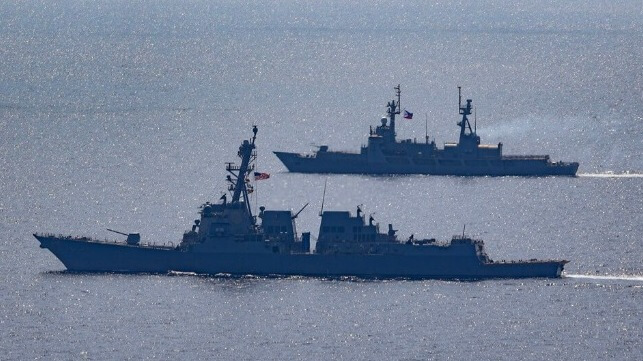
USS Dewey
USS Dewey (foreground) patrols the S. China Sea with a Philippine Navy vessel, 2023 (USN)

Published Apr 20, 2025 11:33 AM by The Lowy Interpreter


[By Vincent Kyle Parada]

Donald Trump is making good on his promise of “America First.” After admonishing US allies for failing to pay their “fair share” of defence costs and a now infamous meeting with Volodymyr Zelenskyy, the message was clear: America’s friendship was a privilege, not a right. If US partners wanted to enjoy the privilege of US security, then they must pay up. And right now, Washington is looking to collect.

For the Philippines, this transactional approach to foreign policy casts a shadow over its territorial dispute with China. Despite continued optimism from policy elites, the use of formerly cooperative arrangements as tools of coercion should give Manila pause. While the strategic value of the Philippines as a forward operating base means it continues to enjoy Washington’s good graces, the onus is on the Marcos Jr. administration to continuously reaffirm this value – or risk abandonment in a Trump-polar world.

The Ukrainians understood this when Washington demanded US$500 billion in mineral wealth as compensation for wartime aid. Though negotiations remain inconclusive, the latest drafts point to a potential joint investment deal that would see revenues from Ukrainian natural resources diverted to an investment fund managed by both parties. It would come with neither a security guarantee nor the assurance of additional aid. But Kyiv’s assumption appears to be that by providing the Americans with a clear, tangible stake in the survival of the Ukrainian state, it could ensure continued US support against Russia – especially since at least 50% of its rare earth deposits are in what is presently Russian-occupied territory.

Like Kyiv, Manila needs to provide the United States with “skin in the game” beyond military basing. Reed Bank – a disputed tablemount in the Spratly Islands rich in hydrocarbons – could be the solution. The feature lies well within the Philippines’ exclusive economic zone (EEZ), meaning Manila has sovereign rights to explore and exploit its resources under Article 56 of the UN Convention on the Law of the Sea. According to the US’ own estimates, there could be as much as 9.2 billion barrels of oil and 216 trillion cubic feet of natural gas in unexplored deposits across the South China Sea, with many concentrated along shallower areas such as Reed Bank.

The problem is the limited ability of the Philippines to harness these reserves. It tried roping China and Vietnam into a joint marine seismic undertaking in 2005 – a decision made as much to manage tensions as it was to benefit the economy, and which would later be declared unconstitutional on the grounds that foreign-owned entities could not partake in the exploration, development, and utilisation of natural resources. Manila tried again in 2012, this time without Vietnam, but failed due to Beijing’s refusal to recognise the sovereign rights of the Philippines over the area.

This would not be a problem for Washington. From Obama to Trump 2.0, the US has been the Philippines’ leading supporter in the South China Sea. With an ongoing trade war against Canada and Mexico – two of the US’ biggest sources of crude imports – the Philippines has a chance to step in and help diversify US hydrocarbon streams, generate profits, and keep energy prices stable in the long-term. Manila is already working to cut coal and diversify its energy mix through foreign investments. With the Malampaya gas field – the country’s largest energy producer – nearing depletion, the prospect of joint exploration in the oil-and-gas-rich Reed Bank with an ally rather than competitor might just be enough to overcome domestic apprehensions about the foreign development of resources.

We know that Manila has been trying to lift constitutional limits on foreign ownership – and that US firms have expressed interest in oil and gas projects in the country. At the very least, preferential trade agreements could be negotiated in exchange for technical assistance, or with US entities granted shares in Philippine-owned corporations, or a joint investment fund established that would entitle them to oil and gas revenues.

In the end, it boils down to politics. Legal hurdles aside, Reed Bank remains a contested feature. To exploit its hydrocarbon reserves, Washington and Manila will have to force Beijing out of the area or station a maritime force to safeguard drilling operations. That carries the risk of turning Reed Bank into another flashpoint in the South China Sea.

Here, joint US-Philippine patrols will be key. American ships must be visibly present in order to deter Chinese encroachment. But given Manila’s decision not to physically involve other countries in South China Sea operations, is the Marcos Jr. administration willing to challenge China over Reed Bank? Can it ensure the integrity of exploration activities, like the manner Indonesia and Malaysia have done so at Natuna and Sabah?

Drilling takes time, so even if Washington and Manila were to reach an agreement, the Trump administration is unlikely to see a tangible return on its investment for the foreseeable future. What matters in the end, however, is that it was Trump who shook hands and sealed the deal. It would be a “win” that he could present to the American people – oil and gas in exchange for little more than what the US Navy is already doing in the South China Sea. In return, the Philippines secures a lifeline to a new energy supply, profits from resource revenues, and reaffirms its alliance with the US through an economic blood compact.

Vincent Kyle Parada is a former defence analyst for the Philippine Navy and graduate student at the S. Rajaratnam School of International Studies in Singapore.

This article appears courtesy of The Lowy Interpreter and may be found in its original form here

The opinions expressed herein are the author's and not necessarily those of The Maritime Executive.


Ex-Chairman of Russian Carrier FESCO Launches New Service to West Africa

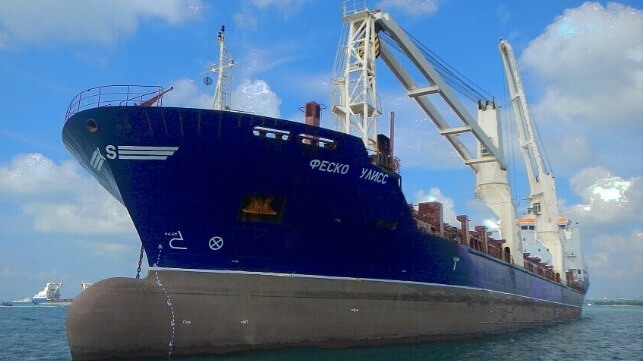
FESCO
File image courtesy FESCO

Published Apr 20, 2025 4:35 PM by The Maritime Executive


Former FESCO co-owner and Board Chairman Andrei Severilov has opened a new venture targeting the West African freight market.

Last week, Russian company JSC A7 Holding - associated with Severilov - registered a new freight transportation entity. According to Interfax news, the newly-formed A7 African Cargo Lines LLC (A7 ACL) was launched on April 17, with a charter capital of $122,000. The company’s primary activity is listed as railway freight transportation.

Interfax reports that the new line is incorporated in the United States, and is owned by two U.S. business entities: A7 Holding LLC (registered in Delaware) and A7 Infrastructure LLC (registered in Missouri). These entities are registered to corporate agents, and their relationship to A7 ACL could not be immediately confirmed.

Severilov told Interfax that the company is keen on establishing a feeder shipping service between West Africa and Russia. “At the first stage, with the assistance of the Russian trade mission in Nigeria, we are implementing a project to establish a direct shipping line,” said Severilov.

By mid-June, the company wants to launch a new maritime route between Novorossiysk and Nigeria’s Lagos port. Two containerships will be chartered for the line’s inaugural route, each with a capacity of 700 TEU. There are future plans to expand maritime connections to Senegal’s Dakar port.

Severilov has extensive experience in the shipping sector, including a stint as the Board Chairman at top Russian container line FESCO. He also held a 23.8 percent stake in FESCO’s parent company, PJSC FESCO. However, Severilov had to leave the company after the Russian state nationalized FESCO in 2023, effectively transferring its ownership to the state nuclear power company Rosatom. The transfer followed the conviction of businessman Ziyavudin Magomedov on corruption charges; Magomedov was the founder of Summa Group, which held a large stake in FESCO.

Severilov announced he would re-enter the transport sector in September 2024. But even as Severilov’s freight company targets the Nigerian market, its entry comes while the Nigerian government is incentivizing local shipping companies to own their own vessels.

Last week, the Minister of Blue Economy Adegboyega Oyetola, directed the Nigerian Maritime Administration and Safety Agency (NIMASA) to begin the disbursement of the Cabotage Vessel Financing Fund (CVFF). The fund was established back in 2003 with a goal of supporting Nigerian shipping companies to access subsidized credit for the acquisition of vessels. This is the first time the fund will be operationalized. As of last year, NIMASA reported that CVFF had accumulated over $360 million, as part of contributions made by the Nigerian shipping sector.

Eligible Nigerian shipping companies could access up to $25 million each at competitive interest rates. NIMASA has already issued a notice inviting applications through a select group of primary lending banks.


How Do You Design Flexible Subsea Cables for Offshore Power?

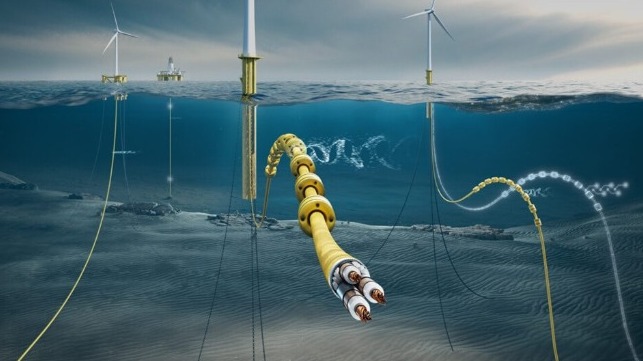
Dynamic cables are expensive, complicated and have to be able to handle the kinetic forces in the ocean. Illustration. Headspin/SINTEF

Published Apr 20, 2025 11:19 AM by Gemini News


[By Kari Williamson]

Imagine that the wires to your house not only have to withstand high electrical current flow, weather and wind, but also salt water, ocean currents, temperature changes and large movements. This is the big challenge in connecting large, electrical structures at sea to the power grid.

Dynamic underwater cables are the solution for this challenging task. They are large, robust and flexible cables that have to be able to withstand the forces found in the ocean and in structures like floating solar power plants, offshore fish cages, oil and gas platforms and offshore wind turbines.

The dynamic cables act as an umbilical cord to the static underwater cables that carry electricity to or from shore.

“They’re a bit like the power cables we have for all the electrical gadgets that we connect via a plug to the fixed cables in the wall,” says Naiquan Ye, a SINTEF research manager.

He is working to ensure the robustness of the dynamic cables, which has a major impact on the cost of many projects.

“According to the current plans, Europe will need 6000 km of underwater power cables annually. That’s as far as the distance from Norway to Bermuda,” says the researcher.

It is rare for us to have cable breaks in the wires in our walls – but how often have we had to toss a charging cable or replace an extension cord because it was coiled or mishandled a few too many times?

According to Lloyd Warwick, a company that specializes in claim settlements for the insurance industry, 83 percent of offshore wind insurance claims are due to cable faults. The cables become vulnerable when they heat up due to the current flowing through them and are moved by ocean currents, waves, and the constantly shifting distance between the floating structure and the stationary seabed.

There are three types of submarine cables:

  • Dynamic cables are mobile and carry energy, and often information as well, between a floating installation and the static submarine cable.
  • Static submarine power cables are cables that lie stationary on the seabed and carry energy between installations at sea and on land, or between countries. These are not exposed to the same stresses as dynamic cables.
  • Communication cables are like static submarine power cables, but contain fibre optics and other information technology.

The cables are also multi-layered to ensure reliable electricity transmission. These layers need to be waterproof, carry control signals, be unaffected by magnetism, not leak electricity, and also withstand the stresses of constant movement in both ice-cold and warmer seawater.

Lowering costs

So it is not so surprising that these cables are expensive to produce. Demand for them has been low until now, with the main purchaser being the oil and gas industry – which has had the budget to pay a little extra for safety.

This is changing with the transition to renewable energy.

Researcher manager Naiquan Ye and laboratory manager Kenneth Njuolla in SINTEF’s laboratory. Dynamic cables and everything that goes with them are tested here. Photo: Anne Berit Heieraas

Budgets are usually tighter here, and unlike an oil platform where one cable suffices, an offshore wind farm needs a dynamic, underwater cable for every single wind turbine.

The design and production must be optimized in terms of cost, but also so that the cables last as long as possible.

This is where Ye’s team comes in. Through many years of simulating and testing cables, the group has learned a lot about how the different components of these cables behave and how they handle internal and external stresses.

“Since the 1980s, SINTEF researchers have developed advanced models to simulate the properties of cables in complex marine environments. These numerical tools are world-leading, and the industry uses them to ensure safe and sustainable production of ocean-based energy, both in the oil and gas and offshore wind industries,” says Ye.

According to the current plans, Europe will need 6000 km of underwater power cables annually. That’s as far as the distance from Norway to Bermuda.

Spectre of exhaustion

The biggest threat to a cable’s lifespan is fatigue. Simply put, the materials wear out. As current flows through the cable, it behaves a bit like a garden hose when you turn on the water – it starts to move and bend.

In a water hose this is not a problem because the water flows through easily, but in an electric cable you have multiple metal wires – just like the cross-section of a charging cable at home. If you twist and turn them too much, they will eventually crack and then break.

Kenneth Njuolla and Kristian Minde at SINTEF measure the strength of a copper wire, one of the many components in a dynamic cable. The wire is fatigued to the point of breaking. These are experiments that take us from oversized and expensive solution, to sleek umbilicals for offshore wind. Photo: Kai Dragland.

Then there are the insulating materials, like a data cable that transmits control signals, and the cable itself. All of them consist of varied materials that can withstand different amounts of movement over time.

On top of all this, each of the materials will move differently. Just as the rubber or plastic around the outside of a regular household cable has a completely different mobility if you remove what is inside.

Numerical calculations fall short

“However, the properties and movements of cables are much more complicated than numerical models can predict. Impurities in the material, production, installation and the environment they are in, like temperature, can affect the lifespan of cables,” says Ye.

If lab testing is done early in an offshore wind project, it can significantly reduce the cost of the power cables while optimizing the design.

Laboratory testing is a critical method for determining the effects of these influences. In the design laboratory, we monitor how the cables behave in real life, and the results are fed back into the numerical tools to find more precise methods for estimating the service life of the cables.

“If lab testing is done early in an offshore wind project, it can significantly reduce the cost of the power cables while optimizing the design,” Ye says.

By twisting and turning the cable in a test rig, researchers can see how the different components of the cable move relative to each other. These components can often move inside the cable when they are in operation. The movements are usually non-linear due to friction between the components – that is, they are not directly proportional to the movements around the cable. That is why it is so difficult to calculate how a cable and its contents move.

Testing full-scale cables makes it possible to see how much the cable can withstand, how strong it is, and what will ultimately be the weak point that causes a cable to break.

This article appears courtesy of Gemini News and may be found in its original form here

The opinions expressed herein are the author's and not necessarily those of The Maritime Executive.


The UAE Has Gulf of Aden Shipping Covered

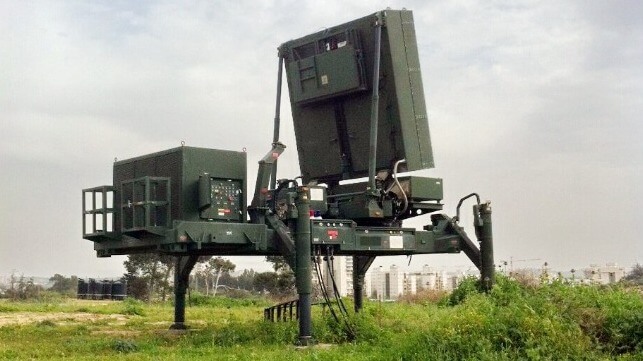
ELM radar
EL/M-2084 radar system (IDF file image)

Published Apr 20, 2025 11:37 PM by The Maritime Executive


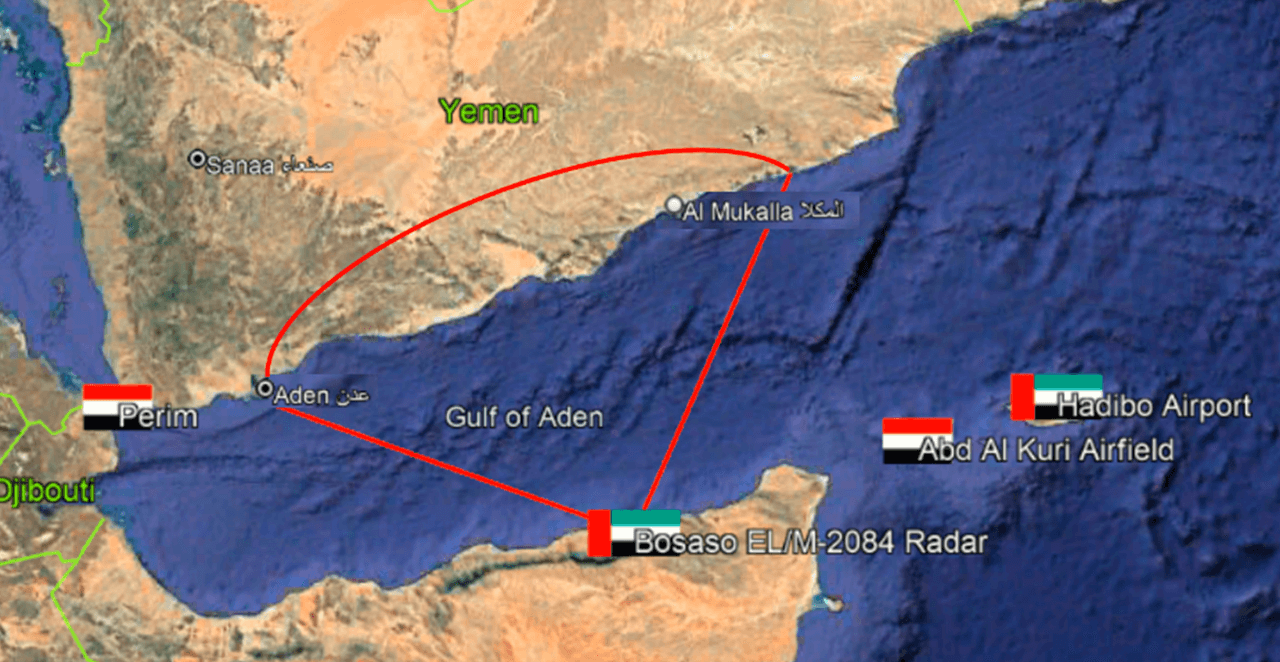
Imagery widely reported in social media has shown the deployment of an EL/M-2084 radar within the grounds of an Emirati military base at Bosaso, in Somalia’s Puntland region.

The Israeli-manufactured and widely exported EL/M-2084 radar has a 290-mile surveillance range.  Mounted on a berm built for the purpose to give it extra range, the radar has the capability to detect, locate and track the full range of missile, aircraft and drone targets across the full width of the Gulf of Aden, from Aden in the west to well beyond Mukulla in the east. This is a sea area through which the currently under-used Internationally Recommended Transit Corridor passes.

Until recently this was an area in which the Houthis mounted a large number of attacks, but whether through lack of targets or the effectiveness of US air operations against the Houthis’ missile and drone infrastructure, such attacks are much diminished in recent months. Reflecting monitoring by UKMTO in Dubai, the main threat in the area now appears to come from low-level Somali-based pirates.

The EL/M-2084 emplacement at Bosaso, visible in Google Earth (@OSINTWarfare)

The EL/M-2084 is a particularly effective radar, as noted by its export success with ‘front line’ nations such as Azerbaijan, Finland, and India. Used at longer ranges for air surveillance, at shorter ranges it can be used for acquisition purposes, tied into air defense systems such as Iron Dome.

EL/M-2084 surveillance coverage of the Gulf of Aden (Google Earth/CJRC)
Bosaso is one of a string of Emirati light-footprint bases which the UAE maintains to cover the Gulf of Aden and approaches to the Red Sea. The presence of Emirati bases at Bosaso and at Hadibo airport on the island of Socotra is de facto acknowledged by the respective host governments.  The status of recently-constructed airfields and associated possible surveillance facilities on the islands of Perim, at the southern entrance to the Red Sea and at Abd Al Kuri, is more contested. 

The UAE has not formally acknowledged its military presence at any of these facilities, nor for any in North Africa. Whilst a single EL/M-2084 radar at Bosaso is effective enough on its own, if it were networked with other such systems on Perim and on Abd Al Kuri, the surveillance coverage would intersect and overlap, providing corroboration and triangulation of targets detected, and hence greater precision. However, even the best surveillance on its own is of limited value, unless linked in with systems which can respond, and there is no evidence of active air defense systems being positioned to cover these areas.


Photos: Death Toll From Chinese Dredger Capsizing Rises to Nine

PCG
Courtesy PCG

Published Apr 20, 2025 1:16 PM by The Maritime Executive


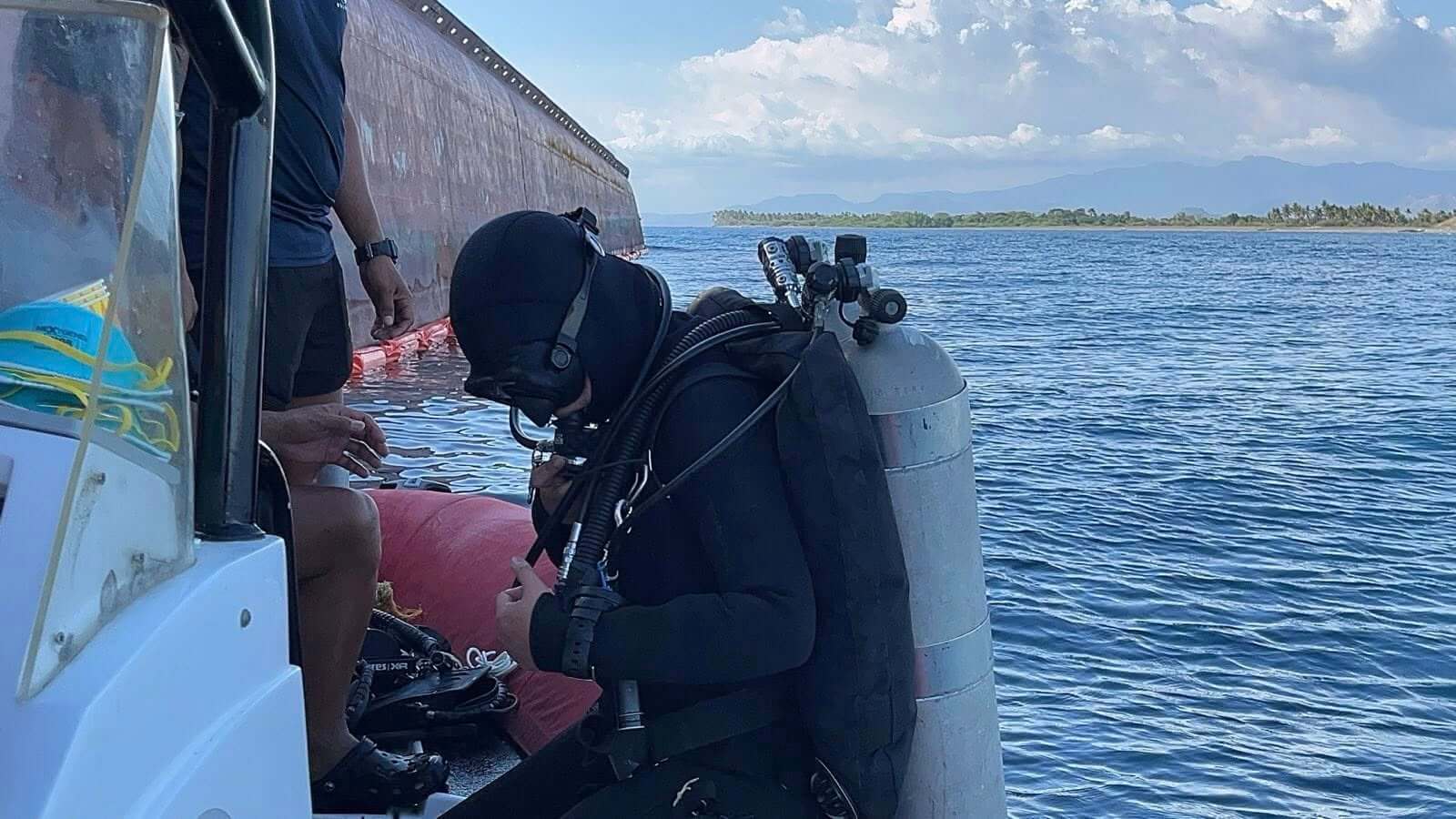
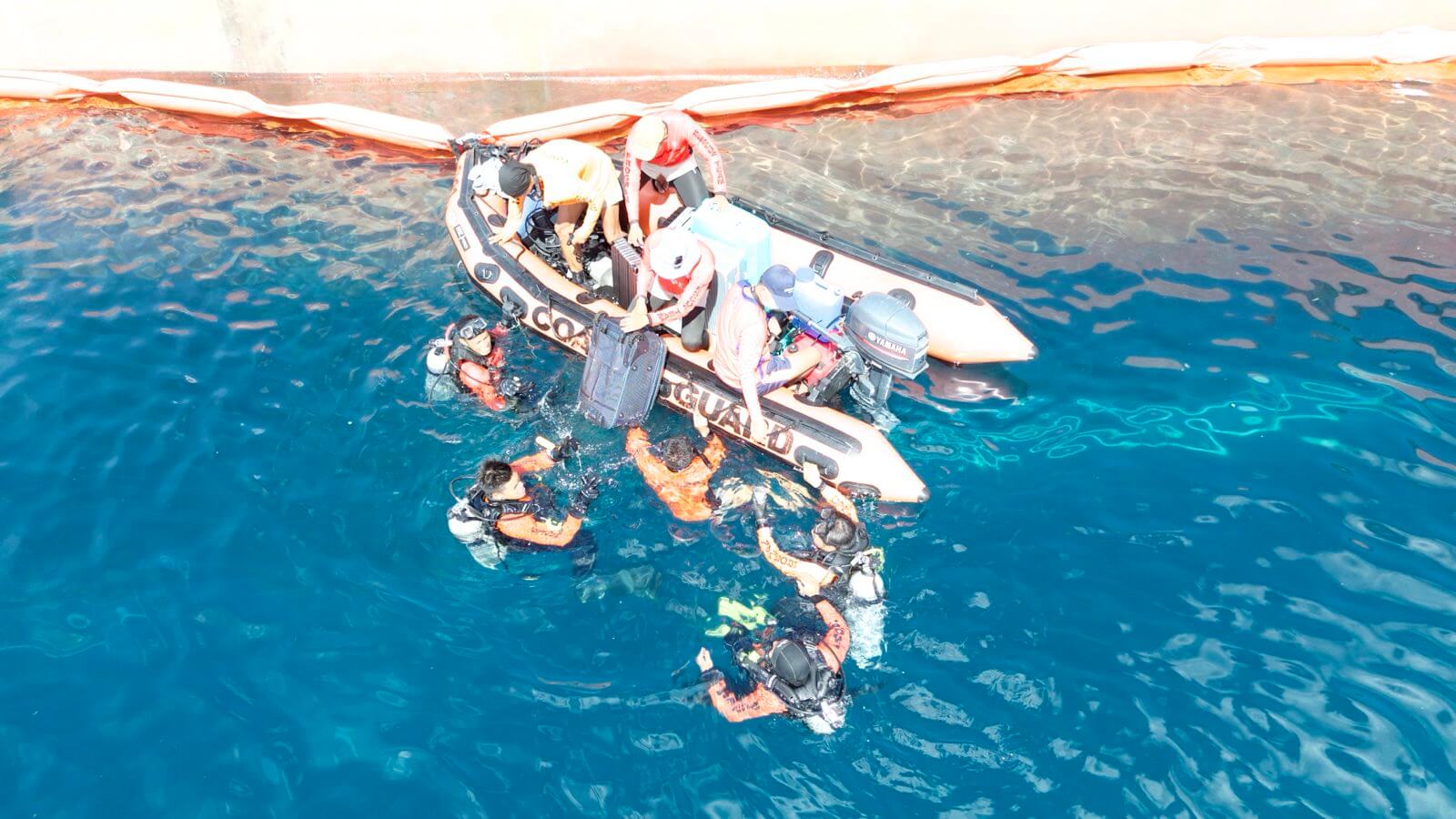
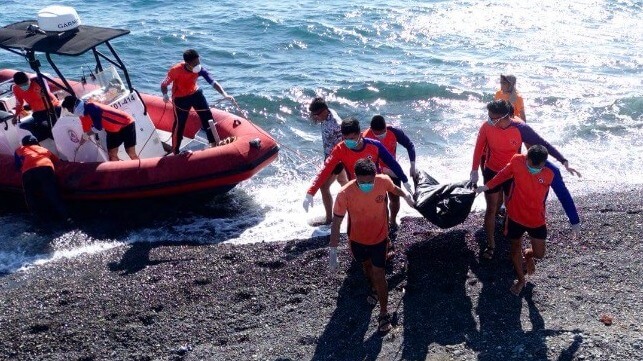
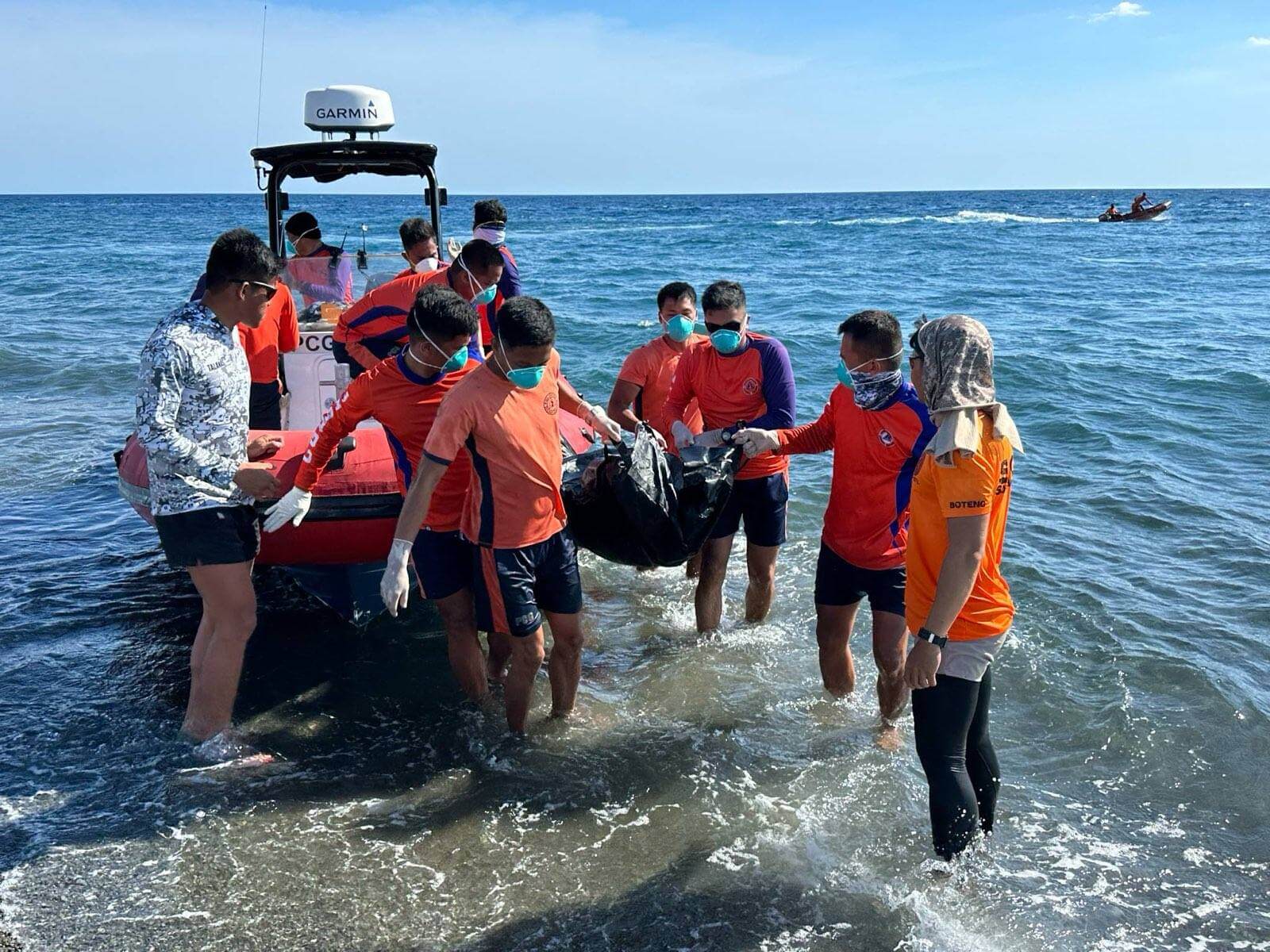
The death toll from the capsizing of the dredger Hong Hai 16 has risen to nine people, with two more still missing, according to the Philippine Coast Guard. Special operations divers are still working inside the upturned hull of the ship to recover additional remains, despite dangerous structural hazards and low visibility. 

The sand carrier Hong Hai 16 was operating off Barangay Malawaan on Tuesday morning in moderate seas. At about 0520 hours, the vessel capsized for reasons still under investigation. There were 25 crewmembers aboard, and 14 were rescued alive, including six Philippine nationals and eight Chinese seafarers. 

Two bodies were retrieved Sunday, one from the cargo hold and another from a control room. One more was retrieved from the accommodations block on Saturday afternoon, and two were found on Friday, one in the hold and another in the accommodations area. 

Courtesy PCG

On Friday, the local municipality and the Philippine Coast Guard demanded that the shipowner join the on-scene search and recovery mission. "As part of the company's social responsibility, the PCG emphasizes the importance of the ship owner's commitment and accountability by sending a representative to directly assist," the PCG said in a statement. 

The owner of the Hong Hai 16 has contracted a commercial salvor to begin wreck removal operations, the PCG said Saturday, and the equipment is expected to arrive on site early next week. 

The dredging company that operated Hong Hai 16, Bluemax Tradelink Inc. told Manila Times that it is complying with a stop-work order issued by the province of Occidental Mindoro. A spokesman said that the area of the casualty had been dredged multiple times in the past without issue, and that Hong Hai 16 had all necessary permits for the work.  

Courtesy PCG

The PCG plans to look into the shipowner's operations when the time is right, but is focusing on the search and recovery mission for now. "Let's focus on that first before we interject or before we proceed with the administrative cases that we can file against the owner," PCG deputy spokesperson Commander Michael John Encina told Super Radyo.

So far, the PCG's water quality monitoring technicians have detected no meaningful levels of pollution from the capsized vessel. The Hong Hai 16's fuel tanks carried diesel, not bunker fuel, and any spilled petroleum is expected to dissipate. A containment boom has been placed around the ship as a precautionary measure. 


Passengers Evacuated After Ferry Grounds in Philippines

ferry evacuation
Philippine Coast Guard evacuated over 500 passengers from the grounded Ro-Ro ferry (PCG)

Published Apr 21, 2025 1:38 PM by The Maritime Executive


The Philippine Coast Guard reports the successful evacuation of the passengers from an interisland ferry that grounded late on April 19. Happening during the busy Easter Holiday travel time, the Coast Guard reports a total of 506 people, including numerous infants and children, were removed from the vessel and ferried back to the port. 

The vessel Lite Ferry Five, built in 2019, operated a seven-hour route in the southern Philippines from Jagna Port in Bohol to Cagayan de Oro. It is a Ro-Ro ferry transporting passengers and cars and the 79-nautical mile route. The ferry is 2,663 gross tons.

According to the Coast Guard, the vessel was departing at 22:30 on April 19. While it was maneuvering at low tide the vessel reportedly drifted approximately 200 meters (approximately 650 feet) from the port. It came to rest in a shallow area just offshore.

A concerned citizen made the first alert to the Coast Guard which quickly dispatched rescue teams to the vessel.  The decision was made to evacuate the ferry with small boats ferrying the passengers to shore. The reports indicate by Sunday morning, April 20 everyone had been successfully rescued without injury from the ship.


Ferry drifted into shallow waters in the southern Philippines (PCG)


The Coast Guard issued a navigational warning and reported a tug was coming from Cebu to extract the ferry. Initial inspections revealed no internal hull damage, the Coast said in its report, but a full marine safety and environmental assessment is underway.

An island national, the Philippines depends on a large number of inter-island ferries and frequently reports various incidents with ferries. The Lite Ferry Company based in Cebu shows on its website that it currently operates 20 ferries on various routes.


Singapore Strait Robberies Continue with MSC Boxship and Tanker Boarded

MSC containership
MSC's containership was one of two vessels that reported boarders as the robberies continue in the region around the Singapore Strait (MSC)

Published Apr 21, 2025 4:05 PM by The Maritime Executive


The surge in boardings and robberies is showing no signs of abating in the area around the straits of Singapore and Malacca. The monitoring operation ReCAAP has been raising the concern and now reports two additional vessels were boarded on Sunday and Monday after a two-week lull.

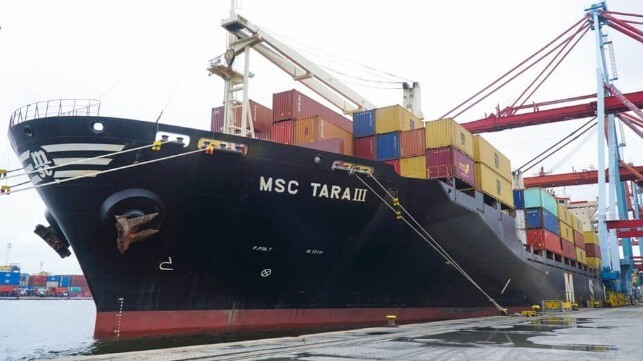
The latest incidents include a feeder containership that MSC recently placed on a new route to serve the Asian region. ReCAAP lists a report of a boarding in the early morning hours on Sunday, April 20, aboard the MSC Tara III (33,232 dwt / 3,300 TEU). The vessel was underway when three perpetrators were spotted at about 0500. The vessel was approximately 5.4 nautical miles off Pulau Cula, in the eastbound traffic separation lane of the Singapore Strait.

The master raised a general alarm and mustered the crew after the three individuals were seen on the upper deck of the vessel. They reported the individuals appeared to be carrying guns. The crew was safe and nothing was taken but it marked the first incident reported since April 7.

Less than 24 hours later a Panama-flagged tanker, Aquaris (106,500 dwt) also spotted boarders in the same general position. She was 2.5 nautical miles off Pulau Cula also in the eastbound lane. Again, three individuals were seen but this time with knives and entering the engine control room. The crew was not injured and nothing was stolen but it was the fifth incident in April.

Earlier in April, the product tanker Hafnia Hong Kong reported three perpetrators. In that instance, an air compressor and four padlocks were reported stolen. Also in recent incidents, the containership SITC Yuncheng reported lashing gear stolen and the containership Kota Halus said a portable welding machine was missing.

Since the beginning of the year, ReCAAP has listed a total of 41 incidents on vessels in or near the straits of Singapore and Malacca. Across the broader Southeast Asia region, ReCAAP has only received 49 reports so far in 2025.

At the end of the first quarter, ReCAAP highlighted that it had received reports of 35 incidents that occurred to ships while underway in the Straits of Malacca and Singapore. By comparison, it reported that there were 11 reports in the first quarter of 2024.

ReCAAP ISC has continued to urge the littoral States to increase patrols/surveillance in their respective waters. It also calls for a prompt response to incidents reported by ships, and strengthening coordination, and promoting information sharing on incidents and criminal groups involved to arrest the perpetrators. For vessels, it is urging greater caution and lookouts as the robbery spree continues.

The International Maritime Bureau, which is a specialized department of the International Chamber of Commerce, in its first quarter report, warned that the Southeast Asia region had become the hot spot for piracy. It also called for more action to stop the current surge in incidents in the region.


Crew Injured as Offshore Support Vessel Hits North Sea Wind Turbine

crew evacuation
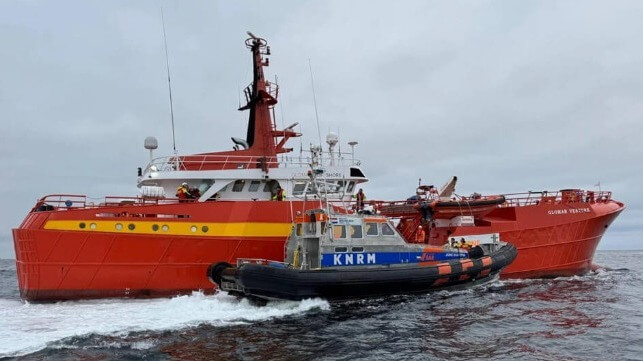
Three crewmembers sustained injuries when the support vessel reportedly struct the foundation for an offshore wind turbine (KNRM)

Published Apr 21, 2025 12:21 PM by The Maritime Executive


The Royal Dutch Sea Rescue Society reports it evacuated two injured crewmembers from a privately operated offshore standby safety vessel that had hit the base off an offshore wind turbine in the North Sea. There is no word on the condition of the two crewmembers who were taken to a hospital in the Netherlands while the media reports indicate a third crewmember also voluntarily went to the hospital after the vessel returned to port.

The call for the medical evacuation was issued at around 0700 on Sunday, April 20, with two rescue boats from the station in Egmond in the northern area of the Netherlands the first to respond. They were followed by boats from the Callantsoog and Den Helder stations.

The incident took place approximately 15 miles from Callantsoog on the northwest coast of the Netherlands. The offshore support Glomar Venture (560 gross tons) struck the foundation of one of the offshore wind turbines. The vessel built in 1990 and registered in Panama is 45.7 meters in length (150 feet) in length and was operating with a crew of eight. 

The owner of the vessel reports it is used for a variety of ERRV / Standby assignments in connection with the North Sea oil sector. Glomar Offshore highlights the good maneuverability of its vessels saying they can be used to monitor and protect offshore sites including issuing warnings to approaching vessels. It is unclear what the vessel was doing on Sunday morning.


Pictures in the Dutch media show a large dent on the prow of the ship. The rescue society reports two of its boats remained on the scene along with the Dutch Coast Guard vessel Guardian, and escorted the Glomar Venture to the port of Den Helder.

There have been reports in the past of service vessels working in offshore wind farms losing control and striking one of the foundations. Two years ago, German authorities reported a cargo ship operating in the North Sea docked with a large hole in its hull after striking a North Sea wind farm. German investigators later reported the master of the cargo ship had fallen asleep while he was on watch blaming a lack of a lookout and insufficient manning as contributing to the incident.

The Dutch police have begun an investigation into this latest incident.

NOAA Finds a Flashy Car Inside the Wreck of WWII Carrier USS Yorktown

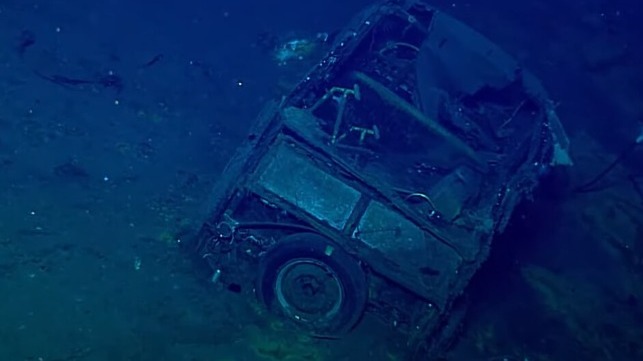
A small flash of chrome can be seen on the jeep's rear bumper, left of the spare tire (NOAA)
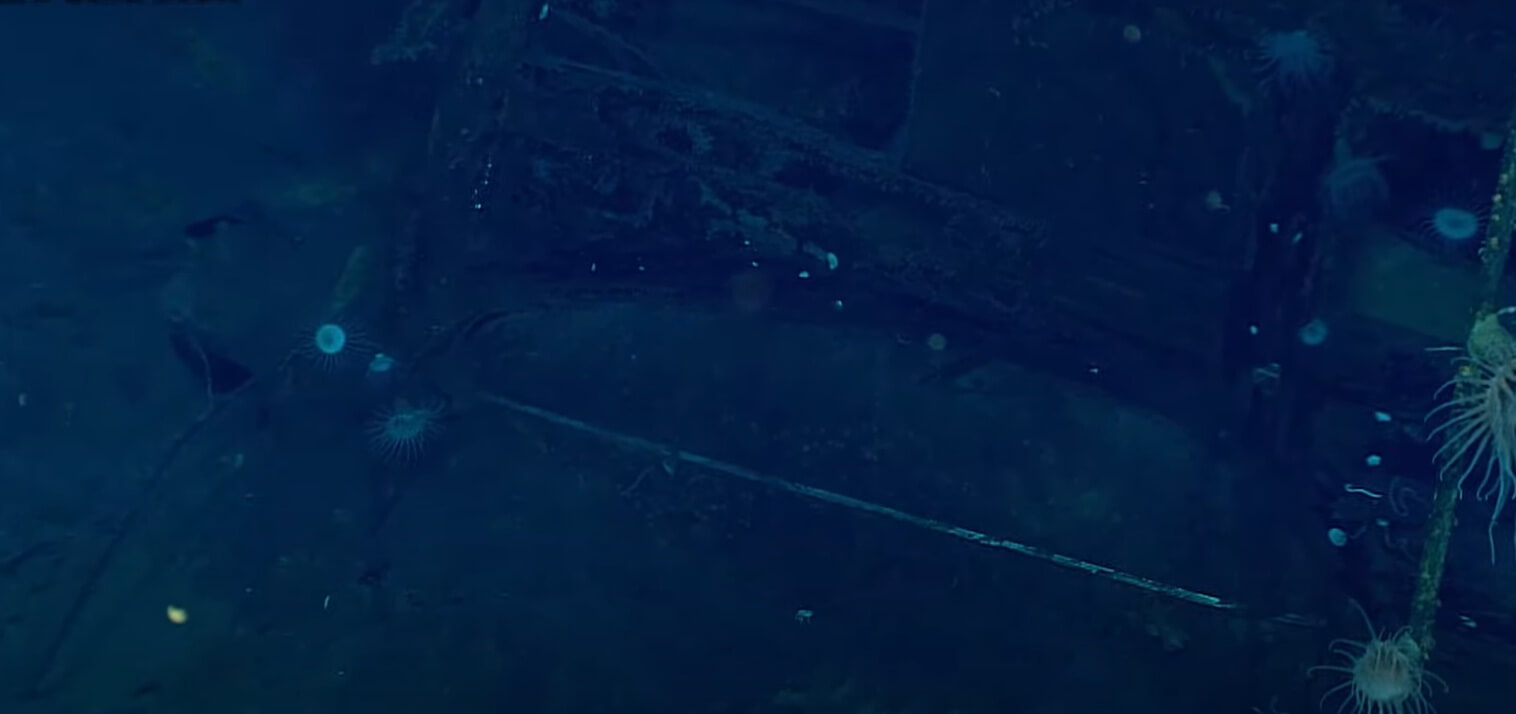
A small flash of chrome can be seen on the vehicle's rear bumper, half-buried to the left of the spare tire (NOAA)

Published Apr 21, 2025 4:10 PM by The Maritime Executive


On a recent deployment to the Pacific, a NOAA remotely operated vehicle (ROV) crew spotted an unusual vehicle inside the hangar of the lost aircraft carrier USS Yorktown (CV-5), which was lost in battle off Midway in 1942. 

Throughout April and May, NOAA Ocean Exploration is running a 28-day ROV and charting expedition aboard the research ship Okeanos Explorer in Papahanaumokuokea Marine National Monument, the protected archipelago that stretches westward from Kau'i to Midway Atoll. In addition to its natural riches, the area is home to historic WWII wrecks from the Battle of Midway, including Yorktown. The research effort is focused on areas of interest in waters deeper than 200 meters, where ROVs are essential for access. 

Commissioned in 1937, Yorktown had a distinguished combat history. She began her first Pacific patrol just months after Pearl Harbor and saw immediate action in the Marshall Islands and the Gilberts. She played a key role in the Battle of the Coral Sea, destroying the Japanese carrier Shoho and damaging the carrier Shikaku. The action prevented a Japanese invasion force from reaching Port Moresby, Papua New Guinea, slowing Japan's advance in the South Pacific. 

In early June 1942, Yorktown helped lead the defense of Midway, her bombers destroying carrier Soryu early in the battle. Yorktown sustained multiple bomb and torpedo hits, and after taking on a heavy list, her commander ordered abandon ship. She did not sink, however, and a salvage crew initially returned to try and right her for a tow back to Pearl Harbor - but a Japanese submarine attack on June 6 damaged her further, and her list increased. She slipped below the next morning. 

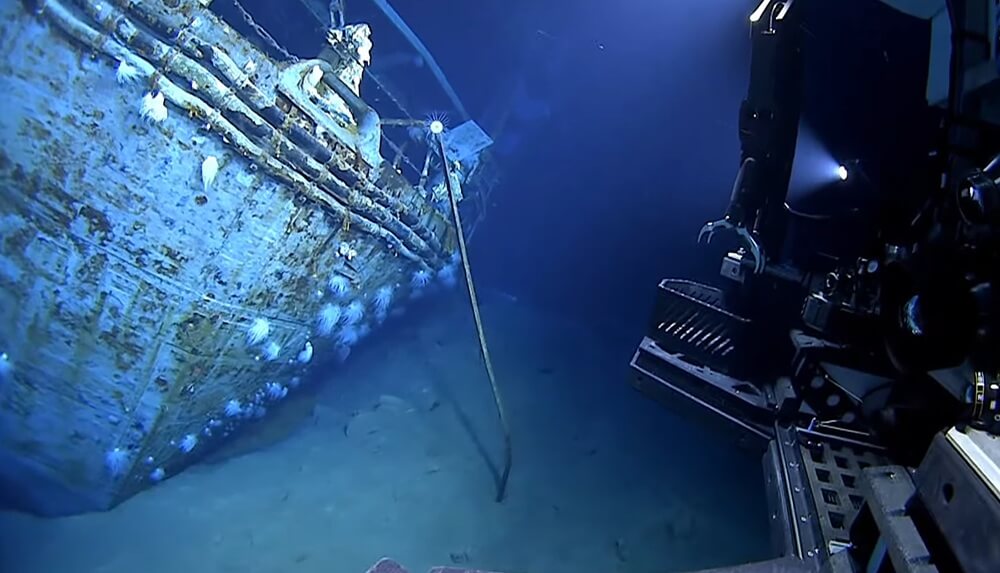
Exterior of USS Yorktown's hull, April 2025 (NOAA)

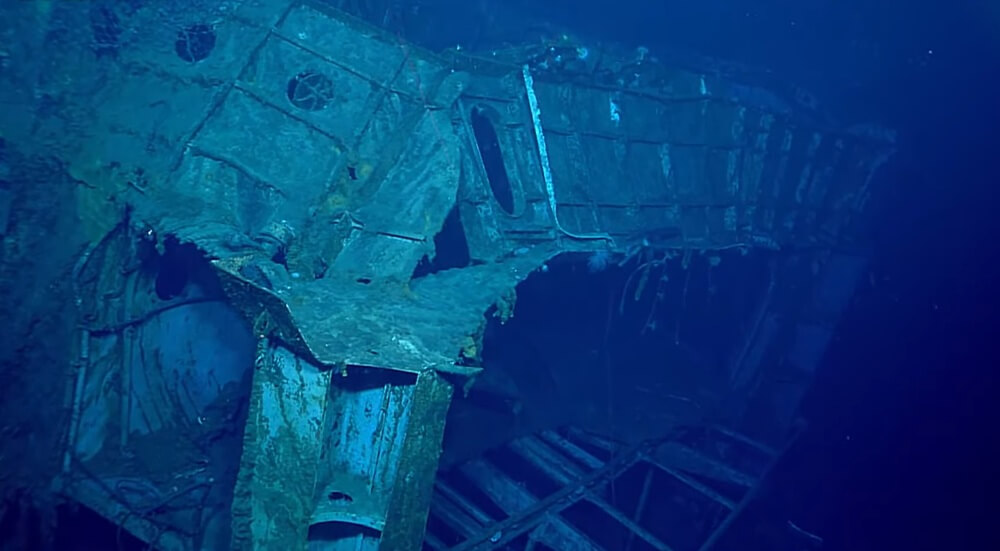
Yorktown's wreck site was rediscovered by Robert Ballard in 1998, and the NOAA mission returned in April for a closer look at the ship - including some daring interior footage, requiring precise piloting to keep the ROV safely free of entanglements in close quarters. Entering the number three elevator shaft and looking forward, the ROV crew spotted a vehicle located forward on the starboard side of the hangar deck. It had a square back, curved fenders and a now-shredded soft top. 

NOAA's team surmised that the car could be Adm. Frank Fletcher's flag vehicle, since USS Yorktown was his flagship. This would be consistent with a flash of chrome on the bumper and on one visible fender. Plenty of four-wheel-drive jeeps were carried aboard Yorktown and other Navy carriers in the Pacific theater, either as cargo for troops or for use as aircraft tugs - but this particular vehicle's chrome trim showed a level of flair not found on a typical GI-issue jeep. 

The vehicle's true identity remains to be confirmed, and NOAA has asked for the public's help in confirming whether it may indeed have belonged to Adm. Fletcher. On further review, NOAA believes it to be a 1940-41 Ford Super Deluxe "Woody," a civilian car with distinctive wood body and a unique combination of trim on the fenders (below). Such a car would be a likelier find on a country estate than on the deck of a carrier at sea, and would have been among the last cohort of mass-market vehicles that Ford produced before switching fully to wartime production. 

The vehicle's half-buried fender can just be made out in footage taken from outside the hangar (NOAA)