Friday, May 30, 2025


Watchdog warns of Kyrgyzstan using security apparatus to “dismantle independent journalism” after detentions

Watchdog warns of Kyrgyzstan using security apparatus to “dismantle independent journalism” after detentions
Journalist in forced exile Bolot Temirov “seems to be back in the focus of Kyrgyz authorities”, says the OCCRP. / Temirov LIVE, YouTube
By bne IntelliNews May 29, 2025

Amnesty International on May 29 accused Kyrgyzstan of using its security apparatus to “crush dissent and dismantle independent journalism” after the detention of six current and former employees of independent media outlet Kloop Media.

The rights organisation's director for Eastern Europe and Central Asia, said: “The detention of Kloop journalists is yet another stark example of how Kyrgyzstan’s security apparatus is being used to crush dissent and dismantle independent journalism. These actions are clearly intended to intimidate critical voices.”

Kloop is a partner of the Organized Crime and Corruption Reporting Project (OCCRP) global network of investigative journalists.

Responding to the detentions and security service raids on Kloop, the OCCRP said that investigative reporter Bolot Temirov, who was stripped of his Kyrgyz citizenship and forced into exile in 2022, “seems to be back in the focus of Kyrgyz authorities”.

That conclusion was drawn because, although the State Committee for National Security (GKNB) had not issued an official statement on the employees taken in for questioning, the head of Kyrgyz President Sadyr Japarov’s press service, Daiyrbek Orunbekov, claimed on Facebook that the journalists were under investigation for allegedly assisting Temirov. According to Orunbekov, Temirov paid the journalists to conduct “false investigations”.

Orunbekov further claimed that the detained journalists admitted to “carrying out Temirov’s illegal instructions” and had “refused to cooperate with him further,” adding that they confessed to “spreading false information and writing hit pieces against the state.”

Both Temirov—who in late 2023 claimed from his secret address somewhere in Europe that “sources have told me that an order has been issued to harm my physical integrity”—and Kloop founder Rinat Tukhvatshin were cited by the OCCRP as calling the claims lies. 

“They’re trying to fabricate a case to suit this person’s sick fantasies,” Temirov was reported as saying, referring to Orunbekov. “I don’t even know most of those journalists.”

“All detained reporters are Kloop journalists or their friends. As far as I know, they never worked with Bolot,” Tukhvatshin added.

Media rights watchdog Reporters Without Borders (RSF) condemned the detentions, calling them illegal and demanding the immediate release of the journalists.

The OCCRP said the arrests began on May 28 when GKNB agents raided the home of journalist Zyyagul Bolot kyzy in Osh and took her into custody. Cameraman Aleksandr Aleksandrov was detained in Bishkek a few hours later. Journalist Aiday Erkebaeva was also brought in for questioning in the capital, along with former Kloop journalists Zara Sydygalieva and Joomart Duulatov. On May 19, social media specialist Abdil Torobaev was taken into custody.

None of the detainees had access to legal counsel during questioning, said the OCCRP.

“These actions are a gross violation of the Criminal Procedure Code and human rights. People are being held virtually incommunicado, without even the chance to make a phone call. This goes beyond detention — it’s an abduction,” said Tukhvatshin.

Kloop’s lawyer, Bakyt Avtandil, also criticised the GKNB’s conduct.

“Neither the accused nor their relatives were given copies of the search reports, warrants, or court authorisations. We believe these were emergency searches, which by law must be justified before an investigative judge,” he said.

The GKNB claimed legal representation wasn’t necessary during what they called “personal conversations” with the suspects, Avtandil said, adding: “We consider this a serious violation. I was denied access to my clients for more than six hours.”


BEYOND THE BOSPORUS: Turkey is run by mobsters, says film director Fatih Akin in Cannes interview

BEYOND THE BOSPORUS: Turkey is run by mobsters, says film director Fatih Akin in Cannes interview
Fatih Akin’s manager Ayse Barim was jailed in January. / LinkedIn, Ayse BarimFacebookTwitter
By Akin Nazli in Belgrade May 29, 2025

Turkey is run by “mobsters”, says Turkish-German film director Fatih Akin, who has described how he fears ending up in jail if he goes back to his family homeland. Akin spoke out while talking to AFP at the Cannes Film Festival.

The auteur’s manager Ayse Barim has been in prison in Turkey since January. The talent manager is accused of having ordered actors under her management to take part in anti-government protests and support Istanbul mayor Ekrem Imamoglu, the main political rival to Turkish President Recep Tayyip Erdogan. Imamoglu was jailed in mid-March in what is widely seen as a political operation designed to sideline a politician who would be expected to beat Erdogan in an election.

Frequenter at Cannes

Akin, born in Hamburg in 1973 to a family of Turkish migrants, is a renowned movie director who won the Golden Bear award at the Berlin Film Festival with his film Head-On (Gegen Die Wand/Duvara Karsi) in 2004. He also scooped a best screenplay award in Cannes with The Edge of Heaven in 2007, and the Golden Globe award for best foreign language film with In the Fade in 2017.

Akin, a frequenter at Cannes, was this year present at its film festival with his latest work, Amrun.

Apolitical, neo-liberal capitalist

Barim is “totally apolitical and innocent” of the charges brought against her, Akin also told AFP, adding: “If they put her in prison, what the hell is going on? So, I better not go there. I don't want to take the risk.”

“Officially there is no warrant for me. But to be honest, I don't know,” he added.

Barim is about as far from being an activist as you could imagine, according to Akin.

“She's an agent, a talent manager, a neo-liberal capitalist for heaven's sake,” he also said.

Certain politicians are not even afraid to go to war if this helps them to stay in power and Turkey’s Erdogan is one of them, according to Akin.

Gezi cases, the regime’s panacea

As part of the case of “nonsense” faced by Barim is the statement that she talked 39 times with businessman Osman Kavala (imprisoned in Turkey on similar  charges made up of “nonsense” since 2017) during the Gezi protests of 2013, Akin also told the news service.

“Those 39 times were because of my film The Cut. Kavala financed part of it and she's managing me. So they talked because of me and both are now in prison. I'm the connecting point,” he said.

Court cases related to Gezi are what Turks refer to as “omnibus cases”. Anyone and everyone can somehow be linked to the countrywide mass protests that broke out and the regime repeatedly uses such omnibus cases when it decides to jail someone.

Akin said he suspected that Turkish prosecutors would try to pretend that he was also “part of the [imaginary] gang” that plotted to overthrow Erdogan in 2013.

“A lot of people are proud of me for showcasing Turkish culture and the diaspora. But these people [the Erdogan regime] don't care about that,” Akin remarked.

Accused by government media

Akin referred to the formal charges Barim has faced in court. However, when it comes to the informal accusations against her circulated by government media, the claims are mostly related to the support shown by actors in her stable for Imamoglu during the Istanbul mayoral election re-run in 2019.

Observers of the regime claim that Barim’s arrest in January formed part of the preparations made for the Imamoglu operation put into effect in March. The government, they say, set out to spread fear and anxiety among celebrities that would dissuade them from supporting the mayor once he was arrested.

Film noir: Actors jailed for perjury

On May 23, two actors under Barim’s management, Halit Ergenc and Riza Kocaoglu, were handed prison sentences for perjury related to the Barim investigation.

Following the detention of Barim, prosecutors approached the duo, pressing them to testify as witnesses. According to local media reports, they were pushed to state that they attended Gezi protests on the orders of Barim.

After they told the prosecutors that Barim did not contact them before they joined the protests, legal complaints were filed against them for perjury.

“Mobsters” in Cannes

Turkey’s general directorate of cinema (@SinemaGenelMd) opened a stand in Cannes, the country's culture ministry (@TCKulturTurizm) announced on May 14.

Erdogan’s “missteps” have doomed him, argues Council on Foreign Relations analyst

Erdogan’s “missteps” have doomed him, argues Council on Foreign Relations analyst
71-year-old Erdogan, pictured on May 29, still has the chance to choose the time and manner of his own exit, but such an approach is unlikely from him given his personality, says Barkey. / Turkish presidencyFacebook
By bne IntelliNews May 30, 2025

Turkey’s populist authoritarian leader, Recep Tayyip Erdogan, is fighting for his political survival, says a Council on Foreign Relations academic and analyst in a May 29 article published by Foreign Affairs titled, “The End of Erdogan: How the Turkish Leader Has Engineered His Own Undoing.”

Looking at Erdogan’s “predicament” since in the early hours of March 19, he “orchestrated a raid on the home” of Ekrem Imamoglu, Istanbul’s popular mayor and his chief political rival, who was arrested and indicted on “highly dubious charges, including baseless accusations of corruption and terrorism”, Henri J Barkey argues: “The charismatic and competent Imamoglu may be a uniquely threatening rival. But in truth, Erdogan’s decision to arrest Imamoglu did not create this crisis. It reflected a growing weakness. 

“Erdogan was already confronting mounting public fatigue with his presidency. His hubris and domineering leadership style have eroded the once broad enthusiasm for his rule, making him ever more desperate to constrain a now irrepressible dissatisfaction. A March 2024 Pew Research Center survey found that 55 percent of Turkish adults held an unfavorable opinion of Erdogan, and his party lost the 2024 municipal elections.

“The depth, scope, and duration of the recent protests [against the move on Imamoglu, who remains imprisoned] are new: the demonstrators fused their street protests with organized boycotts of pro-Erdogan businesses, online activism, and civil disobedience. Imamoglu’s arrest also brought fresh instability to Turkey’s already struggling economy.

“Erdogan has responded by doubling down and arresting, on a rolling basis, hundreds of Imamoglu’s associates, including colleagues, friends, former business partners, members of the Turkish business community, and family members. But these repressions now seem less like the acts of a potent authoritarian and more like the flailing of a threatened, insecure, and imperiled man.”

Imamoglu remains in jail, but 'it is Erdogan who is trapped'

Although Imamoglu remains in jail, it is Erdogan who is trapped, says Barkey, contending that his deepening unpopularity have diminished his ability to change the constitution or force early elections, the two legal options he can take to find a path that would enable him to extend his presidential tenure.

Four years from now when his current presidential term runs out, Erdogan will almost certainly no longer be president, predicts Barkey. “The fact that so many young Turkish citizens dared to demonstrate against him reflects the irrevocable degradation of his popularity.

“As the only leader these youth have ever known, he once seemed eternal, a fact of life. But no longer: his own missteps have doomed him. Polls suggest that if elections were held in Turkey tomorrow, he would not win. Regardless of future developments, Erdogan’s legacy will likely be defined by his decision to imprison his principal opponent—and serve as an example of how even the most formidable authoritarian leaders can overstep.”

In Barkey’s eyes, “until Imamoglu arrived on the scene, Erdogan had managed to turn bouts of public opposition or the emergence of competitors into excuses to further strengthen his authority”.

He adds: “Although he cultivates an image of omnipotence and infallibility, Erdogan is exceptionally thin-skinned. Turkish jails now overflow with politicians, journalists, academics, and citizens whose words or actions have been construed as offensive or oppositional.

“Individuals often languish in detention for months, awaiting trial for alleged offenses as trivial as a social media post from years past deemed insulting to the president. Between 2014 and 2020 alone, Erdogan’s government investigated approximately 160,000 Turks for insulting the president and prosecuted 35,000.”

Imamoglu, notes Barkey, “is the first politician in years to seriously jeopardize Erdogan’s hold on power” and Turkey’s leader of 22 years now wants to outlast the crisis provoked by jailing him “by relying on brute force, as he did during the 2013 Gezi Park protests. But his overreach has unintentionally united and energized the Turkish opposition. Labeling protests and economic boycotts terrorism or treason or banning marches is less successful today, because the opposition now has an appealing leader in Imamoglu as well as a unifying idea: that Turkey deserves a chance at building a democracy”.

“The longer Imamoglu remains imprisoned, the more his stature grows. It is only a matter of time before comparisons between him and figures such as Malaysia’s Prime Minister Anwar Ibrahim or the Czech playwright Vaclav Havel are drawn,” Barkey assesses.

And he concludes: “The fact is that the indomitable Erdogan has run out of room to maneuver. By choosing the time and manner of his exit, he could help ease the transition to a new leader and ensure Turkey is at peace with itself. He can still shape his legacy.

“His personality, however, suggests that he is unlikely to embark on such a shift. If he sticks to his typical approach, there is a significant risk that the Turkish public will turn decisively against him—and that his long, eventful tenure in office will be remembered more simply as an era of autocracy.”

Henri J Barkey is Cohen Professor of International Relations Emeritus at Lehigh University and Adjunct Senior Fellow for Middle East Studies at the New York-headquartered Council on Foreign Relations.


BERTRAND: ASEAN, GCC countries and China come together, forming the world’s largest economic bloc

BERTRAND: ASEAN, GCC countries and China come together, forming the world’s largest economic bloc
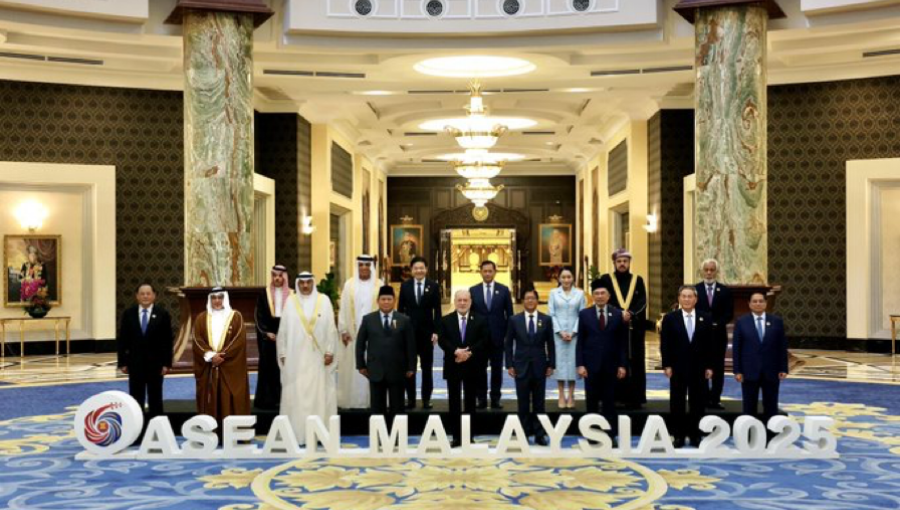
China, the countries of South-East Asia (ASEAN) and the Arab states (GCC) just held a summit in Kuala Lumpur to forge what could become the world's largest economic bloc. / bne IntelliNewsFacebookBy Arnaud Bertrand in Switzerland May 29, 2025

China, the countries of South-East Asia (ASEAN) and the Arab states (GCC) have just held a summit in Kuala Lumpur to forge what could become the world's largest economic bloc, covering everything from free trade agreements and de-dollarisation to Belt-and-Road connectivity.

Together, these countries have over 2bn people, 30% of the world's GDP and, crucially, about 55% of world GDP growth in PPP terms.

In their joint statement they agree to:

1) Massively develop free trade between them

"Promoting free trade and welcoming the full conclusion of the ASEAN-China Free Trade Area 3.0 Upgrade Negotiations, and looking forward to its early signing and entering into force, as well as an early conclusion of the China-GCC Free Trade Agreement negotiations"

2) Bypass the dollar

"Exploring cooperation on local currency and cross-border payments"

3) Belt and road expansion, for "seamless and efficient inter-connectedness"

"Promoting high-quality cooperation under Belt and Road Initiative and seamless connectivity, including through the development of logistics corridors and digital platforms"

4) Develop a cross-regional digital economy framework, including in AI

"Exploring a cross-regional framework to promote the digital economy, in areas such as digital trade, e-commerce, digital payment, fintech, artificial intelligence, start-ups and data security cooperation"

5) Energy markets coordination

"Supporting global energy market stability and adopting a balanced approach that does not exclude energy sources but instead innovates technologies that enable emissions management and efficient use of all energy sources"

In short, this could represent nothing less than the most significant realignment of global economic power in generations, bringing together 2bn people and more than half of the world's GDP growth under a single cooperative framework.

Arnaud Bertrand is an entrepreneur and China analyst. Can be found on X @RnaudBertrand. Bertrand founded HouseTrip, a leading European vacation rental marketplace, and is the founder and CEO of Me & Qi, one of the premier English-language platforms for Traditional Chinese Medicine. He is also a graduate and honorary professor of Ecole Hôtelière de Lausanne in Switzerland.


Bolivia's $2bn lithium deals with China and Russia suspended by court ruling

Bolivia's $2bn lithium deals with China and Russia suspended by court ruling
With general elections looming in August, the lithium saga is rapidly becoming a litmus test for Bolivia’s economic policy, democratic legitimacy, and environmental stewardship.
By Alek Buttermann May 30, 2025

Bolivia’s ambition to become a global leader in lithium extraction has once again hit a legal and political impasse. A local court ruling in the Andean region of Potosí has ordered the suspension of two high-profile contracts for lithium industrialisation with Chinese and Russian firms, effectively halting over $2bn in combined proposed investments. The decision not only exposes systemic weaknesses in Bolivia’s resource governance but also lays bare the deepening rift between the national government and indigenous communities over environmental protection and democratic accountability.

The contracts in question, signed with Russia’s state owned Uranium One Group, a multinational conglomerate that is part of the management network of TENEX Group under Rosatom State Corporation, and China’s Hong Kong CBC (a subsidiary of CATL), were designed to establish large-scale lithium carbonate plants using Russian-developed direct lithium extraction (DLE) technology in the Salar de Uyuni. These agreements had yet to receive legislative approval but had already prompted preliminary activities on-site—something opponents argue occurred without proper authorisation or environmental assessments.

The legal order, issued by a mixed court in the locality of Colcha K, was prompted by a popular action filed by the Central Única Provincial de Comunidades Originarias de Nor Lípez, representing more than 50 indigenous communities in the Uyuni area. Their petition cited violations of environmental rights and indigenous self-determination, demanding comprehensive environmental impact studies and formal consultation processes prior to any industrial development.

As reported by Infobae and PV Magazine, the ruling bars the state-run Yacimientos de Litio Bolivianos (YLB) and the Ministry of Hydrocarbons from undertaking any administrative or operational steps related to the contracts until the judicial process is concluded. The communities hailed the injunction as a “historic measure” defending their territories, water sources, and cultural heritage from what they see as extractivist overreach.

Despite this, the Bolivian government has maintained that it has not been formally notified of the ruling. Vice Minister of Alternative Energies, Álvaro Arnez, claimed that until official communication is received, the legislative process surrounding the contracts will continue. His statement, quoted by El Periódico de la Energía, insisted that “the contracts are not in effect until approved by the Assembly,” brushing aside allegations that unauthorised exploratory operations were already impacting local water availability.

The contracts themselves reflect a bold strategy by the Arce administration to industrialise Bolivia’s immense lithium reserves, estimated at 23mn tonnes, the largest in the world. Yet critics have repeatedly warned that the agreements disproportionately favour foreign investors and expose Bolivia to significant financial and operational risks.

According to Fundación Milenio, the Uranium One contract obliges YLB to repay all construction and exploration costs, despite the Russian partner having no obligation to operate the plant unless a separate agreement is reached. “The core issue is what happens if UOG refuses to operate the facility. YLB is left vulnerable, potentially saddled with a plant using foreign technology it may not know how to manage,” cautioned Henry Oporto, the think tank’s director, in an interview with El Diario.

Further concerns include the contracts' embedded royalty and legal clauses, which could limit Bolivia's flexibility to revise financial terms should national regulations change. While YLB President Omar Alarcón argues these provisions offer legal certainty and ensure national control over commercialisation, the opacity surrounding the deals and the rushed implementation of DLE technology—still unproven at commercial scale—raise serious doubts.

Minister of Economy Marcelo Montenegro has dismissed the judicial suspension as a "politically motivated obstacle to regional development." He lamented that “progress for Potosí and Oruro is being jeopardised,” pointing out that the international firms were offering technological services, not foreign ownership of Bolivian resources.

With general elections looming in August, the lithium saga is rapidly becoming a litmus test for Bolivia’s economic policy, democratic legitimacy, and environmental stewardship. Given the tense political climate, significant changes are likely as the country navigates the complex challenges surrounding its “white gold.” Bolivia’s lithium remains as politically volatile as it is strategically valuable.


COVID is back - a new "NB.1.8.1" strain is spreading across continents

COVID is back - a new
/ bne IntelliNews
By bnm Tehran bureau, bne Moscow bureau, bno Taiwan bureau May 30, 2025

The coronavirus (COVID-19) is back. Reports from health authorities around the world have detected a new highly contagious strain of the virus that has been spreading through Asia and has now reached Russia.

The virus never went away after first appearing in 2020, but subsequent variants have been less contagious or deadly than the original initial "wild-type" strain of SARS-CoV-2. The latest manifestation, a variant designated NB.1.8.1, is less lethal than that and health authorities have yet to pull the trigger on imposing public health protective measures. They say that most people will recover and only a small proportion will need hospitalisation, however, it is very contagious and now spreading fast.

NB.1.8.1 became the dominant strain across Japan, China, and Hong Kong, while now making its initial forays into the Americas and Europe, according to the latest reports.

Though the world has largely moved on from the chaos caused by the pandemic five years ago, this new variant serves as a stark reminder that SARS-CoV-2 could potentially cause further disruptions in the near future, should it mutate again.

bne IntelliNews staff in Moscow are down with the virus and have been self-isolating. Doctors in the Russian capital told bne IntelliNews staff that the virus spread is spreading and they worry it is getting to epidemic proportions. But there have been few fatalities and victims are being treated with regular off the shelf medication for viral infections. Doctors recommend victims to stay at home and take plenty of rest and liquids.

While the Russian outbreak means the virus has arrived in Europe, sanctions on Russia will slow down its spread. All direct flights between Moscow and the European capitals were cancelled three years ago following the invasion of Ukraine. Russian can still travel to Europe, but only through circuitous routes via Istanbul or Belgrade that are prohibitively expensive. Russian tourists have taken to holidaying in Asia since the start of the war and there have been no significant outbreaks in Western Europe as of the time of writing.

The epicentre of this latest outbreak lies firmly in East Asia. NB.1.8.1 is now the dominant COVID-19 strain in China, where it is contributing to spikes in emergency room visits and hospitalisations, whilst it was the dominant variant in Hong Kong and China at the end of April.

Hong Kong authorities report that COVID-19 levels are the worst in at least a year, following what officials describe as a "significant increase" in reported emergency room visits and hospitalisations driven by COVID-19 there as well. The severity of the situation has prompted Hong Kong health officials to issue public guidance urging residents to don masks on public transport and in crowded areas—a return to pandemic-era precautions that many hoped were consigned to history.

Health authorities in Taiwan have also reported a rise in emergency room visits, severe cases and deaths, whilst Taiwan has seen a rise in severe cases and deaths, prompting officials to stockpile vaccines and antiviral treatments in anticipation of further spread, the bne IntelliNews bureau in Taiwan reports.

Likewise, an outbreak has been reported in Singapore, with the number of confirmed cases doubling in a week from 16,000 to 33,000, according to the local health authorities.

The variant's international reach became apparent through genomic surveillance programmes. As of May 18, 518 NB.1.8.1 sequences were submitted to GISAID from 22 countries, representing 10.7% of the globally available sequences. This figure represents a significant rise from 2.5% four weeks prior, demonstrating the variant's rapid ascendancy.

America's airport screening programme, operated through the Centres for Disease Control and Prevention, has detected the variant amongst international travellers arriving from diverse origins. Cases linked to the NB.1.8.1 variant have been reported in arriving international travellers at airports in California, Washington state, Virginia and the New York City area, with infected passengers having departed from Japan, South Korea, France, Thailand, the Netherlands, Spain, Vietnam, China and Taiwan. Beyond these airport detections, cases of NB.1.8.1 have also now been reported by health authorities in other states, including Ohio, Rhode Island and Hawaii.

NB.1.8.1 is not a killer

NB.1.8.1 represents another evolutionary step in the Omicron lineage, descending from the recombinant XDV lineage. The variant carries the following additional spike mutations: T22N, F59S, G184S, A435S, V445H, and T478I compared to the currently dominant LP.8.1 strain.

These mutations appear to confer enhanced transmissibility, say doctors. There is some evidence in the lab that this variant binds more tightly to human cells, which means it is easier to transmit, according to infectious disease specialists.

As of now, there is limited publicly available data on the exact R₀ (basic reproduction number) of the NB.1.8.1 variant of coronavirus. NB.1.8.1 is a sub-lineage of Omicron and as such highly transmissible --  possibly among the most contagious of all SARS-CoV-2 variants to date.

Estimated R₀ for Omicron subvariants ranges from 8 to 12, according to data from public health agencies and modelling studies. However, NB.1.8.1 specifically has not had a distinct R₀ value published in peer-reviewed studies or by major public health organisations as of the time of writing.

The original strain of SARS-CoV-2 that emerged in Wuhan in late 2019 had an estimated R₀ of 2 to 3 – relatively low. That means each person infected with SARS-CoV-2 typically infected two to three other people in the absence of immunity or mitigation measures.

However, crucially, the WHO has not yet observed any evidence it causes more severe disease compared to other variants. In other words, it is not a killer.

The clinical presentation of NB.1.8.1 infections mirrors that of its predecessors. Common symptoms include sore throat, fatigue, fever, mild cough, muscle aches, and nasal congestion, with gastrointestinal symptoms may also occur in some cases.

Commonly reported symptoms include respiratory issues such as cough and sore throat, as well as systemic effects like fever and fatigue, confirmed by the bne IntelliNews staff in Moscow, who complain of aches and constant fatigue.

The consistency of symptoms across variants reflects the fundamental biology of SARS-CoV-2, even as the virus acquires mutations that enhance its fitness. Infectious disease experts emphasise that data indicates that NB.1.8.1 does not lead to more deadly respiratory problems the 2020 version caused. However, it appears to have a growth advantage over the earlier version, suggesting it may spread more easily.

The emergence of NB.1.8.1 coincides with significant shifts in American vaccine policy. The Trump administration has restricted access to updated COVID-19 vaccines, limiting them to those over 65 or with underlying medical conditions, whilst requiring extensive clinical trials for broader use. This policy change means that many Americans without underlying conditions, such as diabetes, the most vulnerable group, may not have access to updated shots this autumn.

Despite these restrictions, the WHO has noted that current COVID-19 vaccines should still protect against severe disease caused by this variant. Vaccine manufacturers Pfizer and Moderna have presented data suggesting that vaccines targeting the LP.8.1 lineage can be considered as a suitable alternative and may offer cross-protection against NB.1.8.1.

The timing of this outbreak aligns with established patterns of COVID-19 circulation. The U.S. has historically seen COVID cases spike twice during the calendar year — once in the winter and again in the summer months — and 2025 should be no exception. Recent increases in SARS-CoV-2 activity are broadly consistent with levels observed during the same period last year, though global surveillance capacity remains limited.

The World Health Organisation's assessment suggests this represents part of the virus's natural evolution rather than a dramatic shift in pandemic dynamics.

Since mid-February 2025, according to data available from sentinel sites, global SARS-CoV-2 activity has been increasing, with the test positivity rate reaching 11%, levels that have not been observed since July 2024.

Public health officials worldwide are adopting a pragmatic approach to the emergence of NB. 1.8.1. Unlike the early days of the pandemic, when each new variant sparked widespread alarm, the response this time has been notably restrained. Governments are not reimposing lockdowns or widespread restrictions, recognising both the variant's limited severity and the public's pandemic fatigue.

Yet this measured response should not be mistaken for indifference. Health systems are quietly preparing for increased caseloads, with Hong Kong already experiencing strain in its emergency departments.

The variant's enhanced transmissibility means more infections are inevitable, and even if the proportion requiring hospitalisation remains unchanged, absolute numbers may rise significantly. The real test will come in the Northern Hemisphere's autumn, when respiratory viruses traditionally flourish. If NB.1.8.1 establishes itself as the dominant strain by then, health services could face renewed pressure just as seasonal influenza returns.


'Absolutely terrified': Trump HHS slammed for axing human bird flu vaccine contract


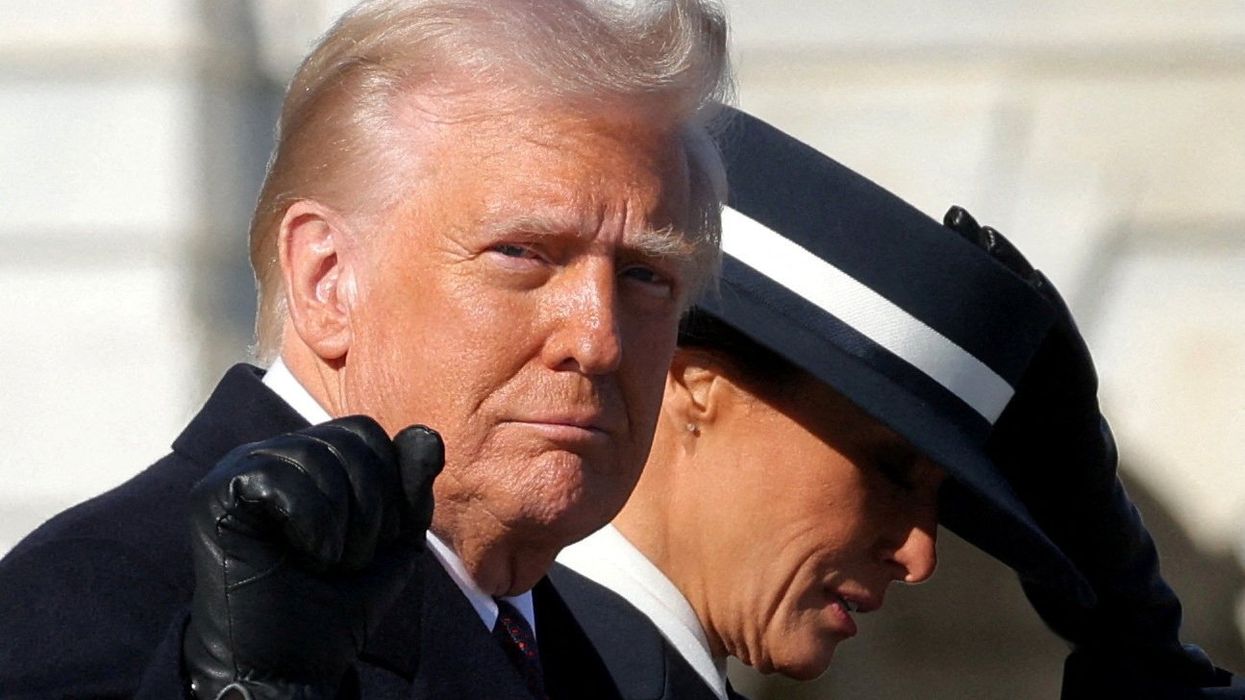
FILE PHOTO: U.S. President Donald Trump gestures beside U.S. first lady Melania Trump as they leave the U.S. Capitol building on the inauguration day of Donald Trump's second presidential term in Washington, U.S. January 20, 2025. REUTERS/Carlos Barria/File Photo

May 29, 2025 |
THE NEW CIVIL RIGHTS MOVEMENT


The Trump administration Department of Health and Human Services has canceled a $766 million contract with Moderna to complete the development of a vaccine to protect humans against potential pandemic flu viruses, including bird flu. Outbreaks in animals have hit all 50 U.S. states and the disease has started jumping to the human population. Experts are expressing concern and outrage over the decision, calling it “a significant blow to pandemic preparedness.”

Moderna’s bird, or avian, flu vaccine was to be built on its mRNA technology that successfully helped end the COVID pandemic. Health and Human Services Secretary Robert F. Kennedy Jr., a promoter of vaccine misinformation and conspiracy theories, has expressed opposition to mRNA vaccines in particular, according to The Washington Post.

“The cancellation means that the government is discarding what could be one of the most effective and rapid tools to combat an avian influenza outbreak,” Amesh Adalja, senior scholar at the Johns Hopkins Center for Health Security told Reuters.

Secretary Kennedy this week also canceled the CDC’s recommendation of coronavirus vaccine boosters for pregnant women and healthy children, another action that has been met with strong opposition by medical experts.

“Bird flu has infected 70 people, most of them farm workers, over the past year as it has spread aggressively among cattle herds and poultry flocks,” Reuters noted. Secretary Kennedy “has questioned the use of vaccines and earlier this year drew censure from some in the U.S. Congress after he suggested in a television interview that poultry farmers should let the bird flu spread unchecked through their flocks to study chickens who did not contract it.”

In 2023, the World Health Organization warned of reports of mammals being infected with the H5N1 bird flu, and urged vaccine manufacturers prepare for any possible bird flu pandemics in humans.

As recently as March, experts from the Coalition for Epidemic Preparedness Innovations (CEPI), urged “urgent global action on pandemic preparedness to close dangerous gaps in the world’s ability to develop and deliver new protective vaccines.” That report specifically mentioned bird flu.

Pointing to a news report on HHS canceling the Moderna bird flu vaccine contract, Gabrielle A. Perry wrote: “As an epidemiologist and as an American I am so absolutely terrified for the future of this country.”

'Flying blind': A livestock-killing pest is set to make a comeback — thanks to Trump

Photo by Antonio Groß on Unsplash
May 29, 2025 | 
This story was originally published by Grist


To a throng of goats foraging in a remote expanse of Sanibel Island, Florida, the low whir of a plane flying overhead was perhaps the only warning of what was to come. As it passed, the specially modified plane dropped scores of parasitic New World screwworm flies through an elongated chute onto the herd.

Then the plane’s whir gave way to the swarm’s buzz. It was 1952, and the U.S. Department of Agriculture was conducting a series of field tests with male screwworm flies that had been sterilized with gamma radiation. The experiment’s aim was to get them to mate with their female counterparts, reduce the species’ ability to reproduce, and gradually shrink the population — and its screw-shaped larvae’s propensity to burrow into living mammals before swiftly killing their host — into oblivion.

It didn’t fully work, but the population did diminish. So the team of scientists tried again; this time in an even more remote location — Curaçao, an island in the Dutch Caribbean. That quickly proved to be successful, a welcome development after a decades-long battle by scientists, farmers, and government officials against the fly, which was costing the U.S. economy millions annually and endangering colossal numbers of livestock, wildlife, and even the occasional human. Within months, the screwworm population on Curaçao fell, and the tactic would be replicated at scale.

The USDA took its extermination campaign first throughout much of the south, and then all the way west to California. From then on, planes loaded with billions of sterilized insects were also routinely flown over Mexico and Central America. By the 1970s, most traces of the screwworm had vanished from the U.S., and by the early 1990s, it had all but disappeared from across the southern border and throughout the southernmost region of North America.

Since 1994, the USDA has partnered with the Panamanian government to control and wipe out established populations all the way down to the country’s southeastern Darién province, where the Comisión Panamá–Estados Unidos para la Erradicación y Prevención del Gusano Barrenador del Ganado, or COPEG, now maintains what’s colloquially called the “great American worm wall.” Each week, millions of sterilized screwworms bred in a nearby production facility are dropped by plane over the rainforest along the Panama-Colombia border — an invisible screwworm biological barrier zone, complete with round-the-clock human-operated checkpoints and inspections. But questions are now surfacing about its efficacy.

The pest is attracted to open wounds as small as tick bites and mucous membranes, such as nasal passages, where the female fly lays her eggs. A single female can lay up to 300 eggs at a time, and has the capacity to produce thousands during her short lifespan. Those eggs then hatch into larvae that burrow into the host animals with sharp mouth hooks and feed on living flesh.

To save the host, the larvae must be removed from the infested tissue. Otherwise the infestation can cause serious harm, and can even be fatal within a matter of days.

Female flies generally mate only once in their lifespan, but can continuously lay more than one batch of eggs every few days, which is why the sterile-insect technique has long been considered a fail-safe tactic for wiping out populations, when accompanied by surveillance and host treatment and quarantine. The best way to prevent infestation, according to the Centers for Disease Control and Prevention, is to avoid exposure.

About 20 years after the “worm wall” was created, the screwworm was spotted in the Florida Keys, the first sighting in the Sunshine State since the 1960s. An endangered deer population in Big Pine Key was discovered with the telltale symptoms of gaping wounds and erratic, pained behavior. The USDA responded rapidly, deploying hordes of sterilized flies, setting up fly traps in affected areas, and euthanizing deer with advanced infections. In totality, the parasite killed more than 130 Key deer, a population estimated at less than 1,000 before the outbreak. Though the threat was contained by the following year, the incident stoked concerns throughout the country.

No one really knows why the worm wall has started to fail. Some believe that human-related activities, such as increasing cattle movements and agricultural expansion, have allowed the flies to breach the barrier that, until recently, had been highly effective at curbing the insect’s range expansion. Max Scott, professor of entomology and genetics at North Carolina State University, researches strains of livestock pests for genetic control programs, with a focus on the screwworm.

“Why did it break down after being successful for so long? That’s the million-dollar question,” said Scott.

Bridget Baker, a veterinarian and research assistant professor at the University of Florida Institute of Food and Agricultural Sciences, thinks climate change may have had something to do with the screwworm’s sudden reappearance in the Florida Keys. “There was a major storm just prior to the outbreak. So the question is, were flies blown up from Cuba, for example, into the Florida Keys from that storm?” said Baker. Though invasive in the U.S., the screwworm is endemic in Cuba, South America, Haiti, and the Dominican Republic.

“And if there’s more major storms, could that potentially lead to more of these upward trajectories of the fly?” she added. “With climate change, all sorts of species are expected to have range shifts, and so it would be reasonable to assume that the flies could also experience those range shifts. And those range shifts are expected to come higher in latitude.”

In the past few years, we may have seen just that happen. In 2023, an explosive screwworm outbreak occurred in Panama — the recorded cases in the country shot up from an average of 25 cases annually to more than 6,500. Later that year, an infected cow was found in southern Mexico not far from the border of Guatemala. In response, last November, the USDA halted Mexico’s livestock imports from entering Texas and increased deployments of sterile screwworm males south of the border. Early this year, the suspension was lifted, after both nations agreed to enhanced inspection protocols.

Then, on May 11, the USDA suspended live cattle, horse, and bison imports from Mexico yet again. The fly had been spotted in remote farms in the Mexican states of Oaxaca and Veracruz, only 700 miles from the southern U.S. border. Experts worry it may just be on the verge of resurging in the U.S.

If the screwworm does regain its stronghold in the U.S., estimates suggest it will result in billions in livestock, trade, and ecological losses, and the costs of eradication will be steep. It could also take years to wipe out again, and decades for sectors like the cattle industry to recover. But with President Donald Trump’s USDA overtly refusing to acknowledge climate change or fund climate solutions, and federal cuts resulting in a skeleton agency to tackle the issue, any attempts to halt the range expansion of the fly may ultimately be doomed.

In a press release about the temporary ban, the USDA noted that it would be renewed “on a month-by-month basis, until a significant window of containment is achieved.”

“This is not about politics or punishment of Mexico, rather it is about food and animal safety,” stated Agriculture Secretary Brooke Rollins, who previously criticized Mexico for imposing restrictions on a USDA contractor conducting “high-volume precision aerial releases” of sterilized flies in its southern region.

New Mexico Senator Ben Ray Luján, a Democrat and member of the Senate Committee on Agriculture, Nutrition, and Forestry, co-sponsored the STOP Screwworms Act, a bill introduced to the Senate on May 14 that would authorize $300 million for the USDA to begin construction on a new sterile fly production facility.

“It is vital that Congress act to pass this legislation to protect our farmers and ranchers and prevent an outbreak in the U.S.,” Luján told Grist. When asked about the absence of climate change in the USDA’s messaging about the screwworm, Luján said he’d “long fought to ensure our agricultural communities have the tools they need to confront climate change and its growing impact on farmers and ranchers. Unfortunately, this administration does not share those priorities.”

The bill has bipartisan support, but another major concern is the USDA’s shrinking capacity to contain the screwworm threat. As part of an effort by the administration to gut spending across most federal agencies, the USDA has cut more than 15,000 staffers since January, leaving behind a skeleton workforce. Several hundred were employees at the Animal and Plant Health Inspection Service who were working to prevent invasive pest and disease outbreaks. The budget reconciliation bill currently making its way through Congress includes proposals to further cut USDA spending and gut the agency’s research arms.

A spokesperson for the USDA declined to comment for this article, and did not respond to Grist’s questions about the role of climate change in escalating the screwworm expansion risk.

Andrew Paul Gutierrez, professor emeritus at University of California, Berkeley, has been investigating the relationship between invasive pests and weather since the 1970s. In 2014, he found that the screwworm moves northward to new regions on anticyclonic winds, or a high-pressure weather system, which scientists believe warming may be affecting — leading to prolonged and more intense heatwaves and shifting wind patterns.

Before it was widely eradicated, the screwworm had been considered somewhat of a seasonal problem in more northern climates where it wasn’t endemic, as it was routinely killed off by freezing temperatures. Though the metallic green-blue fly thrives in tropical temperatures, it doesn’t tend to survive in conditions lower than 45 degrees Fahrenheit, though the movement of livestock and wildlife has shown that colder spells aren’t a silver bullet. As the planet heats up, rising temperatures are creating more favorable conditions for a legion of agricultural pests, like the parasitic fly, to spread and thrive.

Thirty-year average coldest temperatures are rising almost everywhere in the U.S., a new Climate Central analysis found. Future climatic modeling predicts those average temperatures will only continue to climb — further influencing which plants and insects thrive and where across the country.

“With climate change … if it becomes warm enough, and you can get permanent establishment in those areas, then we got a problem,” said Gutierrez.

As the USDA attempts to skirt the role of climate change and weather dynamics in escalating the threat, Gutierrez questions whether the agency’s response and longer-term plan to combat the threat from screwworm flies is destined to fall short. The agency’s response is missing what Gutierrez designates “really critical” insight into how screwworms interact with temperature conditions, and what climate-induced shifts in those means for its survival and reproduction.

The USDA, said Gutierrez, “spends an awful lot of money” on dealing with the screwworm issue, but he argues that is being hindered by a lack of understanding of the weather-pest-biology relationship, or how weather drives the dynamics of such a species. “And if you don’t know that, then you can’t, say, model the interaction of the invasive species and its natural enemies, or the effects of weather on the invasive species itself,” he said.

“Without that kind of platform, you’re kind of flying blind.”

This article originally appeared in Grist at https://grist.org/food-and-agriculture/trump-climate-denial-screwworm-fly-make-comeback/.

Grist is a nonprofit, independent media organization dedicated to telling stories of climate solutions and a just future. Learn more at Grist.org
Half the world faced an extra month of extreme heat due to climate change: study

Washington (AFP) – Half the global population endured an additional month of extreme heat over the past year because of manmade climate change, a new study found Friday.


Issued on: 30/05/2025 

The sun sets on September 5, 2024 in Los Angeles, California, where temperatures hit 100F (38C) amid an excessive heat warning © Frederic J. BROWN / AFP/File


The findings underscore how the continued burning of fossil fuels is harming health and well-being on every continent, with the effects especially under-recognized in developing countries, the authors said.

"With every barrel of oil burned, every tonne of carbon dioxide released, and every fraction of a degree of warming, heat waves will affect more people," said Friederike Otto, a climate scientist at Imperial College London and co-author of the report.

The analysis -- conducted by scientists at World Weather Attribution, Climate Central, and the Red Cross Red Crescent Climate Centre -- was released ahead of global Heat Action Day on June 2, which this year spotlights the dangers of heat exhaustion and heat stroke.

To assess the influence of global warming, researchers analyzed the period from May 1, 2024 to May 1, 2025.


They defined "extreme heat days" as those hotter than 90 percent of temperatures recorded at a given location between 1991 and 2020.

Using a peer-reviewed modeling approach, they then compared the number of such days to a simulated world without human-caused warming.

The results were stark: roughly four billion people -- 49 percent of the global population -- experienced at least 30 more days of extreme heat than they would have otherwise.

The team identified 67 extreme heat events during the year and found the fingerprint of climate change on all of them.

The Caribbean island of Aruba was the worst affected, recording 187 extreme heat days -- 45 more than expected in a world without climate change.

The study follows a year of unprecedented global temperatures. 2024 was the hottest year on record, surpassing 2023, while January 2025 marked the hottest January ever.

On a five-year average, global temperatures are now 1.3 degrees Celsius above pre-industrial levels -- and in 2024 alone, they exceeded 1.5C, the symbolic ceiling set by the Paris climate accord.

The report also highlights a critical lack of data on heat-related health impacts in lower-income regions.

While Europe recorded more than 61,000 heat-related deaths in the summer of 2022, comparable figures are sparse elsewhere, with many heat-related fatalities misattributed to underlying conditions such as heart or lung disease.

The authors emphasized the need for early warning systems, public education, and heat action plans tailored to cities.

Better building design -- including shading and ventilation -- and behavioral adjustments like avoiding strenuous activity during peak heat are also essential.

Still, adaptation alone will not be enough. The only way to halt the rising severity and frequency of extreme heat, the authors warned, is to rapidly phase out fossil fuels.

© 2025 AFP
Oil-rich UAE orders emissions monitoring in new climate law

Dubai (AFP) – The United Arab Emirates, a major oil exporter, began mandatory emissions monitoring for companies on Friday under a new law targeting climate change.


Issued on: 30/05/2025 - 

Dubai's skyline seen shrouded in haze in December 2023 
© Giuseppe CACACE / AFP


Greenpeace hailed the move, a first for the Middle East but already in place in dozens of countries worldwide, as a "bold leap toward regional climate leadership".

The UAE, one of the world's top oil exporters, neighbours several oil-rich countries including Saudi Arabia and Iran along with Qatar, a leading gas producer.

Under the new law, companies are required to report and reduce their emissions of the greenhouse gases that are responsible for global warming.

Ghiwa Nakat, executive director of Greenpeace MENA, called it a "progressive move".

"By institutionalising emissions monitoring and climate adaptation, the UAE is setting a compelling example for countries across the region," she said in a statement.

Public and private companies now have to regularly monitor emissions and take steps to reduce them, or risk fines of up to two million dirhams ($545,000).

However, Greenpeace said the UAE also needed to set clear reduction targets, especially for major sectors such as energy and transport.

The UAE, which hosted the United Nations' COP28 climate talks in 2023, is targeting net-zero domestic carbon emissions by 2050.

In its latest climate roadmap submitted to the UN, the Gulf monarchy committed to reducing emissions by 47 percent of 2019 levels by 2035.

© 2025 AFP

Water will one day be more valuable than oil in Central Asia, warns Tajik analyst

Water will one day be more valuable than oil in Central Asia, warns Tajik analyst
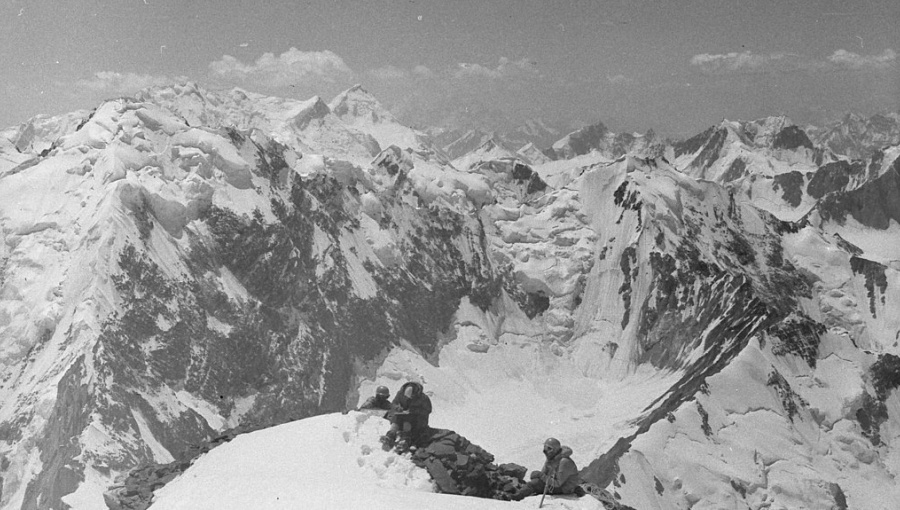
Changes high up in upstream Tajikistan's mountains caused by the climate crisis, particularly the melting of glaciers, could cause downstream regional water shortages in years ahead. Pictured is a scene from Tartu Ulikool 350, a peak in the Tanimas mountain range in the Pamirs. / Jaan Künnap, cc-by-sa 4.0
By bne IntelliNews May 29, 2025

Growing water scarcity means that water in Central Asia will one day be more valuable than oil.

The warning, once delivered by Tajik President Emomali Rahmon, was repeated by Tajik analyst Saodat Jurakhonzoda in a Zamin article on what the region should expect in the decades ahead in terms of water and energy, transport, industrial cooperation and social development.

The article was published on May 29, just as Tajikistan began its hosting of the major three-day International Conference on Glacier Preservation, as announced by the World Meteorological Association in a press release.

It also appeared with the debate intensifying in Central Asia over Afghanistan’s increasing claims on water from a crucial river that flows along the southern border of the region, the Amu Darya.

Jurakhonzoda talked of Tajikistan’s five priorities for the future.

She was reported as saying: “These include ensuring food security, achieving energy independence, overcoming communication dead-ends, developing industrialisation, and transforming Tajikistan from an agrarian into an agro-industrial country. We will need to work on all five areas together to improve our overall economic condition.”

She added: “The value of water is increasing around the world. We have raised the issue of water even at the UN. As President Rahmon said, water will one day be more valuable than oil. Of the 14,000 glaciers in the Pamir Mountains of Tajikistan, a thousand have already melted. Is this just our problem? No, it is a regional one. Don’t forget — most rivers in Central Asia originate in Tajik mountains. To secure the future of Central Asia, we must preserve these glaciers.”

An economist from Kazakhstan was, meanwhile, quoted as stating that infrastructure in Central Asia built during the Soviet era was still functioning, but that between 2025 and 2030, it would become completely outdated.

“The Soviet infrastructure is severely outdated. Yes, the Soviet Union has legally collapsed, but its legacy is still alive. Between 2025 and 2030, the infrastructure they built will become entirely obsolete. We feel like we are physically stuck in the post-Soviet space.

“For instance, in Kazakhstan, 70% of the energy infrastructure is outdated. Sadly, despite having rich oil reserves, independent Kazakhstan has not been able to invest in building new energy capacities in time,” said Rakhim Ushakbayev