Saturday, July 05, 2025

TORY, LABOUR, SAME OLD STORY

UK police arrest supporters of banned Palestine Action group at London protest


British police on Saturday arrested more than 20 people on suspicion of terrorism offences after they demonstrated beneath a statue of Mahatma Gandhi in London in support of the Palestine Action group. The protest came hours after the Palestine Action group was banned under British anti-terror laws.


Issued on: 05/07/2025 - 
By: FRANCE 24

Protesters demonstrate in support of 'Palestine Action', organised by the Defend Our Juries group, in front of the Mahatma Gandhi statue in London, July 5, 2025. 
© Jeff Moore, AP

More than 20 people were arrested Saturday in the UK on suspicion of terrorism offenses after protesters gathered in central London in support of Palestine Action.

The protest in Parliament Square came hours after the pro-Palestinian activist group was banned in Britain under anti-terrorism laws.

The group lost a last-minute court battle late Friday seeking to block the British government's ban, which came into effect at midnight. Activists and their supporters have said the group is non-violent and advocates civil disobedience, and condemned the government decision as authoritarian.

A small group of protesters stood beneath a statue of Mahatma Gandhi and held placards reading, “I oppose genocide. I support Palestine Action.”


Police surrounded them and several people were taken away. One woman seen lying on the ground in handcuffs was carried by officers to a police van.

“Palestine Action is a proscribed group and officers will act where criminal offences are committed,” the Metropolitan Police said in a statement.

The designation as a proscribed group under the Terrorism Act 2000 means that membership of the group and support of its actions a criminal offense punishable by up to 14 years in prison.

Under UK law, offences include inviting support, expressing approval, or displaying symbols of a banned group and are punishable by up to 14 years in prison and/or a fine. Britain has proscribed 81 groups under anti-terrorism laws, including Hamas, al Qaeda and the Islamic State (IS) group.

The government moved to ban Palestine Action after activists broke into a Royal Air Force base in Brize Norton in Oxfordshire, England, on June 20, damaging two planes using red paint and crowbars in protest at the British government's ongoing military support for Israel in its war in Gaza.

Police said that the incident caused around 7 million pounds' ($9.4 million) worth of damage.

Four people between 22 and 35 years old were charged Thursday with conspiracy to commit criminal damage and conspiracy to enter a prohibited place for purposes prejudicial to the interests of the U.K.

No pleas were entered at Westminster Magistrates’ Court in central London and the four are scheduled to appear on July 18 at the Central Criminal Court.

Palestine Action has targeted Israel-linked companies in Britain in its protests, with British Interior Minister Yvette Cooper saying that violence and criminal damage have no place in legitimate protest and that the group's activities justify proscription.

Critics of the decision, including some UN experts and civil liberties groups, have argued that damaging property does not amount to terrorism.

At another protest on Saturday, the police arrested five pro-Palestine protesters from the Youth Demand group who threw red paint over a truck involved in London's Pride parade and glued themselves to the vehicle. The parade later resumed.

(FRANCE 24 with AP and Reuters)


Super-wealthy on the move: Italy to attract 3,600 millionaires in 2025

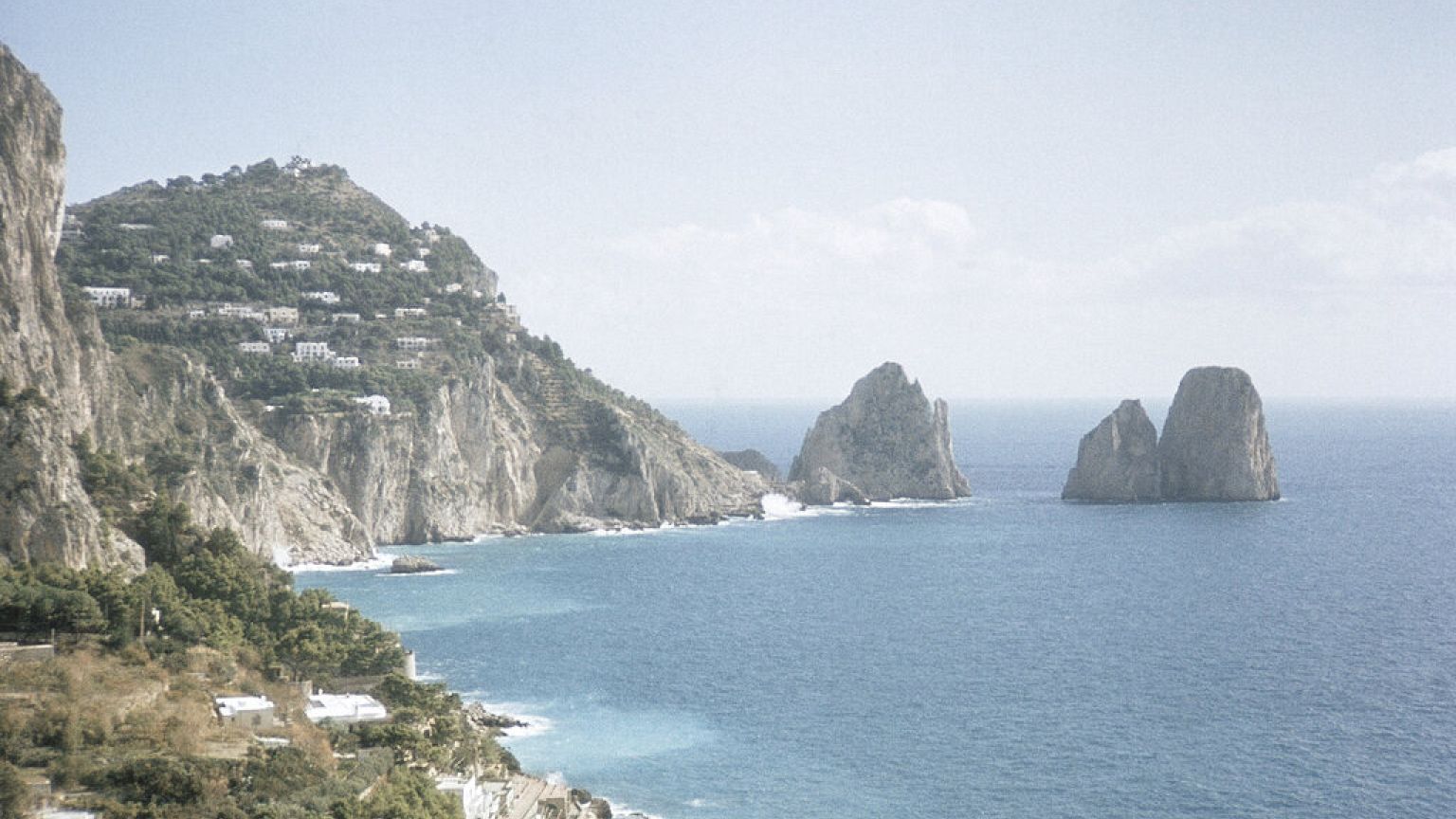
Italy is the third most popular global destination for millionaires seeking tax advantages and a high-quality lifestyle, according to a recent report.


Copyright Anonymous/AP2008

By Maria Michela D'Alessandro
Published on 04/07/2025 - 

More than 142,000 millionaires worldwide will relocate in 2025, according to research by Henley & Partners, a company specialising in consultancy for citizenship and residency programmes


Around 3,600 of them will choose Italy, ranking behind only the United Arab Emirates (9,800) and the United States (7,500), but ahead of Switzerland (3,000). The decision is driven by geopolitical tensions and increasing global tax competition, with the number of high-net-worth individuals ready to relocate having more than doubled in the past decade.

The CR7 flat tax: A key to fiscal attractiveness

Since 2017, Italy has been applying a special tax regime known as the 'CR7 rule' (an acronym coined after footballer Cristiano Ronaldo), which allows non-domiciled residents to pay a fixed annual tax of €200,000 on income generated abroad, for a period of 15 years.

For family members opting for the same regime, the flat tax drops to €25,000. The regime applies to income from financial investments, image rights, capital gains and foreign inheritances, while income produced in Italy is taxed ordinarily.


Milan, a new hub for international high finance


The recent abolition of the tax regime for 'non-doms' in the United Kingdom, individuals resident but not domiciled, has prompted many international millionaires and managers to move to Italy, particularly Milan.


Names such as Elio Leoni-Sceti, Bart Becht, Richard Gnodde and Nassef Sawiris have chosen Milan for its tax advantages, quality of life and quick access to European markets.

Related

In addition to the favourable tax conditions, Milan is experiencing a growth in luxury services, with new exclusive clubs, high-end hotels such as Rocco Forte and Rosewood, and an expansion of international law firms.
Italian financial wealth: $7 trillion and growth prospects

According to the 2025 Global Wealth Report by Boston Consulting Group (BCG), Italy ranks eighth in the world for investable financial wealth, with a total wealth of approximately $6.9 trillion in 2024, slightly down 1.1% compared to the previous year due to a less favourable market environment.

Of this wealth, 40% is invested in equities and mutual funds, 25% in deposits and currencies, 18% in life insurance policies and pensions, and 8% in bonds. BCG predicts an average annual growth of 6.5% until 2029, with financial assets potentially reaching $9.455 trillion.

Millionaires and the super-rich in Italy: taxation and quality of life

Italy is home to about 517,000 millionaires (with assets over one million dollars) and 2,600 super-rich with assets over one hundred million dollars. The number of millionaires is expected to grow by 1% annually over the next four years, while the ultra-rich segment will grow by 3%.

Supporters of the tax regime believe that the arrival of millionaires encourages consumption, investment and the creation of new businesses, contributing to tax revenue and economic development. Sceptics, on the other hand, warn of the risks of downward tax competition and the inflationary impact on the real estate market and services, especially since many super-wealthy citizens choose Italy to enjoy their retirement.

Beyond tax advantages, Italy is attractive for its Mediterranean climate, cuisine, proximity to the sea and mountains, and a lower cost of living compared to London or Monaco. These factors, together with excellence in luxury services and a growing financial and legal network, make the country a popular destination for high-net-worth individuals seeking stability and a good quality of life.

Other destinations for millionaires

Besides Italy, other cities are attracting millionaires thanks to favourable tax regimes and high standards of living. Dubai, for example, offers zero taxation and a dynamic capital market. However, some cities, such as London, have seen a flight of millionaires due to high taxes and political uncertainties. According to Henley & Partners' report, London has lost about 30,000 millionaires in the last decade.
42% increase in heat-related deaths at work in the EU since 2000, trade union says


Copyright AP Photo

By Gregoire Lory
Published on 04/07/2025 


The European Trade Union Confederation is calling for common rules to protect workers' health during heatwaves.

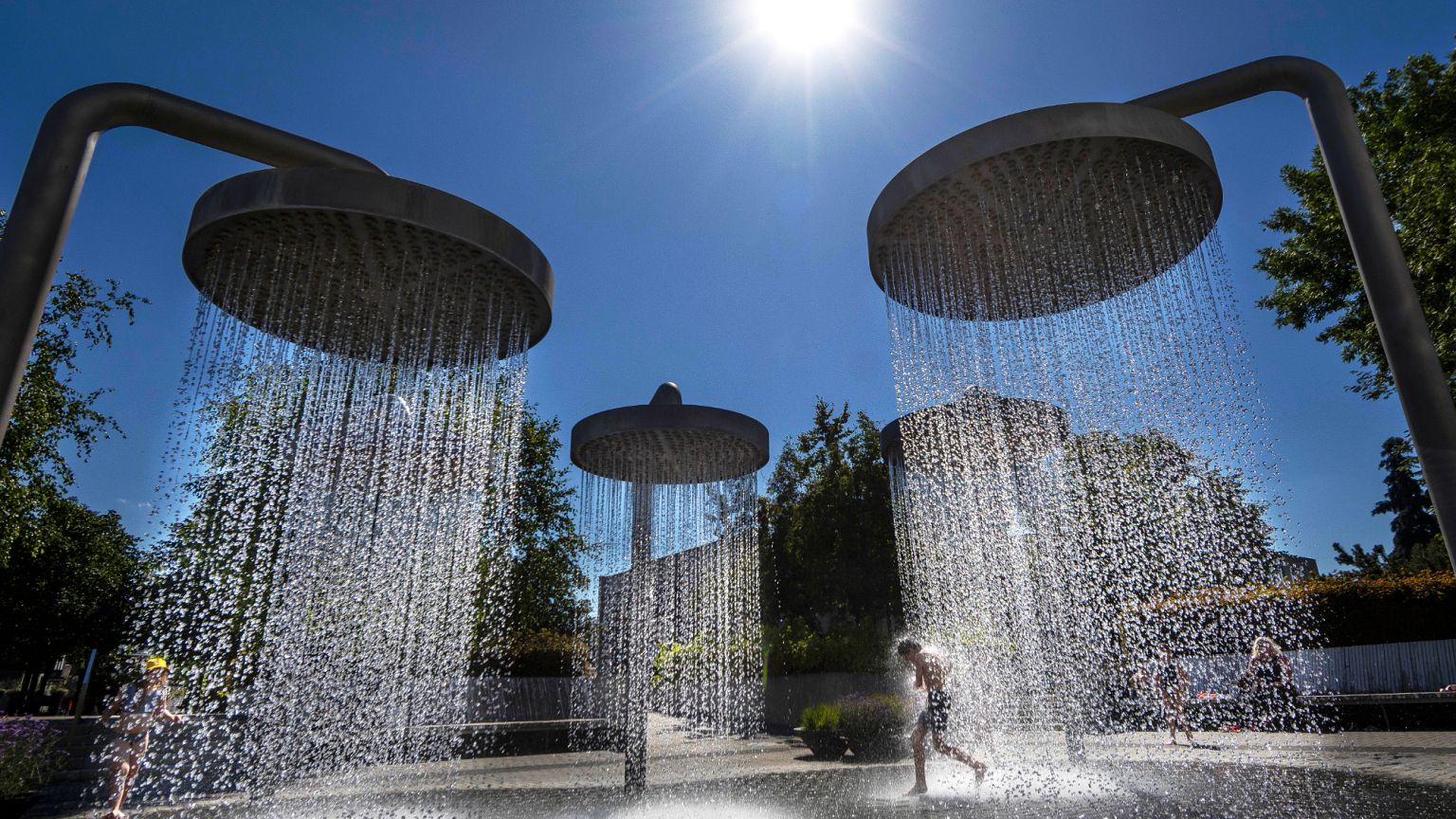
The heatwave sweeping across Europe has claimed its first victims at work. Spain and France have each reported a heatwave-related death. Similar tragedies have occurred in previous summers in both countries, as well as in Italy and Greece.

The European Trade Union Confederation (ETUC) is sounding the alarm. According to figures from the International Labour Organisation, the EU has seen a 42% increase in heat-related deaths in the workplace since the turn of the century.

The ETUC points out that, according to studies, when temperatures exceed 30°C, the risk of work-related accidents increases by 5 to 7%. When the temperature rises above 38°C, the risk is 10-15% higher.

The European confederation is therefore calling for European measures to protect workers.

"We need to assess the risks by taking into account not only the temperature, but also other conditions affecting humidity and, specifically, the amount of shade available, ventilation and exposure to sunlight," insists Giulio Romani, ETUC Confederal Secretary.

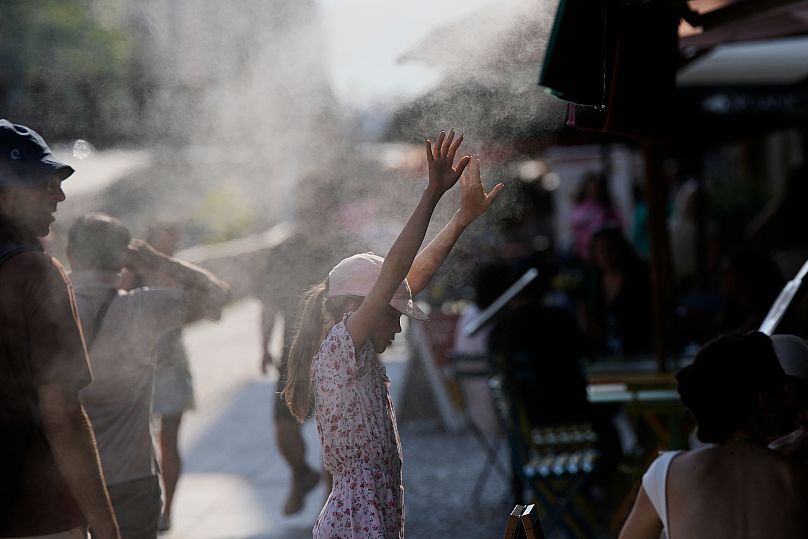
A child stops to refresh under a nebuliser outside a restaurant in Milan, 4 July, 2025
AP Photo

"Secondly, we believe that there should be the right to medical examinations, controls and periodic inspections. And finally, a right to be absent from work without disciplinary measures or sanctions, in cases where the worker perceives that the extreme heat conditions are putting him or her at risk", he adds.

In the EU, 23% of workers are exposed to high temperatures at least a quarter of the time, 36% in agriculture and industry and 38% in construction.

Dizziness, headaches and muscle cramps are the first symptoms of heat stress. These signals can then lead to vomiting, loss of consciousness and even death if no action is taken. High temperatures also exacerbate a range of cardiovascular and respiratory diseases.

Different national rules


The ETUC is calling for maximum working temperatures to be set for different sectors of activity.

Some member states have already set thresholds, says the European confederation.Belgium: 29°C for light physical work, 26°C for moderately heavy physical work, 22°C for heavy physical work and 18°C for very heavy physical work.
Hungary: 31°C for sedentary work and light physical work, 29°C for moderate physical work and 27°C for heavy physical work.
Latvia: maximum indoor working temperature of 28°C.
Spain: the maximum working temperature for sedentary work, such as office work, is 27°C, while for light work it is 25°C. However, these limits do not apply to all types of work, nor to all workers or premises.
How many economic losses from climate-related events has Europe suffered since 1980?


Copyright Euronews

By Inês Trindade Pereira & Mert Can Yilmaz
Published on 04/07/2025 - 


As another heatwave hits Europe, a new study shows that Germany, Italy, France and Spain have suffered the highest economic losses in the 21st century due to natural hazards.

Europe has experienced over €790 billion in economic losses due to extreme weather and climate-related events from 1980 to 2023, according to a new European Environment Agency (EEA) report.

Germany suffered the highest total economic losses during this period, with costs amounting to €180 billion.

It is followed by Italy, with costs mounting to €135 billion, France at €130 billion, and Spain, which suffered a loss of €97 billion due to such events.

However, the picture changes slightly for the 21st century.

Taking only losses occurring this century, Germany, Italy, France, and Spain are followed by a group of six EU countries (Austria, Belgium, Czechia, Portugal, Romania, and Slovenia), which incurred very similar total losses amounting to between €12 billion and €15 billion.

The United Nations' Intergovernmental Panel on Climate Change (IPCC) estimates that the intensity and frequency of climate extremes have increased in some European regions and are projected to continue rising with further global warming.

Floods and heatwaves have been the primary causes of economic damage across the EU.

While larger economic losses in wealthier and more developed countries may seem significant, they tend to have a smaller impact on the nationwide economy compared to smaller losses suffered by poorer, less developed nations.

Wealthier countries tend to allocate a smaller portion of their public budgets for recovery, or may be better equipped to handle such losses.

Western and central European countries, such as Slovenia, Belgium, and Germany, experience higher losses per square kilometre, while eastern and northern countries like Finland and Estonia tend to suffer less financially.

Meanwhile, Slovenia has the highest losses per capita in Europe, amounting to €8,733 between 1980 and 2023.

This is followed by Luxembourg (€2,694), Switzerland (€2,685), Italy (€2,330) and Spain (€2,279).

On the other hand, Kosovo (€10), Montenegro (€41), and Iceland (€87) are the countries with the lowest losses per capita.

"Losses per capita vary less than losses per square kilometre and several countries have relatively similar values," the EEA research stated.

Climate risk insurance


Most European countries have private insurance to protect against climate-related natural hazards.

Climate insurance can offer regional entities, governments, institutions, companies, community groups, households and individuals protection against loss of life, livelihood or assets caused by extreme weather events.

It ensures rapid post-disaster payments to the insured individual, household, community group, company, institution, government or regional entity.

For the 27 EU member states, the average of insured losses increased over time from €2.5 billion in 2009 to €4 billion in 2023, according to the EEA.

For instance, France and Spain have national insurance systems revolving around public-private partnerships (Caisse Centrale de Réassurance, CCR and Consorcio de Compensación de Seguros, CCS, respectively).

However, at least 16 EU countries report an insurance protection gap above 90%.

Only Denmark has more than 50% of its losses covered by insurance.
Hitler's Austrian hometown to rename two streets named after prominent Nazi party member

The streets currently bear the names of classical music composer Josef Reiter and entertainer Franz Resl, both of whom were Nazi party members.


Copyright AP Photo

By Estelle Nilsson-Julien
Published on 04/07/2025 - 

Two streets in Adolf Hitler's Austrian hometown of Braunau am Inn, which bear the name of two Nazi party supporters — music composer Josef Reiter and entertainer Franz Resl — are to be renamed.

Local media reported that the decision was made on Wednesday, following a "secret vote" by the city council, with 28 councillors in favour and nine against.

Local authorities had published a previous report which found that maintaining the street names was unconstitutional.

Once the name change has been enacted, roughly 200 households will have a new address.

The Mauthausen Committee, which raises awareness about what happened at the concentration camp close to Braunau am Inn, said renaming the streets was a decision with "symbolic significance."

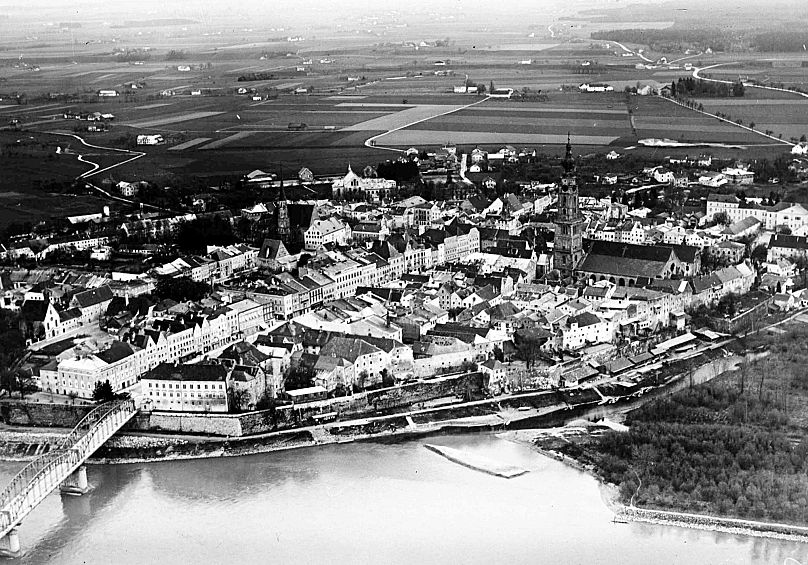
A general view of Braunau Am Inn in Austria, 12 January, 1935AP Photo

At least 90,000 prisoners were killed at the Mauthausen camp, while 65,000 Austrian Jews were assassinated over the course of the Holocaust and 130,000 were forced to flee the country.

The Mauthausen Committee told local media they are paying tribute to local Austrians who fought against the Nazis with the new street names.

Across Austria, the names of other streets and sites have been changed, in order to steer clear from glorifying Nazism.

For instance, in 2022 the city of Linz in Upper Austria announced it would rename "Porsche Street" named after one of the most infamous engineers of the Third Reich.

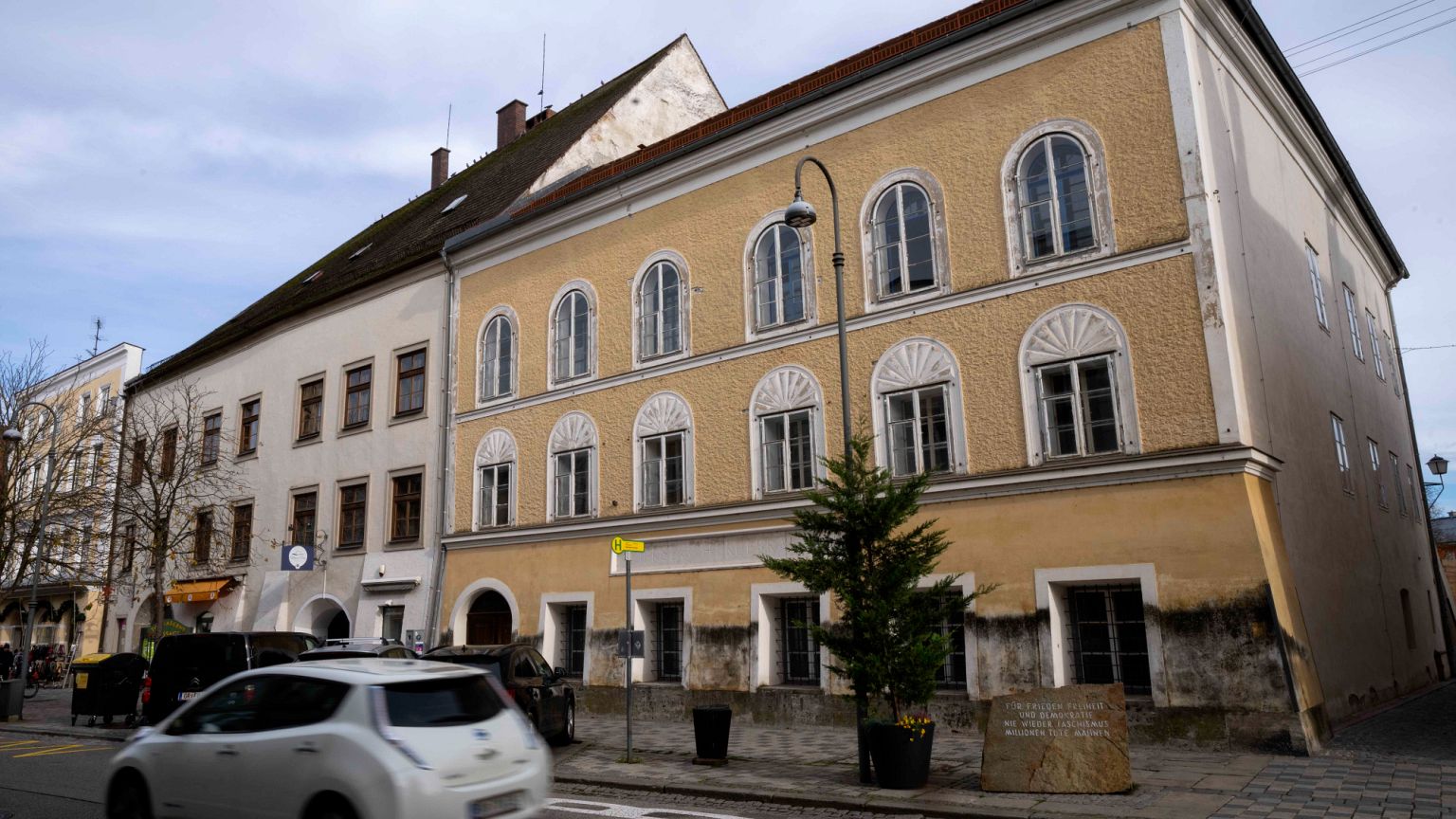
Another site which has attracted a great deal of controversy in Braunau am Inn Adolf Hitler's childhood home, in which he was born in 1899.

Despite having been used for a variety of purposes — including as a library, a school, but also a shelter for disabled people — for many neo-Nazis it was, and continues to be, a pilgrimage site.

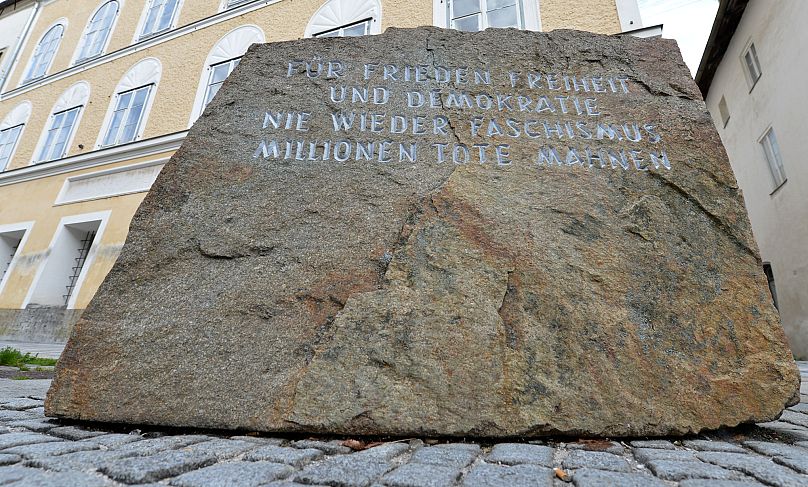
The memorial stone outside Adolf Hitler's birth house in Braunau am Inn, 27 September, 2012AP Photo

To prevent the house from becoming a mass gathering site for neo-Nazis, the Austrian government bought the house from the property's owner in 2016 under a compulsory purchase order, following a heated public debate.

While many argued that the house should be demolished, critics stated that such a move would amount to a denial of Austria's history and its role in the Holocaust.

In 1989, a memorial stone warning against the dangers of fascism was placed outside the house, which states "For Peace, Freedom and Democracy. Never Again Fascism. Millions of Dead are a Warning."

Three years on, the Austrian government announced that Hitler's childhood home would undergo lengthy renovations in order to be transformed into a police station.

In Austria, the Freedom Party of Austria — which came in first in the country's September general election, having been founded in the 1950s by former members of the SS and other Nazi veterans — has soared in popularity in recent years.


Three Turkish opposition mayors arrested as Erdoğan’s crackdown intensifies

Three Turkish opposition mayors arrested as Erdoğan’s crackdown intensifies
Turkish President Erdogan arrests three more opposition mayors as his crackdown on CHP ahead of the next presidential elections intensifies. / bne IntelliNews
By bne IntelliNews July 5, 2025

Three prominent mayors from Turkey’s main opposition party Republican People’s Party (CHP) were arrested on the morning of July 5, as President Recep Tayyip Erdogan’s crackdown on his political opponents ahead of the 2028 presidential election intensifies, according to state-run media reports.

The mayors — Abdurrahman Tutdere of Adiyaman, Zeydan Karalar of Adana, and Muhittin Böcek of Antalya — were detained following investigations launched by the Istanbul public prosecutor’s office, Turkish media reported. All three are senior members of the CHP, which has seen growing electoral support in major urban centres in recent years.

Their arrests come just four months after Istanbul’s mayor, Ekrem Imamoglu, was jailed on corruption charges in March in a case widely criticised by international observers. Imamoglu, a prominent rival to Erdoğan, was later named as the CHP’s presidential candidate, sparking mass protests and intensifying tensions between the government and opposition. “I will never bow,” Imamoglu said from jail ahead of a vote to endorse him as the candidate who can topple Erdogan.

In further remarks posted on social media, Imamoglu criticised his “politically motivated” arrest as a "black stain on our democracy". His comments came after he was formally charged with "establishing and managing a criminal organisation, taking bribes, extortion, unlawfully recording personal data and rigging a tender". He was also stripped of his office of mayor of Istanbul.

This publication has long argued that Imamoglu is seen as a “real threat” by Erdogan, whom he has been unable to neutralise, and who urges people across the country to join protests and to participate in elections.

Erdogan was roundly criticised for the decision to arrest his biggest rival and dubbed a “dictator” by many. Analysts warn that the blatantly political nature of the arrests of Imamoglu and now three more of his colleagues is extremely risky as it may galvanise the opposition and the electorate. It will also impact the economy as foreign investors are already leaving, citing political instability.

Other senior CHP figures have also been targeted in recent days. Earlier this week, the former mayor of Izmir, Turkey’s third-largest city, was arrested alongside 137 municipal officials on allegations of fraud and rigging public tenders, Associated Press reported. Meanwhile, the CHP mayor of Manavgat was detained with 34 others in a separate corruption probe, state media said.

The Turkish government has defended the actions as part of an anti-corruption drive. However, opposition leaders and rights groups have condemned the arrests as politically motivated and intended to weaken the CHP’s leadership ahead of the next national election.


India targets increase in edible oil refining sector by cutting import duties

India targets increase in edible oil refining sector by cutting import duties
/ Sébastien Noël - Unsplash


By bno - Mumbai bureau July 4, 2025

India is one of the world’s major consumers of edible oil, with palm oil being the most popular. A significant portion of the country’s domestic demand is met through imports, primarily from Malaysia and Indonesia. Changes in import duties tend to have a pronounced impact on the industry.

The government of India has recently slashed import duties on major crude edible oils. According to an analysis by ICRA, this move is expected to provide a significant boost to the sector. The reduction in duties is aimed at supporting domestic edible oil refiners, improving capacity utilisation, easing working capital pressures, and ultimately lowering prices for end consumers.

On May 30, 2025, New Delhi cut the basic customs duty (BCD) on crude edible oils — including palm, sunflower, and soyabean — from 20% to 10%. As a result, the effective import duty on crude edible oils dropped sharply to 16.5%, down from 27.5%. In contrast, the import duty on refined edible oils has remained unchanged at 35.75%. This has created a historically high duty differential of 19.25%, one of the widest gaps seen in recent years.

By encouraging refiners to process crude oil locally, the government aims to strengthen India’s refining sector, enhance value addition within the country, and reduce reliance on direct refined oil imports.

In 2023–24, the country imported around 15.6mn metric tonnes (mmt) of edible oils, marking a 5.2% decline from the previous year. This was the first decline since 2019–20, primarily attributed to adjustments in import duties and fluctuations in global prices.

Palm oil remains the most significant component of India’s edible oil imports, accounting for 45% of the total, followed by sunflower oil at 22% and soyabean oil at 20%. Despite efforts to boost local production, imports continue to fulfill over 95% of India’s palm and sunflower oil requirements. Domestic palm oil production increased modestly from 0.28 mmt in 2020–21 to 0.39 mmt in 2023–24 but still covers only 3–4% of the country’s total demand.

To cut this reliance, the government launched the National Mission on Edible Oils – Oil Palm (NMEO-OP) in 2021. The mission aims to increase domestic palm oil production through expansion of oil palm cultivation, particularly in the north-eastern states and other suitable regions. However, the long gestation period of oil palm cultivation means significant results are likely to take time.

ICRA’s report highlights that the new import duty structure will not only encourage local refining but also support domestic refiners’ financial health. Refiners invariably hold both duty-paid and duty-unpaid crude oil inventories. Duty-unpaid inventory is kept in bonded warehouses, with duty paid only upon withdrawal. By lowering import duties, refiners will face reduced cash outflows when clearing crude oil from bonded warehouses, easing working capital requirements.

Furthermore, the higher duty on refined oils ensures that Indian refiners remain competitive against cheaper imported refined oils. This policy measure is expected to lead to higher capacity utilisation in FY2026. ICRA’s sample set of major edible oil refiners — including AWL Agri Business Ltd, Gokul Agro Resources Ltd, Marico Ltd, and Patanjali Foods Ltd — had faced margin pressures during FY2023 and FY2024 due to global price volatility and earlier duty hikes. The recent policy changes are projected to improve these companies’ operating profit margins (OPM) in the coming financial year.

The impact is not limited to refiners alone. Food processors, fast-moving consumer goods (FMCG) companies, and the hotel, restaurant, and catering (HoReCa) sectors, which are among the largest consumers of edible oils, are also set to benefit from the expected moderation in domestic prices. Palm oil, in particular, is widely used across these segments due to its affordability, high smoke point, and thermal stability, making it ideal for deep frying and large-scale food preparation.

Edible oil is one of the most significant raw material costs for food processors, accounting for approximately 25–27% of total input value. Volatility in edible oil prices directly affects margins in this sector. According to ICRA, following the increase in import duties in September 2024, domestic retail prices surged, leading to a sharp decline in food processors’ operating profit margins, which fell from 11% in Q2 FY2025 to just 4% in Q3 FY2025.

However, with the recent duty reduction, ICRA forecasts a sequential improvement in food processors' margins by 100–200 basis points as domestic retail prices are expected to decline by INR5-10 ($0.059-0.12) per kg. Companies in the food processing segment have already started implementing measures such as grammage adjustments and price calibrations to navigate earlier volatility, and the latest duty cut is likely to offer further relief.

India’s per capita edible oil consumption jumped from 19.8 kg in 2019–20 to 23.5 kg in 2022–23, due to higher availability and rising demand. However, per capita consumption dipped to 21.8 kg in 2023–24 amid price increases. With lower expected retail prices, consumption levels may stabilise or improve slightly in the coming year.

ICRA concluded that the dual impact of lower duties on crude oils and stable duties on refined oils creates a favourable environment for domestic refiners and food processors, while also promising relief to consumers through lower edible oil prices. The measures align with broader national objectives to reduce import dependence, promote value addition within India, and support rural livelihoods through enhanced agricultural and processing activities.


Matcha shortage in Japan: tradition under strain as global demand soars

Matcha shortage in Japan: tradition under strain as global demand soars
/ sentidos humanos - Unsplash

By bno - Tokyo Office July 4, 2025

Matcha, Japan’s iconic green tea powder, is experiencing a global surge in popularity. From social media trends to premium lattes, its electric green colour and health credentials have made it a staple in cafés, beauty products and kitchen shelves around the world. However, behind the social media frenzy lies a more sobering reality. Japan, the birthplace of matcha, is facing a significant shortage of the very product it helped make famous.

The issue is not simply one of popularity. According to Japan Times, matcha production is a highly specialised and seasonal process. It begins with shade-grown tencha leaves, which are harvested only once a year in spring. These leaves are then steamed, dried, destemmed and ground into powder using traditional stone mills. Each step is time consuming. It can take an hour to produce just 30 grams of powder.

With matcha now used widely in food, beverages and skincare, the demand for high-grade ceremonial matcha has outstripped supply. According to CBC, this type of matcha was traditionally reserved for tea ceremonies and is not intended for baking or mixing into sugary drinks. Yet consumers are increasingly buying it in bulk for exactly those purposes. Some Japanese tea ceremony schools have reportedly struggled to source enough matcha for their own use.

Quality confusion and strained production

A significant contributor to the current strain is a lack of understanding about matcha quality. Cheapo Japan notes that while matcha is often sold as either “ceremonial” or “culinary” grade, the reality is far more nuanced. Without clear grading standards, consumers frequently buy the most expensive matcha available, often unaware of how to use it correctly. As David Lavecchia of Tezumi Tea explains, matcha designed for traditional preparation does not always work well in a latte.

In Uji, Japan’s historic matcha capital, these problems are playing out in real time. BBC describes scenes of tourists flooding shops before opening hours, snatching tins from shelves within minutes. Some stores have implemented purchase limits to prevent hoarding or resale. Others, like Nakamura Tokichi Honten, have seen shelves emptied before 10:05 in the morning.

Internationally, the shortage is equally visible. Japan Today reports that at Kettl Tea in Los Angeles, most of the 25 matcha varieties on offer are now out of stock. Founder Zach Mangan described matcha as a new cultural touchpoint in the Western world and said their market has nearly doubled in the past year.

A shrinking workforce and geopolitical pressures

Compounding the problem is a steep decline in Japan’s tea-farming population. According to Japan Today, the number of tea farmers has dropped from over 54,000 in 2000 to just 20,000 this year. Many are ageing with no successors, and the transition to matcha-specific farming is both expensive and complex. Jason Eng of Kametani Tea explained to CBC that converting fields from sencha to tencha production requires major investment in shade structures and machinery.

Despite these challenges, some producers have benefited from the global boom. The Kokaen tea farm in Aichi Prefecture has seen increased export opportunities, reflecting a broader trend. In April 2025, Japanese tea exports were up more than 85% year-on-year. Yet this success comes with uncertainty. New trade tariffs proposed by United States President Donald Trump have sparked fears that higher prices could dampen demand and shrink the global market. According to Kyodo News, both tea farmers and industry experts are concerned about losing momentum just as international interest reaches its peak.

Can supply catch up?

To ease the strain, Japan’s Ministry of Agriculture, Forestry and Fisheries is revising its Basic Plan for Tea Production. The updated plan includes new subsidies to help farmers transition to tencha cultivation. These funds are intended to offset the high cost of shade covers and equipment upgrades, but progress will take time. Tea experts warn that high-quality matcha cannot be rushed. It relies on precise methods, trained labour and seasonal timing.

While the situation has created frustration for tourists and café owners alike, it has also highlighted the fragility of traditional production systems in the face of globalised demand. According to the Global Japanese Tea Association, matcha output remains limited by nature. Once the spring harvest ends, supply cannot be increased until the following year. Some tea shops now delay restocking by weeks. Others report price hikes that are already being passed on to consumers.

The current matcha shortage is a striking example of what happens when cultural tradition meets rapid global demand. A product once confined to quiet tea rooms has become a global phenomenon, creating both new opportunities and new pressures. As Japan navigates growing export demand, an ageing workforce and evolving consumer habits, the challenge will be finding ways to scale production while preserving the craftsmanship and care that define real matcha. The excitement around matcha is not slowing down, but its future depends on sustainable growth and informed consumption.


Death on a volcano - and a day of reckoning for Indonesia’s mountain rescue teams

Death on a volcano - and a day of reckoning for Indonesia’s mountain rescue teams
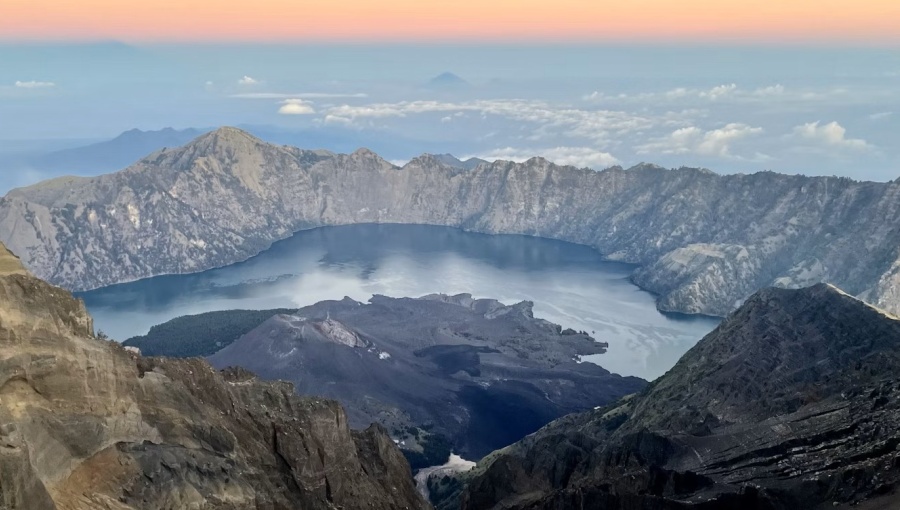
Mount Rinjani / Giorgi Shakarashvili - Unsplash
By bno - Surabaya Office July 4, 2025

The tragic death of Brazilian traveller and influencer Juliana Marins on Indonesia’s Mount Rinjani in June 2025 has reverberated around the globe, exposing significant gaps in Indonesia’s emergency response preparedness and igniting international outcry over the safety of its adventure tourism sector.

Juliana Marins, 26, fell into a 600-metre ravine near the summit of Mount Rinjani on June 21, during a guided hike with five other foreign tourists. The volcano, rising 3,726 metres above sea level in West Nusa Tenggara, is one of Indonesia’s most popular but perilous trekking destinations, Tempo.co reports. Despite early signs of life detected via thermal drones, her body was only recovered on June 24, by a local guide and a rescue team - a delay that drew intense criticism from Brazilian officials and media, as reported by Indonesia Business Post.

A delayed response amid extreme terrain

The Indonesian National Search and Rescue Agency (Basarnas), along with the military (TNI), police (Polri), and local volunteers, launched a search after being alerted, but efforts were hampered by a lack of proper equipment and hazardous conditions. According to Indonesia Business Post, first responders initially had only standard climbing gear that proved inadequate for the vertical descent. Weather conditions, including dense fog, high winds, and loose volcanic rock, further complicated the operation.

Thermal imaging drones intermittently picked up signs of movement in the ravine, sparking hope that Marins might be alive. However, rescuers were unable to act swiftly due to the lack of vertical rescue gear. A helicopter from Jakarta was dispatched to assist, but bad weather forced the aerial extraction to be called off. The search team was finally able to descend to her location on the evening of June 24, when local guide Agam Rinjani reached her body at a depth of 600 metres. Due to poor lighting and safety risks, the evacuation was postponed until the next morning, Jakarta Globe reports.

Basarnas chief Air Marshal Mohammad Syafii later described the mission as “one of the most difficult mountain rescues in Indonesia’s history”. Despite these challenges, Marins’ family and Brazilian authorities have pointed to the timeline as evidence of systemic failure. In interviews with IBTimes and The Mirror, the Marins family said they believe Juliana could have survived if rescuers had reached her within seven hours of the fall. "Juliana suffered great negligence, now we are going to seek justice for her," the family declared.

A national and international reckoning

The slow and ultimately unsuccessful rescue ignited outrage in Brazil. Hashtags demanding accountability trended on X (formerly Twitter), and thousands of users flooded Indonesian President Prabowo Subianto’s Instagram page with comments. According to Indonesia Business Post, the Brazilian Embassy in Jakarta issued a strongly worded statement condemning the “inconsistent and delayed communication” and called for an overhaul of international rescue protocols in high-risk tourist zones.

Drone footage showing Marins' lifeless body on the cliffside was viewed over 20mn times globally, and the incident made front-page news in Brazilian outlets such as Globo and ARA, which criticised the lack of mandatory safety equipment on Rinjani treks and pointed out that some guides operate barefoot, without food or thermal protection.

The local hero and the spirit of Rinjani

Amid the criticism, a story of heroism emerged. Local guide Agam Rinjani, who was the first to reach Marins' body, stayed beside her for hours on a narrow ledge to prevent the body from falling further. According to Jakarta Globe, Agam has climbed Mount Rinjani over 570 times and is often called upon in emergency situations due to his familiarity with the terrain. He even claimed to have had a dream about a foreign tourist falling days before the accident.

Brazilian social media users hailed Agam as a hero, flooding his Instagram account with tributes. Some even urged the Brazilian government to award him a medal of honor. “They risked their lives for someone they didn’t even know,” wrote one user. Agam’s story became a beacon of compassion in the midst of widespread grief.

The broader crisis of tourism safety

The tragedy has prompted broader scrutiny of safety standards in Indonesia’s adventure tourism industry. Reports from ARA and Globo highlighted long-standing concerns over the Rinjani trail, including deteriorating paths, insufficient training for guides, and lax enforcement of safety rules. ARA quoted Brazilian officials as noting that guides often lack basic provisions and that trail conditions have worsened due to overuse.

Rahman Mukhlis, Chairperson of the Indonesian Mountain Guides Association, told Tempo.co that Mount Rinjani is not suitable for beginners. “Climbers should have prior experience on mountains above 2,500 metres,” he warned, while urging improvements in guide certification, climber preparedness, and route classification. It remains unclear whether Marins had prior mountaineering experience, although she was known to her social media followers as a frequent traveler in Asia.

A government pledge for reform

In the wake of the incident, Indonesia’s Minister of Forestry, Raja Juli Antoni, announced a review of the Standard Operating Procedures (SOPs) for all national parks. As reported by Tempo.co, new measures under consideration include the installation of warning signs at high-risk points, additional security posts, and the introduction of RFID chips and Emergency Locator Transmitters (ELTs) for better monitoring.

The Ministry also plans to enhance guide licensing systems, implement climber experience classification, and improve public education on safety in conservation areas. A memorandum of understanding between the Ministry and Basarnas will expand SAR training for local porters and volunteers.

“We welcome all public criticism,” Raja Juli said. “What’s equally important is raising awareness and preparedness.”

A turning point

Whether these measures will lead to lasting change remains to be seen. For now, Mount Rinjani remains closed pending further evaluation. Juliana Marins’ death may become a grim milestone in Indonesia’s tourism history, a painful reminder of the stakes when safety infrastructure lags behind the boom of adventure travel.

From her family’s demand for justice to the global conversation about mountain safety, the fallout continues. As BBC and IBTimes reported, Marins’ final moments, captured on drone footage and echoed in the anguished voices of her loved ones, will not soon be forgotten.

St Petersburg braces for historic flood as Neva River surges past warning levels

St Petersburg braces for historic flood as Neva River surges past warning levels
Heavy rain has seen the Neva in St Petersburg rise fast and threatens to become teh worst flood the city has seen in over 160 years. / bne IntelliNews
By bne IntelliNews July 5, 2025

St Petersburg is bracing itself for the worst flood in 160 years as the water level in the Neva surges thanks to heavy rain.

Authorities in Russia’s northern capital have declared a yellow-level danger warning as the Neva threatens to burst its banks and flood the historic city. Water levels continue to rise, threatening low-lying areas of the city and prompting the closure of protective dams.

City officials issued a storm warning on July 5, with wind speeds reaching up to 25 metres per second, toppling trees and damaging structures across the region.

“Dams are closed, and water levels outside the dams have exceeded 180 centimetres,” the city’s emergency services stated. The flood defences are part of the Saint Petersburg Dam complex as the city has been called the “Venice of the north” and is cut through with rivers and canals.  The dams have so far prevented the river from inundating the city.

“If the dams hadn't been closed, the flood would have already hit the city,” officials added.

In the coastal district of Sestroretsk, the popular Dubki Park has been flooded. A lightning strike hit the Lakhta Center, Europe’s tallest skyscraper, during the storm. Local emergency crews were deployed to assess the damage and monitor water levels, which continue to rise under heavy rainfall and gale-force winds.

VK Fest, a major summer cultural event held on the city’s waterfront, is also under threat. “The water is reaching the main stage, and it could be washed into the Gulf of Finland,” organisers warned on social media. Authorities have not yet confirmed whether the event will be cancelled, but evacuation plans are reportedly under consideration.

The city’s meteorological service noted that this could be the most severe flood in over a century. “This historic flood may repeat after 160 years — the last July flood occurred in 1865,” a spokesperson said. Emergency workers remain on high alert as forecasts predict continued storms through the start of the week.

As reported by bne IntelliNews, extreme rainfall is a symptom of the Climate Crisis as regular weather patterns are disrupted by extreme temperatures. By contrast, southern Europe is currently suffering from an extreme heatwave with record-breaking temperatures across the region.