Friday, September 12, 2025

Global media urge US not to restrict journalists' visas
DW
11/09/2025


The Trump administration wants to drastically cut how long foreign journalists are allowed to live and work in the US. Media groups, including DW, say the move would erode press freedoms.


Media groups say current visa rules already provide 'for strict accountability, transparency and compliance'
Image: Alex Brandon/AP Photo/picture alliance

Over 100 media organizations from around the world have called for the United States government to roll back a proposal that would severely shorten how long foreign journalists are permitted to live and work in the country.

Under the current regulations, journalists holding the I visa are permitted to stay in the US for periods of five years that can be renewed indefinitely.

The Department of Homeland Security (DHS) under Kristi Noem, a conservative ally of US President Donald Trump, wants to shorten that period to just 240 days.

What have the world's media said about the proposal?

In a joint statement, 118 media groups — including DW — urged the Trump administration to keep the I visa program in place.

Allowing journalists to spend "years, not months" in the country serves US interests by "ensuring that America's policies, culture, and leadership are clearly and accurately communicated to international audiences in their own languages," the statement said.

Disrupting the current system "risks leaving the world less informed about American news and current affairs," it added.

"Rival nations and powerful adversaries will waste no time in filling the resulting vacuum with narratives about the US that serve their own interests before the truth," the media groups warned.
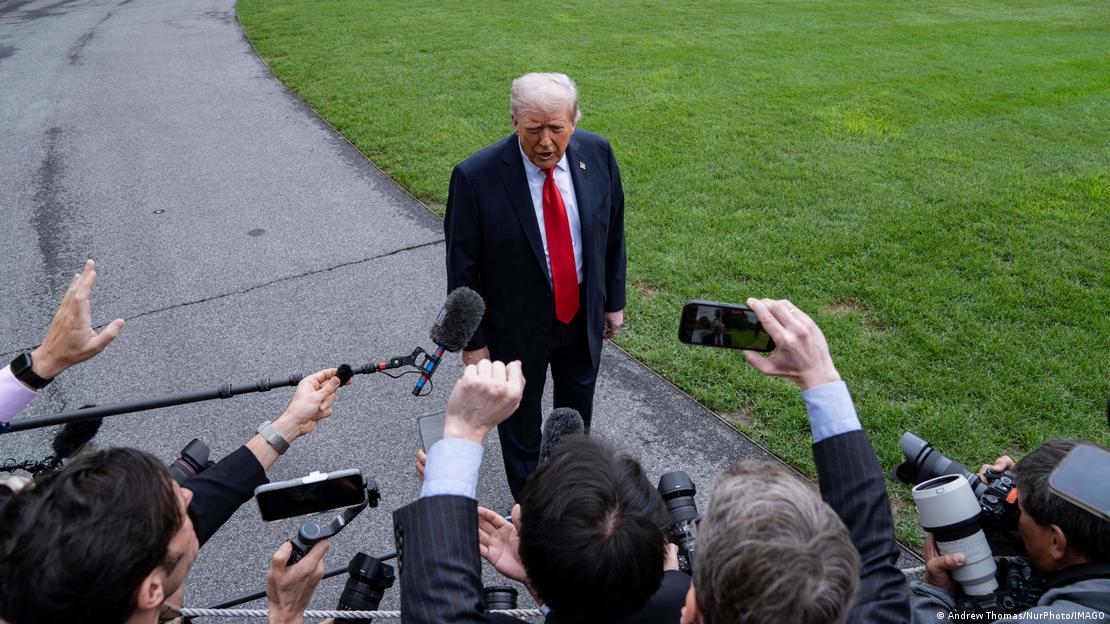
Trump has a confrontational relationship with the media, frequently calling unfavorable coverage 'fake news'Image: Andrew Thomas/NurPhoto/IMAGO

"The US has always stood for openness, freedom of expression and a strong, independent press. Restricting foreign media access risks undermining that legacy because it emulates countries where press freedom is near extinct. That would damage, not enhance, America's global standing," they said.

In a statement, DW's Director General Peter Limbourg said, "The proposed changes to US visa regulations would directly affect our ability to maintain a strong journalistic presence in the United States.

"It would limit access for our international correspondents, undermining our mission to provide independent news coverage. Deutsche Welle stands firmly with its international media partners as we call on US authorities to ensure fair conditions for foreign media organizations," Limbourg said.

Reporters Without Borders (RSF) also urged the Trump administration to "abandon" the proposal, saying "it serves no purpose other than to erect unnecessary barriers for foreign reporters and will produce a chilling effect on press freedom."


Who else would be affected by the proposed visa changes?


The DHS also wants to limit holders of F and J visas, which affect foreign students and people visiting as part of exchange programs.

It explained that since 1978, foreign students holding F visas have been able to remain in the US for "an indefinite amount of time without further screening and vetting."

These students "have taken advantage of US generosity and have become 'forever' students, perpetually enrolled in higher education courses to remain" in the country, the DHS said in a press release.

"For too long, past Administrations have allowed foreign students and other visa holders to remain in the US virtually indefinitely, posing safety risks, costing untold amounts of taxpayer dollars, and disadvantaging US citizens," a DHS spokesperson said.

"This new proposed rule would end that abuse once and for all" and ease "the burden on the federal government to properly oversee foreign students and their history," it added.

Trump's widening immigration crackdown

The proposal is the latest move by the Trump administration to curb immigration.

Trump has also tried to cut funding for leading US colleges, including the elite Harvard University, over what the White House considers ideological bias, antisemitism and failure to quell pro-Palestinian campus protests.


Edited by: Louis Oelofse
Karl Sexton Writer and editor focused on international current affairs
Thailand grants Myanmar refugees working rights

Zsombor Peter in Bangkok
DW
11/09/2025

The Thai government has reversed a yearslong ban to allow Myanmar refugees to work. Aid agencies have welcomed the move, which comes amid US aid cuts and a potential shortage of cheap labor in Thailand.


Refugees from Myanmar cross into Thailand in 2024
Image: Perawongmetha/REUTERS

The Thai government recently lifted a decades-long ban on working rights for long-term refugees from Myanmar who live in Thailand in a string of nine camps just near the border between the two countries. Some have been there since the 1980s.

The move comes as the United States (US) under President Donald Trump has cut off humanitarian aid programs around the world. Until this year, the US was the largest funder of food aid for the displaced people in the Thai camps.

The problems caused by the food aid cuts have also been exacerbated by an influx of new refugees driven out of Myanmar by a raging civil war. Earlier this year, charities managing foreign food aid in the camps were forced to cancel rations for most of the refugees.

In March, hoping to make up for the US aid cuts, The Border Consortium (TBC), a Bangkok-based alliance of partners that provide food to displaced people in the camps, issued an "emergency funding appeal" to donors.

"Without immediate funding, they [the refugees] face a precarious and life-threatening situation," it said.

However, the requested additional aid never came, prompting the Thai government to step in and announce a resolution last week.

Owing to the foreign aid cuts, it said in a statement, "the cabinet has made approval to grant special permission for this group of refugees to stay and work in the country to support themselves and their families."

The UN Refugee Agency (UNHCR), welcomed the move, adding that although the resolution only applied to a limited number of refugees, it could set a "regional benchmark" for a "rights-based refugee solution." The UNHCR said it would advocate expanding the resolution, which currently applies to around 80,000 long-term refugees from Myanmar, to all of the refugees.


Decades living in dilapidated camps

For years, aid and advocacy groups have been urging the Thai government to give refugees working rights, arguing that this would allow them more self-sufficiency and economic participation.

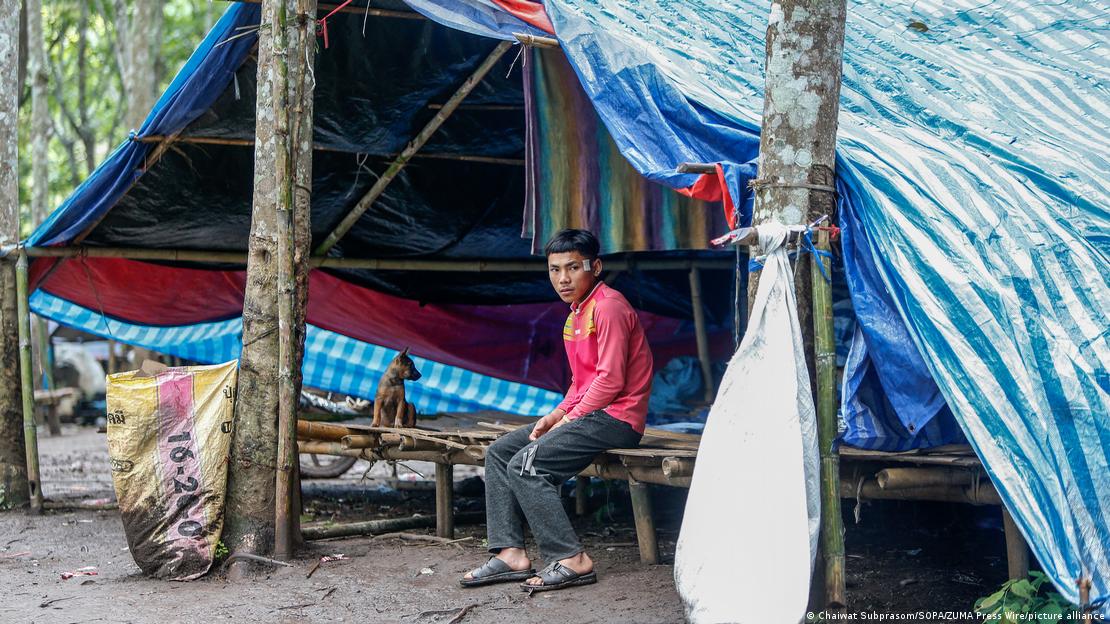
The Thai camps in which refugees from Myanmar live started appearing along the border in the 1980s. Decades on, most homes are still no more than huts built of bamboo, wood and thatch, with few having electricity or running water.

With limited education and work opportunities inside the camps — and barred from studying or, until now, working outside — most people are forced to rely on foreign aid to keep from going hungry.

In a statement of her own last week, the UNHCR representative for Thailand, Tammi Sharpe, called the Thai government's policy shift a "turning point" that would both allow the refugees to support themselves and stimulate the local economy.

A Karen refugee man sits in a shelter at a refugee camp along the Thai-Myanmar border
Image: Chaiwat Subprasom/SOPA/ZUMA Press Wire/picture alliance

TBC executive director, Leon de Riedmatten, also praised the government's move to let the refugees live and work outside of the camps, calling it "a very positive decision."

"They understood that TBC has not managed to find any other donors to really replace the Americans. So, either the government [has to] provide them with the food assistance, or you have to find an alternative, and this was certainly the best and the most realistic one," he told DW.

A nutrition survey published by TBC earlier this year shows chronic malnutrition rates among children in the camps on the rise since 2022.

There is also a plan in the works to provide health care for the refugees.

"Allowing the refugees to work outside the camps is a landmark step, but approval of the Ministry of Public Health's plan, including health insurance, will be important to ensure sustained good health of this population," Darren Hertz, country director for the International Rescue Committee (IRC), told DW.

The IRC ran several health clinics inside the camps until its own funding dried up because of the Trump administration's cuts this year. It is in the process of handing its operations over to local state-run hospitals.

"The days of the camps being supported with foreign aid may well be gone," Hertz said, commending the Thai government for a "pragmatic" solution.

Cambodian workers leave Thailand amid border spat

De Riedmatten added that the government may also have been spurred by a sharp and sudden nosedive in Thailand's migrant labor force.

According to Thailand's Ministry of Labor, some 900,000 migrant workers from Cambodia have returned home since a deadly five-day border dispute in July.

While some non-government estimates put the figure at no more than 500,000, it's still a large slice of the 3.1 million registered migrants the government says were working in Thailand as of 2024.


Ruttiya Bhula-or, an associate professor and labor economist at Thailand's Chulalongkorn University, said the refugees in the border camps could help fill at least some of the gap the Cambodians have left in so-called "3D jobs," those considered dirty, difficult or dangerous.

"It will definitely help because most of them are willing to work in the 3D sectors, and they will help fill the labor shortages [to] a certain level. But the number is not high," she said.

Ruttiya added that the refugees have had relatively few opportunities to pick up useful work skills inside the camps, and may also be ill-suited for many of the jobs the Cambodians have left behind.

"The comparative advantage of the Cambodian workers are more likely to be fishing, construction. But the skills of the refugees might not really 100% fit to those," she said.

The refugees, she added, are more likely to fill farm and entry-level service jobs in kitchens, warehouses and hotels.

She added that the planned work permits should help refugees already working outside the camps illegally to bargain for higher wages and take abusive employers to the authorities.
Myanmar refugees welcome opportunity

Eh Khu Moo, 32, fled Myanmar for Thailand as a teenager in 2005. He told DW he studied English, computers and motorcycle repair in the camps, and hopes to land a job.

"I am very happy to be able to work outside of the camps," he said. "Working outside will be better for us to earn money and support our families."

Tun, a refugee and camp official in his 60s, told DW he had been flooded with questions from younger men and women like Eh Khu Moo keen on how to properly take up the new work rights.

Having spent most, or even all, of their lives confined to the camps, and still afraid of returning to their war-torn homes, the refugees now see a new lifeline.

"Because in the camp there is no future. They want freedom," he said.
POOR PETRO STATE (SIC)
Angola: Students and teachers up pressure on government
DW
11/09/2025

Youth organizations and teachers accuse the Angolan government of neglecting the country's education system. Will the growing pressure bring about change?


Angolan school children have to bring their own chairs to class
Image: Jörg Böthling/Brot für die Welt


It appears Angola's government, under leadership of President Joao Lourenco, has lost sight of young peoples' interests, says the Angolan Student Movement (MEA).

MEA maintains that, instead of improvements in the education system, tuition fees are rising. It also says Angola's education system lacks desks, chairs, toilets, teaching materials and food.

MEA warns that "either the government changes the situation or it will be overthrown."

The Angolan government maintains that the opposition controls the movement, but even so, Angola's anti-government protests are becoming increasingly widespread.

In May 2025, thousands of Angolan students took to the streets across the country demanding improvements. Angolan security forces responded with violence, which resulted in arrests and injuries.

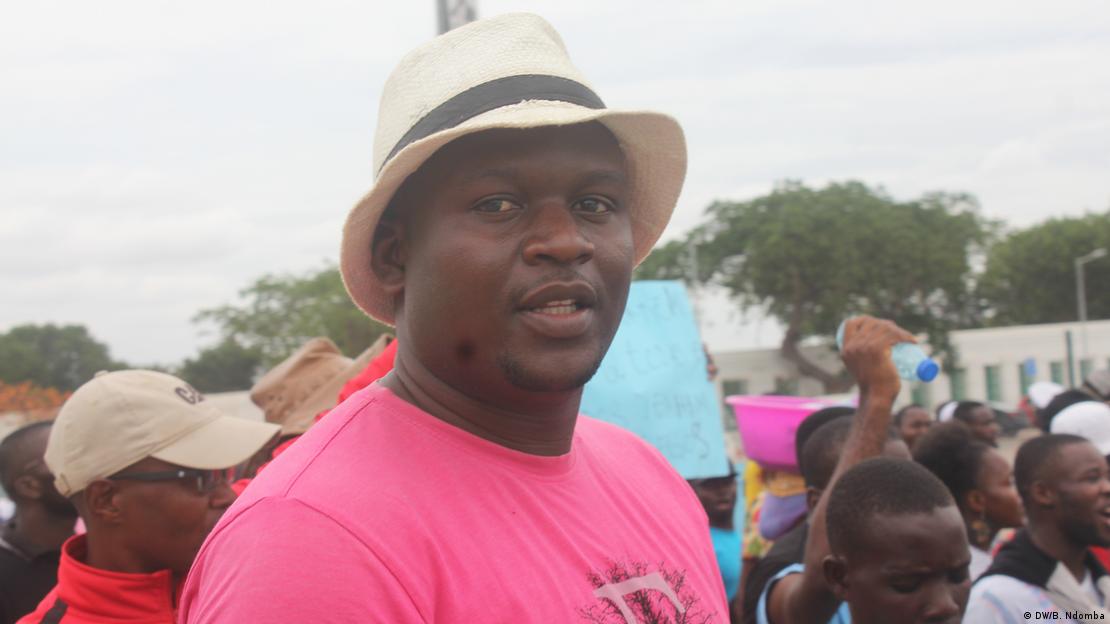
MEA has now announced a possible continuation of protests. Francisco Teixeira, a spokesperson for the movement, told DW, "We are not ruling out new demonstrations. We are collecting signatures and preparing actions, and we do not accept the government continuing to disregard us."

Starting the school term in crisis mode


The new 2025-26 school term has begun in Angola with around 10 million new students. This has been accompanied by a familiar crisis: a lack of school furniture, too few books, too few teachers and no school meals. This year, however, protesters are calling out these problems.

"In many regions, even in Luanda (Angola's capital), children sit on the ground because there are no desks or chairs," Teixeira said.

He added that Angolan students depend on trees for shade. "The children move with the shade. This is undignified."

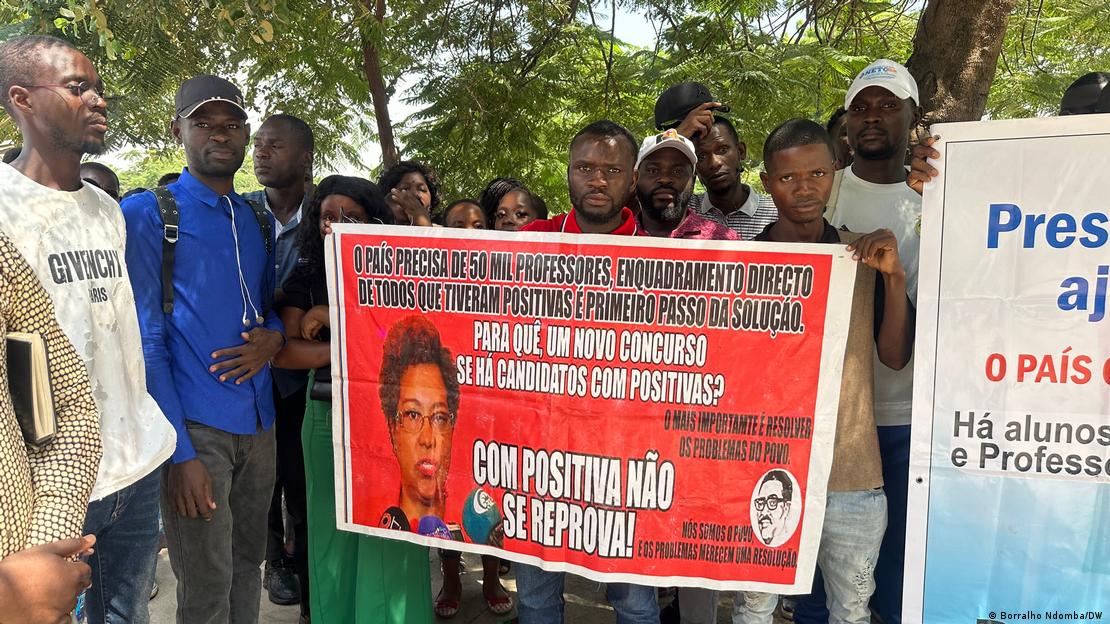
Critics largely blame Angolan Education Minister Luisa Maria Alves Grilo for the situation. Despite making several announcements, critics say nothing has improved for over a year.

Protesters lay much of the blame for the country's neglected education system on Minister Luis Maria Alves Grilo
Image: Borralho Ndomba/DW

Yet Grilo has said on social media that the government is working on solutions. She said strikes and protests are unnecessary, instead encouraging dialogue. Grilo said €199 million ($233 million) had been spent on the construction of new school buildings in the provinces of Luanda and nearby Icolo e Bengo.

In a speech at a human resources conference in Luanda last week, Angolan President Lourenco announced a big push to strengthen the education sector over the next two years. He said the equivalent of €424 million would be made available for this purpose and that "this money will not only be spent on new school buildings, but will also go towards further training our teaching staff."

Angola's MPLA party, which has governed the country for 50 years, fears that the education protests could grow into a nationwide movement with potentially far-reaching political consequences. The next elections will take place in 2027, and as things stand today, President Lourenco will not be allowed to run for a third term in office.

MEA spokesperson Francisco Teixeira said the student movement is planning more protests
Image: DW/B. Ndomba


No bathrooms, no food, lack of teaching staff

MEA not only criticizes Angola's lack of educational infrastructure but also a lack of teaching materials.

"No books have been distributed for two years, although $5 million was earmarked for this. No one knows where the money has gone," Teixeira said.

Then there is the lack of school meals. "Children go without food and water from 7:00 am to 12:00 noon. How are lessons supposed to work like that?"

Angola also faces a shortage of teachers. According to official figures, the country needs more than 86,000 educators. Many students reach secondary school without proper lessons in core subjects like mathematics or Portuguese, Angola's official language.


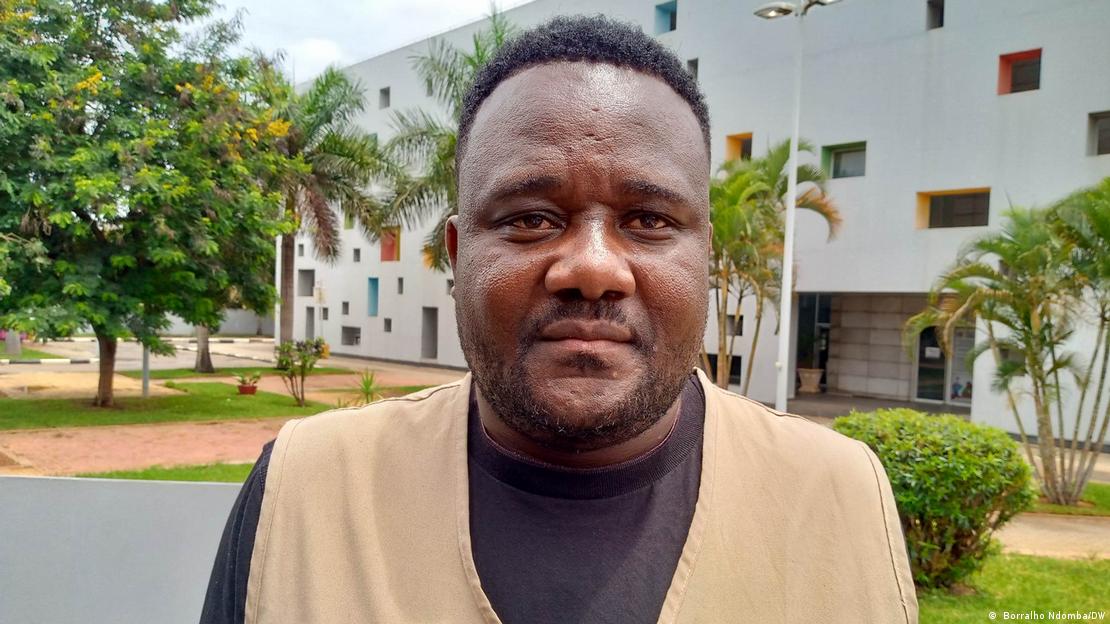
Ademar Jinguma of the teachers' union says the country needs tens of thousands of educators
Image: Borralho Ndomba/DW

Admar Jinguma, secretary-general of the Angolan teachers' union SNIPROF, supports the protests. "We share the students' criticism. We are aware of their concerns because we are also suffering. Classes are overcrowded, and our pay is miserable. Some teachers are starving."

A nationwide teachers' strike could be possible any movement, Jinguma said. "We are refraining from this for the time being to show our willingness to talk. But we've run out of patience."

Jinguma is outraged by state spending priorities in Angola. For example, the Argentinian national football team's planned invitation to a friendly match on the occasion of the country's 50th independence anniversary is set to cost $6 million (€5.1 million).

"$6 million for a 90-minute show, while schools fall into disrepair," said Jinguma. "How many school meals or desks could you pay for with that?"


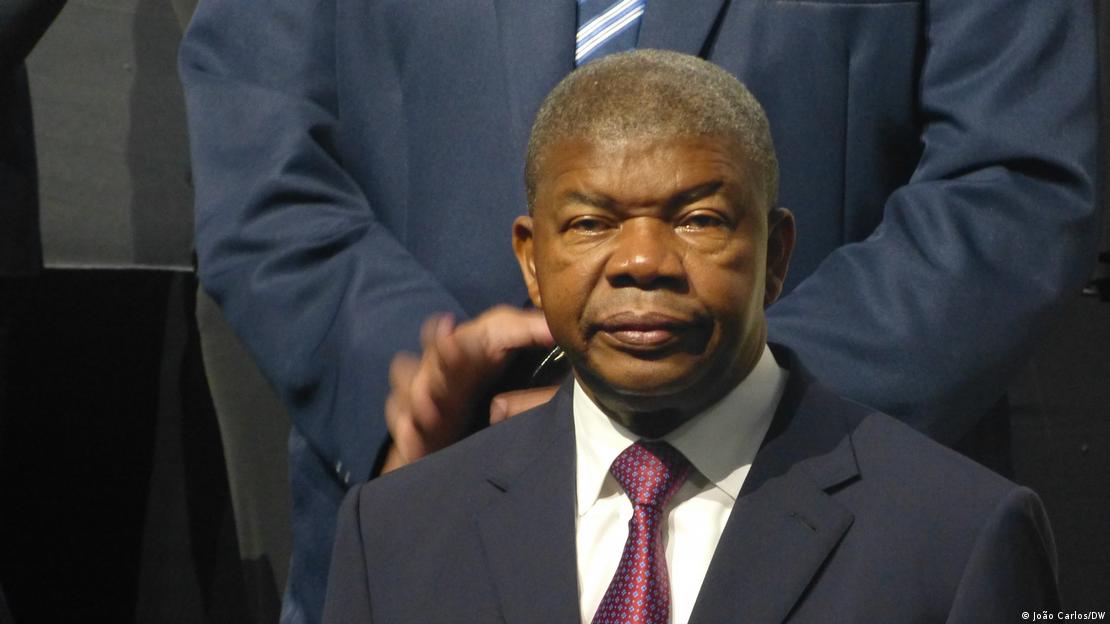
Angolan President Joao Lourenco has promised improvements in the education sectorImage: João Carlos/DW


Deliberately disadvantaging the poor?

"The problem is not just with the ministry. It is systemic," said Teixeira, the MEA spokesperson. "The political elite has no interest in liberating education. Educating the poor does not suit their power model.

"The government deliberately allows the public education system to deteriorate to deny the disadvantaged real opportunities. This is politically intended."

Angolan civil society, churches and the opposition are also expressing concern over the state of the country's education system.

It remains to be seen whether reforms will be implemented this school term or if the country will see a nationwide strike and new protests. What is certain, however, is that the pressure on the Angolan government, party and president is growing.

This article was originally published in German.

Antonio Cascais Award-winning documentary filmmaker and investigative journalisttwitter.com/antoniocascais

Burkina Faso's Traore: A hero to some, autocrat to others


Philipp Sandner
DW
September 10, 2025

Burkina Faso's military ruler is hailed on social media as a pan-African revolutionary. Yet at home, he suppresses civil liberties, criminalizes homosexuality and silences dissent.


Traore has cultivated an image of a strong pan-African ruler, but rights groups accuse him of clamping down on human rights
APA Images via ZUMA Press Wire/picture alliance

In the three years since Captain Ibrahim Traore seized power in Burkina Faso, he has become something of an internet sensation. On social media, he's often compared to iconic leaders of Africa's independence movements. But human rights organizations tell a very different story. So how can this stark contrast be explained?

A new chapter began for Burkina Faso on September 30, 2022, when a group of military officers led by Captain Ibrahim Traore staged a coup. His predecessor, Paul-Henri Sandaogo Damiba, had only months earlier ousted the last democratically elected president, Roch Marc Christian Kabore, and declared himself head of state.

Traore justified his own takeover by citing the worsening threat of terrorism. He promised to defeat the extremists within six months and hold democratic elections within a year.

Neither promise has been fulfilled. Instead, Traore has systematically consolidated power, restructuring the military, appointing loyalists to government posts and clamping down on opposition voices and the press. Just six months after taking control, he announced that elections were "not a priority."

He also reshaped the country's foreign alliances, starting with the former colonial power, France, which had been its closest partner in the fight against terrorism. In January 2023, Traore ordered French troops to leave.

He instead aligned Burkina Faso with two neighboring military-led regimes, Mali and Niger, forming the Alliance of Sahel States (AES). Together, the three countries withdrew from the ECOWAS regional bloc and the G5 Sahel security alliance. They formed a new strategic partnership with Russia, which now provides both political and rhetorical backing.


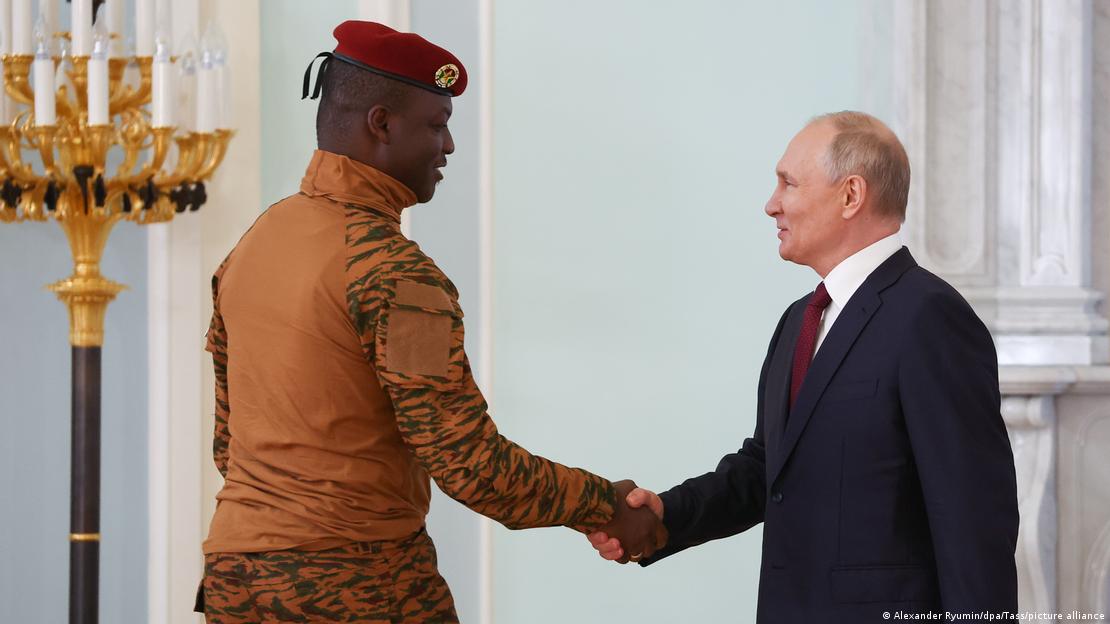
Burkina Faso's junta leader Ibrahim Traore turned to Russia after ditching France as a strategic partner
Image: Alexander Ryumin/dpa/Tass/picture alliance

Despite these bold moves, Traore has yet to achieve his core mission: defeating terrorism. On August 24, 2024, militants attacked the northern town of Barsalogho, killing hundreds of civilians. The security situation remains dire.

"An estimated 70% of the country is under the control of jihadist armed groups — or at least beyond the effective control of the government," Paul Melly, an expert on the Sahel region at Chatham House, London, told DW.

This is especially problematic since Traore's regime justified the coup as a response to this very security crisis. The government's current strategy is to minimize reporting on attacks and casualties.

Ibrahim Traore: The social media 'star'


Meanwhile, a dramatically different image of Ibrahim Traore circulates on social media. Pages like Traore Vision or Traore Builds Africa promote a charismatic leader who is "shocking the West" and pursuing "secret masterplans" to transform Burkina Faso into a pan-African economic powerhouse.

"Internationally, Traore has crafted the image of a young, dynamic revolutionary standing up to the former colonial power, France," says Melly. "And he really does have enormous reach on social media."

In this way, the 37-year-old ruler contrasts sharply with what many see as a complacent, out-of-touch political elite.


At the heart of his image is anti-French, anti-Western rhetoric that often invokes Thomas Sankara, the iconic Burkinabe leader of the 1980s who championed radical independence from France. Sankara was assassinated in 1987, and his successor, Blaise Compaore, steered the country back toward France-aligned policies.

According to exiled journalist Justin Yarga, now based in Sweden, Traore and his allies deliberately use media campaigns to distract from domestic failures, particularly in the fight against terrorism.

Shaping internal and external narratives


But even when journalists like Yarga expose Traore's junta-led government strategy, the findings gain little traction within Burkina Faso.

"I remember people responding to our investigation by saying, 'We don't care—even if it's propaganda. All that matters is that they're [Traore's government] right about France,'" he told DW.


Kenyan columnist and political blogger Patrick Gathara agrees. "I think people are fundamentally searching for saviors," Gathara told DW, referring to the broader Sahel region. "But we need to be cautious about presenting these figures as miracle solutions for problems that are systemic in nature."

According to him, the issue isn't just about finding better leaders but building institutions that limit power and enforce accountability.

That seems increasingly difficult in Burkina Faso. Just last week, the country passed a sweeping new "Family Law" that, for the first time in the nation's history, same-sex relationships are now criminalized.

Burkina Faso joins a host of other African nations, which have criminalized homosexuality
Image: Ben Curtis/AP Photo/picture alliance

Ousmane Aly Diallo of Amnesty International criticized the law, saying military regimes in Burkina Faso, Mali, and Niger are eager to sever ties with the West.

"This is now reflected in the norms and customs of Burkinabe society," he told DW. "The desire for sovereignty is being abused by introducing measures that discriminate and potentially violate the principle of equality before the law."

The new law also includes other authoritarian measures, such as allowing the government to strip Burkinabe citizenship from individuals who publicly criticize President Traore.

Tomi Oladipo and Saleh Mwanamilongo contributed to this article

This article was originally written in German
South Sudan vice president charged with murder, crimes against humanity

South Sudan's Vice President, Riek Machar, has been charged with murder, treason and crimes against humanity over an attack by an ethnic militia on a military base that killed more than 250 soldiers, the justice minister said on Thursday.


Issued on: 12/09/2025 - RFI

South Sudan's Vice President, Riek Machar, and President, Salva Kiir,
 in Juba on 5 February 2023. AFP - SIMON MAINA

A fragile power-sharing agreement between President Salva Kiir and Machar has been unravelling for months in the world's youngest country.

In early March, a militia from Machar's ethnic Nuer community known as the White Army attacked a military base in Nasir County, Upper Nile State in the northeast of the country.

The government says Machar was responsible and has now charged him and 20 others with murder, conspiracy, terrorism, treason, destruction of public property and crimes against humanity.

"These crimes were marked by gross violations of the Geneva Conventions and international humanitarian law, including the desecration of corpses, persecution of civilians, and attacks on humanitarian workers," Justice Minister Joseph Geng Akech said, according to a read-out provided to reporters in Juba.

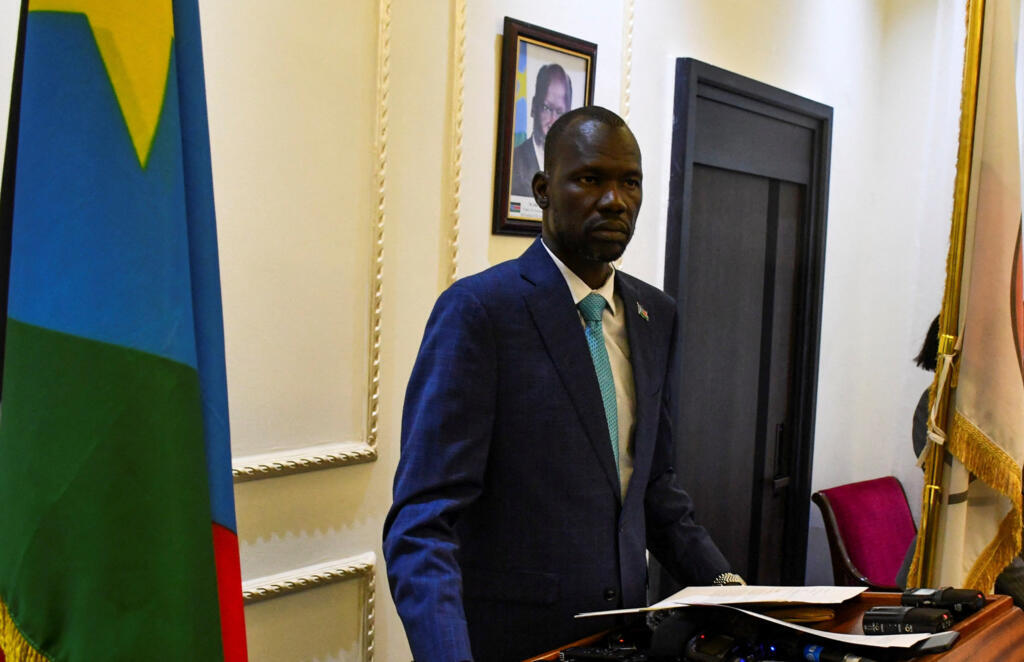
South Sudan's Justice Minister Joseph Geng speaks to the media about the charging of Vice President Riek Machar with murder, treason and crimes against humanity in Juba on 11 September 2025. © Samir Bol / REUTERS

South Sudan risks return to war after opposition leader's arrest, UN warns

Kiir soon after issued a presidential decree stripping Machar of his government position, along with another co-accused, petroleum minister Puot Kang Choi, according to a statement on state television.

The military base in Nasir was overrun by the White Army between 3 - 7 March.

Several senior officers including a general died and a United Nations helicopter came under fire while attempting to rescue soldiers at the base, leading to the death of a pilot.
'Alarming regression'

"This case sends a clear message: those who commit atrocities against the people of South Sudan, against our armed forces, and against humanitarian personnel will be held accountable, no matter their position or political influence," the minister said in the statement.

The UN, which operates a major peace-building mission in South Sudan, said at the time that the country was "witnessing an alarming regression that could erase years of hard-won progress".

Kiir had already been moving for months to consolidate power and sideline Machar, who was placed under house arrest a few weeks after the attack, while many of his allies have also been detained.

UN Security Council extends South Sudan arms embargo

South Sudan gained independence from Sudan in 2011 but was quickly plunged into a devastating five-year civil war between Kiir and Machar that left some 400,000 dead.

The war ended with a power-sharing agreement in 2018 but attempts by the international community to ensure a democratic transition have failed.

Elections that were due to take place in December 2024 were once again postponed for two years.

South Sudan has also made headlines after the United States deported eight convicted criminals to the country in July, only one of whom was South Sudanese.

(with AFP)


A gene mutation found in East Asian people increases liver disease risk by an ‘aldehyde storm’


Researchers have identified a unique ‘aldehyde storm’ that explains how a common genetic mutation increases liver disease risk


Osaka Metropolitan University

Using mice to understand how the gene mutation Aldh2*2 affects human health 

image: 

Osaka Metropolitan University researchers investigated the changes that occur in the livers of mice when aldehydes are rapidly produced in the body.

view more 

Credit: Osaka Metropolitan University


Researchers have identified the mechanism by which a common genetic mutation increases liver disease risk. Their findings suggest that healthy choices, such as increasing antioxidants and limiting exposure to smoke, may reduce the risk of this disease.

Aldehyde dehydrogenase 2 (ALDH2) is an important enzyme that detoxifies harmful aldehydes produced in the body. While it is best known for metabolizing acetaldehyde –an aldehyde increased by drinking– it also plays a role in detoxifying other harmful aldehydes, including acrolein. Acrolein is a highly reactive aldehyde produced by environmental exposure to pollutants such as cigarette smoke. It damages proteins, DNA, and lipids, contributing to cardiovascular disease, neurodegeneration, and other conditions.

Some East Asians have a genetic mutation (ALDH2*2) that impairs the function of ALDH2. It is estimated that about 40% of Japanese people carry this mutation. The carriers of the mutation have an increased risk of esophageal cancer, especially among heavy drinkers and smokers.

To understand how acute liver injury occurs in living organisms when aldehyde detoxification is impaired, a research group led by Associate Professor Takeshi Izawa and graduate student Yuki Takami of the Graduate School of Veterinary Science, Osaka Metropolitan University, used knock-in mice. These mice are bred to reproduce the dysfunction of the ALDH2 enzyme seen in human ALDH2*2 carriers, making them useful for modeling the processes that lead to liver disease in humans and studying the changes that occur when aldehydes are rapidly produced in the body.

The researchers used allyl alcohol, an alcohol that is metabolized into acrolein in the liver. They found that increased levels of acrolein coincided with the level of multiple aldehydes rapidly increasing in the blood, a phenomenon they named an ‘aldehyde storm.’ This subsequently causes aldehydes to accumulate in the liver, causing severe liver damage. Their mechanism suggests the damage that can be caused in people after exposure to high levels of acrolein, especially in those with the ALDH2*2 gene variant.

“The exposure level of acrolein used in this study clearly exceeds that of smoking; therefore the risk of severe liver damage like that reported in this paper occurring by smoking only is low,” Izawa said. “Instead, it is likely that the risk is higher in patients receiving anticancer drugs, such as cyclophosphamide, which is metabolized to acrolein in the body.”

Typically, acrolein is detoxified by the antioxidant glutathione; however, this did not happen in the mice. Instead, the researchers found that the levels of glutathione in the liver were severely depleted, indicating an inverse association with the aldehyde storm. Glutathione also suppresses oxidative stress and, accordingly, they found that the glutathione depletion promoted oxidative stress in the liver, leading to ferroptosis, a type of cell death. The researchers found evidence of tissue damage across organs, with the liver being the most severely affected.

“We identified for the first time the close relationship among aldehyde metabolism, redox balance, and the ferroptosis pathway,” Takami said.

Their findings may also be relevant to people who carry the ALDH2*2 gene variant. These people typically have a reduced ability to break down aldehydes from alcohol, certain foods, and environmental chemicals. In these individuals, the liver’s antioxidant defenses can be overwhelmed by sudden increases in aldehyde levels, leading to cell death and more severe liver injury. Their findings suggest that the aldehyde storm is a key part of this process. It also emphasizes the importance of people with this variant avoiding high aldehyde exposure, supporting their antioxidant system through a healthy diet, and monitoring their liver health.

“Acrolein is also found in electronic cigarette smoke and as a metabolite of anticancer drugs. The results of this study suggest that ALDH2*2 carriers may be at health risk from daily exposure to aldehydes caused by smoking and in certain medications,” Izawa said. “Going forward, we plan to investigate other health effects of chronic exposure to aldehydes in ALDH2*2 carriers, particularly their involvement in cancer.”

The study was published in Free Radical Biology and Medicine.

###

About OMU

Established in Osaka as one of the largest public universities in Japan, Osaka Metropolitan University is committed to shaping the future of society through the “Convergence of Knowledge” and the promotion of world-class research. For more research news, visit https://www.omu.ac.jp/en/ and follow us on social media: XFacebookInstagramLinkedIn.

Against the tide: Filipinos battle rising sea on sinking island


By AFP
September 11, 2025


Manila Bay is swallowing the Philippines' Pugad Island, where land subsidence is being exacerbated by rising sea levels
- Copyright AFP Ted ALJIBE


Pam CASTRO

On the Philippine island of Pugad, street food vendor Maria Tamayo wakes before her grandchildren to begin the backbreaking work of removing seawater from her home scoop by scoop with a plastic dustpan.

The routine has been the same ever since the rising tides of Manila Bay began swallowing the island — a seven-hectare speck of land in danger of sinking completely underwater.

“Scooping water takes a long time. That’s why my feet have started aching,” the 65-year-old said, adding that she can spend up to three hours a day at the task.

“I have to scoop out the water before my grandchildren wake up, or else they’ll slip on the floor. But it’s no use … there’s still water.”

Tamayo is one of 2,500 people living in Pugad’s only village.

The island is not the only one at risk in coastal Bulacan. Parts of the province are sinking at a rate of almost 11 centimetres (4.3 inches) a year, the fastest in the Philippines, according to a study led by geologist Mahar Lagmay.

The gradual sinking, known as land subsidence, is an “alarming” phenomenon caused by the overextraction of groundwater, and exacerbated by rising sea levels due to global warming, Lagmay said.

“The rates of subsidence (on Pugad Island) are quite high,” he said, adding that while studies specific to the tiny island were lacking, existing data on surrounding areas told the story clearly.

With high tides flooding the streets at least three times a week, the sea already dictates the rhythm of daily life on Pugad.

Class schedules are adjusted daily based on tide charts to prevent children from contracting flood-borne diseases.

Homes have been raised on stilts to keep floors dry, while small business owners use high tables to keep their wares above murky water that can rise to 1.5 metres (five feet) on heavy flooding days.


– ‘Back to normal’ impossible –


Sea levels across the Philippines are already rising three times faster than the global average of 3.6 millimetres per year, and the Department of Environment and Natural Resources (DENR) has said this could accelerate to 13 millimetres annually.

“Sea level rise is being experienced in many parts of the country,” DENR geosciences chief Karlo Queano told AFP, warning coastal areas could disappear without large-scale intervention.

While piecemeal efforts are in place in some areas — groundwater extraction has been banned in parts of Bulacan since 2004 — a broad national strategy has yet to take shape.

A government study on the path forward was not expected until 2028, Queano said.

“I think it’s already impossible for our lives in the village to go back to normal because of climate change,” said Pugad village captain Jaime Gregorio.

Gregorio said roads were being raised every three years to keep the community viable, but leadership changes meant the implementation of long-term flood mitigation projects was rarely consistent.

For Tamayo, who has lived on the island her whole life, the constant adjustment to the tide has drained what little money her family has scraped together.

Since 2022, they have been elevating their house each year, adding more gravel and concrete to stay above water, so far spending 200,000 pesos ($3,500).

“I love this island so much, this was where my mom and dad raised me… but sometimes, I think about leaving because of the high tide,” Tamayo told AFP.

Her boatman husband, Rodolfo Tamayo, insists their livelihood depends on staying.

“We can’t go to [other places], we won’t have jobs there. We will go hungry.”

Lagmay, the geologist, said land subsidence could be reversible with effective government policies governing the over-digging of wells.

But addressing the rise of sea levels was impossible without a concerted effort by the world’s highly industrialised countries to reduce greenhouse gas emissions, he said.

A UN climate fund established in 2023 to help countries like the Philippines address damage caused by climate change, meanwhile, remains unimplemented.

“We are talking of climate justice here. We have very little contribution to climate change, but we are very affected by its adverse effects,” said Elenida Basug, the DENR’s climate change service director.

Crouching in the doorway of her flooded home, Tamayo urged the world’s polluters to take responsibility for what she and her neighbours were experiencing.

“We are the ones who are suffering… They are rich, so we cannot do anything. Even if we speak against them, who would listen?” Tamayo said.
Ozempic maker Novo Nordisk to cut 9,000 global jobs


By AFP
September 10, 2025


The popularity of Novo Nordisk's weight-loss injections had once made it a darling of investors, boosting its share price and at one point making it Europe's most valuable company - Copyright AFP/File JOEL SAGET

Camille BAS-WOHLERT

Danish pharmaceutical giant Novo Nordisk announced Wednesday that it would cut 11 percent of its workforce, as the maker of Ozempic and Wegovy faces rising competition for its anti-obesity treatments.

The drug maker said in a statement it would save eight billion kroner ($1.3 billion) by slashing 9,000 jobs, including 5,000 in Denmark, across the company.

And for the third time this year, the company lowered its earnings forecast — it now expects operating profit growth of between four and 10 percent, down from 10-16 percent previously.

Novo Nordisk said the job cuts were part of a “company-wide transformation to simplify its organisation, improve the speed of decision-making, and reallocate resources towards the company’s growth opportunities in diabetes and obesity”.

The popularity of Novo Nordisk’s weight-loss injections had once made it a darling of investors, boosting its share price and at one point making it Europe’s most valuable company.

It went on a hiring spree, raising its workforce from 43,700 in 2020 to 78,400 today.

But its share price has been tanking since last year and sales have slowed as competition grwos from rival treatments in its key market, the United States.

“Our markets are evolving, particularly in obesity, as it has become more competitive and consumer-driven. Our company must evolve as well,” Novo Nordisk chief executive Mike Doustdar said in the statement.

“This means instilling an increased performance-based culture, deploying our resources ever more effectively, and prioritising investment where it will have the most impact –- behind our leading therapy areas,” said Doustdar, who succeeded Lars Fruergaard Jorgensen in August.

– Copycats –


Novo Nordisk faces stiff competition from rival treatments made by US group Eli Lilly.

The Danish company’s limited production capacity had also led the US Food and Drug Administration to temporarily allow pharmacies to create so-called “compound” or copycat versions of Ozempic and Wegovy.

The authorisation expired on May 22 but Novo Nordisk said last month that sales of generic versions of its treatments were continuing “under the false guise of ‘personalisation'”.

Ozempic is an injectable anti-diabetic treatment that became popular on social media for its slimming properties.

Wegovy, which has the same active ingredient as Ozempic in a different dose, is a weight-loss drug.

The treatments use analogues of the hormone GLP-1, which regulates blood glucose levels and appetite.

Novo Nordisk said Wednesday its “transformation” plan reflected “the company’s commitment to meet rising global demand while also competing in a more dynamic and consumer-driven obesity market, as evidenced by the recent slowdown in growth”.
Union to vote on deal to end strike at Boeing defense branch

By AFP
September 10, 2025


Striking Boeing defense plant workers shown outside of a Boeing facility on August 5, 2025 in Berkeley, Missouri - Copyright AFP/File PAU BARRENA

Labor leaders reached a tentative agreement with Boeing that could resolve a strike in the aviation giant’s defense business, the union announced Wednesday.

Some 3,200 workers in Missouri and Illinois are set to vote Friday on a preliminary agreement that includes wage increases, said a press release from the International Association of Machinists and Aerospace Workers Union.

Boeing confirmed the development and expressed hope that striking workers would accept the deal.

“We’ve found a path forward on a 5-year contract offer that grows wages by 45% on average,” said Boeing vice president Dan Gillian. “It remains the best deal we’ve ever offered to IAM 837 and we encourage our team to vote yes so we can get back to work building amazing products for our customers.”

Workers walked off the job on August 4 after voting down an earlier contract offer. Boeing announced last week that it was launching a recruitment drive to find “permanent” manufacturing workers to replace the striking employees.

IAM is one of North America’s largest unions, representing some 600,000 members in aerospace, defense, shipbuilding, transportation, health care, manufacturing and other industries.

Products produced at Boeing’s St. Louis operation include the F-15 and F-18 combat aircraft, the T-7 Red Hawk Advanced Pilot Training System and the MQ-25 unmanned aircraft. The site was originally part of the McDonnell Douglas company, which Boeing acquired in 1997.

The strike comes on the heels of a much larger stoppage in Boeing’s commercial aviation business involving some 33,000 workers who halted production at Pacific Northwest factories for more than seven weeks.
Carter Center announces ‘The President and the Dragon’ movie

President Carter championed the global effort to eradicate Guinea wormdisease from 1986 until his death in December 2024


ByDr. Tim Sandle
EDITOR AT LARGE SCIENCE
September 10, 2025


Jimmy Carter, seen here in 1991, is receiving hospice care at home - Copyright AFP Mahmud TURKIA

Jimmy Carter achieved many things through his long career. Arguably, some of his greatest achievements have occurred during his post-presidential period, especially activities linked to healthcare,

The President and The Dragon” is a powerful new documentary chronicling former U.S. President Jimmy Carter’s decades-long fight to eradicate an ancient parasite. The movie has set an October 1st, 2025 release date, coinciding with what would have been President Carter’s 101st birthday. The film will debut on-demand across Amazon, Hoopla, and Verizon Fios, with additional platforms to follow.

President Carter championed the global effort to eradicate Guinea wormdisease from 1986 until his death in December 2024. Across human history, the disease has ravaged human populations for thousands of years (reference to the disease is documented in the Egyptian medical Ebers Papyrus, dating from around 1550 BCE.)

READ MORE: World records fewest Guinea worm cases in history

As Digital Journal has previously summarised, the disease in question is unpleasant. Guinea Worm Disease is also called Dracunculiasis. The condition is an infection by the guinea worm (Dracunculus medinensis.) The guinea worm is a nematode and it is among the longest nematodes infecting humans. Females are up to 60 centimetres in length; males are far smaller at only 3 centimetres in length.

Former U.S. President Jimmy Carter and First Lady Rosalynn Carter co-founded The Carter Center in 1982 with the purpose of advancing human rights, alleviating human suffering, and improving the quality of life for people around the world.

“The President and the Dragon,” directed by Waleed Eltayeb and Ian D. Murphy, tells how President Carter and an eclectic group of public health professionals, local volunteers, and ex-child soldiers braved treacherous terrain and armed conflicts to reduce Guinea worm cases from 3.5 million in 1986 to just 15 last year.

“My grandfather desperately wanted to outlive Guinea worm, and he came remarkably close to doing it,” says Jason Carter, Carter Center board chair, lawyer, and the eldest grandson of President Carter. “He witnessed firsthand what freeing a community from this terrible disease meant to people’s daily lives, and The Carter Center will keep working until there are zero cases.”

Eltayeb, a Sudanese filmmaker based in Dubai, travelled with his crew to remote locations on the African continent where the waterborne disease remains endemic, capturing the difficult — and often dangerous —work of the “Guinea worm warriors” working on the frontlines of public health. Guinea worm disease is close to becoming the second human disease ever eradicated, following smallpox.

“This is a story of hope, and of the power of ordinary people in even the most isolated communities to improve their lives,” Eltayeb said. “There is no vaccine for Guinea worm disease, so progress comes one village at a time when people work together in places like South Sudan and Chad. It’s a story the world needs to hear now more than ever.”

The film is produced by Touchline’s Shaun McGuckian and Eltayeb, co-produced by Brave Road’s Andrew Bishop (ESPN’s “26.2 to Life”) and Tim Byron Owen (“The Matchstick Man”), and distributed worldwide by Buffalo 8.