Monday, October 20, 2025


Has the Anthropocene been canceled?
MR Antropocene

First published at Monthly Review.

Some 2.8 million years ago, the level of carbon dioxide in Earth’s atmosphere dropped, triggering an Ice Age. Since then, long-term changes in Earth’s orbit and tilt, called Milankovitch cycles, have produced global temperature swings every 100,000 years or so. In the glacial (cold) phases, kilometers-thick ice sheets covered most of the planet; in shorter interglacial (warm) periods, the ice retreated toward the poles. For the past 11,700 years, we have lived in an interglacial period that geologists call the Holocene Epoch.

Under normal circumstances, the glaciers and polar ice caps would now be slowly growing. As recent research shows, “if not for the effects of increasing CO2, glacial inception would reach a maximum rate within the next 11,000 years.”1 Instead of global heating, the Earth’s future would be global freezing, but only in the distant future.

However, as anyone even slightly aware of environmental issues knows, the world’s glaciers and ice caps are not expanding; they are shrinking — fast. Between 1994 and 2017, Earth lost 28 trillion tons of ice, and the rate of decline has increased by 57 percent since the 1990s.2 Even if greenhouse gas emissions are rapidly reduced, conditions preventing the return of continental ice sheets will likely persist for at least 50,000 years. If emissions do not stop, the ice will not be back for at least half a million years.3

In short, as a direct result of greenhouse gas emissions caused by human activity, the Ice Age has been canceled.

This is concrete proof of one of the most radical conclusions of twenty-first century science: “The earth has now left its natural geological epoch, the present interglacial state called the Holocene. Human activities have become so pervasive and profound that they rival the great forces of nature and are pushing the earth into planetary terra incognita.”4

The scientists who first reached that conclusion named the new epoch the Anthropocene. An overwhelming volume of evidence shows that a new stage in Earth system history has begun, one characterized by major changes to many aspects of the natural world, heading toward conditions that humans may not survive. They have shown that many of the largest changes are irreversible on any human timescale. They have dated the beginning of this radical transformation to the mid-twentieth century. They have also shown that physical records of the change can be seen in geological strata.

To any reasonable observer, the case is irrefutable. Yet, some prominent scientists deny that a qualitative change has taken place, and one of the world’s largest scientific organizations has voted against formal recognition of the new epoch. The research and debates that led to this perverse result help to illuminate the challenges facing scientists and ecosocialists in our time.

Earth System Science

During the 1970s and ’80s, increasing numbers of scientists came to the conclusion that traditional scientific methods focusing on local or regional issues were insufficient for understanding environmental problems — that Earth as a whole had entered a period of extreme crisis caused by human activity.

In 1972, for example, Barbara Ward and René Dubos wrote that “the two worlds of man—the biosphere of his inheritance, the technosphere of his creation — are out of balance, indeed potentially in deep conflict.” Earth faced “a crisis more sudden, more global, more inescapable, and more bewildering than any ever encountered by the human species and one which will take decisive shape within the life span of children who are already born.”5

Several bestselling books by James Lovelock promoted what he called the “Gaia hypothesis” — that living matter actively regulates the planetary environment to ensure optimal conditions that sustain life. His views were rejected by most scientists, but their popularity encouraged study of the planet as a whole. Some scientists still use the word Gaia as a synonym for the Earth System.6

NASA formed an Earth System Sciences Committee in 1983, declaring that its goal was “to obtain a scientific understanding of the entire Earth System on a global scale by describing how its component parts and their interactions have evolved, how they function, and how they may be expected to continue to evolve on all time scales.”7 Millions of high-resolution images of Earth obtained by the Landsat satellites, first launched in 1972, contributed to that effort.

In 1986, the International Council of Scientific Unions approved the formation of the International Geosphere-Biosphere Program (IGBP) “to describe and understand the interactive physical, chemical and biological processes that regulate the total Earth system, the unique environment that it provides for life, the changes that are occurring in this system, and the manner in which they are influenced by human activities.”8

The IGBP began operations in 1990, with a secretariat in Stockholm and a variety of international working groups that involved thousands of scientists. By any measure it was “the largest, most complex, and most ambitious program of international scientific cooperation ever to be organized.”9 For the next twenty-five years, the most important work in Earth System science was performed under the IGBP’s umbrella.

One of the IGBP’s founding statements began: “Mankind today is in an unprecedented position. In the span of a single human generation, the Earth’s life sustaining environment is expected to change more rapidly than it has over any comparable period of human history.”10 That statement proved more insightful than anyone imagined in 1990. In 2000, at a meeting where the various working groups reported on a decade of in-depth research, Nobel Prize-winning atmospheric chemist Paul Crutzen concluded that the accumulated changes had broken through the limits of the present geological epoch. “We’re not in the Holocene anymore,” he declared. “We’re in the Anthropocene!”11

The importance of that insight cannot be overstated. Anthropocene was not just a new word, it was a new reality and a new way of thinking about the crisis of the Earth System. Several leading participants in the development of Earth System Science wrote recently:

ESS [Earth System Science], facilitated by its various tools and approaches, has introduced new concepts and theories that have altered our understanding of the Earth System, particularly the disproportionate role of humanity as a driver of change. The most influential concept is that of the Anthropocene, introduced by PJ Crutzen to describe the new geological epoch in which humans are the primary determinants of biospheric and climatic change. The Anthropocene has become an exceptionally powerful unifying concept that places climate change, biodiversity loss, pollution and other environmental issues, as well as social issues such as high consumption, growing inequalities and urbanization, within the same framework. Importantly, the Anthropocene is building the foundation for a deeper integration of the natural sciences, social sciences and humanities, and contributing to the development of sustainability science through research on the origins of the Anthropocene and its potential future trajectories.12

Crutzen initially suggested that the Anthropocene may have begun with the Industrial Revolution in the 1700s, but subsequent research focused attention on the middle of the twentieth century.

Key to this understanding was the discovery of a sharp upturn in a multitude of global socioeconomic indicators and Earth System trends at that time; a phenomenon termed the “Great Acceleration.” It coincides with massive increases in global human-consumed energy and shows the Earth System now on a trajectory far exceeding the earlier variability of the Holocene Epoch, and in some respects the entire Quaternary Period.13

In 2004, the IGBP published Global Change and the Earth System: A Planet Under Pressure, which synthesized the results of their research on global change and argued that “the Earth System is now in a no-analogue situation, best referred to as a new era in the geological history of earth, the Anthropocene.”14

After outlining what IGBP researchers had learned about the complex dynamics of the Earth System, the authors described how human activities are now changing it in fundamental ways. Their account included the famous “Great Acceleration” graphs, showing the unprecedented increases in economic activity and environmental destruction that began about 1950. The great metabolic cycles that support life on Earth—carbon, nitrogen, water, and more—were disrupted, and “the most rapid and pervasive shift in the human-environment relationship began.… Over the past 50 years, humans have changed the world’s ecosystems more rapidly and extensively than in any other comparable period in human history.”15

A new reign of climate chaos?

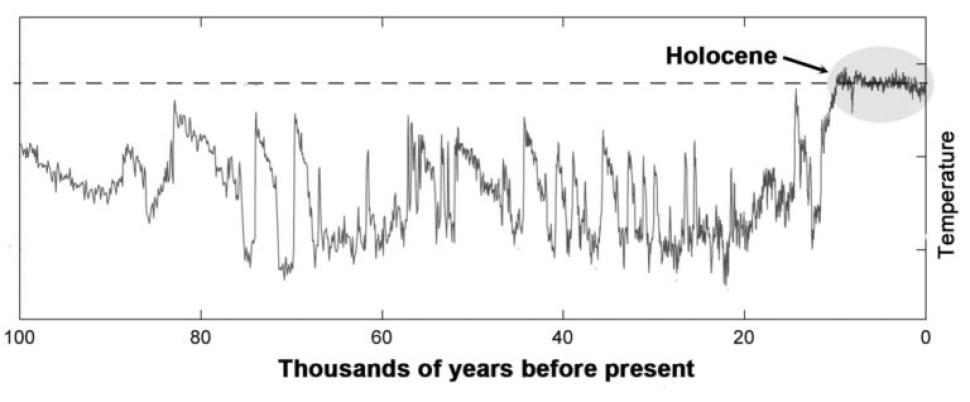
Chart 1, adapted from a study of ice-core data by scientists at the Potsdam Institute for Climate Impact Research, shows the average annual temperature in Greenland over the past 100,000 years.16 The first 90 percent of this time was the end of the Pleistocene, a 2.6 million year-long epoch characterized by repeated glacial advances and retreats. In this period, the global climate was not only cold, it was in general extremely variable.

Modern humans walked the earth for all the time shown in this graph, but until the Holocene they lived in small, nomadic groups of hunter-gatherers. Climate historian William J. Burroughs, who calls the time before the Holocene the “reign of chaos,” compellingly argues that so long as rapid and chaotic climate change continued, agriculture and settled life were impossible. To succeed, agriculture needs not just warm seasons, but a stable and predictable climate — and indeed, not long after the Holocene began, humans on five continents independently took up farming as their permanent way of life. “Once the climate had settled down into a form that is in many ways recognizable today, all the trappings of our subsequent development (agriculture, cities, trade, etc.) were able to flourish.”17

The Holocene has been one of the longest stable warm periods in the last half a million years.18 From 11,700 years ago to the twentieth century, the average global temperature did not vary by more than one degree Celsius — up or down half a degree. That is not to say that Holocene weather was without extremes: the one-degree average variation included droughts, famines, heat waves, cold snaps, and intense storms. But overall, it was marked by a not-too hot, not-too cold, “Goldilocks” climate.
Image
Chart 1. Average Annual Greenland Temperature, 100,000 Years Ago to Present
Notes and Sources: Temperature record of the past 100,000 years showing dramatic swings between cold (glacial) and warm periods followed by the warmer Holocene Epoch, starting approximately 11,700 years ago. Andrey Ganopolski and Stefan Rahmstorf, “Rapid Changes of Glacial Climate Simulated in a Coupled Climate Model,” Nature 409, no. 6817 (January 2001): 153–58.

In 2009, twenty-nine leading Earth System scientists defined nine planetary boundaries that, if crossed, could destabilize the Earth System. Staying within the boundaries would maintain Holocene-like conditions, the only environment that we know for sure can support large and complex human societies. The most recent update, published in 2023, found that six of the nine boundaries have been crossed. The Earth System has left the safe operating space for climate change, biosphere integrity, land system change, freshwater change, biogeochemical (nitrogen and phosphorus) flows, and novel entities, and it is close to the boundary for ocean acidification. These shifts portend a climate that is hotter, more variable, and less predictable than any settled human society has experienced — a new reign of chaos.

Rarely has a new scientific concept won wide support as quickly as the Anthropocene. The decade following Crutzen’s spontaneous declaration produced a large body of Earth System research exploring aspects of the concept. An inflection point occurred in 2012, when the IGBP and other Earth System science organizations held a conference on global change in London. More than three thousand people attended in person and three thousand more attended online. The meeting’s final declaration was unequivocal:

Research now demonstrates that the continued functioning of the Earth system as it has supported the well-being of human civilization in recent centuries is at risk. Without urgent action, we could face threats to water, food, biodiversity and other critical resources: these threats risk intensifying economic, ecological and social crises, creating the potential for a humanitarian emergency on a global scale….

Humanity’s impact on the Earth system has become comparable to planetary-scale geological processes such as ice ages. Consensus is growing that we have driven the planet into a new epoch, the Anthropocene, in which many Earth-system processes and the living fabric of ecosystems are now dominated by human activities. That the Earth has experienced large-scale, abrupt changes in the past indicates that it could experience similar changes in the future. This recognition has led researchers to take the first step to identify planetary and regional thresholds and boundaries that, if crossed, could generate unacceptable environmental and social change.19

But geology…

Still, something was missing. “Holocene” is a geological term: it names the last 11,700 years, the most recent stage in the planet’s geological history. It is an epoch in the Geological Time Scale, which was created to ensure that all geologists have a common understanding of the stages of Earth’s physical history and use the same terms to describe it. Any change to the Geological Time Scale must be formally approved by the International Commission on Stratigraphy (ICS) and the International Union of Geological Sciences (IUGS), both of which are notoriously conservative and resistant to change.

It was not until 2009 that the ICS asked palaeobiologist Jan Zalasiewicz of the United Kingdom’s Leicester University to chair a working group to investigate and report on whether geologists should formally recognize the Anthropocene as a new epoch.

The Anthropocene Working Group (AWG) had to start from scratch: past working groups could base their deliberations on decades of existing research, but no one had yet looked for geological evidence of a break between the Holocene and a possible new epoch. In the years following the formation of the AWG, geologists around the world conducted dozens of research projects on that subject, with results published in peer-reviewed journals and in books edited by AWG members.

There was an immense amount of data and analysis to assimilate, especially since the group was small and its members were unpaid volunteers. However, by 2015 they had accumulated and evaluated a mass of geological evidence — strong physical indicators that a radical change was taking place. An article summarizing that evidence was published in the journal Science in January 2016.

The appearance of manufactured materials in sediments, including aluminum, plastics, and concrete, coincides with global spikes in fallout radionuclides and particulates from fossil fuel combustion. Carbon, nitrogen, and phosphorus cycles have been substantially modified over the past century. Rates of sea-level rise and the extent of human perturbation of the climate system exceed Late Holocene changes. Biotic changes include species invasions worldwide and accelerating rates of extinction. These combined signals render the Anthropocene stratigraphically distinct from the Holocene and earlier epochs….

The stratigraphic signatures described above are either entirely novel with respect to those found in the Holocene and preexisting epochs or quantitatively outside the range of variation of the proposed Holocene subdivisions. Furthermore, most proximate forcings of these signatures are currently accelerating. These distinctive attributes of the recent geological record support the formalization of the Anthropocene as a stratigraphic entity equivalent to other formally defined geological epochs. The boundary should therefore be placed following the procedures of the International Commission on Stratigraphy.20

By 2023, the AWG had decided, by an overwhelming majority, that a new geological epoch began in about 1950, and that the best stratigraphic signal for the beginning of the new epoch was the presence of plutonium isotopes, created and spread by the atmospheric hydrogen bomb tests that the United States and the Soviet Union conducted between 1952 and 1963.

Twelve locations on five continents were studied in detail for suitability as reference sites. The onset of the Anthropocene could be clearly identified in all twelve, but the researchers selected Crawford Lake in southwestern Ontario as the best location for a “golden spike.” For centuries, unique conditions there have preserved annual layers of sediment, including undisturbed layers containing plutonium. Three other locations, in Japan, China, and Poland, were selected as auxiliary sites.

Opposition

The most common argument against the new epoch was that human beings have always changed the environment, so the Anthropocene is nothing new. Late in the debate, this argument took the form of a proposal that the Anthropocene should be considered as an informal “event,” spread over thousands of years. In that framework, the Great Acceleration was at most an intensification of long-term continuing changes, not a qualitative shift.21

AWG members replied: “the Anthropocene is de facto a new epoch, not an encapsulation of all anthropogenic impacts in Earth history.” Indeed, that idea “runs counter to the Anthropocene’s central meaning” by extending it to all human-induced changes over thousands of years and ignoring “the abrupt human-driven shift a new Earth System state that has exceeded the natural variability of the Holocene.”22

In short, the proposal preserved the word but erased its fundamental meaning and radical content.

Other arguments against formalizing the Anthropocene ranged from trivial (the name is not appropriate; the idea comes from outside geology; other epochs are longer) to insulting (this whole thing is just about getting publicity). In 2017, members of the AWG assembled the published arguments against the Anthropocene and prepared responses to each. The resulting article was polite and collegial but nonetheless devastating. It left the critics with no scientific basis for continued opposition.23

Yet, as Zalasiewicz later wrote: “neither this strengthened evidence base, nor further evidence subsequently gathered, did anything to diminish the outright opposition to the Anthropocene from a minority of AWG members and their colleagues.” He went on:

This suggested that this opposition and that of others in the ICS — the strong opposition of the highly influential ICS Chair, Stanley Finney, was a significant factor — even when responded to and countered was not based on the amount and quality of stratigraphic evidence. Rather, it seemed to reflect more deep-seated aspects of the chronostratigraphically proposed Anthropocene….

Evidence-based refutations did nothing to prevent further reiterations of the “event” suggestion, again suggesting that the body of stratigraphic evidence assembled by the AWG was of little relevance to the central question of whether an Anthropocene epoch should exist at all.…

The Anthropocene clearly touches nerves that more ancient strata do not reach.24

In November 2023, when the AWG submitted its formal proposal to recognize the new epoch, it also submitted a complaint to the Geoethics Commission, charging that the executives of the ICS and the IUGS had deliberately hindered and undermined their work. The Commission reportedly supported the complaint and recommended that no vote be held. The IUGS appears to have ignored the recommendation.

If normal procedures had been followed, the AWG submission should have initiated a period of open discussion. Instead, in March 2024 the AWG’s proposal was abruptly voted down after a brief discussion in a closed-door setting. The IUGS did not reply to the AWG submission, it simply announced its rejection.

We can only speculate about the motives that led to this preposterous decision, but as archaeologists Todd Braje and Jon Erlandson have pointed out, this debate “has the potential to influence public opinions and policies related to critical issues such as climate change, extinctions, modern human-environmental interactions, population growth, and sustainability.”25 In that respect, it is surely relevant that geology — a science deeply implicated in the discovery and exploitation of fossil fuels — has been, shall we say, conservative on the question of climate change.

In 2016, the chair of the ICS charged that “the drive to officially recognize the Anthropocene may, in fact, be political rather than scientific.”26 The opposite seems more likely: opposition to the idea of the Anthropocene is political, not scientific. Certainly, he and his colleagues have ensured that no one can use the prestige of the ICS and IUGS in support of decisive action to prevent climate chaos. The price paid for that political win is a defeat for geology’s credibility — the Geological Time Scale no longer accurately reflects Earth history.

The AWG has not gone away. It continues operations as an independent group, and has published several important papers since the ICS and IUGS rulings.27 Like Charles Darwin in another time, they are challenging a scientific establishment that is bent on protecting an unscientific worldview — a difficult but essential contribution to the advancement of science.

Eight years before the top bureaucrats in organized geology made their decision, I closed a summary of Anthropocene debates with these words:

It is still possible that the usually conservative International Commission on Stratigraphy will either reject, or decide to defer, any decision on adding the Anthropocene to the geological time scale, but as the AWG majority writes, “the Anthropocene already has a robust geological basis, is in widespread use, and indeed is becoming a central, integrating concept in the consideration of global change.…”

In other words, failure to win a formal vote will not make the Anthropocene go away.28

Since I wrote that, the volume and persuasiveness of the evidence has only grown. The highest temperatures in human history, species extinctions on an unprecedented scale, a global glut of plastics and synthetic chemicals that nature cannot absorb, multiple pandemics of previously unknown diseases, and many more crises confirm that massive disruption of Earth’s life support systems is underway, in a new and deadlier stage of planetary history.

The Anthropocene may not be official, but it is real.

Ian Angus is editor of the online ecosocialist journal Climate & Capitalism and a founding member of the Global Ecosocialist Network. He is the author of Facing the Anthropocene: Fossil Capitalism and the Crisis of the Earth System (2016) and, most recently, The War Against the Commons: Dispossession and Resistance in the Making of Capitalism (2023), both published by Monthly Review Press.

  • 1

    Stephen Barker et al., “Distinct Roles for Precession, Obliquity, and Eccentricity in Pleistocene 100-kyr Glacial Cycles,” Science 387, no. 6737 (February 28, 2025).

  • 2

    Thomas Slater et al., “Review Article: Earth’s Ice Imbalance,” Cryosophere 15 (January 25, 2021): 233–46.

  • 3

    C. P. Summerhayes et al., “The Future Extent of the Anthropocene Epoch: A Synthesis,” Global and Planetary Change 242 (November 2024): 104568.

  • 4

    Will Steffen, Paul J. Crutzen, and John R. McNeill, “The Anthropocene: Are Humans Now Overwhelming the Great Forces of Nature?,” Ambio 36, no. 8 (December 2007): 614.

  • 5

    Barbara Ward and Rene Dubos, Only One Earth: The Care and Maintenance of a Small Planet (New York: W. W. Norton, 1972), 12.

  • 6

    For a detailed scientific evaluation, see Toby Tyrrell, On Gaia: A Critical Investigation of the Relationship Between Life and Earth (Princeton: Princeton University Press, 2013).

  • 7

    National Research Council, Earth System Science—Overview: A Program for Global Change (Washington, DC: National Academies Press, 1986), 4.

  • 8

    National Research Council, Global Environmental Change: Research Pathways for the Next Decade (Washington, DC: National Academies Press, 1999), 3.

  • 9

    Juan G. Roederer, “ICSU Gives Green Light to IGBP,” Eos 67, no. 41 (October 14, 1986): 777–81.

  • 10

    International Geosphere-Biosphere Programme, IGBP Global Change: The Initial Core Projects, Report no. 12 (Stockholm: International Council of Scientific Unions,1990), 1–3.

  • 11

    I have described this process in more detail in the first chapter of Facing the Anthropocene (New York: Monthly Review Press, 2016).

  • 12

    Will Steffen et al., “The Emergence and Evolution of Earth System Science,” Nature Reviews Earth & Environment 1 (January 2020): 59.

  • 13

    Martin Head et al., “The Great Acceleration Is Real and Provides a Quantitative Basis for the Proposed Anthropocene Series/Epoch,” Episodes Journal of International Geoscience 45, no. 4 (December 2022): 359–76.

  • 14

    Will Steffen et al., Global Change and the Earth System: A Planet Under Pressure (New York: Springer, 2004), 93.

  • 15

    Steffen, Crutzen, and McNeill, “The Anthropocene: Are Humans Now Overwhelming the Great Forces of Nature?,” 617.

  • 16

    Andrey Ganopolski and Stefan Rahmstorf, “Rapid Changes of Glacial Climate Simulated in a Coupled Climate Model,” Nature 409 (January 11, 2001): 153–58.

  • 17

    William J. Burroughs, Climate Change in Prehistory: The End of the Reign of Chaos (Cambridge: Cambridge University Press, 2005), 13, 102.

  • 18

    J. R. Petit et al., “Climate and Atmospheric History of the Past 420,000 Years from the Vostok Ice Core, Antarctica,” Nature 399 (June 3, 1999): 429–36.

  • 19

    Final Issues Statement from Planet Under Pressure Conference, London, 2012,” EarthSky, March 29, 2012, earthsky.org.

  • 20

    Colin N. Waters et al., “The Anthropocene Is Functionally and Stratigraphically Distinct from the Holocene,” Science 351, no. 6269 (2016).

  • 21

    Matthew Edgeworth et al., “The Anthropocene Is More Than a Time Interval,” Earth’s Future 12, July 18, 2024.

  • 22

    Jan Zalasiewicz et al., “Reply to Edgeworth et al. 2024: The Anthropocene Is a Time Interval, and More Besides,” ESS Open Archive, December 23, 2024.22

  • 23

    Jan Zalasiewicz et al., “Making the Case for a Formal Anthropocene Epoch: An Analysis of Ongoing Critiques,” Newsletters on Stratigraphy 50, no. 2 (April 2017): 205–26.

  • 24

    Jan Zalasiewicz, foreword to Martin Bohle, Boris Holzer, Leslie Sklair, and Fabienne Will, The Anthropocene Working Group and the Global Debate Around a New Geological Epoch (New York: Springer, 2025), ix, xii, xiv.

  • 25

    Todd J. Braje and Jon M. Erlandson, “Looking Forward, Looking Back: Humans, Anthropogenic Change, and the Anthropocene,” Anthropocene 4 (December 2013): 116–21.

  • 26

    Stanley C. Finney and Lucy E. Edwards, “The ‘Anthropocene’ Epoch: Scientific Decision or Political Statement?,” GSA Today 26, no. 3 (March 2016): 4–10.

  • 27

    Among others: Summerhayes et al., “The Future Extent of the Anthropocene Epoch”; Francine McCarthy Martin J. Head, Colin N. Waters, and Jan Zalasiewicz, “Would Adding the Anthropocene to the Geologic Time Scale Matter?” AGU Advances 6, no. 2 (February 2025); Mark Williams et al., “Palaeontological Signatures of the Anthropocene Are Distinct from Those of Previous Epochs,” Earth-Science Reviews 225 (August 2024): 104844.

  • 28

    Angus, Facing the Anthropocene, 58.

The Zohran Mamdani Campaign: Solidarity with the movement and critical notes on the future

What’s the future for New York City under Zorhan Mamdani’s win?

First published at Solidarity (US).

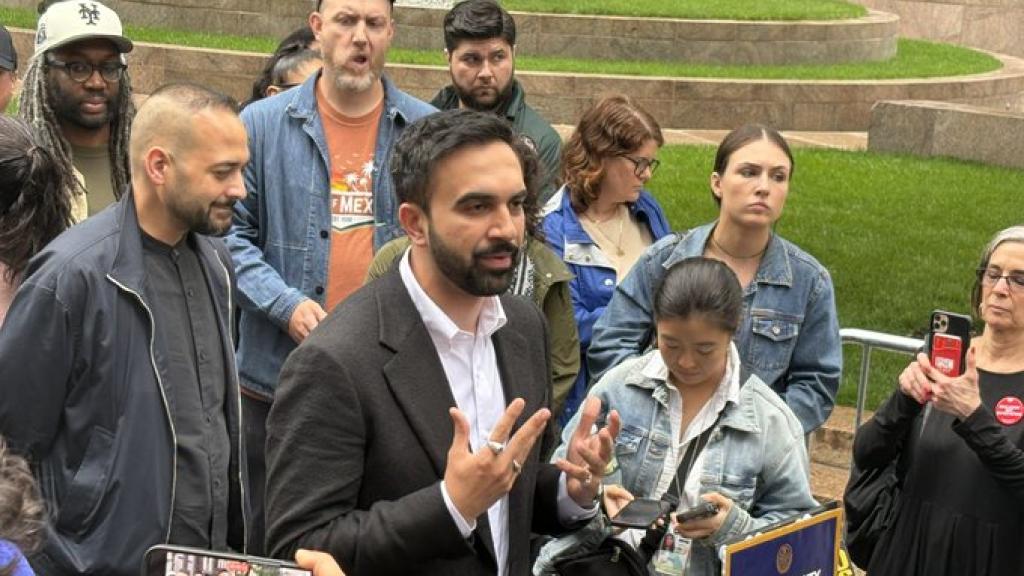
Zohran Mamdani’s meteoric victory in the New York City Democratic mayoral primary, and his pending general election success in November, sheds light on critical facets of the city’s and the broader U.S. political turmoil.

Mamdani’s campaign speaks to the cost-of-living crisis that makes NYC difficult or unlivable for much of its working-class population — particularly housing and transport costs, the absence of reliable and safe childcare, and food deserts. It also offers a response to the gangsterism of the Trump administration.

While New York obviously has distinctive features, the affordability crisis is not unique to the city. It is sucking the life out of many U.S. urban and rural communities. Add to that the terrorism of the Trump administration as it sends masked men into communities to arrest, imprison and deport people who are seeking sanctuary and to intimidate anyone who dares speak in their defense.

Mamdani’s standing with immigrant communities has provoked Trump into saying he should be deported. Even if this is empty bluster, it’s an implicit incitement to violence at this particularly frightening moment in U.S. politics. And it certainly menaces the Muslim communities in the city and beyond.

The genocide in Gaza, perpetrated jointly by the Israeli state and the USA, and the ethnic cleansing and Israeli annexationism in the Palestinian West Bank, are key issues in Mamdani’s campaign. His support for Palestinian rights has included visiting synagogues to meaningful dialogue with the Jewish community as he stands with Jewish supporters of Palestinian freedom. Yet he and his supporters are viciously branded by the right as “antisemites” and “supporters of terrorism.” We stand with Mamdani and his supporters in their opposition to Islamophobia.

Mamdani himself is a committed “democratic socialist” (and polling suggests that as much as 40% of the U.S. public looks favorably on “socialism,” even if not clearly defined). The campaign raises essentially reforms in the New Deal tradition — and are anathema to the ruling elites in New York City and USA. (Important elements in Mamdani’s platform are in line with socialist principles yet the campaign does not challenge the framework of a capitalist economy.)

Mamdani clearly chose to run inside the Democratic Party, not to take an independent course. We don’t agree with this perspective; in fact, we see it as a contradiction with the campaign’s demands. And we note the Democratic party establishment does everything possible to evade these very issues.

Mamdani’s success shows the importance of a well-organized campaign and in this case, socialist organization as well as a strong community network that he’s built up as a state assembly rep. This included, for example, his hunger strike for taxi medallion owners.

The campaign has depended on community, union and socialist movement activists to succeed — and will require even further mobilization to achieve its economic and social justice goals.

Comrades in NYC have seen how the visibility of the campaign, its posters and homemade signs, and its activities drawing huge crowds on a few hours’ notice, have changed the face of city politics.

New York City DSA (Democratic Socialists of America) poured thousands of its members into door-knocking and neighborhood canvassing for Mamdani, who is himself a committed — i.e. more than just paper — DSA member. At the same time, Mamdani was always committed to running as a candidate inside the Democratic Party and is quite likely building his governing coalition with elements of the party apparatus who will undoubtedly insist on stripping away the radical thrust of his program.

Solidarity does not support the tactic of running electoral campaigns in Democratic primaries or on the party line. It’s impressive, however, that the messaging, mechanics and logistics of this campaign have involved and trained tens of thousands, getting out the biggest vote that anyone has received in a NYC primary campaign.

Despite Mamdani’s commitment to the Democratic Party, this was most definitely not the campaign of the party leadership, which is intimately connected to the financial and real estate elites most enraged by Mamdani’s affordability message. NY governor Kathy Hochul (who’s up for reelection next year and more susceptible to pressure) has belatedly endorsed her party’s mayoral candidate, while the wretched Senate minority leader Chuck Schumer and Congressional minority leader Hakeem Jeffries so far remain silent.

Some within the state Democratic establishment have endorsed Mamdani, including even the pro-Israel centrist Richie Torres, yet the state party head Jay Jacobs refused.

With less than five weeks until the election, Eric Adams pulled out of the race. While not endorsing Andrew Cuomo, Adams warned voters to beware of “insidious forces” pushing “divisive agendas.” Now Cuomo has the opportunity to unlock the piggy bank and come from behind to overtake Mamdani.

Although that scenario is a longshot, a Mamdani win will face the vengeful wrath of the city’s financial elites, the menace of the Trump gang, and the resistance of governor Hochul. Some of the measures NYC needs require statewide approval, particularly a 2% tax surcharge on incomes of over $1 million dollars a year and a rise in the corporate tax rate to 11.5%.

The challenges facing any progressive incoming NYC mayor are daunting. Some of these are outlined in Howie Hawkins’ article. As he points out:

If Mamdani survives the general election, the same corporate forces will resist and undermine his mayoralty. The big capitalists have the private power to wreck New York City’s economy and fiscal stability with a capital strike or capital flight, as they are already threatening. The corporate Democratic leaders like Kathy Hochul in the governor’s mansion and the leadership of the state legislature have already made it clear that they will block his proposed city tax increases on personal income over a million a year and on big businesses that he needs to fund his reforms. He will need state approval for those tax reforms.

The federal government will also make life hard for a Mayor Mamdani. One only has to recall President Gerald Ford’s refusal to provide federal assistance during the city’s 1975 fiscal crisis, which prompted the famous tabloid headline by the New York Daily News: ‘Ford to City: Drop Dead.’ President Trump has already said as much: ‘If he does get in, I’m going to be president, and he’s going to have to do the right thing, or they’re not getting any money.’

Mamdani could find himself in office but not in power. That could mean an outcome like the progressive Chicago Mayor Brandon Johnson has experienced since being elected in 2023.

A lengthy analysis by Eric Blanc, “Zohran Mamdani Can Help Rebuild New York’s Labor Movement”, outlines the urgent necessity and possibilities:

Turning around labor’s decline is crucial for achieving Mamdani’s overarching goal of an affordable New York. In a state with the highest income inequality in the nation, millions of workers urgently need the wage boost and job protections that only a union can provide. Moreover, it will take a huge increase in grassroots power to force Albany and Governor Kathy Hochul to fund Mamdani’s core policy planks for childcare, transport, and housing. Union resurgence could both feed into and feed off of a broader bottom-up movement for an affordable New York.

Despite Trump’s evisceration of the National Labor Relations Board, there are tools by which “Mamdani could leverage his platform and public policies to help turn New York back into a bastion of worker power.” These include city laws (LPAs) that can be used “to demand that employers who receive city money not interfere when their employees unionize.”

Another example, after the past three wretched neoliberal decades when the percentage of union-performed major construction work in NYC fell from 80 percent to 22 percent, under Mamdani “the city can create at least 15,000 union jobs by retrofitting five hundred city schools into ‘green schools,’” and eventually “initiate other union-made infrastructure projects — for example, by decarbonizing all public buildings and building up municipal solar programs or building storm-surge and sea-level-rise protection.”

Blanc outlines similar possibilities in sectors from care work and nonprofit employment to Amazon, gig work, hotels and food service. Whether the bureaucratically controlled NYC unions are capable of organizing these sectors is an open question. Mamdani of course cannot call into being a revived NYC labor movement. What his administration can do is kick down the barriers that prevent working people from building it themselves.

It will be especially important to sustain and transform the movement that has propelled the Mamdani campaign. This is an essential counterweight to the pressures he’ll face and concessions that he’ll be forced into (and is already) making. It needs to become a force that organizes mass demonstrations and assemblies, mobilizes worker and student walkouts, and spreads to other parts of the state as workers demand their “fair share” of any increased taxes on the wealthy.

Solidarity consistently opposes the illusion that the Democratic Party can be reformed to be a progressive force. It is a party of capital and U.S. imperialism, even if with a liberal face. The victory of Zohran Mamdani will not change that reality; it is much more likely that the pressures of governing and the demands of the Democratic establishment will erode the strength of Mamdani and his movement.

We are in solidarity with that movement and will do everything we can to urge it toward an independent course, in opposition to the demands of the NYC and U.S. ruling class and the Democratic establishment.

As a revolutionary socialist organization, Solidarity’s strategy for change includes advocating independent political action outside and against the capitalist Democratic and Republican parties. In the NYC mayoral election, Solidarity members hold differing views on casting our votes. The majority support voting for Mamdani, in solidarity with the movement, against the Islamophobic reaction mobilizing against him, and in critical support of his mayoral campaign.

There will be numerous important lessons to learn from the campaign, and even more importantly from the struggles to come. We will actively participate in those struggles and the accompanying discussions.

Thousands take to the streets of Peru following the fall of yet another government

Sunday 19 October 2025, by Jorge Escalante


The fall of Dina Boluarte from the Peruvian presidency was driven by Fujimorism and its reactionary allies in parliament. Congress decided to remove the president from office a few months before the presidential elections, scheduled for 12 April 2026. The controversial president of Congress, José Jerí, took over the presidency.


The first objective of this manoeuvre was for these sectors to wash their hands of the great crisis generated by their own ultra-conservative coalition, throwing all the dirty water at Boluarte. The second objective was to defuse the mobilization process initiated by young people, along with transport strikes, amid the enormous discontent of a population suffering from insecurity (5,000 people have already been murdered by hired assassins).

But the reactionary coalition that raised Boluarte to power and then overthrew her failed to dismantle the process. The call for a national day of struggle on 15 October gained strength. The interim government of José Jerí Oré tried an old formula of decompression, with a call for dialogue, always seeking to defuse the social mobilization that was already shaping up to be one of the largest since the days of December 2022.

Jerí’s plan was to propose a dialogue table, convened for October 14, in coordination with the mayor of Pataz. This mayor decided to lower the flags of struggle, trust Jerí, and not take part in the day of action on the 15th, much to the disappointment of the thousands of protesters who had marched more than a thousand kilometres. At the same time, the new president set up a series of meetings with governors, mayors, university rectors, and artists, along with a group that claimed to represent the Federation of Students of Peru (FEP).

Everything was designed to convey the image of a state willing to listen. But in reality, it was an operation of political decompression, opening small valves so that social steam would not blow up the boiler.

While talking about dialogue, José Jerí appointed an even more reactionary cabinet with a coup-mongering past. He put Ernesto Álvarez Miranda, an ultra-conservative who was a magistrate of the Constitutional Court and dean of law at the USMP, at the head of the Council of Ministers. Jerí made it clear that this would be a government with repression as state policy. He had already labelled the mobilized youth on his social media accounts as “a gang that wants to storm democracy” and “heirs of the MRTA”. This was not rhetorical eccentricity, but rather ideological preparation for repression: criminalizing protest to justify the use of force.
The events of October 15

The mobilization, initially driven by Generation Z youth groups, grew into a national movement involving older students, teachers, artists, streamers, unions, and grassroots communities, as well as organizations of the Peruvian left. The main demands of the protesters were directed at Jerí himself and Congress. They called for the resignation of the new president, who is part of the coup-plotting mafia in parliament and the target of an allegation of attempted rape. Many called for the closure of the current Congress.

Protests were held in all 24 administrative regions. In Arequipa, the marches coincided with the visit of the King of Spain to the International Congress of the Spanish Language, creating a symbolic scene: young people confronting both the coup regime and the old colonial order. In Lima, the day ended with dozens injured and stained with the blood of Eduardo Ruiz Sáenz (“Trvko”), a 32-year-old rapper. Ruiz was shot dead in Plaza Francia, far from the epicentre of the day’s events. Eduardo’s murder further fuelled popular anger. In addition to the young man’s death, there was another murder and hundreds of people were wounded by pellets. The demand for punishment for the killers is an important rallying cry.

Witnesses stated that it was a plainclothes police officer from the Terna group who fired the shots. The government responded cynically: Jeri spoke of “a small group of infiltrators,” attempting to erase the dead man and turn the tragedy into noise. The blood of Eduardo Ruiz was not “police excess.” It was confirmation of the repressive nature of the coup regime of Jeri and his Congress.
Elections in the midst of struggle?

It is highly unlikely that the 2026 general elections will take place without incident. Something that workers, students, and the Peruvian people in general so desperately needed is becoming a reality: a social alliance has begun to form between high school and university students, marching alongside teachers, artistic guilds, neighbourhood collectives, and indigenous movements, all with the goal of repealing all the laws passed by the mafia-like Congress and bringing to trial and punishment those responsible for the murders committed by the police. So 15 October is a historic date, a day when the youth, workers, and peoples of Peru broke the passivity imposed by fear and fragmentation.

But every spark needs organization to become a fire. The moment is very delicate and complex. We are six months away from the general elections, in which 43 parties will participate, 99% of them right-wing or centre-right. The coalition still in power wants only right-wingers to reach the second round. On the left is the Venceremos alliance, which is the unity of Nuevo Perú por el Buen Vivir and Voces del Pueblo, joined by Unidad Popular, Tierra Verde, and Patria Roja, as well as some unions such as the CUT and social movements. It is essential to fight on this terrain as well.

If the presentation of a united left-wing alternative in the electoral process is a necessity, the most challenging task is to help the youth, workers, and popular movements move from indignation to the construction of a large, united, and democratic space for coordinating the struggle against the regime. A space that is not taken over by bureaucracies or sectarians, that democratically discusses the steps to be taken, the next actions, and a national plan of struggle towards a new National Constituent Assembly.

18 october 2025

Attached documentsthousands-take-to-the-streets-of-peru-following-the-fall-of_a9222.pdf (PDF - 908.5 KiB)
Extraction PDF [->article9222]

Peru
Anger and mobilization grow in Peru
Revolutionary, peasant leader: Hugo Blanco (1934 - 2023)
New popular resistance in Latin America
In the face of repression and crisis, organizing solidarity

Jorge Escalante is leader of the Súmate, part of the Nuevo Peru por el Bien Vivir party.


International Viewpoint is published under the responsibility of the Bureau of the Fourth International. Signed articles do not necessarily reflect editorial policy. Articles can be reprinted with acknowledgement, and a live link if possible.


Friends Or Foes: The Conflict Of Interests Between Pakistan And The Taliban In Containing Tehrik-I-Taliban Pakistan (TTP) – Analysis

How Kabul and Islamabad’s Non-Cooperation has Turned a Terrorism Threat into a Multi-Faceted Regional Crisis.


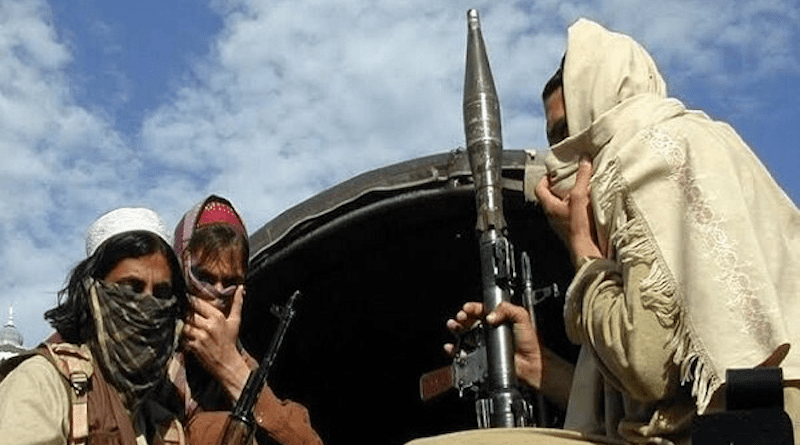
Members of Tehrik-i-Taliban Pakistan (TTP). Photo Credit: Mehr News Agency

October 20, 2025 
By Farahnaz Amini

The Taliban’s ascension to power in Afghanistan in 2021 affected the area’s most complicated geopolitical relationship: the unstable relationship between Kabul and Islamabad. This analysis will show that the deeply divergent interests between the Afghan Taliban and Pakistan regarding the containment of the terrorist group Tehrik-i-Taliban Pakistan (TTP) has become a full blown regional security crisis. The TTP is seen by Pakistan as a direct threat to its sovereignty and expected that its former ally (the Taliban) would take action against TTP. However, the Taliban has been unwilling to take military action, due to ideological, ethnic, and political factors, and instead has created a sanctuary in eastern Afghanistan for the TTP.

This has shifted Pakistan’s long-held policy of creating a “strategic depth” to one of “strategic insecurity”, leading Pakistan and the Taliban toward a “border cold war”. The consequences of the rivalry extend well beyond the Durand Line, and include the serious undermining of regional counter-terrorism cooperation (prompting alarming Chinese concerns regarding security of the CPEC corridor), and the exacerbation of a major Humanitarian Crisis arising from the forced migration of Afghan refugees.
Introduction: When “Strategic Depth” Becomes “Strategic Insecurity”

The security situation in South and Southwest Asia, particularly along the Afghanistan-Pakistan border, has long been one of the most complicated security challenges in the region. At the center of this complexity is the triangular relationship involving the Afghan Taliban, Pakistan, and the resurgence of the TTP. The TTP, established in the early 2000s, has become an armed group that primarily targets the Pakistani state, but utilizes Afghan soil, as noted in PIPS’s report on security in international relations in 2024. This reality creates unique security issues within Pakistan, and for the wider region, as established by Suparna Banerjee, a researcher at the PRIF think tank. The experience is more than just a direct security threat to Pakistan; it has evolved into a broader stability challenge that extends far beyond the region at both ends of the border.

Historically, Pakistan tried to utilize the Taliban, and other militant groups, as tools of influence in Afghanistan to counter India’s role. This policy has often been described as “strategic depth,” and it resulted in tacit and at times even direct support for armed groups in Afghanistan (Hameed Hakimi, 2024, Al Jazeera). However, the Taliban’s reassertion of power in 2021, as well as the TTP’s increased activity, has further doubled the complexity of this relationship by highlighting a deep-seated interest conflict between the Taliban and Pakistan.

The first impact relates to the effects that border security and internal stability have on both countries. According to recent UN Security Council reports (2025), TTP cross-border attacks, retaliatory Pakistani military operations and reciprocal political pressures have created border regions that have become grey zones where neither the Taliban nor the Pakistani state hold total sway over the populace. This has turned border regions into transit routes for arms, militants, and human trafficking, creating trans-regional repercussions.


The second impact concerns the loss of regional cooperation in counter-terrorism. Neighboring countries and major regional powers—including China, India, Iran and Russia—have failed to create joint working plans due to the lack of transparency from the Islamabad and the perception of a dual policy in how to deal with the Taliban, as stated in the International Crisis Group (ICG) July 2023 report. Weakening cooperation complicates crisis management and provides fertile ground for the rise of militant groups.

Moreover, as indicated by UNAMA (the United Nations Assistance Mission in Afghanistan) in its 2024 reports, the humanitarian disaster as a result of the conflict and Pakistan’s policy of forced expulsion of Afghan refugees has enormous socio-economic dimensions. The situation indicates that the conflict between the Taliban and Pakistan is no longer simply a political-military question, but a complex security, humanitarian, and regional crisis.
Context: From Fraternal Ties to Strategic Tensions

The relationship between the Afghan Taliban and the Pakistani state cannot be described merely as two independent actors; since its inception in the 1990s, Pakistan has played a critical role in the Taliban’s emergence and ascendance. Banerjee’s PRIF report, highlighting that the Taliban emerged in 1994 during Afghanistan’s civil war. Islamabad, prioritizing “strategic depth” against India, welcomed the Taliban’s emergence and backed them financially, militarily, and politically within weeks.

The historical policy of Pakistan towards Afghanistan was based on two main principles: precluding Indian influence in Kabul, and advancing a friendly government in Kabul. For this reason, the Taliban were a tool of Pakistan’s ideology and geopolitics. Hakimi in Al Jazeera mentioned that in the 1990s, the Inter-Services Intelligence (ISI) of Pakistan was central to the Taliban’s supply of equipment, training, and guidance.

However, this collaboration was based solely on transient interests. The report of PIPS (2023) indicates that once the Taliban were removed from power in 2001, Pakistan pursued a dual-policy approach, cooperating with the U.S. while covertly establishing networks of unwelcome support.

The primary point of rupture arose with the establishment of the TTP in 2007. The UN Security Council report (2025) indicates that, from Islamabads’s perspective, the TTP posed an explicit threat to the national security of Pakistan, and yet the Afghan Taliban refrained from taking action against the group because of ideological and ethnic ties. Following the Taliban seizure of power in 2021, Pakistan was left disappointed; the opportunity to normalize relations and bring security to Pakistan diminished as TTP attacks against Pakistan increased, with Islamabad regularly accusing the Taliban of supporting the TTP and providing them a safe haven.

According to Banerjee, the cross-border ethnic and religious relationship and the internal political calculus of the Taliban are the chief reasons why the Taliban refused to confront the TTP. The report from PIPS summarizes it well: the change in the nature of their relationship is not only consequential for the two countries, but also establishes the conditions for pervasive insecurity throughout the broader South Asia to Central Asia region.
Conflict of Interests: Held Hostage by Ideology and Geography

Although Pakistan and the Afghan Taliban appear to share historical, religious, and ethnic ties, the PIPS report (2024) states that in today’s political reality, their interests concerning the TTP are sharply opposed.
1. Pakistan’s View: The Nightmare of National Security

The resurgence of the TTP in Pakistan since 2022 is a sobering revival and distillation of a relevant past nightmare. According to the UN Security Council (2025) has documented that the TTP has conducted dozens of violence and violent attacks against military forces and government buildings and facilities, or stronger language might say that there has been dozens of violence and violent attacks, just unqualified language. The UN Security Council (2025) and Banerjee (2025) report that the TTP more than doubled attacks between 2022 and 2024, many of which were planned and conducted from Afghan soil. This has significantly reversed Pakistan’s “strategic depth” into its own instability, or even its own strategic stability into instability.
2. The Afghan Taliban’s View: Political Expediency in Silence

Ideologically speaking, there is much in common between the Afghan Taliban and the TTP. According to Banerjee, this ideological similarity, in conjunction with ethnic affinities and domestic political considerations, makes the Taliban reluctant to militarily engage the TTP. The UN Security Council (2025) report indicated that TTP members move freely and have found safe haven in parts of eastern Afghanistan.
Ramifications: Spreading Insecurity and Humanitarian Disaster

The conflict between the Taliban and Pakistan is far more than a bilateral crisis.
1. Instability along the Durand Line

Banerjee reports (2025) that cross-border exchanges of fire at locations such as Torkham and Spin Boldak have resulted in significant human casualties and economic losses. Such volatility has a direct impact on hundreds of thousands of civilians and has prevented a fast and efficient voluntary return process for refugees, according to 2024 UNHCR data.
2. Undermining Regional Counter-Terrorism Cooperation

As indicated in the PIPS report published in 2024, Pakistan’s two-timing policy has resulted in a diminishing trust among the various actors in the region. China, a key long-term partner which has invested billions of dollars into the China-Pakistan Economic Corridor (CPEC), is particularly worried about the spread of instability in and around the border areas. The International Crisis Group (ICG) cautioned in 2023 that the increased activity by Tehrik-i-Taliban Pakistan (TTP) would pose a serious threat to China’s projects in the region.
3. Humanitarian Crisis and a New Wave of Migration

According to the UNAMA report of 2024, increasing border skirmishes and subsequent airstrikes between Afghanistan and Pakistan, the developing humanitarian crisis. Amnesty International also reported on Pakistan’s policy of forced and mass expulsion of Afghan refugees in 2024 has put over 1.5 million people at risk and is generating social and economic instability in the region.
Conclusion

The interests of the Afghan Taliban and Pakistan concerning the containment of the TTP represent a geopolitical hostage crisis with disastrous consequences at both domestic and regional levels. The rift between the two parties has lead to border areas that are unsecured areas where the militant attacks are being planned without any checks. This insecurity affects Pakistan directly, while threatening the stability of South and Southwest Asia.

The lack of counter-terrorism cooperation among neighbors and regional powers has enabled armed groups to thrive. To counter the spread of instability, states must develop transparent policies, enhance security and counter-terrorism cooperation, and coordinate humanitarian responses to protect civilian populations, otherwise a continued crisis at the border, increasing militant attacks and severe regional consequences will occur.


Farahnaz Amini

Farahnaz Amini is from Afghanistan she is a Master's student in International Relations at the University Islam International Indonesia (UIII). She holds a Bachelor's degree in Journalism from Balkh University. Her research interests include security and politics in South Asia, particularly Afghanistan, and the role of organizations in addressing gender-based violence. Her current study focuses on the political motivations of Pakistan and Iran and the economic consequences of mass refugee expulsions in the region.
Taliban’s new ploy


Aizaz Ahmad Chaudhry 
Published October 19, 2025 
DAWN

The writer is chairman, Sanober Institute, and former foreign secretary of Pakistan.

THE Afghan Taliban regime is living under an illusion. Visiting India, its interim foreign minister recently stated that Afghanistan had defeated the British, the Soviets and the Americans. No, they had not. The Afghan rulers of the time were decisively defeated in the second Anglo-Afghan war (1878-80) by the British, enabling the latter to effectively make Afghanistan a buffer zone in the Great Game between the Raj and the Russian empire. Abdul Rahman Khan accepted the Durand Line as the border with British India, which was endorsed by subsequent Afghan rulers. As for the Soviets, it was the concerted effort by the US and Pakistan that pushed them out and rescued the Afghan people in the 1980s. America’s presence in Afghanistan since 2001 also ended only when the US itself decided to exit in August 2021 because of American public opinion turning against distant wars and the strategic depth the Taliban had received in Pakistan.

For over four years now, the world has expected the Taliban to honour their commitments under the 2020 Doha peace accord with the US. However, they have violated all three promises: forming a true representative government, respecting women’s rights, and not allowing terrorist entities on Afghan soil.

With Pakistan, the Taliban have adopted a particularly hostile attitude, having lately embarked upon a two-pronged manoeuvre. The first prong is teaming up with India to not only benefit from Indian investments in healthcare, education and infrastructure, but to also doubly squeeze Pakistan under the mistaken belief that Pakistan’s enemy is their friend. For its part, India, which has severely criticised Taliban in the past, has reversed its policy in order to leverage the Taliban against Pakistan, just as the Taliban are leveraging it against Pakistan. India hopes to wean the Taliban further away from Pakistan and even China.

The second prong is an upsurge in the Taliban’s kinetic aggression to destabilise the Pak-Afghan border (Oct 11-12, 2025) while ignoring Pakistan’s consistent protests against the Taliban’s support to the TTP (and other anti-Pakistan elements) who have killed children and other innocent civilians in Pakistan. For now, Pakistan has repulsed the assaults and inflicted heavy losses on the Taliban forces and their TTP associates. However, it is evident that the Taliban won’t heed Pakistan’s advice to not allow terrorist elements on their soil. Instead, the Afghan leadership tends to shift the burden of any action to Pakistan, arguing that these terrorists should be handled inside this country. The Taliban media is also spreading disinformation, taking a leaf out of the Indian media’s playbook.


Why are the Taliban inimical towards Pakistan?

Why are the Taliban so ungrateful and inimical towards Pakistan? It appears that they are trying to be nationalist in order to garner support from the wider Afghan society. Perhaps they wish to give the impression that they aren’t under Pakistan’s influence. They are hosting the TTP probably as a leverage against Pakistan. In doing all this, they are overestimating their power potential, and may be in for a rude shock. It would be prudent for them not to underestimate Pakistan’s resolve to defend its borders and defeat Taliban-backed terrorists.

How should Pakistan deal with the Taliban? Several steps can be considered in the immediate term: One, Pakistan should maintain its robust defence at the borders with Afghanistan (and India). Only strength can deter aggression. Two, it should send a clear message to Kabul that the doors for dialogue are open, provided the Taliban firmly commit to ending their support to the TTP. If they do not commit to that, then kinetic options wou­ld remain on the table. Three, Paki­s­tan must keep up the pressure on the Taliban through diplomatic outreach to Saudi Arabia (now a partner in mutual defence), China, Russia, Iran, the Central Asian Republics, Turkiye, the UAE and America. Given the Taliban’s past association with Al Qaeda, the global community would not want to see the Taliban hosting terrorist entities again. Pakistan should also register its complaints in the UN under the UNSCR 1988 (1267) sanctions regime.

In the medium term, Pakistan should develop a nationwide consensus on a review of its previously generous policies regarding Afghan refugees, scholarships for Afghan students, special desks in its hospitals for Afghans, collecting custom duties on transit trade through Pakistani ports, and media outreach to Afghan society. Experts could be invited to suggest doable measures. In the long term, an effort could be mounted to win the hearts and minds of our nationals living in the erstwhile Fata region bordering Afghanistan through development work. They are the first line of defence against terrorism from Afghanistan.

Published in Dawn, October 19th, 2025

Another Doha pact

Muhammad Amir Rana 
Published October 19, 2025
DAWN

THERE is little optimism or even enthusiasm surrounding the post-ceasefire talks between Afghanistan and Pakistan taking place in Doha. Yet, it would be unwise to dismiss them outright. If one assesses the potential pragmatically, these discussions could evolve into a ‘Doha pact’ of their own, echoing the 2021 agreement between the Taliban and the US that altered the regional geopolitical landscape.

Facilitated by Qatar and Saudi Arabia, the Taliban have agreed to sit down with their Pakistani counterparts in Doha to discuss bilateral relations and the possible extension of the ceasefire, which was initially agreed upon for just 48 hours after recent border clashes between the two countries.

Should the two sides reach an understanding akin to the earlier Doha accord, where the Taliban provide verifiable guarantees that the TTP and other Afghan-based militants will not operate against Pakistan, it could prove transformative. Such an agreement would not only redefine the troubled bilateral relationship but could also reshape the regional landscape. The prospects for transnational connectivity, trade and mega infrastructure projects linking Central and South Asia would expand dramatically, offering tangible improvements to the lives of millions across the region.

However, the Taliban leadership does not have such a vision, and the major problem with the Taliban leadership lies in its deeply conventional mindset in both political and religious thinking. This rigidity stems mainly from their madressah education, whether in Pakistan or Afghanistan. Most of their leaders, whether graduates or dropouts, share the same worldview, cutting across all factions and shades of leadership, from the so-called ‘moderates’ like Abbas Stanikzai to the Haqqanis and hardliners such as Mullah Abdul Hakim Haqqani.


The Taliban perceive the world as something that must learn to accommodate them.

They perceive the world as something that must learn to accommodate them or strive to understand them, while they see no reason to change themselves. They consider themselves victorious, having defeated great powers, and believe the world should now deal with them on their terms. Consequently, they show little willingness to reconsider their orthodox, religiously driven policies of moral policing or their severe restrictions on women and other vulnerable segments of society, despite appeals from respected religious scholars across the Islamic world.

Their mindset is incompatible with evolving global norms, and even with the political realities of authoritarian yet relatively modern Muslim societies. Why, then, should others be expected to give them time or understand their so-called compulsions, which they often cite when discussing terrorism-related issues with Pakistan and neighbouring countries? Why should Pakistan and others continue to listen to them and at what cost? Must Pakistan continue to bleed at the hands of the TTP and other militant groups while the Taliban offer themselves as mediators between the state and terrorists?

In contrast, when militant groups rooted in Al Qaeda and Daesh captured parts of Syria, their behaviour, both internally and in their engagement with the world, was notably different. One understands that Afghanistan is not Syria. Syria, despite its devastation, is attempting to rebuild through a fragile but ongoing national consensus and is showing a willingness to align, at least partially, with regional and global norms. The Taliban, by comparison, have failed to foster any such consensus at home.

Unlike in Syria, where elements of the leadership remain visible, reachable, and at times open to dialogue with world powers, including the US and Russia, the Taliban’s supreme leader, Mullah Hibatullah Akhundzada, remains hidden. The reasons for his seclusion are unclear. Officially, it is attributed to ‘security concerns’, but these explanations no longer hold much weight. What is he afraid of? Lack of confidence, fear of dissent, or simply an inability to step out of a wartime mindset? No one truly knows who is making decisions on his behalf. The Taliban’s internal communications are riddled with contradictions, and myths continue to swirl around their leadership.

One recent example illustrates this opacity and confusion. Reports emerged that Mullah Hibatullah had ordered an internet shutdown across Afghanistan, citing concerns that WhatsApp and other social media apps were spreading obscenity, vulgarity, and music. Yet, just a few days later, he reportedly asked an aide why he was no longer receiving WhatsApp messages. When informed that the services had been suspended on his own orders, he reluctantly directed that internet access be restored.

Such incidents, while almost absurd on the surface, reveal a deeper problem within the Taliban’s governance structure — a leadership trapped between ideological rigidity and the demands of a connected, modern world.

The Taliban leadership is neither innovative nor forward-looking in shaping better relations with its neighbours, particularly Pakistan and China, despite the long-term advantages such engagement could bring. Instead, they continue to rely on the old Afghan template of suspicion and defiance towards Pakistan, a posture that frustrates Islamabad even more than the persistent terrorist threat the country faces daily.

India, fully aware of these sensitivities, has been quick to exploit the Taliban’s posture to its advantage, skilfully playing on Pakistan’s insecurities. For the Taliban, this dynamic serves as a convenient balancing act, using the Indian card to counter Pakistan’s pressure on issues of terrorism and border security-related affairs.

In Doha, the Taliban are unlikely to change. Neither Qatar nor Saudi Arabia possess the leverage to compel them to abandon their closest militant ally, the TTP. China, too, has failed to persuade them on this issue, and it remains unclear what strategy the Gulf mediators can employ to convince the Taliban to address Pakistan’s concerns about cross-border terrorism seriously. The likelihood is that the Taliban will continue to deny responsibility, insisting that the TTP problem is an ‘internal matter’ for Pakistan and offering, at best, vague proposals for dialogue.

To avoid embarrassing their hosts, the ceasefire between Afghanistan and Pakistan may be extended for a few weeks. But the real solution does not lie in diplomatic gestures or temporary truces. It lies in the Taliban’s willingness to completely sever ties with all forms of terrorism, something they had promised to the US in the original Doha Agreement, and a commitment they may now be compelled to make once again, this time to Pakistan.

The writer is a security analyst.

Published in Dawn, October 19th, 2025