How Turkey’s Peace Talks with Ocalan Could Affect Turkey’s Involvement in Syria
By: TII team
Date: January 16, 2025

Illustrative Image: Turkish President Recep Tayyip Erdogan with a sign behind him displaying the word “Rojava,” meaning Western Kurdistan (Syrian Kurdistan).
Photo credit: The Insight International/AI.
Azad Berwerîye (Caleb Fox) | Exclusive to The Insight International
Since the Syrian group Hayat Tahrir al-Sham’s (HTS) capture of Damascus near the end of last year, events in Syria have been turbulent. With the former Baath regime fallen, international actors now have their eyes on the region, with their plans for how their involvement in the country could advance their interests.
Ahmed Al-Sharaa’s de-facto government in Damascus has also raised international concerns due to his group’s history of Islamic extremism, on top of the HTS’s persecution of minorities in Syria, like the Druze.
Amidst this uncertainty, tensions have ramped up again between the Turkish-backed Syrian National Army (SNA) and the Syrian Democratic Forces (SDF). With the SNA’s advances into Manbij, the SDF has been fighting back to return Manbij into their jurisdiction, the fighting resulting in several casualties in the conflict.
Azad Berwerîye (Caleb Fox) | Exclusive to The Insight International
Since the Syrian group Hayat Tahrir al-Sham’s (HTS) capture of Damascus near the end of last year, events in Syria have been turbulent. With the former Baath regime fallen, international actors now have their eyes on the region, with their plans for how their involvement in the country could advance their interests.
Ahmed Al-Sharaa’s de-facto government in Damascus has also raised international concerns due to his group’s history of Islamic extremism, on top of the HTS’s persecution of minorities in Syria, like the Druze.
Amidst this uncertainty, tensions have ramped up again between the Turkish-backed Syrian National Army (SNA) and the Syrian Democratic Forces (SDF). With the SNA’s advances into Manbij, the SDF has been fighting back to return Manbij into their jurisdiction, the fighting resulting in several casualties in the conflict.
An explosion following a drone attack by Kurdish SDF forces on a base of pro-Turkey Islamist fighters in Minbij, northern Syria, Rojava. Jan 8, 2025. Photo: Video/SDF/via The Insight International
Several civilians died from Turkish airstrikes on protesters condemning Turkey at the Tishreen Dam on January 8th, and the Dam is at risk of falling apart due to fighting there. Turkey has also raised threats to invade Kobane, where the Kurds repelled ISIS’s invasion of the city, causing the Autonomous Administration of North and East Syria (AANES) to raise demands for peace while preparing for the attack.
Meanwhile, in Turkey, peace talks have opened again between Turkey and Abdullah Ocalan, the leader of the Kurdistan Workers’ Party (PKK). In October 2024, Devlet Bahceli, the head of the Nationalist Movement Party (MHP) and a close ally of Turkish President Tayyip Erdogan, suggested Ocalan’s release if he is willing to give up the PKK’s arms.
The pro-Kurdish Peoples’ Equality and Democracy Party (DEM), formerly the Peoples’ Democratic Party (HDP), also met with Abdullah Ocalan in prison to discuss details for a potential peace deal this January. Many of the party’s leaders, including Ocalan himself, have expressed hope for a peace settlement that would benefit the Kurds, optimistic that it will happen soon.
The offices in Ankara are chaotic right now. These events beg the question: Given the past few months’ events, what steps will Erdogan take?
Several civilians died from Turkish airstrikes on protesters condemning Turkey at the Tishreen Dam on January 8th, and the Dam is at risk of falling apart due to fighting there. Turkey has also raised threats to invade Kobane, where the Kurds repelled ISIS’s invasion of the city, causing the Autonomous Administration of North and East Syria (AANES) to raise demands for peace while preparing for the attack.
Meanwhile, in Turkey, peace talks have opened again between Turkey and Abdullah Ocalan, the leader of the Kurdistan Workers’ Party (PKK). In October 2024, Devlet Bahceli, the head of the Nationalist Movement Party (MHP) and a close ally of Turkish President Tayyip Erdogan, suggested Ocalan’s release if he is willing to give up the PKK’s arms.
The pro-Kurdish Peoples’ Equality and Democracy Party (DEM), formerly the Peoples’ Democratic Party (HDP), also met with Abdullah Ocalan in prison to discuss details for a potential peace deal this January. Many of the party’s leaders, including Ocalan himself, have expressed hope for a peace settlement that would benefit the Kurds, optimistic that it will happen soon.
The offices in Ankara are chaotic right now. These events beg the question: Given the past few months’ events, what steps will Erdogan take?
Kurdish PKK leader Abdullah Ocalan arrested on February 22, 1999 by the CIA and Turkish security forces in Nairobi and taken to Turkey. Photo: Turkish govt.
Ocalan started the PKK in 1978 and began its armed insurgency in 1984. After his capture and imprisonment in 1999, however, he began to slowly guide the PKK towards negotiating peace agreements with the Turkish state, with many of them failing and resulting in the conflict continuing further.
His desire for negotiations has continued since then. Afterward, however, the pro-Kurdish Peoples’ Democratic Party (HDP) began in 2012 with hopes of achieving Ocalan’s ideas of “radical democracy” for Kurds and other people groups, including Turks, via success in Turkey’s elections.
The party would take successful steps in this regard, winning 13 percent of the vote in the 2015 general elections and helping it gain 80 seats in parliament. This achievement helped the HDP achieve a firmer reputation as a legitimate political actor in Turkey, earning a position where they could influence Turkish policy to benefit its Kurdish population.
They were also very vocal against Turkey’s attempts to limit the activities of Kurdish forces fighting the Islamic State in Kobane during ISIS’s invasion of the city, refusing to support Turkey’s involvement in Syria when the other political parties unanimously approved it.
Unfortunately, Erdogan and his Justice and Development Party (AKP) limited the party’s activities. They arrested many of the HDP’s regional leaders and supporters, using violence to crack down on pro-HDP protests and criminalizing any HDP involvement in politics
Ocalan started the PKK in 1978 and began its armed insurgency in 1984. After his capture and imprisonment in 1999, however, he began to slowly guide the PKK towards negotiating peace agreements with the Turkish state, with many of them failing and resulting in the conflict continuing further.
His desire for negotiations has continued since then. Afterward, however, the pro-Kurdish Peoples’ Democratic Party (HDP) began in 2012 with hopes of achieving Ocalan’s ideas of “radical democracy” for Kurds and other people groups, including Turks, via success in Turkey’s elections.
The party would take successful steps in this regard, winning 13 percent of the vote in the 2015 general elections and helping it gain 80 seats in parliament. This achievement helped the HDP achieve a firmer reputation as a legitimate political actor in Turkey, earning a position where they could influence Turkish policy to benefit its Kurdish population.
They were also very vocal against Turkey’s attempts to limit the activities of Kurdish forces fighting the Islamic State in Kobane during ISIS’s invasion of the city, refusing to support Turkey’s involvement in Syria when the other political parties unanimously approved it.
Unfortunately, Erdogan and his Justice and Development Party (AKP) limited the party’s activities. They arrested many of the HDP’s regional leaders and supporters, using violence to crack down on pro-HDP protests and criminalizing any HDP involvement in politics
.
Turkish forces and Ankara-backed fighters destroyed the Kurdish statue of “Kawa blacksmith” in the centre of Kurdish Afrin city in Syrian Kurdistan (Rojava), March 18, 2018. Photo: BBC video.
Worse yet, Turkey also launched Operation Olive Branch in January 2018, where they invaded the Kurdish city of Afrin in northwestern Syria with their proxies, the SNA. The SNA now rules the area, persecuting Kurds and carrying out kidnappings and torture against the populace, with reports of human rights abuses abundant in their territories.
Now, with the recent attacks on the Kurds from Turkey and the SNA, it appears that Erdogan wants to press further into the Kurdish region with military incursions, eager to increase Turkey’s foothold in Syria. Another invasion seems imminent.
At the same time, the recent peace talks with Abdullah Ocalan also reveal a slight change in Erdogan’s political situation in Turkey since his crackdown on the HDP and his invasion of Afrin. For starters, when the HDP rebranded itself as the DEM and ran in the March 2024 elections in Turkey, they regained the Kurdish municipalities.
Despite police intervention to make the leaders step down, they could still hold their positions. Not only did the AKP fail to win the regional election against the DEM party, but the Republican People’s Party (CHP) also outdid the AKP in the regional elections, gaining success in major cities like Istanbul and Ankara.

Pervin Buldan (L), the Kurdish HDP party co-chairwoman with Turkey’s main opposition Republican People’s Party (CHP) leader Kemal Kilicdaroglu, March 20, 2023. Photo: HDP video/via Ekurd.net
Both the CHP and the DEM have worked together in the past against the AKP, and while the CHP is still a strongly Turkish-nationalist party, it has pro-DEM members in its party. This pro-Kurdish leaning in some members has led to some, albeit limited, cooperation with the Kurdish question, such as changing their stance on Turkey’s involvement in Syria from being supportive of Turkish incursions to stating they don’t view Kurdish independence as an issue, noting that the incursion is only a “demographic engineering project” in the 2019 CHP’s Syria Conference.
The DEM’s cooperation appears to have borne fruit. Not only has Turkey allowed the DEM to meet with Ocalan for the peace negotiations, but DEM Party Spokesperson Ayşegül Doğan was also able to briefly speak Kurdish in a meeting with the MHP, Erdogan’s allies, saying, “Hûn bi xêr hatin,” to welcome the MHP members. The Turkish government took no legal action against her for doing so, showing some progress in the recognition of Kurdish identity within Turkey’s borders.
Both the CHP and the DEM have worked together in the past against the AKP, and while the CHP is still a strongly Turkish-nationalist party, it has pro-DEM members in its party. This pro-Kurdish leaning in some members has led to some, albeit limited, cooperation with the Kurdish question, such as changing their stance on Turkey’s involvement in Syria from being supportive of Turkish incursions to stating they don’t view Kurdish independence as an issue, noting that the incursion is only a “demographic engineering project” in the 2019 CHP’s Syria Conference.
The DEM’s cooperation appears to have borne fruit. Not only has Turkey allowed the DEM to meet with Ocalan for the peace negotiations, but DEM Party Spokesperson Ayşegül Doğan was also able to briefly speak Kurdish in a meeting with the MHP, Erdogan’s allies, saying, “Hûn bi xêr hatin,” to welcome the MHP members. The Turkish government took no legal action against her for doing so, showing some progress in the recognition of Kurdish identity within Turkey’s borders.
Turkey’s jailed Kurdish leader and PKK founder Abdullah Ocalan (C) meeting with Kurdish HDP party leaders Sirri Sureyya Onder (L) and Pervin Buldan in his prison 2014. Photo: HDP/sm
In addition to the growing Kurdish influence and opposition in Turkey, Erdogan also has his reputation and initial plans to consider in the peace negotiations. After the March 2024 elections, his approval rating fell below 40 percent, resulting from a failing Turkish economy during his presidency with an inflation of around 70 percent. The rising prices in the country have made life difficult for Turkey’s citizens.
Erdogan’s actions to increase military spending might further strain the economy. Turkey’s military spending for defense and security was around $40 billion, and Erdogan plans to expand the expenditure for this year to $47 billion, making it Turkey’s largest investment in its military.
While there are theories that military spending is good for economic development in countries, military expenditure often neglects developments in the social sector of countries. It’s difficult not to see this occurring in Turkey, where the country suffers from a brain drain, intensive inflation, and unemployment while military spending has increased. Erdogan must consider whether his military spending will avert the economic issues that led to his low approval rating and the AKP’s loss in the regional elections.
His approval rating and the growing Kurdish influence matter because of the possibility he might consider attempting to run for a third term. In the AKP’s 8th provincial congress this year, Ibrahim Tatlises, a well-known Turkish singer who performed at the event, asked Erdogan if he would be willing to go for a third term, to which Erdogan responded, “If you’re in, I’m in.” Although the President of Turkey can only run for two terms in the Turkish Republic, Erdogan can run for a third term if he chooses to.
Since the 2017 referendum changed the Turkish government from a parliamentary system to a presidential one while Erdogan was in power, his first election in 2014 doesn’t count as a first term. Additionally, despite being in his second term under the presidential system, he can run for a third term if the government holds snap elections before the end of the second term.
In addition to the growing Kurdish influence and opposition in Turkey, Erdogan also has his reputation and initial plans to consider in the peace negotiations. After the March 2024 elections, his approval rating fell below 40 percent, resulting from a failing Turkish economy during his presidency with an inflation of around 70 percent. The rising prices in the country have made life difficult for Turkey’s citizens.
Erdogan’s actions to increase military spending might further strain the economy. Turkey’s military spending for defense and security was around $40 billion, and Erdogan plans to expand the expenditure for this year to $47 billion, making it Turkey’s largest investment in its military.
While there are theories that military spending is good for economic development in countries, military expenditure often neglects developments in the social sector of countries. It’s difficult not to see this occurring in Turkey, where the country suffers from a brain drain, intensive inflation, and unemployment while military spending has increased. Erdogan must consider whether his military spending will avert the economic issues that led to his low approval rating and the AKP’s loss in the regional elections.
His approval rating and the growing Kurdish influence matter because of the possibility he might consider attempting to run for a third term. In the AKP’s 8th provincial congress this year, Ibrahim Tatlises, a well-known Turkish singer who performed at the event, asked Erdogan if he would be willing to go for a third term, to which Erdogan responded, “If you’re in, I’m in.” Although the President of Turkey can only run for two terms in the Turkish Republic, Erdogan can run for a third term if he chooses to.
Since the 2017 referendum changed the Turkish government from a parliamentary system to a presidential one while Erdogan was in power, his first election in 2014 doesn’t count as a first term. Additionally, despite being in his second term under the presidential system, he can run for a third term if the government holds snap elections before the end of the second term.
 T
Turkey’s jailed Kurdish leader Abdullah Ocalan meeting with Kurdish HDP party leaders in his prison. 2014. Photo: HDP party/FB
Thus, with the recent peace negotiations with Ocalan, Erdogan might consider proposing this: If the DEM party agrees to support Erdogan’s run for a third term, he might consider limiting his plans of incursion against Kurdish forces in Syria, thus sparing the Kurds in Rojava another onslaught for a time.
To run for a third term, he will need to take the demands of the Kurdish movement into account, in addition to addressing economic issues at home that led to his party’s loss in the last regional elections. Choosing to hold off on intervening in Syria could raise his chances of gaining favor with the DEM party and limit his focus on the military so he can focus on remedying further the inflation hitting Turkey, potentially raising his approval rating.
Even if Erdogan chooses not to run for a third term, his decision regarding the peace negotiations could affect his party’s success. While this is uncertain given the government’s recent arrests of five Kurdish officials in Turkey and Erdogan’s firm demands for the PKK to disarm completely, it’s difficult not to see Erdogan at least considering this option given Turkey’s poor economy and the growing Kurdish influence in the Turkish parliament.
BibliographyAP, & TOI Staff. (2024, December 8). Syrian rebels take Homs, advance into Damascus as Hezbollah ousted from key border city | The Times of Israel. Times of Israel. https://www.timesofisrael.com/syrian-rebels-take-homs-advance-into-damascus-as-hezbollah-ousted-from-key-border-city/
Azam, M. (2020). Does military spending stifle economic growth? the empirical evidence from non-OECD countries. Heliyon, 6(12). https://doi.org/10.1016/j.heliyon.2020.e05853
Can, Y. (2024, April 9). A shift in power: CHP win ushers in recalibration in Turkish politics. Wilson Center. https://www.wilsoncenter.org/article/shift-power-chp-win-ushers-recalibration-turkish-politics
Chehayeb, K., & Abdo, H. A. (2024, December 24). Kurdish-led forces push back Turkish-backed Syrian rebels in a tense offensive. AP News. https://apnews.com/article/syria-kurds-turkey-sdf-manbij-kobani-84928d1755cc09c239fe00074291ff0f
Clancy, L., Poshter, J., & Ramones, S. H. (2024, October 16). Turks lean negative on Erdoğan, give National Government mixed ratings. Pew Research Center. https://www.pewresearch.org/global/2024/10/16/turks-lean-negative-on-erdogan-give-national-government-mixed-ratings/
Duran, H. (2019, October 24). Why did the CHP change its position over Syria again?. Politics Today. https://politicstoday.org/why-did-the-chp-change-its-position-over-syria-again/
The effects of military spending on Economic Growth – war prevention initiative. War Prevention Initiative – peacebuilding to resolve global conflicts. (2024, April 9). https://warpreventioninitiative.org/peace-science-digest/effects-military-spending-economic-growth/
European Union. (2024, May). Escalating human rights violations in Syria’s Afrin: 2024 update. Ceasefire: Center for Civilian Rights. https://www.ceasefire.org/wp-content/uploads/2024/05/Ceasefire-report-Afrin-2024-update.pdf
IC, R. (2025, January 10). Interview: “In talk there was a ceasefire. In practice we witnessed nothing like this” – YPJ Commander-in-Chief, Rohilat Afrin. Rojava Information Center. https://rojavainformationcenter.org/2025/01/interview-ypj-rohilat-afrin/
Kaya, Z. N., & Whiting, M. (2018). The HDP, the AKP and the battle for Turkish democracy. Ethnopolitics, 18(1), 92–106. https://doi.org/10.1080/17449057.2018.1525168
Liffey, K. (Ed.). (2025, January 8). Turkey’s pro-Kurdish party to visit jailed militant leader again, party sources say | Reuters. Reuters. https://www.reuters.com/world/middle-east/turkeys-pro-kurdish-party-visit-jailed-militant-leader-again-party-sources-say-2025-01-08/
Nofal, W. A., & Taha, B. (2023, December 11). HTS looks to Idlib’s Christians and Druze to whitewash violations (map). Syria Direct. https://syriadirect.org/hts-looks-to-idlibs-christians-and-druze-to-whitewash-violations/
Rojava IC . (2024, December 30). Update December 30 – Heavy Fighting in Manbij Countryside as NES Death Toll Tops 250. Rojava Information Center. https://rojavainformationcenter.org/2024/12/update-december-30-heavy-fighting-in-manbij/
Saleh, D. (2023). An economic perspective into Türkiye’s defense sector and arms production: Domestic and Global Implications. PRISME Initiative. https://prismeinitiative.org/blog/economic-perspective-turkey-arms-production-deena-saleh/
SDF defends positions around Tishreen Dam, Northern Syria. Medya News. (2025a, January 9). https://medyanews.net/sdf-defends-positions-around-tishreen-dam-northern-syria/
Soylu, R. (2024a, October 18). Turkey defence and security budget surges to record $47bn. Middle East Eye. https://www.middleeasteye.net/news/turkey-defence-security-budget-highest-47bn
Soylu, R. (2024b, October 22). Erdogan’s nationalist ally invites jailed PKK leader Ocalan to address Parliament. Middle East Eye. https://www.middleeasteye.net/news/turkey-erdogan-nationalist-ally-invites-pkk-leader-ocalan-address-parliament
Turkey officially arrests, sacks Five pro-Kurdish Municipal Officials. Rudaw. (2025, January 13). https://www.rudaw.net/english/middleeast/turkey/13012025
Turkey’s jailed PKK leader is reported to suggest he might be ready to end insurgency | reuters. Reuters. (2024, December 29). https://www.reuters.com/world/middle-east/turkeys-jailed-pkk-leader-is-reported-suggest-he-might-be-ready-end-insurgency-2024-12-29/
Turkish Minute. (2024, May 21). Erdoğan’s approval rating falls below 40 percent: Survey. https://www.turkishminute.com/2024/05/21/erdogan-approval-rating-fall-below-40-percent-survey/#:~:text=The%20survey%20’s%20results%20show%20that,support%20of%20only%2038.3%20percent.
Turkish Minute. (2025, January 13). Erdoğan hints at running for re-election after calling 2024 local elections his last. https://www.turkishminute.com/2025/01/13/erdogan-hints-at-running-for-re-election-after-calling-2024-local-elections-his-last/
Turkish strikes kill civilians in Syria, as thousands join peace demos at Tishreen Dam. Medya News. (2025b, January 8). https://medyanews.net/turkish-strikes-kill-civilians-in-syria-as-thousands-join-peace-demos-at-tishreen-dam/
White, P. J. (2021). The PKK: Coming Down from the mountains. Zed Books.
Yetkin, M. (2024, December 19). “hun be Xer Hatîn”: How three words signal türkiye’s Kurdish policy shift. Yetkin Report. https://yetkinreport.com/en/2024/12/19/hun-be-xer-hatin-how-three-words-signal-turkiyes-kurdish-policy-shift/
Yetkin, M. (2025, January 8). What does Erdoğan want? decoding Türkiye’s latest Kurdish initiative. Yetkin Report. https://yetkinreport.com/en/2025/01/08/what-does-erdogan-want-decoding-turkiyes-latest-kurdish-initiative/
Zhumagaliyev, R. (2024, April 3). Understanding Turkey’s inflation and economic crisis. OhMyEcon. https://ohmyecon.org/journal/understanding-turkeys-inflation-and-economic-crisis
Caleb Fox (Azad Berwari) is a Kurdish speaker and the author of the cultural blog Dengê Çiyayên: Voice of the Mountains, where he explores Kurdish culture, language, and heritage.
The opinions expressed in this article are solely those of the author.
Copyright © 2025 The Insight International. All rights reserved
Thus, with the recent peace negotiations with Ocalan, Erdogan might consider proposing this: If the DEM party agrees to support Erdogan’s run for a third term, he might consider limiting his plans of incursion against Kurdish forces in Syria, thus sparing the Kurds in Rojava another onslaught for a time.
To run for a third term, he will need to take the demands of the Kurdish movement into account, in addition to addressing economic issues at home that led to his party’s loss in the last regional elections. Choosing to hold off on intervening in Syria could raise his chances of gaining favor with the DEM party and limit his focus on the military so he can focus on remedying further the inflation hitting Turkey, potentially raising his approval rating.
Even if Erdogan chooses not to run for a third term, his decision regarding the peace negotiations could affect his party’s success. While this is uncertain given the government’s recent arrests of five Kurdish officials in Turkey and Erdogan’s firm demands for the PKK to disarm completely, it’s difficult not to see Erdogan at least considering this option given Turkey’s poor economy and the growing Kurdish influence in the Turkish parliament.
BibliographyAP, & TOI Staff. (2024, December 8). Syrian rebels take Homs, advance into Damascus as Hezbollah ousted from key border city | The Times of Israel. Times of Israel. https://www.timesofisrael.com/syrian-rebels-take-homs-advance-into-damascus-as-hezbollah-ousted-from-key-border-city/
Azam, M. (2020). Does military spending stifle economic growth? the empirical evidence from non-OECD countries. Heliyon, 6(12). https://doi.org/10.1016/j.heliyon.2020.e05853
Can, Y. (2024, April 9). A shift in power: CHP win ushers in recalibration in Turkish politics. Wilson Center. https://www.wilsoncenter.org/article/shift-power-chp-win-ushers-recalibration-turkish-politics
Chehayeb, K., & Abdo, H. A. (2024, December 24). Kurdish-led forces push back Turkish-backed Syrian rebels in a tense offensive. AP News. https://apnews.com/article/syria-kurds-turkey-sdf-manbij-kobani-84928d1755cc09c239fe00074291ff0f
Clancy, L., Poshter, J., & Ramones, S. H. (2024, October 16). Turks lean negative on Erdoğan, give National Government mixed ratings. Pew Research Center. https://www.pewresearch.org/global/2024/10/16/turks-lean-negative-on-erdogan-give-national-government-mixed-ratings/
Duran, H. (2019, October 24). Why did the CHP change its position over Syria again?. Politics Today. https://politicstoday.org/why-did-the-chp-change-its-position-over-syria-again/
The effects of military spending on Economic Growth – war prevention initiative. War Prevention Initiative – peacebuilding to resolve global conflicts. (2024, April 9). https://warpreventioninitiative.org/peace-science-digest/effects-military-spending-economic-growth/
European Union. (2024, May). Escalating human rights violations in Syria’s Afrin: 2024 update. Ceasefire: Center for Civilian Rights. https://www.ceasefire.org/wp-content/uploads/2024/05/Ceasefire-report-Afrin-2024-update.pdf
IC, R. (2025, January 10). Interview: “In talk there was a ceasefire. In practice we witnessed nothing like this” – YPJ Commander-in-Chief, Rohilat Afrin. Rojava Information Center. https://rojavainformationcenter.org/2025/01/interview-ypj-rohilat-afrin/
Kaya, Z. N., & Whiting, M. (2018). The HDP, the AKP and the battle for Turkish democracy. Ethnopolitics, 18(1), 92–106. https://doi.org/10.1080/17449057.2018.1525168
Liffey, K. (Ed.). (2025, January 8). Turkey’s pro-Kurdish party to visit jailed militant leader again, party sources say | Reuters. Reuters. https://www.reuters.com/world/middle-east/turkeys-pro-kurdish-party-visit-jailed-militant-leader-again-party-sources-say-2025-01-08/
Nofal, W. A., & Taha, B. (2023, December 11). HTS looks to Idlib’s Christians and Druze to whitewash violations (map). Syria Direct. https://syriadirect.org/hts-looks-to-idlibs-christians-and-druze-to-whitewash-violations/
Rojava IC . (2024, December 30). Update December 30 – Heavy Fighting in Manbij Countryside as NES Death Toll Tops 250. Rojava Information Center. https://rojavainformationcenter.org/2024/12/update-december-30-heavy-fighting-in-manbij/
Saleh, D. (2023). An economic perspective into Türkiye’s defense sector and arms production: Domestic and Global Implications. PRISME Initiative. https://prismeinitiative.org/blog/economic-perspective-turkey-arms-production-deena-saleh/
SDF defends positions around Tishreen Dam, Northern Syria. Medya News. (2025a, January 9). https://medyanews.net/sdf-defends-positions-around-tishreen-dam-northern-syria/
Soylu, R. (2024a, October 18). Turkey defence and security budget surges to record $47bn. Middle East Eye. https://www.middleeasteye.net/news/turkey-defence-security-budget-highest-47bn
Soylu, R. (2024b, October 22). Erdogan’s nationalist ally invites jailed PKK leader Ocalan to address Parliament. Middle East Eye. https://www.middleeasteye.net/news/turkey-erdogan-nationalist-ally-invites-pkk-leader-ocalan-address-parliament
Turkey officially arrests, sacks Five pro-Kurdish Municipal Officials. Rudaw. (2025, January 13). https://www.rudaw.net/english/middleeast/turkey/13012025
Turkey’s jailed PKK leader is reported to suggest he might be ready to end insurgency | reuters. Reuters. (2024, December 29). https://www.reuters.com/world/middle-east/turkeys-jailed-pkk-leader-is-reported-suggest-he-might-be-ready-end-insurgency-2024-12-29/
Turkish Minute. (2024, May 21). Erdoğan’s approval rating falls below 40 percent: Survey. https://www.turkishminute.com/2024/05/21/erdogan-approval-rating-fall-below-40-percent-survey/#:~:text=The%20survey%20’s%20results%20show%20that,support%20of%20only%2038.3%20percent.
Turkish Minute. (2025, January 13). Erdoğan hints at running for re-election after calling 2024 local elections his last. https://www.turkishminute.com/2025/01/13/erdogan-hints-at-running-for-re-election-after-calling-2024-local-elections-his-last/
Turkish strikes kill civilians in Syria, as thousands join peace demos at Tishreen Dam. Medya News. (2025b, January 8). https://medyanews.net/turkish-strikes-kill-civilians-in-syria-as-thousands-join-peace-demos-at-tishreen-dam/
White, P. J. (2021). The PKK: Coming Down from the mountains. Zed Books.
Yetkin, M. (2024, December 19). “hun be Xer Hatîn”: How three words signal türkiye’s Kurdish policy shift. Yetkin Report. https://yetkinreport.com/en/2024/12/19/hun-be-xer-hatin-how-three-words-signal-turkiyes-kurdish-policy-shift/
Yetkin, M. (2025, January 8). What does Erdoğan want? decoding Türkiye’s latest Kurdish initiative. Yetkin Report. https://yetkinreport.com/en/2025/01/08/what-does-erdogan-want-decoding-turkiyes-latest-kurdish-initiative/
Zhumagaliyev, R. (2024, April 3). Understanding Turkey’s inflation and economic crisis. OhMyEcon. https://ohmyecon.org/journal/understanding-turkeys-inflation-and-economic-crisis
Caleb Fox (Azad Berwari) is a Kurdish speaker and the author of the cultural blog Dengê Çiyayên: Voice of the Mountains, where he explores Kurdish culture, language, and heritage.
The opinions expressed in this article are solely those of the author.
Copyright © 2025 The Insight International. All rights reserved
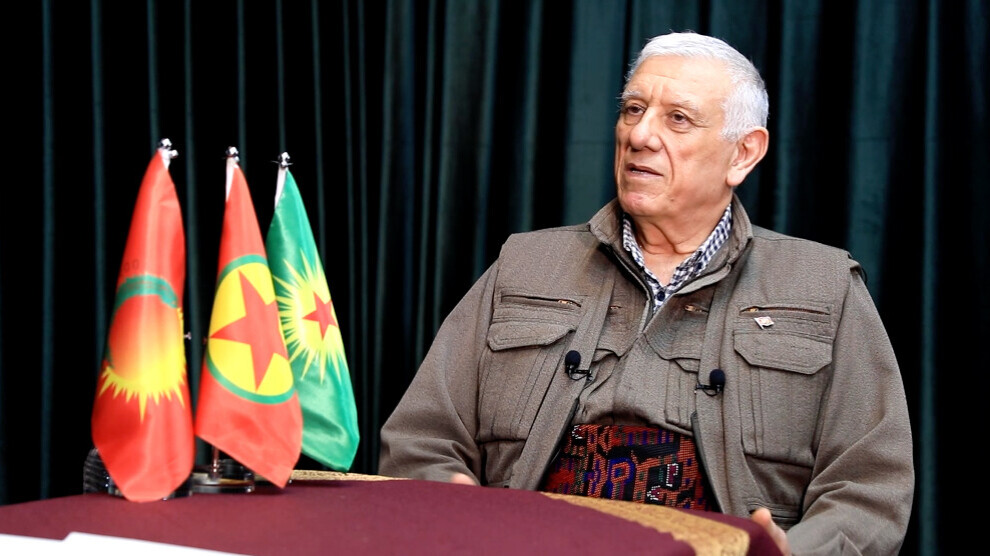
Cemil Bayik: AKP does not want problems to be solved, but to deepen further
Interview with Cemil Bayik, co-chair of the KCK Executive Council, on the current process regarding the solving of the Kurdish question.
ANF
BEHDINAN
Sunday, 19 January 2025, 07:50
Cemil Bayik, co-chair of the KCK Executive Council, spoke about the current process regarding the solving of the Kurdish question. He said that while Abdullah Öcalan is developing concrete steps towards a democratic solution, no similar attitude can be seen in the AKP government.
After a long period of isolation imposed on people's leader Abdullah Öcalan, recently two meetings took place with him. First the MP of the DEM Party, Ömer Öcalan, and then the DEM Party delegation went to Imrali. During the talks, Abdullah Öcalan pointed out his readiness for the solution to the Kurdish question and the democratization of Turkey. After the visit to Imrali, the DEM Party delegation held meetings and discussions with the parties of the Turkish parliament, thereby creating hope in Turkish society. How do you evaluate these talks and the agenda?
Even though the delegation went to Imrali, the heavy isolation against Rêber Apo [Abdullah Öcalan] still continues. He cannot fulfill his role under the conditions of this heavy isolation. If the Turkish state really wants to solve Turkey’s problems, and its most fundamental issue, the Kurdish question, it must end isolation. Rêber Apo’s conditions must change. It is neither moral, political, nor human to ask Rêber Apo to solve these problems while he is in isolation. He assesses the situation in the Middle East and its effects on Turkey and sees that both are facing great problems, and he wants to solve them. He is assuming a historical role in this, searching for a solution to the problems of the peoples of Turkey and the Middle East. Based on this, he issued a declaration. In it, Rêber Apo has clearly formulated his views and perspectives, and he has made it very clear on which basis the problems can be solved.
This declaration, which is based on seven points, made Turkish society breathe a sigh of relief. Because this determined the future of the peoples of Turkey. And that is why we call it a manifesto. Just as Rêber Apo has pointed out his historical role, the Turkish state should also express its thoughts. The state needs to express its ideas and perspectives. In the statement of the delegation that met with Rêber Apo, they highlighted that the position and approach of the Turkish state are still not clear and that this causes suspicion. Just as Rêber Apo did, the Turkish state must clearly express what its intentions are. They must explain what they aim to do and how they will take steps. Everyone is waiting for this. But the Turkish state’s failure to take steps creates suspicion among everyone. These doubts need to be removed.
At the center of Rêber Apo’s declaration lies democratization, the question of how Turkey can become a democratic country. Because as long as Turkey is not democratized, the Kurdish question and other issues cannot be solved. This is commonly known. The current developments in the Middle East are deepening the existing problems. In particular, the Kurdish question is getting bigger by the moment. As long as there is no solution, more serious problems will arise.
There is an extensive war going on in Kurdistan right now. It started with Hamas, continued with Hezbollah, spread to Syria, and made the Baath regime collapse, and now it has reached Kurdistan. Kurdistan will be the ground where the fate of the future will be determined. That is why so many forces are fighting over Kurdistan. Whoever draws the Kurds to his side will get results. Those who do not take steps in this regard will face great problems and serious dangers. That is why Rêber Apo is not only pointing out the problems but also how they can and will be solved. In this way, he takes responsibility not only for the Kurdish people but for all the peoples of the Middle East and humanity.
Against this, the Turkish state must also fulfill its responsibilities. The Imrali delegation said that there are doubts regarding the intentions of the Turkish state, and if the situation continues like this, these doubts will increase. The solution to the problems in Turkey is democratization, but the Turkish state is not taking any steps for this. It does so because if Turkey democratizes, Kurds will benefit more than anyone else. Because they still aim to eliminate the Kurds. This is their mentality, and it is what prevents them from doing anything for democratization. Turkey has reached a critical situation where it can no longer continue as before. Democratization is now the fundamental issue for Turkey. If they don’t do this, they will get even more stuck, and they will take big blows.
This is where Rêber Apo comes into play – he wants Turkey to take steps. He does not want Turkey to be like the last period of the Ottoman Empire. Because what is happening right now in Turkey resembles the last period of the Ottoman Empire. This is a great danger for Turkey. Rêber Apo is fulfilling his historical duty, and the state needs to do the same.
Looking at it, one can see that the tactics and methods of special warfare prominently characterize the whole ongoing process. A lot is being discussed, and speculations and propaganda are being spread. After Abdullah Ocalan gave his message, saying that he has the power to solve the problem, has there been any contact between you and him, or between you and the Turkish state or any outstanding power?
Nobody has reached out to us, and we have not received any messages so far, neither from Rêber Apo nor from the state. We are following the discussions in the press, trying to understand them, but we have not received anything officially. The Turkish state is waging a much broader war against both our people and our movement. On a daily basis, they issue statements saying that they have carried out military operations here, killed so many there, and arrested many more there – so what they basically do is admit that there is no change in the Turkish state. They speak about developing brotherhood with the Kurds, and they speak about a shared, deep-rooted history, but at the same time they never act like that in practice. If they really want to develop brotherhood, then they must take the rights of Kurds as a basis. Whatever rights the Turks have in Turkey, the Kurds should also have those rights. Right now we see that the Turks have all the rights, while the Kurds are being stripped of everything. The state is in practice developing all its plans based on the question of how to destroy and eliminate the Kurds. This has nothing to do with brotherhood; this is complete deception. If they really want to solve the problem and develop brotherhood and unity, they must give up their hostile politics towards the Kurds and change their mentality. Rêber Apo wants them to take the historic opportunity to change their mentality so that they can take steps to solve the Kurdish question. If they do not change their mentality, they will lose. Maybe there are some in Turkey who see this and want to put aside the mentality that denies the existence of the Kurds and wants to destroy them, but this mentality of the state has not changed. This is what is seen in practice.
Some people may think that a message or a letter from Rêber Apo has reached the PKK, but there is no such thing. And also, there has been no change within the Turkish state so far. We follow the developments in the press like everyone else. The Turkish state continues its attacks; we continue our struggle, and we will continue until the end. If this mentality does not change, if Rêber Apo’s conditions do not change, if a commission is not established in the Parliament as Rêber Apo proposed, if the constitution is not amended, we will continue our struggle. Because the Turkish state is attacking us every day with all kinds of weapons. How could we simply stop under these circumstances? Of course, our struggle continues.
The seven points in the declaration created hope in Turkish public opinion. But the AKP government, Erdoğan, his media, and some AKP officials are using ugly and provocative language. Where is this language taking Turkey, and what kind of situation does it create in society?
As I mentioned at the beginning, when Rêber Apo issued the declaration, society in Turkey was able to breathe a sigh of relief. Rêber Apo spoke to the delegation that visited him and told them to meet all parties in the parliament and to get their opinions on the current developments. He said that he is practically and theoretically capable of solving this issue. So, based on this, the delegation met with the other parties of the parliament and approached the parties that had doubts positively and made their statements accordingly. They said that if the state and the AKP are really sincere and want to solve the Kurdish question, they are ready to help; there is no problem in this regard. This shows that there have been some changes in Turkish politics. It was not like this in the past; the dominant mentality in Turkish politics was not to accept the bare existence of the Kurdish people. But now it is clear from their statements that they also want this issue to be solved. This is important. A new politics is developing, and there are discussions on this. This is positive. But when we look at the AKP, it is different. After the delegation met with them, they said, "We had a chat." In other words, they approached it in a non-serious way, as if they were mocking. We understand from this approach that the AKP has no aim of solving the Kurdish question or democratizing Turkey. If they had such a goal, they would not have used such language; they would have approached it seriously. All the other parties were more serious; they expressed their views and criticisms. But the AKP mockingly says, “We just had a chat.”. Tayyip Erdoğan and some of his AKP officials want to deepen the problems in Turkey, not solve them. That is what their statements and actions are based on. They want to create a perception in society.
They say about the PKK and Rêber Apo that there is no other way left: "They have to surrender. They have to bury their weapons, and if they don’t, we will bury them with them”. They don’t talk about anything other than death and killing. Would they use such language if they were aiming for a solution? Both AKP and Erdoğan do this deliberately. It is a lie that the PKK has no other path; on the contrary, new paths have opened, bigger paths than before, and the PKK can now move and work in more and various ways than it has before. The role of the Kurds and the PKK is now much bigger than before. They should not fall into heedlessness. They are the ones who will be buried in the ground if they continue like this. The situation they are in shows this. The language used by AKP and Erdoğan is the language of war. It is not the language of peace and brotherhood. It is not a language that will solve any problem. It is not like they are just making propaganda or that they are giving a message to their base. Basically, they want to eradicate the Kurdish question through violence, terror, and massacre. All their speeches are about killing. They don’t talk about anything else. This language does not serve a solution. The people of Turkey need to see this. Turkey’s intellectuals, artists, academics, and people who truly love Turkey must see this and stand against it. It is in everyone’s interest to solve the Kurdish question. That is why this language must not be used and why this mentality must end. A solution is in the interest of Turkey and even the AKP, but if they continue like this, they will lose a lot, and so will Turkey as a whole.
Interview with Cemil Bayik, co-chair of the KCK Executive Council, on the current process regarding the solving of the Kurdish question.
ANF
BEHDINAN
Sunday, 19 January 2025, 07:50
Cemil Bayik, co-chair of the KCK Executive Council, spoke about the current process regarding the solving of the Kurdish question. He said that while Abdullah Öcalan is developing concrete steps towards a democratic solution, no similar attitude can be seen in the AKP government.
After a long period of isolation imposed on people's leader Abdullah Öcalan, recently two meetings took place with him. First the MP of the DEM Party, Ömer Öcalan, and then the DEM Party delegation went to Imrali. During the talks, Abdullah Öcalan pointed out his readiness for the solution to the Kurdish question and the democratization of Turkey. After the visit to Imrali, the DEM Party delegation held meetings and discussions with the parties of the Turkish parliament, thereby creating hope in Turkish society. How do you evaluate these talks and the agenda?
Even though the delegation went to Imrali, the heavy isolation against Rêber Apo [Abdullah Öcalan] still continues. He cannot fulfill his role under the conditions of this heavy isolation. If the Turkish state really wants to solve Turkey’s problems, and its most fundamental issue, the Kurdish question, it must end isolation. Rêber Apo’s conditions must change. It is neither moral, political, nor human to ask Rêber Apo to solve these problems while he is in isolation. He assesses the situation in the Middle East and its effects on Turkey and sees that both are facing great problems, and he wants to solve them. He is assuming a historical role in this, searching for a solution to the problems of the peoples of Turkey and the Middle East. Based on this, he issued a declaration. In it, Rêber Apo has clearly formulated his views and perspectives, and he has made it very clear on which basis the problems can be solved.
This declaration, which is based on seven points, made Turkish society breathe a sigh of relief. Because this determined the future of the peoples of Turkey. And that is why we call it a manifesto. Just as Rêber Apo has pointed out his historical role, the Turkish state should also express its thoughts. The state needs to express its ideas and perspectives. In the statement of the delegation that met with Rêber Apo, they highlighted that the position and approach of the Turkish state are still not clear and that this causes suspicion. Just as Rêber Apo did, the Turkish state must clearly express what its intentions are. They must explain what they aim to do and how they will take steps. Everyone is waiting for this. But the Turkish state’s failure to take steps creates suspicion among everyone. These doubts need to be removed.
At the center of Rêber Apo’s declaration lies democratization, the question of how Turkey can become a democratic country. Because as long as Turkey is not democratized, the Kurdish question and other issues cannot be solved. This is commonly known. The current developments in the Middle East are deepening the existing problems. In particular, the Kurdish question is getting bigger by the moment. As long as there is no solution, more serious problems will arise.
There is an extensive war going on in Kurdistan right now. It started with Hamas, continued with Hezbollah, spread to Syria, and made the Baath regime collapse, and now it has reached Kurdistan. Kurdistan will be the ground where the fate of the future will be determined. That is why so many forces are fighting over Kurdistan. Whoever draws the Kurds to his side will get results. Those who do not take steps in this regard will face great problems and serious dangers. That is why Rêber Apo is not only pointing out the problems but also how they can and will be solved. In this way, he takes responsibility not only for the Kurdish people but for all the peoples of the Middle East and humanity.
Against this, the Turkish state must also fulfill its responsibilities. The Imrali delegation said that there are doubts regarding the intentions of the Turkish state, and if the situation continues like this, these doubts will increase. The solution to the problems in Turkey is democratization, but the Turkish state is not taking any steps for this. It does so because if Turkey democratizes, Kurds will benefit more than anyone else. Because they still aim to eliminate the Kurds. This is their mentality, and it is what prevents them from doing anything for democratization. Turkey has reached a critical situation where it can no longer continue as before. Democratization is now the fundamental issue for Turkey. If they don’t do this, they will get even more stuck, and they will take big blows.
This is where Rêber Apo comes into play – he wants Turkey to take steps. He does not want Turkey to be like the last period of the Ottoman Empire. Because what is happening right now in Turkey resembles the last period of the Ottoman Empire. This is a great danger for Turkey. Rêber Apo is fulfilling his historical duty, and the state needs to do the same.
Looking at it, one can see that the tactics and methods of special warfare prominently characterize the whole ongoing process. A lot is being discussed, and speculations and propaganda are being spread. After Abdullah Ocalan gave his message, saying that he has the power to solve the problem, has there been any contact between you and him, or between you and the Turkish state or any outstanding power?
Nobody has reached out to us, and we have not received any messages so far, neither from Rêber Apo nor from the state. We are following the discussions in the press, trying to understand them, but we have not received anything officially. The Turkish state is waging a much broader war against both our people and our movement. On a daily basis, they issue statements saying that they have carried out military operations here, killed so many there, and arrested many more there – so what they basically do is admit that there is no change in the Turkish state. They speak about developing brotherhood with the Kurds, and they speak about a shared, deep-rooted history, but at the same time they never act like that in practice. If they really want to develop brotherhood, then they must take the rights of Kurds as a basis. Whatever rights the Turks have in Turkey, the Kurds should also have those rights. Right now we see that the Turks have all the rights, while the Kurds are being stripped of everything. The state is in practice developing all its plans based on the question of how to destroy and eliminate the Kurds. This has nothing to do with brotherhood; this is complete deception. If they really want to solve the problem and develop brotherhood and unity, they must give up their hostile politics towards the Kurds and change their mentality. Rêber Apo wants them to take the historic opportunity to change their mentality so that they can take steps to solve the Kurdish question. If they do not change their mentality, they will lose. Maybe there are some in Turkey who see this and want to put aside the mentality that denies the existence of the Kurds and wants to destroy them, but this mentality of the state has not changed. This is what is seen in practice.
Some people may think that a message or a letter from Rêber Apo has reached the PKK, but there is no such thing. And also, there has been no change within the Turkish state so far. We follow the developments in the press like everyone else. The Turkish state continues its attacks; we continue our struggle, and we will continue until the end. If this mentality does not change, if Rêber Apo’s conditions do not change, if a commission is not established in the Parliament as Rêber Apo proposed, if the constitution is not amended, we will continue our struggle. Because the Turkish state is attacking us every day with all kinds of weapons. How could we simply stop under these circumstances? Of course, our struggle continues.
The seven points in the declaration created hope in Turkish public opinion. But the AKP government, Erdoğan, his media, and some AKP officials are using ugly and provocative language. Where is this language taking Turkey, and what kind of situation does it create in society?
As I mentioned at the beginning, when Rêber Apo issued the declaration, society in Turkey was able to breathe a sigh of relief. Rêber Apo spoke to the delegation that visited him and told them to meet all parties in the parliament and to get their opinions on the current developments. He said that he is practically and theoretically capable of solving this issue. So, based on this, the delegation met with the other parties of the parliament and approached the parties that had doubts positively and made their statements accordingly. They said that if the state and the AKP are really sincere and want to solve the Kurdish question, they are ready to help; there is no problem in this regard. This shows that there have been some changes in Turkish politics. It was not like this in the past; the dominant mentality in Turkish politics was not to accept the bare existence of the Kurdish people. But now it is clear from their statements that they also want this issue to be solved. This is important. A new politics is developing, and there are discussions on this. This is positive. But when we look at the AKP, it is different. After the delegation met with them, they said, "We had a chat." In other words, they approached it in a non-serious way, as if they were mocking. We understand from this approach that the AKP has no aim of solving the Kurdish question or democratizing Turkey. If they had such a goal, they would not have used such language; they would have approached it seriously. All the other parties were more serious; they expressed their views and criticisms. But the AKP mockingly says, “We just had a chat.”. Tayyip Erdoğan and some of his AKP officials want to deepen the problems in Turkey, not solve them. That is what their statements and actions are based on. They want to create a perception in society.
They say about the PKK and Rêber Apo that there is no other way left: "They have to surrender. They have to bury their weapons, and if they don’t, we will bury them with them”. They don’t talk about anything other than death and killing. Would they use such language if they were aiming for a solution? Both AKP and Erdoğan do this deliberately. It is a lie that the PKK has no other path; on the contrary, new paths have opened, bigger paths than before, and the PKK can now move and work in more and various ways than it has before. The role of the Kurds and the PKK is now much bigger than before. They should not fall into heedlessness. They are the ones who will be buried in the ground if they continue like this. The situation they are in shows this. The language used by AKP and Erdoğan is the language of war. It is not the language of peace and brotherhood. It is not a language that will solve any problem. It is not like they are just making propaganda or that they are giving a message to their base. Basically, they want to eradicate the Kurdish question through violence, terror, and massacre. All their speeches are about killing. They don’t talk about anything else. This language does not serve a solution. The people of Turkey need to see this. Turkey’s intellectuals, artists, academics, and people who truly love Turkey must see this and stand against it. It is in everyone’s interest to solve the Kurdish question. That is why this language must not be used and why this mentality must end. A solution is in the interest of Turkey and even the AKP, but if they continue like this, they will lose a lot, and so will Turkey as a whole.

Turkey probes Istanbul Bar Association over alleged ‘PKK propaganda’
By: TII team
Date: January 15, 2025


By: TII team
Date: January 15, 2025
The Istanbul Bar Association headquarters, Istanbul, Turkey, 2024. Photo: istanbulbarosu.org.tr
ISTANBUL,— Turkish prosecutors have filed a lawsuit against the Istanbul Bar Association, accusing it of spreading “terrorist propaganda” after the organization called for an investigation into the deaths of two Kurdish journalists in Syrian Kurdistan (Rojava), the Turkish Bar Association confirmed Tuesday.
According to Erinc Sagkan, head of the Turkish Bar Association, the Istanbul prosecutor’s office has initiated legal action to remove the Istanbul Bar Association’s president, Ibrahim Kaboglu, along with the association’s executive board.
The legal proceedings follow the bar’s demand for an investigation into the deaths of Nazim Dastan, 32, and Cihan Bilgin, both Kurdish journalists from Turkey’s southeastern region.
The pair killed on December 19, 2024, when their vehicle was reportedly struck by a Turkish drone in Syrian Kurdistan, according to the UK-based Syrian Observatory for Human Rights.
The strike reportedly occurred amid clashes between the Syrian Democratic Forces (SDF), a U.S.-backed group led by Kurdish fighters, and Ankara-backed Syrian Islamist militias.
Turkey views the SDF as an extension of the banned Kurdistan Workers’ Party (PKK), which has waged a decades-long insurgency within Turkey.
ISTANBUL,— Turkish prosecutors have filed a lawsuit against the Istanbul Bar Association, accusing it of spreading “terrorist propaganda” after the organization called for an investigation into the deaths of two Kurdish journalists in Syrian Kurdistan (Rojava), the Turkish Bar Association confirmed Tuesday.
According to Erinc Sagkan, head of the Turkish Bar Association, the Istanbul prosecutor’s office has initiated legal action to remove the Istanbul Bar Association’s president, Ibrahim Kaboglu, along with the association’s executive board.
The legal proceedings follow the bar’s demand for an investigation into the deaths of Nazim Dastan, 32, and Cihan Bilgin, both Kurdish journalists from Turkey’s southeastern region.
The pair killed on December 19, 2024, when their vehicle was reportedly struck by a Turkish drone in Syrian Kurdistan, according to the UK-based Syrian Observatory for Human Rights.
The strike reportedly occurred amid clashes between the Syrian Democratic Forces (SDF), a U.S.-backed group led by Kurdish fighters, and Ankara-backed Syrian Islamist militias.
Turkey views the SDF as an extension of the banned Kurdistan Workers’ Party (PKK), which has waged a decades-long insurgency within Turkey.
Kurdish journalists, Nazim Dastan (right) and Cihan Bilgin killed in Syrian Kurdistan by a ‘Turkish drone’, December 19, 2024. Photo: Firat News Agency/ANF/The Insight International
Dastan and Bilgin worked for Rojnews and ANHA, two media outlets tied to the Syrian Kurdish community. Their deaths were condemned by the Turkish Journalists’ Union.
In a statement at the time, the Istanbul Bar Association denounced the attack, calling it a violation of international humanitarian law and the Geneva Conventions. The organization demanded a thorough investigation into what it described as “the murder of two of our citizens.”
However, Turkish prosecutors accused the bar association of promoting terrorism and disseminating false information, citing alleged ties between the journalists and the PKK.
In response, the Istanbul Bar Association called the lawsuit “legally baseless” and stated that its leadership was acting in accordance with the Turkish Constitution, democratic principles, and the rule of law.
Sagkan criticized the move as part of a broader campaign to suppress dissent. “The methods may vary, but for the past 50 years, the government’s supporters have consistently sought to pressure and silence those they perceive as opposition,” he said in a post on X.
(Credit: AFP)
Dastan and Bilgin worked for Rojnews and ANHA, two media outlets tied to the Syrian Kurdish community. Their deaths were condemned by the Turkish Journalists’ Union.
In a statement at the time, the Istanbul Bar Association denounced the attack, calling it a violation of international humanitarian law and the Geneva Conventions. The organization demanded a thorough investigation into what it described as “the murder of two of our citizens.”
However, Turkish prosecutors accused the bar association of promoting terrorism and disseminating false information, citing alleged ties between the journalists and the PKK.
In response, the Istanbul Bar Association called the lawsuit “legally baseless” and stated that its leadership was acting in accordance with the Turkish Constitution, democratic principles, and the rule of law.
Sagkan criticized the move as part of a broader campaign to suppress dissent. “The methods may vary, but for the past 50 years, the government’s supporters have consistently sought to pressure and silence those they perceive as opposition,” he said in a post on X.
(Credit: AFP)
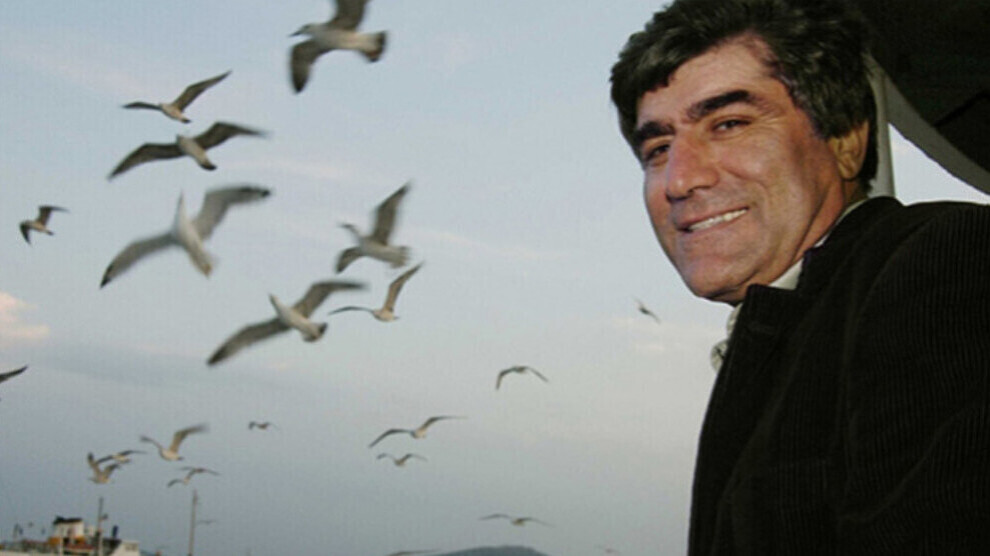
No justice for journalist Hrant Dink 18 years after his murder
On 10 January, just nine days before the 18th anniversary of the murder of Turkish Armenian journalist Hrant Dink, a court decided to apply the statute of limitation to one of the trials for the killing of the journalist.
ANF
NEWS DESK
Sunday, 19 January 2025, 08:33
Seven members of a far-right group from Trabzon, including Ogün Samast, the man who shot Hrant Dink on 19 January 2007 and was convicted of the murder in 2011, were due to stand trial for complicity in the journalist’s murder, committed “in the name of an illegal organisation without being part of it”. Yet on 10 January, just nine days before the 18th anniversary of the murder of Turkish Armenian journalist, the accused benefitted from a statute of limitations and were spared trial.
Prominent Turkish Armenian journalist Hrant Dink was murdered in Istanbul on 19 January 2007.
He was Agos newspaper editor and had written and spoken at length about the 1915 Armenian Genocide. He was well known for his efforts for reconciliation between Turks and Armenians.
At the time of his death, he was on trial for violating Article 301 of the Turkish Penal Code and "denigrating Turkishness".
Dink was assassinated in Istanbul at around 12:00 GMT on 19 January 2007 as he returned to the offices of Agos.
The killer was reported to have introduced himself as an Ankara University student who wanted to meet with Mr. Dink. When his request was rejected, he waited in front of a nearby bank for a while. According to eyewitnesses, Dink was shot by a man of 25 to 30 years of age, who fired three shots at Dink's head from the back at point blank range before fleeing the scene on foot. According to the police, the assassin was a man of 18 to 19 years of age. Two men had been taken into custody in the first hours of the police investigation, but were later released.
One day after the assassination, the police announced that the shooter had been identified from video footage collected through both the Istanbul MOBESE electronic surveillance network (4,000+ cameras throughout the city) and local security cameras. They later released photos to the public while urging every citizen to aid with the investigation.
News agencies reported that the shooter had been identified as "Ogün Samast", a teenager born in 1990 and registered as residing in Trabzon.
Samast's father identified him from the publicly released photos and alerted the authorities. Six people, including Samast's friend Yasin Hayal, who had been involved in a bombing of a McDonald's restaurant in Trabzon in 2004, were taken into custody and brought to Istanbul.
On 25 July 2011 Samast was convicted of murder and possession of arms by the Heavy Juvenile Criminal Court. He was sentenced to 22 years and 10 months in prison.
On 16 January 2012, Istanbul 14. Heavy Criminal Court ruled that there was no conspiracy behind the assassination and stated that the murder was an ordinary killing. Yasmin Hayal was found guilty of murder and sentenced to life imprisonment, while two other men were found guilty of assisting him and sentenced to 12 years and 6 months in prison."
In 2013, a secret witness told prosecutors of JITEM and Gendarmerie involvement in Dink's murder.
On 12 January 2015, arrest warrants were issued for two police officers, making them the first public servants arrested in the investigation.
A Turk convicted of aiding and abetting the murder of Armenian journalist Hrant Dink has begun serving his prison sentence after years on the run. Ahmet Iskender was found guilty by an Istanbul court in 2012 of helping the ultranationalist Ogün Samast, who was convicted of the murder of Armenian paper Agos editor-in-chief Hrant Dink. Iskender received twelve and a half years in prison because he disposed of the murder weapon, gave the assassin money and provided him with his telephone. This sentence was confirmed by the Turkish Court of Cassation in 2013. In 2019, he was given another two years in prison for membership of an armed terrorist organization.
However, Ahmet Iskender, who was arrested together with the assassin and three other accomplices a few days after the murder of Hrant Dink on January 24, 2007, had already absconded abroad shortly after his release from custody in July of the same year.
In 2015, it emerged that he was staying in Belgium. In early March, the Kyrgyz Interior Ministry then announced that it had apprehended Ahmet Iskender in the capital Bishkek on February 26.
The 38-year-old used a forged identity card and driver's license to identify himself and was subsequently arrested for illegal possession of weapons, organized crime and document forgery.
Samast released in 2023
Ogün Samast, who killed Hrant Dink, was released on 15 November 2023.
Samast was caught at Samsun bus terminal on 20 January 2007 and sent to prison on 24 January 2007. In February 2023, he was transferred from Kandıra F Type prison to Bolu F Type prison. The prison administration decided to release Samast on the grounds of his "good behavior".
On 10 January, just nine days before the 18th anniversary of the murder of Turkish Armenian journalist Hrant Dink, a court decided to apply the statute of limitation to one of the trials for the killing of the journalist.
ANF
NEWS DESK
Sunday, 19 January 2025, 08:33
Seven members of a far-right group from Trabzon, including Ogün Samast, the man who shot Hrant Dink on 19 January 2007 and was convicted of the murder in 2011, were due to stand trial for complicity in the journalist’s murder, committed “in the name of an illegal organisation without being part of it”. Yet on 10 January, just nine days before the 18th anniversary of the murder of Turkish Armenian journalist, the accused benefitted from a statute of limitations and were spared trial.
Prominent Turkish Armenian journalist Hrant Dink was murdered in Istanbul on 19 January 2007.
He was Agos newspaper editor and had written and spoken at length about the 1915 Armenian Genocide. He was well known for his efforts for reconciliation between Turks and Armenians.
At the time of his death, he was on trial for violating Article 301 of the Turkish Penal Code and "denigrating Turkishness".
Dink was assassinated in Istanbul at around 12:00 GMT on 19 January 2007 as he returned to the offices of Agos.
The killer was reported to have introduced himself as an Ankara University student who wanted to meet with Mr. Dink. When his request was rejected, he waited in front of a nearby bank for a while. According to eyewitnesses, Dink was shot by a man of 25 to 30 years of age, who fired three shots at Dink's head from the back at point blank range before fleeing the scene on foot. According to the police, the assassin was a man of 18 to 19 years of age. Two men had been taken into custody in the first hours of the police investigation, but were later released.
One day after the assassination, the police announced that the shooter had been identified from video footage collected through both the Istanbul MOBESE electronic surveillance network (4,000+ cameras throughout the city) and local security cameras. They later released photos to the public while urging every citizen to aid with the investigation.
News agencies reported that the shooter had been identified as "Ogün Samast", a teenager born in 1990 and registered as residing in Trabzon.
Samast's father identified him from the publicly released photos and alerted the authorities. Six people, including Samast's friend Yasin Hayal, who had been involved in a bombing of a McDonald's restaurant in Trabzon in 2004, were taken into custody and brought to Istanbul.
On 25 July 2011 Samast was convicted of murder and possession of arms by the Heavy Juvenile Criminal Court. He was sentenced to 22 years and 10 months in prison.
On 16 January 2012, Istanbul 14. Heavy Criminal Court ruled that there was no conspiracy behind the assassination and stated that the murder was an ordinary killing. Yasmin Hayal was found guilty of murder and sentenced to life imprisonment, while two other men were found guilty of assisting him and sentenced to 12 years and 6 months in prison."
In 2013, a secret witness told prosecutors of JITEM and Gendarmerie involvement in Dink's murder.
On 12 January 2015, arrest warrants were issued for two police officers, making them the first public servants arrested in the investigation.
A Turk convicted of aiding and abetting the murder of Armenian journalist Hrant Dink has begun serving his prison sentence after years on the run. Ahmet Iskender was found guilty by an Istanbul court in 2012 of helping the ultranationalist Ogün Samast, who was convicted of the murder of Armenian paper Agos editor-in-chief Hrant Dink. Iskender received twelve and a half years in prison because he disposed of the murder weapon, gave the assassin money and provided him with his telephone. This sentence was confirmed by the Turkish Court of Cassation in 2013. In 2019, he was given another two years in prison for membership of an armed terrorist organization.
However, Ahmet Iskender, who was arrested together with the assassin and three other accomplices a few days after the murder of Hrant Dink on January 24, 2007, had already absconded abroad shortly after his release from custody in July of the same year.
In 2015, it emerged that he was staying in Belgium. In early March, the Kyrgyz Interior Ministry then announced that it had apprehended Ahmet Iskender in the capital Bishkek on February 26.
The 38-year-old used a forged identity card and driver's license to identify himself and was subsequently arrested for illegal possession of weapons, organized crime and document forgery.
Samast released in 2023
Ogün Samast, who killed Hrant Dink, was released on 15 November 2023.
Samast was caught at Samsun bus terminal on 20 January 2007 and sent to prison on 24 January 2007. In February 2023, he was transferred from Kandıra F Type prison to Bolu F Type prison. The prison administration decided to release Samast on the grounds of his "good behavior".


