Thursday, January 23, 2025

TikTok’s possible buyers, from Elon Musk to MrBeast


Last updated: January 24, 2025 |
Bloomberg Wire


TikTok’s Chinese parent company has just over two months to find a buyer for the app’s US business or face a nationwide ban, after getting a time extension from President Donald Trump. There is already competition to own it.


Any purchase would have to satisfy the government’s national security concerns over its owner, ByteDance Ltd., and its ties to China. So far, the company hasn’t been able to solve that problem, and has been resistant to being acquired. It’s taken so long to find a solution that the app almost was banned on Jan. 19, per US law. Instead of enforcing the law, Trump issued an executive order delaying the ban and giving ByteDance 75 more days for a sale. “I have a warm spot for TikTok that I didn’t have originally,” Trump said while signing the order from the Oval Office.


It’s unclear whether ByteDance is open to selling the popular video service; it has spent most of the past year rejecting the idea of a sale, which could fetch upwards of $50 billion. Bill Ford, a ByteDance board member and Chief Executive Officer of General Atlantic, told Bloomberg Television that the company thinks there may be solutions “short of having to sell.”


It also remains to be seen whether Trump’s extended deadline will pass legal scrutiny. According to the national security law, an extension for the sales process was only allowable if a deal was already in progress, and no such agreement has been announced.


Still, there will be no shortage of interested acquirers for TikTok. The app boasts 170 million monthly US users and has become a major driver of culture and politics among young Americans. Trump prides himself on his deal-making abilities, and in this case his vote matters: Any purchase agreement for TikTok will require his approval and assurance that the new arrangement does, in fact, satisfy the country’s national security concerns.


So who will buy TikTok? Here’s a list of known suitors and others who could potentially be vying for the app.


Who has already said they want to buy TikTok?

Frank McCourt and Kevin O’Leary


McCourt, a billionaire and former owner of the Los Angeles Dodgers, has teamed up with Shark Tank investor Kevin O’Leary on a bid for TikTok, which they say has already been submitted. McCourt, who’s worth $2.4 billion according to the Bloomberg Billionaires Index, said that the group does not need to buy the software algorithm that recommends content to TikTok users. This could make his bid more appealing to ByteDance and the Chinese government, which are unlikely to sell that proprietary technology. McCourt also suggested this week that he’d be open to an arrangement that includes involvement from the US government. “I’m OK with whatever is legal,” he told CNBC.


MrBeast


The popular YouTuber, whose real name is Jimmy Donaldson, is talking to several investment groups that are trying to buy the app. That includes one group led by tech entrepreneur Jesse Tinsley, founder of Employer.com, which announced a bid this week and included Donaldson on its list of investors. Donaldson, though, is spreading his chips around. “Several potential buyers are having ongoing discussions with Jimmy, but he has no exclusive agreements with any of them,” a spokesperson told Bloomberg. Donaldson will play more of an operational role than a financial role in any bid, his spokesperson added.


Who are Trump’s preferred TikTok buyers?

Elon Musk


Musk is not only the richest man in the world — his net worth is $440 billion, according to the Bloomberg Billionaires Index — but he’s also one of Trump’s top advisors and the owner of another social networking company, X, the site formerly known as Twitter. Most importantly, Chinese government officials have also discussed the idea of Musk owning TikTok. He may be one of the few potential acquirers that could get necessary approvals from officials in both the US and Beijing. Trump was asked this week if he was open to Musk buying the service. “I would be if he wanted to buy it,” the President replied.


Larry Ellison


Trump also said that he would be open to Oracle Corp. Chairman Larry Ellison owning the platform. “I’d like Larry to buy it, too,” he said at the same event this week with Ellison standing just a few steps away. Ellison, who is worth $209 billion, has supported Trump, as has Oracle’s CEO Safra Catz, which could make a deal more likely. Oracle is also a major tech and infrastructure partner for TikTok and already stores the app’s US data. When Trump tried to force a sale of TikTok four years ago toward the end of his first term, Oracle was selected by Trump to acquire TikTok before the deal fell apart. Oracle, though, is saddled with debt from a previous acquisition and is investing much of its spare cash in building data centers.

The US Government


Trump has said repeatedly that he wants TikTok to be partially owned by “The United States of America.” He suggested Tuesday that a new investor should buy the app and “give half” to the US in exchange for some kind of “permit” so that it can operate in the country. It’s unclear how this arrangement might work, and there are limited examples of the US government taking a stake in a private business, or owning a powerful digital media company. It’s also unclear whether such an arrangement would be approved by government officials in China, who are likely to have a say in any deal. Still, Trump believes he holds the power to force a new buyer’s hand and give the government a financial stake in TikTok’s future.


Who else might want TikTok?


Meta


Meta Platforms Inc. already controls the largest stable of social networking products in the world, including Facebook and Instagram, and CEO Mark Zuckerberg is better than arguably anyone at building massive audiences for such products online. The company already has an established advertising business that could benefit tremendously from adding TikTok’s app to its mix of services. Unfortunately for Meta, that success and dominance is exactly why a deal is unlikely. Meta is facing intense antitrust scrutiny, and federal regulators in the US are already trying to break the company up. Adding yet another social networking service of TikTok’s size is probably out of the question.

Google


Google already owns YouTube, the world’s premier video platform, and also has a robust advertising business that would pair nicely with TikTok. It has deep knowledge and experience with online video creators, which would make it an appealing landing spot for the people who make a living by posting videos to TikTok. But like Meta, Alphabet Inc.’s Google is fighting antitrust allegations, and the US Justice Department found late last year that it illegally monopolized the online search market. The idea of regulators approving the addition of yet another major advertising platform is unlikely.

Amazon


Amazon.com Inc. already has experience operating a video service — it owns streaming platform Twitch — and has nearly $72 billion in cash or equivalents on its balance sheet. Also, Amazon is already a TikTok partner on shopping features, and could benefit from a deeper integration with TikTok Shop, the app’s ecommerce arm. Amazon is known more for its utility, with its product search engine helping shoppers quickly find what they need and get on with their lives. TikTok would add dimensions in which Amazon has traditionally struggled, like discovery and inspiration. It’s not clear that Amazon is interested in TikTok, but founder Jeff Bezos is developing a closer relationship with Trump that could help impact a possible deal; Bezos and his partner, Lauren Sanchez, joined Trump’s inauguration this week, sitting just a few seats away from the president and his family.


Microsoft


The last time TikTok was for sale four years ago, Microsoft Corp. was an early bidder for the service. Microsoft already owns LinkedIn, so it has some experience with social networking products. Still, CEO Satya Nadella called the sales process from 2020 the “strangest thing” he’d ever worked on, and it’s not known if Microsoft would be willing to go through the bidding process a second time with Trump in the mix.

Netflix


Netflix Inc. has never done a major acquisition and has consistently said it’s not interested in them. But TikTok reportedly approached Netflix about a possible deal back in 2020, and while nothing materialized at the time, Netflix remains a logical option if the streaming giant changes its mind. Netflix stock is near an all-time high, and it’s possible that TikTok would give the company a new short-form video distribution platform to complement its professionally produced film and TV. It could also help Netflix access millions of young American consumers and help it better compete with YouTube.
242 million children's schooling disrupted by climate shocks in 2024: UNICEF

Heat waves had the biggest impact, the report showed

January 24, 2025 |
AFP

A woman gives water to her child in respite from the heatwave on a hot summer day, in New Delhi.ANI


UNITED NATIONS: Extreme weather disrupted the schooling of about 242 million children in 85 countries last year - roughly one in seven students, the UN children's agency reported, deploring what it said was an "overlooked" aspect of the climate crisis.

Heat waves had the biggest impact, the report showed, as UNICEF's executive director Catherine Russell warned children are "more vulnerable" to extreme weather.

"They heat up faster, they sweat less efficiently, and cool down more slowly than adults," she said in a statement.

"Children cannot concentrate in classrooms that offer no respite from sweltering heat, and they cannot get to school if the path is flooded, or if schools are washed away."

Human activity, including the unrestricted burning of fossil fuels over decades, has warmed the planet and changed weather patterns.

Global average temperatures hit record highs in 2024, and over the past few years they temporarily surpassed a critical 1.5 degrees Celsius warming threshold for the first time.
Advertisement

That has left the wet periods wetter and the dry periods dryer, intensifying heat and storms and making populations more vulnerable to disasters.

The 242 million figure is a "conservative estimate," the UNICEF report said, citing gaps in the data.

Students from kindergarten to high school saw classes suspended, vacations moved, reopenings delayed, timetables shifted and even schools damaged or destroyed over the year due to climatic shocks, the available data showed.

At least 171 million children were affected by heat waves - including 118 million in April alone, as temperatures soared in Bangladesh, Cambodia, India, Thailand and the Philippines.

In the Philippines in particular thousands of non-air conditioned schools were closed, with children at risk of hyperthermia.

Risk rises with temperatures

September, which marks the start of the school year in many countries, was also heavily impacted.

Classes were suspended in 18 countries, notably due to the devastating typhoon Yagi in East Asia and the Pacific.

South Asia was the region hardest hit by climate-related school interruptions, with 128 million schoolchildren affected.

India had the most children affected - 54 million, mainly by heat waves. Bangladesh had 35 million also affected by heat waves.

The figures are likely to rise in coming years as temperatures continue going up, with half the world's children - around one billion - living in countries at high risk of climate and environmental shocks.

If the emission of greenhouse gases continues on its current trajectory, eight times as many children will be exposed to heat waves in 2050 as in 2000, according to UNICEF projections.

More than three times as many would be exposed to extreme floods and 1.7 times more to wildfires, the projections showed.

Beyond the immediate impacts, UNICEF voiced fears that the damage could increase the risk of some children - girls in particular - dropping out of school altogether.

Already, some two-thirds of children around the world cannot read with comprehension by age 10, it said, adding: "Climate hazards are exacerbating this reality."

Education is one of the services most frequently disrupted by climate hazards, Russell said.

"Yet it is often overlooked in policy discussions," she warned. "Children's futures must be at the forefront of all climate-related plans and actions."

UNICEF called for investment in classrooms that are more resistant to climate hazards.

Coldplay’s Chris Martin apologises for colonialism at his Mumbai concert

Let’s just say, an indirect apology for colonialism from Coldplay was not on our 2025 bingo cards.


Images Staff
20 Jan, 2025
DAWN

In a rather strange and unexpected move, Coldplay frontman Chris Martin thanked concertgoers in India for forgiving the band for “all of the bad things Great Britain has done”.

Let’s just say, an indirect apology for colonialism from the ‘Viva La Vida’ singer was not on our 2025 bingo cards.

During their performance in Mumbai, Martin said, “It’s amazing to us that you welcome us even though we are from Great Britain. Thank you for forgiving us for all of the bad things Great Britain has done.”


If you were literally born yesterday, the British Raj lasted approximately 89 years from 1858 to 1947, when England colonised the Indian subcontinent and imposed the British monarch’s rule in the region.

Seventy-eight years later, a pop singer from the colonising country is apologetic even though we doubt anyone in the audience, in their wildest fantasies, expected he would do this.

Coldplay concerts are known for their grandeur and fun vibes, and on this leg of the tour, Martin has definitely kept things interesting. Earlier, during a performance in the UAE, the band called a Pakistani woman on stage before performing ‘Everglow’, which Martin dedicated to the people in Pakistan, Gaza, the West Bank and Iran.


While that moment was sweet, this more recent thing from the Mumbai concert is screaming white guilt. As always, social media users had some hilarious reactions to his statement.

Of course, most people just wanted the Koh-i-Noor diamond back, one of the largest cut diamonds in the world which was found in the subcontinent and now rests on the Crown of Queen Elizabeth The Queen Mother (yes, that’s its full official name).


Another netizen demanded that he return “all the stolen items”.


Meanwhile, some people believed that the singer was “healing generational trauma”… which seemed a little far-fetched to us. Perhaps the occasional breakup trauma with his music, but intergenerational trauma? With an apology. Highly unlikely.


Another user questioned when the audience forgave them, given that Martin was thanking the concertgoers.


However, the best take was from the person asking for a “free concert next time as reparations”.


If that is the case, dear Chris let us remind you that Pakistan was part of the colonised Indian subcontinent and if your white guilt leads you to perform for free, then we should get a free concert too! Coldplay in Karachi, when?
Tumour deep inside woman’s head removed through eye socket in UK-first operation

Sara Odeen-Isbister
Published January 20, 2025
METRO UK

Ruvimbo Kaviya points to a small scar after pioneering surgery to remove a tumour from behind her eyes
 (Picture: Danny Lawson/PA Wire)

A tumour inside a woman’s head was removed using keyhole surgery through her eye socket for the first time ever in the UK.

Ruvimbo Kaviya had a meningioma sitting in the space beneath the brain and behind her eyes that would usually have been considered inoperable.

When tumours have been removed from that area of the head it has required complex surgery that involves taking off a large part of the skull and moving the brain to access the cancer.

This method comes with a high level of risk and can lead to serious complications, including seizures.

But it’s been revealed surgeons from Leeds Teaching Hospitals NHS Trust managed to successfully extract Ms Kaviya’s tumour using key-hole surgery through one of her eye sockets.

Medics practiced the technique – known as a endoscopic trans-orbital approach several times initially using 3D models of Ms Kaviya’s head and then on cadavers.

She has been left with just a tiny scar near her left eye.

Surgeons have now performed similar surgeries, giving hope to UK patients whose cancers were previously seen as inoperable.

Ms Kaviya was experiencing painful headaches before the surgery (Picture: Danny Lawson/PA Wire)
(Left to right) Consultant Neurosurgeon Asim Sheikh, Ms Kaviya, biomedical engineer Lisa Ferrie and facial surgeon Jiten Parmar (Picture: Danny Lawson/PA Wire)

Neurosurgeon Asim Sheikh, said: ‘There’s been a move towards minimally invasive techniques over the last few years or so, with the advancement of technology, tools, 3D innovation, it is now possible to do the procedures with less morbidity, and that means the patients recover quicker and better.’

He said traditional methods to reach the area where the tumour was situated required ‘pressing on quite a lot of brain’.

‘So if you press on it too much, or retract it, or try and move it apart, then it can lead to patients having seizures afterwards,’ Mr Sheikh explained.

‘Whereas this way, we’re not even sort of touching the brain.

‘It’s a hard to reach area, and this allows a direct access without any compromise of pressure on the brain.’

His colleague Jiten Parmar, a maxillofacial surgeon, devised a technique where a little part of the outside wall of the eye socket was cut to allow more access for the endoscope.

Mr Parmar said that before this new technique, the area that needed to be operated on was ‘difficult to get to from the outside without taking off most of the skull plate,’ which in itself can cause some quite serious damage.

‘Going through the eye socket gets into the same area and it’s a way more elegant approach,’ he said, adding that it disturbs fewer nerves.


An MRI scan showing where Ms Kaviya’s tumour was located (Picture: Leeds Teaching Hospitals NHS Trust/PA Wire)
Ms Kaviya and Biomedical Engineer Lisa Ferrie look at an MRI scan and 3D digital model of Ruvimbo’s tumour (Picture: Danny Lawson/PA Wire)
Ms Kaviya after surgery (Picture: Ruvimbo Kaviya/PA Wire)

James Robins, fellow in neurosurgery, added: ‘This is major surgery through minimally invasive techniques – so it’s still a massive surgery.

‘Using the endoscope, it’s about five millimetres in diameter, we only need a very small space in order to gently displace the eye to one side to get to the back of the eye socket, removing a small, tailored amount of bone.’

From there the tumour can be carefully taken out.

Ms Kaviya said the tumour was causing such severe headaches that when she was offered the surgery she didn’t care it would be the first time such a procedure was happening in the UK.

‘I had some headaches which felt like an electric shock on my face,” she said.

‘I couldn’t even touch my skin on the face, I couldn’t eat, I couldn’t brush my teeth, it was really terrible.

‘I had no option to agree because the pain was just too much – I didn’t even think about it being the first time, all I needed was for it to be removed.’

Ms Kaviya, whose three children are eight, 12 and 13, said her family were ‘sceptical’ about the procedure.

‘But I just, I just told them that “I just have to do this – it’s either I do it or it, it keeps growing, and maybe I will die. Who knows?

‘”There’s a first time to everything. So you never know, this might be the best chance for me to have it”. And it was.’

The now 40-year-old underwent the operation February 2024.

Although she was home ‘in days’ – sooner than expected – she needed three months off work, during which time she struggled with’double vision’.

However, she’s now back caring for patients in Leeds needing stroke rehabilitation.

Ms Kaviya said she has been left with a ‘really tiny’ scar, adding: ‘If you don’t really look closely, you won’t be able to see.’

Saudi Arabia sets new global benchmark with robotic-assisted heart surgery


January 23, 2025
MEMO

The King Faisal Specialist Hospital, on 20 July 2020 in Riyadh. [AFPTV/AFP via Getty Images]

King Faisal Specialist Hospital and Research Centre (KFSHRC) in Riyadh successfully performed a robotic-assisted implantation of Abbott’s HeartMate 3 artificial heart pump, the Hospital said in a statement on Wednesday, Anadolu Agency reports.

The surgery was performed on a 35-year-old patient suffering from advanced heart failure, accompanied by kidney and lung complications.

Following a 120-day hospitalisation, the patient’s recovery progressed remarkably quickly, requiring only four days in intensive care and anticipating discharge within 10 days – significantly faster than the standard recovery time for similar procedures.

“This milestone demonstrates our ability to balance bold innovation with strict safety measures, delivering cutting-edge medical solutions that redefine the possibilities in healthcare,” said Dr. Bjorn Zoega, also the deputy CEO of KFSHRC.

He added that this achievement solidifies Saudi Arabia’s position as a global leader in medical innovation.

READ: Trump reveals Saudis paid $450bn for his 2017 visit and he’d go again for $500bn

Dr. Feras Khaliel, the head of cardiac surgery and Director of the Centre’s Robotics and Minimally Invasive Surgery Program, led the operation.

He emphasized the precision and safety of robotic-assisted procedures, noting that the patient had no infections, bleeding or other complications.

“The patient was amazed at the minimal scarring, reflecting the advanced capabilities of robotic technology,” he said.

The HeartMate 3, designed to support patients with advanced heart failure, was implanted with robotic assistance to reduce surgical trauma and recovery time.

Keith Boettiger, the vice President of Abbott’s heart failure business, praised the collaboration with the Hospital.

“This procedure underscores how innovation in health technology can significantly improve quality of life,” he said.

KFSHRC’s robotic-assisted procedures are part of its broader efforts to integrate advanced technologies into healthcare.

The institution has previously achieved global recognition for robotic heart and liver transplants and is consistently ranked among the top hospitals worldwide.

It secured the top spot in the Middle East and Africa and ranked 20th globally among the top 250 Academic Medical Centres for the second consecutive year. It was also recognized as the most valuable healthcare brand in Saudi Arabia and the Middle East in the 2024 Brand Finance rankings.
Opinion

Sharing the burden of contraception could also mean sharing the risk


By Jennifer Newton
20 January 2025
Chemistry World

Since the oral contraceptive pill was introduced in the 1960s, the range of contraception methods available to women has expanded and helped to avoid unplanned pregnancies. With freedom of choice, they have been empowered to pursue opportunities in work or higher education, and escape the social stigma and medical risks of having an abortion. Still, when any contraception fails, it’s the woman who bears the brunt of that failure.

And while women have benefitted from the autonomy that contraceptives bring, they have also shouldered more of the burden of responsibility. There are the logistics of medical appointments, in some countries there’s a financial cost and for those using an oral contraceptive, they must remember to take a daily pill. Then there are side-effects: acne, headaches, mood swings, weight-gain, decreased libido and bloating are all common with female hormonal contraception. Moreover, rare but more serious side-effects of the combined oral contraceptive pill, for example, include blood clots and a heightened risk of breast cancer.

The prospect of male contraceptive drugs, as we detail in our feature, may therefore leave some of our female readers rolling their eyes. One reason for this disgruntlement lies in the apparent double standards when it comes to the concept of risk. Given that women can die from pregnancy and childbirth, the risks associated with female contraceptives are generally considered to outweigh death. But there’s no health risk for a man when their partner gets pregnant. This fact coupled with the ‘do no harm’ principle in medicine means regulatory bars for safety and tolerance are expected to sit much higher for male contraceptives than they have ever done for female ones. It helps explain why progress in the field has been glacial and the pharmaceutical industry has been reticent to commit.

Several researchers are therefore advocating to shift risk assessments from an individual to a shared model. In 2020, John Amory and colleagues suggested that such an ethical framework could be ‘grounded in care ethics, which conceptualises humans as unassailably interdependent and interconnected’.1 They define shared risk as the sum of the risks to both members of a couple associated with contraceptive use by either or both members, and is compared to the risk of unintended pregnancy to the couple as a whole.

Were regulators to adopt a shared risk model, it could help reshape societal attitudes surrounding responsibility and fairness in reproductive health. As it stands, the regulatory uncertainty surrounding male contraceptives seems doomed to prolong the gender inequities prevalent in family planning.

References

1 G D Campelia et al, Contraception, 2020, 102, 67 (DOI: 10.1016/j.contraception.2020.05.014)


Jennifer Newton is the Newsletter and research editor for Chemistry World.


On the trail of the male contraceptive pill


By James Mitchell Crow
20 January 2025
Chemistry World

As multiple novel male contraception compounds enter clinical trials, is family planning about to undergo a second revolution? James Mitchell Crow reports
Article summary

Emerging male contraceptives: Multiple novel male contraceptive compounds, both hormonal and non-hormonal, are entering clinical trials. These include small molecule inhibitors like sAC inhibitors, which offer the potential for on-demand contraception.

High demand and interest: Research indicates strong interest in new male contraceptives from both men and their partners. This interest has increased significantly in the US following the 2022 Supreme Court decision on abortion rights.

Challenges and innovations: Developing male contraceptives involves overcoming challenges such as ensuring minimal side effects and achieving effective, reversible contraception. Innovations like structure-assisted drug design and selective inhibitors are key to advancing these efforts.

Future prospects: The first generation of male contraceptives is expected to be hormonal, followed by non-hormonal and on-demand options. Regulatory and pharmaceutical company engagement will be crucial for bringing these products to market.

This summary was generated by AI and checked by a human editor

When the oral contraceptive pill was introduced in 1960, women who could access it gained a newfound agency to plan parenthood, creating cascading societal change. Since that time, their contraceptive options have expanded to include multiple forms of hormonal pills and patches, implants, and hormonal and non-hormonal intrauterine devices.

A recent count put the number of reliable, reversible contraceptive options for women at 14, with more in the pipeline. For example, a progestin-only injectable now in clinical trials could soon offer women a long-acting and reversible contraceptive with improved safety and fewer side effects than today’s options.

But despite these advances, unintended pregnancy remains common. Across low- and middle-income countries, the rate of unplanned pregnancy is 49%. Even in the US and the UK, with high access to modern contraceptives, approximately 45% of pregnancies are unintended. Although not all unintended pregnancies are unwanted, more than half end in abortion.

A broader suite of contraceptive options is clearly required – not least for the half of the population that still has very limited choice. More than six decades after the introduction of the female birth control pill, the number of contraceptive options for men remains stuck at two: the essentially non-reversible vasectomy, or the male condom. With a typical failure rate of 13%, male condoms are far less reliable than the reversible contraceptive options available to women.

Interest in new male contraceptives – from men and from their partners – is high. A recent multi-country assessment of male contraceptive demand found that 61% of men would be interested to try a novel male contraceptive. In the US, men’s interest in novel male contraceptives jumped from 39% to 49% in the wake of the 2022 US Supreme Court’s decision to overturn the constitutional right to abortion.

I don’t think there’s ever been this many different product forms for male contraception in clinical trials

The research also found that female partners’ interest, and trust, in male contraceptive use was high. For many women, hormonal birth control methods have side effects. A male pill would enable the burden as well as the opportunity of contraception to be more equitably shared.

Soon, questions over novel male contraceptive uptake may no longer be hypothetical. ‘From the medicinal chemistry point of view, I don’t see male contraceptive development as any different from the female contraceptives that are in the market right now – it is a completely solvable problem,’ says Min Lee, a chemist in the contraceptive development program at the Eunice Kennedy Shriver National Institute of Child Health and Human Development (NICHD) in the US.

After decades of stalled progress, dedicated research funding programmes from the NICHD and from male contraception advocacy groups have reinvigorated the field. Two non-hormonal and four hormonal male contraceptives have recently begun human clinical trials, deploying diverse chemistries to prevent unintended pregnancy. At least a dozen other options are close behind, in the development to pre-clinical phase of research.

‘We’ve recently seen pretty much the entire field of male contraception take a big step forward,’ says Logan Nickels, chief research officer at the Male Contraceptive Initiative (MCI), a US-based advocacy organisation turned research funder. ‘I don’t think there’s ever been this many different product forms for male contraception in clinical trials.’
Pregnant pauses

The stop–start story of male contraceptive development, and the recent surge in activity, is typified by the development of small molecule inhibitors of an enzyme called soluble adenylyl cyclase (sAC). This contraceptive target was a chance discovery by Jochen Buck and Lonny Levin at Weill Cornell Medicine in New York, US.


Source: © Lonny R Levin et al 2023

Small molecule inhibitors of the soluble adenylyl cyclase enzyme’s active site are being pursued as potential contraceptive agents

The pair began working together during the 1990s, when Levin was puzzling out some of the fundamental biochemistry of cyclic AMP, a common second messenger in mammalian cells. Following up on a literature lead about a potential cAMP-producing enzyme in the testes, Levin and Buck teamed up to track down and purify and sequence this enzyme.

The enzyme they identified, sAC, turned out to be closely related to cAMP enzymes in cyanobacteria, some of the most ancient forms of life. For a protein to be conserved for so long suggested important function. ‘We dropped everything to study this together,’ Levin says. The work remained fundamental research – but the more the team studied sAC, the more the enzyme’s potential as a novel contraceptive target became apparent.

First, in 2001, the team showed that sAC was a key player in a puzzling piece of sperm behaviour involving bicarbonate. Throughout the body, the bicarbonate concentration in extracellular fluid is typically 25 millimoles per litre. But in the cauda epididymis of the testes, where sperm are stored at the end of the approximately 10-week sperm production process, the extracellular fluid bicarbonate concentration is below 5mM.

‘When a man ejaculates, a tiny pellet of sperm is mixed with semen fluid, which has the regular 25mM bicarbonate,’ says Buck. ‘That’s the signal for sperm to start to move.’ The bicarbonate boost was known to increase cAMP production, triggering swimming, but the molecular mechanism was unknown. Levin and Buck showed that their sAC enzyme was directly regulated by bicarbonate. ‘We now have a crystal structure that shows exactly where the bicarbonate binds,’ Levin says.

Not long after, the team produced mice with the gene for producing sAC removed. Females were unaffected and males also grew up normally, except that they were infertile. ‘All these things suggested in theory that we had a contraceptive target,’ Levin says. ‘But now here comes the problem.’ In discussions with pharmaceutical companies, the team pointed out that sAC is not found solely in the testes – suggesting potential for off-target effects.

‘If you think about drugs that treat a health condition, you’re willing to put up with certain amounts of side effects if they’re less than the ramifications of disease,’ says Levin. ‘Male contraception isn’t like that.’

Male contraceptives would be taken by healthy men, for whom – unlike for women – pregnancy and childbirth carry no personal health risk. ‘So what side effect profile is acceptable? Pharma said that the risk profile should be zero,’ Levin says. Given that sAC was not sperm cell specific, the firms they worked with ‘shut down the programme and went home’.

On demand

Resuming their fundamental work, Levin and Buck started developing selective sAC inhibitors to study its biology. Over a decade later, in 2019, two key developments changed the game again. First, other researchers reported a family of infertile but otherwise fit and healthy males with mutations in their sAC gene.

‘This showed that a man can go through life without sAC, and have essentially nothing wrong with them except for being infertile,’ says Buck. ‘That gave us a bit of confidence that this target is OK.’

At that time, the team was also testing its latest selective sAC inhibitors in mice, when a postdoc decided to check the effect on the mouse’s sperm once the main experiment was done. An hour after the inhibitor injection, the mouse’s sperm was immobile. A day later, the same animal’s sperm had returned to normal. Repeat experiments confirmed the observation.

‘That’s when we had the epiphany,’ Buck says. ‘This was not just a male contraceptive, it was an on-demand contraceptive, unlike anything else available.’ Uniquely, a sAC inhibitor could potentially be taken as a single dose shortly before sex, rather than a pill that must be taken every day. A contraceptive only taken as required could also lower the possibility of side effects compared to a daily pill.

An on-demand male contraceptive would be a paradigm-changing technology

The third factor was that, although major pharmaceutical companies remained on the sidelines, funding was now available through the MCI. ‘MCI was founded in 2014 as an advocacy organisation, trying to increase public funding for male contraceptives and boost public support,’ Nickels says. But in 2017, MCI attracted a major anonymous donor. ‘So, we became a grant-making institution as well,’ he says. The sAC project is one recipient of the approximately $15 million (£11.8 million) in grants that MCI has made to date for non-hormonal reversible male contraception development.

Structure-assisted drug design has been key to the sAC project since that time. The team found that their initial compounds, which solely engaged the sAC’s bicarbonate binding site, would quickly fall off their target once the sperm was ejaculated into the drug-free female and the inhibitor concentration fell. A more recent derivative overcame this issue by incorporating a bigger side chain also designed to engage with the channel leading to the enzyme’s active site. This compound was shown to be an effective on-demand temporary contraceptive in mice.

The team established a spin-out, Sacyl Pharmaceuticals, to further fine-tune the molecular structure to improve its oral bioavailability and wider pharmacokinetics. Before the end of 2025, the aim is to have a clinical candidate to take into clinical trials.

Inhibiting sperm motility by this mechanism could also be developed as a female contraceptive. As well as its on-demand male pill work, the team is collaborating on a vaginal ring that would elute the sAC inhibitor, as well as an antiviral compound, in a USAID-funded programme for women in Africa.

‘An on-demand male contraceptive would be a paradigm-changing technology,’ says Nickels. ‘That they can target sperm function by delivering drug to women or men is really cool because it symbolises the equity that we want to bring into the contraceptive conversation – that male contraception is about providing more options to more people.’

Currently, sAC inhibitors are a little behind the leading pack in male contraceptive clinical development, says Levin. But the drug’s mode of action, to stop sperm swimming, means that already in a phase 1 trial, efficacy could start to be assessed from sperm samples. ‘And we simply check, does it swim or not?’ Buck says.
Calling medicinal chemists

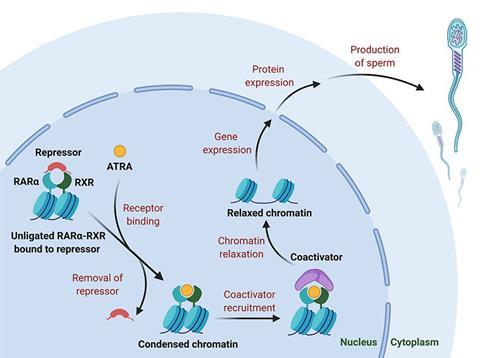
One male contraceptive already in a second phase clinical trial is YCT-529, a non-hormonal compound designed to target retinoic acid receptor α (RARα). As with sAC inhibitors, the project has had a long gestation period. Lead medicinal chemist on the project, Gunda Georg from the University of Minnesota, US, started work on male contraceptive compounds almost 15 years ago, but RARα biology research goes much further back. ‘When I started, there was no medicinal chemist working on any of this,’ says Georg.


Source: © Gunda I Georg et al 2020

The retinoic acid receptor α is another target, as it is involved in sperm production

At that time, the NICHD team had recognised this problem and set out to address it. ‘When I joined NICHD 14 years ago, the research was all target discovery, biology and biochemistry,’ says Lee. ‘I saw immediately that if we wanted to move this to the next level, we had to broaden our scope to include chemistry.’


The NICHD offered a research contract to develop non-hormonal male contraceptives, stipulating that the principal investigator had to be a medicinal chemist. The aim was to start developing candidate molecules against some of the targets that biologists had identified. ‘I thought this is a very interesting topic where I could make a contribution,’ Georg says.

NICHD connected Georg with reproductive biologist Debra Wolgemuth at Columbia University, New York, who had been investigating RARα. As far back as the 1930s, researchers had found that male animals deprived of vitamin A (retinol) became infertile. Eventually, tracing the mechanism, the interaction between the active metabolite, all-trans retinoic acid (ATRA), and RARα was found to be essential for normal spermatogenesis. Mice lacking the gene for RARα had validated the receptor as a male contraceptive target, so Georg began developing small molecule antagonists that mimicked the structure of ATRA to fit the binding site on RARα, but incorporated bulky side groups to disrupt the receptor’s function.

As the body contains several RAR subtypes, strong selectivity was a prerequisite. Uniquely, RARα has a serine residue in the binding pocket where the other isoforms have an alanine. ‘If you can establish a hydrogen bond to that serine, you may get a selective compound,’ Georg says. ‘We focused on compounds that could potentially make that hydrogen bond.’

Among the multiple structural combinations that the team trialled was YCT-529, which featured a pyrrole ring in the key hydrogen bond position. The compound proved to be a highly selective RARα antagonist. It also had excellent pharmacokinetics and high oral bioavailability, Georg says. In mice, the compound was 99% effective and 100% reversible. In primates, the sperm count fell below fertile levels within two weeks of commencing the drug.


Georg is working with Your Choice Therapeutics to bring the compound through early-stage clinical trials. After successfully completing a human phase 1a drug safety trial in early 2024, in September 2024 the company began a phase 1a/2b study to further test safety and assess the compound’s ability to lower sperm count in men.
Playing tag

In Georg’s academic lab, research continues apace on selective inhibitors of another non-hormonal male contraceptive target, cyclin-dependent kinase 2 (CDK2). Longer term, her team is also targeting a sperm-specific ion channel called CatSper, which is required for male fertility. ‘A lot of people think CatSper is the best of all targets because it is exclusively expressed in the testes,’ Georg says. ‘But there are a lot of other ion channels in the body, and so we still have to deal with selectivity.’


Source: © Gunda I Georg et al 2023

Cyclin-dependent kinase 2 allosteric inhibitors have been found from a library of billions of compounds

In other labs’ research, Georg adds, one of the most promising recent studies was conducted by Martin Matzuk at Baylor College of Medicine in Houston, US. Matzuk has developed DNA-encoded small molecule libraries that each contain 3.9 billion specific DNA-tagged compounds. He recently deployed these huge libraries to identify hits against another male fertility associated kinase, STK33.

‘When I did a CDK2 screen, we tested maybe a hundred thousand compounds,’ Georg says. ‘It’s just mindboggling that you can now screen billions of compounds,’ she says. From the hit that the screening generated, Matzuk’s team applied medicinal chemistry refinements, and demonstrated in mice that the compound safely induced a reversible male contraceptive effect. The study confirmed STK33 as a druggable male contraceptive target, and the next step is to develop analogues with oral bioavailability so that it could be formulated as a pill rather than an injection, Georg says.


As a drug discovery tool, you can’t compete with a library containing billions of compounds, Georg adds. ‘I’m now also using this DNA encoded library screen,’ she says.
On the pill

Also among the non-hormonal male contraceptives currently in early stage clinical trials is a hydrogel designed to reversibly plug the vas deferens, blocking sperm flow. But the most clinically advanced compounds of all – following the precedent set by female contraceptive development – are hormonal male contraceptives.


Source: © Jerrett Holdaway and Gunda I Georg/Science/AAAS

The huge compound libraries are tagged with DNA ‘barcodes’ and tested against a target before being optimised

Sperm production depends upon a high concentration of testosterone in the testes, 40–100 times above that of testosterone levels in the blood. The process is regulated by the hypothalamus in the brain, which senses testosterone levels in the circulation and signals to the testes when more is required.

Male hormonal contraceptives are designed to subvert this system. When men are given extra testosterone or other androgen or progestin hormones, the hypothalamus perceives that levels are high and so shuts down testosterone production in the testes. Once testosterone concentrations in the testes drop below a threshold, sperm production ceases. But trials showed that simply shutting down testosterone production for male contraception caused significant side effects including to libido, erection, ejaculation and muscle mass.


The strategy around this problem has been to develop hormonal contraceptives that provide ‘hormonal addback’, avoiding side effects by topping up testosterone (or related androgens) levels in the bloodstream while keeping testosterone production in the testes shut down to halt sperm production. The hitch with developing this concept into a contraceptive pill has been that testosterone taken orally is cleared so rapidly that men would have to take multiple pills a day.

Chemists at the NICHD have pioneered one route around this problem. They have designed two compounds, dimethandrolone undecanoate (DMAU) and 11β-methyl-19-nortestosterone dodecylcarbonate (11β-MNTDC), which are prodrugs of modified testosterones. The molecules feature cleavable ester or carbonate sidechains that improve oral bioavailability and slow clearance.

Once the side chain is cleaved, the active modified testosterones that are released bind to both androgen and progesterone receptors. DMAU and 11β-MNTDC can therefore be used as a single molecule that suppresses testosterone and sperm production while simultaneously providing hormone addback to counter side effects. ‘We think that the carbonate side chain linker is probably the better fit for a once-a-day pill,’ says Lee.


The gel might appeal to users who don’t want to take a pill

In early-stage clinical trials, both compounds were found to be safe and to suppress testosterone production in the testes. Longer trials to assess sperm production suppression are planned. Currently, however, NICHD is focusing its resources on an alternative solution to the oral testosterone rapid clearance problem. The organisation is leading the clinical testing of a contraceptive gel, rubbed into the shoulders once a day, which contains Nestorone (segesterone acetate) and testosterone.

In June 2024, the NICHD team announced interim results of an international phase 2b trial, showing that the gel does suppress sperm production. The trial continues to test the contraceptive’s effectiveness, safety, acceptability and reversibility.

‘From a chemical perspective as well as a contraceptive perspective, I think they’ve done a really great job of generating different product forms that get around testosterone’s bioavailability and oral issues,’ Nickels says. ‘The gel might appeal to users who don’t want to take a pill,’ he adds.
A rising tide

Hurdles remain – not least, drug regulator and pharmaceutical company engagement as these compounds reach large and costly final stage clinical trials. ‘We see big pharma at male contraceptive conferences, these are things they want to stay appraised of – but they are not at the table yet,’ Nickels says. ‘It’s risky because you have to generate a product that is very, very safe, and very, very efficacious – and so I think industry sees the financial risk of early product development.’

Adding further uncertainty, there’s little precedent for a phase 3 male contraceptive clinical trial, and so it remains unclear as to what drug regulators such as the US Food and Drug Administration (FDA) would want to see from such a trial to grant a male contraceptive approval.

The NES-T topical gel is likely to be the first male contraceptive candidate to enter phase 3. ‘The FDA doesn’t have an example to follow, so we and the FDA will be breaking new ground,’ says Lee. ‘There’s a lot of complexity and caution associated with getting the trial design right.’ Hopefully, within two or so years, the final stage clinical trial for the gel can start, he says.

If these issues can be overcome, Nickels sees male contraceptives as becoming available in a series of waves. ‘The first-generation male contraceptives are going to be the hormonal products, and the second-generation products are going to be the non-hormonal options and maybe the on-demands,’ he says.

A third generation could be options such as highly targeted CatSper inhibitors now being explored, Nickels adds. ‘There’s about 4 billion men on this planet, and I think each method is going to appeal to a subset of users,’ he says.

‘Since starting work in contraception, I’ve really come to appreciate the impacts it can have on the world,’ Nickels adds. ‘It affects people’s lives at their core, and can have demonstrated outcomes in terms of economics, education, general health and wellbeing. Preventing unintended pregnancies is a rising tide that can lift all boats.’

James Mitchell Crow is a science writer based in Melbourne, Australia

How hosting Ukrainian scientists offers a template for supporting other scholars at risk

Ahead of the third anniversary of Russia’s invasion of Ukraine, displaced academics describe their experiences settling into UK universities.
20 January 2025
NATURE


Amani Ahmed, who has settled in Edinburgh, UK, says her children still panic at the sound of fireworks, because it reminds them of the bombings in their homeland of Gaza.Credit: Salah Ahmed

Since Russia invaded Ukraine in February 2022, the UK government has spent close to £13 million (US$16 million) on fellowships to support around 180 Ukrainian academics at UK universities.

Those fellowships are organized with the assistance of the Council for At-Risk Academics (CARA), a non-governmental organization in London that supports academics facing threats or danger, and the British Academy, the country’s national academy for social sciences and the humanities.

Between them, they have placed engineers, medical researchers, scientists and social scientists in laboratories around the country.

In the wake of wars in the Palestinian territories (before an Israel–Hamas ceasefire announced last week), Lebanon (before an Israel–Hezbollah ceasefire took effect in November 2024) and Sudan, CARA is now receiving more requests of help from Middle Eastern researchers than from those in Ukraine.


Ukrainian science: war’s impact


Before last week’s ceasefire announcement, the organization was processing around 130 applications from the Palestinian territories alone. “That’s the highest of any nationality this year,” says Zeid Al-Bayaty, deputy director and fellowship programme manager at CARA.

Hosting Ukrainian academics has proved to be an invaluable learning experience that makes UK universities and CARA more prepared to offer refuge to academics in need.
Trauma

Amani Ahmed’s is just one example of the type of family that CARA is now supporting.

Ahmed is originally from Gaza and moved to the United Kingdom in 2022 to pursue a PhD in management studies at the University of Edinburgh, leaving her husband and three children behind.

She returned to the Scottish capital after a family visit just days before Hamas launched attacks on an Israeli music festival in October 2023, prompting the invasion of Gaza. CARA helped to reunite her with her family in Edinburgh in April 2024.

Ahmed says that the months of separation were unbearable. “I thought it would be better to go back to Gaza and be with the children, but the borders closed,” she says. “Often the Internet signal was down, but I would check my mobile every hour during the night hoping that I would hear something from them.”

Her husband and children eventually managed to cross into Egypt, where they were all reunited before travelling on to the United Kingdom together. The following month, their fourth child was born.

Living in a safe and peaceful city is a huge relief for Ahmed’s family. But they continue to feel the consequences of war.

“One of my daughters had a dream to study medicine and was always top of her classes. But since moving to a new country and school, she is not achieving the same academic level, so this is another trauma from the war,” says Ahmed. “My children still panic when hearing fireworks as, although they are meant to bring joy, all my children can think about is the sound of bombings from Gaza.”

Zeid Al-Bayaty is deputy director and fellowship programme manager at CARA, which supports academics facing threats or danger.Credit: Zeid Al-Bayaty

Housing

Al-Bayaty says that lessons learnt from helping Ukrainian scholars can help the organization to support scholars such as Ahmed, and her family. But doing so requires the resources and mechanisms to bring them to the United Kingdom, and to make sure that universities know what they’re signing up for.

When CARA places a researcher at a host university, it makes sure that the academic responsibilities are clear. “We share hosting guidelines that outline expectations,” says Al-Bayaty. “Alongside academic mentors, they should have a non-academic mentor for pastoral support for practical stuff.”

The non-academic side of things, such as finding a school for children or a job for a spouse, is often the most difficult challenge for a new arrival to navigate. “The hardest part was finding a flat to rent,” remembers Valeriy Khokhlov, a meteorologist and climatologist who was placed at the University of Stirling after leaving Odesa, a city on Ukraine’s Black Sea coast, in 2022. For the first six months of his time in Stirling, he lived in university accommodation, because it was hard to find a more permanent home.

“Demand for housing is so high, and if you’re a landlord choosing between a tenant with a credit history versus someone who arrived a couple of weeks ago on a temporary placement, it’s easy to see who they might pick,” Al-Bayaty explains.

This challenge of finding a new home for someone fleeing war follows what is probably the most arduous journey of their life. For Tetyana Lunyova — a social scientist from Poltava, which is just a 2.5-hour drive from Ukraine’s frontier with Russia — this involved travelling with her then 10-year-old son westwards for more than 1,000 kilometres to reach the Hungarian border. “It was a long journey from Poltava to the west of Ukraine on an evacuation train and then taking a smaller bus,” she remembers.
Tetyana Lunyova had to travel more than 1,000 kilometres across Ukraine to reach the Hungarian border, before continuing her journey to the United Kingdom.
Credit: Mykhailo Lunyov

Throughout the journey, Lunyova was preoccupied by fears that she’d either run out of drinking water or lose her son at some point. She tried to get her son to memorize her phone number and she explained that if they were to be separated and he couldn’t reach her, he should try to get in touch with someone in academic circles.

“I’m not saying that everyone knows me in my field, but I’m published, and I thought he’d be able to trace me and find me that way,” she says. “I was trying to tell him all this without making him too stressed.”

Al-Bayaty advises institutions looking to host an academic to start looking for appropriate accommodation options before they’ve even arrived in the country. He urges them to contact potential landlords to discuss the situation, and to assess how open they are to the idea of renting to a tenant with little history in the United Kingdom, and also emphasizing that the person arriving has a stipend, funding and employment.


The future of research collaborations involving Russia


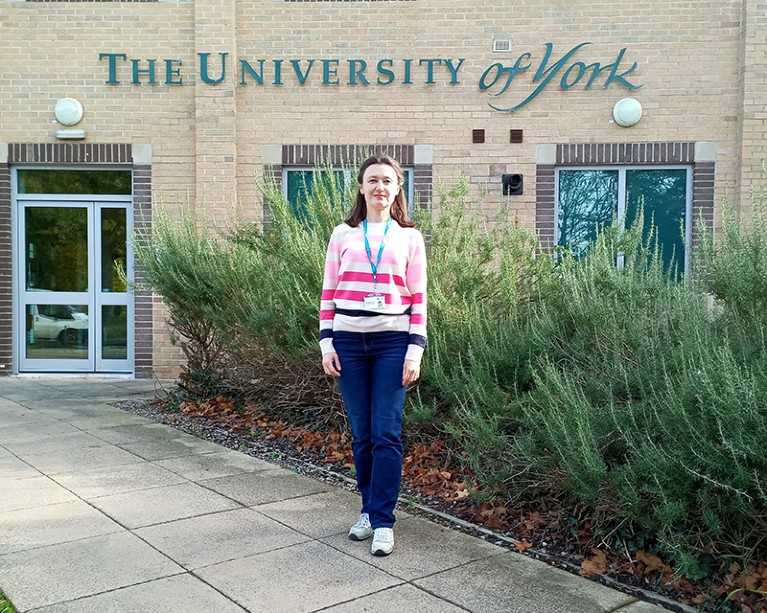
Lunyova remembers the uncertainty she felt when she arrived in the United Kingdom in 2022. She was placed in the department of education at the University of York after seeking help from Paul Roberts (now retired, but then director of the Centre for English Language Teaching at the university), who collaborated with Lunyova before the war.

doi: https://doi.org/10.1038/d41586-024-04024-7
Scientists Blame “Publish or Perish” Culture for Reproducibility Crisis

"Publish or perish” culture is undermining biomedical science, according to new research.

January 22, 2025
Molly Coddington
Technology Networks.


Science has a reproducibility crisis on its hands, and according to a new study in PLoS Biology, biomedical researchers believe the infamous “publish or perish” research culture is behind it.

Irreproducibility in biomedical research


Reproducibility builds trust in science; it enables science to be progressive and it ensures scientific research can have a meaningful impact on our world.

Sadly, evidence indicates that we are facing a reproducibility crisis in science. A 2016 Nature survey of 1,500 researchers found that over 70% of respondents could not reproduce another scientist’s experiment. Further still, more than 50% could not reproduce their own work.

The same survey found that 83% of respondents agree that there is a reproducibility crisis in science, with 52% stating that they feel this crisis is “significant”.

Building on this survey (but, importantly, not seeking to reproduce it), the new work in PLoS Biology aimed to explore this complex issue, specifically within the biomedical science community.

“There is immediate importance to ensuring biomedical research is reproducible: here, studies that were subsequently not reproducible have led to patient harms,” the authors wrote. “By capturing a diverse and global group of biomedical researchers’ perceptions of reproducibility within the field we hope to better understand how to ensure reproducibility in biomedicine.”

Over 1600 biomedical scientists offer their take on reproducibility in science


The researchers, led by Dr. Kelly Cobey, an associate professor in the School of Epidemiology and Public Health at the University of Ottawa Heart Institute, randomly selected 400 journals in MEDLINE published between October 1, 2020–October 1, 2021.

The authors of these papers were contacted and invited to complete an anonymous online survey that collected demographic data, perceptions about a reproducibility crisis, their perceived cause of irreproducibility in research, their experience conducting reproducibility studies and their knowledge of funding and training for research on reproducibility.

“We define reproducibility as re-doing a study using similar methods and obtaining findings consistent with the original study and as irreproducible when the findings are not consistent with the original study. This definition allows for variation in methods (e.g., conceptual and direct replications) between the original study and the reproducibility study as well as different definitions of how “consistent results” are defined (i.e., using p-value, observing results in the same direction, comparing effect sizes),” Cobey and colleagues described.

Over 1600 researchers, representing over 80 countries, responded. The majority of participants were either faculty members or primary investigators, and over 50% were male. Roughly half of the participants worked in clinical research.

Quantity over quality drives irreproducibility in science


Cobey and colleagues found 72% of survey respondents agree that a reproducibility crisis exists in biomedicine. Approximately 27% of these participants believe this crisis is “significant”.

“The concern appears to apply to biomedicine overall, but also specifically to clinical research, in vivo research, and in vitro research (11% or fewer participants indicated that they think more than 80% of papers in each category were reproducible),” Cobey and colleagues said.

More than 62% of participants attributed irreproducibility in science to the “publish or perish” culture.

“Publish or perish” reflects the unfortunate reality that, oftentimes, researchers must consistently publish in prestigious journals to secure long-term career prospects. This creates a perpetual cycle of fear and pressure that is unconducive to a flourishing research environment.
Continue reading below...

Article
Almost 50% of Scientists Are Leaving Academia Within 10 Years – Here’s Why
Read more

“Concerns about how the current system of academic rewards stresses quantity over quality have been expressed for decades – a sentiment supported by this study’s data, which suggests that researchers’ performance is negatively impacted, in terms of producing reproducible research, by what the academic system incentivizes,” Cobey and colleagues emphasized.

Respondents highlighted other perceived causes of irreproducibility, including but not limited to poor study design, fraud, low quality peer review and lack of training in reproducibility. Only 16% of participants felt that their own institutions had established procedures to enhance reproducibility in biomedical research. Sixty-seven percent of participants reported feeling that their institution valued new research over replication studies.
Supporting scientists with reproducible science efforts

Cobey and colleagues believe that their work could be used to guide training and interventions that aim to improve reproducibility. They also state that conducting the same survey over time could help to explore how perceptions and behaviors are evolving.

“This international survey provides a contemporary cross-section of the biomedical community. While our survey approach and direction of findings are consistent with the previous Nature study, ongoing monitoring of perceptions of reproducibility in the community is critical to gauge shifts over time. Indeed, conducting this same survey again in the future would allow for a temporal comparison on how perceptions and behaviors shift over time.”


Article
Addressing the Reproducibility Crisis, One Step at a Time
Read more
Reference: Cobey KD, Ebrahimzadeh S, Page MJ, et al. Biomedical researchers’ perspectives on the reproducibility of research. PLOS Biol. 2024;22(11):e3002870. doi: 10.1371/journal.pbio.3002870


Meet the Author


Molly Coddington
Senior Writer and Newsroom Team Lead
Molly Coddington is a Senior Writer and Newsroom Team Lead at Technology Networks. She holds a first-class honors degree in neuroscience. In 2021 Molly was shortlisted for the Women in Journalism Georgina Henry Award.


Rethinking evidence and refocusing on growth in development economics

VoxDevTalk
Published 15.01.25

Lant Pritchett
Professor in Practice, School of Public Policy, LSE


What is the problem with relying exclusively on rigorous evidence? Is economic growth essential for human well-being?

Is 'rigorous' evidence overrated? In this episode of VoxDevTalks, Lant Pritchett discusses the overreliance on rigorous evidence in development economics. Pritchett critiques the dominance of Randomised Control Trials (RCTs) and systematic reviews, questioning whether this approach delivers actionable insights for diverse country contexts.
The problem with relying exclusively on rigorous evidence

Pritchett acknowledges that rigorous evidence, such as that produced by RCTs, has a place in policymaking. However, he strongly cautions against relying exclusively or excessively on it.

“The claims being made that this rigorous evidence should be given some super special priority in policy formulation and project design is just completely empirically untenable”

He highlights the pitfalls of systematic reviews, which aggregate experimental findings across countries. While these reviews aim to provide generalised insights, they often fail to account for the significant variation in outcomes across different contexts, leading to misguided policies.

Why context matters more than averages


Pritchett uses a vivid analogy to explain the limitations of systematic reviews: tailoring trousers for men based on average height. While averages may correct for biases, they ignore significant individual variation, leading to errors. Similarly, he contends that policymakers relying on global averages of rigorous evidence are likely to overlook local nuances.

For instance, in the case of private versus public school performance, Pritchett’s research found that using country-specific observational data (such as OLS estimates) often outperformed relying on global averages of rigorous studies. So homegrown OLS estimates, for all their flaws, are often a better predictor of outcomes in specific contexts than the average of rigorous evidence from elsewhere.
The tension between national development and poverty mitigation

Pritchett critiques the shift in development economics from focusing on national development to prioritising programmatic poverty alleviation. Historically, development efforts aimed to build productive economies, accountable governments, and capable institutions—goals Fukuyama describes as “getting to Denmark”. Yet modern approaches have set lower, narrower targets, such as reducing extreme poverty or increasing school attendance.

“We slid away from national development towards programmatic approaches to mitigating the consequences of underdevelopment on the worst off”

While such programmes address immediate needs, Pritchett warns they risk neglecting the broader goal of sustainable, inclusive growth. Furthermore, that development institutions and academic development economics have lost focus on growth is at odds with national governments and researchers, for whom economic growth is still a central goal.

Why growth remains essential for human well-being


Contrary to the narrative that economic growth is no longer critical, Pritchett argues that growth remains a fundamental driver of human well-being, especially in low- and middle-income countries.

“Is most of the world at a state where growth has ceased to be important for achieving human well-being? The answer is no, nowhere near”

He emphasises that even upper-middle-income countries continue to experience significant improvements in material well-being from growth, particularly when it benefits disadvantaged groups. Without national development, Pritchett warns, efforts to improve human welfare will remain fragmented and limited in scope.
The neglected challenge of state capability

Another major issue Pritchett identifies is the weakness of public sector institutions in many developing countries. Effective implementation of policies and programs depends on capable state organisations, yet this area receives insufficient attention in development research.

He shares an anecdote from India, where the same public sector doctors provided drastically different levels of care in their public and private practices. This disparity underscores the importance of improving state capability to ensure programme effectiveness.

A call to rebalance development economics

Pritchett believes development economics has taken a wrong turn by focusing too narrowly on rigorous evidence and poverty alleviation programmes. He calls for a reorientation towards national development, inclusive growth, and building state capacity, which means making development economics a bigger tent that provides space for researchers working on these topics.

Pritchett argues that currently, the field has sidelined researchers working on broader, systemic issues. He advocates for a more balanced approach that combines programmatic interventions with efforts to address structural challenges in developing countries.

The role of geopolitics and climate in shaping development discourse


Looking ahead, Pritchett sees geopolitics and climate change as key forces reshaping global development priorities. He notes that emerging powers like India and China are rejecting low-bar development goals in favour of more ambitious visions of national progress. However, he cautions that Western concerns about climate change may conflict with the growth aspirations of developing countries, and warns against narratives that downplay the importance of growth for the Global South.
Advice for aspiring development economists

When asked what young economists should focus on, Pritchett highlights two pressing challenges: achieving sustained, inclusive growth and improving state capability. He stresses the need for research that goes beyond generating growth to ensuring it is politically inclusive, consistent with the rule of law, and sustainable.

“Lots of rapid growth experiences didn’t lead to broader development”

Pritchett cites Bangladesh as an example where economic gains have not been accompanied by institutional improvements.

Conclusion: Rethinking development research priorities

This episode of VoxDevTalks offers a powerful critique of the current trajectory of development economics. Pritchett’s call to prioritise national development, inclusive growth, and state capability is a reminder that achieving long-term progress requires moving beyond short-term programmatic fixes.

As global challenges evolve, so too must the field of development economics, balancing rigorous evidence with a deeper understanding of local contexts and systemic change.
Further reading on evidence in economics

Here are some papers by Lant Pritchett which explore these themes in depth:

Rely Only on Rigorous Evidence Is Bad Advice (2024, Review of Development Economics).
Donald Trump is a wannabe dictator and the UK should treat him as such


Opinion
Pablo O'Hana
Published January 20, 2025 
METRO UK


Trump poses serious risks on the global stage, alienating allies and undermining NATO, which has kept European security intact for decades

As Donald Trump returns to power and begins trampling on hard-fought progress, democratic norms and human rights, the only response consistent with the United Kingdom’s global responsibilities is to re-think the ‘special relationship’ in 2025.

And here’s my solution – we ditch it.

For too long, Britain has held tight to the notion that we should stand by the States, no matter who sits behind the famous White House desk.

We’ve seen this blind loyalty time and again: from Tony Blair’s unwavering support for George W. Bush, which led to the illegal invasion of Iraq, resulting in the death and displacement of millions of innocent lives, to the current rush of British politicians to placate Trump.

But Trump’s record speaks for itself: He has actively undermined democracy, praised authoritarian rulers, and done everything he can to sow distrust and division in his country.

We cannot negotiate with a leader who openly derides our most deeply held principles (Photo: Chip Somodevilla/Getty Images)

He attempted to overturn a legitimate election result, trashed the fundamental principle of a free press – going as far as saying he wouldn’t mind ​​someone ‘shoot[ing] through the fake news’ – inflamed tensions with minority communities, and condoned violence among his supporters.

His administration’s policies tore children from their parents at the border, mishandled the Covid-19 crisis at the cost of countless lives, rolled back protections for LGBTQ+ people, and began a nationwide hacking away of abortion rights.

If these devastating acts happened in a democratic country anywhere else, Britain would be the first to speak out. Yet here we are, with politicians from all parties preparing to ‘make nice’ with Trump.

This dangerous appeasement isn’t just a moral failure; it is strategically reckless. Time after time, history shows us that engaging with dictators only emboldens them.

Trump has actively undermined democracy, praised authoritarian rulers, and done everything he can to sow distrust and division in his country (Photo: ALEX EDELMAN/AFP via Getty Images)

British Prime Minister Neville Chamberlain’s appeasement of Adolf Hitler is a prime example of how legitimising dangerous leaders backfires, often with catastrophic results.

The UK rightly prides itself on democracy, human rights and the rule of law; it’s part of what makes our country so great. But this cannot be reconciled with our shrugging off of Trump’s disregard for these fundamental values.

We wouldn’t dream of working hand-in-glove with any other leader who boasts a willingness to abuse power, so why are we treating Trump differently?
'Trump climate catastrophe' protesters gather outside US Embassy in London

Trump also poses serious risks on the global stage, alienating allies and undermining NATO, which has kept European security intact for decades. His public spats with international partners open up troubling gaps for other opportunistic regimes – from Russia to China – to exploit.

Meanwhile, our heroic friends in Ukraine are fighting a thankless battle for their fundamental right to exist.

I am immensely proud of the United Kingdom’s response to this conflict so far – though we can and should go further – and grateful to the European Union, President Joe Biden, and Vice President Kamala Harris for their steadfast support.

Ukraine is our neighbour, and their very survival is now under even greater threat as Trump’s presidency is prepared to hand Vladimir Putin and other despots free rein.

The horror of that prospect is only heightened by British politicians like David Lammy, who once called him a ‘woman-hating, neo-Nazi-sympathising sociopath’ but now defends him as ‘very affable’ and ‘very warm’.

British politicians softening their tone underlines just how quickly even the fiercest critics fall back in line when the United States flexes its muscles.

Trump trashed the fundamental principle of a free press – going as far as saying he wouldn’t mind ​​someone ‘shoot[ing] through the fake news’

It’s time for the UK to show moral courage and strategic clarity. We cannot continue to cling to a ‘special relationship’ with a leader who promised to behave like a dictator from Day One.

Diplomacy matters, but it does not mean compromising our core values, basic human rights, and international stability.


We have repeatedly condemned authoritarianism in other countries, and we cannot back down now just because the individual in question happens to lead the United States of America.

David Lammy once called Trump a ‘woman-hating, neo-Nazi-sympathising sociopath’ but now defends him as ‘very affable’ 
(Photo: Wiktor Szymanowicz/Anadolu via Getty Images)

The United Kingdom is a world leader and has a moral and strategic imperative to say ‘enough is enough’. We cannot negotiate with a leader who openly derides our most deeply held principles, and we should refuse any pretence that we can work with him as we would a legitimate democratic leader.

If we truly value our great country’s founding principles, then there has never been a greater moment to prove it.

Anything else, above all, betrays our own country.


Minister distances Government from London Mayor  Sadiq Khan ‘resurgent fascism’ warning


A Cabinet minister has distanced the Government from Sir Sadiq Khan’s warnings about “resurgent fascism” ahead of Donald Trump’s inauguration.

The Mayor of London described the current climate as a “perilous moment” in The Observer, stating that “these are deeply worrying times, especially if you’re a member of a minority community.”

The remarks come ahead of Mr Trump’s inauguration on Monday, where he will be sworn in for a second term as US president.

Asked whether Sir Sadiq was wrong, Chief Secretary to the Treasury Darren Jones told the BBC: “Yes, and I don’t agree with that.

“President-elect Trump won a enormous election victory in the United States as a democracy. We support democracy and the American people elected Donald Trump and the Republican Party.”

Pushed further on the issue, Mr Jones suggested Sir Sadiq “is allowed” to make that case, “but I don’t agree with it”.

“I speak on behalf of the Government and we don’t agree with it,” he added.

“President-elect Trump has an important mandate in the United States and we look forward to working with him in the interests of both of our economies.”


Writing for The Observer on Sunday, Sir Sadiq pointed to the AfD in Germany, National Rally in France and Mr Trump in the US, calling for a “renewed and concerted effort to confront these forces and expose them for what they are: opportunists who seek to divide people for personal and political gain”.

He also wrote in the piece: “We should be in no doubt, this is a perilous moment. The spectre of a resurgent fascism haunts the west. ”