Friday, August 21, 2026


ChatGPT to start showing ads across Europe next week

FILE - Chat GPT app icon is seen on a smartphone screen, Aug. 4, 2025, in Chicago. (AP Photo/Kiichiro Sato, File)
Copyright Copyright 2025 The Associated Press. All rights reserved


By Una Hajdari
Published on


Millions of ChatGPT users across Europe will start seeing adverts from Monday, as it remains unclear how regulators will approach ads in AI chatbots.

Starting Monday, tens of millions of ChatGPT users across Europe will see adverts inside their conversations with the chatbot for the first time, as OpenAI rolls out its recently launched advertising programme to its largest market yet.

The company is extending ChatGPT Ads to 31 European countries from 24 August, and the rollout brings the total up to 40 markets.

OpenAI began testing ads in the US in February, then extended the programme through the year to Canada, Australia, New Zealand, the UK, Mexico, Brazil, Japan and South Korea.

Ads will only show up on ChatGPT's Free and Go plans, the cheapest tiers, while Plus, Pro and Enterprise subscribers will not see any. The move gives European marketers "a new way to reach people while they are actively exploring, comparing, and making decisions," the company said in a statement.

Ads in chatbots?

OpenAI says protecting user trust is foundational to how it approaches advertising. It says it keeps "conversations private from advertisers and never sell[s] customer data."

"Ads in ChatGPT are always clearly labelled and separate from ChatGPT’s answers, and advertising does not influence the answers ChatGPT provides," the statement continued.

The reassurances follow criticism that has dogged the ad programme since it was first announced.

In January 2026, US Senator Ed Markey wrote to Sam Altman and six other tech CEOs warning that advertising in AI chatbots risked exploiting the emotional connection users form with them, and asked how OpenAI would stop ads targeting sensitive conversations about health, mental health or politics.

When ads first appeared in the US in February, some users also objected to seeing them on the paid Go tier, which costs $8 a month, arguing that paying for a service should mean going without adverts, not just fewer of them.

Users will be able to control ad personalisation, and anyone who would rather not see ads at all can pay for the pricier ad-free plans.

Where the AI Act comes in

The rollout raises a question the EU's AI Act was partly built to answer: when does personalised persuasion tip into manipulation?

The Act bans AI systems that use subliminal or deliberately manipulative techniques, or exploit people's vulnerabilities, in ways that cause significant harm.

Researchers and consumer groups say conversational AI is a particularly hard case for that rule.

An advert dropped into a personalised, trusted chat exchange is harder to spot as persuasion than a banner ad or a sponsored search result, precisely because it arrives in the same conversational tone as the advice on either side of it.

Chatbot ads have not yet been fully tested by regulators or courts.

A separate fight over platform status

A different regulatory question sits alongside that one, this time under the Digital Services Act (DSA) rather than the AI Act.

The European Commission is weighing whether ChatGPT's search function should be designated a very large online search engine, a status triggered once a service passes 45 million monthly users in the EU.

Commission spokesperson Thomas Regnier told Reuters in July that such a designation was "definitely possible" and could come "sooner or later".

That label would bring much heavier obligations: annual risk assessments, independent audits, a public advertising repository and closer data-sharing with regulators.


Portugal's pension surplus is an illusion, new report warns

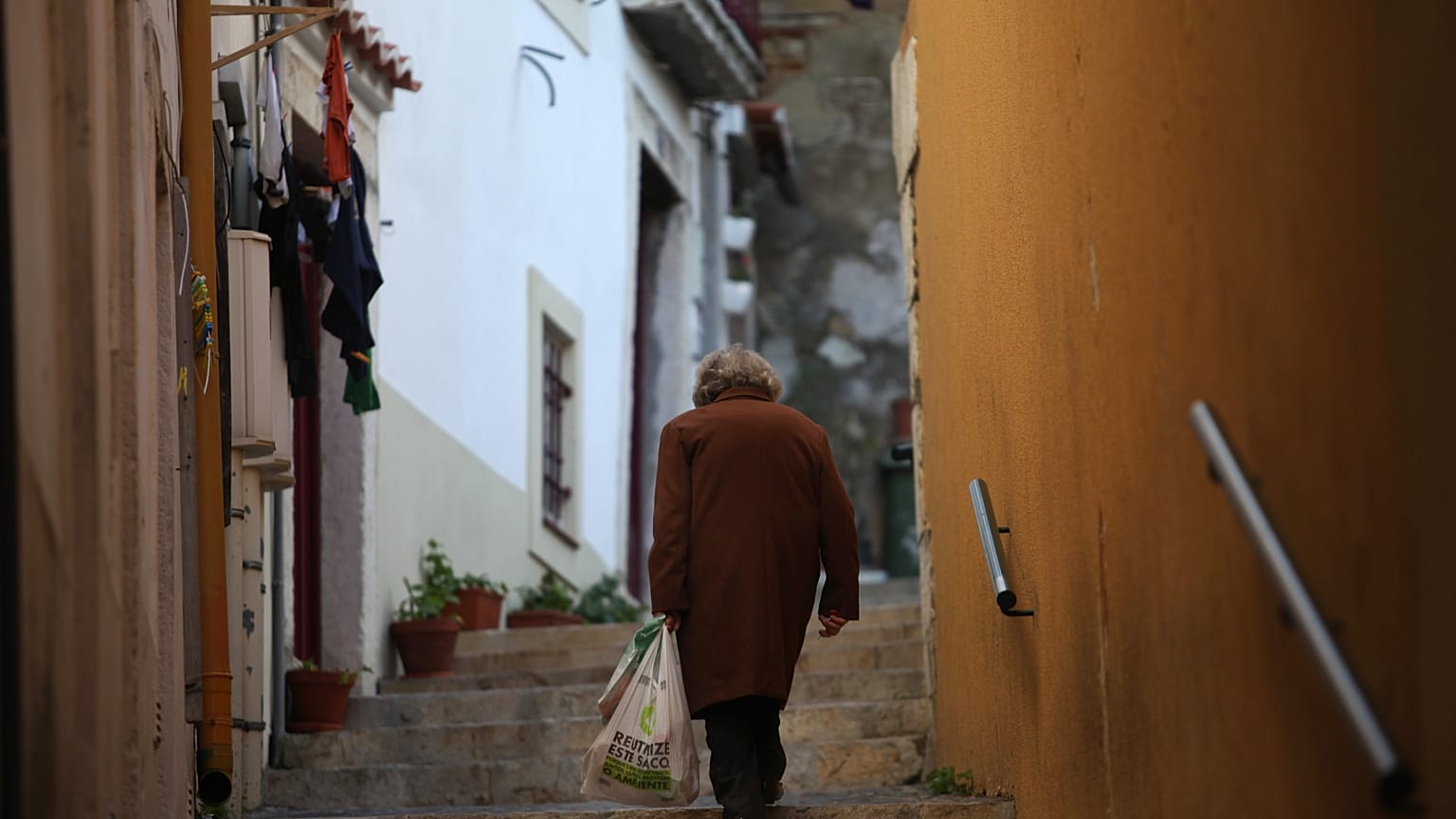
An elderly woman in the Mouraria district of Lisbon, 20 December 2013.
Copyright AP Photo/Francisco Seco

By Lina Ferreira
Published on

Two personal finance experts urge Portuguese taxpayers to overcome inertia and secure complements to their pensions beyond state social security, after a report on the system's sustainability revealed weaknesses.

Portugal's social security system looks healthy on paper. A new report says that is an illusion, and pensions are set to shrink in the years ahead.

Those are two of the central warnings in "Reforming Pensions in Portugal: For a Sustainable and Fair System — A Contract Between Generations", a report drawn up by a working group led by economist and professor Jorge Bravo.

The report puts the real social security deficit at almost €1.94 billion in 2025, once the accounts of the Caixa Geral de Aposentações, the public body responsible for civil servants' pensions, are combined with the general regime.

Looked at in isolation, the official accounts instead show a surplus, which the report's authors argue is misleading.

They put that apparent surplus down to factors including the gradual shift of CGA contributors onto the general regime and rising immigration, which has boosted the number of people paying into the system.

Bravo also warned of a steady decline in the replacement rate, the share of a worker's final salary that their first pension payment covers. That currently stands at around 68% but is projected to fall by 10 to 12 percentage points between 2045 and 2065.

Bravo stated that he wants "to leave better protection conditions for future generations," and the working group has put forward a number of proposals with that in mind.

Bárbara Barroso, a personal finance expert and founder of MoneyLab, sees it as "extremely positive" that this issue is on the agenda, even if she does not agree with some of the proposals.

"I think it is good that we are bringing this topic into the spotlight because the sustainability of our retirement income, of pensions, is a real problem and one we need to solve before it is too late," Barroso said.

José Santiago Gavino, a personal finance expert at Sixty Degrees, noted that some of these proposals already exist abroad.

"I think the intention was to look for examples from other countries and put forward what they felt made most sense," Gavino explains.

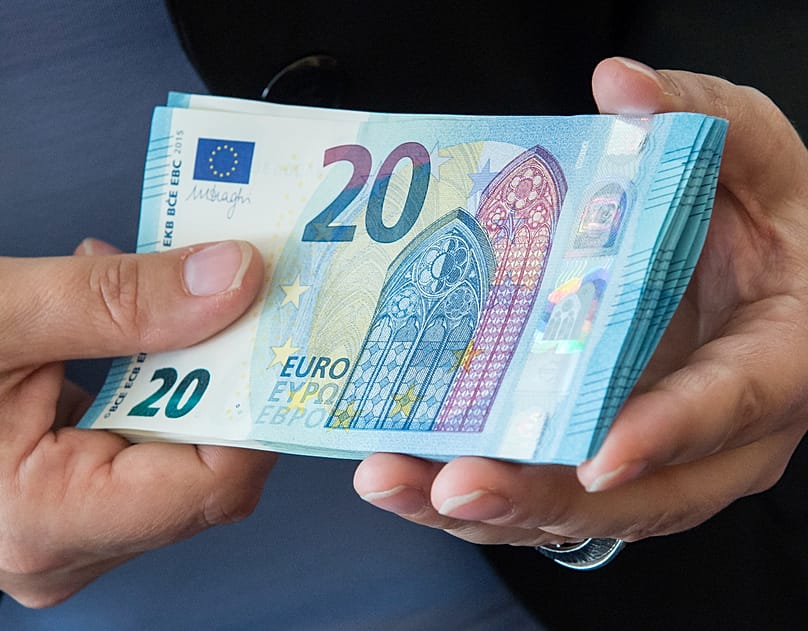
20 euro banknotes
20 euro banknotes AP Photo/Jens Meyer

Savings accounts for children and young people

One of the proposals listed in the report on pension reform is called the "Grão a Grão" or "Grain by Grain" programme, an automatically opened savings account for all children living in the country.

The account would receive a token monthly contribution from the state, which relatives could top up with other savings, cash gifts or the child benefit payment. The money could only be used at retirement age, although it could be pledged as collateral, for example for a student loan.

"Obviously, the earlier you start saving, the better, because time then works in our favour," argued Barroso, adding however that some fundamental aspects of the proposal still need to be clarified and that it should not simply be a savings account.

"We have to swap savings for investment. We have to stop being a country of savers and become a country of investors," she said. "Thinking that things are solved with this kind of low-risk saving – they are not, full stop. You cannot solve long-term saving without taking on risk and without embracing the capital markets."

José Santiago Gavino took the same view.

"It always makes sense if it follows the logic of an investment with some risk. Having a term deposit at 1% is still better than saving nothing at all… But it seems to me that the investment should be looked at more from a long-term perspective," said the personal finance expert.

"It has been proven over the last 100 years that taking on some risk has always been much more profitable," he added.

Mandatory auto-enrolment supplementary schemes

Another proposal is a supplementary scheme with automatic enrolment, with an opt-out option. The plan would be triggered when an employment contract begins, with contributions from the worker, the company and the state, totalling between 8% and 10% of salary.

Bárbara Barroso says that "automatic enrolment is probably the proposal with the greatest potential to increase retirement saving".

"People are automatically enrolled in a plan, they retain the freedom to leave and it helps them overcome inertia," she stated. "It helps overcome inertia and that tendency to put off very important decisions."

José Santiago Gavino notes that in Portugal some companies already have this kind of scheme, which can then provide a top-up to the state pension as one of the three pillars of the pension system.

"In other words, the first pillar is our standard state pension, the second pillar is this mixed model and the third is what each person saves on their own. And this auto-enrollment pillar would be the second pillar. Several countries already have it and I think it would make sense," he explained.

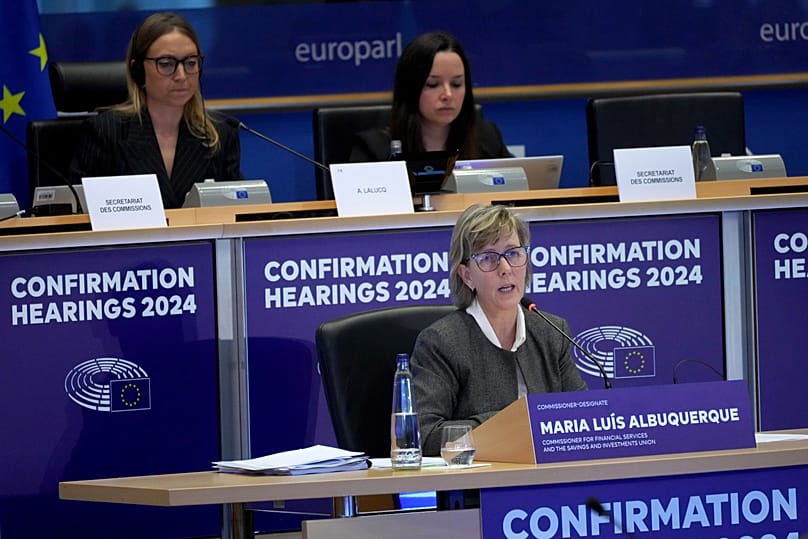
The creation of a similar system is advocated by the European Commission. It is part of a package presented in November by the Commissioner for Financial Services, Maria Luís Albuquerque, who also happens to be Portuguese.

Commissioner Maria Luís Albuquerque during her confirmation hearing in the European Parliament in Brussels, 6 November 2024.
Commissioner Maria Luís Albuquerque during her confirmation hearing in the European Parliament in Brussels, 6 November 2024. AP Photo/Virginia Mayo

Savings Certificates for retirement

The working group is also proposing the creation of new government debt securities, such as Savings Certificates or Treasury Certificates, but specifically geared towards retirement. In this case, repayment could take place over a period of time instead of all at once.

"It would be a more conservative investment for those already close to retirement, for those five years away from retirement, or those ten years away," comments José Santiago Gavino.

"But for those who are 20 or 30 years away, it does not seem to me to be the most interesting investment," he adds, noting that, even so, Savings Certificates can be used alongside other investments.

By contrast, Bárbara Barroso does not see "any need here for more savings instruments". She considers that Savings Certificates are suitable for conservative profiles, but should not "necessarily represent all retirement savings".

"It is important to understand that when we buy government debt, we are lending directly to the state. So the money is not invested in a diversified portfolio; it is concentrated in Portuguese sovereign risk," she explains.

Getting ready for retirement without waiting for new measures

In reaction to the announcement of the report’s contents, a source in the Portuguese government told the newspaper Público that this administration does not intend to carry out structural reforms of Social Security.

This is despite the fact that it was the government itself that commissioned the study, which was handed to the responsible minister, Maria do Rosário Palma Ramalho, at the end of July.

Even so, the two personal finance experts interviewed by Euronews argue that taxpayers should independently move ahead with complementary pension plans, on top of social security.

"Not from a financial point of view but from a more practical point of view, it is very easy to save," Gavino noted.

"Many banks allow saving from one euro. Now, with all the phone apps, it is also possible to automate investment, even in shares or in higher-risk funds, starting from one euro, two euros, 25 euros," he adds, recalling a time when investing required a lot of red tape and a certain amount of capital.

Today, says the consultant, it is possible "to start doing it early on and not necessarily with very large amounts", stressing the importance of compound interest.

Bárbara Barroso admits that the country has a low-wage problem, where the priority is often putting food on the table. But the MoneyLab founder says there are people who could invest and still do not do so.

"Not everyone earns the minimum wage. It is one fifth of the working population that earns the minimum wage," she said. "And there are people who are able to save 50 euros a month and invest, and they do not invest. Most of the money, more than 200 billion, is parked in deposits that do not even match inflation."

"So for those who have that financial capacity, clearly, in my view, they should not wait for new measures. They should start working on their own retirement top-up right now," she warned.

 

Muslim World League launches plan to counter extremism and promote peace in West Africa

Sheikh Dr Mohammed bin Abdul Karim Al-Issa, secretary-general of the Muslim World League and president of the Council of Muslim Scholars in Abuja
Copyright الصورة من الموقع الرسمي لرابطة العالم الإسلامي

By Wessam Al Jurdi & Euronews
Published on

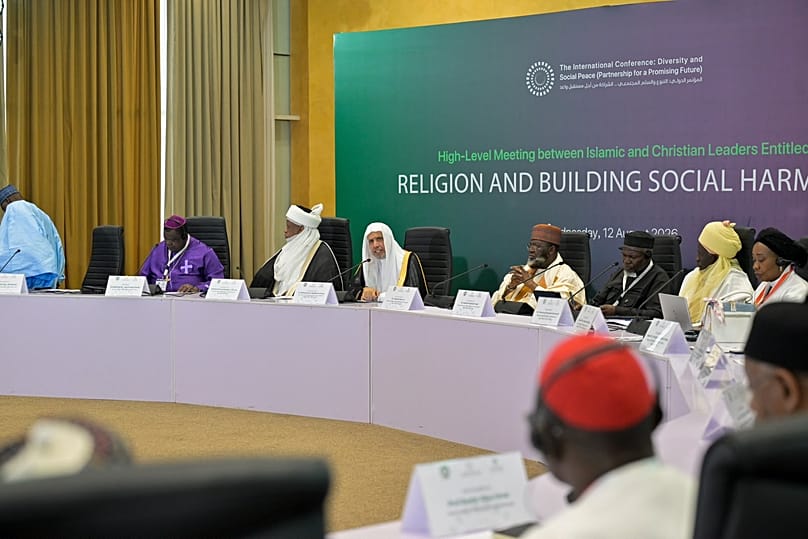
Muslim and Christian leaders from across West Africa signed four cooperation agreements at a conference in Abuja, adopted the Abuja Declaration and established a new coordinating body to counter extremist narratives.

The Muslim World League has launched an initiative aimed at countering extremist discourse in West Africa, with Muslim and Christian leaders from across the region signing a series of cooperation agreements at an international conference in Abuja.

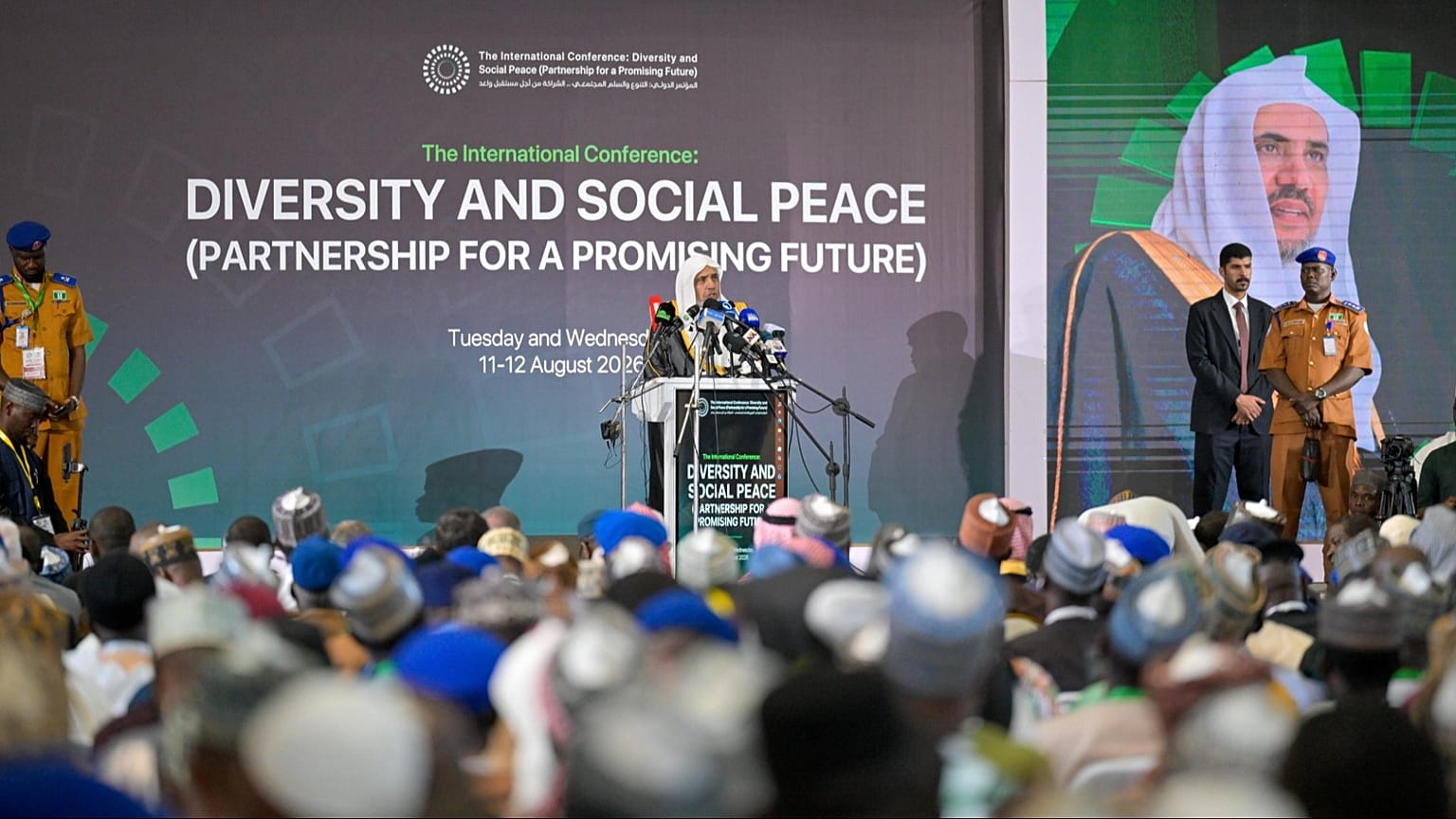
The League unveiled the initiative at a conference titled "Diversity and Social Peace: A Partnership for a Promising Future," held under the patronage of Nigerian President Bola Ahmed Tinubu.

The gathering brought together Muslim and Christian religious leaders alongside government officials and civil society representatives.

Sheikh Dr Mohammed bin Abdul Karim Al-Issa, Secretary-General of the Muslim World League and President of the Council of Muslim Scholars, during his participation in the round table in Nigeria
Sheikh Dr Mohammed bin Abdul Karim Al-Issa, Secretary-General of the Muslim World League and President of the Council of Muslim Scholars, during his participation in the round table in Nigeria مصدر الصورة الموقع الرسمي لرابطة العالم الإسلامي

Delegates adopted the Abuja Declaration by consensus, setting out a joint action plan for government institutions, religious leaders and civil society organisations to work together on conflict prevention and counter extremist narratives.

The declaration also approved expanding educational, training and media programmes linked to the Makkah Charter, a framework for religious cooperation.

The declaration established a new Coordinating Body for Religious and Civil Leaders and Institutions in West Africa to oversee implementation, coordinate programmes and conduct regular progress assessments.

Sheikh Mohammed bin Abdul Karim Al-Issa, the League's secretary-general, said the initiative was designed to address the root causes of extremist ideas through binding agreements between the parties.

Four memorandums of understanding were signed at a follow-up meeting between Muslim and Christian leaders: between the Muslim World League and Nigeria's Interfaith Mediation Centre, between Jamaat Izalat al-Bid'a wa Iqamat as-Sunna and the Council of Christian Religious Leaders in Northern Nigeria, between Jamaat Nasr al-Islam and the Christian Youth Initiative for Peace and Development, and between the Union of Ahl al-Sunna Organisations and the Alliance of Progressive Pastors. The coordinating body will oversee implementation of all four agreements.

The initiative comes as West Africa continues to face significant security challenges from extremist groups, including Jama'a Nusrat ul-Islam wa al-Muslimin (JNIM) and the so-called Islamic State in the Greater Sahara (ISGS), whose attacks have killed thousands and displaced millions across the Sahel over the past decade.

Nigeria itself has battled Boko Haram and its offshoot, the so-called Islamic State West Africa Province (ISWAP), since 2009. The violence has repeatedly sought to sow discord between Muslim and Christian communities.

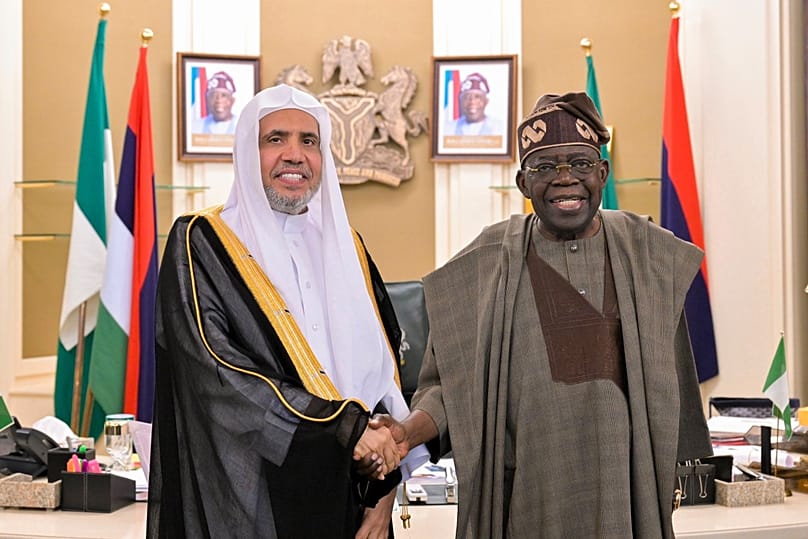
President of the Federal Republic of Nigeria Bola Ahmed Tinubu and Sheikh Mohammed bin Abdul Karim Al-Issa, Secretary-General of the Muslim World League and President of the Council of Muslim Scholars
President of the Federal Republic of Nigeria Bola Ahmed Tinubu and Sheikh Mohammed bin Abdul Karim Al-Issa, Secretary-General of the Muslim World League and President of the Council of Muslim Scholars الصورة من الموقع الرسمي لرابطة العالم الإسلامي

Tinubu met Al-Issa at the presidential palace on the sidelines of the conference and confirmed his full backing for the declaration and its implementing programmes, including a commitment to periodic evaluations.

Participants included Muslim and Christian leaders from across West Africa, as well as representatives of the Organisation of Islamic Cooperation, US evangelical leaders, and delegates from the Vatican and Protestant churches.

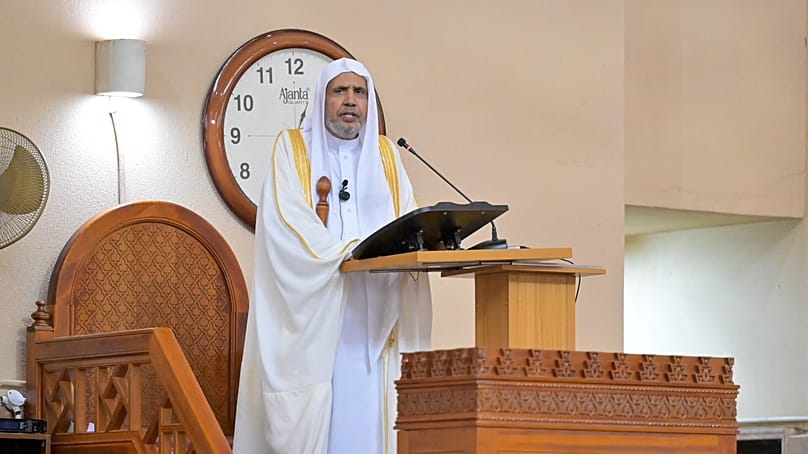
Sheikh Dr Mohammed bin Abdul Karim Al-Issa, Secretary-General of the Muslim World League and President of the Council of Muslim Scholars, delivering the Friday sermon at the National Grand Mosque in the Nigerian capital Abuja
Sheikh Dr Mohammed bin Abdul Karim Al-Issa, Secretary-General of the Muslim World League and President of the Council of Muslim Scholars, delivering the Friday sermon at the National Grand Mosque in the Nigerian capital Abuja الصورة من الموقع الرسمي لرابطة العالم الإسلامي

Al-Issa also delivered the Friday sermon at the National Grand Mosque in Abuja before departing.

Al-Issa also praised Nigeria's religious and national values, in the context of meetings and initiatives during the visit aimed at supporting cooperation between religious leaders and institutions and strengthening social peace in the country and the wider region.


Ceuta plans second eviction after hundreds of migrants return to Trampolín beach

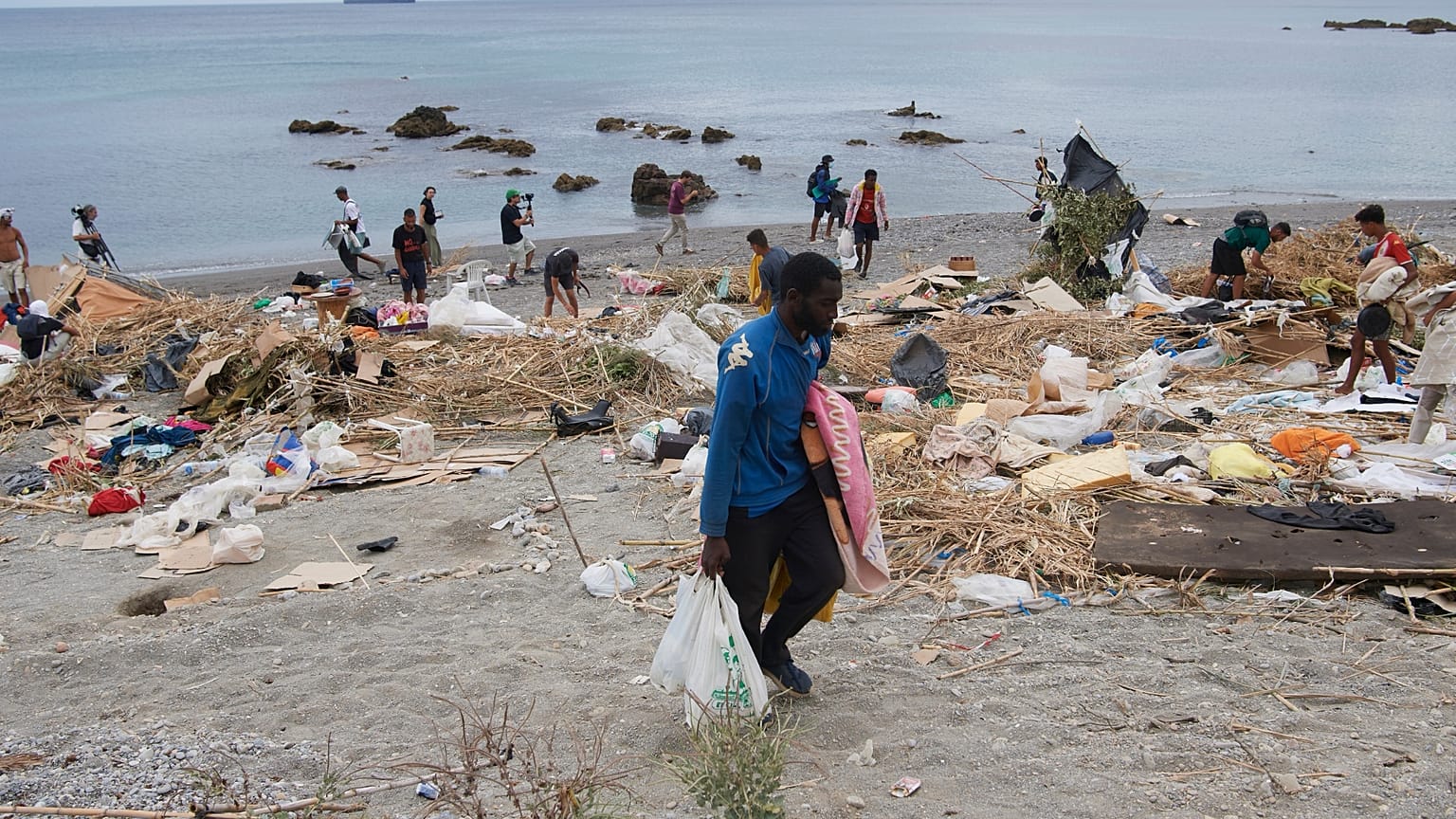
Several migrants who crossed from Morocco to Spain gather their belongings after being evicted from a beach in Ceuta, Thursday 20 August 2026
Copyright Antonio Sempere / AP

By Javier Iniguez De Onzono
Published on

The government of Ceuta warns it will suspend beach-cleaning operations if migrants return following a second eviction attempt in just two days.

The Government of Ceuta and its cleaning crews will, on Friday, try to clean up Trampolín beach for the second time, according to the newspaper "Faro de Ceuta". There, they will first attempt to carry out a new eviction of the approximately 500 migrants, although there are no official figures, who are thought to have returned over the course of Thursday afternoon to this kind of makeshift camp, after being transferred to temporary reception centres that same morning.

The situation appeared to have been resolved on Thursday when cleaning crews entered after the initial eviction, but over the course of the afternoon, the migrants returned to the makeshift camp. The migrants fear, in part, that their relocation to the four new centres opened by the central government will be a first step towards their expulsion to Morocco.

Numerous encampments or shacks have been put up this week on Trampolín using reeds, plastic bags and cardboard. The figures for those camping there are once again all over the place, depending on which authority is asked, as is the number of transfers on Thursday morning to the temporary facilities at Loma Margarita and El Embolsamiento, which have a capacity of 1,800 people.

While the police say that around 4,000 people were evicted, government sources cut that figure to 1,500.


The video player is currently playing an ad.

Local media report that the government of the Afro-European exclave withdrew the cleaning operation because it could not guarantee the workers' safety after the gradual return of the homeless, and that it plans to do the same if the situation is not brought under control on Friday.

Juan Vivas, the president of Ceuta, has been critical of the operation: "Moving them from Trampolín to other places in Ceuta does not show a willingness to solve the problem."

The other two sites agreed with Vivas's government are the Hípica facilities, a military base, the former football pitch of the Cavalry barracks and the El Guano area. The Minister for Migration, Elma Saiz, said they would increase the number of new places for migrant reception to 4,000.

The Red Cross distributed around 4,000 food bags in the surrounding area on Thursday, which partly explains the influx at El Trampolín: many are not temporarily housed there and simply go to the beach to get something to eat. During the night, in addition to the makeshift encampments, journalists in the area saw around 10 tents pitched on the sand.


Pompeii, life went on after Vesuvius: new discovery points to the Renaissance

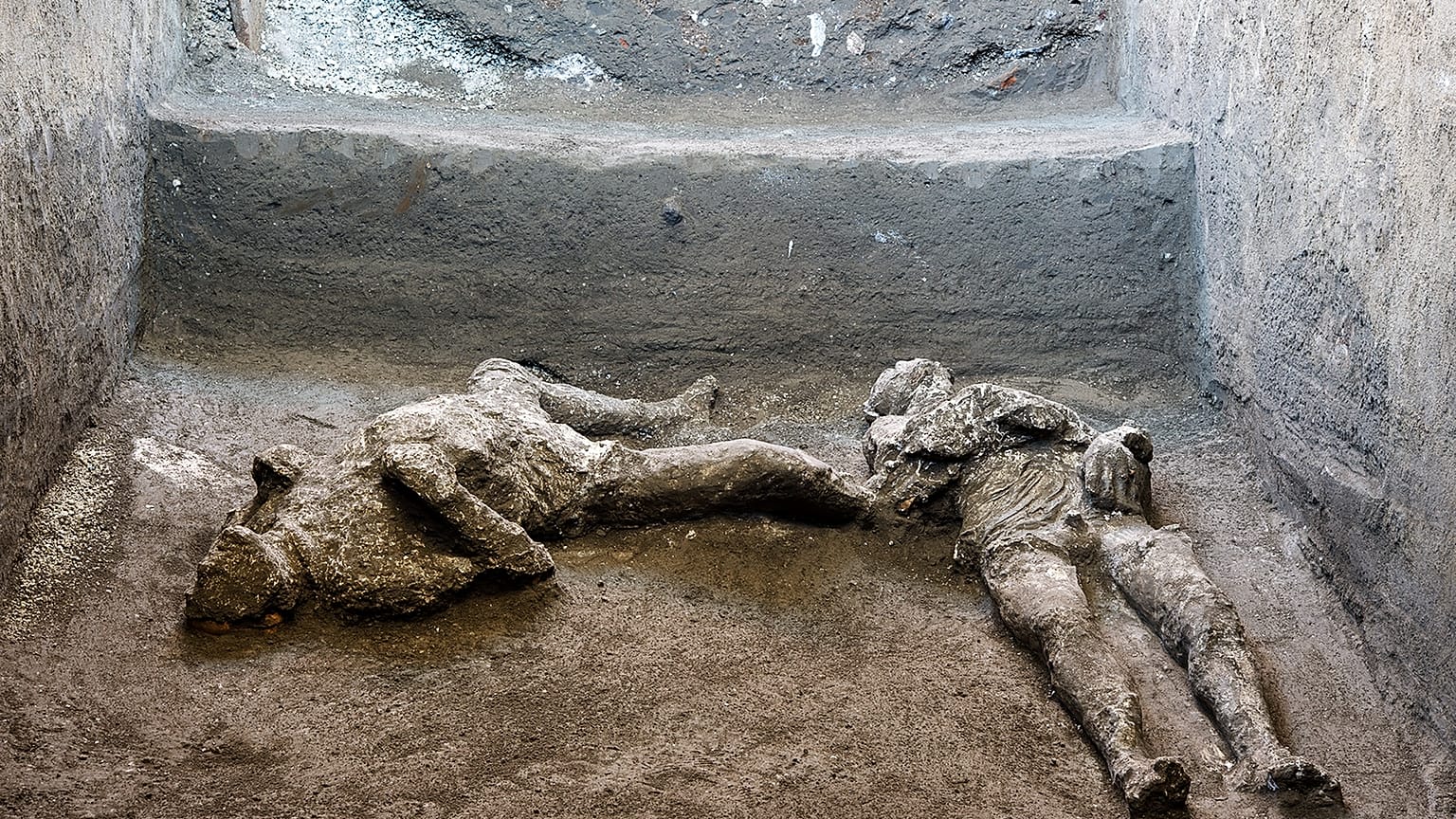
The casts of what are believed to have been a wealthy man and his slave, fleeing the volcanic eruption of Vesuvius almost 2,000 years ago in Pompeii
Copyright AP Photo

By Stefania De Michele
Published on


New fifteenth- and sixteenth-century finds rekindle the mystery of Pompeii: the city was not forgotten after the eruption, but lived on in local memory.

Pompeii did not end in AD 79.. For centuries, while the Roman city remained buried beneath the debris of Vesuvius’ eruption, people went on living among those ruins and kept its memory alive. This surprising story is now being told thanks to a number of new finds in the Insula Meridionalis, in the southern area of ancient Pompeii.

Materials and ceramic artefacts dating from the 15th and 16th centuries have in fact provided fresh evidence of human presence on the site many centuries before the start of the Bourbon excavations, launched in 1748.

The discovery challenges the most common image of Pompeii: on the one hand the Roman city, frozen by the eruption of AD 79; on the other modern Pompeii, brought back to light almost seventeen centuries later. In between, however, lies a far more nuanced story.

The "Pompeii after Pompeii"

"The docu-drama Pompei Fuori dal tempo with Tom Hiddleston, and the work of archaeologist Steven Tuck, show how the theme of the survivors is finally becoming the focus of research and outreach initiatives," explains Gabriel Zuchtriegel, director of the Archaeological Park of Pompeii.

After the eruption, Pompeii must have looked like a truly post-apocalyptic landscape. And yet, according to new research, it was not completely abandoned. There are traces of people who returned and of communities that continued to use the area.

These, however, were fragile presences, far removed from the grand official narrative. "They are faint traces of precarious lives, in the shadow of official history," Zuchtriegel points out, explaining why they remained almost invisible for so long.

The finds from the Insula Meridionalis now add another piece to this story. The ceramics and other materials uncovered point to use of the area during the Renaissance, centuries before Pompeii officially returned to prominence with the excavations.

And the Renaissance enters Pompeii’s story

The period is particularly interesting for another reason as well. It is in roughly these same centuries that the Deposition of Christ attributed to Andrea Mantegna, recently rediscovered in the Sanctuary of the Blessed Virgin of Pompeii, was created.

The two stories are not directly connected and belong to separate historical strands. But both tell us something important: Pomeii was not a place completely erased from collective memory.

"Without detracting in any way from researchers such as Gioachino Alcubierre, who came from Spain and promoted the first archaeological excavations at Pompeii in 1748, we have to acknowledge that there was a local community here which, from the very day after the eruption, went on living in Pompeii and guarding its memory," says Zuchtriegel.

A city never truly forgotten

An apparently simple detail also reinforces this hypothesis: the place name "Civita", which, according to the director of the Park, bears witness to the local persistence of the memory of a buried city.

Farmers and shepherds who lived among the ancient ruins did not have the tools to describe that heritage in the language of modern archaeology. But that, Zuchtriegel stresses, does not mean they did not remember it.

And this is precisely where the perspective shifts: Pompeii would therefore not be a city "reborn" from nothing in the eighteenth century, but a place that continued, in different forms, to be part of the life and imagination of the local community.

"Pompeii is and has always been a genuine heritage community," says Zuchtriegel. Its name, then, would not be the outcome of a simple archaeological revival, but the sign of a memory that has remained alive in the area for centuries.

The "Pompeii after Pompeii" is still largely to be told. And the small artefacts found underground this time may prove to be among the most important clues for piecing it together.

Visits to the excavation site

Visitors can tour the Insula Meridionalis excavation site together with the archaeologists and conservators working there. Visits are available, by reservation, from Monday to Friday between 11:00 and 12:00. For information and bookings, you can call 327 2716666.