Wednesday, September 02, 2026


Cargo ship with 10 crew sinks off Istanbul after collision, maritime authorities say

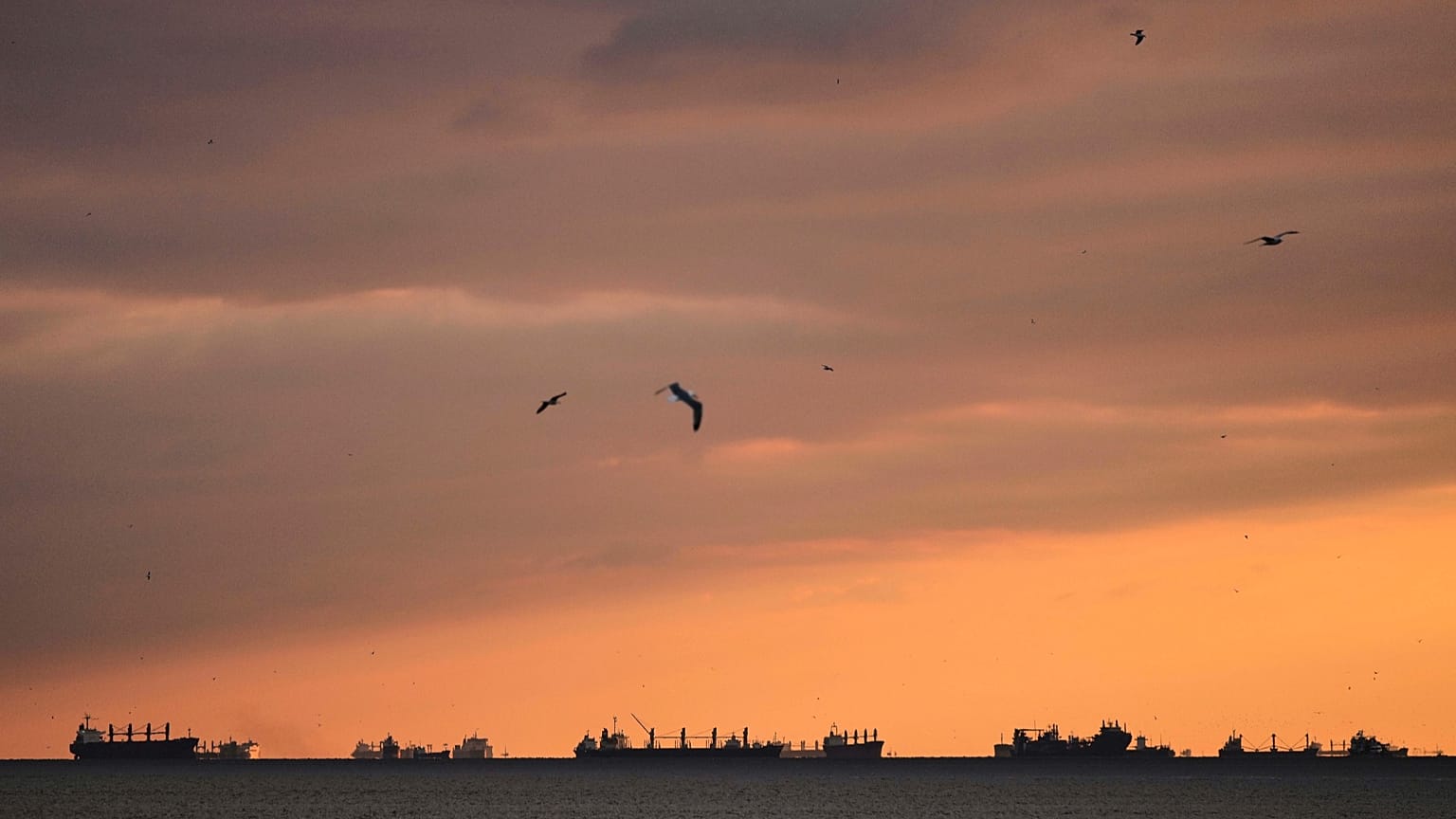
Cargo ships anchored in the Marmara sea near the Bosphorus Strait in Istanbul, 8 April, 2025
Copyright AP Photo

By Burcu Basaran & Gavin Blackburn
Published on

The collision occurred 18 nautical miles (33 kilometres) off the Silivri district on the western edge of Istanbul province, the governor's office said on X.

A cargo ship sank in the Marmara Sea near Istanbul after colliding with a second vessel, with rescuers searching for 10 people who were on board, Turkish officials said on Wednesday

The incident occurred before dawn when the ALSU, an empty oil tanker, collided with the Tuğberk İmamoğlu, a cargo ship carrying rolled steel, which sank shortly after, the transport ministry's maritime directorate said on X.

The collision occurred 18 nautical miles (33 kilometres) off the Silivri district on the western edge of Istanbul province, the governor's office said on X.

"Due to the Tuğberk İmamoğlu not responding to any calls and the crew not answering their mobile phones...it is believed the dry cargo ship has sunk," the maritime directorate said.

The ALSU's captain had reported the collision as happening at 3:15 am, with 14 search and rescue vessels dispatched to the area backed by a helicopter, it said.

"Life-saving equipment, including a lifeboat belonging to the Tuğberk İmamoğlu which had 10 crew members on board, has been found at sea. Unfortunately, the crew members were not inside."

The ALSU, which was damaged in the collision, was also joining in search and rescue efforts, it said.

At the time of the collision, the Tuğberk İmamoğlu was carrying 4,200 tons of rolled sheet metal, it said.

The maritime directorate initially said the ALSU was carrying 3,000 tonnes of motor oil, but later said the tanker was empty in a detail confirmed by the governorate.

The incident took place three days after deadly ferry accident off Turkish-occupied northern Cyprus in which eight Turkish nationals died with rescuers still hunting for another 20 people listed as missing.


Ryanair's Boeing 737 stairs tied to hundreds of passenger falls, study says

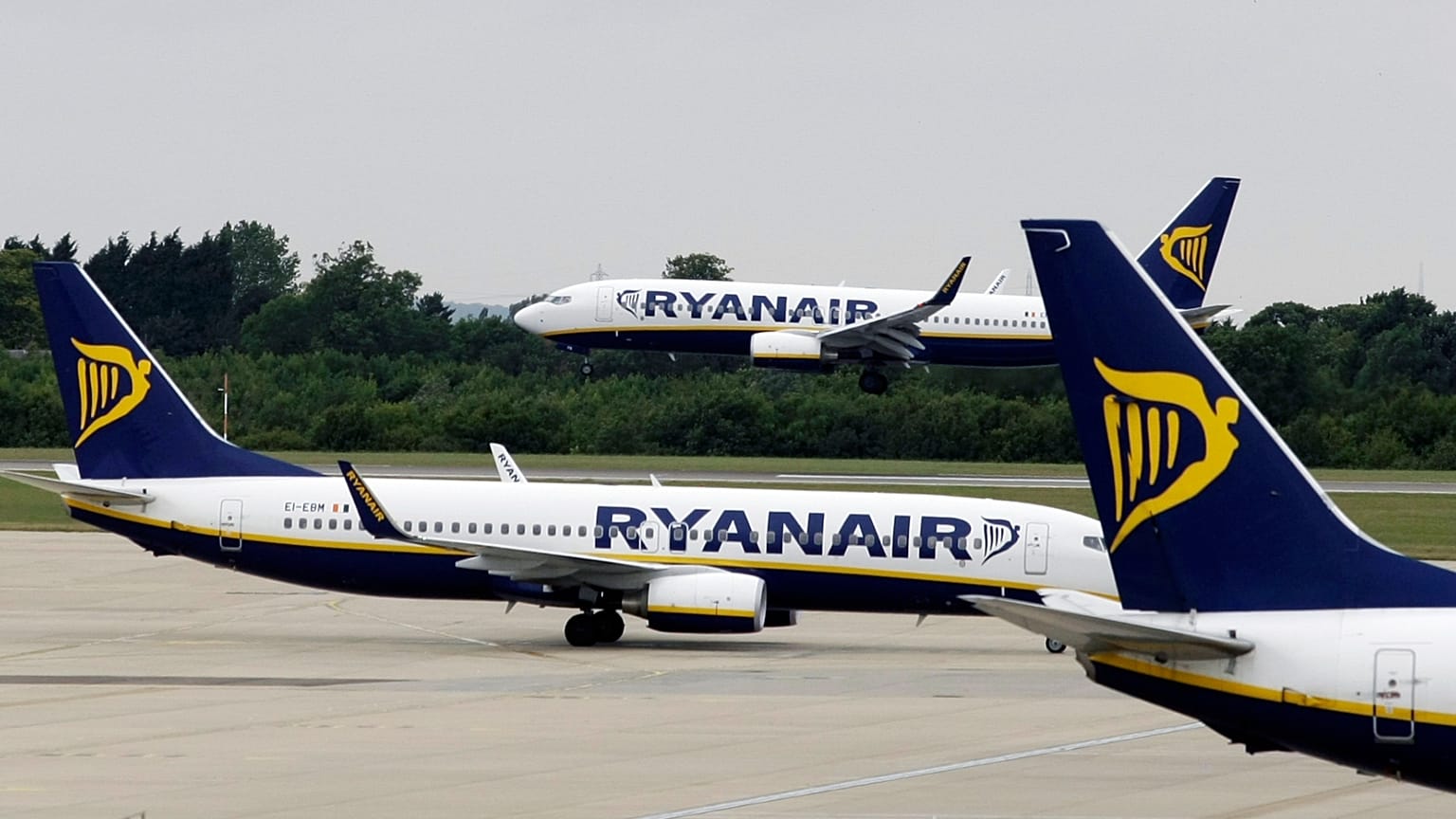
File photo dated Tuesday 21 July 2009: Ryanair planes at Stansted Airport, England. (AP Photo/Matt Dunham)
Copyright Copyright 2016 The Associated Press. All rights reserved.

By Arnold Koka
Published on

Ryanair's Boeing 737 comes with retractable onboard stairs that cut costs and turnaround times, but an Italian safety study has linked them to hundreds of passenger falls since 2021.

Ryanair's Boeing 737 hides a hazard just outside the cabin door: its retractable onboard stairs.

Passengers who have used them have faced a significantly higher risk of falling than those using stairs provided by airports. That is the conclusion of a study by Italy's National Agency for Flight Safety (ANSV), published in August 2026.

The study analysed falls reported in Italy during boarding and disembarkation between 2023 and 2025. Of 104 incidents, 85 involved passengers who used the forward integrated stairs of Boeing 737 aircraft, accounting for 82% of cases, according to Corriere della Sera.

The scale of the figures is even clearer when set against total passenger numbers. Over the same period the Irish airline carried around 27% of all passengers in Italy. The other carriers, which make up the remaining 73%, recorded 19 falls between them.

The trend is not confined to Italy. Since 2021 Ryanair has registered 489 falls on stairs, 360 of them, or 73%, on the Boeing 737's integrated stairway. According to ANSV, that is three times as many falls as those recorded on airport stairways.

To track and analyse the incidents, ANSV used the ECCAIRS system, the digital platform run by the European Union Aviation Safety Agency (EASA). The system collects and analyses aviation safety data from EU countries.

Why the stairs are riskier

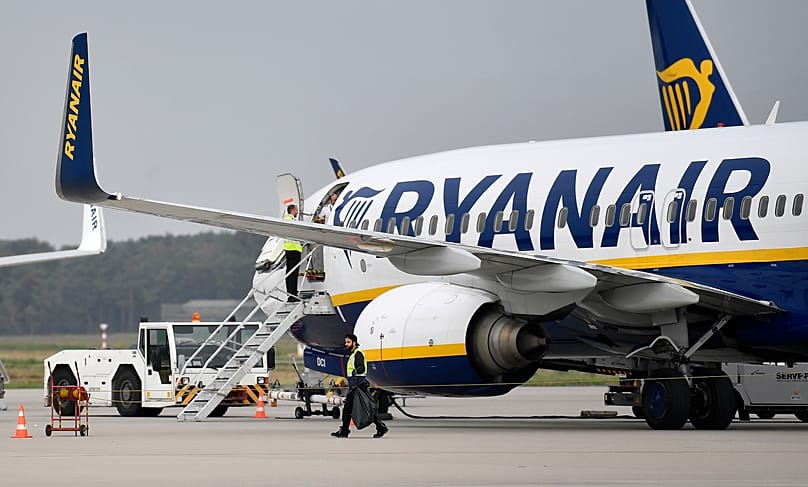
For disembarkation, airlines often hire mobile stairs from airports. Ryanair's Boeing 737 instead has the option of an integrated system that can be deployed while parked, allowing passengers to disembark without airport handlers. This cuts disembarkation times and ground-service costs.

The integrated stairway has 12 steps, about 61 centimetres wide and 20 centimetres high, with a tread depth of 25 centimetres and an inclination of 35 degrees.

ANSV's investigation found the dimensions "are at the limits for step height and steepness" compared with those used by airport operators, "who have lower steps and, usually, a less pronounced inclination, and platforms and treads that are considerably larger."

In this Sept. 12, 2018 file photo, a Ryanair plane parks at the airport in Weeze, Germany. FILE - In this Sept. 12, 2018 file photo, a Ryanair plane parks at the airport in Weeze, Germany.

It also notes that the first step of the stairway is asymmetrical for passengers on the way down because of the shape of the fuselage in relation to the step.

According to Ireland's air accident investigation unit (AAIU), EU regulations do not impose requirements on the size of integrated stairs because they are not deemed critical to flight operations.

ANSV's study began with three incidents in Genoa, Venice and Bologna, in which three people suffered "serious injuries".

In Genoa on 22 March 2025, one person was taken by ambulance to hospital after a fall that occurred "most likely due to the inattention of the passenger," according to ANSV's reports.

Two days later in Venice, another passenger suffered serious injuries after falling from the integrated stairs. According to staff, the passenger was carrying two suitcases and was not holding the handrail. In the Bologna incident, the passenger also fell while carrying two bags.

After these incidents, Ryanair updated its disembarkation protocol, and since 23 July cabin crew have been repeating the warning to use the handrail also in the language of the country of origin and destination.

The problem with the integrated stairs on the Boeing 737 had already been examined by the aviation safety agencies of Ireland and Spain (CIAIAC) after falls in 2021 in Dublin and in 2024 in Alicante.

Following those incidents, the Spanish agency urged Boeing to redesign the stairway, reducing its steepness and increasing the surface area of the steps. CIAIAC also called on Ryanair to abandon use of the integrated system and rely solely on stairs provided by airport operators.

No investigation carried out so far has concluded that the system is defective. ANSV has endorsed the Spanish recommendations to Boeing and Ryanair, while attributing the falls to human factors such as inattention and failure to use the handrail.

Apple joins Google in renaming Lake Ontario 'Lake America'

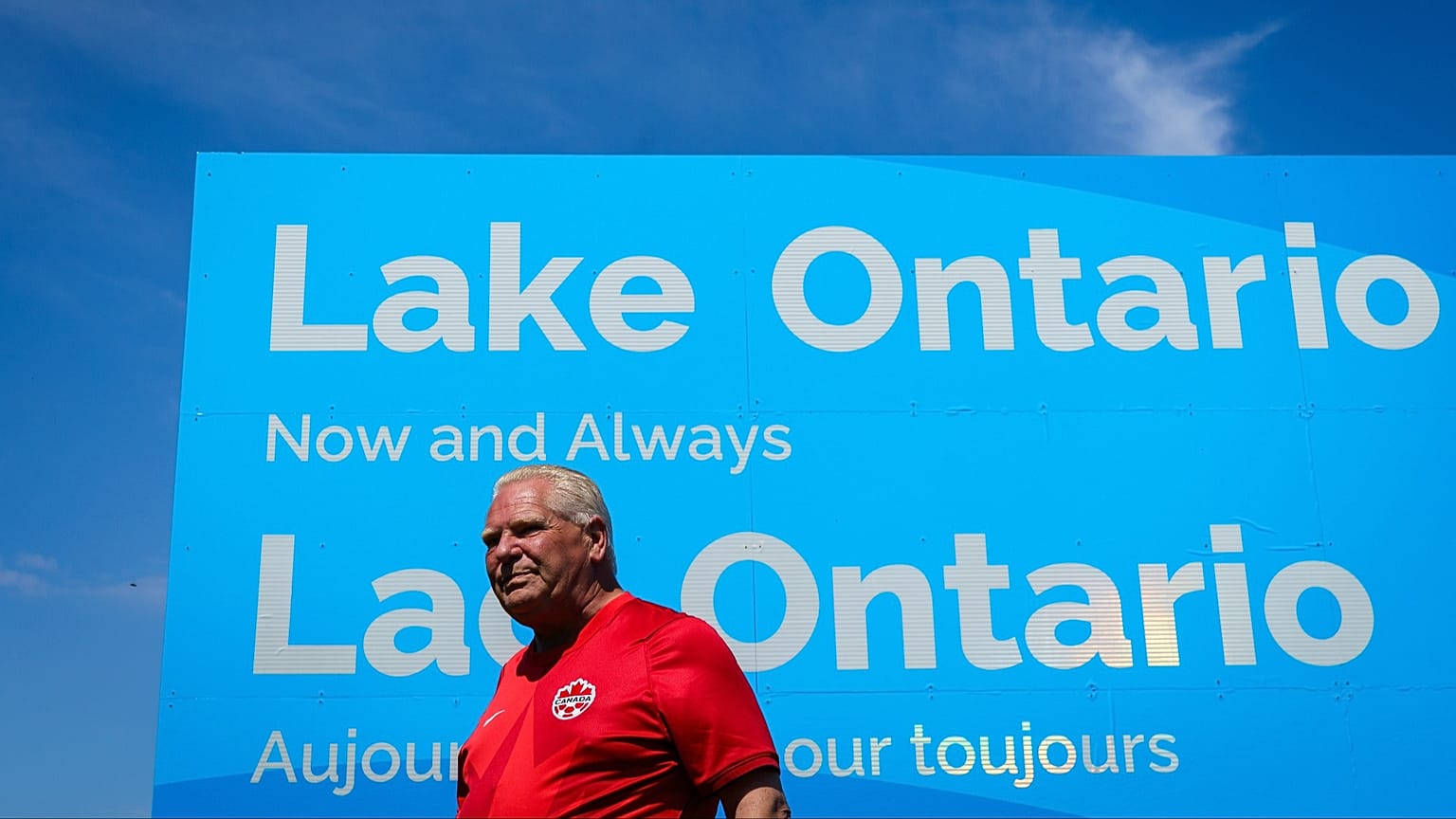
FILE - Ontario Premier Doug Ford unveils a sign for Lake Ontario at Fifty Point Conservation Area in Grimsby, Ontario, Canada, on Saturday, Aug. 29, 2026.
Copyright (Keito Newman/The Canadian Press via AP)

By Indrabati Lahiri
Published on

Apple Maps now shows Lake Ontario as "Lake America" for US users, following Google's lead in complying with US President Donald Trump's order as trade talks with Canada sour.

Apple has become the latest company to adopt US President Donald Trump's new name for Lake Ontario — Lake America — on its Apple Maps platform.

The move came less than a week after Trump formally ordered the change in an executive order. Lake Ontario is one of North America's five Great Lakes, alongside Superior, Michigan, Huron and Erie.

The name change was driven largely by the collapse of trade talks between the US and Canada at the end of August, after the US imposed new 50% tariffs on around $20 billion (€17.3bn) worth of Canadian goods.

Apple Maps users based in the US will see the lake as Lake America, while those in Canada will still see the original Lake Ontario. According to US Interior Secretary Doug Burgum, Trump personally approached Apple and urged it to implement the change on its navigation platform.

Trump has since posted a number of AI-generated social media videos, including one showing him kicking over a Lake Ontario sign and replacing it with one reading "Welcome to Lake America".

At the lake itself, however, Canada has installed a new sign reading "Lake Ontario. Now and Always."

"Long before President Trump, this lake was called Lake Ontario. Long after President Trump is gone, it will still be called Lake Ontario," Ontario Premier Doug Ford said, according to the BBC.

Canada has also said it will implement "dollar-for-dollar" counter-tariffs in response to Trump's new levies.

Google under fire

Google made the same move over the weekend, drawing significant criticism on social media, with users accusing the tech giant of capitulating to the Trump administration.

This is despite the fact that while the US president can dictate how the federal government refers to geographic features, he has no authority to force private companies, foreign governments or even US states to do the same.

"The US Geographical Names Information System has formally changed the name for 'Lake Ontario' to 'Lake America' in the United States," Google said in a blog post.

"Since we update Google Maps to reflect name changes in official government sources, which is GNIS for the US, people using maps in the US will see 'Lake America', those in Canada will continue to see 'Lake Ontario', and those outside of the US and Canada will see both names."

However, other map services such as MapQuest have refused to change the lake's name. Last year, MapQuest also declined to rename the Gulf of Mexico as the Gulf of America.

The latest stand has driven MapQuest to the number one spot on the US Apple App Store's top charts, as of 1 September, ahead of even long-time favourite ChatGPT.


Controversial US aircraft carrier Abraham Lincoln arrives in Thailand after months at sea

ANTI WOKE US DEPT OF WAR; PORT CALL IN THE LAND OF LADYBOYS
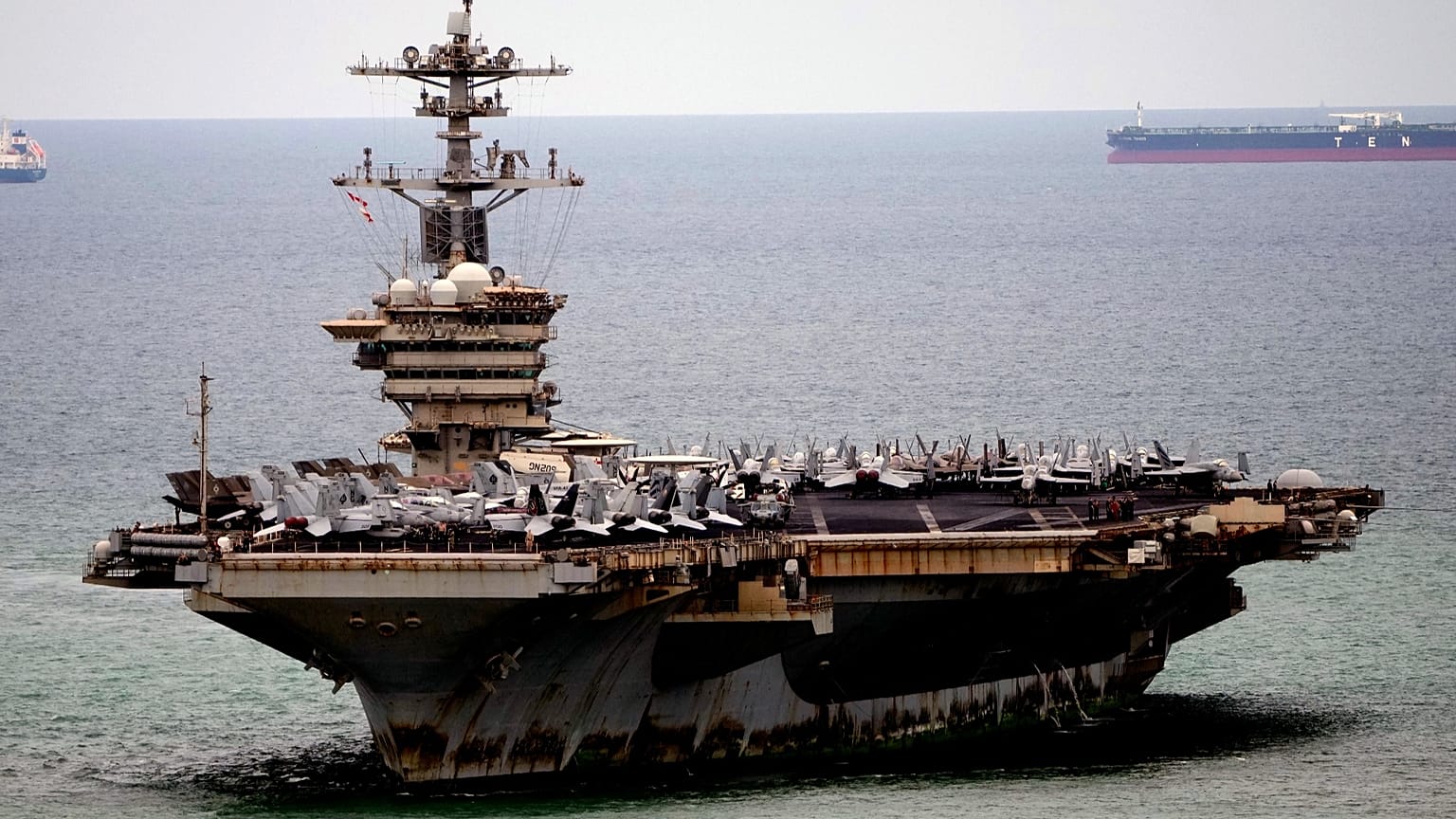
The US Navy aircraft carrier USS Abraham Lincoln arrives at the port in Laem Chabang, 2 September, 2026
Copyright AP Photo


By Gavin Blackburn
Published on


Democratic lawmakers have called for an investigation into conditions on the USS Abraham Lincoln following reports of food shortages, broken plumbing and mental health crises.

A US aircraft carrier at the centre of controversy over conditions on board arrived in Thailand on Wednesday for its first port call in nine months.

The 5,000 sailors and Marines on board the USS Abraham Lincoln, arriving from the war in the Middle East, are headed for the Thai resort of Pattaya, a rest-and-recreation stop for US troops since the Vietnam War.

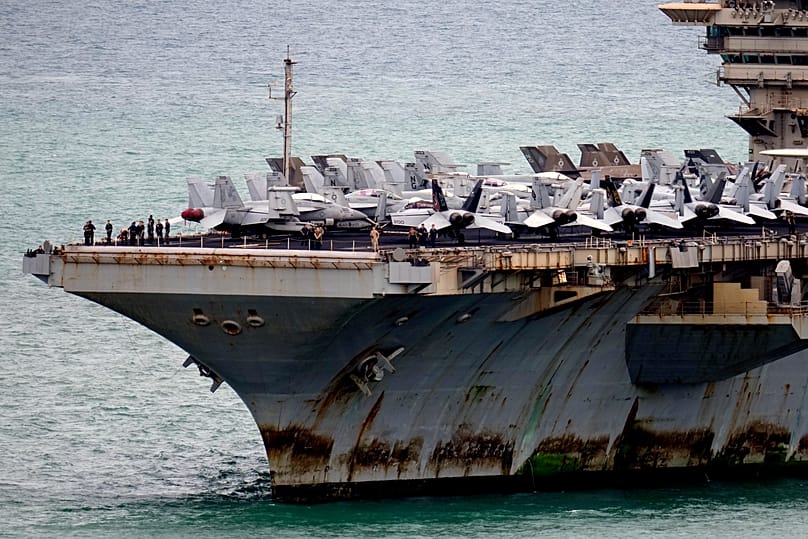
Tugs guided the huge nuclear-powered carrier, dozens of warplanes lined up on its flight deck, towards the port of Laem Chabang on Wednesday morning, reporters saw.

"Our arrival in Laem Chabang provides a well-deserved opportunity for our Sailors and Marines to rest and recharge," Rear Admiral Robert Loughran, commander of the US Carrier Strike Group 3, said in a statement.

The Lincoln's commanding officer, Captain Dan Keeler, added that its first port visit of the "historic deployment," after 286 days at sea, would allow "our crew to enjoy this beautiful and historic country."

An official in Pattaya said it was due to dock shortly before lunchtime.

The US Navy aircraft carrier USS Abraham Lincoln arrives at the port in Laem Chabang, 2 September, 2026 AP Photo

The Lincoln left California in November 2025 for duty in the South China Sea and was rerouted to the Middle East before US-Israeli attacks on Iran that began six months ago.

Reports of deteriorating living conditions and poor mental health on board, including attempted suicides, made headlines in the United States and provoked criticism of President Donald Trump's war against Iran.

Pattaya is hugely popular with foreign tourists, known for its beaches and a nightlife scene that has long drawn scrutiny over sex tourism.

Pattaya's mayor, Poramase Ngampiches, told the AFP news agency this week that there had been a recent crackdown on sex workers but denied it was linked to the US arrivals.

Outside one bar in the resort on Tuesday was a sign saying "Welcome all US military personnel. Thank you for your service."

Safety and fair pricing

The mayor said buses have been laid on to transport the sailors from the ship to Pattaya and back until the carrier departs on Sunday.

"They come to relax," Poramase said in a video posted on Facebook.

"Our preparations will focus on safety and ensuring fair pricing, so we don't take advantage of them."

He said the sailors have been banned from water sports such as jet skis and from taking advantage of Thailand's lax cannabis laws.

But he encouraged them to enjoy the city's many other attractions, from malls to religious sites.

"We're happy to get business from anybody," Nicko, the French owner of a go-go bar in Pattaya, said this week.

"We'll have to be careful because as we know, things can get out of hand with alcohol involved."

Democratic lawmakers have called for an investigation into conditions on the USS Abraham Lincoln following reports of food shortages, broken plumbing and mental health crises.

But Trump dismissed the concerns, as well as the suggestion the ship had been deployed for too long.

"A small number of mental health cases were treated with no loss of life," acting Navy Secretary Hung Cao said in mid-August, blaming the media for "trying to paint our warriors as victims."

The carrier was replaced in the Middle East by the USS George Washington, which had been in Japan, as the US-Israel war with Iran drags on.

That ship in turn will be relieved by the USS Theodore Roosevelt, which will sail from San Diego in the coming weeks, according to private military association the US Naval Institute.

The US has maintained an aircraft carrier in the Arabian Sea for strike missions over Iran since the US and Israel launched the war at the end of February and subsequently to enforce a naval blockade of Iranian ports.


How is the Mediterranean changing? 40 years of data reveal climate change impact


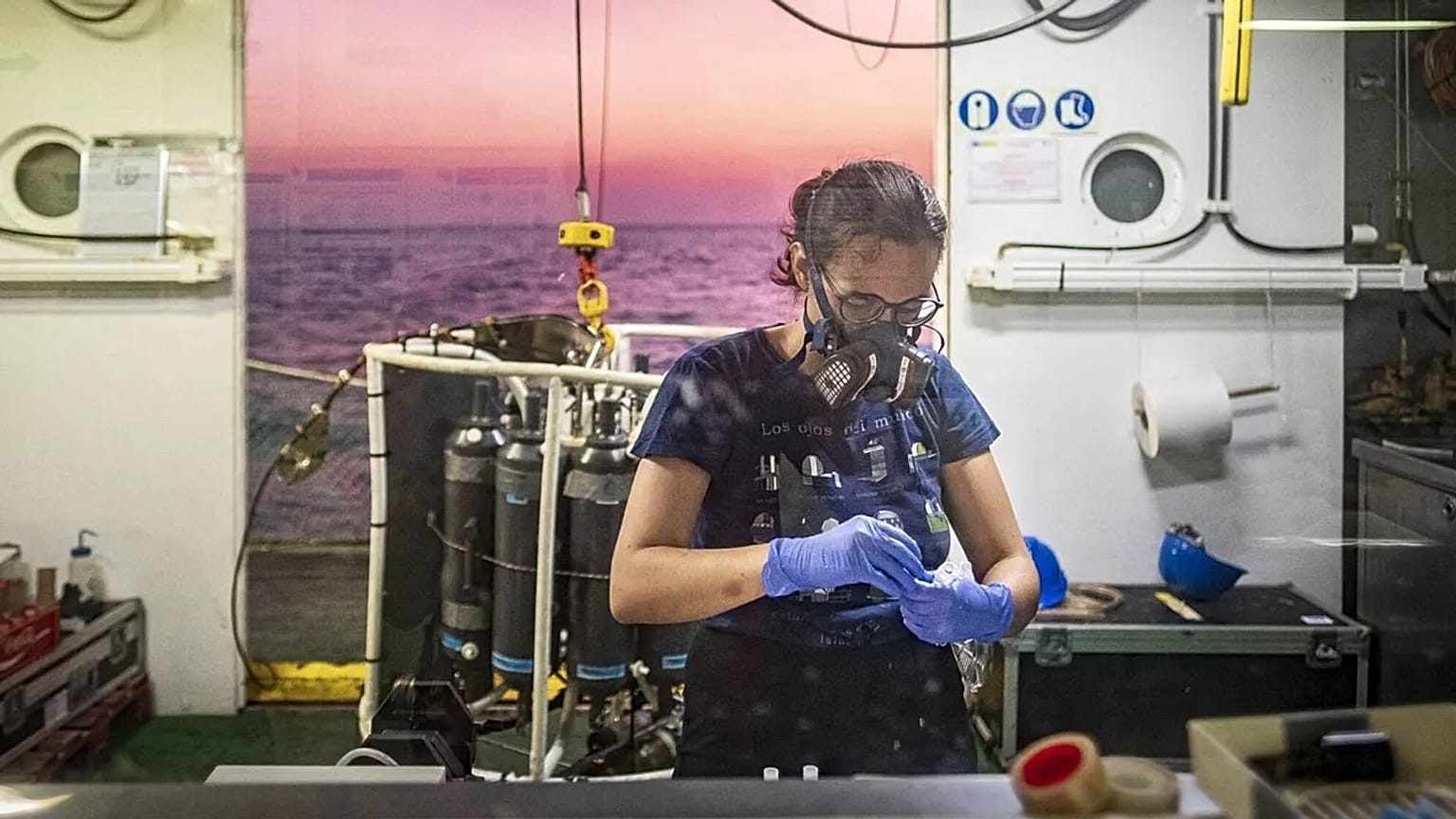
The IEO launches CARIMED, a Mediterranean observation product focused on inorganic carbon and fundamental oceanographic variables.

By Lucia Blasco
Published on

Spanish scientists and researchers from Europe and the US compiled data from 46 oceanographic campaigns carried out between 1976 and 2018 to study changes in the Mediterranean and the impact of climate change.

Temperature, oxygen, pH, carbon and even the age of water masses. More than 40 years of measurements now make it possible to look back and study how the Mediterranean is being transformed and to better understand what changes the climate crisis is bringing about in its waters.

Researchers at the La Coruña and Balearic oceanographic centres of the Spanish Institute of Oceanography (IEO-CSIC), together with scientists from European and US institutions, have compiled data from 46 oceanographic campaigns carried out between 1976 and 2018 across virtually the whole of the Mediterranean.

The result is Carimed (source in Spanish), a new database that makes it possible to compare measurements taken over four decades and track the evolution of indicators such as temperature, oxygen or pH. Until now, part of that information was scattered across different archives and had been collected during campaigns conducted at different times and using different methods.

Comparing today's Mediterranean with that of four decades ago can help to distinguish its natural variability from changes that persist over time and to better understand how it is responding to climate change. According to the IEO-CSIC, (source in Spanish) the data will make it possible to track these long-term trends and gain a better understanding of how a sea that is particularly sensitive to warming and to other environmental disturbances is evolving.

Recovering the past to understand the present

"A considerable part of the data was retrieved from fragmented historical records or archives held locally, thereby bringing together measurements that were previously not accessible," explains Marta Álvarez, a chemical oceanographer at the La Coruña Oceanographic Centre and coordinator of the research group, in comments released (source in Spanish) by the IEO-CSIC.

"Another part comes," Álvarez adds, "from international campaigns on board national and international research vessels that involved staff from the IEO's INOCEN group."

Recovering the data, however, was only the first step. There was another challenge: how do you compare a measurement taken in the 1970s with another taken decades later? Methods, instruments and survey conditions have changed over time and could introduce differences that do not necessarily mean that the Mediterranean itself has changed.

This is why the researchers reviewed and adjusted the measurements to identify possible differences arising from the way they were collected. That allows them to pinpoint, with greater confidence, the changes that really persist over the years.

What can 40 years of data reveal?

The Mediterranean is facing transformations that go beyond rising temperatures. The study itself highlights warming, acidification and the loss of oxygen among the main changes affecting the oceans, changes that can alter how they function and their ecosystems.

This is precisely why it is important to have observations that stretch back several decades. Looking at that long-term evolution can help to detect changes that would be hard to spot from isolated measurements.

To ensure that the measurements are comparable, the scientists subjected them to thorough quality control tailored to the specific characteristics of the Mediterranean. Put simply, the aim is to avoid a change in the way something is measured being mistaken for a real change in the sea.

"Thanks to the rigorous 2QC process systematic biases in biogeochemical variables were minimised and a more consistent dataset was obtained," explains Maribel García-Ibáñez, a researcher at the Balearic Oceanographic Centre.

What can all this information be used for now? Among other things, it makes it possible to see how processes linked to the acidification of the Mediterranean, the carbon stored in its waters or the renewal of deep waters have evolved over decades. The data can also be used to improve the models scientists use to try to understand how the Mediterranean will evolve under a changing climate.

Carimed is also open to the scientific community and will be able to incorporate new observations in future, expanding a snapshot of the Mediterranean that makes it possible to connect its past with the changes it is undergoing today.


‘Paradox of progress’: What it will take to turn renewables boom into a real drop in emissions

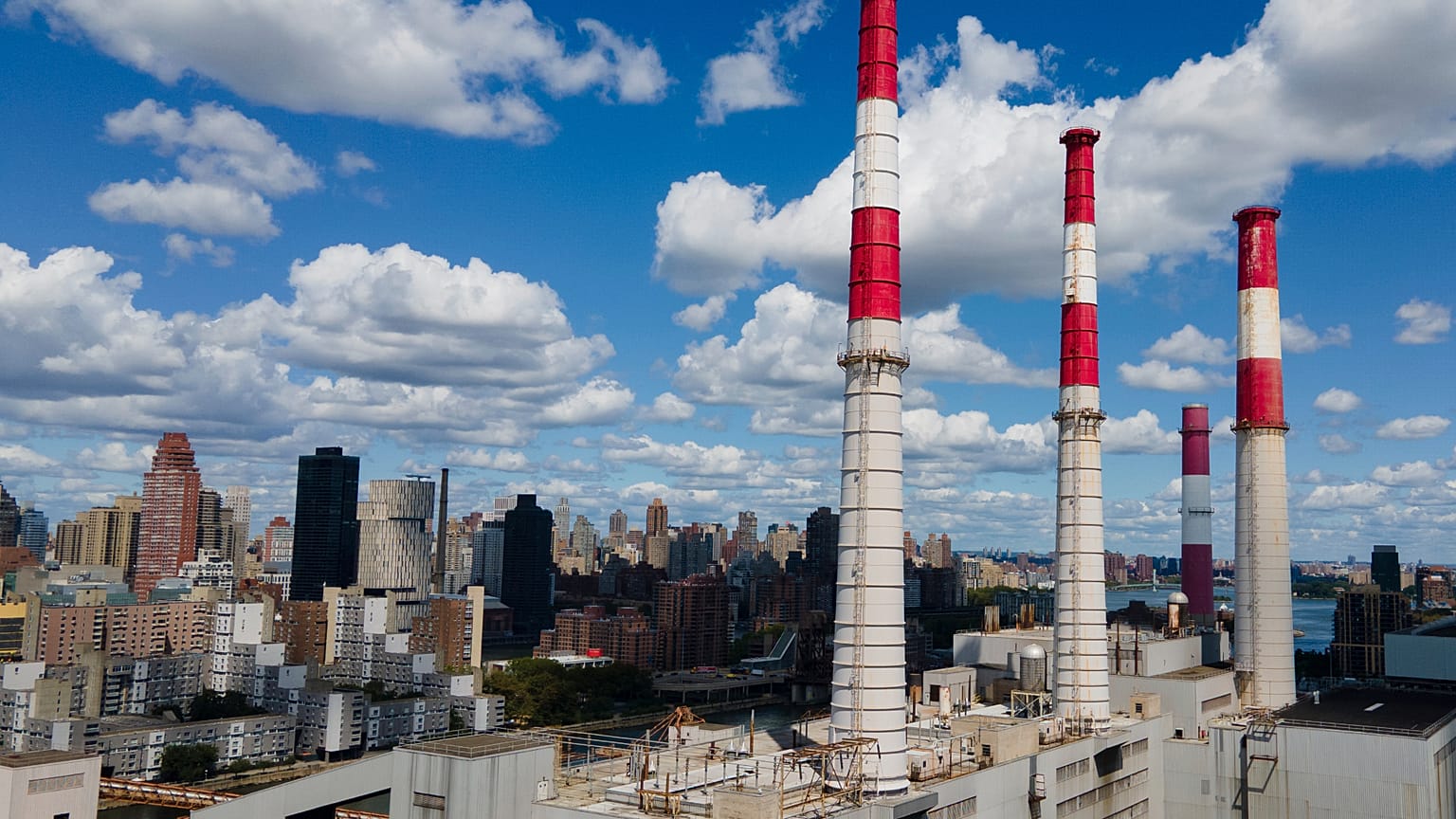
The Ravenswood Generating Station in the Queens borough of New York, Aug. 27, 2025.
Copyright P Photo/Ted Shaffrey

By Angela Symons
Published on

A major new UN report details the risks of overshooting 1.5°C of warming – and how we can limit them.

It’s no longer possible to keep global warming below 1.5°C – but there is a pathway out, according to a new UN Environment Programme (UNEP) report.

“Overshoot, peak and decline” is now our best bet at dipping back below the warming threshold set in the Paris climate agreement to avoid the worst effects of climate change, it says.

The report projects a best-case 1.8°C of warming and over 2°C in other scenarios. "Every fraction of a degree will cost lives, destroy livelihoods, deepen inequality, and push ecosystems closer to irreversible damage," says UN Secretary-General Antőnio Guterres

Securing humanity’s future will require making this overshoot as “small and short as possible”, says Guterres.

Renewables are a key part of the puzzle.

But a separate report just released by international think tank the Energy Transitions Commission (ETC) reveals a “paradox of progress” on energy. Surging demand from AI data centres and cooling, combined with overwhelmed electricity grids, are outpacing the gains of record renewables growth.

Why record renewable energy isn’t lowering emissions

A record €1.9 trillion is now being invested in clean energy yearly, prompting rapid growth – yet it still only meets 40 per cent of the increase in demand.

Heatwaves are driving increased demand for energy-intensive air-conditioning, while the AI boom is placing major new strain on electricity systems.

Data centre energy consumption grew by 17 per cent in 2025, accounting for about 1.5 to 2 per cent of the global total, according to the International Energy Agency (IEA). It’s expected to double by 2030.

They’re also competing for space on overloaded power grids from the US to the UK, where connection wait times stretch as long as 10 years and hefty upfront fees are being considered to secure a spot in the queue. As a result, some developers are building onsite power solutions like solar and gas microgrids.

At the same time, outdated power grids are resulting in a huge amount of wasted green energy potential – in Europe alone, 375 GW of renewables is waiting to connect, while 2,300 GW is stuck in US queues.

As a result, global emissions are plateauing rather than falling, putting the world on course for 2.5°C of warming, according to ETC’s assessment.

And with electricity only accounting for about a fifth of total energy use, decarbonising heating, industry and transport is also essential.

Limiting overshoot: How can the world get back on track?

Both reports agree on near-term solutions to the problem – starting with tackling methane.

Significantly more potent than carbon dioxide, this powerful greenhouse gas is responsible for around 0.5°C of global warming, though comparatively it lingers for less time in the atmosphere.

Early reductions – targeting the oil and gas sector, food waste and landfills – can therefore significantly lower temperatures.

Countries should also shift investments from old, high emissions infrastructure, such as fossil-based power plants, transport systems and industrial facilities, to low-emissions alternatives like renewables.

In 2025, renewable sources generated almost 34 per cent of global electricity. Scaling this to 60–70 per cent by 2030 would help the world achieve a limited-overshoot scenario, according to UNEP’s report.

This is in line with the COP28 commitment to triple global renewable energy capacity by the end of the decade. Storage, demand flexibility and grid upgrades should be the focus – as the Energy Transitions Commission highlights, there is more funded clean generation waiting for grid connections than the entire 900 GW annual shortfall needed to meet the 2030 target.

The faster emissions are reduced, the less we will be forced to rely on uncertain future technologies like carbon dioxide removal (CDR), UNEP’s report says – although it highlights the responsible deployment, monitoring and scaling of CDR as an important long-term focus.

Reducing demand is another key part of the puzzle, highlighting low-cost solutions including energy efficiency improvements, electrification of heating and cooling, and behavioural shifts around transport and diets – changes that will rely on policy shifts rather than individual choice alone, UNEP warns.