Barrick’s next risk in Mali is loss of key gold-mining permit
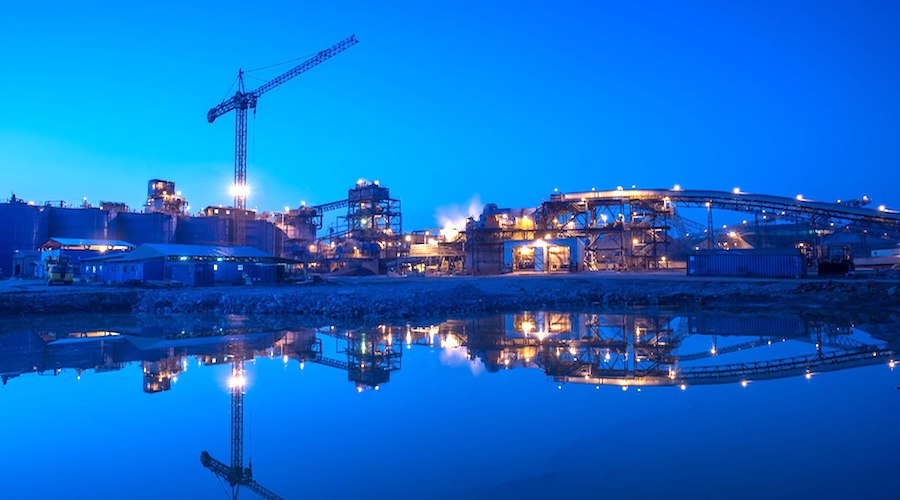
One of the next major hurdles in Barrick Mining Corp.’s saga in Mali will be renewing a key gold mining license, after the state temporarily took over the vast Loulo-Gounkoto complex this week.

The permit for Loulo, where processing facilities are located, expires in February, shortly after the period of provisional administration is supposed to end. Barrick filed a renewal request four months ago, a spokesperson for the company said, adding that a separate license for Gounkoto runs for another 17 years.
Barrick’s woes in the West African nation experienced a dramatic escalation on Monday when a Malian court ruled that management of one of the Canadian miner’s biggest operations should be handed over to a state-appointed accountant and former health minister for six months.
A dispute over mining proceeds has already seen Mali detain four Barrick employees and block gold exports from the mine, which the company shuttered in January. The standoff means the world’s No. 2 gold producer has been unable to fully capitalize on bullion’s record-breaking rally, after only its flagship Carlin mine in Nevada contributed more output and income than Loulo-Gounkoto in 2024.
A spokesperson for Mali’s Mines Ministry didn’t respond to questions about whether the government plans to extend the Loulo license. The Barrick spokesperson said the company is yet to receive any feedback from the government.
Finance Minister Alousseni Sanou raised the possibility of letting the license lapse in a letter sent in October to Barrick chief executive Mark Bristow during discussions over a settlement that’s so far remained elusive. He wrote that Mali “reserves the right not to renew” the permit.
Barrick said on June 16 it remains committed to negotiating a “mutually acceptable solution” with the government, while condemning the state’s interventions as unlawful. The company has filed an appeal against this week’s court order, the spokesperson said.
The owners of other gold mines in the country, including B2Gold Corp. and Allied Gold Corp., have reached settlements with authorities.
The current troubles began in 2023 when Mali revised mining legislation and audited the sector. The government subsequently demanded foreign investors make payments for alleged back taxes and adhere to the new law granting the government higher royalties and bigger stakes in joint ventures.
Barrick has initiated international arbitration proceedings, asking a tribunal to declare that its local subsidiaries possess binding conventions which are “not subject to any legislative or regulatory changes under Malian law.”
Mali, however, alleges that Loulo’s convention – fixing a stable fiscal regime for a specified period – expired in April 2023 and therefore the updated legislation should apply to the mine.
(By William Clowes)
Barrick stripped of gold mine operation for six months by Mali court
By AFP
June 16, 2025

A Mali court ruled Monday that western gold mines held by Canadian giant Barrick would be managed for six months by an appointee, effectively stripping operation of one of the world’s largest gold complexes from the firm.
The decision allows Mali’s military government to appoint a new administrator in charge of the Loulo-Gounkoto complex and comes amid rising tensions between the junta and the Toronto-based company over taxes and mining.
The court named the administrator as Zoumana Makadji. The ruling marked the first time Mali has placed a mining company under such a status.
Makadji will be tasked with “ensuring the mine is opened as quickly as possible”, a magistrate from Bamako’s commercial court told AFP, adding that after six months a judge will assess the progress of negotiations or an agreement with Barrick.
The military junta running Mali has tightened regulations on the mining sector, which is key to the economy.
It introduced a new industry code in recent years that grants the government a bigger share of profits from mining activities in the name of national sovereignty.
Mali “accused Barrick of not properly paying taxes, royalties and dividends owed to the state, of having a contract that does not reflect Mali’s legitimate interests, and of keeping the state out of the effective management of the mine and its revenues,” a source representing the government’s interests told AFP.
For these reasons, Mali “has decided to place the site under temporary administration through legal channels”, the source said.
Barrick has an 80-percent stake in the Loulo-Gounkoto complex, while the Malian state holds the rest.
“While Barrick’s subsidiaries remain the legal owners of the mine, operational control has been transferred to an external administrator,” Barrick said in a statement immediately following the decision.
It said that an arbitration process was “fully under way” via the International Centre for Settlement of Investment Disputes (ICSID), a World Bank arbitration panel.
“The arbitration tribunal has been constituted, and Barrick has submitted a request for provisional measures to prevent further escalation and to safeguard its rights under binding mining conventions with the state of Mali,” the company said.
Intense escalation
Tensions have escalated in recent months between the government and company, and in November four Malian employees of the firm were detained.
Malian authorities issued national arrest warrants in December for the company’s South African CEO and the complex’s Malian general manager on allegations of “money laundering”.
In mid-January, activities at the mine were suspended after Malian authorities carried out an order to seize gold stocks at Loulo-Gounkoto, taking some three tonnes of gold.
Last month, authorities ordered the closure of Barrick’s offices in the capital Bamako for alleged non-payment of hundreds of millions of dollars of taxes.
The Malian government filed its request with Bamako’s commercial court to place the Loulo-Gounkoto site under provisional administration on May 8.
One of the poorest countries in the world, Mali is ruled by a military junta which came to power in back-to-back coups in 2020 and 2021.
Loulo-Gounkoto, which is situated in western Mali near the border with Senegal, was opened two decades ago and the first gold from underground operations was produced in 2011.
It consists of both open pit and underground mining. According to the trade publication Mining Technology, the mine contributed around $1 billion to the Malian economy in 2023.

No comments:
Post a Comment