UK Completes First Round for Float Wind Power in the Celtic Sea
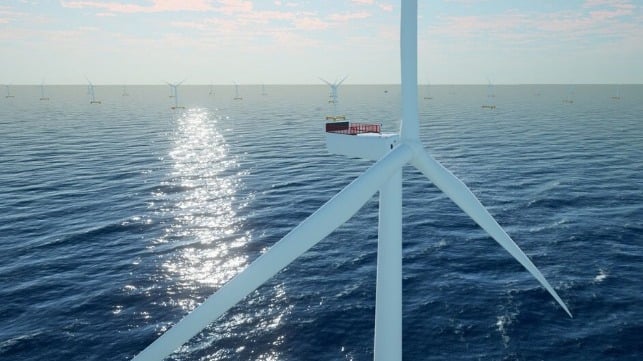
The UK completed its fifth round process for selecting projects with this effort focusing on the development of pioneering projects in the Celtic Sea. The Crown Estate which manages the offshore property is calling the contracts for projects among the largest of their kind and a step in developing the UK’s leadership for floating offshore wind power generation.
The first two projects are being awarded to Norway’s Equinor and a partnership called Gwynt Glas, a JV between EDF Renewables and Irish energy company ESB. Each received rights to an area of seabed which the Crown Estate estimates can support 1.5 GW. The plan for a third site for a further 1.5 GW is still being developed with the Crown Estate reporting it is working on a range of options and expects to set out the next steps by the end of September.
Equinor and Gwynt Gas have to complete contracts and begin a multi-year process for gaining consent. It is expected the approval process could take three to five years with the projects becoming operational in the early 2030s.
The process for this round began in 2024. It is the first floating-specific leasing round in the UK.
The Round 5 process also asked bidders to set out their plans for working with ports to support the final assembly of their projects, with specialist infrastructure needed to mount the turbines on floating platforms before being towed out to the final project sites. As part of their submissions, the preferred bidders have identified Port Talbot and Bristol ports as the likely locations for this activity.
“Floating offshore wind will be transformative for economic growth in Wales and the South West, unlocking thousands of jobs in places like Port Talbot and Bristol, bolstering our energy security and delivering industrial renewal,” said Energy Secretary Ed Miliband. "The Celtic Sea has huge untapped potential to support our mission to become a clean energy superpower, so we can get energy bills down for good through our Plan for Change.”
The Crown Estate views this as the first phase of a new industry in the Celtic Sea. It reports it has identified the potential for a further 4 to 10 GW of power to be developed in the region. It projects this could be brought to market by the end of the decade.
The government of Sir Kier Starmer is supporting the development of offshore wind power. The UK remains the leader in Europe and second only to China in total installed capacity. The government has outlined a plan calling for as much as 50 GW of offshore renewable energy by the end of the decade. The UK currently has approximately 16 GW installed.
The next major auction is planned for September. Analysts had said the UK must move aggressively with the next auction playing a critical component in the ability to meet the long-term goals.
Morocco Moves Ahead with Africa’s First Offshore Wind Farm
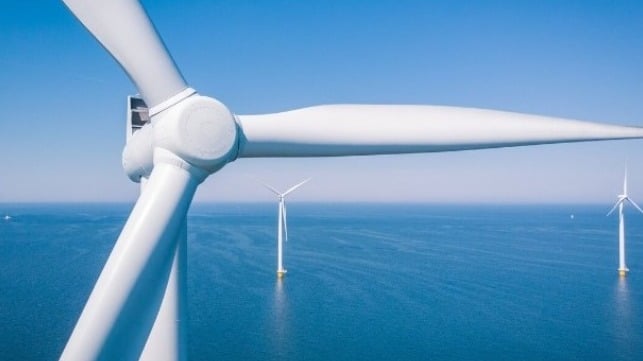
While Africa has been missing in the global offshore wind scene, Morocco has become the first country in the continent to unveil an offshore wind project. The initiative was announced last week at an event hosted by the Union for the Mediterranean (UfM) during the United Nations Ocean Conference in France. The UfM-supported multi-donor fund, the Blue Mediterranean Partnership (BMP), raised extra financing that will see investments in key blue economy initiatives in the Mediterranean region.
One of the selected initiatives is the offshore wind project near Essaouira city in Morocco, a first of its kind in the country. The project has the potential to generate up to 1 GW, with construction scheduled to begin in 2029.
“This project is part of a dynamic that combines energy independence, industrial attractiveness and economic competitiveness,” said Leila Benali, Morocco’s Minister of Energy Transition.
Last year, Morocco (with support from a $2.1 million grant from the European Investment Bank) issued a call for a feasibility study on offshore wind development. The exercise is spearheaded by the Moroccan Renewable Energy Agency (MASEN), which is tasked with achieving a national target of sourcing half Morocco’s electricity supply from renewable energy sources by 2030.
Morocco is on course to hit this target, with government data showing that wind energy capacity reached 2.4 GW by the end of last year. This capacity came from onshore projects, but offshore wind resources present the best opportunity for expansion.
According to World Bank estimates, Morocco has a potential of 200 GW of offshore wind capacity, of which 22 GW are best suited for bottom-fixed turbines while the rest would be floating wind farms. With a vast coastline of 3,500 kilometers, some regions along the Atlantic coast - such as Tangier, Tetouan, Essaouira and Dakhla - have been identified as the best places for offshore wind development. Wind speeds in these regions is estimated to reach 11 meters per second (m/s), ideal for wind energy generation.

No comments:
Post a Comment