by Sophia Gonzalez | Nov 7, 2025 | ANTIWAR.COM
The U.S. government says its “war on terror” protects freedom. In practice, every new intervention narrows the perimeter of freedom at home. The language of confronting evil abroad has become a cover for expanding state power, channeling public money to defense contractors, and normalizing surveillance that would have been unthinkable a generation ago. The pattern is familiar: the more expansive the mission overseas, the more elastic the constraints on government at home.
The contradiction is starkest in Gaza. U.S. officials condemn terrorism but continue to arm and shield an ally whose campaign has killed tens of thousands and devastated the territory. Humanitarian agencies report mass displacement, widespread hunger, and a crippled health system. In the diplomatic arena, Washington has repeatedly vetoed U.N. Security Council resolutions calling for an immediate ceasefire even as it advances fresh weapons packages.
This moral blind spot is not confined to one conflict. During the Cold War, Washington funneled support to the Afghan mujahideen – a decision memorialized in official records – only to confront successor movements in later decades. In Syria, Kurdish-led forces became the principal U.S. partner against ISIS even as NATO ally Turkey labeled affiliated groups terrorists and pressed military campaigns against them. Definitions shift with alliances; the underlying violence does not.
The Iranian exile group known as the Mujahedin-e Khalq (MEK) offers another example of strategic elasticity. The group’s history includes attacks that killed U.S. citizens in 1970s Tehran, a fact acknowledged by U.S. government sources. Decades later, after an intense and well-funded lobbying effort, the State Department removed the MEK from its Foreign Terrorist Organization list in 2012.
Endless war feeds on fear, and fear consolidates power. Drone warfare was sold as precise and surgical, yet senior commanders themselves warned that killing civilians can be counterproductive – the “insurgent math” that every innocent death creates new enemies. The broader empirical record is mixed, but even the optimistic studies concede a pattern of backlash risks and strategic tradeoffs that should caution against routine reliance on force.
Sanctions are often marketed as a humane alternative to war, yet U.N. experts have repeatedly warned that sweeping unilateral measures punish entire populations, triggering shortages and eroding basic rights – effects difficult to square with a professed commitment to human dignity. If policy aims include stability and liberty, collective punishment is a poor instrument.
Meanwhile, the political economy of intervention hardens. The world’s major arms producers reported another rise in revenues in 2023, with U.S. firms accounting for roughly half of global sales – momentum propelled by ongoing conflicts and procurement cycles that outlast headlines. The incentives are aligned for more of the same.
If opposing terrorism were truly the goal, policy would prioritize ending the interventions that nurture it. That would mean halting arms transfers that fuel atrocities, rejecting collective punishment via sweeping sanctions, and abandoning the conceit that liberty can be delivered from 30,000 feet. Security grows from peace, commerce, and diplomacy – not from empire.
The libertarian tradition teaches that freedom and empire cannot coexist. Every bomb dropped abroad echoes at home as expanded surveillance authorities and normalized exceptions to the rule of law. To defend the American republic, policymakers should discard the imperial reflex that keeps creating enemies and rediscover a foreign policy consistent with the spirit of liberty.
Ultimately, reclaiming liberty demands moral courage – the courage to admit that power cannot purchase peace, that domination cannot deliver safety, and that genuine security begins with restraint. When the nation learns once again to measure strength not by the size of its arsenal but by the integrity of its principles, it will rediscover the freedom it claims to defend.
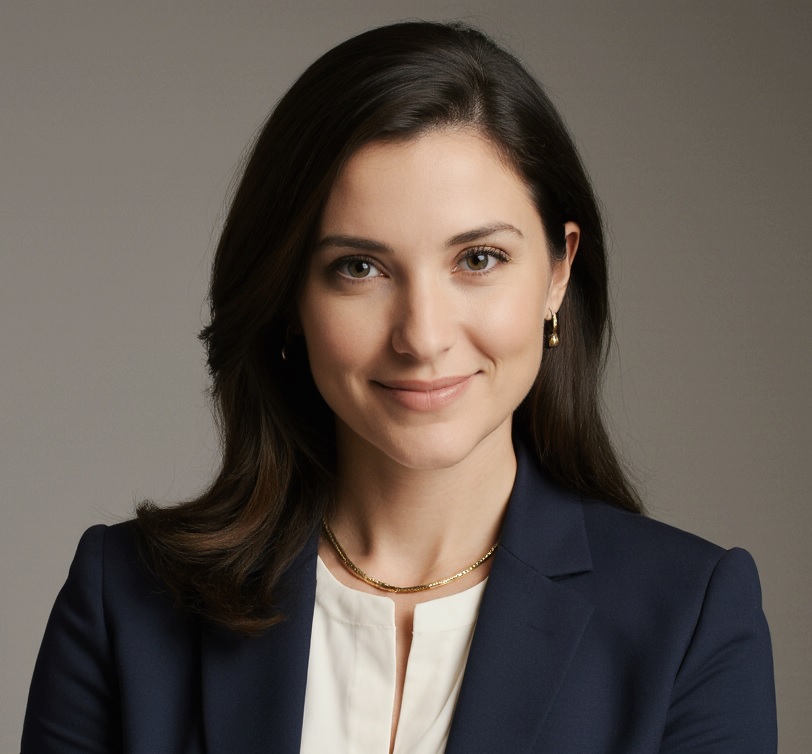
Sophia Gonzalez is an American activist and political analyst focusing on U.S. strategy, Middle East affairs, and global security. A peace and human rights advocate, she writes to challenge interventionism and promote diplomacy. Find her on X (@SophiaGnzlz) or contact her at Gonzalez.initial@gmail.com.

No comments:
Post a Comment