Tuesday, October 17, 2023


In 2020, 30% of the Pantanal was burned to cinders by wildfires


This is one of the findings of a study led by Brazilian scientists and reported in the science journal Fire. The researchers built a model based on images from the SENTINEL-2 satellite and were able to detect burned areas much more accurately

Peer-Reviewed Publication

FUNDAÇÃO DE AMPARO À PESQUISA DO ESTADO DE SÃO PAULO


In 2020, the Pantanal, the largest tropical freshwater wetland in the world and a biodiversity hotspot, was swept by high-intensity fires that destroyed native vegetation in an area totaling 44,998 square kilometers (km²), or about 30% of the Brazilian portion of the biome, which spans some 150,000 km². The estimate is presented in an article published in the science journal Fire.

The area destroyed by that year’s disastrous fires was far larger than had been thought, according to the article. Previous estimates ranged from 14,307 km² to 36,017 km². Led by scientists at the National Space Research Institute (INPE) in Brazil, the study included construction of a model based on satellite images from the European Space Agency’s SENTINEL-2 satellite, which was shown to estimate regional-scale burned areas with significantly greater precision and accuracy than other satellite-based models for the Pantanal.

The approach used in the study achieved 96% accuracy, and the results “will help to improve estimates of trace gases and aerosols associated with biomass burning”, the authors note, adding that “global biomass burning inventories are widely known for having biases at a regional scale”.

The findings highlight the need for approaches that better assess the influence of fire on ecosystems and biodiversity in regions critically sensitive to climate change, such as the Pantanal. Their importance is all the greater in light of the strength of this year’s El Niño, which could make the northern portion of the Pantanal and adjacent areas in the Upper Paraguay Basin drier and more susceptible to fire.

“The results of the study don’t show one model or product to be better than another. Every method has its own strengths and limitations. Estimates tend to vary significantly as a result. However, the images furnished by the MSI [Multispectral Instrument] on board SENTINEL-2  have two positive points: spatial resolution is 20 meters, providing much better detail of burned areas; and temporal resolution, very important to this type of study, is 5 days, compared with a revisit frequency of up to 16 days for the Landsats,” said forest engineer Andeise Cerqueira Dutra, penultimate author of the article and a PhD candidate at INPE’s Earth Observation and Geoinformatics Division (DIOTG), with Yosio Edemir Shimabukuro as thesis advisor.

Shimabukoro is the penultimate author of the article. Dutra, the first author, is supported by FAPESP via two projects (22/01746-5 and 23/02386-5). The last author is Guilherme Augusto Verola Mataveli, also a researcher at DIOTG-INPE.

For Mataveli, it is important to refine this type of analysis and obtain regional-scale estimates in order not only to estimate burned areas more accurately but also to calculate greenhouse gas emissions, which directly affect climate change.

“The 2020 Pantanal fire crisis was caused by an extreme drought. Severe drought will tend to be increasingly frequent there and in other parts of Brazil. Knowing more about the impact of these extreme weather events on the biome and its biodiversity will be more and more important to decisions regarding fire management and fire mitigation programs,” said Mataveli, whose research is also supported by FAPESP (16/02018-219/25701-823/03206-0 and 20/15230-5), partly via the Research Program on Global Climate Change (RPGCC).

“Finding ways to improve these products and generate more accurate data is very important for society. An example is the pilot project launched this year in the Pantanal, also using remote sensing data to identify areas affected by fire and estimate the accumulation of combustible matter. Managers of environmental agencies and firefighters can use these findings to manage fire in an integrated manner, defining priority areas and actions to combat or control fires,” Dutra said.

Consequences

The Pantanal is normally under water in the rainy season, which extends roughly between October and May, and is modulated by the South American Monsoon System (SAMS). The dry season usually begins in June or July. Fires in the region tend to peak in September. However, the pattern changed in 2019, which saw the onset of a prolonged drought that worsened in 2020, when annual precipitation in the Brazilian portion of the Pantanal was the lowest since the 1980s and 26% lower than the 1982–2020 average. As a result, the water surface area shrank 34% compared with the average, the aggregate burned area was 200% more than the long-term average, and 35% burned for the first time on record.

The cost of restoration was estimated at USD 123 million. Researchers estimated that the 2020 wildfires killed some 16 million small animals (under 2 kg) and 944,000 larger animals (read more at: revistapesquisa.fapesp.br/en/pantanal-wildfires-killed-17-million-animals).

The Jaguar (Panthera onca), the largest feline species in the Americas, was especially hard hit. The fires destroyed 45% of the estimated population of P. onca, or some 450 individuals (87% in Brazil), burning 79% of its home range area and 54% of protected areas within that range. Until then, the Pantanal was home to the second-largest population of jaguars in the world.

Another consequence was a rise in the number of people hospitalized for treatment of respiratory problems in the states of Mato Grosso and Mato Grosso do Sul, as shown by a study conducted by Oswaldo Cruz Foundation (Fiocruz), an arm of Brazil’s Health Ministry.

Methodology

The researchers used satellite images from SENTINEL-2 to estimate burned areas in the Brazilian part of the Pantanal in 2020 and compared these with estimates based on MODIS (the Moderate Resolution Imaging Spectroradiometer sensors aboard NASA’s Terra and Aqua satellites) and Landsat imaging. The former (MCD64A1 and Fire_cci) gave estimates of 35,837 km² and 36,017 km² respectively, while the latter (MapBiomas Fogo and GABAM) gave estimates of 23,372 km² and 14,307 km².

The spatial distribution patterns in these maps were visually similar, but the estimates based on SENTINEL-2 imaging detected a larger number of smaller fires, especially in the eastern Pantanal. “The model we developed is available to anyone interested, as is the data collected in the validation exercise. We believe they can help researchers engaged in future projects,” Mataveli said.

“Drought is set to be increasingly frequent, and fire episodes therefore will tend to be more frequent as well, so we expect more collaborative research and a growing supply of data,” Dutra said. “We also expect more field data to be accessible, especially for scientists who work with remote sensing to produce more accurate output.”

Between January 1 and August 23, 2023, 381 fires were detected in the Pantanal, according to data from INPE. In the same period of 2020, there were 8,127, the highest number since 1998 for the biome. Forest fires have intensified this year in the context of heatwaves in Europe and North America, leaving many deaths and ruined neighborhoods in their wake.

About São Paulo Research Foundation (FAPESP)

The São Paulo Research Foundation (FAPESP) is a public institution with the mission of supporting scientific research in all fields of knowledge by awarding scholarships, fellowships and grants to investigators linked with higher education and research institutions in the State of São Paulo, Brazil. FAPESP is aware that the very best research can only be done by working with the best researchers internationally. Therefore, it has established partnerships with funding agencies, higher education, private companies, and research organizations in other countries known for the quality of their research and has been encouraging scientists funded by its grants to further develop their international collaboration. You can learn more about FAPESP at www.fapesp.br/en and visit FAPESP news agency at www.agencia.fapesp.br/en to keep updated with the latest scientific breakthroughs FAPESP helps achieve through its many programs, awards and research centers. You may also subscribe to FAPESP news agency at http://agencia.fapesp.br/subscribe.

INTERNATIONALISM

Beyond borders: engaging high school youth internationally in research-based life sciences learning


Peer-Reviewed Publication

MARY ANN LIEBERT, INC./GENETIC ENGINEERING NEWS

OMICS: A Journal of Integrative Biology 

IMAGE: 

ADDRESSES THE LATEST ADVANCES AT THE INTERSECTION OF POSTGENOMICS MEDICINE, BIOTECHNOLOGY AND GLOBAL SOCIETY, INCLUDING THE INTEGRATION OF MULTI-OMICS KNOWLEDGE, DATA ANALYSES AND MODELING, AND APPLICATIONS OF HIGH-THROUGHPUT APPROACHES TO STUDY COMPLEX BIOLOGICAL AND SOCIETAL PROBLEMS. PUBLIC POLICY, GOVERNANCE AND SOCIETAL ASPECTS OF THE LARGE-SCALE BIOLOGY AND 21ST CENTURY DATA-ENABLED SCIENCES.

view more 

CREDIT: MARY ANN LIEBERT INC., PUBLISHERS


A new article in the peer-reviewed OMICS: A Journal of Integrative Biology emphasizes the feasibility and importance of making research-based learning in life sciences available to high school youth internationally. Click here to read the article now. 

Gayane Ghukasyan, from Yerevan State University, Armenia, and coauthors Vardges Tserunyan, Mher Kurghinyan, and Lusine Hovhannisyan, independent scholars from Yerevan, report on their work on the International Group Project (IGP), which built on the International Biology Olympiad, organized in Yerevan in 2022. The Olympiad is an annual competition for high school students around the world. The IGP research teams comprised 72 high school students from 32 countries who communicated in a digital environment via videoconferencing. Each team formulated a research question and created and presented a poster in-person to the public based on their research. 

Completing the IGP involved forming new collaborations between colleagues with diverse cultural backgrounds and complementary skill sets. The authors formed teams with four students each, ensuring that no team included more than one student from the same country. This was done in order to achieve greater collaboration and intercultural exchange between students. “This would help not only to introduce the students to an accurate reflection of how scientific research operates, but also aid in finding students who show promise as future researchers,” stated the authors. 

“The authors report their work on engaging with high school youth from around the world to expand research-based life sciences education upstream, to a high school stage. The paper has broad relevance to youth education in Omics systems science, integrative biology, and life sciences. The paper also cultivates new ways of thinking, for collective problem-solving across generations in the current era of climate emergency. Collective challenges in life sciences require collective solutions, and the findings in the paper are timely in this regard as well,” says Vural Özdemir, MD, PhD, DABCP, Editor-in-Chief of OMICS.

About the Journal
OMICS: A Journal of Integrative Biology is an authoritative and highly innovative peer-reviewed interdisciplinary journal published monthly online, addressing the latest advances at the intersection of postgenomics medicine, biotechnology and global society, including the integration of multi-omics knowledge, data analyses and modeling, and applications of high-throughput approaches to study complex biological and societal problems. Public policy, governance and societal aspects of the large-scale biology and 21st century data-enabled sciences are also peer-reviewed. Complete tables of content and a sample issue may be viewed on the OMICS: A Journal of Integrative Biology website.

About the Publisher
Mary Ann Liebert, Inc., publishers is known for establishing authoritative peer-reviewed journals in many areas of science and biomedical research. Its biotechnology trade magazine, Genetic Engineering & Biotechnology News (GEN), was the first in its field and is today the industry’s most widely read publication worldwide. A complete list of the firm’s 90 journals, books, and newsmagazines is available on the Mary Ann Liebert, Inc., publishers website.


World may have crossed solar power ‘tipping point’


Peer-Reviewed Publication

UNIVERSITY OF EXETER


The world may have crossed a “tipping point” that will inevitably make solar power our main source of energy, new research suggests.

The study, based on a data-driven model of technology and economics, finds that solar PV (photovoltaics) is likely to become the dominant power source before 2050 – even without support from more ambitious climate policies.

However, it warns four “barriers” could hamper this: creation of stable power grids, financing solar in developing economies, capacity of supply chains, and political resistance from regions that lose jobs.

The researchers say policies resolving these barriers may be more effective than price instruments such as carbon taxes in accelerating the clean energy transition.

The study, led by the University of Exeter and University College London, is part of the Economics of Energy Innovation and System Transition (EEIST) project, funded by the UK Government’s Department for Energy Security and Net Zero and the Children's Investment Fund Foundation (CIFF).

“The recent progress of renewables means that fossil fuel-dominated projections are no longer realistic,” Dr Femke Nijsse, from Exeter’s Global Systems Institute.

“In other words, we have avoided the ‘business as usual’ scenario for the power sector.

“However, older projections often rely on models that see innovation as something happening outside of the economy.

“In reality, there is a virtuous cycle between technologies being deployed and companies learning to do so more cheaply.

“When you include this cycle in projections, you can represent the rapid growth of solar in the past decade and into the future.

“Traditional models also tend to assume the ‘end of learning’ at some point in the near future – when in fact we are still seeing very rapid innovation in solar technology.

“Using three models that track positive feedbacks, we project that solar PV will dominate the global energy mix by the middle of this century.”

However, the researchers warn that solar-dominated electricity systems could become “locked into configurations that are neither resilient nor sustainable, with a reliance on fossil fuel for dispatchable power”.

Instead of trying to bring about the solar transition in itself, governments should focus policies on overcoming the four key “barriers”:

  • Grid resilience: Solar generation is variable (day/night, season, weather) so grids must be designed for this. Dr Nijsse said: “If you don’t put the processes in place to deal with that variability, you could end up having to compensate by burning fossil fuels.” She said methods of building resilience include investing in other renewables such as wind, transmission cables linking different regions, extensive electricity storage and policy to manage demand (such as incentives to charge electric cars at non-peak times). Government subsidies and funding for R&D are important in the early stages of creating a resilient grid, she added.
  • Access to finance: Solar growth will inevitably depend on the availability of finance. At present, low-carbon finance is highly concentrated in high-income countries. Even international funding largely favours middle-income countries, leaving lower-income countries – particularly those in Africa – deficient in solar finance despite the enormous investment potential.
  • Supply chains: A solar-dominated future is likely to be metal- and mineral-intensive. Future demand for “critical minerals” will increase. Electrification and batteries require large-scale raw materials such as lithium and copper. As countries accelerate their decarbonisation efforts, renewable technologies are projected to make up 40% of total mineral demand for copper and rare earth elements, between 60 and 70% for nickel and cobalt, and almost 90% for lithium by 2040.
  • Political opposition: Resistance from declining industries may impact the transition. The pace of the transition depends not only on economic decisions by entrepreneurs, but also on how desirable policy makers consider it. A rapid solar transition may put at risk the livelihood of up to 13 million people worldwide working in fossil fuel industries and dependent industries. Regional economic and industrial development policies can resolve inequity and can mitigate risks posed by resistance from declining industries.

Commenting on the financial barrier, Dr Nadia Ameli from UCL’s Institute for Sustainable Resources, said: “There is a growing belief that, with the dramatic decline in the global average cost of renewables, it will be much easier for the developing world to decarbonise.

“Our study reveals persistent hurdles, especially considering the challenges these nations face in accessing capital under equitable conditions.

“Appropriate finance remains imperative to expedite the global decarbonisation agenda.”

The paper, published in the journal Nature Communications, is entitled: “The momentum of solar energy.”

EEIST’s contributing authors are drawn from a wide range of institutions. For full institutional affiliations see www.eeist.co.uk

The contents of this study represent the views of the authors, and should not be taken to represent the views of the UK government, CIFF or the organisations to which the authors are affiliated, or of any of the sponsoring organisations.

Later this year, during COP28, a research team led by the University of Exeter will publish the first Global Tipping Points Report, the most comprehensive ever assessment of climate tipping points and positive tipping points that could help tackle the climate crisis.


Cracking the code of 2022's unprecedented heatwaves and droughts


Peer-Reviewed Publication

INSTITUTE OF ATMOSPHERIC PHYSICS, CHINESE ACADEMY OF SCIENCES

The cover of the special issue 

IMAGE: 

MONTAGE FEATURING BEIJING'S SUMMER DELUGE OF 2023, THE UK'S SEARING HEATWAVE AND WILDFIRE OF 2022, AND THE ENIGMATIC TIBETAN PLATEAU. THE CLIMATE SCIENCE TO SERVICE PARTNERSHIP (CSSP) BETWEEN CHINA AND THE UK SPANS A WIDE RANGE OF CLIMATE SCIENCE AND INCLUDES OBSERVATIONAL STUDIES, PREDICTABILITY AND CLIMATE DYNAMICS, EXTREMES AND CLIMATE CHANGE AND THE DEVELOPMENT OF CLIMATE MODELS AND CLIMATE SERVICES. ALL OF THESE TOPICS ARE REPRESENTED IN THIS SPECIAL ISSUE.

view more 

CREDIT: ADVANCES IN ATMOSPHERIC SCIENCES


Extreme weather events have been making headlines worldwide due to their increasing frequency and severity, often attributed to ongoing global-scale warming. The year 2022 was no exception, with record-breaking heatwaves and droughts of highly unusual spatial extent, duration, and intensity. A study titled "Understanding and Attribution of Extreme Heat and Drought Events in 2022: Current Situation and Future Challenges" examines these events from a global perspective, shedding light on the causes and implications of these extreme weather phenomena.

The research, conducted by a team of scientists from the Institute of Atmospheric Physics at the Chinese Academy of Sciences, and the Met Office, the UK’s national meteorological service, delves into some of those events of particularly striking impacts that occurred in various parts of the world in 2022. Extreme droughts measured by surface soil moisture covered almost 50% of global land areas in 2022, marking the second most widespread year since 1980. In many places, these droughts were also accompanied by unprecedented heatwaves with hotspots in China’s Yangtze River region, western Europe, the western U.S., the Horn of Africa and central South America. By exploring the potential roles of circulation patterns, oceanic forcing (notably the "triple-dip" La Niña) and anthropogenic climate change, the study reviews potential causes of the events. With the global community increasingly concerned about the impacts of climate change, the study serves as a crucial reference for advancing our understanding, prediction, and attribution of extreme weather events, ultimately working towards a more resilient future.

Lead author Dr. Lixia Zhang from the Institute of Atmospheric Physics at the Chinese Academy of Sciences emphasized the significance of this research, "The extreme heatwaves and droughts of 2022 were unprecedented in their scale and impact. Our study seeks to unravel the complex interplay of factors that led to these events, with the ultimate goal of enhancing our ability to predict and mitigate the consequences of future extreme weather occurrences."

This work was supported through the Climate Science for Service Partnership (CSSP) China project, delivered by the Met Office, the UK’s national meteorological service.

Commenting on the study, Met Office scientist Robin Clark, one of the co-authors, says: “What happened in 2022, and indeed, in other recent years, really does appear to be a foretaste of what is likely to become increasingly common in coming years and decades as climate change starts taking hold.”.

The study, along with many others, is published in Advances in Atmospheric Sciences, as part of a special issue on the Climate Science for Service Partnership (CSSP) China project, released on October 14.

Global extreme hot and drought events in 2022 selected to review in the study.

CREDIT

Lixia Zhang


Harnessing molecular power: electricity generation on the nanoscale


There is power in numbers when generating electricity from the movement of molecules

Peer-Reviewed Publication

AMERICAN INSTITUTE OF PHYSICS

Electricity-generating mechanism of the molecular thermal motion harvester 

IMAGE: 

ELECTRICITY-GENERATING MECHANISM OF THE MOLECULAR THERMAL MOTION HARVESTER (MTMH).

view more 

CREDIT: YUCHENG LUAN AND WEI LI


WASHINGTON, Oct. 17, 2023 – Wave energy technology is a proven source of power generation, but there is power inherent in every molecule of liquid on earth, even when the liquid is at rest. At the molecular scale, atoms and ions are always moving. If this nanoscale movement can be harvested, it could be a big source of energy.

“There are vast amounts of air and liquid on the earth, and their successful harvesting could produce a gigantic amount of energy for society,” author Yucheng Luan said.

In an article published this week in APL Materials, by AIP Publishing, Luan and his collaborators tested a molecular energy harvesting device that captures the energy from the natural motion of molecules in a liquid. Their work showed molecular motion can be used to generate a stable electric current.

To create the device, the researchers submerged nanoarrays of piezoelectric material in liquid, allowing the movement of the liquid to move the strands like seaweed waving in the ocean, except in this case the movement is on the invisible, molecular scale, and the strands are made of zinc oxide. The zinc oxide material was chosen for its piezoelectric properties, which means that when it waves, bends, or deforms under motion, it generates electric potential.

“As a well-studied piezoelectric material, zinc oxide can be easily synthesized into various nanostructures, including nanowhiskers,” Luan said. “A nanowhisker is a neat and orderly structure of many nanowires, similar to the bristles on a toothbrush.”

Their energy harvesters could be used to power nanotechnologies like implantable medical devices, or they could be scaled to full-size generators and kilowatt-scale energy production. One key design feature of the device is that it doesn’t rely on any external forces, which increases its potential as a game-changing clean energy source.

“Molecular thermal motion harvester devices do not need any external stimulation, which is a big advantage compared with other energy harvesters,” Luan said. “At present, electrical energy is mainly obtained by external energy, such as wind energy, hydroelectric energy, solar energy, and others. This work opens up the possibility of generating electrical energy through the molecular thermal motion of liquids, from the internal energy of the physical system that is essentially different from ordinary mechanical motion.”

The authors are already working on the next phase of their design to improve the energy density of the device by testing different liquids, high-performing piezoelectric materials, and new device architectures and by enlarging the device.

“We believe this novel kind of system will become an indispensable way for human beings to obtain electrical energy in the near future.”

###

The article “Molecular thermal motion harvester for electricity conversion” is authored by Yucheng Luan, Fengwei Huo, Mengshi Lu, Wei Li, and Tonghao Wu. It will appear in APL Materials on Oct. 17, 2023 (DOI: 10.1063/5.0169055). After that date, it can be accessed at https://doi.org/10.1063/5.0169055.

ABOUT THE JOURNAL

APL Materials is an open access journal that features original research on significant topical issues within all areas of materials science. See https://pubs.aip.org/aip/apm.

###


Decontamination method zaps pollutants from soil


Rice researchers help create rapid high-temperature process that removes heavy metals, organic contaminants

Peer-Reviewed Publication

RICE UNIVERSITY

researchers 

IMAGE: 

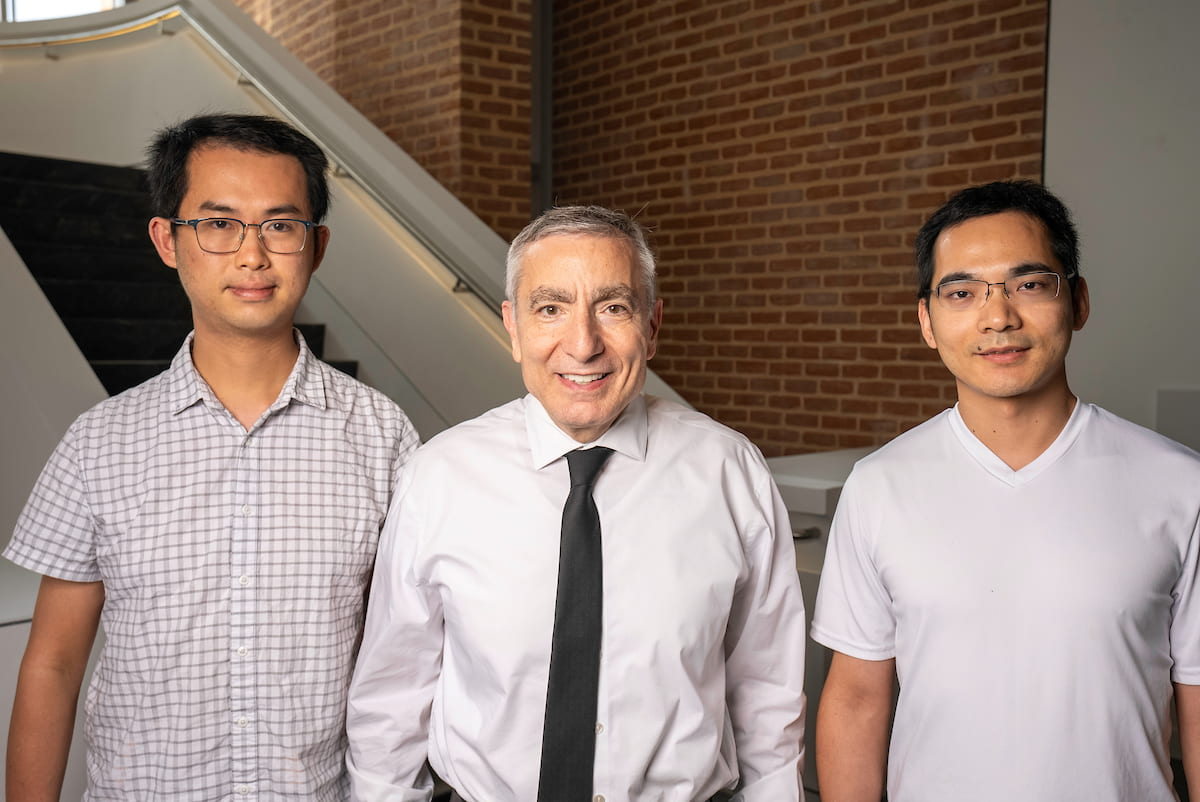
YI CHENG (FROM LEFT), JAMES TOUR AND BING DENG


view more 

CREDIT: (PHOTO BY GUSTAVO RASKOSKY/RICE UNIVERSITY)


HOUSTON – (Oct. 17, 2023) – Filtration systems are designed to capture multiple harmful substances from water or air simultaneously, but pollutants in soil can only be tackled individually or a few at a time ⎯ at least for now.

A method developed by Rice University scientists and collaborators at the United States Army Engineer Research and Development Center (ERDC) could help turn soil remediation processes from piecemeal to wholesale.

A team of Rice scientists led by chemist James Tour and researchers from the geotechnical structures and environmental engineering branches of the ERDC showed that mixing polluted soil with nontoxic, carbon-rich compounds that propel electrical current, such as biochar, then zapping the mix with short bursts of electricity flushes out both organic pollutants and heavy metals without using water or generating waste.

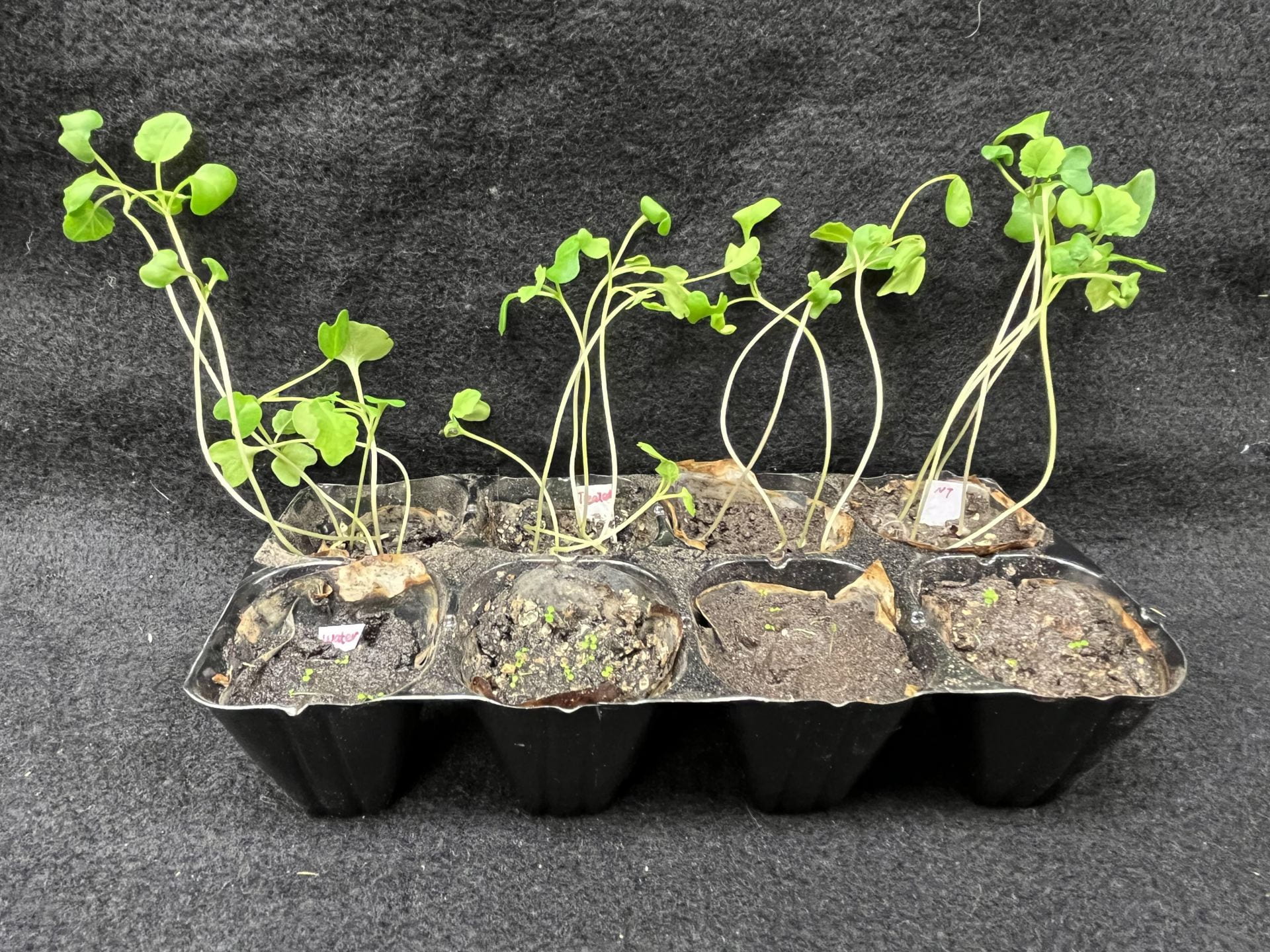
According to a study published in Nature Communications, the electrical pulses bring soil temperature up to 1000-3000 degrees Celsius as needed (1832-5432 Fahrenheit) in seconds, turning organic contaminants into nontoxic graphite minerals and toxic heavy metals into vapor collected via extraction pipes. Moreover, the process is beneficial to soil fertility, with experiments showing germination rates improve by 20-30% in remediated soil.

“Our high-temperature electrothermal process can remove multiple pollutants simultaneously,” said lead author Bing Deng, a postdoctoral research associate in the Tour lab. “This newly established method, which we called high-temperature electrothermal process (HET), is based on the flash Joule heating technique we developed a few years ago. It is the first time that direct electric heating has been used for soil remediation.”

Heavy metals like lead, arsenic, zinc, cobalt, copper, mercury and nickel and organic contaminants like pesticides and microplastics are the main pollutants in soil. In addition to anthropogenic activities, natural events like earthquakes and flooding can also drive soil contamination: Toxic ash released by wildfires like the ones that devastated Hawaii in August or any potential industrial waste released by thawing permafrost in the Arctic could contaminate vast areas of soil, calling for large-scale decontamination protocols.

However, current methods of removing pollutants from soil are time-consuming, costly and logistically challenging. Some decontamination techniques, such as surfactant leaching, also generate secondary waste streams and use up significant amounts of water and/or electricity. Finding better ways to decontaminate soil is critical for improved disaster readiness, making it a national security priority, Deng said.

“This method is ultrafast, which can be really useful in addressing emergency situations,” Deng added.

“Soil remediation technologies normally target only one or two heavy metals at a time, and often they’re not very successful or function at a much slower rate than electrothermal heating,” said Mine Ucak-Astarlioglu, an ERDC research chemist. “This method is very rapid, water-free and handles multiple pollutants in soil. Flash Joule heating is an incredibly promising technique in critical metals recovery from waste and heavy metals removal for remediation.”

Chris Griggs, an ERDC senior research physical scientist, said that, currently, polluted soil can either be dug up and hauled away from populated sites ⎯ an option he calls a “logistical nightmare” ⎯ or it can be treated on site to prevent toxic elements from migrating into the surrounding air, water or food supply.

“Certain contaminants might be fine ⎯ they’re not going to move. Other ones might migrate to groundwater and drinking water sources. Some could end up tainting crops, where you could have toxic heavy metals being drawn up through the roots of plants, etc.,” Griggs said. “Being able to regenerate the soil and put it right back where it was, that’s a huge advantage over existing technologies that are out there.”

A surprising effect of the rapid high-temperature treatment is that it leaves soil particle size and overall mineral composition relatively unchanged. In fact, the process improves the water infiltration rate and increases the pool of available nutrients, making the soil more fertile.

“It was surprising to us that we do not damage the soil in the process,” said Tour, Rice’s T.T. and W.F. Chao Professor of Chemistry and a professor of materials science and nanoengineering. “Plants actually like it more, because of the minerals that get freed up in the thermal cycling.”

Yi Cheng, a Rice postdoctoral researcher and lead co-author who helped with the characterization of soil properties, said the process works equally well on wet soil.

“Our process is economical and environmentally friendly,” Cheng added.

The study includes a lifecycle analysis that shows the process is scalable and promises to be more energy-efficient and cost-effective than traditional soil remediation practices like soil washing or thermal desorption.

“We developed two implementation models for both off- and on-site deployment, and we are looking forward to taking this process to the next stage ⎯ field testing,” Deng said.

The collaboration between Rice and ERDC could help the technology transition from the proof-of-concept stage to real-world practice.

“When it comes to the techno-economics and scalability of the process, we can lift a little bit heavier and go a little bit bigger than a university could, but the discovery side of research is where universities excel,” Griggs said. “It’s a good partnership.”

“It’s a technical partnership, an educational partnership, and it also provides job opportunities,” Ucak-Astarlioglu said. “It’s a win-win situation for all university partners involved.”

Rice alumnus Robert Carter is also a lead co-author on the study. Other authors include Rice graduate students Lucas Eddy and Debadrita Jana; postdoctoral researchers Yuan Liu and Shichen Xu; research scientists Xiaodong Gao and Carter Kittrell; undergraduate student Khalil JeBailey; Rice doctoral alumni Duy Xuan Luong and Kevin WyssMark Torres, assistant professor of Earth, environmental and planetary sciences; and Janet Braam, professor of biosciences and associate dean for strategic initiatives.

The research was supported by the Air Force Office of Scientific Research (FA9550-22-1-0526), U.S. Army Engineer Research and Development Center (W912HZ-21-2-0050) and Rice’s Stauffer-Rothwell Scholarship and Shared Equipment Authority.

-30- 


This release can be found online at news.rice.edu.

Follow Rice News and Media Relations via Twitter @RiceUNews.

Peer-reviewed paper:

“High-temperature electrothermal remediation of multi-pollutants in soil” | Nature Communications | DOI: 10.1038/s41467-023-41898-z

Authors: Bing Deng, Robert A. Carter, Yi Cheng, Yuan Liu, Lucas Eddy, Kevin M. Wyss, Mine G. Ucak-Astarlioglu, Duy Xuan Luong, Xiaodong Gao, Khalil JeBailey, Carter Kittrell, Shichen Xu, Debadrita Jana, Mark Albert Torres, Janet Braam and James M. Tour

https://www.nature.com/articles/s41467-023-41898-z

Image downloads:

https://news-network.rice.edu/news/files/2023/10/230901_Dr-Tour-Lab_Gustavo-08835.jpg
CAPTION: Yi Cheng (from left), James Tour and Bing Deng (Photo by Gustavo Raskosky/Rice University)

https://news-network.rice.edu/news/files/2023/10/RC-picture.jpg
CAPTION: Robert Carter (Image courtesy of Robert Carter)

https://news-network.rice.edu/news/files/2023/10/Ucak-Astarlioglu-Mine.jpg
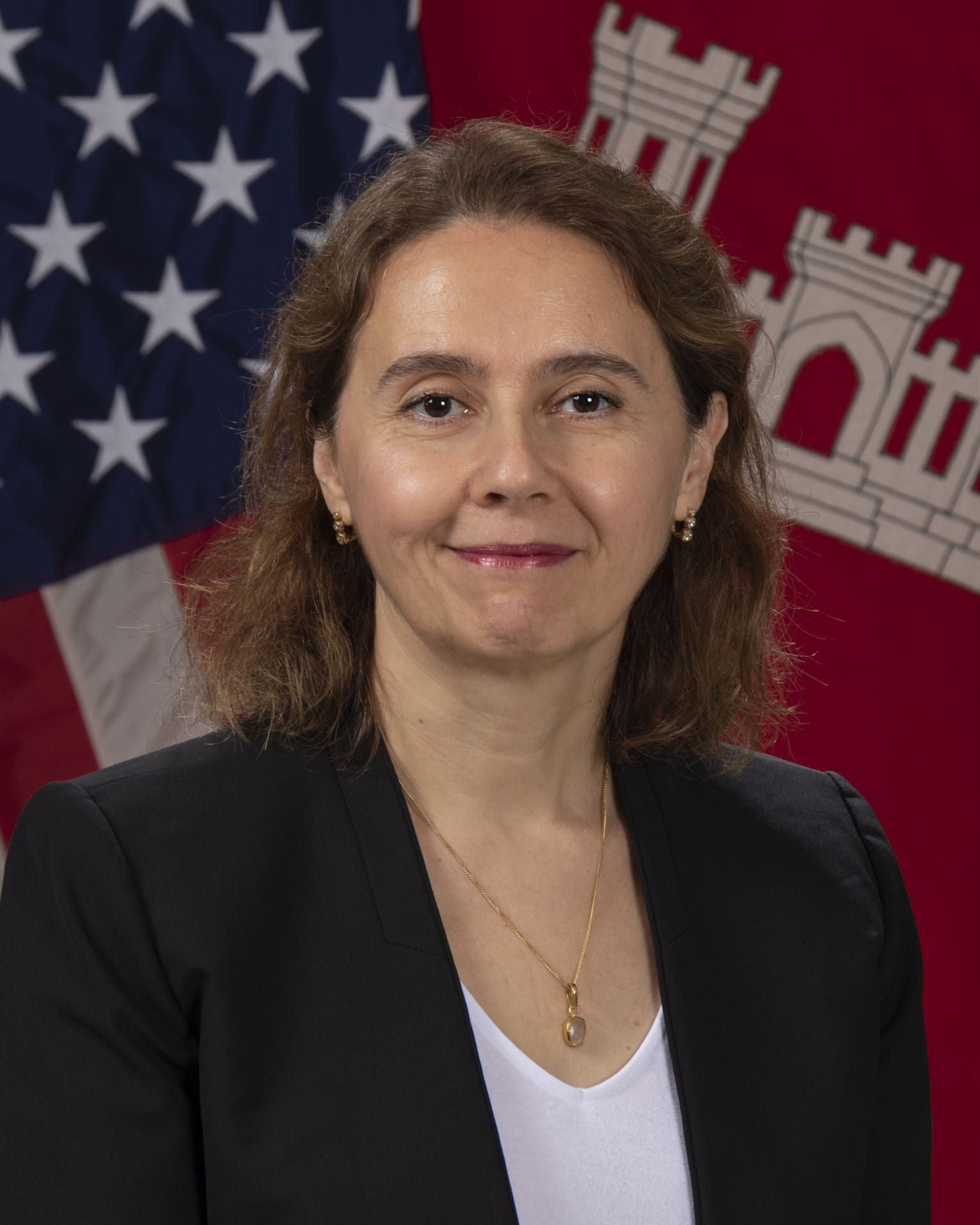
CAPTION: Mine Ucak-Astarlioglu is a research chemist with the geotechnical structures branch of the U.S. Army Engineer Research and Development Center. (Photo courtesy of Mine Ucak-Astarlioglu)

https://news-network.rice.edu/news/files/2023/10/soil-NatComms-germinationLG-1.jpg
CAPTION: The high-temperature electrothermal process is beneficial to soil fertility, with experiments showing germination rates improve by 20-30% in remediated soil. (Image courtesy of Tour lab/Rice University)

Related stories:

It’s easier to get valuable metals from battery waste if you ‘flash’ it:
https://news.rice.edu/news/2023/its-easier-get-valuable-metals-battery-waste-if-you-flash-it#:~:text=%E2%80%9CA%20lot%20of%20current%20battery,only%20low%2Dconcentration%20hydrochloric%20acid.

Making hydrogen from waste plastic could pay for itself:
https://news.rice.edu/news/2023/making-hydrogen-waste-plastic-could-pay-itself

Bending 2D nanomaterial could ‘switch on’ future technologies:
https://news.rice.edu/news/2023/bending-2d-nanomaterial-could-switch-future-technologies

Potential for profits gives Rice lab’s plastic waste project promise:
https://news.rice.edu/news/2023/potential-profits-gives-rice-labs-plastic-waste-project-promise

Cars could get a ‘flashy’ upgrade:
https://news.rice.edu/news/2022/cars-could-get-flashy-upgrade

Rice flashes new life into lithium-ion anodes:
https://news.rice.edu/news/2022/rice-flashes-new-life-lithium-ion-anodes

Brushing thin films onto electrodes preserves batteries:
https://news.rice.edu/news/2022/brushing-thin-films-electrodes-preserves-batteries

Links:

Tour lab: https://www.jmtour.com/
Braam lab: http://www.bioc.rice.edu/~braam/
Department of Biosciences: https://biosciences.rice.edu/
Department of Chemistry: https://chemistry.rice.edu/
Department of Earth, Environmental and Planetary Sciences: https://eeps.rice.edu/
Department of Materials Science and NanoEngineering: msne.rice.edu
George R. Brown School of Engineering: https://engineering.rice.edu
Wiess School of Natural Sciences: https://naturalsciences.rice.edu/

Located on a 300-acre forested campus in Houston, Rice University is consistently ranked among the nation’s top 20 universities by U.S. News & World Report. Rice has highly respected schools of Architecture, Business, Continuing Studies, Engineering, Humanities, Music, Natural Sciences and Social Sciences and is home to the Baker Institute for Public Policy. With 4,552 undergraduates and 3,998 graduate students, Rice’s undergraduate student-to-faculty ratio is just under 6-to-1. Its residential college system builds close-knit communities and lifelong friendships, just one reason why Rice is ranked No. 1 for lots of race/class interaction and No. 4 for quality of life by the Princeton Review. Rice is also rated as a best value among private universities by Kiplinger’s Personal Finance.