Friday, April 11, 2025


Peabody Energy reviewing options related to deal with Anglo American
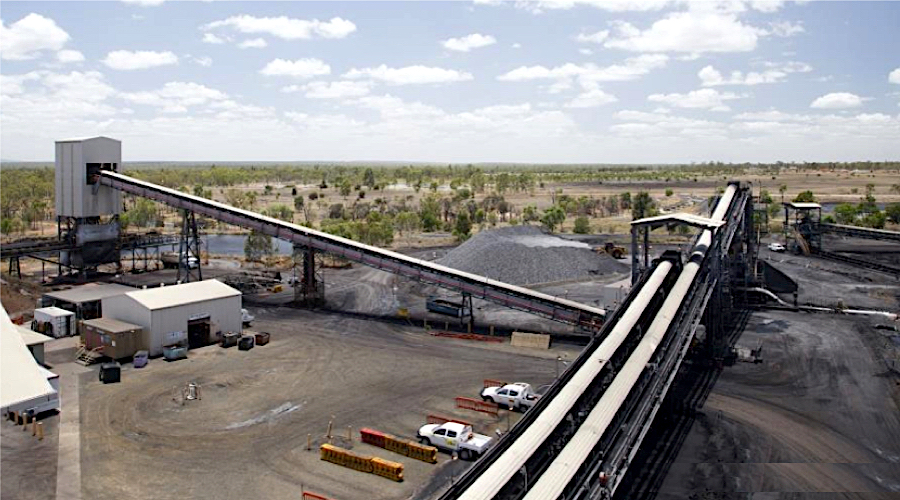


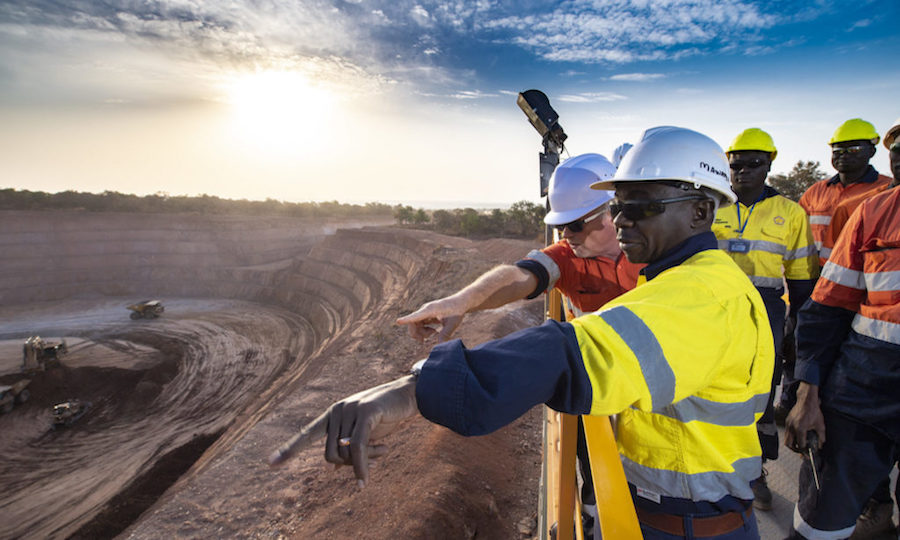
Moranbah North is an underground longwall coal mine which began operating in 1998. (Image from Anglo American’s presentation.)

Peabody Energy is reviewing all options related to its $3.78 billion acquisition agreement with Anglo American for some of its Australian steelmaking coal assets after a fire halted production at a mine included in the deal.

The deal was signed last year and expected to close in mid-2025.

Production at Anglo American’s Moranbah North coal mine – located in the Bowen basin in Queensland, Australia – was suspended after an underground fire broke out at the mine last week.

Peabody said on Tuesday it was in conversation with Anglo American to better understand the impacts of the event and would preserve all rights and protections under its purchase agreements.

Anglo American said it was providing information to Peabody on the suspension at Moranbah North.

“At the mine, conditions remain stable as we progress with developing our staged re-entry management plan and risk assessment,” it said in an emailed statement on Wednesday.

US-based coal producer Peabody said it had engaged in preliminary discussions with potential investors regarding permanent financing for the acquisition.

Peabody’s deal for Anglo American’s assets included an upfront payment of $2.05 billion at completion, deferred cash consideration of $725 million and another potential $550 million. It also included a contingent cash consideration of $450 million linked to the reopening of the Grosvenor mine, after another fire broke out there in June, ahead of the acquisition.

Anglo American’s Peabody deal was its first major divestment in a wider restructuring plan. The London-listed company, which last year fended off a $49 billion takeover bid from the world’s biggest miner BHP Group, has agreed to sell its nickel and coal assets and is in the process of divesting platinum and diamonds to focus on copper and iron ore.

(By Clara Denina and Vallari Srivastava; Editing by Shinjini Ganguli and Jane Merriman)


Mali state gold mining revenue jumps 52.5% in 2024


Resolute Gold’s Syama gold mine(Image courtesy of Resolute Mining.)

State revenue from gold mining companies in Mali jumped by 52.5% last year, helped by an increase in tax collection and dividend payments after a new mining code entered into force, a mines ministry document seen by Reuters on Wednesday showed.

Mali is one of Africa’s biggest gold producers and is home to mining companies including Barrick Gold, B2GOLD, Resolute Mining, Endeavour Mining and Hummingbird Resources.

The revenue paid by mining companies to the Treasury rose to 835.1 billion CFA francs ($1.40 billion) last year from 547.6 billion CFA francs in 2023, according to the document shared with Reuters.

In 2023, Mali adopted a new mining code that allowed the state to increase its stake in gold concessions and remove tax exemptions for mining companies during their exploitation phase.

According to the ministry, the increase in revenue in 2024 was mainly due to the introduction of higher taxation by the new code.

The rise in state revenue comes despite a 23% plunge in industrial gold production in Mali in 2024.

Barrick Gold, Mali’s largest gold producer, suspended operations at its Loulo-Gounkoto complex in mid-January 2025 after the military-led government seized three metric tons of its gold reserves. The government had been blocking exports from the complex since early November.

A separate mines ministry document seen by Reuters in March showed that the government forecast a slight recovery in gold output this year. But its estimates were based on the assumption that Barrick would resume operations in March, which it did not.

Operations at Loulo-Gounkoto remain suspended.

($1 = 595.5000 CFA francs)

(By Tiemoko Diallo; Editing by Anait Miridzhanian, Portia Crowe and Barbara Lewis)

Op-Ed: Why pause in US anti-corruption enforcement will hurt mining firms, not help them


Reuters | April 9, 2025 | 


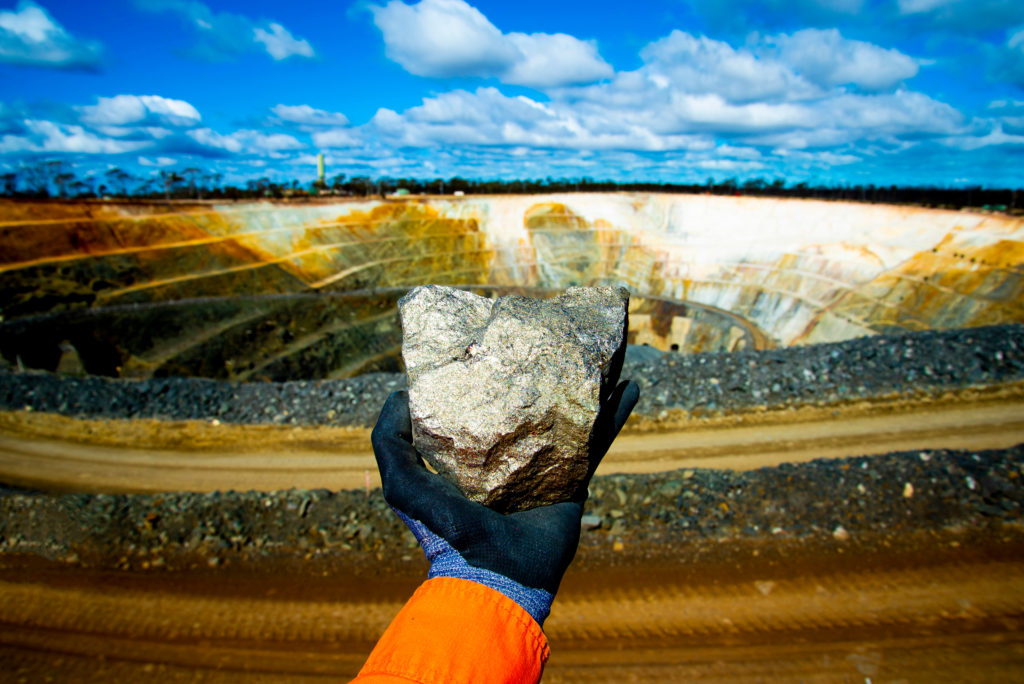
Massive sulfide nickel ore rock. (Stock image)

(Opinions expressed herein are those of the authors, Rohitesh Dhawan and Suneeta Kaimal)


Corruption doesn’t level the playing field, it rigs it. It substitutes ethical practice for undeserved advantage, rewarding the unscrupulous over the responsible. Nowhere are the stakes higher than in the mining industry, with its inherent connections to people and the land and its significant potential for wealth and benefit generation, or conversely, for harm.

That is why the White House’s recent decision to pause enforcement of the Foreign Corrupt Practices Act (FCPA) is so concerning. The act bans the bribing of foreign officials to obtain or retain business and applies to companies and individuals worldwide, not just in the US.

Its jurisdiction extends to firms whose only link to the United States is a bank account; companies headquartered in Europe and Asia have paid six of the top 10 biggest-ever penalties in FCPA cases. It is legislation that has actively deterred corruption on a global scale, supporting big-ticket prosecutions in countries as diverse as Switzerland, Nigeria and Brazil. Petrobras, for example, the Brazilian state-run oil company, agreed to pay a combined total of $853.2 million in penalties in 2018.

The stated goal of helping American companies “gain strategic business advantage … in critical minerals” by pausing FCPA actions could instead add major costs for mining companies.

Alongside the ethical practices that are supported by internal controls, the FCPA is another reason mining companies can point to for refusing demands to pay bribes.

Now that this tool has been weakened, mining firms could become easier targets for bribery demands – perhaps even more so than firms from other countries, where anti-bribery laws still act as a deterrent.

Consistent application of strong anti-corruption practices is an important guard against irresponsible behaviour in the increasingly fierce competition for resources in low- and middle-income countries.

Levelling the playing field to the lowest standard of practice isn’t an efficiency hack. Decades of research on bribery show it does not help governments or companies dominate markets or win more deals. Instead, it’s a destabilizing force that drives up costs, slows down production, delays projects and wreaks havoc with employee and community relations.

Recent analysis of mining sector trends by the Natural Resource Governance Institute (NRGI) indicates that in case after case, the fruits of foreign bribery have been chaos, surprise costs and delays due to lawsuits and arbitrations, political infighting, community protests and worker strikes. These battles have kept mines closed for years, even decades. Elsewhere, when unqualified companies won mining rights through political corruption, the hard work of extraction simply never started.

Any initial “advantage” from corruption can also backfire over time. Mining firms that resort to bribes can be sent packing when controversy erupts or the host government changes hands. A high-profile case in West Africa saw a company stripped of its mining rights after a new government uncovered evidence of bribery, triggering years of legal disputes and leaving one of the world’s richest untapped deposits in limbo.

The implication is clear: in the race for critical minerals, and the clean energy future they support, bribery is not a guaranteed foot on the accelerator. Often, it’s the brakes.

But the true cost of corruption isn’t counted in dollars or deals; it’s the impact on people and the planet. Bad actors have used corruption to pave the way for polluted water supplies in Guinea and Spain, deforestation in Indonesia, illegal logging in the Amazon, the destruction of coral reefs in the Solomons and child labour in Zimbabwe.

To pretend that this is the necessary cost of doing business is wrong. These tragedies cannot be dismissed – and responsible mining companies do not treat them as collateral damage in pursuit of corporate advantage.

Trust, built through transparency and accountability, is what will give mining companies the foundation to operate responsibly, engage fairly with host governments and earn social license from local communities.

Members of the International Council on Mining and Metals (ICMM) – an association of the world’s leading mining companies – understand this. That’s why they are committed to stringent governance, anti-corruption and transparency standards. Not just because it is the right thing to do, but because it makes business sense, too. That must endure far beyond political or economic cycles.

** Rohitesh Dhawan is the president and chief executive officer of the International Council on Mining and Metals (ICMM)

** Suneeta Kaimal is the president and chief executive officer of the Natural Resource Governance Institute (NRGI),

Trump says he does not want to see US Steel go to Japan

Reuters | April 9, 2025 


Credit: US Steel


US President Donald Trump said on Wednesday he does not want US Steel Corp to go to Japan, suggesting he does not support Nippon Steel’s $14 billion bid for the American steel producer.


The comment appeared to contradict recent actions by the Trump administration. On Monday, Trump directed a national security panel to take a fresh look at Nippon Steel’s all-cash bid for US Steel to help determine if “further action” is appropriate, raising hopes the deal could gain an elusive green light.

Following Trump’s latest comment, shares of US Steel fell as much as 14% to $38.57 in after hours trading before recovering slightly. They remained well below Nippon Steel’s $55 a share offer price.

“We don’t want to see it go to Japan,” Trump said, adding “We love Japan.”

“We don’t want it to go to Japan or any other place, and we’re working with them,” Trump said.

US Steel and Nippon Steel did not immediately respond to requests for comment.

The comment shows the future of the deal remains uncertain given sudden changes in thinking at the White House.

White House officials gave no details about Trump’s comments or whether they contradicted Monday’s action. “Everything’s always on the table with the president,” one official said.

Outgoing President Joe Biden had blocked the merger in January on national security grounds.

After Biden’s decision, the two companies sued the Committee on Foreign Investment in the United States (CFIUS), which scrutinizes foreign investments for national security risks, alleging Biden had prejudiced the committee’s decision and violated the companies’ right to a fair review.

The deal was announced in December 2023 and almost immediately ran into opposition across the political spectrum ahead of the November 5 US presidential election. Both then-candidates Trump and Biden vowed to block the purchase of the storied American company.

The companies had argued that Biden opposed the deal when he was running for reelection to win support from the United Steelworkers union in the battleground state of Pennsylvania, where US Steel is headquartered. The Biden administration had defended the review as essential to protecting security, infrastructure, and supply chains.

Last month, the Trump administration filed a motion to extend two deadlines in the lawsuit to give the government more time to wrap up merger talks with the firms.

Late on Monday, the Trump administration and the companies asked an appeals court to pause their litigation until June 5 while CFIUS reviews the tie-up again, noting that the process has the potential to “fully resolve” the companies’ claims.

(By Andrea Shalal; Editing by Scott Malone, Bill Berkrot and Jamie Freed)


Activist Ancora drops US Steel campaign after Trump orders review of Nippon Steel bid

Reuters | April 9, 2025 


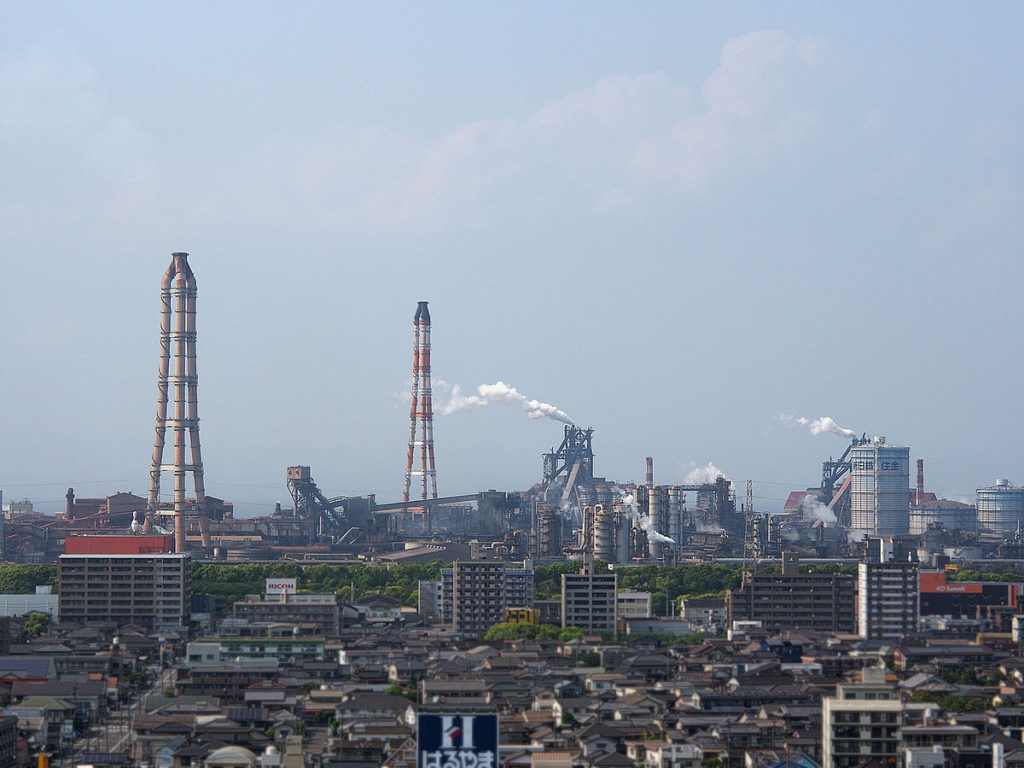
Nippon Steel plant. Source: Wikimedia Commons


Investment firm Ancora Holdings on Wednesday walked away from a bitter board room fight with US Steel, days after President Donald Trump signalled the iconic American company might be taken over by a Japanese rival after all.


Ancora, which owns roughly 1% of US Steel, in January mounted a proxy fight to oust the steelmaker’s chief executive officer after former President Joe Biden’s administration blocked a planned sale to Japan’s Nippon Steel.


Amid fresh signs this week that the sale may be resurrected, Ancora took the highly unusual step of withdrawing its nine director candidates thus scrapping one of the year’s most closely watched corporate fights.

“Ancora always wants fellow stockholders and stakeholders to benefit from the best outcomes, which in this case is the seemingly probable closing of the $55 per share transaction,” the investment firm said in a statement on Wednesday.

US Steel’s stock price was mostly flat, trading close to $44 a share. In the last five days it climbed nearly 9% even as the broader market tumbled on fears that global businesses will suffer from Trump’s tariffs.

From the start, Ancora said it wanted to help engineer a turnaround for US Steel, currently valued at roughly $10 billion, and came in only after news that the planned deal with Nippon was dead. It signalled to other shareholders that it was in favour of the deal but that in the absence of a sale it had plans to replace the CEO with Alan Kestenbaum, a former CEO of Canadian steel company Stelco.

But with Trump’s decision to have the US conduct a new review of the deal, Ancora and other investors changed their view on whether the deal might go through.

Trump on Monday directed the Committee on Foreign Investment in the United States, which scrutinizes foreign investments for national security risks, to review Nippon’s bid for US Steel to help determine if “further action” was appropriate.

A person familiar with Ancora’s thinking said the investment firm began contemplating ways to end its fight on Monday after the CFIUS decision, Following phone calls with other investors whose support would be necessary to win any board seats, the writing was on the wall. The biggest investors made clear they would not back Ancora’s fight and it was time to bow out, both not to be a distraction to a possible deal and to preserve the firm’s reputation, the person said.

Ancora has taken on a number of big companies and won board seats. Earlier this year, auto-parts company LKQ handed two board seats to the investor and a year ago Norfolk Southern shareholders elected three Ancora nominated directors to the railroad’s board. Late last year, Norfolk Southern pledged to work with Ancora to add a new director to avoid another fight with the firm.

Even for Trump, the move on US Steel marked a shift. He had previously opposed Nippon’s pursuit to buy the 123-year-old steelmaker as he pledged to radically limit foreign access to domestic markets to ensure the supply chain for essential goods would be 100% American.

(By Svea Herbst-Bayliss, Rishabh Jaiswal, Mrinmay Dey, Utkarsh Shetti and Aatreyee Dasgupta; Editing by Alan Barona and David Gregorio)

One in 10 Brazilian mines may be abandoned, study finds


Reuters | April 9, 2025 

Stock image.


Brazil has 3,943 mining sites showing signs of abandonment, or 11% of the country’s authorized operations, according to a new study by think tank Instituto Escolhas, highlighting social and environmental risks posed by miners flouting regulations.


Based on data from the National Mining Agency (ANM), the study points to threats such as deforested areas left unrestored, contamination of soil and water, and the physical instability of abandoned mines.
An internal ANM document obtained by Reuters and cited in the study acknowledges the agency’s lack of data and oversight on areas that mine operators should be restoring.

“There is total lack of control over the number of potentially abandoned mines, the size of areas requiring restoration, and the severity of degradation and damage caused,” stated the ANM document, which was dated November 2024 and signed by the head of a task force to update regulations.

The ANM did not respond to a request for comment.

The Brazilian Mining Association (IBRAM) declined to comment before reviewing the study.

Brazil is a major producer of iron ore, and also mines gold and nickel.

Instituto Escolhas noted that under Brazilian law, companies are responsible for restoring areas degraded by mining activity. However, the study flagged gaps in enforcement, including a lack of ANM inspectors.

Larissa Rodrigues, the institute’s director of research, said miners should be required to provide financial guarantees of their ability to restore areas before receiving permits.

The names of the mining companies involved were not disclosed by the agency and did not appear in the study.

(By Ricardo Brito, Marta Nogueira and Marcela Ayres; Editing by Brad Haynes and Rod Nickel)


Chilean mining regulator investigates worker death at KGHM copper mine


Sierra Gorda open pit mine.(Image courtesy of KGHM)

Chilean mining regulator Sernageomin is investigating the death of a contract worker at a plant at Poland’s KGHM’s Sierra Gorda copper mine in Chile, the agency’s chief told Reuters on Thursday.

Patricio Aguilera, head of Sernageomin, said that the contractor, TeamWork, was working on the concentrator when the incident occurred.

“When the company reported the incident, an emergency team immediately went to the area to begin the investigation. It began yesterday (Wednesday), and today the PDI (Investigative Police) and the Ministry of Labor and Health are working together,” Aguilera said.

Following the accident, work at the plant was halted to facilitate the investigation, he added.

(By Fabián Andrés Cambero; Editing by Alexander Villegas and Chizu Nomiyama)


Zimbabwe debt woes grow as state mining firm faces asset seizure

Bloomberg News | April 10, 2025 |


Most of the diamond fields are in Marange in eastern Zimbabwe, where production is dominated by the state-owned Zimbabwe Consolidated Diamond Company (ZCD). (Image: Screenshot from VOA News via YouTube.)

A state-owned Zimbabwean mining firm is trying to protect assets that risk being seized because the country failed to honor a debt incurred when it lost an international arbitration case over canceled nickel and platinum ventures.


The Zimbabwe Mining Development Corp. has asked the Mines Ministry for a resolution to a longstanding dispute with a unit of Amaplat Mauritius Ltd. that is laying claim to the assets, a letter written by the company’s chairman Paul Chimboza to Mines Minister Winston Chitando shows.

Chimboza confirmed the veracity of the letter, which has been seen by Bloomberg, but declined to comment further, referring queries to the ministry.

The $93 million owed by ZMDC is among a litany of creditor woes confronting state entities in Zimbabwe. The government is more than $21 billion in debt and locked out of international capital markets after defaulting on payments owed to institutions including the World Bank and European Investment Bank.

“The corporation has on many occasions requested that the Amari debt be assumed by the state,” Chimboza wrote in reference to ZMDC’s standoff with the Amaplat unit. ZMDC, which the Treasury indicated should address the matter using internal resources, has few assets of its own as they have mostly been transferred to a new state company known as Defold Mine Ltd.

Zimbabwe’s case against Amaplat was heard by the International Chamber of Commerce’s arbitration court in a sitting in Zambia in 2014, and the tribunal ruled in the company’s favor. Zambia’s High Court granted Amaplat leave to enforce the arbitration ruling in 2019.

Two years later, the company made a proposal to the country’s finance ministry for the settlement of the debt, which amounted to $65.9 million at the time. That was acceded to with the understanding that ZMDC would make the payments.

ZMDC suggested that Bravura, a company owned by Nigerian businessman Benedict Peters, pay Amaplat $15 million as part of the agreement. Bravura, which received platinum concessions, however only paid $3 million to the mines ministry, Chimboza said, and the remaining terms of the settlement, including the transfer of mining assets to Amaplat, haven’t been met.

Bravura officials weren’t available for comment, said a person who answered their phone at offices in Zimbabwe’s capital, Harare.

“It is not for Amari and Amaplat to determine how the government of Zimbabwe sources funds for payment for its public debt,” Amaplat said in a response to queries. “As the ICC award is against a Zimbabwe government parastatal and the commissioner of a government ministry, the ZMDC and the Chief Mining Commissioner of the Ministry Mines, the public debt remains the responsibility of the government of Zimbabwe for the full amount.”

Secretary for Mines Pfungwa Kunaka said he was traveling and didn’t respond to questions on how the dispute would be handled.

More legal trouble may lie ahead for Zimbabwe as Amaplats plans to register its award in Canada, after doing the same in the US at the end of last year. A hearing in Canada is set for June 30, Chimboza said in the letter.

Zimbabwean diamonds, due to be sold in Brussels, were temporarily seized in relation to the dispute in 2014.

The continuous engagement of external lawyers is costly with more than $500,000 spent by ZMDC and the ministry in engaging legal representation, Chimboza said.

(By Godfrey Marawanyika and Ray Ndlovu)

CU

Trade war risks copper investments needed to meet future demand

Los Pelambres mine in Chile’s Coquimbo region. (Image courtesy of Antofagasta).

The copper industry is turning attention to how the escalating trade war between the world’s biggest economies will affect investments needed to meet future demand for the wiring metal.

US President Donald Trump’s efforts to re-balance global trade — including a 145% tariff on Chinese imports — and retaliation by Beijing are dimming the outlook for global growth, with credit costs on the rise amid wide bond-market swings. That’s a toxic combination for those tasked with multibillion-dollar decisions on expanding copper supplies.

Although such projects are based on long-term supply-and-demand forecasts, miners and their financiers are gun-shy after getting burned in previous busts.

Investors, especially in mining, need more certainty, especially with long-term investments,” Antofagasta Plc chief executive officer Ivan Arriagada said during the CESCO Week mining event in Santiago this week. “Therefore, this could reduce investments or delay some decisions.”

Less investment is the last thing the industry needs — assuming the trade war doesn’t have a significant impact on copper demand and the electrification trend helping to underpin it.

Additional demand from the energy transition, power-grid overhauls and an expected US data center boom, means the industry needs to churn out 7.5 million metric tons of copper over the next 10 years from projects that haven’t been sanctioned yet, according to CRU Group estimates.

The industry’s response at this week’s gathering was to stress the importance of collaboration, adopting newer technology, and spinning off or outsourcing ancillary work related to water and energy.

(By James Attwood)


Copper smelting activity fell sharply in March, satellite data shows

Qinghai copper smelter in China. (Stock image)

Global copper smelting activity fell sharply in March to the weakest reading so far in 2025 as some smelters in the world’s top copper refiner China entered the usual maintenance season early, data from satellite surveillance showed on Thursday.

Earth-i, which specializes in observational data, tracks smelters representing up to 95% of global production for its SAVANT service and sells data to fund managers, traders and miners.

Last month, an average of 12.6% of global copper smelter capacity monitored was inactive, up from 8.8% in February, the company said in a statement.

Smelter inactivity in China, home to over 40% of capacity covered by its services, rose by 4.5 percentage points to 9.6%, according to Earth-i.

Chinese copper smelters, which typically shut down for maintenance in April-May, have been hit by tight copper concentrate supply due to rising smelting capacity. The scramble for the raw material can be seen in the negative level of spot treatment and refining charges (TC/RCs).

Negative TC/RCs mean that smelters that are not integrated into a nearby large mining complex and instead source their concentrates from third parties are effectively paying for the right to process concentrates rather than being paid for their service.

Copper smelting activity outside China also fell in March, with the inactivity capacity index rising by 3.4 percentage points to 14.9%. This represented the largest single month increase since May 2023.

(By Polina Devitt; Editing by Joe Bavier)


China’s copper smelters rue Beijing’s curbs on US raw materials

Stock image.

Beijing’s response to punitive US tariffs could create yet another headache for Chinese copper smelters, already grappling with a shortage of raw materials and plummeting profits.

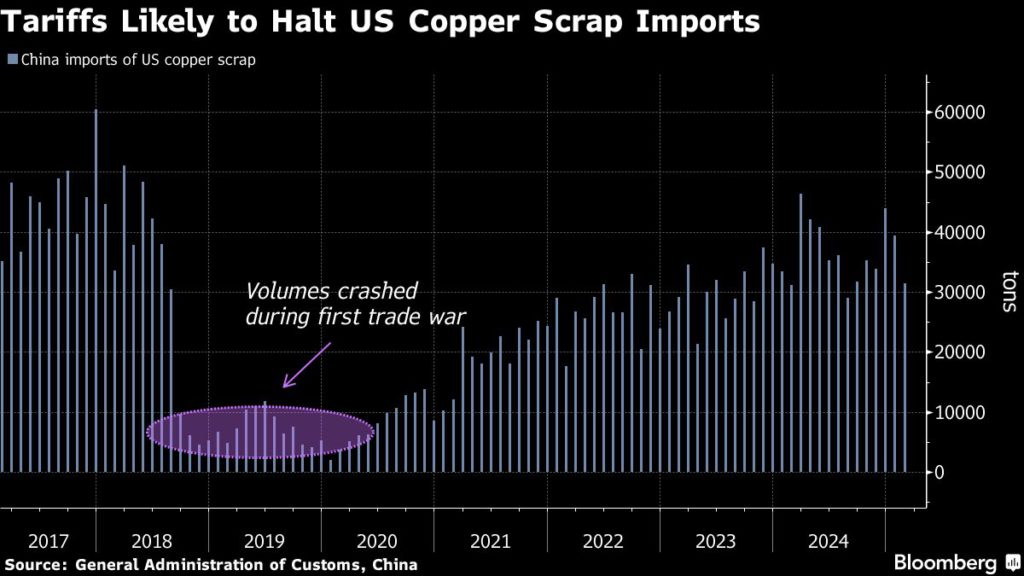
China’s swift retaliation in matching Washington’s blanket 34% levies is likely to bring US shipments of copper scrap to a halt from next month. The country last year accounted for about one-fifth of China’s overseas purchases, which have been used as a replacement feedstock for the copper ore that’s in short supply.

Imports of American scrap could top out at 100,000 tons or less in the first four months of the year, before China’s tariffs make the trade uneconomical, according to a forecast from Shanghai Metals Market. Imports last year were nearly 440,000 tons.

China has kept adding copper processing capacity despite the scarcity of ore from mines around the world. That’s led to a collapse in fees to negative levels, which has left smelters needing to pay to process concentrate into refined metal.

Using scrap metal instead has been a handy workaround and accounted for about 30% of refined copper production in 2023, according to the latest figures from the China Nonferrous Metals Industry Association.

US shipments to China also crashed during the trade war with the first Trump administration, before a gradual recovery in volumes. The onus now on exporters will be to find alternative buyers for their piles of scrap. The global shortage of ore could make that relatively easy — unless duties are levied in other countries, too.

If Trump 2.0 is successful in rebuilding America’s manufacturing base, including metals processing, it’s likely that future supplies end up only for domestic use.

Exports of US copper concentrate to China are also expected to slump to between 50,000 and 70,000 tons this year, according to SMM, compared to 460,000 tons in 2024. But that won’t have nearly as much impact as American supplies accounted for less than 2% of China’s purchases last year.

Aurubis to ramp up new US copper recycling facility


Animation of the Aurubis Richmond plant. Credit: Aurubis

Aurubis will be ramping up its copper recycling smelter in the US this year, the German company’s CEO Toralf Haag told Reuters on Wednesday, adding Aurubis sees more potential for investment in future years.

Aurubus has invested $800 million building the project, which took four years. Haag said it will process 180,000 metric tons of complex copper scrap and produce 70,000 tons of refined metal annually.


“North America is an attractive market. There is no large recycling facility in North America up to now, the majority of the scrap is exported,” Haag said in an interview on the sidelines of the CESCO and CRU copper conferences.

The US exported nearly 960,000 tons of copper scrap last year, according to information provider Trade Data Monitor (TDM), of which 41% was shipped to China, 11% to Canada and 10% to Thailand.

US President Donald Trump has ordered an investigation on the potential for import tariffs on copper including scrap, aiming to encourage more local production of the metal used in the power and construction industries.

“The decision to invest in a recycling operation could play an even more important role now, having a facility in the US is beneficial for us,” Haag said, adding that the site in Richmond was Aurubis’ only operation in the US.

Aurubis could invest in further recycling capacity in the US. “Currently Aurubis focuses on delivering on the Richmond project,” Haag said.

Sources of copper scrap include the auto industry and cables from telecoms companies. Aurubis expects data centres to be a source of scrap in the future.

“Copper in data centres lasts three to five years, then it needs to be replaced because the technology is moving so fast.”

Data centres for artificial intelligence are expected to be a major source of future copper demand.

(By Pratima Desai; Editing by David Gregorio)


BHP gives Chile a $13 billion reason to cut red tape for mines

Group is ready to start spending $13 billion to overhaul its aging copper mines in Chile

Bloomberg News | April 8, 2025 | 


Cerro Colorado mine in Chile. Image from Consejo Minero.

BHP Group is ready to start spending $13 billion to overhaul its aging copper mines in Chile, but is grappling with red tape, an executive said Tuesday.


“As a country, we must act with a sense of urgency if we want to execute growth projects,” Alejandro Tapia, head of BHP’s Escondida mine, told an industry conference in Santiago. “Competition will be fierce, and Chile cannot lose this opportunity or its leadership position.”

Slow permitting has been a bane of the mining industry for decades, with frustration growing as heightened scrutiny of environmental and social matters coincide with projects getting more challenging and expensive to build. Chile’s government has proposed changes to speed up permitting, but the bill is yet to pass congress.

The Melbourne-based firm said it has the talent and financing in place to begin the pipeline of projects — starting with a $2.3 billion plant upgrade as part of a $10.8 billion pipeline of projects at Escondida, the world’s biggest copper mine.

“We are ready to begin construction this year if we obtain the necessary permits,” Tapia said at CRU’s World Copper Summit.

BHP is also evaluating options to restart its Cerro Colorado copper mine by 2028 at a cost of $1.3 billion. That mine was mothballed amid water supply issues. Another $1.3 billion has been earmarked for its Spence mine while the firm is also testing a new leaching technology.

BHP has said previously that the projects would take production to an average annual rate of about 1.4 million metric tons next decade in Chile. Without the investments, that output would drop to about 900,000 tons.

(By James Attwood)


US envoy sees Alphamin reopening Congo tin mine as rebels depart


Credit: Alphamin Resources Corp.

Alphamin Resources Corp. could soon resume operations at one of the world’s biggest tin mines located in the Democratic Republic of the Congo after Rwanda-backed rebels withdrew from the area, a top US official said.

“We hope that the company will resume or make some announcement soon with regards to resuming their operations,” Massad Boulos, President Donald Trump’s senior adviser for Africa, told reporters Tuesday in Kigali, the capital of Rwanda. “We definitely encourage them to resume their operations.”

Toronto-listed Alphamin halted mining last month at its Bisie mine to protect its employees as M23 rebels neared the site. The group has since retreated amid pressure from the US and others.

“We’ve seen the progress made in recent days and that’s excellent,” Boulos said.

Boulos, the father-in-law of Trump’s daughter Tiffany, has been touring Central and East Africa in a bid by the US to help Congo, Rwanda and other neighbors bring peace to the mineral-rich region with a long history of conflict.

Alphamin is majority-owned by US and UK-based Denham Capital and is oe of the few US-linked projects in the country.

“It’s very sad to see such a large operation employing thousands of people and enriching the community and the country in which it operates, including other neighboring countries, shut down their operation,” Boulos said.

Alphamin did not answer calls or immediately respond to an email by Bloomberg News Tuesday.

The Bisie site produced 17,300 tons of tin ore in 2024, or about 6% of global supply, according to the Chinese brokerage First Futures Co.

Alphamin stock is up 27% since it announced the suspension of activities March 13, and traded at C$0.59 a share as of 3:59 pm in Toronto. It reached a 1-year high of C$1.31 on Oct. 21.

(By Ondiro Oganga and Michael J. Kavanagh)

Prime Minister Mark Carney vows to speed permits, make Canada energy superpower

Bloomberg News | April 9, 2025 |


Mark Carney speaking at the 2015 Policy Exchange summer party. 
Credit: Policy Exchange via Flickr, under license CC BY 2.0

Prime Minister Mark Carney pledged to make Canada the world’s “leading energy superpower” through a plan that includes establishing a single office that would decide on major projects within two years.


The Liberal Party leader said at a campaign stop in Calgary that his government would create a Major Federal Project Office with a “one project, one review” mandate. The aim would be to eliminate duplication of federal and provincial environmental assessments, speeding up reviews.

“We are going to aggressively develop projects that are in the national interest in order to protect Canada’s energy security, diversify our trade, and enhance our long-term competitiveness — all while reducing emissions,” Carney said in a statement. “We can lead the energy transition while ensuring affordable energy at home and building the strongest economy in the G-7.”

Canada ships some 4 million barrels of crude a day to the US — the vast majority of its production — and also relies on a pipeline that goes through midwestern states to supply provinces in the east. US President Donald Trump’s threats to Canada’s economy and sovereignty have intensified pressure to accelerate projects that reduce its dependence on the US.

Carney’s rival in the April 28 election, Conservative Leader Pierre Poilievre, has also pledged a single project office with a maximum timeline for decisions of one year. Poilievre has said Indigenous communities would be involved at the outset of major projects, but Carney on Wednesday said Poilievre’s plan fails to account for Indigenous rights.

Critical minerals


The Liberal leader also announced Wednesday he would expand a critical minerals exploration tax credit to include minerals necessary for defense, semiconductors, energy and other clean technologies. His government would broaden the Canadian exploration expense to include the costs of technical studies, and modify the clean manufacturing tax credit to cover brownfield site development.

“This is huge,” Pierre Gratton, CEO of the Mining Association of Canada, said in an interview. “It includes an awful lot of stuff that we’ve been advocating for for a while, and not getting.”

“I’m surprised, to be honest, because I didn’t expect it,” he added. The critical minerals tax credit in its current form can provide incentives for new development, but the more pressing opportunity is to expand existing operations, Gratton said.


“This could really help increase Canadian production of critical minerals in the short- to medium-term.”

Both the Liberals and Conservatives have promised to renew a broader mineral exploration tax credit that expired in March. It’s “extremely encouraging” that the two major parties have such a strong focus on getting projects through the system faster, though governments of both stripes have promised to speed up permitting before, Gratton said.

“There’s a certain degree of skepticism that I think the industry shares — but also optimism that there seems to be more determination than ever before,” he said. “The situation with the United States has obviously helped create the drive to really make sure we can start building.”

Though Carney grew up in the oil-rich province of Alberta, voters there overwhelmingly skew Conservative and tend to be skeptical of Liberal promises to support the energy sector. Poilievre has promised to unleash oil and gas investment through tax cuts, deregulation and the creation of a “national energy corridor” that would include pre-approvals from various levels of government for major projects.

Carney’s plan also includes developing a trade and energy corridor through a C$5 billion ($3.5 billion) fund to build infrastructure to reach export markets.

Climate advocates criticized the Liberal leader’s plan to expand oil and gas production, though Carney says he aims to reduce emissions through carbon capture and storage technology. Canada should focus on selling clean energy and steel to international markets, said Keith Stewart, senior energy strategist at Greenpeace Canada.

“If we are going to be an energy superpower, then we better not be a supervillain by doubling down on fossil fuels,” Stewart said in an email. “We need to pick a lane if we want to succeed and while Trump may be pulling the US backward, Europe and Asia are racing to reduce their reliance on oil and gas.”

(By Laura Dhillon Kane and Thomas Seal)