Wednesday, April 16, 2025


Trump Administration Halts Construction of Equinor's NY Offshore Wind Farm
CUTTING NOSE TO SPITE FACE

offshore wind farm
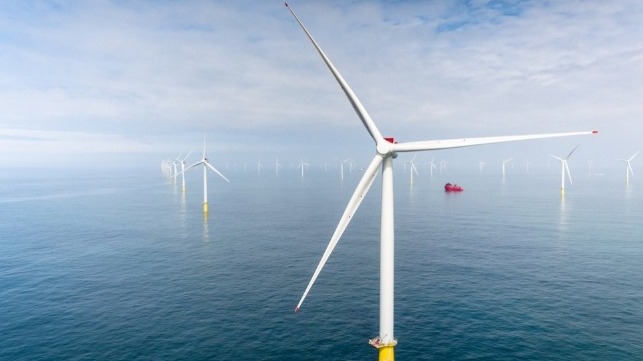
Work was underway for Equinor's Empire Wind farm (file photo)

Published Apr 16, 2025 6:43 PM by The Maritime Executive


In a stunning move late on Wednesday, April 16, the U.S. Department of Interior announced it has ordered a stop to the construction of Equinor’s Empire Wind offshore wind farm. The project had been approved in 2024 and was underway. The move is drawing sharp criticism from New York State Governor Kathy Hochul and leaving the industry stunned.

Interior Secretary Doug Burgum posted a brief message on X writing that Interior in consultation with Commerce is “directing the Bureau of Ocean Energy Management (BOEM) to immediately halt all construction activities on the Empire Wind project until further review of information that suggest the Biden administration rushed through its approval without sufficient analysis.”

While the Biden administration did approve several projects late in its term, Empire Wind received approval for its Construction and Operations Plan in February 2024. The project also received its Clean Air Permit for construction in February 2024.

Norway’s Equinor acquired the Empire Wind lease area in 2017 and in June 2024, announced the execution of the Purchase and Sale Agreement (PSA) with the New York State Energy Research and Development Authority for Empire Wind 1 power for 25 years at a strike price of $155.00/MWh. The financial close for the project was completed in December 2024. The expected total capital investments, including fees for the use of the South Brooklyn Marine Terminal, Equinor reported would be approximately $5 billion including the effect of expected future tax credits. New York had issued its final approvals for the project in May 2024.

New York’s governor who has already been fighting with the Trump administration over congestion pricing for vehicles in Manhattan issued an angry statement saying the federal government should be supporting its efforts for affordable energy “rather than undermining them.”

“This fully federally permitted project has already put shovels in the ground before the President’s executive orders—it’s exactly the type of bipartisan energy solution we should be working on,” said Governor Hochul in her statement. “As Governor, I will not allow this federal overreach to stand. I will fight this every step of the way to protect union jobs, affordable energy, and New York’s economic future.”

The news site FreeBeacon obtained a copy of Burgum’s memorandum to the acting director of BOEM. In it, he contends that “serious issues” were raised on the approval for Empire Wind. He says it was rushed through without sufficient analysis or consultation among the relevant agencies. 

Burgum also writes that he is directing BOEM to continue to review the federal wind permitting practices “to both existing and pending permits.”

Work had begun on the redevelopment of the site in Brooklyn which was to be used as the base of the wind farm during construction and its future maintenance operations. FreeBeacon reports rock work was scheduled to begin in the coming weeks at the offshore site along with other preparations. The wind farm was scheduled to provide power starting in 2027.

Empire Wind 1 and Empire Wind 2, both of which were approved in 2024, are located about 12 nautical miles south of Long Island, N.Y., and about 16.9 nm east of Long Branch, N.J. Together the projects would have a total capacity of 2,076 megawatts of renewable energy that BOEM estimated could power more than 700,000 homes each year.  

Trump in January 2025 ordered a review of the leasing and permitting practices but most expected it would be a stop to future activity. The administration however also pulled the EPA permit for construction on a New Jersey project. There are several other projects currently in the construction phase. The Biden administration had approved a total of 11 offshore wind farms and left others in review at the end of its term.


Two Dead, Nine Missing After Capsizing of Chinese Sand Carrier

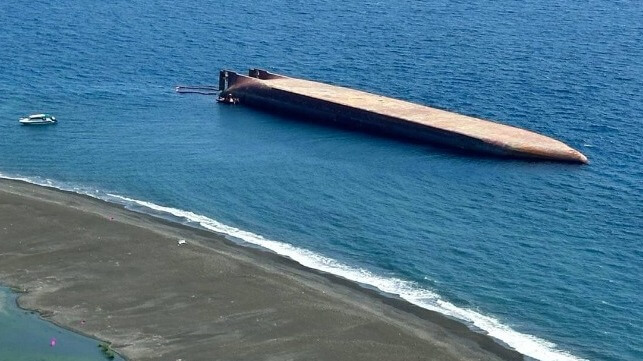
The upturned hull of the dredger Hong Hai 16, April 16 (PCG)

Published Apr 16, 2025 8:14 PM by The Maritime Executive


Rescuers are attempting to find survivors after the capsizing of a Chinese-operated sand carrier off the coast of Rizal, Occidental Mindoro. 

The sand carrier Hong Hai 16 was operating off Barangay Malawaan on Tuesday morning in moderate seas. At about 0520 hours, the vessel capsized; the cause of the casualty is still under investigation. 

The vessel had 25 crewmembers. Fourteen have been rescued alive by first responders, including six Philippine nationals and eight Chinese seafarers. Two crewmembers have been confirmed dead and nine remain missing, including three Chinese and six Philippine nationals. 

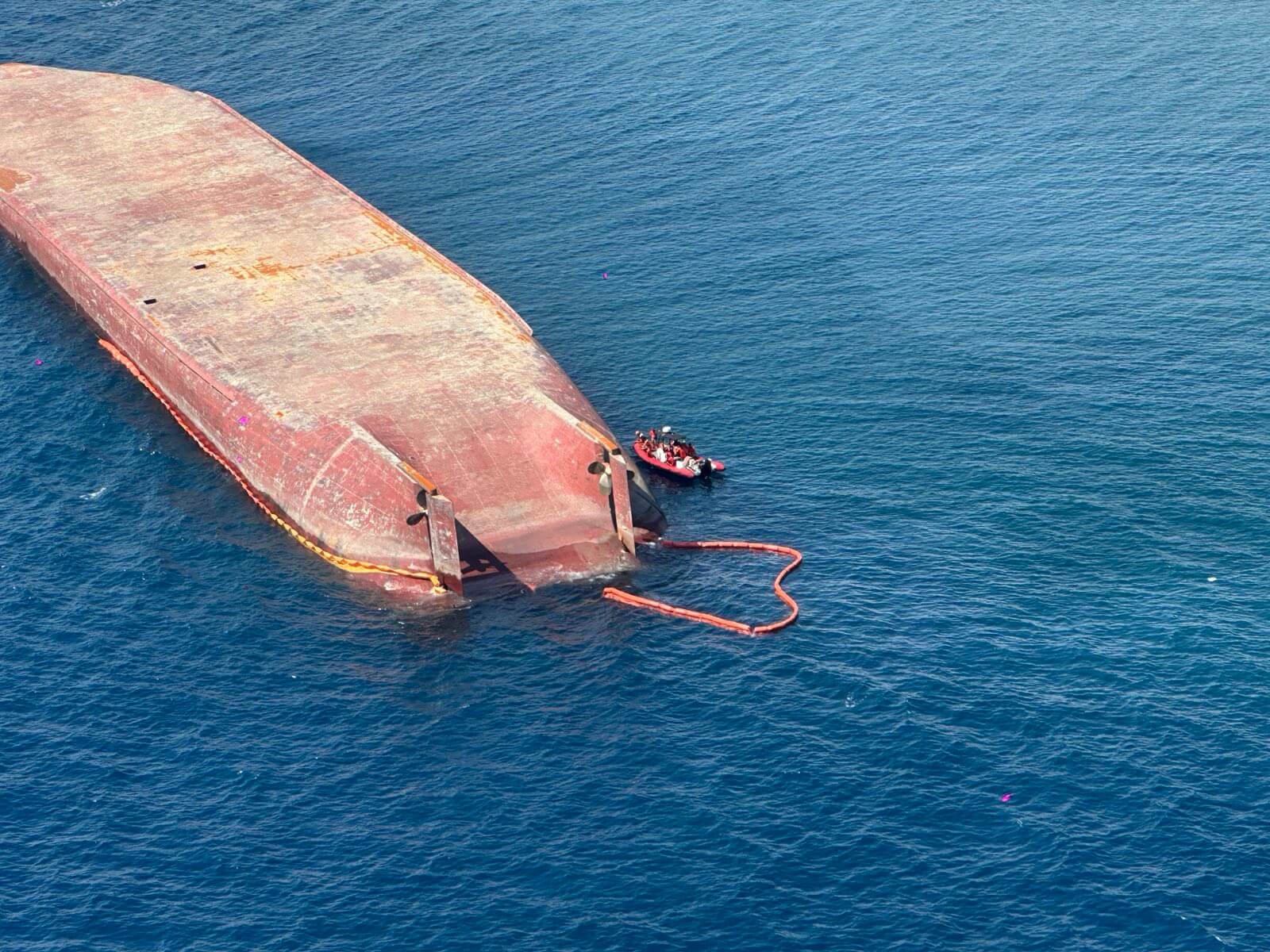
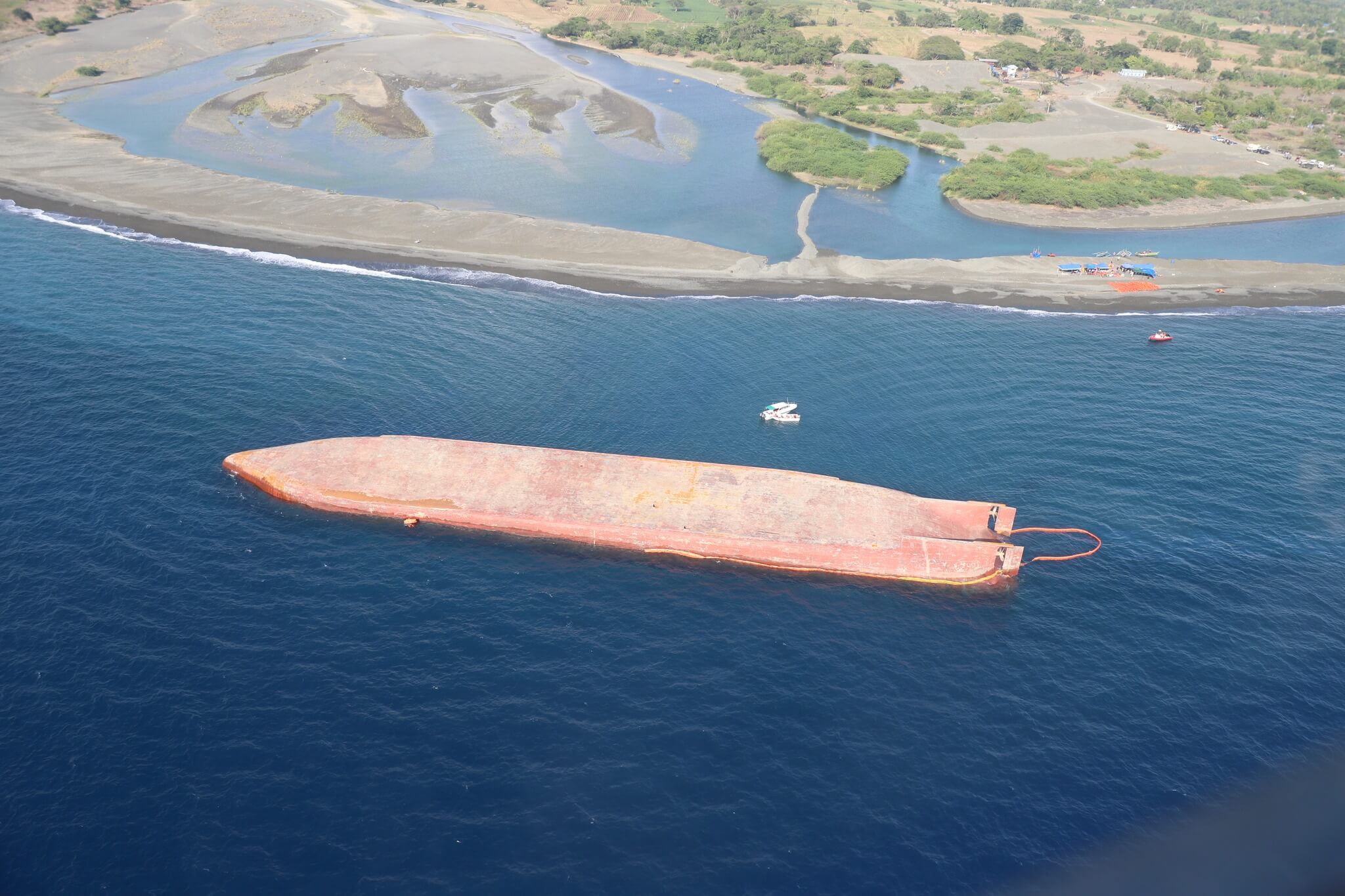
Images courtesy PCG

PCG Special Operations Group Southern Tagalog has dispatched a team of divers with cutting gear to help access the ship. The capsized vessel is floating keel up with an even trim, and is partially submerged. The PCG hopes that some crewmembers may have survived in the engine room. 

“The PCG remains on-scene and fully committed to ensuring the safety of all individuals involved, while also preparing for any potential environmental impact,” the agency said in a statement Tuesday. 

PCG commandant Admiral Ronnie Gil Gavan visited the scene on Tuesday for an aerial and site inspection, and in a statement he said that he had urged the response teams to make every effort to save any survivors. 

A similarly named Chinese dredging vessel capsized and floated hull-up for days in Manila Bay in May 2023. 


Louisiana Shipbuilder Gulf Craft Acquired to Build Autonomous Vessels

shipbuilder
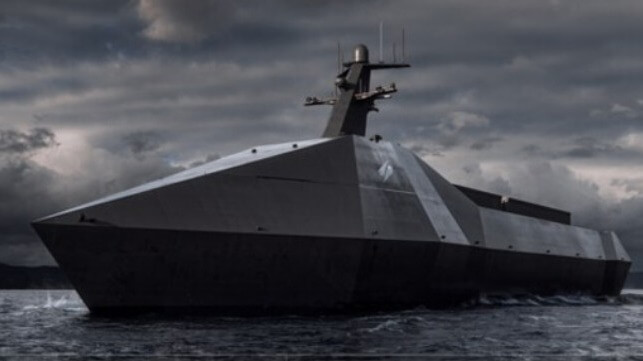
Saronic's concept for a 150-foot Autonomous Surface Vessel, the Marauder (Saronic)

Published Apr 16, 2025 4:52 PM by The Maritime Executive


Saronic, a start-up launched in 2022 to focus on autonomous vessels for defense systems, acquired Gulf Craft, a Louisiana-based shipbuilder, to accelerate its growth into autonomous shipbuilding. The company says it gives it an immediate capability in shipbuilding as it also unveiled its concepts for a next-generation 150-foot vessel named the Marauder.

Gulf Craft located in Franklin, Louisiana is a custom builder of aluminum boats. Established in 1965, the company builds ferries, offshore support, and other commercial vessels. 

"Today marks a significant milestone in Saronic's expansion into autonomous shipbuilding and lays the foundation for our vision of our larger, next-generation shipyard, Port Alpha," said Saronic CEO Dino Mavrookas. "While we actively search for a home for Port Alpha, this acquisition gives us the immediate capacity to meet urgent customer needs for larger autonomous vessels and the flexibility to scale to address emerging commercial and defense applications of these advanced systems." 

Saronic announced in February 2025 that it had completed its next round of funding raising $600 million in its Series C round. Having invested in developing and expanding its manufacturing capabilities for its small ASVs over the past two years, the company outlined its vision for a new shipbuilding base that it calls Port Alpha. It said the new shipyard would be capable of delivering new classes of autonomous ships at the speed and scale needed to protect and defend the maritime domain.

The company reports the acquisition of Gulf Craft provides a strategically located shipyard on the Gulf Coast that will serve as the prototyping and production hub for its medium unmanned surface vessel (MUSV) fleet. The yard provides the infrastructure and skilled workforce it says will be needed to develop, rapidly iterate, and scale the production of Saronic's MUSVs today and into the future. Saronic has retained Gulf Craft's workforce and expects to create more than 500 new jobs over the next 3-4 years. In addition to bringing on skilled shipbuilders, welders, and electricians, Saronic anticipates creating new roles for engineers, technologists, and naval architects to develop and scale production of its MUSVs. 


Gulf Craft builds aluminum commercial vessels at its shipyard in Louisiana (Gulf Craft)


The acquisition adds nearly 100 acres to Saronic's footprint, supporting both immediate MUSV development and production as well as capacity for significant expansion. Saronic plans to invest more than $250 million directly into the shipyard, which will encompass large facility upgrades that will enable it to apply a first-principles approach to shipbuilding. This includes modernizing infrastructure, acquiring new machinery, and updating the facilities while focusing on building a production system engineered for speed, scalability, and quality. These upgrades will support a rapid capacity ramp-up, enabling Saronic to deliver up to 50 unmanned ships per year.

The company also unveiled Marauder, a 150-foot Autonomous Surface Vessel (ASV) designed to support a wide range of missions for the U.S., its allies, and commercial customers. With a payload capacity of 40 metric tons, the autonomous ship is designed to travel up to 3,500 nautical miles or loiter for 30+ days, depending on mission requirements. 


Marauder is designed to be fully unmanned and will integrate the autonomy stack used across Saronic's existing family of ASVs. The vessel incorporates Saronic's vertically integrated approach, disciplined engineering philosophy, and strong domestic supplier network.

As part of its long-term vision, Saronic says it intends to invest over $2.5 billion to develop Port Alpha, which it calls the world's most advanced shipyard, designed to produce hundreds of unmanned vessels annually. It looks to align its operations with the national efforts to revitalize the U.S. shipbuilding industrial base and capitalize on the U.S. Navy’s growing interest in future autonomous systems.


Norway Adopts Zero-Emissions Requirements for World Heritage Fjords

cruise ship Norwegian fjord
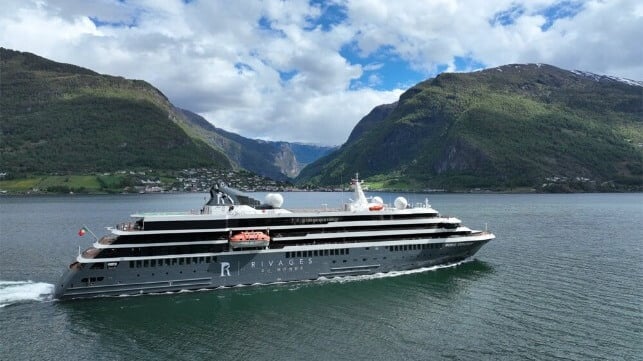
Smaller cruise ships (under 10,000 GT) and ferries are required to sail with zero emissions starting in 2026 (Port of Flam)

Published Apr 16, 2025 3:33 PM by The Maritime Executive


The Norwegian Storting (Parliament) has confirmed the requirements and schedule for the regulations to move passenger and ferry shipping to zero emissions while sailing within the country’s World Heritage fjords. The first phase is set to start in 2026 and progress as technology becomes available for larger ships to sail with zero emissions.

The process of developing the regulations began in 2018 with the Norwegian Maritime Authority. Implementation however has been delayed as they worked to define the scope of the regulations and waited for technology to advance to the level required to maintain shipping while achieving the goals.

“The process of developing zero-emission requirements for the World Heritage fjords has been long and demanding, both for the industry and for the Norwegian Maritime Authority,” said Alf Tore Sørheim, Director General of Shipping and Navigation. “Now that new provisions have been adopted, it is important to highlight that they provide the clarity the industry has long awaited. This ensures predictability and offers the opportunity to comply with the requirements.”

The first phase is just eight months away. As of January 1, 2026, passenger ships of less than 10,000 gross tons will have to meet the zero-emission requirement for the World Heritage fjords, which include Geirangerfjorden, a primary destination for the cruise industry, as well as Nærøyfjorden, Aurlandsfjorden, Sunnylvsfjorden and Tafjorden. All passenger ships, including ferries, must meet the requirement, but for larger ships of 10,000 gross tons and above it will be phased in with the requirement to sail with zero emissions as of January 1, 2032.

The Minister of Climate and Environment, Andreas Bjelland Eriksen, describes the legislation as a significant breakthrough for the World Heritage fjords. It is a key step in Norway’s overall sustainability programs and a commitment to the tourism industry.

The authorities note that the zero-emission requirement is technology-neutral and does not prescribe specific solutions. It is up to the operators in the World Heritage fjords to use energy sources that do not emit carbon dioxide (CO?) and methane (CH?). However, when such energy sources are used, there are requirements for greenhouse gas emission reductions, in accordance with the EU regulatory framework.

As part of the final test of the regulation, the government determined that passenger ships may use biogas as an alternative fuel, but that when biogas is used as an alternative fuel, it must be kept separate from fossil fuels until it is bunkered. In addition, the biogas must be bunkered within the final month before the ship enters the World Heritage fjords, and the amount bunkered must correspond to the amount expected to be used during the voyage through the fjords. Biogas sourced from the gas grid, accompanied by a certificate based on a mass balance system, does not meet the requirements for operating in the World Heritage fjords.  

It also includes a requirement that ships must use shore power where available. The Storting also agreed to create shore-side electricity in the city of Flåm. It is allocating NOK 100 million ($9.5 million) in support of a shore power project.

Norway is at the forefront of developing technologies including batteries for its ferries as well as alternative fuels. In 2022, coastal ship operator Havila ran the first demonstration of a passenger ship operating solely on batteries in Geirangerfjord. Competitor Hurtigruten has also released its concept designs for a zero-emission passenger ship.


Major EV Fire Breaks Out Aboard Ro/Ro at Zeebrugge

CO2 flooding was used to put out the blaze, and more inert gas is being blown into the hold overnight

Zeebrugge
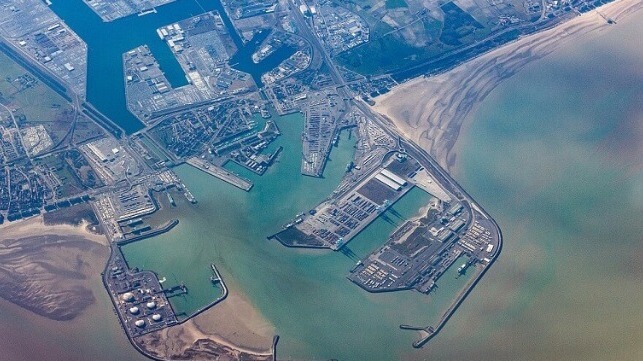
Port of Zeebrugge (Sebaso / CC BY 4.0)

Published Apr 16, 2025 4:28 PM by The Maritime Executive


On Wednesday, a fire broke out aboard a ro/ro cargo ship at the port of Zeebrugge, Belgium, prompting an immediate - and successful - emergency response. 

Ro/ro fires are a serious issue, and the growing popularity of electric cars has made the potential consequences more severe. Fires can spread rapidly within enclosed ro/ro decks, and EV fires are even harder to put out. New industry guidance calls for operators to respond with evacuation, ventilation shutdown and initiation of CO2 flooding very early in the firefighting process - before the fire can spread or injure anyone.

At about 1500 hours, a fire broke out aboard the ro/ro cargo vessel Delphine at the CLdN terminal in Zeebrugge. The blaze started on the third deck, which contained 60 electric vehicles and 40 conventional cars. The captain opted to fully evacuate the ship's 26-member crew, but stayed aboard to coordinate as firefighters and other first responders from shore came aboard to assist. Four firefighting tugs also arrived on scene to provide cooling water on the starboard side. 

To defeat the fire, the master ordered the space closed off and the CO2 system was activated. The fire suppression system worked as designed, and the fire was brought under control, according to port vice-chairman Dirk de Fauw. "There was a lot of smoke from the electric cars, which also made the extinguishing work more difficult," he said. 

The fire department is aware of the possibility of a reflash and is standing by overnight, de Fauw told local VRT. The fire department said in a statement that it was trucking in a fresh supply of inert gas to release into the hold in order to displace any intrusion of oxygen. 

"The vehicles are no longer burning, but as soon as fresh air comes onto the deck we will have a resurgence," the brigade told HLN. "We have to avoid that. For that reason, we will blow nitrogen into the deck that we will have brought over from Antwerp. Although it is still not certain that the situation will be under control."

Responders believe that 60-70 vehicles in the hold have burned out, but the full extent of the damage remains to be seen. No injuries or pollution have been reported, and containment barriers have been deployed to keep any contaminants from spreading. 

Top image: Port of Zeebrugge (Sebaso / CC BY 4.0)


Morocco Dockworkers Call for Boycott of Maersk Ships Supplying Israel

Maersk containership
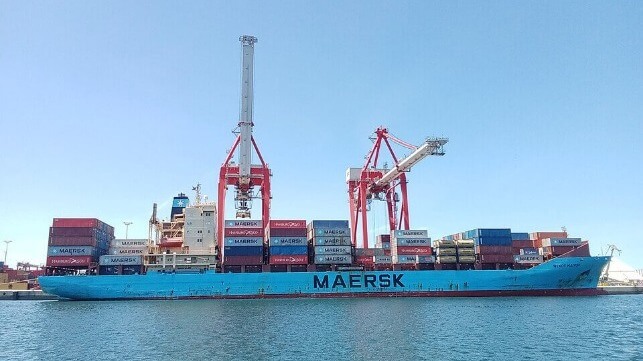
Union is calling for a boycott of the feeder ship Nexoe Maersk (Farid Mernissi - CC BY 4.0)

Published Apr 15, 2025 2:18 PM by The Maritime Executive


The union representing dockworkers in Morocco has become the latest group to call for a boycott against the ships of Maersk linked to transporting supplies to Israel. The group issued its statement targeting a transshipment of containers coming from the United States set to be transferred at Morocco’s Tanger Med Port this weekend.

Maersk has repeatedly denied the allegations that it is transporting weapons to Israel during the ongoing conflict in Gaza. The issue had been dogging the company and even became a topic at its annual shareholder meeting earlier this year. Shareholders voted down an activist investor resolution that would have banned the company from shipping arms to Israel.  

A spokesperson for Maersk told media in Morocco that the current claims were coming from activist groups and are “false and misleading.” The company said the claims it was transporting weapons or in this case, spare parts to the Israeli military are “unfounded claims based on assumptions made by activist groups.”

The latest accusations are that a container loaded with spare parts for U.S.-made F-35 fighter jets was loaded on the Maersk Detroit (84,626 dwt vessel with a capacity of 6,200 TEU) which is currently inbound for the Moroccan port. According to the reports that have been circulating for days, the container will be offloaded and transferred to the Nexoe Maersk (31,500 dwt with a capacity of 2,250 TEU) for transshipment to Israel.

The Moroccan Union of Port Workers, affiliated with the Moroccan Labor Union, issued a statement calling on workers, employees, and executives of companies operating the port to boycott the ship Nexoe Maersk. It cited the reports from the activists that the ship would be carrying the F-35 parts and other military equipment to Israel.

The Detroit Maersk sailing under the U.S. flag is operated by Maersk Line, Limited, which participates in the U.S. Maritime Security Program (MSP) program and carries cargoes, including the military assistance shipments, which are reported to be a “critical element of U.S. foreign policy.” The line has been targeted by activists for previous boycotts due to its support of the U.S. government.

The Nexoe Maersk, flagged in Hong Kong, is a feeder ship for the company. It operates a route that includes calls in the Mediterranean. 

While denying the allegations, a Maersk spokesperson noted when they carry F-35 parts they would be going to suppliers and not the military. They would also only be going to countries participating in the F-35 program.

Maersk has repeatedly said it has a strict policy against transporting weapons or ammunition to conflict zones. The spokesperson said there are stringent controls in place.

Activists have repeatedly targeted ships operated by Maersk Line, LTD. for its role in carrying U.S. cargoes. Last November, in Spain a group focused on two ships with reports the vessels would divert to Morocco due to the protests. Maersk operates the terminal in Tanger Med where the reports said the current transshipment will take place.


Top photo of Nexoe Maersk in 2023 by Farid Mernissi (CC BY 4.0)


Seafarers Win 6% Wage Increase Over Three Years Despite Trade Uncertainties

seafarers
Seafarers won raises and critical recognition in this year's negotiations (ISAW file photo)

Published Apr 16, 2025 2:36 PM by The Maritime Executive


In the face of global uncertainties and the potential impact on shipping from the trade war unleashed by Donald Trump, shipowners and the seafarers’ unions agreed to a better than six percent increase in monthly wages over the next three years. It comes after key agreements last week adding a designation as key workers and strengthening repatriation and shore leave for seafarers.

Director of the International Labour Organization (ILO) Sectoral Policies Department Frank Hagemann highlighted that the agreement came about as part of a “wholly unique global collective bargaining forum.” It was noted that maritime transport is the only industry with a formally recognized global minimum wage. Dating back to 1958, the agreement sets every three years the global minimum wage for seafarers.

The International Labour Organization led with meeting in Geneva on April 14 and 15 with the Subcommittee on Wages of Seafarers of the Joint Maritime Commission (JMC). Shipowners and seafarers’ unions from around the world, coordinated by the International Chamber of Shipping (ICS) and the International Transport Workers’ Federation (ITF), meet to discuss the issues and negotiate the elements of the Maritime Labour Convention and wage agreement.

The wage portion of the talks highlighted the escalation in global trade tensions reports the International Chamber of Shipping. It said both sides expressed concern about the “current cloud of uncertainty” and prospects of a potential full-scale trade war. They recognized that the world’s nearly two million seafarers would be caught in the middle and impacted by a slowing in global trade. This comes after a period of high global inflation during the recovery from the COVID-19 pandemic.

The terms of the wage agreement adopted yesterday call for a total 6.2 increase in the monthly minimum wage for seafarers between January 1, 2026, and January 1, 2028 (an increase from $673 a month as of January 1, 2025, to $715 per month as of January 1, 20208). Seafarers will receive a 2.5 percent increase in the first year followed by 2 percent and 1.6 percent in the following years.

“This agreement strikes a careful and considered balance between recognizing the vital contribution of seafarers and maintaining the commercial sustainability of the global shipping industry,” said PÃ¥l Tangen of the Norwegian Shipowners’ Association and spokesperson for the shipowners’ group during the meeting. “These are not ordinary times, and this resolution reflects our respect for their service while ensuring that shipowners can continue to operate in a highly competitive and volatile global market.”

During the meetings on the MLC, master contract for global seafarers, the discussions focused on the hardships encountered during the pandemic. The designation as key workers, seafarer repatriation, and visa-free shore leave were key elements. They also enhanced protections against bullying and harassment and added a new recommendation to provide reference materials on medical care for seafarers. These will go into effect by December 2027.

“Last week we made an important breakthrough with recognition of seafarers’ key worker status in the Maritime Labour Convention. This week we have taken a further step to improve their welfare through pay rises that both retain and increase the value of the ILO AB minimum wage, taking into account increases in the cost of living since 2022,” said Mark Dickinson of Nautilus International and spokesperson for the seafarers group.

Both the wage increase and the revisions to the MLC require approval by elements of the ILO. The contract terms will be presented at the 113th session of the ILO’s International Labour Conference in June. The wage increase will be submitted for approval at the ILO’s Governing Body in November.  The next meeting of the Special Tripartite Committee on the MLC is set to take place in April 2028.


Marine radar can accurately monitor vessel speeds to protect whales, study finds


Radar technology can detect vessel speed violations with 95% confidence


Mar Communications

Marine Monitor Radar System 

image: 

Marine Monitor Shore-Based Radar System

view more 

Credit: ProtectedSeas


A new study by researchers at ProtectedSeas highlights the potential of marine radar technology to monitor speed of small vessels. The research, aimed at testing the accuracy of radar in assessing potential violations, found that the technology could detect speed violations with 95% confidence, offering a promising solution to help reduce the threat of vessel strikes on whale populations. The analysis was recently published in the journal Sensors.

The impact of small vessels on whales is becoming a growing concern in busy marine environments due to the increasing number of recreational and commercial boats in these areas. A 2020 study led by the ProtectedSeas team found that smaller boats can represent 34% of traffic in busy ports like San Francisco Bay. Unlike large commercial vessels, which are often monitored using the Automatic Identification System (AIS), smaller boats tend to go undetected, making it harder to enforce speed limits and prevent strikes, especially in areas where whales are feeding or migrating.

“Radar is a widely available tool that is accessible to a large audience, such as enforcement agencies, marine resource managers, and researchers,” said the study’s lead author Samantha King, senior scientist for ProtectedSeas Marine Monitor (M2). The accuracy values from our study can be used to confidently enforce speed limits using radar.”

The research team conducted the large-scale study comparing radar and AIS data from the M2 system across 3,097 vessel tracks at ten locations to estimate the accuracy of radar-reported vessel speeds.

The analysis found a strong correlation between radar and AIS speeds, with vessels traveling within 1.8 knots of radar-reported speeds to AIS values with 95% confidence. Understanding radar speed accuracy enables reliable reporting and analysis, supporting effective design, monitoring, and enforcement of vessel speed limit measures.

According to the researchers, radar technologies like M2 can effectively monitor speed limits to help reduce vessel collisions with endangered whales, particularly in areas like the North Atlantic right whale seasonal management areas along the U.S. East Coast, where fewer than 370 individuals remain.

“This study confirms that marine radar, similar to road speed monitors, can be used to track the speeds of smaller vessels that are not equipped with AIS,” said M2 Co-founder Brendan Tougher, a coauthor of the study. “Marine radar technology can be an effective tool to monitor and enforce speed limits for smaller vessels to better protect whale populations.”

# # #

ProtectedSeas’ Marine Monitor (M2) is a shore-based vessel monitoring platform designed to document a variety of activities in the nearshore marine environment by utilizing a marine radar to detect and track vessels and a pan-tilt-zoom camera for capturing images.The M2 system operates fully autonomously, ensuring uninterrupted, year-round data collection of vessels ranging from commercial shipping to recreational boats. Its robust and self-sufficient design allows deployment in remote and rugged areas. Learn more at: https://m2marinemonitor.com.


Infographic Depicting Radar Vs AIS to Detect Vessel Speed

Credit

ProtectedSeas


Nearly half of Americans would consider eating a plant-based diet to help reduce greenhouse gas emissions, finds new survey


Physicians Committee for Responsible Medicine


WASHINGTON, D.C.—As Earth Day approaches on April 22, a new Physicians Committee for Responsible Medicine/Morning Consult survey shows that 46% of Americans would consider eating a plant-based diet to help reduce greenhouse gas emissions from food production.

The poll included 2,203 U.S. adults surveyed March 24-26, 2025. When asked, “How strongly would you consider eating a plant-based diet to help reduce greenhouse gas emissions?” 16% said they would “strongly consider” it, while another 30% said they would “somewhat consider” it.

Shifting diets from meat and other animal products to plant-based diets has a high potential for reducing carbon footprints and mitigating climate change, as well as improving human health, according to Climate Change 2022: Mitigation of Climate Change, a report from the United Nations’ Intergovernmental Panel on Climate Change.

“This Earth Day—and every day—people should eat a plant-based diet to keep themselves and the planet healthy,” says Roxanne Becker, MBChB, DipIBLM, a doctor with the Physicians Committee who recommends a plant-based diet to patients for their health. “From cutting greenhouse gas emissions to cutting the risk of diet-related chronic diseases like heart disease and type 2 diabetes, a plant-based diet is a win-win.”

More than half of those surveyed, 54%, did not know what foods contribute to greenhouse gas emissions.

According to research compiled by the United Nations that looked at the greenhouse gas emissions of several foods, beef ranks highest in kilograms of greenhouse gas emissions (70.6 kg) per kilogram of food, followed by cheese (23.9 kg), tofu (3.2 kg), vegetables (0.7 kg), and nuts (0.4 kg).

When asked to rank these foods based on the amount of greenhouse gases emitted, most respondents, 54%, correctly ranked beef as contributing the most greenhouse gas emissions.

Cattle produce methane as part of their digestive process, called enteric fermentation. When cows burp, the methane is released into the atmosphere. Methane is also produced when animal manure is stored or managed in lagoons or holding tanks, according to the Environmental Protection Agency.

Experts say that cutting emissions from methane, which is relatively short-lived but has around 80 times more warming potential than carbon dioxide, is critical in preventing catastrophic climate change.

Forty percent of survey respondents said they “strongly agree” or “somewhat agree” that “the meat and dairy industry should be taxed on greenhouse gas emissions to help offset climate change,” which Denmark plans to begin doing in 2030.

Fifty-nine percent of respondents said they “strongly agree” or “somewhat agree” that “the government should offer incentives to farmers to convert from animal agriculture to growing crops and orchards to help benefit the environment.”

When asked, “How strongly do you agree that federal food policy, such as the Dietary Guidelines for Americans, should discuss the impact that food choices have on climate change, ecosystems, and the environment?” a combined 60% said they “strongly agree” or “somewhat agree.”

Although the impact of diet on the environment is not mentioned in the Dietary Guidelines, research shows that the Dietary Guidelines’ Healthy Vegetarian Dietary Pattern has half the carbon footprint of the Guidelines’ main recommendations. The Healthy Vegetarian Dietary Pattern’s protein group replaces meat, poultry, and seafood with plant-based items including legumes, soy, nuts, and seeds. 

Founded in 1985, the Physicians Committee for Responsible Medicine is a nonprofit organization that promotes preventive medicine, conducts clinical research, and encourages higher standards for ethics and effectiveness in education and research.