Monday, September 01, 2025

Indonesian president Prabowo Subianto cancels China visit amid growing protests
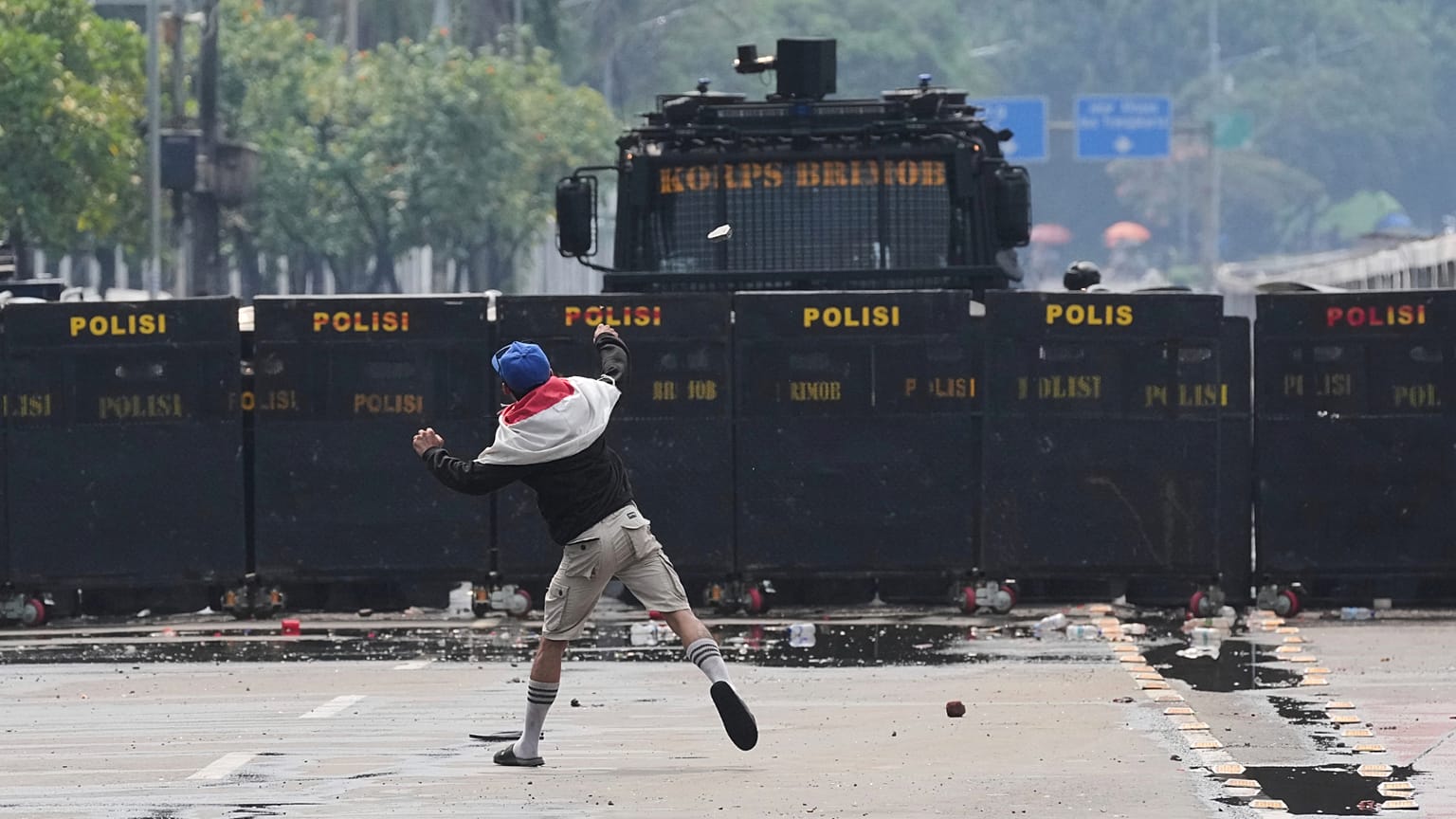
Wave of protests in Indonesia after death of courier killed by police.
Copyright Copyright 2025 The Associated Press. All rights reserved.


By Katarzyna-Maria Skiba
Published on 

Indonesian President Prabowo Subianto cancelled a planned visit to China on Saturday, after protests that had been ongoing for days spread beyond the capital, Jakarta.

Indonesian President Prabowo Subianto has cancelled a planned visit to China, where he was due to attend a "Victory Parade" commemorating the end of World War II and Japan's formal surrender on September 3. The ceremony in Beijing will be hosted by President Xi Jinping, who has invited several foreign leaders, including the guest of honour, Russian President Vladimir Putin.

Subianto's office has publicly announced his absence.

"The president wants to continue monitoring (the situation in Indonesia) directly...and seek the best solutions," presidential spokesperson Prasetyo Hadi said in a video statement on Saturday.

"Therefore, the president apologises to the Chinese government that he could not attend the invitation."


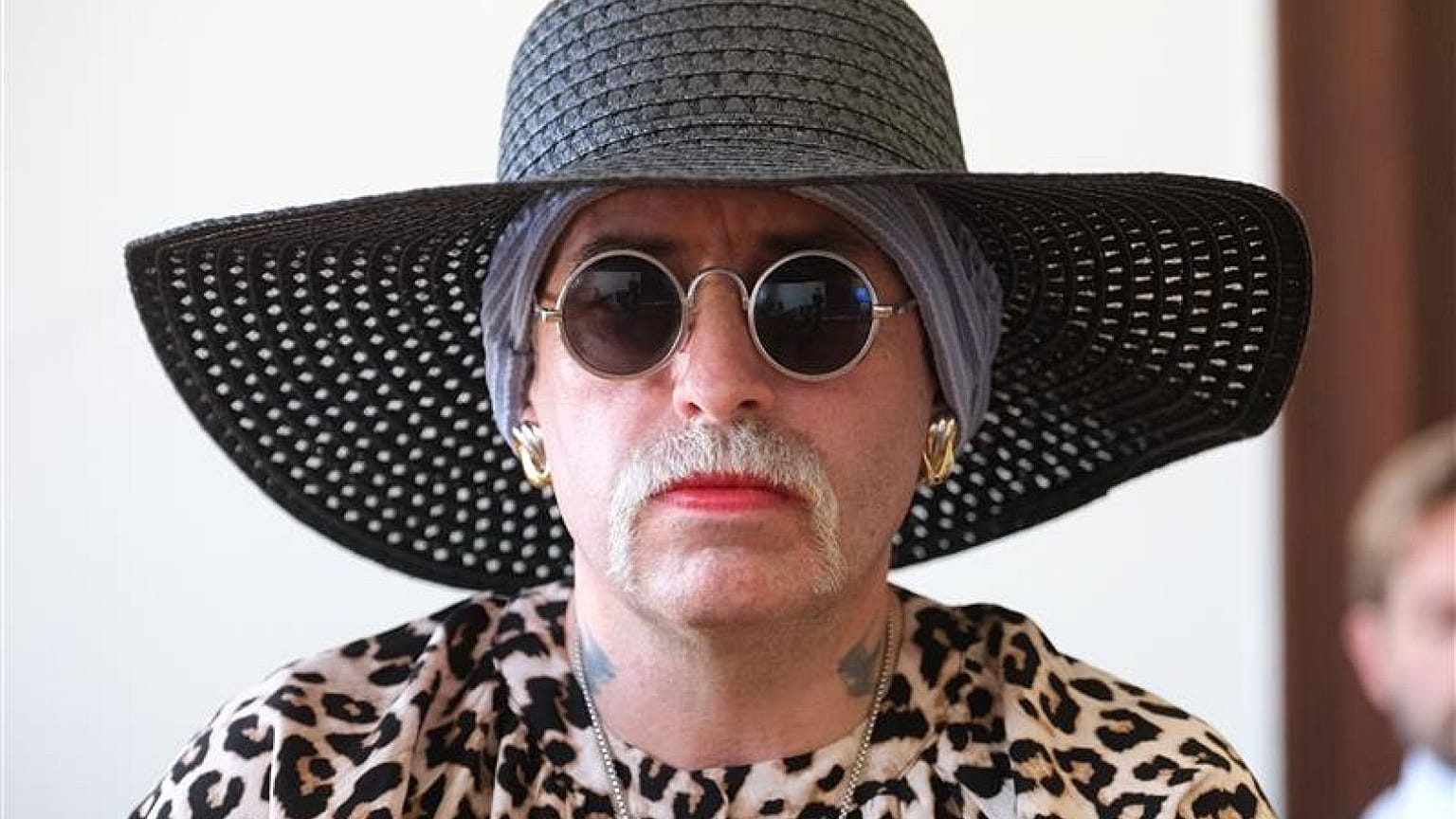
The Indonesian president Prabowo Subianto at an Independence Day celebration. Copyright 2025 The Associated Press. All rights reserved.

Protests across the country

Demonstrations that began in Jakarta on Friday have since spread to other cities. Their immediate cause was the death of the driver of a shared motorbike, hit by a police car near parliament on Thursday. Violent clashes erupted there between police and demonstrators who were demanding pay rises for parliamentarians and increased spending on education

This is the first major challenge to the Subianto government, which has been in power for less than a year.

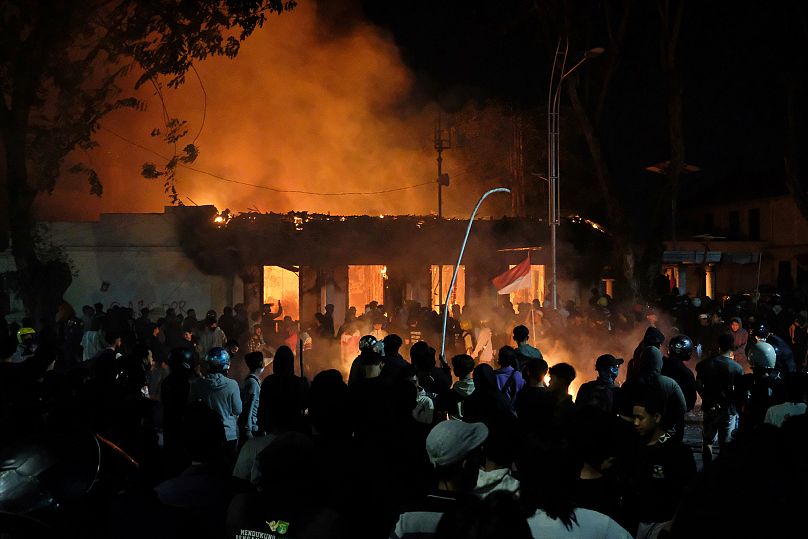
On Saturday, protesters set fire to regional parliament buildings in three provinces: in West Nusa Tenggara, Pekalongan town in Central Java and Cirebon in West Java, according to local media.

A day earlier, three people were killed in a fire at the parliament building in Makasar, the disaster management agency reported.

Tear gas was also used against demonstrators in Bali, a popular destination for foreign tourists.
Protests in Jakarta. Copyright 2025 The Associated Press. All rights reserved.

The role of social media

According to the government, anti-government sentiment has been fuelled by disinformation spread on social media, including TikTok. The authorities have called on representatives of the platforms, including TikTok and Meta, to increase content moderation and disable the live streaming feature, which allows real-time coverage of events.


Fire set by protesters in Indonesia kills three amid a wave of urban unrest


Three people were killed in Makassar on the eastern Indonesian island of Sulawesi after a city council building was set ablaze by protesters amid a wave of unrest that rocked major Indonesian cities – the most violent protests of Prabowo Subianto’s presidency. Prabowo cancelled a planned trip to China next week in order to monitor the situation in Indonesia.


Issued on: 30/08/2025 -
By: FRANCE 24 

The building of Makassar City Council is set on fire during a protest that left at least three people dead. © Daeng Mansur, AFP

A fire started by protesters at a council building in eastern Indonesia killed at least three people, a local official said on Saturday, after the death of a man hit by a police vehicle sparked widespread demonstrations.

Southeast Asia's biggest economy was rocked by protests in major cities, including the capital Jakarta, on Friday after footage spread of a motorcycle taxi driver being run over by a police tactical vehicle during an earlier rally against low wages and financial perks for lawmakers.

The protests are the biggest and most violent of Prabowo Subianto's presidency, a key test for the ex-general less than a year into his rule.

Protests in Makassar, the biggest city on the eastern island of Sulawesi, descended into chaos outside the provincial and city council buildings, which were both set on fire as demonstrators hurled rocks and Molotov cocktails.


Three people were killed as a result of Friday's Makassar city council fire, its secretary Rahmat Mappatoba told AFP.
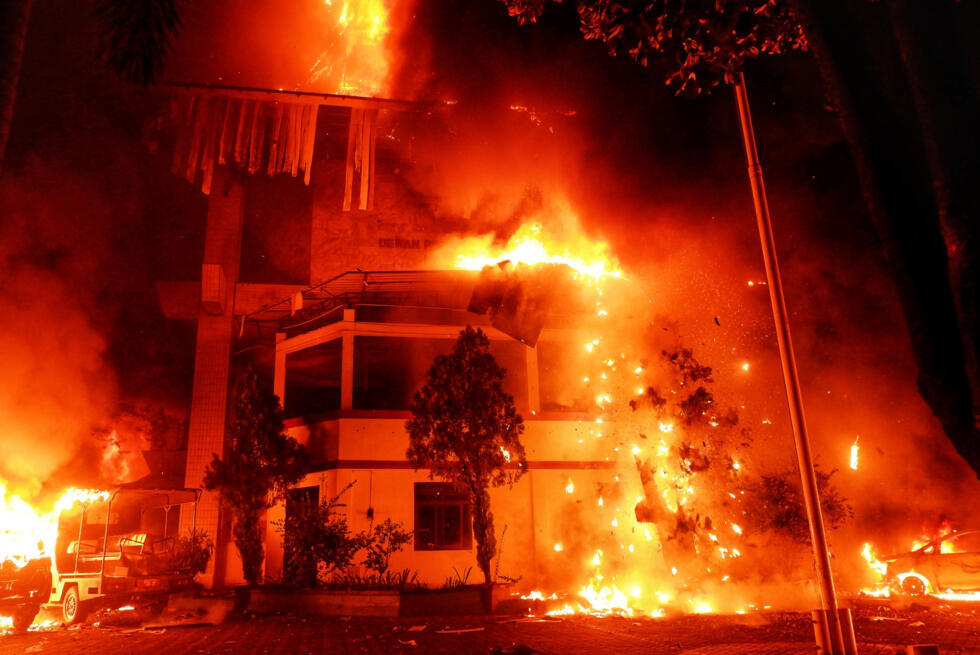
Three people were killed as a result of the fire at the Makassar city council building, its secretary Rahmat Mappatoba said. © Daeng Mansur, AFP

"They were trapped in the burning building," he said, accusing protesters of lighting the blaze.

"Usually during a demonstration, protesters only throw rocks or burn a tyre in front of the office. They never stormed into the building or burned it."

Two workers died at the scene and a third person, a civil servant, died in hospital.

At least four people were injured in the fire and were being treated in hospital, Rahmat said.

Hundreds of people were seen in footage posted by Indonesian media cheering and clapping as fire engulfed the building, with few security forces in sight.

One man was heard shouting: "There are people upstairs!"
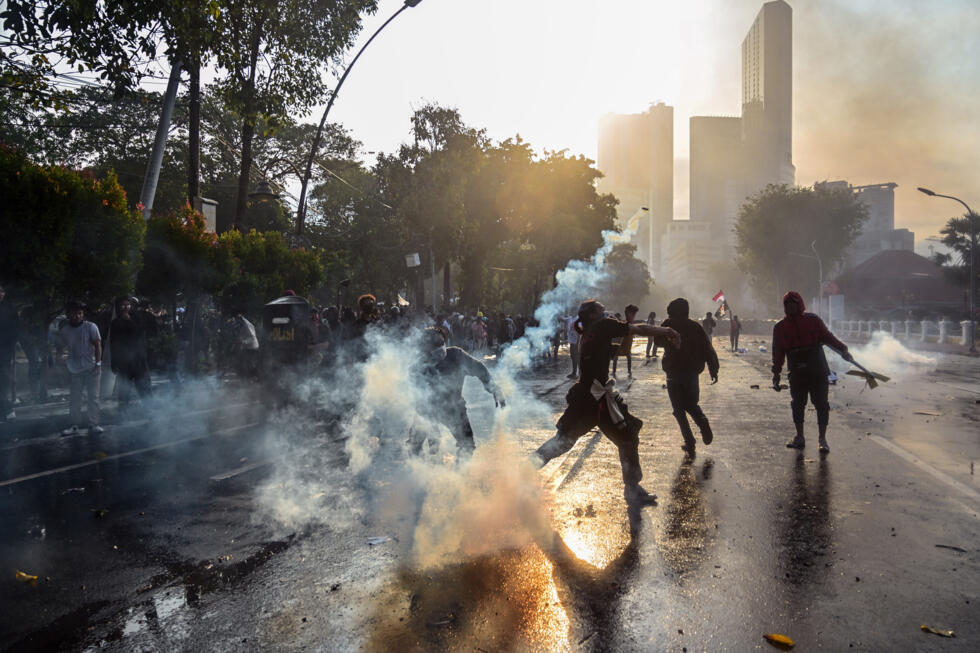
Police fire tear gas to disperse demonstrators during a protest in Surabaya on August 29, 2025. © Juni Kriswanto; AFP

Smouldering debris was seen falling from the roof of the city council building surrounded by palm trees as flames still flickered in charred cars.

Protesters inside lit several fires as parts of the building collapsed, while others smashed glass and chanted "revolution".

The building was a blackened wreck by Saturday, with dozens of charred cars around it, as Makassar residents inspected the scene, media footage showed.

Windiyatno, South Sulawesi's military chief, said in a statement on Saturday that the situation in Makassar had "now returned to normal".
'Police crimes'

Protesters gathered again on Saturday in different areas of Indonesia's vast archipelago.
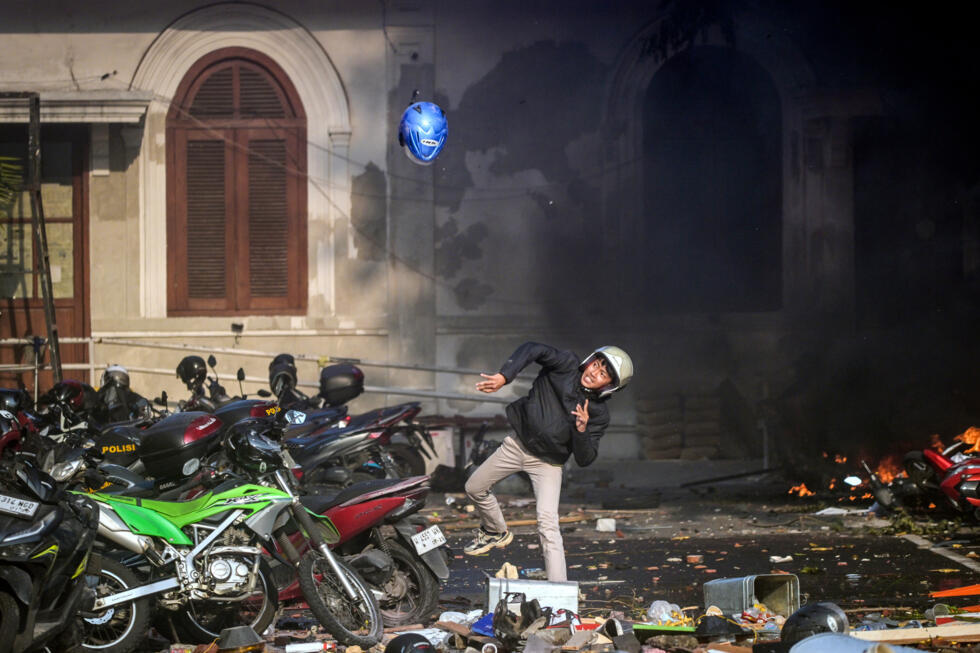
The protests are the biggest and most violent of Prabowo Subianto's presidency, a key test less than a year into his rule. © Juni Kriswanto, AFP

Hundreds of students and "ojek" motorcycle taxi drivers protested in front of the police headquarters in Bali, Indonesia's most popular tourist hotspot.

Protesters on neighbouring Lombok island stormed a council building in the provincial capital Mataram and set it on fire, despite police attempts to stop them with tear gas.

Hundreds of students in Surabaya also rallied outside the East Java police headquarters, according to an AFP journalist at the scene.

In response to the protests, social media app TikTok said Saturday it had temporarily suspended its live feature for "a few days" in Indonesia, where it has more than 100 million users.

In Jakarta, hundreds had massed on Friday outside the headquarters of the elite Mobile Brigade Corp (Brimob) paramilitary police unit they blamed for motorcycle gig driver Affan Kurniawan's death the day before.

Protesters threw firecrackers as police responded with tear gas.

President Prabowo Subianto visited the family of the slain motorcycle gig driver. 
© Handout / Indonesia's Presidential Palace, via AFP

Police said they had detained seven officers for questioning in connection with Affan's death.

National police chief Listyo Sigit Prabowo, who is not related to the president, told a news conference on Saturday the officers would face an ethics trial that could take a week.

"If they are guilty, there's room for us to process the case as a crime," he said.

President Prabowo has urged calm, and ordered an investigation into the driver's death and that the officers involved be held accountable.

On Saturday he cancelled a planned trip to China next week for a military parade commemorating the end of World War II in order to monitor the situation in Indonesia.

"Mr President apologised because he decided he could not accept the invitation from the Chinese government," State Secretary Prasetyo Hadi said.

Prabowo has pledged fast, state-driven growth but has already faced protests against widespread government budget cuts.

(FRANCE 24 with AFP)

EUROPE, AUSTRALIA, QUEBEC

How forests decimated by wildfires still have the power to heal

Wildfires that ripped through Europe this summer, forcing thousands to flee and leaving vast areas of forest in ashes, were the worst the continent has seen in decades. Scientists say climate extremes are driving the destruction. Yet forests have an incredible capacity to recover – sometimes naturally, and sometimes with human help.


Issued on: 30/08/2025 - RFI

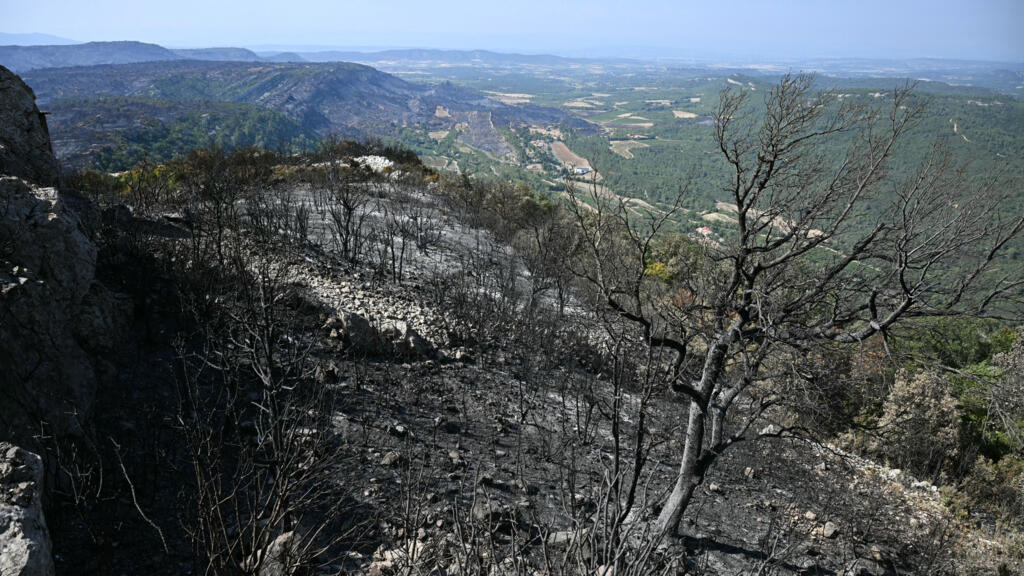
Burnt trees and scorched land are pictured following wildfires near the village of Coustouge, in the Aude department in southern France on 8 August, 2025. 
AFP - LIONEL BONAVENTURE

In recent years, forest fires have destroyed millions of hectares of vegetation in North America, southern Europe, Australia, and especially in Africa.

Once the flames die down, forests can regenerate naturally or with intervention. Depending on the trees and the location, recovery can take anywhere from three to 60 years.

Forests can recover if the right conditions are in place – whether through natural regrowth, human intervention or replanting. These techniques differ slightly depending on geographic zones and climate patterns.

Many experts say natural regeneration is usually the most effective.

Éric Rigolot, a research engineer at France’s National Institute for Agricultural, Food, and Environmental Research (Inrae), specialises in Mediterranean forest ecology.

"For the most part, the forest will manage to regenerate on its own," he told RFI.

"Mediterranean forests, for example, are adapted to a certain fire regime. They have developed effective methods for post-fire regeneration."


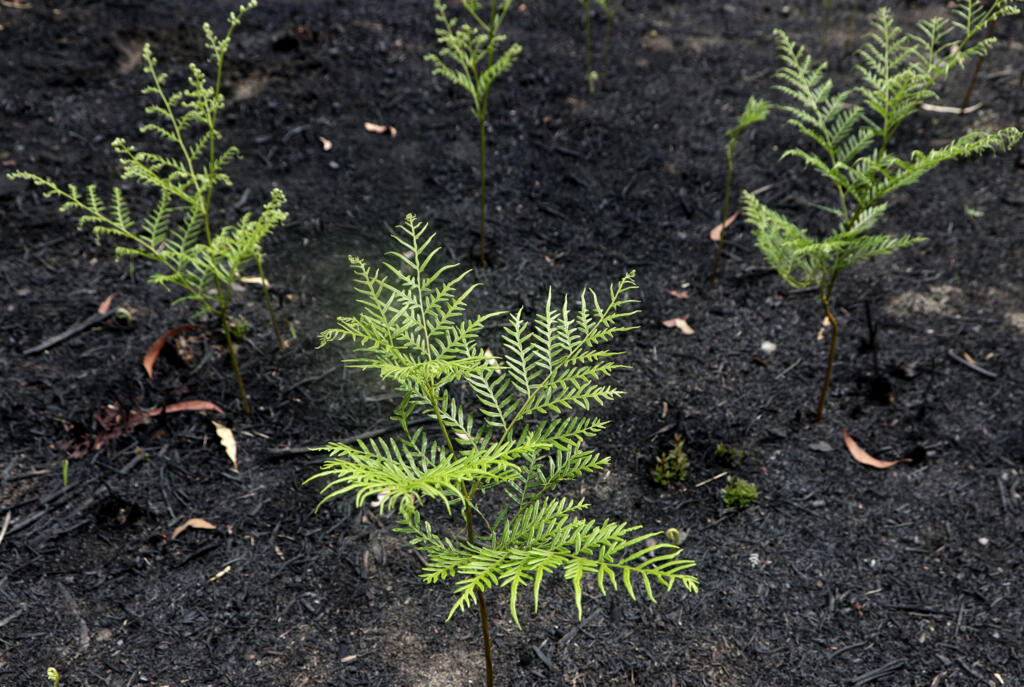
A plant sprouts from the blackened ground near Nattai, Australia, Thursday, 16 January, 2020. AP - Rick Rycroft

Fire-resistant bark


Some species, like the cork oak, are especially resilient. "Three weeks after a fire, there can already be young shoots appearing on the trunk," Rigolot said.

Other trees survive thanks to their bark.

"Those with more fire-resistant bark won't necessarily die: they'll sprout again with buds that will reform in the following years," Jonathan Lenoir, an ecologist and research fellow at CNRS, said.

Forests can turn green again quickly after rainfall.

"If there is good natural regeneration capacity, we will see a return of trees in the following years," said Rémi Savazzi, head of the National Forestry Office’s (ONF) fire division.

Underground roots can also survive, allowing vegetation to "grow back from the stump".

Protecting the soil is the first priority after a forest fire.

"The forest has a role in protecting the soil and against other natural hazards," Savazzi explained.

Measures are taken to repair walking trails and to identify damaged trees or trees about to fall.

Trees affected by fire can be repurposed into anti-erosion barriers that "slow down runoff and maintain the soil", Savazzi added.

Human intervention

For some scientists, human involvement helps forests recover faster.

"We need to ensure that invasive species like weeds don't proliferate. This will help native species regrow more easily," said Patrick Norman, a researcher at Griffith University in Australia.

In Canada, some trees sow seeds when they burn, thus participating in natural forest regeneration. This is the case for certain conifers in the country's boreal forests.

Victor Danneyrolles, a researcher at the University of Quebec and a specialist in fire ecology told RFI that this is a very effective mechanism in allowing trees to regenerate after a fire.

"There are seed systems enclosed in serotinous cones. There is a resin in the cone, which will melt when the fire passes, opening the cone, and allowing all the seeds to be released," he said.

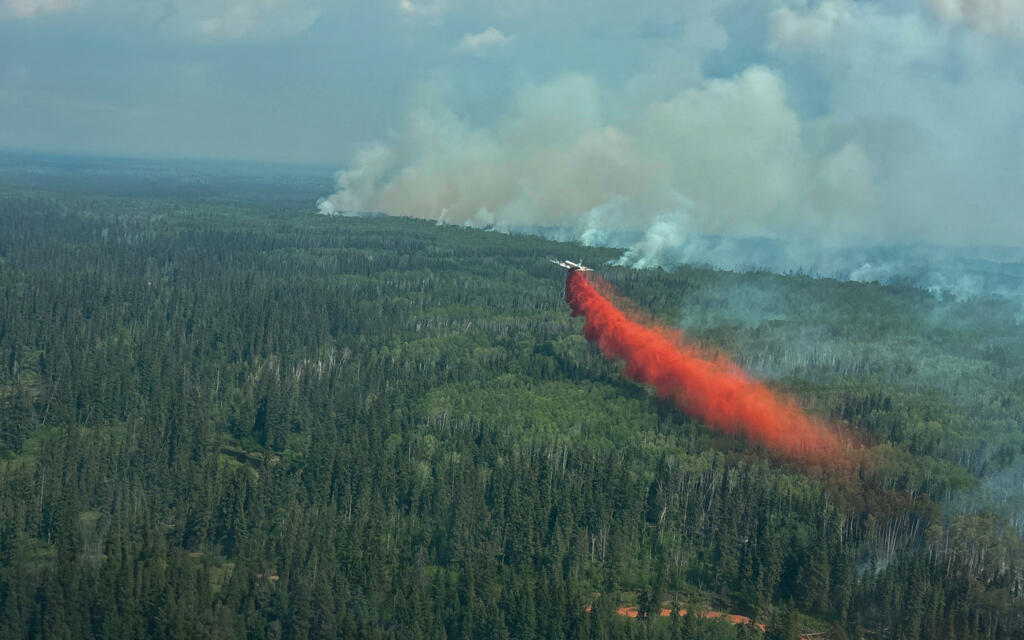
A water bomber drops a load of fire retardent on the Sousa Creek wildfire HWF036 east of Rainbow Lake, Alberta, Canada in an aerial photograph 2 June, 2025. © Alberta Wildfire/Handout via REUTERS


While natural regeneration is prioritised where possible, sometimes a helping hand is needed – particularly when it comes to planting.

For many years in France, the planting of new trees and new seeds by humans was an integral part of the forest healing process but it hasn't always been effective.

"We have examples of our colleagues 30 or 40 years ago who replanted as soon as there was a gap. We realise that some plantations have unfortunately failed," ONF's Savazzi said.

In the Mediterranean region, the last planting programs took place in the 1980s, according to Inrae, but this has become too expensive to maintain.

Danneyrolles indicates that in Quebec, the price of replanting corresponds to $8,000 per hectare, or nearly €5,000.

"You have to produce the seeds, then plants in nurseries, build forest roads to access the areas to be reforested, labour costs," he said.

Choice of tree species

Furthermore, replanting, while still used in many countries, can be risky if done poorly or if the species planted are not well chosen.

"We may be tempted to plant species that are more resistant to fire, and which sometimes come from far away. These species can be invasive and cause other problems," said Jonathan Lenoir of the CNRS.

Lenoir instead advocates replanting a "mixture of species" to "avoid the spread of fire, which can be more prevalent when tree species are homogenous.

Australian researcher Patrick Norman insists on planting something that's native to the area, "something that should originally grow there," he says.

"Planting an exotic species like a eucalyptus (a species widely found in Australian forests), which burns very well, would significantly exacerbate the problem" in unsuitable forests.


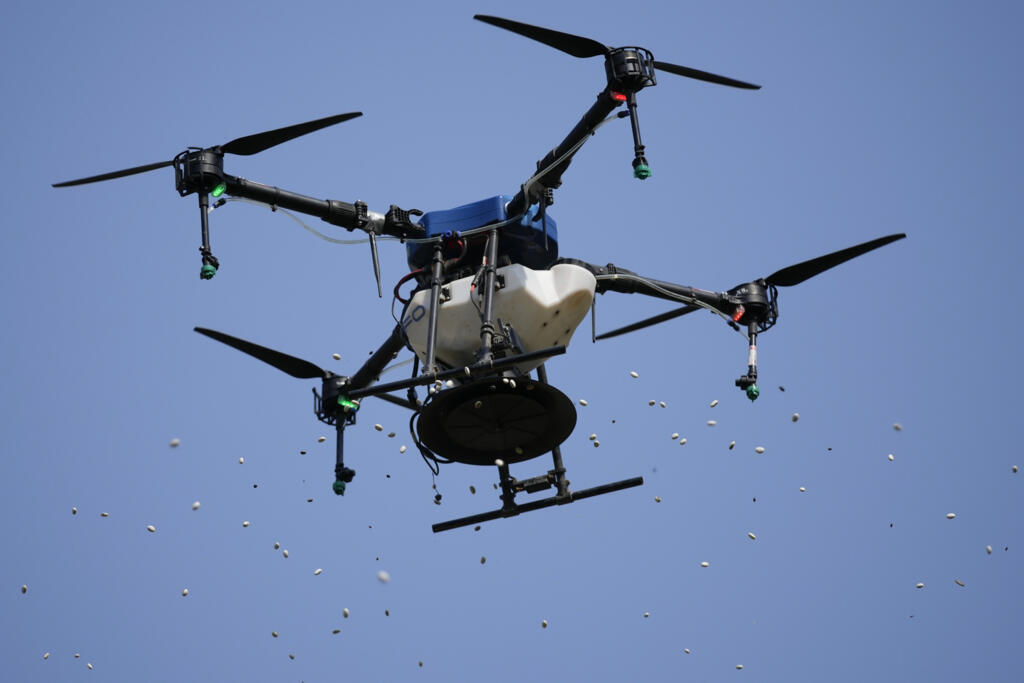
A drone drops seeds during a demonstration of a city seeding program at Campo Grande in Rio de Janeiro, Friday, 13 September, 2024. A municipal seeding program aims to speed up reforestation and minimising the impact of heat, according to municipal climate official Artur Miranda Sampaio. AP - Silvia Izquierdo

In many countries, the regeneration of forests is a combination of techniques.

In Morocco, the National Agency for Water and Forests (ANEF) sets aside closed areas to allow vegetation to regrow without disturbance, alongside reforestation with drought-resistant native species.

After fires in the Landes de Gascogne region of France in 2022, "most of the maritime pine forests were replanted," Rigolot said. Planting is also taking place along the Atlantic coast of Spain and Portugal.

New tools like drones are being tested in Canada, Spain and Mexico. In Michoacan, some drone models can carry nearly 20 kilos of seeds, Danneyrolles said.
Indigenous input

Some countries, such as Australia, draw on the knowledge of indigenous communities to develop more sustainable regeneration strategies for fire-affected areas.

"They are an incredible source of knowledge; they have maintained the environment and lived with fires for nearly 50,000 years. Who knows the affected regions better than the First Nations' people?" Australian researcher Patrick Norman said.

Victor Danneyrolles agrees with this when it comes to Canada.

"They are generally the most exposed to the risk of fires, because some live in somewhat isolated areas. We work with them as much as possible to understand their needs and realities."

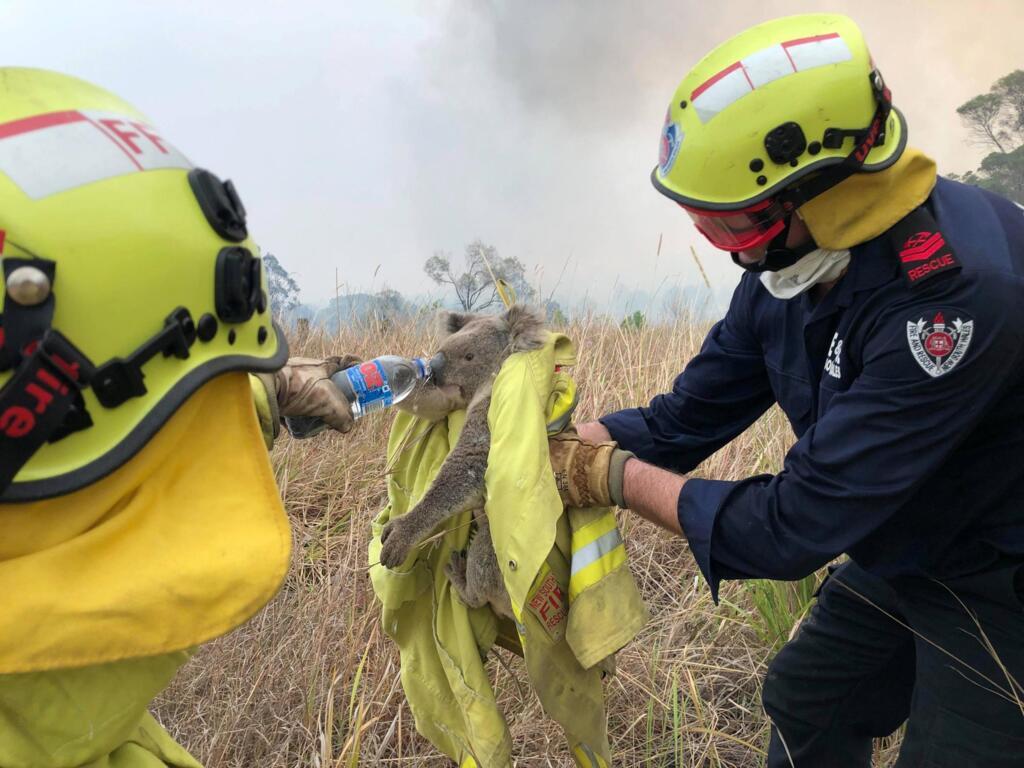
Firefighters rescue a koala, victim of the "black summer" fires, in New South Wales, Australia, 21 November, 2019. PAUL SUDMALS/via REUTERS

Traditional techniques such as controlled burns are now widely used in Australia and Canada. Indigenous groups are also exploring the use of drones, which avoid building roads or bringing in heavy machinery.

Generations to grow

Even when regeneration is quick, full recovery can take decades.

"It will take 20 to 30 years for small trees to become adult trees and be able to reseed," Savazzi said.

Norman recalled Australia’s "Black Summer" of 2019-2020, when "trees that were thought to be dead sprouted two or three years later." Still, he noted that some ecosystems can take "up to 20 years to return to the state they were in before the fires."

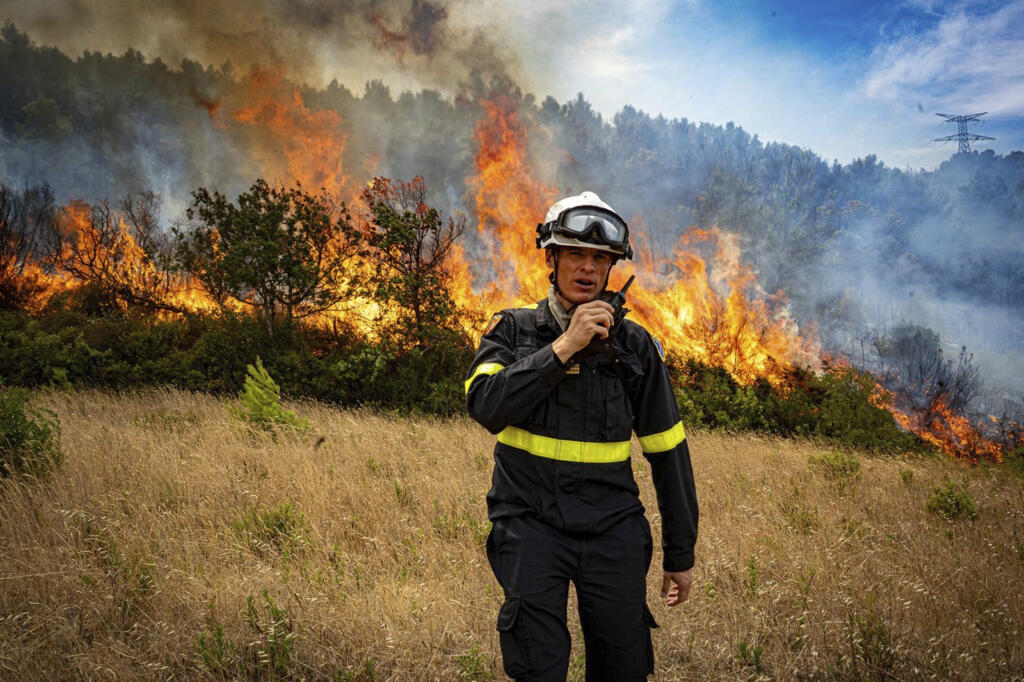
This photo, provided by the Securite Civile on Thursday Aug. 7, 2025, shows a rescuer from the Securite Civile next the wildfire near Saint-Laurent-de-la-Cabrerisse, southern France, Wednesday, 6 August, 2025. © AP/Sécurité civile


When it comes to ancient forests, an even longer period is required, according to Rigolot from Inrae – who points to the fires earlier this month in the Aude department of France.

"To rebuild a mature forest, like the one that burned in the Corbières, it takes many years, almost a human generation, or almost 60 to 70 years. The forest is an ecosystem with a very long life cycle," he said.

The process of reforestation and restoration that can take even longer if disrupted by repeated or overly massive fires.

Resilience as key


In Quebec, after the mega-fires that ravaged several million hectares in 2023, some forests, for example, have been unable to regenerate on their own.

"It is estimated that more than 300,000 hectares will not be able to reforest themselves. We are capable of reforesting ourselves, but only up to 50,000 hectares per year," Danneyrolles said.

For Jonathan Lenoir, climate change will involve a different adaptation of forest ecosystems, to put the emphasis on resilience. This may lead to the disappearance of certain species better adapted to a more humid climate.

"We risk having species better adapted to hot and dry climates naturally, or, through assisted migration, humans will seek to favour species adapted to these new conditions," he said.

With already 8 to 10 million hectares of natural forests disappearing each year, the NGO World Wildlife Fund says helping forests adapt will be essential. Forests provide livelihoods for more than 300 million people and are home to 80 percent of terrestrial biodiversity.

This report was adapted from the original version in French by RFI's Léo Roussel.
Is climate change making hurricanes stronger?

Tropical cyclones – that is, hurricanes, typhoons and tropical storms – are becoming slower and more dangerous due to climate change. Twenty years after Hurricane Katrina devastated New Orleans, one of the worst hurricanes in US history, here is what you need to know about storms today.

Explainer
Environment
 31/08/2025 - 
FRANCE24
By: Taise PARENTE
Video by: Taise PARENTE

Are tropical cyclones becoming stronger? And what is the connection between global warming and devastating hurricanes? 
© FRANCE 24   02:42


Come summer in the United States, those on the East Coast eye the Atlantic warily. Atlantic hurricane season usually runs from June 1 to November 30, normally peaking in September. However, over the past decade, that is no longer the norm. At least one named storm has formed before June 1 in seven of the last 10 years. This had only happened three times between 2005 and 2014.

In a recent study, researchers found that the probability of major hurricanes occurring had increased by about 22% from 1979 until 2017. They are also becoming stronger faster, a phenomenon known as “rapid intensification”.

For example, before Hurricane Helene struck Florida in September 2024, it grew from a Category 1 to a Category 4 hurricane in a single day. Usually that change is more gradual, happening over several days.

And when that happens close to landfall, it means less time to prepare and evacuate, posing a major risk to coastal communities.

Meanwhile, recent research shows that hurricanes are travelling more slowly, which brings more damage caused by strong winds and a higher risk of flooding, as more rain is dumped over a particular area.

Warmer oceans, faster hurricanes


The formation and intensity of tropical cyclones depend on just the right mix of environmental conditions. Essentially, it comes down to the amount of fuel available.

As our climate continues to grow warmer, so do the oceans, which absorb 90% of the world’s surplus heat. The hotter the water, the more energy available to power the storm’s growth. A warmer atmosphere can also hold more moisture, which in turn means more fuel for the tropical systems.

Usually, as the hurricane swirls, it brings cooler water from the bottom to the surface of the ocean, but if deep waters are also warm, hurricanes intensify faster.

Another consequence of global warming is rising sea levels, which makes so-called storm surges (and therefore, flooding), worse. With Hurricane Katrina, for example, it was the strong storm surge coupled with engineering mistakes that caused levees to fail, devastating the New Orleans area.


What does the future hold?

According to the US National Oceanic and Atmospheric Administration (NOAA), the global number of tropical cyclones may decrease or remain unchanged in the future, but the proportion of stronger Category 4 or 5 storms is projected to increase.

They are also more likely to become more intense and have higher rainfall rates than present-day hurricanes.

“If we fix a threshold in terms of wind, how we define a major hurricane, then the number of hurricanes that go above this threshold is increasing, although the total number is the same. And the proportion of Category 4 and 5 tropical cyclones is going to increase even more if we don’t stop burning fossil fuels,” says Davide Faranda, research director at France's National Centre for Scientific Research.

Then there are other risks, Faranda says. "For example, consecutive cyclones – cyclones that are one after the other, [and] you cannot recover from the first [before] the second one."

And other damaging events can follow tropical cyclones, he says, for example heatwaves. If a hurricane hits Florida with a lot of moisture and flooding, and then you have a heatwave, people will still be reeling from the hurricane when they are hit by the extreme heat conditions that follow.

Research also indicates that the geographical range of hurricanes and tropical cyclones will increase, meaning millions more people could face the devastating damage of these storms in the years to come. Economic damage from such storms is expected to double every generation because of population growth, inflation and expanded infrastructure along the coast.


Birdwatchers flock to Colombia and South Africa- so why are Venezuela and DRC being left behind?

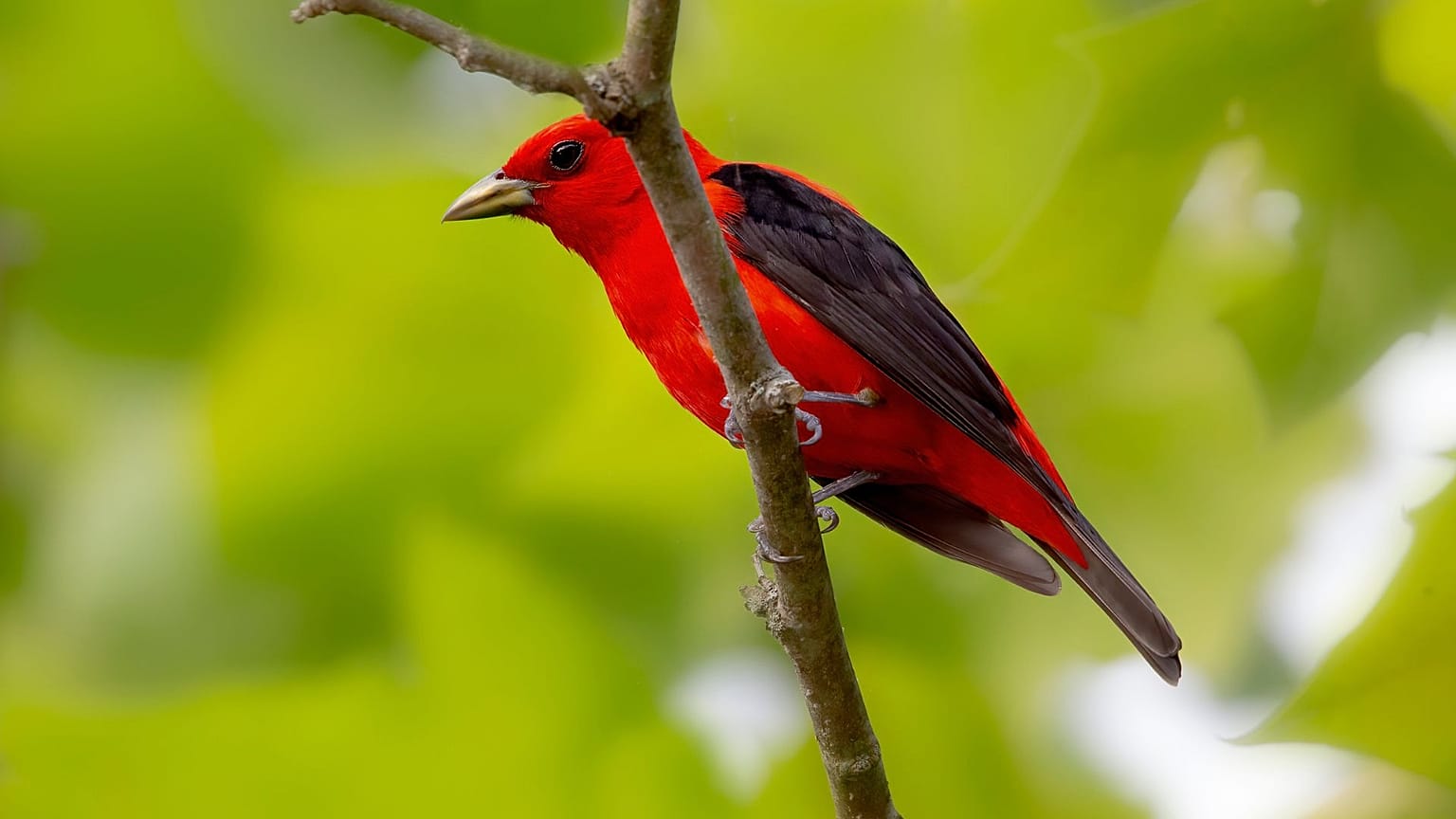
A scarlet tannager perched on a branch
Copyright Canva

By Indrabati Lahiri
Published on 

While birdwatching tourism explodes in countries like Colombia and Costa Rica, places like Madagascar and Bolivia are seeing far fewer bird lovers.

Birdwatching tourism has exploded in the last decade, mainly because of the increasing desire for sustainable outdoor travel, which provides a deeper connection with nature. Other factors, such as discovering new destinations, seeing as many bird species as possible and meeting new people have supported this trend as well. 

The rise of technology, such as the eBird app, which receives more than 100 million bird sightings from around the world, also makes it much easier to connect with other birdwatchers. This lets them participate in communities, share observations, as well as swap pictures and destination recommendations. 

However, birdwatching tourism also supports biodiversity and ecological conservation, helping protect fragile ecosystems and vulnerable bird species, especially short-range and endemic species. 

But are all countries benefiting equally from the rise of birdwatching tourism? 

New research from the University of California, Santa Cruz, using data from the eBird app, analyses birdwatching tourism growth across 155 countries, as well as the sociological and ecological factors affecting it. 

The study found that four major factors influence birdwatching tourism: the number of small-range bird species, total bird biodiversity, the Global Peace Index and the Human Development Index. 

The results? Birdwatching tourism benefits may be disproportionately concentrated in only a few global destinations. 

Colombia and South Africa top birdwatching tourism destinations

Birdwatching tourism can have great sustainable development benefits, especially in tropical countries which boast large numbers of unique bird species and high bird biodiversity. As many of these countries are usually underdeveloped economically, tourism revenue can have a far-reaching impact, especially in rural areas. 

Colombia is one such example of a country which has seen a positive impact from birdwatching tourism. The country had 40 times more overall birding days reported in 2022 than in 2010, according to eBird data. It was also the top spot for birdwatching tourists from 2010 to 2022. 

“We had long wondered about birdwatching as a way to achieve both conservation and economic development. Over the years, we’ve seen Colombia really explode as a birdwatching destination, and we often asked ourselves why more countries aren’t similarly recognised as great places for birdwatching,” Natalia Ocampo-Peñuela, lead author of the new UC Santa Cruz study, said. 

The second most frequented destination for birdwatchers from 2010 to 2022 was South Africa. Other countries across Western Europe, and Canada had a disproportionately high number of visitors, compared to their bird capital, which is the number of bird species in the region. 

Countries like MexicoCosta Rica, Peru, Brazil, Ecuador and Australia had both high levels of bird capital, as well as high visitor numbers. 

On the other hand, other tropical countries like Venezuela, Democratic Republic of Congo, Bolivia, Madagascar and Papua New Guinea had disproportionately few birdwatching tourists. In many of these countries, their share of worldwide birding tourism was either flat or decreasing. 

Bird capital is not the highest priority for birdwatchers

One of the biggest reasons for the disparity in birdwatching tourism among different countries is that high bird capital is not the most important factor for visitors anymore. 

Although the prospect of seeing many different interesting and small-range birds in one trip is still very enticing, visitors are increasingly prioritising destinations which also offer safety measures for tourism and basic infrastructure at least, like Colombia.

Colombia, which has the highest number of bird species in the world, at almost 2,000, also offers good birdwatching infrastructure. This includes protected reserves, eco lodges and local guides, although the level of services and infrastructure can differ by region.

The country has also focused significantly on birdwatching tourism and ecotourism as a whole in the last few years, launching a highly successful marketing campaign for the same as well. 

Similarly, Costa Rica, another popular birdwatching destination, is already well-known for ecotourism. It is considered a pioneer in building a green economy by investing in dedicated tourism safety, infrastructure and guides as well. 

Countries like Mexico benefit from relatively good public perception by US birdwatching tourists, who make up the bulk of this tourism category.

On the other hand, countries with low birdwatching tourism like Venezuela and DRC can lack basic tourism infrastructure in many areas, while also dealing with a number of socioeconomic, safety, political and health issues which may deter tourists. 

According to the UC Santa Cruz study, a country’s Human Development Index accounted for 41.4 per cent of the difference in visitation between destinations, whereas its relative small-range bird species richness made up 15.3 per cent. 

While the total species richness of a country accounted for 22.4 per cent of the tourism variation, its relative Global Peace Index made up 1.4 per cent. 

How can countries better attract birdwatching tourism?

One of the key ways in which countries can position themselves as better birdwatching destinations is by developing better tourism infrastructure

An encouraging factor is that for many developing tropical countries with high crime or conflict levels, tourists don’t care so much about overall country development and safety as they do about the safety of the specific tourism areas they want to visit. 

This means that these countries can start by focusing on increasing safety and development of tourism infrastructure in only those particular tourist areas, to hopefully see a boost in birdwatching and ecotourism numbers. 

Other measures to boost birding tourism could include subsidies, tax abatements or loans to build birding infrastructure such as trails, canopy towers or hides. Countries can focus on the conservation of bird habitats, local guide training and encouraging certification programs as well. Sustainable, community-led tourism businesses could be offered a range of tax benefits, too. 

Taking local and Indigenous community perspectives and wishes into account before developing eco tourism, as well as prioritising long-term sustainability gains over short-term extraction industry profits, are crucial in developing birdwatching tourism facilities as well. 

Lithuania has installed so-called 'dragon's teeth' on the border with Russia


Copyright Copyright 2024 The Associated Press. All rights reserved

By Katarzyna-Maria Skiba
Published on 31/08/2025
EURONEWS


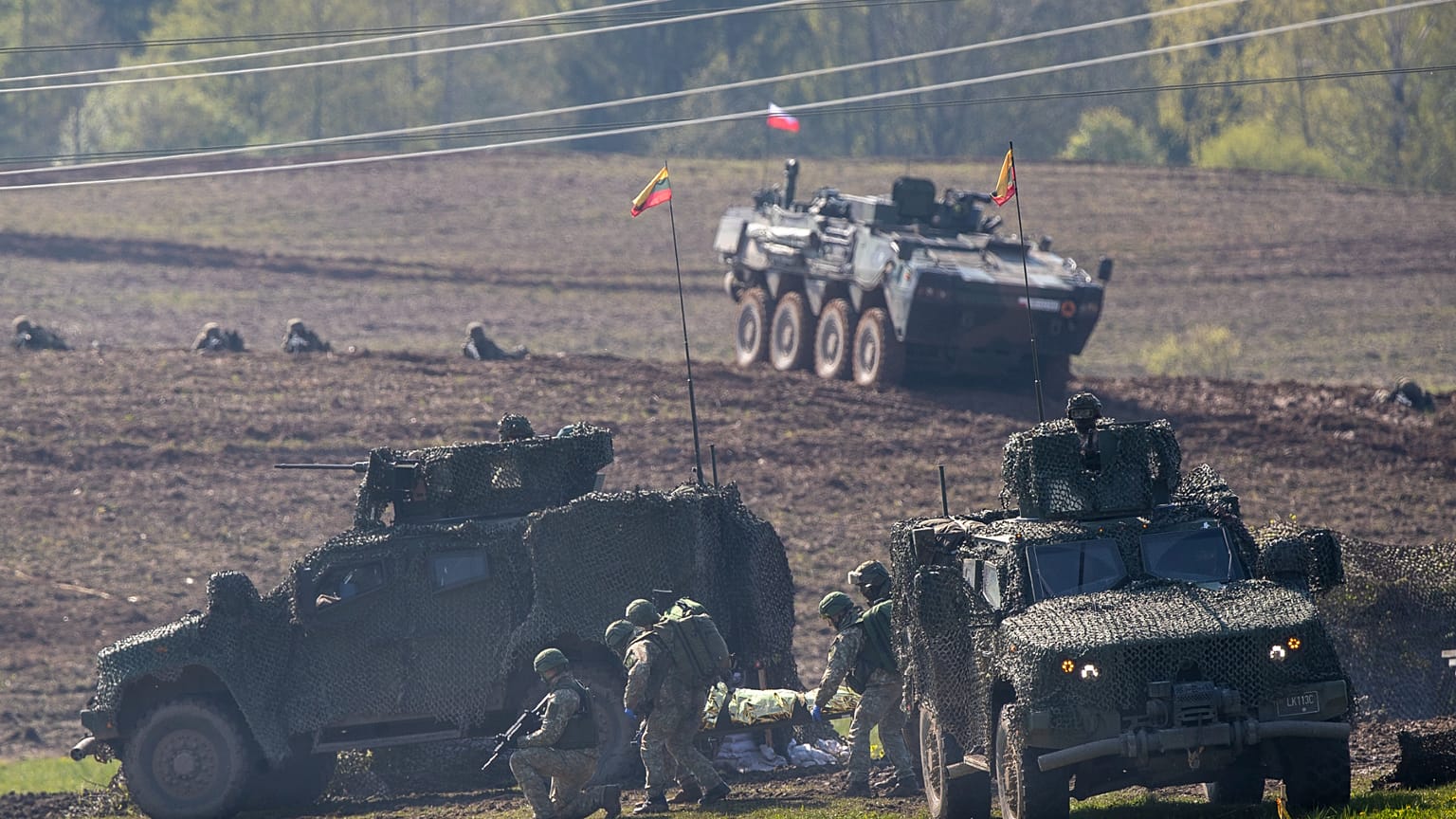
Lithuania has installed "dragon's teeth" - pyramids designed to stop tanks - on the border with Russia's Kaliningrad exclave. "The installed barriers are only part of a larger, integrated picture," said Lithuanian army commander Raimundas Vaiksnoras.

Lithuania has completed the installation of so-called "dragon's teeth" on its border with Russia's Kaliningrad exclave, the Lithuanian Defence Ministry said on Saturday. This is the latest step in a series of defence measures taken by the Baltic country to deter Russian aggression.

"We are starting from the tactical level — specific obstacles on the border — and later we will combine the entire engineering plan into one conceptual system," said Raimundas Vaiksnoras, commander of the Lithuanian army.

"This is a precautionary step aimed to ensure more effective defence," the Lithuanian Ministry of Defence stated in a post on X.

The three Baltic states, Lithuania, Latvia and Estonia, are members of NATO and border Russia. Lithuania and Latvia also border Belarus, a close ally of Moscow. All three countries, formerly occupied by the Soviet Union, have raised their state of readiness due to the threat of Russian invasion since the outbreak of war in Ukraine in 2022.

The Lithuanian military is trying to limit the possibility of using unused roads connecting the country with Russia to reduce the risk of a land invasion. New obstacles have also been erected at unused border crossings with Belarus - Sumskas, Lavoriski, Raigardas and Latezeris - and at the Romaniskes crossing with Kaliningrad.

In July, Latvia in turn announced the installation of concrete anti-tank pyramids along the border with Russia.

INSULTING FAKERY

'From Moscow with love': German neo-Nazi Liebich is reportedly seeking asylum in the USA

Marla Sven Liebich
Copyright picture alliance/dpa | Sebastian Willnow


By Diana Resnik
Published on 

The neo-Nazi Marla-Svenja Liebich, formerly known as Sven Liebich, failed to show up for a sentence in Chemnitz women's prison and has allegedly fled to Moscow in Russia.


An arrest warrant has been issued for neo-Nazi Marla-Svenja Liebich, formerly Sven Liebich, who failed to start a prison sentence at Chemnitz women's prison.

Liebich is reported to have fled abroad, police confirmed, claiming this had become evident from an audio recording that was played outside the women's prison. A spokeperson said around 60 supporters gathered outside the prison for a "housewarming party" planned by Liebich.

Since the escape, Liebich has been very active on social media.

"Nobody knew about my decision - no lawyer, no family," Liebich wrote on X, attaching a photo of a poster portraying Liebich in front of the St. Basil's Cathedral, with accompanying text reading "From Moscow with Love, James Bond" and the hashtag #runningwoman.

In another post, the far-right extremist again referenced Russia.

"A real advantage: even as a little girl, I went to a school with extended Russian lessons, [...] Now I realise how much of that is still deep in my head," Liebich wrote.

The neo-Nazi then announced on X that Liebich was "on the territory of the Russian Federation" and was talking to "officials close to the Kremlin."

Liebich disclosed her plan was to apply for asylum in the US from there, where "interest has been expressed," the extremist said.

Potential abuse of Germany's new 'self-declaration' law

In July 2023, Liebich, who was then still known as Sven, was sentenced to one and half years' imprisonment without parole for right-wing extremist activities, including incitement to hatred, defamation, and insult.

A year and half later, Liebich took advantage of Germany's new law, called the Self-Determination Act, which makes it easier for trans and non-binary people to have their gender entry and name changed.

Liebich then used the new self-identification to request serving the sentence in a women's facility, sparking widespread controvery. Before changing gender and first name, Liebich disrupted an LGBTQ+ pride parade in the city of Halle, and had called queer people "parasites of society."

Federal Minister of the Interior Alexander Dobrindt (CSU) accused Liebich of abusing the regulation. "The judiciary, the public and politicians are being made fools of here," he told local media. Dobrindt now wants to better protect the Self-Determination Act from abuse.

"We now need a debate on how to re-establish clear rules against the abuse of gender reassignment," he concluded.

UN expert on violence against women and girls, Reem Alsalem, had also warned of the dangers for women and girls when the law passed.

Women who are affected by male violence are particularly at risk, she said. Protective measures to rule out abuse of the law by perpetrators of violence were simply lacking.

Women's shelters, changing rooms or shared toilets would therefore no longer be shelters. The federal government had rejected the criticism.

ICYMI
'Greenland is not for sale': French foreign minister visits Arctic territory in show of solidarity


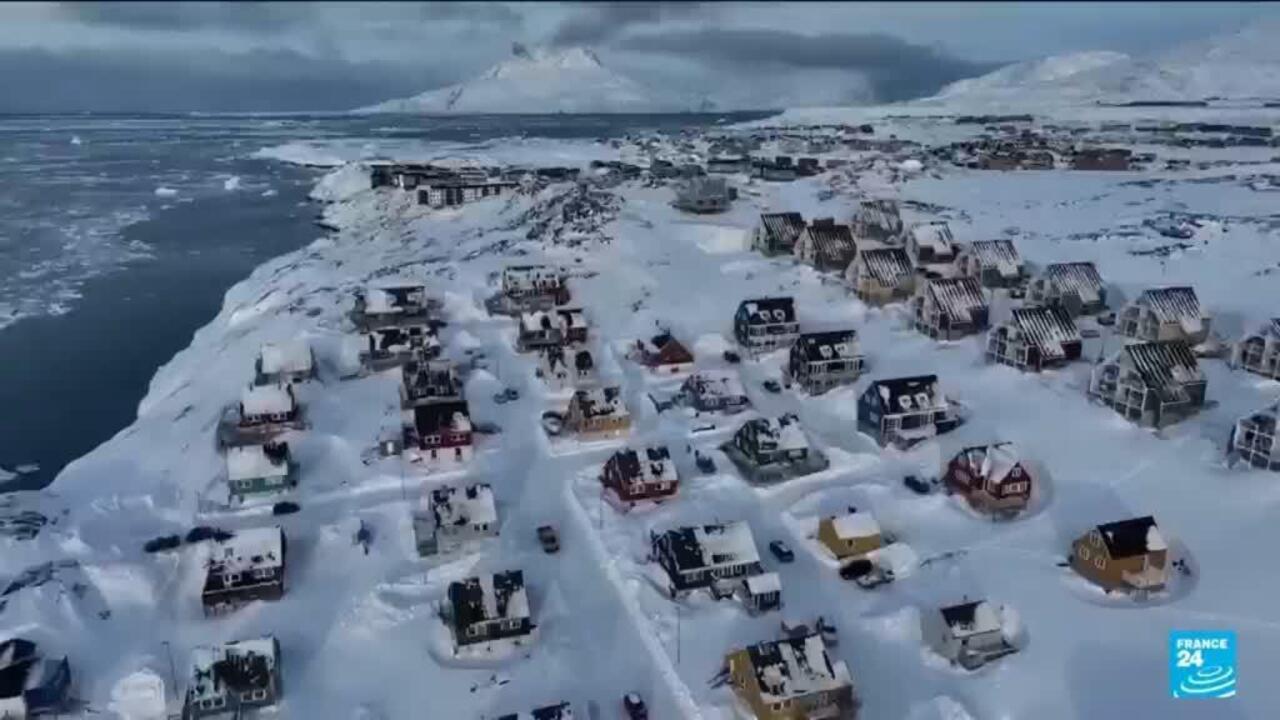
French Foreign Minister Jean-Noël Barrot said Sunday that “Europe and France stand by" Denmark and Greenland, insisting that Greenland “is not for sale” on a visit to Greenland's capital, Nuuk. US President Donald Trump has repeatedly said that the US seeks to take control of the semi-autonomous territory of Denmark.


Issued on: 31/08/2025 -
By:FRANCE 24

A protester holds a sign reading 'We are not for sale' in front of the US consulate during a demonstration in Nuuk, Greenland, on March 15, 2025. © Christian Klindt Soelbeck, AFP

French Foreign Minister Jean-Noël Barrot insisted that Greenland “is not for sale,” and criticised the US for its intentions to take control of the strategic Arctic territory during a visit Sunday to its capital, Nuuk.

Barrot spoke in a news conference following a working meeting with Greenland’s prime minister and foreign minister.

Denmark summons US envoy over suspected influence operations in Greenland
© France 24
01:52


“Greenland is not for sale,” he said, echoing French President Emmanuel Macron’s similar comments during a June visit to the vast, semi-autonomous territory of Denmark.

US President Donald Trump has repeatedly said he seeks US jurisdiction over Greenland. He has not ruled out a military force to take control of the mineral-rich, strategically located Arctic island.

“You’ll not make a nation great again by imposing yourself on your neighbours and allies," said Barrot. “You’ll make a nation great again by contributing to the freedom of the world and to the ability of friends and partners to thrive and to live in peace and prosperity.”

Barrot, who visited a French military ship moored in Nuuk on Saturday, said his two-day trip aims to show France’s support for the sovereignty and freedom of Denmark and Greenland.

“My visit is a message: Greenland and Denmark are not alone," he said. “Europe and France stand by them today and tomorrow.”

Earlier this week, Denmark’s foreign minister summoned the top US diplomat in the country for talks after the main national broadcaster reported that at least three people with connections to Trump have been carrying out covert influence operations in Greenland.

(FRANCE 24 with AFP)


Brain implants that read minds: a medical miracle raises new ethical questions

Analysis

For the first time, researchers have succeeded in translating silent thoughts in real time using a brain implant coupled with artificial intelligence. This technology promises to offer a new form of communication to paralysed people. But it also raises consent and privacy concerns.


Issued on: 31/08/2025 - FRANCE24
By: Pauline ROUQUETTE

Researchers have succeeded in translating silent thoughts in real time using a brain implant coupled with AI. 
© Studio graphique FMM


It's a power associated with fictional superheroes, not the stuff of real life. But the capacity to read minds via direct neural interfaces, called brain-computer interfaces (BCIs), has advanced by leaps and bounds in recent years. A recent Stanford University study has made it possible to directly decode inner speech, or what a person thinks they are saying, without gestures or sound.

BCIs work by connecting a person's nervous system to implanted electrodes capable of interpreting brain activity, allowing them to perform actions – such as using a computer or moving a prosthetic hand – using only their thoughts. The technology could offer people with disabilities a renewed sense of autonomy.

Researchers were previously able to give a voice to people unable to speak by capturing signals in the motor cortex of the brain as they attempted to move their mouths, tongues, lips and vocal cords. But the new Stanford University study has managed to bypass physical speech.

“If we could decode that [inner speech], then that could bypass the physical effort,” Stanford neuroscientist and lead author of the new study Erin Kunz told The New York Times. “It would be less tiring, so they could use the system for longer.”


Published August 21 in the scientific journal Cell, the study's findings could make it even easier for people who cannot speak to communicate: The system showed a 74% accuracy rate in real time, an unprecedented performance for this type of technology.

But decoding our inner voice is not without risks. During trials, the implant sometimes picked up unexpected signals, requiring the implementation of a mental password to protect certain thoughts.

Decoded in real time

“This is the first time we’ve managed to understand what brain activity looks like when you just think about speaking,” Kunz told the Financial Times. Using multi-unit recordings from four participants, researchers found that inner speech is strongly represented in the motor cortex, a part of the brain responsible for speech, and that imagined sentences can be decoded in real time.

To achieve this, the team implanted microelectrodes in the motor cortex to record neural signals. The participants in this study were severely paralysed, either by amyotrophic lateral sclerosis (ALS) or due to a stroke.

The researchers asked them to try to speak or imagine saying a series of words. Both actions activated overlapping areas of the brain and elicited similar types of brain activity.

Artificial intelligence (AI) models were trained to recognise phonemes (basic units of language), translate these signals into words and then into sentences that the participants were thinking but not saying aloud. In a demonstration, the brain chip was able to translate the imagined sentences with an accuracy rate of up to 74%.

Frank Willett, assistant professor of neurosurgery at Stanford, told the Financial Times that the decoding was reliable enough to demonstrate that, with improvements in implant hardware and recognition software, “future systems could restore fluent, rapid and comfortable speech via inner speech alone”.

A password to protect private thoughts

But these exciting advances come with privacy concerns. The study found that BCIs could also capture internal speech that participants had not been asked to imagine saying, raising the spectre of private thoughts being leaked against the user's will.

Technology’s new ability to blur the line between voluntary and intimate thoughts has sparked fears of non-consensual mind reading.

“This means that the line between private and public thought may be more blurred than we assume,” warned Nita Farahany, a professor of law and philosophy at Duke University and author of the book, “The Battle for Your Brain: Defending the Right to Think Freely in the Age of Neurotechnology”.

“The more we push this research forward, the more transparent our brains become, and we have to recognise that this era of brain transparency really is an entirely new frontier for us,” Farahany noted in an interview with National Public Radio (NPR).

The question of how to ensure that an individual’s mind remains an inviolable sanctuary is an ethical issue that now confronts researchers working in neurotechnology.

Stanford researchers devised a password-protection system that prevents the technology from decoding someone’s inner speech unless they first think of the password.

They chose “Chitty Chitty Bang Bang,” the name of a 1964 children’s book by Ian Fleming as well as a 1968 movie starring Dick van Dyke. The password was long enough, and unusual enough, to prevent the unintentional decoding of private thoughts with a 98% success rate.

Given the development of this password-protection system, Cohen Marcus Lionel Brown, a bioethicist at the University of Wollongong in Australia, told the New York Times that the Stanford study “represents a step in the right direction, ethically speaking”. He added that, “If implemented faithfully, it would give patients even greater power to decide what information they share and when.”

In a March 2023 interview with NPR, Farahany noted that the brain was “the most sensitive organ we have. Opening that up to the rest of the world profoundly changes what it means to be human and how we relate to one another.”

For her part, Evelina Fedorenko, a cognitive neuroscientist at the Massachusetts Institute of Technology (MIT), who was not involved in the new study, noted that much of human thought is nonverbal. She noted that BCI studies showed high success rates when decoding words that patients consciously imagined saying, but the success rate fell when people responded to open-ended commands.

When participants were asked to think about their favourite childhood hobby, Fedorenko noted that what was recorded was “mostly garbage”. A lot of spontaneous thoughts, she told the New York Times, are “just not well-formed linguistic sentences”.

Kunz, the Stanford study's lead author, acknowledges that the computers decoding inner speech are still not good enough to enable people to hold conversations. “The results are an initial proof of concept more than anything,” she said.

Despite the advances in the field, expectations must be tempered. At this stage, the vocabulary remains limited, accuracy is far from perfect, and the implants are invasive.

The device also requires lengthy training and constant adjustments. For a large-scale clinical deployment, improvements will need to be made to the algorithms, hardware interfaces and implantation conditions, which, according to the researchers, will take several more years.

However, these advances have sparked a heated debate on “neurorights”, an emerging study aimed at protecting mental life from intrusion. In other words, will our “mental security” need to be defined and protected in the future?

While promising to give a voice to those who have been deprived of it, this breakthrough also outlines the contours of an unprecedented future where, even when unwanted, silences can speak.

This article has been translated from the original in French.