Friday, December 26, 2025

Corruption scandal means Zelenskiy would likely lose a presidential election

Corruption scandal means Zelenskiy would likely lose a presidential election
Corruption scandal means Zelenskiy would likely lose a presidential election / bne IntelliNews
By Ben Aris in Berlin December 26, 2025

The expanding Energoatom corruption scandal has hurt Ukrainian President Volodymyr Zelenskiy's popularity and if elections were held this weekend he would lose in the second round, according to a Socis poll.

A majority of Ukrainians believe Zelenskiy should face either criminal prosecution or political sanctions in connection with alleged corruption where his close friend and former business partner Timur Mindich ran a $100mn kickback scheme.

As part of the ongoing peace talks to end the war in Ukraine, both the Trump administration and the Kremlin are insisting that Zelenskiy organise fresh presidential elections as soon as possible after a ceasefire is called. Zelenskiy has said that he is willing to do so and in sign of how far the talks have progressed last week the Rada submitted a bill to organise elections while martial law is still in effect – something that is otherwise banned by Ukraine’s constitution.

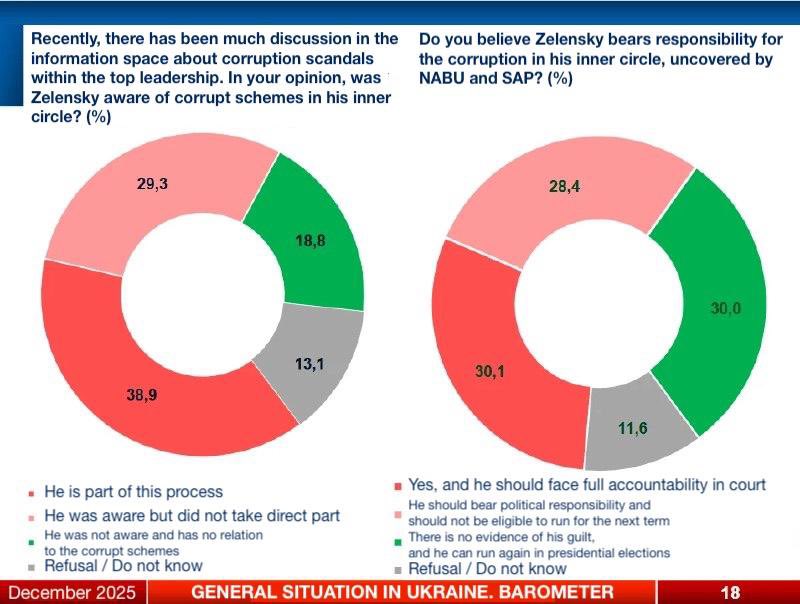
In the nationwide survey, 30% of respondents said Zelenskiy should be tried in court for corruption, while an additional 28.4% supported imposing political bans that would prevent him from running in future elections. Taken together, the findings indicate a clear majority in favour of holding the president accountable.

The results reflect growing public dissatisfaction amid the Mindich corruption scandal, which has implicated figures close to the president. Two ministers have already resigned and the head of Ukraine’s presidential office, Andriy Yermak, was forced to quit. According to the poll, 39% of Ukrainians believe Zelenskiy was directly involved in the scandal, while 29.3% believe he at least had knowledge of it.

Zelenskiy’s approval ratings were already under pressure after he tried to gut Ukraine’s anti-corruption reforms on July 22 by forcing through Law 21414 on July 22 that would have put the main organs – National Anti-Corruption Bureau of Ukraine (NABU) and Specialized Anti-Corruption Prosecutor’s Office (SAPO) – under his personal control just as both bodies were zeroing in on corruption investigations in the president's inner circle that led to Mindich fleeing the country.

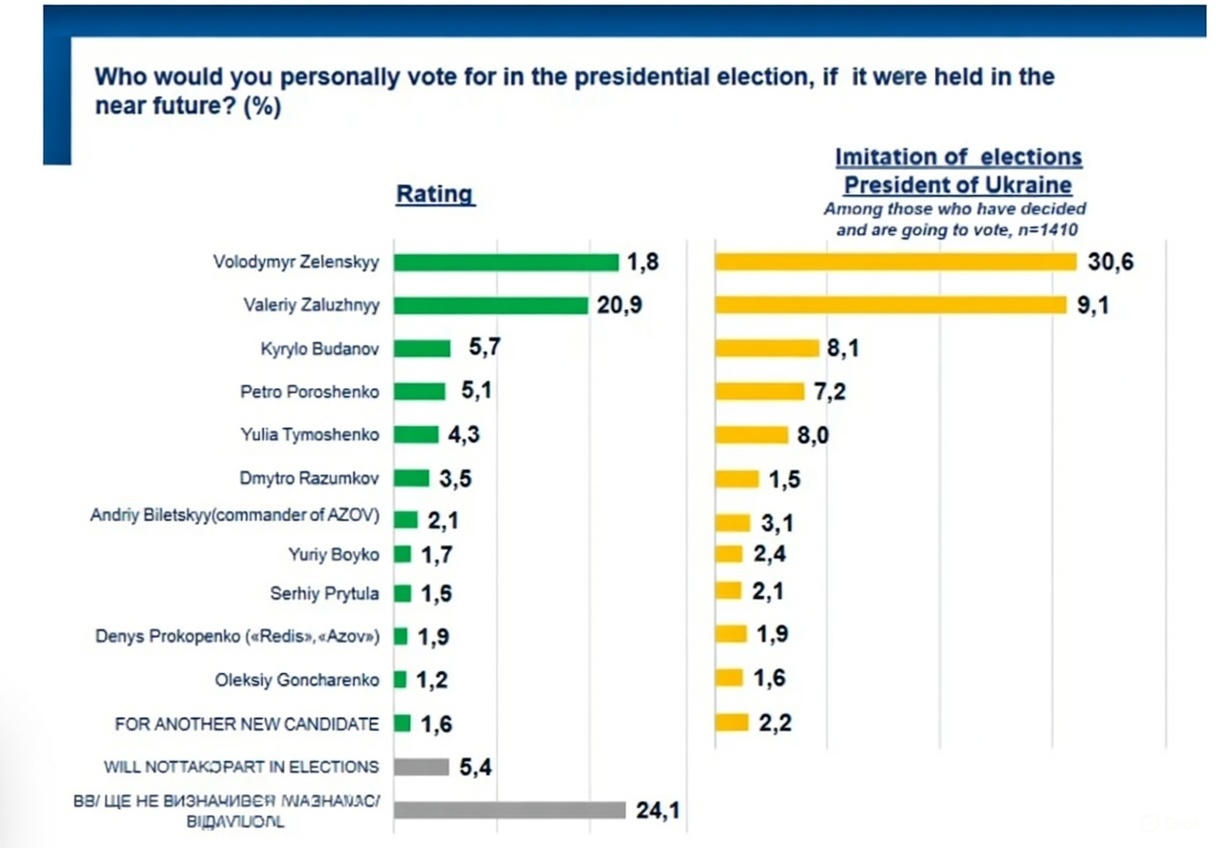
If presidential elections were held today, Zelenskiy and Ukraine’s former top general Valerii Zaluzhnyi, now the ambassador to the UK, would each receive roughly 30% of the vote in a first-round contest. However, Zelenskiy would be defeated in any likely runoff scenario.

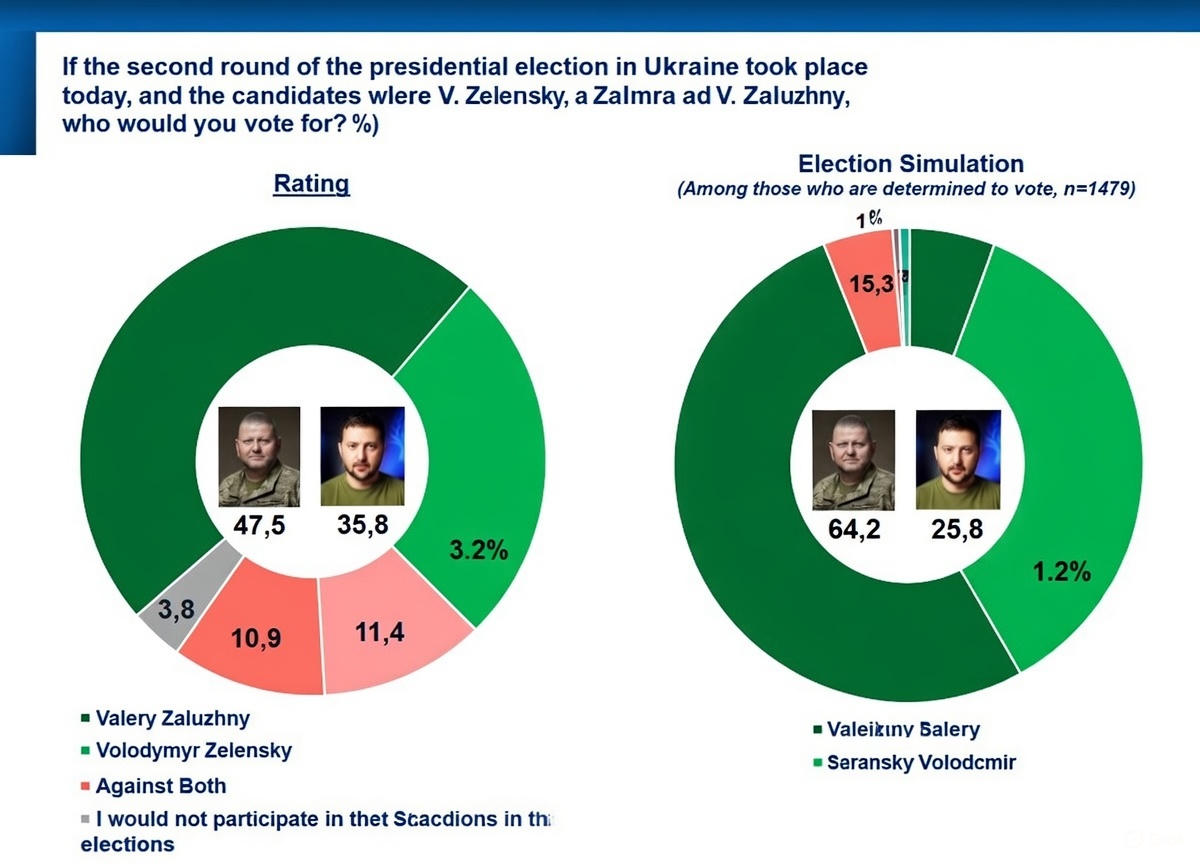
In a hypothetical second round, Zaluzhnyi would defeat Zelenskiy by a wide margin: 64.2% to 35.8%, according to the poll.

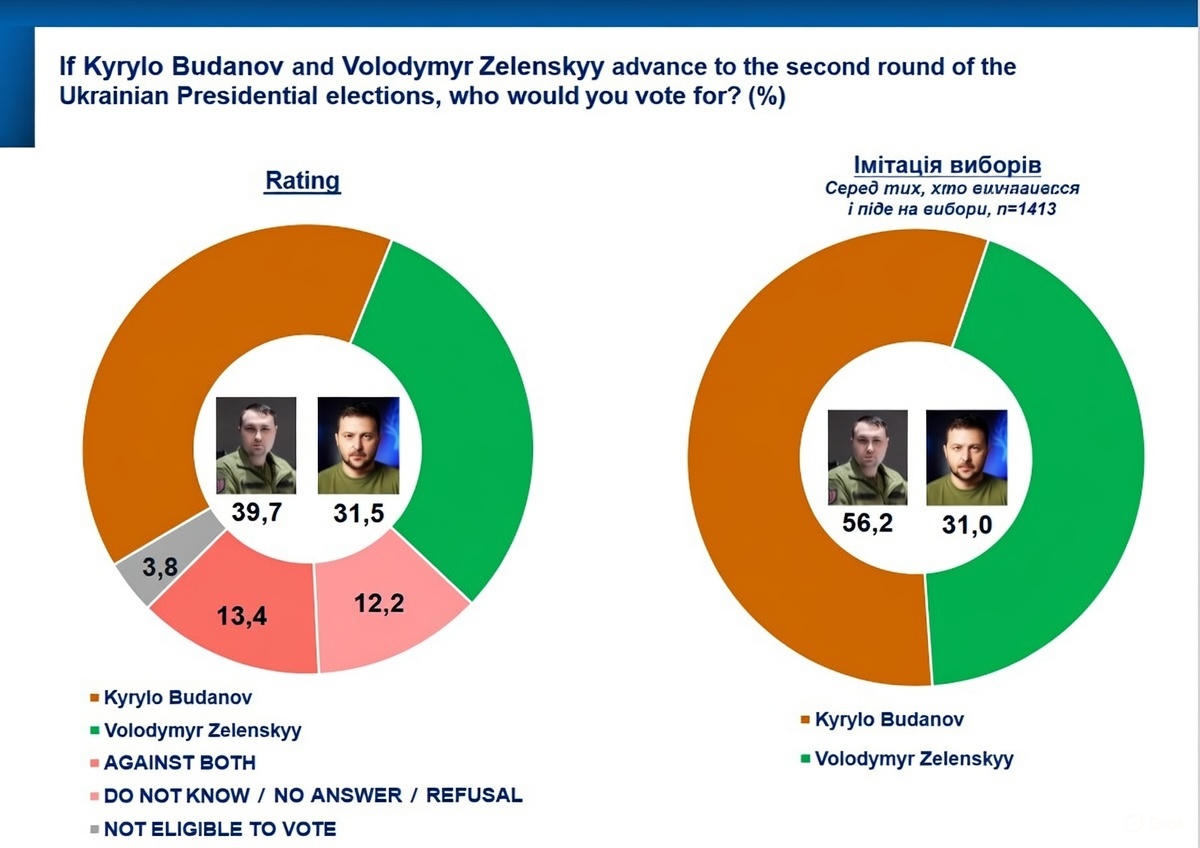
Against another prominent military figure, Kyrylo Budanov, the head of Ukraine’s military intelligence, Zelenskiy would also lose, by 56.2% to 43.8%.

Budanov has overseen many military operations personally and recently launched a successful counter attack in the battle for Pokrovsk, a key logistical hub that supplies the Armed Forces of Ukraine (AFU) defences for the entire frontline in eastern Ukraine. He has seen his popularity rise and is now one of the two top contenders to take over from Zelenskiy as president.

The Socis poll highlights the sharp political risks facing the president as the country navigates prolonged wartime governance, Western expectations for reform, and intensifying internal political rivalry.


This robot aims to make kids feel less lonely |Euronews Tech Talks

This robot aims to make kids feel less lonely |Euronews Tech Talks
Copyright Euronews and No Isolation


By Alice Carnevali
Published on 

Meet Karen Dolva, co-founder and former CEO of the Norwegian tech company No Isolation, helping children with medical conditions attend school.

In 2023, the World Health Organization (WHO) formally recognised loneliness as a global health threat, carrying serious consequences for people’s health and well-being.

Between 2014 and 2023, an estimated 16 per cent of people reported feeling lonely, equivalent to almost one person in six, with estimated rates of loneliness higher among adolescents, according to a 2025 WHO report.

According to the study, using technology to address isolation and loneliness is a growing area of interest, with online games, artificial intelligence (AI), virtual reality (VR), and robotic companionship emerging as potential interventions.

In the final episode of the three-part series on robotics, Euronews Tech Talks explores the role of robotics in reducing loneliness, speaking with Karen Dolva, co-founder and former CEO of the Norwegian company No Isolation.


Gender inequality: How having children affects women’s careers

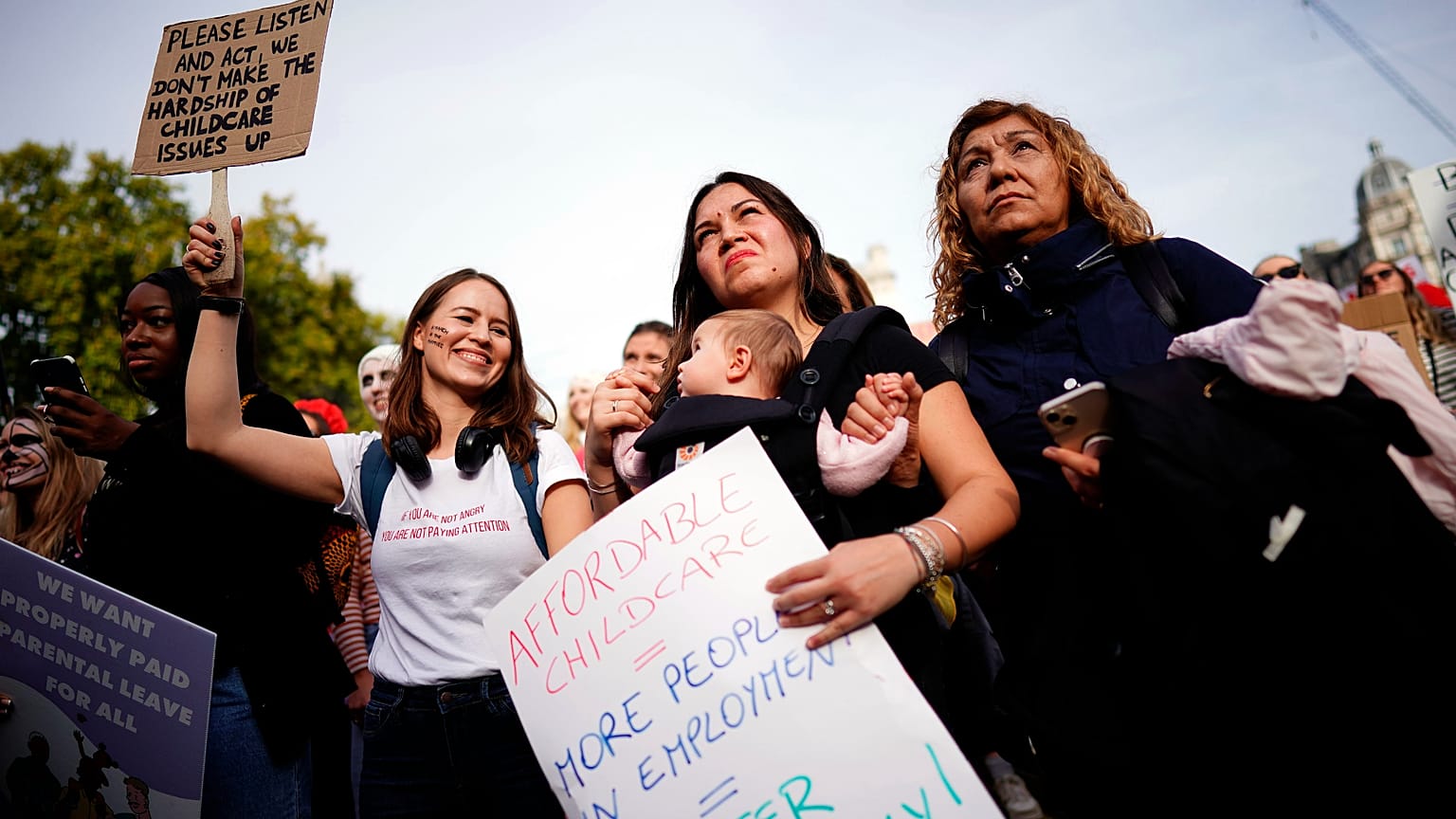
Demonstrators take part in the March of the Mummies national protest in central London, Saturday, Oct. 29 2022.
Copyright AP

By Servet Yanatma
Published on 

Gender inequality goes beyond visible and measurable gaps. Even subtle shifts in women’s job tasks after having children can significantly undermine their long-term career prospects.

Gender inequality affects women’s economic and social outcomes in almost every domain. It is visible in pay, employment and earning gaps, patterns of occupational segregation, and the limited presence of women in leadership roles and political institutions

These gaps widen further for women who take on a primary role in childrearing, often at precisely the moment when careers would otherwise accelerate.

A study from Germany shows that once they take on the task of raising children, women are assigned fewer analytical, complex and interactive tasks, particularly when they reduce their working hours — changes that can quietly narrow future opportunities for advancement.

The motherhood penalty

In a recently published paper in the Journal of Marriage and Family titled The Job Task Penalty for Motherhood, Wiebke Schulz from Bremen University and Gundula Zoch from Carl von Ossietzky University Oldenburg analyse changes in job tasks among 1,978 women, drawing on data from the German National Educational Panel Study covering the period from 2011 to 2020.

They track changes in five key dimensions of job tasks given to women, across three waves spanning a 12-year period, including analytic, complex, autonomous, interactive and manual.

Interactive and analytical roles

Wiebke Schulz explained that interactive tasks often assume predictability and "being on call" for colleagues and clients. When caregiving constraints arise — or are assumed to rise — these tasks are easiest to reassign because they are usually coordination-heavy and time-sensitive.

Analytical or complex tasks can decline for two reasons. In some jobs, they require sustained concentration or ownership of longer work processes, which becomes harder under time pressure and fragmented schedules.

“But importantly, declines can also reflect managerial expectations: supervisors may pre-emptively steer mothers away from high-responsibility, high-growth tasks regardless of actual capacity,” Wiebke Schulz told Euronews Business.

She noted that after childbirth, many of the jobs or roles women are given shift away from "high-cognitive, high-interaction" work toward a narrower set of duties. The change is not just about switching jobs, it shows up as a change in what women do within their work lives after becoming mothers, especially when they work reduced hours.

Even small short-term task downgrades can accumulate. “If analytical, complex and interactive tasks are where skills grow, performance signals are produced, and leadership pipelines are built, then losing access to them can slow wage growth, reduce promotion chances, and lock people into flatter trajectories—even if job titles don’t change,” she said.

While the research covers Germany, the findings are broadly applicable and extend beyond its borders. She underlined that this is a broadly similar pattern across Europe, but the size and shape of the effect will vary with institutions and norms.

Recommendations to address this inequality

One way to address this is to make task allocation visible. Tracking who receives high-growth assignments — such as ownership of key clients, complex cases or project leadership — before and after parental leave or shifts to part-time work can reveal when and how opportunities quietly disappear.

Employers can also rethink how part-time roles are designed. By breaking complex work into modular tasks, formalising handovers and relying more on team-based ownership, analytical and high-responsibility work does not have to be treated as the preserve of full-time staff.

Another critical step is training managers to recognise expectation-based bias. The greatest risk is anticipatory reassignment: tasks are moved not because performance has changed, but because of assumptions about future availability or commitment.

Her policy recommendations are to expand full-day childcare and school coverage, strengthen rights to flexibility with career protections, and incentivise fathers’ leave and caregiving to reduce the "mother is the default adjuster" norm that shapes employer expectations.


Pasta à la army: How influential is the military in Egypt's economy?

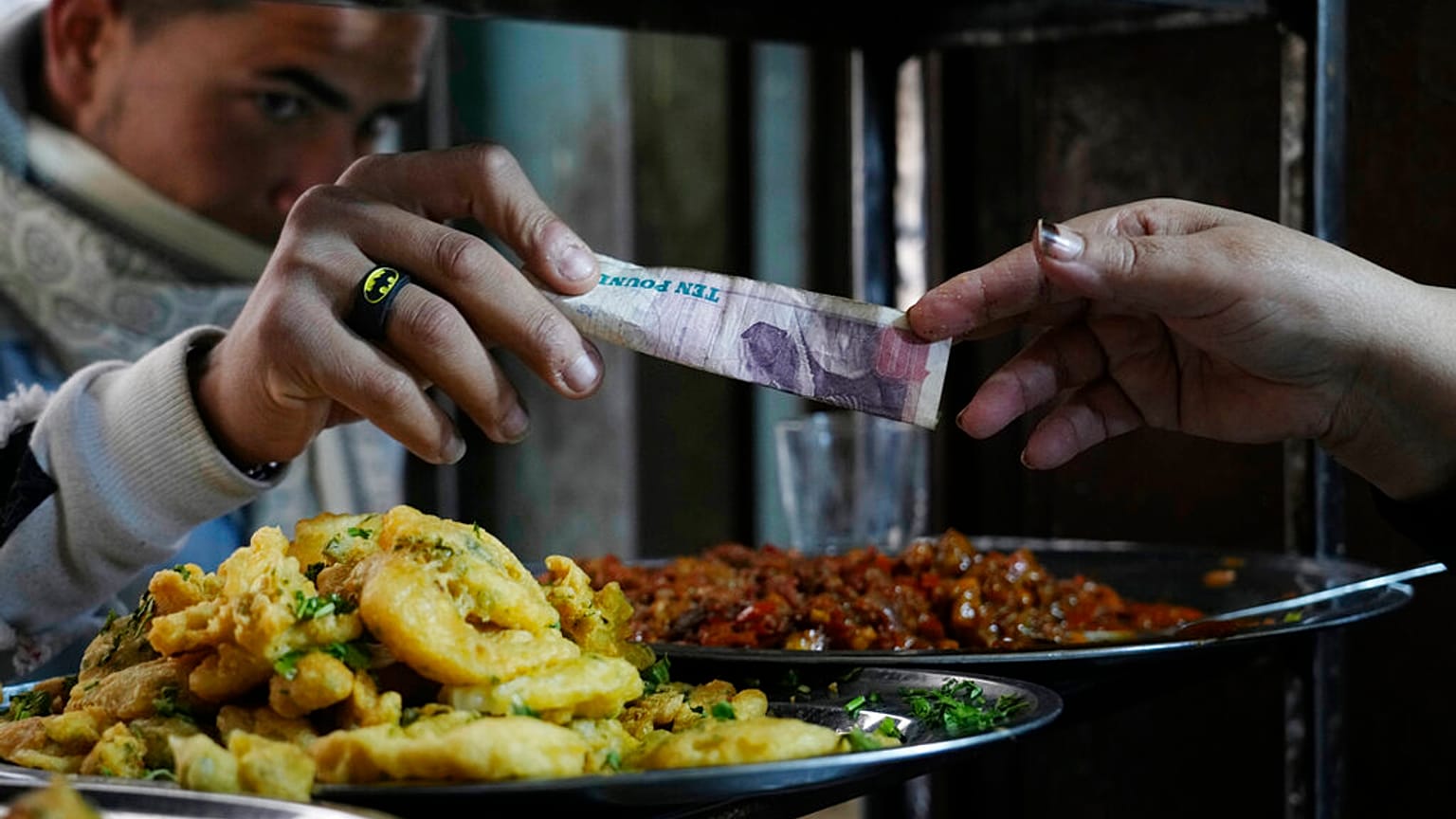
FILE: A man buys food at a popular restaurant in Cairo, Egypt, 22 March 2022
Copyright AP Photo

By Euronews
Published on 

The Egyptian military has long held a significant stake in the country’s household brands. From pasta to petrol, what does this mean for the economy of the region’s biggest country?

Driving down a bustling street in Cairo, an Uber driver pointed out various businesses repeating the same refrain, “Huwa gaysh” - “That’s army.”

A burger restaurant, a hotel, even the cement used to build the bypass above. He turned into a petrol station and nodded. “Gaysh.”

In fact, their household brands are omnipresent for those living in the country.

Egypt’s national dish koshary recently won recognition from UNESCO for intangible cultural heritage.

If you eat the dish — a mix of lentils, chickpeas, vermicelli and macaroni topped with fried onions and a spicy sauce — there is a good chance that many ingredients were produced by, you guessed it, the Egyptian military.

“What is extraordinary in Egypt is that a lot of these products made in military factories are sold in the general economy," research fellow at the Netherlands Institute of International Relations Clingendael Matteo Colombo told Euronews.

"If you go to an Egyptian supermarket, you can easily find a bottle of water that is produced by the army.”

The IMF has agreed to lend Egypt €6.8 billion to address mounting economic challenges, but disbursements have been delayed due to what the organisation described as an economy "dominated by public-driven investments, an uneven playing field, and state-owned entities, including military ones."

The military's grip on Egypt's economy is nothing new, but its scale has expanded dramatically since 2011.

Military officers who ruled Egypt from the 1950s onwards used the armed forces to centralise state control.

President Gamal Abdel Nasser, who led from 1954 to 1970, brought the army into civilian production during a tumultuous post-independence period marked by conflicts with Israel.

Who started it all?

“It didn't start with Egyptian President Abdul Fattah al-Sisi,” Professor Khaled Fahmy told Euronews. “It started actually in the early 60s under Abdel Hakim Aymer, the head of the army under Gamal Abdel Nasser."

Fahmy, professor of Middle Eastern Studies at Tufts University, said the logic was that the army could respond more quickly in times of crisis. "That of course means no supervision, no auditing," he said.

But it was Nasser's successor, Anwar es-Sadat, who cemented the army's economic role.

In 1979, the same year Egypt signed a peace treaty with Israel, es-Sadat established the National Service Projects Organisation to oversee military production of both military and civilian goods.


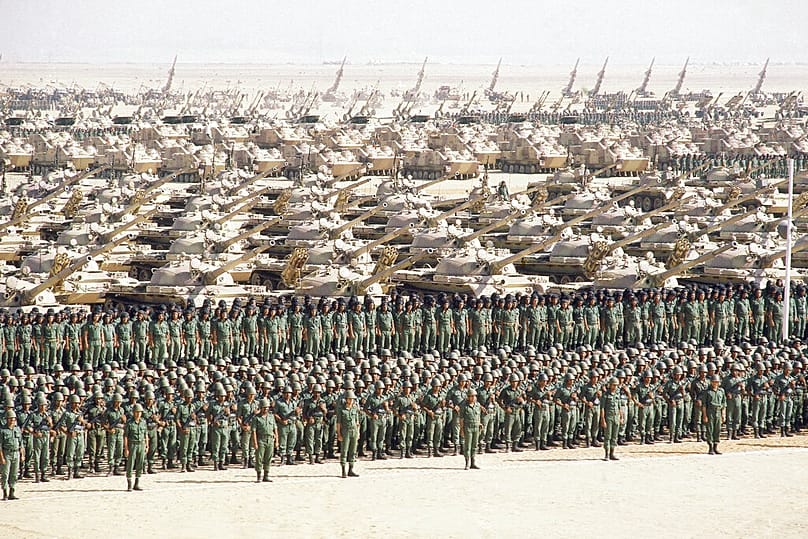
Egyptian military parade to celebrate the 5th anniversary of the October 1973 war with Israel, 6 October 1978 AP Photo

"The peace treaty did not result in the reduction of the size of the army," Fahmy said. "The question was, what do we do with the army, and how do you maintain the loyalty of senior officers now that they don't have the bonuses that they get from campaigns and war service."

Running lucrative subsidiaries of the NSPO became the answer.

Yezid Sayigh, author of Owners of the Republic: An Anatomy of Egypt's Military Economy, said the 2011 revolution catalysed a military economic boom.

“The military's share of any market sector was small before 2011, but grew dramatically in 'strategic' sectors such as cement and steel, building on strong presidential support and the military's political dominance," he told Euronews.

"The major changes since 2011 are twofold: in sheer volume, but also in acquiring a direct role in economic policy-making and state investment strategy."

This has had profound economic impact

'A sense of national pride'

Since 2015, Egypt’s economy has experienced significant challenges. Inflation has generally risen sharply, peaking at 38% in September 2023. It has since slowed to 12.3%, almost five times the EU rate.

Egypt’s currency, which the country unpegged from the US dollar in 2016, has depreciated significantly. In 2015, 1 euro would buy roughly 9 Egyptian pounds. Now that figure stands above 55.

Colombo observed that military presence in the economy could serve as a bulwark against the struggles families faced with the cost of living.

“The army would say to you that it has a good effect because it allows for a product to be sold at a lower price, affordable for Egyptians and that the army contributes to the production of Egypt," he said.

Colombo also cites “a sense of national pride” as motivating Egyptians to purchase these products, even if the quality is lower.

“Some people in Egypt do see the army as something to be proud of.”

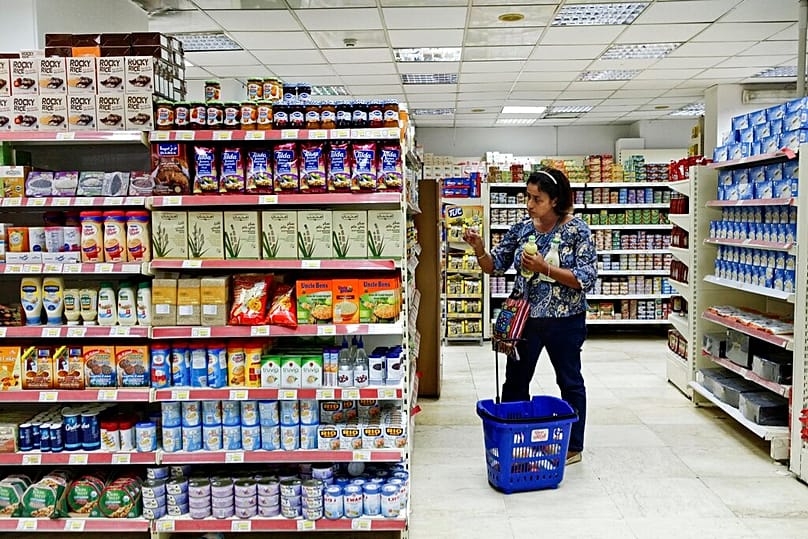
 A woman shops at a supermarket in Cairo, 2 November 2016 AP Photo


However, he also sees the possible downsides to this: “You run the risk that if you have a large military production, you have fewer possibilities for others, so it kind of creates an uneven field.”

Meanwhile Sayigh questioned the specific dominance of military-owned products in many sectors of the economy.

In the mineral water market, army made water had less than 5% of the market share, while the “famed Macaroni Queen Company” was only producing a sixth of its production capacity, accounting for “a mere 1.5 kilograms per capita annually, or under 100 grams per soldier daily.”

However, this does not preclude the military from distorting the broader market.

“The main macro effects are diverting credit, thus squeezing the private sector's ability to borrow, and dominating investment opportunities, weakening the incentive for private investment," Sayigh explained.

"A secondary impact is to raise market prices and operating costs for private actors in sectors where state demand is very high,” he added.

Euronews has reached out to the Egyptian Ministry of Defence for comment.

How much does the army control? No one knows

There has been significant pushback on the military economy in recent times, especially internationally.

Ben Fishman, who served in the administration of US President Barack Obama, praised certain parts of the Egyptian government for its actions.

“The government budget itself is run by clear reformers. Specifically, the minister of finance and the Ministry of Investment and Development," he told Euronews.

"They understand these ideas, they're getting things run more efficiently, they're digitalising certain systems. They're creating tax initiatives for private sector enterprises,” he said.

Supporters of Egypt's President Abdel Fattah el-Sissi shout slogans of support to the army as they hold a poster with his picture, in Cairo, 25 January 2017 AP Photo

Fishman added that reforming the economy “is not something that al-Sisi can do overnight,” due to a range of factors, including the military's role in politics.

Fishman also cites money flowing in from the Gulf and the EU in aid and investment — despite concerns about military economic dominance — as perhaps allowing Egypt off the hook.

Another problem in liberalising the economy, cited by many of those Euronews spoke to, is the total lack of clarity about what the army actually has a financial stake in.

“People try to find out the percentage of the Egyptian economy that is controlled by the military. I think that's the wrong question. No one knows. Not even they know,” Fahmy said.

Unlikely bedfellows: Castrol deal draws private capital into industry


Copyright Rick Scuteri/Copyright 2025 The AP. All rights reserved.

By Una Hajdari
Published on 25/12/2025 - 12:37 GMT+1


The deal reflects a shift in how investors view businesses like Castrol — less as consumer brands, and more as industrial infrastructure embedded in the global economy.


Stonepeak, a US investment firm that specialises in infrastructure and real-asset businesses, has agreed to buy a controlling stake in Castrol, one of the world’s biggest lubricants companies, in a deal valuing the business at about $10.1 billion (€8.49bn).

The pairing is a novel one. Castrol is a century-old industrial brand long associated with oil majors, mass-market motorists and the physical machinery of the global economy.


Meanwhile, firms like Stonepeak typically operate behind the scenes, buying stakes in toll roads, pipelines, ports and data centres rather than consumer-facing brands.

The deal brings together two worlds that rarely intersect publicly: a household name built on industrial heritage and a private investment firm better known for owning the non-front-facing infrastructure.

How the deal is structured


Under the agreement, Stonepeak will acquire a majority controlling interest in Castrol from BP, which has owned the brand for more than two decades.

BP will retain a 35% minority stake, while Canada Pension Plan Investment Board (CPP Investments) will invest up to $1.05bn (€891mn), giving it an indirect holding in the company.

Castrol is one of the largest lubricant producers in the world, supplying engine oils, industrial fluids and greases to customers in around 150 countries.

Its products are used across consumer automotive markets as well as heavy industry, manufacturing and energy systems.

Though best known for motor oils, Castrol has also supplied lubricants for aviation, space missions and professional motorsport, and is increasingly positioning itself for growth in electric vehicles and data-intensive infrastructure.

Stonepeak manages about $80 billion (€67.9bn) in assets and focuses on long-term investments in what it describes as “defensive” infrastructure and real-asset businesses, including energy, transport, logistics and digital infrastructure.

The Castrol acquisition marks one of its largest energy-related investments to date.

“Lubricants are a mission-critical product, which are essential to the safe and efficient functioning of virtually every vehicle, machine, and industrial process in the world,” said Anthony Borreca, senior managing director and co-head of energy at Stonepeak.

The deal also underlines how private capital is moving deeper into parts of the economy that most consumers never think about, but rely on every day.
Iconic brand with heritage

Infrastructure funds and pension-backed investors are increasingly interested in industrial businesses that sit quietly behind transport networks, manufacturing lines and energy systems — often with less public scrutiny than more politically sensitive sectors.

“Castrol’s 126-year heritage has created a leading market position, an iconic brand, and a portfolio of differentiated products that deliver meaningful value to its customers," Borreca continued.

For BP, the deal allows it to raise cash while keeping exposure to a business that remains profitable and strategically relevant, even as the oil major reshapes its portfolio.

“We are thrilled to have Stonepeak join us as a partner in Castrol. Stonepeak’s capital support, energy sector expertise, and experience working with similar companies that provide essential services will be immensely additive in helping the business to innovate and grow,” said Michelle Jou, global chief executive of Castrol.

“This transaction reflects our commitment to investing in the future and creating new opportunities for growth and success at Castrol, and we are proud that Stonepeak shares in our vision for the business as we take the next step in our journey.”

CPP Investments said Castrol was well placed to benefit from changes in the global energy system.

“Castrol is a high-quality, global business at the heart of the energy and industrial economy,” said Bill Rogers, managing director and head of sustainable energies at CPP Investments.

“Its cutting-edge innovations and premium brand position it well for a growing role in emerging applications, from electric vehicles to data centres.”


The transaction is expected to close by the end of 2026, subject to regulatory approvals. Completion would also trigger a mandatory tender offer for public shareholders in Castrol India.
As the planet warmed, politics wobbled: The defining climate moments of 2025


Copyright Michael Buholzer/Keystone via AP

By Jeremy Wilks
Published on 26/12/2025 - EURONEWS


Record warming met weak political resolve as climate pressures mounted this year.


2025 was a challenging year for climate politics, and a challenging one for our warming planet.

In the past 12 months, climate change has been impossible to ignore, whether we would like to or not. Euronews takes a look back at a year of record highs and lows.


The 11 warmest years on record

Let's start with some climate facts for 2025, which make for sober reading.

The World Meteorological Organisation has already said that the past 11 years were the warmest on record, and 2025 is most likely to be either the joint second or third warmest year on record.

The final tally in January is expected to show that the last three years all surpassed the 1.5°C above pre-industrial levels goal set out in the decade-old Paris Agreement, according to the Copernicus Climate Change Service.

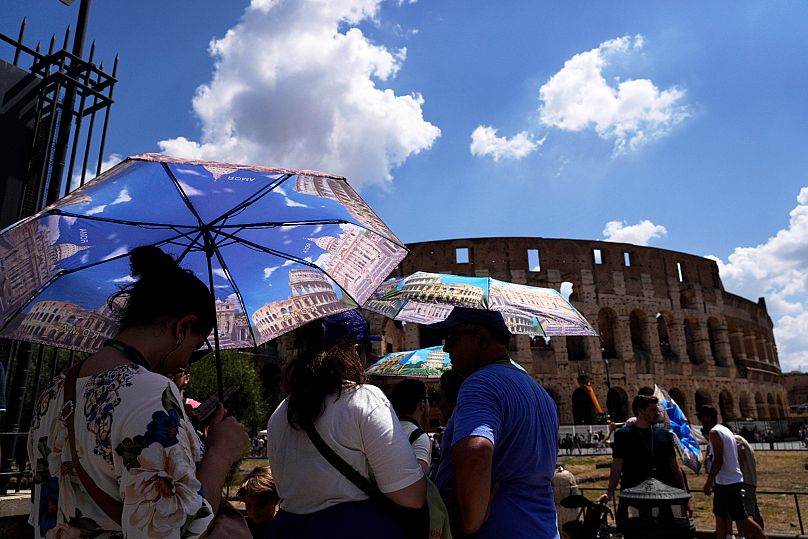
Tourists use umbrellas to shelter from the heat as they line up for a tour of the Forum in Rome in July. AP Photo/Gregorio Borgia

So why is this happening? Greenhouse gas concentrations hit a record high in 2025. These gases are produced by human activities like the combustion of fossil fuels and from changes in land use linked to deforestation and industrial agriculture. The gases trap heat from the sun faster than the atmosphere radiates it back into space, creating global heating.

Trump calls climate change a 'con job'


The year started with Donald Trump in the White House, again, as Forrest Gump would say, and pulling the US out of the Paris Agreement, again. It was a campaign promise to American voters, and he stuck to the script.

What was a little more off-script was Trump's speech to the United Nations General Assembly in September, in which he said renewables were a “joke” that were “too expensive”. He captured headlines with one particular zinger, describing climate change as "the greatest con job ever perpetrated on the world".

Trump lifted the freeze on liquified natural gas (LNG) export approvals the day he came into office, and since then, US sales have soared.

LNG is a fossil fuel often promoted as a means to 'transition' to renewables, yet the associated production and transport of LNG make its emissions 33 per cent higher than coal. America supplied almost half of Europe's LNG this year.


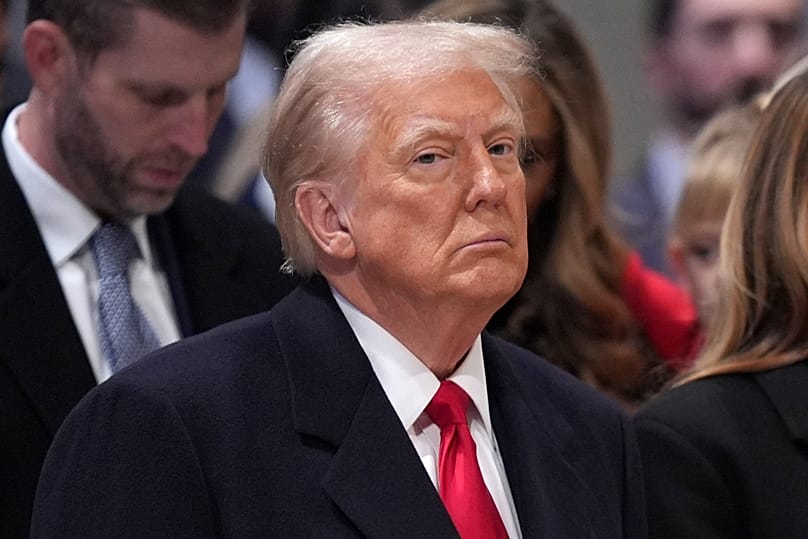
President Donald Trump attends the national prayer service at the Washington National Cathedra. AP Photo/Evan Vucci

So, in the snakes and ladders game of emissions reduction, the US slid down a snake in 2025, while its rival China climbed a few ladders. Although it remains the world's biggest emitter, analysis from Carbon Brieffound that China's CO2 emissions have been flat or falling for 18 months.

Did China just peak? Possibly. The country saw dips in emissions from transport, steel and cement production, and the country's fossil fuel power plants should have their first annual drop in generation in a decade this year as a result of the massive expansion of renewables to meet rising demand.

In Brussels, the EU's climate and energy policy seemed more like a Christmas puzzle in 2025. Just recently, it wound back on plans to abolish the sale of internal combustion engine cars from 2035. This came only a few days after it finally sealed the deal on a legally binding target to reduce greenhouse gas emissions by 90 per cent compared to 1990 levels by 2040. Are those two both technically and politically compatible?

Pieces of the Green Deal legislation were slid around the puzzle for months as part of the Omnibus I package, proposed in February 2025. Meant to 'simplify' rules, it was widely criticised for backsliding on standard-setting environmental laws, and offering critics of 'net zero' an easy chance to score points. The EU's Carbon Border Adjustment Mechanism, due to come into force on New Year's Day 2026, was relentlessly pushed and shoved around by industries over exactly how it should be applied and who can claim to be exempt.

Amnesty International called Omnibus I a 'bonfire' of regulation, while BLOOM described Europe as entering 'democratic darkness'.

In November, the COP30 climate summit also saw a few fiery moments, not least when part of one pavilion actually caught ablaze. Hosted in Brazil, on the edge of the Amazon rainforest, it has been praised for two things.

Firstly, after three previous COPs hosted in anti-democratic and authoritarian countries, the climate campaigners could at least make themselves seen and heard a little more easily this year. Secondly, in the absence of easy progress on the UNFCCC's Paris Agreement objectives, a series of coalitions between more climate-friendly countries began to emerge. It signals a fresh departure from the status quo that pits the eager and willing against the cranky and reticent.

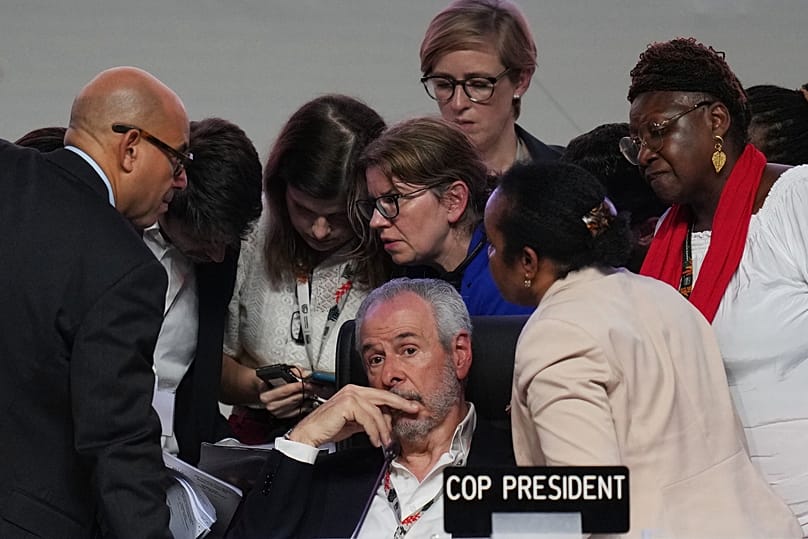
COP30 President André Corrêa do Lago sits as UN officials talk over him during a plenary session at the UN Climate Summit in Belem. AP Photo/Andre Penner, File

Overall, COP30 wasn't viewed as a success, with the well-respected Climate Action Tracker describing it as 'disappointing', with 'little to no measurable progress in warming projections - for the fourth consecutive year'. They calculate we are currently on track for warming of 2.6 degrees Celsius above pre-industrial averages by 2100, and warming continues into the next century.

Ice melting, seas rising, land roasting

Meanwhile, in the most remote parts of the planet, changes are accelerating, amid fears that irreversible planetary tipping points are being passed. If the politics of climate change in 2025 doesn't leave your head spinning, then the reality of the warming over land, across the cryosphere and in the oceans probably will.

Firstly, look up and enjoy the view of any icy peaks while you can, because they won't be around for long. A 2025 study from ETH Zürich found that we're about to enter a period they label 'peak glacier extinction'. Places like the Alps, the Rocky Mountains, the Caucasus, and the Andes will change forever.

The sun shines over the melting Rhone Glacier near Goms, Switzerland. AP Photo/Matthias Schrader, File

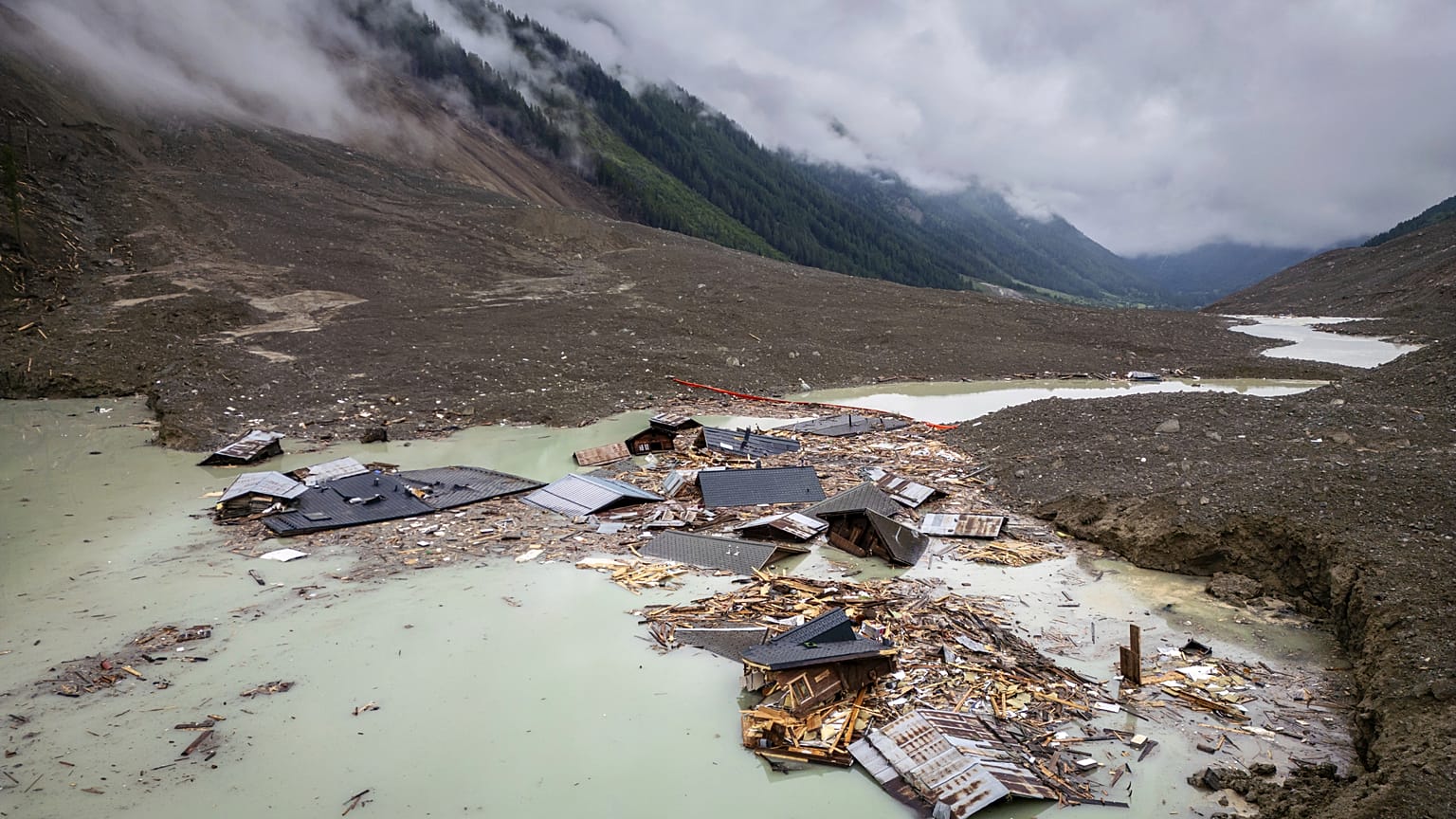
This year, it was confirmed that Venezuela haslost its last glaciers. By 2100, Central Europe will have a mere three per cent of today's total number of glaciers following current warming trends. This has profound implications not only for beautiful tourist hotspots, but also for hydropower and farming communities that rely on meltwater in summer. The related dangers of glacier collapse were brought to the world's attention when the Swiss village of Blatten was crushed by a torrent of ice, mud and rock in May.

Elsewhere, astudy published in June 2025 turned heads as it simulated the collapse of the AMOC, the conveyor belt of heat from the equator that keeps northern Europe mild and wet. There's no timeline, but the modelling is extraordinary. In a moderate emissions scenario with a rapid slowdown of the ocean currents, there would be sea ice reaching Scotland and winter temperatures in London as low as -20 °C. Northern Europe would be the only part of the planet to get colder, rather than warmer.

In the Antarctic, researchers have also been watching the ice shelves destabilise. A team from the University of East Anglia in the UK, using the fabulously-named British research submarine Boaty McBoatface, carried outthe first ever survey of the 'grounding line' beneath the Dotson Ice Shelf, the spot where the glacier floats onto the sea. They found that the water deep inside the cavity was 'surprisingly warm', and they're now rushing to explain how it got there.

In Greenland, it was a long summer. Scientists from the Danish Meteorological Institute found that ice melt began in mid-May 2025 and continued into September. That means that summer arrived 12 days earlier than the 1981-2025 average, and the territory lost 105 billion tonnes of ice in the 2024-2025 season.

That melt is one of the factors contributing to the steady acceleration of sea level rise. We don't have figures for 2025 just yet, but in 2024 we saw a record 5.9 millimetres of sea level rise, and the 2014-2023 average is now 4.7 millimetres per year.

Coastal communities worldwide are now paying attention and demanding action, even in Trump's America. On the South Carolina coast, where Forrest Gump fished for shrimp, local people are coming together to document the high tides in a citizen science project organised by the South Carolina Aquarium. If you're into murky pictures of rising water, it's the place for you.

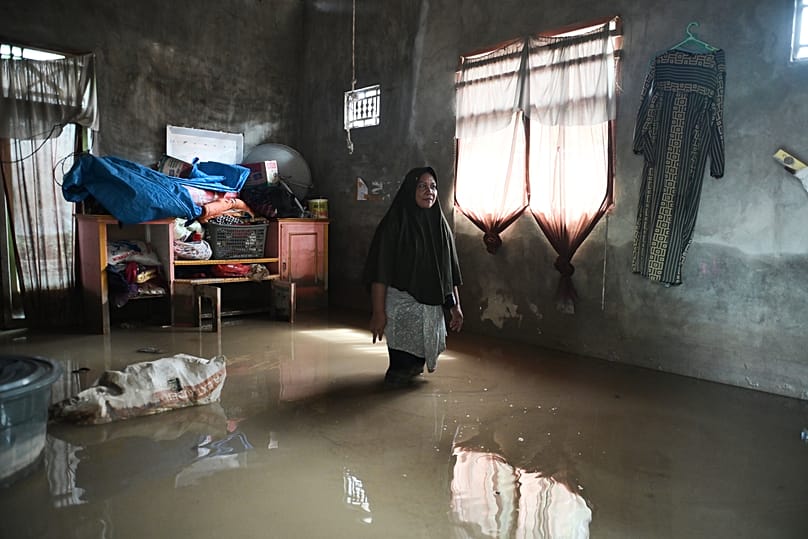
Looking back at the last 12 months, there's a long list of natural disasters amplified by climate change. Mexico and Sri Lanka experienced flooding and landslides, while exceptional rains in Indonesia and Malaysia left hundreds dead and hundreds of thousands displaced. Cuba and Jamaica were smashed by Hurricane Melissa.

A woman stands inside her flooded house in Pidie Jaya, Aceh province, Indonesia. AP Photo/Reza Saifullah, File

Five years of drought have turned the Fertile Crescent into a dustbowl. Iran, Iraq, and Syria are also facing severe and potentially catastrophic water shortages. Droughts have always occurred in these regions, but rapid analysis by the scientists at World Weather Attribution found that a year-long drought would only be expected every 50 to 100 years in a cooler, pre-industrial climate,and it's expected to return every 10 years today.

In Europe, there wererecord emissions from wildfires this summer, according to the Copernicus Atmosphere Monitoring Service. Just under 13 gigatonnes of CO2 were released, and PM2.5 air pollution was above WHO guidelines across large parts of Spain and Portugal.

In terms of temperatures, there were fresh highs around the world this year. Although 2025 won't rank at the top, it was still an exceptionally warm year. Finland saw repeated temperatures above 30°C over a two-week heatwave, Türkiye hit a new national high of 50.5°C, while similar temperature readings were seen in Iran and Iraq. Station records were beaten in China, and Japan faced an extended summer, with 5 August 2025 hitting a new national temperature record of 41.8°C.

What does 2026 have in store?

In 2026, the UK's Met Office outlook suggests that we will experience one of the four warmest years on record.

Professor Adam Scaife, who leads the global forecast team, said: “The last three years are all likely to have exceeded 1.4°C and we expect 2026 will be the fourth year in succession to do this. Prior to this surge, the previous global temperature had not exceeded 1.3°C.”

Looking further ahead, anticipation is building around the first international conference on the 'Just Transition Away from Fossil Fuels', due to take place in Colombia on 28th and 29th April, co-hosted by Colombia and the Netherlands.

The event will be held in a major coal port, and the objective is to shift the needle on climate-friendly policy.


From historic rulings to the green energy boom: Here are the climate wins of 2025 worth celebrating

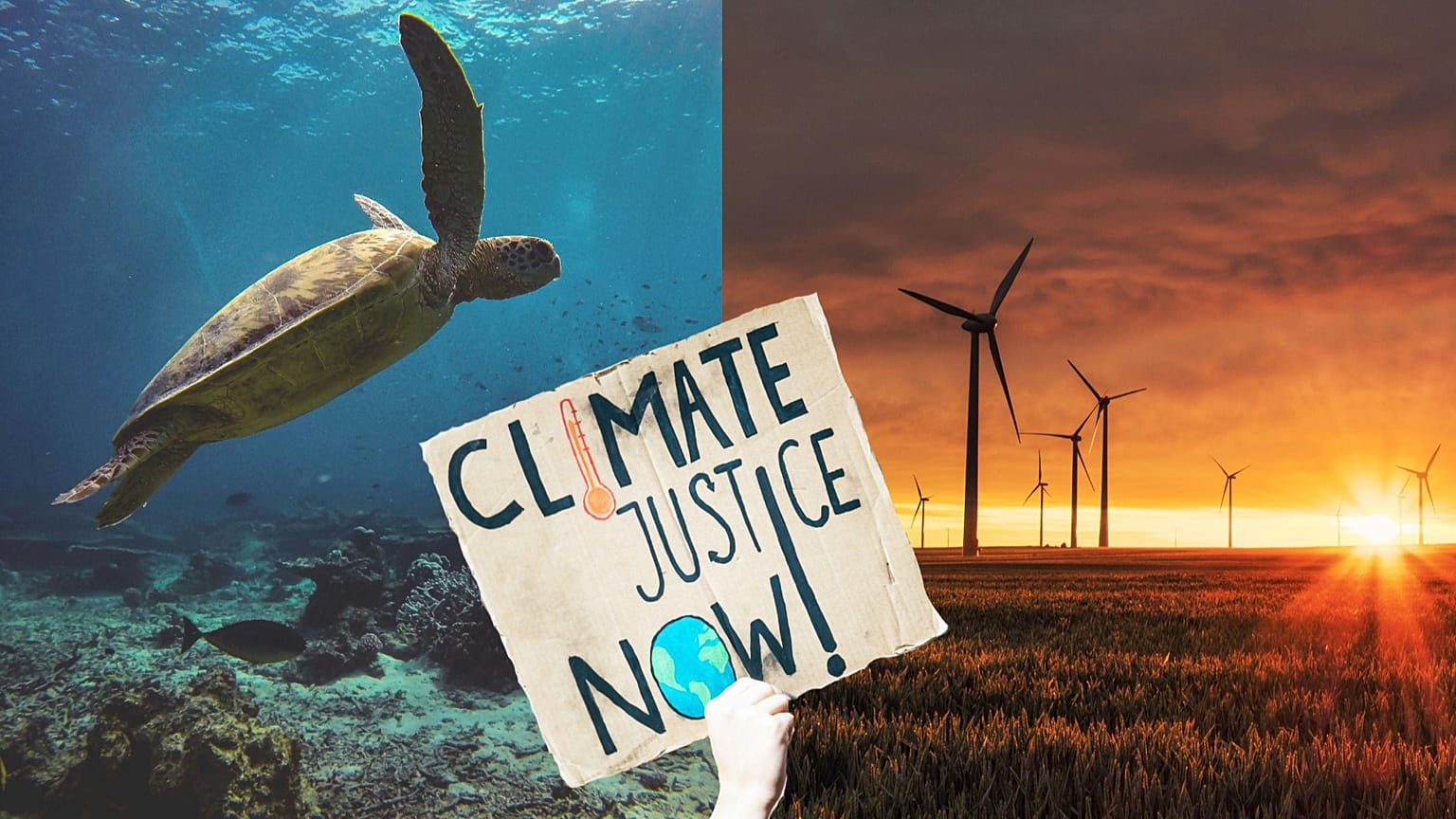
Green sea turtle (left), a sign reading "climate justice now!" and wind turbines on a grass field (right).
Copyright Jesse Schoff, Markus Spiske and Karsten Würth via Unsplash.


By Liam Gilliver
Published on 

Despite the influx of climate doom and irreversible damage, 2025 scored some pretty big victories for the planet.

Climate change’s ubiquitous presence looms over the world like a grey cloud, pushing millions into a constant state of fear.

The internet is saturated with bad news, not all of it accurate. But the reality is extreme weather events are getting worse, planetary boundaries have been breached, and fossil fuel emissions are at an all-time high – despite the stark consequences of baking our planet.

These headlines often drown out the good news, meaning landmark progress and conservation efforts are pushed aside. So, to end the year with a much-needed silver lining, here are five of the biggest climate wins you may have missed in 2025.

The ICJ’s historic climate ruling

In July, the UN’s highest courtdelivered a historic opinion on climate change, outlining states’ responsibilities under international law. It was the largest case ever seen by the International Court of Justice (ICJ), with more than 150 submissions from states, international organisations, and civil society groups.

In a 133-page advisory opinion, the ICJ affirmed that a “clean, healthy and sustainable environment” is a human right, just like access to water, food and housing. Although not legally-binding, it has helped lay down the legal foundations to hold big polluters to account and empower communities that have been hit the hardest by climate change.

It adds to the momentum built by the groundbreaking Urgenda case, which marked the first time a court anywhere in the world ordered a government to take stronger climate action. “We’ve never been in a better place to use the law to protect people and the planet from climate change,” says Dennis van Berkle, Legal Counsel at Urgenda.

2025 was a groundbreaking year for climate litigation, with several cases hitting the headlines. In November, the hearing between Belgian farmer Hugues Falys and TotalEnergies finally began, almost two years after the case was filed.

Falys is taking the fossil-fuel giant to the commercial court of Tournai to seek compensation for damage to his farm that he says is directly caused by climate change.

The High Seas Treaty

The European Union and six of its member states formally ratified the United Nations treaty to protect the high seas back in May – a move described as a “historic step” towards conserving the world’s oceans.

Ratification means that the states have formally agreed to the treaty becoming binding international law. This often involves aligning national legislation with what the treaty outlines.

The High Seas Treatypaves the way for protecting marine life in areas outside of national maritime boundaries, which covers nearly two-thirds of the world's oceans. These regions are under growing threats from pollution, overexploitation, climate change and biodiversity loss.

It allows for the creation of marine protected areas and supports the global goal of safeguarding at least 30 per cent of the world’s oceans by 2030.

“EU leadership is essential in confronting the biodiversity and climate crises,” says Nathalie Rey of the High Seas Alliance. “This bold move sends a clear message that ocean protection is not optional – it’s a global priority.

A boom in renewable energies

Despite petro-states blockingCOP30from establishing a fossil-fuel phaseout roadmap, worldwide solar and wind power generation has outpaced electricity demand this year – and for the first time on record, renewable energies generated more power than coal.

A report by think tank Ember found that global solar generation grew by a record 31 per cent in the first half of the year, while wind generation also increased by 7.7 per cent. Together, the renewable energy forms grew by more than 400 terawatt hours, which was more than the overall global demand increase in the same period.

Solar energy shone the brightest in 2025, and was crowned the “key driver” in the world’s transition to clean energy due to its ultra-low cost. A study from the University of Surrey named solar the cheapest source of power, costing as little as €0.023 to produce one unit of power.

Due to the price of lithium-ion batteries falling by 89 per cent since 2010, the study also found that making solar-plus-storage systems is now equally as cost-effective as gas power plants.

It could help progress in moving away from fossil fuels at Colombia’s Global Fossil Fuel Phaseout conference, which will be co-hosted with the Netherlands in April next year.

Economies are growing - without emissions

The link between GDP and rising emissions is finally starting to shatter, as an increasing number of countries are growing their economies without harming the planet.

A recent report from the Energy and Climate Intelligence Unit (ECIU) analysed 113 countries using the latest 2025 Global Carbon budget data. Researchers found that 92 per cent of global GDP and 89 per cent of global emissions are in economies that have either relatively or absolutely decoupled. This is where emissions rise but more slowly than GDP, or when emissions fall alongside positive economic growth.

A majority of European countries were ranked as consistent decouplers, including Austria, Belgium, Bulgaria, Czechia, Germany, Denmark, Spain, Estonia, Finland, France, the UK, Hungary, Ireland, the Netherlands, Norway, Poland, Romania, Slovakia and Sweden.

These results used consumption-based emissions to address concerns that advanced economies are “off-shoring” their emissions by outsourcing carbon-intensive production to developing nations.

“We’re sometimes told that the world can’t cut emissions without cutting growth,” says John Lang, one of the report authors and Net Zero Tracker Lead at ECIU.

“The opposite is happening. Decoupling is now the norm, not the exception, and the share of the global economy that is decoupling emissions in an absolute sense is steadily increasing.”

Endangered turtles make a rebound

2025 was a challenging year for wildlife, but decades of marine conservation are finally starting to pay off. In October, green sea turtles were officially reclassified from “endangered” to “least concern”.

Found in tropical and subtropical waters around the world, the global population of green sea turtles plummeted to concerning levels in the 1980s due to years of extensive hunting by humans. The species were slaughtered en masse to make soup and other culinary delicacies, while their eggs were commonly used for decoration in some cultures.

However, after spending more than 40 years on the International Union for Conservation of Nature’s (IUCN) red list, the turtles have made a dramatic comeback. In fact, the global population of green sea turtles has increased by approximately 28 per cent since the 1970s.

The rebound has been attributed to efforts focused on protecting nesting females and their eggs on beaches, reducing unsustainable harvesting of turtles and their eggs for human consumption, and tackling accidental capture of turtles in fishing gear.