Sunday, December 28, 2025

Bangladesh Edges Closer To Becoming A Terror Hub – Analysis


By 


The current unrest in Bangladesh poses a pressing geopolitical question: is the country drifting out of India’s strategic orbit? A significant rift emerged in August 2024 when Sheikh Hasina—long the political cornerstone of India–Bangladesh relations—was removed from power. This followed an uprising in which student protests over employment quotas escalated into widespread violence against her government, ultimately forcing her to flee and seek shelter in India. 

Since Hasina’s departure, Bangladesh’s politics have been shaped by a mix of nationalism, Islamic fundamentalism, and growing anti-India sentiment. Violence flared again after the killing of radical activist Sharif Osman Hadi, a prominent figure in the 2024 movement to oust Hasina.

Hadi, founder of Inqilab Mancha (Platform for the Revolution) — a radical student group at Dhaka University — was known for his anti-India views and advocacy for a “Greater Bangladesh.” Some believe his death triggered massive anti-India protests and renewed calls to “free” India’s northeastern states from New Delhi’s control. After his death, a Facebook post read: “In the struggle against Indian hegemony, Allah has accepted the great revolutionary Osman Hadi as a martyr.”

Hasina accuses the Yunus administration of undermining the country’s founding principles and pursuing a reckless foreign policy that threatens regional stability. She says his actions not only distort Bangladesh’s history but also endanger its secular and constitutional foundations. After the Nobel laureate Muhammad Yunus–led administration assumed power, it moved quickly to curb Hasina’s political influence. While requesting Hasina’s extradition from India, the interim government amended the International Crimes Tribunals Act of 1973 by administrative order in November 2025 to broaden its scope and allow for her prosecution. Hasina was later sentenced to death in a trial held in absentia — a development critics say reflects politicization of the judiciary.

In 2013, several leaders of Jamaat‑e‑Islami were convicted, and a number of top figures who had served as Razakar or Al‑Badr commanders in 1971 were executed; the party was then banned. After Hasina’s ouster, the Supreme Court overturned the cancellation of Jamaat‑e‑Islami’s registration, allowing it to operate again as a political party. Under pressure from Jamaat and other Islamic fundamentalist groups, the Yunus interim government then banned Hasina’s party, the Awami League. This suggests that fundamentalists are using Yunus systematically to erase the pro‑India influence of the “Mujib family” ahead of the elections.


Bangladesh’s move away from secular, nonpartisan politics — even if it looks like a domestic shift — will have clear geopolitical consequences. It strengthens a Pakistani–Chinese alignment hostile to India and embeds a new, anti‑India element in Bangladeshi statecraft.

Under Yunus’s administration, evidence points to Bangladesh becoming a growing hotbed of anti‑India sentiment. Yunus is not a seasoned statesman; he was appointed to placate the fundamentalist student uprising, and in that role he appears to be strengthening the very forces that brought him to power.

Yunus has promoted the idea of a “Greater Bangladesh,” which purportedly includes parts of Assam, Tripura, West Bengal, Jharkhand, Odisha, and Bihar in India, as well as the Arakan region of Myanmar. This has led some to portray him as an agent of global Islamist movements like the Muslim Brotherhood in Bangladesh.

Against this backdrop, Yunus’s actions reflect the anti-India agenda of pro-Pakistan fundamentalists. This is illustrated by a book he recently presented to a visiting Canadian delegation; its cover features a map of Bangladesh appearing to encompass large parts of India’s northeast — a symbolic gesture intended to globalize the anti-India narrative. Earlier, he presented the same book to a visiting Pakistani army general.

Yunus’s first visit to China after taking office marked a clear break with Bangladesh’s previous India-centered approach. In Beijing, he called on China to expand its influence in South Asia, saying India’s seven northeastern states remained “landlocked” and “have no access to the ocean”; he added, “we are the only guardian of the ocean for this entire region.” The trip reflected a policy shift following the rise of anti‑India, pro‑Pakistan forces after Hasina’s ouster. In a notable development, Beijing invited for the first time a senior Jamaat‑e‑Islami figure — Syed Abdullah Muhammad Taher, an important contender in next year’s elections. “It was an excellent trip; they treated us as government dignitaries,” Taher said.

Taher is the former head of Islami Chhatra Shibir, viewed as Jamaat’s extremist student wing. Beijing’s reception suggests it is aware that Jamaat could gain power or exert major influence after the elections. For China, this looks like a “pincer movement” against Indian influence during Bangladesh’s political transition.

The recurrence of violence has led to scrutiny of the government’s response. Some analysts attribute the perceived inaction to the significant political sway held by fundamentalist religious groups. This perspective is echoed in regional discourse; for instance, a Dhaka-based journalist suggested that Pakistan, having waited for such an opportunity for decades, could seek to utilize Bangladesh’s forthcoming electoral process to institutionalize radical Islamic networks that could threaten India’s security — thus continuing a long-standing strategic rivalry.

Fifty-five years ago, in the general election of December 1970, the Awami League secured a decisive mandate by winning 160 of the 162 seats in East Pakistan, establishing the political foundation for the creation of Bangladesh. Looking ahead to the forthcoming election in February 2026, observers note that a strong performance by political actors such as the Pakistan-aligned Jamaat-e-Islami and its affiliates could influence Bangladesh’s political trajectory. Such a shift in the political landscape may pose significant and direct security implications for India, potentially opening a new front of strategic concern.

A. Jathindra

A. Jathindra is a Sri Lankan-based independent political analyst and head of a think tank, Centre for Strategic Studies -Trincomalee (CSST).
Protesters in Stockholm denounce Israel's continued attacks on Gaza despite ceasefire

Demonstrators accuse Israel of violating ceasefire and call on Sweden to end arms exports


Atila Altuntas and Aysu Bicer |27.12.2025 - TRT/AA


STOCKHOLM

Hundreds of demonstrators have taken to the streets of Stockholm to protest Israel's continuing attacks on Gaza, despite an Oct. 10 ceasefire agreement.

The protest, organized by multiple civil society groups, took place at Odenplan Square, where participants carried banners reading “Children are being killed in Gaza,” “Schools and hospitals are being bombed,” and “End food shortages.”

Many waved Palestinian flags and called for Sweden to halt arms sales to Israel.

Speaking to Anadolu, Swedish activist Robin Nillson said the protests would continue until a lasting peace is achieved.

He criticized the policies of Israeli Prime Minister Benjamin Netanyahu and highlighted the human cost of the ongoing conflict.

“Despite a severe humanitarian crisis and mass deaths, we have yet to see concrete change,” Nillson said.

He added that Netanyahu only agreed to the ceasefire under international pressure.

“Claims in some media outlets that the war could continue until the end of 2026 are frightening,” he said. “If the situation does not improve, we will persist with mass protests and acts of civil disobedience next year.”

The Israeli army has killed over 71,200 Palestinians, mostly women and children, and injured more than 171,200 others in attacks in Gaza since October 2023.

Although the ceasefire took effect on Oct. 10, 2025, living conditions have not significantly improved, as Israel has failed to meet its commitments under the agreement, including allowing agreed quantities of food, aid, medical supplies, and mobile housing into Gaza.


Google to pull some of its servers out of Russia

Google has notified Russian internet providers that it plans to remove some of its Russia-based servers, the RBC news agency reported Friday, December 26, citing sources.

The company plans to decommission Dell R720 servers used to speed content delivery to users.

The hardware is part of the Google Global Cache system. These servers cache and serve YouTube videos, Google Maps, Android and Chrome updates, and images from Google Search.

After the war in Ukraine began, the company stopped installing new servers of this type in Russia.

According to the notice, decommissioning is set to begin January 26, 2026. Google cited the Dell R720’s end-of-life status and lack of warranty support. The company also said these machines handle a minimal share of traffic. Other Google Global Cache servers in Russia will remain in operation.

One provider told RBC that in a follow-up letter, Google asked to power down the specified servers, remove them from racks and provide an address for pickup. Some Dell R720 units have already been taken out, the person said. The dismantling and removal is being handled by European firm MPK Asset Solutions, which specializes in IT asset lifecycle services, including de-installation and disposal, according to the report.

Google ended commercial operations and closed its office in Russia after the country’s armed invasion of Ukraine, leaving only free services available.

The company’s Russian legal entity, LLC Google, was declared bankrupt in October 2023.

After its exit, Google did not upgrade Google Global Cache servers in Russia. Roskomnadzor later seized on that, slowing YouTube’s performance in summer 2024.

The regulator claimed the slowdown was due to Google’s failure to refresh server hardware. Google denied that.

Later, former State Duma lawmaker Alexander Khinshtein, then head of the information policy committee, said the YouTube throttling had been initiated by Russian authorities. After that, Roskomnadzor accused the platform of “numerous legal violations” and “disrespect” toward the country.

In December 2025, Andrei Svintsov, deputy chair of the State Duma’s information policy committee, said YouTube could be fully blocked in Russia within the next six to twelve months.

Mammoth RNA molecules sequenced for the first time

This data provides further insight into the events surrounding the death of the mammoth in the northern Siberian permafrost around 40,000 years ago.


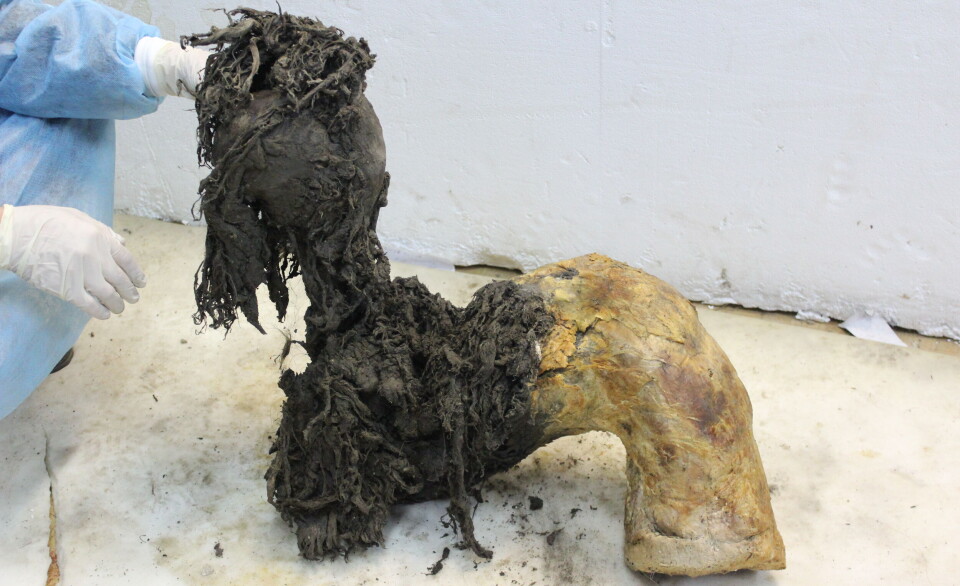
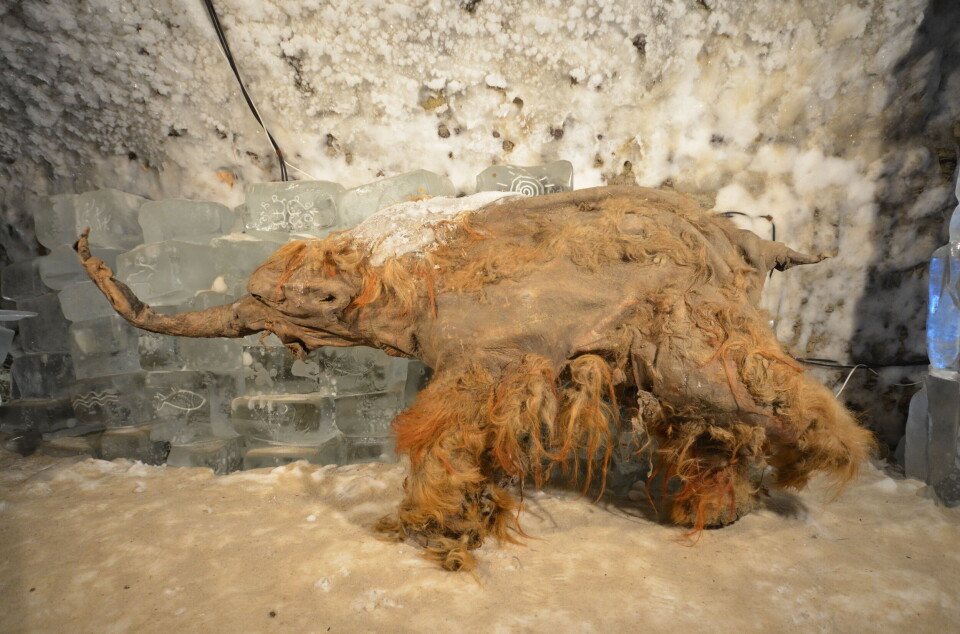
Remains of the woolly mammoth Yuka 
Photo: Valery Plotnikov

Journalist
19 November 2025 
THE BARENTS OBSERVER 

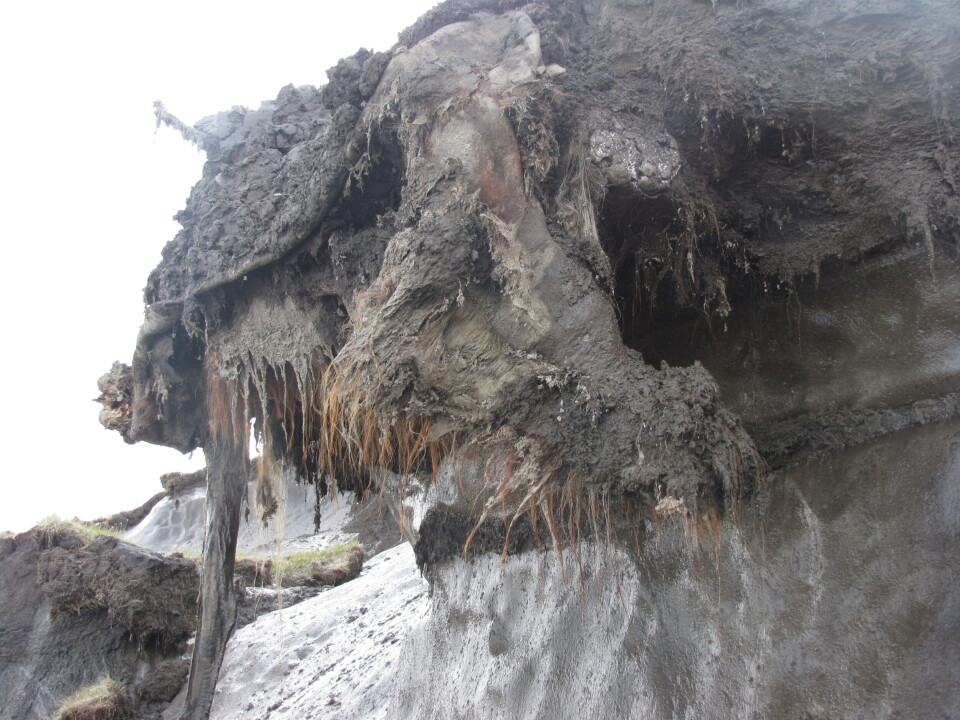
In 2010, the thawed carcass of a small woolly mammoth was found in the permafrost on the Oyogos Yar bluff, on the coast of the Dmitry Laptev Strait in northern Yakutia, Russia. The woolly mammoth was nicknamed “Yuka".


A few years later, a group of researchers in Stockholm received a long-awaited delivery — a box containing samples from ten mammoths, including those of Yuka, sent by their scientific partners in Russia.

A study published this year by this international group of scientists shows that Yuka's sample was the most successful out of all ten: researchers managed to extract valuable information from RNA molecules of the ancient animal.

‘While DNA contains information about you as a living creature that doesn’t change throughout your life, RNA molecules particularly reflect what was happening in Yuka’s muscles a few minutes before he died,’ Dr Emilio Mármol, a genomicist at the University of Copenhagen and lead author of a study, told the Barents Observer.

Yuka emerging from the Siberian permafrost in 2010 Photo: Grigory Gorokhov

“We found signs of cellular stress in the tissue of this mammoth before he died,” Dr Mármol explained. “We hypothesised that Yuka died in a stressful situation. He was probably hunted by predators. As the body is so well preserved, we can see the scratches on the skin. They are most probably from a cave lion, based on their size and shape.”

Dr Mármol explains that these are the oldest ever recovered RNA sequences and that this is the first time that molecules have been extracted from a woolly mammoth.


Yuka's body had been remarkably well preserved. It is on display in a museum in Russia. Photo: Valery Plotnikov

“It's a scientific miracle!” Dr Bastian Fromm, a zoologist and evolutionary biologist at the Arctic University Museum of Norway, told the Barents Observer. ‘It is believed that RNA is very unstable, and you cannot actually obtain it from samples that are 40,000 years old. We are very surprised that we managed to do this.”

Dr Bastian Fromm, who is co-author of the study, expressed hope that the new, more sensitive analytical method they used for this research would enable RNA to be extracted from other animals in his museum's collection. This means that we can learn more about the living conditions of other species of animals that became extinct thousands of years ago.

Yuka, a five-year-old baby mammoth, died at the end of the Ice Age - 39,000 years ago. At first, based solely on an external examination of the genitals, the mammoth was thought to be female. However, DNA and RNA analysis made by Dr Bastian Fromm's team revealed a Y chromosome, indicating that it was male.

The ability to extract both DNA and RNA is attributed to the fact that the permafrost helped preserve the body well, as it froze right after death and had no time to decompose. In addition, Yuka's remains were properly maintained throughout the entire journey to the various labs.

But now, as the planet warms, the permafrost is thawing.


Dr Emilio Mármol Photo: personal archive

“More and more remains of prehistoric animals are being found in Yakutia now as lots of this permafrost is thawing due to climate change,” Dr Emilio Mármol tells the Barents Observer. ‘But the difference with the times of Yuka is that now we are seeing a similar climate change, but ten times faster in time. The changes will be massive for our sons and grandsons, if in a few hundred years the temperature rises just 2 or 3 degrees more.” Dr Mármol said.

Climate change was also one of the reasons why mammoths went extinct 4,000 years ago. For now, as Dr Mármol explains, his lab is not planning to conduct further mammoth research. One of the reasons why is that "access to precious mammoth samples from Russia is more difficult now due to sanctions".

In 2022, the war in Ukraine put scientific exchanges with Russia on hold. As the mammoth samples had been collected prior to the sanctions being imposed, the study was still conducted in collaboration with Russian scientists.
“Mercury can leak out and become a threat to marine life”

Researchers warn about the consequences of global warming for the environment.


The ocean ecosystem is particularly vulnerable to mercury pollution. Photo: Elizaveta Vereykina


Journalist
20 November 2025 -
THE BARENTS OBSERVER

“Old mercury pollution that nature has stored for us can leak out and become a threat to marine life, the seafood we eat and our health", - marine scientist Michael Bank is quoted as saying on the Norwegian Institute of Marine Research website. - "Climate change can also undermine the effectiveness of measures that have been taken internationally against mercury pollution.”

The Arctic is warming at a rate four times faster than the rest of the world. This means that the permafrost in places such as Siberia is thawing, and the glaciers on Svalbard are shrinking.

These processes could release methylmercury, one of the most toxic forms of mercury.

As Norwegian researchers emphasise, exposure to high levels of mercury can impair brain function and development, particularly in young people. The Norwegian authorities therefore monitor food to ensure that it does not contain more mercury than is safe.

While human activities such as burning fossil fuels release mercury into the environment, it is also a natural part of the ecosystem.

Since the beginning of the 2000s, recent regulations have helped to reduce man-made mercury pollution. However, the release into the oceans of methylmercury, which has been stored by nature for centuries, poses a serious threat to living creatures.

“Methylmercury in particular is dangerous because it acts as a strong neurotoxin for both animals and humans,” says Bank. Methylmercury can find its way to our plates through absorption in algae, plants, fish and other wildlife.

In one of his scientific papers, in 2023, Bank emphasises that Arctic cod in the Barents Sea, for example, is of considerable ecological and economic importance to Norway. Therefore, monitoring mercury pollution in waters and seafood is becoming increasingly important.

“We need to develop effective ways of assessing the impact of mercury pollution in a rapidly changing climate,” says Bank, emphasising the importance of using satellites and drones to detect potential mercury pollution factors.
The deepest parts of the Arctic Ocean are warming now too

While it is well documented that global warming is heating the world's oceans, there is now further evidence that even the deep waters are being affected.


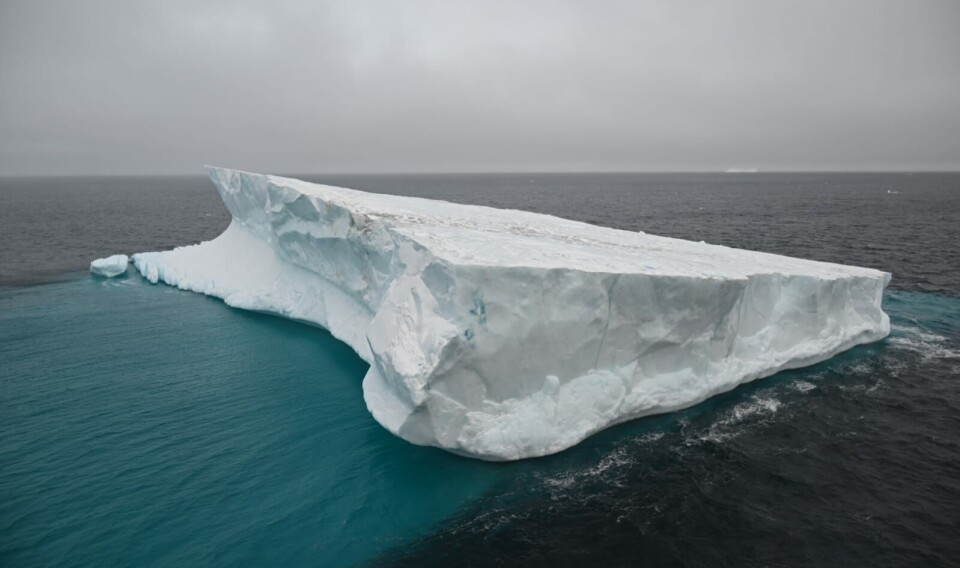
Iceberg in the Arctic Ocean in September 2025 Photo: Henry Patton

journalist
26 November 2025 - 
THE BARENTS OBSERVER


A new study analysed temperature data gathered in recent decades to identify the main sources of heat causing Arctic Ocean warming. The study by the team from the Ocean University of China and Laoshan Laboratory demonstrated that the effect of climate change on the oceans is far greater than previously thought.


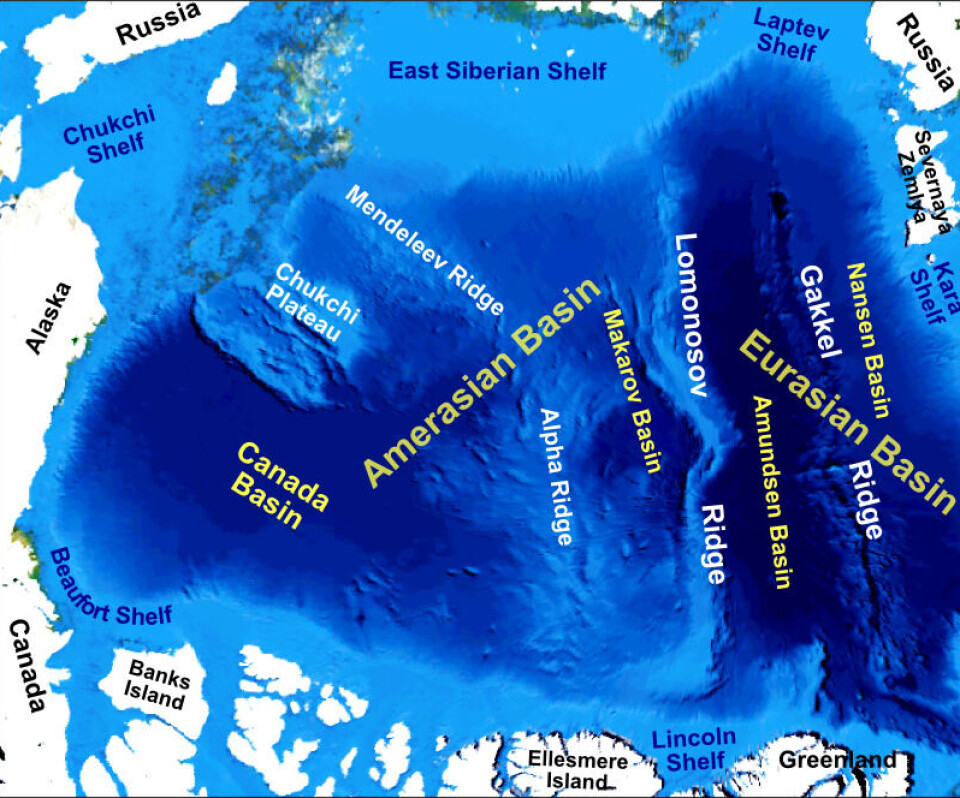
Photo: Wikipedia/Mikenorton

The Arctic Ocean includes various basins, each with its own specific characteristics and rate of warming. The process of Atlantification in the Arctic Ocean - the process where the Arctic Ocean becomes more influenced by the warmer, saltier waters of the Atlantic - is well-known.

However, a new study has found that the deep water in the Eurasian Basin of the Arctic Ocean is warming at a rate of 0.020°C per decade. According to the researchers, this rate of warming is too fast to be explained by natural geothermal heating alone.

“Our findings indicate that the deep Greenland Basin warming has already exerted obvious impacts on the deep Arctic Ocean,” researchers emphasise.

The Greenland basin is a deep-water basin within the Greenland Sea, which is considered an outlying part of the Arctic Ocean and borders Greenland to the west.


The team concluded that the additional warming in the Eurasian Basin originates from the Greenland Basin, which, due to rapid warming, is no longer functioning as a cold source for the Eurasian Basin as it did in the past.

"We find that the rapid warming in the deep Greenland Basin diminishes its cooling effect on the deep Eurasian Basin via the Fram Strait," the study concludes.


The shallow Lomonosov Ridge prevents the warm water from spreading further into the Amerasian basin, "maintaining its relatively slow warming rate".

For Norway, for example, the warming of the coastal waters is impacting the local ecosystem. According to experts at the Norwegian Institute of Marine Research, warmer waters affect the spawning of cod.

"Some species have absolute temperature limits. Cod, for instance, cannot spawn when the temperature exceeds 10 degrees,' said marine scientist Mari Myksvoll.

Fishermen in the Arctic have reported an increase in the number of fish that are more typical of southern waters.

"I see cod, mackerel, yellowfin tuna, herring and haddock moving north from the south," Kent Jensen, who has fished in the Barents Sea near Kirkenes for 15 years, told the Barents Observer, "Ten years ago, there wasn't so much mackerel in the northern part of the Barents Sea."
Moscow declares Nature and Youth an "undesirable organisation"

The Norwegian environmental youth organisation has worked with Russian partners for more than 30 years.


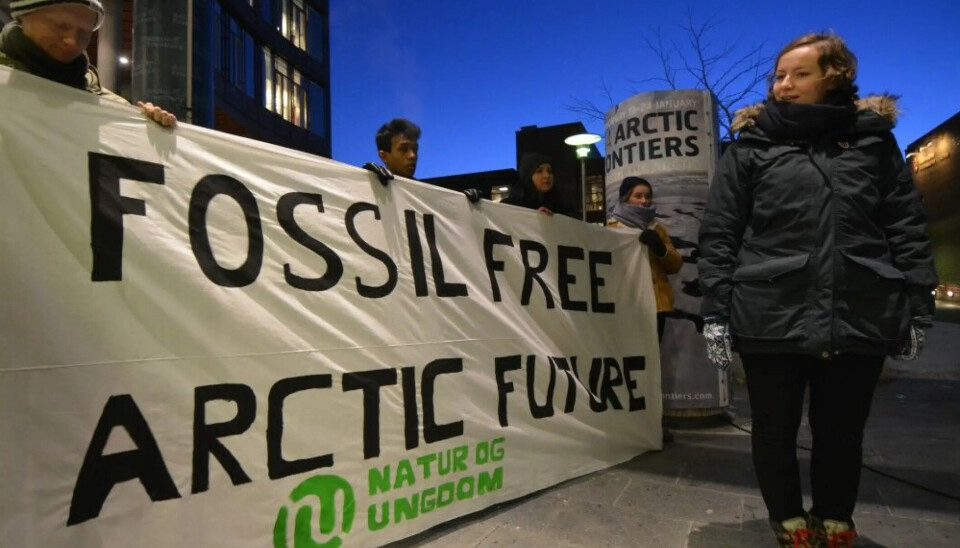
Representatives of Nature and Youth at a demonstration against Arctic oil drilling in Tromsø. Photo: Thomas Nilsen

Olesia Krivtsova
Atle Staalesen
17 December 2025 
THE BARENTS OBSERVER

The Russian Ministry of Justice on December 16 announced that Nature and Youth (Natur og Ungdom) has been included in a list of so-called "undesirable organisations."

The environmental NGO is the fifth entity in Norway that is "undesirable." From before, Bellona, Human Rights Watch, the Norwegian Helsinki Committee and the Barents Observer are on the list.

Leader of the organisation Sigrid Hoddevik Losnegård was not aware of the decision when the Barents Observer took contact.

"We are surprised and sad," she says in a comment.

The Russian Justice Ministry has so far not given any explanation of why the young Norwegian environmentalists have become 'undesirable.'


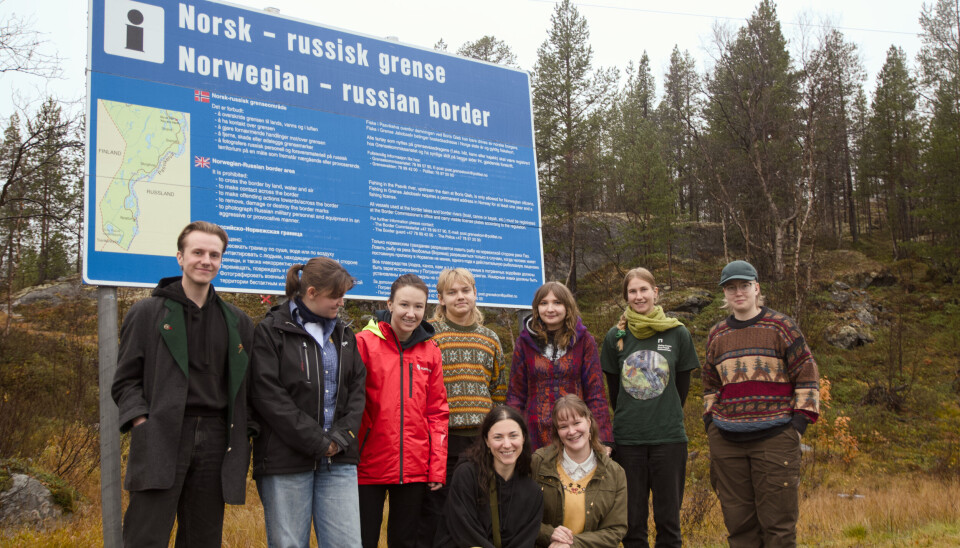
Representatives of Nature and Youth near the border to Russia. Photo: Nature and Youth

Nature and Youth has a more than 30-year-long history of cooperation with Russian partners.

Contacts between young activists from Norway and Russia started in the late 1980s and developed into a fruitful cooperation with dozens of cross-border projects.

In 1989, more than 70 Norwegian youngsters participated in a peace and environmental festival in Murmansk. They were the first Western environmentalists that visited the Kola Peninsula and the festival resulted in a boost in contacts.

At the time, there was a grim environmental situation on the Kola Peninsula. In only short distance from the border to Norway large volumes of nuclear waste materials, including spent nuclear fuel, was stored under extremely bad conditions. There were also major emissions of sulphur dioxide from nickel melters located in the border areas.

In the 1990s several local groups of Nature and Youth, including from Tromsø and Bodø, started cooperation project with Russian groups from the Kola Peninsula

"A key objective for the Nature and Youth has been to support local Russian groups that wanted to do something with the environmental problems," the authors of a book about the organisation's cooperation with Russia explain.

Over the years, Nature and Youth's Russian partners have included regional environmental organisations in the regions of Murmansk and Arkhangelsk. Projects have been funded through Norwegian grant programmes.

With increasing frequency, Russian authorities label organisations as ‘undesirable’ as part of a repression policy towards non-governmental entities. This status implies a complete ban on the organisation's activities in Russia. For Russian citizens, participation in such an organisation, distribution of its materials, or any form of cooperation may result in administrative liability, and in the case of repeated incidents, criminal prosecution.

By late December 2025, the Russian Ministry of Justice had included 290 organisations in the ‘undesirable-’ list. Among them are political and social associations, religious structures, independent media, human rights and environmental initiatives, as well as foundations and think tanks.


Moscow Threatens Activists From Numerically Small Nations With Up To 20 Years In Prison – OpEd


December 28, 2025
By Paul Goble

When Moscow arrests activists in the capital or in one of the major non-Russian republics, journalists and diplomats generally will at least cover the story; but when the center does so against numerically small indigenous nations who live far beyond the ring road, that often does not happen.

As a result, the Russian authorities can be especially brutal in their cases, confident that they won’t face outrage and that what they do to these human communities will serve as a warning to others that a similar fate awaits even larger communities as ever more people in the West accept as normal what the Putin regime is doing.

That makes the case of nearly two dozen activists from these numerically small groups who were arrested a week ago and charged with being members of a terrorist organization especially important (sibreal.org/a/mogut-dat-do-20-let-k-zaschitnikam-prav-korennyh-narodov-prishli-s-obyskami-i-arestami/33630043.html).

Such trumped-up charges are intended to keep them from being able to develop contacts with the international community and call attention to Moscow policies that could leave those charged with up to 20 years behind bars and snuff out any chance that these small groups will get the support they need to continue to resist.

Three things lie behind this latest Moscow effort to “criminalize” the work of activists among the numerically small peoples of the north and far east – and none of them involve the secessionism that the Russian legal system is charging them with in an effort to stop their activities and eliminate what little support they do get abroad.

First, Moscow is angry that these groups have continued to form their own organizations rather than become part of Kremlin-controlled bodies. Second, the center is furious that these groups have succeeded in taking part in UN conferences where they have been able to expose the falsehood of Kremlin claims.

And third – and this may be the most important cause of all – the Kremlin is upset that these groups have exposed the environmental depradation Putin’s development policies have inflicted on the north and far east and sometimes have been able to slow if not stop what Russia’s largest corporations want to do.

The International Committee of the Indigenous Peoples of Russia and the Memorial Anti-Discrimination Center has called the persecution of these activists “unprecedented political repressions” against small ethnic minorities few in the West have ever heard of, according to the SibReal portal.

In its statement, Memorial said that there is no evidence that the activists were guilty of any of the things Moscow is accusing them of and declared that these attacks represented “an effort by the authorities of the Russian Federation to criminalize activism and human rights actions” among peoples too small to be able to defend themselves effectively (adcmemorial.org/novosti/glavnoe/svobodu-dare-egerevoj-i-vsem-korennym-aktivistam-zhertvam-politicheskih-repressij-diskriminaczii-i-kolonialnogo-podavleniya-korennyh-narodov/).


Paul Goble

Paul Goble is a longtime specialist on ethnic and religious questions in Eurasia. Most recently, he was director of research and publications at the Azerbaijan Diplomatic Academy. Earlier, he served as vice dean for the social sciences and humanities at Audentes University in Tallinn and a senior research associate at the EuroCollege of the University of Tartu in Estonia. He has served in various capacities in the U.S. State Department, the Central Intelligence Agency and the International Broadcasting Bureau as well as at the Voice of America and Radio Free Europe/Radio Liberty and at the Carnegie Endowment for International Peace. Mr. Goble maintains the Window on Eurasia blog and can be contacted directly at paul.goble@gmail.com .


Russia withdraws from Euro-Arctic rescue cooperation

The Foreign Ministry in Moscow announced on November 26 that it had formally terminated the agreement with Norway, Finland and Sweden on joint reponse to emergency situations in the north.


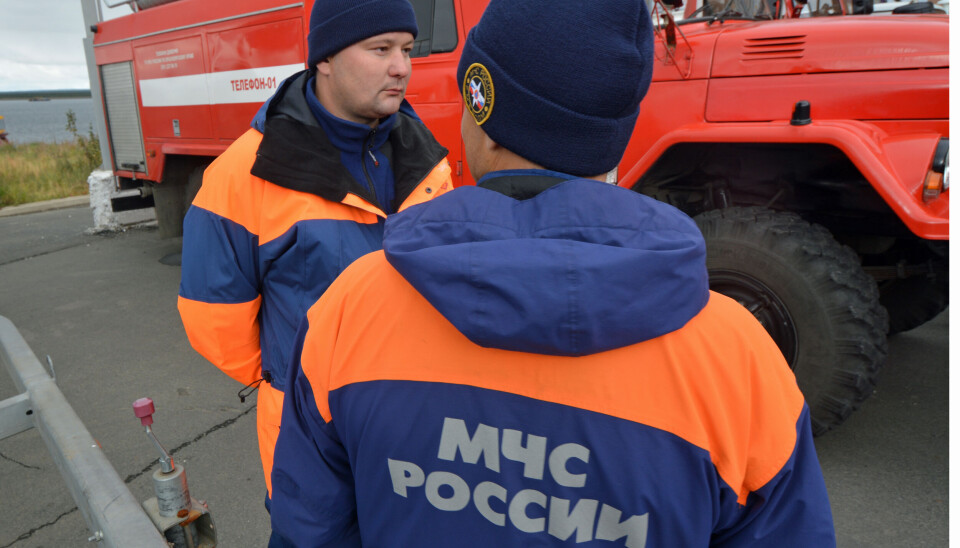
Russian Emergencies Ministry (MChS) is responsible for search and rescue operations in response to natural and man-made disasters. Photo:Thomas Nilsen

Thomas Nilsen
28 November 2025 
THE BARENTS OBSERVER

The agreement from 2008 on Cooperation within the Field of Emergency Prevention, Preparedness and Response was the last part of the Barents cooperation that officially included Russia.

An formal statement on the withdrawal has been posted on the Foreign Ministry's portal.

The Barents cooperation was a multilateral set of regional and state partnerships that was established following the collapse of the Soviet Union in the early 1990s. Not much of the cooperation lasted after the full-scale brutal war against Ukraine started in 2022 because the Nordic countries, like the rest of Europe, turned their back against the Russian regime. In April this year, Moscow said enough was enough and formally closed its participation in the Barents cooperation.

Over the years, the participating countries have arranged nine joint rescue exercises, rotating between Russia, Finland, Sweden and Norway semiannually. The rescue cooperation has helped the participants understand the special climatic and geographical challenges rescuers face in the northernmost regions.

It has as well contributed to strengthen cross-border contacts in case accidents happen and international assistance is needed.

Although the multilateral cooperation with the Nordic countries has now come to an end, Russia maintains a special bilateral agreement with Norway on search and rescue in the Barents Sea. However, no joint exercises have taken place in the maritime border area after 2022.


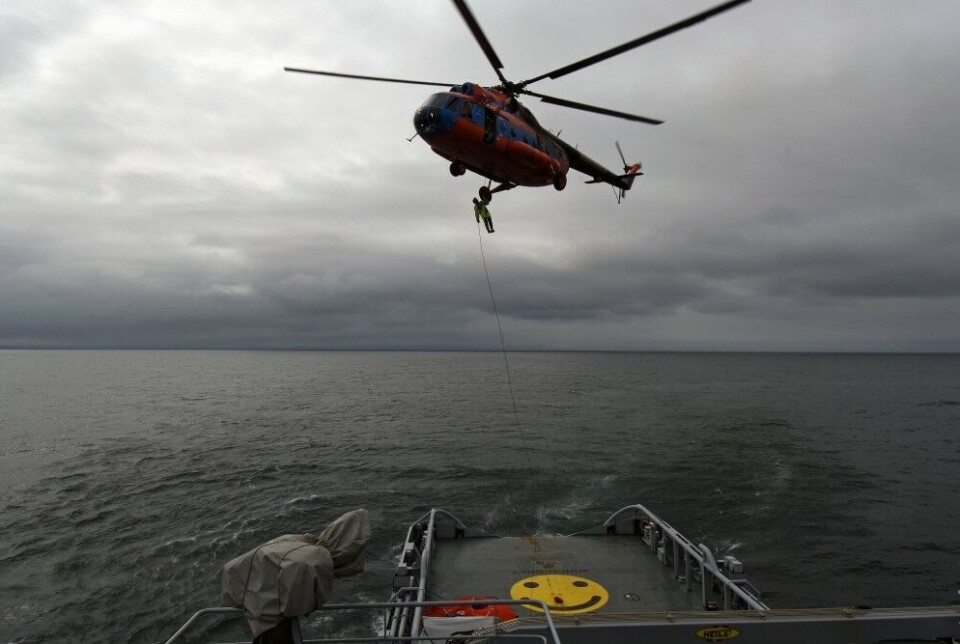
Joint exercise in the Varanger fjord: Fast-roping to the deck of the Norwegian Coast Guard ship KV Barentshav from a Russian Mi-8 helicopter operating for the rescue service based in Murmansk. Photo: Thomas Nilsen
Beijing's men on the Northern Dvina

As a mounting number of Russia's shadow fleet ships sails across the Northern Sea Route to Chinese ports, a Beijing-led business delegation comes to Arkhangelsk to discuss shipping.


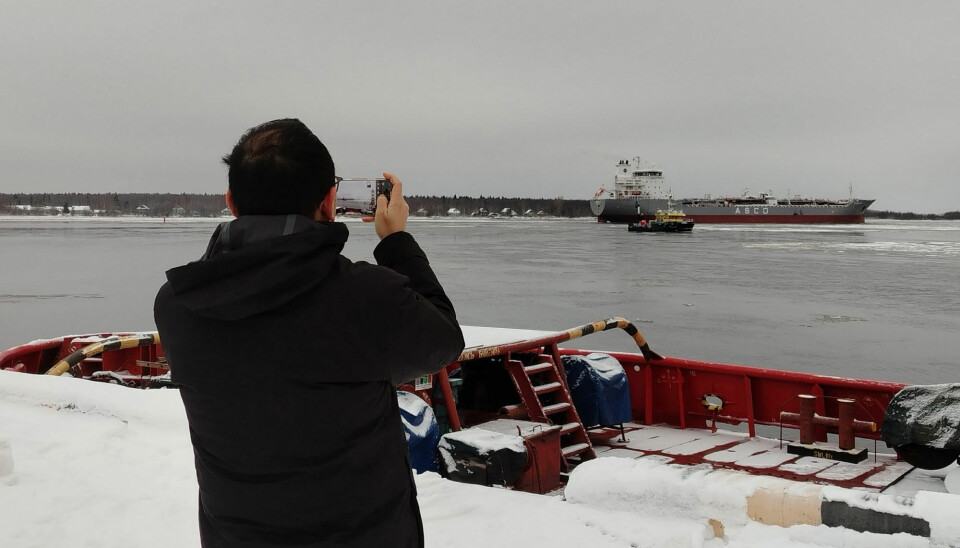
Chinese General Consul in St. Petersburg Luo Zhanhui takes a closer look at the Northern Dvina, the river that plays a key role in current Chinese-Russian Arctic cooperation. Photo: Port of Arkhangelsk on VK

Atle Staalesen
27 November 2025
THE BARENTS OBSERVER

Our sea port is the key point of cooperation between Arkhangelsk and China, the port administration declared as a Chinese delegation paid a visit in mid-November.

The delegation was headed by General Consul in St. Petersburg Luo Zhanhui. It included several business representatives, among them Ke Jin, the leader of the New New Shipping Line.


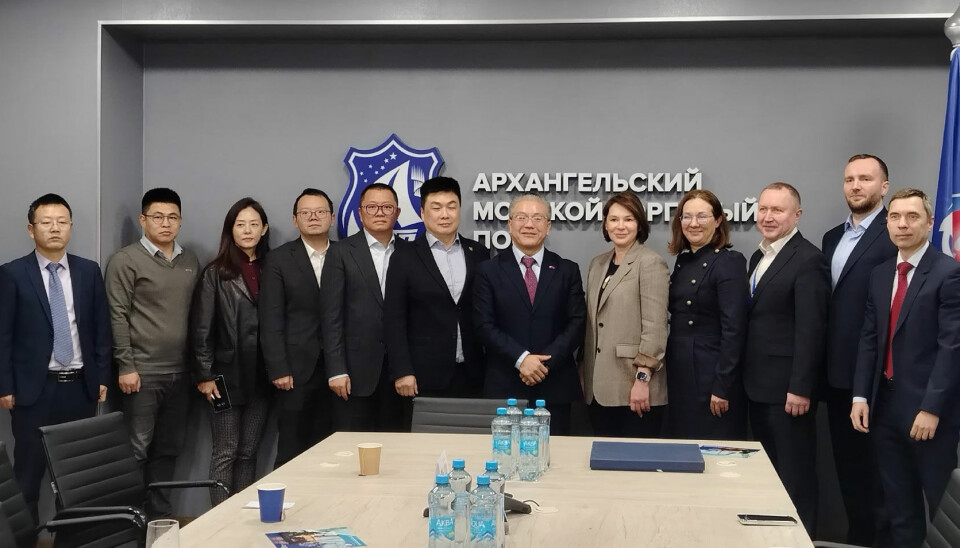
A Chinese business delegation headed by Consul General in St. Petersburg Luo Zhanhui met with Arkhangelsk Minister of Economic Development Yevgenia Shelyuk and representatives of the Arkhangelsk Sea Port. Photo: Arkhangelsk Sea Port on VK

The Chinese shipping company is in the process of significantly strengthening its position in the Russian North. Reportedly, a total of 17,500 containers have been shipped between Chinese ports and northern Russia since 2024. The number of import and export shipments amounts to 14, according to the Arkhangelsk Sea Port.

The NewNew Shipping Line is known as the owner of the NewNew Polar Bear, a ship that was suspected of sabotage against underwater infrastructure in the Baltic Sea in 2023.


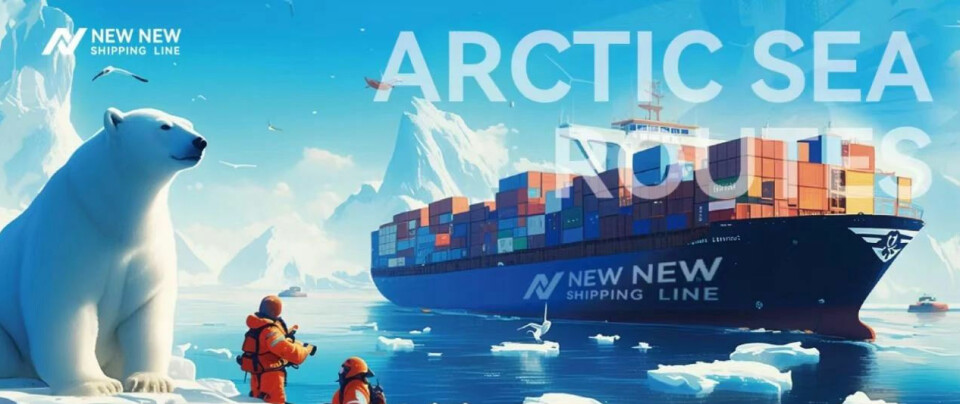
The company NewNew Shipping Lines has major plans for container traffic in Arctic waters. Picture: Poster on website of the NewNew Shipping Lines

Since 2024, the NewNew Polar Bear and several of its sister ships have shuttled along the Northern Sea Route. According to Arkhangelsk Governor Aleksandr Tsybulsky, his region primarily supplies woodworking products to China and receives mainly technological products, machine-building products and components for the automotive industry in return.
 

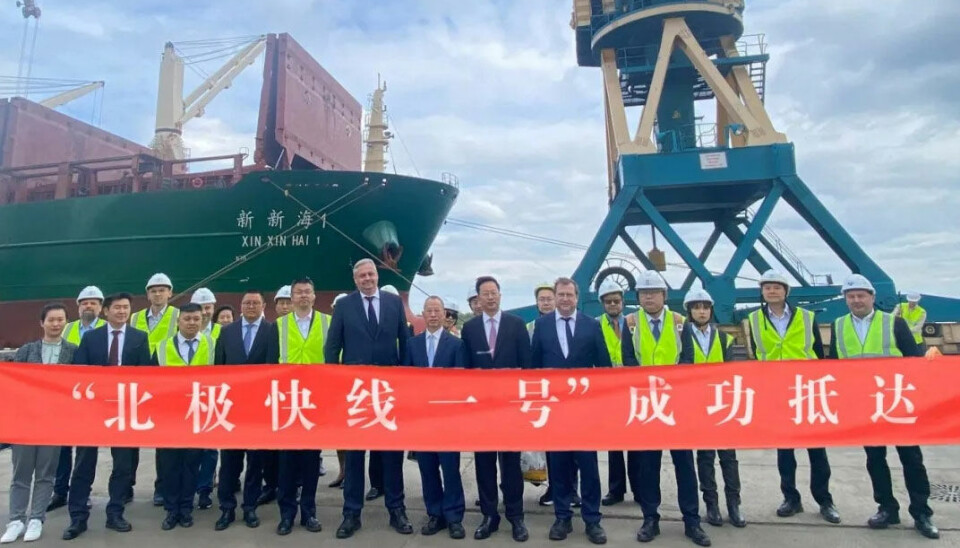
The first Chinese container carrier arrived in Arkhangelsk in August 2024. Photo: Chinese General Consulate in St. Petersburg on Telegram

The Chinese shipping company cooperates with Torgmoll, a company which is closely connected with Russian business interests.

The NewNew Shipping Line is actively seeking to boost cooperation also with the region of Murmansk, and Director Fan Yuxin in late September met with regional Governor Andrei Chibis.

Both parties are determined to work for more shipments and better port infrastructure in the region, Chibis emphasised in the meeting, and added that the ultimate plan is to be able to offer year-round shipments between the countries on the Northern Sea Route.

In the Chinese business delegation that visited Arkhangelsk this month was also Denpak Dao, a representative of the Chinese city of Qingdao. The port of Qingdao is known as a Chinese hub for Russian crude oil imports. It also has direct container shipping route connections with Russian ports like Vladivostok and Vostochny.

Russia's so-called shadow fleet tankers have made hundreds of port calls at Qingdao.

Since the start of its full-scale war of aggression against Ukraine and the subsequent introduction of massive international sanctions, Moscow has developed a major fleet of shadow vessels that brings sanctioned oil and other goods to international markets.

The shadow fleet is increasingly sailing also in the Arctic. In 2025, a major share of the vessels that made transit voyages on the Northern Sea Route was 'shadow tankers.' Many of them had Chinese ports as their destinations.

Other Chinese ports involved in Arctic shipments are Dalian, Shanghai, Ningbo-Zhoushan and Taicang.

Symptomatically, one of the last ships to sail on the route in November before sea ice covered the waters was the Buran, an LNG carrier that is sanctioned by the EU, USA, UK and several other countries.
 

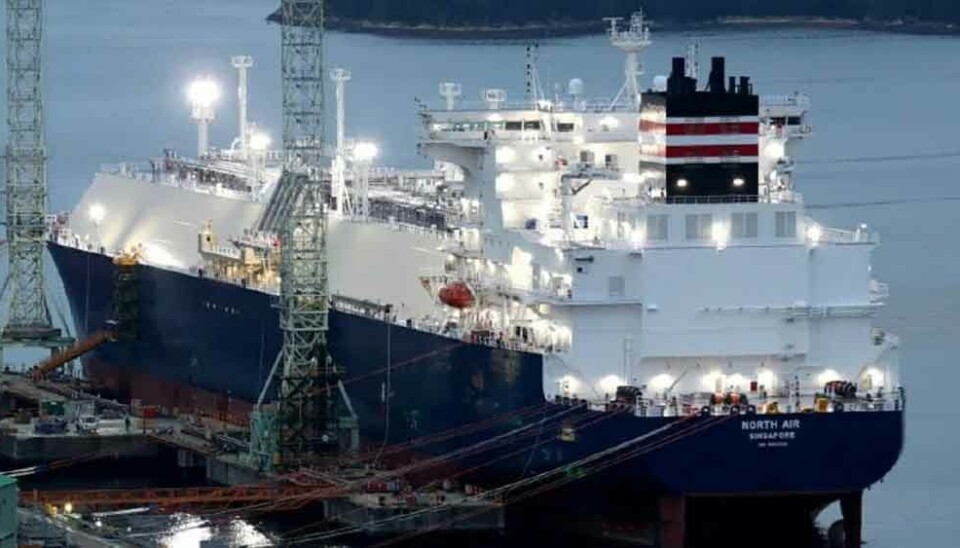
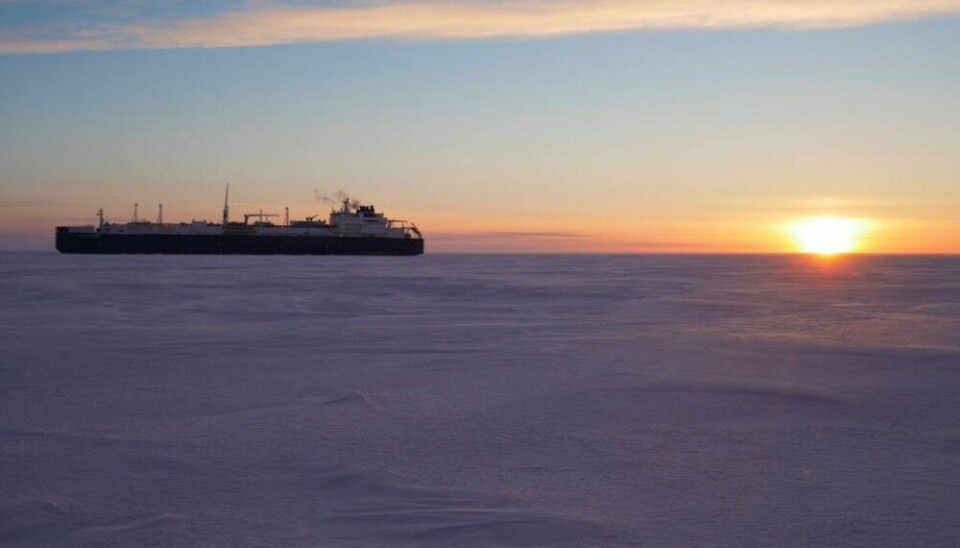
The Buran (previously named North Air) is among Russia's sanctioned 'shadow fleet' carriers. Photo: belokamenka51 on VK

The Buran has, along with its sister vessels Iris, Voskhod and Zarya, repeatedly transported LNG from the sanctioned gas plant Arctic LNG 2 to China.

Arctic shipments between the two dictatorships are due to increase even more in the coming years. In connection with the first container shipment to Arkhangelsk in August 2024, a Chinese diplomat emphasised that shipments on the Northern Sea Route "demonstrate the successful cooperation between China and Russia in the field of logistics routes."


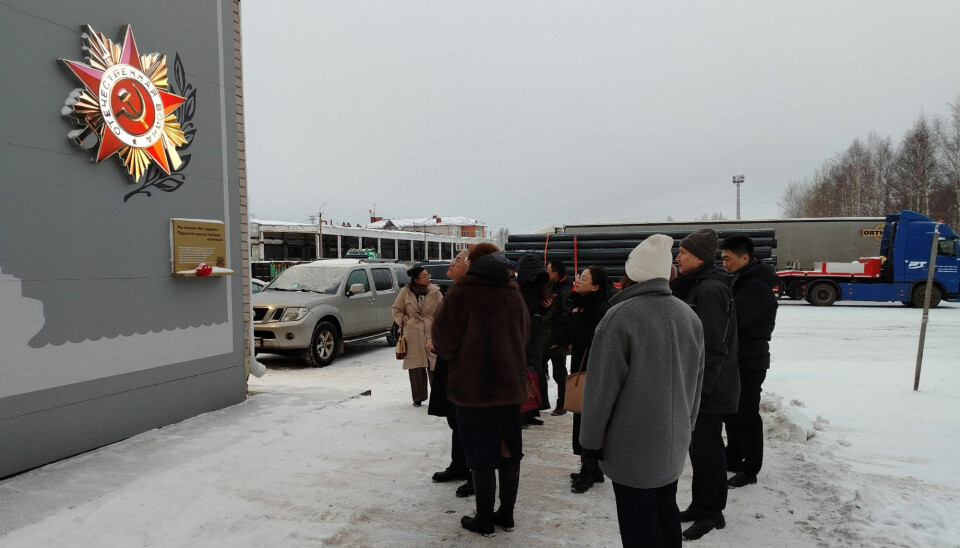
Chinese visitors at the Port of Arkhangelsk pay respect at a new war memorial. Photo: Arkhangelsk Sea Port on VK

The rulers in Beijing have a clear plan to strengthen Chinese engagement in the Arctic, and in 2018 published an ambitious Arctic Policy.

According to the NewNew Shipping Company, its plans for shipments on the Northern Sea Route is a response to the government's white paper.

"[…] NewNew Shipping actively responded to the national call and expanded its business with a strong sense of mission, successfully opening up Arctic shipping routes. NewNew Shipping deeply understands that participating in the development of Arctic routes is not only a good opportunity for corporate development, but also a sacred mission to contribute to the country's strategic layout," a statement [translated from Chinese] from the company reads.

The cooperation with Russia appears to be a key part of China's Arctic strategy.

In a column that praises China's 15th Five-Year Plan, Consul General in St. Petersburg Luo Zhanhui highlights the importance of Chinese-Russian relations.

"Currently, under the strategic guidance of the two heads of state, China-Russia relations are at their best historical period. […]China is willing to work with Russia, guided by the consensus reached by the two heads of state, to strengthen solidarity and cooperation in various fields, jointly implement global development initiatives, global security initiatives, global civilization initiatives, and global governance initiatives, and work together to build a community with a shared future for mankind."


With backing from Beijing, LNG carrier sails Arctic route to banned Russian gas terminal

The Buran is part of a tanker fleet that continues to shuttle to Novatek's sanctioned LNG terminal in the far northern Gydan Peninsula. The Russian company now gives Chinese buyers a major discount on gas from the Arctic LNG 2 project.


'Shadow fleet' tankers shuttle on Northern Sea Route with liquified gas from Novatek's Arctic LNG 2 project. Chinese buyers now get a major discount on the sanctioned LNG. Photo: Novatek

Atle Staalesen
20 November 2025 
THE BARENTS OBSERVER 

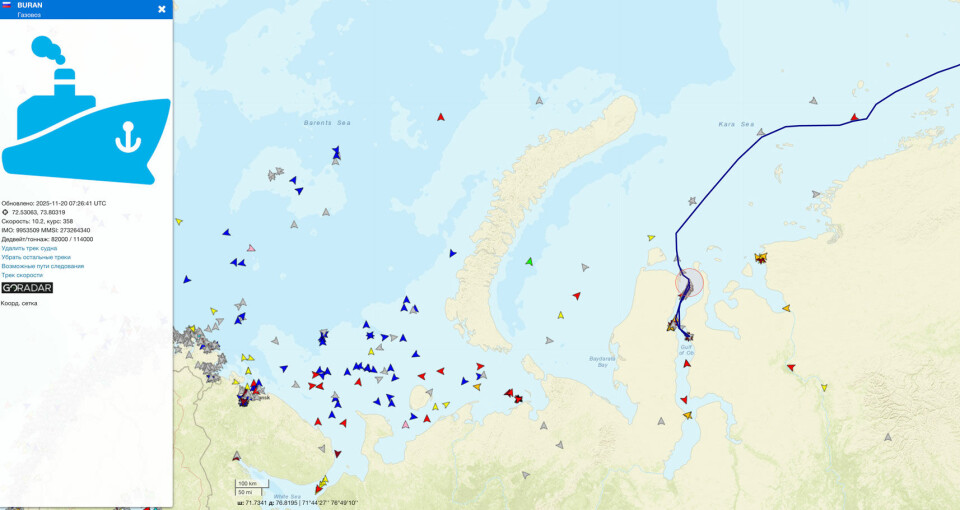
The 293-metre-long gas carrier arrived in the port of Utrenny on November 14, and a few days later set out from the ice-covered Gulf of Ob. On November 20, the tanker was on its way into the Kara Sea with the course for China.


After having sailed the Northern Sea Route from China, the Buran on November 20, 2025 set out from the port of Utrenny fully loaded with gas from the Arctic LNG 2 project. Map: goradar.ru

Utrenny is the name of the terminal of the Arctic LNG 2. The major Russian gas project is built on the tundra of the Gydan Peninsula. It has been sanctioned by the US since 2023 and the UK since 2024.

The international ban against the Arctic LNG 2 notwithstanding, production at the project's two gravity-based production structures has continued and LNG carriers have made at least 12 shipments to the Utrenneye terminal in 2025.

It is China that is keeping the controversial project running. And the backing from Beijing is likely to continue. Project owner Novatek is now granting Chinese buyers a major discount on LNG from the project.


According to Reuters, Chinese companies can now buy gas from the Arctic LNG 2 with a 30-40 percent discount.

It is the Buran and its sister vessels Iris, Voskhod and Zarya that serve the Russian-Chinese cooperation.

The four tankers, all of them on international sanction lists, are operating as 'shadow vessels' for Novatek. In April 2025, they all changed names. The North Air, North Mountain, North Sky and North Way became Buran, Voskhod, Iris and Zarya respectively. They also changed their flag state from Panama to Russia.

The ships all have standard Arc4, which allows them to sail in light sea ice. Under tougher conditions, Arc4 tankers need escort from icebreakers.

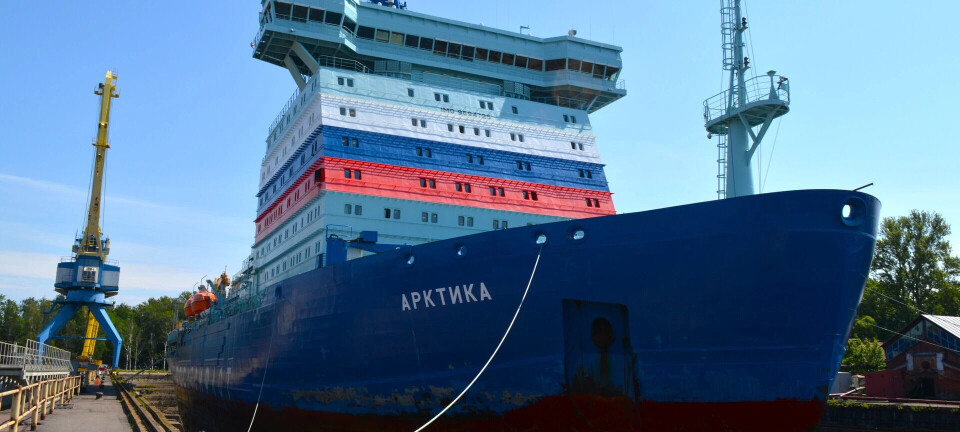
As the Buran made its way across the Northern Sea Route in early November this year it was escorted by the nuclear-powered icebreaker Arktika


Putin orders building of North Pole ice base

The Artur Chilingarov Ice Base will be located on an ice floe and house researchers and tourists who are ready to pay a minimum of €40,000 for a five-day visit.


Dictator Putin commissions his government to participate in efforts to build an ice camp on the North Pole. Photo: Artur Chilingarov Ice Camp on Telegram

Atle Staalesen
16 December 2025 
BARENTS OBSERVER

The decree signed by the Russian dictator on December 15 orders the government to participate in the establishment of a North Pole base.

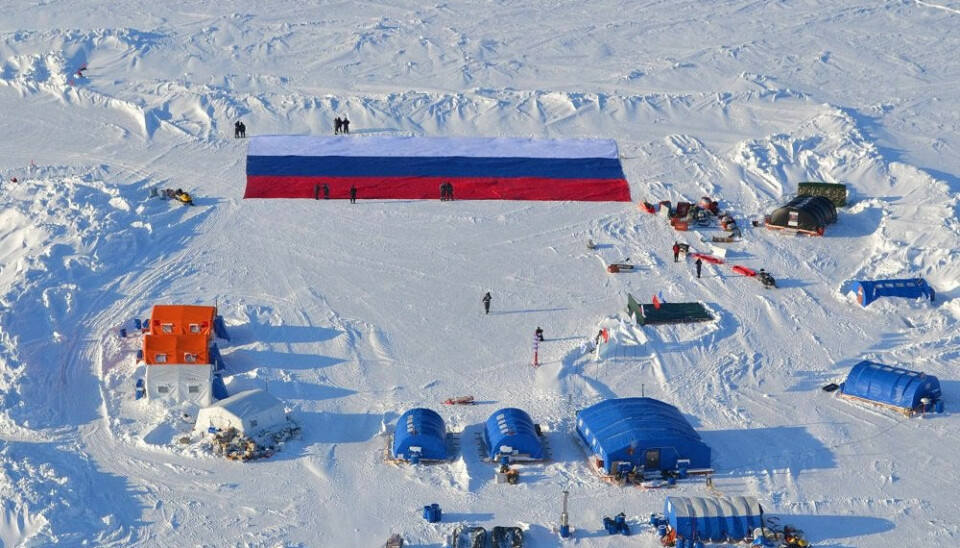
The base is to be developed in cooperation with the Russian Geographical Society and the Academy of Sciences. The decree follows Putin's participation in the Geographical Society's congress in October this year.


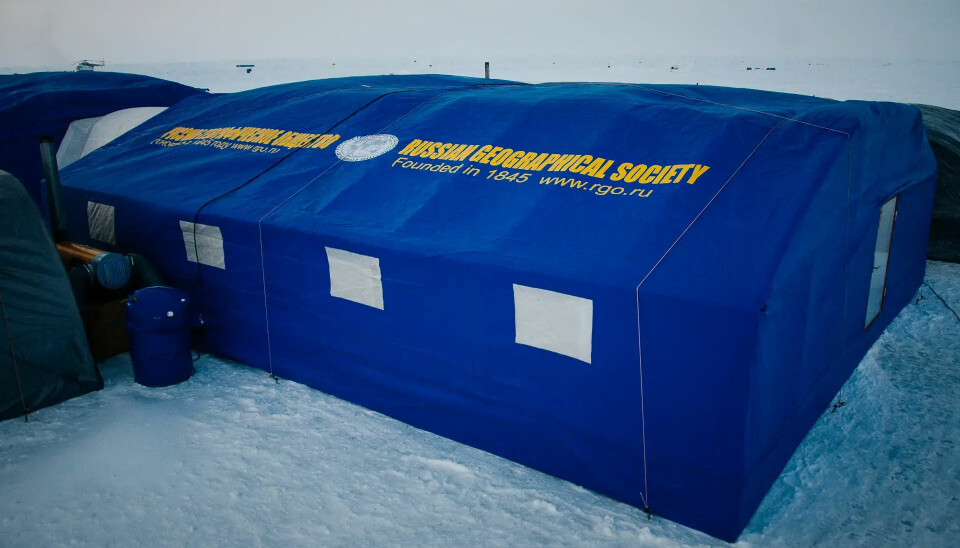
The Russian Geographical Society is one of the main organisers of the Artur Chilingarov Ice Base. Photo: northpolecamp.ru

Russia has a long tradition of organising research expeditions on drifting Arctic ice. However, it has become increasingly difficult to find ice floes solid enough to hold the research stations. The last “real” ice station, the “North Pole-40”, was established in October 2012, and had to be evacuated in May 2013, because the ice floe the base was placed on started to break apart.

For many years, a group of Russian businesspeople also organised the Barneo Ice Camp. The camp was built near the North Pole. Because of the unstable ice conditions, the last Barneo camp was held in 2018. Nevertheless, the organisers say that they intend to set up the camp in 2026.


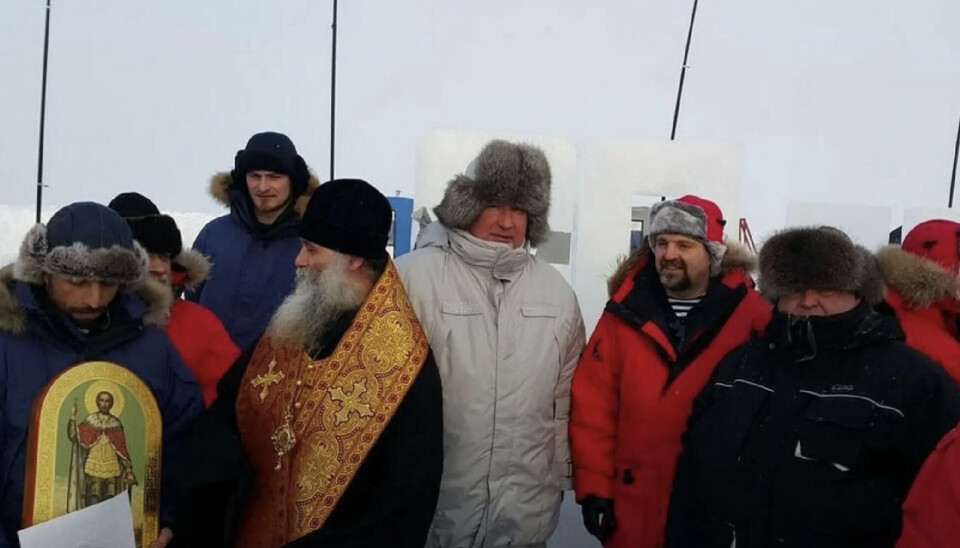
Visitors to the Barneo Ice Camp in April 2015: Russia's deputy prime minister Dmitri Rogozhin (in white jacket) and Bishop Iyakov of Naryan-Mar. Photo: From the archive

It is not clear whether the Artur Chilingarov Ice Base will interact with the Barneo Camp. It is also an open question whether it will be possible to build the camp at all because of the vanishing sea ice.

According to the Artur Chilingarov Ice Base website, a five-day visit costs a minimum of 3,7 million rubles (€40,000). All visits are due to take place in April 2026.

Artur Chilingarov was a famous Soviet-Russian explorer who died in 2024.

Putin's participation at this year's congress of the Russian Geographical Society showed a major level of Kremlin support to the expansionist efforts of the Society.

During the congress, prominent members of the Russian elite discussed initiatives aimed at the Arctic as well as the occupied parts of Ukraine.

In his address, the Russian dictator highlighted the role of the Geographical Society in territorial issues and said that 2027 would be declared the 'year of geography.'

“Given the contribution made by our geographers throughout history to strengthening the state and the paramount importance of geographical science, I ask the government to consider declaring 2027 the Year of Geography,” the Russian ruler said.

"This is important for us from a political point of view,” he explained, and emphasized that "the main event of the year will be consolidation of maps — new maps — of the Russian Federation.”


Putin: “I am confident that the new icebreaker Stalingrad will bear this proud name with dignity”

The keel-laying ceremony for the nuclear-powered icebreaker Stalingrad took place at the Baltic Shipyard in St. Petersburg


The Stalingrad will be painted in the colours of the Russian flag. On its front, the icebreaker will get a painting of the colossal war memorial sculpture Rodina-mat' zovyot! (The Motherland Calls) erected to commemorate the casualties of the battle of Stalingrad. Illustration: Rosatomflot


Thomas Nilsen
18 November 2025 - 
THE BARENTS OBSEVER

The Stalingrad will be the seventh icebreaker in the Project 22220 series.

The Arktika, Ural, Sibir and Yakutia are already sailing in Arctic waters, breaking the ice for petroleum tankers and other vessels sailing along the Northern Sea Route. The two icebreakers Chukotka and Leningrad are under construction at the Baltic Shipyard and are expected to be delivered to Rosatomflot by the end of 2026 and 2028.

On November 18, Vladimir Putin attended the keel-laying ceremony for the Stalingrad, but only via video-link from one of his bunkers, likely in Moscow.

The icebreaker with the "glorious name of Stalingrad," Putin said, "is yet another tribute to the memory and unwavering courage of the defenders and residents of the Volga stronghold, the valour and bravery of the participants in the grand battle, which largely determined the outcome of not only the Great Patriotic War, but also the entire Second World War, and, without exaggeration, influenced the fate of humanity."

As a modern-day dictator, Putin plays on the collective memory of World War II to mobilise society to legitimise current policies by drawing parallels between WWII and present-day conflicts. In this way, the leader in the Kremlin aims to shape the young generation's understanding of sacrifice and war.

Names from geography to mass murderers

When Russia in 2013 laid down the first of the new generation icebreakers, the Arktika, the decision was made to give all vessels geographical names from the northern regions.


Nuclear icebreaker had to sail all to St. Petersburg for basic hull work as Russia's lacks northern dock


That policy changed with the full-scale war against Ukraine, and it was decided that the next two icebreakers to be built should carry the names of the Soviet Union's two dictators and mass-murderers.

The Kamchatka became Stalingrad, and the Sakhalin was renamed to Leningrad.

Also, the two last icebreakers with Soviet hero city names are to be painted differently than the previous vessels. The Leningrad and Stalingrad will be painted in the colours of the Russian flag, and both will have a huge image of a Soviet-style World-War II statue from the relevant city painted on its front.

Stalingrad was officially renamed Volgograd in 1961 as part of the Soviet Union's "de-Stalinization" campaign to distance itself from the dictator Joseph Stalin.

"I am confident that the new icebreaker Stalingrad will bear this proud name with dignity. Operating in the harsh Arctic conditions, blazing a path through the ice, it will become yet another symbol of the talent, strength, and creative energy of our people, their ability to set and implement the most daring plans, and to persevere in the most difficult times," Vladimir Putin said in his video-transmitted speech to the construction yard in St. Petersburg.

Year-round navigation

The new generation icebreakers are powered by two RITM-200 nuclear reactors (2 × 175 MWt). Capable of breaking ice that is 2,8 meters thick or more, the goal is for Russia to provide for year-around sailings from the Kara Sea in the west to the Bering Strait in the east.

All Russia's nuclear-powered icebreakers are based at Atomflot, the service base in Murmansk.


Rosatomflot's service base is located in the northern part of Murmansk on the shores of the Kola Bay. Photo: Thomas Nilsen