Sunday, December 28, 2025


China Changes Everything: A Book Review


A new book edited by Kyle Ferrana, China Changes Everythingbills itself as an anthology by “social justice activists, journalists, and commentators” and brings together chapters about the People’s Republic of China written by prominent left-wing analysts, including Arnold August, Roger Harris, Radhika Desai, Carlos Martinez, Gerald Horne, Lee Siu Hin, Margaret Kimberley, Danny Haiphong, KJ Noh, Sara Flounders, and many more.

The publication covers a comprehensive range of subjects in the ongoing “China debate” and includes chapters on such hot topics as China’s relation to Palestine and China’s foreign affairs policies, its banking and healthcare system, its transportation infrastructure and the rail and air infrastructure that China has helped to build in developing nations, its achievements in green technology and poverty alleviation, China’s military expenditures and aims, its role in the “space race,” its alleged genocide of the Uyghurs, and the status of Taiwan and Tibet, among others.

Public health: China vs. USA
The first entry, written by Sara Flounders and titled “A Fundamental Difference: China—Socialist or Imperialist,” dispels the widespread myth prevalent among Western thinkers (and even among Western Marxists) that China’s economy is essentially capitalist. Flounders contrasts China’s economic system with that of the US and demonstrates how it is the essential differences in their respective economic structures that have propelled China’s economic growth since its liberation in 1949: “In the United States, nearly all resources are privately owned by a handful of billionaires. Even public forests, waters, and raw minerals are ripe for exploitation for private profit. In China, the overwhelming bulk of resources—oil, gas, coal, gold, gems, rare earth minerals, and water are socially owned and used for the development of the whole society.”

This chapter sets the tone for the entire book. The collection of essays functions as a primer for an English-speaking, primarily US-based audience that will allow the reader to contrast the economics, culture, and politics that they are familiar with, on the one hand, with the economics, culture, and politics of the People’s Republic of China. As such, it does not provide a detailed look at what life is like in China for everyday Chinese people, from a Chinese perspective, but instead functions as a guide for Western observers who seek to compare the achievements of the People’s Republic of China with those of the “developed” nations of North America and Europe since World War 2.

For example, Margaret Flowers’ essay on healthcare is titled “If China Can Provide Universal Healthcare, Why Can’t the United States?” The author compares the two healthcare systems and reflects how, in the US, “Hospitals are shuttering essential services such as obstetrics and pediatrics to open more lucrative specialty centers in orthopedics and cardiovascular interventions. Hospitals that don’t turn a profit, especially in rural communities and poor urban areas, are being closed down and either abandoned or converted into commercial spaces.” In contrast, a system that prioritizes public welfare instead of profit is able to provide superior, or at the very least, competitive services for only a fraction of the cost (China spends less than 3% of what the US spends per capita on healthcare).

“The Commonwealth Fund’s 2024 health insurance survey highlights some major failures of healthcare in the United States,” notes Flowers. “They found that only 56% of working-age adults had adequate health insurance. Of those who had health insurance without adequate coverage, 57% ‘avoided getting needed health care because of its cost,’ and 41% of these experienced a worsening of their health condition as a result. 44% of underinsured adults held medical or dental debt. In fact, in the US, medical illness is the leading cause of personal bankruptcy, and about three-fourths of those who go bankrupt had health insurance at the start of their illness.”

Data like this will provide ample ammunition for our conversations with the China-haters who virtually all of us in the West can count among our coworkers, friends, and family. The book continues with this line of thinking, succinctly contrasting the facts of life in the US, Europe, or Canada with those in the People’s Republic, and confirms that the glaring differences exist precisely because China has not followed the capitalist path of prioritizing corporate profit over basic public needs.

“Health outcomes have dramatically improved over the past 76 years” in China, Flowers recounts. “The average life expectancy in China was around 43.5 years in 1950, and rose to almost 78 years in 2024. Life expectancy rose by almost seven years between 2000 and 2021, while life expectancy in the United States fell during that same period.”

China and the climate crisis
In a case of projection that is typical of knowledge production in the imperial core, the ubiquitous anti-China smear campaign portrays the People’s Republic as a fortress of smokestacks belching fumes of melting coal and plastic into the air, polluting at levels never seen in human history and ruining the environment for everyone. However, it is fairly common knowledge that China ratified both the Kyoto and Paris accords of the United Nations Framework Convention on Climate Change (UNFCCC), while the US has never committed itself to either agreement.

In its section on green development, China Changes Everything provides ample details regarding China’s commitment to clean energy and sustainable development. China’s achievements in this realm are driven by the nation’s socialist principles and made possible through centralized planning.

Lyn Neeley, in a chapter entitled “China Outpaces the World in Energy Production and Green Technology,” recalls that China has produced “70% of the world’s electric vehicles (EVs) and 98% of the world’s electric buses”—although we’ll never see them on the road in the West. Because of state aid for green technology, the country produces electric cars at a fraction of their cost in the US, Europe, or Canada (a theme that is repeated throughout comparisons of costs for healthcare, housing, education, infrastructure, the military, etc.).

“Chinese EVs are cheaper and more advanced than EVs made anywhere else,” writes Neeley. “A Chinese EV now costs less than [USD] $10,000 because of the efficient manufacturing processes and an increase in the amount of government subsidies for EVs from [USD] $76.7 million in 2018 to [USD] $809 million in 2023.” Neeley notes that China produces over 80% of the world’s solar panels, is the world’s leading producer of hydroelectric power, accounts for up to 70% of the global wind turbine market, and in 2024 filed more than half of the world’s patents for clean energy.

China and Palestine
In an entry titled “Is China’s Foreign Policy ‘Good Enough’?” Danny Haiphong reflects on another criticism frequently leveled at China, particularly in the wake of United Nations Security Council Resolution 2803 which approved the US plan for the occupation of Palestine by a UN International Stabilization Force. China did not exercise its capacity to veto this resolution and abstained from the vote, giving rise to a common criticism of China heard in the West, even among purported leftists: that China has not done enough to aid the Palestinian cause.

Haiphong helps to put things in perspective: while the US and its vassal states carry out a livestreamed genocide, providing arms and diplomatic cover to the Zionist regime, “China has used its influence at the United Nations to not only condemn Israel’s brutality and call for an immediate ceasefire, but also to uphold the right of the Palestinian people to armed resistance. In 2024, China hosted a historic summit in Beijing that convened all major Palestinian political organizations with the aim of forging unity toward the establishment of a future Palestinian state.”

When the foreign policy of the People’s Republic of China is compared to that of the United States and its vassals in the imperial core, the differences are stark. “The horrors in Gaza are not of China’s making,” recalls Haiphong. “The US accounts for 70 percent of Israel’s arms imports, and wields a political and diplomatic shield over Israel that is arguably more powerful than that provided to any of its other so-called ‘allies’ around the world. The blame for Gaza’s plight rests at the feet of the US, the West, and of course, Israel. Moving attention away from this is as unhelpful as it is dangerous. Makers of US foreign policy have shown the world time and time again that they are willing to go to any length to protect what they see as their most important military asset in the region. Any unilateral action taken against Israel will be met with serious consequences. While the US empire is in marked decline and unable to arrest the development of a rising China and Global South, it has proven more than capable of spreading chaos and instability. The US and Israel would undoubtedly move to cut China off from the entire region if it were to carry out a boycott of Israel on its own, and the genocide would continue, but under even more hostile global conditions than currently exist. This isn’t to say that a boycott isn’t correct in principle, but to put the onus of responsibility for leading such a boycott on China, a developing country that is itself the target of US sanctions, moves the goalposts away from the US empire.” One only has to look at the economic blockade and recent US bombing of Iran to see how the US might treat China were it to go further in its support for Palestine.

The book is highly recommended for those who seek facts about the economic, political, and cultural development of China since 1949, particularly in comparison to that of the United States and particularly regarding the most hotly debated issues. China Changes Everything provides a wealth of information and constitutes a useful manual for those who seek to dispel the myths about China that are propagated in the imperial core. Most of us are familiar with these often contradictory claims: “China is not socialist,” “China is capitalist,” “China is imperialist,” “China is the worst polluter,” “China is not a democracy,” “China is a Communist dictatorship,” “China only cares about its own development,” “China is a settler colonial Han supremacist nation,” “China is imprisoning dependent nations in debt traps,” “China is exploiting Africa and Latin America,” and finally, “the People’s Republic is not revolutionary.” In doing so, the book outlines a realistic vision for our future and provides hope for those in the West who are often disillusioned with all social and political projects.

Steve Lalla is a Canadian-based journalist, researcher and analyst. His areas of interest include geopolitics, history, philosophy, and cultural studies. Twitter: Steve LallaRead other articles by Steve, or visit Steve's website.

Distinguishing Chinese Countermeasures from US Sanctions


On 26 December, the Ministry of Foreign Affairs of the People’s Republic of China (PRC) announced countermeasures against US military-related companies and senior executives.

Most western mass media has been referring to China as imposing sanctions rather than countermeasures, but the distinction is important.

The US uses sanctions offensively, as a punitive measure to achieve its desired aims.

An early objective of the US was to prevent recognition of a Communist China, so the US embargoed the PRC at its inception in 1949. This aim lasted until 1972.

It was the first of many sanctions to be imposed on the PRC. After the Mao era, came a propaganda blitz about a Tiananmen Square massacre in 1989. The US again imposed an embargo (a broader, severe form of sanction).

Later, disinformation emerged about a genocide being persecuted against Uyghurs in China spread. US sanctions were once again applied.

There are several instances of US sanctions being applied against China, including over Xizang (Tibet), Hong Kong, etc.

However, the US does not apply the so-called rules-based order to itself. It arrogates the right to judge and sanction actions abroad that it considers inapplicable to itself (it rejects the jurisdiction of the International Criminal Court, and in 1986 it ignored the finding of the International Court of Justice that the US was guilty of “unlawful use of armed force” and ordered to pay “reparations for damages to person, property and the Nicaraguan economy…”) or its allies (it is nign impossible to imagine the Trump administration acknowledging a genocide in Palestine or even stopping its supply of weaponry for the prosecution of said genocide).

China is rising, and the US economy is heading in a precarious direction. The US response to this has been to ditch its support for free trade. Faced with a stern competitor, the US has not sufficiently upped its game. It has resorted to erecting roadblocks to free trade and persuading its vassals to deny China access to technology; i.e., a win-lose relationship. China has, nonetheless, stepped up its game. It has continued to research and develop, innovate, develop supply chains, and establish domestic independence to evade unfair trade practices. Contrary to the West, China emphasizes win-win relationships with its trade partners.

Taiwan as a Red Line

However, China does have an inflexible red line, and this red line pertains to the One-China principle: “The one-China principle has a clear and unambiguous meaning,i.e. there is but one China in the world, Taiwan is an inalienable part of China, and the Government of the People’s Republic of China is the sole legal government representing the whole of China.” One hundred and eighty-three countries adhere to the One-China principle, including the US. Although the US has agreed to the “clear and unambiguous” One-China policy (it does not agree with the wording of One-China principle), it holds to a position of “strategic ambiguity,” purportedly to deter a military clash between the PRC and its province of Taiwan.

The US Department of State spokesperson, Tammy Bruce, stated on 12 August 2025: “The United States is committed to preserving peace and stability across the Taiwan Strait.”

Supposedly then, the sale of a $10 billion arms package to Taiwan, announced by the US State Department on 17 December 2025, should serve the two purposes to which the US is pledged: (1) the One-China principle/policy and (2) preserving peace and stability across the Taiwan Strait.

This is clearly problematic on both fronts. First, the One-China principle/policy is being violated by making a sale to a province without the approval of the capital Beijing. Second, what bona fides does a serial warring nation like the US have to command credulity to preserve peace? In just 2025, the administration of the US’s self-declared “peace president” has bombed Yemen, Iran, Somalia, Venezuela, Nigeria and is fully complicit in the genocide in Gaza.

Conclusion

The US’s sanctions are distinctively different from the countermeasures employed by China. The US’s sanctions are offensive, meant to punish any entity the US declares to be an enemy, to kill, act as sanctions of mass destruction,1 or carry out a genocide,2 even though that costs half-a-million children’s lives.

On the other hand, China’s countermeasures are non-lethal, defensive, and designed to protect it from the sanctions imposed on it and also from US meddling in its domestic affairs.

Finally, claiming peaceable US intentions toward the PRC and its province Taiwan are implausible given its historical record with the PRC and Taiwan, its historical record with the rest of the world, and the historical record of the establishment of the US through the genocide and dispossession of its Indigenous Peoples.3

ENDNOTES:

  • 1
    John Mueller and Karl Mueller, “Sanctions of Mass Destruction,” Foreign Affairs, 78:3 (May-June 1999): 43-53. Available at JSTOR.
  • 2
    See Abdul Haq al-Ani and Tarik al-Ani, Genocide in Iraq: The Case against the UN Security Council and Member States (Clarity Press, 2012).
  • 3
    Roxanne Dunbar-Ortiz, An Indigenous People’s History of the United States (Beacon Press, 2014).
Kim Petersen is an independent writer. He can be emailed at: kimohp at gmail.com. Read other articles by Kim.
Saudi coalition will counter Yemen separatists undermining de-escalation

Saudi defence minister urges Yemen’s STC to withdraw “peacefully” from seized provinces, Hadramout and al-Mahra.

Forces of Yemen's main separatist group, the Southern Transitional Council, arrive in a mountainous area where they are launching a military operation in the southern province of Abyan, Yemen [File: Reuters/Stringer]

By Al Jazeera and News Agencies
Published On 27 Dec 2025

The Saudi-led coalition in Yemen says it will respond to any separatist military movements that undermine de-escalation efforts in the southern region, as Riyadh doubles down on calls for the group to “peacefully” withdraw from recently seized eastern provinces.

Saudi Arabia’s Defence Minister Khalid bin Salman said on X on Saturday that “it’s time” for troops from the separatist Southern Transitional Council (STC) to “let reason prevail by withdrawing from the two provinces and doing so peacefully”.

Brigadier General Turki al-Maliki, the spokesman for the Saudi-led coalition, said “any military movements that violate these [de-escalation] efforts will be dealt with directly and immediately in order to protect civilian lives and ensure the success of restoring calm,” according to the Saudi Press Agency.

Al-Maliki also accused the STC separatists of “serious and horrific human rights violations against civilians”, without providing evidence.

The statements came a day after the STC accused Saudi Arabia of launching air strikes on separatist positions in Yemen’s Hadramout province, and after Washington called for restraint in the rapidly escalating conflict.

Earlier this month, forces aligned to the STC took over large chunks from the Saudi-backed government in the provinces of Hadramout and al-Mahra. The STC and the government have been allies for years in the fight against the Iran-allied Houthi rebels.

Abdullah al-Alimi, a member of the Yemeni Presidential Leadership Council, the governing body of the internationally recognised government, welcomed the Saudi defence minister’s remarks, considering them to “clearly reflect the kingdom’s steadfast stance and sincere concern for Yemen’s security and stability”, he said on X.

Rashad al-Alimi, the head of the Presidential Leadership Council, said after an emergency meeting late on Friday that STC movements posed “serious violations against civilians”.

The STC, which has previously received military and financial backing from the United Arab Emirates (UAE), is seeking to revive the formerly independent state of South Yemen. The group warned on Friday that they were undeterred after strikes it blamed on Saudi Arabia hit their positions.

Diplomacy, de-escalation?

In Washington, US Secretary of State Marco Rubio said: “We urge restraint and continued diplomacy, with a view to reaching a lasting solution.”

Azerbaijan, meanwhile, said it welcomed efforts led by both Saudi Arabia and the UAE to de-escalate ongoing tensions in Yemen.

Following Friday’s raids, Yemen’s government urged the Saudi-led coalition to support its forces in Hadramout, after separatists seized most of the country’s largest province.

The government asked the coalition to “take all necessary military measures to protect innocent Yemeni civilians in Hadramout province and support the armed forces”, the official Yemeni news agency said.

A Yemeni military official said on Friday that about 15,000 Saudi-backed fighters were amassed near the Saudi border but had not been given orders to advance on separatist-held territory. The areas where they were deployed are at the edges of territory seized in recent weeks by the STC.

Separatist advances have added pressure on ties between Saudi Arabia and the UAE, close allies who support rival groups within Yemen’s government.

On Friday, the UAE welcomed Saudi efforts to support security in Yemen, as the two Gulf allies sought to present a united front.

Yemen’s government is a patchwork of groups that includes the separatists, and is held together by shared opposition to the Houthis.

The Houthis pushed the government out of Yemen’s capital, Sanaa, in 2014, and secured control over most of the north.

Bangladesh Edges Closer To Becoming A Terror Hub – Analysis


By 


The current unrest in Bangladesh poses a pressing geopolitical question: is the country drifting out of India’s strategic orbit? A significant rift emerged in August 2024 when Sheikh Hasina—long the political cornerstone of India–Bangladesh relations—was removed from power. This followed an uprising in which student protests over employment quotas escalated into widespread violence against her government, ultimately forcing her to flee and seek shelter in India. 

Since Hasina’s departure, Bangladesh’s politics have been shaped by a mix of nationalism, Islamic fundamentalism, and growing anti-India sentiment. Violence flared again after the killing of radical activist Sharif Osman Hadi, a prominent figure in the 2024 movement to oust Hasina.

Hadi, founder of Inqilab Mancha (Platform for the Revolution) — a radical student group at Dhaka University — was known for his anti-India views and advocacy for a “Greater Bangladesh.” Some believe his death triggered massive anti-India protests and renewed calls to “free” India’s northeastern states from New Delhi’s control. After his death, a Facebook post read: “In the struggle against Indian hegemony, Allah has accepted the great revolutionary Osman Hadi as a martyr.”

Hasina accuses the Yunus administration of undermining the country’s founding principles and pursuing a reckless foreign policy that threatens regional stability. She says his actions not only distort Bangladesh’s history but also endanger its secular and constitutional foundations. After the Nobel laureate Muhammad Yunus–led administration assumed power, it moved quickly to curb Hasina’s political influence. While requesting Hasina’s extradition from India, the interim government amended the International Crimes Tribunals Act of 1973 by administrative order in November 2025 to broaden its scope and allow for her prosecution. Hasina was later sentenced to death in a trial held in absentia — a development critics say reflects politicization of the judiciary.

In 2013, several leaders of Jamaat‑e‑Islami were convicted, and a number of top figures who had served as Razakar or Al‑Badr commanders in 1971 were executed; the party was then banned. After Hasina’s ouster, the Supreme Court overturned the cancellation of Jamaat‑e‑Islami’s registration, allowing it to operate again as a political party. Under pressure from Jamaat and other Islamic fundamentalist groups, the Yunus interim government then banned Hasina’s party, the Awami League. This suggests that fundamentalists are using Yunus systematically to erase the pro‑India influence of the “Mujib family” ahead of the elections.


Bangladesh’s move away from secular, nonpartisan politics — even if it looks like a domestic shift — will have clear geopolitical consequences. It strengthens a Pakistani–Chinese alignment hostile to India and embeds a new, anti‑India element in Bangladeshi statecraft.

Under Yunus’s administration, evidence points to Bangladesh becoming a growing hotbed of anti‑India sentiment. Yunus is not a seasoned statesman; he was appointed to placate the fundamentalist student uprising, and in that role he appears to be strengthening the very forces that brought him to power.

Yunus has promoted the idea of a “Greater Bangladesh,” which purportedly includes parts of Assam, Tripura, West Bengal, Jharkhand, Odisha, and Bihar in India, as well as the Arakan region of Myanmar. This has led some to portray him as an agent of global Islamist movements like the Muslim Brotherhood in Bangladesh.

Against this backdrop, Yunus’s actions reflect the anti-India agenda of pro-Pakistan fundamentalists. This is illustrated by a book he recently presented to a visiting Canadian delegation; its cover features a map of Bangladesh appearing to encompass large parts of India’s northeast — a symbolic gesture intended to globalize the anti-India narrative. Earlier, he presented the same book to a visiting Pakistani army general.

Yunus’s first visit to China after taking office marked a clear break with Bangladesh’s previous India-centered approach. In Beijing, he called on China to expand its influence in South Asia, saying India’s seven northeastern states remained “landlocked” and “have no access to the ocean”; he added, “we are the only guardian of the ocean for this entire region.” The trip reflected a policy shift following the rise of anti‑India, pro‑Pakistan forces after Hasina’s ouster. In a notable development, Beijing invited for the first time a senior Jamaat‑e‑Islami figure — Syed Abdullah Muhammad Taher, an important contender in next year’s elections. “It was an excellent trip; they treated us as government dignitaries,” Taher said.

Taher is the former head of Islami Chhatra Shibir, viewed as Jamaat’s extremist student wing. Beijing’s reception suggests it is aware that Jamaat could gain power or exert major influence after the elections. For China, this looks like a “pincer movement” against Indian influence during Bangladesh’s political transition.

The recurrence of violence has led to scrutiny of the government’s response. Some analysts attribute the perceived inaction to the significant political sway held by fundamentalist religious groups. This perspective is echoed in regional discourse; for instance, a Dhaka-based journalist suggested that Pakistan, having waited for such an opportunity for decades, could seek to utilize Bangladesh’s forthcoming electoral process to institutionalize radical Islamic networks that could threaten India’s security — thus continuing a long-standing strategic rivalry.

Fifty-five years ago, in the general election of December 1970, the Awami League secured a decisive mandate by winning 160 of the 162 seats in East Pakistan, establishing the political foundation for the creation of Bangladesh. Looking ahead to the forthcoming election in February 2026, observers note that a strong performance by political actors such as the Pakistan-aligned Jamaat-e-Islami and its affiliates could influence Bangladesh’s political trajectory. Such a shift in the political landscape may pose significant and direct security implications for India, potentially opening a new front of strategic concern.

A. Jathindra

A. Jathindra is a Sri Lankan-based independent political analyst and head of a think tank, Centre for Strategic Studies -Trincomalee (CSST).
Protesters in Stockholm denounce Israel's continued attacks on Gaza despite ceasefire

Demonstrators accuse Israel of violating ceasefire and call on Sweden to end arms exports


Atila Altuntas and Aysu Bicer |27.12.2025 - TRT/AA


STOCKHOLM

Hundreds of demonstrators have taken to the streets of Stockholm to protest Israel's continuing attacks on Gaza, despite an Oct. 10 ceasefire agreement.

The protest, organized by multiple civil society groups, took place at Odenplan Square, where participants carried banners reading “Children are being killed in Gaza,” “Schools and hospitals are being bombed,” and “End food shortages.”

Many waved Palestinian flags and called for Sweden to halt arms sales to Israel.

Speaking to Anadolu, Swedish activist Robin Nillson said the protests would continue until a lasting peace is achieved.

He criticized the policies of Israeli Prime Minister Benjamin Netanyahu and highlighted the human cost of the ongoing conflict.

“Despite a severe humanitarian crisis and mass deaths, we have yet to see concrete change,” Nillson said.

He added that Netanyahu only agreed to the ceasefire under international pressure.

“Claims in some media outlets that the war could continue until the end of 2026 are frightening,” he said. “If the situation does not improve, we will persist with mass protests and acts of civil disobedience next year.”

The Israeli army has killed over 71,200 Palestinians, mostly women and children, and injured more than 171,200 others in attacks in Gaza since October 2023.

Although the ceasefire took effect on Oct. 10, 2025, living conditions have not significantly improved, as Israel has failed to meet its commitments under the agreement, including allowing agreed quantities of food, aid, medical supplies, and mobile housing into Gaza.


Google to pull some of its servers out of Russia

Google has notified Russian internet providers that it plans to remove some of its Russia-based servers, the RBC news agency reported Friday, December 26, citing sources.

The company plans to decommission Dell R720 servers used to speed content delivery to users.

The hardware is part of the Google Global Cache system. These servers cache and serve YouTube videos, Google Maps, Android and Chrome updates, and images from Google Search.

After the war in Ukraine began, the company stopped installing new servers of this type in Russia.

According to the notice, decommissioning is set to begin January 26, 2026. Google cited the Dell R720’s end-of-life status and lack of warranty support. The company also said these machines handle a minimal share of traffic. Other Google Global Cache servers in Russia will remain in operation.

One provider told RBC that in a follow-up letter, Google asked to power down the specified servers, remove them from racks and provide an address for pickup. Some Dell R720 units have already been taken out, the person said. The dismantling and removal is being handled by European firm MPK Asset Solutions, which specializes in IT asset lifecycle services, including de-installation and disposal, according to the report.

Google ended commercial operations and closed its office in Russia after the country’s armed invasion of Ukraine, leaving only free services available.

The company’s Russian legal entity, LLC Google, was declared bankrupt in October 2023.

After its exit, Google did not upgrade Google Global Cache servers in Russia. Roskomnadzor later seized on that, slowing YouTube’s performance in summer 2024.

The regulator claimed the slowdown was due to Google’s failure to refresh server hardware. Google denied that.

Later, former State Duma lawmaker Alexander Khinshtein, then head of the information policy committee, said the YouTube throttling had been initiated by Russian authorities. After that, Roskomnadzor accused the platform of “numerous legal violations” and “disrespect” toward the country.

In December 2025, Andrei Svintsov, deputy chair of the State Duma’s information policy committee, said YouTube could be fully blocked in Russia within the next six to twelve months.

Mammoth RNA molecules sequenced for the first time

This data provides further insight into the events surrounding the death of the mammoth in the northern Siberian permafrost around 40,000 years ago.


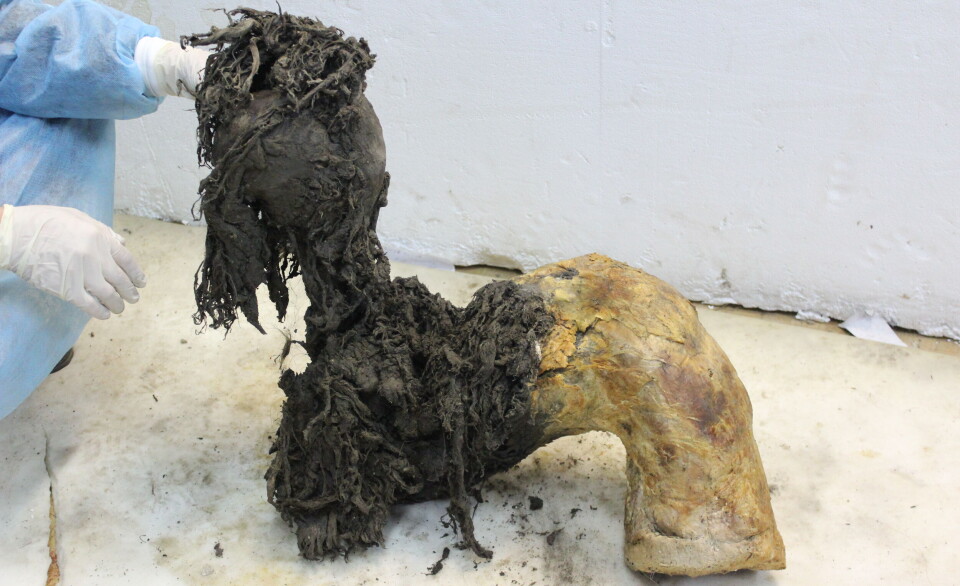
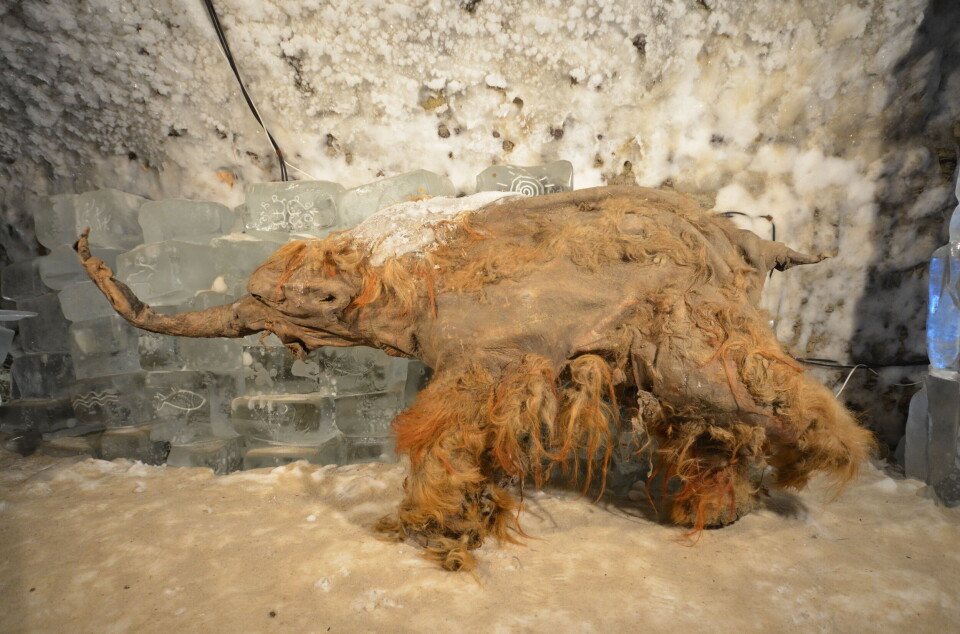
Remains of the woolly mammoth Yuka 
Photo: Valery Plotnikov

Journalist
19 November 2025 
THE BARENTS OBSERVER 

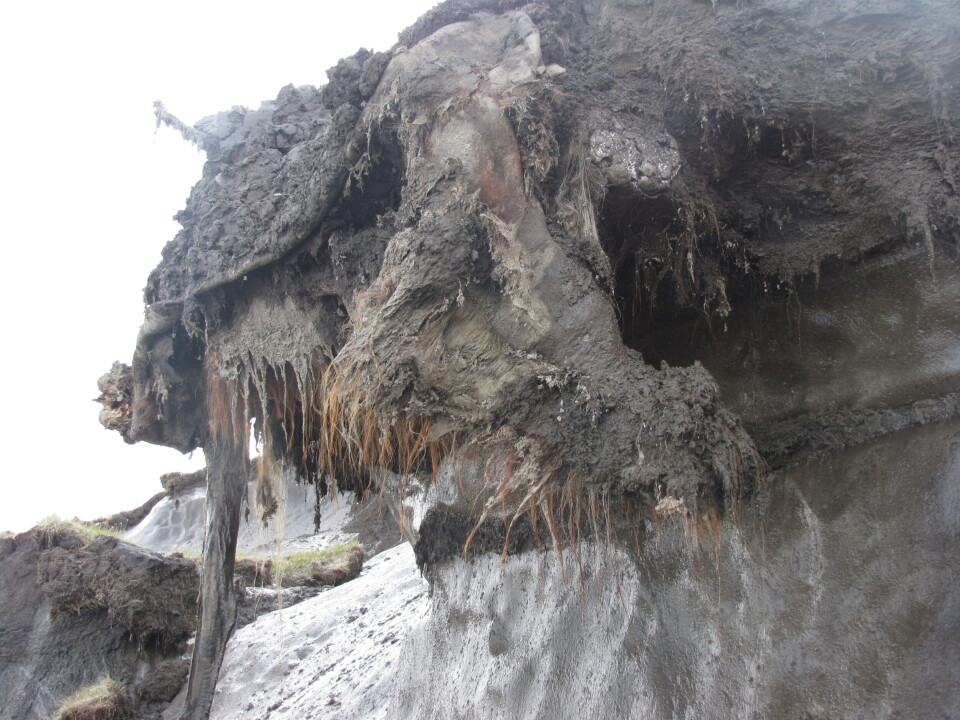
In 2010, the thawed carcass of a small woolly mammoth was found in the permafrost on the Oyogos Yar bluff, on the coast of the Dmitry Laptev Strait in northern Yakutia, Russia. The woolly mammoth was nicknamed “Yuka".


A few years later, a group of researchers in Stockholm received a long-awaited delivery — a box containing samples from ten mammoths, including those of Yuka, sent by their scientific partners in Russia.

A study published this year by this international group of scientists shows that Yuka's sample was the most successful out of all ten: researchers managed to extract valuable information from RNA molecules of the ancient animal.

‘While DNA contains information about you as a living creature that doesn’t change throughout your life, RNA molecules particularly reflect what was happening in Yuka’s muscles a few minutes before he died,’ Dr Emilio Mármol, a genomicist at the University of Copenhagen and lead author of a study, told the Barents Observer.

Yuka emerging from the Siberian permafrost in 2010 Photo: Grigory Gorokhov

“We found signs of cellular stress in the tissue of this mammoth before he died,” Dr Mármol explained. “We hypothesised that Yuka died in a stressful situation. He was probably hunted by predators. As the body is so well preserved, we can see the scratches on the skin. They are most probably from a cave lion, based on their size and shape.”

Dr Mármol explains that these are the oldest ever recovered RNA sequences and that this is the first time that molecules have been extracted from a woolly mammoth.


Yuka's body had been remarkably well preserved. It is on display in a museum in Russia. Photo: Valery Plotnikov

“It's a scientific miracle!” Dr Bastian Fromm, a zoologist and evolutionary biologist at the Arctic University Museum of Norway, told the Barents Observer. ‘It is believed that RNA is very unstable, and you cannot actually obtain it from samples that are 40,000 years old. We are very surprised that we managed to do this.”

Dr Bastian Fromm, who is co-author of the study, expressed hope that the new, more sensitive analytical method they used for this research would enable RNA to be extracted from other animals in his museum's collection. This means that we can learn more about the living conditions of other species of animals that became extinct thousands of years ago.

Yuka, a five-year-old baby mammoth, died at the end of the Ice Age - 39,000 years ago. At first, based solely on an external examination of the genitals, the mammoth was thought to be female. However, DNA and RNA analysis made by Dr Bastian Fromm's team revealed a Y chromosome, indicating that it was male.

The ability to extract both DNA and RNA is attributed to the fact that the permafrost helped preserve the body well, as it froze right after death and had no time to decompose. In addition, Yuka's remains were properly maintained throughout the entire journey to the various labs.

But now, as the planet warms, the permafrost is thawing.


Dr Emilio Mármol Photo: personal archive

“More and more remains of prehistoric animals are being found in Yakutia now as lots of this permafrost is thawing due to climate change,” Dr Emilio Mármol tells the Barents Observer. ‘But the difference with the times of Yuka is that now we are seeing a similar climate change, but ten times faster in time. The changes will be massive for our sons and grandsons, if in a few hundred years the temperature rises just 2 or 3 degrees more.” Dr Mármol said.

Climate change was also one of the reasons why mammoths went extinct 4,000 years ago. For now, as Dr Mármol explains, his lab is not planning to conduct further mammoth research. One of the reasons why is that "access to precious mammoth samples from Russia is more difficult now due to sanctions".

In 2022, the war in Ukraine put scientific exchanges with Russia on hold. As the mammoth samples had been collected prior to the sanctions being imposed, the study was still conducted in collaboration with Russian scientists.
“Mercury can leak out and become a threat to marine life”

Researchers warn about the consequences of global warming for the environment.


The ocean ecosystem is particularly vulnerable to mercury pollution. Photo: Elizaveta Vereykina


Journalist
20 November 2025 -
THE BARENTS OBSERVER

“Old mercury pollution that nature has stored for us can leak out and become a threat to marine life, the seafood we eat and our health", - marine scientist Michael Bank is quoted as saying on the Norwegian Institute of Marine Research website. - "Climate change can also undermine the effectiveness of measures that have been taken internationally against mercury pollution.”

The Arctic is warming at a rate four times faster than the rest of the world. This means that the permafrost in places such as Siberia is thawing, and the glaciers on Svalbard are shrinking.

These processes could release methylmercury, one of the most toxic forms of mercury.

As Norwegian researchers emphasise, exposure to high levels of mercury can impair brain function and development, particularly in young people. The Norwegian authorities therefore monitor food to ensure that it does not contain more mercury than is safe.

While human activities such as burning fossil fuels release mercury into the environment, it is also a natural part of the ecosystem.

Since the beginning of the 2000s, recent regulations have helped to reduce man-made mercury pollution. However, the release into the oceans of methylmercury, which has been stored by nature for centuries, poses a serious threat to living creatures.

“Methylmercury in particular is dangerous because it acts as a strong neurotoxin for both animals and humans,” says Bank. Methylmercury can find its way to our plates through absorption in algae, plants, fish and other wildlife.

In one of his scientific papers, in 2023, Bank emphasises that Arctic cod in the Barents Sea, for example, is of considerable ecological and economic importance to Norway. Therefore, monitoring mercury pollution in waters and seafood is becoming increasingly important.

“We need to develop effective ways of assessing the impact of mercury pollution in a rapidly changing climate,” says Bank, emphasising the importance of using satellites and drones to detect potential mercury pollution factors.
The deepest parts of the Arctic Ocean are warming now too

While it is well documented that global warming is heating the world's oceans, there is now further evidence that even the deep waters are being affected.


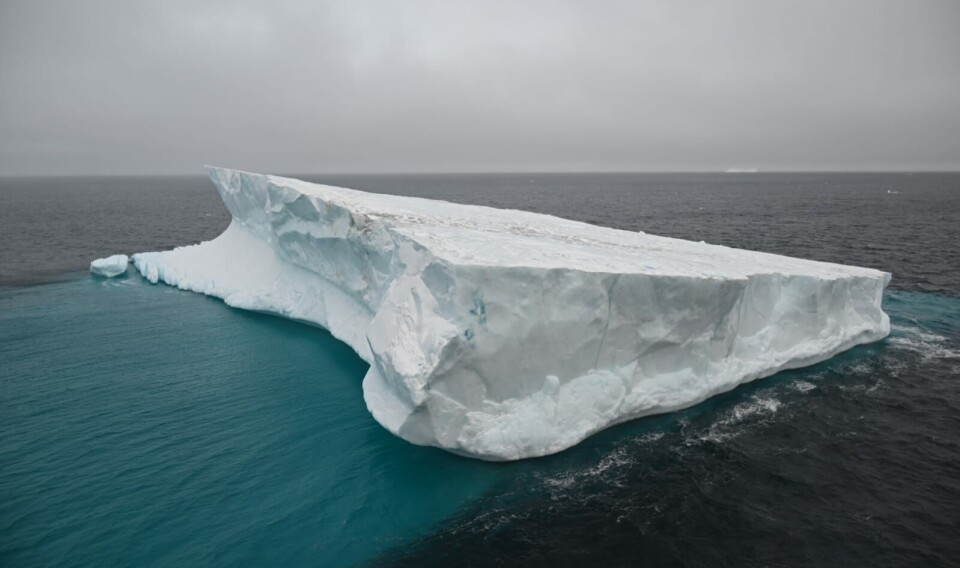
Iceberg in the Arctic Ocean in September 2025 Photo: Henry Patton

journalist
26 November 2025 - 
THE BARENTS OBSERVER


A new study analysed temperature data gathered in recent decades to identify the main sources of heat causing Arctic Ocean warming. The study by the team from the Ocean University of China and Laoshan Laboratory demonstrated that the effect of climate change on the oceans is far greater than previously thought.


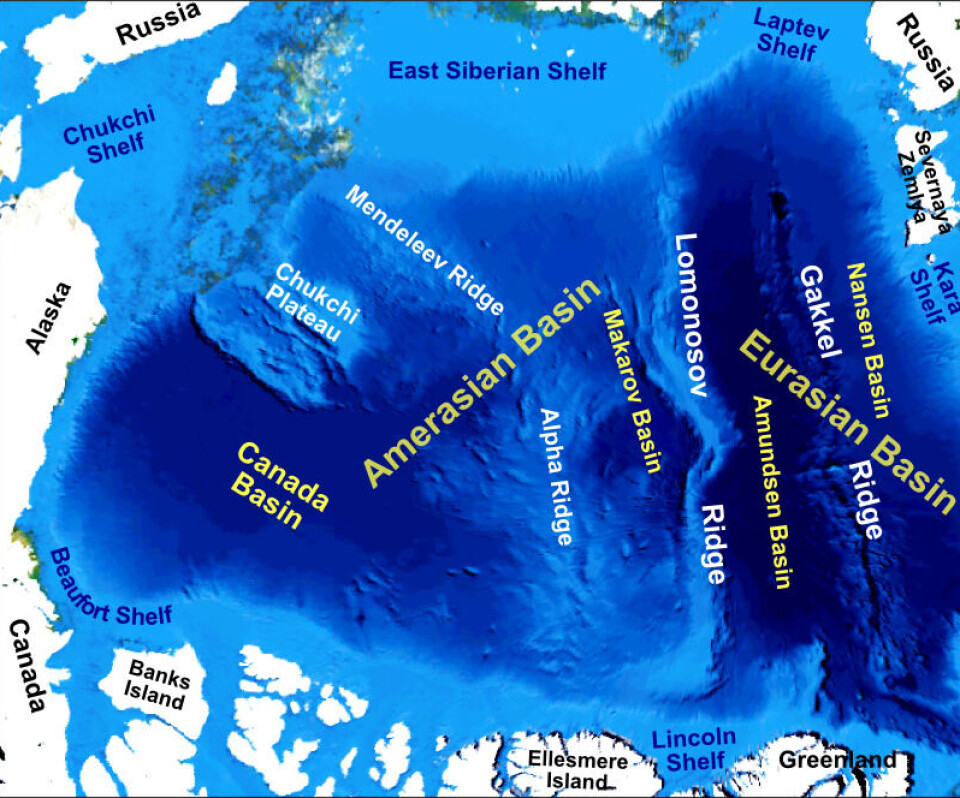
Photo: Wikipedia/Mikenorton

The Arctic Ocean includes various basins, each with its own specific characteristics and rate of warming. The process of Atlantification in the Arctic Ocean - the process where the Arctic Ocean becomes more influenced by the warmer, saltier waters of the Atlantic - is well-known.

However, a new study has found that the deep water in the Eurasian Basin of the Arctic Ocean is warming at a rate of 0.020°C per decade. According to the researchers, this rate of warming is too fast to be explained by natural geothermal heating alone.

“Our findings indicate that the deep Greenland Basin warming has already exerted obvious impacts on the deep Arctic Ocean,” researchers emphasise.

The Greenland basin is a deep-water basin within the Greenland Sea, which is considered an outlying part of the Arctic Ocean and borders Greenland to the west.


The team concluded that the additional warming in the Eurasian Basin originates from the Greenland Basin, which, due to rapid warming, is no longer functioning as a cold source for the Eurasian Basin as it did in the past.

"We find that the rapid warming in the deep Greenland Basin diminishes its cooling effect on the deep Eurasian Basin via the Fram Strait," the study concludes.


The shallow Lomonosov Ridge prevents the warm water from spreading further into the Amerasian basin, "maintaining its relatively slow warming rate".

For Norway, for example, the warming of the coastal waters is impacting the local ecosystem. According to experts at the Norwegian Institute of Marine Research, warmer waters affect the spawning of cod.

"Some species have absolute temperature limits. Cod, for instance, cannot spawn when the temperature exceeds 10 degrees,' said marine scientist Mari Myksvoll.

Fishermen in the Arctic have reported an increase in the number of fish that are more typical of southern waters.

"I see cod, mackerel, yellowfin tuna, herring and haddock moving north from the south," Kent Jensen, who has fished in the Barents Sea near Kirkenes for 15 years, told the Barents Observer, "Ten years ago, there wasn't so much mackerel in the northern part of the Barents Sea."
Moscow declares Nature and Youth an "undesirable organisation"

The Norwegian environmental youth organisation has worked with Russian partners for more than 30 years.


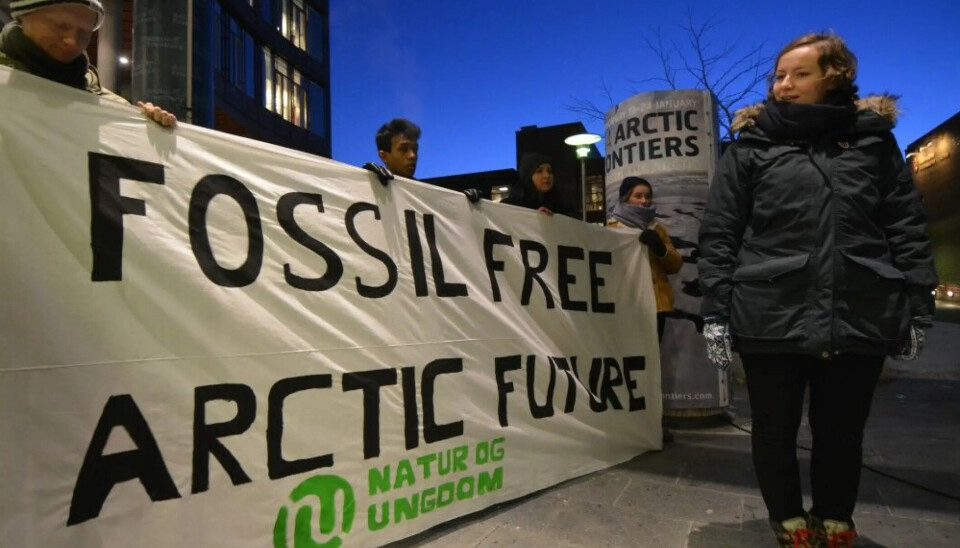
Representatives of Nature and Youth at a demonstration against Arctic oil drilling in Tromsø. Photo: Thomas Nilsen

Olesia Krivtsova
Atle Staalesen
17 December 2025 
THE BARENTS OBSERVER

The Russian Ministry of Justice on December 16 announced that Nature and Youth (Natur og Ungdom) has been included in a list of so-called "undesirable organisations."

The environmental NGO is the fifth entity in Norway that is "undesirable." From before, Bellona, Human Rights Watch, the Norwegian Helsinki Committee and the Barents Observer are on the list.

Leader of the organisation Sigrid Hoddevik Losnegård was not aware of the decision when the Barents Observer took contact.

"We are surprised and sad," she says in a comment.

The Russian Justice Ministry has so far not given any explanation of why the young Norwegian environmentalists have become 'undesirable.'


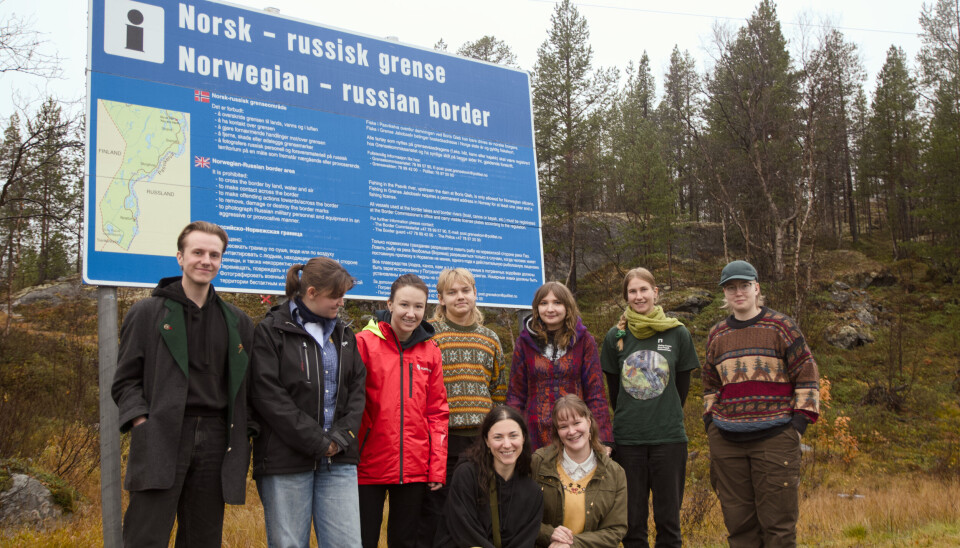
Representatives of Nature and Youth near the border to Russia. Photo: Nature and Youth

Nature and Youth has a more than 30-year-long history of cooperation with Russian partners.

Contacts between young activists from Norway and Russia started in the late 1980s and developed into a fruitful cooperation with dozens of cross-border projects.

In 1989, more than 70 Norwegian youngsters participated in a peace and environmental festival in Murmansk. They were the first Western environmentalists that visited the Kola Peninsula and the festival resulted in a boost in contacts.

At the time, there was a grim environmental situation on the Kola Peninsula. In only short distance from the border to Norway large volumes of nuclear waste materials, including spent nuclear fuel, was stored under extremely bad conditions. There were also major emissions of sulphur dioxide from nickel melters located in the border areas.

In the 1990s several local groups of Nature and Youth, including from Tromsø and Bodø, started cooperation project with Russian groups from the Kola Peninsula

"A key objective for the Nature and Youth has been to support local Russian groups that wanted to do something with the environmental problems," the authors of a book about the organisation's cooperation with Russia explain.

Over the years, Nature and Youth's Russian partners have included regional environmental organisations in the regions of Murmansk and Arkhangelsk. Projects have been funded through Norwegian grant programmes.

With increasing frequency, Russian authorities label organisations as ‘undesirable’ as part of a repression policy towards non-governmental entities. This status implies a complete ban on the organisation's activities in Russia. For Russian citizens, participation in such an organisation, distribution of its materials, or any form of cooperation may result in administrative liability, and in the case of repeated incidents, criminal prosecution.

By late December 2025, the Russian Ministry of Justice had included 290 organisations in the ‘undesirable-’ list. Among them are political and social associations, religious structures, independent media, human rights and environmental initiatives, as well as foundations and think tanks.


Moscow Threatens Activists From Numerically Small Nations With Up To 20 Years In Prison – OpEd


December 28, 2025
By Paul Goble

When Moscow arrests activists in the capital or in one of the major non-Russian republics, journalists and diplomats generally will at least cover the story; but when the center does so against numerically small indigenous nations who live far beyond the ring road, that often does not happen.

As a result, the Russian authorities can be especially brutal in their cases, confident that they won’t face outrage and that what they do to these human communities will serve as a warning to others that a similar fate awaits even larger communities as ever more people in the West accept as normal what the Putin regime is doing.

That makes the case of nearly two dozen activists from these numerically small groups who were arrested a week ago and charged with being members of a terrorist organization especially important (sibreal.org/a/mogut-dat-do-20-let-k-zaschitnikam-prav-korennyh-narodov-prishli-s-obyskami-i-arestami/33630043.html).

Such trumped-up charges are intended to keep them from being able to develop contacts with the international community and call attention to Moscow policies that could leave those charged with up to 20 years behind bars and snuff out any chance that these small groups will get the support they need to continue to resist.

Three things lie behind this latest Moscow effort to “criminalize” the work of activists among the numerically small peoples of the north and far east – and none of them involve the secessionism that the Russian legal system is charging them with in an effort to stop their activities and eliminate what little support they do get abroad.

First, Moscow is angry that these groups have continued to form their own organizations rather than become part of Kremlin-controlled bodies. Second, the center is furious that these groups have succeeded in taking part in UN conferences where they have been able to expose the falsehood of Kremlin claims.

And third – and this may be the most important cause of all – the Kremlin is upset that these groups have exposed the environmental depradation Putin’s development policies have inflicted on the north and far east and sometimes have been able to slow if not stop what Russia’s largest corporations want to do.

The International Committee of the Indigenous Peoples of Russia and the Memorial Anti-Discrimination Center has called the persecution of these activists “unprecedented political repressions” against small ethnic minorities few in the West have ever heard of, according to the SibReal portal.

In its statement, Memorial said that there is no evidence that the activists were guilty of any of the things Moscow is accusing them of and declared that these attacks represented “an effort by the authorities of the Russian Federation to criminalize activism and human rights actions” among peoples too small to be able to defend themselves effectively (adcmemorial.org/novosti/glavnoe/svobodu-dare-egerevoj-i-vsem-korennym-aktivistam-zhertvam-politicheskih-repressij-diskriminaczii-i-kolonialnogo-podavleniya-korennyh-narodov/).


Paul Goble

Paul Goble is a longtime specialist on ethnic and religious questions in Eurasia. Most recently, he was director of research and publications at the Azerbaijan Diplomatic Academy. Earlier, he served as vice dean for the social sciences and humanities at Audentes University in Tallinn and a senior research associate at the EuroCollege of the University of Tartu in Estonia. He has served in various capacities in the U.S. State Department, the Central Intelligence Agency and the International Broadcasting Bureau as well as at the Voice of America and Radio Free Europe/Radio Liberty and at the Carnegie Endowment for International Peace. Mr. Goble maintains the Window on Eurasia blog and can be contacted directly at paul.goble@gmail.com .


Russia withdraws from Euro-Arctic rescue cooperation

The Foreign Ministry in Moscow announced on November 26 that it had formally terminated the agreement with Norway, Finland and Sweden on joint reponse to emergency situations in the north.


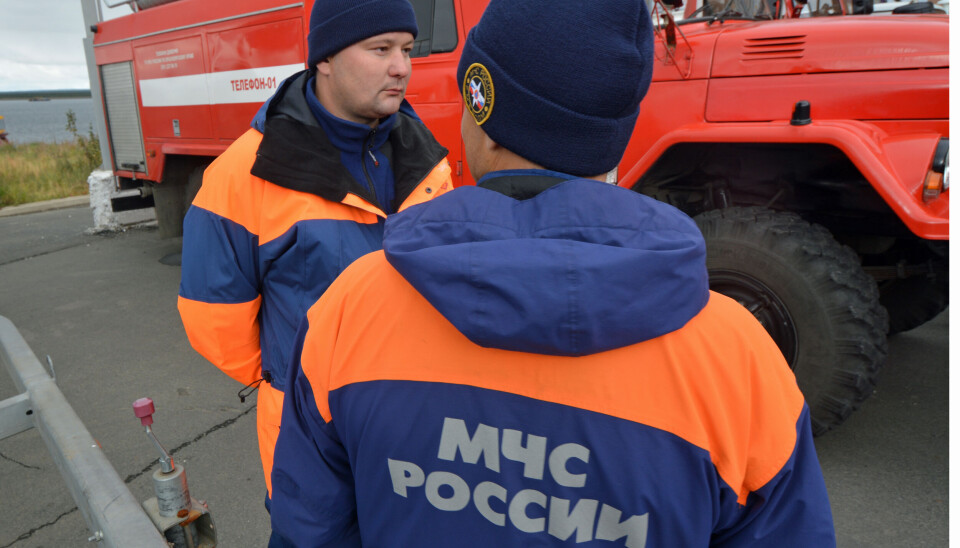
Russian Emergencies Ministry (MChS) is responsible for search and rescue operations in response to natural and man-made disasters. Photo:Thomas Nilsen

Thomas Nilsen
28 November 2025 
THE BARENTS OBSERVER

The agreement from 2008 on Cooperation within the Field of Emergency Prevention, Preparedness and Response was the last part of the Barents cooperation that officially included Russia.

An formal statement on the withdrawal has been posted on the Foreign Ministry's portal.

The Barents cooperation was a multilateral set of regional and state partnerships that was established following the collapse of the Soviet Union in the early 1990s. Not much of the cooperation lasted after the full-scale brutal war against Ukraine started in 2022 because the Nordic countries, like the rest of Europe, turned their back against the Russian regime. In April this year, Moscow said enough was enough and formally closed its participation in the Barents cooperation.

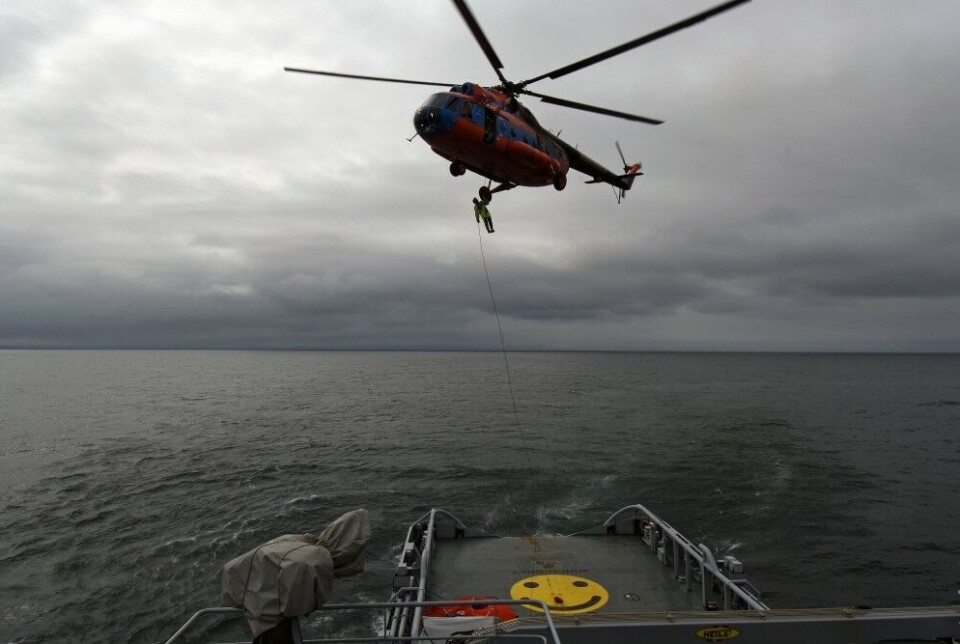
Over the years, the participating countries have arranged nine joint rescue exercises, rotating between Russia, Finland, Sweden and Norway semiannually. The rescue cooperation has helped the participants understand the special climatic and geographical challenges rescuers face in the northernmost regions.

It has as well contributed to strengthen cross-border contacts in case accidents happen and international assistance is needed.

Although the multilateral cooperation with the Nordic countries has now come to an end, Russia maintains a special bilateral agreement with Norway on search and rescue in the Barents Sea. However, no joint exercises have taken place in the maritime border area after 2022.


Joint exercise in the Varanger fjord: Fast-roping to the deck of the Norwegian Coast Guard ship KV Barentshav from a Russian Mi-8 helicopter operating for the rescue service based in Murmansk. Photo: Thomas Nilsen