Friday, January 02, 2026

Relief for H-1B techies as Amazon breaks rule to allow WFH from India

Hundreds, if not thousands, of techies on H-1B work permit are stranded in India after their visa interviews got postponed. Amazon has made a rare exception to its strict 5 days in office rule for these professionals. Any Amazon employee in India as of December 13, awaiting a rescheduled visa appointment, has been allowed to work remotely until March 2, reported Business Insider.


Amazon has decided to allow limited remote work for stranded employees amid H-1B visa crisis. (Image:File)


India Today World Desk
New Delhi,
Jan 2, 2026 
Written By: Shounak Sanyal

There is relief for some of the Indian techies on H-1B stranded in India after their visa interviews got postponed by months. Amazon has offered temporary relief to H-1B tech workers stranded in India by allowing them to work from home, breaking its strict office attendance rule amid mounting visa delays, according to a Business Insider report.

The Amazon decision, outlined in an internal memo reviewed by Business Insider, applies to US-based employees who were in India as of 13 December and are awaiting rescheduled H-1B or H4 visa appointments. Under the policy, eligible employees can work remotely from India until second March 2026.

WHY AMAZON HAS ALLOWED TEMPORARY REMOTE WORK FROM INDIA

The move marks a rare relaxation of Amazon’s return to office mandate, which requires employees to work from the office five days a week. The relief comes as visa backlogs leave hundreds of foreign workers unable to return to the US after travelling abroad for visa renewals.

However, Business Insider reported that the work-from-home permission comes with sweeping restrictions. Employees working remotely from India are not allowed to do any coding, including testing, troubleshooting or documentation. They are also barred from making strategic decisions, managing products, negotiating or signing contracts, interacting with customers or supervising Amazon staff in India. All final reviews, approvals and sign-offs must be completed outside India.

Amazon told Business Insider that these restrictions were required to comply with local laws and that no exceptions would be made. Employees are also prohibited from working from or visiting Amazon offices or facilities in India and must operate only from a residential or non-Amazon location.

AMAZON AMONG BIGGEST USER OF H-1B VISA PROGRAMME

Although Amazon is not the only tech company affected by the H1B crisis, it is among the largest corporate users of the programme. During the 2024 US fiscal year, Amazon filed 14,783 certified H1B applications, underlining its reliance on foreign skilled workers for core roles. Other major firms such as Google, Microsoft and Apple have also issued travel advisories warning visa holders against international travel.

The limitations have triggered frustration among technical staff. One Amazon software engineer told Business Insider, "Seventy to eighty percent of my job is coding, testing, deploying, and documenting", tasks that are now prohibited while working remotely from India. Amazon has not clarified what options will be available for employees whose visa appointments extend beyond March or for those stranded in countries other than India.

Weighing in on the issue, the US Investor and Ed-Tech Chairperson was reported by Times of India as saying on X that Amazon had managed to "find a workaround for H-1B visa delays", while claiming this idea merely keeps stranded individuals on the company payroll instead of letting them do meaningful work.

WHAT IS THE CRISIS AFFECTING THE H-1B VISA PROGRAMME?

The temporary relief reflects wider disruption caused by recent changes to the H-1B visa process under the Trump administration. A ban on third-country visa renewals and tighter screening measures, including mandatory reviews of applicants' social media activity, have significantly slowed processing times.

As a result, US embassies and consulates have pushed visa appointments back by several months or even years. In some cases, interviews scheduled for December 2025 were postponed to late 2026. These delays have left hundreds, and possibly thousands, of H-1B professionals stranded in their home countries after travelling for visa stamping, forcing companies to adopt stopgap measures to keep operations running.

- Ends

Women’s rights in the 21st century: Progress made, challenges remain

Over 1,500 legal reforms have been implemented globally over the past 30 years to advance gender equality

Kanyshai Butun |02.01.2026 - TRT WORLD

Artistic expressions are displayed as thousands of people march in front the obelisk to mark International Women's Day with feminist demonstrations and events worldwide, advocating for safety against gender-based violence, equal rights and opportunities, and socioeconomic well-being, in Buenos Aires, Argentina, on March 8, 2025.

The past 25 years show that architecture of gender equality is real and resilient, says UN Women’s Sarah Hendriks‘Progress is possible, but it is uneven, fragile and at risk of being erased,’ Hendriks adds

ISTANBUL

The first quarter of the 21st century has brought tangible gains for women’s rights worldwide, marked by sweeping legal reforms and a growing recognition that gender equality is a public responsibility – even as deep inequalities persist and new risks threaten progress.

Since 1995, governments have implemented 1,531 legal reforms aimed at advancing gender equality, addressing issues ranging from violence against women and workplace discrimination to family law and political participation, a 2025 UN Women report shows.

Today, women around the world are more likely to be elected to parliament, hold high-ranking government and leadership positions, obtain quality education and build successful careers than before.

“We can certainly speak to progress on women’s rights globally since 2000,” UN Women's Director of the Policy, Programme and Intergovernmental Support Division Sarah Hendriks told Anadolu.

But she cautioned against the idea that progress has been inevitable or self-sustaining.

“Every right gained reflects political choice and sustained pressure,” she said. “When governments act, change happens. When women’s movements are resourced, change happens. When they are not, progress stalls – or reverses.”

Violence no longer ‘private’

One of the clearest transformations has been the legal response to violence against women.

By 2024, 84% of countries with available data had enacted laws addressing domestic or intimate partner violence, according to UN Women. Sixty-six percent had adopted national action plans, and 78% reported allocating budgetary resources for related services.

“This is a clear shift away from treating violence in the home as a private matter beyond the reach of the law,” Hendriks said.

The impact has been measurable. Countries with domestic violence legislation report significantly lower rates of intimate partner violence – 9.5%, compared to 16.1% in countries without such laws.

Still, Hendriks stressed that laws alone are not enough.

“Across decades of evidence, we know that the presence of a strong and autonomous women’s rights movement, able to organize, advocate, and hold institutions to account, is the single most critical factor in driving progress to end violence against women,” she said.

Despite legal advances, violence remains pervasive. Globally, one woman or girl is killed every 10 minutes by an intimate partner or family member.

Education gains, uneven power


Education has been another area of significant progress.

Nearly half of adolescent girls and young women were out of school in 2000. By 2023, that figure had fallen to 30%, according to a joint report by UN Women, UNICEF and Plan International.

Globally, the number of illiterate young women aged 15 to 24 declined from about 97 million in 1995 to nearly 50 million in 2023. The steepest gains were recorded in South Asia, where illiteracy among young women fell from more than four in ten in 1995 to about one in ten today.

“Today, more girls than boys are enrolling and completing school,” Hendriks said.

Political representation has also expanded, though more slowly.

Women now hold around 27.2% of parliamentary seats worldwide, up from 11.3% in 1995, according to a 2025 Inter-Parliamentary Union study. Six parliaments have reached or exceeded gender parity – a milestone no country had achieved three decades ago.

The most significant progress in women’s representation has been achieved in Rwanda, where women now outnumber men in parliament. The United Arab Emirates and Andorra have also reached near gender parity.

In the workplace, the number of countries with laws prohibiting gender-based discrimination in employment has increased from 58 to 162 since 1995, according to UN Women.

Yet gaps persist. Women hold only about 30% of managerial positions globally.

“At the current pace, parity is still a century away,” Hendriks said.

Progress under pressure


Despite legal and political gains, women continue to face mounting pressures.

Today, women still have only 64% of the legal rights men have, according to the UN Women. For instance, in more than half of all countries, there is at least one restriction preventing women from doing the same jobs as men.

Hendriks explained that the rate of extreme poverty among women has remained virtually unchanged since 2020, with 351 million women and girls expected to live in extreme poverty by 2030 under current trends.

Conflict has also taken a growing toll. In 2024, an estimated 676 million women and girls lived within 50 kilometers of active conflict – the highest number since the 1990s.

“Progress is possible, but it is uneven, fragile, and at risk of being erased,” Hendriks said. “The choice before us is not whether gender equality is achievable, it is whether we are willing to fight for it.”

She warned against the assumption that gender equality will advance automatically.

“There is a dangerous myth that progress is self-sustaining,” she said. “We can speak of collective global advancement only if we understand that it must be actively protected and renewed.”

A resilient, contested foundation


Looking ahead, Hendriks said the next decade will be defined by whether governments choose to reinforce – or hollow out – the foundations that enabled past gains.

“The past 25 years have shown that the architecture of gender equality is real and resilient,” she said. “Shared norms, laws and institutions have been built – and they are holding.”

But those foundations are under strain. Financing for gender equality and women’s rights organizations is shrinking, backlash against women’s rights is increasingly organized and transnational, and gender data systems that underpin accountability are weakening.

“When women disappear from the data, their rights disappear from decisions,” Hendriks said.

She said the priority for the next decade must be political will, sustained financing and robust data.

“This is a moment to reimagine, rebuild and resource,” she said. “So that gender equality is not deferred for another generation, but delivered in ours.”


Nine killed and 200 hospitalised due to contaminated water in India's Indore city

Indore, in Madhya Pradesh state, has been named India's cleanest city and has topped the national cleanliness rankings for the past eight years.


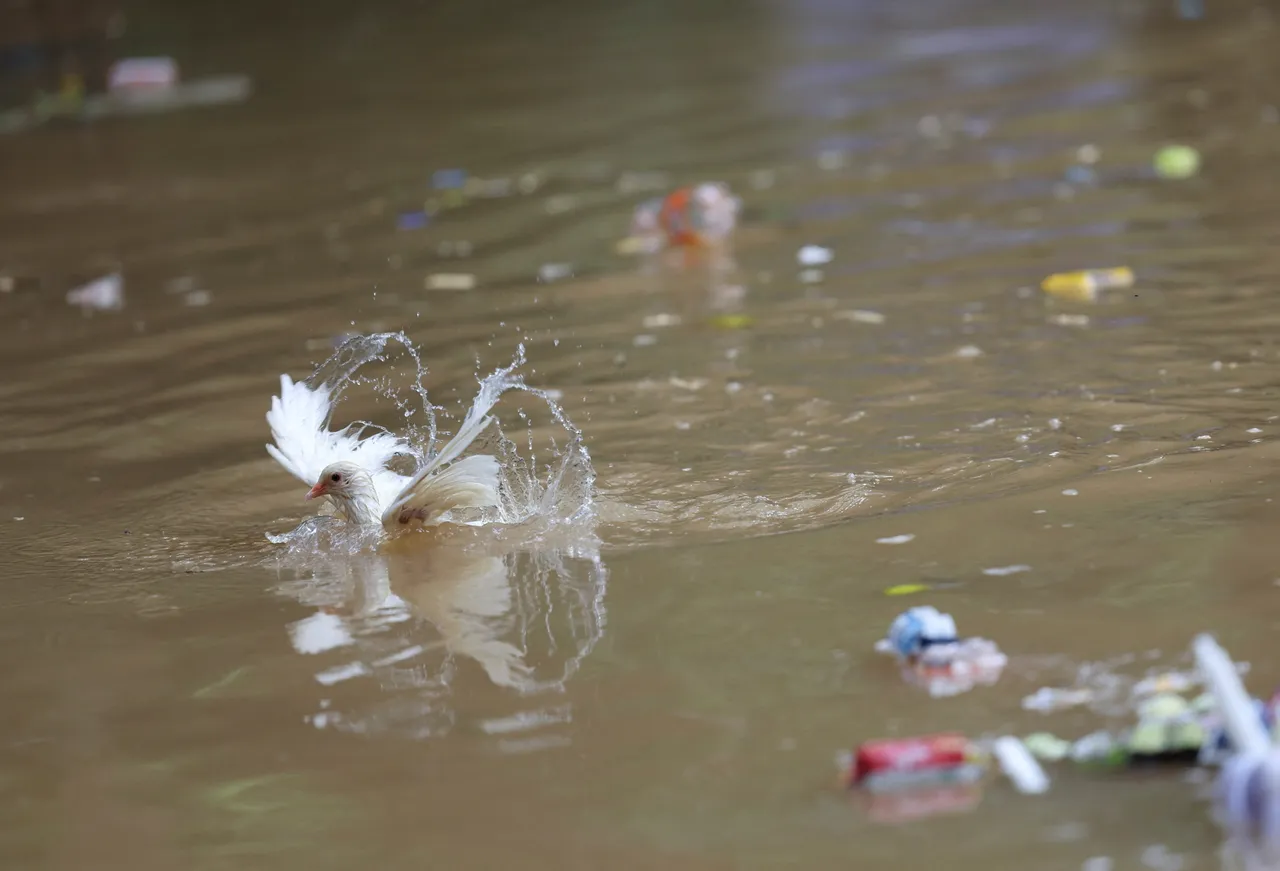
Authorities had deployed teams of doctors for door-to-door screening and were distributing chlorine tablets to help purify water. / Reuters

At least nine people have died and more than 200 have been hospitalised in the central Indian city of Indore after a diarrhoea outbreak that officials said was linked to contaminated drinking water, according to a lawmaker and local health authorities.

Kailash Vijayvargiya, a lawmaker, said nine people had died in Indore.

Indore's chief medical officer, Madhav Prasad Hasani, told Reuters by phone that drinking water in the Bhagirathpur area of the city was contaminated due to a leak, and a water test had confirmed the presence of bacteria in the pipeline.

"I cannot say anything on the death toll but yes over 200 people from the same locality are undergoing treatment at different hospitals of the city. The final report of the water sample collected from the affected area is awaited," Hasani said.

Shravan Verma, the district administrative officer, said authorities had deployed teams of doctors for door-to-door screening and were distributing chlorine tablets to help purify water.

"We have found one leakage point that could have contaminated the water and that point has been fixed," Verma said, adding that officials had screened 8,571 people and identified 338 with mild symptoms.

Families grieve toxic tap water deaths in India city


Khan,Indore and Abhishek Dey,
Delhi
BBC

Sameer Khan
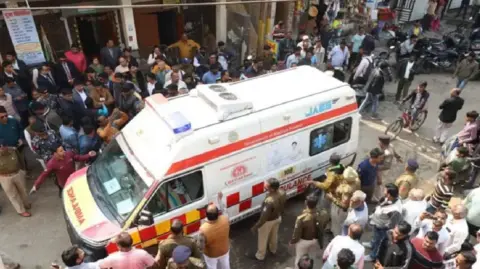
More than 200 people are admitted in hospitals in Indore


Sunil Sahu bitterly regrets the day his five-month-old son was given some cow milk diluted with tap water.

Avyan was being breast-fed but his father says the family - who live in Indore city in India's central Madhya Pradesh state - gave him the diluted mixture in addition.

In many Indian families, cow's milk is believed to be too thick for infants and capable of upsetting their digestion, leading caregivers to dilute it.

Aware that tap water is unsafe to drink, the family said they boiled the milk–water mixture and allowed it to cool before feeding Avyan.

The infant started suffering from diarrhoea on 26 December. Despite being treated by a local doctor, the child died within three days. Mr Sahu alleges that the tap water killed his son.

Avyan is among several people suspected to have died after drinking contaminated water in Indore's Bhagirathpura neighbourhood. Investigations are still going on but officials say that a pipeline leak led to sewage mixing with drinking water, leading to a diarrhoea outbreak in the area.

The exact death toll remains unclear. Madhya Pradesh Chief Minister Mohan Yadav said postmortem reports have so far confirmed four deaths linked to contaminated drinking water.

But the number is likely to increase. While state minister Kailash Vijayvargiya says he has heard about eight deaths so far, local journalists told BBC Hindi that the toll is close to 14.

More than 200 people have been admitted to hospitals in the city.

Over the past week, around 40,000 residents of Bhagirathpura - a neighbourhood of largely poor and lower-middle income families - were screened by health authorities and around 2,450 cases of vomiting and diarrhoea were identified, said the government.

The deaths in Indore - often ranked India's cleanest city - have sparked an uproar and put the governing Bharatiya Janata Party (BJP) on the defensive.

District Magistrate Shivam Verma said the leak that caused the contamination has been fixed and officials are checking for others. One municipal officer has been dismissed and two suspended.

"It should not have happened in the first place. We have set up a committee to investigate the matter, and no stone will be left unturned to make sure that it does not happen again," Chief Minister Yadav told the media.

The local municipal corporation is currently supplying water to Bhagirathpura through tankers. Residents say they have been told not to use tap water until further notice.

Sameer Khan
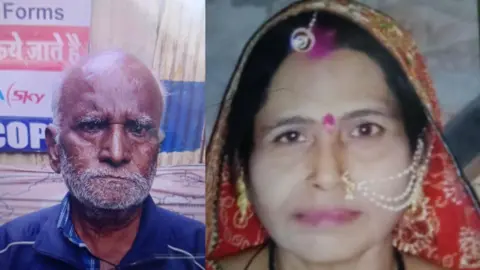
Nandalal Pal (left) and Seema Prajapat (right) are among the victims

While government teams conduct inspection drives in Bhagirathpura, families are grieving.

Sanjay Yadav, a tailor, says his 69-year-old mother started vomiting on the evening of 26 December.

"We took her to a hospital, but she died in less than 24 hours," said Mr Yadav, whose 11-month-old son is also unwell.

His neighbour Sudha Pal's 76-year-old father Nandalal Pal also died after a bout of severe diarrhoea.

"The tap water in our house is still contaminated and it stinks," she says.

"The water smelt foul, but we never thought it could kill someone," said Arun Prajapat, who alleges that his mother Seema died after consuming the contaminated water.

According to media reports, residents of Bhagirathpura had complained about the foul-smelling and contaminated water for more than two months before the diarrhoea outbreak.

When asked about this, local councillor Kamal Waghela of the BJP told news agency ANI on Thursday that Indore's sewage and water pipelines need a lot of repairs and that work had been progressing in most areas.

Jitu Patwari of the opposition Congress, however, accused the BJP government of misgovernance and hiding the actual number of deaths.

"Indore has consistently given votes to the BJP but they have given poisoned water instead," he told ANI.
U.S. Army squadron in S. Korea deactivated last month amid concerns about potential troop cut

By Song Sang-ho, Yonhap News Agency


This file photo shows the 5th Air Cavalry Squadron, 17th Cavalry Regiment, taking part in the Spur Ride event at Camp Humphreys, a key U.S. base in Pyeongtaek, on Sept. 25, 2025. File Photo by Pfc. Kalisber Ortega/U.S. Army/UPI

A U.S. Army squadron tasked with a reconnaissance mission in South Korea was deactivated last month, a congressional report showed Thursday, amid speculation that Washington could consider a troop drawdown in the allied country in a force posture adjustment.

The 5th Air Cavalry Squadron, 17th Cavalry Regiment (5-17 ACS) at Camp Humphreys, a key U.S. base in Pyeongtaek, some 60 kilometers south of Seoul, ceased its operation on Dec. 15, a recent Congressional Research Service (CRS) report said, citing information from the U.S. Army. It had served in Korea to support the 2nd Infantry Division since May 2022.

Its deactivation as part of an Army transformation initiative came amid lingering concerns that U.S. President Donald Trump's administration could seek a ground troop reduction of the 28,500-strong U.S. Forces Korea (USFK) as part of an adjustment to better counter threats from an assertive China.

5-17 ACS is known to have had hundreds of personnel, as well as aviation and reconnaissance assets, including AH-64E Apache helicopters and RQ-7B Shadow drones. It is unclear whether the deactivation means the pullout of the unit's personnel and assets or whether there will be a replacement unit.

Comment from the U.S. Army on the deactivation was not immediately available.

A day after the 5-17 ACS deactivation, the Army restructured the 2nd Infantry Division's Combat Aviation Brigade Medical Evacuation (CAB MEDEVAC) unit, the CRS report said without elaboration.

5-17 ACS was activated in 2022, taking over the role of what had been rotational air cavalry squadrons to provide more stability to U.S. defense operations and enhance defense readiness in South Korea.

Speculation about a potential U.S. troop cut in Korea has persisted as Washington calls for Seoul to take greater responsibility for its own defense while seeking to bolster U.S. capabilities to better address potential China-related contingencies, including those related to Taiwan.

That speculation was reinforced as last year's key security document between Seoul and Washington omitted language committing the U.S. to maintaining the "current" USFK troop level, with U.S. officials emphasizing the importance of "capabilities" rather than the troop numbers.

Last May, The Wall Street Journal reported that the U.S. was weighing the idea of pulling out roughly 4,500 troops from South Korea and moving them to other locations in the Indo-Pacific, including Guam. The Pentagon dismissed it as "not true," reaffirming that America remains "fully" committed to the defense of South Korea.


Copyright (c) Yonhap News Agency
Amid disastrous flooding of displacement camps in Gaza, Israel bans humanitarian organizations providing relief

As winter storms batter Gaza and cause catastrophic flooding for millions of displaced Palestinians, Israel has banned 37 international humanitarian organizations from working in the Strip, which is reliant on these organizations for survival.
January 1, 2026 
MONDOWEISS


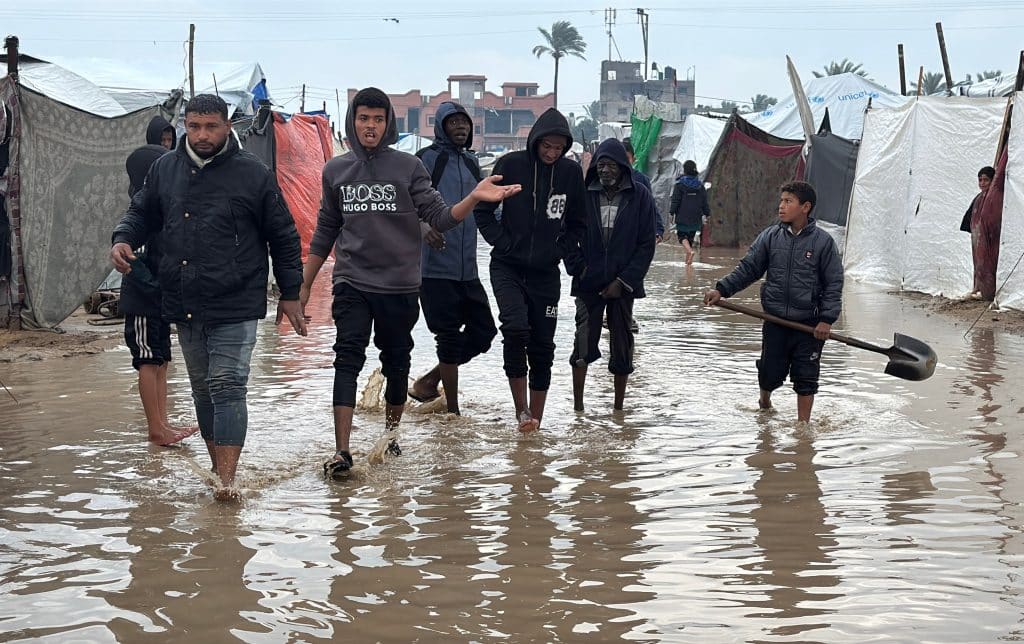
Palestinians struggle with flooding after heavy rain hits Deir al-Balah, central Gaza, December 11, 2025. (Photo: Ahmed Ibrahim/APA Images)


When Yahya Oweis, 28, learned that severe weather was expected to hit the Gaza Strip, including heavy rain and strong winds, he did everything he could to secure his tent to prevent it from being torn from the ground or collapsing on him and his family of five. But within the first hours of the storm on Sunday evening, his tent was uprooted. Oweis and his children were forced to seek shelter in a relative’s tent to ride out the storm.

For the third consecutive time this winter, the tents of displaced Palestinians across the Gaza Strip have been battered and flooded by strong winds and rain. With tens of thousands forced to live in makeshift shelters, the rainfall has come to mirror the violence of Israel’s genocide, which Palestinians in Gaza say has continued in a new form during the ongoing ceasefire between Israel and Hamas.

Oweis says that he hadn’t expected the severe cold front that arrived in Gaza early last week would be this bad. “At the start of the cold front, I thought it would be mild and that we would be able to stay in our tent without having to seek shelter elsewhere,” he told Mondoweiss. “I thought I could keep my family and children safe. But within the first hours, the wind tore the tent from the ground, and rain poured down on my children. I didn’t know what to do or how to protect my family.”

He said he spent several hours trying to re-erect and secure the tent, but his children’s cries from the cold and rain ultimately forced him to abandon it and move to nearby family tents.

What is unfolding across Gaza is not simply the result of winter storms, but the product of Israel’s continued policy of denying access to humanitarian aid meant to provide Palestinians with shelter, food, medicine, and other forms of relief. Now Israel is also curtailing the work of 37 international humanitarian organizations attempting to provide relief to the people of Gaza, who have endured over two years of genocidal war and live in conditions designed to bring about their destruction.

Israel’s continued closure of border crossings, its restrictions on the entry of aid needed for reconstruction, and its ban on prefabricated homes and tents are the primary drivers of the recurring disasters that continue to result from severe weather in Gaza. In addition, local aid workers in Gaza told Mondoweiss that the Israeli army deliberately opened dams inside Israel that ended up flooding Gaza, further exacerbating humanitarian conditions.

“For many years, the occupation has opened dams and water-collection areas on the Israeli side toward the Gaza Strip,” said Amjad Al-Shawa, head of the Network of Local NGOs in the Gaza Strip. “In recent days, during the heavy rains that hit Gaza, and as reservoirs inside Israel filled up, the Israeli army opened the dams toward the Wadi Gaza area, which is home to thousands of tents. This triggered a new wave of displacement, leaving many families without their belongings or shelter.”

Al-Shawa explains that displaced Palestinians are concentrated primarily in Gaza’s western coastal areas, while Israeli forces control the higher-elevation eastern regions, from which floodwaters naturally flow westward.

“In the absence of equipment and materials to prevent flooding, combined with the destruction of sewage networks and Israel’s ban on the entry of tents and caravans, the Gaza Strip still needs around 300,000 tents,” Shawa added. “Only 60,000 tents have been allowed to enter.”

Shawa stresses that tents in and of themselves are not sufficient solutions, yet Israel continues to block even these minimal forms of shelter to Gaza’s population.

Shawa explains that the Israeli army also restricts the entry of heating materials needed by residents living in their makeshift shelters. “There is a complete lack of heating in Gaza. There is no electricity or gas to cope with the severe cold,” he said. “Many families have lost their clothes and blankets and have no alternatives. A large number of children have already died because of the drop in temperatures.”

“This scene will continue to repeat itself as long as Israel prevents the entry of essential aid and maintains control over the crossings,” he added.
New restrictions on international organizations

On the first day of 2026, Israel barred 37 international humanitarian organizations from obtaining permits to operate in the West Bank and Gaza. All of the affected organizations provide humanitarian services, delivering essential and, in many cases, life-saving services to the population of Gaza. Even before the genocide, roughly 80 percent of Gazans depended on aid to fulfill basic needs, according to pre-war figures.

But since last March, Israel has attempted to impose a new regime for registering international organizations through what it describes as the “security screening” of Palestinian staff employed by these institutions, Shawa says.

According to a mid-December statement by the United Nations Office for the Coordination of Humanitarian Affairs (OCHA), this new registration system “relies on vague, arbitrary, and highly politicized criteria and imposes requirements that humanitarian organizations cannot meet without violating international legal obligations or compromising core humanitarian principles.”

“This constitutes a violation of humanitarian work and international law,” Shawa said. “It endangers the lives of local staff and represents blatant interference in the work of these institutions, as the criteria imposed by the occupation are security-based rather than professional. Requiring the sharing of this information is also a violation of employees’ privacy.”

Al-Shawa noted that the decision coincides with the implementation of the second phase of the ceasefire announced by U.S. President Donald Trump, further constraining humanitarian operations in Gaza and compounding an already catastrophic situation.

“This will also lead to Israel blocking dozens of aid trucks belonging to these organizations at a time when Gaza’s population is already facing multiple and severe crises,” Shawa said, adding that international organizations have largely refused to comply with Israeli demands. Israel is now moving to silence them and shut down their offices in Jerusalem, he explains.

The consequences, Shawa maintains, are life-threatening, since international organizations operate core medical and relief systems across Gaza. According to OCHA, “INGOs run or support the majority of field hospitals, primary healthcare centers, emergency shelter responses, water and sanitation services, nutrition stabilization centers for children with acute malnutrition, and critical mine action activities.”

Shawa says that their removal would severely undermine efforts to address widespread malnutrition, with new cases detected daily as the long-term effects of the famine Israel imposed on Gaza over the better part of a year continue to reverberate into the present.

“Without these centers and institutions, tens of thousands of people in the Gaza Strip would face a direct threat to their lives,” Shawa warned.
Hamas congratulates Fatah on 61st anniversary, calls for stronger national unity

January 2, 2026 
https://www.middleeastmonitor.com/


Fatah Commissioner of National Affairs and Fatah Central Committee member Azzam Al-Ahmad (2nd R) and Hamas Political Bureau member Saleh Aruri (2nd L) sign an agreement on building a consensus in Cairo, Egypt [Ahmed Gamil/Anadolu Agency]

The Islamic Resistance Movement (Hamas) has congratulated the Palestinian National Liberation Movement (Fatah) on the 61st anniversary of its founding, calling for strengthened joint national action.

In a statement issued on Thursday, Hamas spokesman Hazem Qassem said the founding of Fatah marked a pivotal moment in the Palestinian national struggle and played a significant role in advancing the Palestinian people’s fight for freedom, independence and the right of return.

Qassem stressed the importance of translating slogans of national unity into concrete action on the ground, particularly in light of what he described as escalating threats facing the Palestinian cause, most notably in the Gaza Strip.

He concluded by paying tribute to Fatah’s martyrs, foremost among them the late Palestinian president Yasser Arafat, as well as all martyrs of the Palestinian people.


Israel and International Football: A Breaking Point?

02.JAN.2026 


Introduction

It is a rare occurrence for the International Federation of Association Football (FIFA) to exclude a nation from the World Cup; it is rarer for a participating country to boycott the World Cup. Both were on the table with the upcoming World Cup in the United States in the summer of 2026, concerning the nation of Israel. For this article, the main root of this conflict started in 2023. Israel’s conduct in the war has prompted widespread international criticism, with some governments, legal scholars, and human rights organizations alleging violations of international humanitarian law, including claims of genocidal intent — claims Israel strongly disputes. International responses to Israel’s military campaigns have become increasingly fragmented, with several United Nations bodies and officials condemning Israel’s conduct in Gaza, while others, including key member states, continue to defend its actions.

As part of this backlash, a Spanish lawmaker, Patxi López, stated that there is a possibility that Spain will reconsider its participation in the 2026 World Cup if Israel participates. Coming off their recent European Championship in 2024, Spain has a high position in world football, and its absence in this tournament would have been second only to Argentina, the standing World Cup champions. The discussion of whether Israel should be excluded from the 2026 tournament was extensive, but a loss to Italy ultimately ended Israel’s World Cup aspirations. Yet, the topic remains relevant. FIFA did not need to make an immediate decision on Israel’s status, as it was made for them, but perhaps they should have acted anyway.

Background

While rare, the exclusion of nations from the World Cup has a historical precedent on a case-by-case basis. There had been renewed calls for also banning Israel from this edition of the World Cup, including a statement by Spanish Prime Minister Sánchez, who cited the exclusion of Russia from the 2022 and 2026 World Cups due to the nation’s invasion of Ukraine. The first nation to be banned was Germany in 1950, following broader post-war sanctions after  World War II. Japan was banned for the same reason. South Africa was excluded because of Apartheid, and Yugoslavia for conflicts during its breakup. Mexico, Chile, and Myanmar were all banned for non-political issues: Mexico for having overage players, Chile for player misconduct, and Myanmar for an unjustified withdrawal in the qualifying rounds. In the last ten years, Kuwait, Indonesia, Russia twice, Pakistan, and Congo have all been banned; the last three all for the 2026 World Cup. While most of these were not nearly as political a situation as Israel’s, the exclusions of Germany, Japan, and Russia were all conflict-related.

The Conflict at Hand

This raises the question of how international football governing bodies determine when allegations of severe violations of international law warrant exclusion from competition. The move to ban Israel from football competitions had been growing, especially within the Union of European Football Associations (UEFA), which hosts competitions like the European Championship and the annual Champions League. In fact, over 30 legal experts had requested that UEFA prohibit Israel and Israeli clubs from engaging in current competitions. On the national level, beyond Spain, “twelve Middle Eastern football associations have called for Israel’s national team to be banned over the war,” and the Turkish Football Federation specifically sent a letter to FIFA, UEFA, and leaders of the world’s football federations, demanding Israel be banned from all sporting events. Ireland, Scotland, Slovenia, and Norway all similarly refuse to play in Israel. While this isn’t specific to the World Cup, global boycotting of Israel in football is widespread. Israel was facing backlash and exclusion from the tournament entirely, and, if the nation had not qualified for the World Cup and were not banned, boycotts from numerous nations would have remained a possibility.

Such boycotts would have posed significant challenges for the World Cup, a cultural and global phenomenon, raising difficult questions about whether disruptions can serve as a tool of political pressure. It is clear that to many nations, international issues take precedent; for instance, the Turkish Football Federation’s president, Haciosmanoglu, stated that “football has always been far more important than a sport.” For Haciosmanoglu, “it’s a universal language that brings together different cultures, fosters friendships, and strengthens the bonds of solidarity among people. Guided by these values, we feel compelled to raise our deep concern regarding the unlawful situation being carried out by the State of Israel in Gaza and its surrounding areas.” Sports have long been used as a social and political tool, from Jackie Robinson breaking baseball’s color barrier to Didier Drogba pleading for peace in Côte d'Ivoire in the 2006 World Cup. International sports have served as a platform for political expression before global audiences. Spain’s position in the World Cup makes this even more of a relevant issue and one that does not seem to have a resolution soon.

In the Wider World

In the world of geopolitics, Israel’s potential exclusion represents a larger global system of public action and outrage. The conflict in Gaza, including allegations of genocide that remain legally contested, is an issue first between Israel, Hamas, and the Palestinian people, and second between those players and other global actors that play a role, like the United States or Lebanon. As technology and, hence, information accessibility, enhance, the world is more aware of global tensions. Most nations don’t play a direct role in this conflict, yet with their awareness of the conflict in Gaza, those nations, and especially their people, feel a responsibility to take action for what’s aligned with those nations’ values. Middle Eastern countries, sharing a Muslim identity with the Palestinians, took up the issue and called for Israel’s exclusion, but the primary mover of the issue was the non-Muslim nation, Spain, which may be attributed in some sense to its pro-Palestinian stance and its history of politicizing sports. Cultural backgrounds certainly help, but these issues are appealing to audiences vastly disconnected.

While the potential Israel and 2026 World Cup tension has now disappeared, this sort of conflict could arise again in the future. Football, as one of the most uniting global events, provides an outlet for nations not directly involved in the war to express symbolic discontent when otherwise it’s difficult to make a public stand for an issue. Israel is heavily scrutinized, and its role in future competitions could still be endangered.

Yet, not the entire world is fighting against Israel; some are defending the nation. Before Israel lost to Italy, Trump’s administration expressed a commitment to stopping FIFA from banning Israel from its competitions. A spokesperson from the State Department signaled opposition to efforts to exclude Israel from international sports competitions. As a global superpower, the United States’ word holds weight in FIFA; this sort of international pressure could stop FIFA from taking action against Israel. Especially in regard to this tournament, the United States, as the host, would have had great leverage if Israel had qualified for the tournament. The divergence between US policy and positions held by other states highlights broader tensions between great powers and multilateral institutions. The US-Israel-FIFA tensions and potential tensions could represent a global stand against great power influence.

The next few years of global football will be shaped by geo-political tensions relating to Israel from both sides, though it seems geo-political tensions in general could play a large role in the future of the world’s sport. With calls from various nations around the world for Israel’s exclusion from this World Cup and continued protests against Israeli football, this issue is only going to rise. The sport continues to become more politicized, and Israel’s situation continues to become a higher point of tension. It’s up to the world’s nations and world football to decide the line, if there is one, between politics and the everyday sport of football.

2025: Illegal Israeli settlement expansion in occupied West Bank hits record high

Israel approves plans for 41 new illegal settlements in the occupied West Bank in 2025, the highest number on record, according to Peace Now


Rabia Ali |02.01.2026 - TRT/AA


ISTANBUL

2025 closed as a record-breaking year for illegal Israeli settlement expansion in the occupied West Bank, with Israel’s far-right coalition approving an unprecedented number of new settlements and housing projects – a push rights groups say is aimed at annexing the territory and blocking Palestinian statehood.

According to Israeli settlement watchdog Peace Now, the approvals finalized this year capped an acceleration that began under the current government, surpassing any period since the Oslo Accords were signed in 1993.

“This is nothing to compare to previous governments,” Yonatan Mizrachi of Peace Now’s Settlement Watch Team told Anadolu.

“The goal of this government … is to prevent a political solution based on a two-state solution,” he said.

41 settlements approved in 2025


Peace Now said plans for 41 new illegal settlements were approved in 2025, making it the most extensive single year of settlement approvals on record. The figure includes both newly announced settlements and the retroactive legalization of previously unauthorized outposts.

In May, Israel’s Security Cabinet approved the construction of 22 new illegal settlements on Palestinian land in the occupied West Bank – the largest expansion in decades.

The move included the reestablishment of settlements in Homesh and Sa-Nur, which were dismantled under Israel’s 2005 unilateral disengagement from the Gaza Strip.

On Dec. 21, the Security Cabinet approved an additional plan to legalize 19 more settlements in the occupied West Bank, some newly established and others long-standing outposts now granted formal status.

Mizrachi said the current government moved quickly after taking office, legalizing 10 outposts in early 2023 and transforming nine of them into settlements.

Outposts are illegal even under Israeli law, while settlements are considered legal by Israel despite being illegal under international law.

Altogether, 68 settlements have been approved, legalized or initiated over the past three years, Peace Now said.

“This does not mean that all 68 settlements have already been established” Mizrachi said. “It means the process has begun – with government support, different planning committees and authorities."

Spread across entire West Bank

The expansion is geographically wide-ranging, extending into areas where no settlements previously existed.

"Sixty-eight settlements that will be built according to the Israeli plan from the south to the north or from the north to the south,” said Mizrachi. “Including areas that today we don't have any settlements like areas around Jenin, around Hebron.”

"It's all over the West Bank actually,” he added.

In early 2023, there were more or less 140 settlements in the occupied West Bank, Mizrachi said. With recent approvals, that number has risen to 208.

The total number of Israeli settlers in East Jerusalem and the West Bank now stands at about 750,000.

Settlement expansion has also accelerated through construction approvals.

Peace Now on its website said Israeli authorities advanced plans for 28,163 settler housing units in 2025 – the highest figure ever recorded.

On the final day of the year, Israeli authorities approved a plan allowing settlers to return to Sa-Nur, greenlighting 126 housing units at the site evacuated in 2005, according to Israeli media.

The move was enabled by amendments introduced by the current government to the Disengagement Law, lifting restrictions on Israeli presence in parts of the northern West Bank.

Peace Now said the approval marks a return to settlement activity deep inside the northern West Bank, in densely populated Palestinian areas where settlers had not previously been present.

Blocking Palestinian statehood

Mizrachi said settlement expansion is central to the government’s strategy to prevent Palestinian statehood without formally declaring annexation.

“In the last three years, Israel has taken many steps – bureaucratic steps, advancing settlements, developing the West Bank – to increase the number of Israeli settlers,” he said.

“The aim is to prevent a Palestinian state in any political solution, because there will be so many settlements and so many locations with an Israeli presence that it would be much more difficult to evacuate.”

He said pressure from settler movements has intensified, pushing the government toward de facto annexation while avoiding a formal declaration due to international and US pressure.

B’Tselem, the Israeli Information Center for Human Rights in the Occupied Territories, spokesperson Yair Dvir said the settlement drive is accompanied by the forcible displacement of Palestinians.

"Israel continues to advance ethnic cleansing in the West Bank, both through the construction and retroactive legalization of outposts and new settlements, and through the forcible displacement of Palestinian communities and the violent takeover of vast areas of Palestinian lands,” he told Anadolu.

Concerns for 2026

Looking ahead, Mizrachi said settlement expansion is likely to continue into 2026, an election year in Israel.

"We are assuming that the advancing of settlement, house units, financial support to the settlers will continue in 2026 – it might increase or might not,” he said. “But definitely, the pattern that we have seen in the last three years will continue."

He added that since October 2023, dozens of Palestinian communities have been forced to flee due to settler violence.

"Many times, an outpost is built next to the Palestinian community, making it more tense for the Palestinians to stay there,” he said. “We still see a lot of settler violence, much of it coming from illegal outposts."

Mizrachi warned the trajectory is deepening instability.

“Instead of going toward a political solution that would mean withdrawing from the West Bank,” he said, “we are just going deeper into a more problematic situation.”
Palestinian detainee dies in Israeli prison in southern Israel

Hassan Issa al-Qasha'leh dies after 13 months in detention, as rights groups warn of worsening prison conditions.

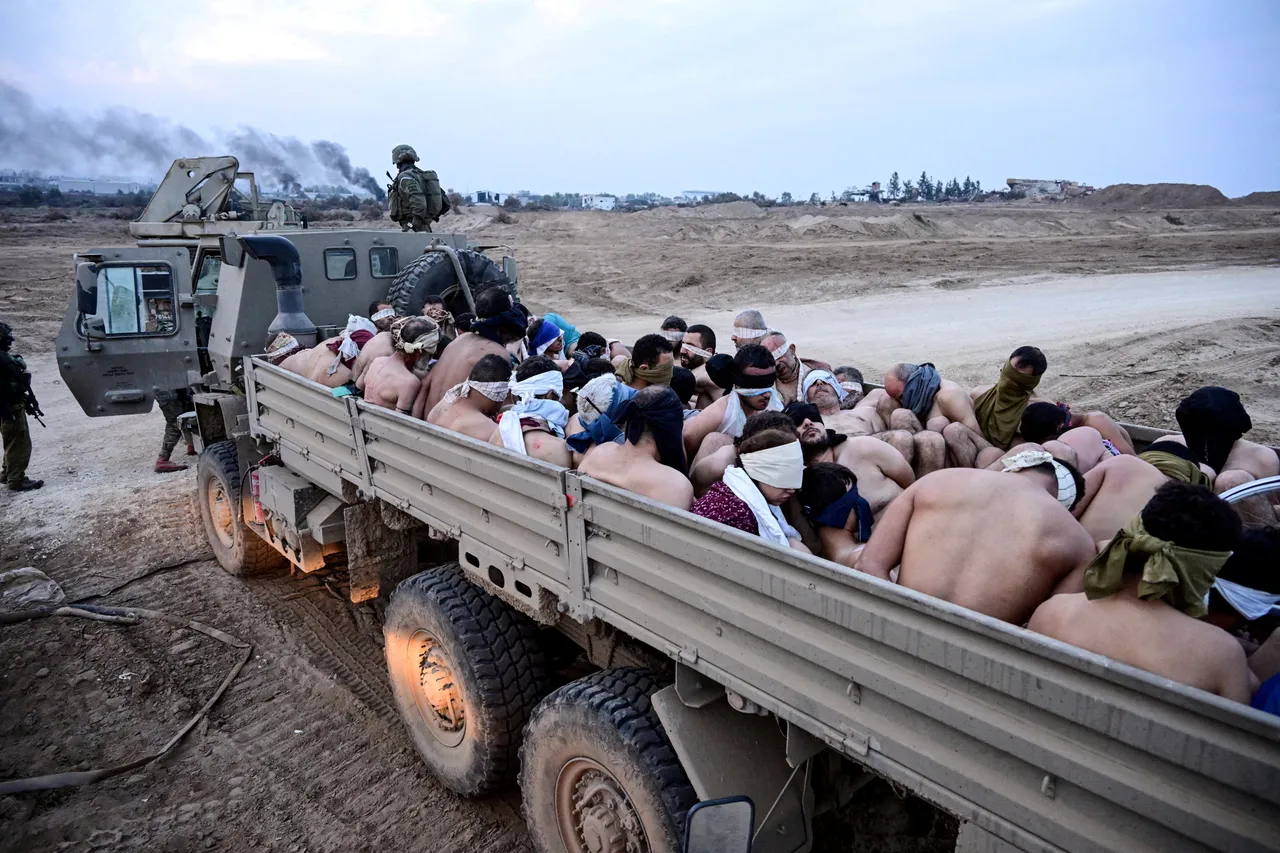
Israeli soldiers stand by truck with Palestinian detainees in Gaza [File] / Reuters

TRT WORLD
02/Q1/2O25


Another Palestinian detainee has died in Israeli custody, according to local media reports.

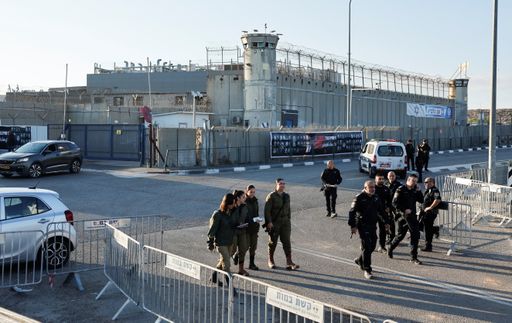
Hassan Issa al-Qasha’leh, from the city of Rahat in the Negev, died on Thursday inside Beersheba Prison in southern Israel, the official Palestinian news agency Wafa reported.

Al-Qasha’leh had been held in Israeli detention for more than 13 months and was scheduled to be released in six months, the agency said.

The Israeli Prison Service earlier confirmed the death of a Palestinian detainee held under administrative detention, but did not identify him, adding that a special investigation team had been formed and that the cause of death had not yet been determined.

The death comes amid growing reports of deteriorating conditions inside Israeli detention facilities.

TRT World - Another Palestinian detainee dies in Israeli custody as prisoner death toll tops 100


Increasing warnings

Palestinian human rights organisations have warned that thousands of Palestinians are being held under harsh conditions, citing systematic violations including torture, starvation, medical neglect, and physical and sexual abuse.

These groups say such practices have contributed to a rising number of deaths among detainees.

The Palestinian Prisoners’ Media Office said continued policies of isolation, repression and deliberate neglect are having severe consequences for detainees’ physical health and ability to endure imprisonment.

The office held Israel fully responsible for the safety of prisoners and warned of serious repercussions if current policies continue, calling for urgent legal and humanitarian intervention to halt what it described as ongoing violations inside Israeli prisons.

Palestinian authorities estimate that more than 9,300 Palestinians are currently held in Israeli prisons, including more than 50 women and about 350 children.

The figures do not include detainees held in Israeli army camps.

Since October 2023, Palestinian groups say at least 100 Palestinian prisoners have died in Israeli detention.


Israeli rights groups condemn government’s ban on aid groups operating in Gaza, West Bank

January 2, 2026 
https://www.middleeastmonitor.com/


Trucks carrying humanitarian aid are passing through the Kissufim Border Crossing and heading towards Gaza under the ceasefire agreement between Israel and Hamas and reach the Gaza Strip in Deir al-Balah, Gaza on November 12, 2025. [Mohammed Nassar – Anadolu Agency]

Nineteen Israeli human rights groups on Thursday condemned a government decision to cancel the registration of 37 international humanitarian groups operating in the Gaza Strip and the occupied West Bank, Anadolu Agency reported.

On Tuesday, the government began sending official notices to dozens of international organizations informing them that their licenses would be cancelled starting from January 2026, and requiring them to end their activities by March of the same year.

“In parallel with, and as part of, Israel’s assault on the people of Gaza, humanitarian access has been severely constrained since October 2023,” the rights groups, including Adalah and B’Tselem, said in a joint statement.

“Essential aid – including food, medicine, shelter, and hygiene items – continues to be delayed or denied,” they added.

READ: Israel denied drinking water to Palestinian detainees as collective punishment: Report

The groups warned that prohibiting aid organizations from operating in Gaza and West Bank “undermines principled humanitarian action, endangers staff and communities, and compromises effective aid delivery.”

They called on the Israeli government to “immediately halt deregistration proceedings, remove barriers to humanitarian and human rights action, and allow international organizations to operate safely and effectively.”

Israel has previously taken similar steps against the UN agency for Palestinian refugees (UNRWA). In 2024, the Knesset passed legislation banning the UN agency’s activities in Israel, citing allegations that some UNRWA employees were involved in the 7 October 2023 events, claims the agency has denied. The UN has said UNRWA adheres to strict neutrality standards.

Israeli authorities later escalated measures against the agency, passing a law to cut water and electricity supplies to UNRWA facilities.