Thursday, October 22, 2026

Nearly all coral reefs at risk of collapse by 2075, conservation body warns

Nearly all of the world's shallow-water coral reefs face an extremely high risk of collapse within the next 50 years due to climate change, the International Union for Conservation of Nature, the the world's authority on endangered wildlife warned on Thursday.


Issued on: 22/10/2026 - RFI

In the first global assessment of its kind, the IUCN classified 96 percent of the planet's coral reef systems as 'critically endangered'. © DAVID GRAY / AFP/File

In the first global assessment of its kind, the International Union for Conservation of Nature (IUCN) classified 96 percent of the planet's coral reef systems as "critically endangered" – its highest risk category.

Corals are heat sensitive and particularly vulnerable to human-driven climate change, which is warming the world's oceans and increasing the frequency and intensity of damaging bleaching events.

"The future threat of climate change is looming and severe, and that poses a very high risk to the survival of these ecosystems," said Mishal Gudka, scientific lead of the IUCN Red List of Coral Reef Ecosystems assessment.

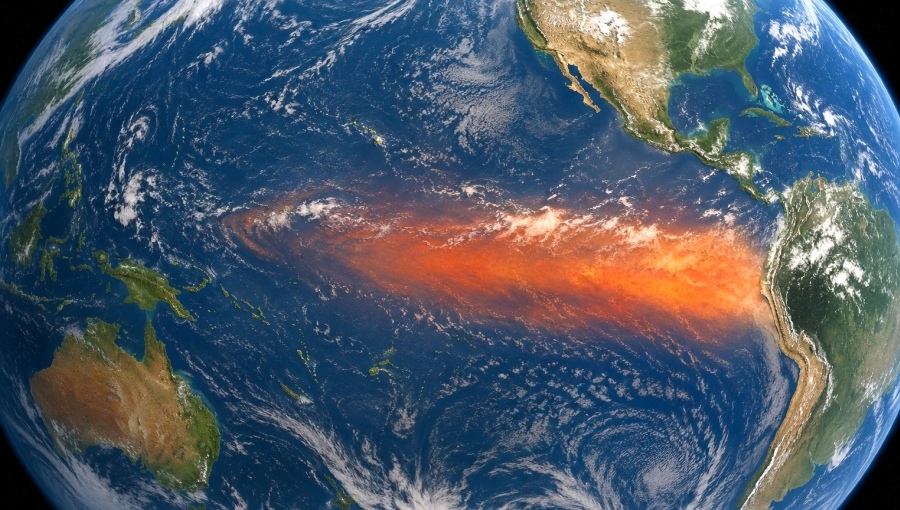
The emergence this year of a "super" El Nino, the natural warming phenomenon, also presents a risk to corals, Gudka said at a news conference at the United Nations Cop17 biodiversity summit in Yerevan, Armenia.

For its assessment, the IUCN used the "middle of the road" scenario from the UN's panel of climate experts, which projects global temperatures rising 2.7C above pre-industrial levels by 2100.

The world is on track for 2.6C warming this century under current global commitments to cut planet-heating emissions, the UN warned on Wednesday.

"Heat stress from climate change is the single most consistent threat driving coral reef decline worldwide," the IUCN said in a statement.

Overfishing is also harming corals as certain herbivores and predators help control algae and maintain an ecological balance, the organisation said.

Coastal development, pollution, tourism and more frequent storms are among the other threats to coral reefs.

'A critical window'

The IUCN's analysis examined 127 tropical and subtropical coral systems covering 188,362 square kilometres.

The world's largest and most biodiverse coral reefs are among those classified as critically endangered, including Australia's Great Barrier Reef, the Coral Triangle in southeast Asia and the western Pacific, the Caribbean's Mesoamerican Barrier Reef System, and the Red Sea coral reefs.

A reef ecosystem collapses when hard corals, which form its foundation, largely disappear and are replaced by algae, rubble and sponges.

A study published in the journal Nature last week found that by 2020 nearly half of coral species were at "elevated relative risk of extinction", with climate change the main driver of this decline.

Despite its warning, the IUCN said coral reefs in most parts of the world "are not yet lost".

If scientists look only at what has happened over the past 50 years, excluding future climate projections, 24 percent of coral reef ecosystems would be deemed critically endangered instead of 96 percent, the IUCN said.

"This gives us a critical window for action for us to scale up conservation efforts and climate action to prevent the worst outcomes from occurring," said Gudka.

"The actions we take over the next few years will determine what these ecosystems look like at the end of the century, whether they persist as we have known them, or whether they transform into a different ecosystem, which is worth less to both nature and people."

IUCN director-general Grethel Aguilar said it was "not too late to give coral reefs a chance to recover".

He added: "We know what is needed: ambitious emissions reductions, stronger protection and restoration efforts, and sustained investment in resilient coastal ecosystems and the communities that depend on them."

(with AFP)

EIB to double climate funding to €30bn as extreme weather costs soar

AP Photo/Emma Da Silva, File
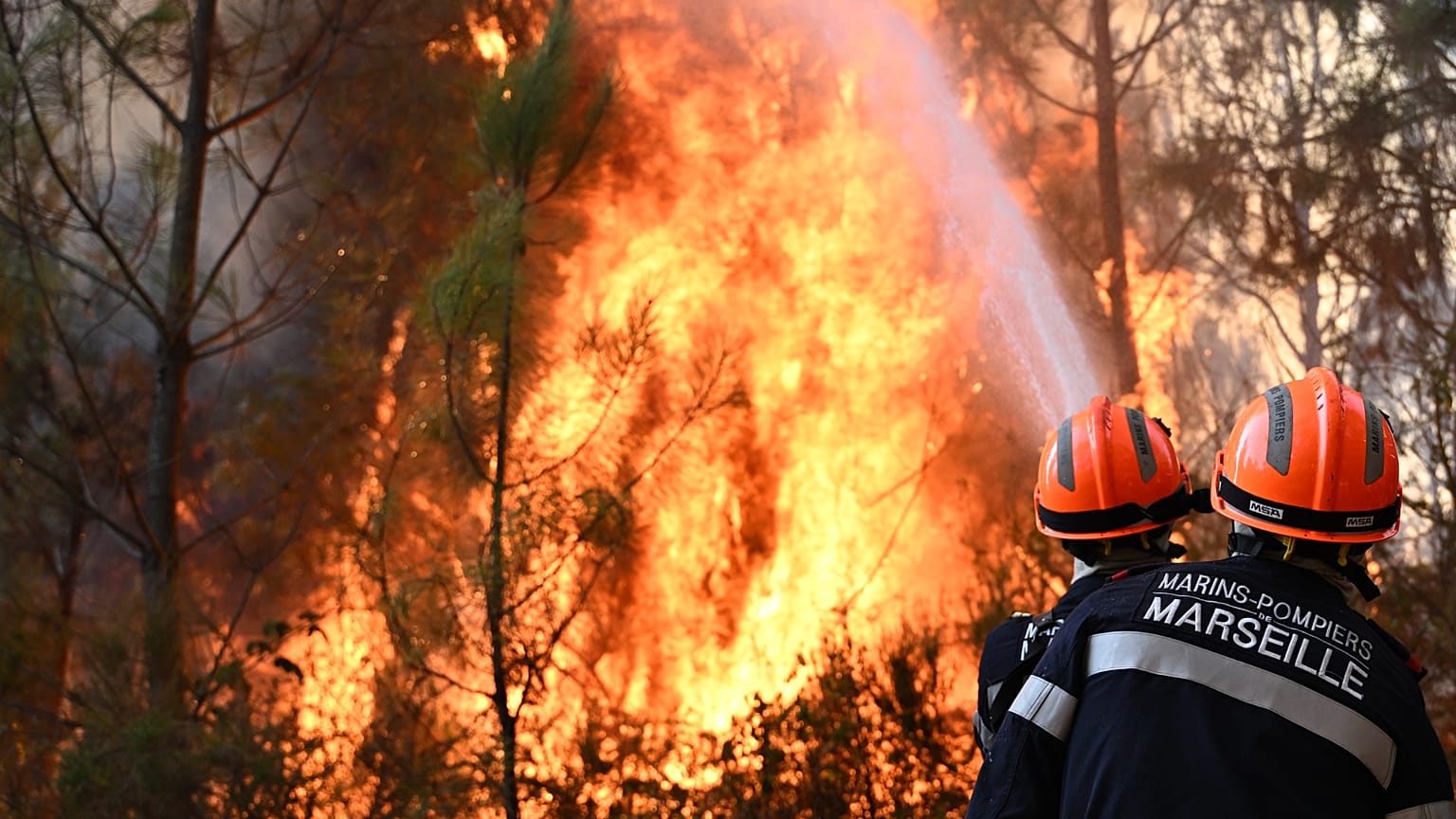
Copyright Firefighters battle a forest fire near Blagon during wildfires in southwestern France, July 29, 2026.

By Marta Pacheco
Published on

The European Investment Bank's €30 billion for climate financing reflects a shift from climate mitigation to economic protection -- and comes a week before the European Commission is due to present its own climate resilience plan.

The European Investment Bank (EIB) plans to double its financing for climate adaptation to at least €30 billion by 2030, as Europe steps up efforts to protect infrastructure, water supplies and agriculture from the growing economic toll of extreme weather

“Climate adaptation is a no-brainer,” EIB President Nadia Calviño said, arguing that every euro invested in prevention saves €10 in damage and repairs.

Wildfires, floods and heatwaves caused an estimated €43 billion in economic losses across the European Union in the summer of 2025, according to a joint study by the European Central Bank (ECB) and the University of Mannheim. The study projects that the cumulative economic impact could reach €126 billion by 2029.

More than 600,000 hectares have burned across the EU this year, more than twice the long-term average over the past two decades, with temperatures registering their highest across Europe in June alone.

European Commission President Ursula von der Leyen announced a European heatwave plan during her inaugural State of the Union speech in September, after a dramatic summer that saw at least 35,000 excess deaths linked to heatwaves.

From cutting emissions to limiting the damage

The EIB's €30 billion financing announced on Thursday marks a renewed emphasis on preparing for the consequences of climate change, alongside efforts to cut greenhouse gas emissions.

The EIB, which sometimes brands itself as Europe's climate bank, explicitly recognised that investment is not keeping pace with growing climate adaptation needs.

"While understanding of physical climate risks has grown significantly in recent years, adaptation investment remains constrained by limited project pipelines, capacity gaps and financing barriers," the EIB's second climate adaptation plan says.

"Accelerating adaptation will require stronger project preparation, better technical capacity and greater mobilisation of public and private capital."

The financing plan targets investment in energy networks, public buildings, water systems and farming, while helping EU companies bring climate adaptation technologies to market.

The financing package will combine loans, guarantees and advisory support, with a focus on making adaptation projects easier to identify and finance, including for smaller businesses. The EIB will also develop tools to help public authorities and companies assess local climate risks.

The initiative gives climate policy a direct economic and competitiveness dimension, as governments face the prospect of mounting costs from droughts, floods, heatwaves and wildfires. It also positions the EU's lending arm as a tool for mobilising investment in resilience technologies.

However, the announcement leaves open how the €30 billion will be distributed between countries and sectors and how much additional private investment the plan is expected to attract.

Rummaging for money

EU countries are already struggling with little fiscal space, with talks on the next multi-annual budget going sour at the latest gathering of EU leaders on 15-16 October.

However, Climate Action Commissioner Wopke Hoekstra recently acknowledged the tight fiscal situation but maintained that upfront investment is cheaper than repeatedly paying for climate damage.

"All evidence shows that making the upfront investments is way cheaper than just being hit by fire, being hit by floods and then paying for the damage. That's just way more costly," Hoekstra said.

The Commission's EU climate resilience framework is expected next week and it should bring more clarity on the Climate Insurance Alliance, also touted by von der Leyen during her September inaugural speech.

Paul Fox, senior research and advocacy officer at the watchdog Finance Watch, said that insurance is key to a functioning economy and cutting off the most exposed regions is becoming a market failure that the EU must address.

"Postal services reach communities across Europe not because every location is profitable, but because they provide a service people need. Natural hazard insurance should be guaranteed on the same principle. It gives people the security to build their lives and the confidence to invest in the future," said Fox.


UN climate disaster fund moves to provide $20 mn aid for Nepal

Washington (United States) (AFP) – The United Nations' climate loss and damage fund moved Thursday to provide $20 million in aid sought by flood-stricken Nepal, the first time it has set aside money for any country, in a key test of the body's credibility.


Issued on: 22/10/2026 - RFI

A torrent of muddy water surges past houses in the aftermath of flash floods in Nepal's Nuwakot district on August 29, 2026 © PRABIN RANABHAT / AFP/File


In the first extraordinary meeting since its launch in 2022, the fund's board agreed to earmark the modest sum for the Himalayan country, which was hit in August by tsunami-like floods triggered by a climate-induced ice and rock avalanche that killed more than 1,400 people and left over 5,000 missing.

"Hearing no objections, the decision is so adopted," Camila Minerva Rodriguez Tavarez, co-chair of the board, said following a virtual meeting.

The decision does not, however, mean that Nepal will immediately receive the funding, which amounts to less than 0.5 percent of the government's $4.78 billion estimate for reconstruction.

Twenty million dollars is the maximum amount countries can request in a single application.

Nepal will first have to present a proposal, and that proposal will have to be approved by the fund's board. There is no firm timeline for the process.

The creation of the "Fund for responding to Loss and Damage" was hard-won by developing countries, and greeted with standing ovations, at the UN climate conferences of 2022 and 2023 (COP27 and COP28).

But since it became operational, critics have faulted both the meager pledges from governments -- $822 million to date -- and a disbursement cycle disconnected from climate disasters.

No money has been disbursed so far.


Strong El Niño threatens Latin America's hydro-dependent grids, IEA warns

Strong El Niño threatens Latin America's hydro-dependent grids, IEA warns
The 2026-2027 El Niño is expected to be among the strongest since 1950, and hydropower supplies more than half the electricity in seven Latin American countries. Kenya and Southeast Asia face their own weather and import risks. / bne IntelliNewsFacebook
By Ben Aris in Berlin October 22, 2026

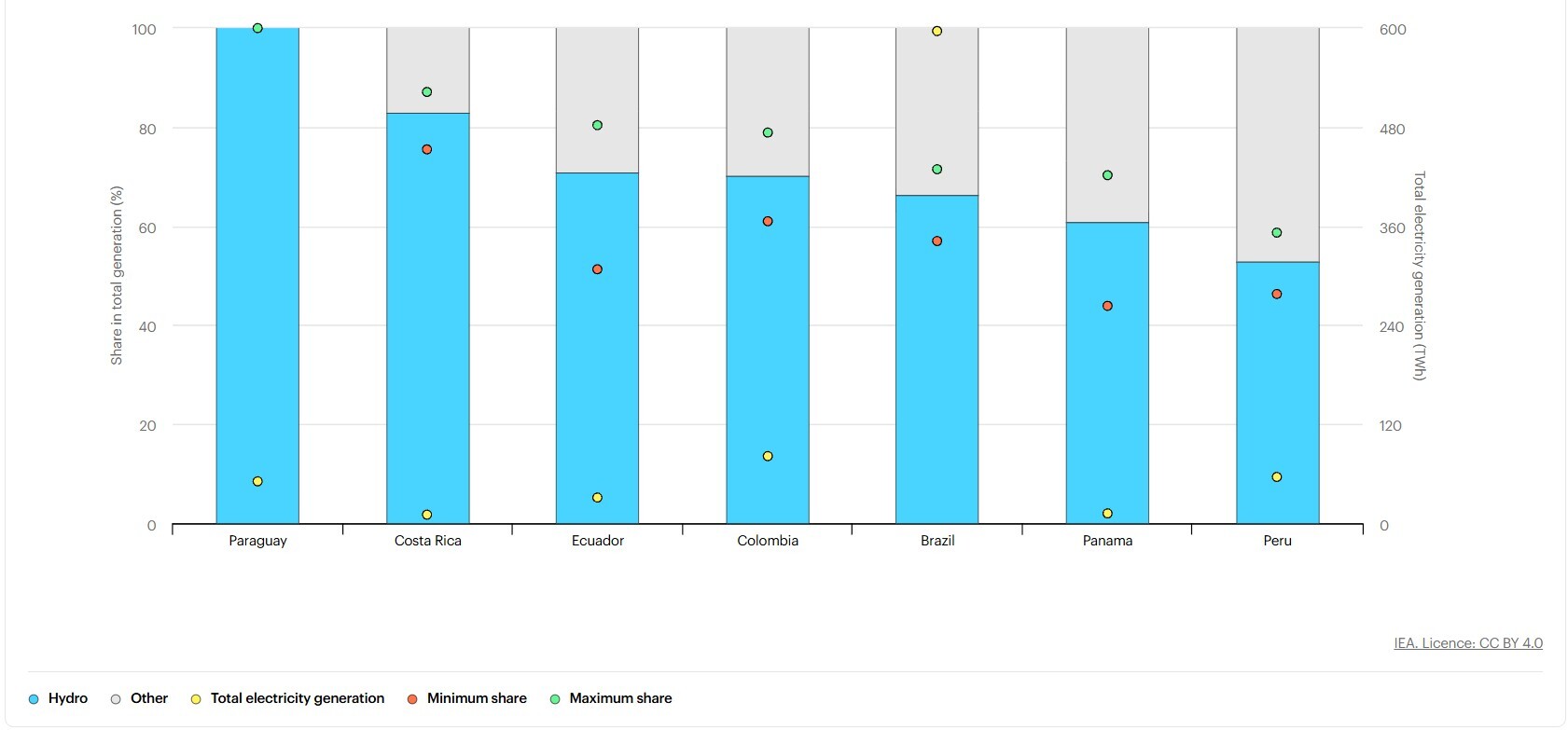
The 2026-2027 El Niño is expected to be among the strongest since 1950, putting power supplies at risk across Latin America, where hydropower provides more than half of average annual electricity generation in seven countries, the International Energy Agency (IEA) said in a commentary.

Brazil, Colombia, Costa Rica, Ecuador, Panama, Paraguay and Peru all depend on dams for most of their power, and hydropower output is "highly sensitive to variations in precipitation and temperature", IEA analysts Alejandra Bernal-Guzman and Lissete Davila wrote. El Niño conditions began in June and are likely to last until spring 2027, and northern Brazil is again expected to see below-average rainfall.

Hydropower's share of electricity generation in seven Latin American countries in 2025, with the range of shares since 2015 and total generation. Source: IEA. Licence: CC BY 4.0.

The last strong event showed what is at stake. When the 2023-2024 El Niño struck, Colombia's reservoirs fell to less than 30% of their average levels by April 2024 and gas demand in its power sector almost doubled, while Brazil's 3.6 GW Santo Antonio hydropower plant shut for two weeks for lack of water. Over 2015-2025 the share of hydropower in generation swung by up to 20 percentage points in Ecuador, 17 points in Panama and 10 points in Colombia.

The IEA set out four priorities: clear risk governance, as in Costa Rica's national El Niño strategy; ready-to-use emergency measures, such as Brazil bringing forward the start of five contracted power plants; long-term resilience through regional interconnections like those in Central America, through which Costa Rica and Nicaragua bought electricity in 2023-2024; and regular drills, such as those run through the Central American Integration System (SICA).

The warning comes in another disaster season of droughts and floods that is testing power systems well beyond Latin America.

Kenya's geothermal cushion

Kenya shows how diversification can absorb a shock, the IEA said in its National Climate Resilience Assessment for the country, published on September 25. In February 2023 a prolonged drought cut hydropower generation by 64% from the month before, a record low, but geothermal plants raised their output by 46% to compensate and imports from Ethiopia helped Kenya avoid rationing, although power prices rose.

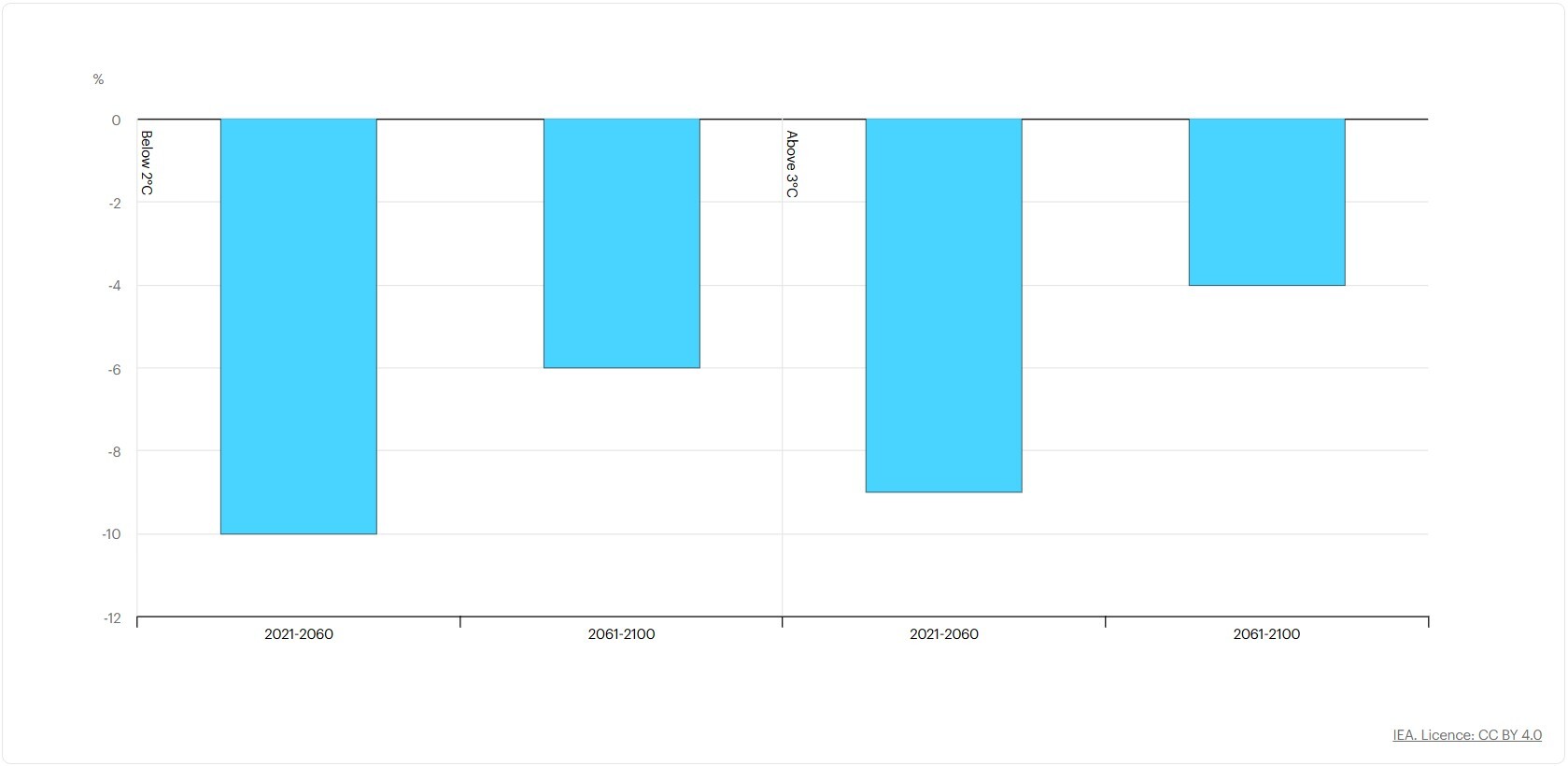
Geothermal supplied 43% of Kenya's electricity in 2024 and hydropower 28%, from 16 plants with 826 MW of capacity, within a 91% renewable share. Kenya is the world's sixth-largest geothermal producer, with an estimated potential of 10 GW. All the climate scenarios the IEA assessed show the potential of Kenya's existing hydropower plants falling by about 10% to mid-century, compared with 1971-2010, before recovering towards the end of the century.

Projected change in the hydrological potential of Kenya's operating hydropower plants against the 1971-2010 baseline, under below 2C and above 3C warming scenarios. Source: IEA. Licence: CC BY 4.0.

Southeast Asia's import exposure

Southeast Asia is projected to account for nearly 20% of the increase in global energy demand to 2035 under current policies, and the war in the Middle East has exposed its dependence on imported oil and LNG and its vulnerability to price swings, the IEA said in its ASEAN Energy Security Review, prepared with the ASEAN Centre for Energy and published on October 6.

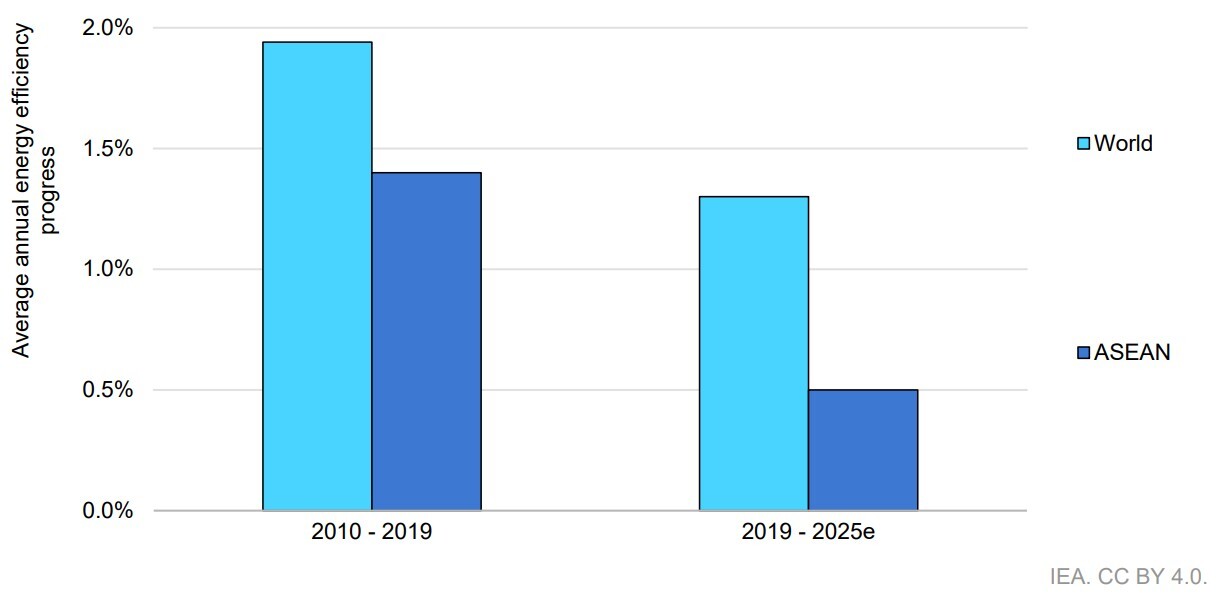
Past efficiency gains already keep the region's fuel imports about 10% lower than they would otherwise be, but energy intensity has improved by less than 0.5% a year so far this decade, below the global average and far short of the more than 4% a year needed to meet ASEAN's 2030 target of a 40% cut from 2005 levels. The review calls for faster grid investment, smart meters and time-of-use pricing to unlock demand-side flexibility, regional critical minerals strategies, emergency stockpiles and wider use of the ASEAN Power Grid so countries can share supply in a crisis.

Average annual energy efficiency progress in ASEAN and the world, 2010-2019 and 2019-2025 (estimate). Source: IEA Energy Efficiency Progress Tracker. Licence: CC BY 4.0.

ZOONOSIS / SPILLOVER


France confirms first human case of Shamonda virus, previously found only in animals

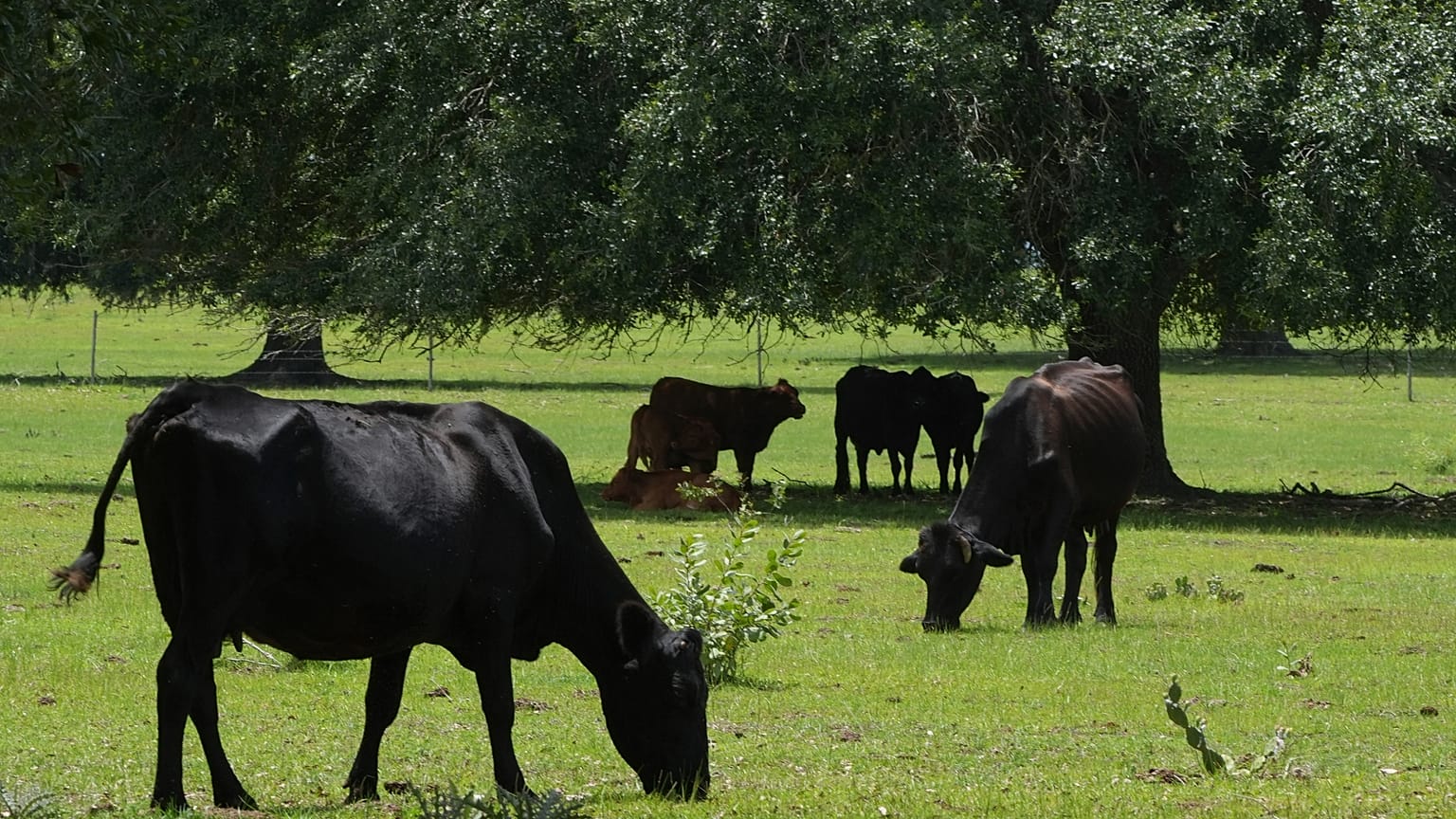
Cows feed on a farm.
Copyright AP Photo/Marta Lavandier

By Marta Iraola Iribarren
Published on


French authorities have confirmed the first known human case of Shamonda virus, which mainly affects cattle, in a patient in Lyon who died in early October, adding that there is no health risk to the general population.

French authorities have confirmed an infection with the Shamonda virus in a patient in Lyon who died in early October, marking the first time the virus has been reported in a human.

Until now, the Shamonda virus was considered not to be transmissible to humans. This case is the first documented and reported detection of the virus in a human.

“This is therefore an exceptional case involving a severely immunocompromised patient,” the authorities said.

The Shamonda virus was detected in Europe for the first time this summer. It belongs to a group of viruses transmitted by biting insects called midges, and until now it has affected mostly cattle, considered the main hosts among infected animal species. Sporadic infections in small ruminants and horses were also reported in France this summer.

The infected patient was a severely immunocompromised patient and had been receiving treatment for a serious illness at the Hospices Civils de Lyon, the French Agriculture Ministry said in a statement.

According to the European Centre for Disease Prevention and Control (ECDC), the specific midge species involved in transmission in this case is still unknown. French authorities say that the hypothesis is that the patient was infected through an insect bite, specifically from a tiny fly, Culicoides midge, in eastern France.

“According to investigations carried out so far, the brain complications observed in the immunocompromised patient before their death were very likely linked to the Shamonda virus infection,” the Ministry said. “Based on current knowledge of the virus, no health risk to the general population has been identified to date”.

Clinical, laboratory and epidemiological investigations are still ongoing to determine whether the virus caused or contributed to the patient’s death and how the infection was acquired, together with the World Health Organization (WHO) and the ECDC.

In infected adult cattle, the main symptoms are fever, lethargy and diarrhoea. In dairy cows, a significant drop in milk production may also be observed, according to Sciensano, Belgium’s national public health institute.

Shamonda virus was first detected in Nigeria in the mid-1960s and has since been reported sporadically in cattle in West, East and southern Africa and in Japan. This summer, it was detected for the first time in Western Europe, with cases reported in Austria, Belgium, France, Germany, Ireland, Italy, Liechtenstein, Luxembourg, the Netherlands, Portugal, Spain and Switzerland, as well as Jersey island.

This story has been updated to include a comment from the European Centre for Disease Prevention and Control (ECDC).

Kenya searches for missing Ugandan contact as Ebola cases rise

Kenyan authorities are searching for a Ugandan national who came into contact with the country's first Ebola patient in Nairobi, as the number of confirmed cases linked to the initial cluster rises to nine.


Issued on: 22/10/2026 - RFI

Travellers access port health services at the Busia One Stop Border Post, the crossing-point between Kenya and Uganda. REUTERS - James Keyi

Kenya's director general of health, Patrick Amoth, says authorities have been unable to locate the contact case, despite having his passport and telephone numbers.

The man is suspected of having crossed the border using an unofficial route to avoid border checks, Amoth said on Tuesday. Ugandan authorities have been notified.

The current Ebola outbreak was first declared in eastern Democratic Republic of Congo (DRC) in mid-May.

On Tuesday evening, Kenya announced a ninth case. Nairobi said it was “still linked to the first cluster”. The patient is being held in isolation, along with the other 129 people identified as contacts by health authorities.

Earlier this week, the United States State ​Department advised Americans to reconsider travel to Kenya and raised its travel advisory level for the country because of health risks.

Quarantine centre concerns

The authorities maintain that the situation remains under control, but their handling of the outbreak has come in for criticism.

Opponents accuse the government of a lack of transparency in its response.

“It is clear that quarantine centres are turning into incubation units for the Ebola virus,” said David Maraga, a former chief justice and candidate in Kenya's 2027 presidential election.

After days of pressure, the doctors’ union was included in the national Ebola response task force on Tuesday.

Regional threat

Nigeria on Tuesday became the latest country to be affected by the recent Ebola outbreak, when a woman who arrived from Uganda around two weeks ago was diagnosed in the capital Abuja.

Health Minister Muhammad Pate said authorities had begun tracing 44 people identified as contacts of the patient and were "doing everything possible to contain this case".

Caused by the rare Bundibugyo strain of the virus, for which there is no approved vaccine or treatment, the outbreak has killed at least 4,600 of the 9,500 people affected in DRC.

However, drug trials suggest there may be "reasons for hope". The first clinical trial of a potential vaccine is expected to begin by the end of October, the World Health Organization said on 13 October.


Uganda recorded 20 cases and two deaths before declaring the outbreak over in its territory in late August.

Jean Kaseya, head of Africa CDC – the African Union’s health agency in charge of disease control and prevention – warned on Tuesday of “an extremely serious threat” and called for international mobilisation.

France in June confirmed a positive case of Ebola in a doctor traveling back from DRC, making it the only country outside Africa so far to have recorded a case in the current outbreak.

(with newswires)
ANTI NEOCOLONIAL STRUGGLE

From mountain fighters to 'regional power': the rise of Yemen's Houthis

Dubai (AFP) – The Houthis emerged from obscurity in Yemen's hardscrabble north to control swathes of the country and pose a perennial threat to neighbouring Saudi Arabia, the world's top oil exporter.


Issued on: 22/10/2026 - RFI

Supporters of the Houthi group at a rally in Sanaa, Yemen's capital © Mohammed HUWAIS / AFP

From their origins in the 1990s, the Iran-backed former mountain fighters now command the status of regional players capable of inflicting pain on global shipping and oil prices.

Like the other armed members of Iran's "Axis of Resistance", the Houthis are hostile to the West, as befits their slogan: "Death to America, death to Israel."

But unlike Lebanon's Hezbollah, the Houthis, who took the capital Sanaa in 2014 and have weathered a long-running war with a Saudi-led coalition, were not created by Iran.

- 'Not taking orders' -


"At the beginning, there were no structured ties between Iran and the movement," explains Mohammed Azzan, a scholar of Islamic thought who witnessed the Houthis' emergence in Saada, northern Yemen, in the 1990s.

"Relations developed gradually as both sides discovered common interests."

Their bond has strengthened since the Gaza war, which weakened the Palestinian movement Hamas and Tehran's other allies in the Middle East.

The Houthis have been "drawing closer to Iran in pursuit of their own ambitions, without necessarily being under its orders", says Maysaa Shuja al-Deen, a researcher at the Sanaa Center for Strategic Studies think-tank.

Their lightning offensive in September, when they captured the parts of the Red Sea coast not already under their control, illustrates the alignment of interests.

Control of the strategic Bab el-Mandeb strait, the Red Sea's southern gateway, while Tehran is choking the Strait of Hormuz on the other side of the Arabian Peninsula, "increases Iran's bargaining power," while giving the Houthis "enormous leverage" over Riyadh, says Thomas Juneau of the University of Ottawa.


The road to Sanaa

When it was launched in 2001, the movement styled itself as representing Saada, the cradle of Zaydism -- a branch of Shia Islam, but different to that favoured in Iran.

The northern city, the centre of Yemeni power for centuries, had become marginalised by the central government in Sanaa.

The movement's founder, Hussein Badreddin al-Houthi, the son of a prominent religious figure, was already denouncing Israel and the US, using rhetoric inspired by Iran's Islamic revolution.

After he was killed by Yemeni authorities in 2004 the group, later named Ansar Allah ("Supporters of God"), became more radical under his brother, Abdulmalik al-Houthi.

Holed up in the northern mountains, his followers waged six wars against President Ali Abdullah Saleh before joining the uprising that drove him from power in 2012.

In 2014, the Houthis nonetheless allied with Saleh and seized the reins of power in Sanaa, marking the start of their conquest of large parts of Yemen. Saleh was killed three years later, after turning against the Houthis.

Saudi Arabia intervened at the head of a military coalition supporting the exiled government in early 2015, increasing Iran's interest in the Houthis.

Although Iran denies giving support, Yemen's government announced the first seizure of arms destined for the Houthis in 2013.

Deen said Iranian assistance grew from 2016, including the transfer of military expertise as well as communication and negotiation techniques, first through Hezbollah and then directly from Iran.

The Al-Masirah TV channel was launched in Hezbollah's stronghold of southern Beirut before moving to Sanaa, broadcasting Houthi propaganda and Abdulmalik al-Houthi's speeches.

Rarely appearing in public, he cultivates the image of a spiritual guide and defender of the Muslim world against the West and the Gulf countries, which he accuses of serving American interests.

'Disproportionate pain'

Thanks to Iran, the Houthis have acquired drones and long-range missiles, allowing them to establish an "asymmetric balance of power" with Saudi Arabia, says Juneau.

For years, they absorbed Saudi airstrikes by "exploiting Yemen's geography" while "inflicting disproportionate pain" on their neighbour by targeting its infrastructure.

After a truce in 2022 calmed fighting, the movement built up its military production capacity and diversified its arms supply chain, sourcing from China and Russia via smuggling networks in the Horn of Africa.

A report published by The Century Foundation think-tank in February said 35 percent of arms and materials intercepted en route to the Houthis between 2021 and 2025 originated in China. Iran was the next biggest supplier with 21 percent.

"Without Iranian assistance, the Houthis would not be a regional power today," says Juneau.

The Houthis have also benefited from recruiting elements of the former national army, forging alliances with tribes and, most importantly, the "weakness" of the government, which is plagued with internal divisions.

"This has been as essential as Iranian assistance to the story of the Houthis' rise," Juneau says.

© 2026 AFP


Why Elon Musk wants to merge Tesla and SpaceX before Trump leaves office

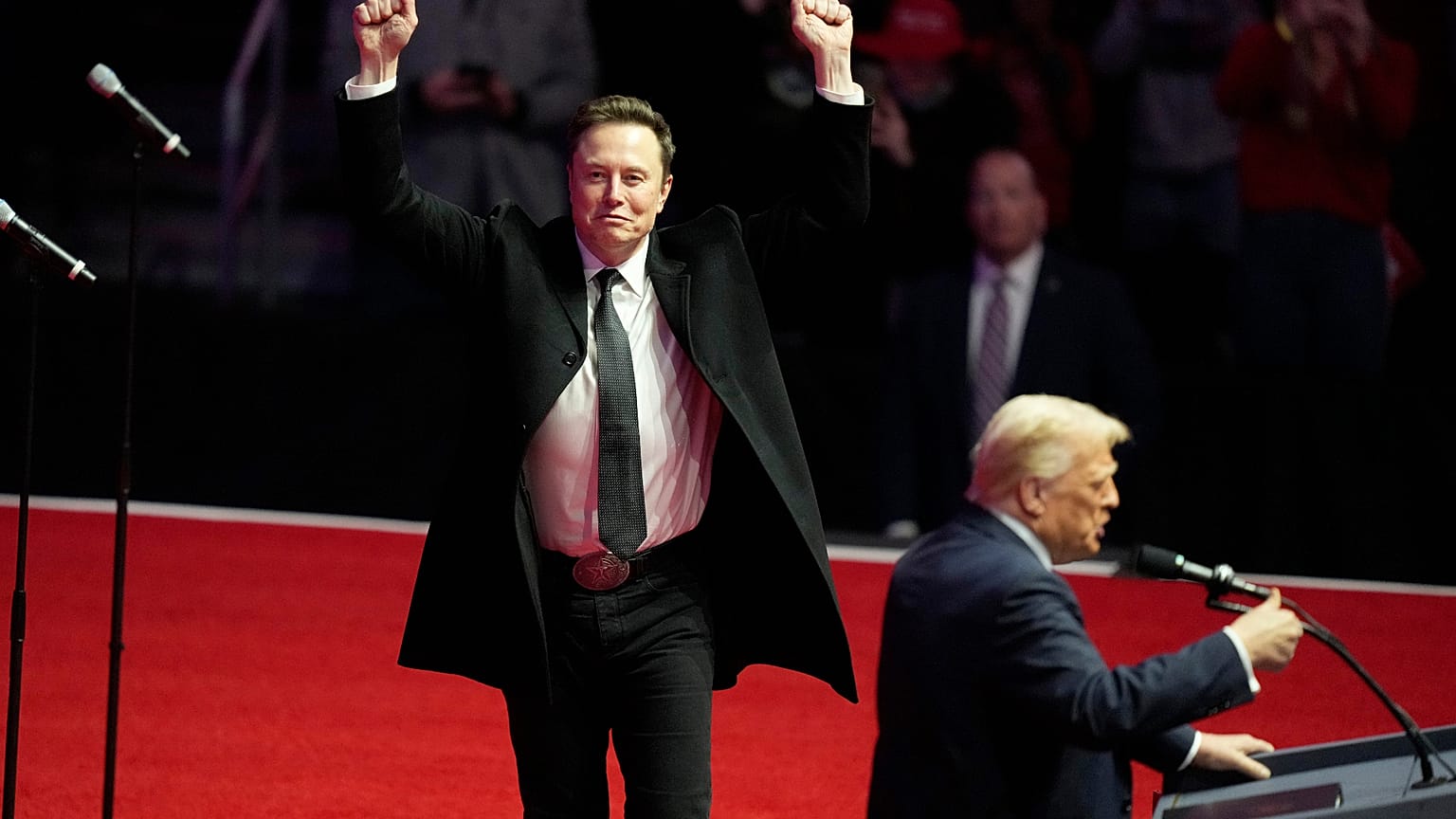
FILE. Elon Musk reacts as US President-elect Donald Trump speaks at a rally ahead of the 60th Presidential Inauguration in Washington, 19 Jan. 2025
Copyright AP Photo/Alex Brandon

By Quirino Mealha
Published on

Elon Musk has opened the door to merging Tesla and SpaceX into a $3.5 trillion (€3.1tn) giant, the latest step in years of folding his companies into one another, with a deal reportedly aimed at closing before US President Donald Trump leaves the White House.

The world's richest man confirmed this week that Tesla and SpaceX are exploring a merger. Together, the companies are worth about $3.5 trillion (€3.1tn), making it potentially the biggest merger ever.

It would cap a string of deals tying Elon Musk's businesses together, and the goal is to complete it while Donald Trump is still the US president, according to Bloomberg, citing people familiar with the matter.

A merger between Tesla and SpaceX would be the latest chapter in a story that began a decade ago, when Musk started stitching his companies together.

In 2016, Tesla bought SolarCity, a solar panel installer run by his cousins, a deal that was only upheld by a Delaware court after years of litigation.

In March 2025, his AI start-up xAI swallowed X, the social network formerly known as Twitter, which Musk acquired for $44 billion (€39.1bn) in 2022.

In February this year, SpaceX absorbed xAI, in a deal that valued the rocket maker at $1 trillion (€890bn) and the AI firm at $250 billion (€222bn), ahead of SpaceX's initial public offering (IPO).

Four months later, SpaceX listed on the Nasdaq, raising $85.7 billion (€76.3bn) in the biggest stock market debut in history.

Employees celebrate during a closing bell ceremony for the IPO of SpaceX at the Nasdaq MarketSite in New York, 12 June 2026 AP Photo/Frank Franklin II

Seen together, the deals look like part of a long-running plan to fold Musk's businesses into one publicly traded group. Musk himself spoke of "more and more overlap" between Tesla and SpaceX on an earnings call in July.

On Tuesday, Musk told analysts on SpaceX's earnings call that both companies had set up committees of independent board members to study a merger. He called it "a good idea", while admitting he felt he was "tap dancing through a minefield".

Why one company

Musk argues that AI will decide where both companies go next.

They are already jointly developing Terafab, an AI chip factory in Texas, while Tesla's driverless cars and Optimus humanoid robots could benefit from the computing power SpaceX is racing to build, including planned data centres in orbit.

The numbers also fit.

SpaceX posted its first quarterly profit since listing, earning $4.4 billion (€3.9bn) as revenue jumped 161%, but its capital spending reached $19.6 billion (€17.4bn) in the quarter, mostly on AI.

By contrast, a day later, Tesla reported that its net profit fell 43% to $787 million (€700mn) on flat revenue of $28 billion (€24.9bn), as deliveries slipped 2%. In a combined company, SpaceX's surging revenue could help offset Tesla's figures.

Merging the businesses would also allow Musk to run all their operations under one roof, moving engineers and resources between the companies without disclosures or lawsuits over related-party deals.

Control is another potential benefit.

Musk owns about 48% of SpaceX and holds more than 80% of its votes through special shares, but only about 20% of Tesla. Since 2024, Musk has said he is uncomfortable turning Tesla into an AI and robotics leader without at least 25% of the votes.

A merger could also make him richer, as his Tesla pay package treats many of its performance goals as achieved if certain types of mergers go through.

Racing the political clock

Reportedly, the aim is to announce a merger deal in the first half of 2027 and complete it before US President Donald Trump's term ends in January 2029, according to Bloomberg, citing people familiar with the matter.

Completing the deal while Trump is in office could give it a friendlier political reception, although it would still face regulatory and shareholder scrutiny.

Musk, who led Trump's cost-cutting drive in 2025 before a public falling-out, has since made up with the US president and returned to the administration.

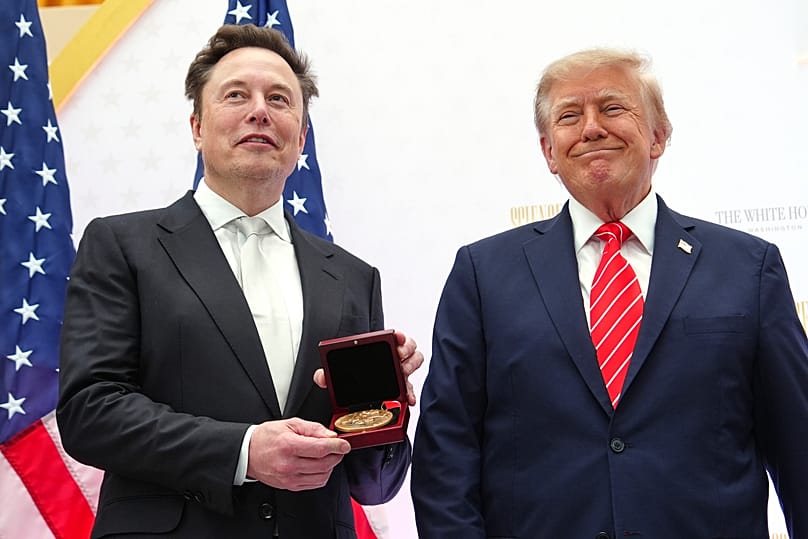
US President Donald Trump presents the National Medal of Science to Elon Musk during an event at the US Institute of Peace in Washington, 8 Oct. 2026 AP Photo/Julia Demaree Nikhinson

He has also become the biggest known donor supporting Republican candidates in next month's US midterm elections, giving more than $276 million (€245mn) since July, according to a spokesperson for America PAC, Musk's conservative super PAC.

A Democratic win could bring tougher scrutiny of SpaceX's federal contracts and Tesla's self-driving software.

SpaceX itself warned in its listing documents that a shift in power in Congress could have a "material and adverse impact on our growth and competitive position".

The committees have yet to agree on terms, and any deal would need the backing of more than half of all Tesla shares, which Musk called "quite a high hurdle". He cautioned that a merger was not certain.

Tesla shareholders meet on 3 December.


Europe’s EV boom has saved these 6 oil-importing countries almost €2 billion since start of Iran war

Close-up shot of an electric vehicle being plugged in to charge.
Copyright Zapotec via Unsplash.

By Liam Gilliver
Published on


“Every EV on the road reduces exposure to volatile oil markets, and as fleets grow – so does the protection against future supply shocks.”

Electric car fleets have cushioned the spiralling costs of oil imports following the war on Iran and subsequent energy crisis.

Brent crude, which is used as the worldwide benchmark for oil prices, rose to near $100 (around €89) a barrel on 22 October – the highest in five weeks as concern grows over potential escalation in the Middle East.

On February 27, the day before the US-Israel war on Iran broke out, Brent crude traded at $67(€59.63) per barrel, around 32 per cent lower than today’s prices.

The rising costs have been largely attributed to Iran’s stranglehold on the Strait of Hormuz, a 167km shipping route that usually carries around one-fifth of the world’s daily oil and seaborne liquefied natural gas (LNG) supplies.

At the same time, global sales of electrical vehicles (EVs) have surged by 11 per cent year-on-year, while combustion engine vehicles fell by six per cent in the first eight months of 2026.

How EVs are saving Europe billions

A new analysis by energy think tank Ember found that the EV boom has displaced an estimated 200 million barrels of crude oil, worth $20 billion (€17.82 billion) between March and August 2026

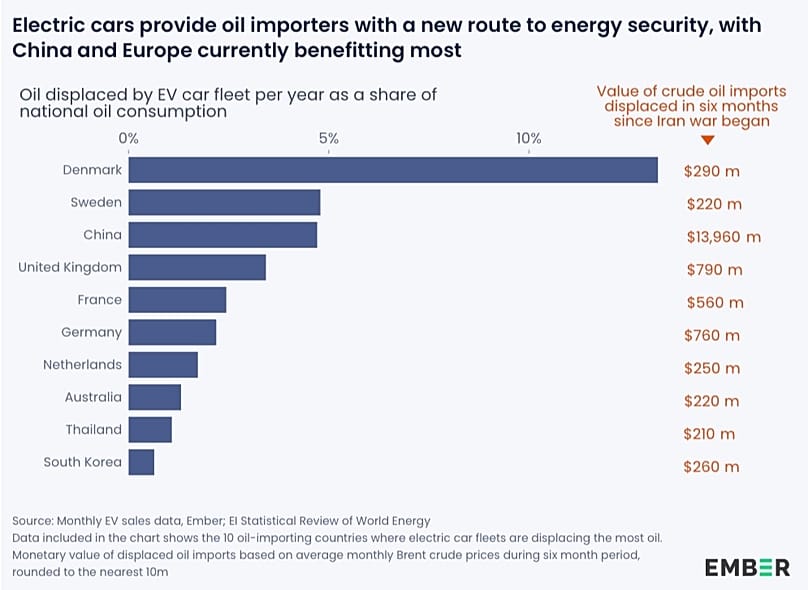
The study, which covers 56 countries that together account for more than 90 per cent of EV sales and more than 80 per cent of all car sales globally, found that China accounted for the largest share of these savings.

The country’s electrified fleet, which consists of around 44 million EVs, has saved $14 billion (€12.48 billion) worth of crude oil.

EU Member States were responsible for a further $3.1 billion (€2.76 billion) of the crude oil displaced by EVs between March and August 2026.

Germany and France represent the largest share in savings at around $760 million and $560 million (€677 million and €499 million), respectively.


Chart showing oil displaced by EV car fleets per year, as a share of national oil consumption Ember

However, when comparing oil displacement to each country’s oil consumption, Denmark emerged as Europe’s clear frontrunner.

As of August 2026, the country’s current EV fleet has displaced 6.4 million barrels of oil per year, equivalent to 13 per cent of the country’s oil consumption in 2025.

Elsewhere in Europe, the UK’s EV fleet displaced around $790 million (€704 million) of crude oil in the six months since the start of the fossil fuel crisis. For context, the UK imported £21.5 billion (€25.64 billion) of crude oil in the 12 months to the end of August 2026, according to the UK government

Six European countries (Denmark, France, Germany, the Netherlands, Sweden and the UK) have together saved almost €2 billion by lowering oil-imports.

EVs reduce ‘exposure to volatile oil markets’

“The countries that invested in EVs before this crisis are now better protected and a growing number are following,” says Euan Graham, a senior energy analyst at Ember.

“Every EV on the road reduces exposure to volatile oil markets, and as fleets grow – so does the protection against future supply shocks.”

Graham adds that the global shift to EVs goes beyond cutting emissions, providing countries with improved “energy security and economic resilience” amid political instability.

Are EVs better for the environment?

The environmental pay-off on EVs depends on how the battery was made and whether it is charged using clean electricity or fossil fuels.

A 2020 report by NGO Transport & Environment found that EVs outperform diesel and petrol cars in all scenarios, even on carbon-intensive grids such as Poland, where they are about 30 per cent cleaner than conventional vehicles.

In the best case scenario, where an EV runs on clean electricity with a battery produced with clean electricity, EVs are already about five times cleaner than conventional equivalents.

Ahead of the COP31 UN climate summit, co-host Türkiye has unveiled its “defining priority” to raise the global share of energy demand by electricity to 35 per cent, up from around 20 per cent, by 2035.

Experts are concerned that the pledge could allow governments to count expanded gas-fired generation as progress towards electrification targets – a move they say will “seriously undermine climate goals”.

“Let’s not let electrification become the Trojan horse of our times, used to hide new fossil fuel consumption rather than promote renewable energy,” says Claire Smith of campaign coalition Beyond Fossil Fuels.