Europe just had its deadliest summer. Which country was hit the hardest by extreme heat?
Europe faced its ‘worst summer on record’ for heat deaths – with climate change responsible for two-thirds.
Europe’s sweltering summer is estimated to have claimed more than 50,000 lives in urban areas, making it the “worst on record”, according to a new report.
Researchers are clear on the cause: climate change – primarily from the burning of fossil fuels – was responsible for about two-thirds of these excess heat deaths.
The figure far outstrips the previous highest figures of about 29,000 deaths in the summer of 2022 and 28,000 in 2003 across the area modelled.
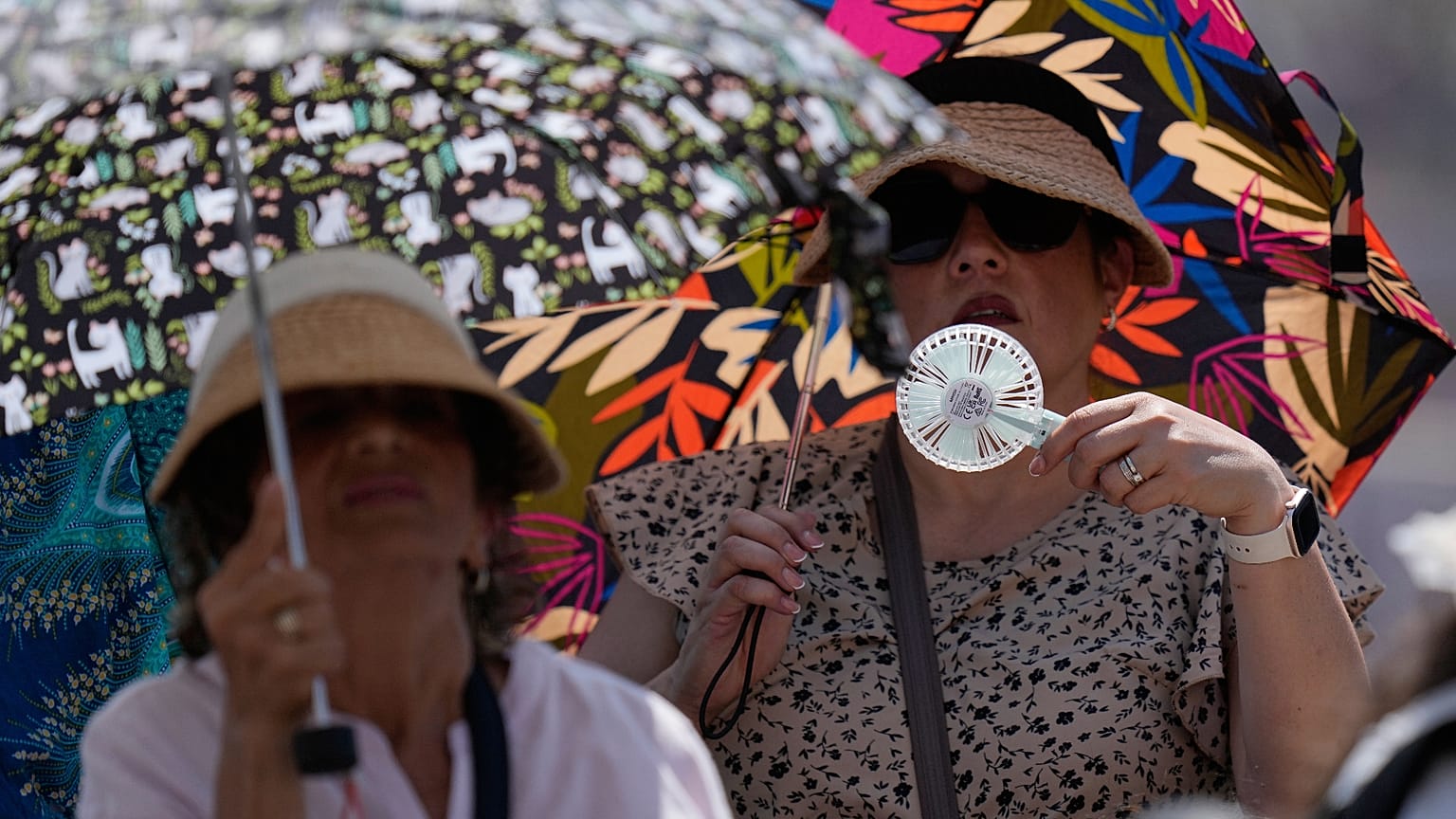
It’s a testament to the extreme heat faced by the world’s fastest-warming continent between June and August this year. A succession of heatwaves saw temperatures in Western Europe soar 2.9°C above the 1991-2020 average – even rising by as much as 12°C on some days – often hitting countries that are neither used to nor prepared for such highs.
“These numbers are a stark reminder that our hotter, more extreme summers are having an increasingly severe impact on public health,” says study co-author Dr Clair Barnes, an extreme weather and climate change researcher at Imperial College London.
“Behind these statistics are real people whose lives were lost and real families who grieve for them.”
Nearly one-third of deaths estimated occurred during the particularly intense heatwave between 17 June and 1 July, when temperatures were on average 5.3°C above the norm.
How were summer heat deaths estimated?
The study used modelling to estimate the number of heat-related excess deaths during summers dating back to the start of the century.
“The true burden of mortality, in fact, due to heat is not directly observed or measured,” says study co-author Dr Malcolm Mistry, assistant professor in climate and geospatial modelling at the London School of Hygiene and Tropical Medicine (LSHTM).
“Heat is therefore often commonly referred to as a ‘silent killer’, with the death toll underreported in several regions globally.”
The scientists used temperature records and modelling based on the historical relationship between heat and mortality to estimate the number of casualties in summer 2026. They took geographic and environmental features, socioeconomic factors, availability of health services, and age-specific temperature-mortality links into account.
The modelling was applied to 854 urban areas across the EU, UK, Norway and Switzerland – areas that make up around 40 per cent of the population of the 30 countries studied.
A separate attribution study covering the summers of 2000 to 2025 was used for comparison, with results for these years proving broadly consistent with official statistics released by national health authorities. Many European countries are yet to release final figures for summer 2026.
Researchers then compared the actual temperatures with those that would have been expected without warming from climate change to estimate the additional deaths caused.
Overall, 65 per cent of heat-related excess deaths – or around 32,000 – in summer 2026 were attributed to human-induced climate change. Earlier in the century it was estimated to be responsible for about 40 per cent of heat-related deaths.
“It is yet another reminder both of the imperative of rolling out targeted interventions to protect those who are most vulnerable to this increasingly extreme heat, and of the growing need to rapidly transition away from fossil fuels to slow the pace of change and limit future warming,” says Dr Barnes.
Who is most at risk from extreme heat?
Vulnerable people are most exposed to the dangers of extreme heat, including those suffering from disease; elderly or very young people; and those unable to move away from the heat – either for physical or socioeconomic reasons.
In the summer 2026 study, people aged 85 and over accounted for roughly half of the estimated deaths. But younger adults were also affected: there were an estimated 800 excess deaths among people aged between 20 and 44, and a total of around 6,000 people under the age of 65.
The researchers also found geographical variations, with Southern Europe experiencing significantly more deaths linked to high temperatures than Northern Europe.
This is primarily due to the higher temperatures faced by countries further south, although other vulnerabilities also came into play.
“For example, factors such as increased air pollution levels, limited green space infrastructure, accessibility to health systems and heat alerts,” explains study co-author Dr Garyfallos Konstantinoudis, assistant professor at ICL’s Grantham Institute.
Europe’s unprecedented summer: Which country was worst hit?
The public health risks of Europe’s scorching summer were immense, with several governments issuing heat warnings and real-time estimates of heat-related mortality.
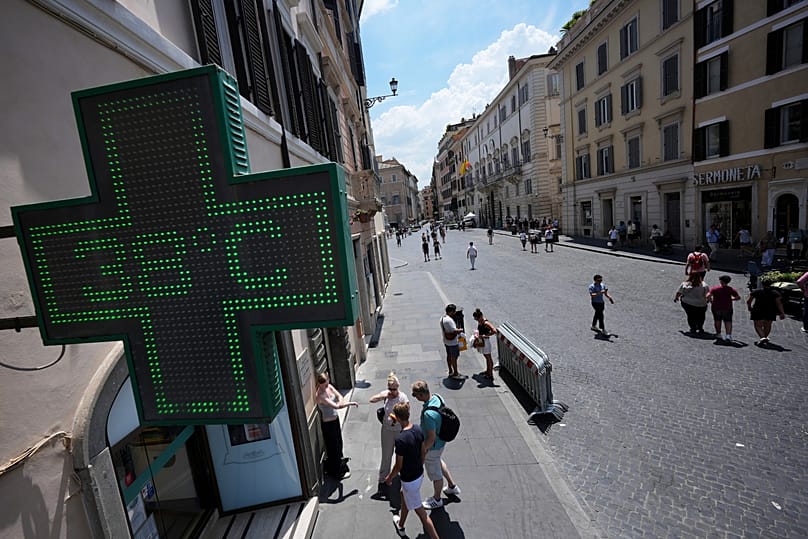
According to the summer 2026 report, Italy is estimated to have suffered the highest number of heat-related excess deaths: a total of 13,303. Next was France at 7,268, followed by Spain at 6,824.
Traditionally-cooler countries also struggled in the heat, which was made more dangerous by infrastructure designed for a different climate and citizens unaccustomed to such highs.
Germany faced an estimated 6,340 excess deaths and the UK 4,354.
“In the UK, the summer is historically the quietest time for our health service. This summer, however, saw demand and strain that was akin to a really bad winter virus season,” says Andrew Hartle, Professor of Practice of Anaesthesia at Imperial College Healthcare.
The accuracy of the modelling means it has the potential to allow health services to prepare for extreme events before they hit.
Besides cutting greenhouse gas emissions to limit future warming, cities can invest in adding green-blue spaces, which come with the cobenefits of reducing temperatures and improving air quality.
Northern and Western Europe should look to the south for solutions that are already well established, the study’s authors say.
These include investing in climate shelters; retrofitting buildings to better withstand the heat, such as by adding external shades or blinds; and promoting behavioural changes like checking in on vulnerable neighbours, not going out in the midday sun, taking heat advisory warnings seriously, seeking shade, and drinking plenty of water.