UK Assisted dying vote tracker: How will Labour MPs vote at third reading?
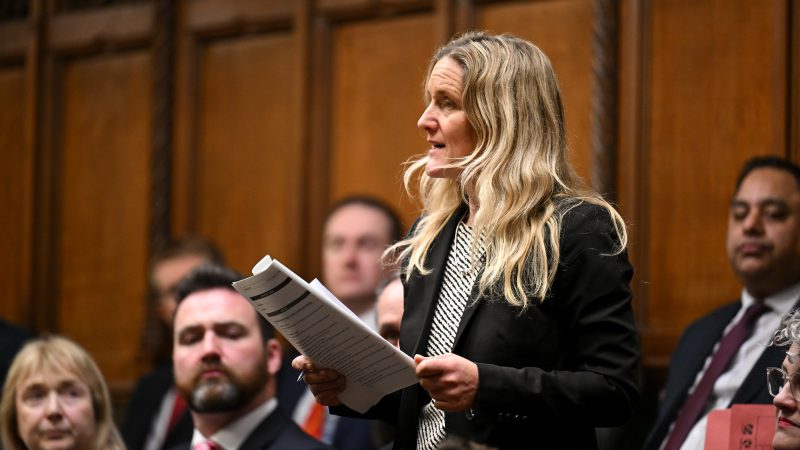
MPs are preparing to vote on the final stage in the Commons on the assisted dying bill, which if passed would allow terminally ill adults in England and Wales with less than six months left to live to take their own lives.
The Terminally Ill Adults (End of Life) Bill would require two independent doctors and a High Court judge to approve a request from a terminally ill person to end their life, provided they have the mental capacity to make such a choice.
The bill has divided MPs across rather than along party lines. While some, including the bill’s proponent Spen Valley MP Kim Leadbeater, have said the bill offers strict safeguards, others have raised concerns about whether they go far enough and whether enough time has been allocated to debate the proposals.
Ahead of the third reading vote, expected on either June 13 or June 20, we are compiling a rolling list of how Labour MPs intend to vote on the bill. We will add to this list as the debate date gets closer and as more MPs signal publicly whether they will back or reject the bill – if you’re aware of any updates we should make, please get in touch at mail@labourlist.org.

Currently, 66 Labour MPs have publicly confirmed they will be supporting the bill at third reading, with 80 planning to vote against. Four Labour MPs plan to abstain, with 11 undecided.
Several MPs have now changed their stance since the first vote. If every other MP votes the same way they did last time, it would mean 221 Labour MPs backing the bill in the third reading expected next month – down 13 from 234 at the last vote. The Labour Nos would be up nine from the last vote, to 156 MPs.
Since second reading, four suspended Labour MPs who each voted against have had the whip restored, while two MPs who voted for the bill and one who abstained have been suspended from the party.
How does the Cabinet plan on voting?
The assisted dying bill has split parties even at the highest level, including the Cabinet. While government ministers were advised not to advertise their views ahead of the second reading in November, several did, including Wes Streeting, Ed Miliband and Shabana Mahmood.
Prime Minister Keir Starmer and 13 members of his Cabinet supported the bill at second reading, including Rachel Reeves, Yvette Cooper, John Healey, Liz Kendall and Ed Miliband.
READ MORE: Assisted dying bill: How many Labour MPs voted for, against or didn’t vote in November
Six others, including Angela Rayner, David Lammy and Wes Streeting voted against the bill at second reading.
Ian Murray was the only member of the Cabinet to not vote. He has told constituents he was away on government business but would have voted to support the bill at second reading.
‘I support assisted dying, but safeguards in Leadbeaters bill aren’t strong enough’
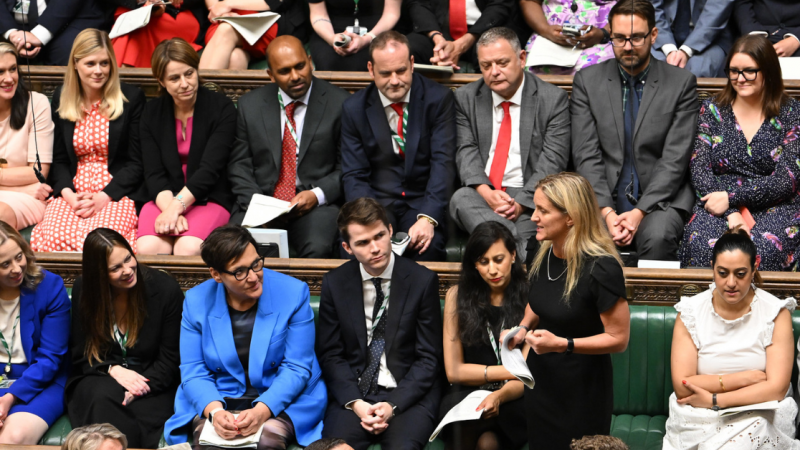
At any point in my life so far if you had asked me if I support assisted dying, I’d have said yes. I saw it as matter of personal choice. And yet I find myself preparing to vote against this Bill. During the debates there have been moments we’ve seen Parliament at its best – words of respect, nuance and humanity. But in the end, as legislators we must vote on the Bill as written. And I am not convinced the safeguards are strong enough.
Assisted dying has captured public attention like nothing else. I’ve had a lot of correspondence on both sides, more in fact than almost any other subject. I have spent more time thinking about and researching this issue than anything else since being elected. I’m not guided by faith – frankly if I were it might make the whole thing easier. However, I do try and approach decisions mindful of the responsibility to balance the rights of some with the safety of others.
Conscious that representing means listening, I held two panel discussion meetings in my constituency bringing together experts, ethicists and the public. I honestly can’t think of any other subject where over 100 people would attend a meeting to discuss politics on a wet Thursday night. On a national level, Kim Leadbeater has approached the difficult task of guiding the debate with empathy. However, I think so early in a new parliament the timing is not ideal.
I personally can imagine circumstances where I would want to have the choice to end my own life. However, not everyone approaches medical decision-making from the same place and my university education and able body inevitably shape my outlook. At the panel discussion events we talked a lot about the factors which might influence our ability to make an informed choice to end our lives. As much as we might feel perfectly able to do it, underpinning that decision are a complex web of factors such as our level of education, wealth, health status, and previous experiences with medical professionals. There are also emotions – perhaps the most powerful factor affecting our thinking and the one whose impact we are least able to judge.
‘Any bill on assisted dying must have specific measures to ensure safety from coercion’
High quality universally available palliative and social care is sadly not a reality in this country, and this could mean people in poorer areas being more likely to opt for an assisted death. People who are vulnerable for many reasons can also be subject to pressures which can’t easily be seen. As a member of Health Select Committee, I have heard groups such as Black Mothers Matter talk about patients having a lack of confidence pushing back on medical professionals’ suggestions. For that reason, I’m disappointed that measures to stop doctors suggesting an assisted death were opposed by the Bill’s supporters.
In reaching a conclusion I have read books and reports, been to meetings organised by both sides, and drawn on my own experiences. I took time to talk to those with disabilities who had concerns about the bill, and I believe the risk of coercion is very real. Coercion can be so subtle. We know that abuse in relationships happens more at the end of life, and we know that families under strain and financial pressure don’t always act in their loved one’s best interests. In my time working as a council cabinet member for social care I saw some truly distressing cases over family budgets. Any bill on assisted dying must be tightly drawn and have specific measures to ensure safety from coercion. I want more to be done to protect people at the end of their lives.
As parliamentarians the question is never easy, nor should it be. A vote one way will inevitably cause tragedy the other way. If the Bill falls there will be some people who die a painful death unnecessarily and if it passes, there will be some who feel coerced into ending their lives earlier. It’s not easy, which is why we have taken this so seriously.


No comments:
Post a Comment