Chile regulator approves Codelco-SQM lithium deal hours after announcing audit
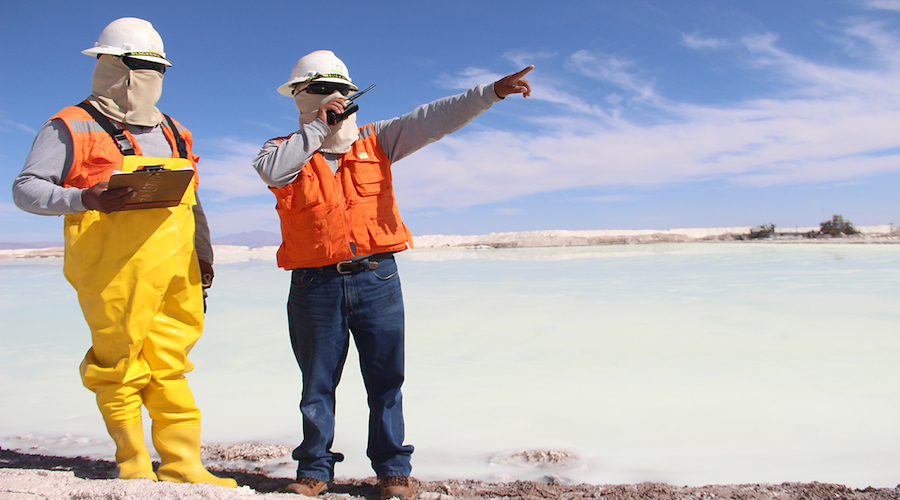
Chile’s comptroller on Friday approved, with some guidelines, an agreement between state copper giant Codelco and local miner SQM to operate a joint lithium venture in the Atacama salt flat.

The resolution comes hours after the top regulator announced it would launch an “unprecedented audit in response to complaints from members of parliament regarding the Codelco-SQM agreement.”
The regulator said that it was prevented from ruling on most of the claims due to previous court rulings, but listed some guidelines in its official approval, including that Codelco must maintain a stake of more than 50% in the joint venture.
The companies had requested the comptroller’s approval as the final step needed to finalize the agreement after several other national and international regulators cleared the deal.
Codelco and SQM want to create a joint venture to produce lithium in the Atacama salt flat, as part of President Gabriel Boric’s plan to expand state control over the industry and increase production.
Legislators have questioned why the agreement was reached in direct negotiations rather than a public bidding process. They also questioned why Codelco picked SQM, which has pending lawsuits with the tax authorities, among other things.
SQM declined to comment on the audit.
In a statement, Codelco said it would “approach the process with complete transparency and professionalism” and that the audit would help “reaffirm the integrity” of the agreement with SQM.
“The audit will confirm the integrity, rigor, and soundness of the process, especially including the hiring and work carried out by Morgan Stanley, the financial advisor who has played a fundamental role in structuring the partnership,” the statement said.
Codelco said it was still waiting for the Comptroller’s Office to approve the lease agreements for the properties in the salt flats between the state development agency Corfo and its subsidiary, a process that began in September.
China’s Tianqi, a major investor in SQM, has sought to block, so far unsuccessfully, the deal in Chilean courts arguing it should have required shareholders’ approval.
(By Fabian Cambero and Alexander Villegas; Editing by David Goodman, Gabriel Araujo, Tomasz Janowski and Diane Craft)
Savannah nears full ownership of Barroso lithium lease
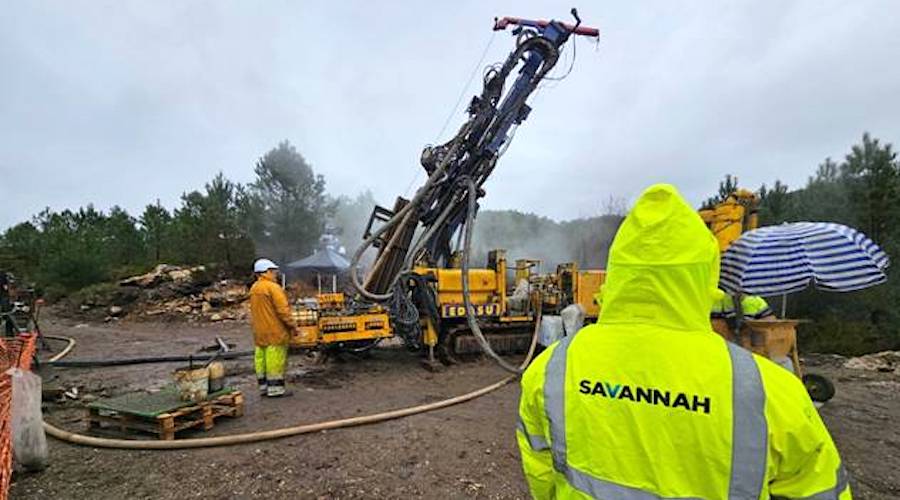
Savannah Resources (LON: SAV) is closing in on full ownership of a high-grade lithium lease at its Barroso project in northern Portugal after the Aldeia Mining Lease vendor instructed the national regulator to transfer the C-190 licence to the company.
The Aldeia lease sits next to Savannah’s C-100 concession and hosts a JORC-compliant resource of 3.5 million tonnes grading 1.30% Li₂O on Block A, representing about 11% of Barroso’s global resource and adding exploration upside across three blocks. Savannah plans to include the Indicated Resource in its upcoming definitive feasibility study.
The €3.25 million ($3.8 million) acquisition is funded partly through a recent oversubscribed equity raise and structured as staged payments to Portugal’s Directorate General for Energy and Geology. Savannah said the deal will strengthen Barroso’s resource base and future production profile as Europe seeks secure lithium supply for its energy transition.
Chief executive officer Emanuel Proença said completing the transfer was a key objective of the fundraising and marked an important milestone ahead of year end, with formal state approval now pending.
Strategic
The European Union earlier this year designated Barroso a strategic project, a status Savannah expects will unlock funding support, although the company has not disclosed how much of the cost could be offset. Barroso hosts more than 39 million tonnes of high-grade spodumene, a hard-rock form of lithium.
Savannah plans to develop four open-pit mines capable of producing enough lithium each year to supply batteries for about 500,000 electric vehicles. Proença has said the project can break even at lithium prices of $600 a tonne, positioning the company to compete with larger producers while offering European customers shorter, more secure supply chains.
Production is now expected to begin in 2028, a year later than the earlier target of 2027. Portugal has mined lithium for ceramics for decades but has yet to produce battery-grade material at scale. Proença has said Barroso could ultimately command a valuation of about €1 billion ($1.2 billion).
Once operational, the project is forecast to process 1.5 million tonnes a year over an estimated 14-year mine life, based on a resource of 20.5 million tonnes grading 1.05% lithium oxide.
Pushback
Despite its strategic importance, the project faces opposition from local communities and environmental groups. The Barroso region has been recognized as a World Heritage agricultural site since 2018, prompting concerns about land use, water and biodiversity.
Savannah said it aims to complete its definitive feasibility study and environmental licensing by the end of this year and has rejected media reports citing a United Nations committee that accused Portuguese authorities of breaching international law during the approval process.

No comments:
Post a Comment