Saturday, February 08, 2020

Bogong Bikkies: Nutritionally suitable baked biscuits help mountain pygmy-possums after bushfires
Looks like an ANZAC biscuit, tastes like a protein bar: Bogong Bikkies help mountain pygmy-possums after fire
Credit: Zoos Victoria/Tim Bawden, Author provided
Australia's recent bushfires have razed over ten million hectares, and killed at least a billion animals. It's likely countless more will die in the aftermath, as many species face starvation as the landscape slowly regenerates.
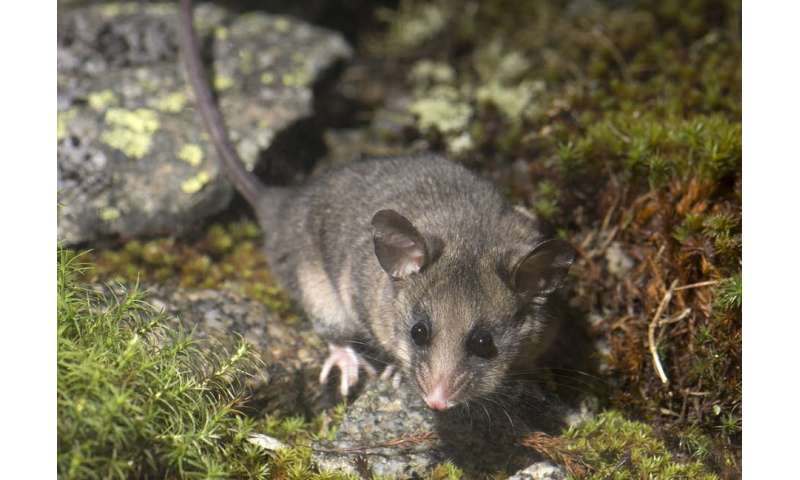
Even before the bushfires hit, we were working on supplementary  to help recover the critically endangered mountain pygmy-possum. They are seriously threatened by , historic habitat destruction and more frequent intense fires.
Just months ago we landed on a recipe for Bogong Bikkies, nutritionally suitable baked biscuits that have the consistency of an ANZAC biscuit, taste a bit like a nutty gym protein bar and smell a little like Cheds crackers.
We never imagined our work would be needed so quickly—or urgently—but now our Bogong Bikkies are being deployed across the boulder fields of NSW, providing vital supplementary food to native species such as pygmy-possums, native bush rats and dusky antechinus.
Hungry, hungry possums
Mountain pygmy-possums are the only Australian marsupial that hibernate every winter under snow, making it essential they build fat reserves before their long winter sleep. The main food source during their spring/summer breeding season is the migratory bogong moth.
However in 2017 and 2018 the billions of expected bogong moths largely failed to arrive, leaving many females underweight and unable to produce enough milk for their young. Due to a lack of food, 50-95% of females in monitored Victorian locations lost their entire litters.
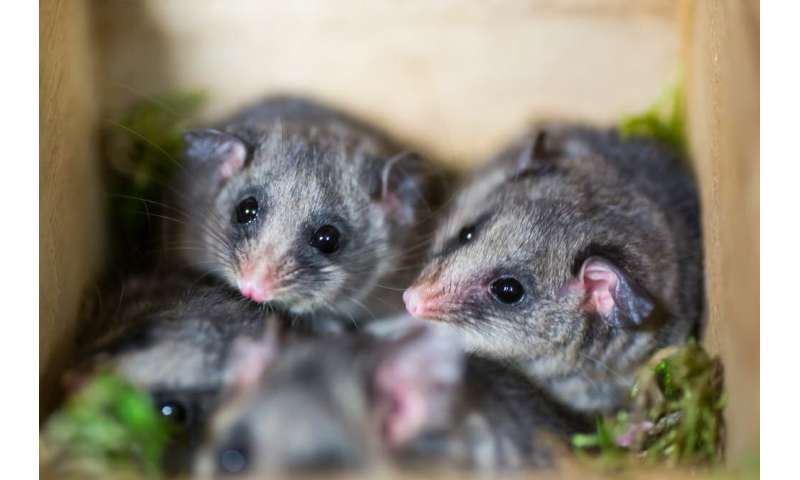
Looks like an ANZAC biscuit, tastes like a protein bar: Bogong Bikkies help mountain pygmy-possums after fire
Mountain Pygmy-possum mum and joeys. Credit: Tim Bawden/Zoos Victoria., Author provided
In response, Zoos Victoria's Healesville Sanctuary proposed creating a new supplementary food that could be used in the wild to support possums and their young until moth numbers recover.
Ten years ago, we analyzed bogong moths to determine the fats, proteins, carbohydrates, vitamins and minerals required for a suitable breeding diet for possums in our captive breeding program.
While we have a successful diet for the possums in our care that includes nuts, insects, vegetables and a specially developed "bogong moth substitute", the blend has the consistency of a soft caramel (or bogong moth abdomen) – not suitable for feeding in the wild. We needed a shelf-stable, long-lasting, nutritionally suitable food that could feed remote wild populations.
That's the way the cookie crumbles
Throughout 2019, using our existing analyses of bogong moths, we worked with world experts in veterinary nutrition to develop Bogong Bikkies—nutritionally suitable baked biscuits for mountain pygmy-possums, and other species that live alongside them. We collaborated with Australian wildlife diet experts, Wombaroo, to have our new product commercially developed.
We then trialled the bikkies with the possums in our care at Healesville Sanctuary, so we could monitor whether the food was palatable or caused any health issues. It was a huge success. The possums liked the food, but happily ate other food too. This was exactly what we wanted: something that was completely safe and would be readily accepted, but not chosen over natural food sources.
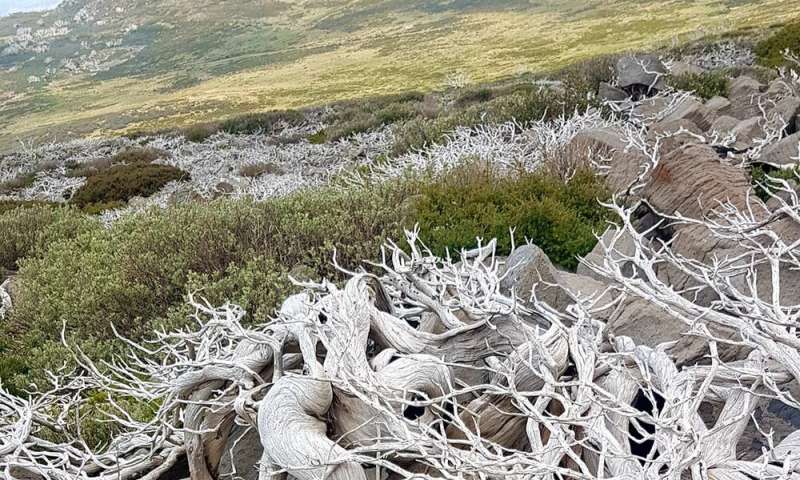
Looks like an ANZAC biscuit, tastes like a protein bar: Bogong Bikkies help mountain pygmy-possums after fire
A possum feeder in the wild. Credit: Zoos Victoria, Author provided
Once satisfied our captive trials were a success, we had to find the best way to deliver food safely to possums in boulder fields in the wild. This meant buying or making 12 different feeder prototypes. Our local hardware store knew us all by name! We tested four feeders, most of which were designed and built on-site, and chose the most successful three for trials in the wild.
Working with Parks Victoria and the Victorian Mountain Pygmy-possum Recovery Team, we tested these three feeders at 20 stations deep in the Alpine National Park, monitored with remote infrared cameras.
Over the last few months, Zoos Victoria and Parks Victoria staff have been refilling feeders, changing camera batteries and analysing hundreds of thousands of images and videos. After months of work, watching wild mountain pygmy-possums, native bush rats and dusky antechinus visiting our feeders and eating the food was a triumph.
A raging inferno
Halfway through our research, some of the worst bushfires ever seen in Australia left habitats destroyed and our precious wildlife dead or starving. Victoria mountain pygmy-possum populations have so far not been directly impacted by fires this season, but populations on northern Mount Kosciuszko, New South Wales, were hard hit.
While the habitat was destroyed, we hoped some possums had survived deep in the boulder fields, as they have with previous fires. But surviving the initial fire is no help, if their environment and food sources have been so devastated that they can't gain enough weight to hibernate before winter's snow.
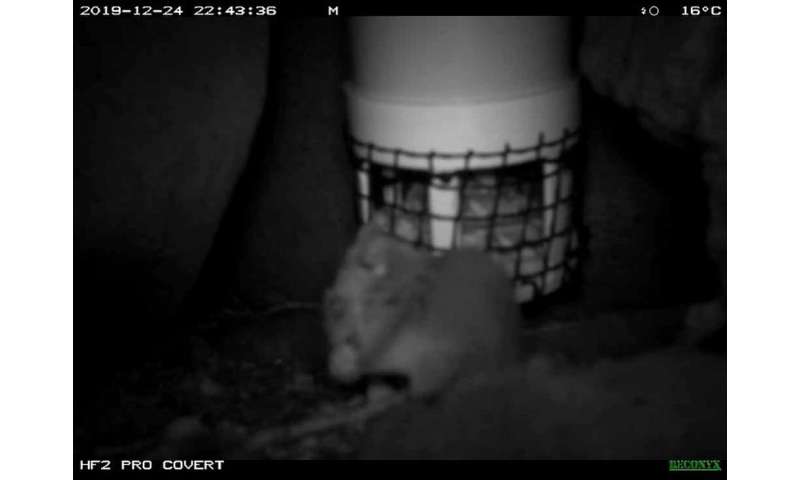
Looks like an ANZAC biscuit, tastes like a protein bar: Bogong Bikkies help mountain pygmy-possums after fire
An infrared image showing a wild mountain pygmy-possum eating a Bogong Bikkie from a feeder. Credit: Zoos Victoria, Author provided
Within days of the January fires, we had packaged up our most successful feeder type, examples of our cooked bikkies, our best recipe and 30kg of Bogong Bikkie mix, and rushed it urgently to our NSW partners.
Teams from the NSW government's Saving Our Species and NSW National Parks and Wildlife Service have now built and deployed 62 feeders and water stations in six boulder fields, baked batches of bikkies and started emergency feeding.
We're thankful to have the food developed and research ready to assist. It is important to note, though, that such supplementary feeding is very intensive, and only appropriate for  facing emergency situations, such as catastrophic fires.
If these bushfires teach us nothing else, it is the value of preparation, hard work and early funding to develop a range of conservation tools.
While we should all hope for the best, we must plan for the worst.


Using submarine cables to detect earthquakes

Using submarine cables to detect earthquakes
Credit: Vismar UK, Shutterstock
Installing seismic sensors on the ocean floor can be a difficult and expensive task. But what if seismic activity could be monitored by using something that's already down there – pre-existing submarine telecommunications cables? Partially supported by the EU-funded FINESSE project, an international team of geoscientists has used fiber optic communications cables at the bottom of the North Sea as a giant seismic network. The team tracked both earthquakes and ocean waves.
Their research was published in the journal Nature Communications. "We have presented and analyzed our observations of seismic and  on an ocean-bottom DAS [distributed acoustic sensing] array offshore Belgium, demonstrating that DAS arrays utilizing existing ocean-bottom fiber optic installations can offer high-value seismographic and oceanographic data products."
Quoted in a news release by the California Institute of Technology (Caltech), study lead author Ethan F. Williams says: "Fiber optic communications cables are growing more and more common on the sea floor. Rather than place a whole new device, we can tap into some of this fiber and start observing seismicity immediately."
DAS, the technique used by the researchers, was developed for energy exploration but was repurposed for seismology. It employs a photonic device that sends short pulses of laser light down the fiber optic . The Caltech news release states: "Tiny imperfections in the cable reflect back miniscule amounts of the light, allowing the imperfections to act as 'waypoints.' As a seismic wave jostles the fiber cable, the waypoints shift minutely in location, changing the travel time of the reflected light waves and thus allowing scientists to track the progression of the wave." The DAS instrument used in this study was built and operated by a team from FINESSE project participant University of Alcalá. "Seafloor DAS is a new frontier of geophysics that may bring orders-of-magnitude more submarine seismic data and a new understanding of the deep Earth's interior and major faults," says Zhongwen Zhan, assistant professor of geophysics and study co-author.
Transforming windfarms into a seismic network
Led by researchers from Caltech, the team employed a 40 000-m section of fiber optic cable that connects a North Sea wind farm to the shore, according to the same news release. "With the flip of a switch, we have an array of 4,000 sensors that would've cost millions to place," Williams says.
Williams adds that the fiber network could detect and record an earthquake of magnitude 8.2 near Fiji in August 2018, which "proves the ability of the technology to fill in some of the massive blind spots in the global seismic network," as noted in the news release.
The FINESSE (Fibre Nervous Sensing Systems) project that supported the study will run until September 2020. The project website states: "The objective behind FINESSE … is to mimic the nervous system of living bodies by turning man-made and natural structures into objects that are sensitive to external stimuli owing to advanced distributed fiber-optic sensor technology, with the objective to either give early warning in case of possible danger or occurrence of damage, or to optimize the operation of the structure to allow for a sustainable use of natural resources and assets."
Underwater telecom cables make superb seismic network

More information: FINESSE project website: http://itn-finesse.eu/ Ethan F. Williams et al. Distributed sensing of microseisms and teleseisms with submarine dark fibers, Nature Communications (2019). DOI: 10.1038/s41467-019-13262-7

Literature online: Research into reading habits almost in real time

reading
Credit: CC0 Public Domain
Young people make intensive use of digital networks to read, write and comment on literary texts. But their reading behavior varies considerably depending on whether the title is from the world of popular or classic literature, as revealed by a new study that takes the reading platform Wattpad as an example. This computer-aided analysis under the direction of the University of Basel was published in the journal PLOS ONE.
Time and time again, people complain that young people no longer read enough—with the habit of deeper reading, in particular, becoming lost. But this overlooks the fact that young people not only read printed books, but also use several different forms of media to read and write literature. Many teenagers turn to networks such as Goodreads, BücherTreff and LovelyBooks in order to read literature, discuss it with other readers and even write their own literature. This is termed "social reading."
The phenomenal scale of "social reading" is clear from the Wattpad platform, on which more than 80 million predominantly young people worldwide exchange some 100,000 stories in more than 50 languages every day. Fanfiction, in which fans write continuations of famous stories such as Harry Potter, is a particularly popular genre.
Computer-aided analysis
For the first time, a team of researchers from Switzerland and Italy have researched the use of the digital reading platform Wattpad in greater detail. Their research incorporated computer-aided techniques, such as network analysis and sentiment analysis, in order to detect patterns in reading behavior within the millions of datasets.
Using statistical techniques, the researchers analyzed which books young people around the world read and comment on, and also write themselves on platforms such as Wattpad. The analysis looked at reading preferences, the emotionality and intensity of comments made about books, the networking between young readers and the potential educational impact.
Passionate reading
This revealed how intensively  read not only youth literature—"teen fiction"—but also classic literature by, for example, Jane Austen or Hermann Hesse, commenting on individual sentences up to several hundred times and using the works as a model for stories of their own. It is also striking to see that the young readers are highly emotionally involved in this process.
Nevertheless, there are clear differences depending on whether a text is classified as popular  or belongs to the classical literary canon. For example, teen fiction is read and commented on much more frequently on Wattpad than classic works. The researchers also observed that readers often stop reading classic works after the first few chapters, whereas teen fiction manages to captivate readers over longer sections of the plot.
Another aspect that varied by genre was the degree of interchange between users: readers of teen fiction formed networks with strong social bonds, with frequent interaction. Among readers of the classics, on the other hand, the researchers identified a more cognitively oriented style of interaction, in which users helped one another to understand and interpret the works.
A new understanding of culture
"For the first time, we're able to analyze reading behavior almost in real ," says study leader Professor Gerhard Lauer, from the Digital Humanities Lab at the University of Basel. "Social media is ushering in a revolution in our understanding of culture. Platforms such as Wattpad, Spotify and Netflix enable culture to be understood in a density and accuracy that goes way beyond previous approaches in the humanities and social sciences."

More information: Federico Pianzola et al, Wattpad as a resource for literary studies. Quantitative and qualitative examples of the importance of digital social reading and readers' comments in the margins, PLOS ONE (2020). DOI: 10.1371/journal.pone.0226708

Wikipedia, a source of information on natural disasters biased towards rich countries

flood
Credit: CC0 Public Domain
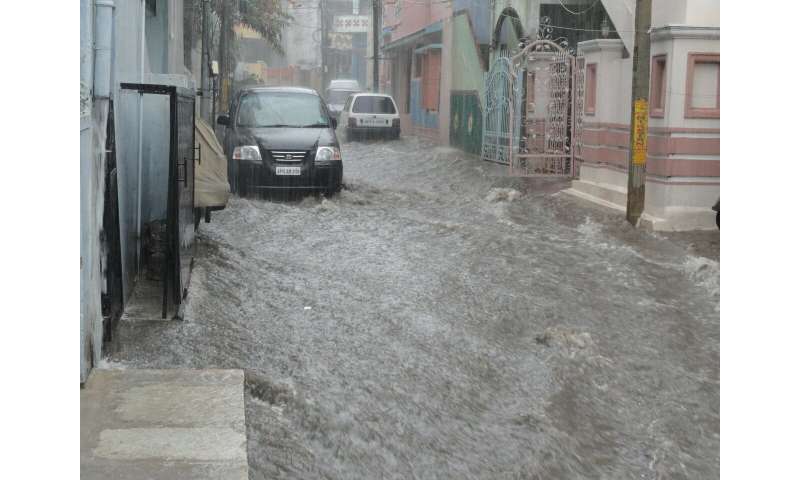
Floods are the natural disaster that cause the most damage each year throughout the world. Valerio Lorini (JRC-UPF), Javier Rando (UPF), Diego Saez-Trumper (Wikimedia), and Carlos Castillo (UPF) are the authors of a study they are to present at the 17th International Conference on Information Systems for Crisis Response and Management (ISCRAM 2020), Virginia Tech in Blacksburg, Virginia (USA), from 24 to 27 May, entitled: "Uneven Coverage of Natural Disasters in Wikipedia: the Case of Floods."
The study corresponds to a line of research led by Carlos Castillo, coordinator of the Web Science and Social Computing group (WSSC) at the Department of Information and Communication Technologies (DTIC), UPF, within the active collaboration it enjoys with the Joint Research Center (JRC), the body that advises the European Commission on scientific and technical issues. The principal investigator is Valerio Lorini (JRC-UPF), a student of the Ph.D. programme in ICT at UPF who is being supervised by Carlos Castillo, with Javier Rando, co-author and student of the UPF bachelor's degree in Mathematical Engineering in Data Science.
In the management of , access to unofficial data offers the opportunity to dispose of different information from that available through other means. It can also serve to detect bias in news content. "We believe that Wikipedia is a valuable, free source of information and that it could be beneficial to researchers working on reducing the risk of disasters if the biases are identified, measured and mitigated," Castillo asserts.
In their study, the authors focused on the English version of Wikipedia, which they considered by far the most complete version of this encyclopaedia. Wikipedia, an encyclopaedia that is produced collaboratively, contains detailed information on many natural and human disasters, especially when incidents result in a large number of casualties, and its editors are particularly adept at adding real-time information, as the crisis develops.
As a source of information related to natural disasters, the authors show that on Wikipedia, there is a greater tendency to cover events in  than in poor countries. By performing careful, large-scale analysis of automatic content, "we show how  coverage in Wikipedia leans towards wealthy, English-speaking countries, particularly the USA and Canada," they claim in their work. "We also note that the coverage of flooding in low-income countries and in countries in South America, is substantially less than the coverage of flooding in middle-income countries," they add.
For this research the authors estimated the coverage of floods in Wikipedia taking many variables into account:  (GDP), gross national income (GNI), geographical location, the number of English speakers, fatalities and various indices describing the country's level of vulnerability.
They have identified a set of reliable references about floods
With the support of hydrologists, one of the contributions of this work is a set of validated references from several independent organizations that collect data on floods for different purposes: insurers, government agencies, the UN, etc. They all collect data on flooding on a global scale and dispose of reliable databases to work with and compare.
Having identified the sources of information, the authors moved to the experimental phase of the study. Using 458 events that had been reliably described as floods, according to the records of two or three sources of reliable data: Europe's Floodlist; the United Nations' Emergency Events Database (EM-DAT), and the Dartmouth Flood Observatory (DFO) of the University of California (USA), the authors compared these data with the entries in Wikipedia to locate these events and see if they were consistent or not with the data sources contrasted in terms of location and time references.
"The results of our analysis are consistent over several dimensions, and draw a box where Wikipedia coverage is biased towards some countries, particularly the most industrialized and where large settlements are English speaking, and at the expense of other countries, particularly lower income, more vulnerable ones," the authors suggest.
The results show that the tools that use data from social networks or collaborative platforms should be carefully evaluated to avoid bias, and that Wikipedia editors must make a greater effort to cover  suffered by the neediest countries. These results correspond only to one possible type of natural disaster, floods, but other types of events could also be considered for study.

AMAZON RAINFOREST

Secondary forests provide deforestation buffer for old-growth primary forests

Secondary forests provide deforestation buffer for old-growth primary forests
Secondary forest conservation, July, 2014 in São Félix do Xingu. Credit: Nelton Cavalcante da Luz & Douglas Rafael Moraes Vidal
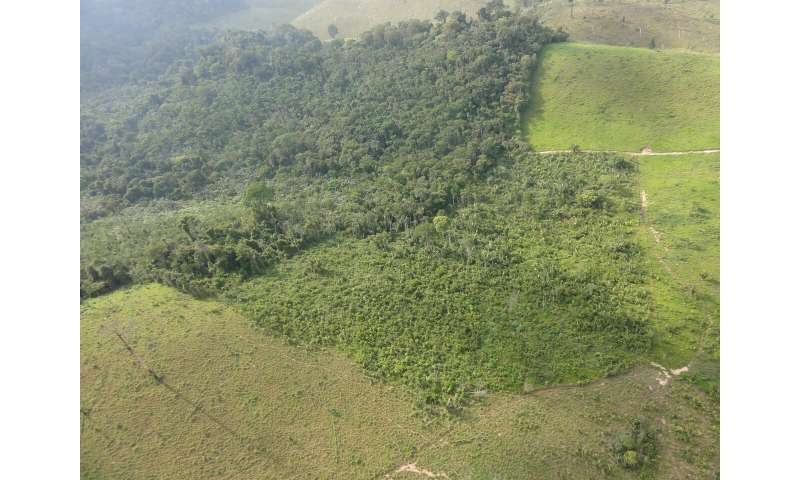
Currently, re-growing forests comprise roughly 21% of previously deforested areas in the Brazilian Amazon. However, these forests, referred to as secondary vegetation, have been little studied, despite occupying a total area similar to that of the United Kingdom.
Now, researchers led by the University of Leeds, the Brazilian National Institute for Space Research (INPE), and Brazilian Agricultural Research Corporation (EMBRAPA) have examined 14 years of data on secondary vegetation formation and cutting in the Brazilian Amazon based on the TerraClass Amazon mapping project.
Their study, published in Nature Sustainability, has found that  account for an increasing proportion of overall forest loss in the Brazilian Amazon, rising from 32% of total deforestation in 2000 to 72% in 2014.
However, while secondary forest cutting has increased in recent years, deforestation of old-growth primary forests in the Brazilian Amazon remained stable. This suggests that secondary forest loss has eased deforestation pressure on primary forests and their irreplaceable biodiversity and carbon storage.
Study lead author Yunxia Wang, from the School of Geography said: "There in an ongoing demand for new pasture and agricultural land in Brazil. Our study shows that this demand has increasingly been met by secondary forests, providing a buffer that has stalled deforestation of primary forests.
"But the strength of this buffer depends on the area of secondary forest available. The limited legal protection means that secondary forest loss is largely unregulated.
"Not only would easing the strain on secondary forests help Brazil meet climate change targets, as they accumulate carbon very rapidly, but future  would likely lead to increased loss of primary forests once easily accessible secondary forests are diminished."
Brazil has committed to restore 120,000 km2 of forest land by 2030 as part of its Nationally Determined Contribution for the Paris Agreement. The authors suggest that a cost-effective way to do this would be to allow part of its existing Amazonian secondary  area to recover naturally.
Study co-author Dr. David Galbraith, Associate Professor in Earth System Dynamics at Leeds said: "Managing this ecosystem sustainably to maximize the conservation value of these forests, while not intensifying pressure on , requires an integrated strategy that includes active monitoring of secondary forests in Amazonia and strengthening of their governance in Brazilian law."
Amazon forest regrowth much slower than previously thought

More information: Yunxia Wang et al. Upturn in secondary forest clearing buffers primary forest loss in the Brazilian Amazon, Nature Sustainability (2020). DOI: 10.1038/s41893-019-0470-4

How some of Earth's most breathtaking landscapes are created by glaciers

Here's how some of Earth's most breathtaking landscapes are created by glaciers
Credit: Shutterstock/Guitar photographer
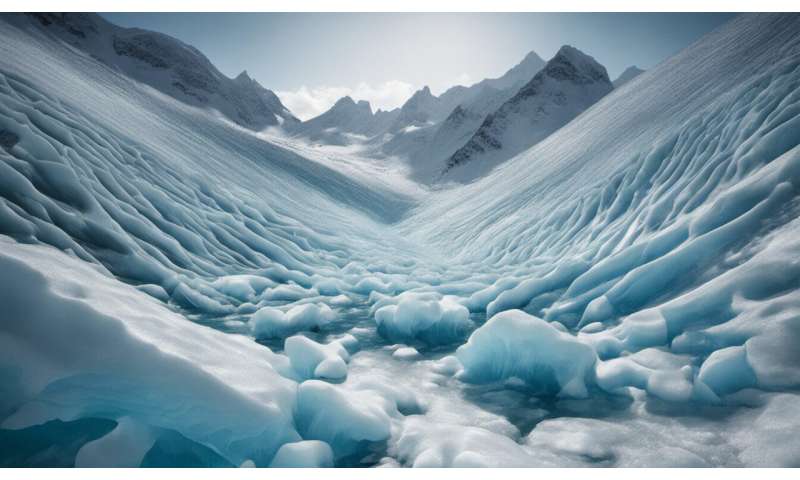
Glaciers have carved some of Earth's most beautiful landscapes by steepening and deepening valleys through erosion. Think of the Scottish Highlands, Yosemite National Park in the US, or the Norwegian Fjords. But big questions remain about how glacial erosion works.
A problem for scientists seeking to understand how glaciers affect the landscape is that the processes of glacial  are very complex and not fully understood. For the most part that's because these processes occur under tens, hundreds or even thousands of meters of ice—we simply can't observe them.
One mystery is why glaciers erode at different rates. Some glaciers are only able to strip away a hair's breadth of bedrock each year. Others cut down several centimeters per year, producing huge amounts of sediment that are washed into meltwater streams, lakes or the sea.
Knowing what controls glacial erosion is important because it helps us manage human activity in environments with active glaciers. For example, hydropower schemes can become silted up by the sediment that is spat out of glaciers into meltwater streams. Equally, the safe burial of radioactive waste in countries like Finland, Sweden and Switzerland must consider the possibility that glaciers could grow in the future and dig out any such waste.
On geological timescales, glacial erosion even influences climate because the tiny bits of ground-up rock that are generated by glaciers are more susceptible to chemical weathering. Chemical reactions between the glacial sediment and the air remove CO₂ from the atmosphere, which leads to cooling.
Glacier speed
Our latest research shows that the speed at which glaciers move, and the climate in which glaciers exist, control how quickly they cut downward into bedrock. We often talk about things moving at a glacial pace if they are slow, but actually glaciers can be relatively fast. Some, such as Meserve Glacier in Antarctica, will barely move at all each year, but others, like Jakobshavn Isbrae in Greenland, will move as much as 40m a day.
This huge variability in velocity can explain huge differences in erosion. This makes sense—the faster the glacier moves, the more it drags particles over the bedrock below, wearing and tearing it away. But until now there's been very little evidence to back this up.
Here's how some of Earth's most breathtaking landscapes are created by glaciers
Glen Coe, Scotland, a landscape carved by glacial erosion. Author provided
Our study has provided that evidence, showing a strong correlation between sliding velocity and erosion rate for many glaciers. This indicates that velocity is a good predictor of how much erosion a glacier can cause.
But then there's a bigger question of whether there is something even more fundamental that controls glacier speed and erosion.
Recent research suggested that temperature was that underlying factor. Some glaciers (such as in Iceland or Alaska) are actually pretty warm, with temperatures hovering around the freezing/melting point. Others (say, in Antarctica) may have temperatures several tens of degrees below freezing. If a glacier is frozen to the bedrock then it won't slide anywhere and can't cause much erosion. Conversely, if it can slide freely over the rock then it will cause lots of erosion.
The role of climate
Until now, nobody had looked at the other really important aspect of climate—precipitation—and its influence on erosion. We gathered information from glaciers all round the world and showed that the most erosive glaciers are those that are in relatively warm climates with lots of snowfall such as Alaska. Glaciers in  with hardly any snowfall, such as Antarctica, cause very little erosion.
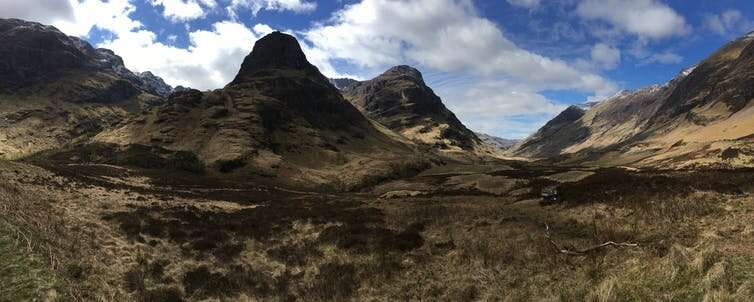
This link between climate and  has long-lasting effects. Take Scotland—a country with spectacular, but contrasting, landscapes that have been carved by multiple ice sheets and glaciers over the past two million years. In the west are the Scottish Highlands with deep and broad glacier-carved valleys, such as Glen Coe. In the east, there are the Cairngorms, with a broad, high-altitude plateau exhibiting less erosion. The glaciers that sculpted these landscapes probably experienced different climates.
Today, the west of Scotland is wetter because most of the UK's weather systems come in from the west. In the east, it's much drier (and sunnier). At times of glaciation, the glaciers in the west may have experienced a milder climate and higher rates of snowfall. So these glaciers were more dynamic, faster, and were able to cut the beautiful valleys that we see today.
In the Cairngorms, it would have been much colder and drier, so the ice cover was less able to cut deep valleys. In many ways, Scotland owes its beauty to , variable  and erosion.
Scientists find formula for rate of glacial erosion

Researchers study elephants' unique interactions with their dead

elephant
Credit: CC0 Public Domain
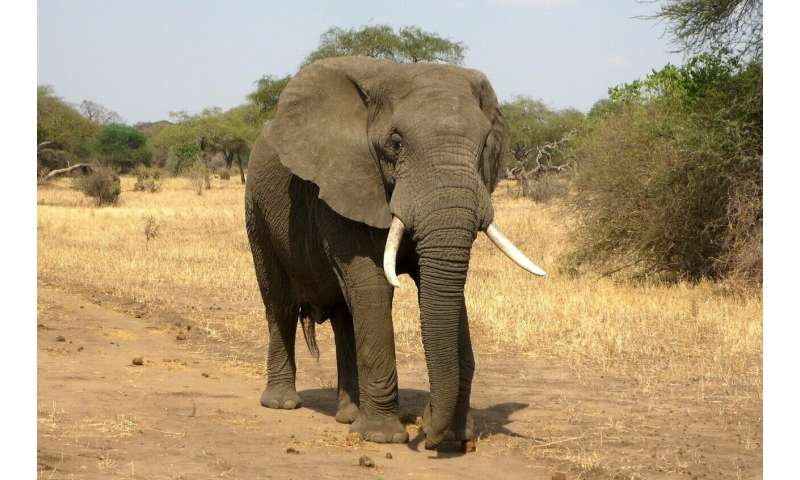
Stories of unique and sentient interactions between elephants and their dead are a familiar part of the species' lore, but a comprehensive study of these interactions has been lacking—until now. A recent review of documented field observations of elephants at carcasses reveals patterns of elephants' behavior toward their dead, regardless of the strength of former relationships with the deceased individual.
The findings, published in the journal Primates, indicate that  exhibit a generalized interest in their dead, even after bodies have long decayed—and even if the elephants studied were not closely bonded to the dead individual. The most common behaviors observed were approaching the dead, touching and examining the . Elephants also appeared to use their advanced sense of smell to identify dead individuals, and they were observed vocalizing and attempting to lift or pull fallen elephants that had just died.
The research was led by Shifra Goldenberg, Ph.D., from the San Diego Zoo Institute for Conservation Research and the Smithsonian Conservation Biology Institute, and George Wittemyer, Ph.D., from Save the Elephants and the Department of Fish, Wildlife and Conservation Biology at Colorado State University. The project was funded by Save the Elephants, the National Science Foundation and Colorado State University.
The study consisted of a literature review of 32 original observations of wild elephant carcasses from 12 distinct sources across Africa. Despite variability across sources in methodology, some trends were apparent.
"The most commonly recorded  of elephants towards their dead included touching, approaching the dead animal and investigating the carcass," said Goldenberg. "The motivations underlying observed behaviors are hard to know, but clearly varied across circumstances and individuals. For example, some elephants made repeated visits to a carcass, and it's possible that temporal gland streaming by a young female at the site of her mother's carcass is associated with heightened emotion."
Elephants form lasting relationships over decades, and individuals maintain different types of relationships across populations. They live in socially complex, fission-fusion societies, in which social groups divide and merge over time. These  necessitate recognizing and remembering a wide range of individuals in their species. Not surprisingly, elephants have demonstrated notable cognitive abilities, extensive memory and highly sophisticated olfaction.
"Witnessing elephants interact with their dead sends chills up one's spine, as the behavior so clearly indicates advanced feeling," said Wittemyer. "This is one of the many magnificent aspects of elephants that we have observed, but cannot fully comprehend." When greeting each other after separation, elephants engage in prolonged olfactory and tactile investigation, suggesting that they're constantly updating social and spatial information. It is possible that elephant behavior toward a carcass serves the same purpose as who an elephant interacts with and has important implications in an individual's survival.
The researchers said they hope future studies will be performed to better understand elephant memory and further explore the possibility of grief and emotion in elephants' responses to death.
African elephants demonstrate movements that vary in response to ecological change

More information: Shifra Z. Goldenberg et al, Elephant behavior toward the dead: A review and insights from field observations, Primates (2019). DOI: 10.1007/s10329-019-00766-5

Rejuvenate Bio launches to help dogs live longer, healthier lives

The Wyss Institute for Biologically Inspired Engineering at Harvard University announced today that Rejuvenate Bio has secured an exclusive worldwide license from the Harvard Office of Technology Development to commercialize a gene therapy technology developed at the Wyss Institute and Harvard Medical School (HMS) to prevent and treat several age-related diseases in dogs, extending their overall healthspan. The announcement follows the publication in PNAS of a study led by Harvard researchers detailing the technology's efficacy in mitigating obesity, type II diabetes, heart failure, and renal failure in mice.
"We are very excited to translate our winning gene therapy work from mice to dogs, where there is a dearth of treatment options to combat age-related diseases," said Daniel Oliver, CEO and co-founder of Rejuvenate Bio, who was formerly an Entrepreneur-in-Residence (EIR) at the Wyss Institute and a Blavatnik Fellow at Harvard Business School, and is a co-author of the PNAS publication.
Rejuvenate Bio has secured funding from the Department of Defense's Small Business Innovation Research program, as well as seed funding from investors and a grant from the American Cavalier King Charles Spaniel Club. With this support, the company has launched a pilot study testing its technology's efficacy in halting mitral valve disease, which strikes the majority of Cavalier King Charles Spaniels by age eight and causes heart failure. Following demonstration of efficacy, they hope to expand their treatment to all dog breeds, as more than 7 million dogs in the US suffer from mitral valve disease.
"We are very passionate about and focused on dogs' health, because so many dog owners around the world have to helplessly watch their beloved pets' quality of life deteriorate as they age," said co-author Noah Davidsohn, Ph.D., who is a co-founder and Chief Technology Officer of Rejuvenate Bio and a former Research Scientist at the Wyss Institute and HMS. "We want to get rid of the morbidities associated with aging, so dogs can be as happy and healthy as possible throughout their lives."
Pull quote: "Science hasn't yet found a way to make complex animals like dogs live forever, so the next best thing we can do is find a way to maintain health for as long as possible during the ." George Church
Rejuvenate Bio's technology originated in the lab of co-founder George Church, Ph.D., as part of Davidsohn's postdoctoral research into the genetics of aging. Church is the Robert Winthrop Professor of Genetics in the Blavatnik Institute at HMS and a Core Faculty member of the Wyss Institute. Davidsohn, Church, and their co-authors hypothesized that providing three longevity-associated  (FGF21, sTGF?R2, and ?Klotho) to mice via a combination gene therapy would combat  and confer health benefits. Those three genes have previously been shown to impart increased health and lifespan benefits in mice that were genetically engineered to overexpress them, and the team's goal was to produce the same outcome in non-engineered animals. They created separate gene therapy delivery vehicles for each gene using a serotype of adeno-associated virus (AAV8), and then injected the AAV constructs into mouse models of obesity, type II diabetes, heart failure, and renal failure to see if there was a beneficial effect.


Rejuvenate Bio launches to help dogs live longer, healthier lives

The Wyss Institute for Biologically Inspired Engineering at Harvard University announced today that Rejuvenate Bio has secured an exclusive worldwide license from the Harvard Office of Technology Development to commercialize a gene therapy technology developed at the Wyss Institute and Harvard Medical School (HMS) to prevent and treat several age-related diseases in dogs, extending their overall healthspan. The announcement follows the publication in PNAS of a study led by Harvard researchers detailing the technology's efficacy in mitigating obesity, type II diabetes, heart failure, and renal failure in mice.
"We are very excited to translate our winning gene therapy work from mice to dogs, where there is a dearth of treatment options to combat age-related diseases," said Daniel Oliver, CEO and co-founder of Rejuvenate Bio, who was formerly an Entrepreneur-in-Residence (EIR) at the Wyss Institute and a Blavatnik Fellow at Harvard Business School, and is a co-author of the PNAS publication.
Rejuvenate Bio has secured funding from the Department of Defense's Small Business Innovation Research program, as well as seed funding from investors and a grant from the American Cavalier King Charles Spaniel Club. With this support, the company has launched a pilot study testing its technology's efficacy in halting mitral valve disease, which strikes the majority of Cavalier King Charles Spaniels by age eight and causes heart failure. Following demonstration of efficacy, they hope to expand their treatment to all dog breeds, as more than 7 million dogs in the US suffer from mitral valve disease.
"We are very passionate about and focused on dogs' health, because so many dog owners around the world have to helplessly watch their beloved pets' quality of life deteriorate as they age," said co-author Noah Davidsohn, Ph.D., who is a co-founder and Chief Technology Officer of Rejuvenate Bio and a former Research Scientist at the Wyss Institute and HMS. "We want to get rid of the morbidities associated with aging, so dogs can be as happy and healthy as possible throughout their lives."
Pull quote: "Science hasn't yet found a way to make complex animals like dogs live forever, so the next best thing we can do is find a way to maintain health for as long as possible during the ." George Church
Rejuvenate Bio's technology originated in the lab of co-founder George Church, Ph.D., as part of Davidsohn's postdoctoral research into the genetics of aging. Church is the Robert Winthrop Professor of Genetics in the Blavatnik Institute at HMS and a Core Faculty member of the Wyss Institute. Davidsohn, Church, and their co-authors hypothesized that providing three longevity-associated  (FGF21, sTGF?R2, and ?Klotho) to mice via a combination gene therapy would combat  and confer health benefits. Those three genes have previously been shown to impart increased health and lifespan benefits in mice that were genetically engineered to overexpress them, and the team's goal was to produce the same outcome in non-engineered animals. They created separate gene therapy delivery vehicles for each gene using a serotype of adeno-associated virus (AAV8), and then injected the AAV constructs into mouse models of obesity, type II diabetes, heart failure, and renal failure to see if there was a beneficial effect.
FGF21 alone caused complete reversal of weight gain and type II diabetes in obese, diabetic mice following a single gene therapy administration, and its combination with sTGF?R2 also reduced kidney atrophy by 75% in mice with renal fibrosis. The gene sTGF?R2 alone and in combination with either of the other two gene therapies improved the heart function of mice with heart failure, showing that co-administration of FGF21 and sTGF?R2 could successfully treat all four age-related conditions, thereby improving health and survival.
Importantly, the injected genes remain separate from the animals' genomes, do not modify their natural DNA, and cannot be passed to future generations or between living animals.
"Since the treatment works to suppress fibrotic processes, we believe it could also be applied to other heart diseases such as dilated cardiomyopathy, which eventually leads to congestive  and/or sudden death in affected dogs," said Davidsohn. "We are hopeful that our pilot study will allow us to move toward an animal drug trial with the FDA, which generally takes about three years to complete."
The first gene therapies for humans have been approved by the FDA in recent years, including Spark Therapeutics' Luxturna® for inherited retinal disease and Novartis' Zolgensma® for pediatric spinal muscular atrophy, but these treatments target relatively rare diseases. If Rejuvenate's therapy proves to be both safe and effective in dogs, it could pave the way for similar treatments for common, age-related illnesses in humans.
"Science hasn't yet found a way to make  like dogs live forever, so the next best thing we can do is find a way to maintain health for as long as possible during the aging process," said Church.
"The Wyss Institute is extremely proud of the Rejuvenate team for reaching this milestone on the path to commercialization of a truly novel technology, and we are excited to follow the rest of their journey from the lab to the clinic," said Donald Ingber, M.D., Ph.D., who is the Wyss Institute's Founding Director as well as the Judah Folkman Professor of Vascular Biology at HMS and Boston Children's Hospital, and Professor of Bioengineering at the Harvard John A. Paulson School of Engineering and Applied Sciences (SEAS).
Combination gene therapy treats multiple age-related diseases

Water-conducting membrane allows carbon dioxide to transform into fuel more efficiently

carbon dioxide
Credit: CC0 Public Domain
Methanol is a versatile and efficient chemical used as fuel in the production of countless products. Carbon dioxide (CO2), on the other hand, is a greenhouse gas that is the unwanted byproduct of many industrial processes.
Converting CO2 to methanol is one way to put CO2 to good use. In research published today in Science,  from Rensselaer Polytechnic Institute demonstrated how to make that conversion process from CO2 to methanol more efficient by using a highly effective separation membrane they produced. This breakthrough, the researchers said, could improve a number of industry processes that depend on  where water is a byproduct.
For example, the chemical reaction responsible for the transformation of CO2 into methanol also produces water, which severely restricts the continued reaction. The Rensselaer team set out to find a way to filter out the water as the reaction is happening, without losing other essential gas molecules.
The researchers assembled a membrane made up of sodium ions and zeolite crystals that was able to carefully and quickly permeate water through small pores—known as water-conduction nanochannels—without losing gas molecules.
"The sodium can actually regulate, or tune, gas permeation," said Miao Yu, an endowed chair professor of chemical and biological engineering and a member of the Center for Biotechnology and Interdisciplinary Studies (CBIS) at Rensselaer, who led this research. "It's like the  are standing at the gate and only allow water to go through. When the  comes in, the ions will block the gas."
In the past, Yu said, this type of membrane was susceptible to defects that would allow other gas molecules to leak out. His team developed a new strategy to optimize the assembly of the crystals, which eliminated those defects.
When water was effectively removed from the process, Yu said, the team found that the chemical reaction was able to happen very quickly.
"When we can remove the water, the equilibrium shifts, which means more CO2 will be converted and more methanol will be produced," said Huazheng Li, a postdoctoral researcher at Rensselaer and first author on the paper.
"This research is a prime example of the significant contributions Professor Yu and his team are making to address interdisciplinary challenges in the area of water, energy, and the environment," said Deepak Vashishth, director of CBIS. "Development and deployment of such tailored membranes by Professor Yu's group promise to be highly effective and practical."
The team is now working to develop a scalable process and a startup company that would allow this membrane to be used commercially to produce high purity methanol.
Yu said this membrane could also be used to improve a number of other reactions.
"In industry there are so many reactions limited by ," Yu said. "This is the only  that can work highly efficiently under the harsh reaction conditions."
Scientists create 'artificial leaf' that turns carbon into fuel

Study shows restrictions on wood burning in Utah dramatically improve air quality DUH  OH

wood burning
Credit: CC0 Public Domain
A new University of Utah study on the impact of wood burning stoves and fireplaces along Utah's Wasatch Front proves that 20-year-old restrictions have had a tremendous impact on the state's air quality.
"This study is showing a reduction in the contributions of wood burning by a factor of four or five," says University of Utah chemical engineering assistant professor Kerry E. Kelly, who heads the study. "Of the strategies people are looking at to reduce , this is a pretty effective one."
The study led by the U's College of Engineering was conducted by Kelly, chemical engineering research associate Cristina Jaramillo, as well as researchers from the Utah Division of Air Quality and the Pacific Northwest office of the U.S. Environmental Protection Agency (EPA).
According to the EPA, smoke from burning wood creates tiny particulate matter known as PM 2.5 that can get trapped in the lungs and eyes and trigger asthma attacks, even heart attacks, stroke, and heart failure in people at risk for these conditions. The elderly and children with respiratory conditions are more susceptible to the dangers of bad air quality.
Beginning in 1999, restrictions on wood burning were placed in Salt Lake County and parts of Davis and Utah counties. Over time, limits were also placed in Cache County and parts of Weber, Box Elder and Tooele counties. In all of these areas, the main restriction involves banning wood burning during days of inversion, when atmospheric conditions trap air pollution in the valley. Between November 1 and March 1, residents in these counties are prohibited from using wood fireplaces and stoves, pellet stoves and coal-burning stoves on "no-burn" days, when fine particulate matter builds up to unhealthy levels during winter inversions.
The U study looked at  from 2007 to 2017 at three air quality monitoring stations in Salt Lake City, Lindon and Bountiful. The research showed dramatic reductions at all three stations over the 10-year period, specifically from wood burning, as the restrictions were put in place and residents became more educated about the issue.
Researchers analyzed the combination of elements in the filters at these stations such as metals, nitrate, sulphate, and certain organic material. This data could reveal the origins of PM 2.5 and therefore when the air quality worsened due to wood burning. The analysis also considered the atmospheric conditions at the time the readings were taken, such as whether there was an inversion that day that made the air quality worse.
The results of the study are encouraging, Kelly says, proving that such restrictions can be an effective way of improving air quality, particularly in a valley similar to the Wasatch Front where surrounding mountains act like a bowl to trap bad air.
"More people are aware of these restrictions and are following them, and it's reducing community-level exposure to air pollution," she says. "It can benefit all of us because it's a cost-effective way to reduce pollution. And it's a nice example where research from the U helped influence policy in a positive way. It's important to make data-driven decisions about air quality."
Kelly wants to present the findings to various air quality boards and other policy makers to show their decisions are working. Consequently, other important steps can be considered to help clean the air along the Wasatch Front, such as building more natural-gas fireplaces in new homes and converting -burning fireplaces in older homes.
"There has been a lot more  on public health and air quality, and as a result people are following the bans," she says. "So there may be more incremental opportunities out there that we can take. As the population continues to grow, we're going to have to stay on top of the issue of ."
Indoor wood-burning can affect air quality