Saturday, November 19, 2022

Canada's slumping housing market weighs on Home Capital's loans

Despite the market turmoil, Home Capital’s borrowers have continued to make payments on their mortgages. 


Kevin Orland, Bloomberg News
Nov 8, 2022

The Close Not shopping around for a better mortgage rate is a mistake: John Shmuel

John Shmuel, managing editor at RATESDOTCA, joins BNN Bloomberg to talk how many Canadians are concerned about renewing their mortgage in the current interest rate environment. He says some Canadians are saying they have no choice but to take on debt or use their line of credit to make rising monthly payments.

The tumult in Canada’s housing market is starting to take its toll on lenders, with Home Capital Group Inc. reporting a plunge in third-quarter originations.

Home Capital, which lends largely to borrowers considered somewhat riskier than prime customers, said Tuesday that single-family mortgage originations plummeted 28 per cent from a year earlier. The lender’s so-called Alt-A borrowers include self-employed workers or those who are new to Canada and don’t have extensive credit histories. Total mortgage originations fell 23 per cent to $1.85 billion (US$1.38 billion), missing the $2.5 billion estimate of Royal Bank of Canada analyst Geoffrey Kwan. Sign up to get breaking news email alerts sent directly to your inbox

Sales activity in Canada’s housing market has slowed, with transactions down 32 per cent in September from a year earlier, as the Bank of Canada’s aggressive rate-hiking campaign ratchets up mortgage costs. Prices have fallen for seven straight months, and are down almost 9 per cent from their peak.



The market spiral had yet to make its way to lenders’ results, with Canada’s biggest banks all reporting growth in their mortgage books in their most recent earnings. Home Capital’s results provide a window into a segment of borrowers who are considered riskier than those the big banks typically take on, and therefore pay more to borrow.

“The housing market is currently in a period of transition as buyers and sellers adjust to a higher-interest-rate environment,” Home Capital Chief Executive Officer Yousry Bissada said in a statement, adding that the Toronto-based company expects “softer market conditions to persist in the near term.”

The drop in originations contributed to Home Capital’s net income falling 43 per cent to $31 million, or 77 cents a share. Excluding some items, profit was 95 cents a share, matching analysts’ estimates.

Home Capital’s shares fell 4.8 per cent to $25.23 at 10:32 a.m. in Toronto, bringing their decline this year to 35 per cent. That’s the fourth-worst performance in the 29-company S&P/TSX Financials Index.

Despite the market turmoil, Home Capital’s borrowers have continued to make payments on their mortgages. Net non-performing loans accounted for 0.16 per cent of gross loans last quarter. That compares with 0.15 per cent a year earlier and 0.47 per cent in the same period in 2020.
Scientists dig for answers inside mineral-rich meteorites

Staff Writer | November 13, 2022 | 

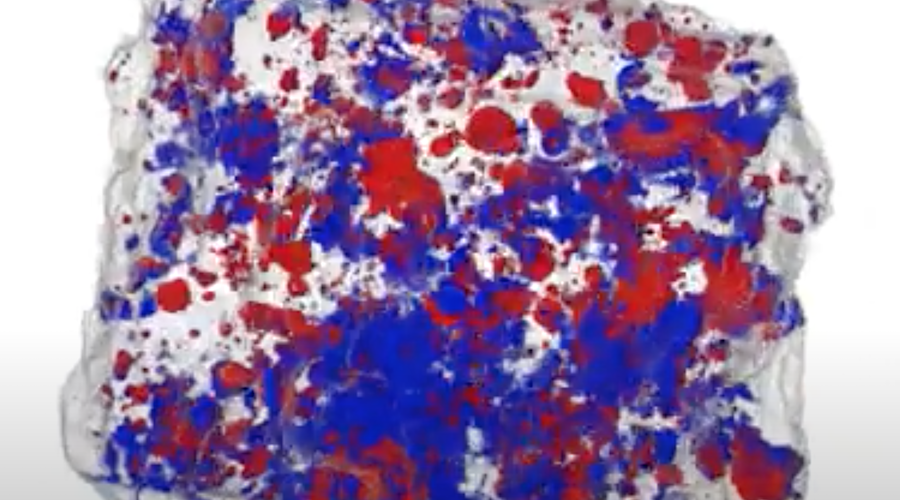
Meteorite GRA 06100 depicts overlay of X-ray and neutron imaging. Red denotes iron-rich compounds; blue denotes hydrogenated compounds, including water. 
(Image courtesy of the National Institute of Standards and Technology).

US-based researchers have combined two complementary techniques—X-ray imaging and neutron imaging—to peer inside crevices and mineral-rich deposits inside meteorites.


The goal is to analyze the minerals, metals and water the rocky bodies deliver to our planet and, thus, uncover new clues on the early history of planet formation and how the young earth acquired the ingredients essential for life.

According to the scientists, neutron imaging is ideal for searching for water and other hydrogen-bearing compounds because neutrons readily ricochet off hydrogen. In contrast, X-ray imaging is best for finding deposits of heavy elements, such as iron and nickel, because X-rays are primarily scattered by the large number of electrons in heavy-weight atoms.

Neither imaging technique significantly harms or alters meteorites, unlike other methods of analyzing the chemical composition of the rocks, which require cutting thin slices of the meteorites. Although each imaging method has been used separately in the past, the team is among the first to use the two techniques simultaneously to create X-ray and neutron-beam snapshots.

In the pilot study, the group examined two meteorites whose mineral and water contents were already well known so that they could assess the accuracy of the combined imaging methods. One of the rocks, dubbed EET 87503, is a fragment from the surface of the large asteroid Vesta but also contains material from a different, water-rich variety of asteroid.


Movie of the meteorite EET 87503 depicts overlay of X-ray and neutron imaging. Purple and orange denote two different classes of iron-rich minerals; green denotes minerals that contain water in their structure.
(Video courtesy of NIST).

The other meteorite, GRA 06100, rich in iron and nickel, is classified as a chondrite—a rock that has not been altered by melting or other processes since the early days of the solar system. It also has a significant amount of hydrogen-bearing silicates formed by past exposure to water.

To create three-dimensional views of the meteorites, the researchers used the X-ray and neutron beams to image cross-sections of the rocks. Individual images of different cross sections were then combined to create a 3D image, a technique known as tomography, or CT scan.

The imaging methods accurately revealed the locations of metal-rich minerals, silicate minerals, water and other hydrogenated compounds in the two meteorites. Neutron imaging pinpointed and characterized the chondrite grains within GRA 06100, which could then be extracted for further study. The 3D imaging can test theories of how water entered the rock and what pathway the liquid took to alter the composition of minerals and become bound in the sample.

Although water accounts for 70% of earth’s surface, exactly how the substance arrived on our planet remains the subject of a longstanding debate. Some planetary scientists suggest that meteorites and comets—icy relics from the frigid, outer solar system—delivered the water, along with the building blocks of proteins essential for life, after our planet’s core had formed. Others suggest that earth acquired the water during its formation 4.5 billion years ago from bits of gas and dust that swaddled the infant sun and fused together to form our planet.

Water comes in two forms: ordinary water, consisting of hydrogen and oxygen, and heavy water, consisting of deuterium (hydrogen with an added neutron) and oxygen. One way to determine if meteorites were a primary source of terrestrial water is to compare the relative abundance of these two types in the rocks to the relative abundance of the water on and beneath the earth’s surface. Planetary scientists have measured the abundance in some meteorites but need to examine a larger number.

The neutron and X-ray images can assist in these studies. By pinpointing the location of mineral, metal and water deposits locked inside meteorites, the images could guide researchers on how to best slice sections of the rocks so they can measure these abundances as well as the composition of other compounds.

Following this initial trial, the team now plans to use its dual imaging technique to study less familiar meteorites so that their water and mineral content can be mapped in detail for the first time.
South African efforts to clear coal railway derailment disrupted by violence
Bloomberg News | November 13, 2022 | 

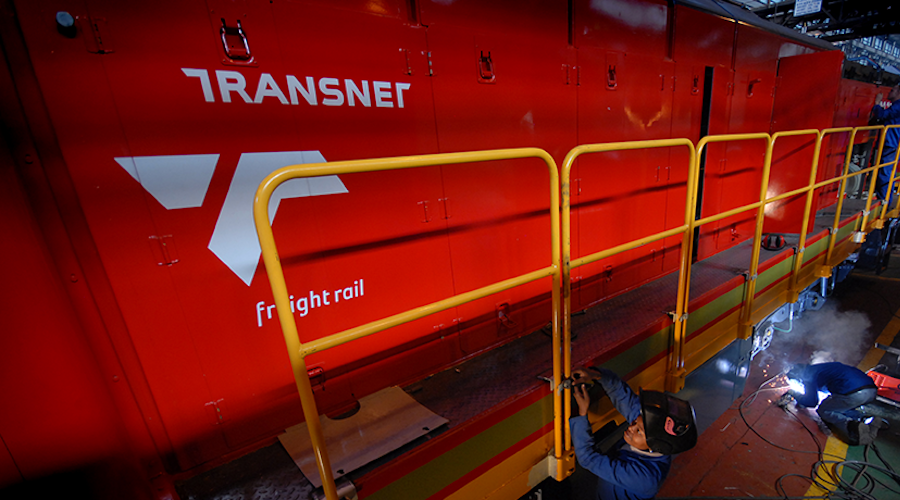
Transnet train. (Reference image by Transnet SOC).

South Africa’s Transnet SOC Ltd. said extortion and violent acts significantly disrupted efforts to clear a train derailment on a coal export line as the country increasingly sends more of the fuel to Europe.


The state-owned company has declared force majeure on the North Corridor route that runs to the Richards Bay Coal Terminal. After the derailment occurred on Nov. 8, the company planned to meet with community leaders to diffuse tensions with what it described as disgruntled parties seeking business opportunities.

Instead, a group known as the Ulundi Business Forum demanded contracts, the company said in a statement late Friday. “Transnet rejected this demand and the Forum resorted to violence, which included assault, blocking access roads and the discharging of a firearm,” it said. “Transnet condemns these acts and will be laying charges of violence, tampering with essential infrastructure and extortion.”

Work has since resumed and once the line is cleared a determination can be made over the return of normal operations, the company said in an emailed update on Saturday.

The incident marks another obstacle for Transnet and South African coal miners who depend on the line. The company declared force majeure due to a wage strike last month as well as events including riots in the KwaZulu-Natal province in July 2021, a cyber attack that incapacitated its container terminal, and a fire that disrupted bulk shipments.

Coal exports to Europe from a consortium of producers that own the Richards Bay Coal Terminal rose eight-fold in the first half of the year from 500,000 tons in 2021, according to Thungela Resources Ltd., the nation’s biggest shipper of thermal coal. “Thungela is engaging with Transnet Freight Rail to understand what the impact may be,” a spokeswoman said in response to emailed questions.

In order to mitigate the impact of the disruption to the North Corridor, Transnet said it will temporarily divert some critical shipments like chemicals, via the mainline between Durban and Gauteng.

(By Paul Burkhardt)
Africa moving very slowly toward clean energy transition — report
Staff Writer | November 13, 2022 | 

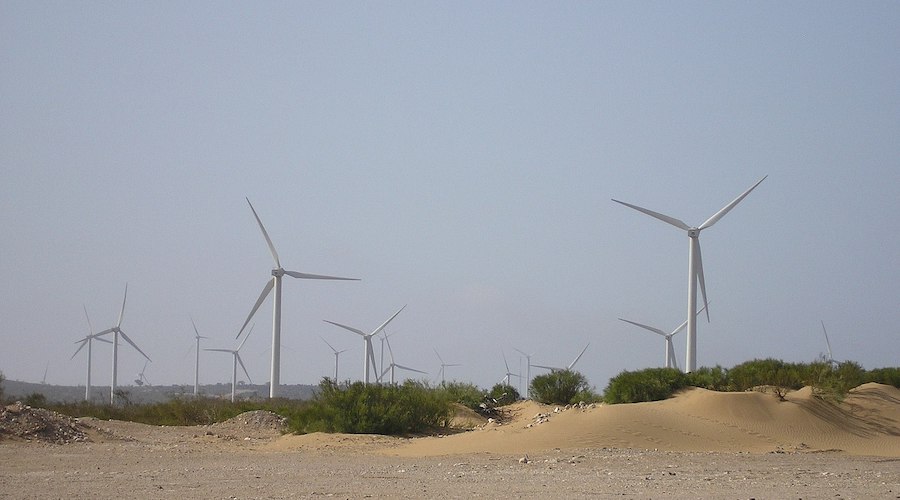
Amogdoul wind farm in Essaouira, Morocco. 
(Image by Sqala, Wikimedia Commons.)

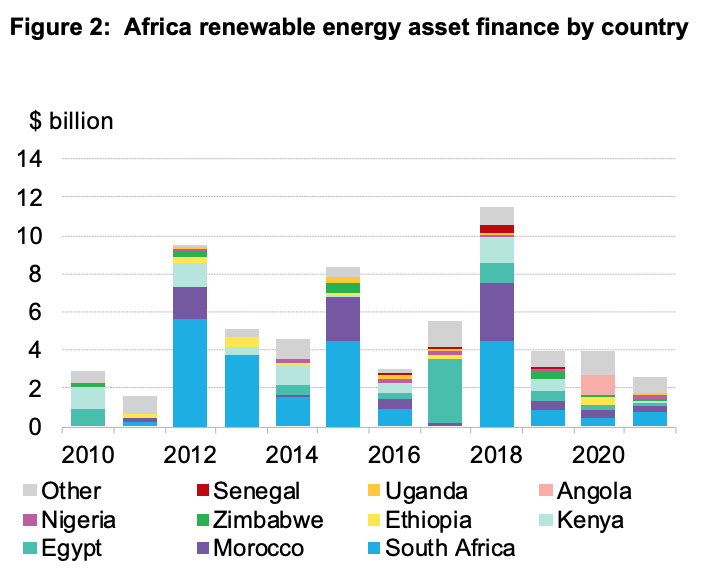
Africa’s investments in renewables trail far behind the rest of the continents, accounting for only 0.6% of the $434 billion destined for clean energy worldwide in 2021, a recent report by BloombergNEF shows.


According to the market analyst, despite Africa’s natural resource wealth, rapidly growing electricity demand and improving policy frameworks, only $2.6 billion of capital was deployed for new wind, solar, geothermal or other renewable power-generating projects in 2021, the lowest in 11 years.

The figures are particularly relevant at a time when the 2022 United Nations Climate Change Conference or Conference of the Parties (COP27) is taking place in Egypt, offering an opportunity to take stock of how far the continent’s energy transition has advanced – and how much work remains to be done.

BNEF’s document states that Africa’s poor results cannot be blamed on any lingering effects of the covid-19 pandemic, particularly when taking into account that while renewables investment globally rose 9% from 2020 to 2021 to reach an all-time high, renewables investment in Africa slipped 35% year-on-year.

“The global transition from fossil fuels to clean energy has the potential to benefit economies and health across Africa,” said Michael R. Bloomberg, UN secretary-general’s special envoy on climate ambition and solutions and founder of Bloomberg LP and Bloomberg Philanthropies.

“But as this new report details, clean energy investment in Africa is at an alarmingly low level. Changing that requires new levels of collaboration to identify viable clean energy projects and bring more private financing and public support to them – so we can turn Africa’s potential as a global clean energy leader into reality.”
Handful of markets

The study also found that clean energy investment in Africa is highly concentrated in a handful of markets. South Africa, Egypt, Morocco, and Kenya have accounted for nearly three-quarters of all renewable energy asset investment since 2010 with a total of $46 billion. All others have secured just $16 billion over that time.

Looking specifically at solar energy, Africa is now home to just 1.3% of global solar capacity. The existing capacity is 13GW or 5.5% of Africa’s total. South Africa, Egypt and Morocco account for two-thirds of the solar capacity.

Yet, in 2021, as many as 24 countries installed at least 1MW of solar – a new high following five years of stagnation. Solar was also the top technology for new capacity added in 11 countries in the region in 2021, a development attributed to the modular nature of photovoltaics, along with steep equipment price declines over a decade.
(Graph by BloombergNEF).


In the dark


Despite the additional installed capacity, Africa continues to lag far behind the rest of the world in achieving the United Nations’ Sustainable Development Goal 7 of having clean, affordable energy for all its citizens.

Among all those lacking access to electricity globally, 77% or 564 million people reside in sub-Saharan Africa, the report points out, citing World Bank sources.

The same data sources show that the rate of new electricity-generating projects added to Africa’s grids has slowed since 2018, with year-on-year installed capacity growth averaging 6.6% annually from 2011 to 2018, but only 3.8% over the 2019-2021 period.
Privileged position

In the view of BNEF’s experts, Africa is in a privileged position to take advantage of lowering prices when it comes to clean energy infrastructure, particularly due to its wealth of natural resources. Their research shows that such resources have the potential to be transformative in expanding power-generating capacity and access to electricity on the continent.

“Nevertheless, 75% of Africa’s power needs are met today by coal- and natural gas-fired generation. Hydro continues to play an important role, accounting for 18% of output. Wind and solar are a combined 5%,” the report reads. “Africa’s dependence on gas- and coal-fired electricity puts the continent at risk of economic shock when commodity prices fluctuate. At least 28 countries meet at least half of their power demand with fossil fuels, of which 16 rely on fossils for 80% or more of their power.”

(Graph courtesy of BloombergNEF).

Notwithstanding their fossil fuel dependence, countries in the region are praised for having made noteworthy strides to improve their policy regimes with an eye toward attracting funding for clean energy projects. Among the 42 African nations BNEF surveyed for its study, 86% now have long-term clean power targets in force, up from 57% in 2019.

Another positive development noted by the research firm is that net metering policies, which allow owners of distributed solar systems to be compensated for excess generation they feed back into the grid, are in place in 29% of African nations.

Back to the not-so-positive side, BNEF believes that countries have done far less to implement concrete programs to ensure that they meet their long-term clean energy targets. While half the nations surveyed have policies in place to hold reverse auctions for clean power delivery contracts, far fewer have held tenders. Even fewer have successfully brought projects online under such auctions.

“The ingredients are there for Africa to be a major market for clean energy growth, including outstanding natural resources and massive demand,” Luiza Demôro, head of energy transition research at BNEF, said. “But incomplete policy regimes and reluctant investors continue to keep investment levels below where they could and really should be.”
Protestors invade Hochschild’s largest mine in Peru
Staff Writer | November 13, 2022 |

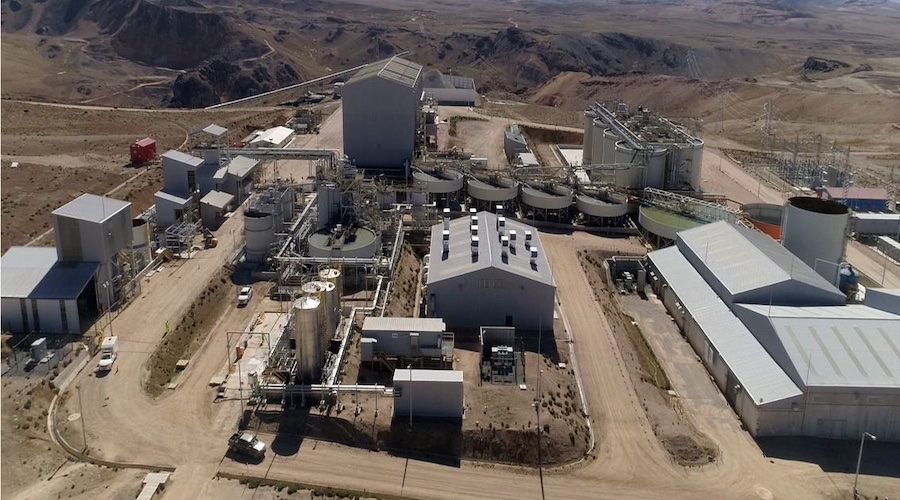
Hochschild Mining’s Inmaculada mine in Peru. (Image by Hochschild Mining).

A couple of weeks after protestors burned infrastructure at Hochschild Mining Plc’s (LON: HOC) Inmaculada mine in south-central Peru, residents of the nearby Huancute Annex have invaded the mine and have built picket lines placing women and cattle at the forefront to avoid being forcefully removed by police.


In a media statement, Hochschild Mining and its affiliated company Minera Ares said that early on Friday, Huancute residents cut the metal mesh that surrounds the operation and gained access to Inmaculada.

“A group of invaders threw rocks at the dump trucks that were moving around the mine, thus endangering workers’ safety and disrupting mine operations,” the release reads. “These acts constitute the crimes of aggravated usurpation, aggravated material damage to private property, violation of domicile and rioting.”

According to the companies, about 1700 workers are working in fear at Inmaculada, as they see people from nearby communities illegally accessing the mine. Hochschild and Ares have, thus, filed legal complaints before the National Prosecutor’s Office and the National Police and demanded immediate intervention from Peruvian authorities.

In their coomuniqué and legal filings, the precious metals miners argue that they are legally occupying the terrains on which Inmaculada sits based on mining easements and contracts signed with the landowners and the Peruvian state, as well as with the farming community of Huallhua. They say that they have also been granted possession rights by members of the Huancute Annex and by the Qatary Huancute Association.

Inmaculada, which produces both gold and silver, is Hochschild Mining’s largest mine in the Andean nation.

The UK-listed company plans to invest $4.4 billion in Inmaculada to extend the mine’s life through 2042.

(With files from Reuters).
21ST CENTURY ALCHEMY
Novel copper-based material key to safely convert heat into electricity

Staff Writer | November 14, 2022 | 6:06 am Energy Europe Copper Manganese

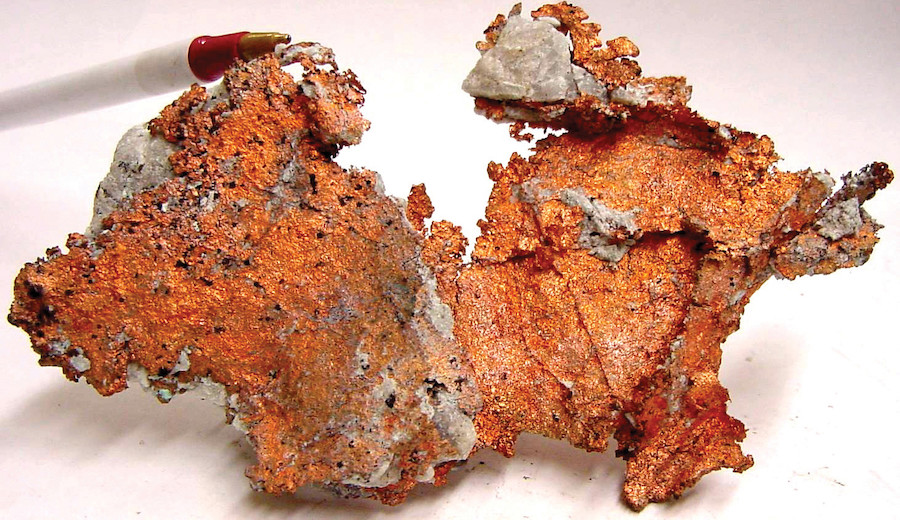
Copper. (Reference image by the US Geological Survey, Flickr.)

A recent study published in the journal Angewandte Chemie presents a new synthetic copper material that acquires a complex structure and microstructure through simple changes in its composition, thereby laying the foundation for converting heat into electricity.


In detail, the novel material is composed of copper, manganese, germanium, and sulphur, and is produced in a relatively simple process.

“The powders are simply mechanically alloyed by ball-milling to form a pre-crystallized phase, which is then densified by 600 degrees Celsius. This process can be easily scaled up,” Emmanuel Guilmeau, corresponding author of the study, said in a media statement.

Thermoelectric materials convert heat to electricity. This is especially useful in industrial processes where waste heat is reused as valuable electric power. The converse approach is the cooling of electronic parts, for example, in smartphones or cars. Materials used in this kind of application have to be not only efficient, but also inexpensive and, above all, safe.


However, thermoelectric devices used to date make use of expensive and toxic elements such as lead and tellurium, which offer the best conversion efficiency.

But Guilmeau and his team were convinced that it is possible to create safer alternatives. This is why they decided to explore derivatives of natural copper-based sulphide minerals. These mineral derivatives are mainly composed of nontoxic and abundant elements, and some of them have thermoelectric properties.

The team succeeded in producing a series of thermoelectric materials showing two crystal structures within the same material.

“We were very surprised at the result. Usually, slightly changing the composition has little effect on the structure in this class of materials,” Guilmeau said.

He and his colleagues found that replacing a small fraction of the manganese with copper produced complex microstructures with interconnected nanodomains, defects, and coherent interfaces, which affected the material’s transport properties for electrons and heat.

Guilmeau pointed out that the novel material is stable up to 400 degrees Celsius, a range well within the waste heat temperature range of most industries. He is convinced that, based on this discovery, novel cheaper and nontoxic thermoelectric materials could be designed to replace more problematic components.
GREENWASHING
Vale, other large companies leading reforestation program in Brazil
Staff Writer | November 14, 2022 | 

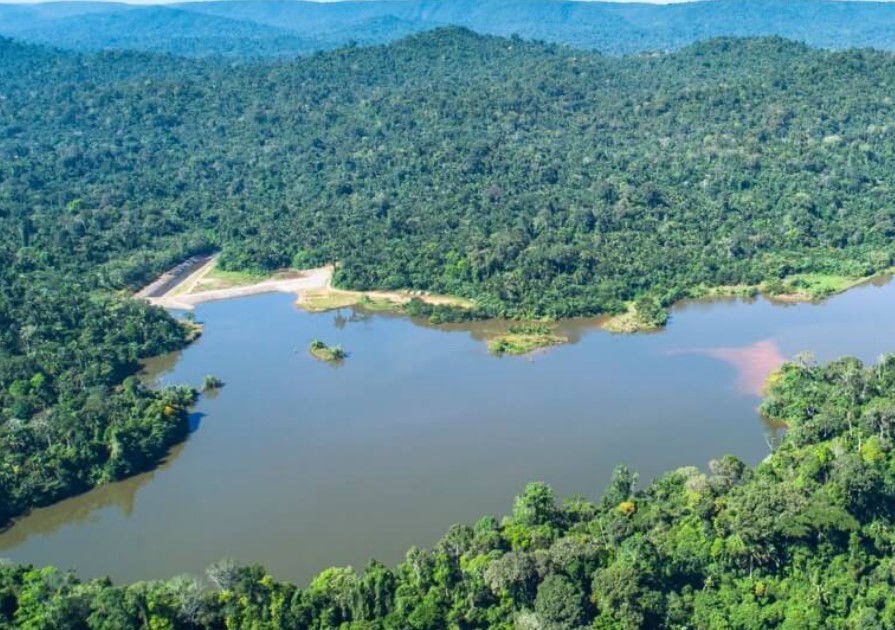
Vale and other major corporations have pledged to restore and conserve 4.0 million ha of forests in Brazil. Credit: Vale S.A.

Vale SA (NYSE: VALE) and a number of other large Brazilian companies are creating a new company focused entirely on the restoration, conservation, and preservation of forests in Brazil. Joining Vale are Itaú Unibanco, Marfrig, Rabobank, Santander and Suzano.


The company is initially to be called Biomas. Over the next 20 years, the new enterprise will restore and protect 4.0 million ha of native forests in some of Brazil’s most valuable ecosystems, including the Amazon, Atlantic Forest and Carrado biomes.

Two million degraded hectares will be restored with the planting of two million native trees. Another 2.0 million hectares of existing trees will be preserved. The project is expected to stimulate regional development and strengthen local communities through their involvement in the value chain.

Each partner will initially commit $5 million to support early Biomas activities. The company is underpinned by a sustainable operation and a financially sustainable business model. Each project will be based on the commercialization of carbon credits.

The first stage of the project will consist of identifying areas, creating nurseries for native species, engaging with communities, advocating for public land concessions, and working on carbon credits certification. After successful pilot projects, Biomas will begin rolling out projects on a vast scale in 2025. Efforts will continue until it reaches the 4.0 million ha goal.

The alliance launched at COP27, held earlier this month and sponsored by United Nations Climate Change, is expected to remove the equivalent of 900 million tonnes of carbon from the atmosphere. It will also provide habitat for more than 4,000 species of animals and plants.
ECOCIDE
Tesla-backed nickel miner cuts output after waste dam leak
Bloomberg News | November 14, 2022

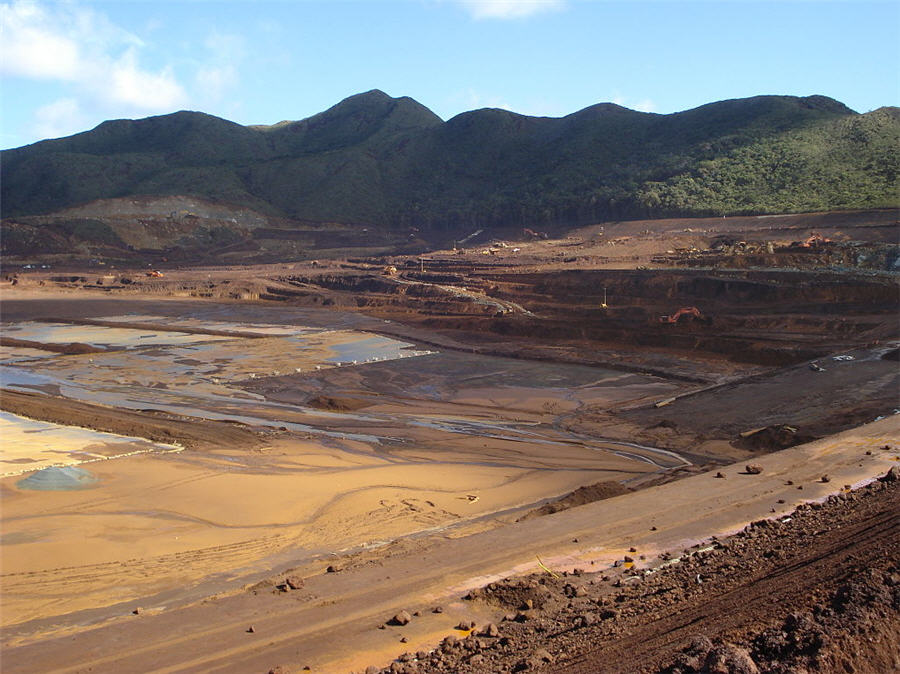
Construction of a tailings storage area Goro Nickel Mine, Kwe West Bassin, New Caledonia – Image courtesy of Wikimedia Commons.

The troubled Goro nickel mine — one of the world’s largest deposits, which is part-owned by Trafigura Group and backed by Tesla Inc. — has been forced to reduce production to address a leak from its tailings dam.


Goro, which is located in the South Pacific territory of New Caledonia, reported a “limited release of salt-laden liquid” after heavy rains in August, a spokesperson for owner Prony Resources said by email. Corrective measures required by local authorities mean that nickel output will be reduced in the fourth quarter, the company said.

The cuts at Goro are the latest example of global nickel mines disappointing at a time when the outlook for demand is soaring for use in electric-vehicle batteries. Production is booming in top supplier Indonesia, but there have been a slew of cuts or misses elsewhere, including by Eramet SA, which recently lowered its annual production target in New Caledonia, while Solway Investment Group shuttered a ferronickel plant in Ukraine due to power outages after Russian air strikes.

“The corrective measures required by the South Province mean that Prony Resources New Caledonia’s nickel production will be reduced in the fourth quarter,” the company said. “The minimum quantities required by our customer contracts will be met and we expect to be at full capacity again shortly.”

It declined to give more details or comment on when production would return to normal.

Goro was previously owned by Brazilian miner Vale SA, which sold the asset last year to Prony — a consortium made up of employees, commodities trader Trafigura, Agio Global, and the New Caledonian government. The group announced an agreement at the time with Tesla to support the operation through a “technical and industrial partnership.”

Operational woes

Under Vale’s ownership, Goro was beset by operational woes and cost overruns — becoming a byword for the mining industry’s inability to deliver projects on time and on budget — and the deal with Prony only materialized after years of trying to find a buyer.

Mine tailings dams have also drawn increased international scrutiny after a collapse at one of Vale’s iron ore mines at Brumadinho in Brazil in 2019 killed 270 people, in one of the most deadly mining accidents in modern history.


At Goro, Prony said it has increased monitoring of the dam and hasn’t found any significant changes that could affect its stability.

The company was required to lower the water levels in the dam and ordered to take immediate corrective measures because of environmental concerns, the South Province, the local authority, said in an Oct. 14 statement.

The situation is still being analyzed, Mandy Brizard, a spokesperson for the province, said this week.

In its annual report last year, Trafigura said that priorities for the mine in 2022 “include progressing with a tailings drystacking project to reduce tailings storage risk and protect the environment,” which it said would increase production to at least 35,000 tons a year.

New Caledonia’s output of nickel hydroxide cake, or NHC, of which Prony is the key producer, rose 41% in the first nine months of 2022 from the same period a year earlier to 19,662 tons of nickel content, according to a report from the government.

(By Mathieu Dion and Jack Farchy, with assistance from Mark Burton)
ECOCIDE
Uranium mining in Egypt is expanding despite water contamination, satellite images show
Bloomberg News | November 15, 2022 | 

The Allouga mine is located in a remote and arid area with no major population centres nearby.
(Stock image by lotus_studio.)

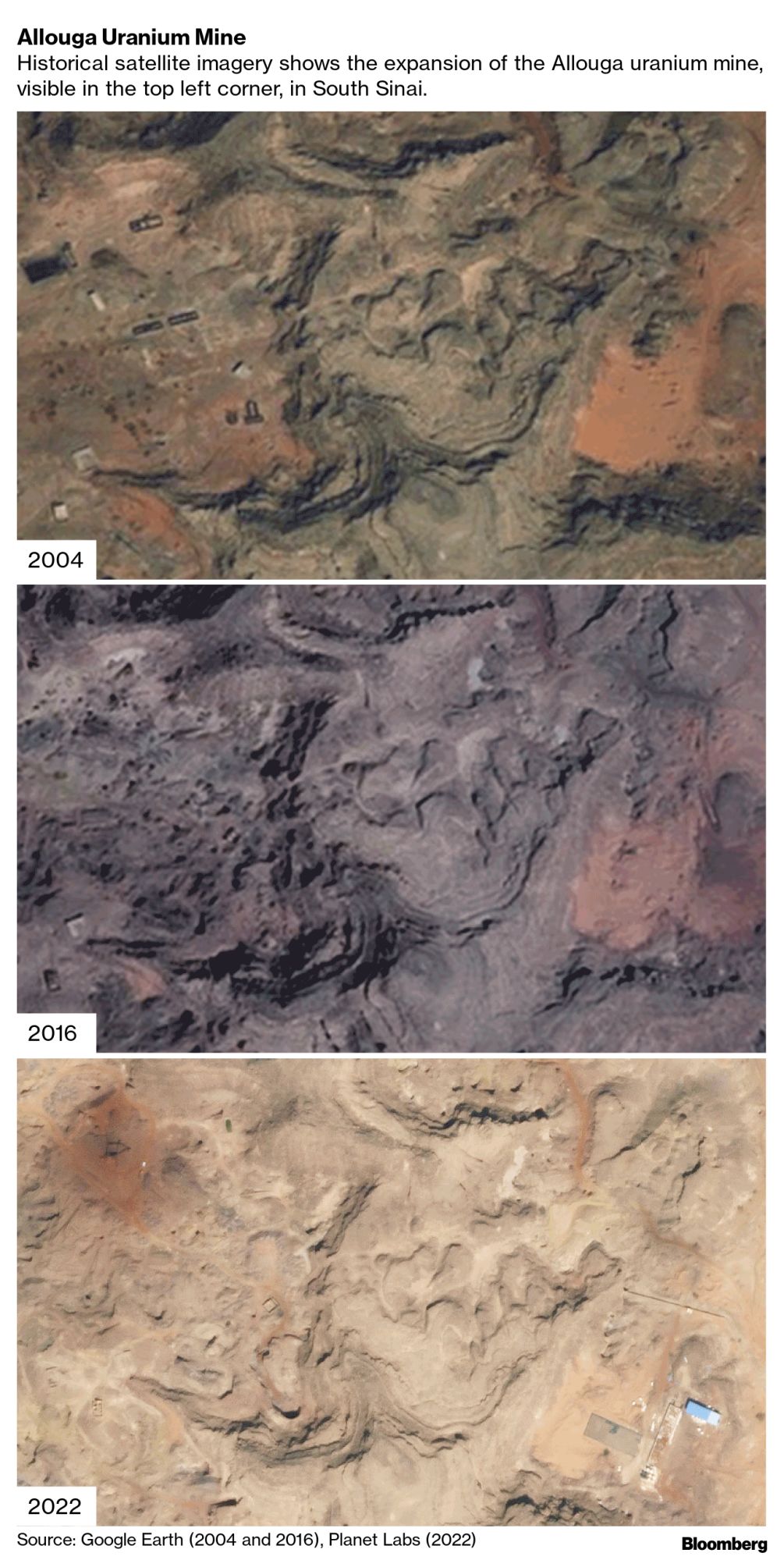
Egypt’s Allouga uranium mine has been expanding despite evidence that its radioactive runoff is contaminating scarce water resources, according to satellite images captured last month for Bloomberg by Planet Labs PBC.


The uranium mine, located less than 150 kilometers (93 miles) from the ongoing United Nations COP27 climate talks in Sharm el-Sheikh, underscores the difficult tradeoffs involved in producing minerals used in zero-emission energy sources such as nuclear power plants.


A peer reviewed study published by Environmental Health Sciences earlier this year sampled uranium levels near Allouga as much as six times the concentration normally found in nature. Egypt’s Nuclear Materials Authority, which owns and operates the site, acknowledged as far back as 2018 that drinking water wells in the area contained “greater concentrations of uranium than acceptable limits.”

“People who are exposed to that level of radiation for a lifetime would have an elevated cancer risk,” wrote the Cairo-based scientists from Ain Shams University who carried out the research, which was published in April. “Available water resources in the study area are considered unsafe for human consumption and irrigation.”


Satellite imagery of Allouga shows how successive waves of excavation and rubble have changed the landscape of the red, craggy hill tops that surround the site over nearly two decades. Ore crushers, processing plants, sulphuric acid tanks and waste repositories appear operational, according to Robert Kelley, a former safeguards director at the International Atomic Energy Agency, who reviewed the photographs. Allison Puccioni, a nuclear non-proliferation imagery analyst at Stanford University, also confirmed activity at the site.

Egypt is estimated by the Paris-based Nuclear Energy Agency to have less than 0.01% of the Earth’s identifiable uranium reserves — not enough to produce commercial quantities it can profitably export. Egypt also doesn’t currently possess the infrastructure to process the ore into fuel for its own future power reactor, which is under construction and will be supplied by Russia.

The small quantities excavated from Allouga could technically be tapped to eventually supply a military program, according to Kelley, a former nuclear-weapons engineer in the US Department of Energy. Egypt is a signatory to the Nuclear Non-Proliferation Treaty and its IAEA envoy, Mohammed ElMolla, dismissed any suggestion it might seek nuclear arms. He said nuclear energy and uranium mining were part of efforts to diversify the country’s energy mix and bolster its economy.

Whatever its purpose, the excavation continues and waste has been dumped on the hillsides.

“A large quantity of mine tailings in the form of slurry waste are placed in small piles adjacent to the mine without engineered barriers,” the researchers wrote. “During the processing, no safety measures were taken to assure the isolation of the tailings from the environment. The major threat of these tailings is the leaching of contaminants (e.g. radionuclides and heavy metals) into groundwater which is considered the main source of drinking water in the area.”

While it warns that the activity needs to bear in mind the impact on local water resources, the study does not present any evidence or make any suggestion that people have been made ill.

The Allouga mine is located in a remote and arid area with no major population centers, mitigating its human impact. The satellite images nevertheless show some small communities, as well as irrigated fields, nearby.

Those most likely to be affected from radioactive effluent leaching into groundwater are local Bedouins, who count among the most vulnerable of the 100,000 people living in the South Sinai Governate, Egypt’s least-populated administrative region. It is the “indigenous community who are principally affected by the mining operation,” according to the Environmental Health Science research.

For the latest study, the authors collected 47 water and soil samples from four wadis — dry valleys that turn into streams after rain — surrounding the Allouga mine and covering an area of some 250 square km.

Egypt’s Central Laboratory for Environmental Quality Monitoring, which analyzed the samples, found most contained uranium concentrations higher than the average two parts per million found in nature. Nineteen of 30 stream sediment samples registered higher-than-normal uranium traces while “all samples’’ of groundwater did, according to the report.

(By Jonathan Tirone, with assistance from Patricia Suzara)
KILLER MINE
Newcrest resumes operations at Brucejack mine
Cecilia Jamasmie | November 16, 2022 

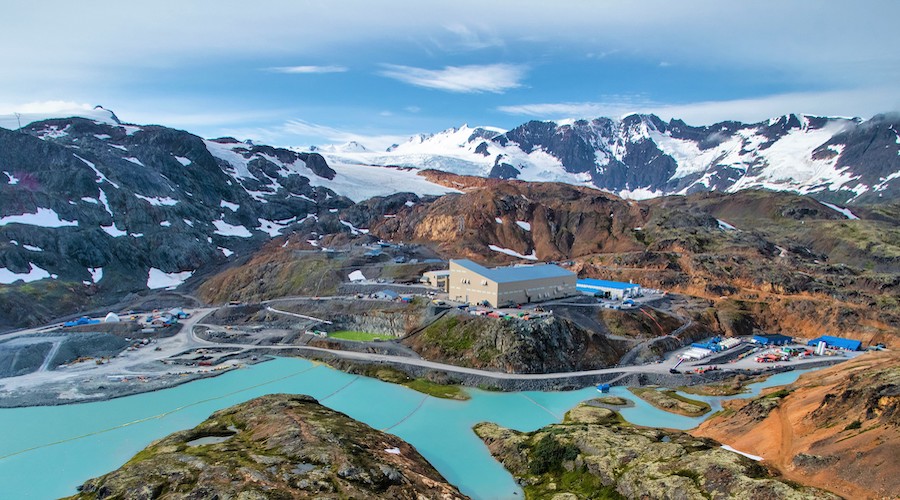
Brucejack gold-silver mine is located about 940 km north of Vancouver, B.C. (Image courtesy of Newcrest Mining.)

Newcrest Mining (ASX, TSX, PNGX: NCM) said on Wednesday it had resumed operations at its Brucejack gold-silver mine in Canada, which had been shut since late October following the death of a worker.


Australia’s largest gold producer said that during the three-and-a-half weeks Brucejack was suspended, it reviewed the operation to identify major hazards and corresponding critical controls to prevent fatalities and life-changing injuries.


“The devastating incident at Brucejack is a stark reminder that safety must always be our number one priority as a business,” chief executive Sandeep Biswas said in the statement.

The latest accident was the third workplace death at the northern British Columbia operation since it opened in 2018. In the two previous cases, either the mine or its contractors were disciplined for failing to ensure workers received adequate safety training.


Newcrest added Brucejack to its portfolio earlier this year, following the acquisition of Pretium Resources.

The mine began commercial production in July 2017 and is one of the world’s highest-grade operating gold mines.

The asset spans 1,200 square kilometres in the heart of British Columbia’s Golden Triangle, which has a 100-year mining history and also hosts the Red Chris, Eskay Creek and Snip mines.