Monday, April 21, 2025


Rare Earths And Global Rivalries: Burundi And The Reconfiguration Of Strategic Supply Chains – Analysis
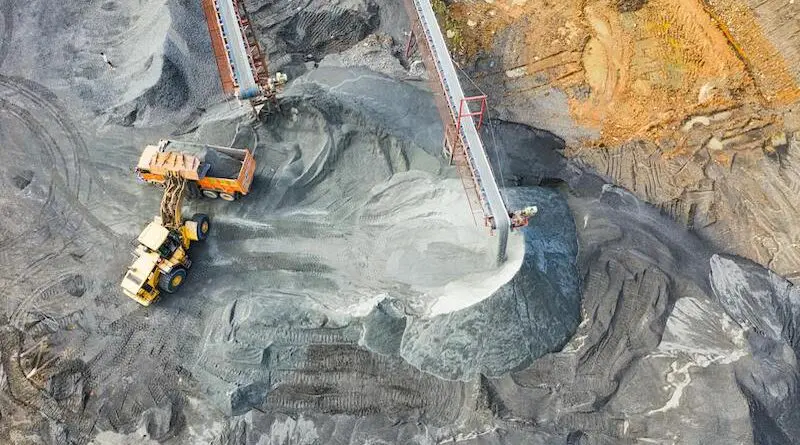
file photo mining mine


By 

By Arthur Palix


(FPRI) — On March 4, 2025, US President Donald Trump argued before Congress in favor of reducing the budget for USAID, the agency responsible for international development assistance. Illustrating his point, Trump singled out Lesotho, criticizing an $8 million allocation to a nation “no one has ever heard of.” While Trump’s remark sparked indignation among Lesotho’s authorities, it raises broader questions about the US administration’s approach to Africa at a time when geopolitical power balances across the continent are rapidly changing.

Within this shifting landscape, Burundi—often seen as peripheral—demands particular attention. Despite being similar in size to Lesotho at around 27,900 square kilometers, Burundi has six times the population of its southern African counterpart, with 13.7 million inhabitants as of 2023. A former Belgian colony, independent since 1962, Burundi is in the Great Lakes region, bordering the Democratic Republic of Congo (DRC), Uganda, and Rwanda. Historically marked by recurrent conflicts and deep ethnic tensions between Hutus and Tutsis, Burundi plunged into a decade-long civil war in 1993, resulting in hundreds of thousands of civilian deaths. Although agriculture—primarily coffee, tea, and cotton—accounts for approximately 80 percent of its workforce, Burundi remains one of the world’s poorest nations, with nearly 90 percent of its population living below the poverty line. Beyond agriculture, Burundi possesses significant and largely untapped mineral potential, notably rare earth elements—assets becoming increasingly vital as international competition intensifies. Far from being another blind spot on Washington’s radar, Burundi could soon become a pivotal link in the restructuring of global supply chains for critical minerals.

The Great Lakes Region: A Strategic Hub for Critical Resources

Africa’s Great Lakes region occupies a central position in global strategic mineral supply chains. Supplying approximately half of the world’s tantalum—essential in the production of aircraft turbines and nuclear reactors, as well as substantial volumes of tin, gold, and tungsten—this region is a crucial node in industrial supply chains.

Mining in the Great Lakes has historically been characterized by substantial foreign intervention and informal networks largely outside state control. In response, the International Conference on the Great Lakes Region (ICGLR), comprising twelve member states, aims to enforce better-regulated frameworks. In 2010, the ICGLR launched the Regional Initiative against Illegal Exploitation of Natural Resources, structured around six mechanisms to formalize mining and curb illicit trade. Continuing these efforts, the European Union recently committed €7 million ($7.5 million) for the project “Peace and Security in the Great Lakes Region” (2024 to 2027). Managed by the ICGLR and the Canadian NGO IMPACT, the initiative focuses on modernizing mineral surveillance systems, reinforcing regional mineral certification, and facilitating market integration between Great Lakes states and international markets.

Burundi: A Modest Player with Significant Resources

While Burundi remains a modest player compared to mining giants such as the DRC or Rwanda, it possesses considerable untapped mineral wealth. In 2006, the World Bank’s Poverty Reduction Strategyreport highlighted Burundi’s mineral potential, estimating reserves at 11,641 tons of nickel, 1,580 tons of vanadium, and 1.5 tons of gold. Recent reports by IMPACT broadened the spectrum of Burundi’s mineral wealth to include copper, uranium, tin, platinum, tantalum, and cobalt. In 2019, the US Geological Survey attributed around 2 percent of global tantalum production to Burundi.


Resource management falls under the jurisdiction of Burundi’s Ministry of Hydraulic Energy and Mines. Since taking office in 2020, President Évariste Ndayishimiye has adopted an assertive stance towards natural resource governance. In 2021, he halted foreign mining operations, denouncing unfair profit-sharing arrangements and the exploitation of national resources. In 2022, the government solidified this position by announcing that the Comptoirs miniers des exploitations minieres du Burundi (COMEBU), Burundi’s national mining company, would become the exclusive operator authorized to conduct mining activities. Such nationalization has not dampened enthusiasm for exploration. A significant discovery announced in July 2024 revealed estimated tin and cobalt reserves of approximately 12.7 million tons, valued at over $50 billion.

Rare Earth Potential

Rare earth elements, comprising seventeen essential metals indispensable to modern technologies, have become focal points of economic and geopolitical rivalry. From neodymium used in wind turbines to gadolinium in medical imaging, rare earth elements—often described as economic vitamins—play critical roles in advanced technologies, including military equipment like America’s F-35 fighter jets. However, their extraction and refining processes are notoriously energy-intensive, expensive, and environmentally damaging.

In 2021, Burundi produced around 200 tons of these elements, ranking eleventh globally, but accounting for only 0.1 percent of worldwide production. Although modest, this figure requires context: Burundi’s entry into the rare earth sector is recent, beginning only in 2017 with the Gakara mine (which is rich in bastnäsite and monazite), whereas the United States, China, and Japan established their industries in the 1990s. Moreover, Burundi’s political instability has significantly hindered the sector’s sustainable development.

Gakara: A Promising Yet Stalled El Dorado 

With rare earth oxide concentrations ranging between 47 percent and 67 percent, Gakara, located in western Burundi, is among Africa’s most promising rare earth deposits. At the same time, it highlights Burundi’s structural challenges in fully leveraging its mineral potential.

Gakara was operated by the UK-based Rainbow Rare Earths (RRE) under a twenty-five-year contract which was abruptly halted by the Burundian government in 2021. This sudden halt underscored intensifying global competition for Rare Earths, jeopardizing Burundi and RRE’s ambitions to offer credible alternatives to Chinese dominance in this sector. George Bennett, RRE’s CEO, recently reiterated his commitment to prioritizing Western clients in order to reduce global dependence. This strategy is explicitly linked to the Phalaborwa project in South Africa, where RRE collaborates with the US government which invested $50 million in January 2024. With the current deterioration of US-South African relations, however, the future of this project remains uncertain. Still, it has reignited speculation about potential American backing for RRE’s return to the Gakara project.

The relationship between RRE and the Burundian government is uncertain. In September 2023, RRE announced a reduction in its investments in Gakara, shifting its focus toward more stable projects—a decision that raises doubts about the future of this promising mining site.

Foreign Interests and Rivalries

China

China is the dominant player in the global rare earth market. With its industrial supremacy, comprehensive control of the value chain, and geopolitical leverage, Beijing enjoys an undeniable advantage over its competitors. As of 2023, China accounted for 69 percent of the world’s rare earth mineral production, but its dominance is even more pronounced in refining, controlling 85 percent of global processing capacity for light rare earth elements and a staggering 100 percent for heavy rare earth elements. By comparison, the United States (12 percent), Myanmar (11 percent), and Australia (5 percent) lag far behind, underscoring China’s near-total market control. Currently, no Western power can match China’s sophisticated and tightly integrated industrial ecosystem, making any attempt at supply diversification extraordinarily challenging and further solidifying China’s strategic indispensability.

Africa occupies a pivotal position in this geopolitical equation. China has steadily increased its foothold on the continent through extensive trade agreements and substantial investments. By 2023, Sino-African trade had reached $300 billion, making China Africa’s leading importer of mineral resources, consuming around one-third of the continent’s total mineral exports. In the Great Lakes region, Beijing deploys a comprehensive, multi-sector strategy, gradually expanding its influence.

China, for example, dominates much of the DRC’s mining industry—60 percent of Chinese cobalt consumption originates from Congolese mines.

In September 2024, Rwanda reached a significant milestone in its relations with China, elevating bilateral ties to the level of a strategic partnership. China invests heavily in Rwandan infrastructure and agriculture, illustrated by a $60 million loan provided during the COVID-19 pandemic, a $40 million investment into the Giseke irrigation project, and the cancellation of a $6 million debt.

In Burundi, Beijing follows a similar pattern, enhancing its strategic partnership through increased trade—with Burundian exports to China at $10 million in 2023, contrasted with $105 million in Chinese imports to Burundi—and infrastructural investments, notably the railroad connecting Dar es Salaam to Burundi, vital for exporting minerals such as nickel.

Nonetheless, Beijing’s expansive approach across borders has drawn criticism, particularly due to opaque contractual agreements and limited tangible benefits for local populations.

Given these dynamics, it is difficult to envision China overlooking Burundi’s potential in rare earth elements. Strengthening Beijing’s presence in Burundi’s rare earth sector would further solidify its near-monopoly across the entire value chain. Politically, China already benefits from favorable conditions: BurundiRwanda, and the DRC formally support Beijing’s “One-China” policy, deepening diplomatic alignment. As the United States and Europe urgently seek to diversify their sources of rare earths, expanded Chinese control over Burundi’s reserves would further entrench global dependence on Beijing.

The United States

Faced with China’s growing dominance in the rare earth supply chain, the United States’ strategic posture is increasingly uncertain. The Trump administration has made its objectives clear: restoring American economic supremacy, particularly in regions and sectors where it has diminished. Within this broader geoeconomic context, securing access to critical natural resources, particularly rare earth elements, has become a top priority. In Ukraine, Greenland, or Canada, American mining initiatives primarily aim to consolidate control over strategic resources, sometimes at the expense of traditional multilateral diplomatic frameworks.

In this context, Burundi, though modest in production volumes, could represent a strategically valuable ally. The stakes extend far beyond mining. For Washington, Burundi offers an opportunity to establish a credible alternative to Chinese influence in Africa at a time when American presence on the continent is waning. Indeed, the recent defunding of USAID—a central pillar of American soft power in Africa—has created a strategic void quickly filled by Beijing. In Rwanda, for instance, the termination of approximately $170 million in annual American aid was perceived as a withdrawal, opening space for China to strategically invest in healthcare and agriculture, sectors previously supported by the United States.

The Gakara project therefore holds significant potential as a geopolitical lever to reignite American influence in the Great Lakes region. Coordinated and transparent resumption of RRE’s mining activities, backed by a more balanced partnership with Burundi’s government, could provide Washington with dual strategic benefits: securing vital rare earth resources and reinforcing geopolitical influence in a contested region. Yet, this ambition faces considerable obstacles. Burundi’s institutional environment remains fragile, and mistrust towards foreign actors has deepened following previous mining ventures perceived as exploitative. Thus, for Washington, the challenge transcends economic interests—it must convincingly demonstrate that its model offers greater sustainability and equity compared to the Chinese alternative. Failing this, the United States risks being sidelined in an increasingly competitive struggle for critical African resources.

M23 Movement

The resurgence since 2022 of the March 23 (M23) Movement, an armed rebel group active in the eastern DRC, underscores a troubling geopolitical dynamic: the revival of hybrid conflicts that blend ethnic grievances, regional military strategies, and struggles over strategic resources. With support from Rwanda, M23 has recently seized control of Goma and Bukavu, two crucial urban centers in DRC’s North and South Kivu provinces, thereby solidifying its grip over vital economic and logistical crossroads. Although ceasefire negotiations continue, fighting between M23 and the Congolese Armed Forces persists in the eastern DRC.

Though originally rooted in ethno-political tensions between Hutu and Tutsi groups, M23’s contemporary agenda reveals a wartime political economy heavily focused on resource appropriation. The Movement’s capture of the strategic Rubaya coltan mine in April 2024 serves as a clear illustration of this predatory logic. Coltan, a crucial mineral to digital technologies and defense industries, places these contested territories at the epicenter of a broader geopolitical competition over scarce resources. Beyond coltan, the DRC holds approximately 70 percent of the world’s cobalt reserves and significant quantities of other strategic minerals, including gold, copper, lithium, and diamonds.

Burundi, a close DRC ally, carefully monitors these developments. Already hosting around 63,000 Congolese refugees, Burundi fears a potential spillover of violence onto its own territory. Beyond military solidarity, latent geopolitical tensions simmer between Burundi and Rwanda. Burundi’s demographic majority of Hutus (comprising 83 to 85 percent of the population) contrasts sharply with President Paul Kagame’s Tutsi-led regime in Rwanda, fueling underlying regional rivalries. In 2016, the United States accused Rwanda of interfering in Burundi’s politics. More recently, in 2023, Kagame referred to the “pre-colonial borders of the Kingdom of Rwanda,” encompassing Burundi, Uganda, and eastern DRC—a statement hinting at an expansionist regional vision from Kigali.

The international community’s inability to coordinate a unified response to the rising power of M23 has created a strategic vacuum. This situation may catalyze shifts in regional power dynamics, with profound implications for Burundi’s stability, the territorial integrity of the DRC, and the security of global supply chains for critical resources. A territorial escalation of the conflict would not merely constitute a humanitarian crisis, but a significant geopolitical challenge whose ramifications would extend far beyond Central Africa.

Redefining Power through Resources: Burundi’s Strategic Bet on Rare Earth Elements

Control over the rare earth value chain has emerged as a pivotal factor in contemporary geopolitical reconfigurations. These critical minerals, central to industrial, energy, and military competition, are reshaping global power dynamics between established and emerging nations. Mastering their extraction, refining, and commercialization processes is becoming a major lever of national sovereignty. Within this context, Africa, and particularly the Great Lakes region, occupies a position of crucial strategic importance.

Burundi, grappling with fragile governance, ongoing armed conflicts, and predatory exploitation of its natural resources, must also confront the significant social challenges inherent in rare earth extraction.

A World Bank report identified the inability to manage natural resources “transparently and equitably” as a major driver of forced population displacement. By 2024, nearly 6.9 million internally displaced persons were recorded in the DRC, primarily concentrated in the mineral-rich provinces of North Kivu, South Kivu, Ituri, and Tanganyika. Inefficient redistribution mechanisms and porous regulatory controls, as highlighted by former Ambassador Pierre Jacquemot, underscore a systemic failure: the absence of a robust institutional framework to manage strategic resources effectively. This governance vacuum is typically filled by external actors—foreign states, multinational corporations, armed groups—operating under asymmetric conditions involving conditional investments, imported expertise, tax evasion, and the appropriation of trade flows through intermediary states. For instance, gold from South Kivu is routinely smuggled through Burundi, where export duties are lower, to markets in the United Arab Emirates, circumventing state control. Similarly, when foreign powers finance development projects, profits are often repatriated—for example, Chinese-funded infrastructure in Rwanda is largely executed by Chinese firms. Thus, the much-touted “win-win” rhetoric frequently remains theoretical. Added to these challenges are environmental concerns: Burundian experts already warn of ecological repercussions from future mining operations, particularly soil erosion and compromised water access for local communities.

Against this backdrop, Burundi stands at a decisive crossroads. One of the world’s poorest nations, it now occupies a critical position within a highly strategic sector. It will require substantial support from both institutional and private actors to develop its rare earth resources sustainably. The decision to maintain COMEBU as the sole authorized operator reflects a broader pan-African trend toward asserting sovereignty over strategic economic sectors and reducing foreign interference. Yet, significant questions persist about COMEBU’s technical capabilities and financial resources. Can Burundi realistically forego foreign investment without jeopardizing its mining potential?

In parallel, amid escalating tensions linked to the resurgence of the M23 rebel movement, the DRC has recently initiated discussions with the United States, seeking deeper US involvement in its mining sector, which has been historically dominated by China. This marks a pivotal moment in international competition over strategic African resources. As economic choices increasingly intertwine with systemic geopolitical rivalries, Burundi faces a unique opportunity to chart the future of its rare earth sector. The potential entry of African private investors deserves careful consideration. For instance, Nigerian magnate Aliko Dangote, committed to the development of African leaders, could represent a credible pan-African alternative through Dangote Mining, one that prioritizes African interests, promotes local redistribution of benefits, fosters skills transfer, and encourages regional economic integration.

Globally, rare earth extraction projects are proliferating. In Africa, fields such as Songwe Hill in Malawi, operated by the Canadian company Mkango Resources Limited, or Mabounié in Gabon (temporarily suspended but run by the Compagnie miniere de l’Ogooue, a subsidiary of Eramet and the Gabonese state), exemplify the continent’s promising yet technically complex and economically risky deposits. Beyond Africa, initiatives are advancing in Ukraine, Greenland, and even France, where a recently announced mega-refining plant dedicated to heavy rare earth elements underscores Europe’s determination to repatriate critical segments of the supply chain.

At a time when global powers are engaged in clashes over tariffs, targeted embargoes, and commercial rivalries over the control of natural resources, Burundi could find itself at a decisive crossroads in its history—if it succeeds in developing its rare earth potential in a sovereign and sustainable manner. In today’s global economy of critical minerals, mastering one’s natural wealth is no longer merely an economic issue: It is an act of sovereignty, a lever for emancipation, and a vital step toward enabling Africa to speak as an equal on the world stage.

  • About the author: Arthur Palix currently monitors Operational Risks within the French Bank Société Générale in Montreal. He graduated in Competitive Intelligence from the Sorbonne University and the School of Economic Warfare in Paris. With a strong background in Political Science and Geopolitics, his research focuses on the dynamics of influence between nations, with a particular emphasis on Africa and the Middle East.
  • Source: This article was published by FPRI


Published by the Foreign Policy Research Institute

Founded in 1955, FPRI (http://www.fpri.org/) is a 501(c)(3) non-profit organization devoted to bringing the insights of scholarship to bear on the development of policies that advance U.S. national interests and seeks to add perspective to events by fitting them into the larger historical and cultural context of international politics.


HALLIGAN: Mike Calvey's "Odyssey Moscow" – the story of Russia's top fund manager who ended up in jail when his partners turned on him


Mike Calvey is a legend in the Moscow investment community. He arrived in Russia a month after the Soviet Union collapsed as a 20-something hot-shot banker and pioneered private equity investments into Russia's recovery – until he got arrested through a corporate dispute with a partner. / bne IntelliNews


By Ben Aris in Berlin April 21, 2025

“How did a nice boy from Oklahoma end up living in Russia?” bne IntelliNews editor at large Liam Halligan asked legendary Russia investor Michael Calvey in his “When the facts change” podcast. Calvey is the founder of Barings Vostok Capital Partners, who invested well over a billion dollars into Russia’s rise in the boom years but ended up spending two years in jail as a result of a corporate dispute with one of his local partners.

In 1991 Calvey, a newly-graduated aspiring Wall Street hotshot, made his first short trip to Russia and like many that were in Moscow in those days, quickly got sucked in, inspired by the historic transformation the country was going through.

“It was within a month of the Soviet Union ceasing to exist,” relates Calvey. “So as someone in his mid-20s, [a] single man, it was just an absolutely crazy playground and exactly a crazy time.”

Living in Moscow for 25 years, Calvey learnt the language, married a Russian woman, raised a family and forged an unmatched network of personal and business contacts.

With a financial background, Calvey was the pioneer of private equity investments into up-and-coming Russian companies building the new market economy. He launched the fund with a $5mn investment and eventually returned over a billion dollars in profits. “We made 450-times our money,” Calvey told Halligan with his trademark modesty.

During the boom years of the noughties Calvey had acquired such a record of success with seed investments into things like Yandex, Russia’s answer to google that eventually IPO’d for $11bn in New York, that Barings was scooping the lion’s share of all international private equity investment mandates allotted to a punt on Russia. The fund became the only game in town and a whole generation of Russian entrepreneurs remain grateful to this day to Calvey for his help and advice.

It all went wrong on St Valentine’s Day in 2019, when he fell ran into a dispute with a co-investor in Vostochny Bank, who used his connections to the Federal Security Service (FSB) to have him arrested. He was accused of embezzling RUB2.5bn ($38mn) from Vostochny Bank, a case that was widely viewed as stemming from a corporate dispute with other shareholders. Calvey denied the charges, asserting that the matter was a civil disagreement that should not have led to criminal proceedings. His arrest sent shockwaves through the international investment community, raising concerns about the risks of doing business in Russia. He was eventually convicted of the charges, but given a suspended sentence and after serving a ban from leaving the country eventually left to join his family in Switzerland, where he now lives.

Barings cut a deal with its Russian partners, agreeing to pay their share into recapitalising Vostochny Bank that the Central Bank of Russia (CBR) had demanded – the cause of the dispute – clearing the way for the courts to hand down a lenient sentence. But as Calvey told bne IntelliNews at the time, once the wheels of the Russian legal system have been set in motion there is no stopping them, and with a 99% conviction rate in any case, a conviction is almost inevitable; what is at stake is the sentence the court will decide on. For long-term Russia-watchers, Calvey’s sentence was as light as it gets. And one of the key elements to scoring this “victory” was Calvey and the Barings team were extremely careful not to politicise the case, asking their many journalist friends to frame the story as a “corporate dispute” and going out of their way to keep the US embassy and State Department’s involvement to a minimum.

For his part Russian President Vladimir Putin was backed into a corner. While Calvey was extremely well known to the investment community and international financial press, he had a very low profile in Russia. Had he been more famous in Russia, he might not have been arrested; nevertheless, remarkably after he was jailed several senior Russian officials broke ranks and publicly called on Putin to intervene, most notably Kirill Dmitriev, the head of Russia’s sovereign wealth fund, the Russia Direct Investment Fund (RDIF). Their public support was not without risks to their own careers, and a testament to how well-liked Calvey was by everyone working in finance in Russia.

But Calvey had been arrested by the FSB – Putin’s wellspring of power. He was not going to embarrass his security clique by publicly overturning their decision and implying they had made a mistake. So the case was left to rumble on, but with many concessions, such as letting most of the accused out of jail and putting them under house arrest. In an extremely unusual move, the General Prosecutor’s office quietly expunged all charges against him a few years later and wiped his slate clean.

Calvey’s arrest came at a time when Russia was rapidly moving to a darker place following the halcyon days of the boom years.

“The authoritarian trend and the increasing role of the security services, my business opponents, their only option to preserve their assets was to go on the offence and have me arrested,” Calvey relates. “The door burst open and ten men came charging through with guns drawn and shouting at me to put my hands in the air… You realise the system is so totally stacked against you that only divine intervention can get you out.”

Fully exonerated of all wrong-doing, Calvey is currently chairman of Baring Ventures, which sold all its Russian assets after Putin’s invasion of Ukraine and now focuses on other international markets. His Russian partners in the firm have taken over the Russian assets and remain in business in Russia, still helping aspiring entrepreneurs from the real economy make their dreams come true.


Watch the entire interview here.

Calvey’s newly-published book – Odyssey Moscow: One American's Journey from Russia Optimist to Prisoner of the State – is dedicated to the cellmates who helped him through his nightmare prison experience. It is the story not just of one man – but of an era of Russian hope and aspiration derailed.

‘We struck for trans+ rights, you can do it too’: report from Australian socialist

Sophie Cotton, a socialist, trade unionist and trans activist from Australia, writes on how unions struck and campaigned for trans+ rights


On strike for trans+ rights


Sunday 20 April 2025
 SOCIALIST WORKER

The transphobic result in the UK Supreme Court is a worry for socialists everywhere.

The resistance already being organised on the streets in Britain is a good sign. I extend solidarity from socialists and transgender activists in Australia as you start to fight back against this decision.

The most important thing we need is for resistance to spread into every workplace, university and school. In the National Tertiary Education Union in Australia, we built the kind of class politics that show what this can look like.

We campaigned and struck to win gender affirmation leave for trans+ people. It’s a form of paid time off work while you undergo transition—no matter what that looks like, socially, medically or legally.

It seeks to address the realities of trans people’s lives under capitalism. Trans+ people are disproportionately unemployed, dependent on government benefits, and reliant on sex work.

It can be incredibly difficult trying to find work or re-enter the formal economy when you face discrimination in hiring and firing. And you find yourself cut off from work or family support.

By fighting for gender affirmation leave, we argued that trans+ people deserve the right to stay in employment while they undergo transition.

But fighting for this leave is also a political response to the rising bigotry from politicians and the press. It helped to win more inclusive workplaces and win difficult ideological battles at work.

Our efforts helped establish 30 days a year as the benchmark for unions to claim. And they encouraged the first nationally coordinated union round of negotiations for gender affirmation leave.

The origin for our wins on gender affirmation leave was a bitter internal debate within my union in 2022 about freedom of speech and transphobia.

Union members were split when the union leadership moved a transphobic amendment which avoided condemning hate speech and transphobic feminism. Some good trade unionists supported the officials.

Others called on transgender people and their supporters to quit the union in protest. Many more were caught in the middle.

But we took this setback as an opportunity. As socialists, we argued for the need to stand against hate speech as a union.

We also argued that transgender people and our supporters were needed in the union—and not just to fight for a better union policy. But more importantly to fight against the transphobia we experience in the workplace.

We linked this debate over “gender critical feminism” back to our real lives at the workplace.

Where I work, we petitioned to increase our log of claims to 30 days a year for gender affirmation and launched a video campaign.

And, ultimately, we went on strike demanding leave for transgender and First Nations workers. We set up picket lines across every entrance, painting a giant transgender flag banner.

We organised with community groups to march onto campus and call out the transphobic practices of the university management.

This kind of action was repeated all over the country by many people. I met one group of workers who weren’t transgender, but had organised themselves in solidarity to petition and demand gender affirmation leave at Wollongong University.

And we won. Gender affirmation leave is now an entitlement at almost every university in Australia.

Many of the same trade unionists who had a year before voted for a transphobic amendment were completely supportive of this campaign.

But, in doing so, they were suddenly faced with bigoted behaviour, such as at Australian National University.

Transphobic feminists interrupted an important union meeting to demand that gender affirmation leave be struck out. And they demanded that menstrual leave be limited only to people who identify as women—excluding non-binary people and trans men.

Trade unionists saw transphobic ideas for what they were. The fight for material change and for ideological change happened at the same time.

After more than a year of this fight, we came away with not only a tangible win for trans+ people at work. We won another vote that saw the union condemn the ideology of transphobic feminism.

A united flight provides the most fertile ground where even seemingly set ideas can change. It doesn’t matter on the picket line whether you are black, trans, cisgender, gay, or straight— we are fighting the same boss.

Unions in Australia supported the fight for marriage equality and mobilised against the bigoted tour of transphobe “Posie Parker”.

We are still fighting against puberty blocker bans and for discrimination protections for all LGBT+ workers and gender affirmation leave for every worker in Australia.

But some of our successes so far point to the way forward. The organised working class is our best ally as transgender people. And for socialists everywhere, we have an urgent job in injecting class politics into the movement for transgender rights—and trans politics into our workplace.

It can seem impossible to shake off the oppressive ideas that union colleagues, family or friends have.

But struggle from below can tip the scales and change reality. We need rank and file, socialist politics everywhere in response to all the growing rot of the system—genocide, climate crisis and the growth of reactionary politics.

Sophie Cotton is a member of Solidarity which is part of the International Socialist Tendency alongside the Socialist Workers Party

Trade Unionists For Trans Rights: Online meeting for trade unionists in Britain to organise around trans+ rights, Monday 28 April. Sign up online

Hundreds join Sudan solidarity protest in London

The protest marked two years since the start of the civil war in the east African country


On the Sudan solidarity protest


By Camilla Royle  
SOCIALIST WORKER
Sunday 20 April 2025

Hundreds of Sudanese people and their supporters marched down Oxford Street, central London, on Saturday to demand peace and justice in Sudan.

The demonstration marked two years since the start of the civil war in the east African country.

It comes after the Rapid Support Forces (RSF) launched a terrifying attack on a refugee camp near the city of al-Fashir in Darfur, killing hundreds of people.

Protesters condemned the RSF and states such as the United Arab Emirates that provide it with money and weapons. They drew a parallel with the genocide in Palestine, chanting, “From Gaza to Darfur, stop the war, stop the war.”

The Sudanese Armed Forces (SAF) have recently regained control of the capital city Khartoum. But the army doesn’t represent liberation for ordinary people in Sudan.


Both the SAF and the RSF militias are counter-revolutionary forces. They have acted together to attempt to crush the revolution that overthrew dictator Omar al-Bashir in 2019.

Khadija from Sudanese Women for Peace UK spoke about the way militias had used violence against women as a tool of war. She said, “This war has cast a dark shadow over everyone. But it has been a great burden on the women.

“Millions of women have been displaced, finding themselves in camps deprived of the most basic necessities of life and human dignity.

“Women are subject to trumped up arrests and torture, particularly those who are accused of cooperating with the RSF.”

Khalid Sidahmed spoke at the protest on behalf of Portsmouth trades union council. It has backed a motion to support Sudan and condemn the intervention of the British government.

Britain tries to pose as a peacemaker in the conflict. But Britain and the United States helped thwart the popular forces driving the revolution.

He told the crowd, “Acts of solidarity from trade unions are very important. Not just for the Sudanese people but for the working class in general.

“International solidarity is crucial for the movement. The disasters in Sudan are created by the same people in the British government who call themselves democratic people.

“The colonial ambitions of the British government continues and that has to stop.”

“Both sides of the war are two faces of the old regime. They are both equally criminals and militias. The only solution for us is the Sudanese revolution.

“This is a counter-revolutionary war to kill the Sudanese revolution. But they are not going to achieve that if we are all united.”
CRT, DEI

American History Needs More Names

Identifying Sophie Mousseau From a Civil War-Era Photo Helps Us Understand Our Complex Past

by Martha A. Sandweiss April 21, 2025
ZOCALO

Amidst a mass erasure of historical names on government websites, historian Martha A. Sandweiss reflects on why names matter, and what they reveal about our complicated history. | Public domain.


As a scholar of 19th-century American photography, I’ve looked at countless old photographs: the carefully labeled portraits of the powerful (always the most likely to be photographed), and the many pictures of women and children, enslaved workers and Native families, rural laborers and urban bystanders, that include no identifications at all.

Some years ago, I began to wonder whether I could identify some of the unnamed people in old photographs. Might I be able to name that gold miner, that railroad worker, that soldier lying dead on the battlefield at Antietam? Would my understanding of history shift if I knew who these people were?

My attention focused on a photograph by the celebrated Civil War photographer Alexander Gardner. Made at Fort Laramie in spring 1868, it depicts six white men standing in an oddly formal arc around a young Native girl. The men, all fresh from Civil War duty, are members of a federal peace commission sent west to this fort along the Oregon Trail to persuade the Lakota to move to a newly created reservation. The handwritten labels on the extant copies of the photograph carefully identify them: General Alfred Howe Terry, General William S. Harney, General William T. Sherman, General John B. Sanborn, Col. Samuel F. Tappan, and General Christopher C. Augur. The girl is never named. She is simply “Arapaho” on one version of the photo, “Dakota” on another. She looks straight at the camera and begs us to stare back.

Who is she?

I looked for her in other pictures made at the fort. She’s not there. I searched through the personal papers of the commissioners and the government records of the treaty negotiations. Nothing. Finally, in the archives at the Fort Laramie National Historic Site, I found a small notecard left by a visitor in 1978. He’d seen a copy of the photograph on display; the blanket-wrapped girl was his grandmother, Sophie Mousseau. The name connects an unidentified child to the historical records; it lets us find her story.

Sophie proves easier to track than most girls born on the northern plains during the years of the Indian Wars. Traces of her Oglala Lakota mother survive in the spare federal records that track reservation residents. Curious writers recorded her French Canadian father’s memories of the “old days.” Since Sophie’s father turned litigious, and her first husband became a murderer, bureaucratic records also preserve imprints of her life, even as descendants’ memories grow increasingly faint.

Sophie’s life leads us into a sprawling Western world. Born in Dakota Territory shortly before the outbreak of the Civil War, she died on the Pine Ridge Reservation in South Dakota, one of the very poorest parts of a Depression-riddled nation, in 1936. Her first husband, a white Civil War veteran, effectively kidnapped their five children after he fell in love with another woman, and banished Sophie to the newly created Great Sioux Reservation. She was working as a laundress at a federal boarding school in Pine Ridge when federal troops massacred some 250 Native people at nearby Wounded Knee. She later married a mixed-blood Lakota who gave up his career as a circus juggler to become a much-valued translator for some of the country’s leading anthropologists. With him, Sophie had another eight children, for a total of 13.

Names tether people to historical records. Names are what let us trace people through old newspapers and books, census records and legal documents, family memories, and community gossip.

Sophie experienced domestic violence, observed the consequences of military violence, and saw first-hand the consequences of the political and legal violence that denied rights to people like her.

Indeed, she was born of violence. Thirteen years before the photograph was made, General Harney, who stands with Sophie in the photograph, attacked a Lakota village at a place called Blue Water Creek in western Nebraska. His men wounded a young mother named Yellow Woman and used her infant for target practice. Then they rounded her up and marched her to Fort Laramie. At the same time, Harney ordered all the traders in the area into the fort. There, Yellow Woman met the trader M. A. Mousseau. They married, became Sophie’s parents, and stayed married for over half a century. The general was an accidental matchmaker.

When Sophie’s parents ushered her into Gardner’s photograph, they saw two men they knew: Harney, whom they’d met more than a decade earlier, and General Sanborn, whom they’d just hired as their attorney. Sophie and her family had their place in a West that was both a big place and a small world.

Neither the photographer nor government officials saw fit to record Sophie’s name 157 years ago. But Sophie’s name transforms a banal photograph into a picture that leads us into a world of families and the complicated racial politics of the 19th-century West. Her story transforms a picture ostensibly about men negotiating a peace treaty into a meditation on the endemic violence that shaped so many American lives. When we know who Sophie is, the photograph becomes a different kind of evidence altogether.

Names tether people to historical records. Names are what let us trace people through old newspapers and books, census records and legal documents, family memories, and community gossip. Names are what transform the anonymous people in old photographs into particular individuals with complicated stories of their own.

In recent weeks, as part of a broader assault on historical records, exhibitions, and books, government functionaries have scrubbed countless government websites of historical names: Jackie Robinson, Medgar Evers, even the World War II aircraft Enola Gay, whose aeronautic surname offended federal censors (and their computer search engines). Amid fierce public pushback, some of the sites have now been restored. Critics insisted those names mattered, not only because they honor individual accomplishments, but because they denote bigger stories about combatting racial segregation or fighting for civil rights. Individual stories make the abstract more concrete, the past more complex.

When Ira Hayes, the Pima Indian present in the famous image of the flag raising at Iwo Jima, loses his clear tribal affiliation to become simply a man from “a Pima community,” we lose something. It’s no accident that most of the names and stories scrubbed from the record are those of people of color. Government officials who erase a diverse past intend to obscure the reality of a diverse present.

American history needs more names, not fewer. It needs the names of the famous (so recently removed from government websites) and the names of those who, like Sophie, have remained unidentified in personal and institutional archives.

Take that shoe box out of your closet and label your family photos. Everyone’s story matters.

Martha A. Sandweiss, professor of history emerita at Princeton University, is the author of The Girl in the Middle: A Recovered History of the American West.


The FIDE’s gambit: what if gender-based categorization became the exception in international competitions?

Written by 
 April 21, 2025

Having just been appointed to the highest office in world sport on March 20, Kirsty Coventry is expected to address many issues: the organization of the 2028 Olympic Games in Los Angeles, the choice of venue for the 2036 Olympic Games, questions about the evolution of the Winter Olympic Games in light of the climate crisis, etc. But the theme on which she has already spoken so far is none other than the question of the inclusion (or non-inclusion) of transgender athletes in international competitions. In this regard, the Zimbabwean stated, before the IOC General Assembly, her wish to prohibit any transgender woman from participating in all women’s events.

My remarks will attempt to show that, without a clear, harmonized, fair, and equitable policy, such a generalized exclusion can only lead to unjustified discrimination in international top-level sport. Yet the issue is a burning topic in the context of the organization of the next Olympic Games in Los Angeles. I will take the gamble of illustrating my remarks with a discipline to which I (far too) often succumb: chess. Through the anti-transgender policy implemented by the International Chess Federation (Fédération Internationale des Echecs, FIDE), I seek to demonstrate that the principle of gender bicategorization (the separation of women and men) in sport should be the exception to a rule that should be inclusive.

Non-conformity of the FIDE Regulations with the FIDE Charter and the lex olympica

“Gens Una Sumus”. Latin for “We are one family”. This has been FIDE’s motto since its creation in 1924. Yet on August 21, 2023, to everyone’s surprise, the international body published on its website a regulation henceforth prohibiting transgender women from competing in the women’s categories of international chess competitions (article 3 of the Regulations). No explanation seems to support this publication, except that “FIDE and its member federations more often receive recognition requests from individual members who identify themselves as transgender” (introduction) and, as such, consider that “Change of gender is a change that has a significant impact on a player’s status and future eligibility to tournaments” (article 2§3).

Openly criticized by a large segment of the chess community and by certain national federations (see here and here), this decision contravenes above all its own Constitutive Charter, which prohibits any form of discrimination against a private individual, in particular with regard to their sex or gender identity (article 4.4 of the FIDE Charter). The 2023 Regulations in fact only apply to transgender women (article 3 of the Regulations). A transgender man can therefore still compete in the two types of international tournaments organized by FIDE (so-called “open” tournaments, and those exclusively for women). Discrimination is also established between women because the Regulations establishes differentiated treatment between players born biologically female and those who have requested recognition of a sex change. This means that two women from the same State – which nevertheless considers them both female – may therefore not be granted the same authorizations to take part in an international tournament. While no international court has yet had to rule on such a case, a comparative analysis can be made with the Dutee Chand and Caster Semenya judicial sagas which, although dealing with the exclusion of intersex (not transgender) women, addressed the issue of excluding certain women from women’s events on the basis of a principle of equity. However, such exclusions had been perceived by all the jurisdictional bodies as discriminatory measures between female athletes (see CAS, Dutee Chand , 24 July 2015 (§450); CAS, Caster Semenya, 30 April 2019 (§542-548); Swiss Federal Tribunal, Caster Semenya , 25 August 2020 (§9.6.1-9.6.3); ECHR, Caster Semenya , 11 July 2023 (§201)), even if the consequences of such a finding may have diverged (the CAS Arbitral Tribunal and the Swiss Federal Tribunal (Semenya case) considering that such discriminatory measures were well-founded in that they constituted necessary and proportionate measures to ensure fair competitions between all female athletes; the CAS arbitral tribunal (Chand case) and the ECHR ( Semenya case) considering that the evidence justifying the maintenance of such exclusionary measures had not been provided).

The fact that FIDE was recognized as an international federation by the IOC in 1999 also requires it to comply with Olympic law (Article 8.1 of the FIDE Charter and Rule 25 of the Olympic Charter). However, the FIDE Regulations not only contravene the Olympic Charter (which prohibits any discrimination, particularly with regard to gender), but also the recommendations of the IOC, which published a “Framework” on the matter in 2021. In it, the IOC has chosen to delegate to each international federation the question of the distinction between men’s and women’s events, as long as athletes are not excluded solely on the grounds of their trans identity (introduction to the Framework), that the exclusion is not systematic (article 3.1), that it is justified by solid scientific research (article 6.1) and that medical data remains confidential (article 9). The FIDE Regulations contravene all of these rules: they systematically exclude transgender female athletes, on the sole basis of their trans identity, without any solid scientific justification. Furthermore, FIDE reserves the right to inform organizers and other interested parties of any gender change, as well as to place a mark in the player database (article 5 of the FIDE Regulations). Nevertheless, this Framework remains a soft law standard, and its lack of legally binding nature contravenes the necessary need for consistency and harmonization in sport. This has led to an anarchic development of the rules in this area, and the development of unfounded policies as we can see with FIDE. While FIDE is far from being the only international federation to have excluded transgender women from women’s competitions (the rugby, swimming, athletics, cycling, and tennis federations have also done so), it remains the only one not to have done so on the basis of any scientific considerations.

Failure of the proportionality test in the FIDE Regulations

Implicitly, FIDE’s decision actually supports a view that men would be physically advantaged over women in international chess competitions. In 2023, its representative told the BBC that FIDE plans in the future to carry out a “comprehensive analysis to understand the impact of various factors, including but not limited to, the role of testosterone levels on chess performance”. However, no study has ever demonstrated this postulate. On the other hand, many studies have proven that the underrepresentation of women in chess is due to sociological factors (being underrepresented in local clubs, having children during their international careers or underestimating themselves). For example, in a famous study published in 2008, it was shown that women played less well than men only when they played (or thought they were playing) against men, but that their level of play was in line with their ranking when they played (or thought they were playing) against women.

While the scientific debate today seems to have reached an almost general consensus on the advantage conferred by the production of androgens (and testosterone in particular) in the physical capacity of athletes (and the author of these lines will not enter into this debate which goes far beyond his knowledge), and that the majority of international tribunals have admitted that testosterone could give rise to a physical advantage, the maintenance (or not) of a discriminatory decision has however always been justified by the application of a proportionality test between the measure in question and the pursuit of a legitimate aim supported by an objective justification. However, FIDE’s decision, obviously discriminatory, does not demonstrate a legitimate objective, still less a basis for objective justification. By bringing the debate on the scientific distinction of the physical criterion into the world of chess, FIDE’s decision contravenes any form of proportionality control traditionally applied in this field. This decision raises the question of the revival of gender-based categorization in sport, in light of the development of more and more disciplines that do not involve purely physical confrontation between athletes.

The renewal of gender-based bicategorization in sport in light of the debate on gender distinction

The historical definition of the term “sport” has long referred—and still largely refers—to physical events. Most national and international public institutions (see, for example, article 2 of the 2022 European Sports Charter) define “sport” as any activity with three cumulative characteristics: an institutionalized form, a—at least partially—competitive character, and a physical criterion. The IOC itself long followed this tripartite definition, before removing the physical criterion from its Charter in 1991, in connection with the development of new sports to which the Olympic movement wished to open up.

In fact, it is these new disciplines, which are no longer based on a competition between physical abilities (in other words on a pure fight between human bodies), that are underpinning the debate on maintaining the distinction between women and men in sport, particularly when physical abilities are only used to support a test of reflection (as in chess), style (as in skateboarding or BMX freestyle), precision (as in golf, billiards, archery) or piloting (as in sailing or Formula 1). The FIDE Regulations show that it is now necessary to re-examine the question of this distinction between women and men in a general manner for all sporting disciplines (and in particular those on the program of the next Olympic Games). A lasting solution would be to establish a rule composed of two complementary proposals:

Firstly, to support that, as a matter of principle, the various disciplines recognized by the IOC are prohibited from developing a distinction between men’s and women’s events;

Second, to accept that, by way of exception, a list of disciplines – drawn up jointly by the IOC, an independent scientific committee and the relevant international federations – be published, and would set out which disciplines would require maintaining separate women’s and men’s events (on a clear scientific basis), and therefore which sports would – or would not – be entitled to restrict access to women’s competitions for certain individuals. Even if the potential list of sports benefiting from such an exception to this principle of non-separation would probably be longer than that of sports not eligible for it, this solution would nevertheless establish a new logic requiring impartial proof that there is a physical difference between men and women in the way a discipline is organized, and would therefore avoid certain international federations from deciding, in a single provision, to exclude all transgender female athletes from all women’s competitions in the future.

The creation of an international agency responsible for implementing harmonized international legislation between sports could be an effective proposal, especially if its creation is coupled with the drafting of a treaty against all forms of discrimination in sport. This proposal refers back to the model of the World Anti-Doping Agency, which oversees the implementation of the 2004 World Anti-Doping Code (legally binding on international sports organizations), whose provisions are now regarded as genuine treaty obligations for the 190 States parties to the UNESCO International Convention against Doping in Sport.

By combining these two elements (principle and exception), this rule would have the advantage both of better integrating women and transgender or intersex people into common events and of protecting women in disciplines that effectively require a comparison between athletes’ physical bodies. Thus, we do not support the idea, already implemented by certain international federations (such as swimming or rugby) that a third way should be developed, in other words a so-called “open” event (neither male nor female), at the risk of consolidating the exclusion of transgender people in sport. In any case, such “open” events do not seem to be very successful. This is evidenced by the creation, at the World Swimming Championships in Berlin in 2023, of an “open” category that received no applications, which was widely considered a failure of this initiative.

Conclusion

In 2001, the PGA Tour v. Martin case, which pitted a professional golf player with a right-leg disability against his federation, showed the limits of reasoning based on purely physical criteria. In a decision dated May 29, 2001, the US Supreme Court ruled in favor of the golfer, who had asked to be allowed to use a golf cart, considering that the use of such a device did not alter the essential aspect of the sport, which was to hit a ball into a hole. The issue of integrating transgender and intersex people raises exactly the same question: when do an athlete’s physical abilities become such that the very essence of the sporting discipline in question can be affected? The question actually raises scientific issues that cannot be resolved by disparate and autonomous responses from each international federation, at a time when – for the time being – normative and jurisdictional leverage remains very limited within a sports international legal system that is still largely autonomous and decentralized. Our proposal to reform the current framework of international sporting competitions by establishing a principle of non-separation of the sexes (except for strictly justified exceptions) therefore attempts to answer this question.

Valentin Martin is a PhD student in international law and lecturer at University of Paris I Panthéon-Sorbonne. He holds a Master's degree in international law and a Master's degree in…

Trump's tough talk might help Liberal Mark Carney win a full term as Canada's PM

Mark Carney’s political career is only months old, and it’s already been a roller-coaster ride


ByROB GILLIES
 Associated Press
April 20, 2025, 

TORONTO -- Mark Carney's political career is only months old, and it's already been a roller-coaster ride. The former central banker appeared destined to become one of Canada's shortest-serving prime ministers until President Donald Trump picked a fight with the U.S.'s northern neighbor.

Carney, who was sworn in on March 14 following Justin Trudeau's resignation and a Liberal Party leadership race, now leads in the polls heading into the April 28 parliamentary elections, marking a dramatic turnaround for a party that seemed headed for a crushing defeat until the American president started attacking Canada's economy and sovereignty almost daily.

Trump’s trade war and threats to make Canada the 51st state have infuriated Canadians and led to a surge in Canadian nationalism that has helped Liberals flip the election narrative. In a mid-January poll by Nanos, Liberals trailed the Conservative Party by 47% to 20%. In the latest Nanos poll, which was conducted during a three-day period that ended April 19, the Liberals led by six percentage points. The January poll had a margin of error 3.1 points while the latest poll had a 2.7-point margin.

“Timing is everything in politics and Carney entered the political arena at a most favorable time,” said Daniel Béland, a political science professor at McGill University in Montreal.

Carney's opponent is Conservative leader Pierre Poilievre, a career politician and firebrand populist who has campaigned with Trump-like swagger, even taking a page from the “America First” president by adopting the slogan “Canada First.”

“This election is a test about whether Canada will embrace or reject populism," Béland said, suggesting many voters view Carney as reassuring because of his experience and calm.

“Without the Trump effect, the Conservatives would probably be in a much stronger position in the polls right now. If Trump wasn’t currently in the White House, it would be hard to imagine the Liberals being the favorites in this federal race, considering how unpopular they were just a few months ago.”

Carney navigated crises when he ran Canada’s central bank and when he later became the first non-U.K. citizen to run the Bank of England since its founding in 1694.

His Bank of England appointment won bipartisan praise in Britain after Canada recovered from the 2008 financial crisis faster than many other countries.

Former U.S. Treasury Secretary Henry Paulson called it “extraordinary” that a country would choose a foreigner to head its central bank, and that it's a mark of how admired Carney is.


"He is calm and cool in a crisis,” Paulson said. “He’s a clear thinker and he understands finance cold. He’s very well prepared.”

Carney, 60, is credited with keeping money flowing through the Canadian economy by acting quickly in cutting interest rates to their lowest level ever, working with bankers to sustain lending through the financial crisis and, critically, letting the public know that rates would remain low so they would keep borrowing. He was the first central banker to commit to keeping them at a historic-low level for a definite time — a step the U.S. Federal Reserve would follow.

Carney also helped manage the worst impacts of Brexit in the U.K. Paulson said Carney has the “perfect background” for these challenging times.

“Everything he’s done, he’s excelled at. Every job — the Bank of Canada, the Bank of England,” Paulson said. “I don’t know anyone who has dealt with him that doesn’t respect him. Whether they agree or disagree with him, they respect him. He’s got a very, very nice manner.”

Both Conservative and Liberal prime ministers tried to make Carney their finance minister, the second-most powerful position in Canada's government. Former Conservative Prime Minister Stephen Harper named Carney the Bank of Canada Governor and later offered to make him finance minister. Trudeau, Carney's Liberal predecessor, long wanted him as his finance minister.

Carney is a former Goldman Sachs executive. He worked for 13 years in London, Tokyo, New York and Toronto before being appointed deputy governor of the Bank of Canada in 2003.

He was born in Fort Smith, in Canada’s remote Northwest Territories. When he was 6, his family moved to Edmonton, where his mother taught school and his father became a professor of education history at the University of Alberta.

Carney earned a partial scholarship to Harvard University, where he was the backup goalie on the hockey team. Influenced by John Kenneth Galbraith, who pioneered the popular notion that economics should be accessible to the masses, Carney took up economics.

A married father of four, Carney earned a bachelor’s degree in economics from Harvard in 1988, and master’s and doctoral degrees in economics from Oxford University.

Carney has said Canada's close friendship with the U.S. has ended, and he squarely blamed Trump.

Trump mocked Carney’s predecessor by calling him Governor Trudeau. He has not trolled Carney. But White House Press Secretary Karoline Leavitt said this month that Trump had not changed his position that Canada “would benefit greatly by becoming the 51st state.”

Carney said the 80-year period when the U.S. embraced the mantle of global economic leadership and forged alliances rooted in trust and mutual respect is over.

“There is no going back. We in Canada will have to build a new relationship with the United States,” he said.

If elected, Carney said he would accelerate renegotiations of the free trade deal with the U.S in an effort to end the uncertainty hurting both economies.

“President Trump is trying to fundamentally restructure the international trading system and in the process he’s rupturing the global economy,” Carney said.

“The core question is who is going to be at the table for Canada,” he said.