Monday, October 20, 2025


Did marine life in the palaeocene use a compass?


Based on a sophisticated method, an international team has succeeded in mapping magnetic domains in giant fossilised magnetic microparticles: these may have served as compasses for ancient organisms


Helmholtz-Zentrum Berlin für Materialien und Energie

particle 

image: 

Scanning Electron Microscopy of the giant spearhead magnetofossil (red arrow). 

view more 

Credit: Communications Earth and Environment (2025)


Some ancient marine organisms produced mysterious magnetic particles of unusually large size, which can now be found as fossils in marine sediments. An international team has succeeded in mapping the magnetic domains on one of such ‘giant magnetofossils’ using a sophisticated method at the Diamond X-ray source. Their analysis shows that these particles could have allowed these organisms to sense tiny variations in both the direction and intensity of the Earth’s magnetic field, enabling them to geolocate themselves and navigate across the ocean. The method offers a powerful tool for magnetically testing whether putative biological iron oxide particles in Mars samples have a biogenic origin.


A few years ago, mysterious particles of magnetite were discovered in marine sediments. These magnetite particles were exceptionally large – about 10-20 times larger than the ‘conventional magnetite magnetofossils’ that are made by magnetotactic bacteria for the purposes of passive orientation in the Earth’s field. Giant magnetofossils are observed in a variety of shapes, including needles, spindles, bullets and spearheads. To date, it is unknown which organisms were able to form these gigantic magnetite particles and for what purpose they were used. Although some giant magnetofossils resemble conventional magnetofossils in shape, their unusually large size was though to make them poorly optimised for the purpose of magnetic alignment alone. Instead, an accepted option is that some living beings used such magnetite particles primarily as a protective shield against predators due to their mechanical hardness, meaning that their magnetic properties did not play a major role. However, not all researchers are convinced by this theory.

A compass for sea creatures?

Sergio Valencia, a physicist at HZB, and palaeomagnetism researcher Richard J. Harrison from the University of Cambridge, UK, have now investigated an alternative hypothesis. They suspect that these creatures did indeed use the magnetic properties of these particles to help them navigate using the Earth's magnetic field by detecting small variations in intensity and direction of the field – a kind of in-built magnetic GPS system. To test this idea, it was necessary to map the three dimensional magnetic structure of the magnetofossils, enabling the magnetic energy and associated forces on the particle in the local Earth's magnetic field to be estimated.

Non-destructive investigation 

Harrison and Valencia examined a particle shaped like a spearhead, with a diameter of 1.1 µm and a length of 2.25 µm. It came from the team of Liao Chang, University Beijing, and was found in a marine sediment in the North Atlantic that is around 56 million years old. A major challenge was to examine the internal magnetic structure of this rather thick sample without slicing and destroying it as this modifies the magnetic domain structure. This could be achieved at the Diamond X-ray source in Oxford, UK, using a newly developed technique devised by Claire Donnelly at the Max Planck Institute for the Chemical Physics of Solids (MPI CPfS) in Dresden, Germany. The so-called pre-edge phase X-ray magnetic circular dichroism (XMCD) ptychography allowed them to visualise the magnetic domain structure within the full volume of the sample in a non-destructive way. "This was a truly international collaboration involving experts from different fields, all working together to shed light on the possible functionality of these magnetofossils," says Sergio Valencia, the principal investigator who initiated and coordinated the effort.

3D mapping of the sample

The team was able to map the entire sample volume in three dimensions and at high resolution. ‘With the help of magnetic vector tomography, all three components of the magnetisation could be reconstructed and spatially resolved throughout the entire volume of the grain with a resolution of a few 10 nm,’ says Valencia, emphasising: ‘Once we have set up the successor source BESSY III, such measurements could also be carried out in Berlin.’

Magnetic vortex detected

The results show that the magnetite particle contains a single magnetic vortex that reacts to spatial fluctuations in the Earth's magnetic field with strong forces and could thus provide an organism with an accurate way to map the Earth’s magnetic field intensity, enabling magnetic navigation.

‘Marine organisms, for example a fish, may have used this property for magnetic navigation,’ says Harrison. Even if the particles studied here originally developed as protective armour, it is possible that, in the course of evolution, its descendants also used these particles as a navigational tool.

Use of the Earth's magnetic field to navigate is a widespread phenomenon today, observed in molluscs, amphibians, fish, reptiles, birds and mammals. Giant magnetofossils have been found in sediments dating back as far as 97 Million years, providing fossil evidence that magnetoreceptive navigation developed at least that long ago.

Outlook on particles from Mars 

‘Iron-oxide particles resembling those made by some bacteria on Earth have been discovered on the Martian meteorite ALH84001, although their biological origin is strongly disputed. As we continue the search for evidence of life on Mars through sample return missions, we now have a method to investigate any new potential magnetofossils found and provide evidence to support or refute their biological origin,’ says Richard Harrison. ‘It would be very exciting to use this experimental technique to evaluate the morphological and magnetic fingerprints of those iron oxide particles. This could help in the search for evidence of past life,’ says Valencia.

Important phenomenon discovered in the Arctic – could boost marine life


University of Copenhagen
Measurements of nitrogen fixation 

image: 

Measurements of nitrogen fixation in the Arctic Ocean aboard RV Polarstern (photo: Rebecca Duncan)

view more 

Credit: Rebecca Duncan


The shrinking sea ice in the Arctic Ocean is, overall, a disaster. But paradoxically, the melting of the ice can also fuel the engine of the Arctic food chains: algae.

Algae are the main food source for life in the sea, but they need nitrogen to grow. And nitrogen is in short supply in the Arctic Ocean. However, a new international study led by the University of Copenhagen indicates therewill probably be more of it in the future than previously thought. This could change the future prospects for marine life in the High North and possibly for the carbon budget.

The researchers are the first to discover that the phenomenon of nitrogen fixation occurs beneath sea ice even in the central Arctic Ocean. Nitrogen fixation is a process in which special bacteria convert nitrogen gas (N2) dissolved in seawater into ammonium. Ammonium helps the bacteria to grow, but it also benefits algae and the rest of the food chain in the sea.

"Until now, it was believed that nitrogen fixation could not take place under the sea ice because it was assumed that the living conditions for the organisms that perform nitrogen fixation were too poor. We were wrong," says Lisa W. von Friesen, lead author of the study and former PhD student at the Department of Biology.

Less ice could mean more algae

Whereas in most other oceans it is cyanobacteria that perform nitrogen fixation, the study shows that in the Central Arctic Ocean it is a completely different type of bacteria that converts nitrogen: the so-called non-cyanobacteria.

The researchers have measured the highest rates of nitrogen fixation at the ice edge, where the ice melts most actively. Although the bacteria can perform nitrogen fixation under the ice, it is easier for them to do so along the ice edge. So as the sea ice retreats and the area of melting expands, larger amounts of nitrogen are expected to be added through nitrogen fixation.

"In other words, the amount of available nitrogen in the Arctic Ocean has likely been underestimated, both today and for future projections. This could mean that the potential for algae production has also been underestimated as climate change continues to reduce the sea ice cover," says Lisa W. von Friesen.

‘Because algae are the primary food source for small animals such as planktonic crustaceans, which in turn are eaten by small fish, more algae can end up affecting the entire food chain’ adds Lisa W. von Friesen.

May affect the ocean's COuptake

In addition, the newly discovered source of nitrogen could also be beneficial for the uptake of CO2 – at least regionally. More algae make the ocean better at absorbing CO2.

"For the climate and the environment, this is likely good news. If algae production increases, the Arctic Ocean will absorb more CO2 because more CO2 will be bound in algae biomass. But biological systems are very complex, so it is hard to make firm predictions, because other mechanisms may pull in the opposite direction," says Lasse Riemann, professor at the Department of Biology and senior author of the study.

Nevertheless, the researchers believe that nitrogen fixation should be included in forecasts for the Arctic Ocean.

‘We do not yet know whether the net effect will be beneficial for the climate. But it is clear that we should include an important process such as nitrogen fixation in the equation when we try to predict what will happen to the Arctic Ocean in the coming decades as sea ice declines,’ says Lasse Riemann.


***


HOW IT WORKS

In the Arctic Ocean, nitrogen fixation is carried out by so-called non-cyanobacteria. These bacteria feed on dissolved organic matter released by algae, among other things. In return, the bacteria release fixed nitrogen, which helps algae in the surrounding water to grow.

In addition to being the first link in the marine food chain, algae also act as the ocean's little CO2 vacuum cleaners. As they grow, they absorb CO2 from the atmosphere, which can then sink as algal biomass into the deep sea.


ABOUT THE STUDY

• The scientific article about the study has just been published in the journal Communications Earth & Environment.

•    The researchers behind the study come from: University of Copenhagen, Denmark; Linnaeus University, Sweden; Alfred Wegener Institute, Germany; Aix Marseille University, France; National Oceanography Centre, United Kingdom; Max Planck Institute for Chemistry, Germany; Stockholm University, Sweden and Swedish University of Agricultural Sciences, Sweden.

•    The study is based on two scientific expeditions with the ships IB Oden and RV Polarstern. Measurements were taken at 13 different locations across the central Arctic Ocean, in the sea off northeast Greenland and north of Svalbard.

Measurements were taken at 13 different locations in the Arctic Ocean (credit: Lisa W. von Friesen).

Credit

Lisa W. von Friesen

Football: Afghanistan women take big step toward recognition
DW
OCT 19, 2025

Afghanistan's female footballers were forced to flee to all parts of the globe after the return of the Taliban. After four years of fighting to represent their country on the pitch again, they are about to do just that.


Najma Arefi is set to be among those who represent their country for the first time in four years in the UAE
Image: Molly Darlington/FIFA/Getty Images


Four years since they last played an official match ahead of the devastation, destruction and displacement caused by the return of the Taliban, Afghanistan's women are ready to play for their country once again.

The FIFA Unites: Women's Series will see the newly formed Afghanistan women's refugee football team play against Chad, Libya and hosts the United Arab Emirates from October 23 to 29. While the games do matter, sending a message to the oppressive rulers of their homeland matters even more.

"There are a lot of emotions coming up, a mix of excitement and looking forward to the tournament, but also, at the same time, it's a big responsibility," defender Najma Arefi told DW.

"It's not just about wearing the jersey of the Afghan women's team. It's also about representing so many of the Afghan women that have been silenced and haven't got any voice to share it with the world. They have been banned from every single human right."


Since the Taliban retook power in 2021 following the withdrawal of US and NATO forces, women and girls in the country have had their rights stripped almost entirely. They cannot leave the house without a close male chaperone or be educated beyond a primary school level, and face brutal punishments for any number of everyday actions.
Life changed overnight

Sport, which had started to blossom for women and girls in the 20 years since the previous Taliban regime, was also banned. For women like Arefi, 17 at the time, leaving was the only option that made sense.

"I lived for about one month under the Taliban regime. It was a nightmare as a girl. In my family I had three younger sisters as well. One of the biggest issues at that time was the Taliban soldiers were getting married to young girls [against their will]. The news was spreading and my parents were very, very worried what to do with us," she said.


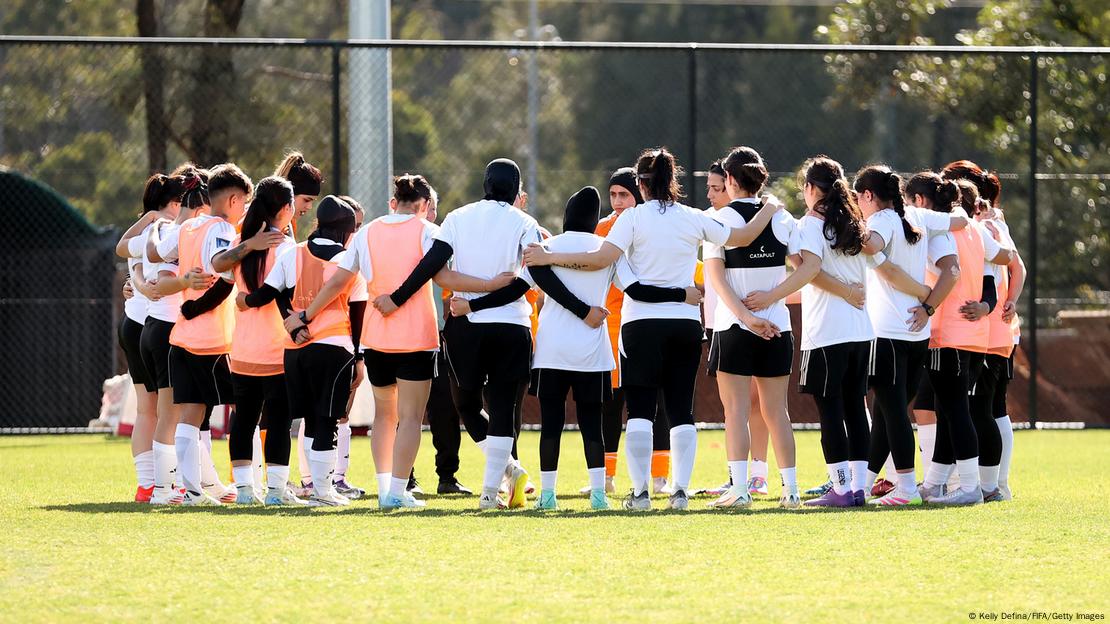
Many of the players that will make up the Afghanistan players had not seen each other for yearsImage: Kelly Defina/FIFA/Getty Images

"Being in the sport field was making it more risky and dangerous for us to live at that time. I wasn't even able to move to get out of the house to go shopping or do anything. I was just like in a prison."
Doubts over who can watch as tournament beckons

Arefi, who has now settled in England, has tried to stay in touch with as many family members and friends who remain in Afghanistan as she can. But the Taliban's mass restrictions of social media access and shutdown of the internet at the end of September have left Afghans, and women in particular, isolated.

"We are very hopeful that they can watch us [the tournament will be streamed live by FIFA — Editor's note], and they can see us as an inspiration for themselves, because at the moment, there are so many things going wrong in Afghanistan," she said.

The tournament marks a significant step toward readmission into the FIFA fold, which has been a priority for the female footballers who managed to escape. Led by former captain Khalida Popal, many young footballers have worked tirelessly to promote the cause.

A refugee team playing in the regional leagues in Melbourne, Australia, have served as a de facto Afghanistan team but were not recognized by the game's global governors. That changed in May, when FIFA announced "a comprehensive strategy to support Afghan women to participate in football, whether they live in, or are based outside, the country."


That strategy has led to this month's tournament and the announcement of the first official Afghanistan squad since 2021. Of the 23 players who will travel to Dubai, 13 are based in Australia, five in the UK, three in Portugal and two in Italy. They will be coached by Pauline Hamill, a former Scotland international.


Reunion for displaced team


Many of the squad played together in their homeland, and Arefi said the chance to play together again at a pretournament selection camp at the English Football Association's headquarters was an emotional occasion.

"The camp we had in St. George's Park was a reunion. Some of the girls came from different countries, and it was like a warm hug for us to see each other after such a long time," she said. "When we step onto the pitch, it didn't feel like we have been apart for such a long time, because football reconnected us again as a team and allowed us to show the resilience and the sisterhood we have."

Arefi is balancing her football with the education she was denied in Afghanistan. Her experiences have driven her to study criminal justice and social work, and she plans to go to university next year.

"I want to be a human rights lawyer, to be an advocate for the women and girls that cannot do it, and use these opportunities I have here."

Her message to the Taliban is clear: "We are still here. We are still fighting for the voice that you are taking away from us."

The next step in that fight will be the match against Chad in Dubai on October 23.

Edited by: Chuck Penfold

Matt Pearson Reporter and editor

Sierra Leone’s Mpox Education Campaign Offers Public Health Model


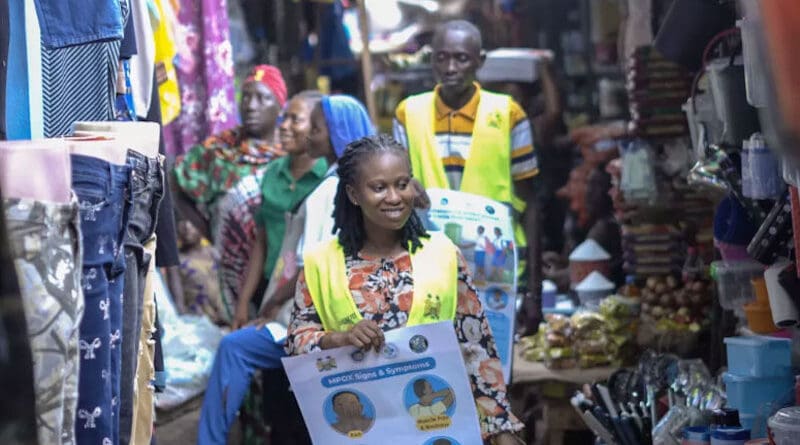
Social mobilizer Alice Brima is part of a United Nations team that shared information about mpox in markets as part of Sierra Leone’s effort to reduce the disease outbreak that started in January. Photo Credit: UNICEF

October 20, 2025 
By Africa Defense Forum


Through radio jingles, posters, daily text messages and door-to-door visits, Sierra Leone’s public health officials are driving a messaging campaign aimed at preventing the spread of mpox. Experts say the effort has contributed to a sharp drop in new cases since they spiked in May.

The campaign and other public health measures helped bring new cases down from 600 per week in May to about 26 per week as of the end of September, according to the Africa Centres for Disease Control and Prevention. The country’s fatality rate also declined sharply.

“The case fatality rate was the key challenge for Sierra Leone, so we really commend the country for the great job that has been done on that side,” said Yap Boum II, assistant manager of Africa CDC’s incident management team.

Dr. Ngashi Ngongo, head of the Africa CDC’s incident management team, credited Sierra Leone’s sharp drop in mpox cases with intensified community surveillance, good vaccination rates and improved testing.

“This is one of the best stories that we have,” he said during a briefing on mpox outbreaks around the continent. Despite recent case declines, the majority of new infections are in the western part of the country. Sierra Leone’s mpox outbreak began with two cases at the beginning of the year. That grew to 1,400 by May and 4,200 and 28 deaths by late June, according to the World Health Organization (WHO).

Although there’s an mpox vaccine, treatment typically means addressing symptoms while letting the disease run its course. People with compromised immune systems sometimes need special attention. Severe cases can result in blindness or even death.

Sierra Leone is not alone in dealing with rapidly spreading mpox. Burundi, the Democratic Republic of the Congo and Uganda also are experiencing outbreaks.

Sierra Leone’s public messaging has emphasized the way mpox spreads and urges people to wash their hands or use hand sanitizer regularly. The campaign has helped to reduce stigma around the disease as people share their experiences through social media.

Speaking to members of Sierra Leone’s media, Dr. George Ameh, the WHO’s representative in Sierra Leone, emphasized the role public trust plays in bringing the mpox outbreak under control.

“Through your platforms, we can confront rumors, dispel fear, and deliver accurate, life-saving information,” Ameh said.

According to the WHO, media organizations attending Ameh’s meeting committed to offering free airtime for talk shows, radio announcer mentions and jingles to raise awareness.

Alfred Jamiru, Sierra Leone’s deputy minister for local government and community affairs, was part of the program in August aimed at teaching local community leaders how to educate residents about mpox.

A key factor in reducing the spread is to eliminate any sense of shame surrounding the disease for the leaders and their residents, Jamiru told Sierra Network Salone.

“There is no shame,” Jamiru said. “Make them see for themselves the cost of what’s going on, the cost to the human body and, eventually, human lives.”

As of September, Sierra Leone had received 267,000 doses of mpox vaccine, primarily for high-risk patients, people living in close contact with infected persons and front-line health workers. The Africa CDC in August characterized vaccine rates in the country as “good.”

However, United Nations officials recently reported that they have run out of funds to buy more vaccine doses for other countries experiencing mpox outbreaks.

With help from UNICEF, Sierra Leone’s public health workers took their mpox prevention message to market vendors in the community of Bo about 240 kilometers east of the capital, Freetown. Social mobilizer Alice Brima moved from stall to stall delivering a simple message: Mpox is real.

Brima and colleague Hindowa Alie have been training others to get the message out among shoppers and sellers in the country’s crowded markets.

In a WHO statement, Brima said: “We must achieve our objective to create awareness and understanding of the disease among these critical set of stakeholders, the market vendors and buyers, so that collectively, we could curtail its rapid spread.”


Africa Defense Forum

The Africa Defense Forum (ADF) magazine is a security affairs journal that focuses on all issues affecting peace, stability, and good governance in Africa. ADF is published by the U.S. Africa Command.
BNP Paribas found liable for atrocities in Sudan under Bashir regime

A US jury has held French bank BNP Paribas responsible for helping to sustain Sudan’s brutal regime under deposed leader Omar al-Bashir, awarding damages to victims of its atrocities.

Issued on: 20/10/2025 - RFI

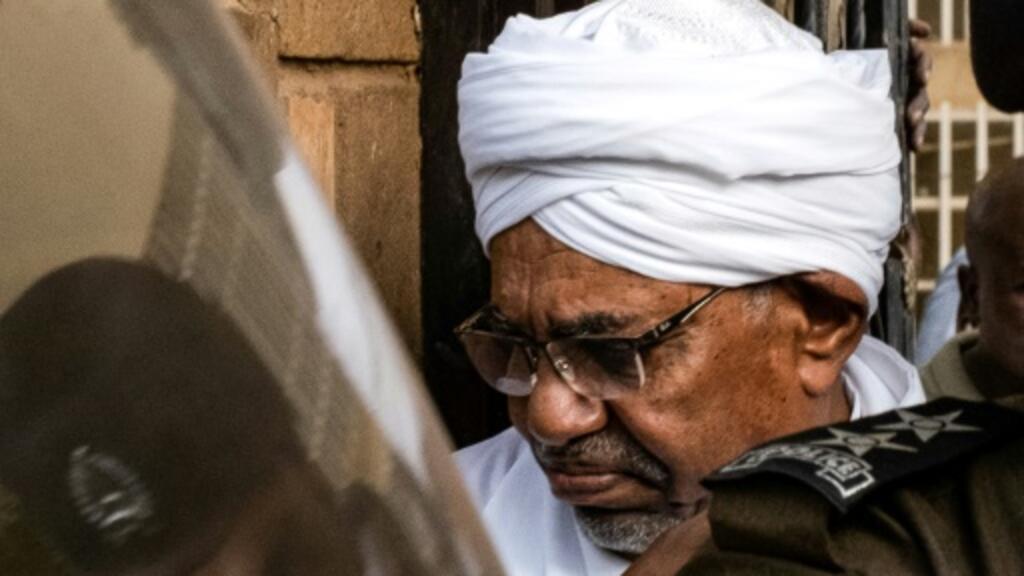
Sudan’s ousted president Omar al-Bashir, accused of corruption, hoarding foreign currency and receiving illegal gifts, now finds his regime back in the spotlight after a New York jury ruled that French bank BNP Paribas helped sustain his government. AFP/Fil

A New York jury has ruled that French banking giant BNP Paribas helped sustain the brutal regime of former Sudanese leader Omar al-Bashir, making it liable for atrocities committed under his rule.

After a three-week civil trial, the eight-member jury sided with three Sudanese-born plaintiffs – now American citizens – who accused the bank of indirectly fuelling the violence that tore their country apart.

The panel awarded them more than $20 million in damages.

The plaintiffs, two men and one woman, shared harrowing testimony of being tortured by soldiers and members of the Janjaweed militia – the notorious paramilitary group accused of ethnic cleansing in Darfur.

One survivor described being burned with cigarettes and slashed with a knife, while another recounted sexual assault.

“I have no relatives left,” said 41-year-old Entesar Osman Kasher, her voice breaking as she recalled the devastation that claimed her family.

'A victory for justice and accountability'

For the victims’ lawyer, Bobby DiCello, the verdict marks a turning point in the long fight to hold corporations accountable for the human cost of their business decisions.

“The jury recognised that financial institutions cannot turn a blind eye to the consequences of their actions,” DiCello said. “Our clients lost everything to a campaign of destruction fuelled by US dollars – money that BNP Paribas helped move and that should have been stopped.”

During his closing arguments, DiCello accused the bank of having “supported ethnic cleansing” and “ruined the lives” of his clients.


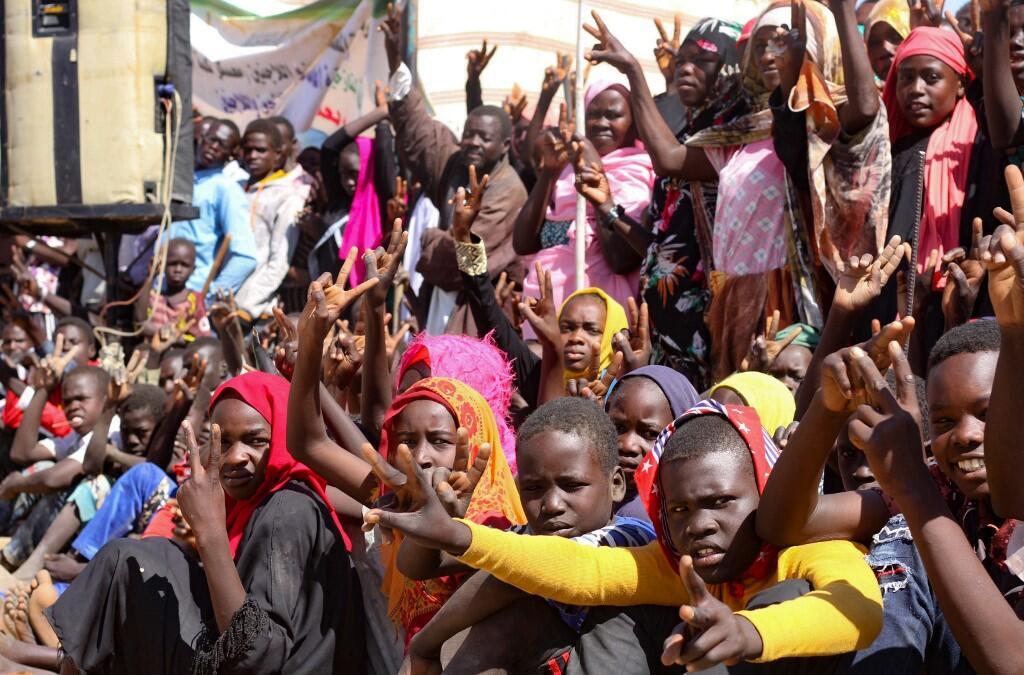
Sudanese internally displaced people stage a sit-in to protest the end of the UN and African Union peacekeeping mission (UNAMID) in Kalma camp, Nyala, South Darfur, on 31 December 2020 – years after atrocities financed in part by Sudan’s Bashir regime, which a New York jury has now linked to BNP Paribas’s operations. Violence and atrocities continue to this day in Darfur. AFP - -

BNP Paribas, which did business in Sudan from the late 1990s until 2009, has pushed back strongly against the verdict.

The French lender was accused of providing letters of credit that allowed Bashir’s government to continue exporting oil, cotton, and other commodities – generating billions of dollars in revenue despite US sanctions.

A bank spokesperson told AFP the ruling “is clearly wrong” and said there were “very strong grounds to appeal the verdict, which is based on a distortion of controlling Swiss law and ignores important evidence the bank was not permitted to introduce.”

Defence attorneys argued that BNP Paribas’s transactions in Sudan were legal in Europe at the time and even mirrored partnerships that global institutions such as the International Monetary Fund maintained with the Sudanese government.

“There’s just no connection between the bank’s conduct and what happened to these three plaintiffs,” said defence lawyer Dani James, while another attorney, Barry Berke, insisted that “Sudan would and did commit human rights crimes without oil or BNP Paribas.”


A dark chapter revisited

Between 2002 and 2008, Sudan’s conflict – particularly in Darfur – claimed around 400,000 lives and displaced 2.5 million people, according to UN estimates.

The violence drew international outrage, with Bashir himself later indicted by the International Criminal Court for genocide and war crimes.

Bashir, who ruled Sudan for nearly 30 years, was toppled in April 2019 after months of mass protests.

He remains in custody in Khartoum and faces multiple charges related to corruption and his regime’s legacy.

This weekend's verdict adds to growing pressure on multinational banks and corporations to reckon with their roles in regimes accused of human rights abuses.


BNP Paribas has already faced hefty penalties for its Sudan dealings – including a record $8.9 billion fine in 2014 for violating US sanctions.

For the three Sudanese survivors, however, the latest judgment is about more than money. It’s about recognition.

“This case shows that even the most powerful institutions can be held to account,” DiCello said after the verdict.

BNP Paribas is expected to appeal.

(With AFP)

Morocco vows social reforms after youth-led protests shake government


Morocco’s government promised major improvements to healthcare, education and youth participation in politics on Sunday, in a direct response to a wave of Gen Z–driven protests sparked by public anger over inequality and corruption. The pledges mark the first concrete reforms since the demonstrations erupted last month.


Issued on: 20/10/2025 
By: FRANCE 24


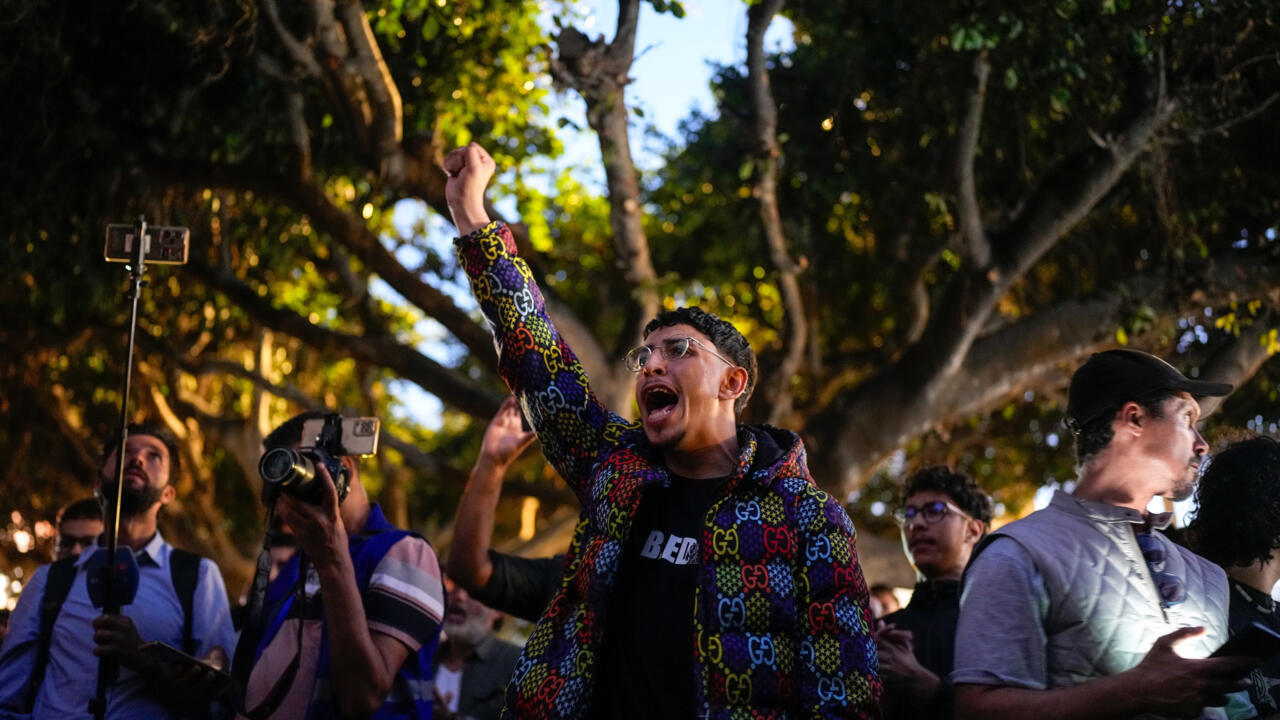
People take part in a youth-led protest against corruption and calling for healthcare and education reform, in Rabat, Morocco. © Mosa'ab Elshamy, AP

The Moroccan government on Sunday pledged improvements to healthcare and education in response to a wave of youth-led protests that took authorities by surprise, state media reported.

It announced a set of measures aimed at encouraging young people to engage in politics and committed to broad social reforms, the state news agency MAP said.

The 2026 draft finance bill would strengthen social services – including public education and healthcare – two key sectors that demonstrators have urged the government to reform.

Another draft bill seeks to boost civic participation by inviting “people younger than 35 to enter politics”, according to MAP. It would ease eligibility rules for young candidates and offer financial incentives covering up to 75 percent of campaign expenses.

A separate proposal aims to enhance the role of political parties, improve transparency, and help more women and young people join or establish them, MAP added.

The Gen Z protests took the usually stable kingdom by surprise late last month, following the deaths of eight pregnant women at a hospital in the southern city of Agadir.

The online-based movement, calling itself “Gen Z 212”, later broadened its demands to include ending corruption and changing the current government.

Read moreShortages, sanitation issues and corruption: Morocco’s public hospitals at a breaking point

The government said it would prioritise social spending next year – with nearly $13 million allocated to health and education – and create more than 27,000 jobs in those sectors, MAP reported.

Social inequalities remain a major challenge in Morocco, where deep regional disparities persist alongside a wide gap between the public and private sectors.

Official figures show that lack of education is a key driver of poverty, which has nevertheless fallen from nearly 12 percent of the population in 2014 to 6.8 percent in 2024.

(FRANCE 24 with AFP)


In the Sahel, no reprieve under jihadist blockade

Abidjan (AFP) – Islamist militants still severely impact large swathes of Burkina Faso and Mali, imposing roadblocks, launching attacks and cutting off supply lines as they expand their decade-long presence, according to residents' testimonies.

Issued on: 20/10/2025 - FRANCE24

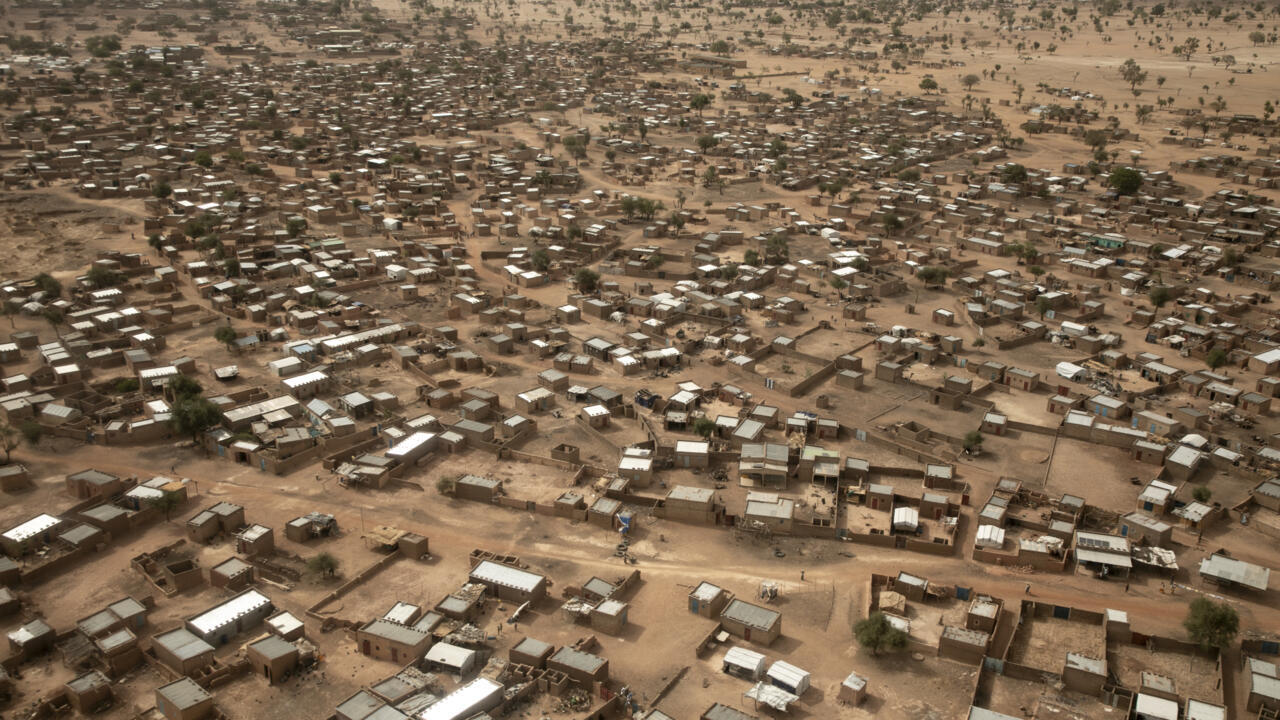
Towns like Barsalogho in Burkina Faso have struggled with jihadist attacks from groups affiliated with Al-Qaeda © - / AFP/File

Several towns in central and northern Burkina Faso are currently under blockade by jihadists and army supply lines are regularly targeted.

The town of Arbinda has been isolated for several months.

"Arbinda is experiencing a food crisis. People are suffering from a lack of food and basic necessities," one resident told AFP by telephone, insisting, like others, on speaking anonymously for security reasons.

"The town has not received supplies for more than six months. We just want to eat," another resident said.


Burkina Faso and Mali have struggled with violence from jihadist groups linked to Al-Qaeda and the Islamic State for a decade.

Both countries have been run by military governments since coups carried out between 2020 and 2022.

But analysts say the military rulers have mostly failed to meet their promises of defeating the jihadists and making their countries safer, as data shows violence in the region is worsening.

In Solhan, further east in Burkina, residents expressed similar worries to those in Arbinda.


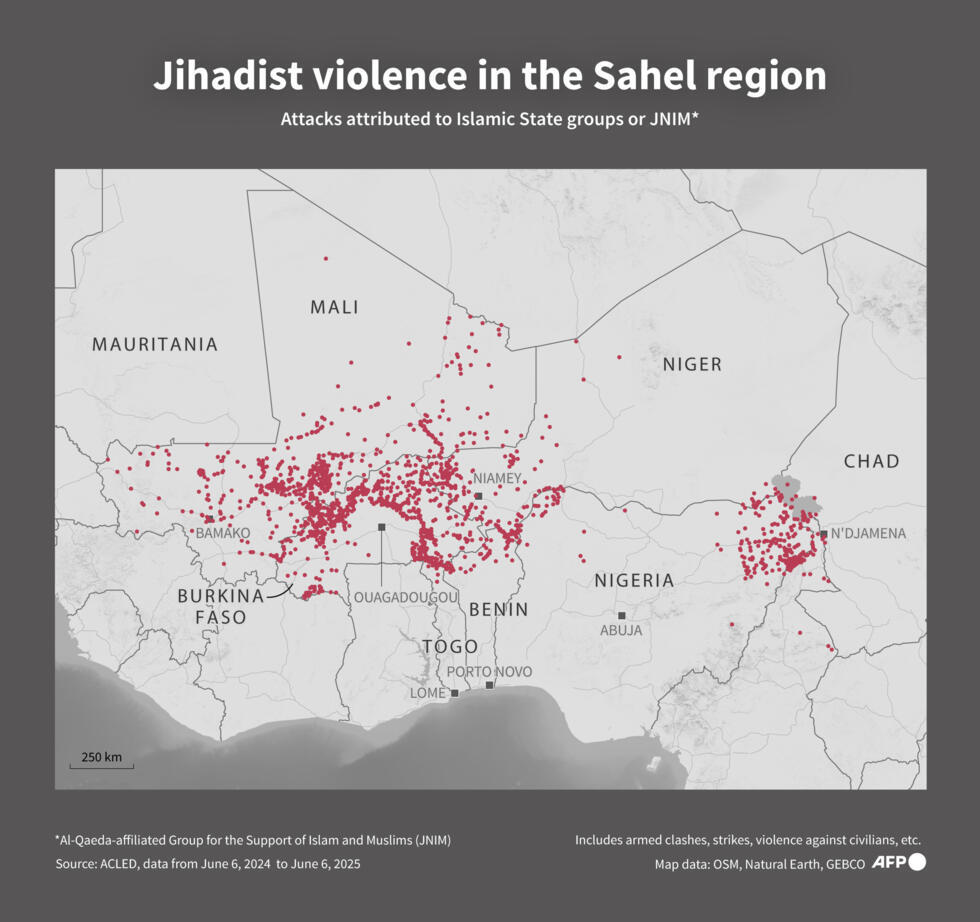
Jihadist violence in the Sahel region © Ioana PLESEA, Valentina BRESCHI / AFP


"People are hungry. The last scheduled food convoy was ambushed, worsening the situation for an already exhausted population," said one resident.

"We can't farm or do anything outside the town. Even carts used to fetch firewood are seized. We are calling out for help just to survive," said a resident in Bourzanga, another town.

The Group for the Support of Islam and Muslims known by its Arabic acronym JNIM, affiliated with Al-Qaeda, is the most influential group in both countries and the "most significant threat in the Sahel", according to the UN.

Its victims, both civilian and military, number in the thousands.

About four million people are now displaced across Burkina Faso, Mali, Niger and neighbouring countries -- around two-thirds more than five years ago -- reflecting the insecurity, limited access to services and effects of climate change, the UN said this month.

In Mali, the JNIM has stepped up its attacks since September in western and southern parts of the country by imposing a blockade on petroleum products, causing a fuel shortage that is worsening the already precarious situation for millions of people.
'Deserted the town'

"For two weeks, we've been running out of fuel. Our fields have started to dry up from a lack of fuel for pumps," a resident of San, in central Mali, said.

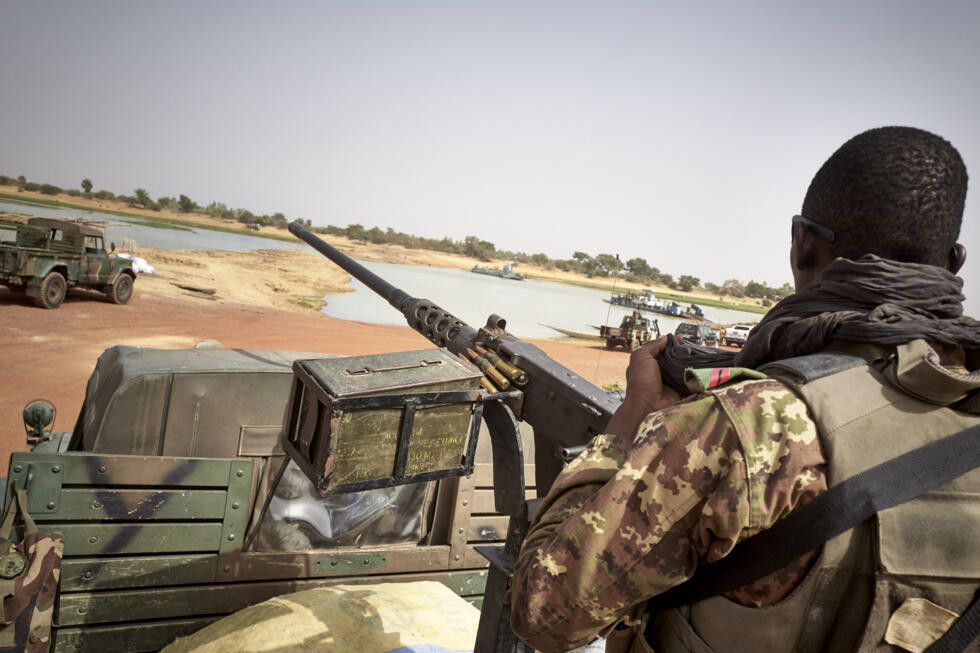
Malian soldiers have been battling jihadists for more than a decade
 © MICHELE CATTANI / AFP


"Today, truckers no longer come because the jihadists have cut off the roads. Our produce is rotting or drying up at the edge of our fields. How can we pay our debts?" said a producer and member of the Regional Assembly of Chambers of Agriculture in Sikasso, in southern Mali.

In the central Malian town of Macina, the jihadists' presence is also making the presence of the state disappear.

"We have no birth certificates, no official marriage certificates. The jihadists said they didn't want any symbols of the state, so the civil registrars and administrators have deserted the town," said a local nurse.

Military authorities who rarely report any causalities among their ranks regularly claim victories in their anti-jihadist fight.

But residents under jihadist blockade have little faith.

"We're told the army is gaining strength. But if terrorists are still capable of occupying a town like Gomboro for days, in an important military region, then things are really not going as they say," said a resident of Gomboro town in northwestern Burkina Faso.

Niger, a neighbour and ally of Mali and Burkina Faso and also ruled by a military junta, faces deadly jihadist attacks from Boko Haram, as well as from the groups linked to Al-Qaeda and the Islamic State.

© 2025 AFP
Louvre heist raises decades old questions about museum security

The heist at the Louvre on Sunday morning, which saw thieves flee with eight royal jewels, has raised questions about how well France's priceless historical artefacts and cultural heritage are being protected.

Issued on: 19/10/2025 
By: FRANCE 24

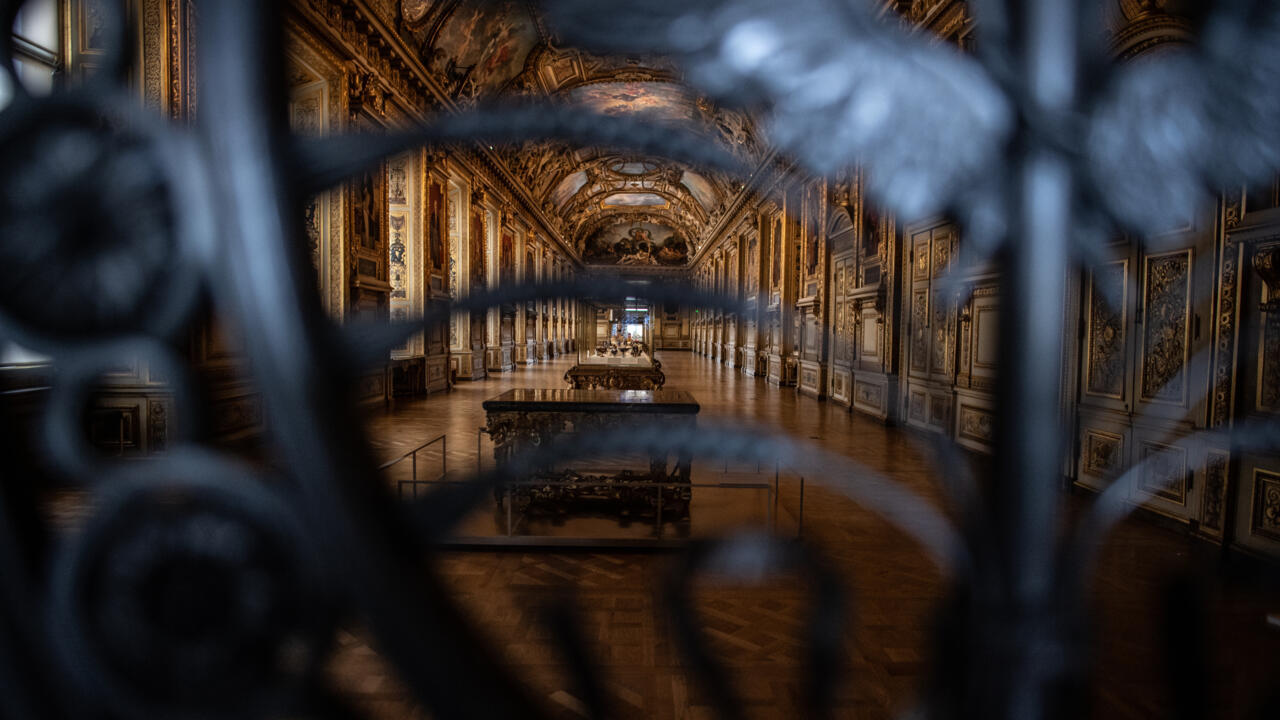
Sunday's raid targetted the Gallerie d'Apollon (Apollo's Gallery) © Martin Bureau, AFP

A raid on France's top museum that saw thieves flee with royal jewels has raised awkward questions about how well the country's priceless cultural heritage is being protected.

How could robbers with power tools break in and steal crowns, sapphire and emerald necklaces? And how can a museum spanning 73,000 square metres and housing around 35,000 works of art be secured?

The government said authorities had already begun reviewing security at the vast Paris venue before the heist. Labour unions there have complained that security staff positions have been cut.

Here are some of the issues raised by Sunday's drama.

Security warning decades ago


The Louvre's then director Pierre Rosenberg warned that the museum's security was "fragile" after a painting by French master Camille Corot was stolen in broad daylight in 1998.

Taking over in 2021, its current director Laurence des Cars asked the Paris police to conduct a security audit of the museum.

Following this audit, recommendations were made "a few weeks, a few months ago", said Culture Minister Rachida Dati on Sunday after the raid.

Read moreThe Louvre heist: A look at other famous robberies in museums worldwide

They "are beginning to be implemented", she said, without elaborating.

Contacted by AFP, the Louvre did not comment.

The culture ministry said in a statement that alarms linked to the windows of the Apollo Gallery went off when the thieves penetrated them in a "particularly fast and brutal break-in".

It said five museum guards present in the gallery and nearby spaces "immediately intervened to implement security protocol", prompting the thieves to flee. No one was hurt, it said.

Security staff cuts

Labour unions said the museum's security had been undermined by staff reductions in recent years, even as museum attendance has soared.

One union source, who asked not to be named, said the equivalent of 200 full-time posts had been cut at the museum over the past 15 years, out of a total workforce of nearly 2,000.

"We cannot do without physical surveillance," the source said.


The SUD union, in a statement on Sunday, complained of "the destruction of security jobs" at the Louvre.

In mid-June, museum staff staged a brief walkout to protest "understaffing" issues they said prevented them from carrying out their duties.

"This robbery comes a few months after museum employees warned about security flaws," said a deputy mayor of Paris, David Belliard of the Green party.

"Why were they ignored by the museum management and the ministry?" he wrote on X.
Hundreds of millions for revamp

In response to warnings about the state of the Louvre, France's President Emmanuel Macron this year announced a colossal renovation project, estimated to cost up to $930 million.

It plans to install a new entrance to relieve congestion at the museum's landmark glass pyramid by 2031 and an exhibition hall dedicated to the Mona Lisa.

Read more Thieves steal 8 objects from the Louvre in daring daytime heist

Dati said on Sunday the renovation project featured a new "security master plan".

The culture ministry said Sunday that security measures would be "improved with new-generation cameras deployed".

The union source interviewed by AFP hoped that the amount spent "will be up to the protection required by our establishment".
Multiple museum thefts

The Louvre was just the latest French museum to be targeted. Just last month thieves broke into the Natural History Museum in Paris at night and stole six kilos of gold nuggets.

"Museums are increasingly targeted for the valuable works they hold," the Central Office for the Fight against Trafficking in Cultural Property (OCBC) told AFP earlier this month.

Gold objects "are particularly exposed, especially since the security of a museum does not equal that of a bank".

© France 24
01:25


According to the office's figures, museum burglaries peaked at 31 in 2015, with nine recorded in 2023 and 21 in 2024. There are 1,200 venues designated as national museums in France.

'Unsellable' treasures


Authorities and the art world speculated on Sunday about who the suspects were and where the stolen Louvre jewels may be headed.

Interior Minister Laurent Nuñez said on the radio that "a seasoned team" of thieves was suspected to be behind it, one that had "already committed other deeds of this nature".

The president of the leading auctioneer Drouot Patrimoine, Alexandre Giquello, said Sunday he found it "hard to believe" the Louvre jewels were stolen to order, judging the famous treasures "totally unsellable in their current state".

"In this operation, the most complicated part is not the theft, but the fencing," he told television channel LCI.

(FRANCE 24 with AFP)

French police hunt experienced, possibly ‘foreign’, Louvre heist team


French police continue its manhunt for the brazen team of robbers who stole eight “priceless” pieces of royal jewellery from Paris’s Louvre museum in broad daylight on Sunday. Some 60 investigators are currently working on the case. Officials say the thieves appear to have been experienced and are possibly “foreign” nationals.

Issued on: 20/10/2025 
By: FRANCE 24


The whole raid took just seven minutes, officials say. © Dimitar Dilkoff, AFP

The hunt was on Monday for the band of thieves who stole eight priceless royal pieces of jewellery from the Louvre Museum in the heart of Paris in broad daylight.

Officials said a team of 60 investigators were working on the theory that the raid was planned and executed by an organised crime group.

In France, it reignited a row over the lack of security in the country's museums, which the new Interior Minister Laurent Nuñez acknowledged Sunday was a "major weak spot".

The thieves arrived between 9:30 and 9:40am (07:30 and 07:40 GMT) Sunday, shortly after the museum opened to the public at 9:00am, a source close to the investigation said.

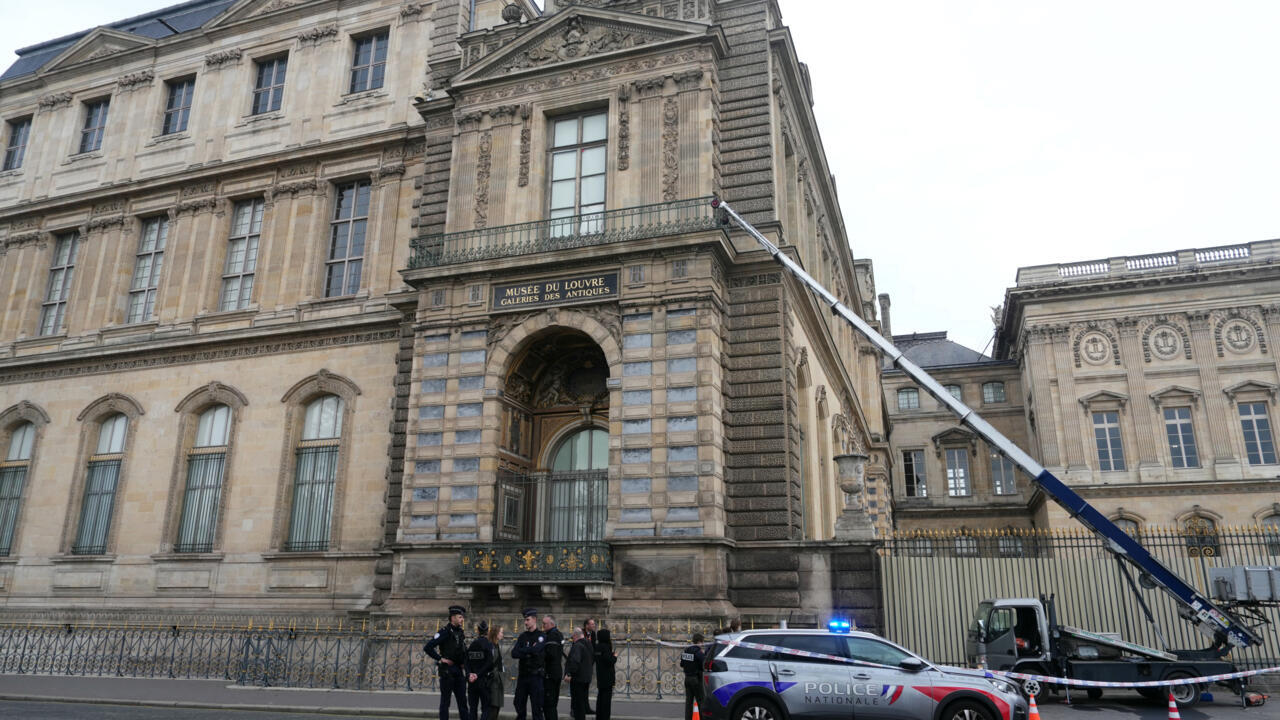
They used an extendable ladder to access the Apollo Gallery, home to the royal collection, and cutting equipment to get in through a window and open the display cases.

A brief clip of the raid, apparently filmed on the phone of a visitor to the museum, was broadcast on French news channels.

The masked thieves stole nine 19th-century items of jewellery, one of which — the crown of the Empress Eugénie — was dropped and damaged as they made their escape.
Seven-minute raid

Eight "priceless" items of jewellery were stolen, the culture ministry said Sunday. The list they released included an emerald-and-diamond necklace that Napoleon gave his wife Empress Marie Louise.

Also stolen was a diadem that once belonged to the Empress Eugénie, which has nearly 2,000 diamonds; and a necklace that once belonged to Marie-Amelie, the last queen of France. It has eight sapphires and 631 diamonds, according to the Louvre's website.

The whole raid took just seven minutes and was thought to have been carried out by an experienced team, possibly "foreigners", said Nuñez.

The intervention of the museum's staff forced the thieves to flee, leaving behind some of the equipment used in the raid, said the culture ministry in a statement.

The loot would be impossible to sell on in its current state, said the president of the leading auctioneer Drouot Patrimoine, Alexandre Giquello.
National 'humiliation'

It was the first theft from the Louvre since 1998, when a painting by Corot was stolen and never seen again.

Sunday's raid relaunched a debate over what critics said is the poor security at the nation's museums, far less secure than banks and increasingly targeted by thieves.

In an interview with French radio station France Inter, Justice Minister Gerard Darmanin said the jewelry heist gave a very negative image of France because of its incapacity of protecting its museums.

"What is certain is that we have failed, since people were able to park a furniture hoist (mechanical lift) in the middle of Paris, get people up it in several minutes to grab priceless jewels," he said.

Sunday's robbery sparked angry political reactions.

"How far will the disintegration of the state go?" said far-right National Rally party leader Jordan Bardella on social media, calling the theft "an unbearable humiliation for our country".

President Emmanuel Macron said on social media that "everything is being done" to catch the perpetrators and recover the stolen treasures.

(FRANCE 24 with AFP)


Centrist outsider Rodrigo Paz wins Bolivian presidency, ending socialist rule

Centrist senator Rodrigo Paz won Bolivia’s presidential election on Sunday, preliminary results showed, in a surprise victory that ended 20 years of dominance by the left-wing Movement Toward Socialism party. His win reflected growing anger over the country’s deepening economic crisis, fuel shortages and soaring inflation.

Issued on: 20/10/2025 
By: FRANCE 24

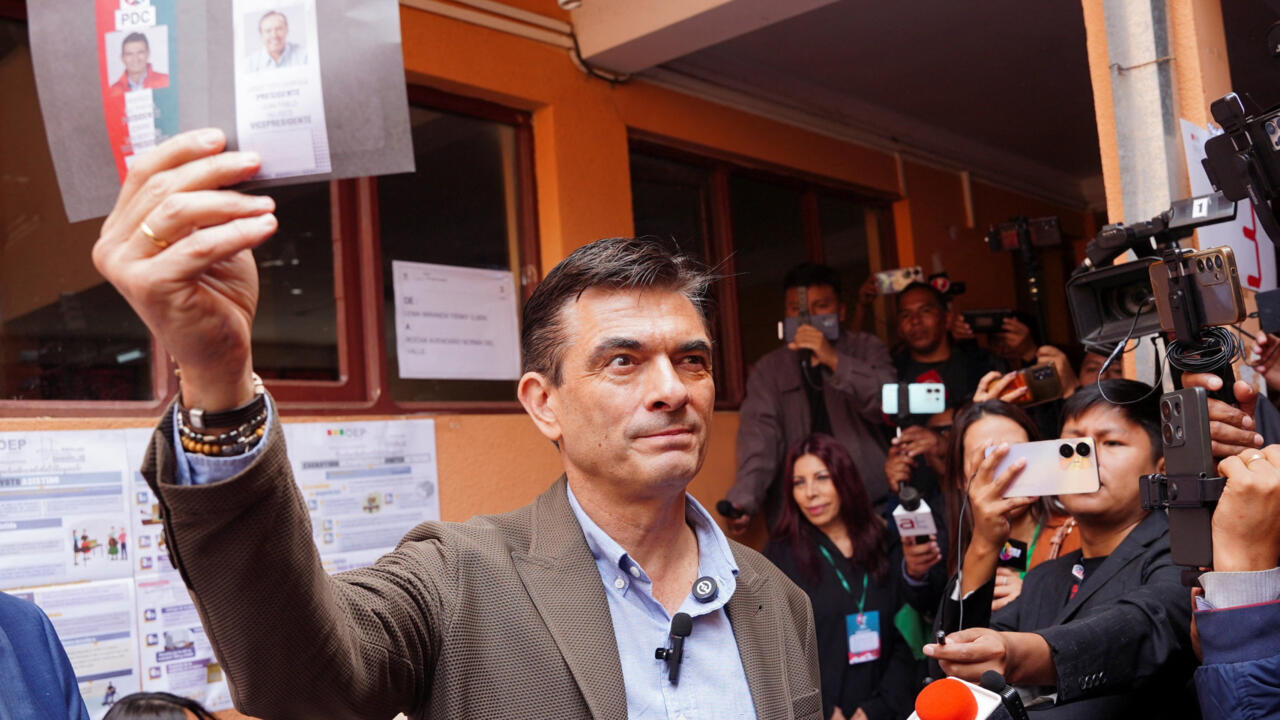
Centrist senator and presidential candidate Rodrigo Paz of the Christian Democratic Party (PDC) shows his ballot to the media before casting his vote, during the presidential runoff election. © Sara Aliaga, Reuters

Rodrigo Paz, a centrist senator who had never been a nationally prominent figure until now, won Bolivia’s presidential election on Sunday, preliminary results showed — galvanising voters outraged by the country’s economic crisis and frustrated after 20 years of rule by the Movement Toward Socialism (MAS) party.

“The trend is irreversible,” said Oscar Hassenteufel, the president of the Supreme Electoral Tribunal, which released early results showing that Paz, 58, secured more than 54 percent of the vote. His rival, former right-wing president Jorge “Tuto” Quiroga, took just over 45 percent.

Paz and his popular running mate, former police captain Edman Lara, gained traction among working-class and rural voters disillusioned with the unrestrained spending of the long-ruling MAS party but wary of a radical turn away from its social protections.

Although Paz plans to end Bolivia’s fixed exchange rate, phase out generous fuel subsidies and cut back public investment, he has pledged a gradual approach to free-market reforms in hopes of avoiding a sharp recession or a spike in inflation that could further anger the public.

Quiroga, by contrast, advocated turning to the International Monetary Fund for a shock-therapy package of the kind Bolivians came to know and fear in the 1990s.

Paz’s victory sets this nation of 12 million on a sharply uncertain path as he seeks to enact major change for the first time since the 2005 election of Evo Morales, the founder of MAS and Bolivia’s first Indigenous president.

Since 2023, the Andean nation has been crippled by a shortage of US dollars that has locked Bolivians out of their own savings and hampered imports. Year-on-year inflation soared to 23 per cent last month — the highest rate since 1991 — while fuel shortages have paralysed the country, with motorists often waiting days in line to fill their tanks.

Both Quiroga and Paz vowed to break with the budget-busting populism that has dominated Bolivia under the MAS party.

“We are closing one cycle and opening another,” Paz told supporters as he cast his ballot in his hometown of Tarija alongside his father, former president Jaime Paz Zamora, earlier Sunday.

Some voters said they felt energised by the promise of change as they lined up to vote.

“Since 2005 we haven’t had any real options, so this is exciting for me,” said Carlos Flores, 41, a secondary school teacher waiting to vote for Paz.

(FRANCE 24 with AP)


Bolivia's new president faces worst economic crisis in decades

La Paz (AFP) – Bolivians elected Rodrigo Paz as president on Sunday, selecting the center-right senator and economist to address the country's worst economic crisis in 40 years.

Issued on: 20/10/2025 - FRANCE24

Bolivians elected Rodrigo Paz as president as the country faces its worst economic crisis in decades © Lucas AGUAYO / AFP/File

Paz, 58, campaigned on slashing public spending, especially on fuel subsidies, and vowed a "capitalism for all" approach to economic reform in a marked shift from the preceding two decades of socialist government.

The president-elect, who will assume office on November 8, has promised that his governance style will be one of "consensus," as he hopes to gain public trust in a divided society.

Economy

Bolivia is in the grips of an economic crisis, with year-on-year inflation at 23 percent and a chronic shortage of fuel.

One of Paz's main challenges at the start of his tenure will be to find a way out of the fuel crisis and overcome a severe shortage of dollars -- the result of large government subsidies and a decrease in gas exports -- while curbing an uptick in the cost of living.

"Stabilizing the economy will require very firm measures," economist Napoleon Pacheco, a professor at La Paz's San Andres university, told AFP.

But analyst Daniela Osorio of the German Institute for Global and Area Studies warned that such measures "could lead to a social uprising."


Mistrust


Maria Teresa Zegada, a sociologist at San Simon university in La Paz, said there was "growing public dissatisfaction with politics."

A breakdown of the results of Sunday's run-off illustrates the divisions in the country, with the more conservative and richer east largely supporting right-wing candidate Jorge Quiroga, while the more impoverished west and its large Indigenous population backed Paz.

Osorio said these trends point to a revival of traditional "divisions between the east and the west, as well as between urban and rural areas."

Maria Choquetapi, a woman from the Aymara Indigenous group, told AFP from her town of Laja west of the capital: "I would like the new government to roll up their sleeves and really get to work, not like their predecessors."

Parliament

Paz's party is the biggest in parliament. But with no outright majority, the new president will have to "find agreements" to rule effectively, said Zegada.

The four right-wing parties in Bolivia's parliament will hold 119 of 130 seats in the Chamber of Deputies and all 36 in the Senate.

That means Paz will have to work with some of his political rivals despite painful "wounds" from the run-off campaign, according to Osorio.

Morales


Evo Morales, who served as president from 2006 to 2019 and was barred from running again this year, remains popular, especially among Indigenous Bolivians.

He cast a long shadow over the campaign, and in the first round, got nearly one in five voters to spoil their ballot over his exclusion from the election.

But internal divisions in his Movement Towards Socialism party have seen Morales's influence weaken.

The former president is also the target of an arrest warrant for human trafficking over an alleged sexual relationship with a minor -- an accusation he denies.

Analyst Osorio said that even a weaker Morales "remains a destabilizing factor."

Zegada, the sociologist, said that his supporters "have already warned that if the next government does not live up to its promises, they will mobilize to overthrow it."

© 2025 AFP