Friday, November 07, 2025

Yad Vashem identifies 5 million Holocaust victims


04.11.2025, DPA


Photo: Fabian Sommer/dpa


Israel's Yad Vashem memorial said it has identified by name 5 million Jewish victims murdered during the Holocaust perpetrated by Nazi Germany — a milestone after seven decades of research and documentation.

The names are recorded in Yad Vashem's central database, which is available online in six languages, the institution said in a statement.

The archive also contains hundreds of thousands of individual "Pages of Testimony" that document the lives and fates of victims, helping many families trace lost relatives and commemorate their loved ones.

About 1 million Holocaust victims remain unidentified, and "many will likely remain so forever," Yad Vashem, which is Israel's official Holocaust memorial and research centre, said in the Monday statement.

Researchers are now using artificial intelligence and machine learning to uncover as many as 250,000 additional names.

"Reaching 5 million names is both a milestone and a reminder of our unfinished obligation," said Yad Vashem Chairman Dani Dayan.

"Behind each name is a life that mattered — a child who never grew up, a parent who never came home, a voice that was silenced forever. It is our moral duty to ensure that every victim is remembered so that no one will be left behind in the darkness of anonymity."

Almost 1 million birds culled as Germany tackles avian flu outbreak

03.11.2025, DPA


Photo: Christophe Gateau/dpa


Almost 1 million birds have been culled in Germany as the country grapples with a serious outbreak of avian influenza.

The Friedrich Loeffler Institute (FLI) on Monday said the spread of the disease is already comparable to previous record year of 2021.

"We had a very early start to the wave of infections in 2025 and now have to wait and see whether it will also subside earlier," said a spokeswoman for the animal health agency, which is headquartered on the Baltic Sea island of Riems. 

Infections with the highly contagious H5N1 bird flu virus have been detected in 66 poultry farms across Germany since the beginning of September, with nearly 1 million birds being culled as a preventive measure. In addition, nearly 300 dead wild birds have been found to be infected with the bird flu virus.

According to the FLI, bird flu affected a total of 286 poultry farms, zoos and private holdings in 2021.

More than 2 million farm animals were culled in that year. If the infection continues to spread at the same rate, similar figures can be expected by the end of the year, said the spokeswoman.

In view of the large number of new cases of infection, FLI President Christa Kühn has dampened hopes that the current wave of bird flu will subside quickly.

A shift in the infection towards the south-west is considered likely, as the virus is being carried further by the autumn bird migration.

Avian influenza is often fatal to many bird and poultry species.

Saudi Arabia's Vision 2030 Has Sparked a Massive Renewable Energy Push

  • Saudi Arabia aims to generate 50% of its electricity from renewables by 2030 and reach net-zero emissions by 2060.

  • Major projects like NEOM and multibillion-dollar solar and wind tenders are driving green energy growth.

  • Digital transformation and investment in AI are strengthening Saudi Arabia’s non-oil economy and attracting global investors.

Saudi Arabia’s Vision 2030 national development strategy establishes the aim of economic diversification, as the government seeks to reduce its reliance on fossil fuel revenues by expanding other economic sectors. In addition to drawing revenue from growing industries, such as construction, ICT, and tourism, the government is encouraging greater energy diversification to boost the country’s long-term energy security. 

Saudi Arabia built its wealth on oil, and it remains the second-biggest oil-producing country in the world, with an output of over 12 million bpd of crude. The Middle Eastern state has proven reserves of 266.5 billion barrels of oil, suggesting that it could continue pumping fossil fuels for decades to come. However, as part of its aim to reduce reliance on fossil fuel revenues, Saudi Arabia has been investing heavily in developing its other energy sectors in recent years.

The government of Saudi Arabia has been working with the United Nations Development Programme for around two decades, in a bid to develop a sustainable, long-term renewable energy strategy. It developed a $100-million National Energy Efficiency Programme and launched the Saudi Energy Efficiency Centre. The Kingdom aims to achieve 50 percent renewable electricity by 2030, or 130 GW of capacity, and reach net-zero carbon emissions by 2060.

The solar energy sector has expanded rapidly in recent years, following the launch of the first large-scale, grid-connected utility 300-MW solar PV project, Sakaka PV, in November 2019, developed by ACWA Power. Saudi Arabia now has 10.2 GW of renewable capacity connected to the grid, as well as more than 33 GW in various stages of development. It aims to tender an additional 20 GW of renewable energy annually through 2030 to reach its diversification targets.

To support its solar energy sector, Saudi Arabia is investing in the rollout of large-scale battery energy storage systems (BESS), with 8GWh (2GW) of capacity already operational. A further 22 GWh (5.5 GW) of BESS is currently under development, which will support the meeting of a national target for 48 GWh of storage capacity by 2030. Other sectors being developed include wind energy, geothermal power, and green hydrogen.

The government’s futuristic mega-project, the $9 trillion NEOM, will be a major driver of green energy deployment. The NEOM green hydrogen project is expected to become the largest utility-scale commercially based hydrogen facility powered by renewable energy in the world. The $8.4 billion project will include 3.9 GW of green power from solar, wind, and BESS and is expected to produce 600 tonnes per day of clean hydrogen once operational. The government aims to power the entire NEOM mega-project using a variety of renewable energies.

In October, the Saudi Power Procurement Company (SPPC) announced it had awarded five renewable energy projects with a total capacity of 4.5 GW, with a value of over $2.4 billion. The projects were awarded to the UAE renewable energy company Masdar and the French companies TotalEnergies and EDF, among others. 

The projects include Masdar’s 1.4 GW Najran Solar Energy Project and 600 MW Ad Darb Solar Plant; Saudi Electricity Company and EDF’s 600 MW Samtah Solar Plant; Al Jomaih Energy and Water Company and TotalEnergies’ 400 MW Sufun Solar Plant, and the 1.5 GW Dawadmi Wind Energy Project in Riyadh province from Korea Electric Power Corporation, Nesma Renewable Energy Company and Ajman’s Etihad Water and Electricity Company.

The accelerated development of Saudi Arabia’s IT sector has also helped it to grow its non-oil industries through a greater openness to innovative technologies, such as artificial intelligence (AI). Saudi Arabia’s Vision 2030 promotes a strategy of digitalisation across all sectors, which has attracted the interest of investors worldwide. The Kingdom is expected to develop data centres “at a scale and at a competitive cost not achieved anywhere else,” according to the country’s Investment Minister Khalid Al Falih. “AI has emerged [in] the last three, four years, and it’s definitely going to define the future economy of every nation. Those who invest will lead, and those who lag behind, unfortunately, will lose,” stressed Al Falih.

Saudi Arabia has experienced unprecedented success with its economic diversification project over the last decade. Around 50.6 percent of the Saudi economy is now “completely decoupled” from oil, according to Al Falih. Meanwhile, in 2024, the Kingdom announced a 1.3 percent increase in annual GDP, driven by 4.3 percent growth in non-oil segments.

Saudi Arabia’s economic diversification strategy has gone from strength to strength in recent years, as the government has used the country’s sovereign wealth fund – the Public Investment Fund – to invest in a wide variety of industries to attract higher levels of private investment. The Kingdom has begun to develop its renewable energy sector, with green energy capacity expected to grow at an accelerated rate over the next decade. This will be supported by greater digitalisation and an openness to innovative technologies.

By Felicity Bradstock for Oilprice.com

Sudan’s RSF accepts humanitarian truce proposal, as UN council calls emergency session on El Fasher

Sudan’s RSF accepts humanitarian truce proposal, as UN council calls emergency session on El Fasher
/ bne IntelliNews
By Brian Kenety November 7, 2025

Sudan’s paramilitary Rapid Support Forces (RSF) has agreed to a humanitarian truce proposal advanced by the diplomatic grouping known as the Quad mechanism, in what could represent a step towards easing hostilities in parts of the war-torn country.

The RSF announced its position in a statement on Thursday (November 6), saying it supported the framework of the ceasefire initiative. The Quad mechanism, which has previously been involved in mediation efforts on Sudan, comprises the US, UK, Saudi Arabia and the UAE.

The truce proposal is aimed at enabling humanitarian access, medical evacuations and civilian protection, according to diplomatic summaries circulated in recent weeks.

Sudan's military-led government, however, has not yet signed on to it. Sudan's chargé d'affaires in Nairobi, Mohamed Osman Akasha, told the BBC on Wednesday that the Sudanese Armed Forces (SAF) would agree to stop the fighting only if the RSF was dismantled, surrendered its weapons – and its leader held accountable.

“malnutrition, disease and violence”

Alarmed by reports and evidence of mass killings, rapes and other atrocities during the fall of El Fasher in Sudan to the RSF – and the prospect of famine in the Darfur region and beyond – the UN Human Rights Council plans to hold an emergency session on the situation in El Fasher on November 14. UN Secretary General António Guterres said the war was “spiralling out of control” with “people are dying of malnutrition, disease and violence.”

Fighting in Sudan’s Darfur region intensified following the RSF takeover on October 26 of El Fasher, a city under siege for more than a year, and its capture has disrupted remaining relief corridors into North Darfur.

Satellite imagery reviewed by the Yale School of Public Health’s Humanitarian Research Lab indicated burned residential areas and disturbed ground consistent with mass graves in multiple locations around the city – consistent with witness reports to humanitarian groups.

The imagery also shows damage at the hands of the RSF to medical facilities, including the vicinity of Al-Saudi Maternity Hospital, where the World Health Organization (WHO) reported attacks that resulted in a large number of casualties.

“The scale of killing [in El Fasher] is so shocking that pools of what may be blood are observable from space, as captured by satellite imagery analysis. An estimated 2,000 civilians were killed within the first 48 hours of the [RSF] takeover alone,” Foreign Policy magazine wrote, while the Sudan Doctors Network put the death toll at 1,500.

Now the RSF – which denies its foot soldiers committed mass killings and rejects allegations of targeted ethnic violence, but admitted that "violations" were committed by individuals and claims to have arrested some perpetrators – has agreed to the Quad proposal for a three-month humanitarian ceasefire. But with caveats.

The paramilitary rebel group said it looks forward to “implementing the agreement and immediately commencing discussions on the arrangements for a cessation of hostilities and the fundamental principles guiding the political process in Sudan” while calling for addressing the conflict’s root causes and establishing “a just, comprehensive, and lasting peace.”

extortion, violence, and no shelter

The situation in greater Darfur remains highly unstable, with the territorial balance split: the RSF controls much of the region, while the SAF holds territory in central and eastern Sudan. Humanitarian agencies continue to warn of rapidly deteriorating conditions and the risk of further displacement.

The International Organization for Migration (IOM) estimates that over 62,000 civilians fled El Fasher immediately following the RSF advance. However, many others have been unable to leave due to insecurity and checkpoints on exit routes.

Mathilde Vu, the Sudan advocacy manager for the Norwegian Refugee Council, told Al Jazeera that many civilians are reportedly being detained as they flee and asked to pay a “transportation fee” to reach Tawila. The IOM has said displacement routes are marked by extortion, violence, and lack of shelter.

The conflict, which began in April 2023, has now displaced around 12mn people – nearly a quarter of the country’s population –  according to UNHCR. Many fled to neighbouring Chad, South Sudan or Egypt, but countless others remain internally displaced across Darfur and the capital, Khartoum.

Human rights organisations, including Human Rights Watch and Amnesty International, have documented allegations of widespread killings, sexual violence, and forced disappearances in Darfur throughout the war. Both warring parties have been accused of violating international humanitarian law.

famine risk

According to the UN Office for the Coordination of Humanitarian Affairs (OCHA), access to aid in El Fasher has been severely restricted for months, leaving residents facing acute food shortages. OCHA reported that many families have been surviving on limited grain substitutes and non-standard food sources due to lack of assistance.

The latest report of the Integrated Food Security Phase network (IPC), a global food security monitor, classified famine conditions in the western Darfur city, and Kadugli in South Kordofan state. It projects a famine risk in another 20 areas across greater Darfur and greater Kordofan.

Diplomatic mediation efforts led by the African Union, United States, Saudi Arabia, and regional authorities have not achieved a lasting ceasefire. The UN Security Council has called for unhindered humanitarian access, though Council members remain divided on potential further action.

Envoys from the Quad and African regional bodies have indicated that monitoring, sequencing of withdrawals, and guarantees for civilian safety remain central to any workable truce. 

It's women's rights versus religion in Malawi abortion fight
DW
November 6, 2025

Women's rights groups have welcomed a decision by a Malawian court to allow safe abortions for women and girls subjected to sexual violence. But some religious groups oppose abortion.


Family Planning Association of Malawi (FPAM) public relations officer Faith Kamtambe pictured with a client during outreach work in Ntcheu District, MalawiImage: Family Planning Association of Malawi (FPAM)

Until recently, abortion in Malawi was only permitted when a woman's life was in danger. But, recently, the country's High Court ruled that survivors of sexual violence who end up pregnant are entitled to the procedure.

According to Malawi's Gender Equality Law, every person has the right to adequate sexual and reproductive health and, subject to the law, the right to choose whether or not to have a child.

For more than 15 years, women's rights organizations have lobbied for a Termination of Pregnancy Bill. Although a draft bill exists, it has yet to be tabled in parliament.

"This judgment is a vindication for all of us who have been lobbying for proper services for those who go through defilement and rape," Emma Kaliya, chairperson of the Coalition on the Prevention of Unsafe Abortion (COPUA), told DW.


The teenager who sued her way to victory

The ruling follows a lawsuit filed by a 14-year-old girl who was denied a safe abortion at a public health institution after being raped.

She sued the health care provider, the medical facility and the Health Ministry, claiming violations of her sexual and reproductive health rights.

High Court Judge Michael Tembo ruled that forcing a child to carry a pregnancy conceived through violence constitutes cruel, inhuman and degrading treatment.

"It is harsh and inhumane to insist that such a girl keep the pregnancy," Tembo said in his judgment, adding that it was therefore only logical and in accordance with sexual and reproductive health rights that such girls be allowed, without hindrance, to demand abortion, if they so wish, upon exercise of their free will.

The court also directed the Health Ministry to amend its standards and guidelines for post-abortion care within 180 days to include explicit provisions ensuring that survivors of sexual and gender-based violence can access lawful terminations.

\
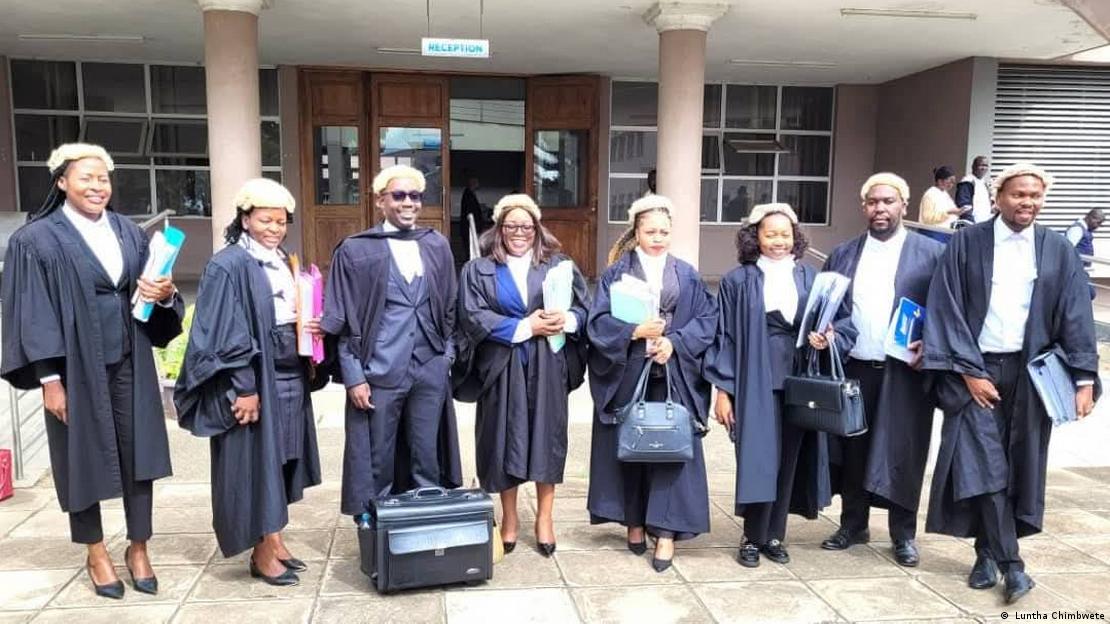
The legal team involved in Malawi's abortion case at the High Court in Blantyre in October 2025Image: Luntha Chimbwete


Unsafe abortions remain widespread

Unsafe abortions are among the leading causes of maternal deaths in Malawi. More than 141,000 women and girls are estimated to undergo abortions in Malawi each year, many through unsafe, clandestine procedures.

"Many people know that the law is restrictive, so they will abort and only go for postabortion care when complications arise," Kaliya said.

"Facilities end up spending huge sums treating avoidable cases," she said, "and the numbers are massive."

Official statistics show that more than 70,000 women seek backstreet abortions annually, with nearly 30,000 suffering complications, some of them fatal.

Post-abortion care in public hospitals costs the government nearly $1 million (€860,000) each year.

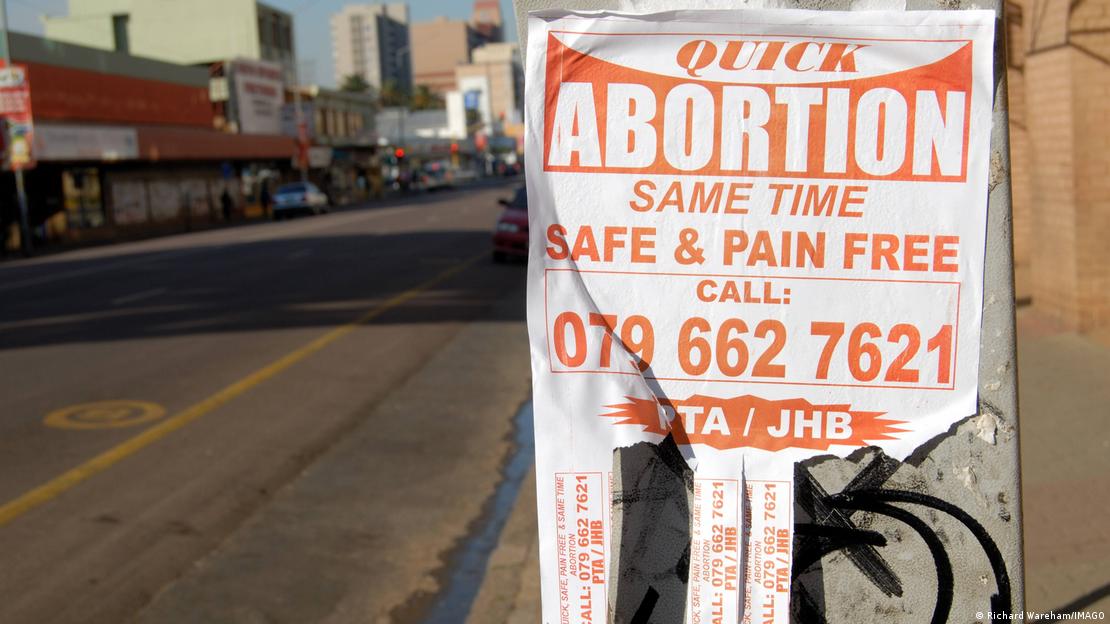
Abortion is legal under any circumstances in Malawi's regional neighbor South AfricaImage: Richard Wareham/IMAGO


Religious leaders against the ruling

Many faith-based organizations have strongly opposed any relaxation of Malawi's abortion laws, arguing that life begins at conception.

The Episcopal Conference of Malawi and the Evangelical Association of Malawi, representing more than 120 Christian denominations, have warned lawmakers against supporting the proposed reforms, saying they risk losing public support.

DW reached out to the Episcopal Conference of Malawi, which said it would comment once it had fully reviewed the ruling.

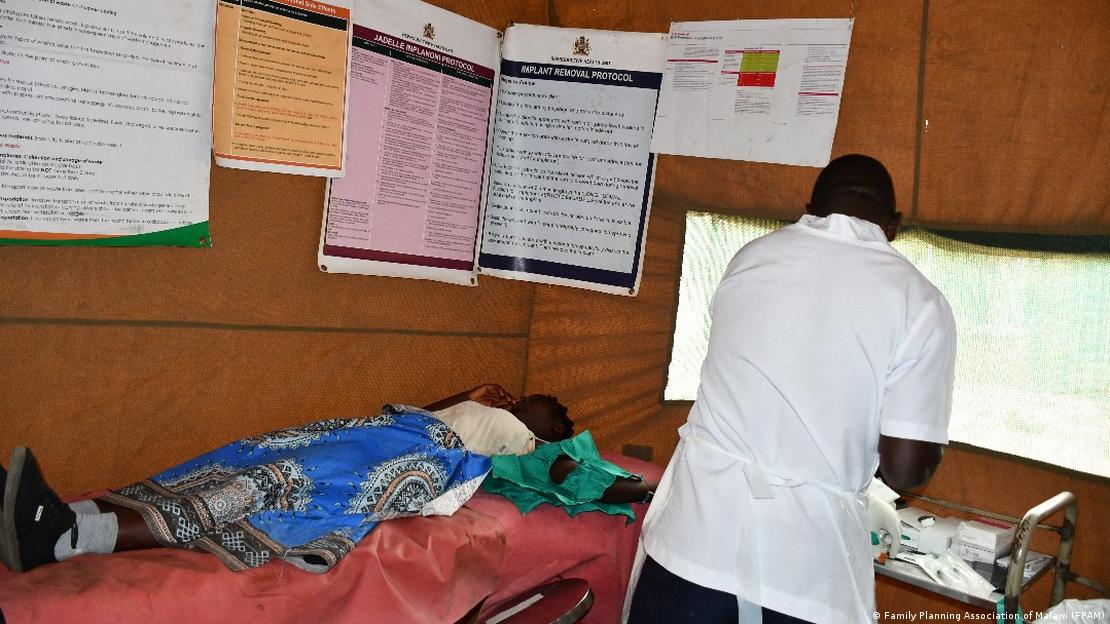
A doctor and patient at a clinic run by the Family Planning Association of Malawi
Image: Family Planning Association of Malawi (FPAM)

Some child rights advocates say the court's ruling fails to address the root causes of sexual abuse.

"The decision is unwise and far from the solution we need as a country," Memory Ngosi, a child rights advocate, told DW.

"Our justice system is failing us. We amended our penal code to give perpetrators of sexual abuse life sentences, yet courts rarely hand down stiff punishments. Instead, we tell our girls to go and abort."

Ngosi urged authorities to strengthen cultural, psychological and legal support for survivors rather than focusing on abortion access.

Rights advocates accuse anti-abortion campaigners of hypocrisy.

"Most anti-abortion advocates practice double standards," Kaliya said. "These things are happening in their backyards — even their relatives have procured abortions. But, in public, they pretend otherwise."


Chimwemwe Padatha contributed to this article.

Edited by: Chrispin Mwakideu

Privilege Musvanhiri is a multimedia freelance correspondent based in Harare, Zimbabwe
Japan to screen #MeToo film months after Oscar nomination

Tokyo (AFP) – Japan will for the first time screen a documentary directed by a prominent campaigner in the country's #MeToo movement, months after it was nominated for an Oscar.


Issued on: 07/11/2025 - RFI

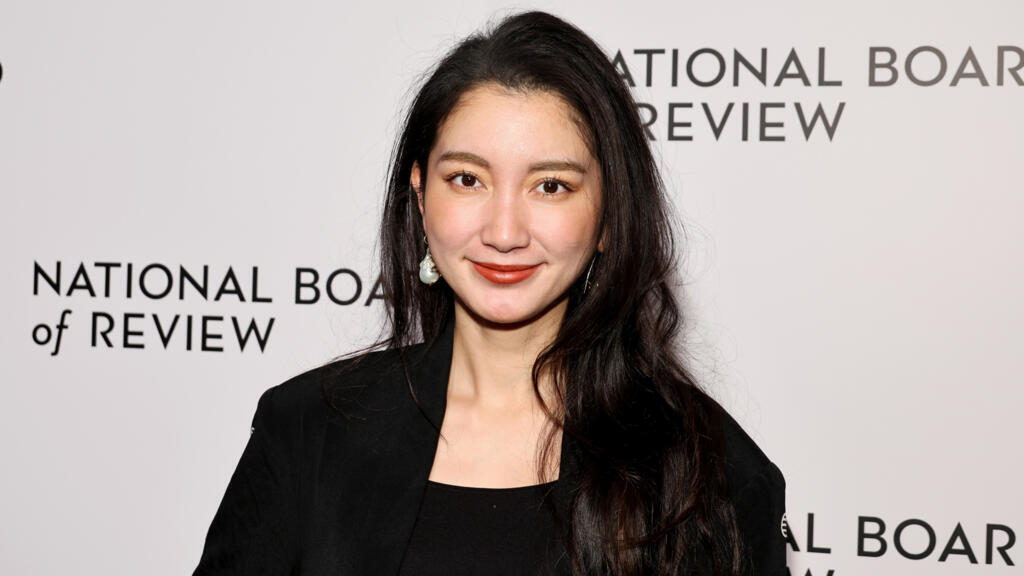
Shiori Ito won a landmark 2019 civil case against Japanese TV reporter Noriyuki Yamaguchi, who she accused of raping her © Jamie McCarthy / GETTY IMAGES NORTH AMERICA/AFP

Shiori Ito won a landmark 2019 civil case against a Japanese TV reporter accused of raping her -- a charge he denies -- and turned her ordeal into a film screened worldwide.

But "Black Box Diaries" has until now not been distributed in Japan, where her former lawyers raised concerns over video and audio that was covertly shot or meant for use in court.

The documentary will finally be shown at one cinema in Tokyo from December, according to publicist Toei Advertising.

It was unclear if other movie theatres would screen the film, which was nominated but did not win the best documentary feature category at this year's Academy Awards.

"The version released in Japan has been finalised with some revisions and adjustments made based on feedback received from the parties involved," the publicist said in an undated press release.

Ito was quoted as saying she hoped the film would help ignite conversations to "protect the next person, and move society little by little".

Lawyer Yoko Nishihiro, who represented Ito for more than eight years, said she had felt "completely shattered" after realising that a secretly recorded phone conversation had been featured in the documentary.

Nishihiro and her team highlighted other footage used without permission, including hotel CCTV shown in court.

The lawyers said earlier this year that "Black Box Diaries" was not "banned" in Japan or shunned over to its subject matter, but rather had not been shown due to these concerns.

Ito apologised for the incident.

Despite several high-profile cases, Japan has never seen an outpouring of #MeToo allegations, Ito -- who received vicious online criticism for going public -- has said.

Government surveys in Japan show few rape victims report the crime to the police, although the number of consultations at sexual violence support centres is rising.

Ito alleges that ex-journalist Noriyuki Yamaguchi -- who had close links to then-prime minister Shinzo Abe -- raped her in 2015 after inviting her to dinner to discuss a job.

Having told Ito there was insufficient evidence, police then said they would arrest Yamaguchi, before suddenly backing off.

In the documentary, Ito records one police investigator telling her the order came from "higher-ups".

In 2019, she won $30,000 in damages in a civil case that was followed by a toughening of Japan's rape laws.

© 2025 AFP

Iranian actress accuses film star in #MeToo rape case

06.11.2025, DPA


Photo: Morteza Zangene/ISNA/dpa


A young Iranian actress has come forward as the complainant in a MeToo sexual assault case allegedly involving one of the country's most successful film stars, Pejman Jamshidi.

"I don't want any girl or woman's life to be threatened by similar experiences," actress Melika Parsadust wrote on Instagram, as reported by Iranian media. Parsadust is reported to be 20 years old.

"That's why I defend my rights to the end - not out of vindictiveness, but so that such behaviour does not become the rule and others are not forced to endure similar things," she wrote.

Jamshidi, 48, has strongly denied the allegations.

About two weeks ago, he was anonymously accused of rape. The case has since then dominated headlines, with wide speculation as to who had made the allegation until Parsadust was revealed as the complainant. It triggered a nationwide debate about power and sexual violence.

The film star was briefly detained, and then left the country when he was released on bail, stating family reasons.

He made an emotional statement speaking of "slander" against him and of "lies and fabrications." He said he planned to return to Iran.


LEGALIZING FEMICIDE!
Thousands protest against Latvia's potential withdrawal from Istanbul Convention

Copyright EBU

By Gavin Blackburn
Published on 06/11/2025 -

Signed by 45 countries and the European Union as of 2019, the Council of Europe treaty is meant to standardise support for women who are victims of violence, including domestic abuse.

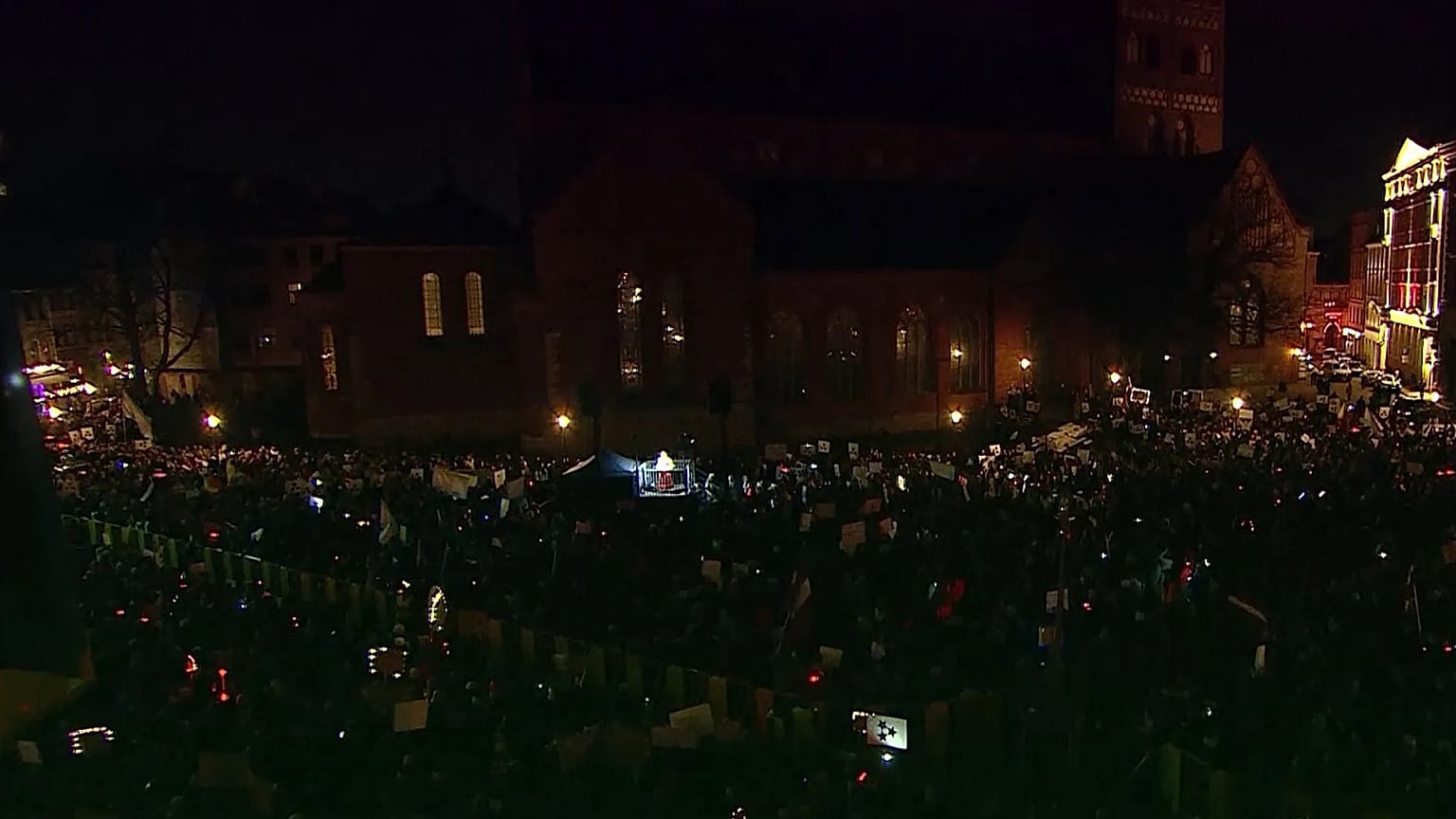
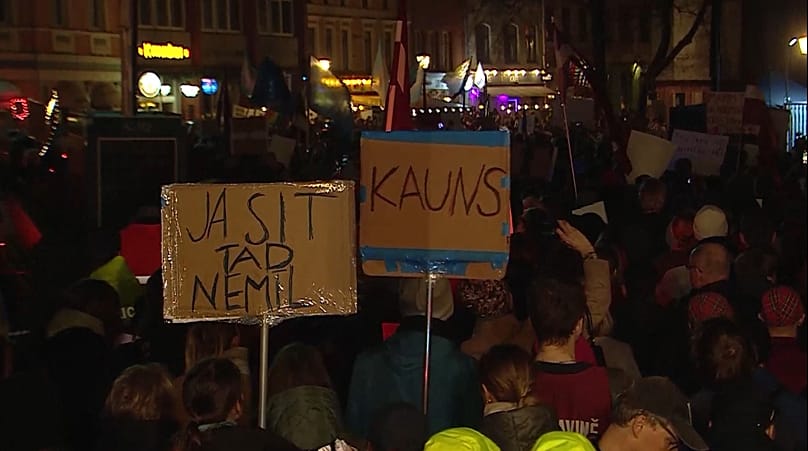
Thousands of demonstrators gathered in the Latvian capital on Thursday night to protest against the country's possible withdrawal from the Istanbul Convention.

"It is time to give a clear signal to both current Saeima (parliament) deputies and those who will come after them — we will not allow political games at the expense of human rights," organisers of the rally wrote in a statement.

Latvian police estimated that at least 10,000 people attended the "Let's Protect Mother Latvia" protest in Riga, which was organised by the local NGO, Marta Centre.

The rally comes just days after President Edgars Rinkēvičs said he was sending the law on the withdrawal back to parliament for further review, public broadcaster LSM reported on Monday


The parliament, or Saeima, voted on 31 October to withdraw from the human rights treaty which opposes violence against women and domestic violence.


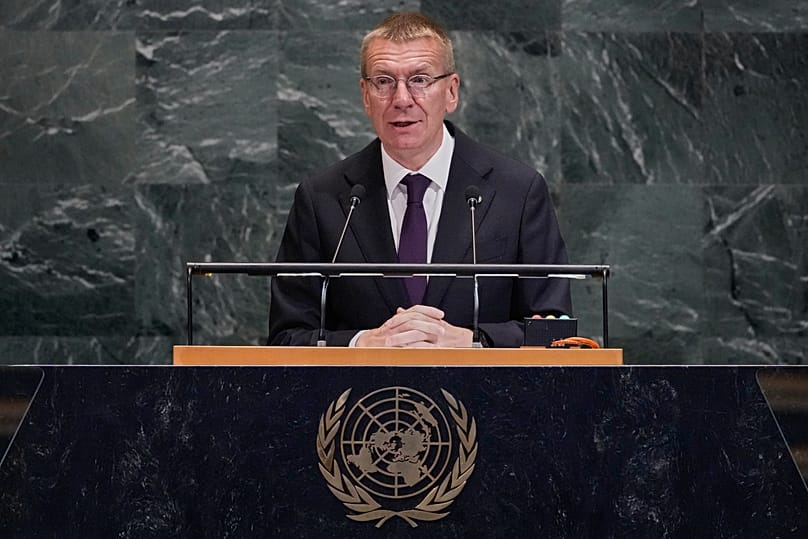
Latvia President Edgars Rinkēvičs addresses the 80th session of the United Nations General Assembly, 24 September, 2025 AP Photo
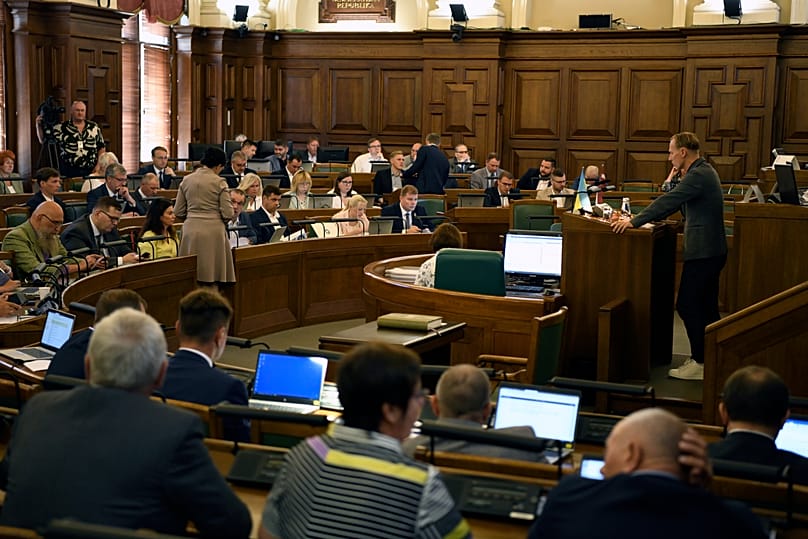
32 lawmakers voted to stay in the treaty, while 56 voted to leave, saying the treaty promotes "radical feminism based on the ideology of gender". There were two abstentions.

Rinkēvičs said withdrawing from the treaty would send a "contradictory message."

"The ratification and denunciation of the Convention during one Saeima term sends a contradictory message to both Latvian society and Latvia's allies internationally about Latvia's readiness to fulfill its international obligations in good faith," Rinkēvičs said in a letter.

"It should also be taken into account that Latvia would be the first European Union member state to withdraw from an international human rights treaty. It should be seriously assessed whether such action is compatible with the principle of loyal cooperation enshrined in the Treaty on European Union."


People protest in Riga against Latvia's potential withdrawal from the Istanbul Convention, 6 November, 2025 EBU

Rinkēvičs also said it might be better for the next parliament to decide the issue since Latvians head to the polls in a general election no later than 3 October next year, suggesting the Saeima park the issue for the best part of a year.

The president has the constitutional right to request that Saeima rethink its decision, but cannot unilaterally reverse it.

Ultra-conservative groups and political parties across Europe have criticised the treaty, arguing that it promotes "gender ideology," encourages sexual experimentation and harms children.

Opposition MPs in Latvia started the process of possibly withdrawing from the treaty in September. The Union of Greens and Farmers, an agrarian alliance member of the tripartite ruling coalition led by Prime Minister Evika Siliņa's centre-right Unity party joined them.


Siliņa, whose coalition government came to power in 2023 with a promise to ratify the convention, has criticised the efforts to withdraw from the treaty.


"Those who have been brave enough to seek help are now witnessing their experiences being used for political battles," Siliņa wrote on social platform X in October. "It is cruel."

On the day of the vote, the European Commission said that Latvia would still be obliged to respect international rules for the protection of women.

The move to walk away from the Istanbul Convention was seen by civil society organisations as backtracking on fundamental rights.
Latvian lawmakers attend a session in Riga, 11 August, 2022 AP Photo

The Istanbul Convention is a treaty which aims to prevent and combat violence against women and has been signed by all the European Union's member states and several other nations outside the EU, like the United Kingdom and Norway.

The EU as a whole acceded to the Istanbul Convention in 2023, making it a legally binding agreement for the 27 member states in areas falling under the EU's competence.

Those include EU institutions and the public administration, judicial cooperation in fighting crime and asylum rights.

But Bulgaria, Hungary, Slovakia, the Czech Republic and Lithuania have not ratified the convention.


Vigilante justice in Syria: Who is being targeted and why?
DW
November 5, 2025

A year after the end of the brutal Assad dictatorship, Syria is still a violent place. Syrians seeking revenge are increasingly taking the law into their own hands by killing former regime soldiers and supporters.


Rights groups estimate as many as 620,000 were killed in Syria before the end of the country's civil war and the ousting of dictator Bashar Assad pictured on a defaced poster
Image: Chris McGrath/Getty Images


A year after the overthrow of Syrian dictator Bashar Assad, growing reports of vigilante violence in Syria are both disturbing and confusing.

For example, in October, two men were shot dead in the Christian-majority village of Anaz in Homs province by assailants dressed in black, riding a motorcycle. Some commentators described the murders as motivated by sectarian hatred and blamed the new Syrian government. Others blamed remnants of the Assad regime, who want to inflame community tensions.

But further investigation later found that one of the dead men was known to be associated with an Assad-affiliated militia responsible for the deaths of as many as 700 people during the country's 14-year civil war.

As Syrian publication Enad Baladi then reported, many of the young men in Anaz were on the Assad regime's side in the war, while another nearby village, Qalaat, was on the side of Syria's anti-government revolutionaries. It's highly likely the double homicide was a targeted killing, motivated by revenge.


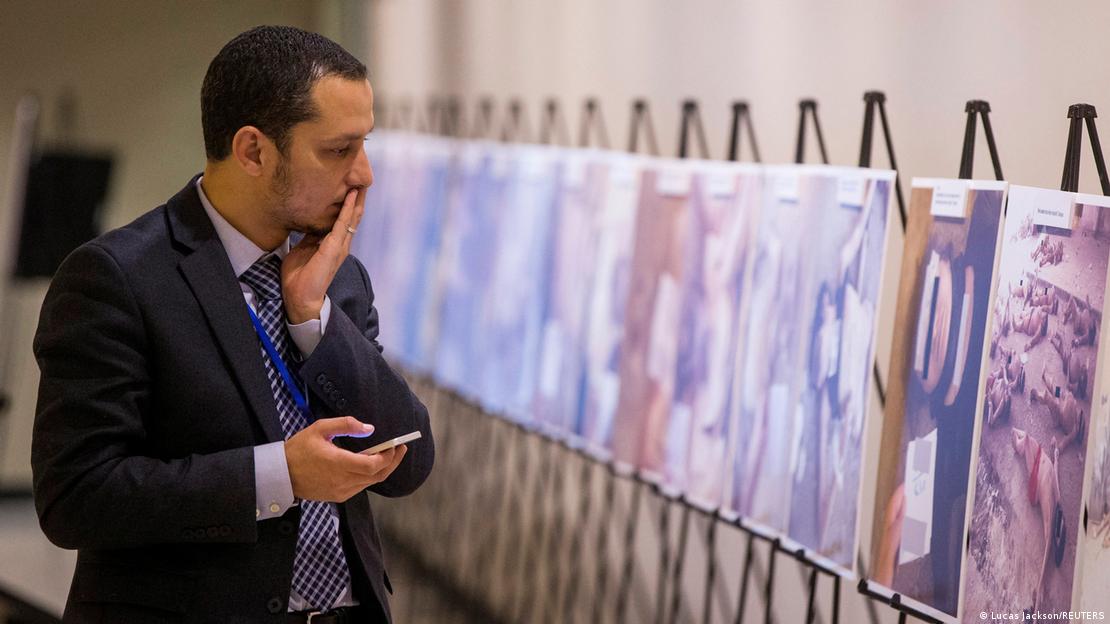
Images of torture: During the almost 14 years of civil war, Syrian civilians were displaced, disappeared, tortured and killed — some by chemical weapons
Image: Lucas Jackson/REUTERS

Vigilantism rising

It's unlikely anybody will find out exactly what happened anytime soon. But one thing is clear — this is not the only such incident in Syria recently, nor will it be the last.

Vigilante violence in Syria is on the rise. Over the last two weeks of August, one observer estimated that 36% of over 70 violent deaths recorded were due to targeted killings, or vigilantism. This figure has recently been as high as 60%.

The vigilante killings are not like the recent mass outbreaks of intercommunal violence in Syria, where hundreds died at once; they're usually attacks directed at an individual.

"When it comes to true vigilante violence — what I would call violence that's targeting regime collaborators, regime soldiers or anyone who was in the regime — this is trending up," says Gregory Waters, a senior fellow at the Atlantic Council, who's traveled extensively in Syria and monitors events on his site, Syria Revisited.


"It varies week by week," Waters told DW. "But it's definitely getting worse and the lack of transitional justice is increasing the pressure," Waters adds.

Since the ousting of the Assad regime in December 2024, the new, interim government has promised to bring the worst of those who worked with the regime to justice, including people who committed war crimes and human rights violations. Syria's interim president, Ahmad al-Sharaa, has met with community leaders, asking people to be patient, Waters says.

"But I've also heard people talking about those meetings, saying, 'We had a million martyrs, a million homes destroyed, millions displaced. What are you asking us to be patient for? How long should we wait?'" Waters recounts.

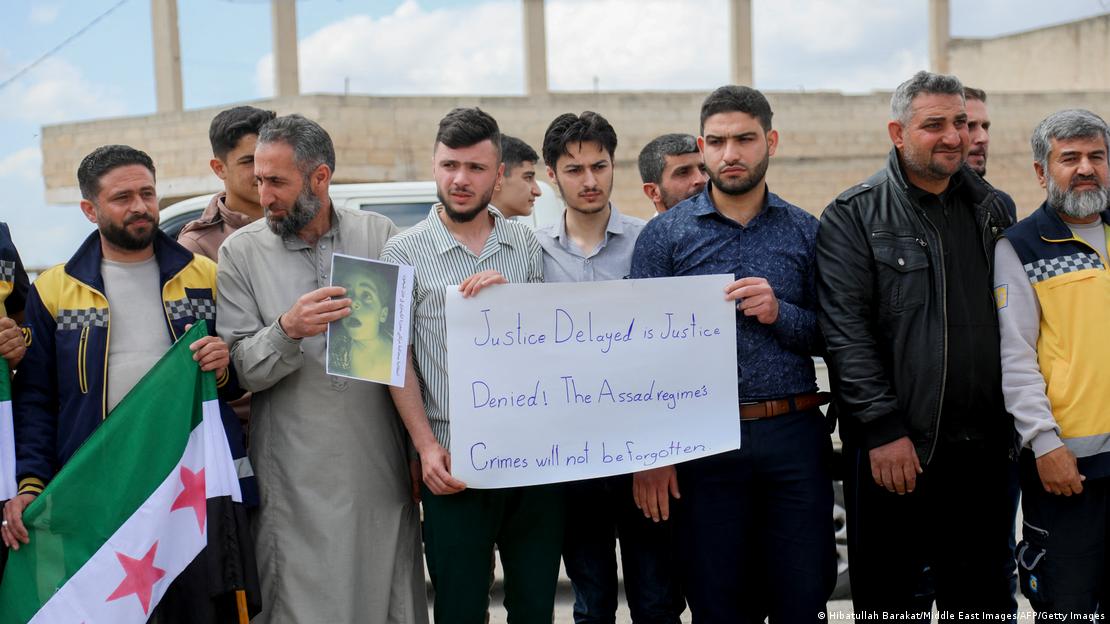
The Syrian government has also offered amnesty to many who served in the Syrian army, saying only those with Syrian "blood on their hands" would face criminal retribution.

Many civilians do not understand why some former Assad regime functionaries and soldiers receive amnesty and others do not
Image: Hibatullah Barakat/Middle East Images/AFP/Getty Images

So far, efforts to arrest suspected regime criminals "have been inconsistent, opaque, and poorly communicated," Waters wrote in a June briefing for the Washington Institute for Near East Policy.

Those with high-ranking positions or linked to prominent massacres are kept in prison and their arrests widely publicized, but not all suspects are treated the same.

"Many former informants and lower-level personnel continue to walk the streets," Waters explains. "Locals regularly report such criminals to the security forces, but oftentimes they are released after just a few days."

On social media, inciting violence


Some Syrians want to expose those they think should be brought to justice. Waters points to an Arabic-language social media page that's very popular because it posts pictures of people affiliated with the regime.

"They post pictures saying, 'This guy was a regime soldier, now he's free, and he's from this village, so he's probably there,'" Waters explains. "That could be viewed by some people as a call to violence."

A deluge of disinformation and misinformation makes the situation even worse, experts say.

Most of the victims of vigilante violence have been members of Syria's Sunni majority. "Sunni [regime] collaborators are despised by their own communities, so it is easier to target them," Waters explains. But if a member of a minority is attacked, there are always accusations of sectarianism, observers say — even if the victim is later found to have been involved in war crimes.

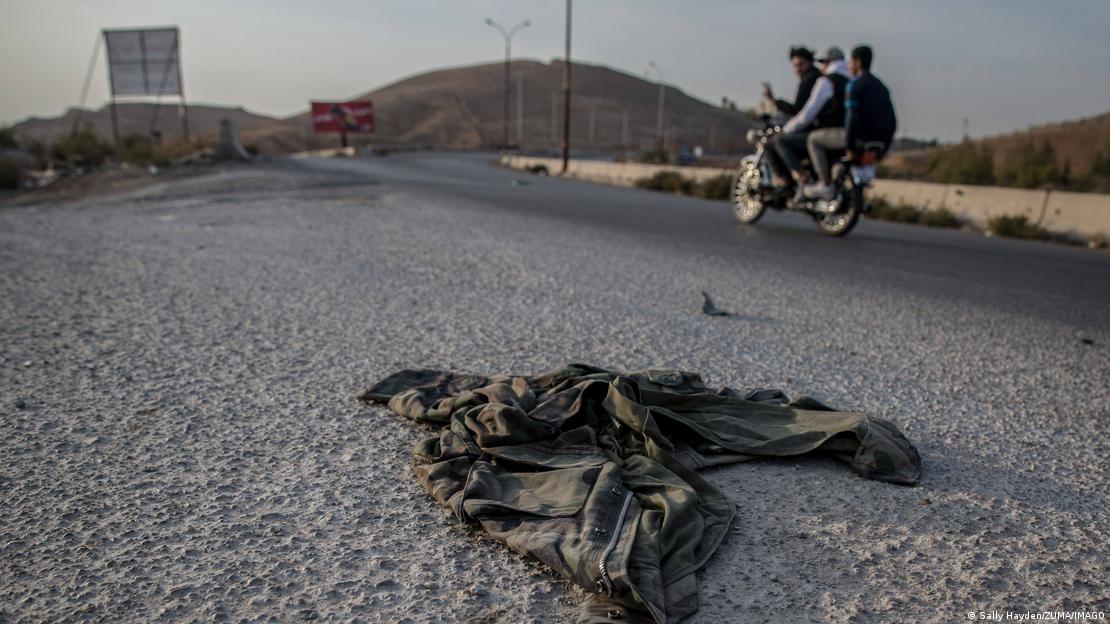
Syrian authorities banned motorcycle riding after dark in some areas where vigilantes attacked people from motorcycles
Image: Sally Hayden/ZUMA/IMAGO


What can be done to stop vigilantism?

Currently, Syria's interim government doesn't appear to be doing much about vigilantism targeting those associated with the Assad regime. Whether that's because it doesn't want to or because it can't due to insufficient resources is unclear.

Waters gives the example of a long-established vigilante group in Aleppo that assassinated Assad regime officers during the civil war and continues to do so.

"It's a huge struggle for the government to go after this group; it is essentially an insurgent cell," Waters explains. "Right now, they [the Aleppo group] are attacking ex-regime guys instead of the government forces. But if you arrested two or three of them, maybe they'd start attacking you."

Instead, the government strategy seems to be to arrest the former Assad regime soldiers before the vigilantes get to them, Waters says.


Aaron Zelin, a senior fellow at the Washington Institute. says he believes more public information about a government commission on transitional justice, announced in March 2025, could improve the situation.

"I've heard they're doing a lot of good work behind the scenes, but they're worried that talking about it more publicly might undermine it," he told DW. "But I think being quiet may undermine trust and transparency since nobody has any idea of the timeline or how it's all going to play out."

The increase in vigilantism actually highlights how poorly the process is going, argues Mohammad al-Abdallah, director of the Washington-based Syrian Justice and Accountability Center.

"The authorities didn't detain people complicit in violations and they're roaming the streets. People see them, and they think, 'You detained my father or executed my brother, you killed my son.' They end up 'taking their rights by their own hands' because they don't have any further information on the state's plan to hold these individuals accountable," al-Abdallah told DW.

"It's very chaotic, it's causing fear, its causing displacement and it's causing people to think about taking justice into their own hands," he added.

Edited by Sean Sinico
Cathrin Schaer Author for the Middle East desk.