Wednesday, December 24, 2025

This pro-Trump farce makes the case for a different kind of media

Dean Baker,
Common Dreams
December 24, 2025


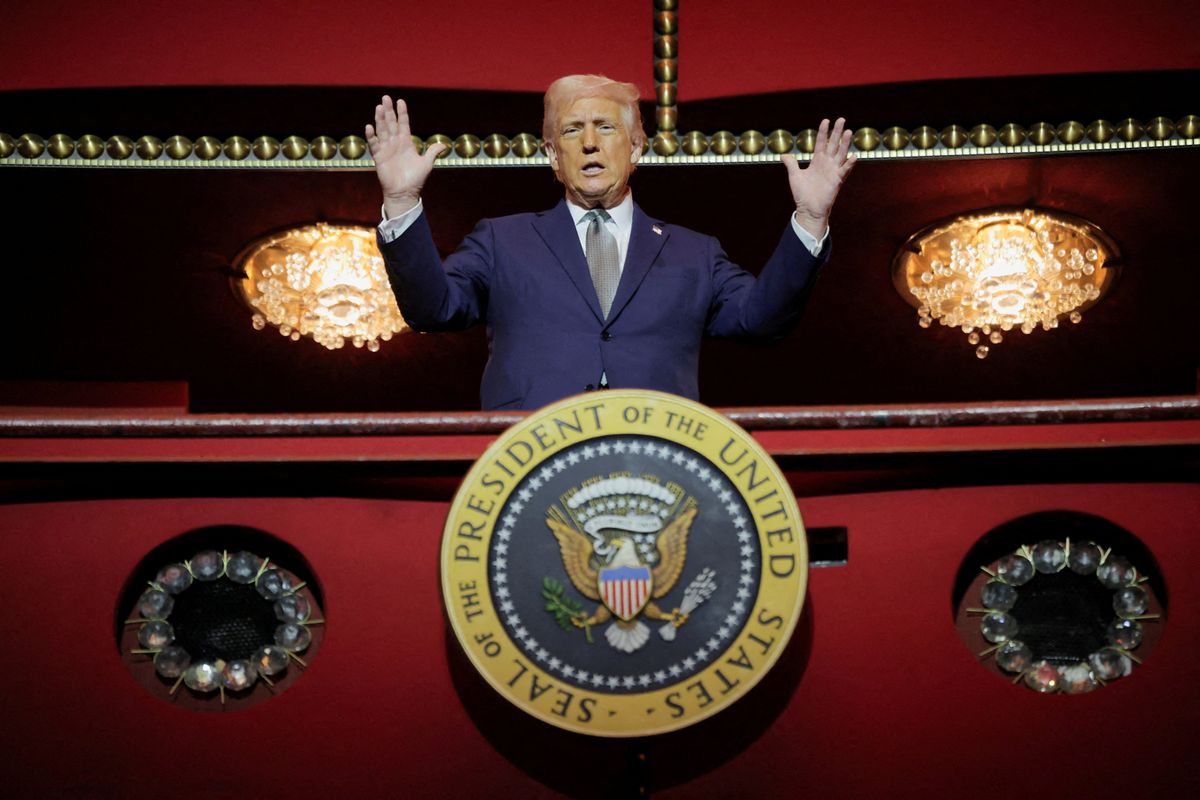
Donald Trump (Reuters)

If anyone doubted that the rich would use their control of the media to push their agenda and silence dissent, CBS removed it with its decision to censor the scheduled 60 Minutes broadcast on CECOT prison.

CECOT is the notorious maximum-security prison in El Salvador where President Donald Trump has sent a number of the people he has deported. There have been numerous accounts of torture and abusive treatment in the prison, which presumably would have been highlighted in the segment.

CBS, under its new ownership, decided that we shouldn’t see the 60 Minutes segment, or at least not the one its team had prepared for broadcast last night. Apparently, they were worried it would offend the Trump administration.

According to a leaked account, Bari Weiss, the right-wing zealot that the new ownership put in charge of CBS News, decided that the program could not air without an interview with Stephen Miller, Trump’s deporter-in-chief. The producers of the show had apparently already reached out to the White House, as is their standard practice, but the White House refused to comment, presumably choosing to instead attack the broadcast as unfair and unbalanced after it ran.

Weiss is insisting that the program include an interview with Miller, giving him an effective veto over when and if the program airs. If we ever do see the segment, it will likely include other edits to make it more Trump friendly.

There can be a tendency to exaggerate the courage and independence of the pre-Trump media, but news shows like 60 Minutes have done much great reporting over the years, breaking stories that the rich and powerful would prefer to see buried. This will no longer be the case.

I have been getting regular fundraising notices from Robert Reich, whom I greatly respect, complaining about the takeover of the media by rich Trumpers. Reich is right, but the moral of his story is that we have to increase taxes on the rich.

While taxing the rich more is something we should do, along with taking away the patent and copyright monopolies that make many of them rich, and corrupt bankruptcy laws that give us private equity billionaires, along with a few other changes, we have to go much further to get back impartial media.

The huge gaps in wealth and income create an enormous power imbalance, and plausible changes in tax policy will do little to rectify the situation. If Elon Musk’s fortune was cut in half to $200 billion, he would still have a ridiculous amount of political power. The same applies to the rest of the crew of billionaires.

If we want to get responsible media that does its job in reporting on the deeds and misdeeds of the rich and powerful, plausible reductions in inequality (and how do we get those?) will not be sufficient. We need to look to fundamentally restructure the media.

This is not as far-fetched a goal as it may sound. We will not get the current Congress, or even one with a Democratic majority in 2026, to take the lead in pushing for responsible media. But we can have initiatives at the state and local level to build up independent media that is not owned and controlled by the rich and very rich.

My preferred route is a system of individual tax credits, say $100 per person, to support the person’s favorite news outlet(s). This would be a credit, not a deduction, and fully refundable, so even the poorest person gets the same amount as Elon Musk. There could be different conditions attached to receiving the credit. In my view, the material supported should be freely available outside a paywall; but that’s something that could be decided by the state or local governments implementing the system.

The best model for those envisioning this system would be the charitable contribution tax deduction. The difference is that this would be a credit, with every person getting the same amount regardless of how much their income is.

We may already have a foot in the door on this. Katie Wilson, the newly elected progressive mayor of Seattle, is a big supporter of this system. She will have a full agenda as mayor, and faces a budget shortfall, but if stars align right, perhaps this system will be put in place.

Other states, like California and New York, have sought to support local media with a tax on Google and Meta, which have gobbled up much of the advertising revenue that had formerly supported news outlets. This money would then be used to subsidize subscriptions, an inferior approach in my view, but still a way to support independent media.


This system of individual tax credits may seem far away from the hundreds of millions or billions of dollars that support major news outlets like CBS or CNN. While it may be difficult to pay the multimillion-dollar salaries that top news anchors get through this system, it could support a huge amount of important journalism.

Many people will choose not to use their credits or use them to support slop or perhaps more right-wing MAGA screeds. But suppose 10 percent of the population, 25 million people, used their credits to support serious investigative reporting like what is done by outlets like ProPublica, the American Prospect, the New Republic, and on good days the New York Times.

That would provide $2.5 billion a year in revenue, roughly 100 times the budget of ProPublica. It could help to support hundreds of smaller outlets.


And even if most of this money goes to support local news outlets, they can band together to support national and international reporting. This has been the story of the Associated Press for 180 years.

The idea that a progressive stronghold, like Seattle, may adopt a modest proposal to support local news, may seem like chump change in a world where the mega rich tech oligarchs are throwing around billions to buy news outlets like cheap candy, but it is a hell of a lot more promising than whining. And it is not the only thing we can and should do to counter the corruption of the media by the Trump brigade.

It would be great to reform Section 230 so we don’t give Musk and Mark Zuckerberg special protections that news and print outlets don’t enjoy. Obviously, this will not happen with a Republican Congress and Trump in the White House, but we should at least highlight this utterly absurd subsidy that we give to these right-wing mega billionaires.


It would also be good if progressives stopped viewing it as gauche to file defamation lawsuits. That doesn’t mean absurd multibillion Trumpian lawsuits directed against every news outlet that criticizes someone, but it does mean suing to counter the damage of outright lies, such as the ones now being promoted against Minnesota Gov. Tim Walz.

I know the standard line is that we counter lies with more speech; but save that for the kindergarten class. When the right owns all the major news outlets and social media platforms, the idea that the truth will magically overcome their lies is not the sort of argument that can be taken seriously.

Anyhow, that is a longer story. But we do need to come up with ways to support independent media and not just complain about right-wing Trump sycophants taking over the media we have. My scheme is on the table. Let’s hear others.


Dean Baker is the co-founder and the senior economist of the Center for Economic and Policy Research (CEPR). He is the author of several books, including "Getting Back to Full Employment: A Better bargain for Working People," "The End of Loser Liberalism: Making Markets Progressive," "The United States Since 1980," "Social Security: The Phony Crisis" (with Mark Weisbrot), and "The Conservative Nanny State: How the Wealthy Use the Government to Stay Rich and Get Richer." He also has a blog, "Beat the Press," where he discusses the media's coverage of economic issues.

CBS NEWS boss doubles down on blocking immigrant torture story in email to staff

Matthew Chapman
December 24, 2025 
RAW STORY
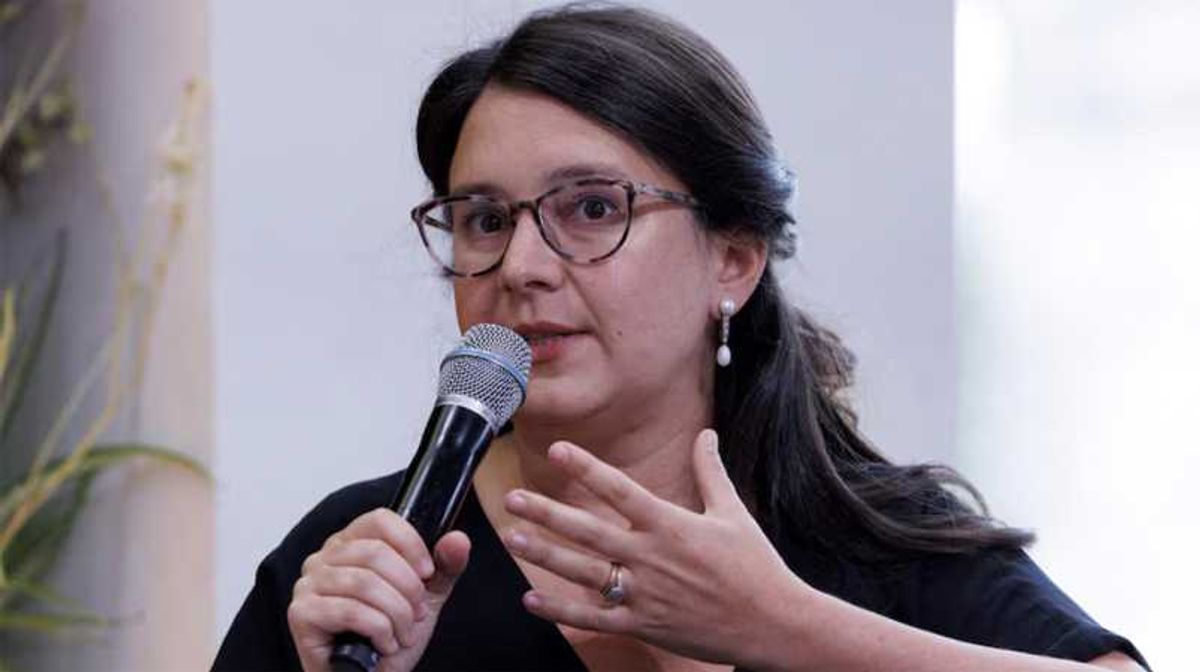


Bari Weiss (Photo via Michael Blake for Reuters)

CBS News' newly-appointed right-wing chief, Bari Weiss, doubled down in an email to staff on her decision to delay a "60 Minutes" investigation into the way migrants President Donald Trump has sent to the Salvadoran CECOT megaprison are being tortured, some without having any criminal record or violation of the law whatsoever.

Weiss, who founded The Free Press, was given control of CBS as part of a Trump administration-approved merger between the network's parent company, Paramount, and Skydance.

"Right now, the majority of Americans say they do not trust the press. It isn't because they're crazy," wrote Weiss in the email, obtained by Prem Thakker of Zeteo News. "To win back their trust, we have to work hard. Sometimes that means doing more legwork. Sometimes it means telling unexpected stories. Sometimes it means training our attention on topics that have been overlooked or misconstrued. And sometimes it means holding a piece about an important subject to make sure it is comprehensive and fair. In our upside-down moment, this may seem radical."

"Such editorial decisions can cause a firestorm, particularly on a slow news week," Weiss continued. "And the standards for fairness we are holding ourselves to, particularly on contentious subjects, will surely feel controversial to those used to doing things one way. But to fulfill our mission, it's necessary. No amount of outrage — whether from activist organizations or the White House — will derail us. We are not out to score points with one side of the political spectrum or to win followers on social media. We are out to inform the American public and to get the story right."

The email triggered a fresh wave of outrage on social media.

"Is that what Stephen Miller told her to say?" wrote attorney Brad Moss. "Bari has no educational background in journalism, nor has she ever done hard-hitting news beats. But ok," wrote Georgia-based constitutional law professor Anthony Michael Kreis.

Despite Weiss's efforts to keep the "60 Minutes" story under wraps, it has been leaked and posted online, after a Canadian broadcaster aired it apparently by mistake.
'Smallest audience ever': Kennedy Center Honors tank on CBS after Trump takes over

David Edwards
December 24, 2025 
RAW STORY


FILE PHOTO: U.S. President Donald Trump gestures while he poses for a picture at the presidential box at the Kennedy Center, in Washington, D.C., U.S., March 17, 2025. REUTERS/Carlos Barria/File Photo

"The Kennedy Center Honors" reportedly drew its lowest ratings ever after President Donald Trump announced he would host the event.

"According to preliminary Nielsen data, 'The Kennedy Center Honors' on CBS drew its smallest audience ever on the night of December 23, 2025, averaging an estimated 2.65 million viewers," Programming Insider reported on Wednesday. "To put that in perspective: the 2024 broadcast averaged 4.1 million."

On Tuesday, the president insisted that the event had been renamed "The Trump Kennedy Center Honors" and that he would host the program.

"At the request of the Board, and just about everybody else in America, I am hosting the event. Tell me what you think of my 'Master of Ceremony' abilities," he wrote on Truth Social.


Spain's ruling Socialists suffer historic defeat in regional elections

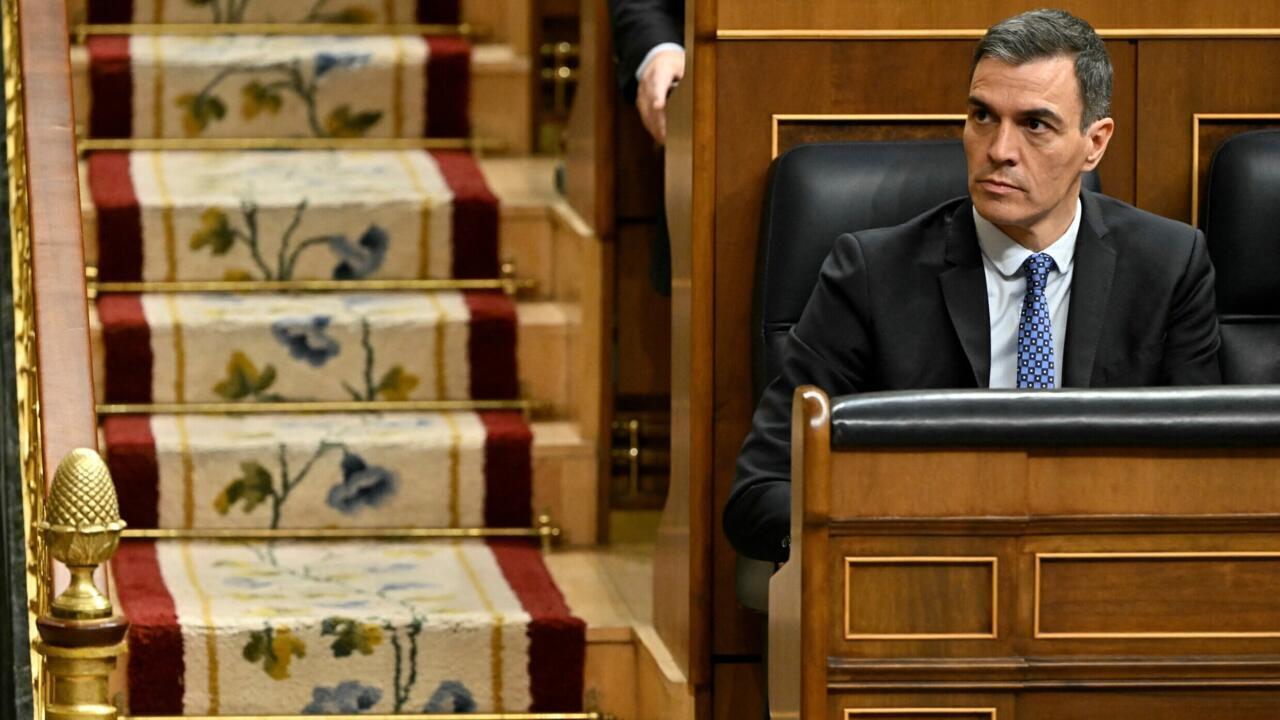
Spanish Prime Minister Pedro Sánchez’s embattled Socialists suffered a heavy defeat in Sunday’s regional election in Extremadura, slumping to their worst-ever result as the far-right Vox made strong gains, dealing another blow to the party amid mounting corruption and misconduct allegations.


Issued on: 22/12/2025 
By: FRANCE 24

File photo: Spanish PM Pedro Sanchez. © AFP

Spanish Prime Minister Pedro Sanchez's scandal-hit Socialists endured a crushing defeat in a regional election in Extremadura on Sunday, which saw far-right Vox make big gains.

The Socialists, who lead the minority national coalition, have been rocked by corruption and sexual misconduct allegations and the vote in the rural southwestern region was seen as an indicator of the party's wider prospects.

They won just 18 seats in the 65-seat assembly down from 28, their worst-ever regional result in Extremadura.

The Socialists had governed the region for decades but the conservative Popular Party (PP) took control with Vox's support in 2023.


The PP called the vote hoping to get a majority and although they came out on top again on Sunday with 29 seats, they fell short.

The result means the PP will once again rely on Vox, which went from five to 11 seats, to pass legislation.

Regional governments in Spain control key policy areas such as education, healthcare, infrastructure, and culture.

READ MORESpain's far-right resurgence raises spectre of Franco 50 years after his death

It was the first regional election since a court ordered Jose Luis Abalos, a former top aide to Sanchez, to stand trial over claims he took kickbacks related to the awarding of public contracts.

The prime minister's wife, Begona Gomez, and younger brother, David are also facing graft allegations.

David Sanchez is set to go on trial for influence peddling in May along with 10 other defendants including the Socialist candidate to head Extremadura's government, Miguel Angel Gallardo -- who called Sunday's election results "really bad".

The Socialists have also come under fire in recent weeks for allegedly failing to address sexual harassment by senior male officials.

Sunday's vote will be followed by regional elections in Andalusia, Aragon, and Castile and Leon during the first half of 2026.

(FRANCE 24 with AFP)
French parliament unanimously exonerates women punished for abortion

French lawmakers have unanimously approved a landmark bill exonerating women who were punished for having abortions before the procedure was legalised in 1975 – a move hailed by feminist groups as a symbolic affirmation of reproductive rights.


Issued on: 18/12/2025 -  RFI

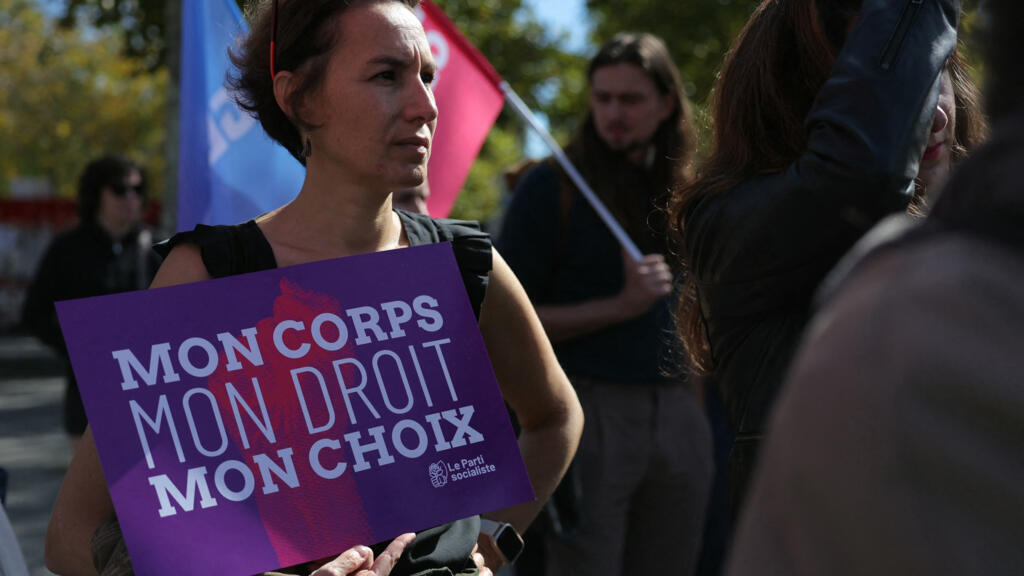
A woman holds a placard reading "My body, my choice" during a demonstration for reproductive rights on the occasion of International Safe Abortion Day in Paris on 28 September 2025. © AFP - THOMAS SAMSON


The vote, held on Thursday in the National Assembly, the lower house of the French parliament, finalised the adoption of the bill after it was backed by the Senate in March and supported by the government.

The rare unanimous result underlined the political consensus around the issue.

The text states that the enforcement of France’s former abortion laws “criminalising the use of, practice of, access to, and information about abortion” amounted to an infringement on women’s health, sexual and reproductive autonomy and fundamental rights.

Before abortion was decriminalised, the bill notes, restrictions led to “numerous deaths” and caused widespread physical and moral suffering among women forced to seek dangerous, clandestine procedures.

'Shattered lives'

“This is an act of justice towards those thousands of lives shattered by unjust laws,” said Aurore Bergé, the minister-delegate for gender equality, during an emotional address to MPs in which she recounted that her own mother had undergone an abortion.

“We have a responsibility to make amends,” she said, “but above all we have a duty to sound the alarm,” warning of growing attacks on women’s rights around the world.

Official estimates suggest that between 1870 and 1975, more than 11,660 people were convicted in France for either performing an abortion or seeking one – a figure that campaigners say reflects only part of the true scale.

While the new law does not provide for financial reparations, it establishes a commission tasked with collecting, preserving and sharing the memories of women who underwent secret abortions, as well as those who helped them.

France's Veil abortion law leaves positive but fragile legacy, 50 years on


Constitutional right

The vote was witnessed by Claudine Monteil, one of 343 women who, in 1971, signed an open letter declaring that they had had abortions and calling for legalisation – an act of civil disobedience that helped shift public opinion.

France decriminalised the voluntary termination of pregnancy with the 1975 Veil Law, named after Simone Veil, the health minister who steered the legislation through parliament despite fierce opposition.

In 2024 France became the first country in the world to enshrine the right to terminate a pregnancy in its constitution – a move seen as a response to global rollbacks of reproductive rights.

Abortion remains a charged political issue in many countries, with access restricted or reversed in some places, including parts of the United States.

“France is sending a clear message, at home and abroad – no one should ever be convicted for having an abortion,” the Women’s Foundation said in a statement welcoming the vote.

The decision comes as the European Parliament this week voted in favour of an EU fund that would help member states provide abortion care to women who cannot access it safely in their own country. Access to abortion still varies sharply from one country to another across the bloc.

(with newswires)


Tanzania police accused of ‘unlawful lethal force’ after protests left 700 dead

Evidence gathered by human rights NGO Amnesty International shows Tanzania’s post-election protests were met with overwhelming force, with the United Nations estimating at least 700 people were killed in the unrest – raising questions about the future of civic freedoms in the country.


Issued on: 20/12/2025 - RFI

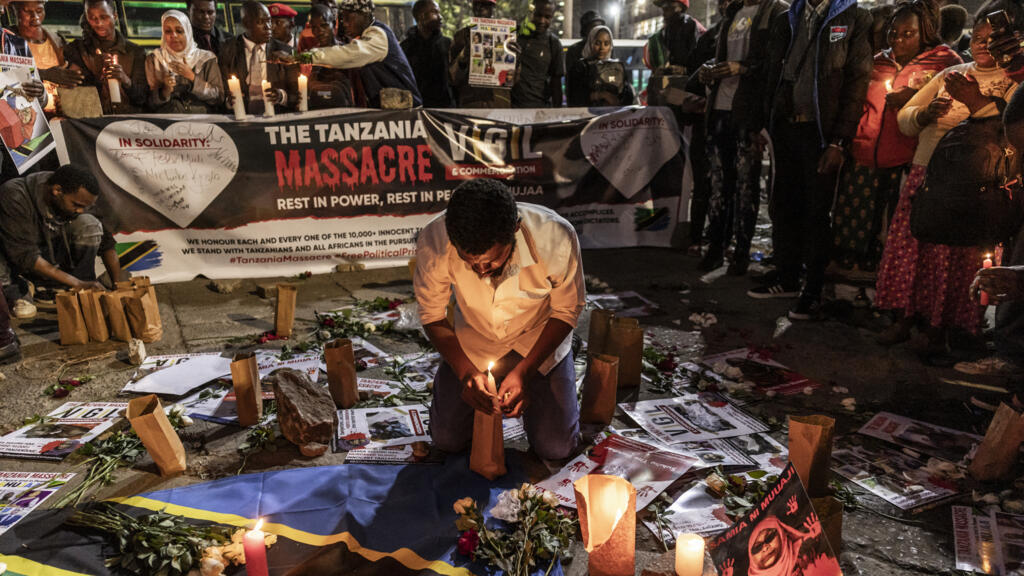
A protester lights a candle at a vigil in Nairobi to honour Tanzanians killed in the post-election unrest, 20 November. © Simon Maina / AFP

The findings relate to demonstrations that swept parts of Tanzania following the presidential election on 29 October.

President Samia Suluhu Hassan won a second term with 98 percent of the vote, but opposition parties rejected the results, as her main challengers had been either imprisoned or barred from running, and widespread unrest broke out.


According to the report published by Amnesty International on Friday, Tanzanian security forces carried out a brutal and systematic crackdown on post-election protests, using live ammunition against demonstrators.

Amnesty says hundreds of people are believed to have been killed or injured nationwide. United Nations experts estimate the death toll to be at least 700, while local civil society organisations put the figure at more than 1,000.


More than 2,000 people are also believed to have been arbitrarily detained, including dozens arrested since mid-November. The UN has also raised concerns about enforced disappearances.

Agnès Callamard, Amnesty's secretary-general, said the violence documented in the report was “shocking and unacceptable”, adding that it revealed “a shocking disregard for the right to life and freedom of peaceful assembly”.


Mass casualties


According to the NGO, protesters were frequently shot in the head, chest or abdomen – injuries that suggest an intent to kill rather than disperse crowds.

Amnesty says this use of force was “unjustified and disproportionate”, particularly as many of those targeted posed no threat at all.

The report is based on 35 interviews with victims, witnesses and healthcare workers, alongside the analysis of dozens of photos and videos that Amnesty says have been independently authenticated.

These materials show security forces opening fire during peaceful demonstrations, firing tear gas into residential areas – in some cases directly into homes – and blocking wounded protesters from accessing medical care.

Hospitals in Dar es Salaam, Arusha and Mwanza were overwhelmed. Healthcare workers told Amnesty they had never seen so many gunshot wounds.

Morgues quickly ran out of space, with bodies reportedly stacked on top of one another or left outdoors. One video verified by Amnesty shows at least 70 bodies at Mwananyamala Hospital in Dar es Salaam alone.

“I had never seen anything like it,” one healthcare worker told the organisation. “Crows were eating the flesh off the corpses.”

Amnesty has also documented allegations of torture and ill treatment in detention, as well as cases in which families were unable to retrieve the bodies of loved ones. Some, the report says, were forced to bury clothing or photographs in their place.


International alarm


Faced with mounting international criticism, President Samia Suluhu Hassan announced on 14 November the creation of a commission of inquiry into the killings.

However, Tanzanian civil-society groups have dismissed the move as inadequate, citing concerns over the commission’s independence and powers.

Amnesty has called instead for “independent, impartial and effective investigations” that meet international standards. The authorities have not responded to the organisation’s requests for clarification.

The office of the UN High Commissioner for Human Rights has warned of an “intensified repression” since the election, noting that five weeks on, the government still has not disclosed how many people were killed or how they died.

Speaking in Geneva earlier this month, the spokesperson for UN Human Rights chief Volker Türk urged the Tanzanian authorities to lift a police ban on demonstrations and reminded security forces of their obligation to protect peaceful assembly rather than suppress it.

The UN has also criticised broader measures introduced since the election, including restrictions on fuel sales and increased digital surveillance, warning that these steps risk further inflaming an already volatile situation.

This article was adapted from the original version in French.


UN mulls new mandate for DR Congo peacekeepers at critical moment for conflict


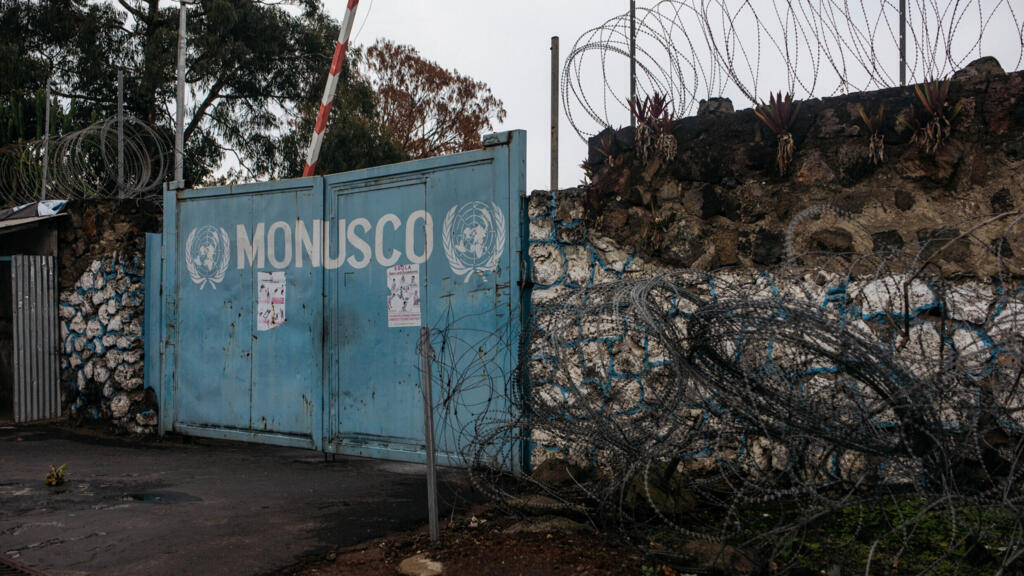
With hostilities once again flaring in the eastern Democratic Republic of Congo, the United Nations is weighing another extension of its Monusco peacekeeping mission when its mandate expires this month. Though the UN had been charting a progressive withdrawal, renewed fighting and an international push for peace look set to prompt a new commission focused on supporting fragile mediation efforts.


Issued on: 20/12/2025 - RFI

A view of barbed wire surrounding a gate at the United Nations Organization Stabilization Mission in the Democratic Republic of the Congo (Monusco) base in Goma on 25 May 2025. © Kang-Chun Cheng / AFP
Just two years ago, the UN was discussing a gradual drawdown of its peacekeeping force in the DRC – now in its 26th year and one of the largest and most expensive missions in the organisation’s history.

Today, against the backdrop of an M23 rebel offensive and persistent regional tensions, the UN Security Council is preparing to renew Monusco’s mandate, with a vote expected by 21 December.

In recent months all five permanent members of the council have reaffirmed their support for the mission, despite voicing concerns that logistical and financial restraints are preventing it from operating effectively.

The council appears to agree that Monusco can play a role in supporting the peace process led by Qatar and the United States, which produced an agreement between the DRC and Rwanda earlier this month – now threatened by an M23 advance that saw the Rwanda-backed rebels capture a key city near the border with Burundi.

Ceasefire monitor

According to information obtained by RFI, Monusco’s next mandate is expected to focus on supporting the peace talks.

France – responsible for steering Security Council texts on the DRC – has circulated a draft resolution that positions the UN mission to provide key support for diplomatic efforts, including overseeing a possible ceasefire.

This fits with a framework agreement signed between the Congolese government and the M23 in November, which provides for a monitor to supervise the implementation of a ceasefire.

US demands efficiency

Monusco’s mandate comes up for debate as the United States re-evaluates its support for UN operations, including peacekeeping.

Historically, the US has provided some 25 percent of the UN’s peacekeeping budget, but Washington is threatening to end its contributions in 2026.

It continues to back Monusco, which it says could play a valuable role in supporting the implementation of a peace deal.

But along with other Security Council members, the US has expressed concern that peacekeepers are unable to fulfil their current mission in the face of rising instability and restrictions on movement in areas controlled by M23.

“As the largest financial contributor for Monusco, the United States is deeply invested in its effectiveness,” Dorothy Shea, acting head of the US mission to the UN, told the council in March.

If Monusco can no longer carry out its mandate to protect civilians in M23-controlled areas, she said, the UN should consider “all options – including a re-examination of the mission’s mandate, which no longer reflects its operating environment”.

Rebel withdrawal

UN Secretary-General Antonio Guterres has also stressed that any new mandate must uphold Resolution 2773, adopted earlier this year.

That text calls on the Rwandan Defence Force to end its support for the M23 and to withdraw immediately from Congolese territory, without preconditions. It also reiterates demands for the neutralisation of the FDLR, the Rwandan Hutu armed group long present in eastern DRC.

The M23 announced this week that it had begun withdrawing its fighters from the town of Uvira, the town in South Kivu province that it seized around a week ago after heavy fighting with the Congolese army and its allies.

It follows pressure from the US, which threatened action against Rwanda to force it to uphold the new peace deal.

A member of local civil society confirmed the departure to RFI. “It’s true, the M23 has just withdrawn. We saw soldiers heading towards Bukavu, some on foot, others in vehicles,” he said.

DRC's government has called for "vigilance", however, with government spokesperson Patrick Muyaya questioning the "alleged withdrawal".

"Who can verify it? Where are they going? How many were there? What are they leaving behind in the city?" he asked on social media.

The rebels have framed their pullback as conditional, calling for the deployment of a neutral force and insisting that neither the Congolese army nor its allies should reoccupy the city.

This has been adapted from the original article published by RFI in French.
Cyberattack on French postal service causes disruption during Christmas rush

A cyberattack on the French national post office has disrupted mail and parcel delivery and shut down its online services days before Christmas. Customers of the group’s banking arm are also currently unable to access their online banking app.


Issued on: 23/12/2025 - RFI


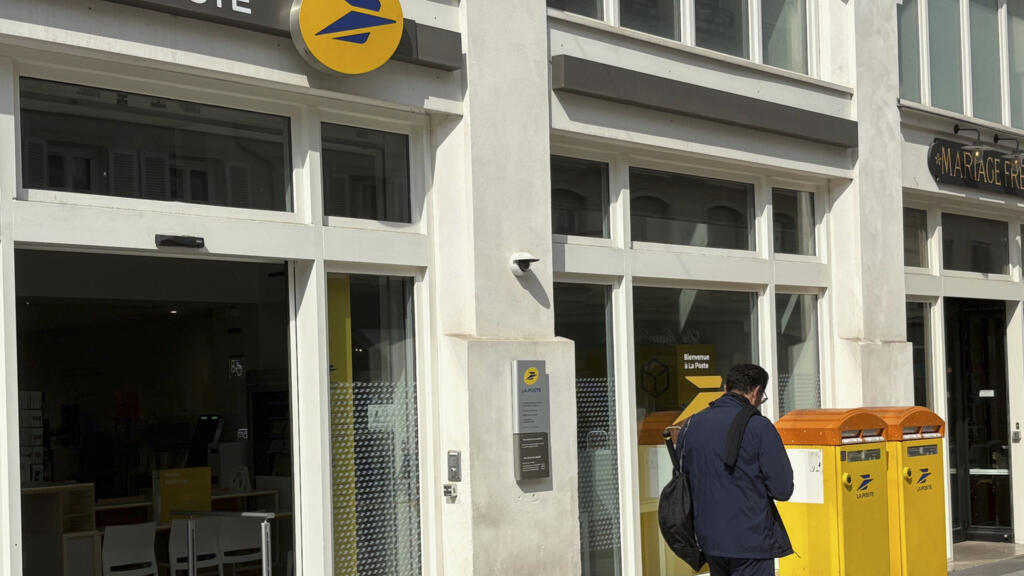
An office of France's national postal service, La Poste, in Paris. The group has been the target of a cyberattack that has knocked out its website and delayed parcel delivery, days before Christmas. © Masha Macpherson/AP

La Poste was targeted by a distributed denial of service (DdosS) attack on Monday, which overwhelmed its servers with targeted requests so that they become inaccessible.

The group said that this has had no impact on customer data, but it has “rendered its online services inaccessible”, disrupting package delivery days before Christmas, the busiest time of the year for La Poste.

Sending letters and greeting cards is still possible, but anything requiring tracking or access to the computer systems is not.

Customers of La Banque Postale can no longer access their online banking application, although “card payments on in-store payment terminals and transfers via WERO remain available”.

Online payments are still possible using SMS authentication, and banking transactions can be carried out at post offices, as well as cash withdrawals from ATMs.

"Our teams are mobilised to resolve the situation quickly,” the bank said in messages posted on social networks.

Other attacks

There was no immediate claim of responsibility for the attack.

It comes a week after a group of hackers targeted the email servers of the French interior ministry, compromising files containing criminal records .

A known hacker has been detained in connection to the attack, which Interior Minister Laurent Nuñez said was the result of “carelessness” and poor “digital hygiene” within the ministry.

Last week, prosecutors said the counter-intelligence agency was investigating a suspected cyberattack involving software that allegedly would have allowed remote control of a ferry operating between France, Italy and North Africa.

Nuñez strongly suggested that Russia was involved, stating that “foreign interference very often comes from the same country”, although no official attribution has been made.

France and other European countries that support Ukraine have accused Russia of waging a hybrid war through cyberattacks, disinformation, sabotage and other hostile actions.

(with newswires)


Trump-backed Nasry Asfura declared winner of Honduras presidency

Tegucigalpa (AFP) – Nasry Asfura, a conservative businessman backed by US President Donald Trump, was declared winner of the Honduran presidential vote Wednesday, weeks after a razor-thin election marred by delays and allegations of fraud.


Issued on: 24/12/2025 -RFI

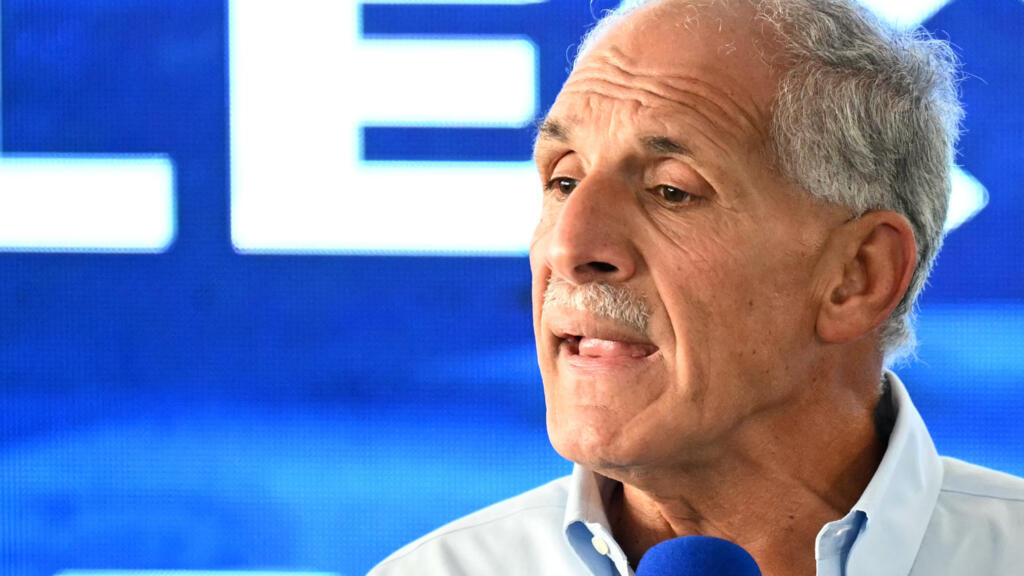
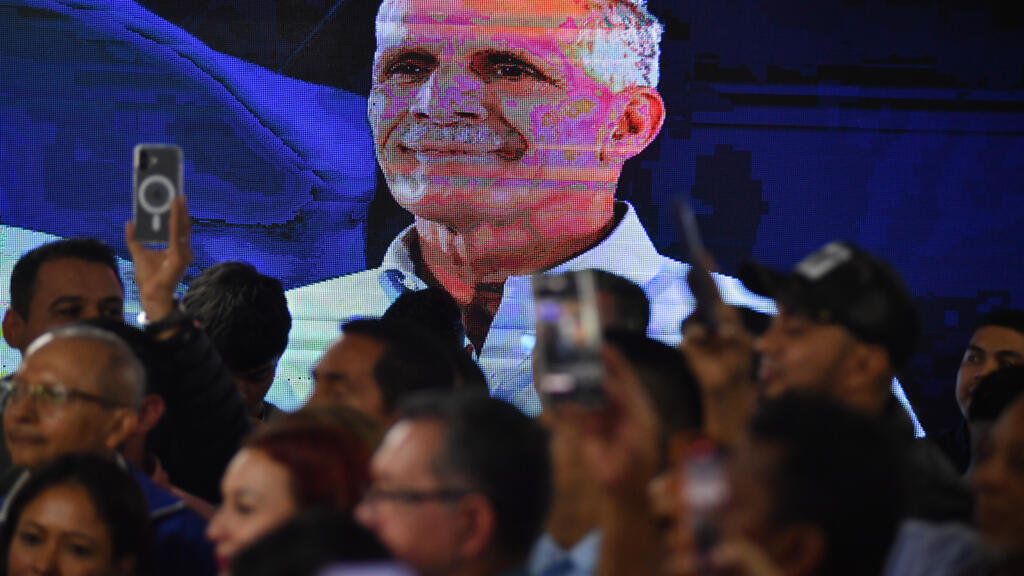
Honduran presidential candidate Nasry Asfura has been declared winner in a razor tight election where he had US President Donald Trump's support © Orlando SIERRA / AFP

Asfura, a 67-year-old son of Palestinian immigrants, defeated fellow conservative TV personality Salvador Nasralla, who had demanded a full recount due to alleged irregularities.

The plenary session of the national electoral council CNE "declares Nasry Juan Asfura Zablah elected for a four-year term," the council's president Ana Paola Hall said.

"Honduras: I'm ready to govern, I won't let you down," Asfura posted to X after the win was declared, thanking election officials for validating his victory.

Asfura prevailed with just 40.1 percent of the vote, narrowly beating Nasralla at 39.5 percent, according to the official results.

Rixi Moncada, a lawyer from the leftist Libre Party, which currently runs the government, trailed in third with 19.2 percent.

Within minutes of the result declaration, the United States welcomed the election of Asfura, saying it would help stop illegal immigration.

"We look forward to working with his incoming administration to advance our bilateral and regional security cooperation, end illegal immigration to the United States, and strengthen the economic ties between our two countries," Secretary of State Marco Rubio said in a statement.

Following the lengthy counting process in the Central American country's election, Rubio called on all sides to "respect the confirmed results so that Honduran authorities may swiftly ensure a peaceful transition of authority."

Asfura's new term begins on January 27.


Tensions

The result was announced more than three weeks after the November 30 vote. The wait for the results has caused tensions among Hondurans, and the sluggish count has been accompanied by claims of irregularities and voter fraud.

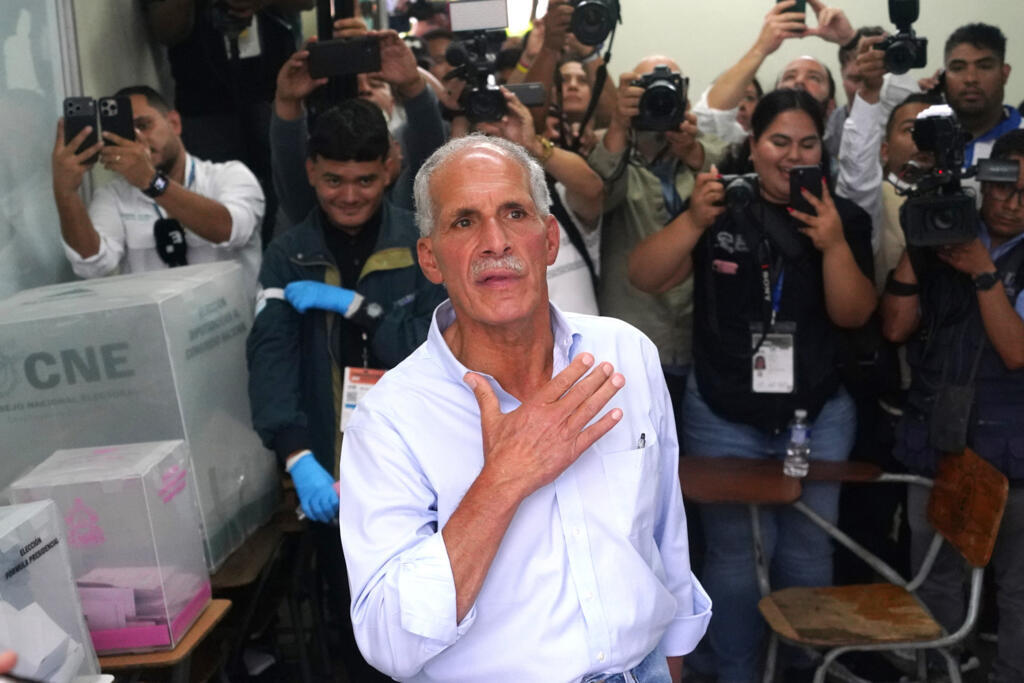
Honduras president-elect Nasry Asfura, seen here after voting in Tegucigalpa on November 30, 2025, was declared the winner following a weeks-long recount process that raised tensions and triggered claims of fraud © Johny MAGALLANES / AFP/File

The recount of nearly 2,800 tally sheets with suspected inconsistencies was pored over by hundreds of electoral staff and political delegates to determine the winner.

The CNE had had until December 30 to declare a winner.

Last week, thousands of supporters of the leftist Libre Party of outgoing President Xiomara Castro staged a demonstration in the capital Tegucigalpa to protest what they consider "fraud" in the vote.

On the eve of the election, Trump in a surprise move pardoned former Honduran president Juan Orlando Hernandez, a member of Asfura's party who was serving a 45-year prison sentence in the United States for drug trafficking.

Extradited by Honduras to face justice in the United States, Hernandez insists he had been set up by the previous administration of US president Joe Biden because of his conservative policies.

The pardon was widely seen as contradicting Trump's crackdown on alleged drug traffickers in Latin America.

Trump also endorsed Asfura, saying they could "work together to fight the narcocommunists," and warned "there will be hell to pay" if the conservative candidate's razor-thin lead was overturned in the count.


© 2025 AFP

'At your service!' Nasry Asfura becomes Honduran president-elect

Tegucigalpa (AFP) – It took longer than expected, but Nasry Asfura has gone from businessman to mayor to president-elect of Honduras, carrying the blessing of US President Donald Trump who has described him as a "friend of freedom."


Issued on: 24/12/2025 - RFI
\
Honduras president-elect Nasry Asfura's business and political career has been clouded by allegations of graft, though he has never been prosecuted © Marvin RECINOS / AFP

Capping a career shadowed by corruption claims, but never prosecuted, the 67-year-old conservative ascended to the Central American country's top job on his second attempt, having lost out to leftist Xiomara Castro in 2021.

More than three weeks after the election, Asfura held his razor-thin edge and was declared the winner Wednesday over fellow conservative Salvador Nasralla, a 72-year-old TV star, by the plenary session of the national electoral council.

Asfura rose to the top as the head of the right-wing National Party (PN), which was tainted by the US imprisonment of a former leader, Juan Orlando Hernandez, for drug trafficking.

Hernandez, however, walked out of prison a free man in early December after receiving a pardon from Trump, who embraced Asfura as an ally in the fight against "narcocommunists."

"The only real friend of freedom in Honduras is Tito Asfura," Trump had written on Truth Social, referring to the politician by his nickname.

He added: "Tito and I can work together to fight the Narcocommunists, and bring needed aid to the people of Honduras" -- one of Latin America's most impoverished and violent countries.

Asfura returned the PN to power, leaving the ruling leftist party out in the cold in a region where voters tired of hardship and crime have been punishing incumbent parties.
'Nothing to hide'

Asfura, a former two-time mayor of the capital Tegucigalpa, ran a campaign with promises to "save democracy" from the left, which the Latin American right associates with authoritarian regimes in Cuba, Nicaragua and Venezuela.

He claims to lead a "renewed" party and has denied links to Hernandez, though after Trump's pardon, he expressed hope it would "bring hope and peace of mind to the family" of the former president.

The son of Palestinian immigrants, Asfura was born on June 8, 1958, in Tegucigalpa.

He studied civil engineering at the National University but dropped out to start what would become one of the country's largest construction companies.

Later, as mayor, he was credited with building bridges, tunnels, and other infrastructure to ease congestion in the city of over a million inhabitants.

He was also accused of embezzling municipal funds, but the Supreme Court decided not to send the case to trial.

Asfura was later mentioned in the 2021 "Pandora Papers" list of offshore companies used to evade taxes, but was never charged.

"I owe nothing, I fear nothing. I have nothing to hide," he once asserted.
'Work and more work'

Grey-haired and mustachioed, Asfura is reputed to be a hard worker. He usually wears a light blue shirt, jeans, and dusty boots.

In his speeches, he promises "work and more work" for Hondurans, to develop infrastructure, and to attract investments to generate employment.

Those who know him say he is passionate about music and a man of few words but much action.

He greets supporters who approach him with his trademark phrase: "At your service!"

Asfura has described himself as "allergic" to smartphones, preferring to use a landline, and has not embraced social media campaigning.

He is married to Lissette del Cid, with whom he has three daughters and three grandchildren.

© 2025 AFP

French scientists turn waste carbon into fuel using new catalyst

French researchers have developed a breakthrough technology that could help tackle climate change whilst creating useful fuels from industrial waste. Dhananjay Khadilkar has this report.


Issued on: 17/12/2025 - RFI

Morning sunlight over Frankfurt’s banking district. The World Meteorological Organisation says record carbon dioxide levels in 2024 signal worsening long-term climate impacts. AP - Michael Probst
12:36


By: Dhananjay Khadilkar

A team at the Collège de France in Paris, led by Professor Marc Fontecave, has created a special catalyst - a material that speeds up chemical reactions - that can convert carbon into alcohols like ethanol and propanol. These alcohols can be used as vehicle fuels or to make plastics and other products.

The process works by first capturing carbon dioxide, the main greenhouse gas warming our planet, from factories or even directly from the air.

Record surge in CO2 puts world on track for more long-term warming

This CO2 is then converted into carbon monoxide, which the new catalyst transforms into useful fuels using electricity. When this electricity comes from renewable sources like wind or solar power, the entire process becomes carbon-neutral.

The catalyst is made from copper, with tiny amounts of silver and gold added to improve its performance. It's particularly good at producing propanol, which is valuable both as a fuel and for making plastics.

The research, conducted in partnership with energy company TotalEnergies, was published in the journal Nature Materials in March 2025

It represents an important step towards creating "e-fuels", synthetic fuels made using renewable electricity, which could help reduce our dependence on fossil fuels.
Nairobi sounds alarm over recruiters luring Kenyans into Russian war effort

Kenya has pledged to crack down on overseas recruitment networks after hundreds of its citizens were lured to Russia with promises of work, only to be sent to military camps and, in some cases, the front line in Ukraine.


Issued on: 19/12/2025 - RFI

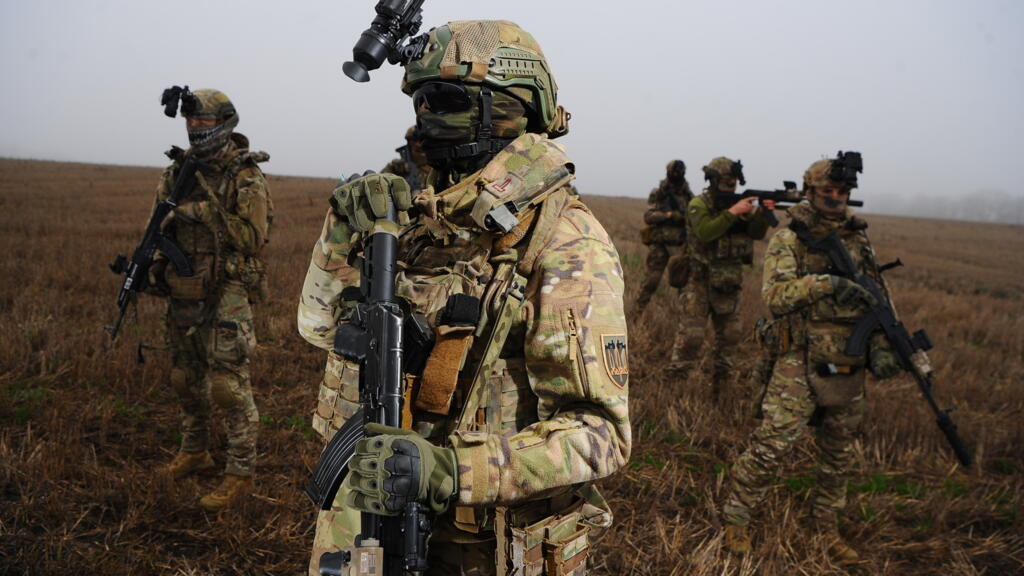
Soldiers at a training ground near Kupiansk, in the Kharkiv region of Ukraine, on 9 November 2025. © AP - Anatolii Lysianskyi

The government announced this week that 18 Kenyans who had been sent to fight on the Ukrainian front had been repatriated from Russia as part of a diplomatic push to assist Kenyans who have found themselves trapped in Russian military camps.

More than 200 Kenyans may have joined the Russian military, including some former members of the country's security forces, Foreign Minister Musalia Mudavadi said in a briefing last month.

“It is estimated that recruitment networks are still active in both Kenya and Russia,” he warned, adding that Kenya’s embassy in Moscow had documented cases where recruits were injured – some seriously.

Crackdown on recruitment agencies

The government has now promised tighter oversight of recruitment agencies that offer jobs abroad. Mudavadi said all such recruiters must be registered with Kenya’s National Employment Authority, noting that around 600 agencies have already been struck off the approved list.

Anti-trafficking groups have been calling for tougher action. Paul Adoch, director of the NGO Trace Kenya, says the phenomenon is neither new nor limited to combat roles.

“We have been seeing these departures to Russia for three years now,” he told RFI.

Before men were sent to the front lines, he said, young women were being recruited under false pretences to work in factories making military equipment.

The US State Department’s 2025 report on human trafficking cites reports of Kenyan women aged between 18 and 22 who believed they were heading for vocational training, only to end up working in Russian drone factories.

Adoch is calling for comprehensive legislation to regulate migrant labour. A draft law was submitted to parliament last year, but has yet to be debated.

Lured by promises


The Foreign Ministry has received reports of agents fraudulently convincing victims to sign contracts by promising to pay the equivalent of €15,000 for visas, travel and accommodation.

Leaked diplomatic cables exchanged between the ministry and Kenya’s embassy in Moscow, published in the Daily Nation newspaper earlier this week, paint a picture of how recruitment networks operate.

In one case, a man said he thought he had secured a job in meat processing in Russia. Recruited by a Nairobi-based agency, he paid 30,000 Kenyan shillings – less than €200 – to obtain a Russian visa within a week. The entire process was handled through WhatsApp.

On arrival in Moscow, he was taken to a military training camp and later deployed to Ukraine.

While he is among a handful of Kenyans who have been repatriated with the help of the embassy, at least 82 others are believed to remain stranded in Russia.

According to the cables, Kenyan nationals have been sent to camps in Belgorod, Saint Petersburg, Rostov-on-Don and Istra. Many recruits have no military background and receive less than a week of training before being sent to fight.

Four ended up in hospitals in Moscow, including for fractures and amputations.

Martin Macharia Mburu, a man from north of Nairobi who believed he was going to work as a chauffeur, is believed to be the first Kenyan officially recorded dead in the fighting in Ukraine, according to the Nation's sources. He was reportedly killed at the end of October on the front in Lyman.

African recruitment pool

In September, Kenyan police raided a housing complex outside Nairobi where 21 people were found allegedly being readied for deployment to the front line. A Russian suspect was arrested.

Kenyan officials say they have since raised the issue of fraudulent recruitment with Moscow.

Kenya is not the only country affected. A Ukrainian intelligence report published last year said Moscow had recruited foreign nationals from Somalia, Rwanda, Burundi, Congo and Uganda as well as Nepal, India and Cuba, while nationals of several more countries have spoken to the media about their ordeal.

According to the French Institute of International Relations (Ifri), African countries are fertile ground for Russian recruiters. Sub-Saharan Africa in particular represents "a vast and easily accessible recruitment pool due to high poverty rates in most countries in the region combined with a strong desire to emigrate", the think tank said in a report released on Thursday.

RFI spoke to one Cameroonian who thought he was going to Russia to work as a caretaker and ended up on the Ukrainian front.

"What I want is to mobilise the Africans who are travelling to Russia, so that they understand that they are being used. I want to tell people what's going on... so that it stops, so that Africans stop coming here to die," he said.

"We come here to die in a war that we don't know where it came from or why it started."

This story was adapted from the original in French by RFI correspondent Gaëlle Laleix.