‘Carol of the Bells': Christmas, Ukraine’s resistance and the fight for freedom’
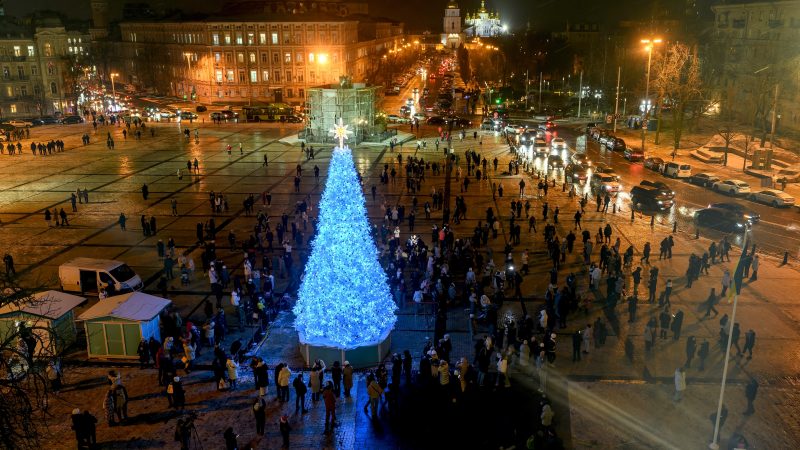
Christmas is a time for carols, music, happiness and goodwill to all people.
One of the most beautiful of all the Christmas songs is the Carol of the Bells which has become internationally popular. It symbolically resonates the sound of the church bells of Eastern orthodox churches.
December is also the 150th birthday of its Ukrainian composer Mykola Leontovych. He adapted an ancient Ukrainian folk song about a New Year’s Eve swallow flying into a house and wishing the family good will and prosperity. The song’s original name is “Schedryk” which means generosity. Leontovych composed the song whilst living and working in Pokrovsk in the Donetsk oblast of Ukraine.
This December Ukrainians will be celebrating Christmas for the third time during the war started by Putin’s illegal invasion. Pokrovsk has become symbolic of their resistance to Russia and their struggle for independence, freedom and democracy.
READ MORE: ‘Britain’s G20 Presidency is Labour’s chance to lead a global reset’
Each night, Russia attacks civilian targets. As temperatures plummet often to below 20 degrees centigrade it launches inter ballistic missiles and Shahid drones to attack energy infrastructure in an attempt to terrorise the population into submission.
Pokrovsk is all but destroyed. A fortnight ago Putin announced that Ukraine was losing the “three day special military operation” and that he had captured the key Ukrainian city of Pokrovsk. Of course this was Russian propaganda being used to influence purported peace discussions between Trump and Ukraine. A week later Ukrainian forces expelled the Russian infiltrators capturing hundreds of Russian prisoners.
As the Russian economy stagnates, Putin is desperate to try and portray Ukraine as losing the war. The reality is different.
After almost three years of war they control only half the territory captured when they invaded in February 2022. They throw mainly ethnic minority soldiers, conscripted from the extremities of the Russian Federation, into the frontline known as the meatgrinder. To date they have lost around one million two hundred thousand soldiers who have been killed or wounded. Ukraine, which has a very limited navy, has destroyed one third of the famed Black Sea Fleet. Just the other week naval drones destroyed a Russian submarine. In the extremities of the Russian Federation, Ukraine is destroying its financial lifeline, its oil and gas production facilities which have lost up to an estimated 37 per cent capacity. Inflation, arrears of wages and economic stagnation increases month by month in Russia.
For Ukrainians the situation is also incredibly difficult. The cold; erratic energy supply; continual air raid warnings; daily attacks on schools, hospital and civilian accommodation; children attending school in underground bunkers.
Earlier this week I had messages from friends and family in various parts of Ukraine. From the Eastern city of Pavlograd they report drone attacks near where we stayed and loss of electricity. From Kyiv regular losses of electricity and hundreds of drone attacks. From the East fighting and losses on the front line.
Yet all carry the same message. They curse the Russians, but declare that they will never give up. They will not submit to becoming part of a Russian empire.
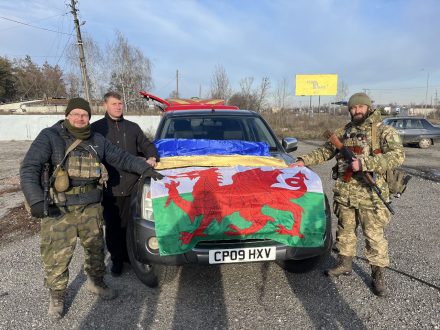
A family member of mine on the front line tells me how he lost his best friend and it took three days to recover the body because of Russian shelling and drones. In October our Senedd cross party group Friends of Ukraine delivered a four by four pick up vehicle to his unit with medical supplies and power banks. He thanked us. He said it is the support from abroad that raises their morale and gives them the inspiration to carry on fighting, knowing they are not alone.
So in February we will drive to Kyiv to deliver another six vehicles and supplies bringing our total to 55 and over a million pounds of humanitarian supplies.
It is difficult to describe in words the Ukrainian’s bravery and determination. But for them, this is a war of survival.
For Europe they are the front line defenders of democracy. We all watch and listen carefully to the ‘peace’ discussions taking place and Trump’s betrayal and realignment with Russia with disbelief. It is now up to Europe to stand alone and defend European democracy. Were Ukraine to fail, then the next in line will be the Baltic states, Moldova, Poland. Europe may at last have woken up to the fact that America can no longer be relied upon and that there is a new and aggressive fascism that has arisen in Russia that owes no allegiance to democracy, human rights or the rule of law.
All over Ukraine, despite the missiles, bombs and drones, there are Christmas trees, Christmas lights (when energy supplies allow) and the sort of celebrations we see all over Europe. Ukrainians have a tradition of going from house to house, carrying a Yule star singing carols old and new. Among the songs they sing will be Mykola Leontovich’s “Schedryk”.
So as we in Wales and the rest of the UK celebrate Christmas in the warmth of our homes and listen to ‘Carol of the Bells’ on our televisions and radio, give a thought to those Ukrainians in the freezing cold fighting to defend Pokrovsk, praying for peace but determined not to become slaves to Russia.

The Ukrainian “Shchedryk”: How “Carol of the Bells” Became a Song of Resistance
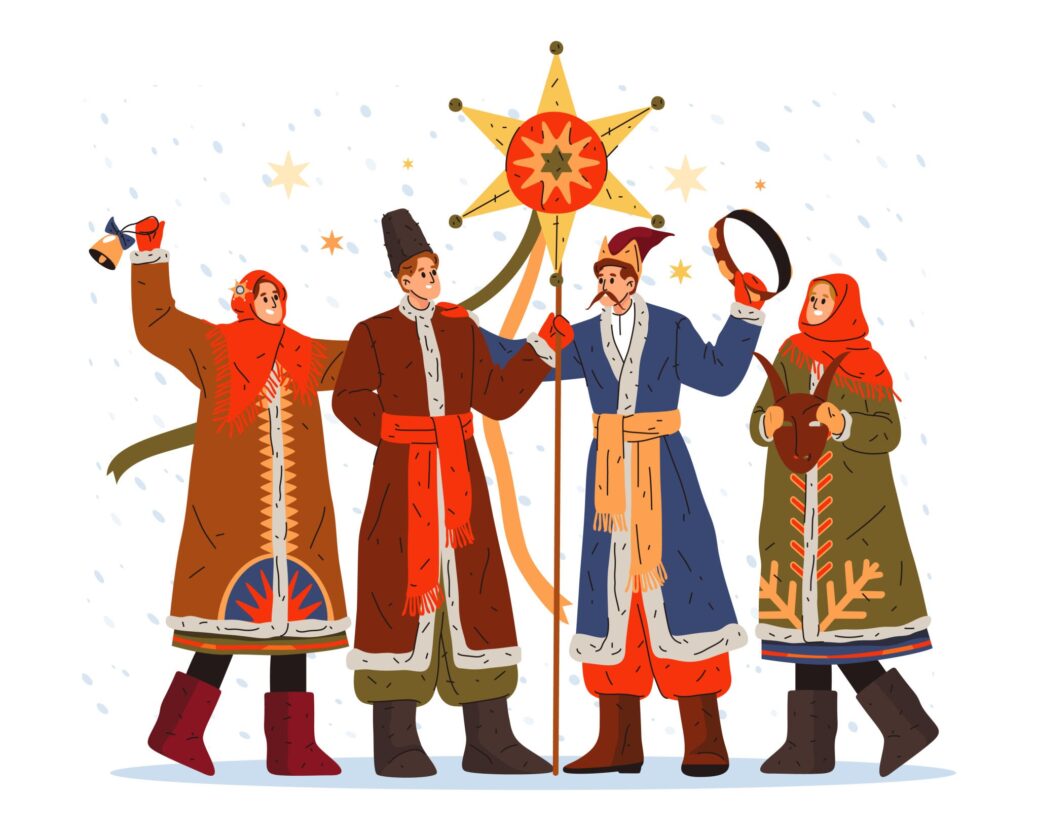
Every December, millions of people around the world hear the familiar melody of Carol of the Bells. Few know that this iconic tune is not American, not Western European—and not even originally a Christmas song.
Its true name is Shchedryk, a Ukrainian folk melody arranged over a century ago by composer Mykola Leontovych.
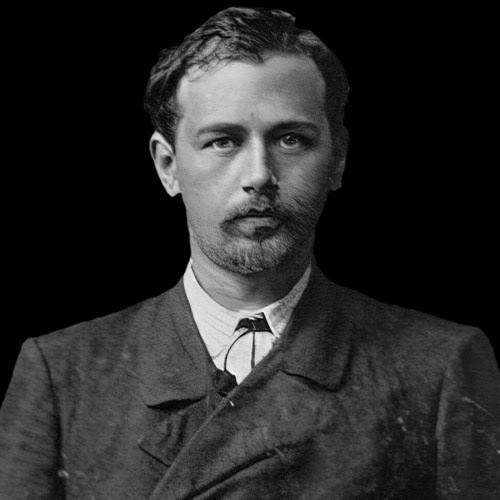
A Song Older Than the 20th Century
“Shchedryk” dates back more than 100 years and is rooted in Ukraine’s ancient folk traditions. The song tells a simple but powerful story: the turning of the seasons, the end of winter, and the arrival of spring. It is about renewal, abundance, and hope—the reassurance that light will ultimately defeat darkness.
Despite its modern association with Christmas, “Shchedryk” was never meant to celebrate the holiday. It was a song about survival, continuity, and faith in the future.
Those themes would later become tragically prophetic.
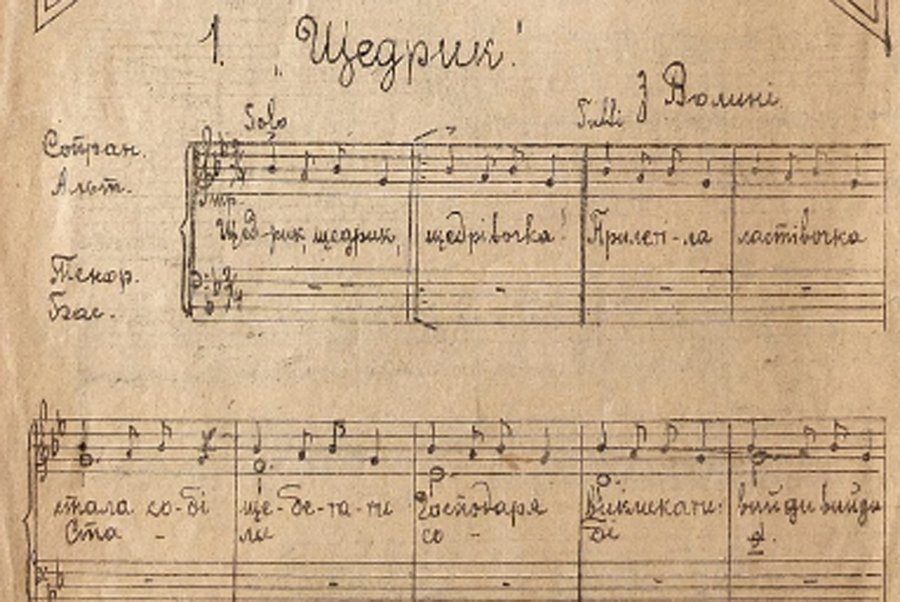
From Ukrainian Folk Song to Global Phenomenon
In the early 20th century, Ukrainian choirs toured Europe and North America, introducing “Shchedryk” to the world. In 1936, English lyrics were added, transforming the song into “Carol of the Bells.” The melody spread rapidly through films, concerts, and holiday traditions—often stripped of its Ukrainian origin.
While the tune became globally famous, its creator would not live to see its lasting legacy.
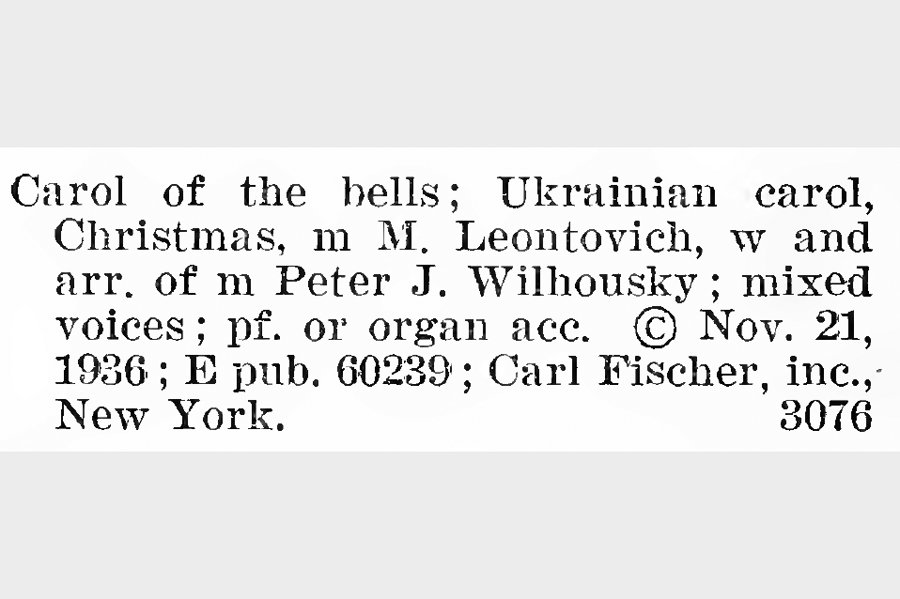
Murdered for His Culture
On January 23, 1921, Mykola Leontovych was murdered by an agent of the Soviet Union. He was just 43 years old.
His death was not an isolated crime. It was part of a broader campaign to eliminate Ukrainian cultural elites after Ukraine lost its independence in 1919. Composers, writers, poets, scientists, and artists were systematically targeted because Ukrainian culture itself was seen as a threat.
Imperial ideology dismissed Ukrainians as a “nation of peasants” incapable of producing high culture. “Shchedryk”—beloved, refined, and unmistakably Ukrainian—directly contradicted that myth.
A Genocide That Did Not End
The destruction of Ukrainian culture did not stop in the 1920s.
Today, history is repeating itself. In territories occupied by Russia, Ukrainian writers, actors, musicians, and cultural figures have been detained, tortured, or executed. Libraries and theaters are destroyed. Ukrainian language and identity are suppressed.
Many artists have laid down their instruments and taken up weapons—not because they want war, but because they refuse to let genocide happen again.
Why Ukrainians Fight
Ukrainians fight not only for land or borders, but for memory, dignity, and the right to exist as a people with a culture of their own.
That is why “Shchedryk” matters.
The next time you hear “Carol of the Bells,” remember:
this melody was born in Ukraine.
It is a song about light defeating darkness.
And its story is still being written.