Hundreds, if not thousands, of techies on H-1B work permit are stranded in India after their visa interviews got postponed. Amazon has made a rare exception to its strict 5 days in office rule for these professionals. Any Amazon employee in India as of December 13, awaiting a rescheduled visa appointment, has been allowed to work remotely until March 2, reported Business Insider.
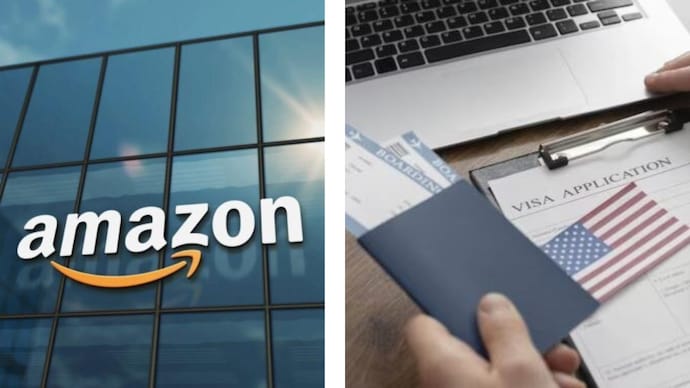
Amazon has decided to allow limited remote work for stranded employees amid H-1B visa crisis. (Image:File)
India Today World Desk
New Delhi,
Jan 2, 2026
Written By: Shounak Sanyal
There is relief for some of the Indian techies on H-1B stranded in India after their visa interviews got postponed by months. Amazon has offered temporary relief to H-1B tech workers stranded in India by allowing them to work from home, breaking its strict office attendance rule amid mounting visa delays, according to a Business Insider report.
The Amazon decision, outlined in an internal memo reviewed by Business Insider, applies to US-based employees who were in India as of 13 December and are awaiting rescheduled H-1B or H4 visa appointments. Under the policy, eligible employees can work remotely from India until second March 2026.
WHY AMAZON HAS ALLOWED TEMPORARY REMOTE WORK FROM INDIA
The move marks a rare relaxation of Amazon’s return to office mandate, which requires employees to work from the office five days a week. The relief comes as visa backlogs leave hundreds of foreign workers unable to return to the US after travelling abroad for visa renewals.
However, Business Insider reported that the work-from-home permission comes with sweeping restrictions. Employees working remotely from India are not allowed to do any coding, including testing, troubleshooting or documentation. They are also barred from making strategic decisions, managing products, negotiating or signing contracts, interacting with customers or supervising Amazon staff in India. All final reviews, approvals and sign-offs must be completed outside India.
Amazon told Business Insider that these restrictions were required to comply with local laws and that no exceptions would be made. Employees are also prohibited from working from or visiting Amazon offices or facilities in India and must operate only from a residential or non-Amazon location.
AMAZON AMONG BIGGEST USER OF H-1B VISA PROGRAMME
Although Amazon is not the only tech company affected by the H1B crisis, it is among the largest corporate users of the programme. During the 2024 US fiscal year, Amazon filed 14,783 certified H1B applications, underlining its reliance on foreign skilled workers for core roles. Other major firms such as Google, Microsoft and Apple have also issued travel advisories warning visa holders against international travel.
The limitations have triggered frustration among technical staff. One Amazon software engineer told Business Insider, "Seventy to eighty percent of my job is coding, testing, deploying, and documenting", tasks that are now prohibited while working remotely from India. Amazon has not clarified what options will be available for employees whose visa appointments extend beyond March or for those stranded in countries other than India.
Weighing in on the issue, the US Investor and Ed-Tech Chairperson was reported by Times of India as saying on X that Amazon had managed to "find a workaround for H-1B visa delays", while claiming this idea merely keeps stranded individuals on the company payroll instead of letting them do meaningful work.
Written By: Shounak Sanyal
There is relief for some of the Indian techies on H-1B stranded in India after their visa interviews got postponed by months. Amazon has offered temporary relief to H-1B tech workers stranded in India by allowing them to work from home, breaking its strict office attendance rule amid mounting visa delays, according to a Business Insider report.
The Amazon decision, outlined in an internal memo reviewed by Business Insider, applies to US-based employees who were in India as of 13 December and are awaiting rescheduled H-1B or H4 visa appointments. Under the policy, eligible employees can work remotely from India until second March 2026.
WHY AMAZON HAS ALLOWED TEMPORARY REMOTE WORK FROM INDIA
The move marks a rare relaxation of Amazon’s return to office mandate, which requires employees to work from the office five days a week. The relief comes as visa backlogs leave hundreds of foreign workers unable to return to the US after travelling abroad for visa renewals.
However, Business Insider reported that the work-from-home permission comes with sweeping restrictions. Employees working remotely from India are not allowed to do any coding, including testing, troubleshooting or documentation. They are also barred from making strategic decisions, managing products, negotiating or signing contracts, interacting with customers or supervising Amazon staff in India. All final reviews, approvals and sign-offs must be completed outside India.
Amazon told Business Insider that these restrictions were required to comply with local laws and that no exceptions would be made. Employees are also prohibited from working from or visiting Amazon offices or facilities in India and must operate only from a residential or non-Amazon location.
AMAZON AMONG BIGGEST USER OF H-1B VISA PROGRAMME
Although Amazon is not the only tech company affected by the H1B crisis, it is among the largest corporate users of the programme. During the 2024 US fiscal year, Amazon filed 14,783 certified H1B applications, underlining its reliance on foreign skilled workers for core roles. Other major firms such as Google, Microsoft and Apple have also issued travel advisories warning visa holders against international travel.
The limitations have triggered frustration among technical staff. One Amazon software engineer told Business Insider, "Seventy to eighty percent of my job is coding, testing, deploying, and documenting", tasks that are now prohibited while working remotely from India. Amazon has not clarified what options will be available for employees whose visa appointments extend beyond March or for those stranded in countries other than India.
Weighing in on the issue, the US Investor and Ed-Tech Chairperson was reported by Times of India as saying on X that Amazon had managed to "find a workaround for H-1B visa delays", while claiming this idea merely keeps stranded individuals on the company payroll instead of letting them do meaningful work.
WHAT IS THE CRISIS AFFECTING THE H-1B VISA PROGRAMME?
The temporary relief reflects wider disruption caused by recent changes to the H-1B visa process under the Trump administration. A ban on third-country visa renewals and tighter screening measures, including mandatory reviews of applicants' social media activity, have significantly slowed processing times.
As a result, US embassies and consulates have pushed visa appointments back by several months or even years. In some cases, interviews scheduled for December 2025 were postponed to late 2026. These delays have left hundreds, and possibly thousands, of H-1B professionals stranded in their home countries after travelling for visa stamping, forcing companies to adopt stopgap measures to keep operations running.
- Ends